

Clothing Choices That Prevent Chafing, Hot Spots, and Fatigue

The right clothing can do more than improve comfort. Find out how fabric, fit, and layering help reduce chafing, hot spots, and the kind of fatigue that builds through the day.
There are days when people say they feel tired, but what they really mean is that their bodies were irritated for hours and never quite recovered.
Usually, it starts low. A shirt rubbing under the arm. Shorts that feel normal for an hour, then start creeping up. Underwear that holds sweat. A waistband that becomes more noticeable every time you bend, sit, stand, walk, or do anything at all. By the time evening comes, the whole body feels more tired than it should. Not because the day was dramatic. Because it was repetitive.
That is the part I think people miss when they talk about fatigue. They jump straight to sleep, stress, age, diet, maybe caffeine, maybe some vague idea of low motivation. Fair enough. Those things matter. But sometimes the body is simply stuck inside the wrong clothes for too long, and the irritation keeps nibbling away at energy until the person starts calling it tiredness.
So yes, clothing choices that prevent chafing matter. More than most people think. Not in a fashionable way. In a very physical, boring, practical way.
It Usually Starts With Friction, Not With Some Big Health Mystery

Hot spots are rarely mysterious. They show up where the body keeps repeating the same contact.
Inner thighs. Underarms. Around the chest. Around the waistband. Around the feet. Sometimes, even the neck or shoulder area if clothing or gear shifts a lot during movement. Same logic every time: something rubs, moisture gets involved, the body keeps moving, and what was minor stops feeling minor.
That is why some discomfort feels bigger at hour six than it did at hour one. Not because the fabric changed. Because repetition changes the experience.
A bad seam is a good example. On paper, it is just a seam. In real life, if it hits the same patch of skin over and over again, the skin starts to lose patience. Same with tags. Same with rough edges. Same with fabric that bunches in one place and never settles down. People often call this “sensitive skin,” which may be true sometimes, but other times the problem is simpler than that. The clothing is doing a bad job.
Sweat makes everything worse. That part is hard to overstate. Once moisture sits against the body, friction becomes more aggressive. Heat gets trapped. Fabric stops gliding and starts dragging. A piece that seemed harmless in the morning can feel unbearable later, and the only real difference is that the body has been living in it long enough for the friction to build.
Some Fabrics Just Behave Better Once the Day Gets Real

A lot of people still reach for cotton by default because it feels familiar and soft enough when dry. I understand why. But when the body is moving, warming up, sweating, cooling down, then warming up again, cotton often stops being comfortable. It holds moisture. That is the real issue. Once it gets damp, it tends to stay damp, and then rubbing becomes much more noticeable.
This is where moisture-wicking fabrics earn their reputation. Nylon, polyester, and spandex blends usually do a better job because they help move sweat away from the skin. The point is not that synthetic fabric is perfect or that it solves every problem. It does not. It is just often better at one crucial thing: keeping the skin drier.
And dry skin usually handles movement better.
The same is true, maybe even more clearly, with underwear. Moisture-wicking underwear can make a very obvious difference in sensitive areas where trapped sweat quickly turns into friction. Once irritation starts there, people do not just feel uncomfortable. They start adjusting around it. Sitting differently, walking differently, thinking about it more than they want to. By late afternoon, they are describing the whole day as exhausting, when part of the exhaustion was simply the constant background effort of coping with bad contact points.
Softness matters too, but not in a vague luxury sense. Soft, breathable materials reduce harsh rubbing, and that matters when fabric stays against the skin for hours. Natural options like merino wool and bamboo blends can help here. They wick moisture reasonably well, regulate temperature better than people expect, and tend to feel gentler during long wear. That combination matters more than marketing copy ever explains properly.
Fit Matters, But Not in the Simple Way People Think

When people talk about fit, they often reduce it to one boring choice: tight or loose. That is not really it.
The real question is whether the clothing behaves properly once the body starts moving. Standing still in front of a mirror tells you very little. Plenty of things look fine when nothing is happening. The problems show up later, when you walk, stretch, bend down, sit for a while, stand up again, climb something, carry something, or spend enough time in motion for little flaws to start making themselves known.
That is when clothing starts revealing whether it was actually designed well.
Longer inseam shorts help because they reduce inner-thigh skin contact. That sounds almost too obvious, but it is true. Less contact there usually means less chafing. Compression shorts and leggings help for a similar reason. They keep things stable. The fabric moves less. The skin rubs less. There is less constant correction happening with every step. Some people hear “compression” and assume discomfort. In practice, good compression often feels calmer than loose clothing that keeps shifting around all day.
Seamless and tagless pieces help too. Not because they are trendy, but because they remove repeated sources of abrasion. If there is one small rough point and it touches skin often enough, eventually it stops being a small rough point. The body has no interest in philosophical arguments about whether the cause should count as minor.
Support garments matter in the same practical way. A properly fitted sports bra, for example, reduces excess movement and can help prevent rubbing under the arms or around the chest. More broadly, stable support reduces friction. That is the pattern again and again: less movement where you do not want movement, less rubbing where rubbing tends to become a problem.
The Link Between Chafing and Fatigue Is Less Strange Than It Sounds

I do not think every article about fatigue needs to become medical theater. Sometimes people are just tired. That is life. Still, there is a kind of tiredness that comes from being physically annoyed for too long.
That is real. Imagine a small hotspot on the inner leg. Nothing dramatic. Not enough to stop the day. Just enough that every step feels a little off. Maybe you shorten the stride slightly. Maybe the hips tense. Maybe the shoulders tighten too, just because irritation has a way of spreading upward through posture and mood. Hours later, the body feels heavier than it should. The workload may not have been extreme at all. But the body has spent the whole day compensating.
That compensation costs something. The same thing happens when clothing traps heat. A person feels sticky, then restless, then vaguely slower. Or when fabric keeps catching under the arm, and the upper body never quite relaxes. Or when underwear is wrong and every bit of walking becomes more annoying than it ought to be. None of these sounds life-changing on its own. Together, they can absolutely drain a person.
That is one reason fatigue symptoms and chafing can overlap in ordinary daily life. Not because friction causes every health problem on earth. It obviously does not. But because the body loses energy when it has to manage constant low-level interference. That interference may be physical, mental, or both. Usually both.
And once a person already feels tired, their tolerance gets worse. The same rough seam that might have been shrugged off on a good day suddenly feels impossible on a bad one.
Sometimes the Body Is Not Only Tired. Sometimes It Is Overmanaged

That is probably the best way to describe certain days. Overmanaged. The person is always adjusting something. Pulling fabric down. Shifting the waistband. Repositioning a layer. Thinking about heat. Thinking about sweat. Thinking about where the skin might start rubbing next. They are not just wearing clothes. They are managing clothes.
That management drains attention, and attention is part of energy, too.
A lot of what people call low motivation is sometimes just worn-out concentration. The body has been fielding a few complaints all day, and eventually, the brain gets tired of listening. Then the person starts describing the whole experience with words like tiredness, malaise, exhaustion, slow, off, and flat, which makes sense. Those words are not wrong. They are just a little broader than the original problem.
Of Course, Clothing Is Not the Only Cause of Fatigue

Still, I would not want to oversell it. Better clothing helps. It does not explain everything.
Fatigue has a wide range of causes. Sleep disorders are one. Stress is another. Poor rest in general. Diet. Alcohol. Too much caffeine is used as a patch rather than a tool. Inconsistent physical activity. Dehydration. Lifestyle habits that slowly wear the body down, even when a person keeps pretending they are functioning well enough.
These lifestyle factors matter because the body does not separate them neatly. Bad sleep plus poor clothing plus stress plus heat can feel like one big problem, even if it started as four smaller ones. A healthy diet helps. Regular movement helps. Maintaining a healthy weight can help some people move more comfortably, especially over long periods. Managing stress matters. Avoid alcohol when recovery is already poor, and the body usually thanks you for it, even if not immediately.
Then there is the medical side, and that should not be brushed away just because the article is about clothing.
Fatigue is a common symptom in many health conditions and medical conditions. Depression can bring it. Anxiety can bring it. Infections, allergies, medications, and other issues can do the same. Some drugs leave people tired or foggy. Some illnesses come with weakness, headache, trouble focusing, or a general sense that the body is not functioning normally. Chronic obstructive pulmonary disease can be associated with fatigue. Cancer and some treatments can as well. The American Cancer Society has written for years about fatigue as a serious and common symptom, and they are right to take it seriously.
So no, not every exhausted person needs better shorts. Sometimes they need diagnosis, treatment, rest, or a real medical conversation.
What Usually Helps First?

If chafing and tiredness are showing up together, I would start with the obvious things before trying to be clever.
Change the first layer. That is usually where the fastest improvement happens. Better underwear. Better base layers. Something that does not trap sweat and does not turn damp fabric into a second skin.
Then reduce friction where it tends to begin. Longer inseams. Compression where appropriate. Fewer harsh seams. No tags are scraping the same place all day. If there are known hotspots, anti-chafing balms or powders make sense before irritation starts. Waiting until the skin is already angry is just a slower way of learning the same lesson.
After that, look at the routine honestly. Are you eating well enough? Drinking enough water. Sleeping enough. Using caffeine to postpone the crash. Using alcohol in a way that cuts into recovery. Ignoring stress because it sounds too ordinary to count. Ordinary things count more than people like to admit.
Usually, the answer is not one thing. It is a combination that finally stops working against the body.
Think Less About Outfits, More About Systems

This is where good clothing begins to separate itself from random clothing.
A useful setup works as a system. The base layer manages moisture and reduces rubbing. The next layer adds protection without trapping too much heat. The overall fit allows movement instead of punishing it. Nothing twists for no reason. Nothing drags in one place. Nothing turns into a constant reminder that you are dressed badly for what the day requires.
Layering matters because days are rarely static. Temperature changes. Activity changes. Sweat changes. Wind changes. A piece that feels fine in one moment may stop working two hours later. A better system gives the body more room to adapt without discomfort spiking every time conditions shift.
Natural fibers like merino wool often fit that system well, especially close to the skin, because they regulate temperature and stay comfortable over long stretches. Bamboo blends can work too. Good synthetics have their place as well. It is not really about loyalty to one fabric. It is about whether the full combination lets the body move, breathe, and stay drier with less friction.
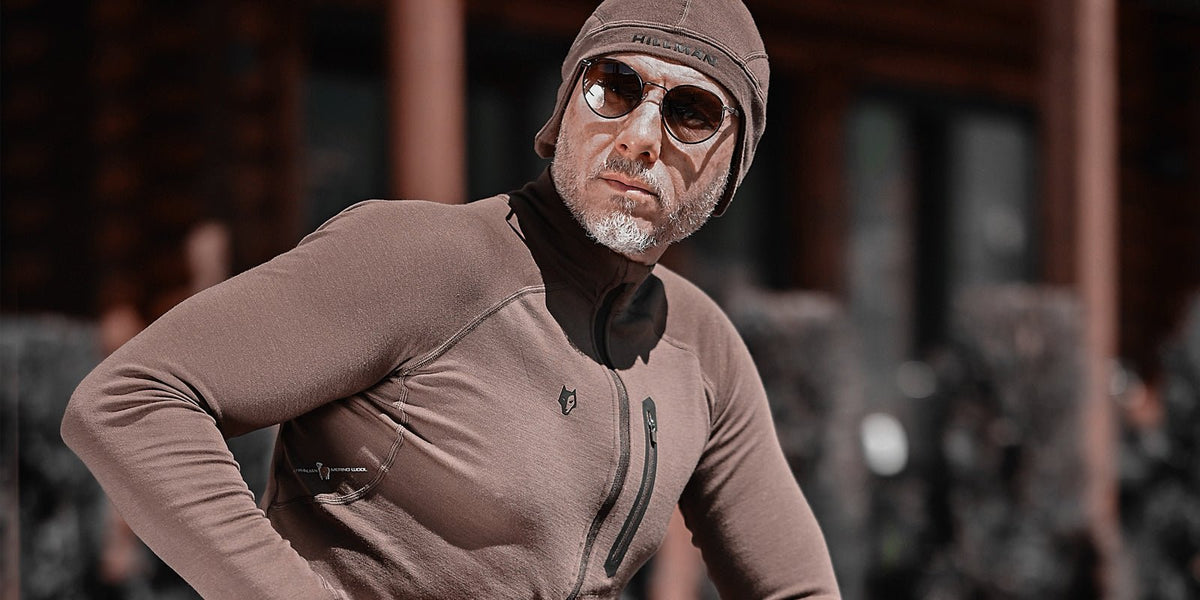
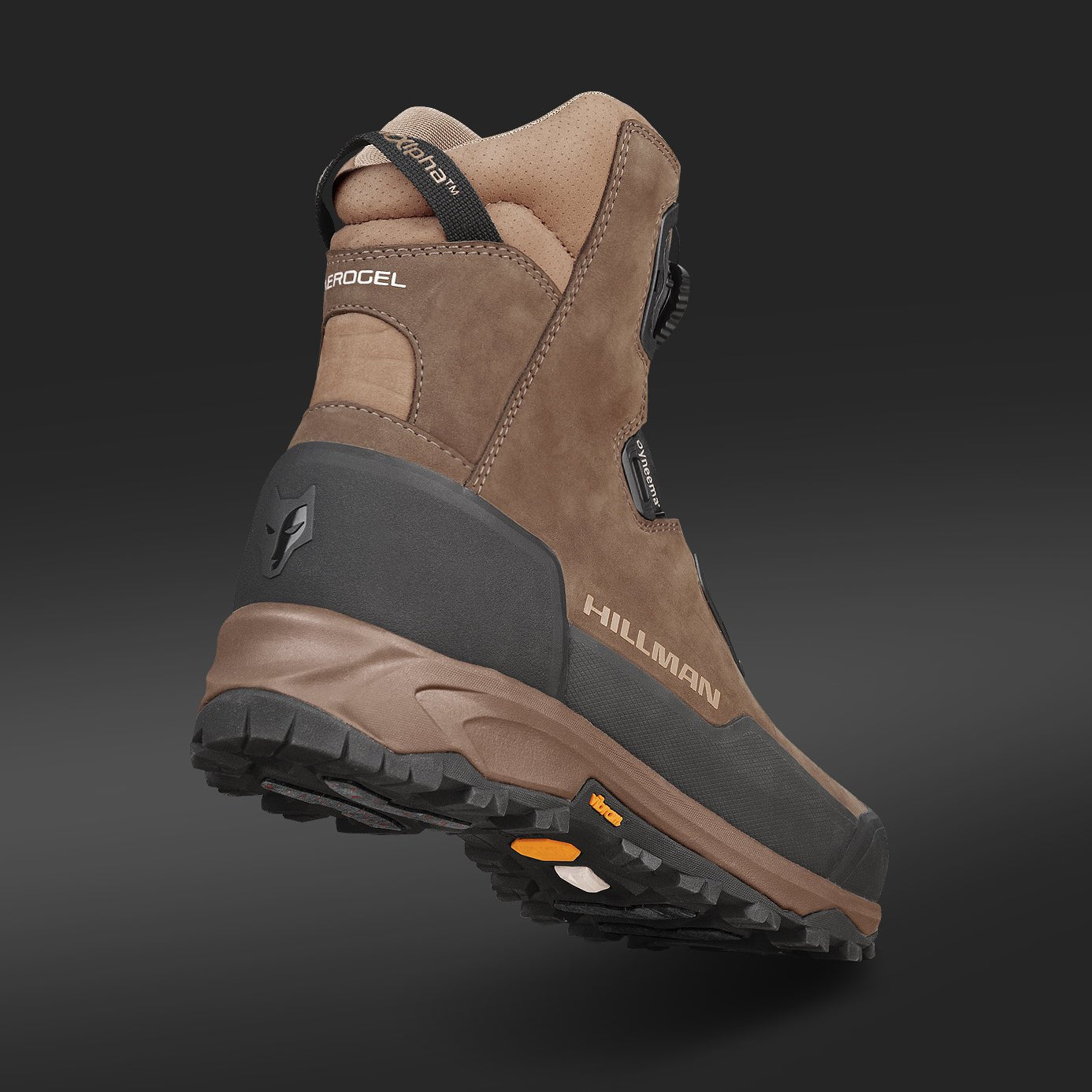
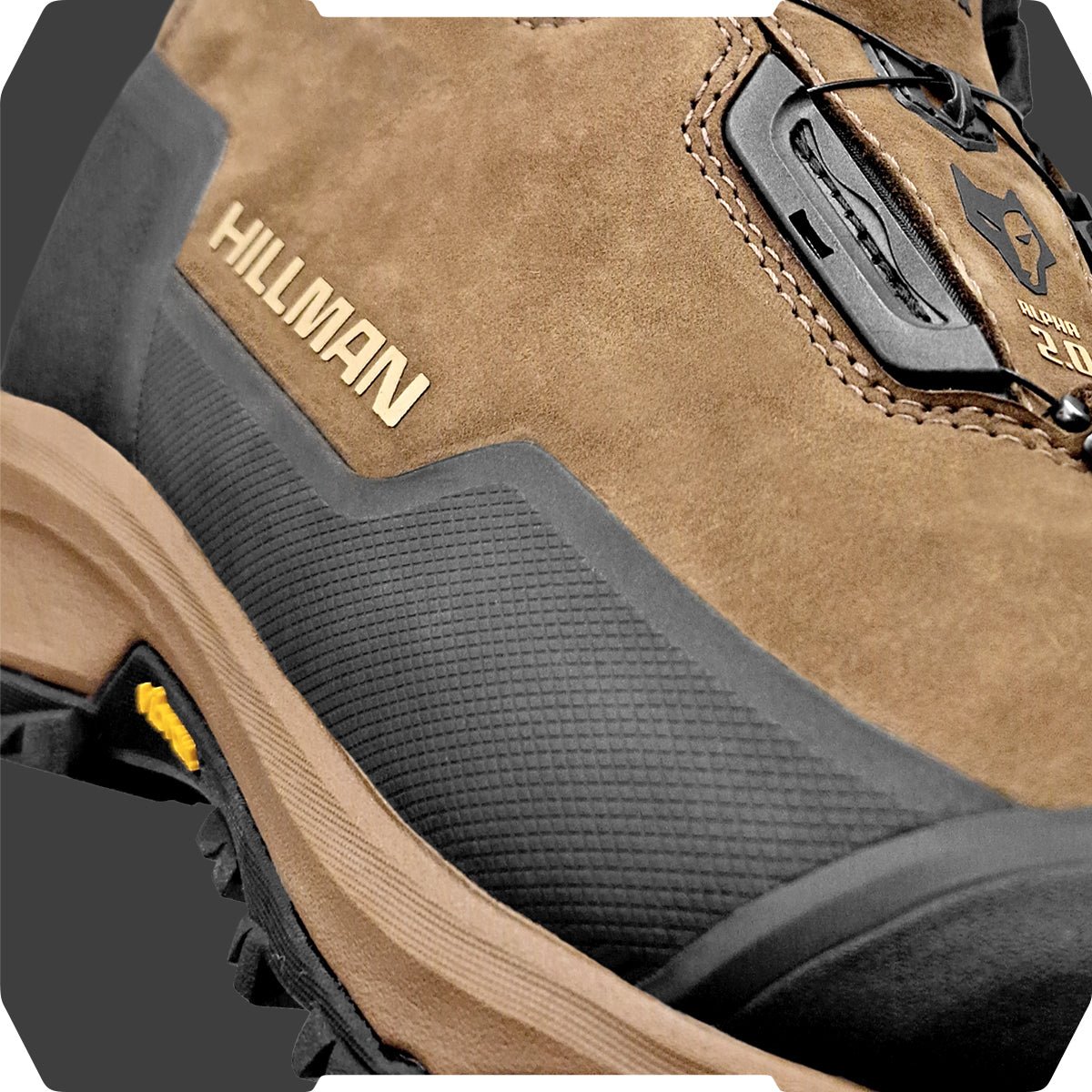
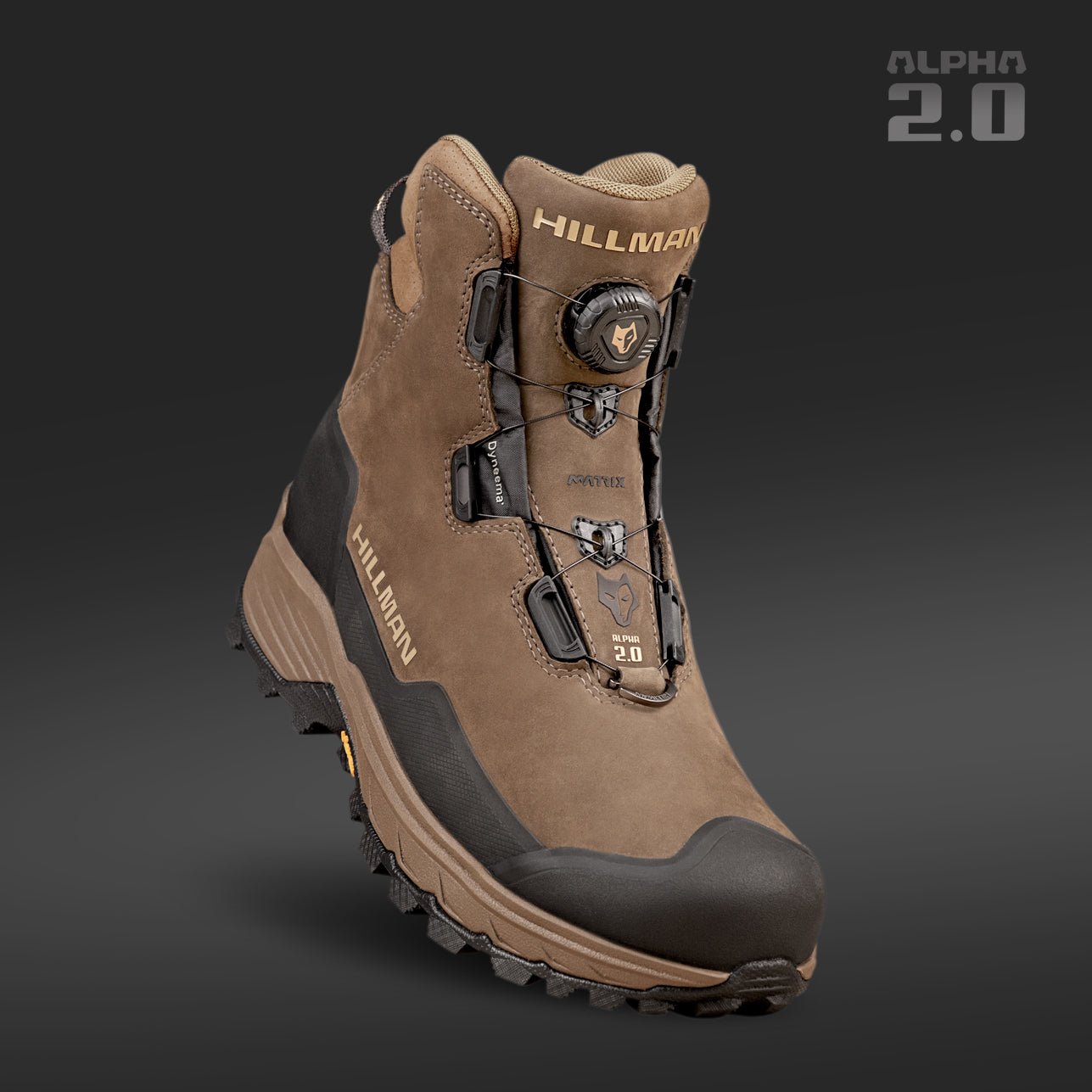
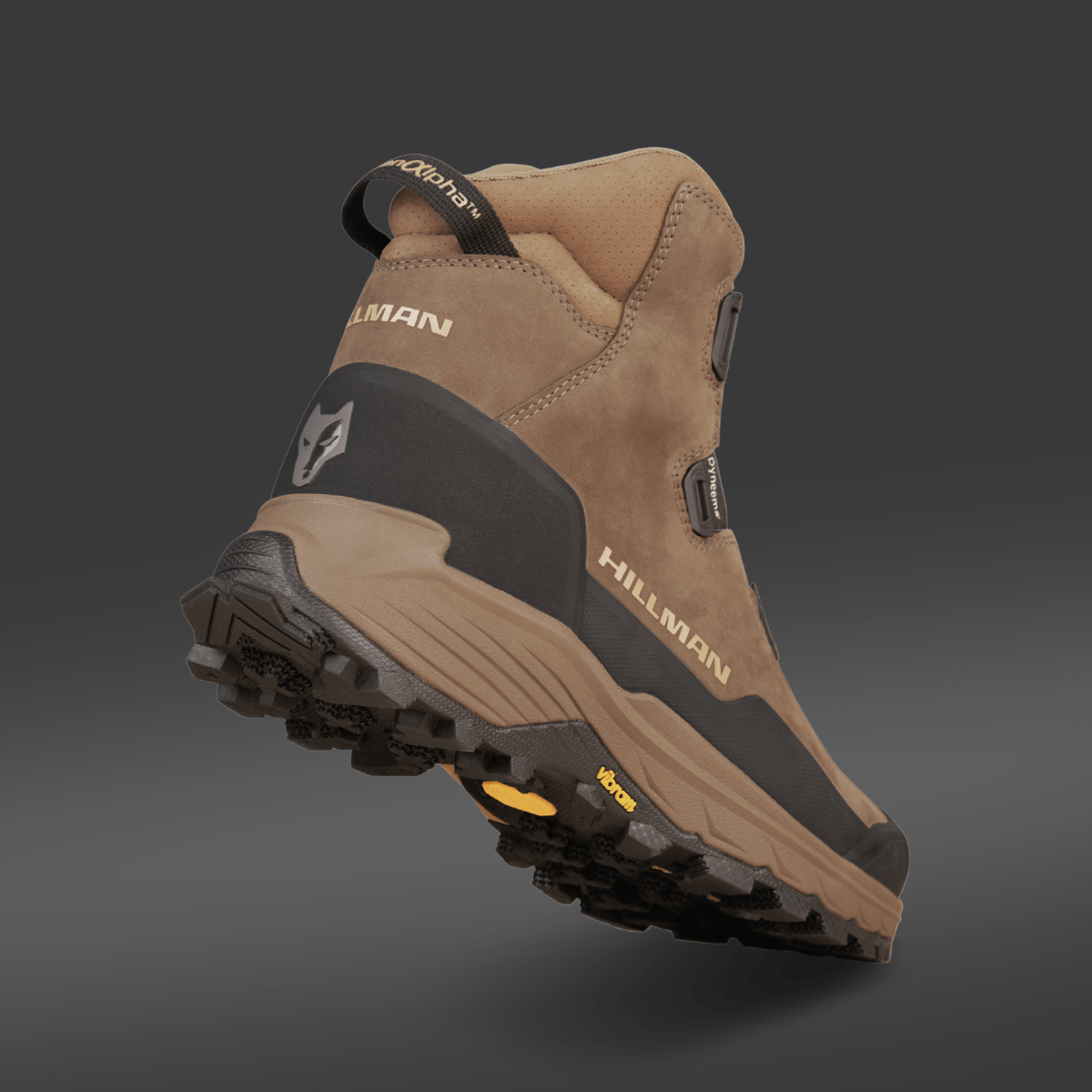
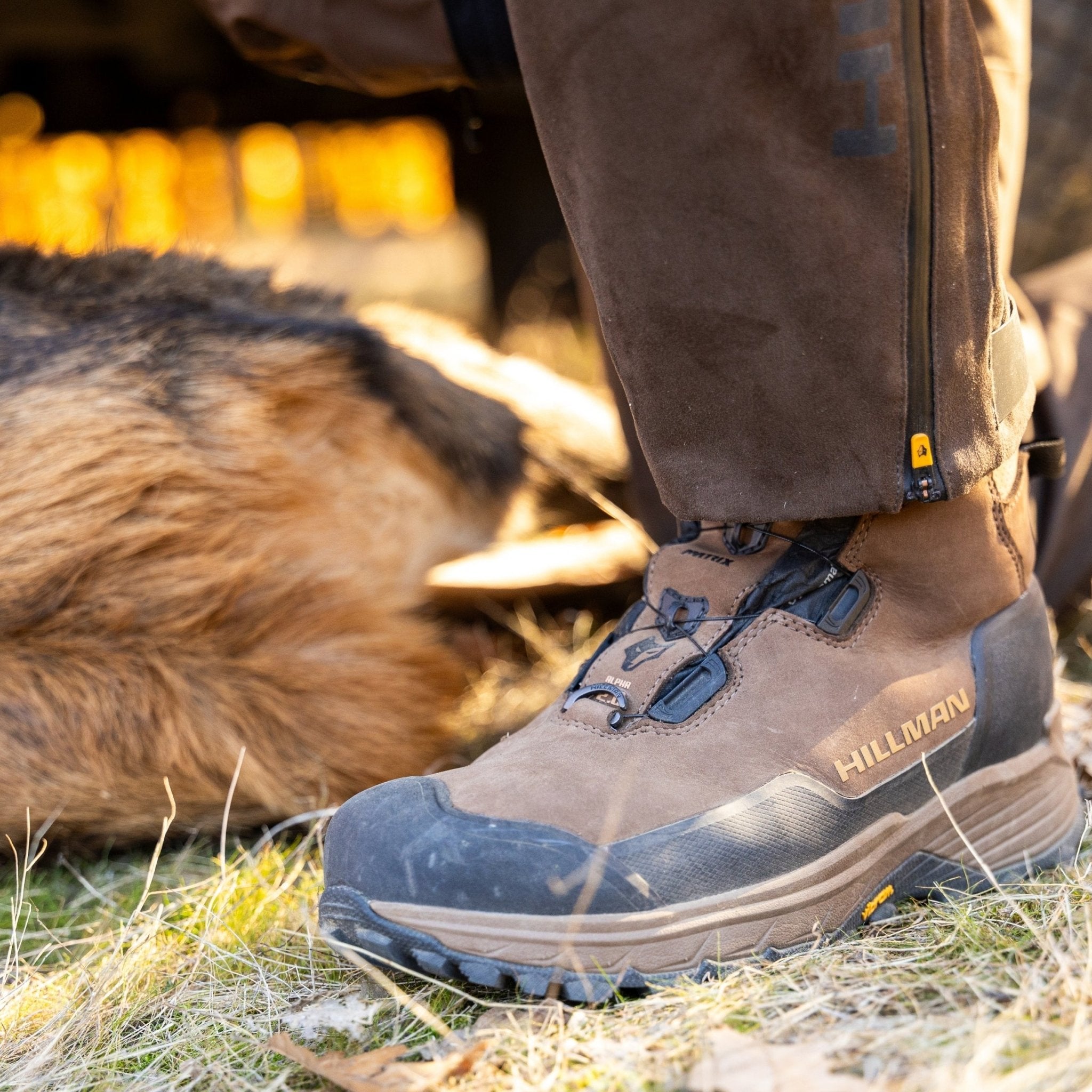
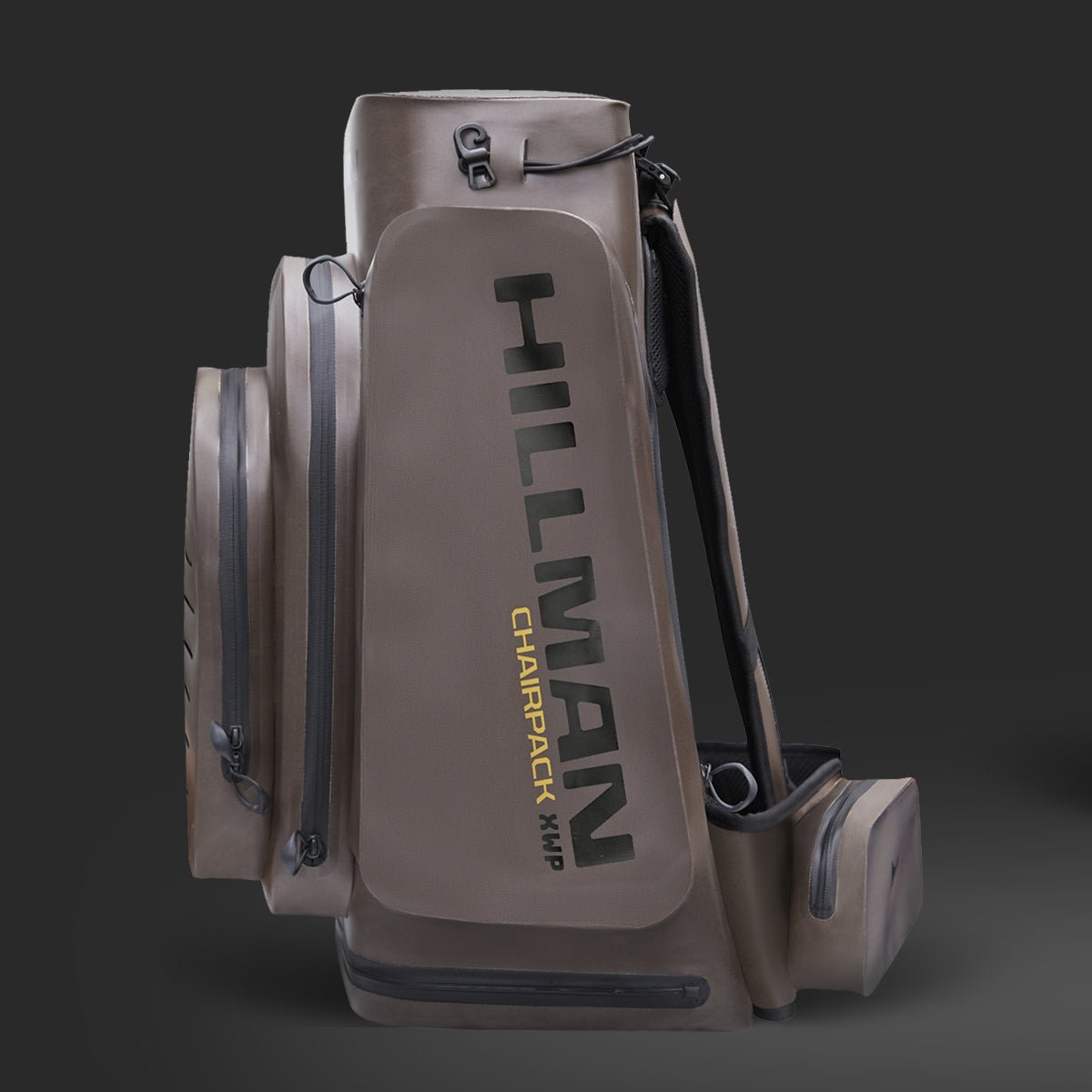
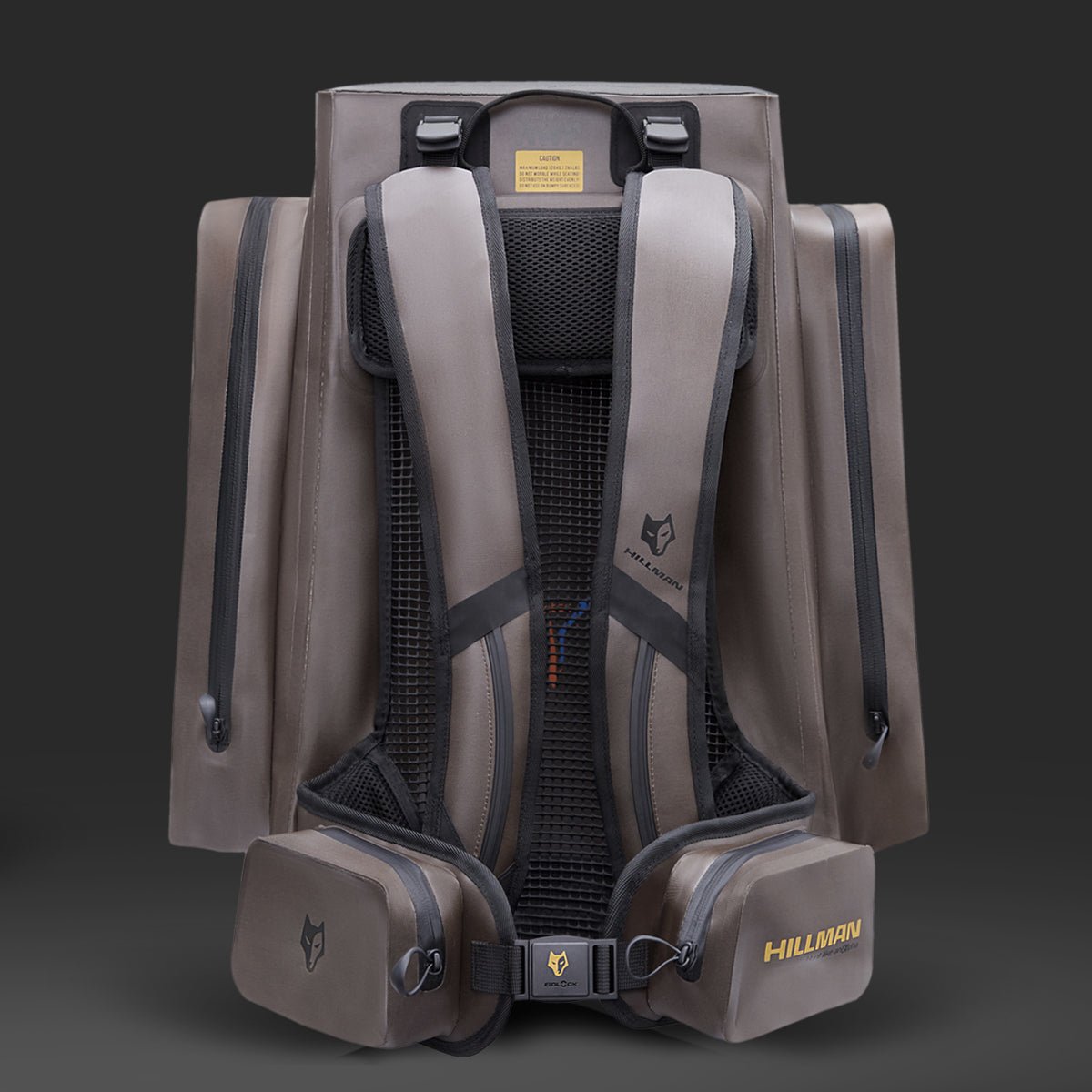
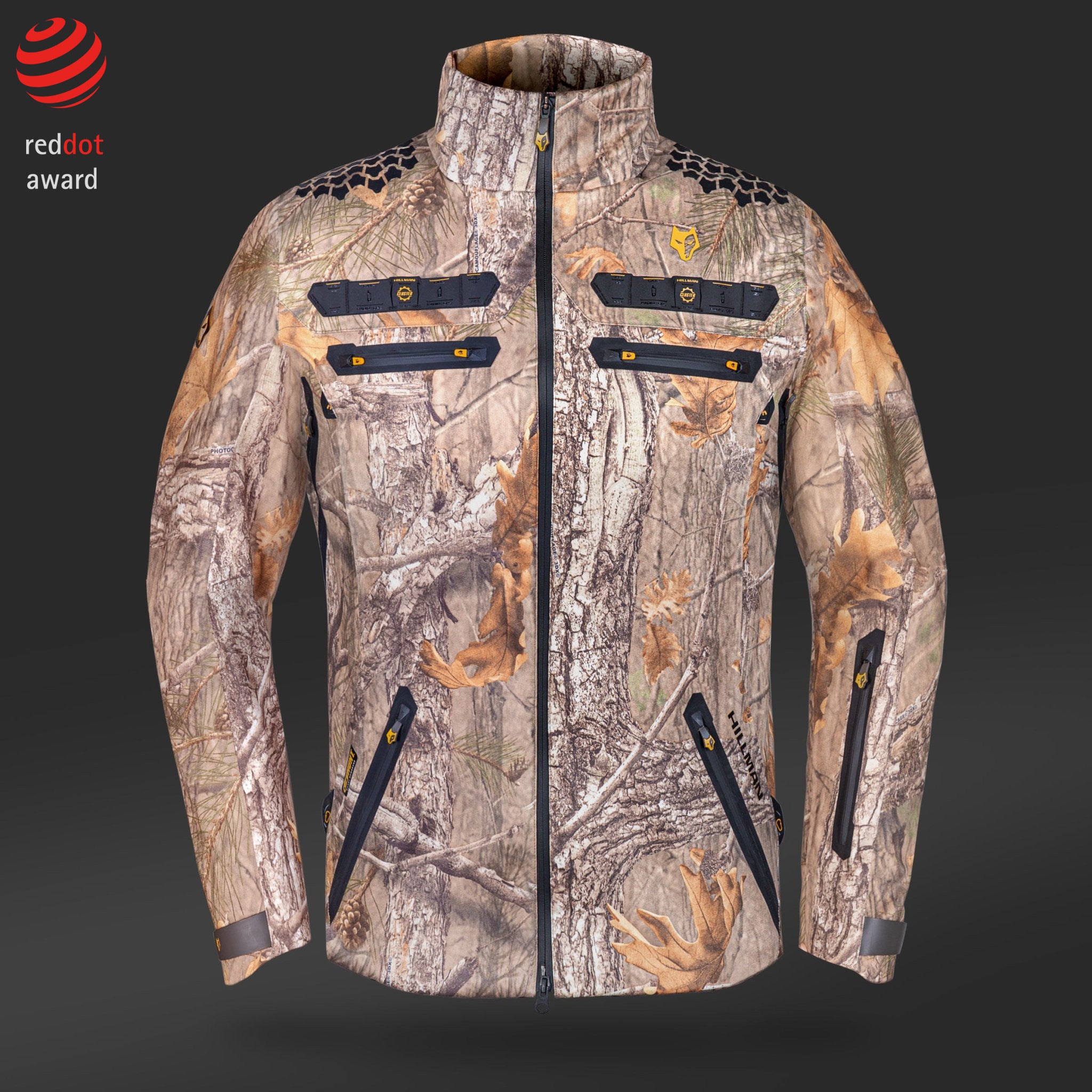
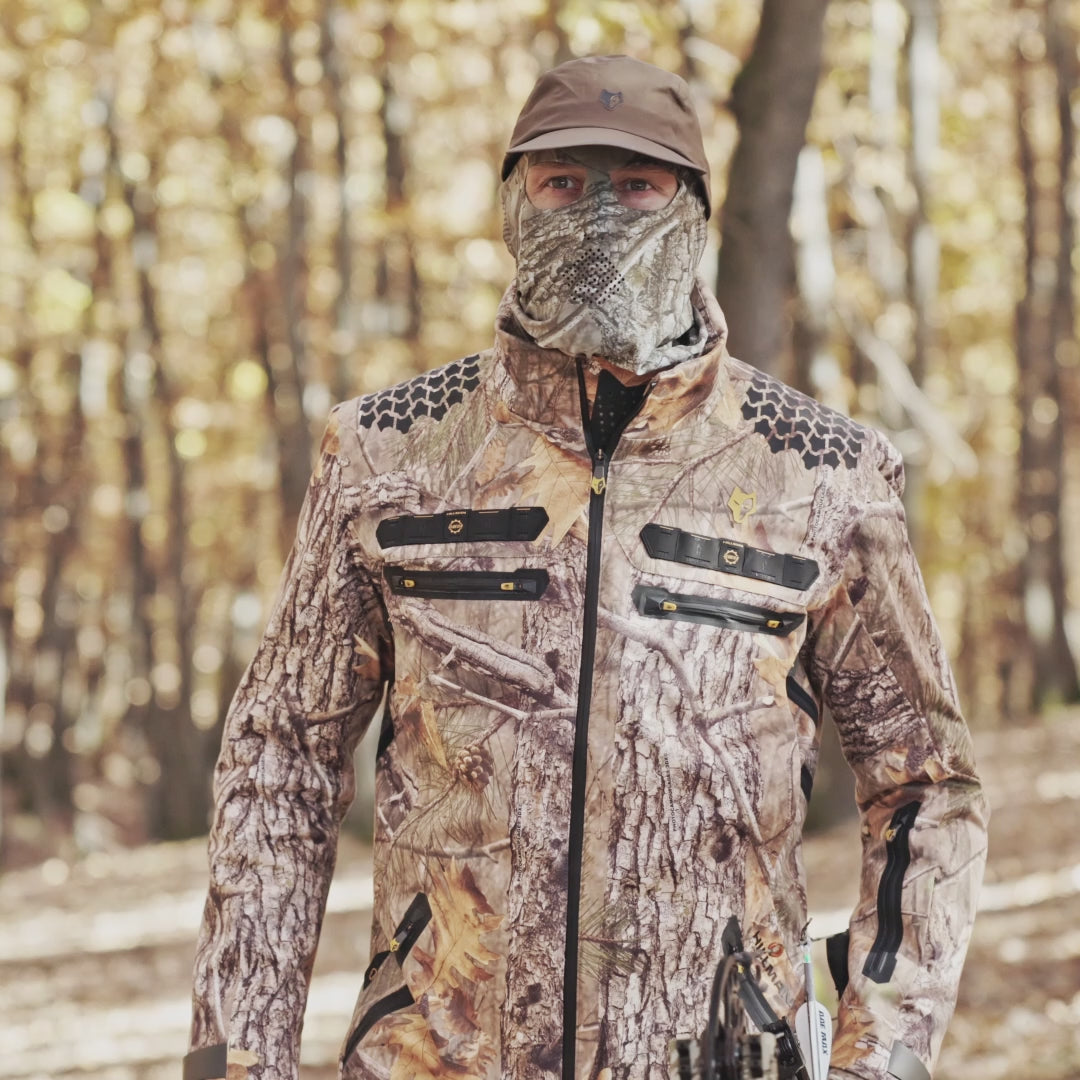
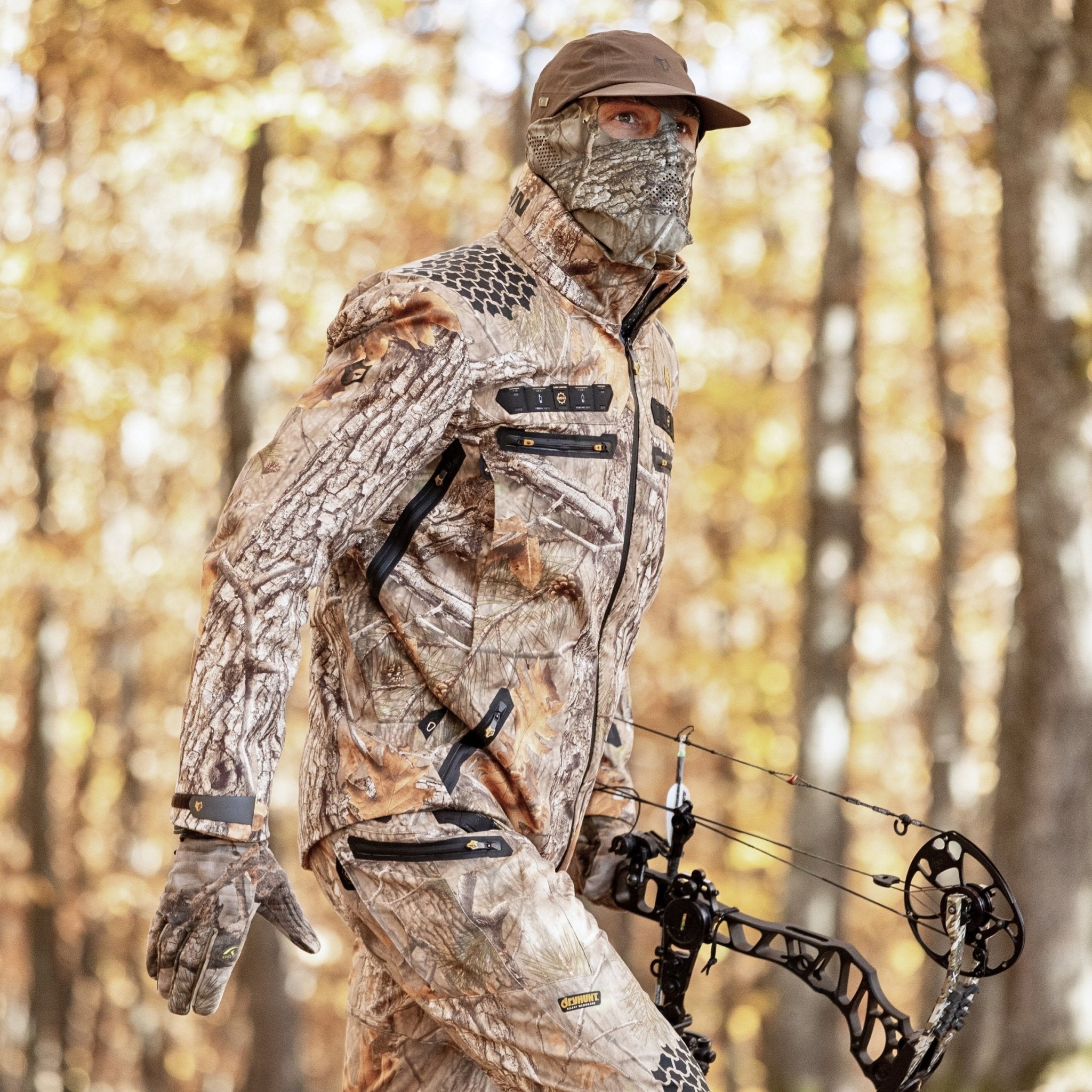
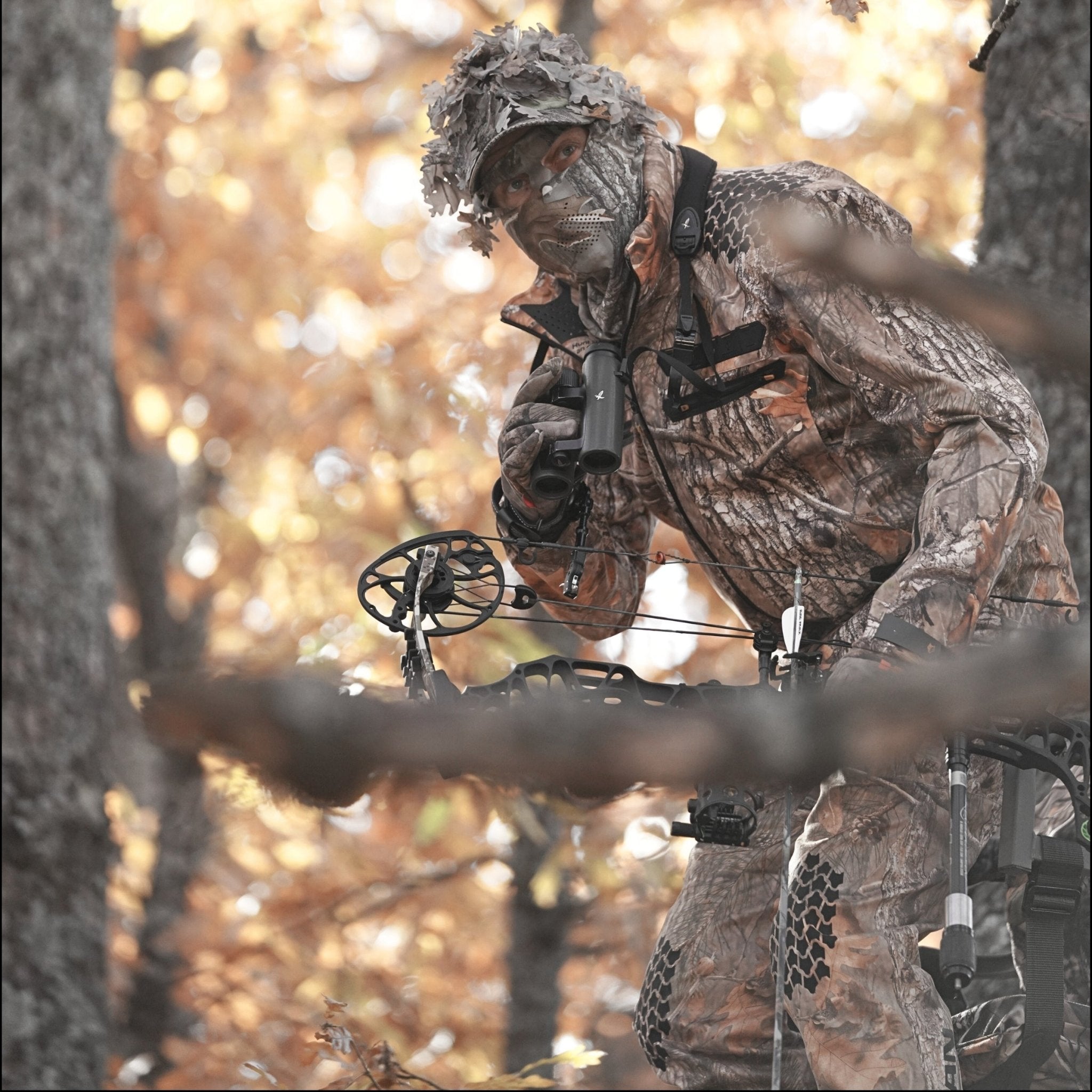
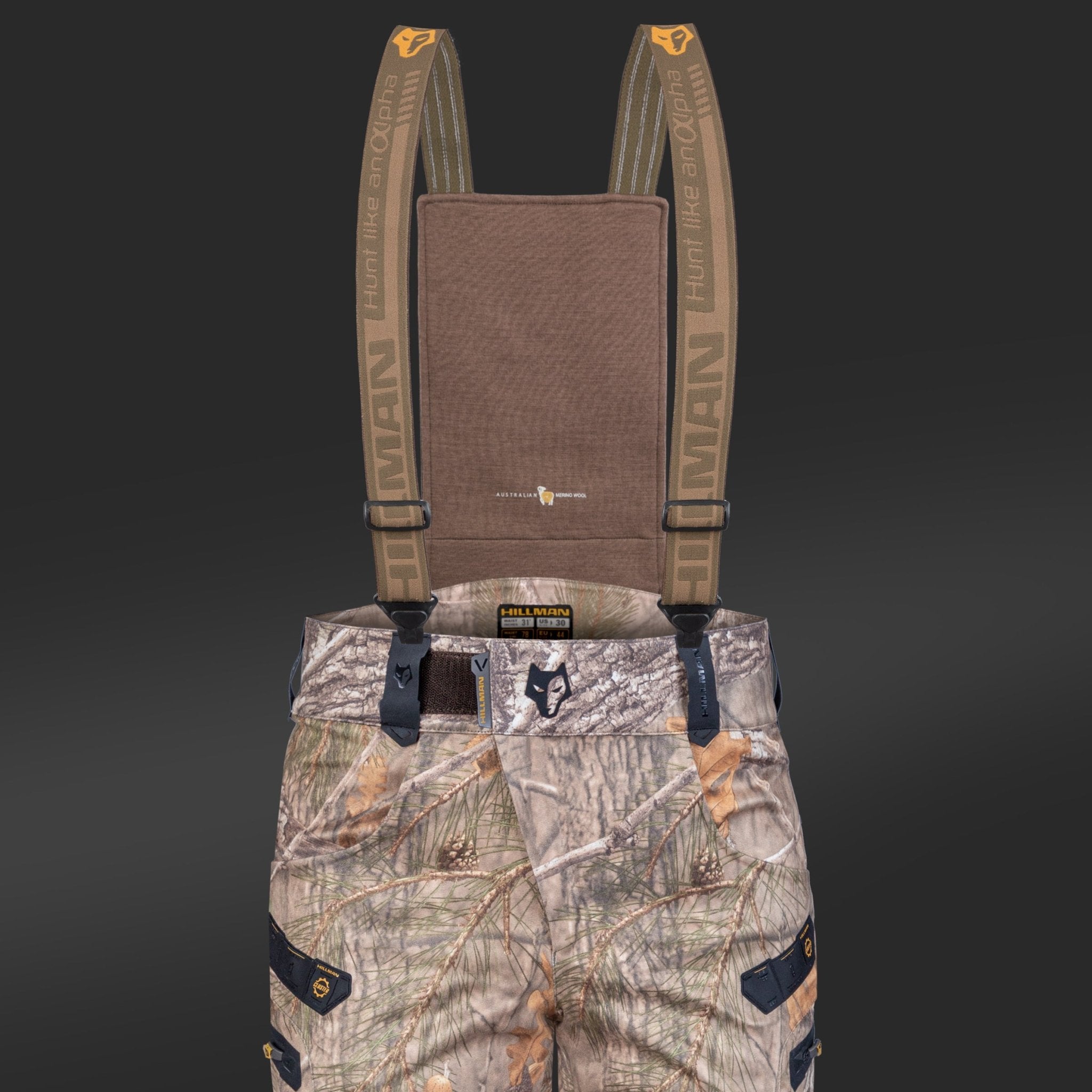
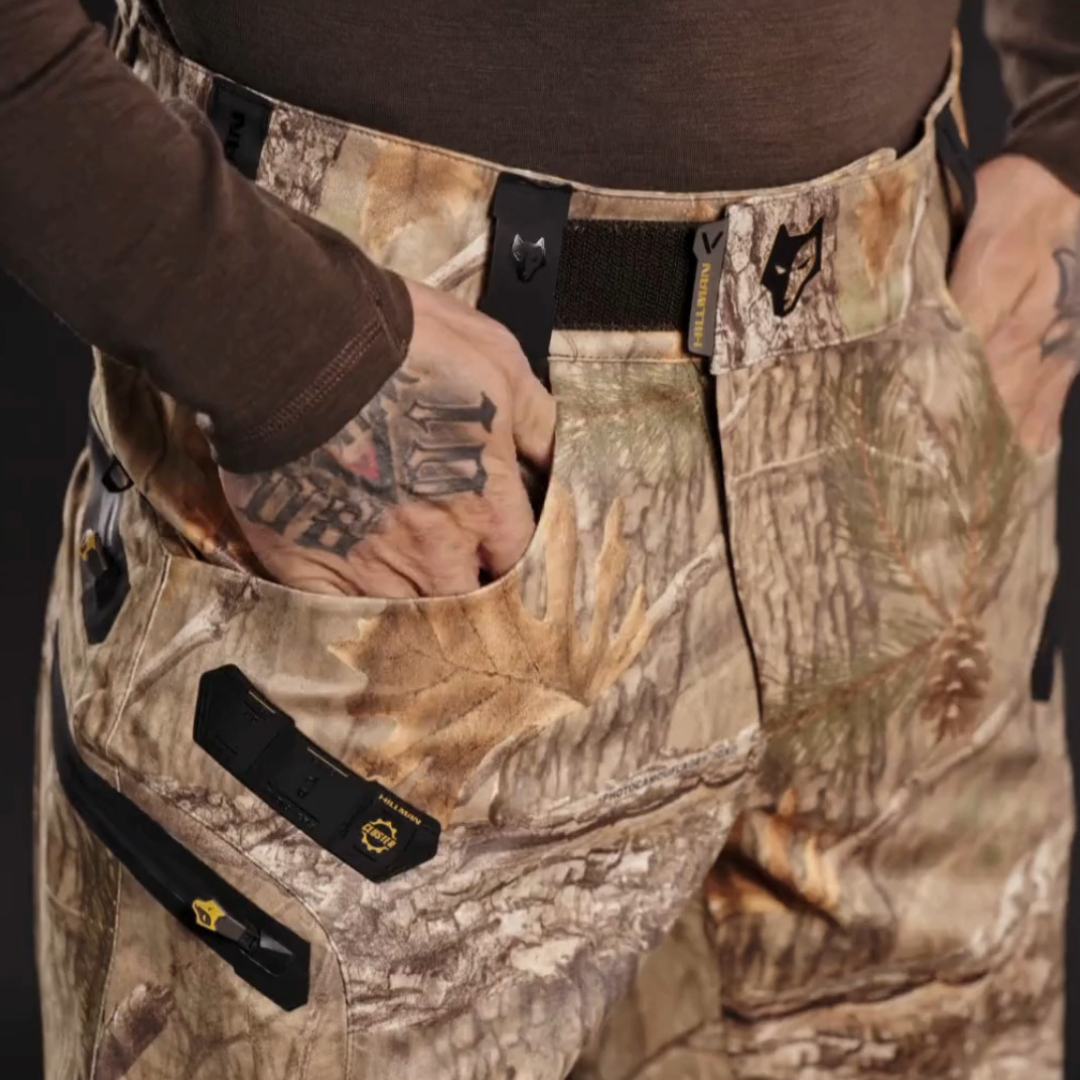
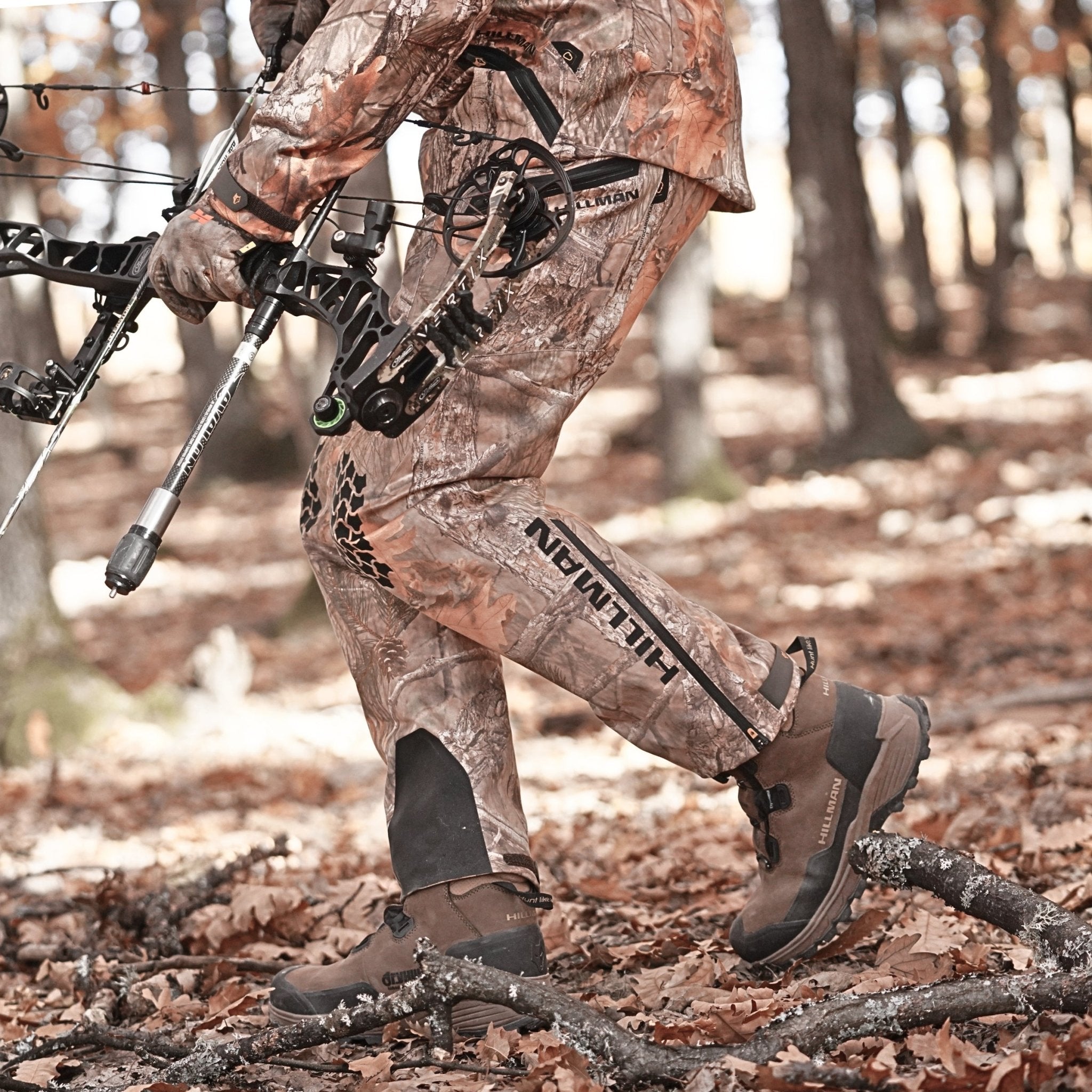
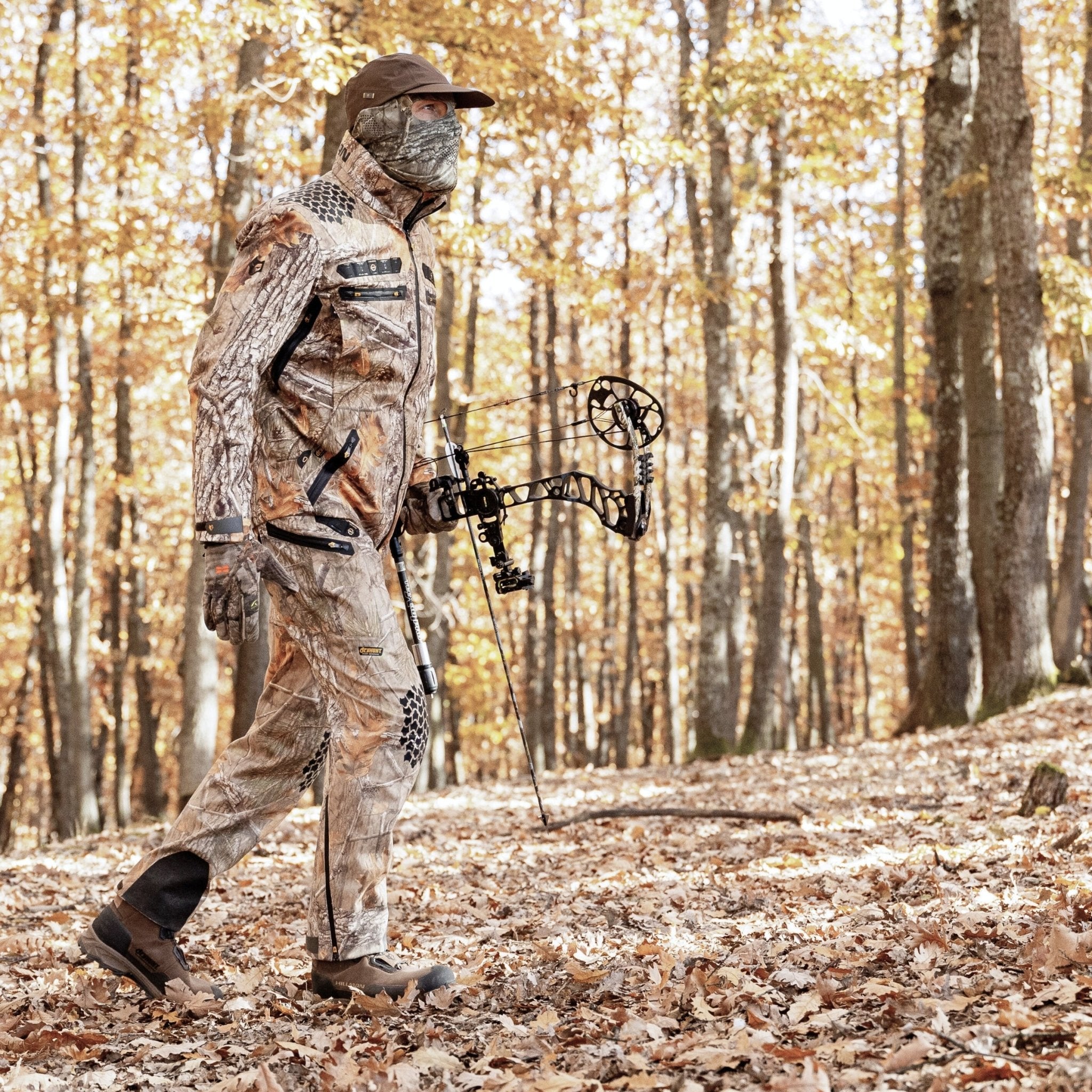
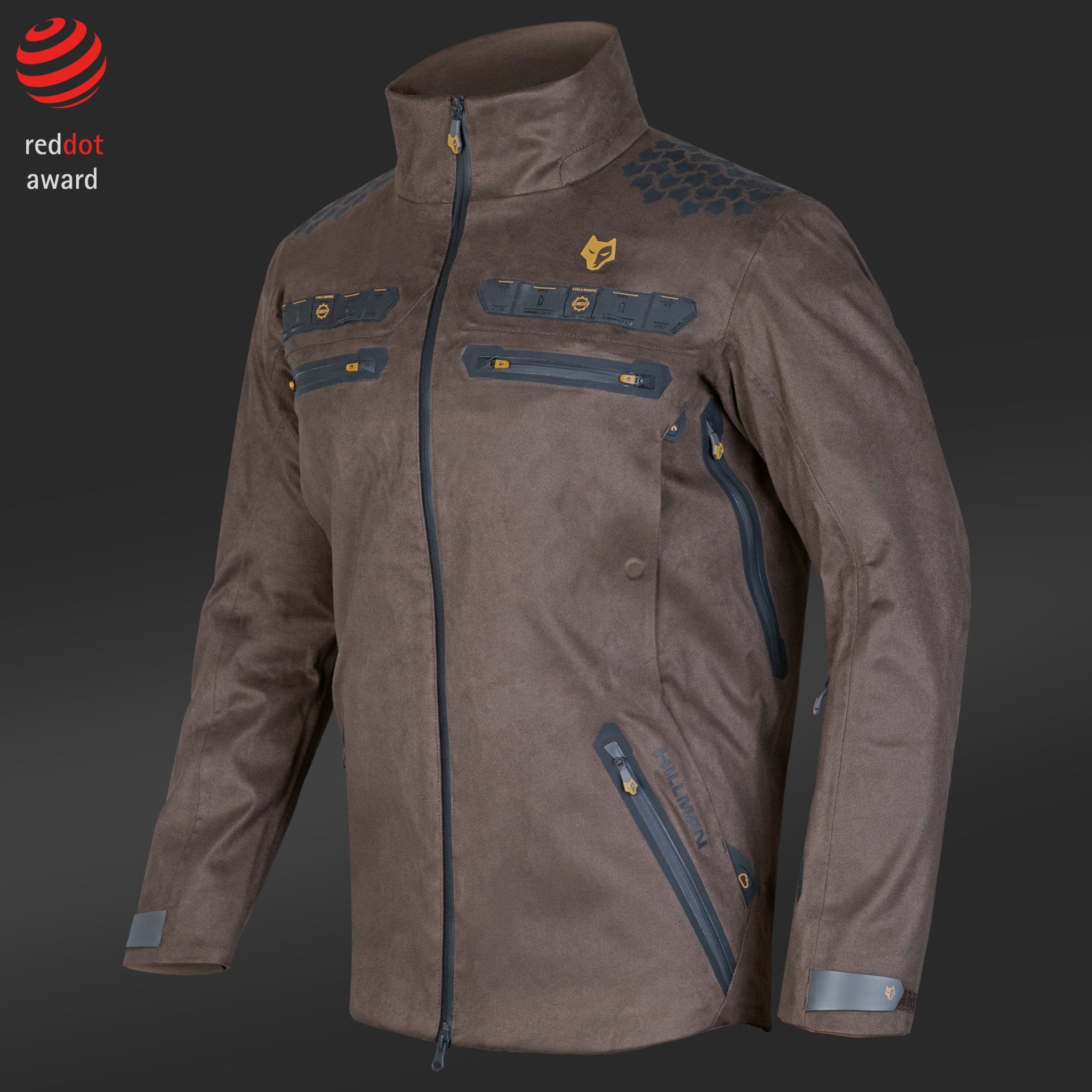
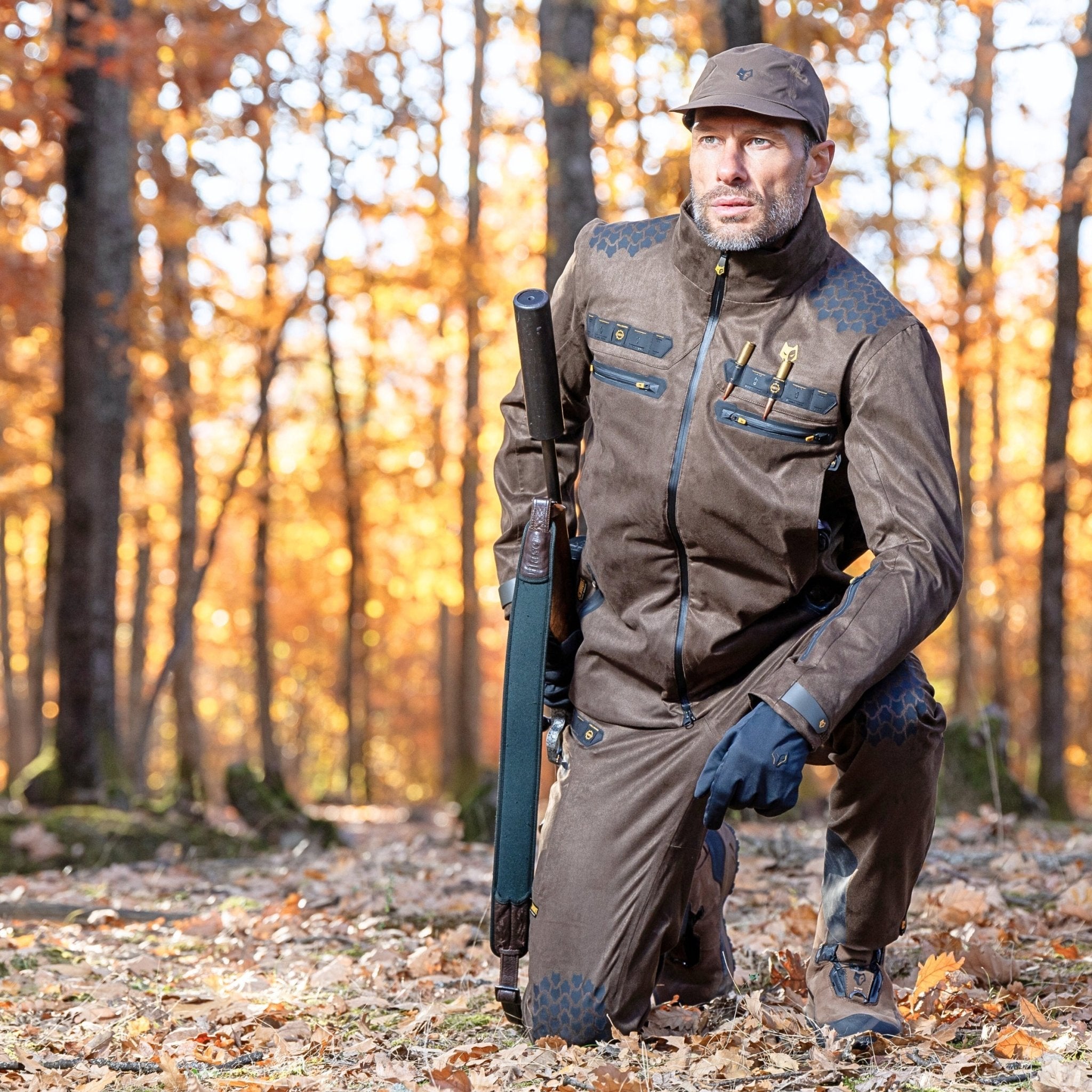
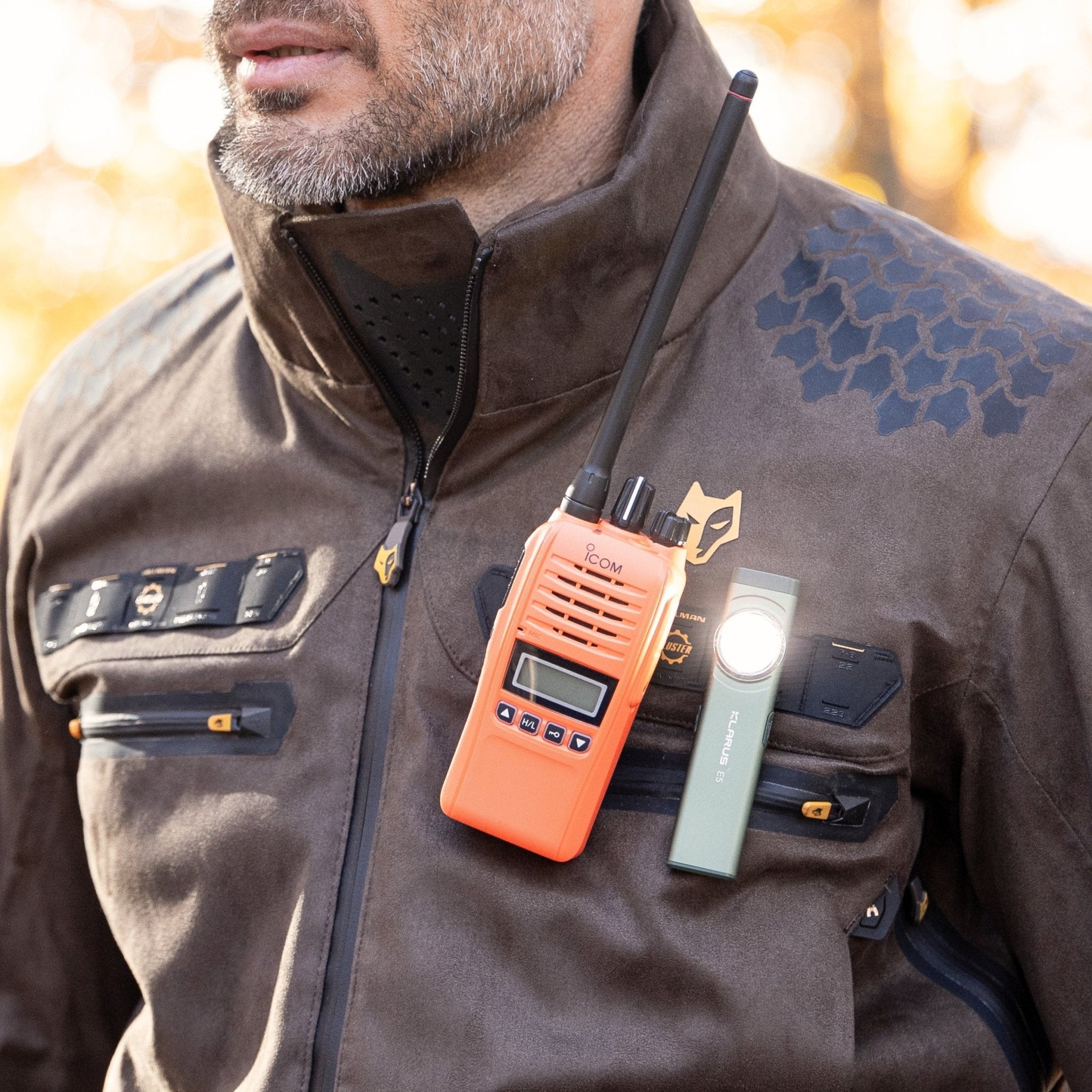
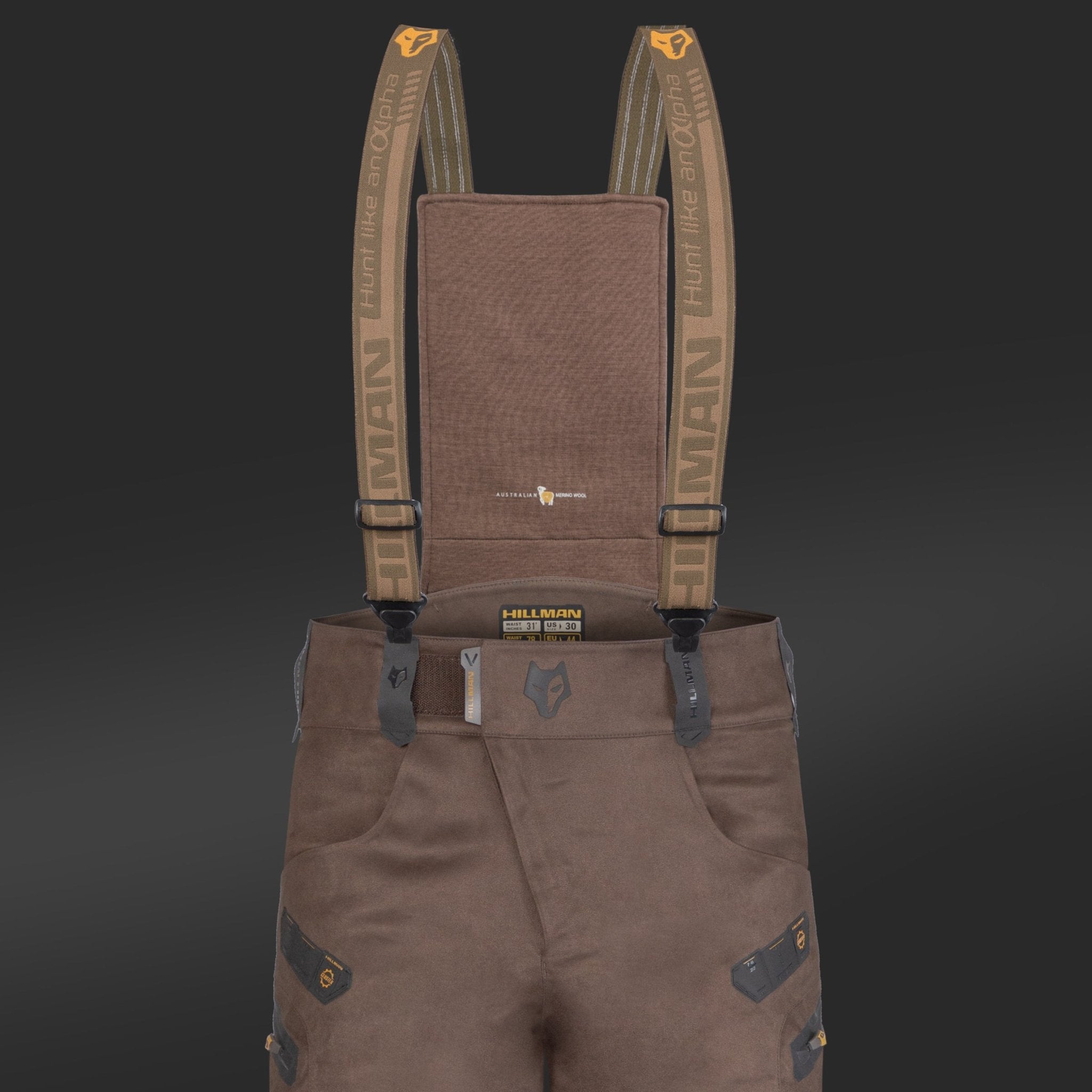
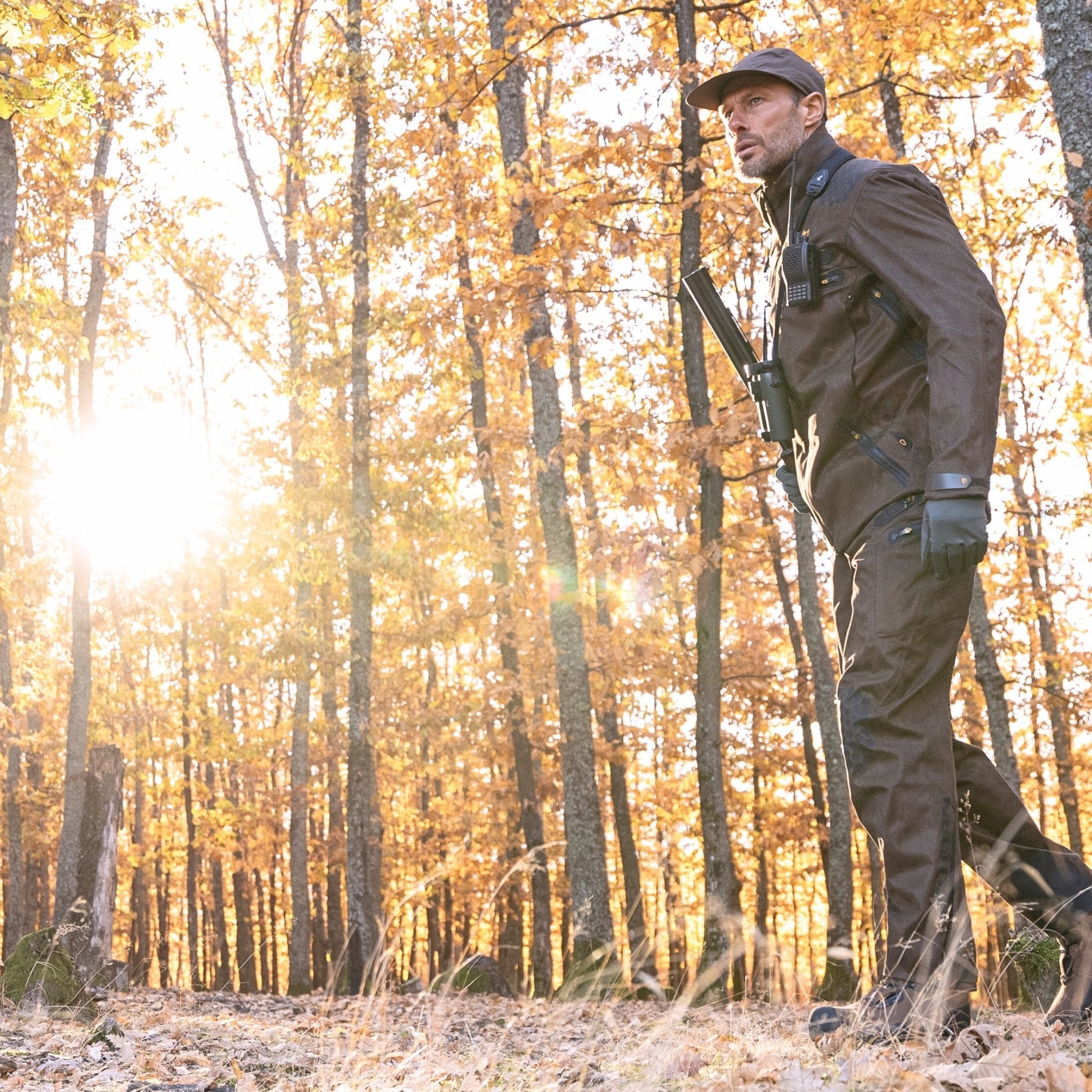
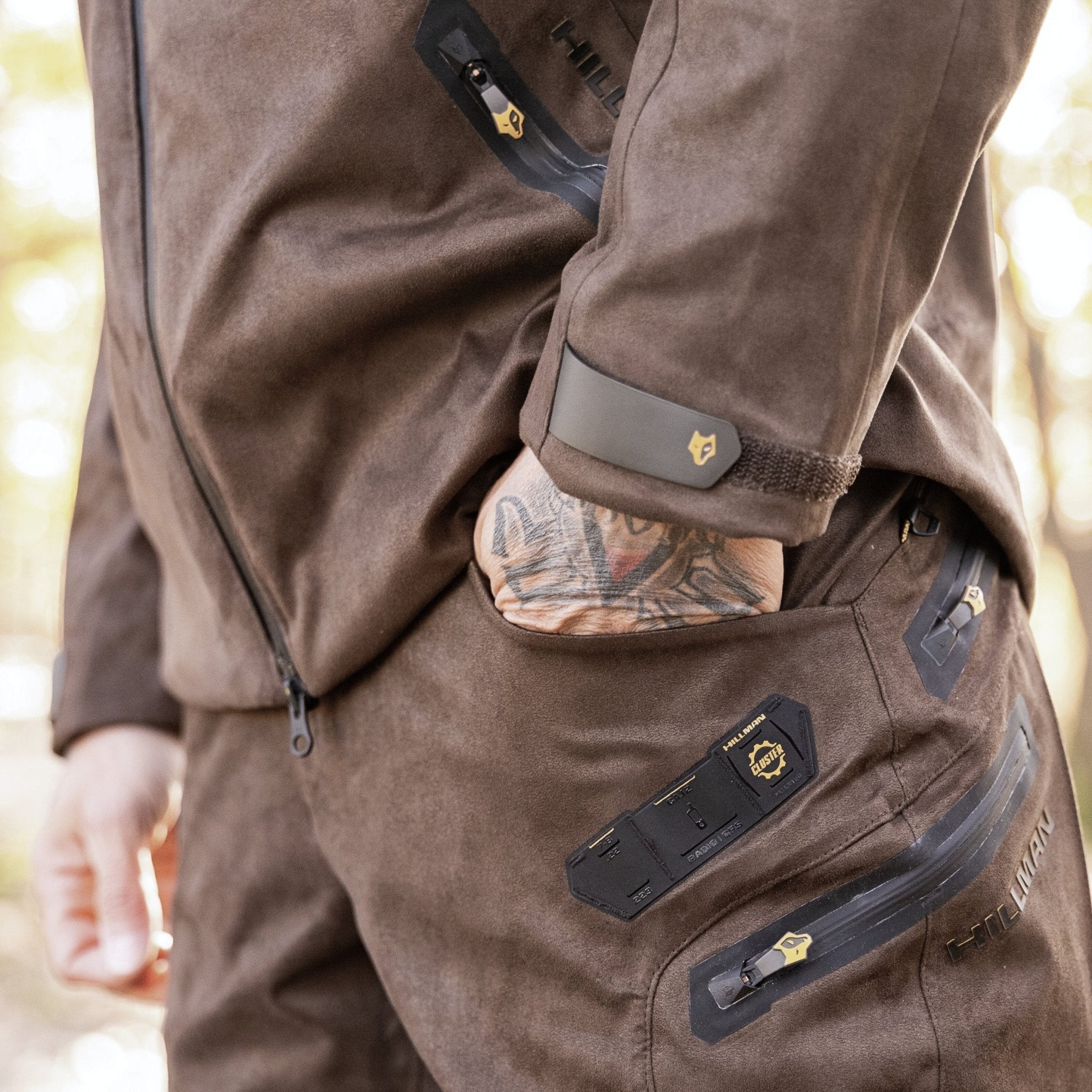
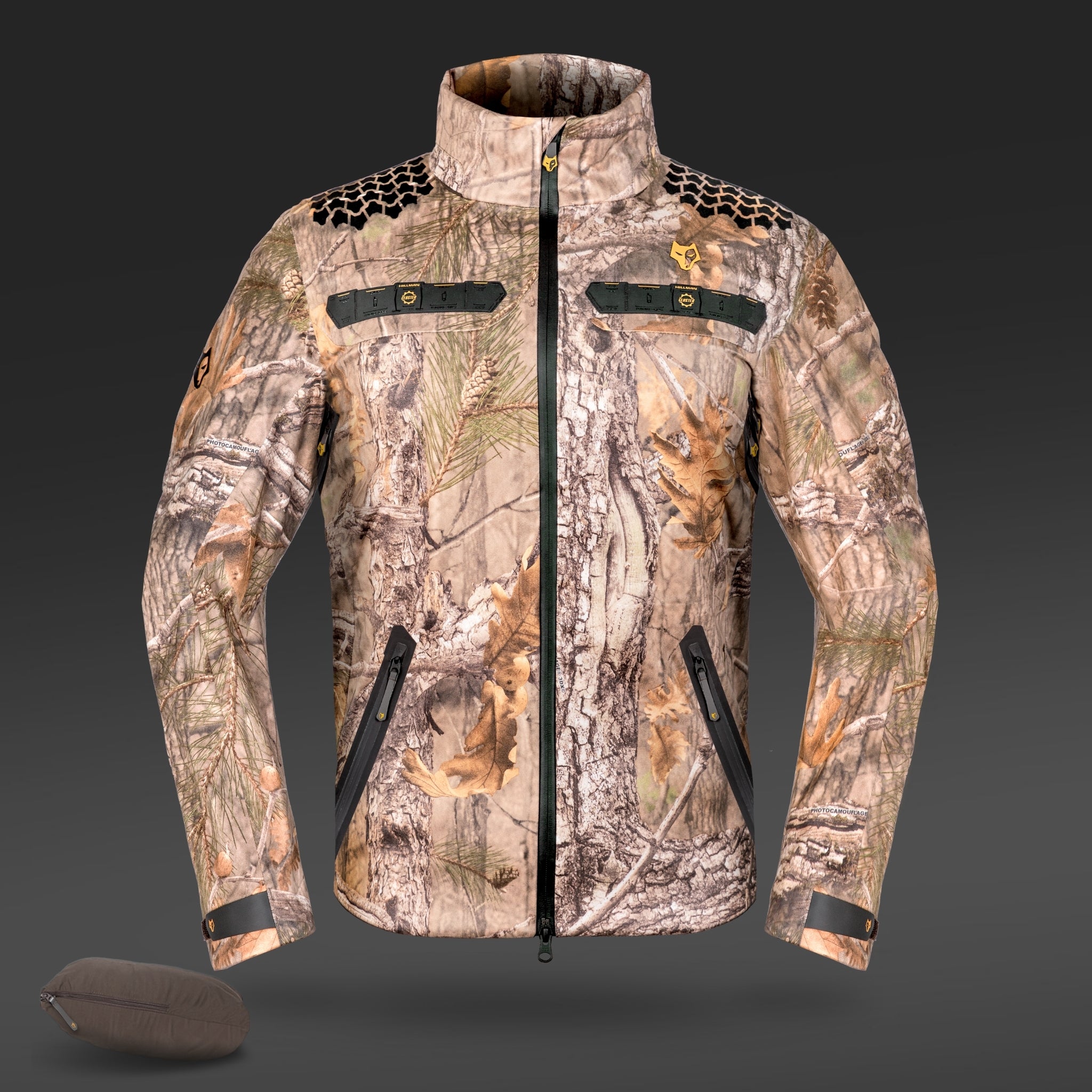
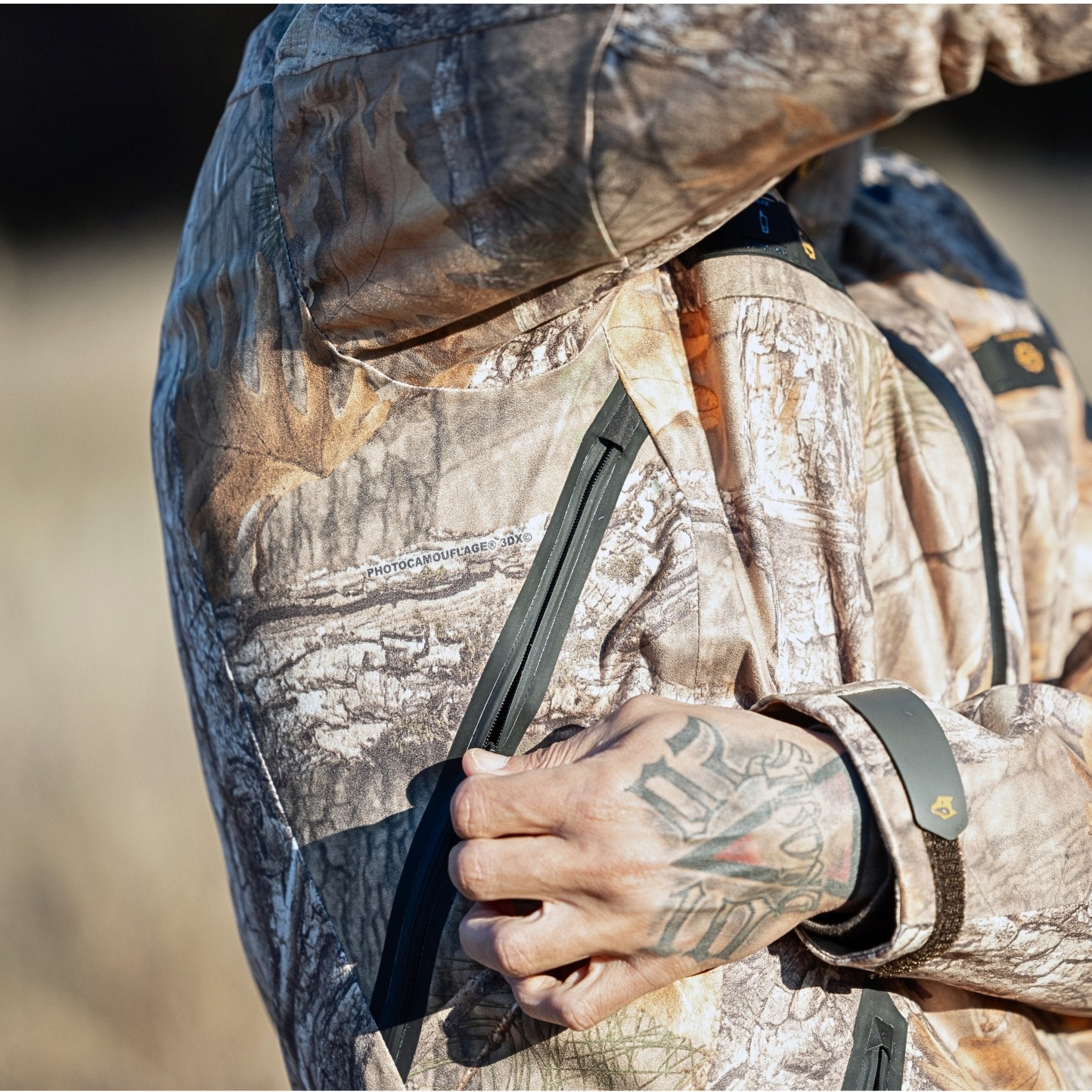
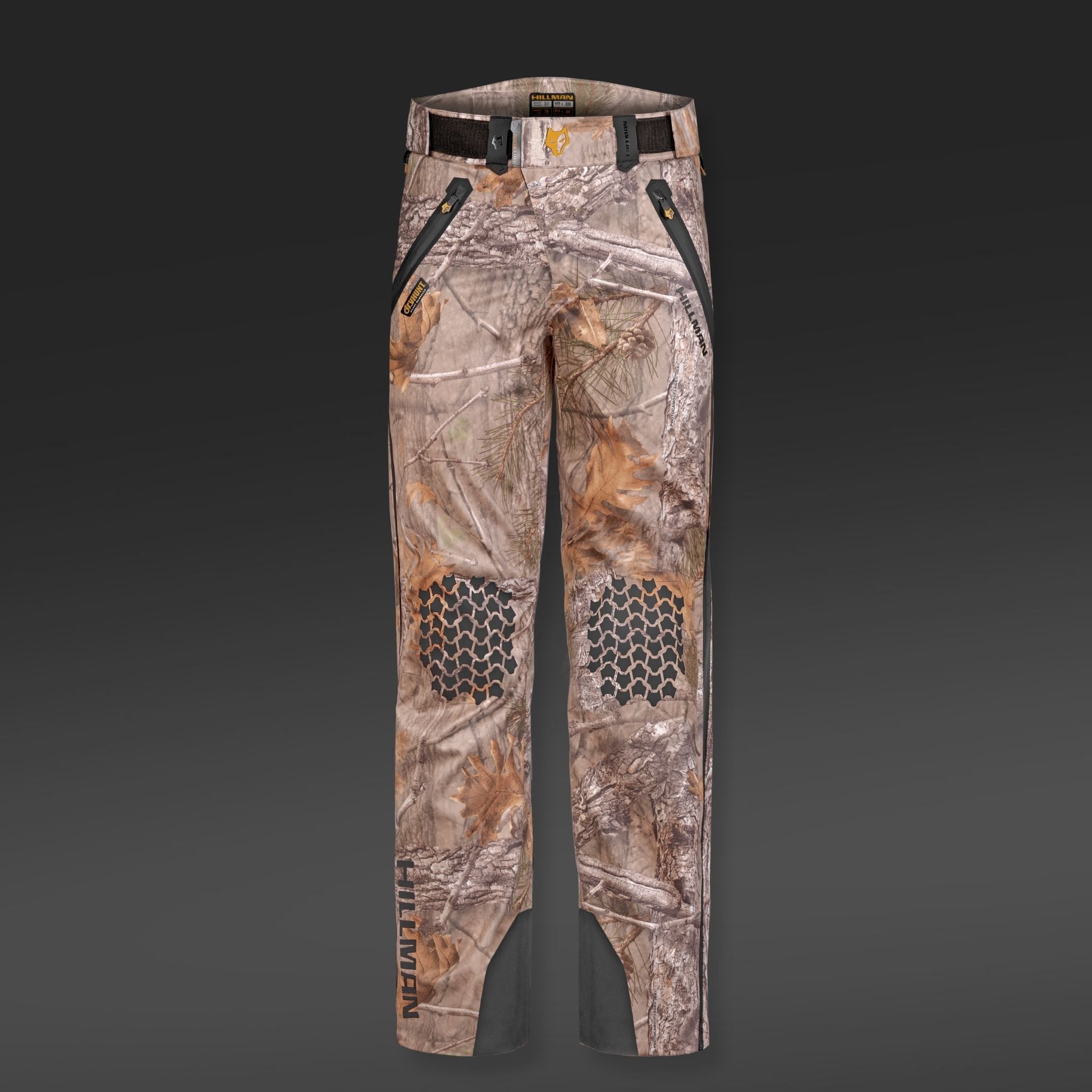
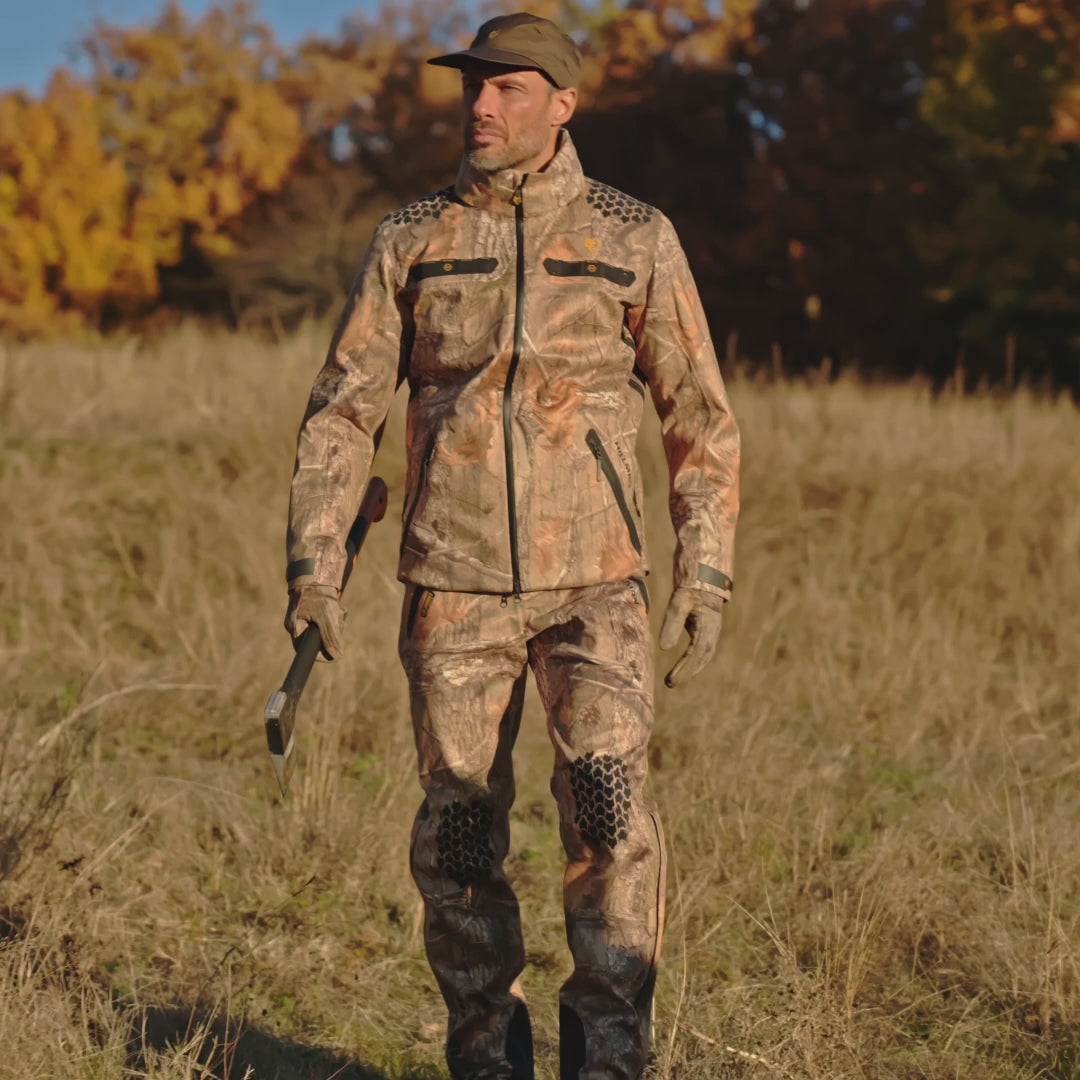
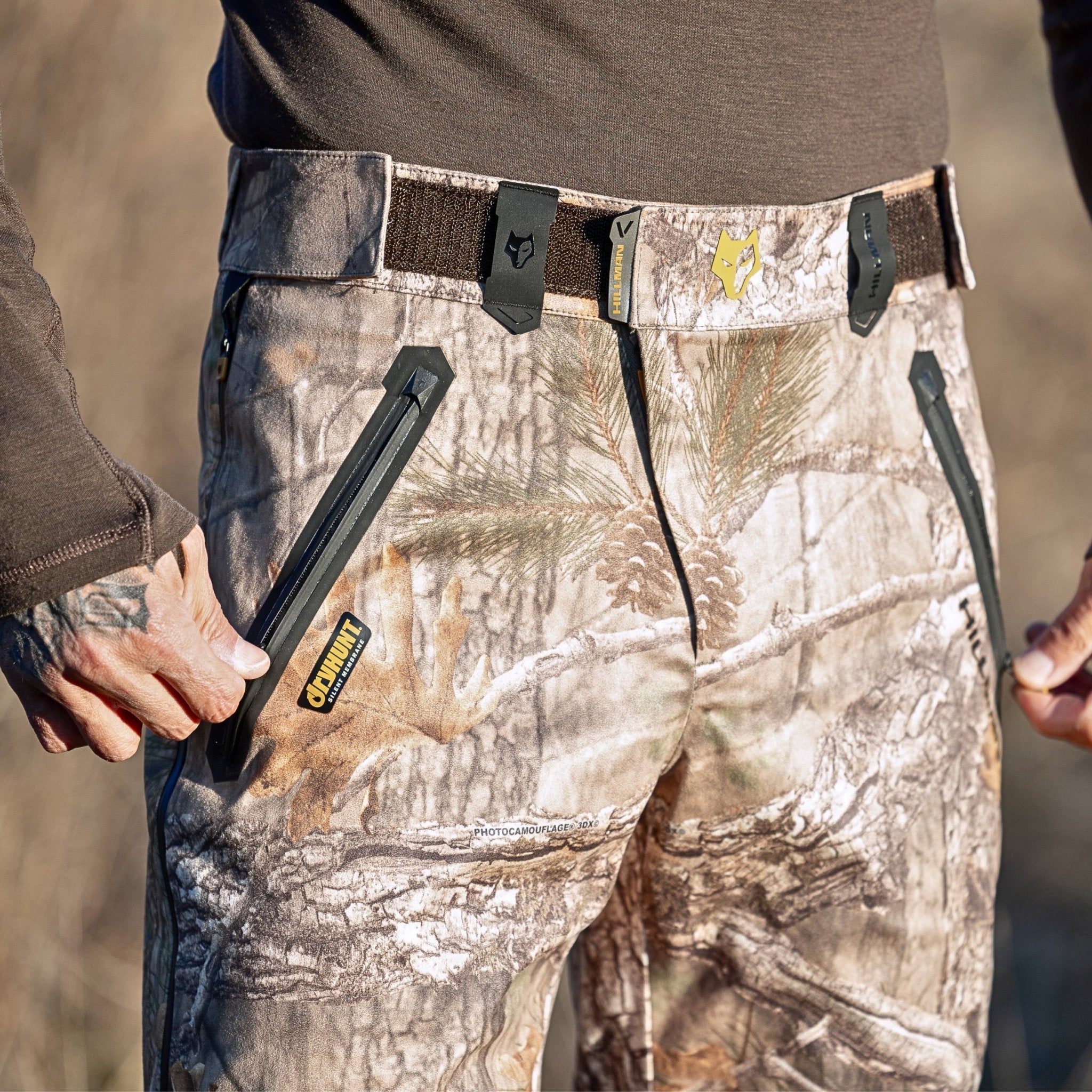
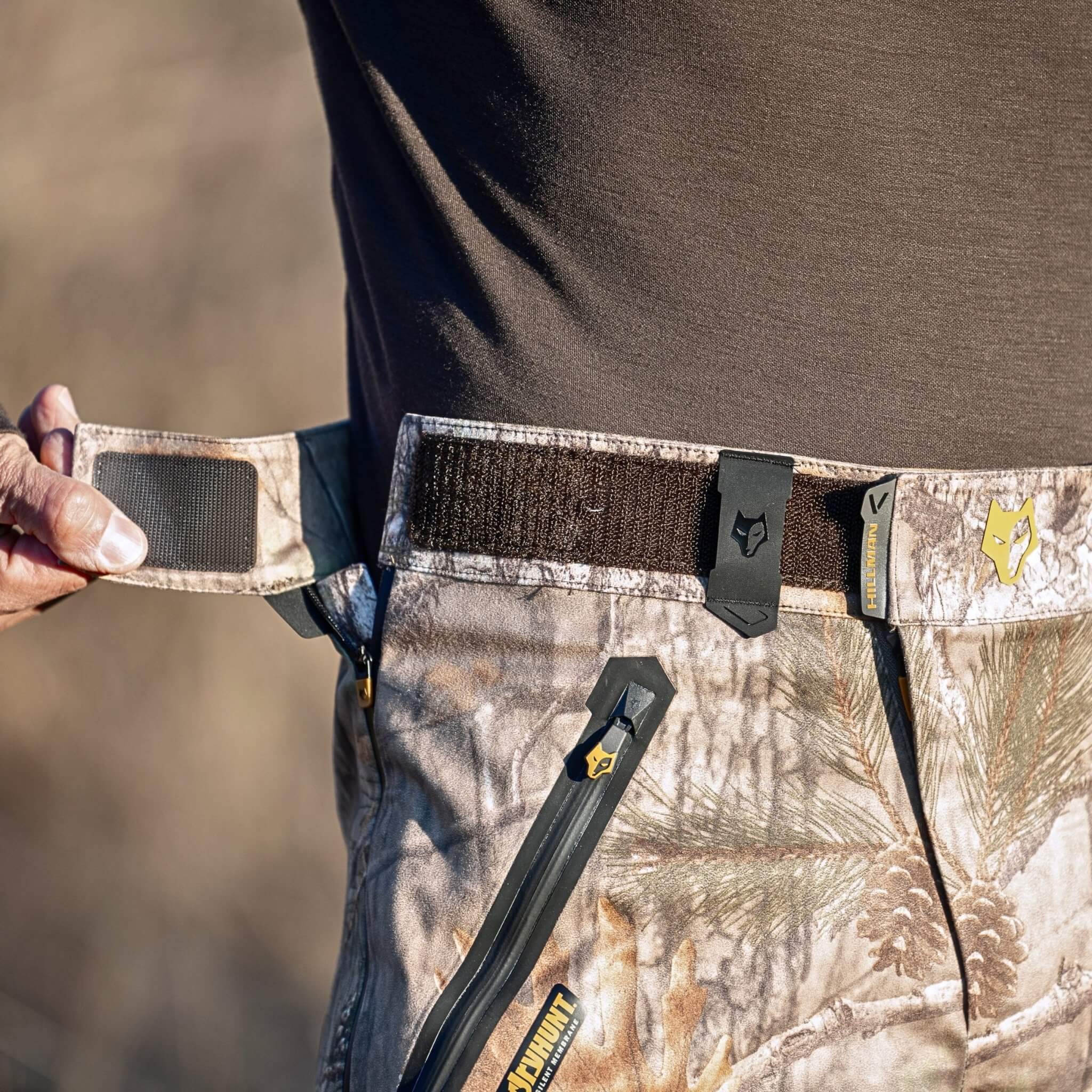
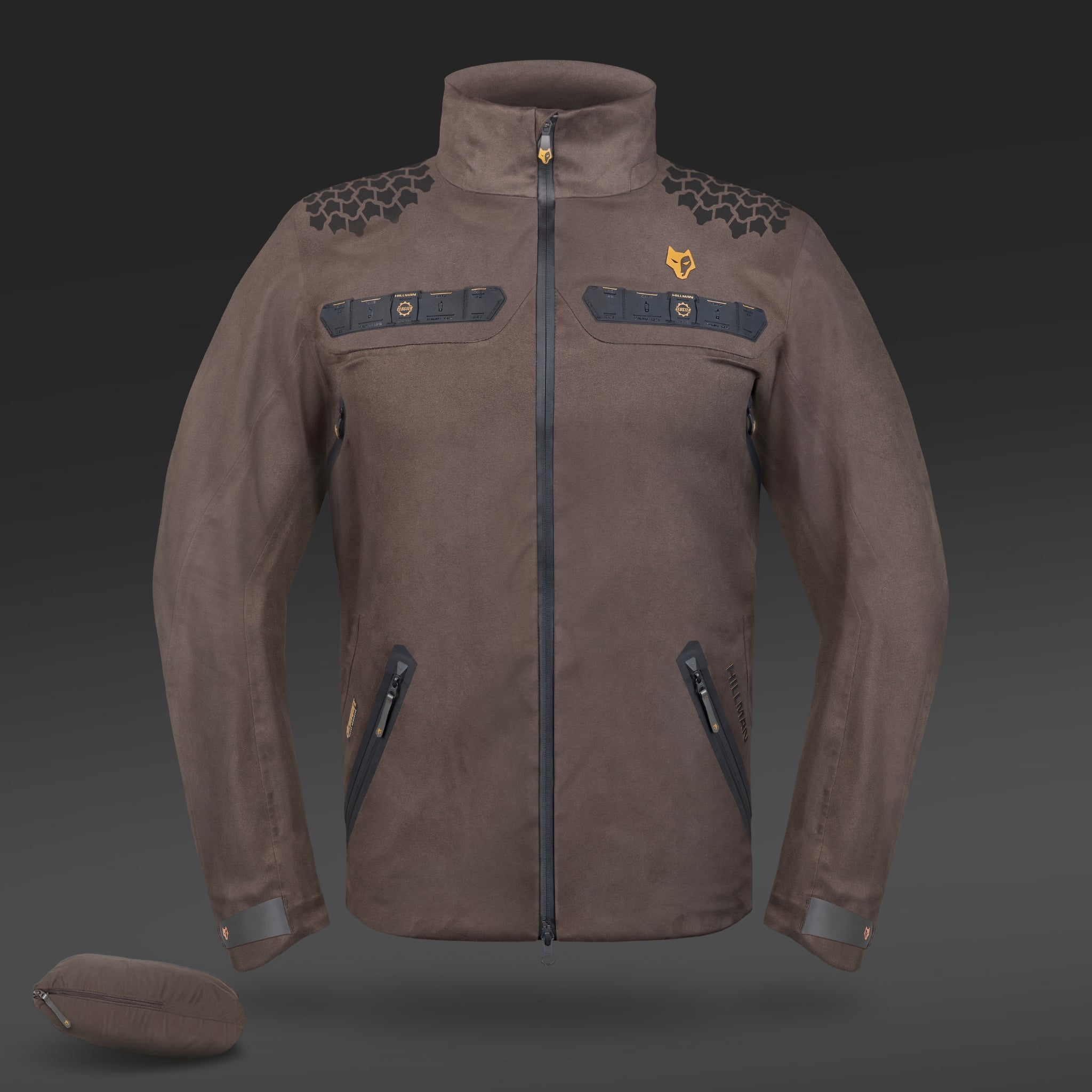
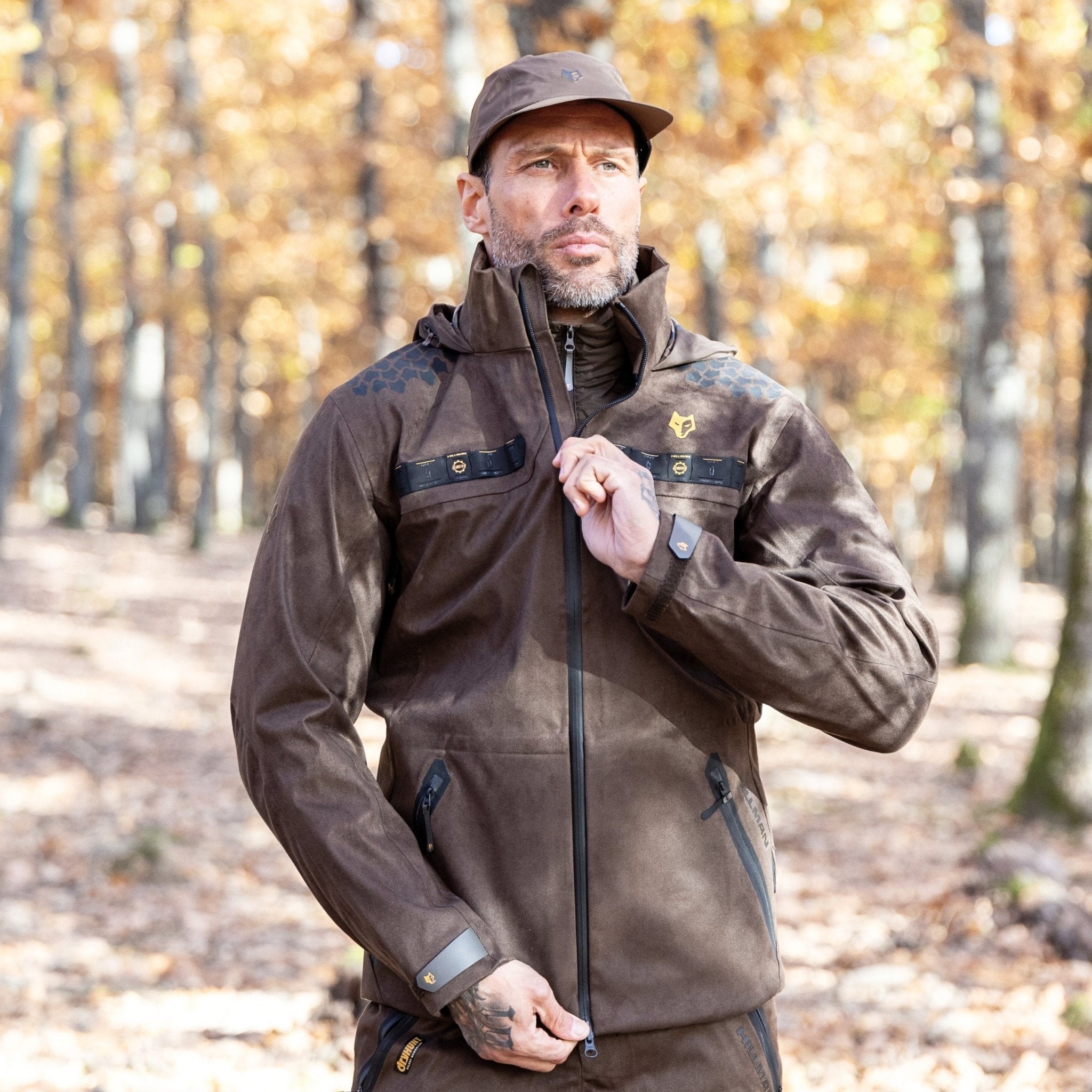
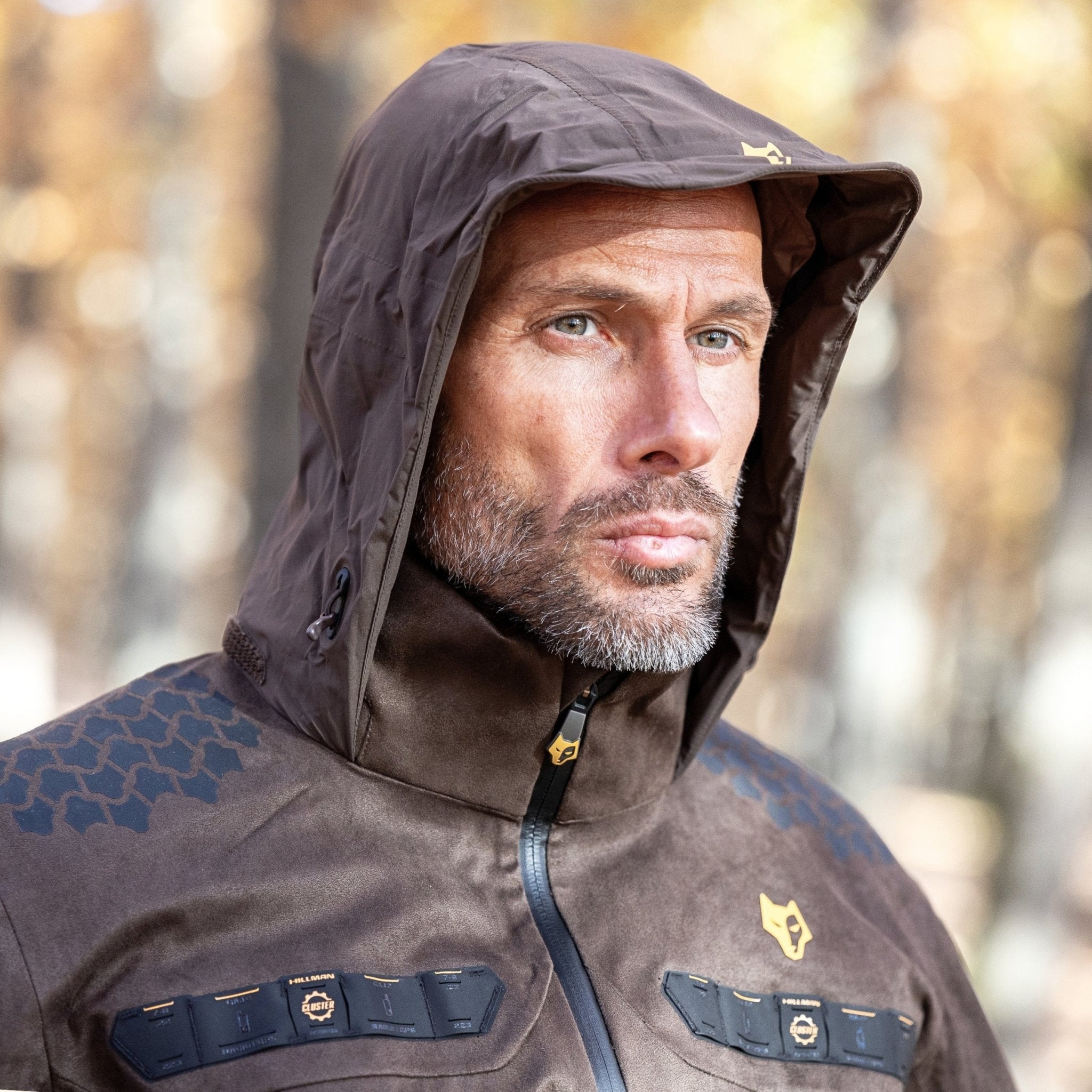
That is also where premium technical clothing tends to justify itself, assuming it is actually designed well. Better seam placement. More ergonomic fit. More thought should be put into how layers work together. Fewer rough details. Those things may not be visible at first glance, but they show up later in comfort. That is part of why gear from Hillman gets attention from people who care about long-wear comfort rather than just surface appearance.
When Is It Time to Stop Adjusting Clothes and Ask Bigger Questions?

There is a limit to what fabric can fix. If severe fatigue keeps returning, if extreme fatigue does not improve with rest, or if it shows up with weakness, shortness of breath, headache, trouble focusing, unexplained weight changes, or anything else that points toward illness rather than simple overexertion, medical advice makes sense. The same goes if medications seem involved, or if the body simply feels wrong in a way that does not improve when the practical factors are cleaned up.
Diagnosis matters. Treatments matter. Self-help tips are useful, but they are not a substitute for actual care when symptoms stay heavy.
Still, a lot of people are not dealing with a rare mystery. They are dealing with a stack of ordinary things: bad sleep, stress, too much heat, trapped moisture, repeated friction, mediocre clothing, and not enough recovery. That stack can wear a person down more than they expect. It is not dramatic, but it is real.
In the end, chafing, hot spots, and fatigue are not always separate issues. Sometimes they feed into each other quietly for hours. Clothes rub. The body compensates. Concentration slips. Energy drops. Tolerance gets worse. Then everything feels harder than it should.
Break that loop, and the difference is often immediate in a very plain way. Less rubbing. Less distraction. Less wasted energy. The body does not feel “optimized.” It just feels less bothered. Honestly, that is usually enough.





Share:
Break In Without Pain: How to Prep Hunting Boots
Late Season Hunting Footwear Mistakes: Boots in Snow & Slush