

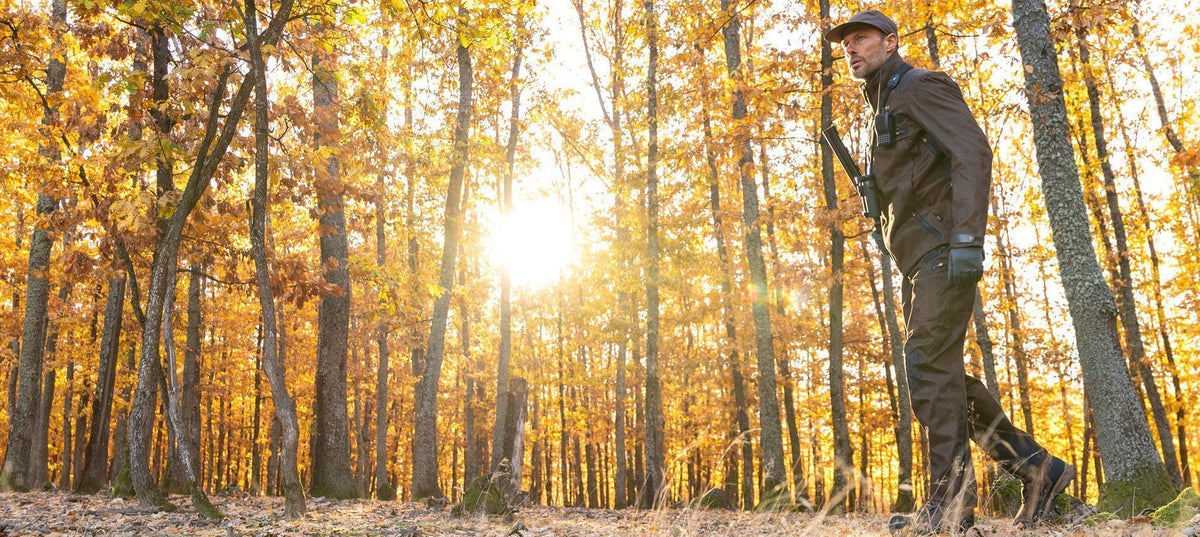
Brush-Proof Upland Hunting Pants for 2026: Built for Tough Terrain

Conquer heavy cover with the best upland hunting pants. Durable, thorn-proof, and designed for high-mobility. Shop the top-rated 2026 brush gear today.
I’ve ruined more upland hunting pants than I care to admit. Not because I abuse gear, but because upland hunting has a way of exposing weaknesses fast. Briars don’t care what the label says. Thorns don’t negotiate with lightweight fabric. If a pair of pants isn’t built for real brush, it won’t survive a full season.
Over time, I’ve stopped asking whether upland pants look tough and started asking whether they actually are.
Why Most Upland Hunting Pants Fail in Thick Cover?
The problem usually starts in thick cover. Early in the season, when fields are still forgiving, almost any hunting pants feel adequate. But once I push into briars or tangled hedgerows, weaknesses show up quickly. Fabric pills. Knees thin out. Abrasion from constant contact with the brush wears down even good materials.
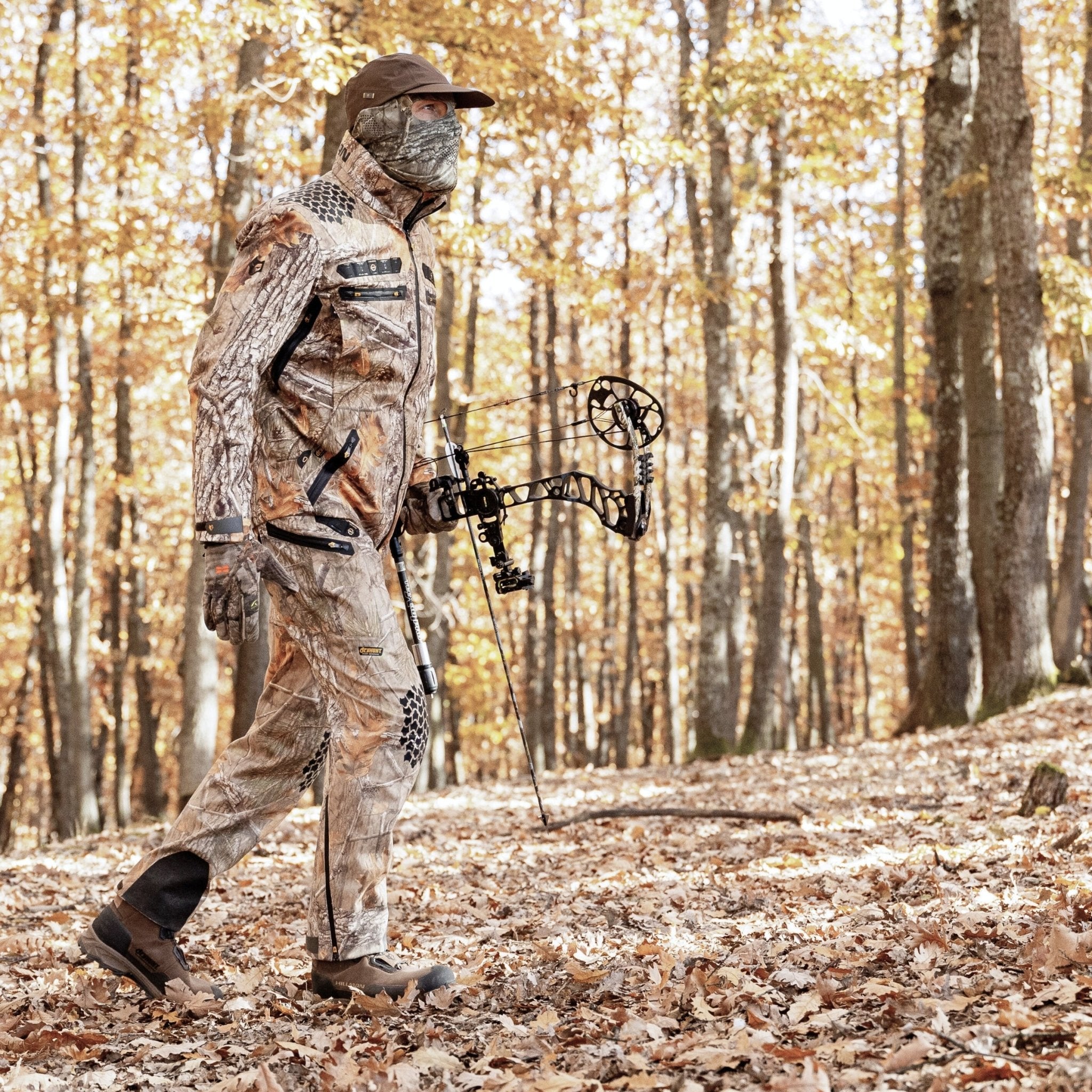
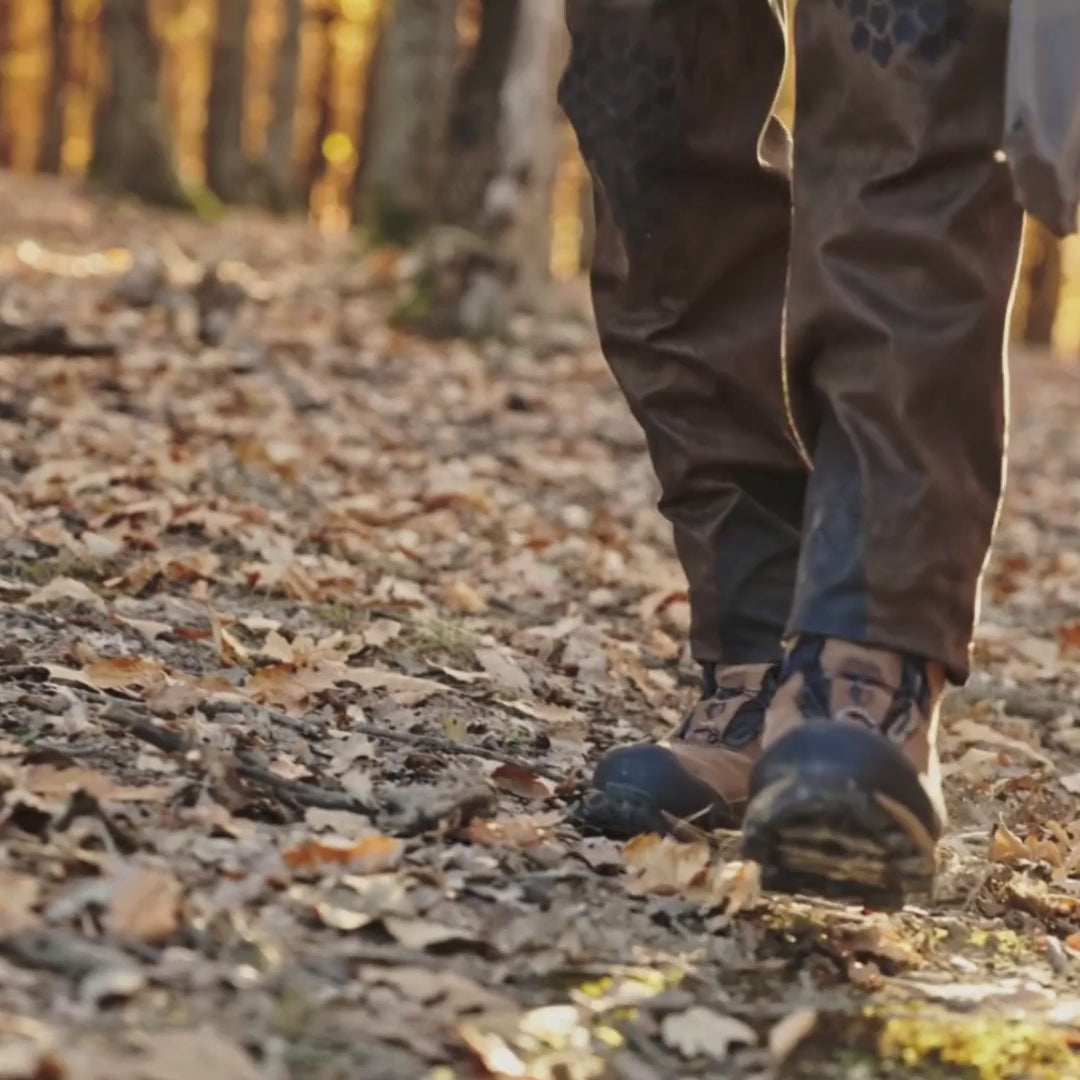
Upland hunting is different from static hunting. I’m moving constantly: climbing fences, stepping through ditches, covering uneven terrain behind bird dogs that don’t slow down for comfort. Pants that feel durable at first sometimes break down after a few hard weeks in the field. Durability isn’t theoretical here; it’s tested mile after mile.
When I see reinforced hunting pants advertised as “tough,” I look closely at the construction. Where are the abrasion zones? How is the brush guard integrated? Does the fabric hold against thorns, or does it just look heavy?
What Makes True Brush Pants Different?

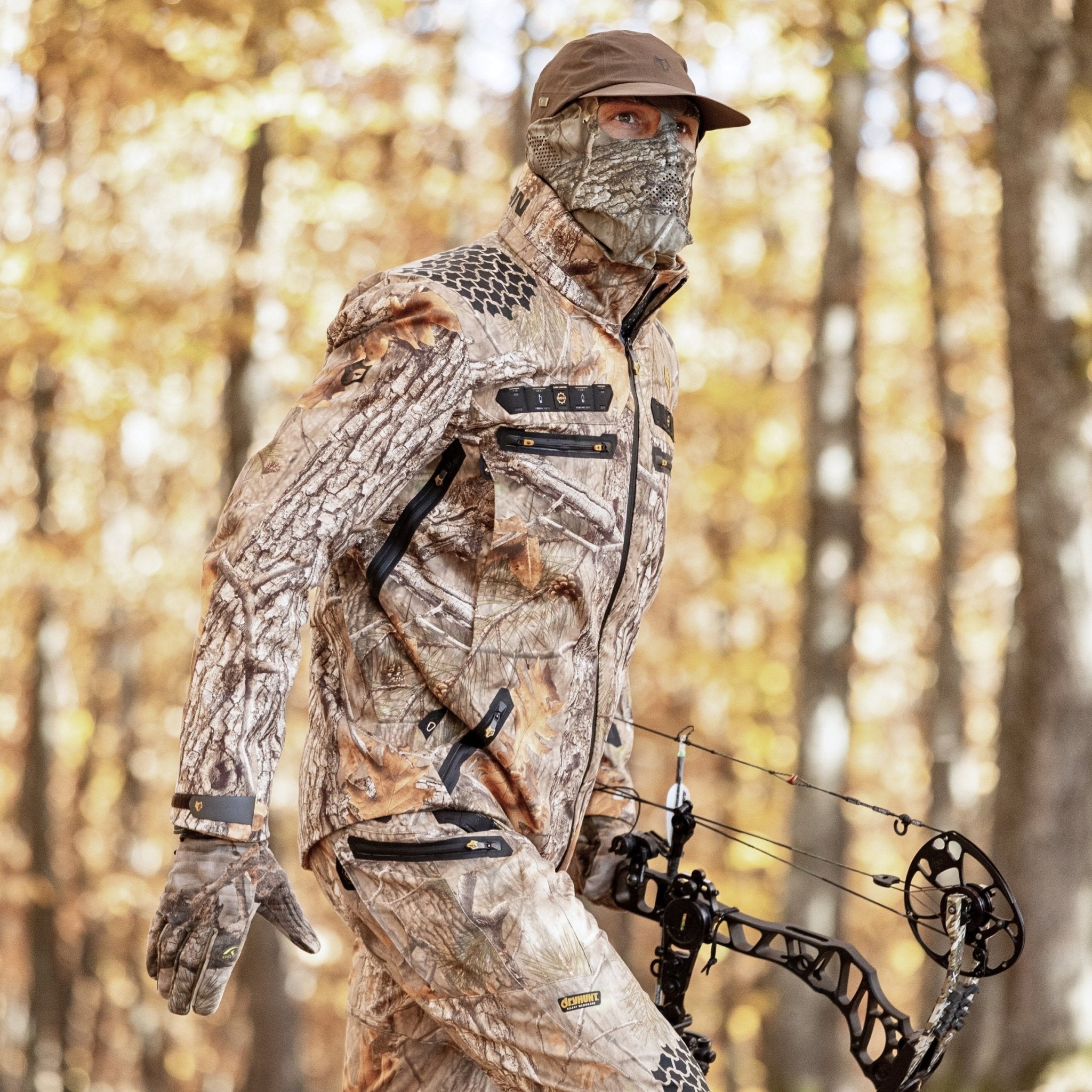
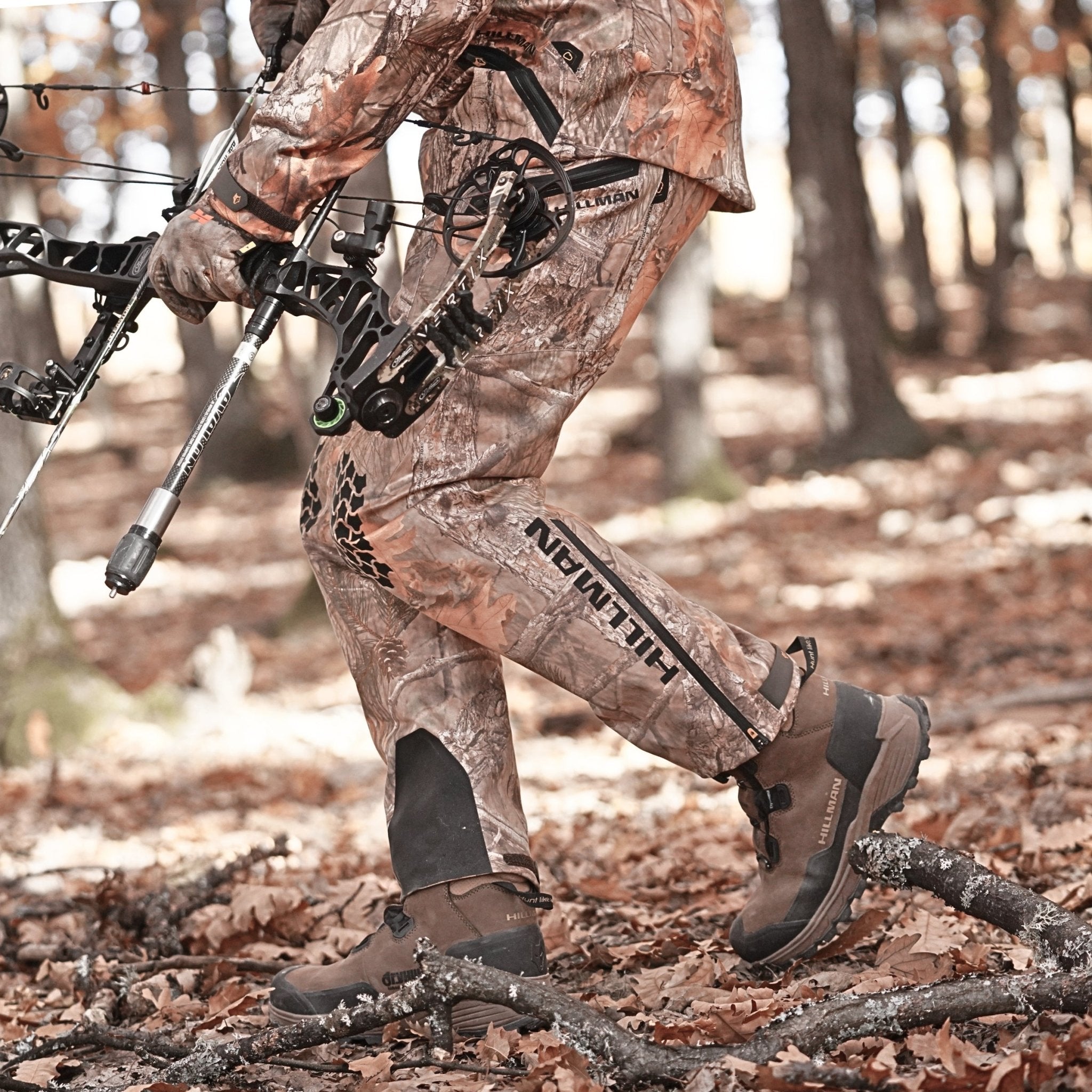
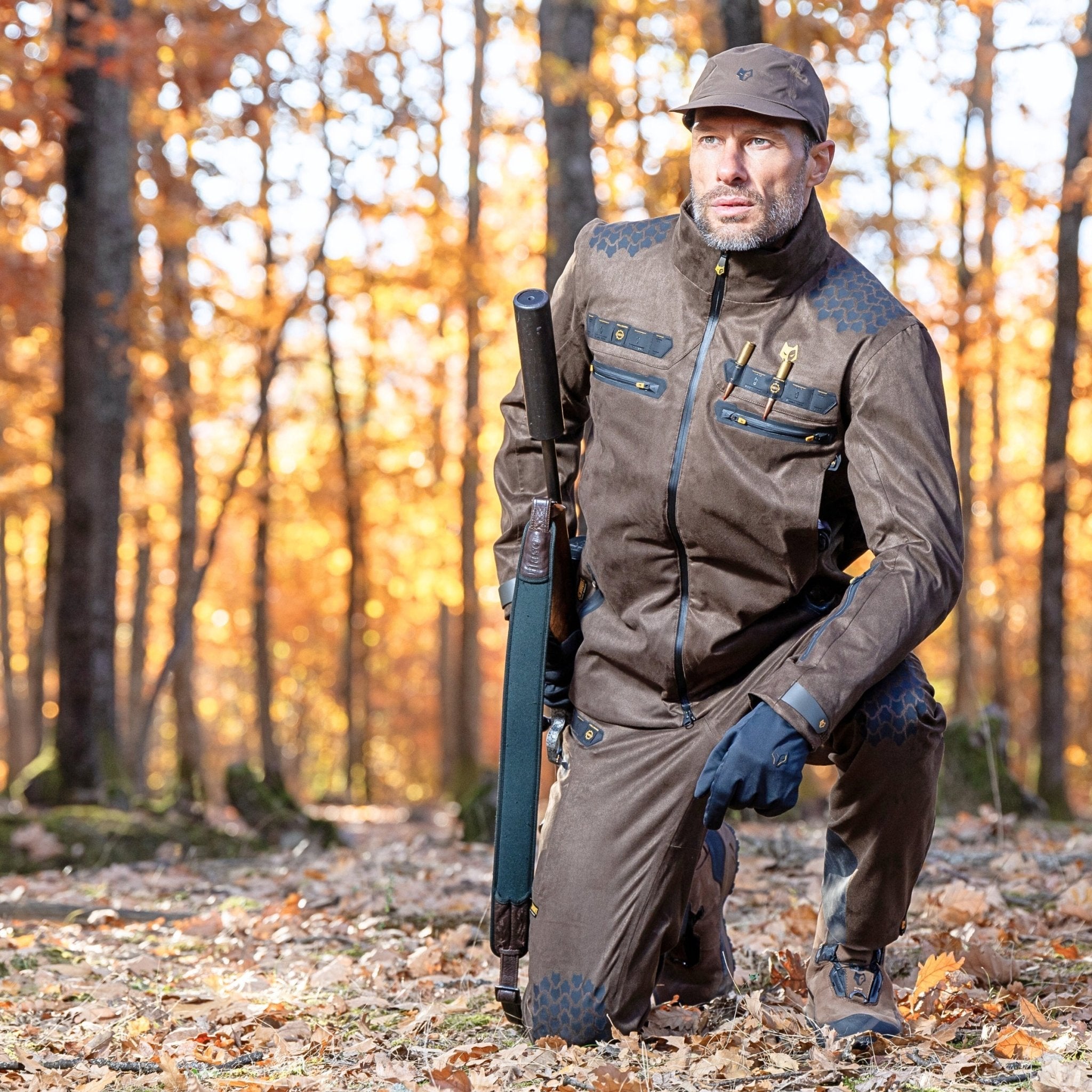
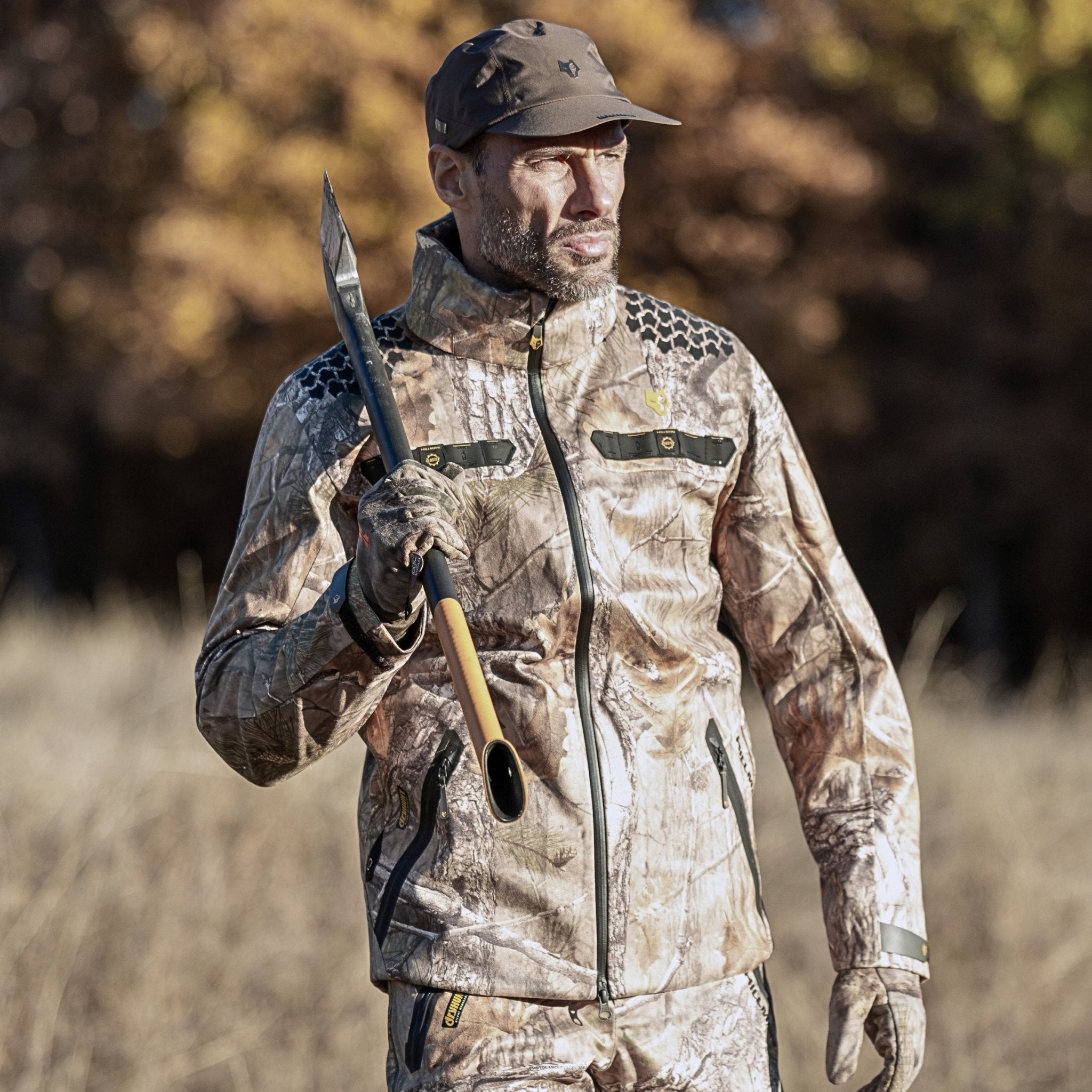
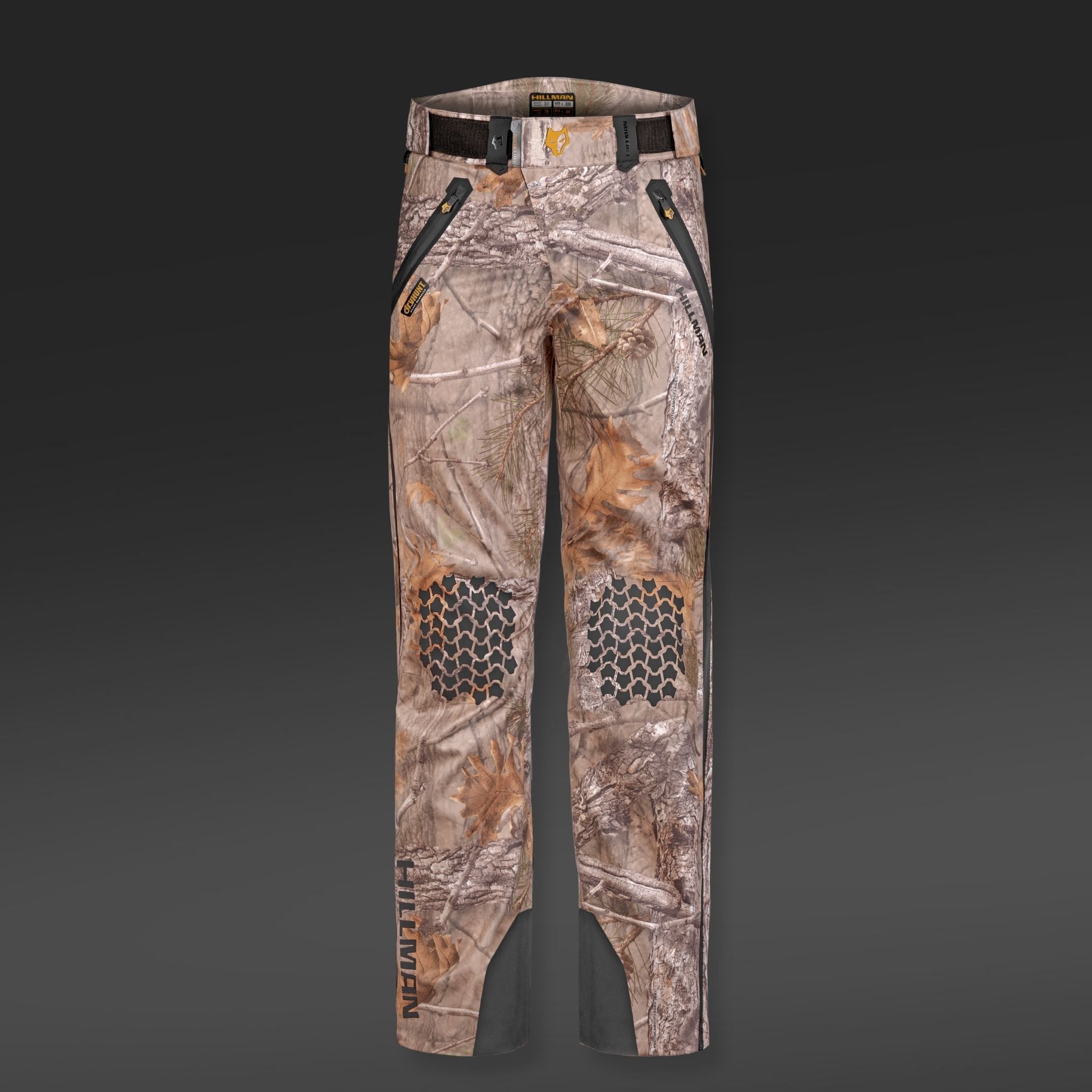
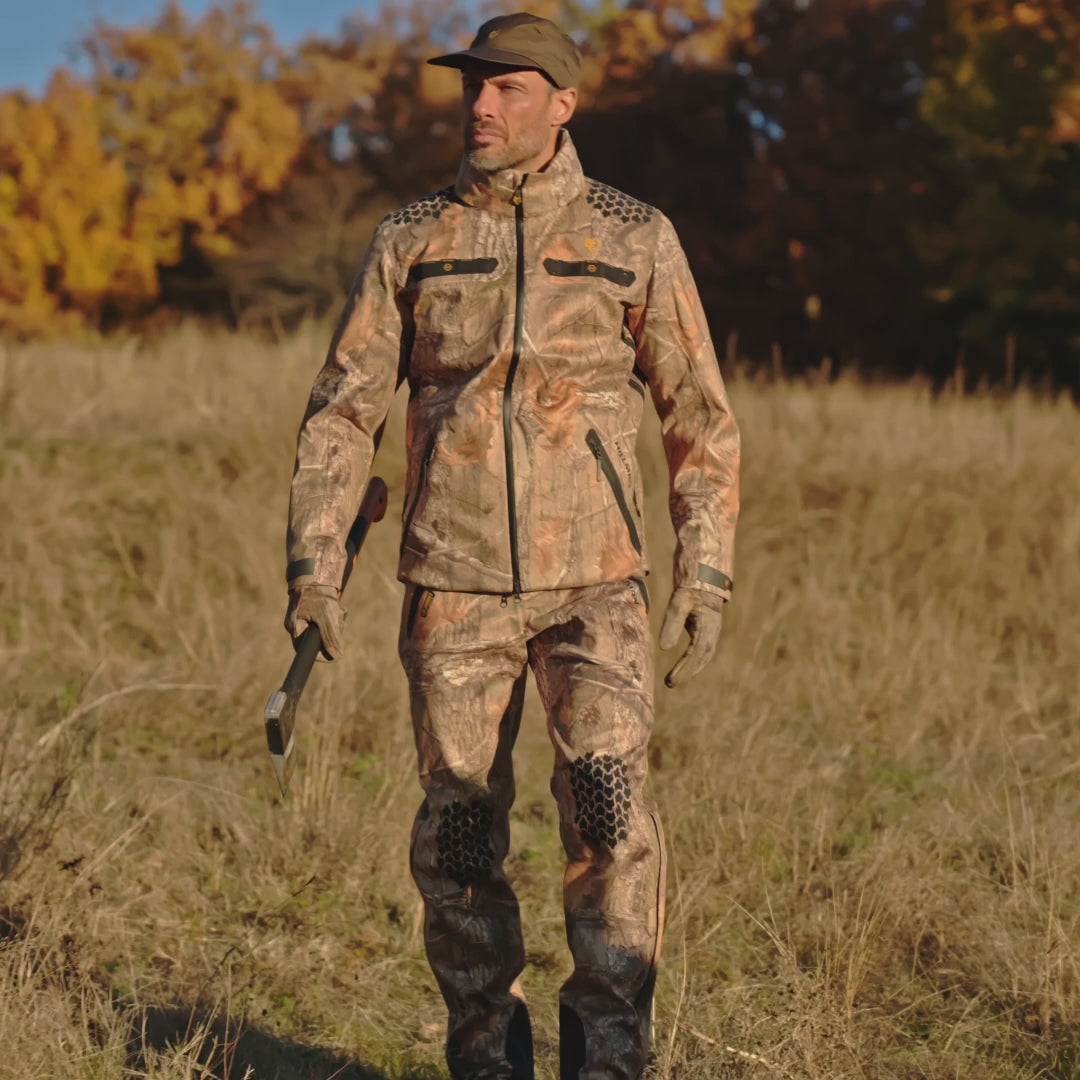
Real brush pants, the kind that earn the name, don’t rely on thickness alone. Briar pants need structure. I look for engineered materials that resist tearing rather than simply absorbing damage. Reinforced panels across the front of the legs make a difference, especially when pushing through brambles repeatedly.
The difference between ordinary hunting pants and true brush-proof hunting gear often comes down to construction. Double-front panels, dense weave fabrics, and thorn-resistant clothing treatments all contribute to durability. Weight alone doesn’t guarantee survival. I’ve worn heavy pants that failed because the fabric wasn’t designed to resist abrasion properly.
When I move through tight cover, I can feel whether the fabric deflects thorns or allows them to grab. That small detail determines how long a pair will last. If the material snags easily, I know it’s the wrong choice for serious upland game hunting.
Fit, Movement & Articulated Knees in Upland Pants

Toughness alone isn’t enough. Upland hunting demands motion. I’m stepping over fallen limbs, climbing into draws, kneeling to check a dog, then moving again within seconds. If upland pants restrict that movement, fatigue sets in quickly.
Articulated knees matter more than most people realize. A well-designed cut allows a full range of motion without pulling across the thighs or binding behind the knees. I’ve worn pants that felt durable but forced me to adjust constantly. By midday, that irritation turns into a distraction.
Fit is personal, but it’s never trivial. Upland bird hunting pants should sit comfortably without sagging or riding up during long walks. A proper cut blends protection with mobility. When pants move naturally with my legs, I forget about them. When they don’t, every step feels slightly off.
Climbing in and out of uneven terrain exposes stiffness immediately. If fabric resists motion rather than supporting it, I feel tired sooner than I should. The right upland pants allow consistent forward movement without demanding attention.
Lightweight vs Heavy-Duty Hunting Pants

There’s always a balance between weight and durability. Early-season hunts often call for lightweight upland hunting pants. When temperatures run hot and fields are dry, breathability becomes just as important as protection. Lightweight fabric reduces heat buildup and allows better ventilation during constant movement.
But lightweight doesn’t mean fragile. I still expect durability in high-wear areas. The wrong pair might feel great in September but fail once the cover thickens or the weather shifts.
As the season progresses, heavier hunting pants provide added warmth and abrasion resistance. Late October mornings can bring cooler temperatures, and insulation becomes part of the equation. I don’t want bulky gear, but I do want enough warmth to stay in the field longer without feeling drained.
Layering plays a role here. I’ve found that combining moderate-weight upland hunting pants with appropriate base layers offers more versatility than relying on a single heavy pair. Conditions change week to week. The best upland hunting pants adapt rather than forcing compromise.
Waterproof Upland Hunting Pants in Wet Weather

Wet weather changes everything. Dew-soaked grass in the morning can soak boots and legs before the first hour is over. Add light rain or marshy terrain, and suddenly waterproof upland pants become more than a convenience; they become a necessity.
I don’t expect pants to handle standing water like waders, but I do expect them to repel moisture long enough to prevent saturation. Waterproof construction combined with breathable membranes helps regulate body temperature. If fabric traps heat and sweat while blocking rain, comfort disappears quickly.
Breathability matters as much as waterproofing. During sustained movement, internal moisture builds fast. Without proper ventilation, even great brush pants feel heavy and damp. The balance between water resistance and airflow defines how long I can comfortably hunt in wet conditions.
Cold rain can drain energy just as effectively as thick brush. Pants that resist water while allowing breathability help maintain warmth without adding unnecessary weight.
Pockets, Construction & Practical Features

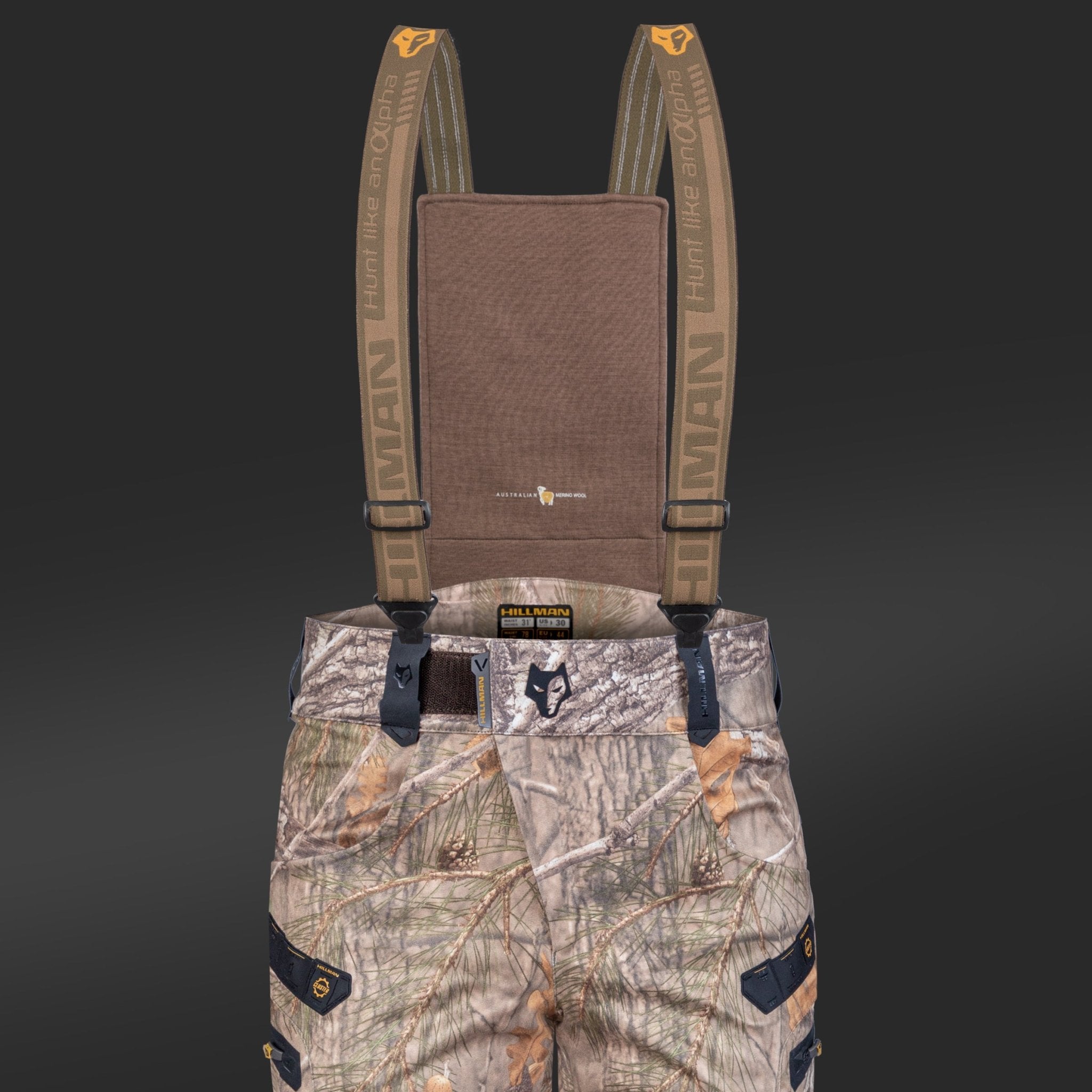
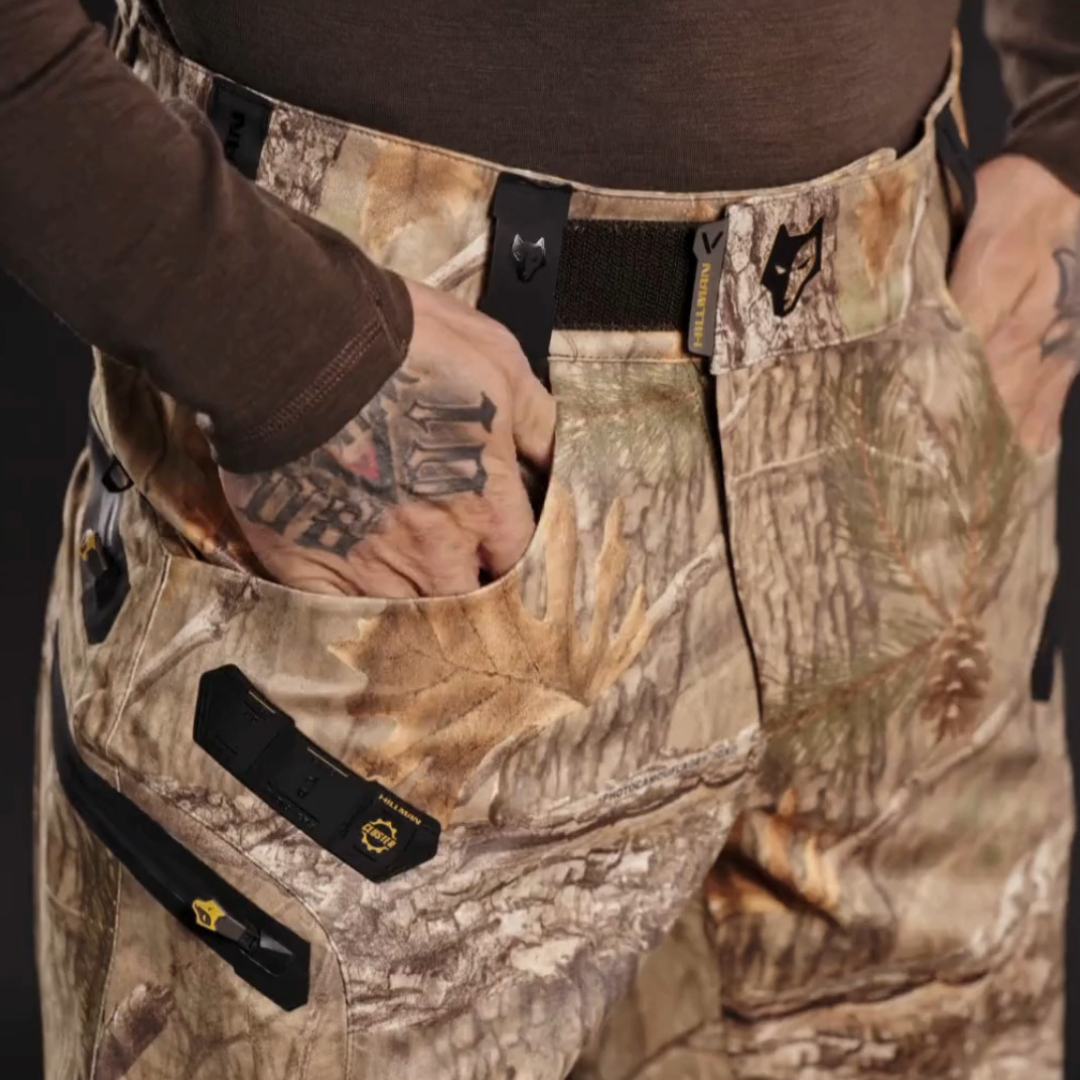
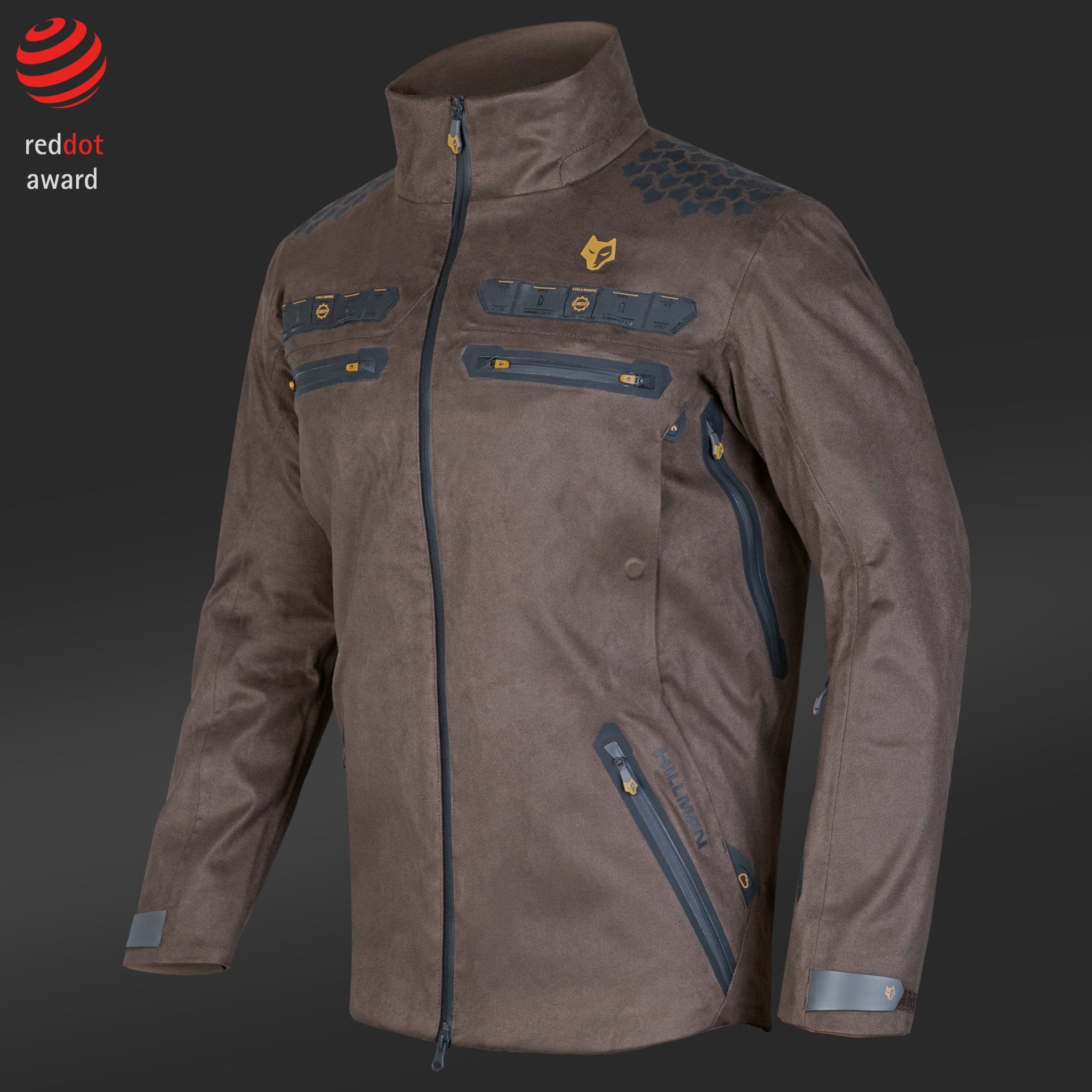
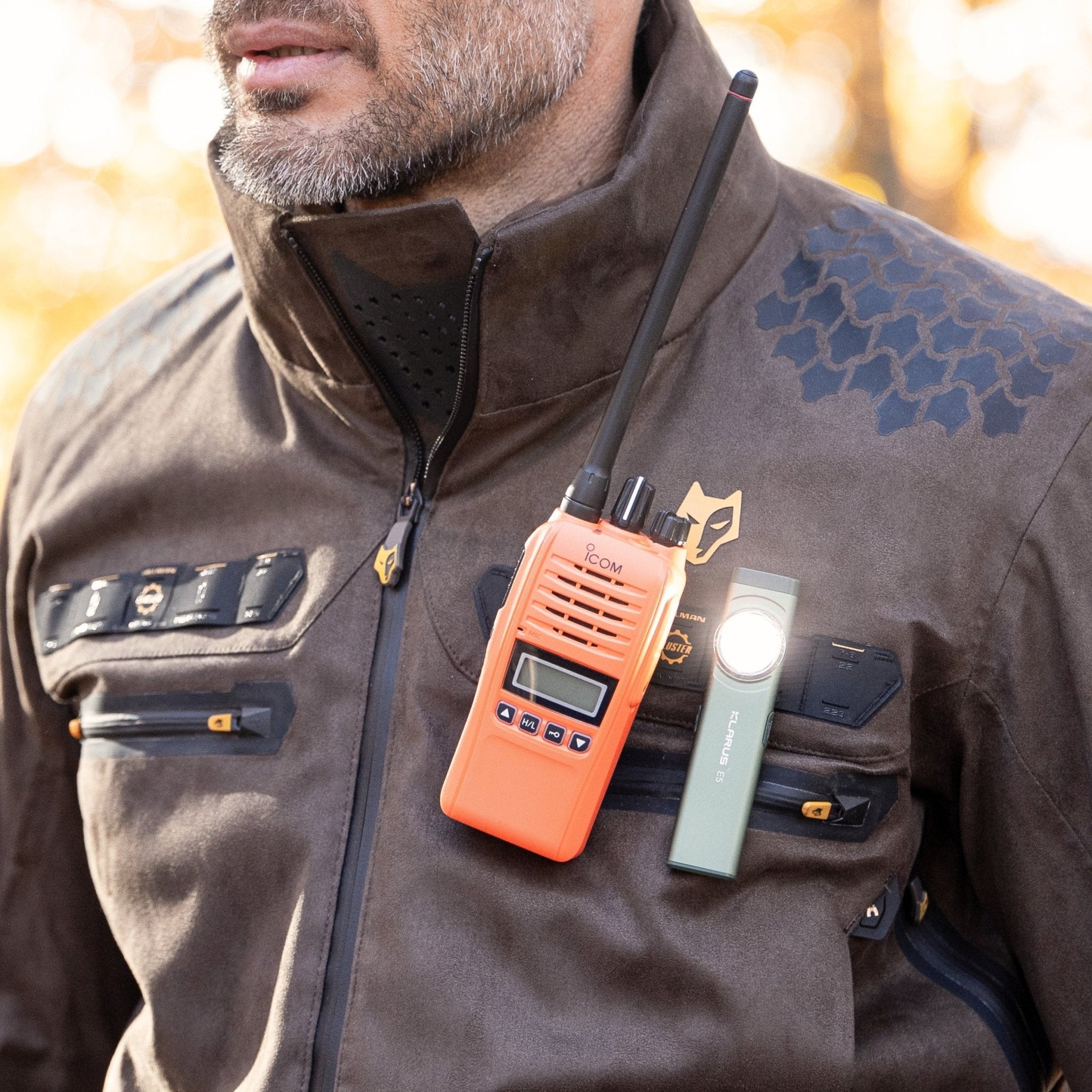
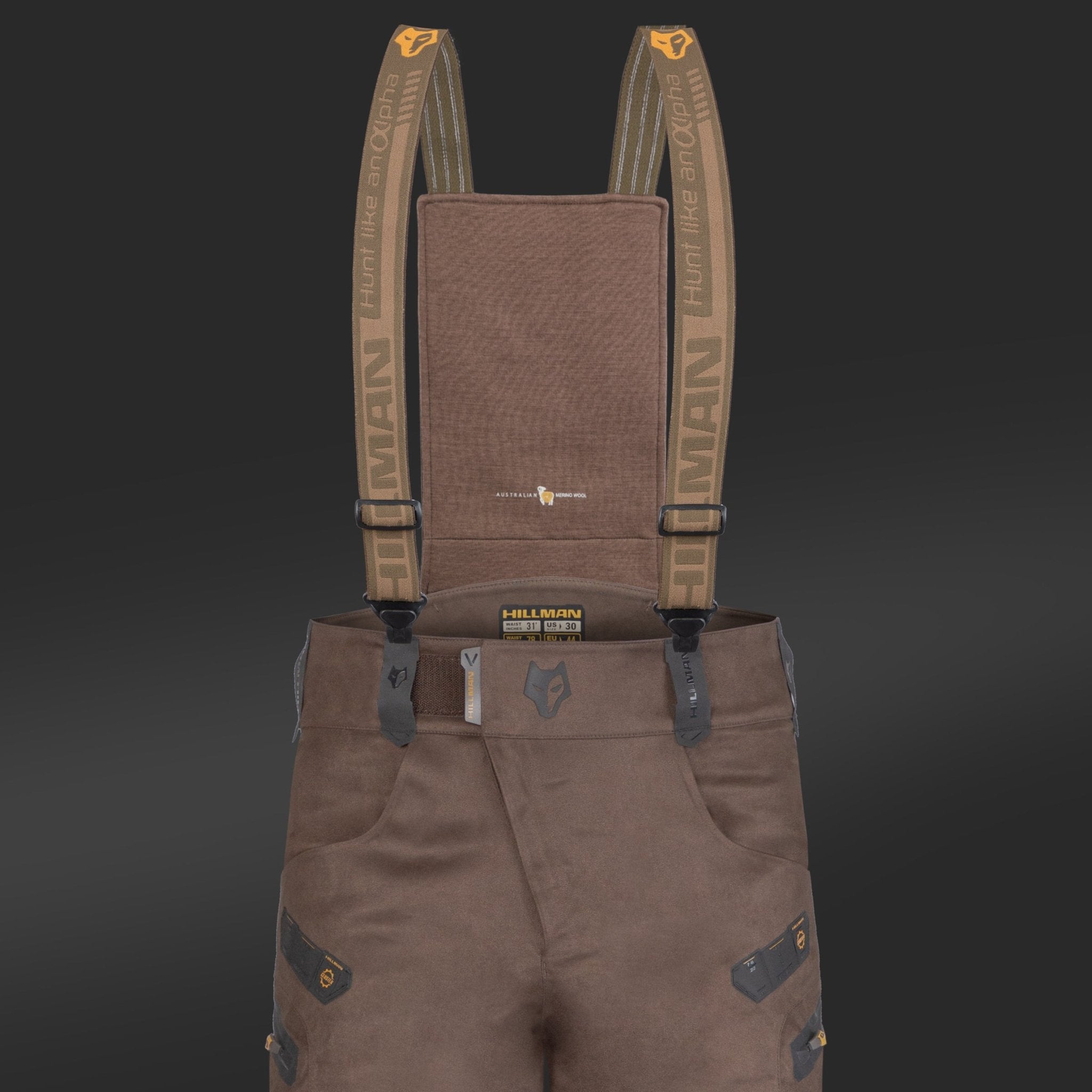
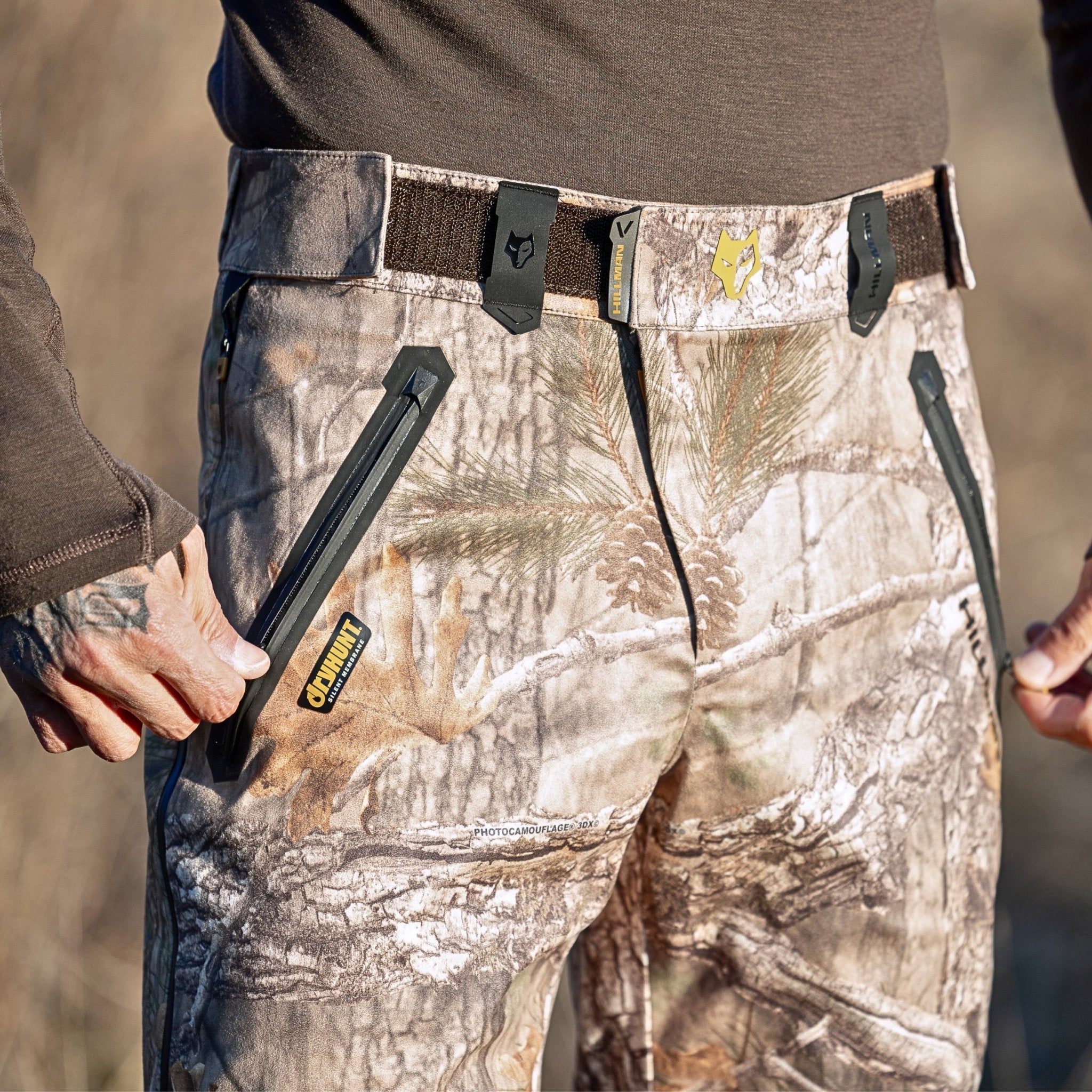
Features can either enhance or complicate it. Deep pockets are useful, but only if they’re positioned correctly. I carry essentials like small items that need quick access without shifting my balance. Pockets should sit flat and secure, not swing or interfere with movement.
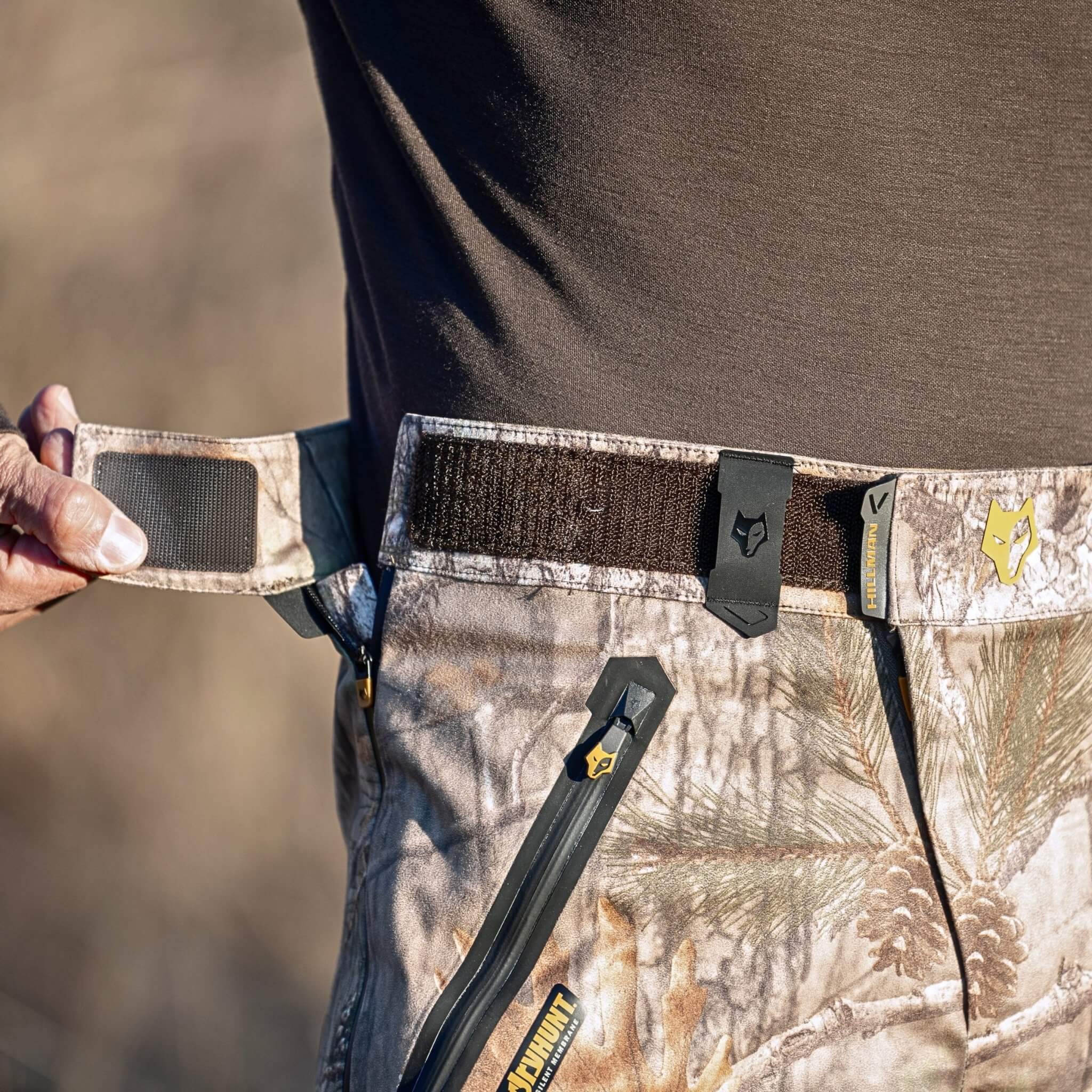
Construction details often reveal whether a pair of pants was designed for actual field use. Reinforced stitching in stress areas, durable seams, and thoughtful layout of brush guards all signal intention. I’ve bought pairs that looked promising but fell apart because the construction didn’t match the claims.
Chaps-style overlays have their place, but I prefer integrated protection. When brush guard panels are built directly into the pant rather than added externally, movement feels more natural. The complete design should work as one system.
Comfort remains central. Even the toughest upland hunting pants lose value if the fit distracts me after hours in the field. Protection should feel intentional, not cumbersome.
Choosing the Best Upland Hunting Pants for 2026

When I think about the best upland hunting pants for 2026, I don’t think about trends. I think about terrain. I think about how many miles I’ll cover and how thick the cover will be.
Upland pheasant hunting pants may require stronger brush protection in agricultural edges, while upland game hunting in lighter cover might allow more breathable, lightweight options. Climate plays a role as well. Warm early-season hunts demand ventilation and reduced weight. Colder conditions require added warmth without sacrificing mobility.
The right upland hunting pant should survive repeated contact with briars and thorns, maintain comfort across changing weather conditions, and allow a full range of motion through uneven terrain. Durable upland gear isn’t defined by marketing language. It’s defined by whether it holds up after a full season of real use.
Innovation in materials has improved performance, but fundamentals remain the same. Strong construction, engineered fabric, articulated design, and reliable protection determine whether pants merely look tough or actually are tough.
In the end, I judge upland hunting pants by a simple standard. If they allow me to focus on the dog, the cover, and the flush instead of worrying about torn fabric or soaked legs, they’ve done their job. If they survive week after week in thick cover without breaking down, I’ll wear that pair again next season.
That’s what I look for in brush pants for men who spend serious time in the field. Not perfection, just gear that can handle briars, weather, and movement without asking for attention.
Frequently Asked Questions About Upland Hunting Pants

How to choose the best upland hunting pants for heavy brush?
When I’m choosing upland hunting pants for heavy brush, I focus less on overall thickness and more on construction. Heavy fabric alone doesn’t guarantee durability. What matters is whether the pants have reinforced panels in high-contact areas and whether the material resists tearing when pushed through briars repeatedly.
For thick cover, I look for brush pants with integrated brush guards across the front of the legs. The fabric should feel dense and tightly woven, not loose or stretchy in a way that invites thorns to grab. Fit also matters. If the cut restricts movement, I’ll fatigue faster, especially when climbing or stepping over obstacles. The best upland hunting pants for heavy brush balance protection with mobility, so I can move confidently without worrying about damage.
Are waterproof upland hunting pants necessary for bird hunting?
In my experience, waterproof upland hunting pants aren’t always mandatory, but they become essential in certain conditions. Early morning hunts through dew-soaked fields can leave regular pants wet within minutes. Add light rain or marshy terrain, and moisture starts affecting comfort quickly.
What I prefer is water resistance combined with breathability. Fully waterproof upland pants are valuable in sustained wet weather, but if they trap heat and limit ventilation, they can become uncomfortable during long stretches of movement. For bird hunters who cover a lot of ground, breathable waterproof construction offers the best balance between staying dry and staying comfortable.
What features make hunting pants truly “briar-proof” and durable?
For me, “briar-proof” starts with reinforced hunting trousers that include built-in brush guards rather than relying on thin overlays. Thorn-resistant clothing needs more than marketing language; it needs abrasion-resistant materials engineered to withstand repeated contact with dense brush.
Durable upland gear typically includes articulated knees for movement, reinforced seams in stress zones, and fabric that holds its structure after extended use. Pants that are truly brush-proof don’t fray easily, don’t snag excessively, and don’t thin out after a few hard weeks in the field.
Ultimately, durability shows up over time. If a pair of upland hunting pants can survive repeated hunts through briars and still maintain fit and protection, that’s when I consider them genuinely tough.



Share:
The Ultimate Guide to Duck Hunting Clothes: Stay Dry & Hidden
Break In Without Pain: How to Prep Hunting Boots