

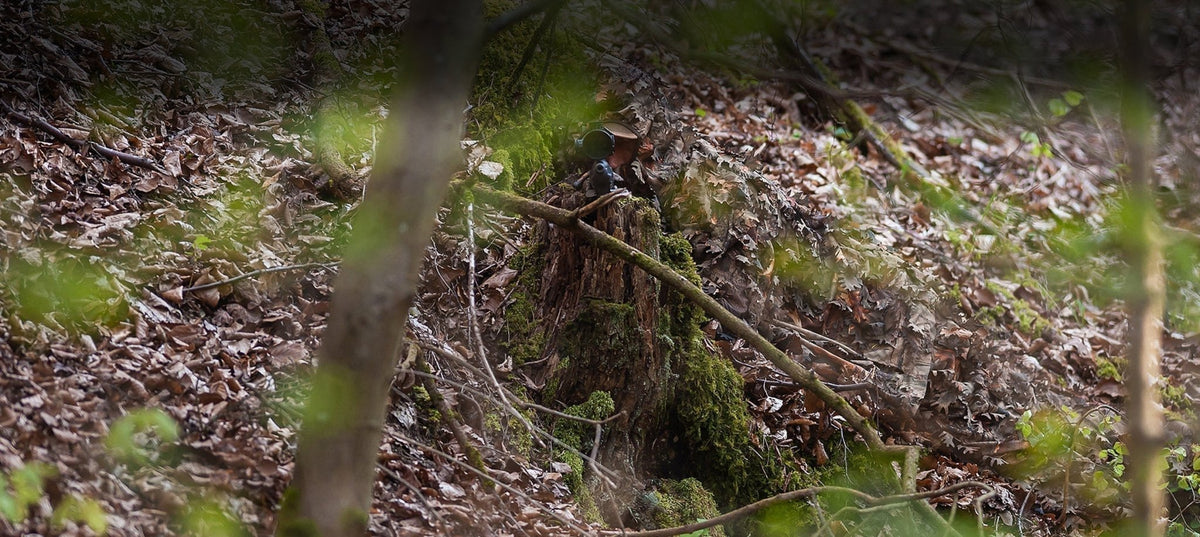
Late Season Deer Hunting Clothes: How to Stay Warm Without Sweating on the Walk In

Stay Warm Late Season Without Sweating Out on the Walk-in.
Why Late Season Deer Hunting Clothes Need a Different Approach
Late season deer hunting gets messed up fast when guys dress for the sit and forget the walk in.
That is the usual screwup.
You leave the truck already feeling warm, which sounds smart for about ten minutes. Then the hike starts. Your body heats up, your back gets damp under the pack, your base layer starts holding sweat, and by the time you reach the stand you are not warm anymore. You are wet. That is worse.
Once you stop moving, that moisture turns on you. Wind cuts through. Your core temp drops. Your clothes start feeling cold instead of protective. Then the whole hunt becomes an exercise in trying not to shiver.
That is why late season deer hunting clothes cannot just be “heavy.” They need to do two opposite jobs. First, they have to let you walk in without overheating. Then they have to keep you warm when you sit still for hours in real cold, wind, snow, and nasty late season weather.
If your system cannot do both, it is not a real late season system.
Build a Three Layer System and Stop Overdressing

A lot of hunters overcomplicate this, then still end up cold.
The basic answer is a three-layer system. It works because each layer has one job. You are not asking one giant hunting jacket to somehow fix everything.
The base layer handles moisture.
The mid layer holds warmth.
The outer layer blocks wind, brush, light moisture, and bad weather.
That setup gives you room to adjust. Late season weather changes all the time. A morning can start brutal, loosen up after sunrise, then get mean again once the wind starts cutting across an open field or ridge.
Layers let you react without cooking yourself on the way in.
Good hunting clothes for extreme cold are not just bulky. They are usable. That matters more.
Start With Base Layers That Keep Sweat Under Control

The base layer is where the day usually gets won or lost.
If that first layer does not move moisture off your skin, everything above it starts failing right after. Once sweat gets trapped, the rest of your insulation has to fight a problem you caused an hour earlier.
Merino wool is hard to beat here. It regulates temperature well, stays comfortable, manages moisture better than cotton, and does not become useless just because it gets a little damp. Synthetic base layers can work too, especially if your walk in is long, steep, or aggressive. The point is not the label. The point is moisture control.
Cotton is garbage for this. It holds sweat, dries slow, and makes cold feel colder.
For most late season hunts, a light or midweight merino top and bottom is enough to start. Guys get nervous when it is freezing and want the thickest stuff they own right away. That is usually the wrong move unless the walk is very short. On the hike in, less can be better. You want to arrive dry, not cozy.
Same deal with socks. Merino hunting socks usually beat fat, overbuilt socks that cram your boots tight. Tight boots kill circulation. Once that happens, your feet are on borrowed time.
Use a Mid Layer That Warms You Up Without Cooking You

The mid layer is where plenty of setups go off the rails.
Hunters start stacking insulation because late season sounds like a reason to pile it on. Then twenty minutes into the walk, they are sweating through everything.
A good mid layer should warm you up without trapping so much heat that you feel like a furnace. Fleece is solid because it breathes and still holds warmth. A light insulated jacket can work too if it is easy to vent, easy to strip off, and not too bulky under your outerwear.
What you want is flexibility.
A decent mid layer should work under a shell, under a hunting jacket, or even by itself when the conditions allow it. That gives you options instead of locking you into one bad decision before daylight.
Comfortable hunters think ahead. Miserable hunters dress heavy and hope for the best.
Pack the Heavy Insulation and Put It On at the Stand

This is the part a lot of people learn the hard way.
Do not wear your full late season armor on the hike unless the walk is tiny and the cold is savage. Pack the heavy insulation and put it on when you get there.
That one adjustment fixes a lot.
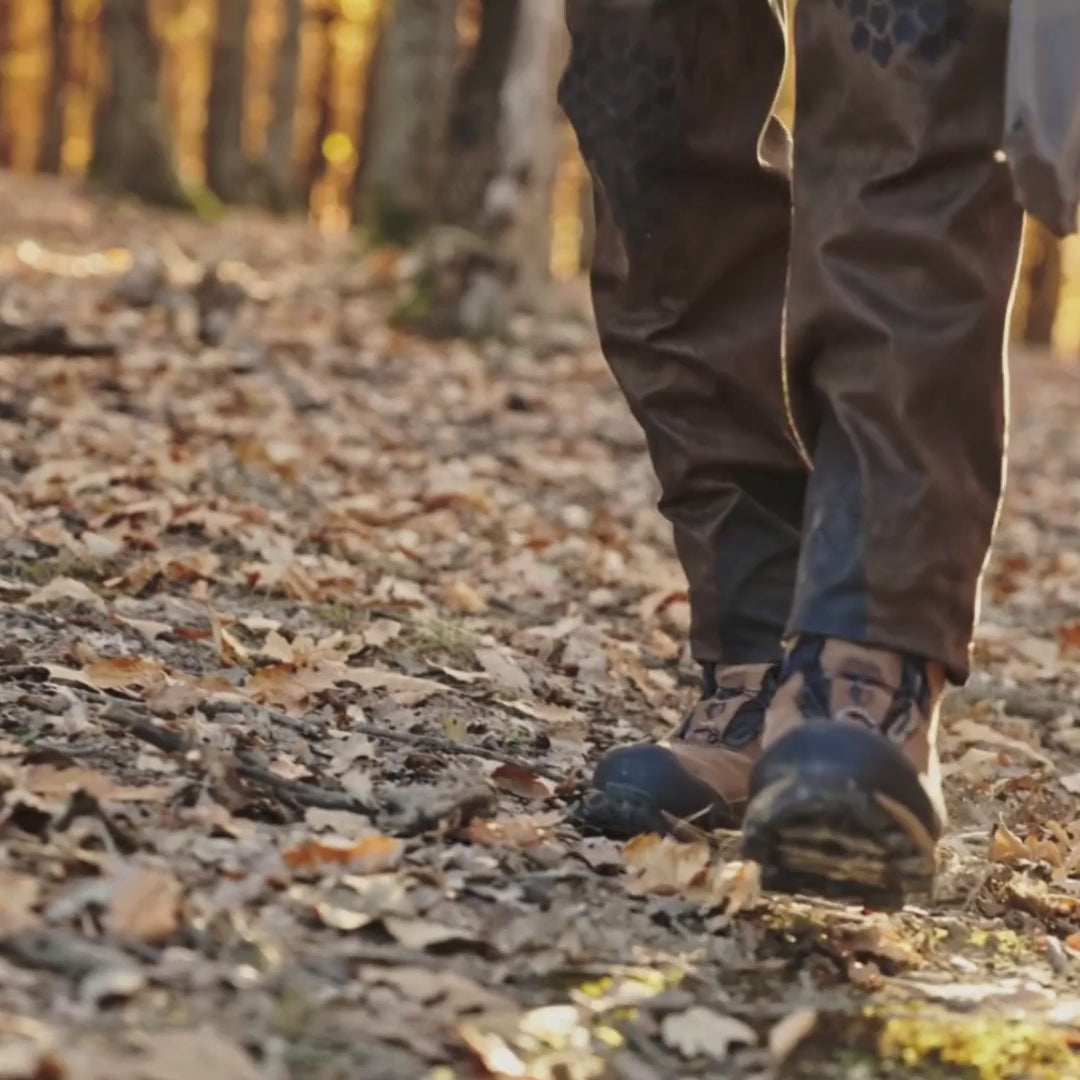
Walking with a pack, bow, rifle, or extra gear over uneven winter ground builds heat fast, even in brutal conditions. If you start the hike already bundled like you are sitting on stand, you are basically choosing sweat before legal light.
A better setup is simple. Walk in a little cool. Keep the heavy stuff packed. Then once you reach the tree, blind, or stand site, layer up before your heat drops.
That is how you keep insulation working for you instead of against you.
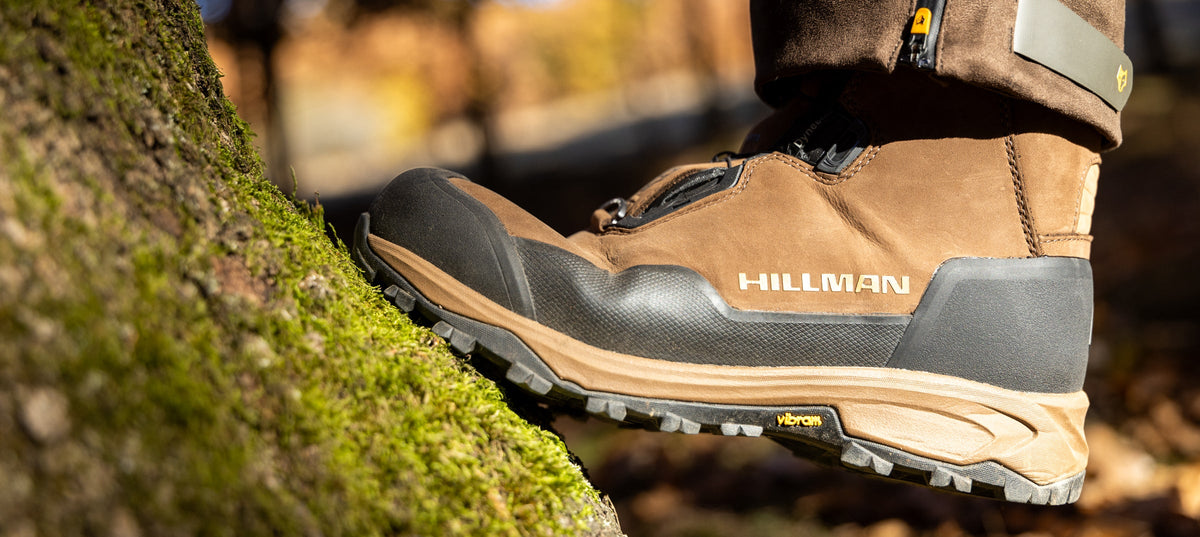
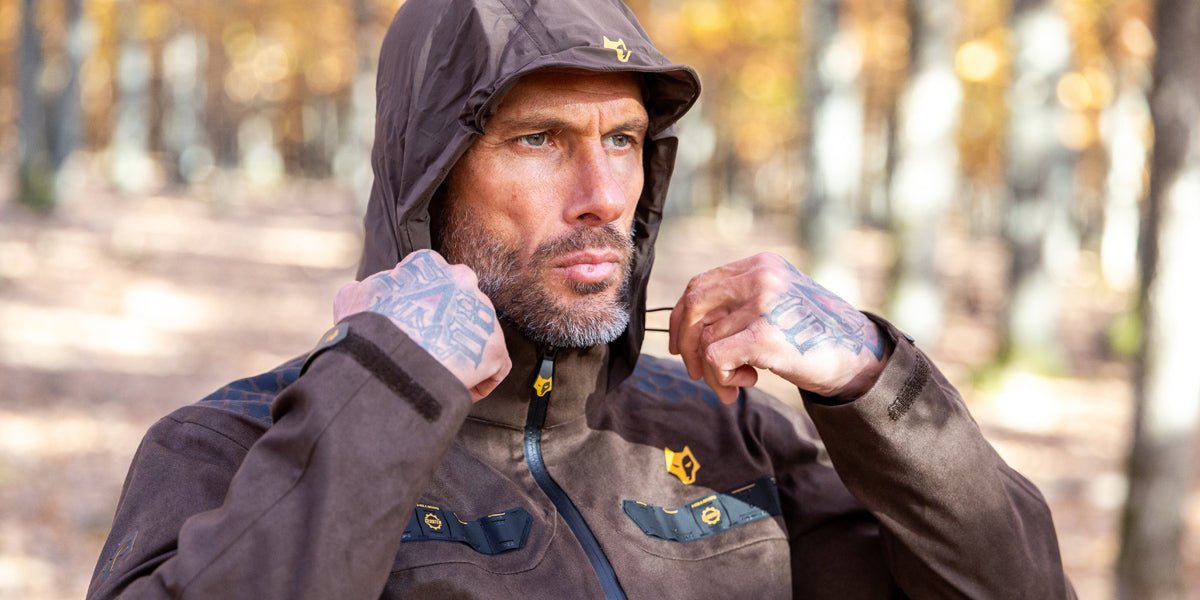
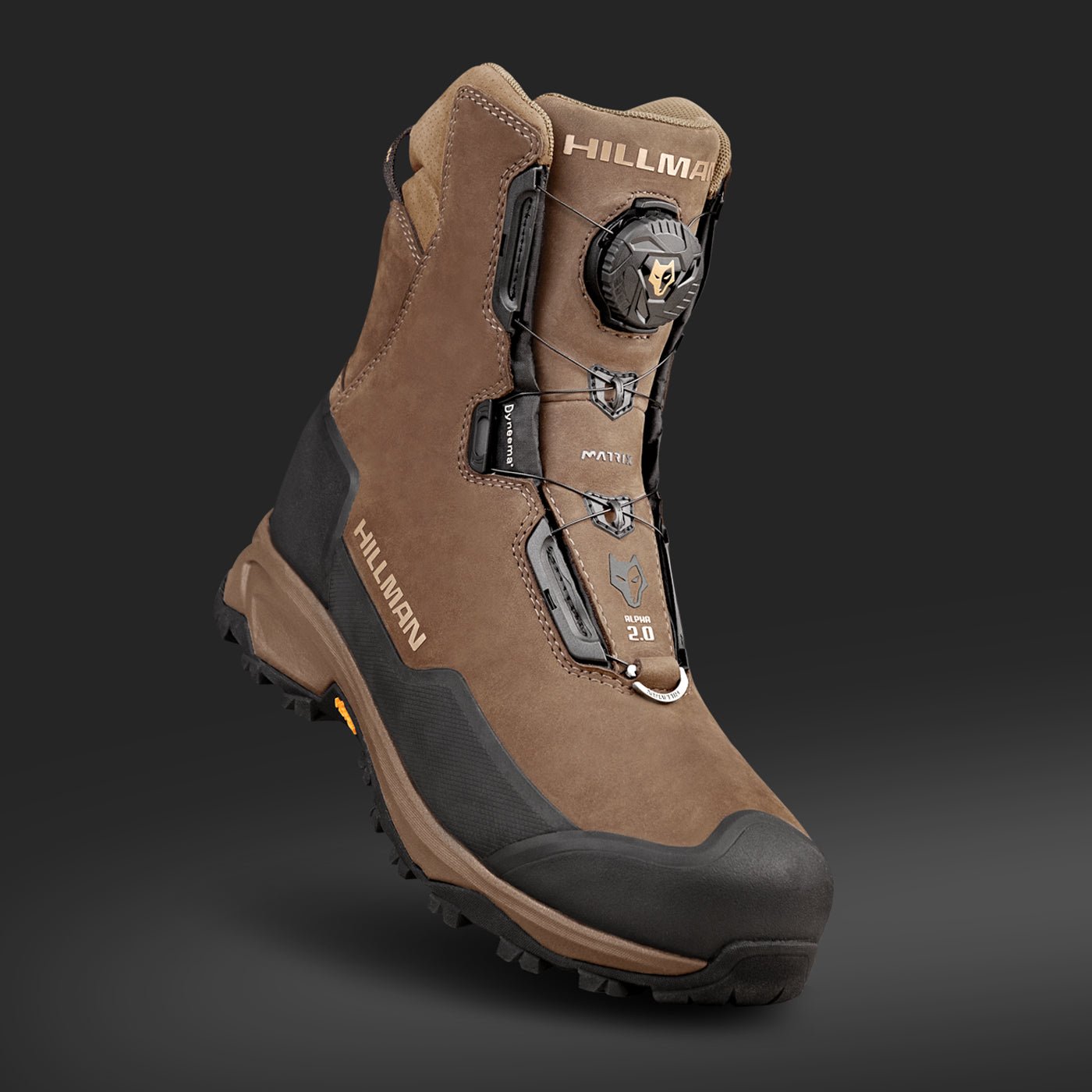
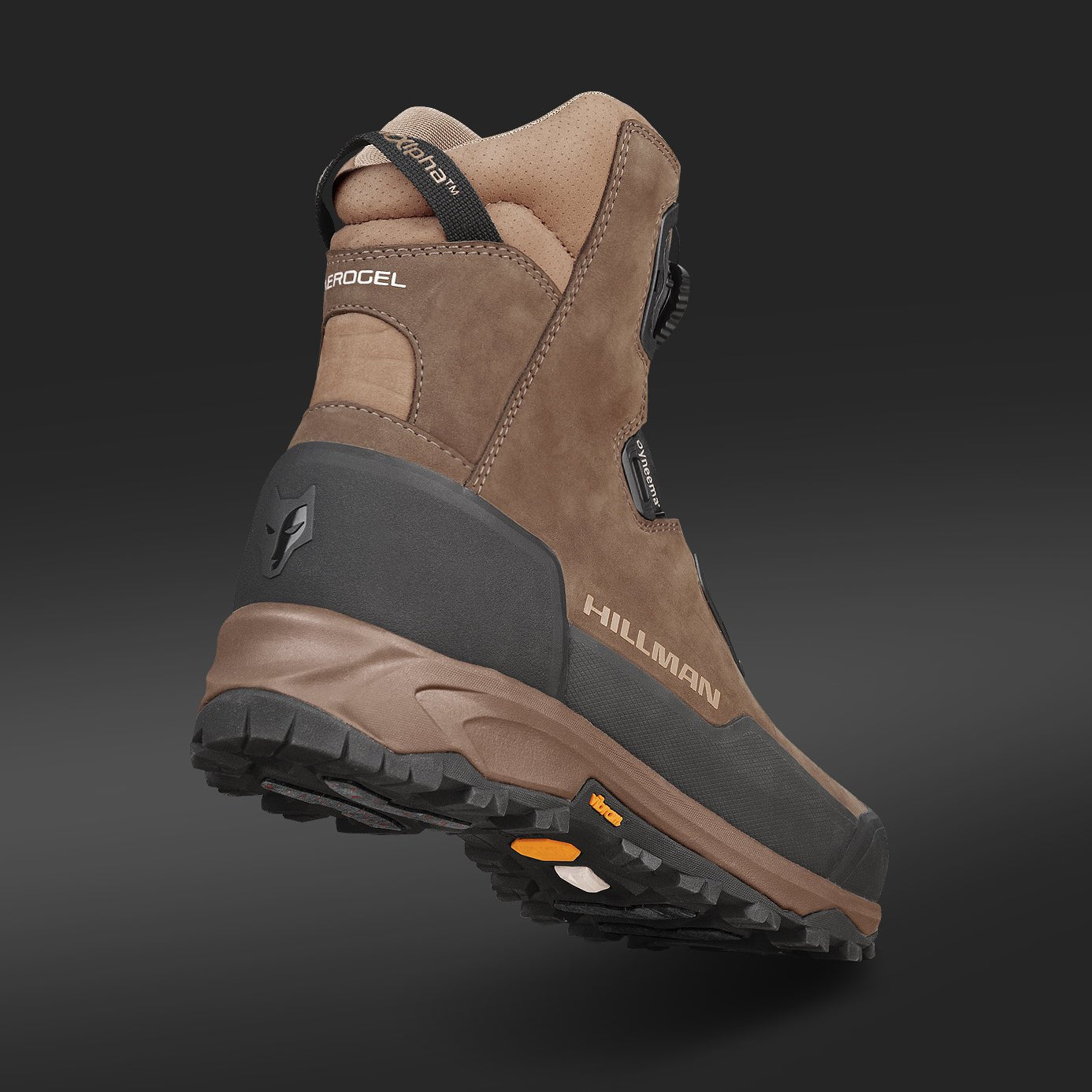
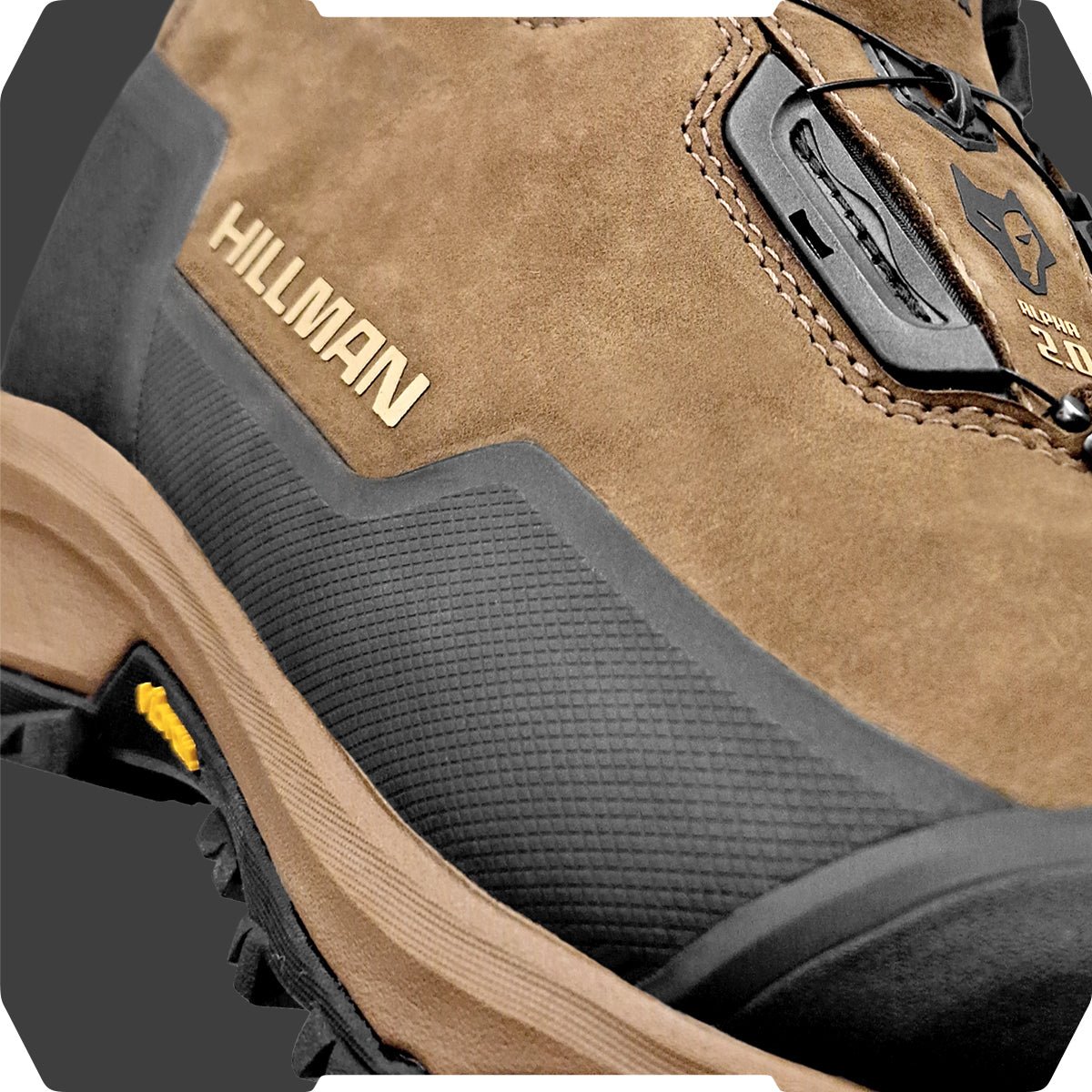
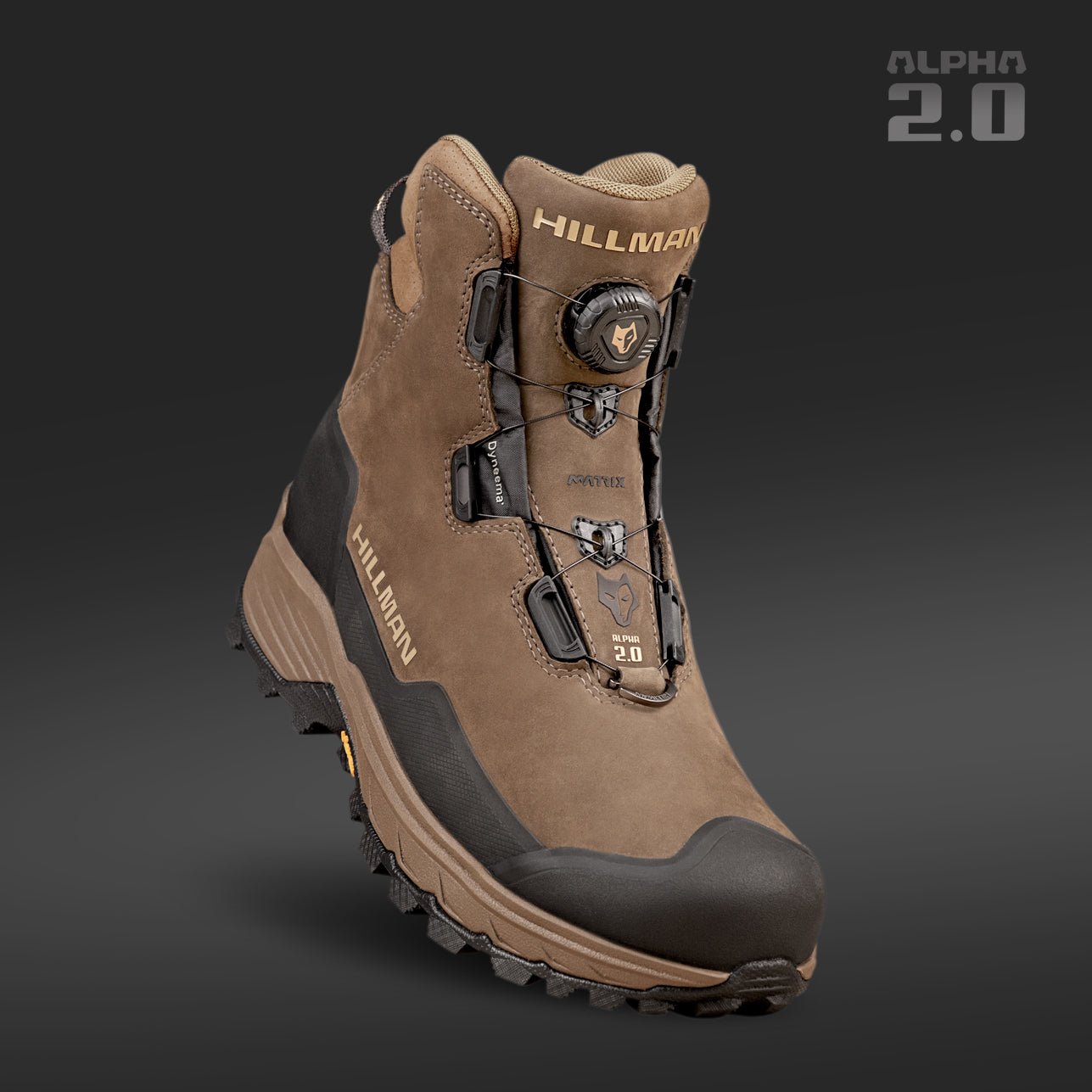
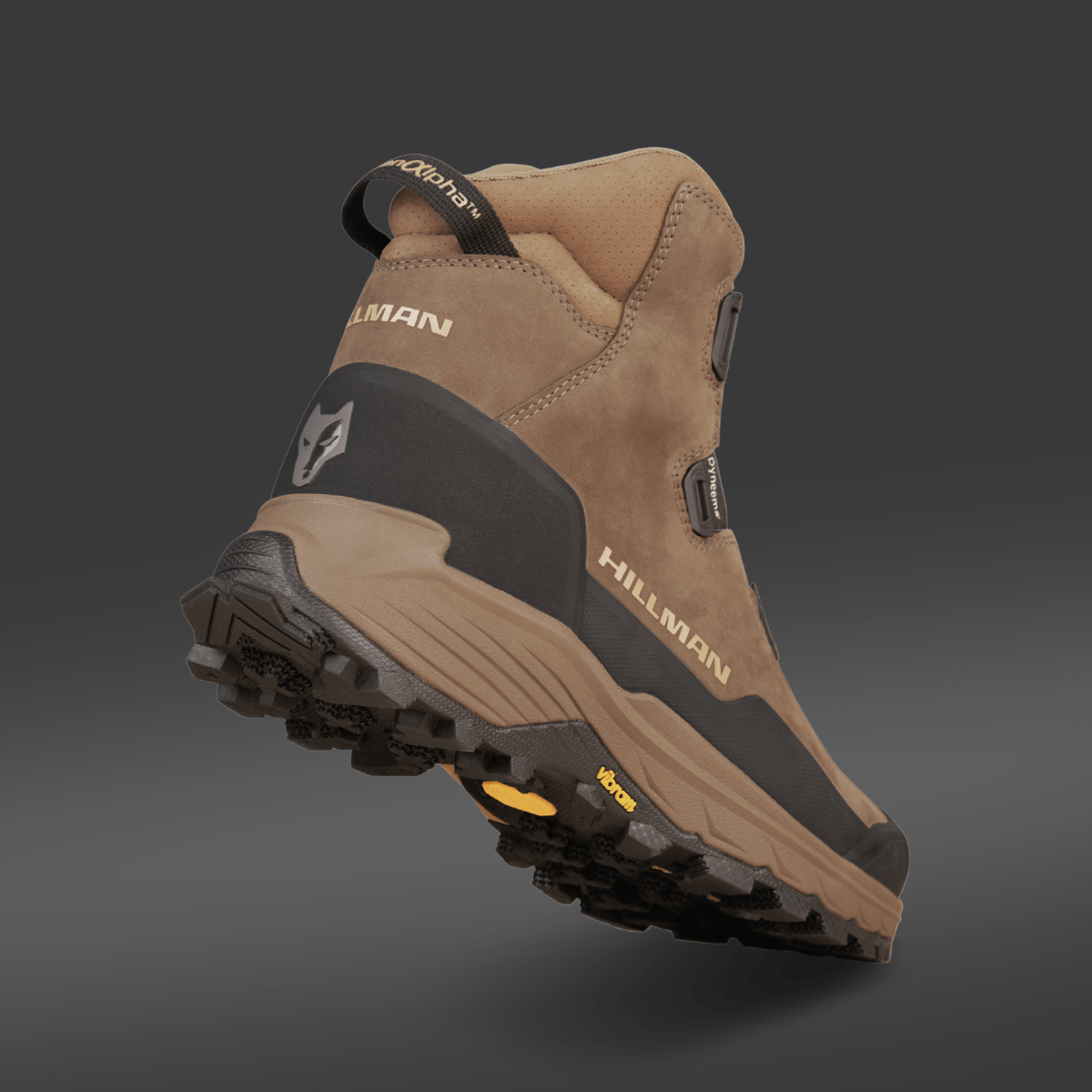
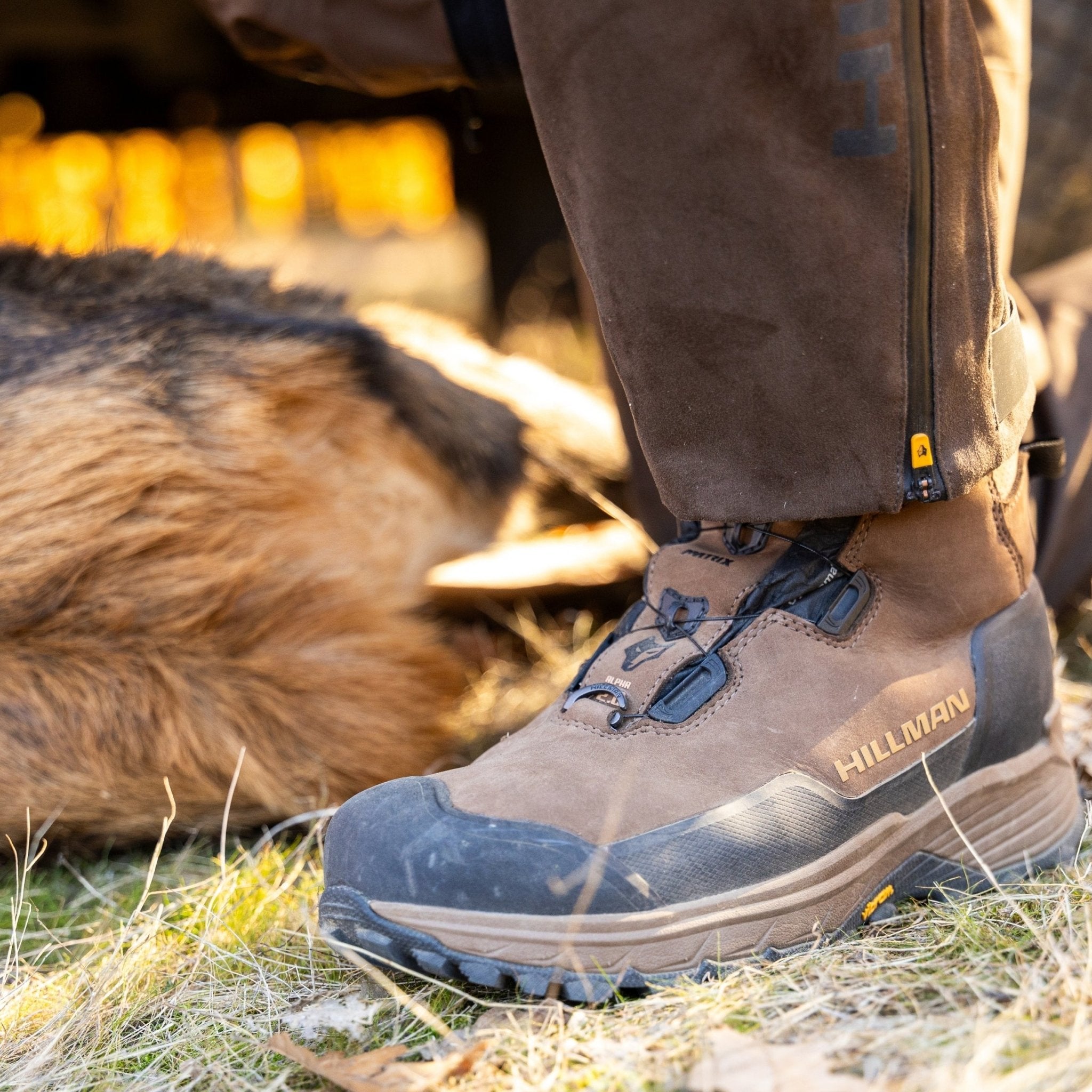
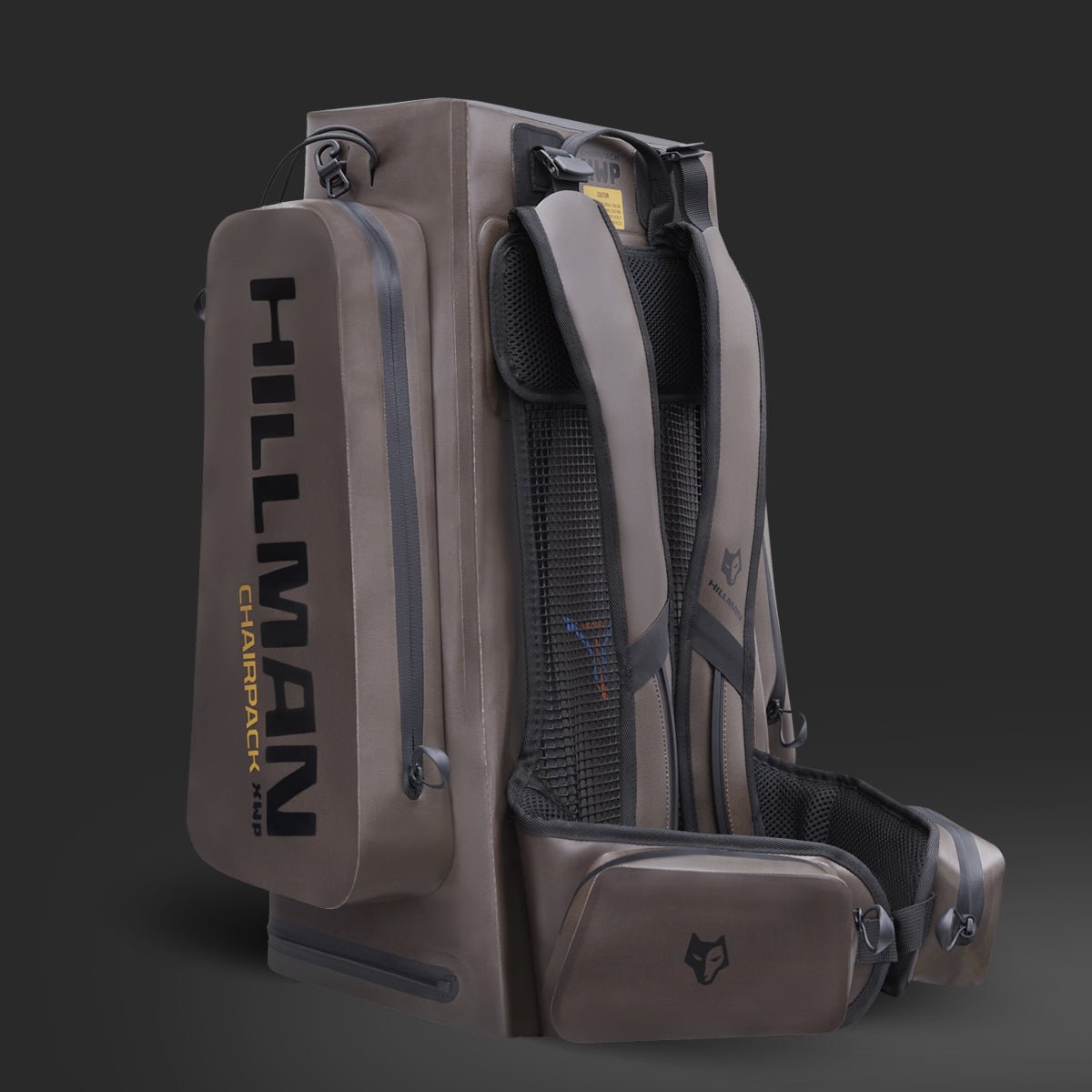
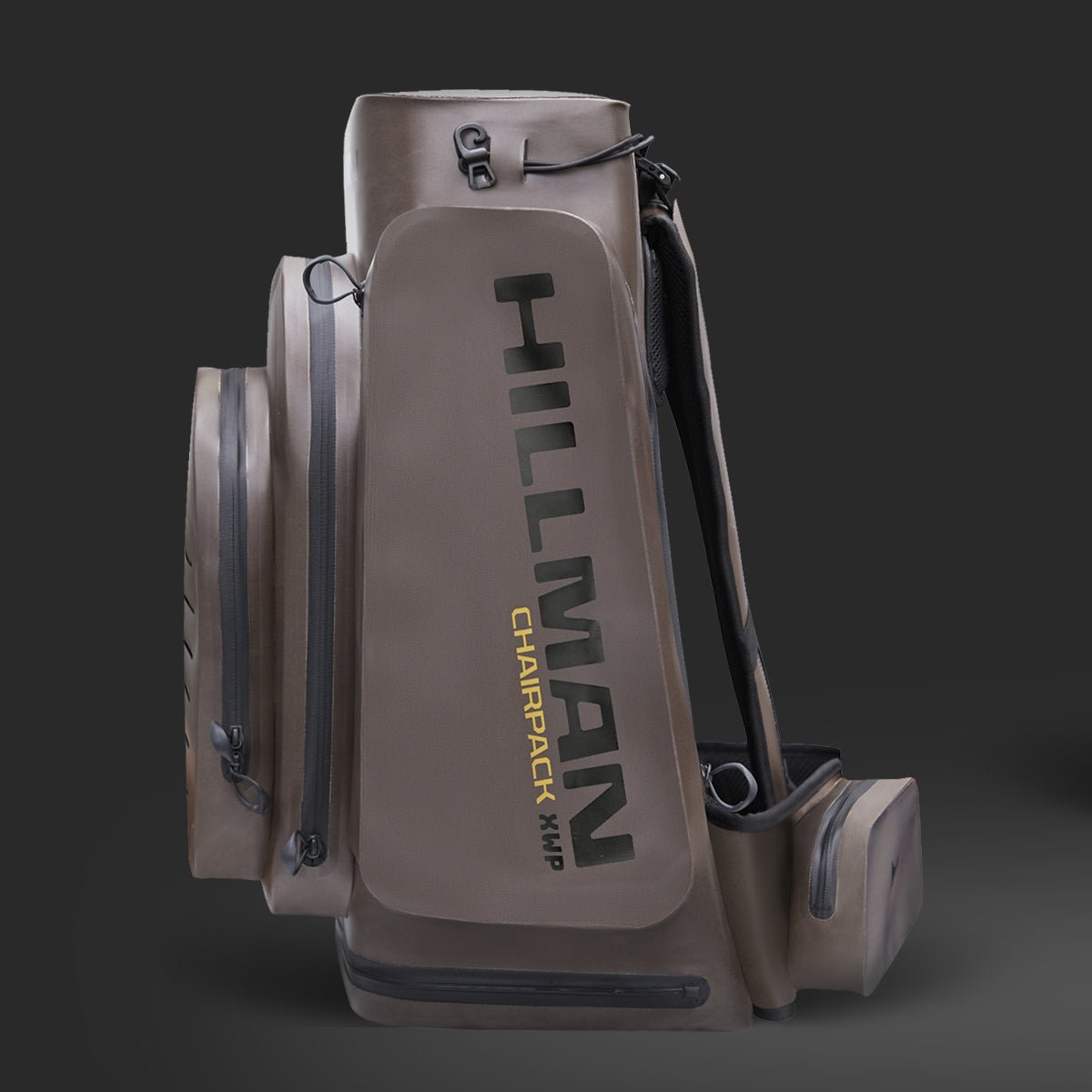
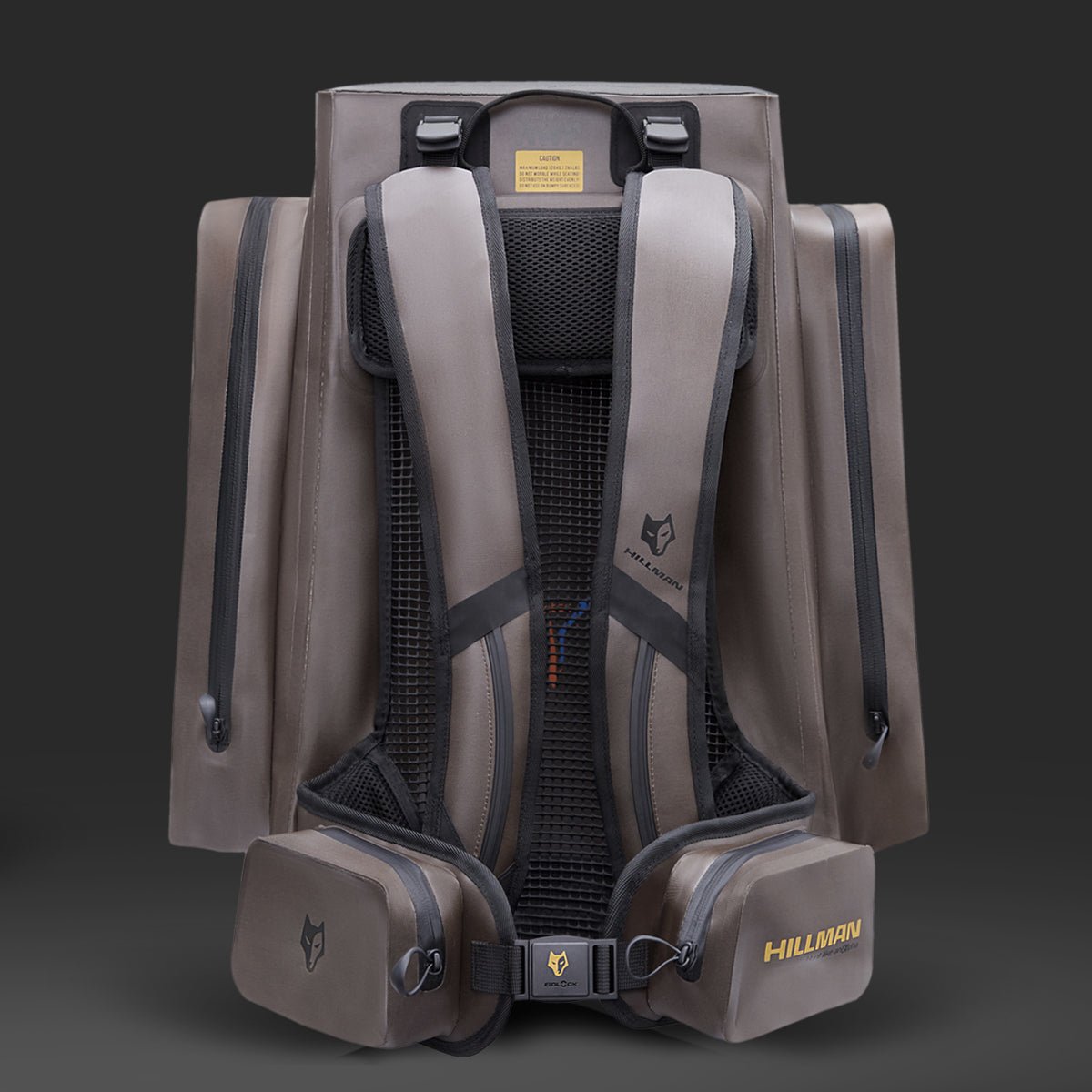
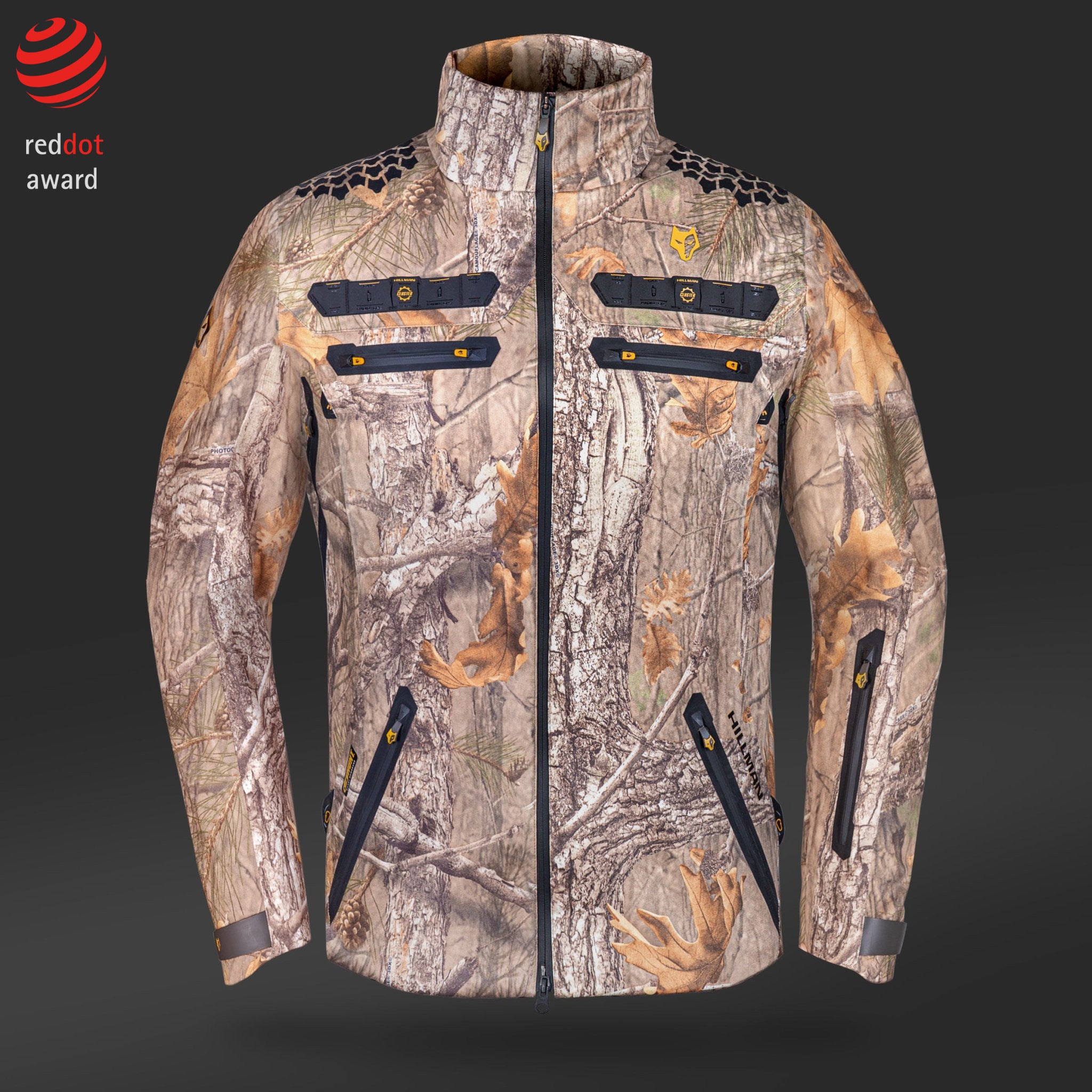
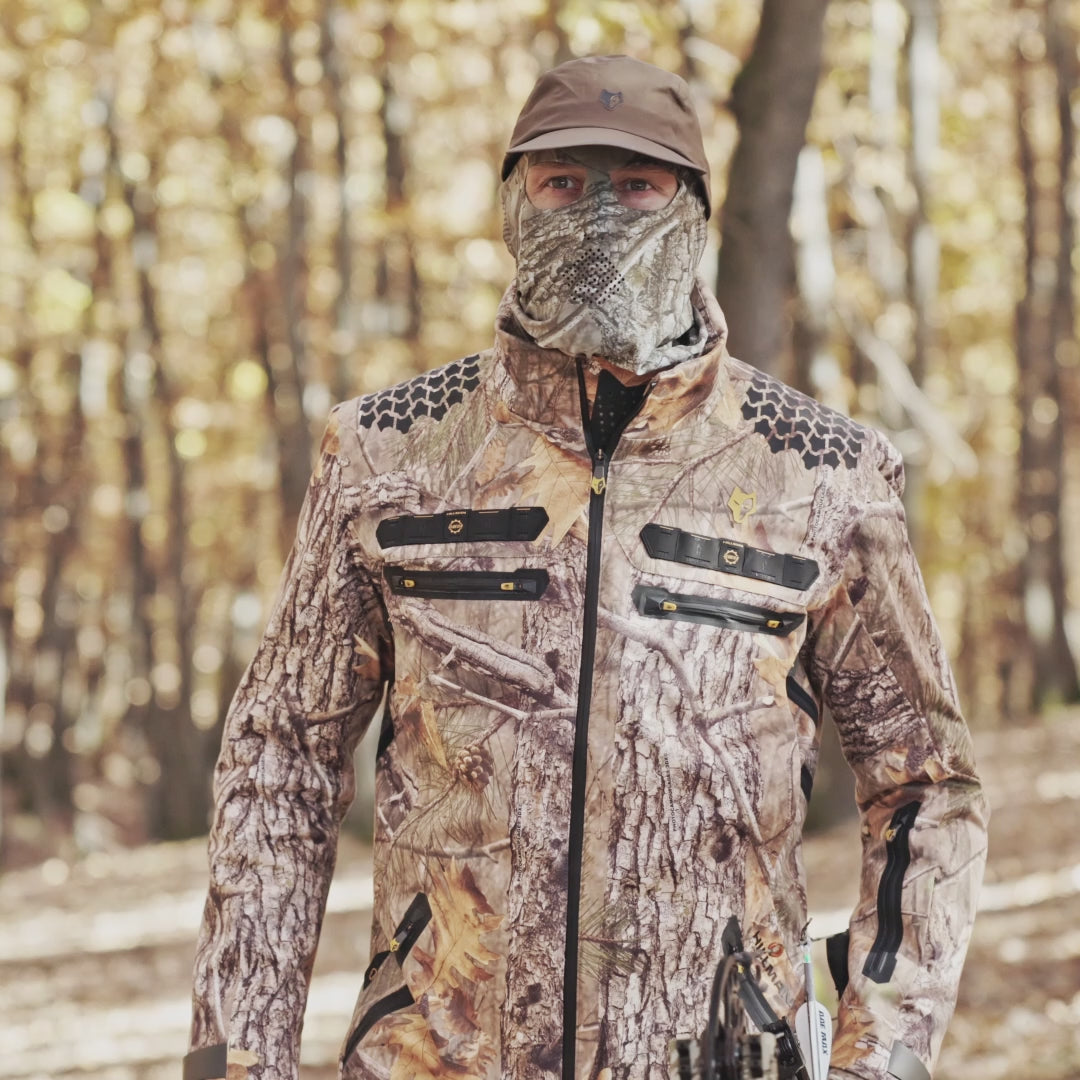
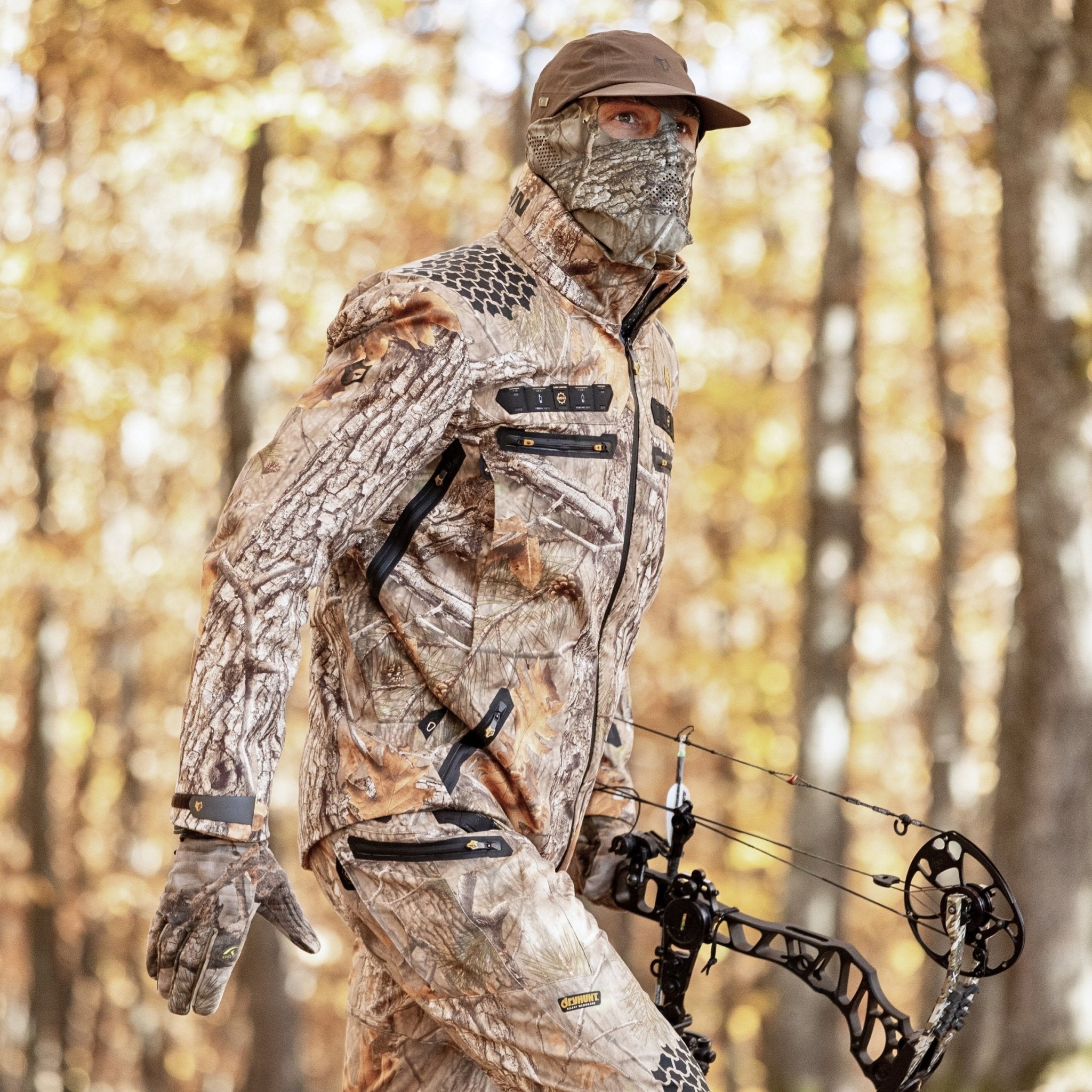
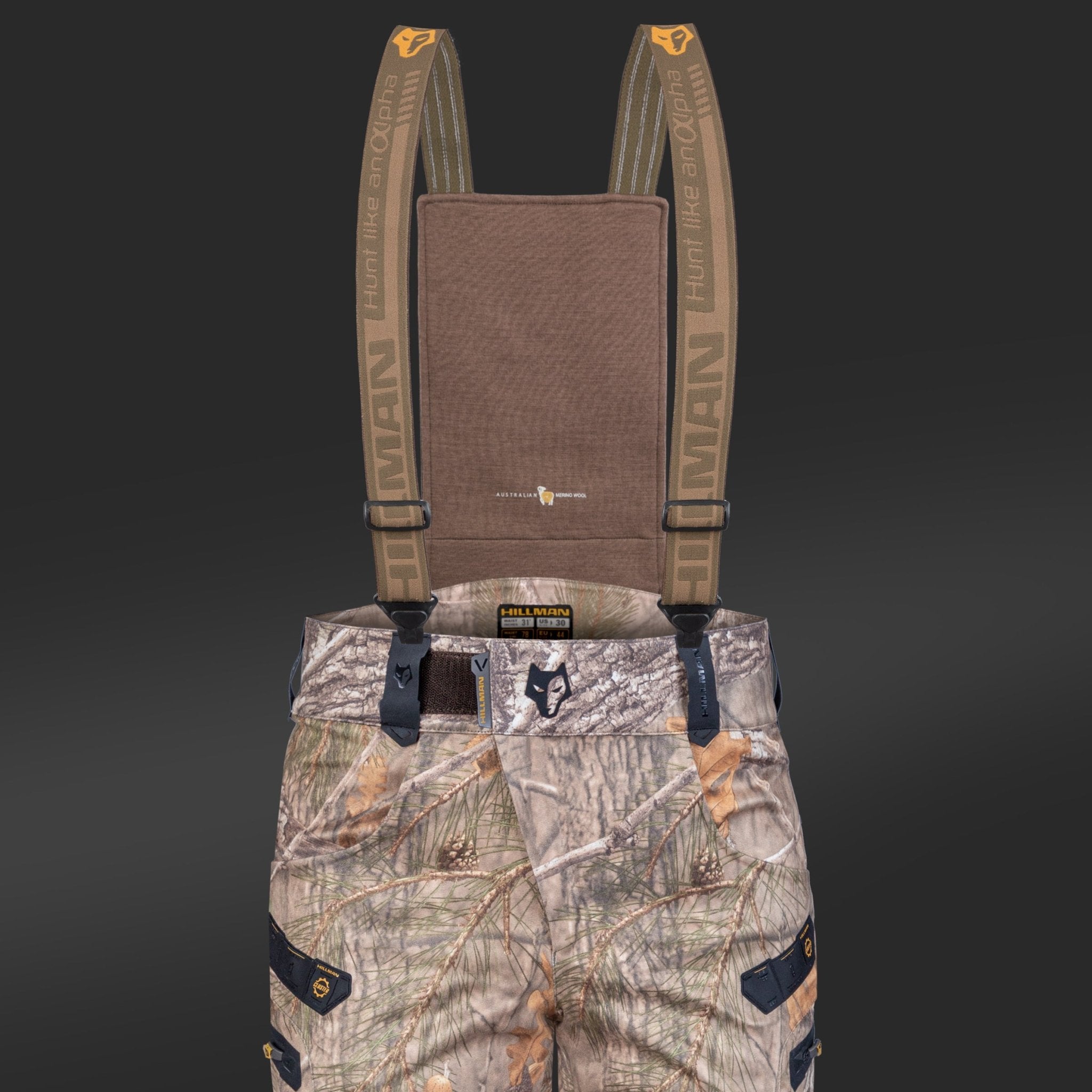
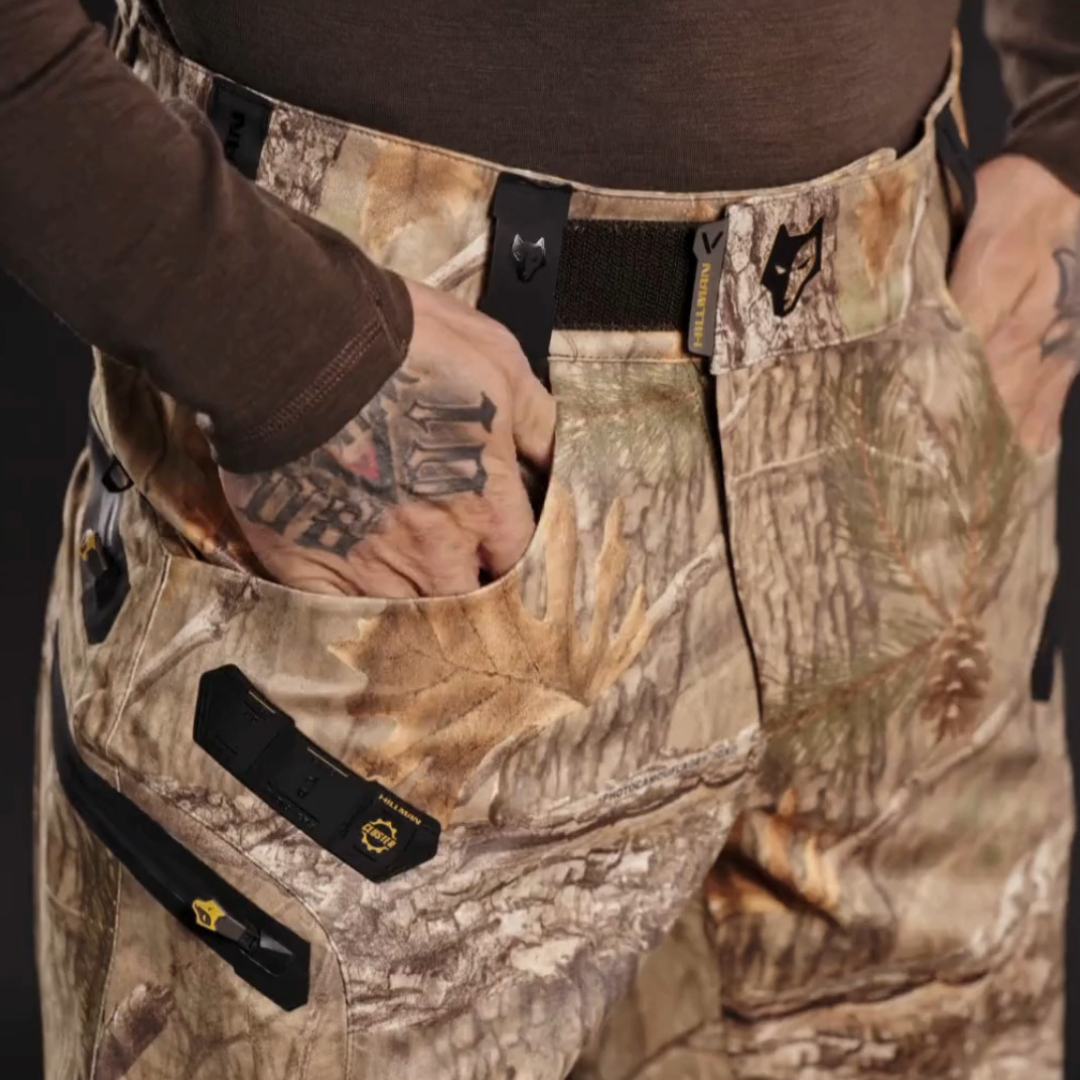
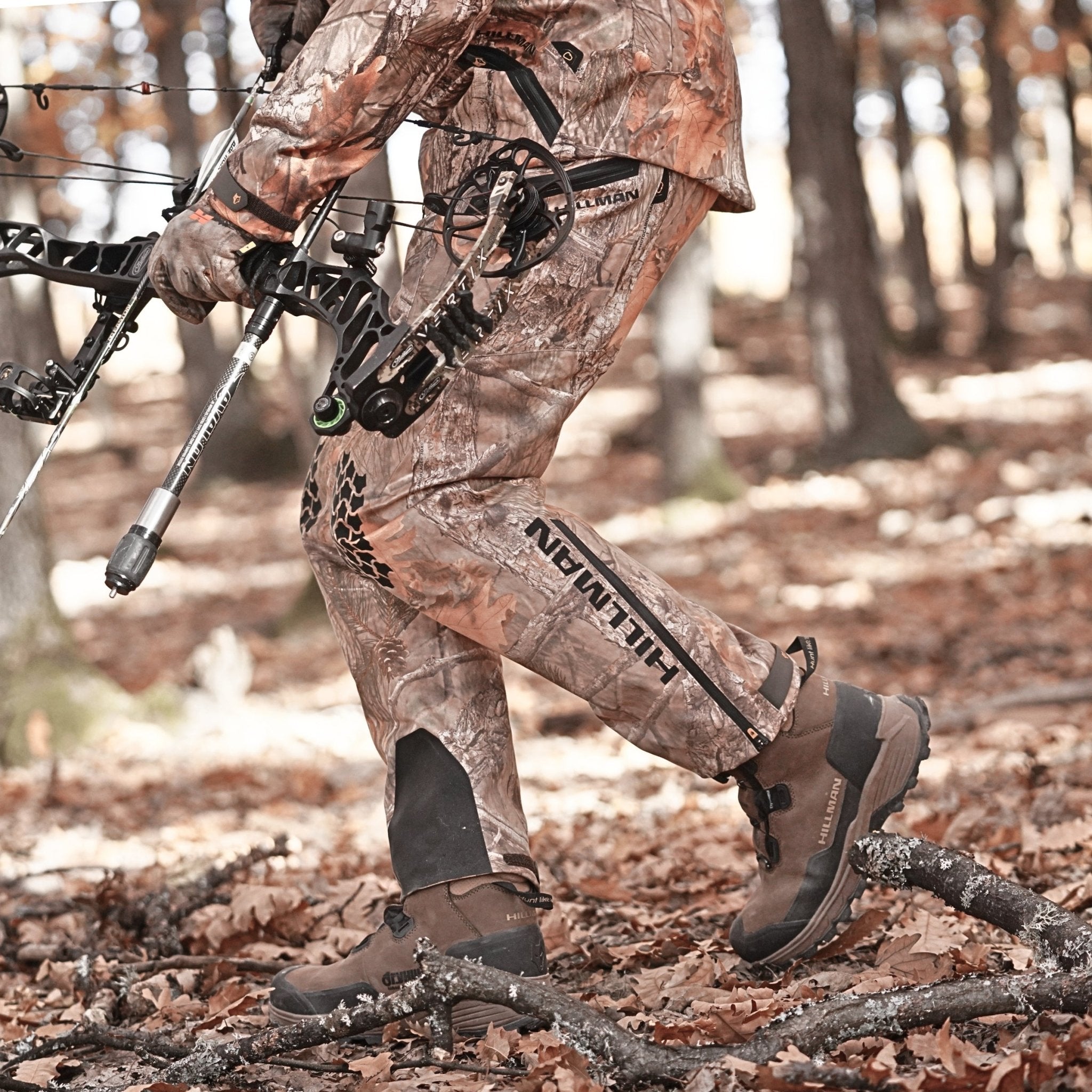
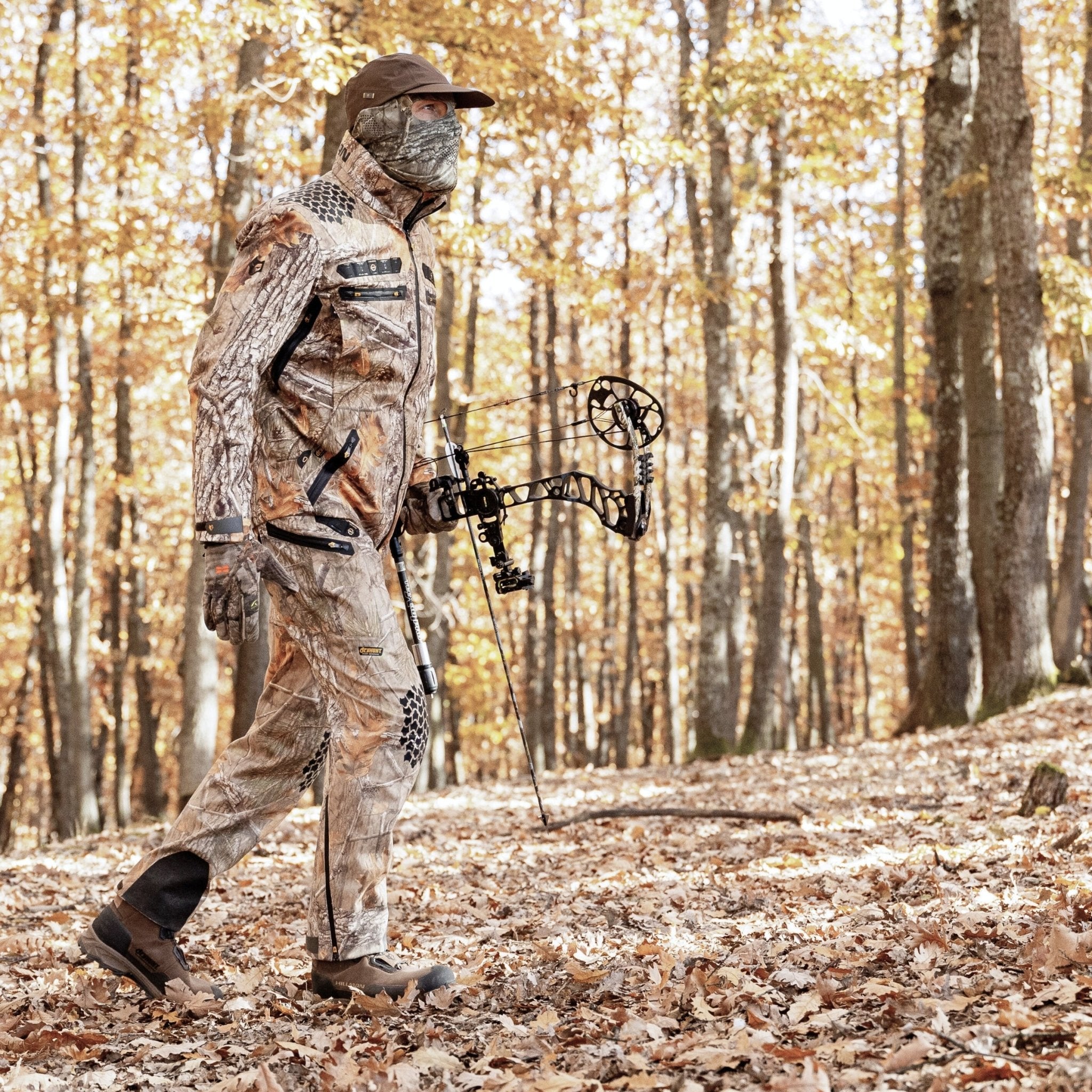
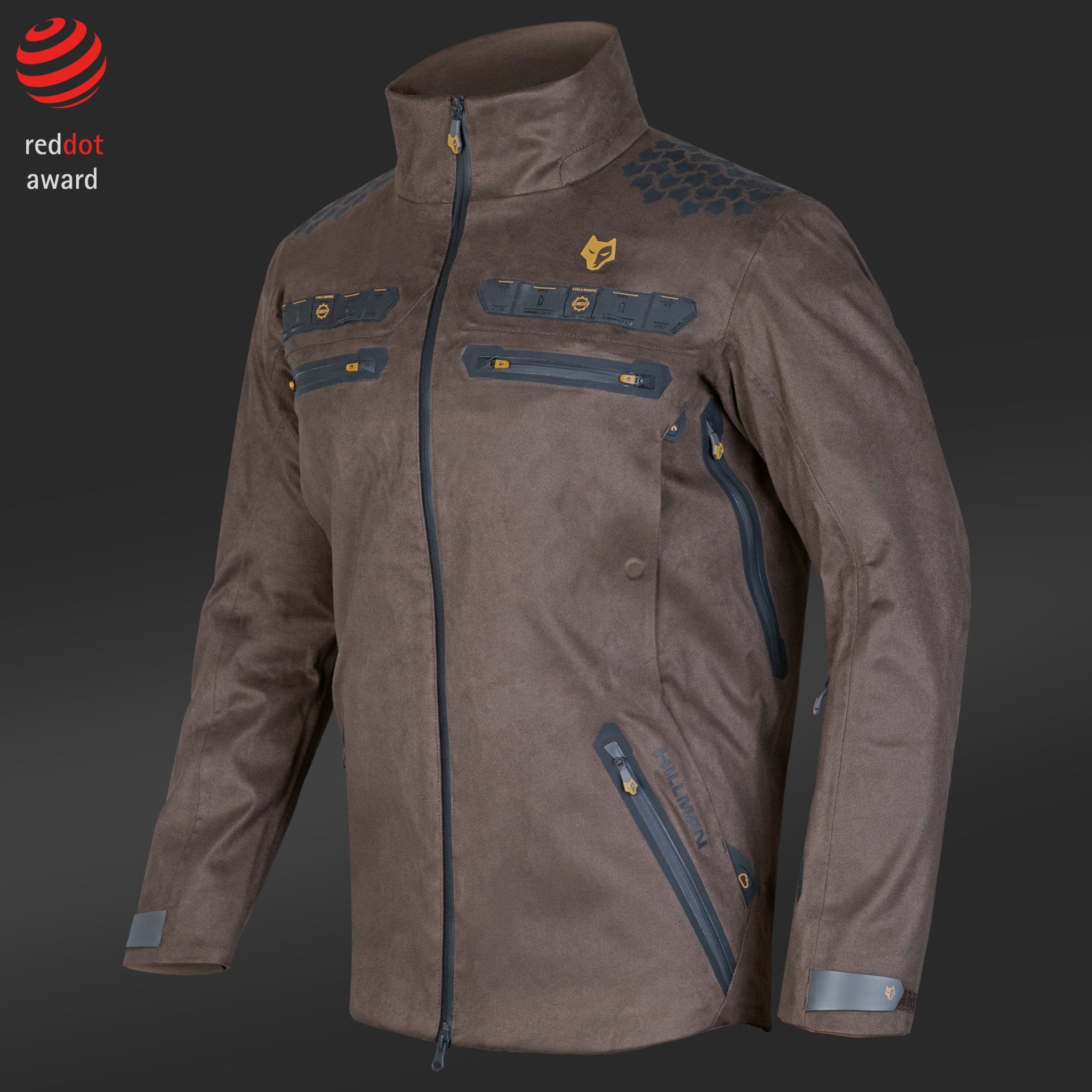
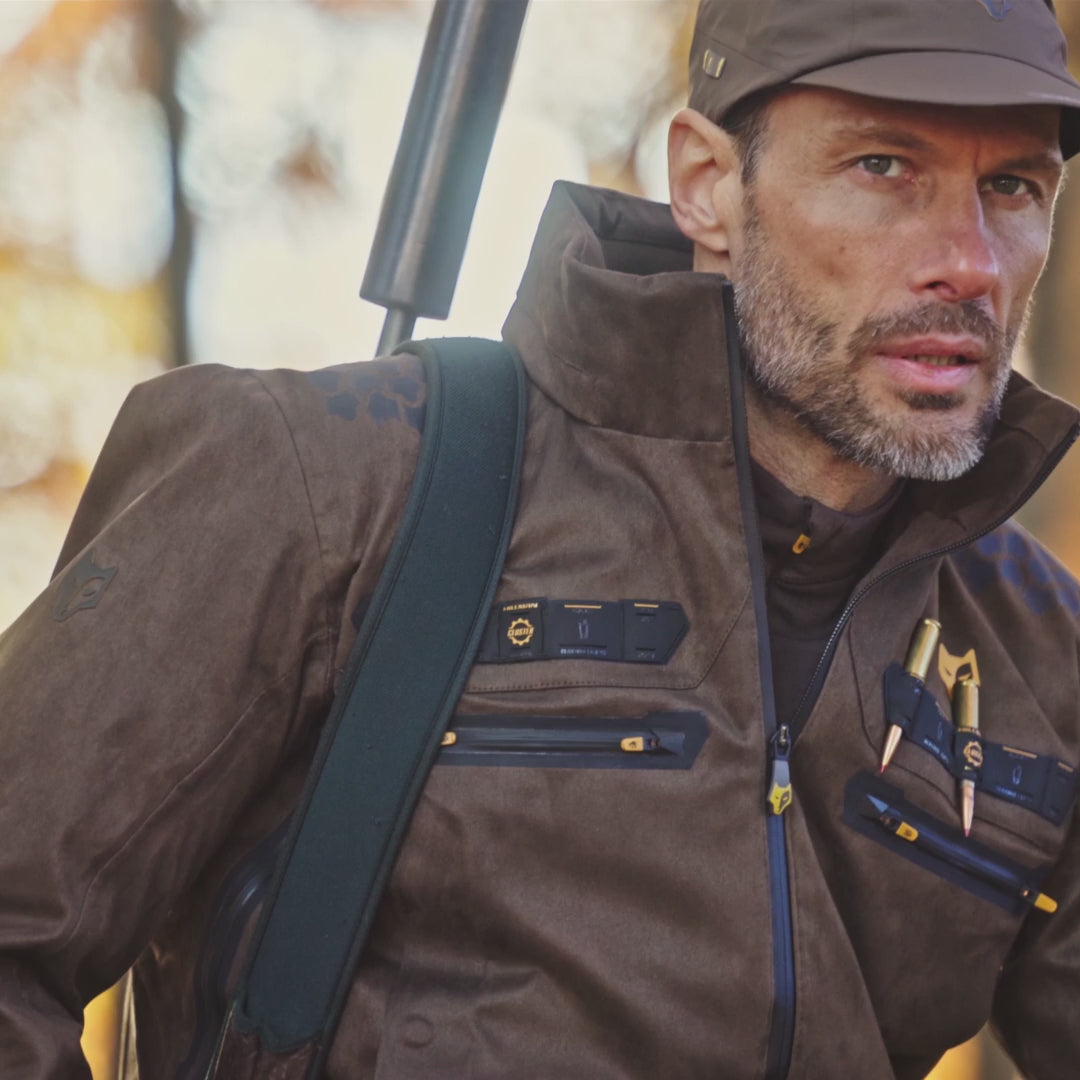
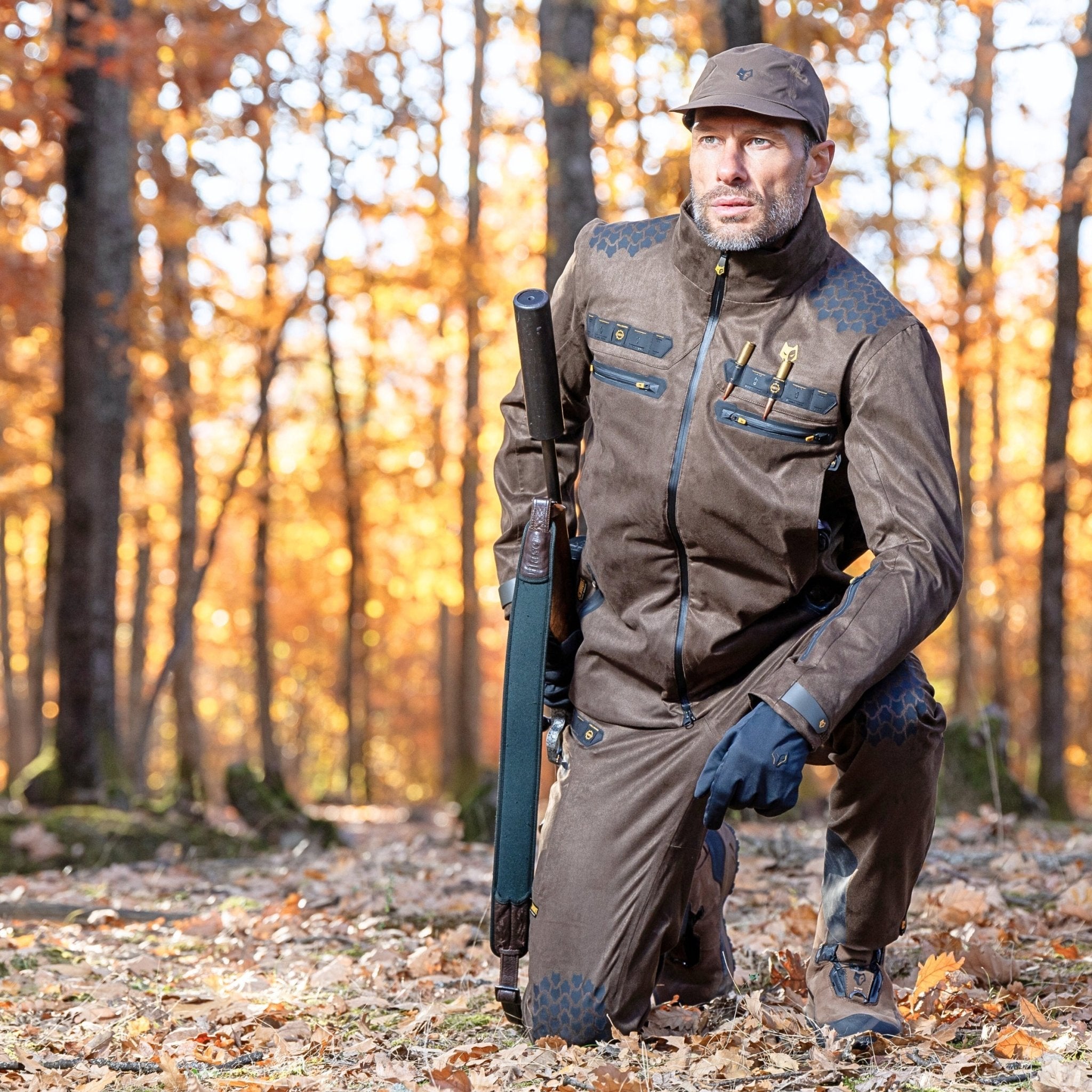
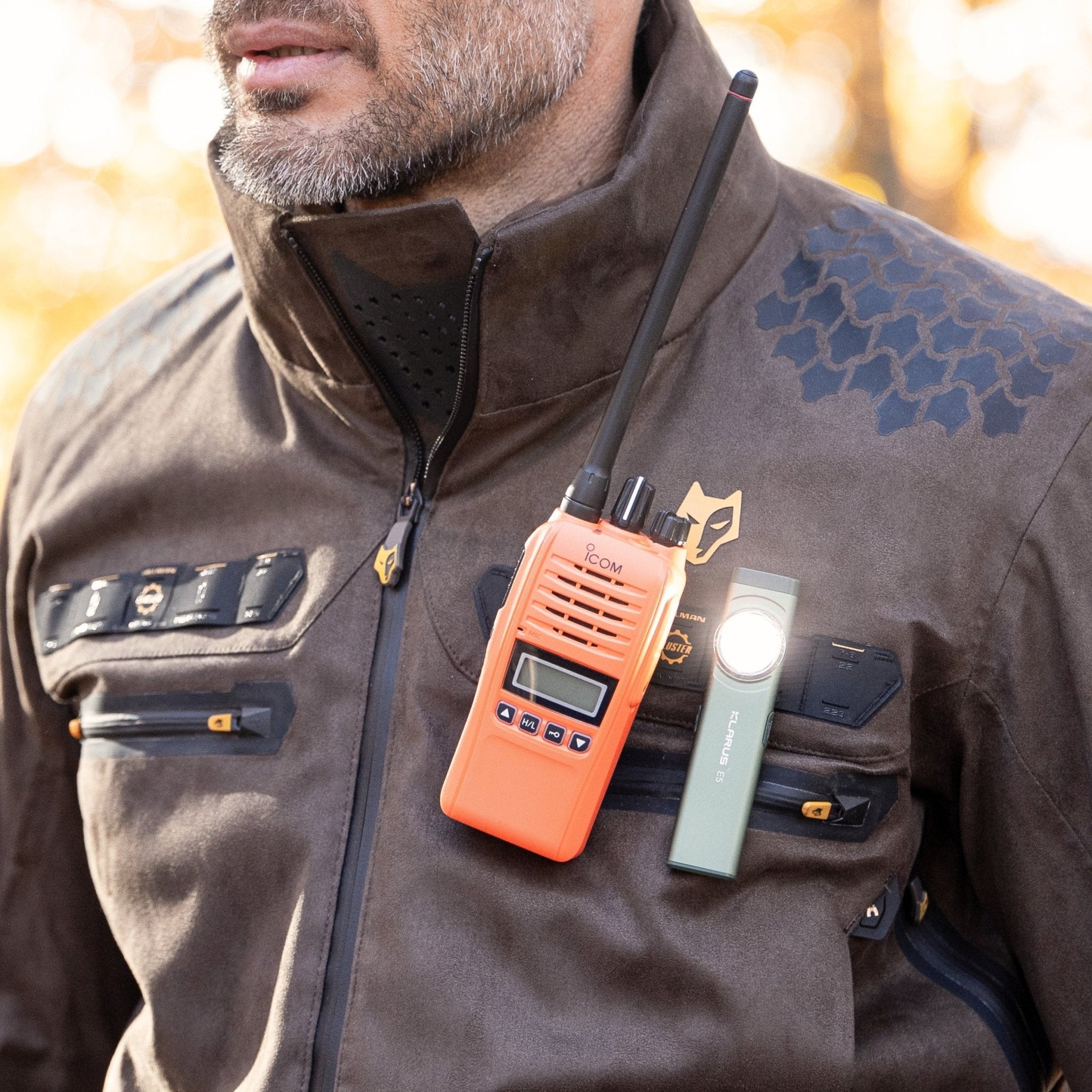
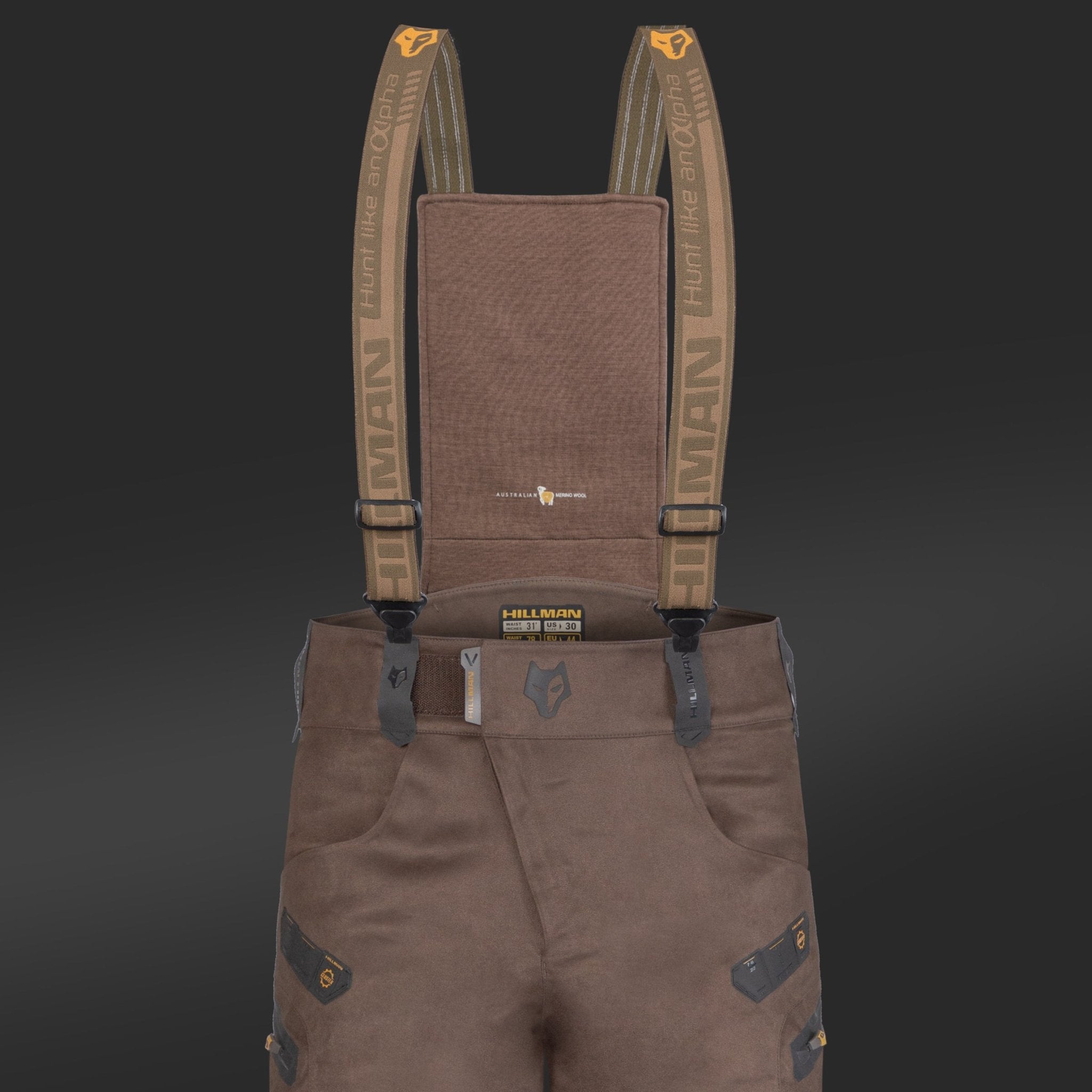
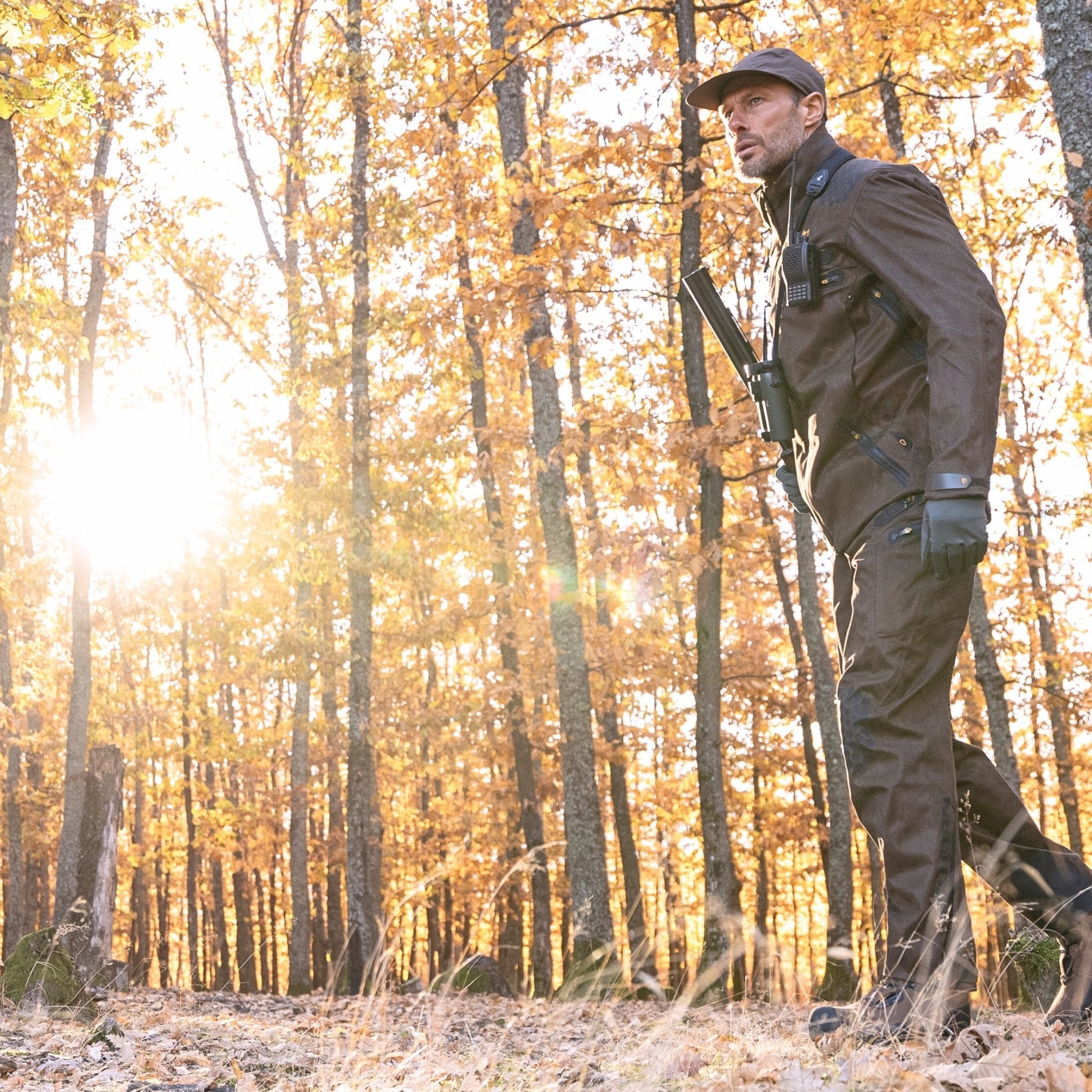
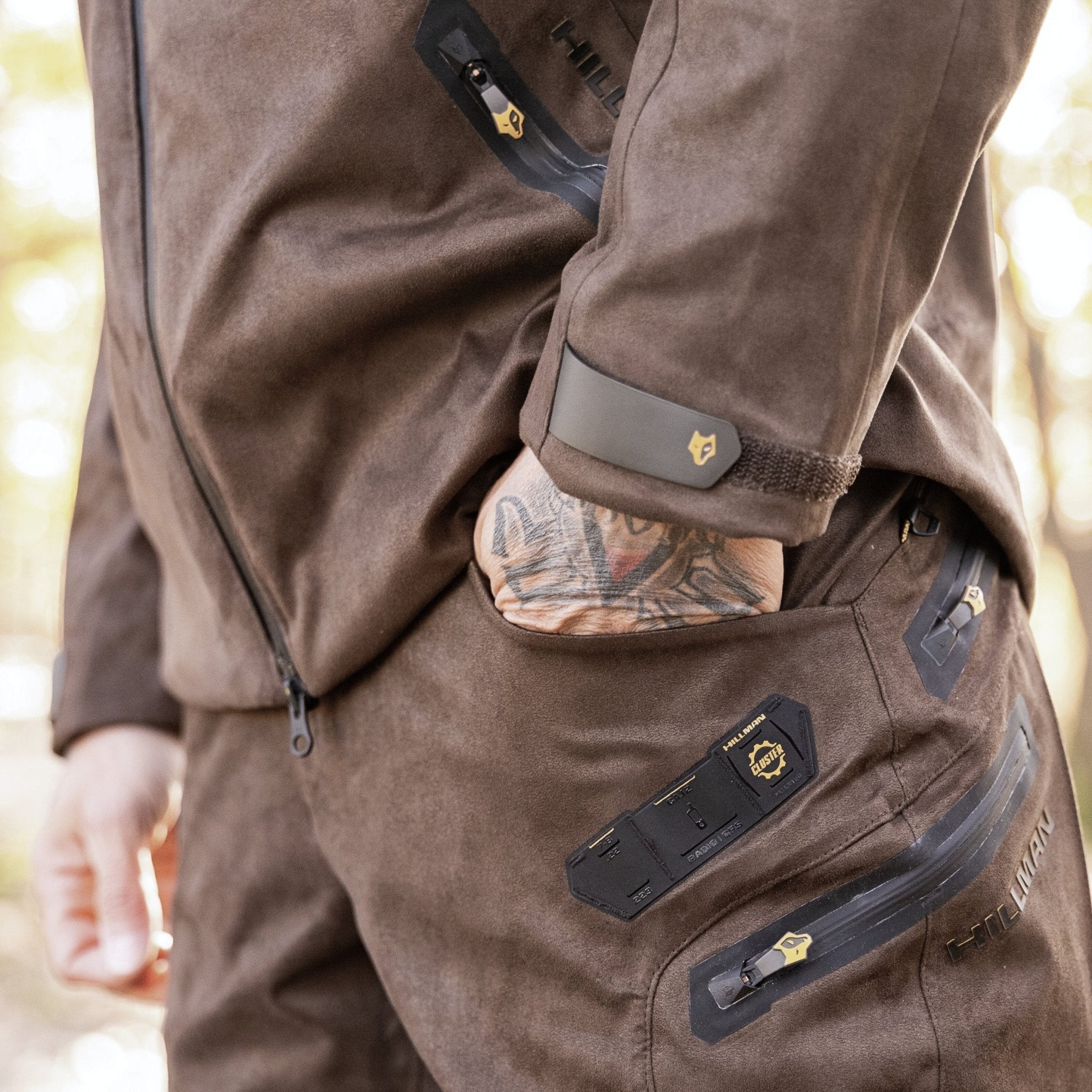
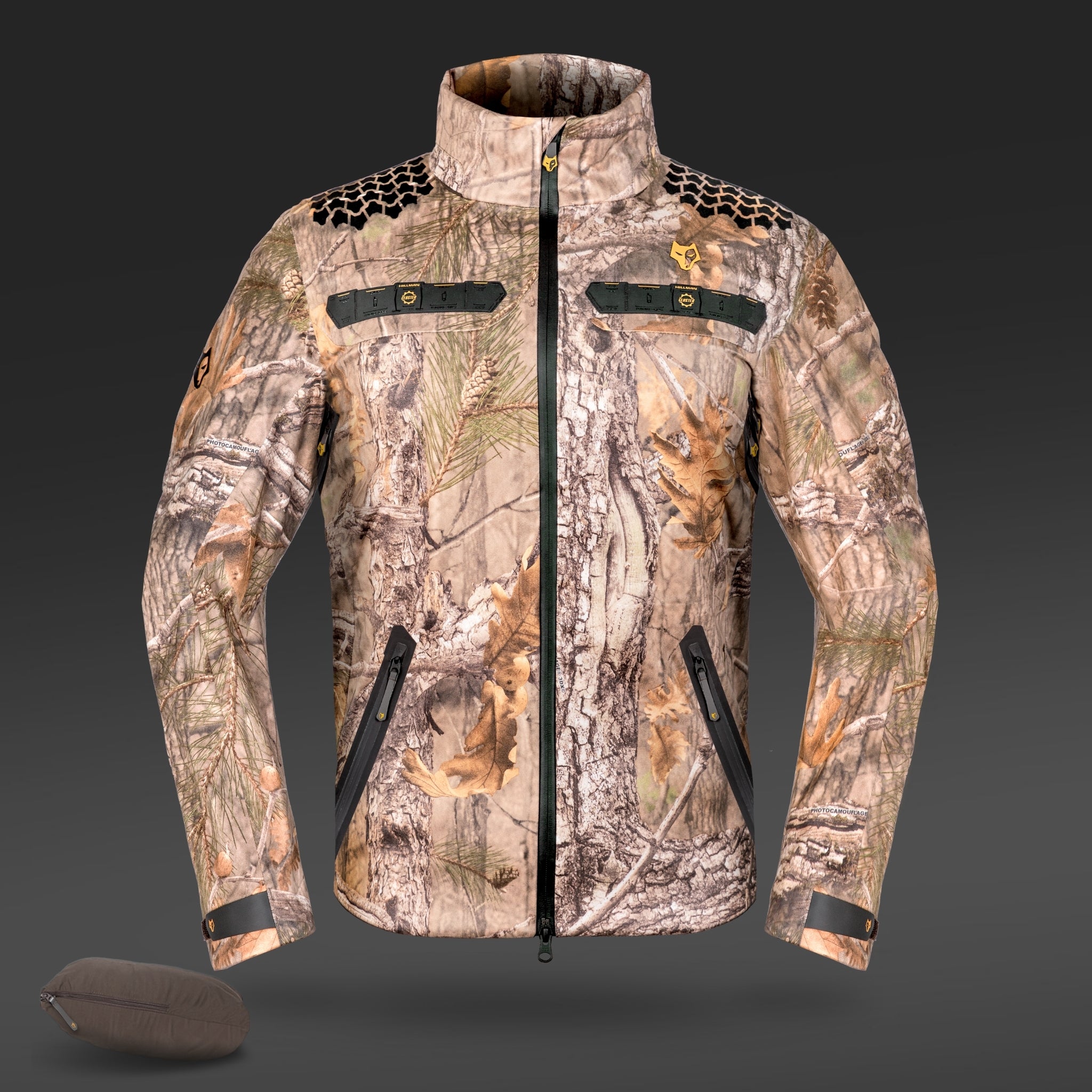
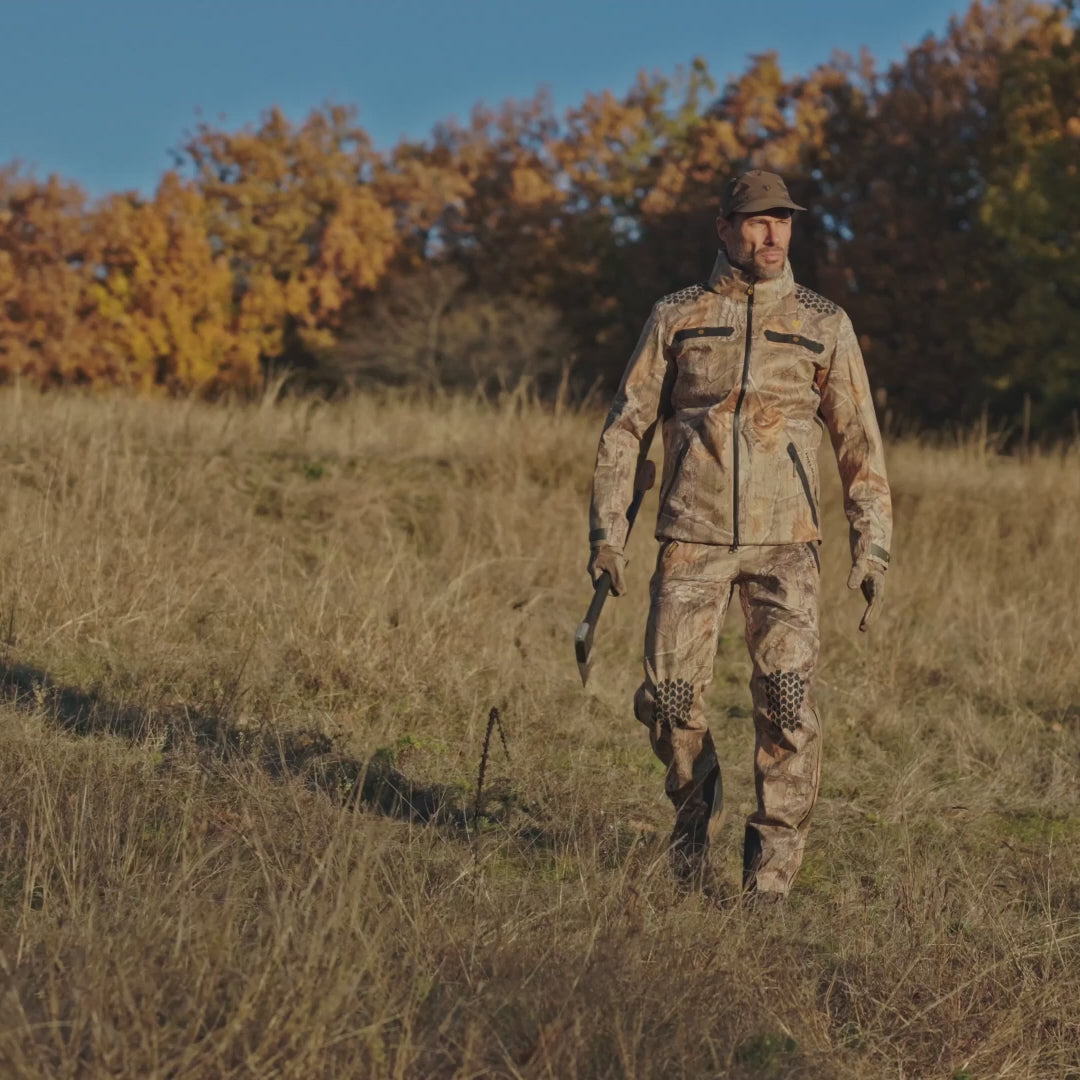
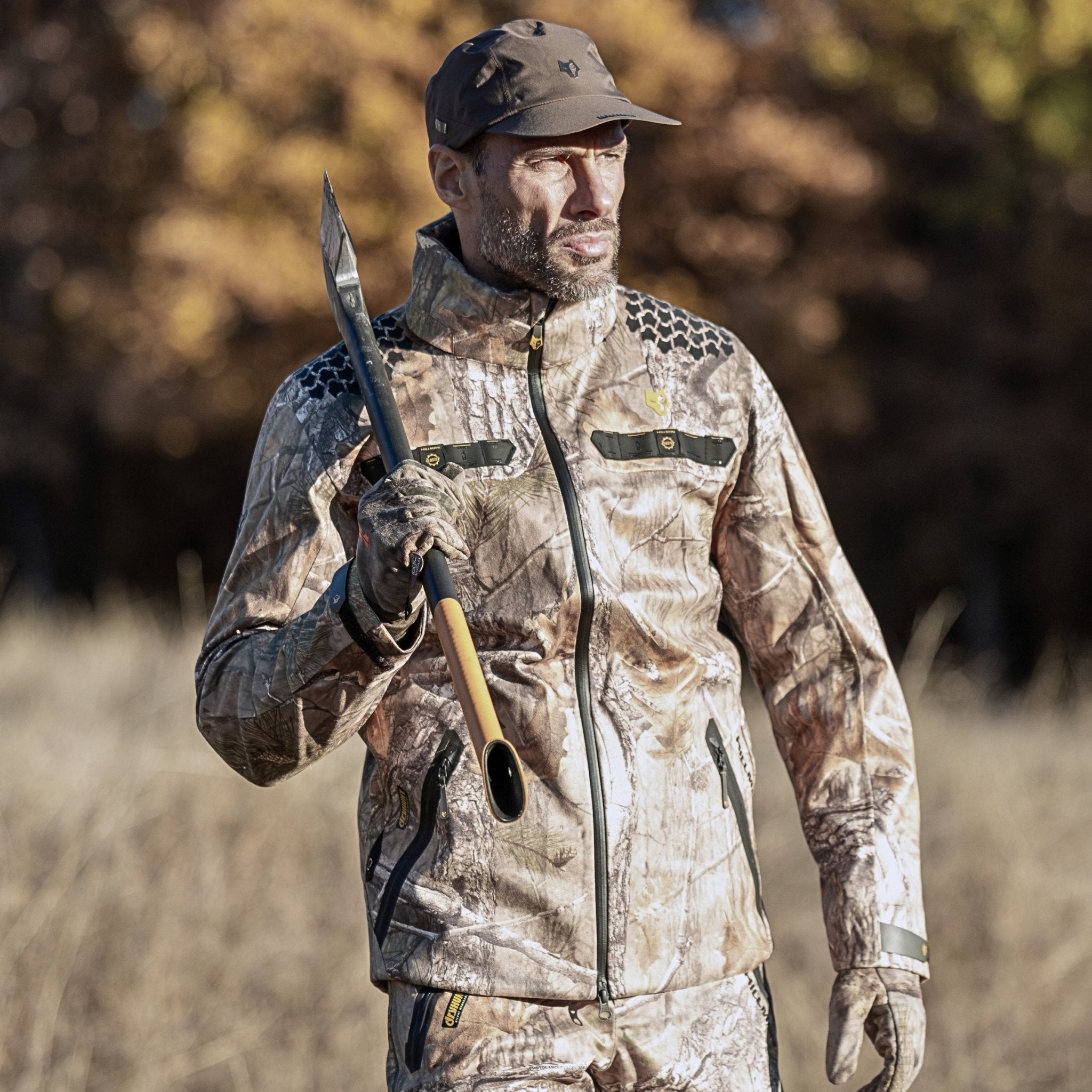
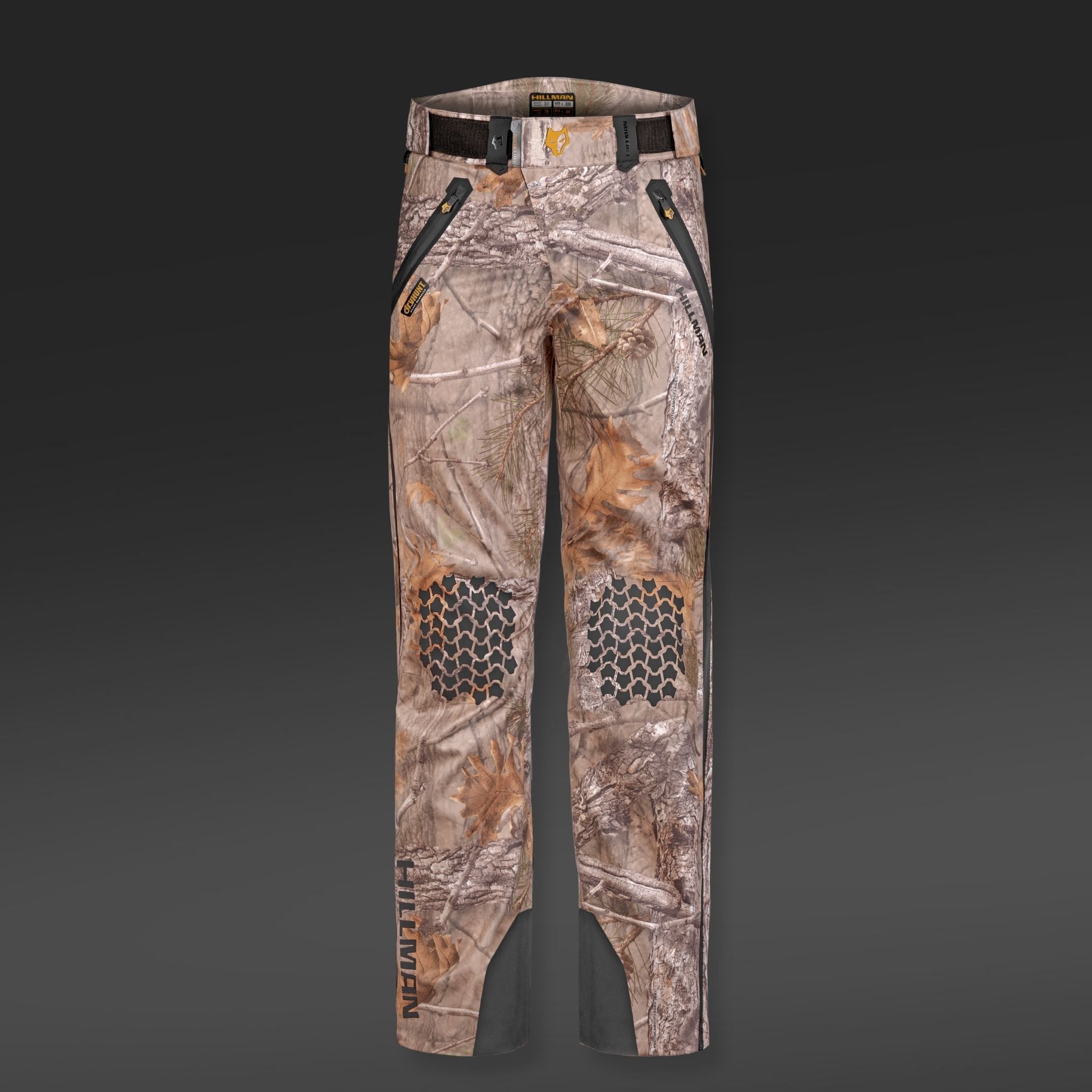
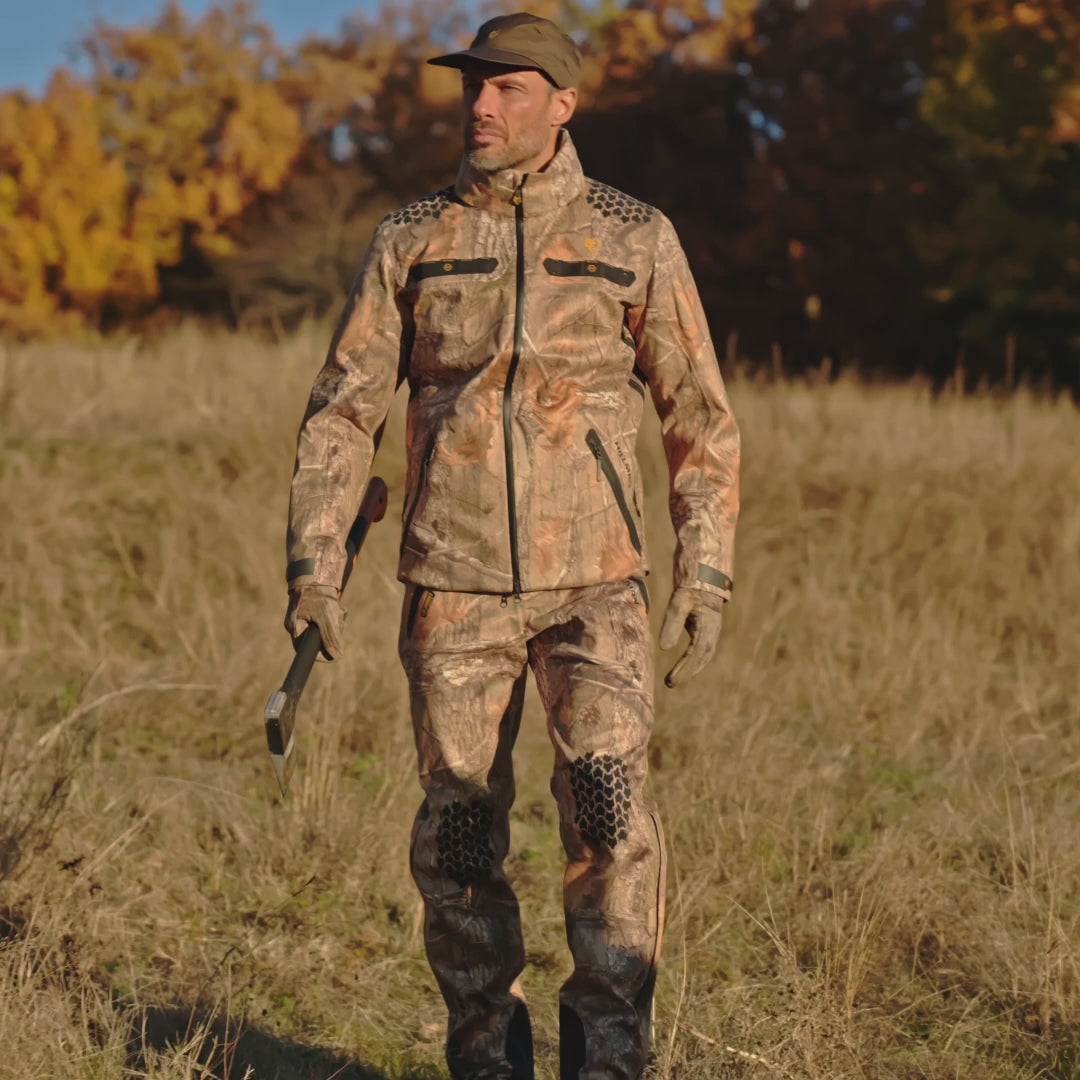
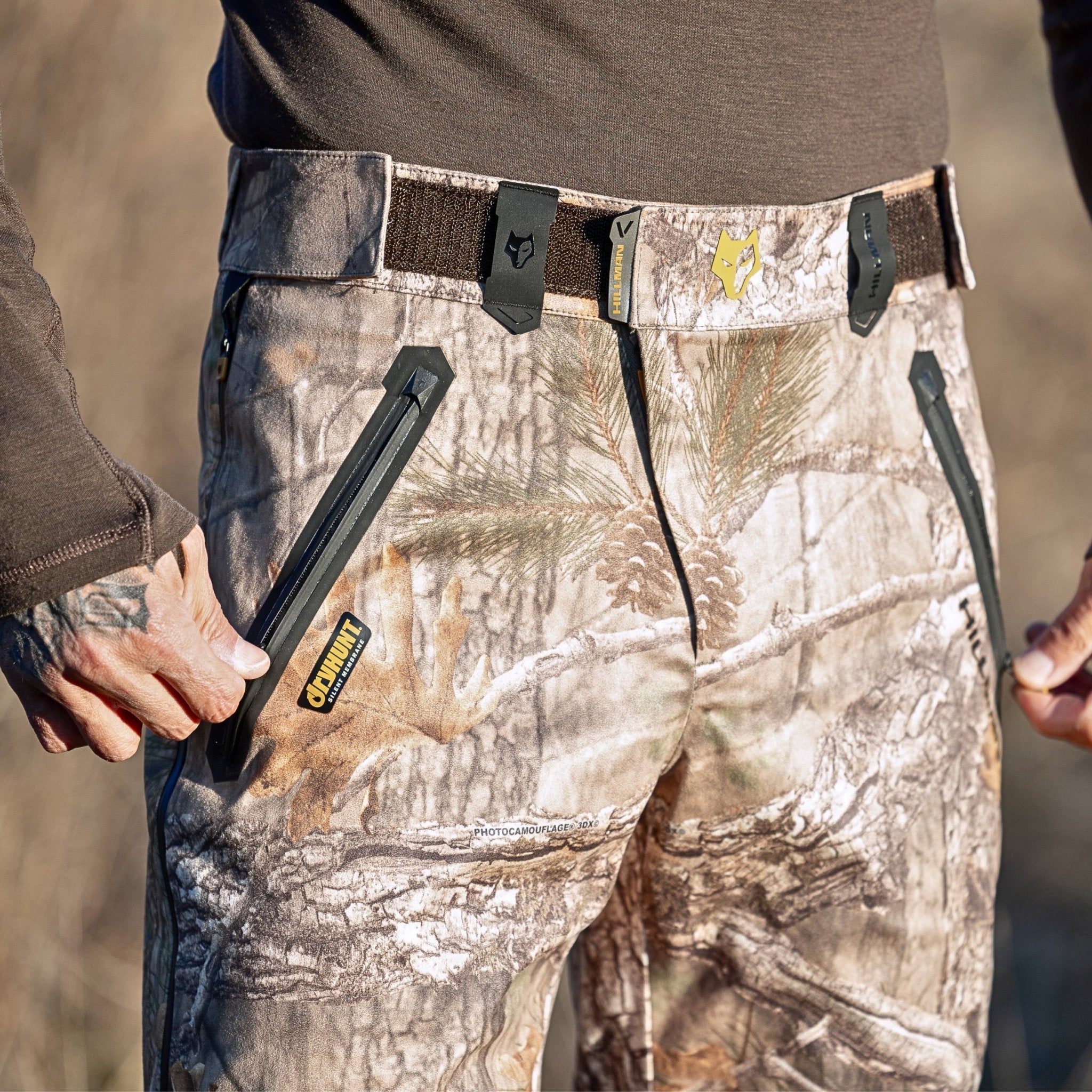
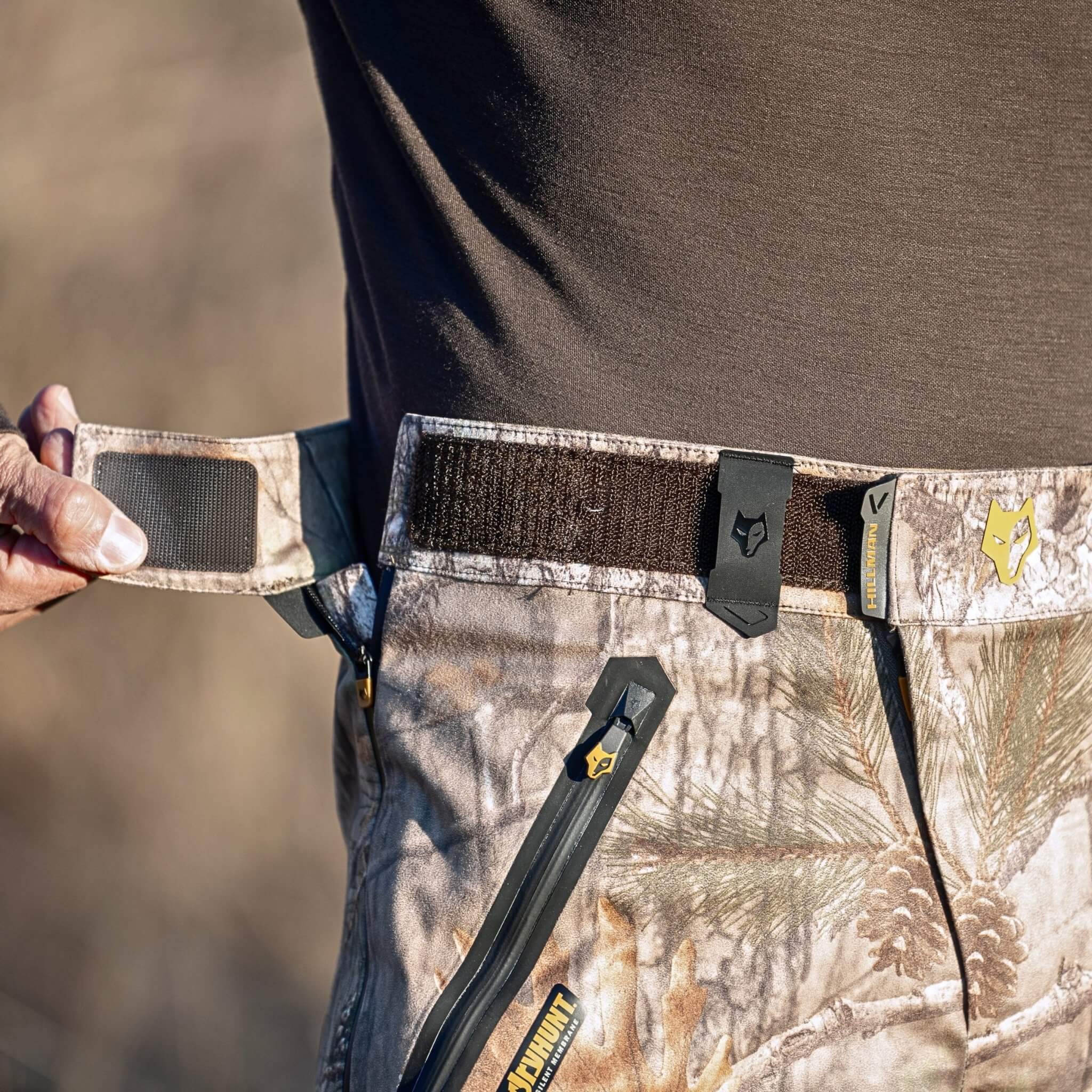
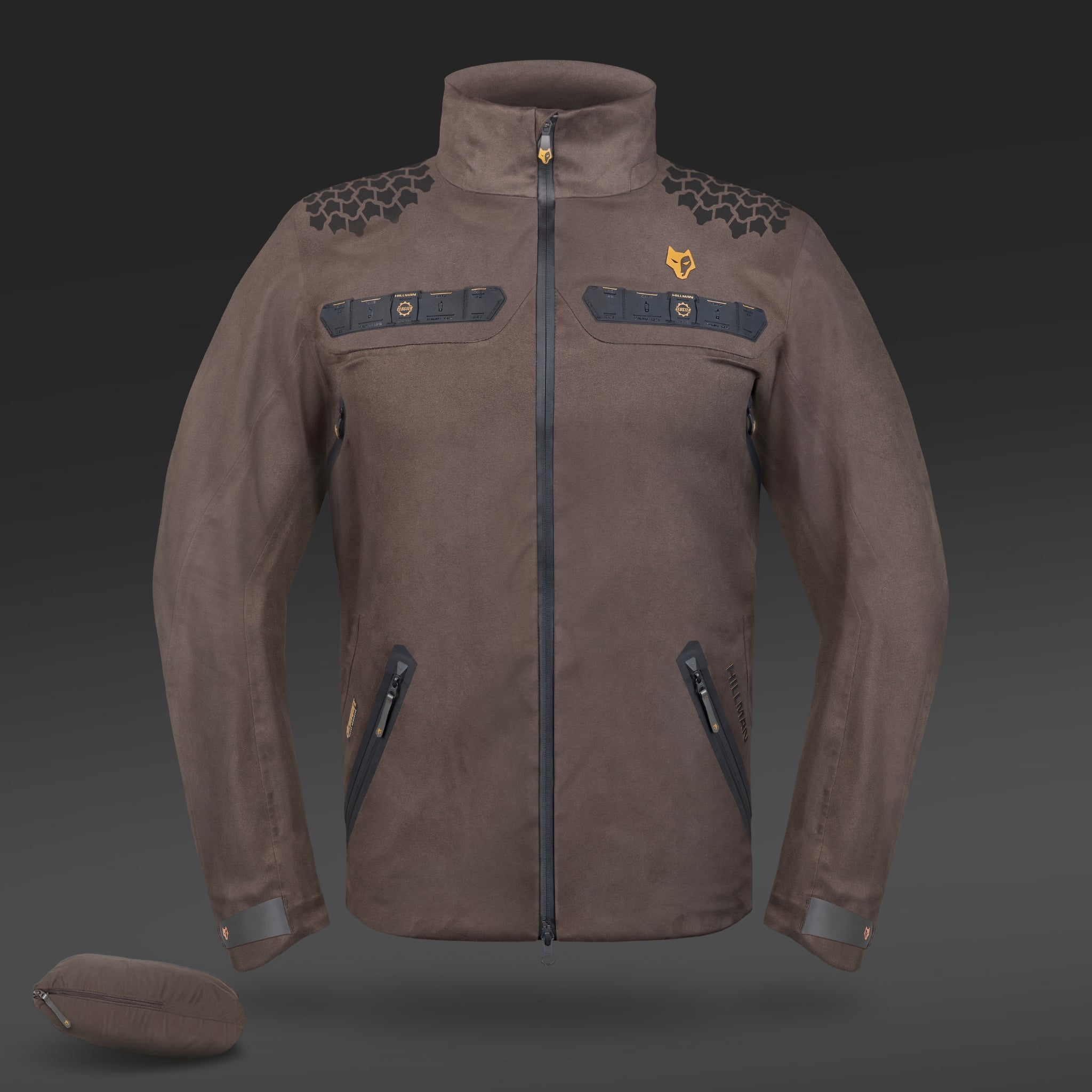
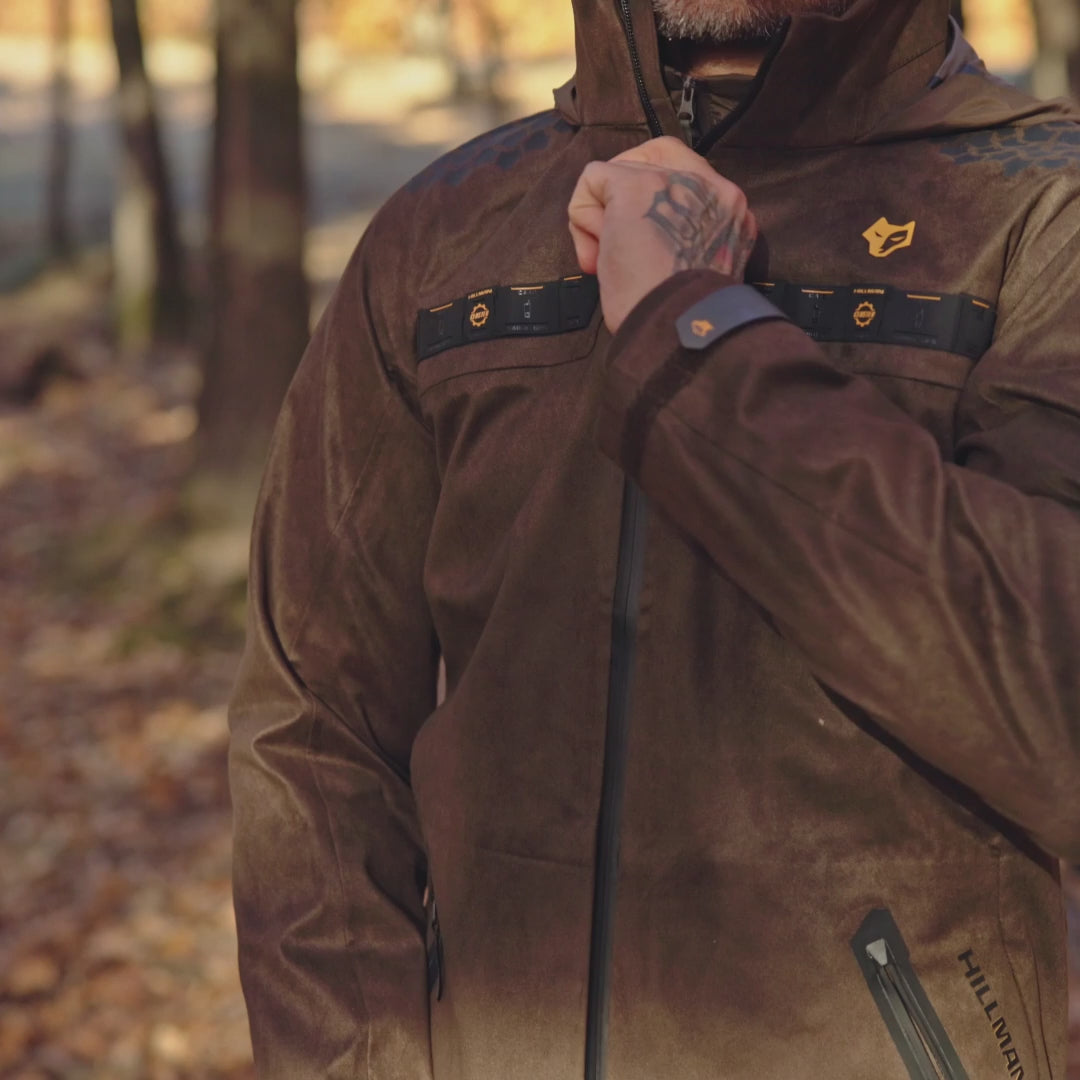
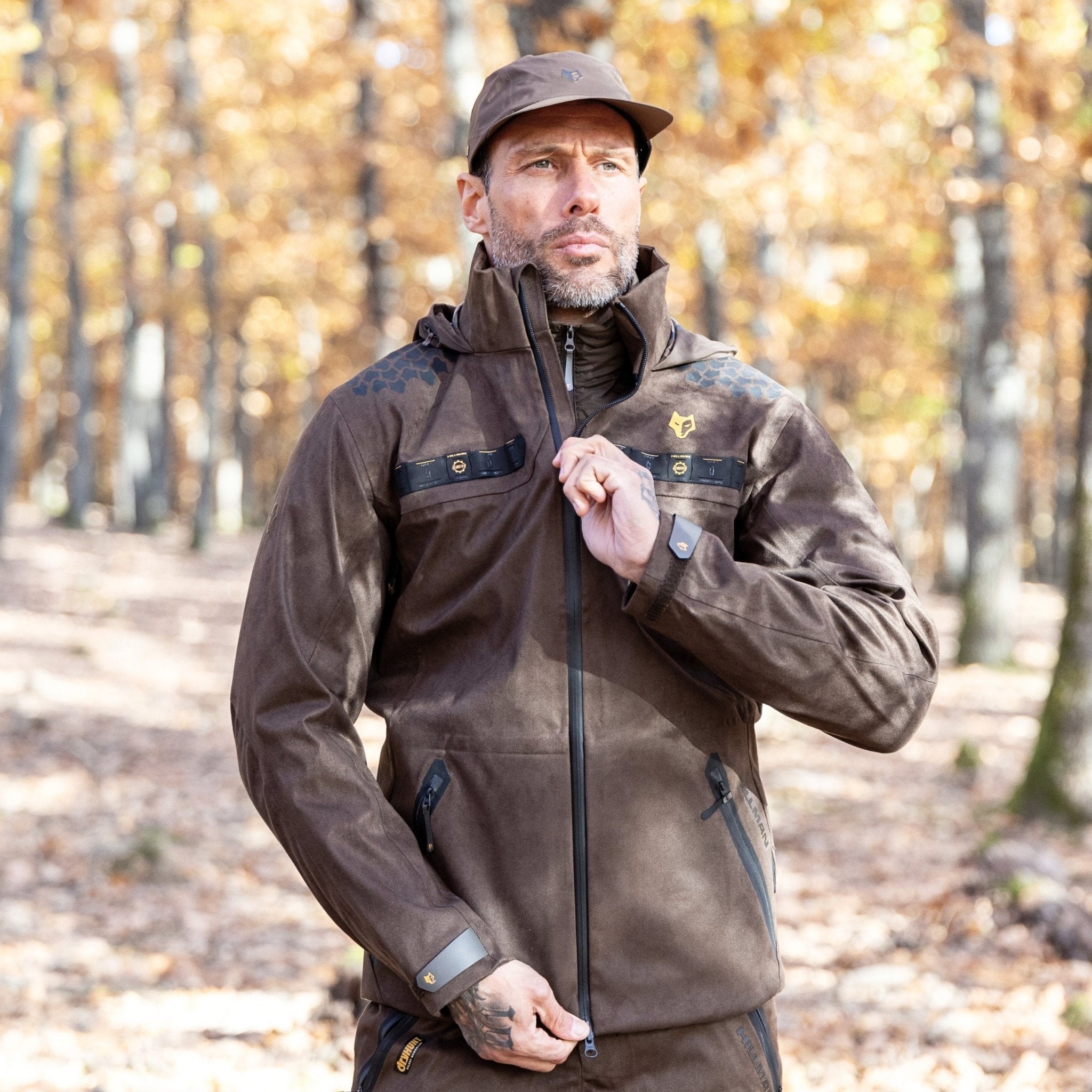
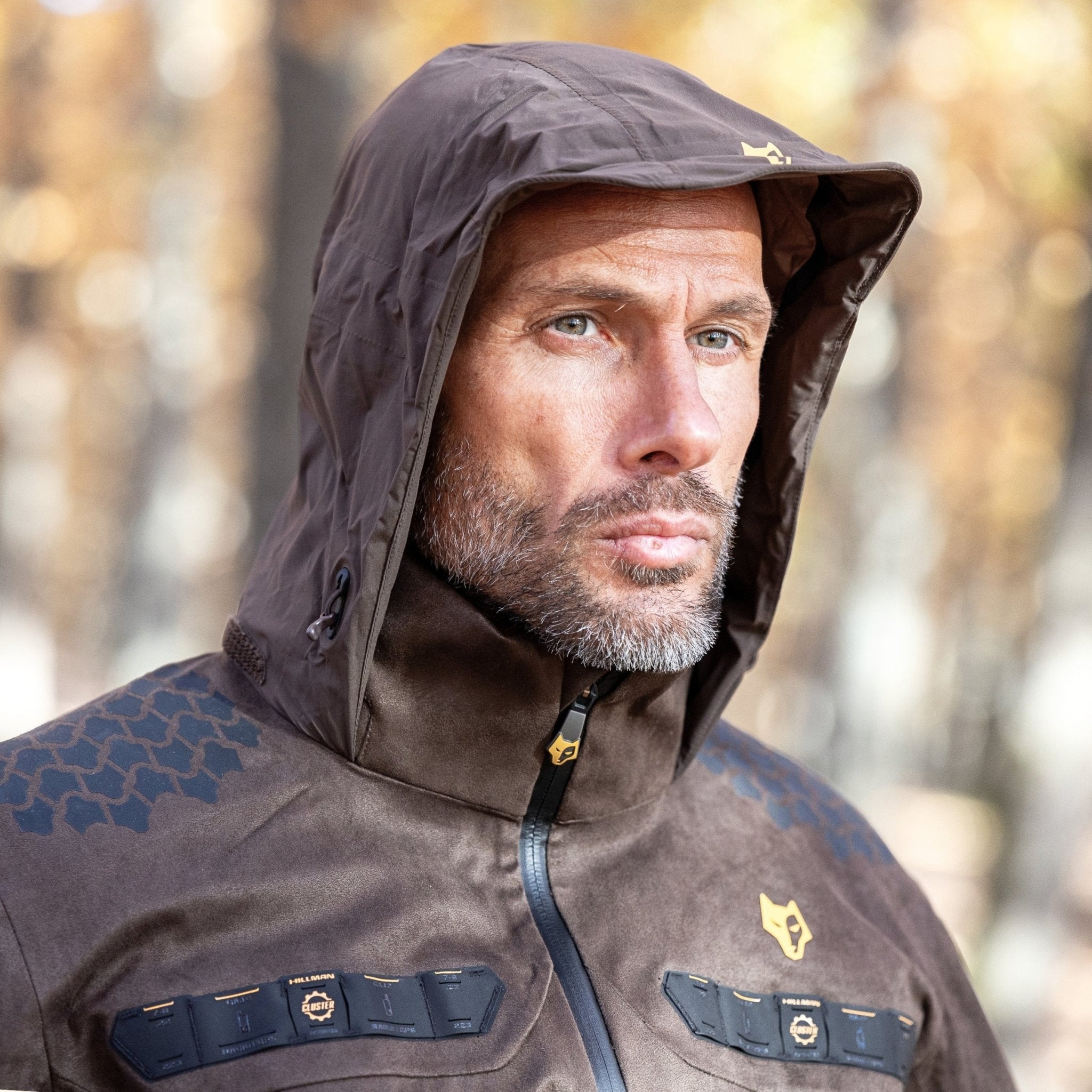
Some hunters use insulated over-layers or cold weather covers once they are stationary. That works because it separates walking clothes from sitting clothes. Specialized late season systems can help with this, and Hillman is one example of gear built around harsh weather, warmth, movement, and practical field use.
Heavy insulated pants, outer shells, hand muffs, boot covers, and warmers all make way more sense once movement stops.
Your Outer Layer Needs to Block Wind and Stay Quiet

Late season outerwear has to earn its keep.
It needs to block wind, handle light rain or wet snow, and stay quiet enough for deer hunting in close range situations. That last part matters more than people admit. Late season deer are not dumb. Older bucks especially are jumpy, pressured, and quick to pick up weird sound in bare woods.
So if your outer layer sounds like crinkled trash every time you move, that is a problem.
Look for a hunting jacket and pants setup that gives you weather protection without turning you stiff, loud, or bulky. Water resistant gear is enough for many hunts. Full waterproof gear matters more when the weather is truly wet for hours. Either way, breathability matters because trapped moisture is still the enemy.
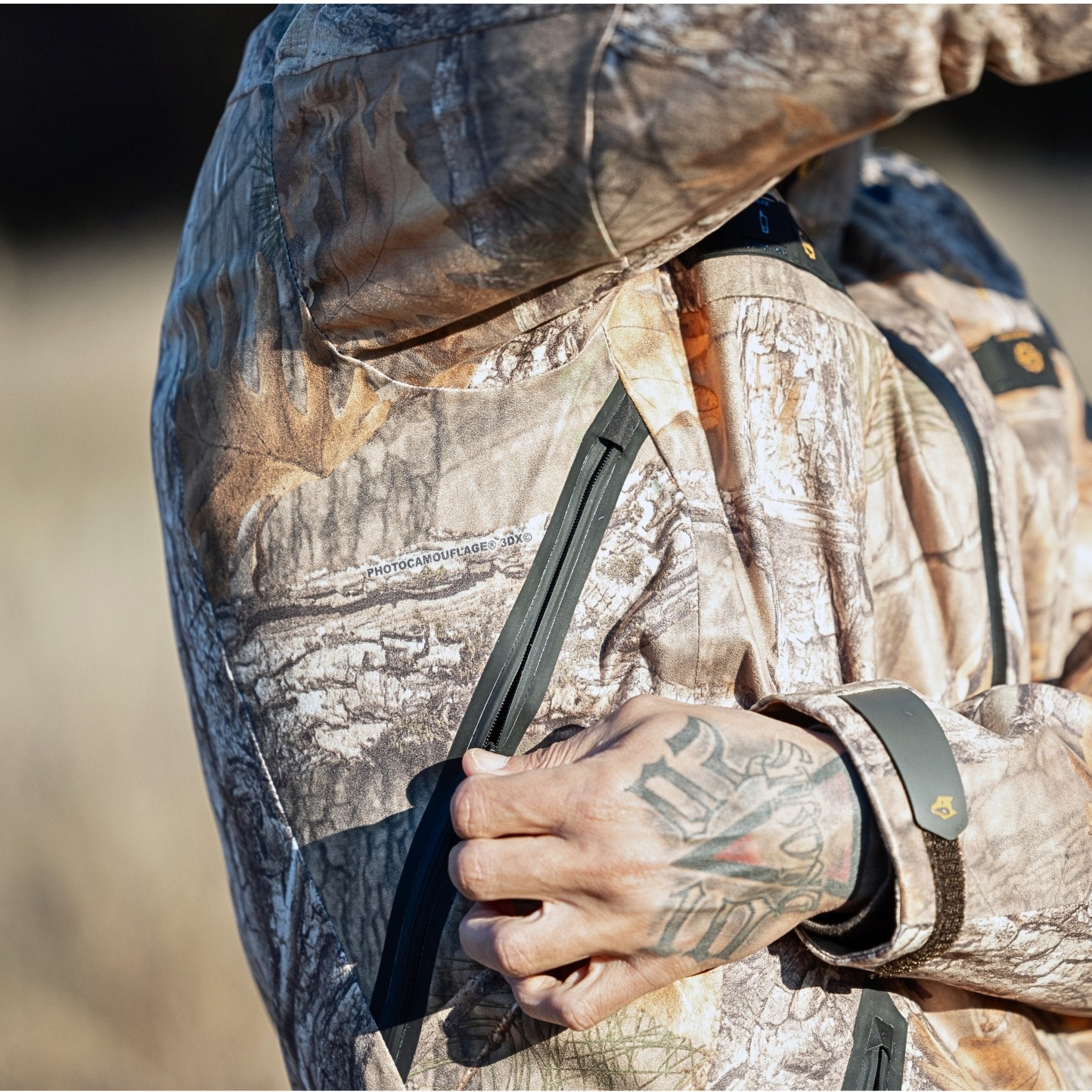
Vents matter too. Pit zips, side zips, thigh vents, whatever helps dump heat on the walk in. Those are not gimmicks. In cold weather, ventilation helps keep you warmer later because it stops sweat from piling up underneath.
Mobility matters just as much. If your jacket binds at full draw, if your pants fight you climbing in, or if every shoulder movement makes noise, that setup still needs work.
Match the Clothing to the Hunt, Not Just the Temperature

The forecast does not tell the whole story. It never does.
You need to match your clothing to how the hunt will actually go. A short walk to a box blind is one thing. A long hike with climbing gear to a hang-on or saddle setup is something else entirely. A slow stalk through winter cover is different again.
Same temperature, different hunt, different clothing needs.
That is why late season deer hunting clothes should be chosen around movement, terrain, exposure, wind, and how long you plan to sit. Twenty-five degrees with no wind is one world. Twenty-five with wet brush and a steady crosswind is another one.
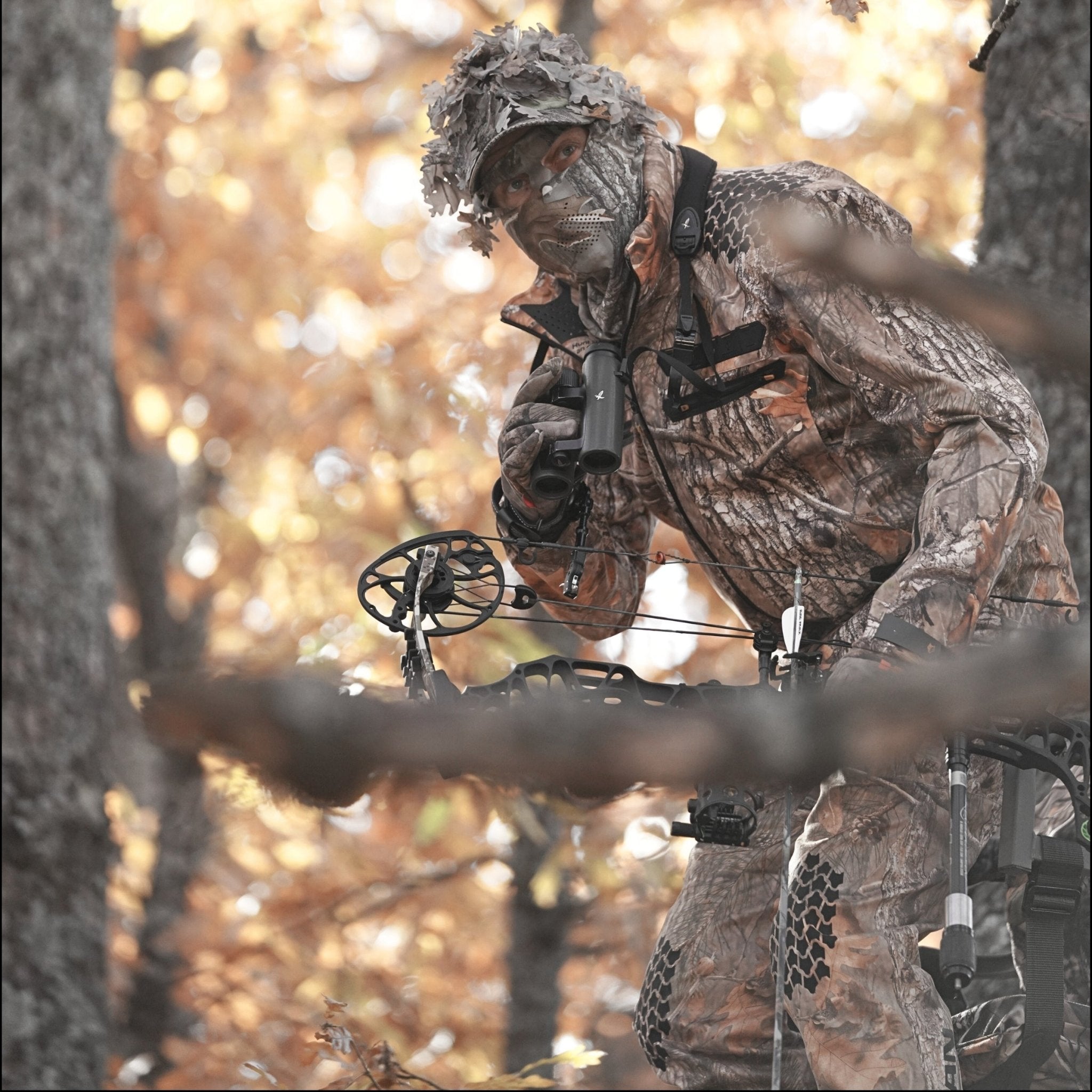
Camo still matters too. In late season, the woods are thinner, the cover changes, and deer have more time to study what looks off. Snow, open timber, dead grass, dark trunks, field edges: all of that changes what blends and what sticks out.
Good hunting gear is not just about staying warm. It helps you stay put, stay focused, and stay in the game longer.
Small Details That Matter More Than People Think

Late season comfort usually falls apart over small stuff.
Gloves are a good example. Heavy gloves for the walk in often just make your hands sweat. Thin gloves for movement and warmer gloves for the sit usually work better.
Socks are another one. More bulk does not automatically mean more warmth. Dry feet with decent circulation beat overstuffed boots every time.
Hoods help when wind hits, but a bad hood kills hearing and awareness. Face coverage helps too, but not if it traps moisture around your nose and mouth until everything feels damp.
Even your pace matters. Walk slower. Do not race the hike in and spike your body heat for no reason. A calmer walk usually means drier layers when you arrive.
Late season deer hunting clothes work best when the whole setup makes sense together. Random expensive gear thrown on in panic is still a bad system.
The Real Goal Is Simple: Dry Going In, Warm Sitting Still

That is it.
Dry on the walk in. Warm on the sit.
If you can do that, late season hunting gets a whole lot easier. If you show up sweaty, you are already behind, and the rest of the day becomes damage control.
So build the system around moisture first. Start with a real base layer. Use a mid layer that breathes. Carry your heavy insulation instead of wearing it too early. Pick outerwear that blocks wind, handles rough weather, stays quiet, and does not kill mobility.
Then match all of it to the actual hunt instead of just looking at the temperature on your phone.
Late season deer hunting clothes should help you move when you need to move and keep you warm when movement stops. That is the whole job.


Share:
Mobile Hunting Clothing for Whitetails: Long Walk-Ins Setup
Scent Control vs Playing the Wind: Advice for Whitetail Hunters