

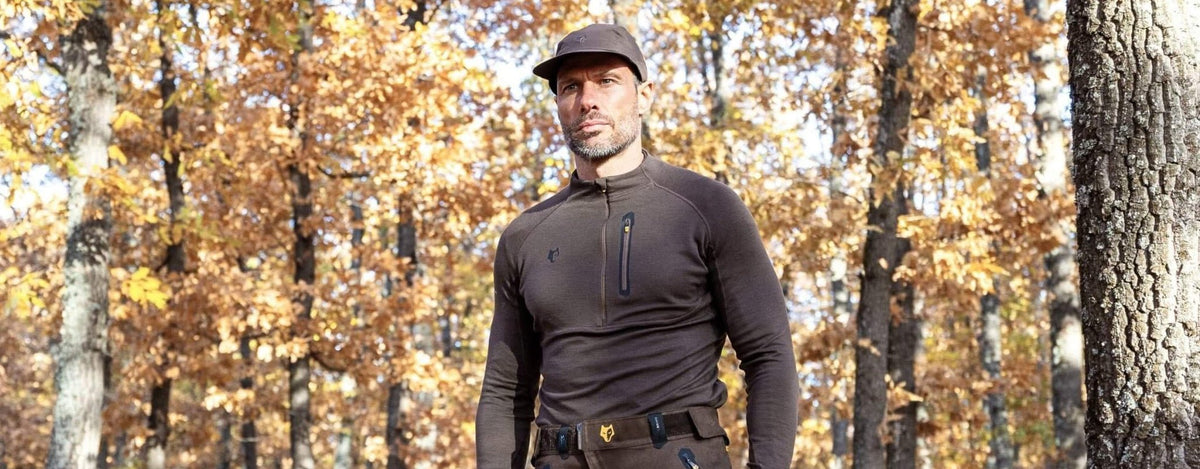
Mobile Hunting Clothing for Whitetails: What to Wear for Long Walk-Ins and Fast Setup

Quiet mobile hunting clothes for whitetails: breathable layers, less sweat, better movement, and warmer sits after long walk-ins.
Why mobile hunting clothing has to work harder
Mobile hunting for whitetail deer is a different animal. You are not parking close, strolling 150 yards, and sitting down like the day is already won. You are walking in, carrying gear, checking a hunting location, climbing, messing with straps, hanging sticks, fixing angles, then trying not to sound like a toolbox in a tree.
That is why regular hunting clothing fails a lot of guys. It looks warm on paper, maybe even feels good at the truck, then it turns into a sweat trap halfway in. After that, you stop moving and the cold starts chewing through you.
A mobile hunter needs hunting gear built for movement first and warmth second. That order matters. On the walk-in, body heat spikes. During setup with climbing sticks, a hang-on stand, saddle hunting gear, or lightweight stands, you get even hotter. Then you stop, and all that moisture starts working against you. That is where hunts get uncomfortable fast.
The best mobile hunting clothing for whitetails is quiet, breathable, wind resistant, and easy to adjust without a bunch of fuss. It should move with you through rough terrain, then hold enough warmth once you are parked in the tree. Most of the time that means fewer bulky layers, better fabric choices, and less dumb guesswork.
Start with base layers that control moisture

Base layers do the dirty work. If they fail, the rest of the system usually fails too.
For mobile hunting, the job is simple. Pull moisture off the skin fast enough so you do not end up damp and freezing once the walking stops. Cotton is a bad call here. It soaks up sweat, hangs onto it, and then chills you when you finally slow down. Fine for the house. Bad for a whitetail hunt.
Merino wool is still one of the safer picks for whitetail hunting because it handles moisture well, stays comfortable over a wide temperature range, and helps with odor. Synthetic layers or merino wool blends also work, especially if you know the walk-in is long and the setup is going to be physical.
A good base layer should stay close to the body without feeling tight or awkward. You still need to bend, climb, kneel, draw a bow, or shoulder a weapon without fighting your own clothes. In early season, a lighter base may be enough. Later in the year, go a little warmer if needed, but the job does not change. Keep moisture off the skin and stop heat loss before it starts.
Build a layering system around movement, not just warmth

A lot of hunters build layers around the coldest moment of the day and ignore the two hours before it. That is how they end up sweating through the walk-in and hating life by first light.
Mobile hunting works in phases. You walk. You heat up. You slow down. You climb. You stop. You cool off. Then you sit. Your clothing has to match that cycle or it starts working against you.
For most hunts, three to five solid layers are enough. Start with a moisture-wicking base. Add a breathable mid layer or active insulation piece. Then finish with outer layers based on weather conditions, wind, and how long you expect to sit still.
That works better than piling on everything at the truck. Too much insulation early usually means overheating, damp clothing, and wasted energy. A smarter move is wearing less while moving, then adding warmth when the real work is done. Simple idea. Still one of the most common mistakes in deer hunting.
Use mid layers that vent well and pack small

Mid layers can save a hunt or ruin one quietly.
In mobile hunting, they need to add warmth without cooking you on the approach. Breathable fleeces, light vests, vented insulation, and packable jackets all have a place depending on the season and how far you are going.
For long walk-ins, active insulation usually makes more sense than thick, bulky insulation. It keeps some heat in but still lets excess heat and moisture out. That matters when you are covering ground in the dark, climbing trees, and dealing with uneven terrain before daylight.
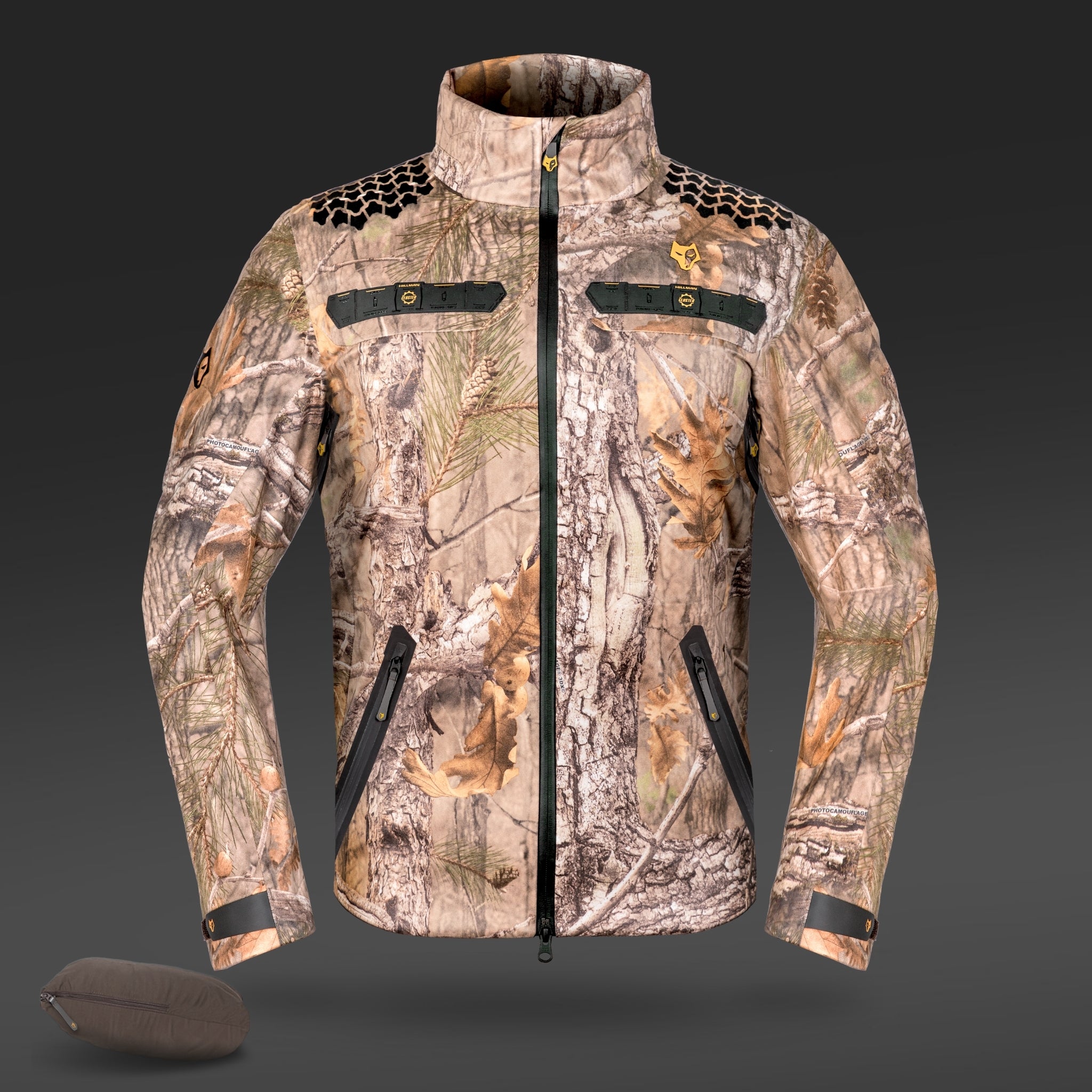
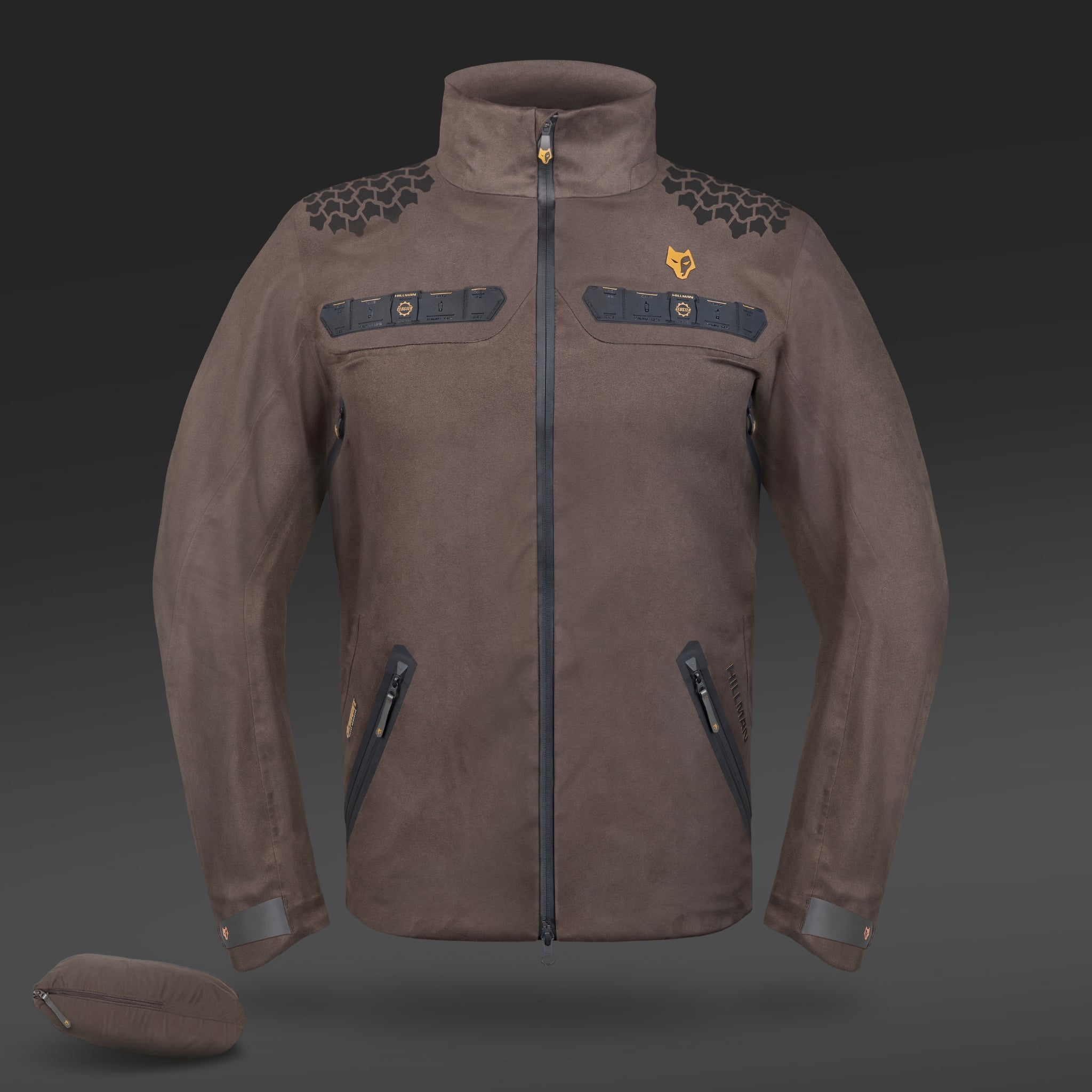
Once you stop, a lightweight packable jacket or outerwear layer can change everything. This is where warmth-to-weight matters. A jacket that rides quietly in a backpack during the hike and goes on fast at the tree is way more useful than one big heavy piece you regret wearing halfway in.
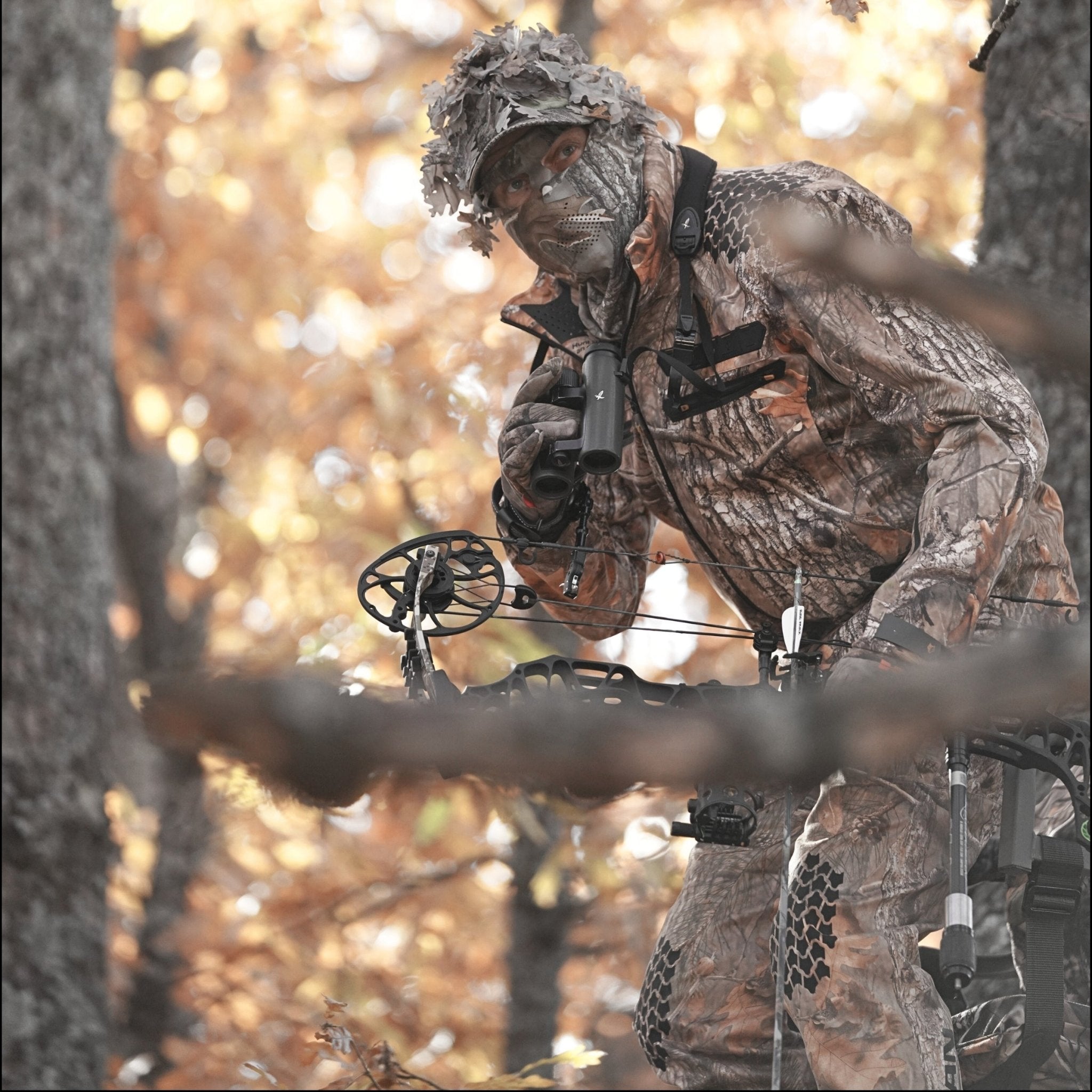
That switch matters even more with saddle hunting and hang-on stand setups. Those hunts ask a lot from the body on the way in, then punish you fast once you stop moving.
Choose outer layers for silence, wind protection, and fast setup

A lot of outer layers look tough, but plenty of them sound like a snack wrapper every time you move. That is a problem.
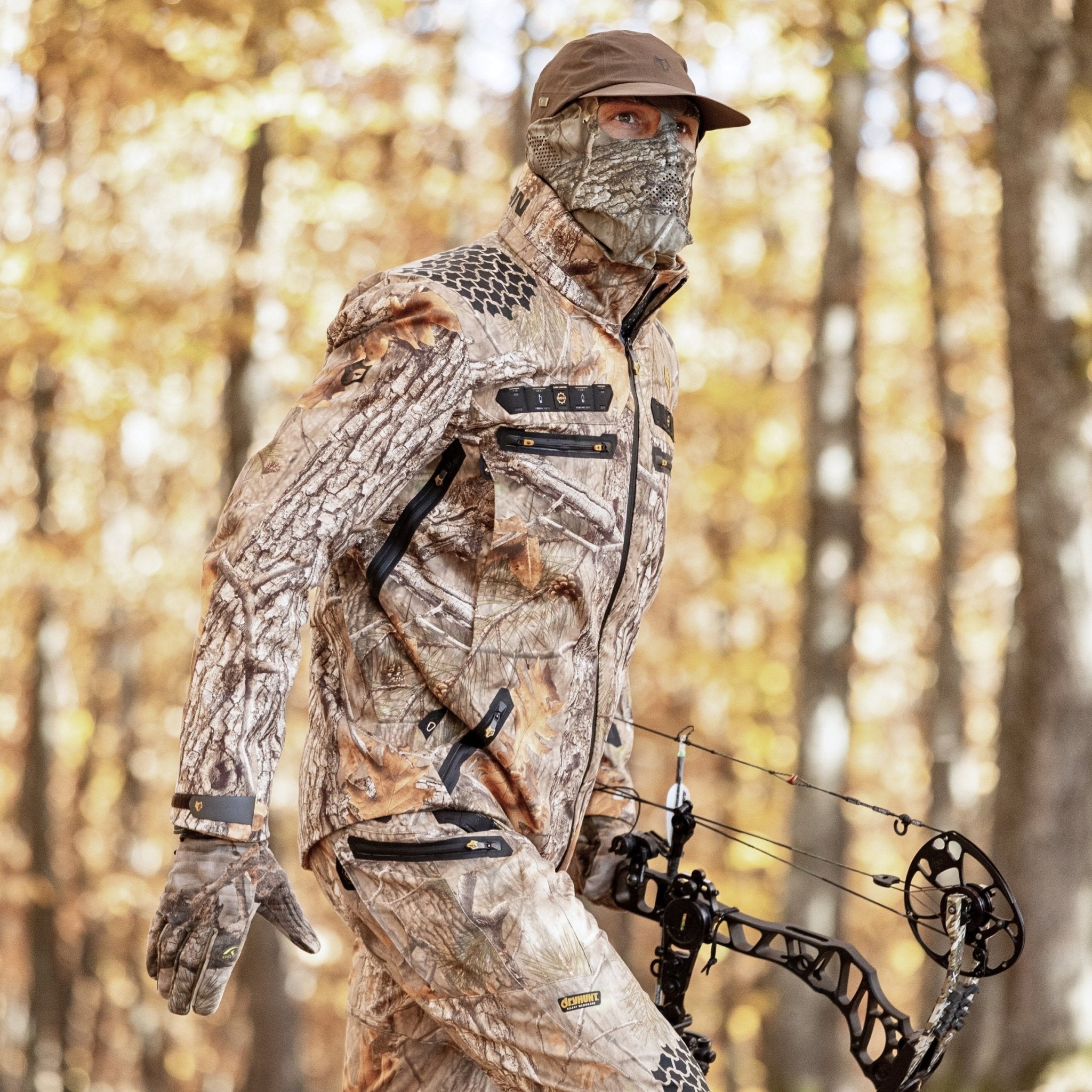
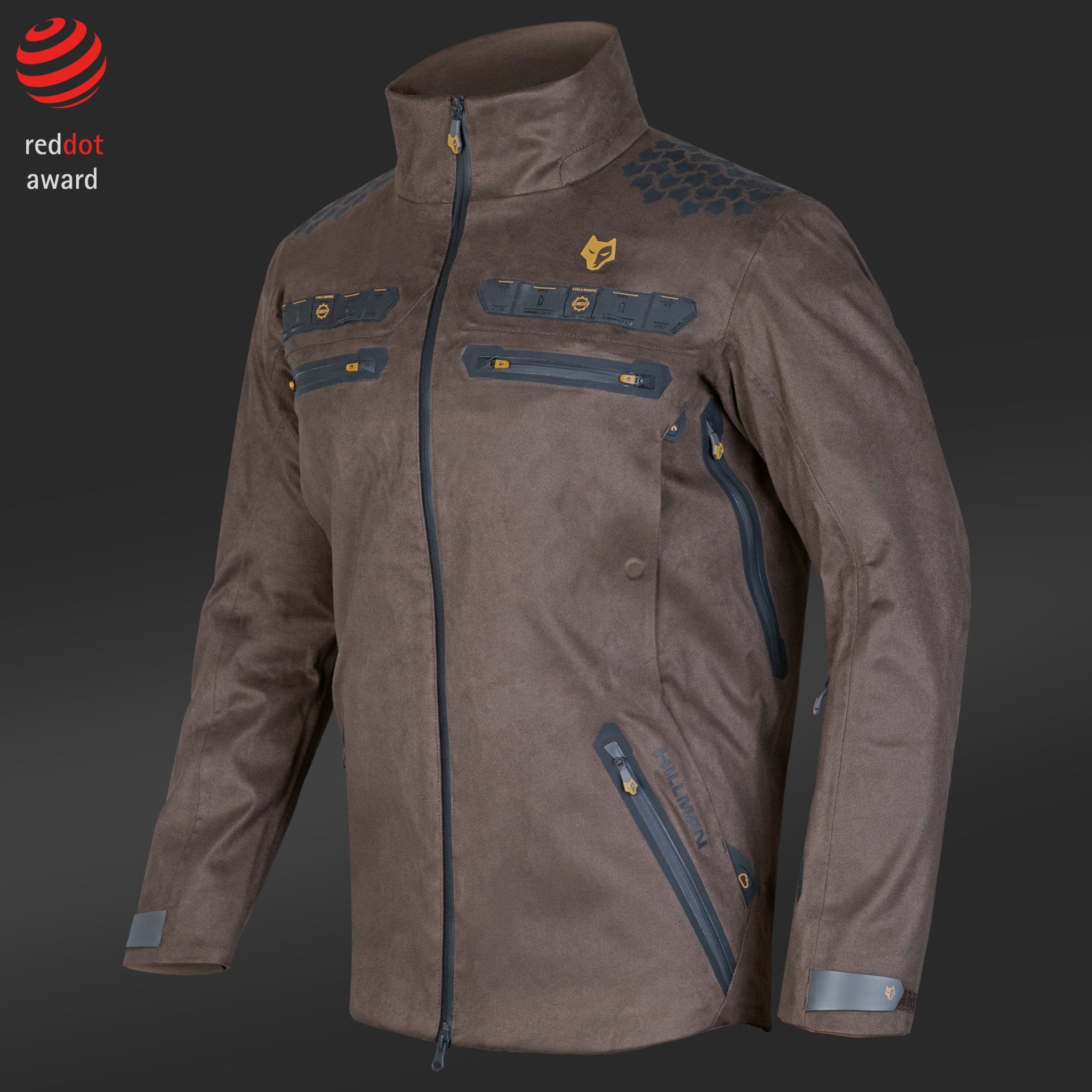
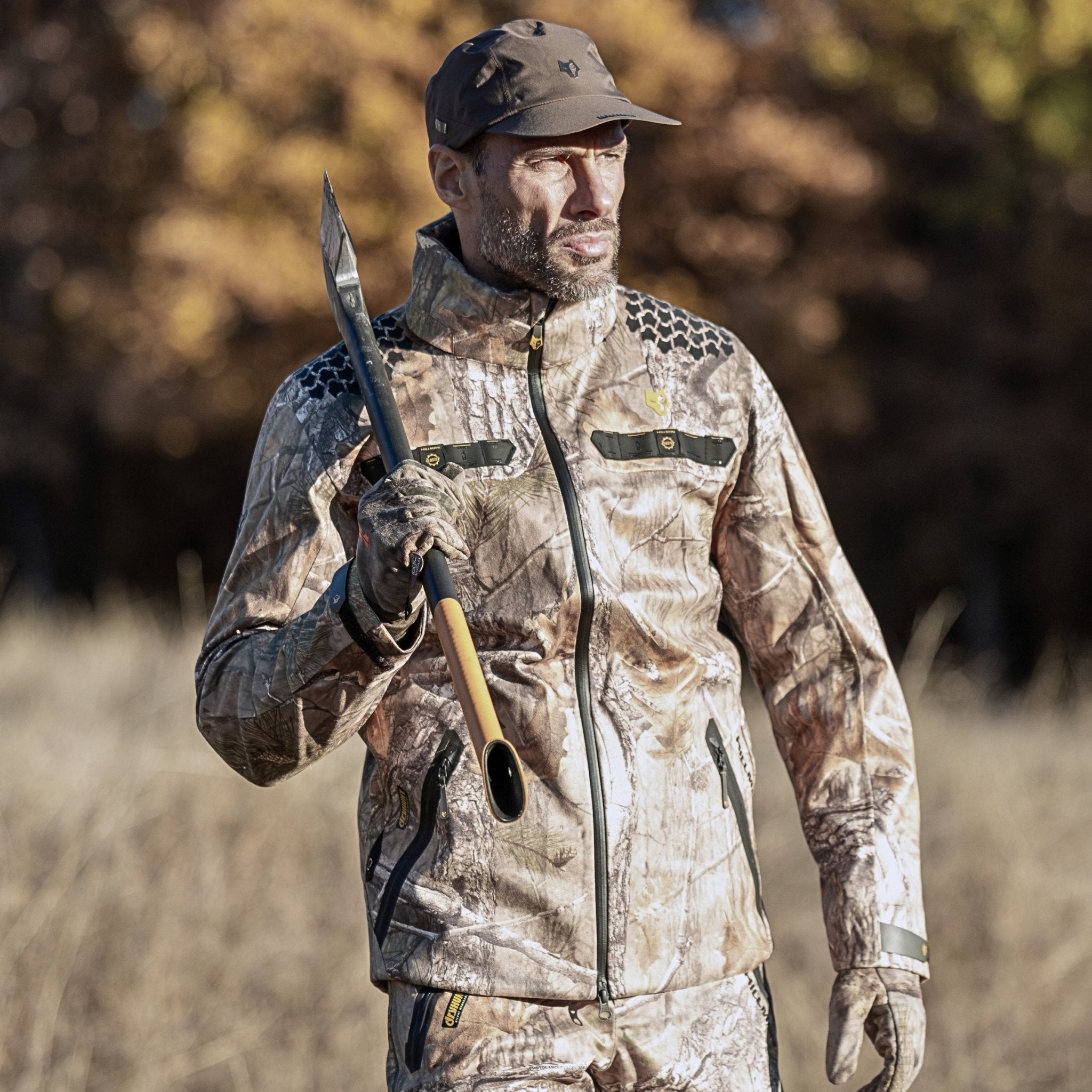
Outer layers for mobile hunting should not just block weather. They should stay quiet around bark, straps, metal, and branches. A loud jacket can wreck a careful setup faster than bad luck.
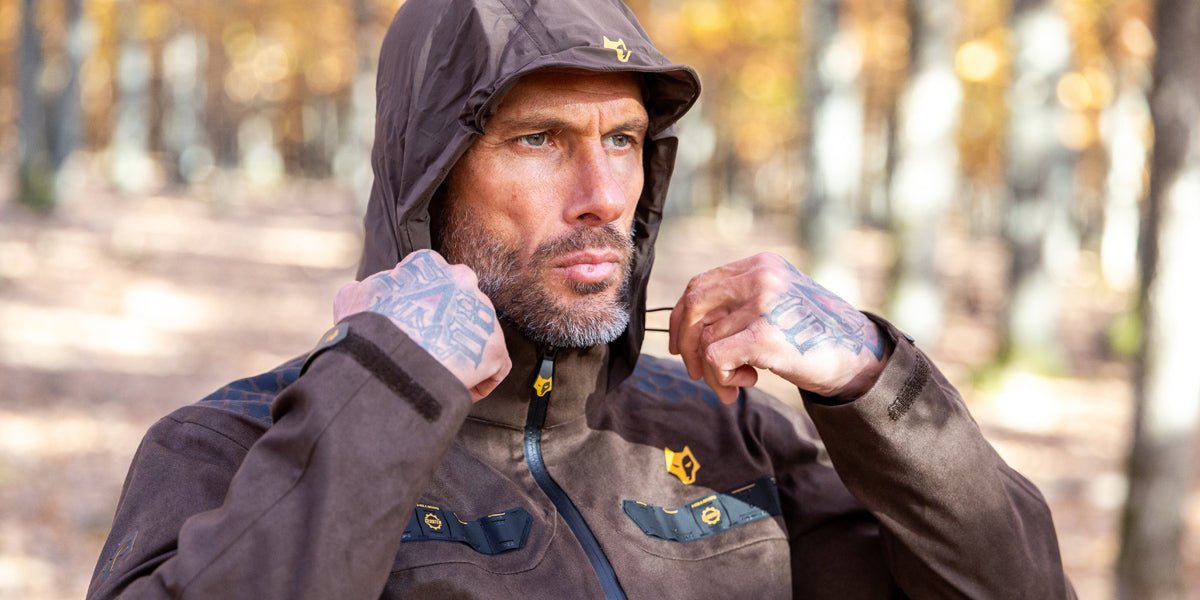
Wind protection matters a lot in whitetail hunting clothing because the sit is where weak systems get exposed. Even a modest breeze can strip body heat once your shirt is damp from the walk-in. A quiet shell with enough wind resistance helps hold warmth when you are finally stationary.
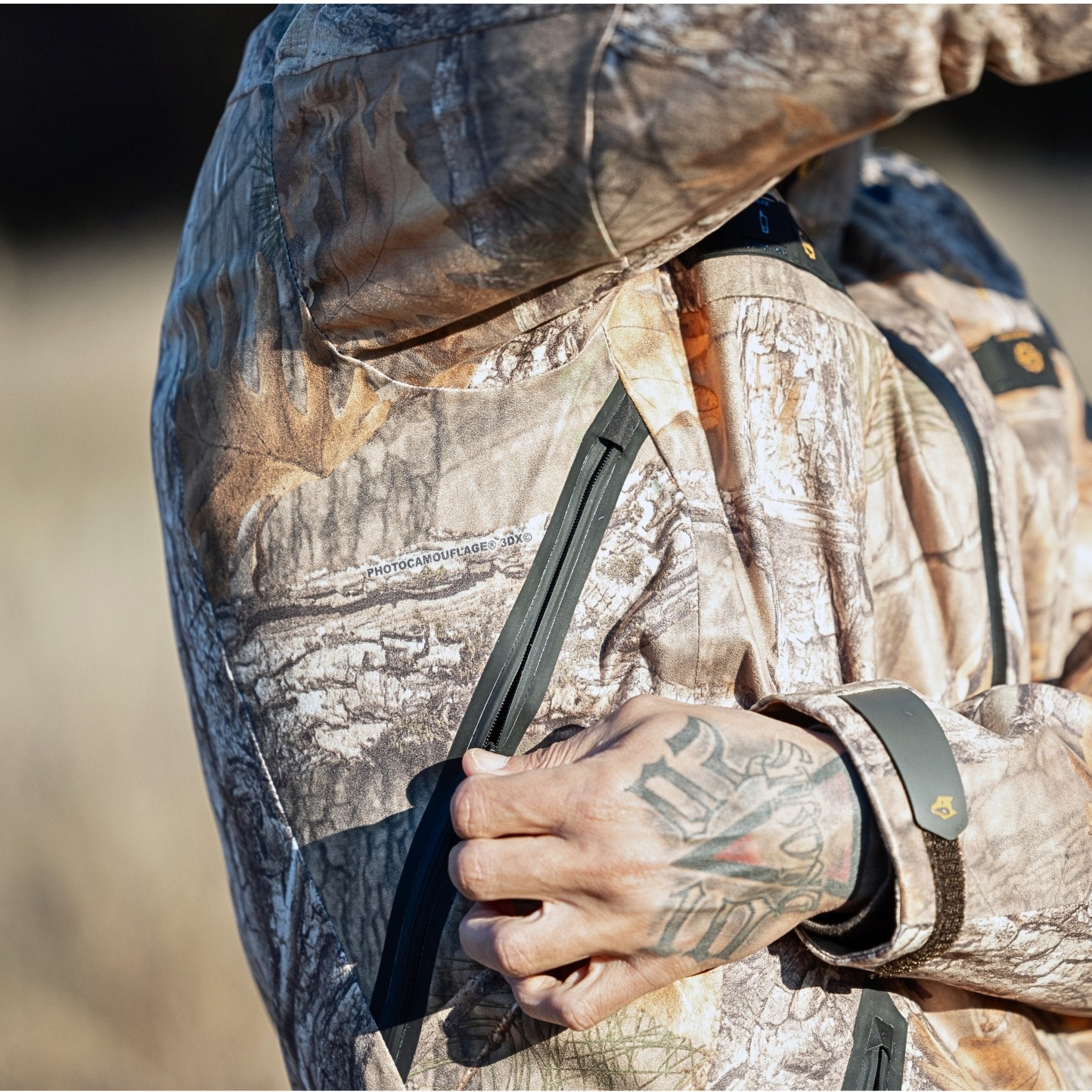
Water resistance matters too, but not every hunt needs heavy rain gear. A breathable shell that handles light rain and cuts wind is often more useful than a full waterproof layer that traps heat and turns the inside of your jacket clammy. Pants and jackets also need to move with the body. If your outer layers fight you while climbing or kneeling, they are not built for actual mobile hunting.
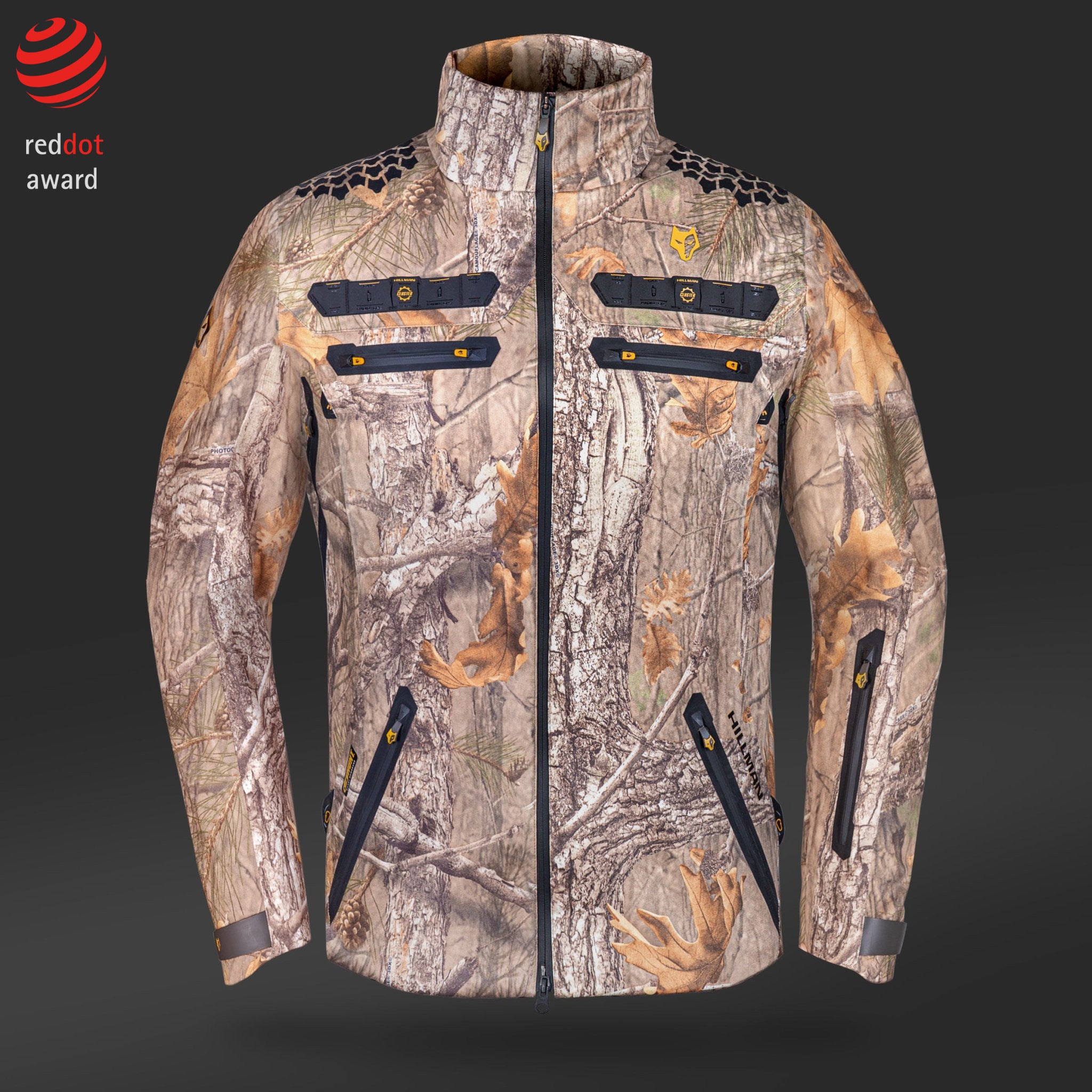
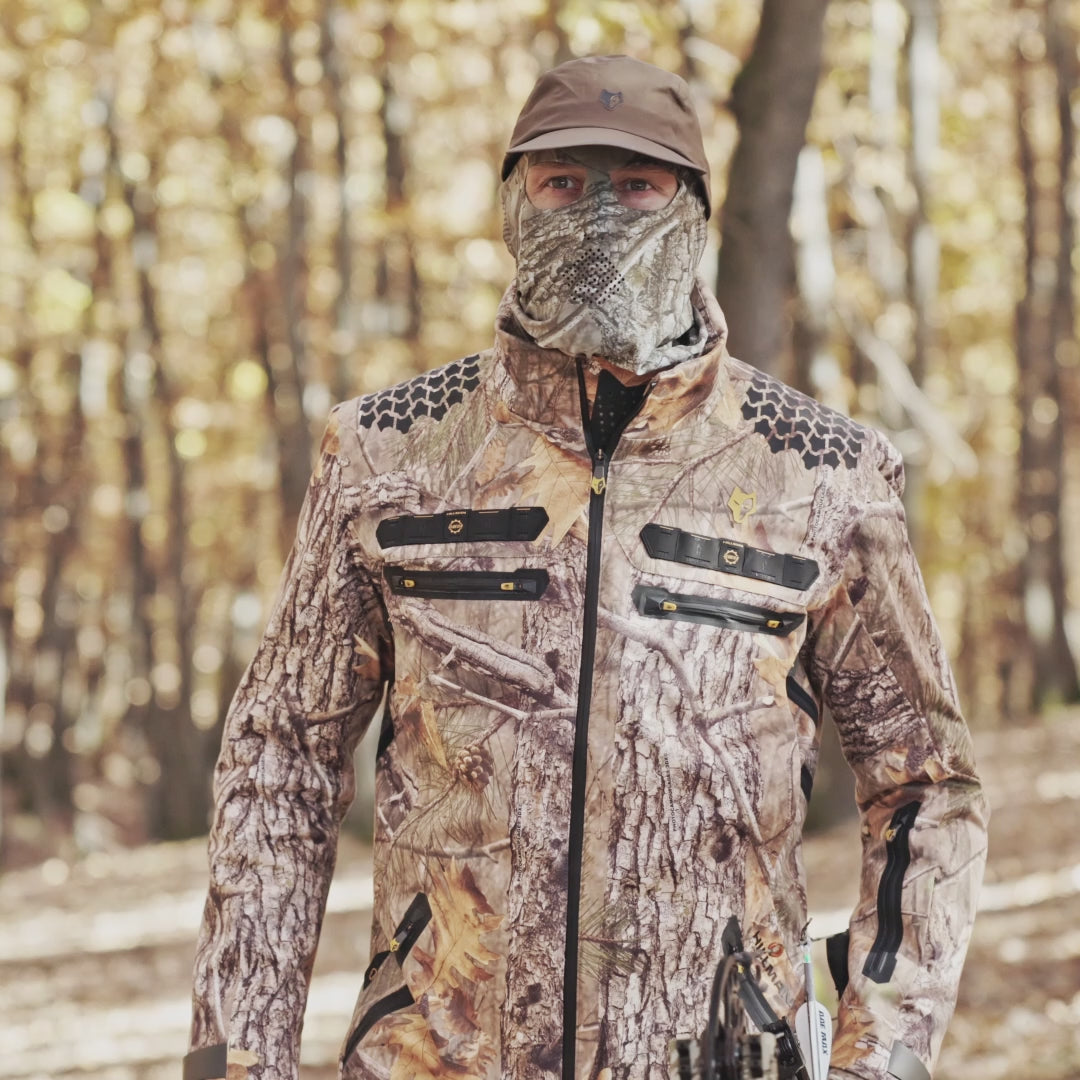
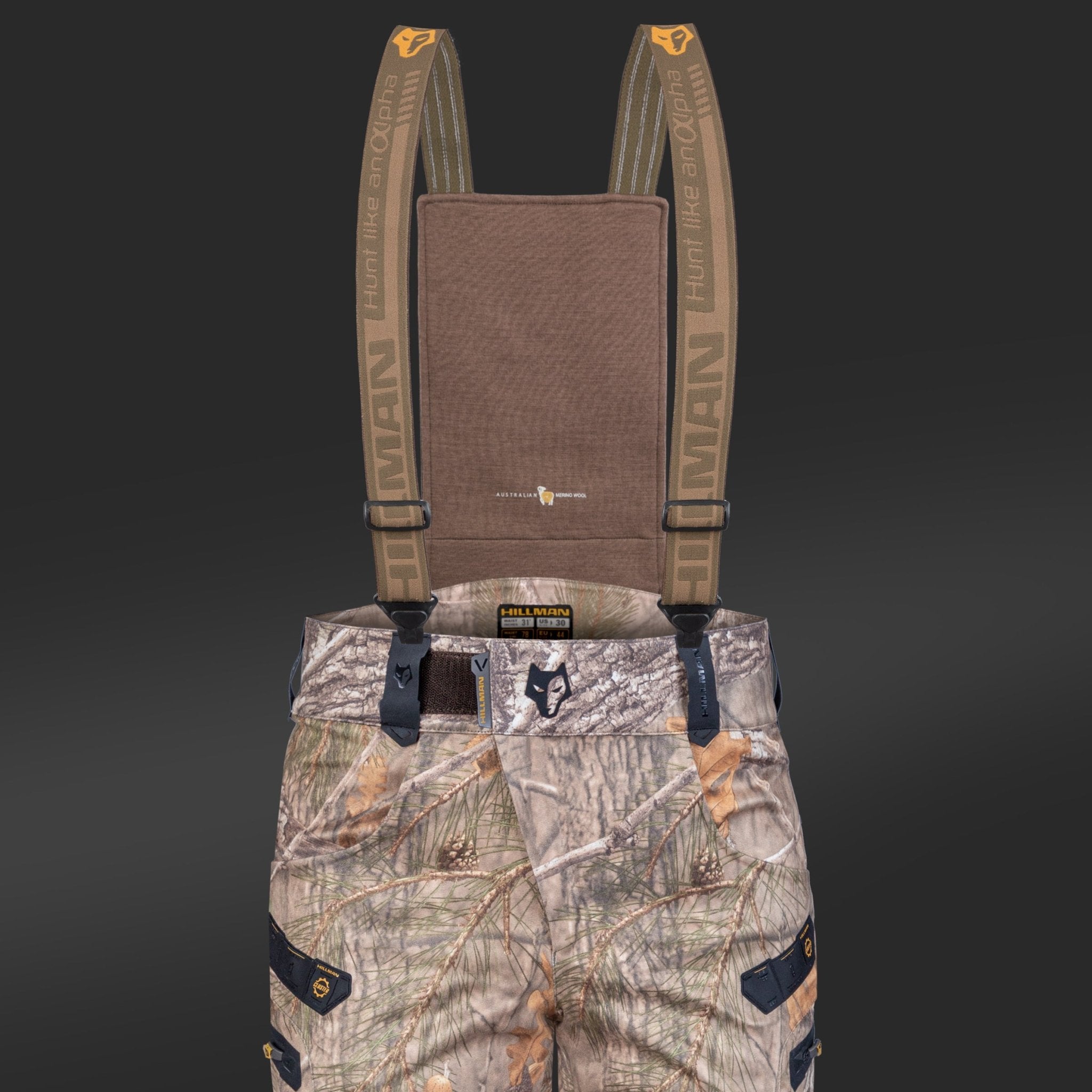
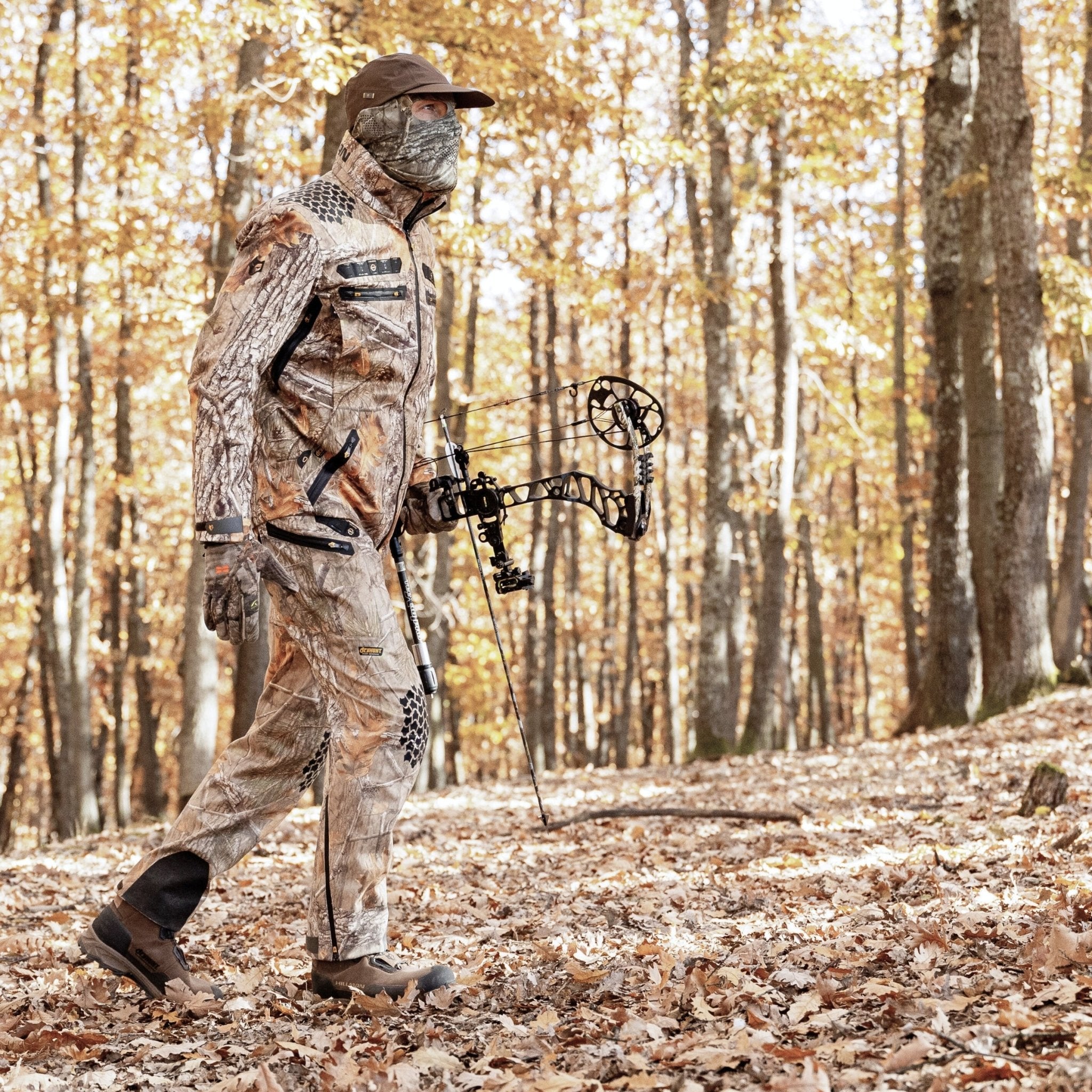
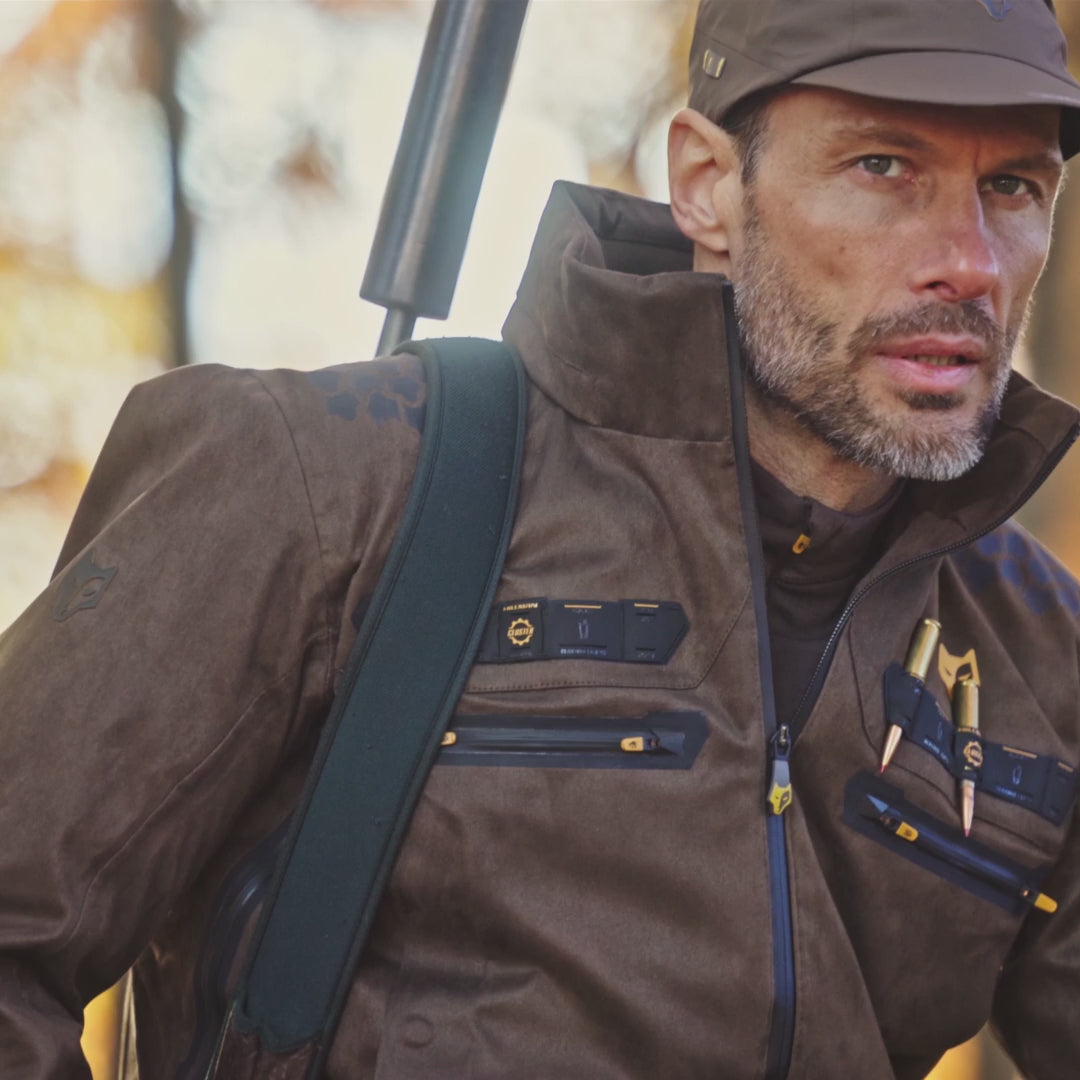
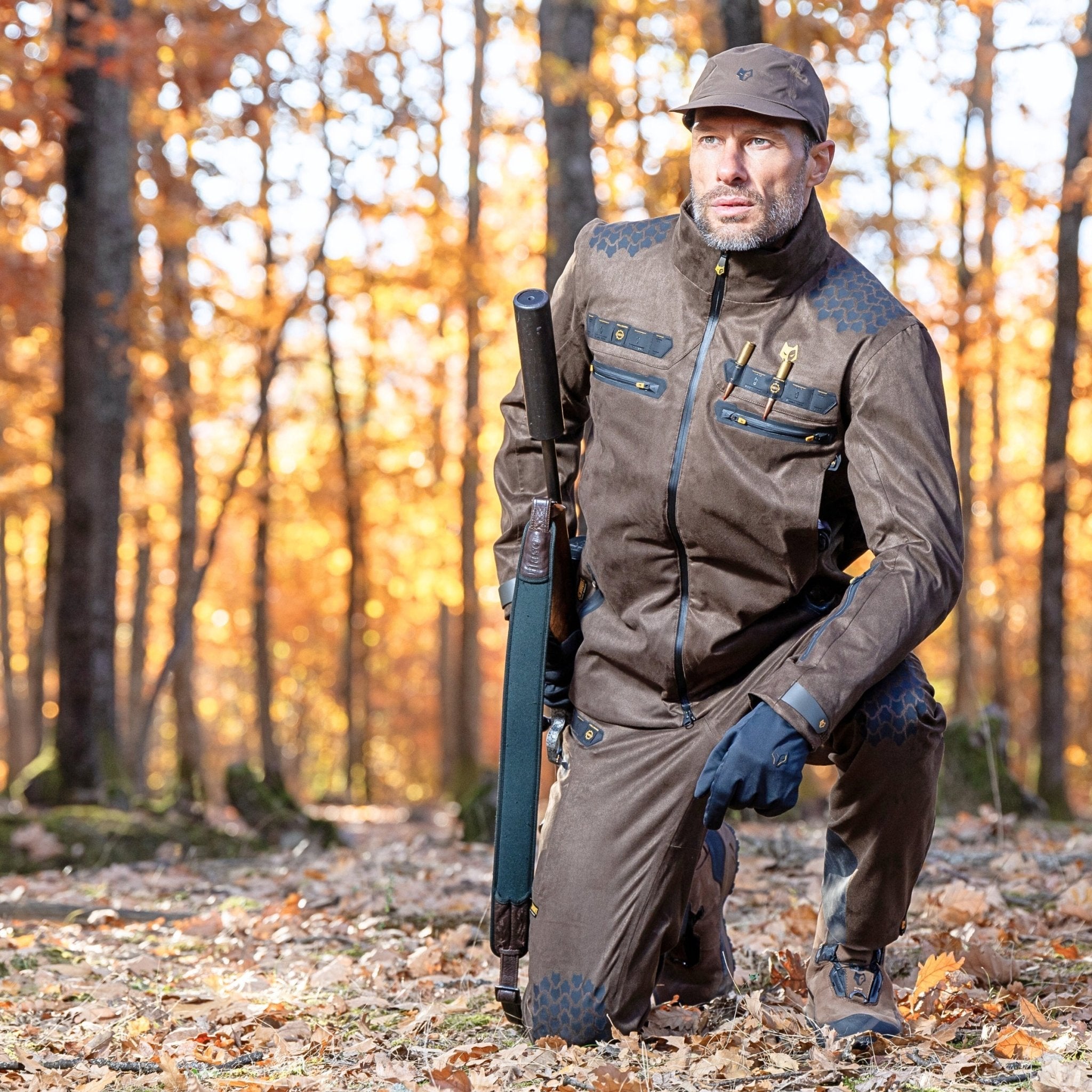
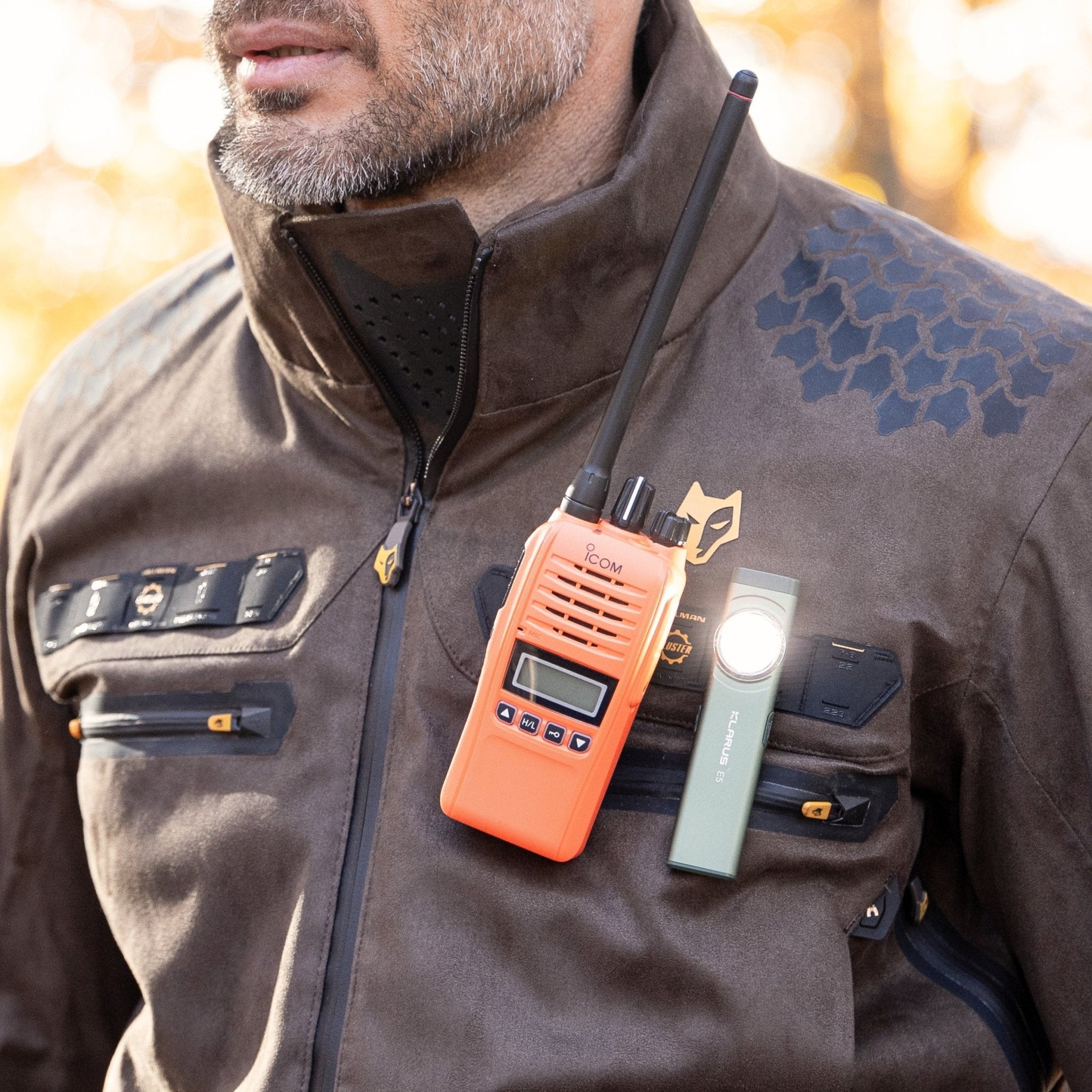
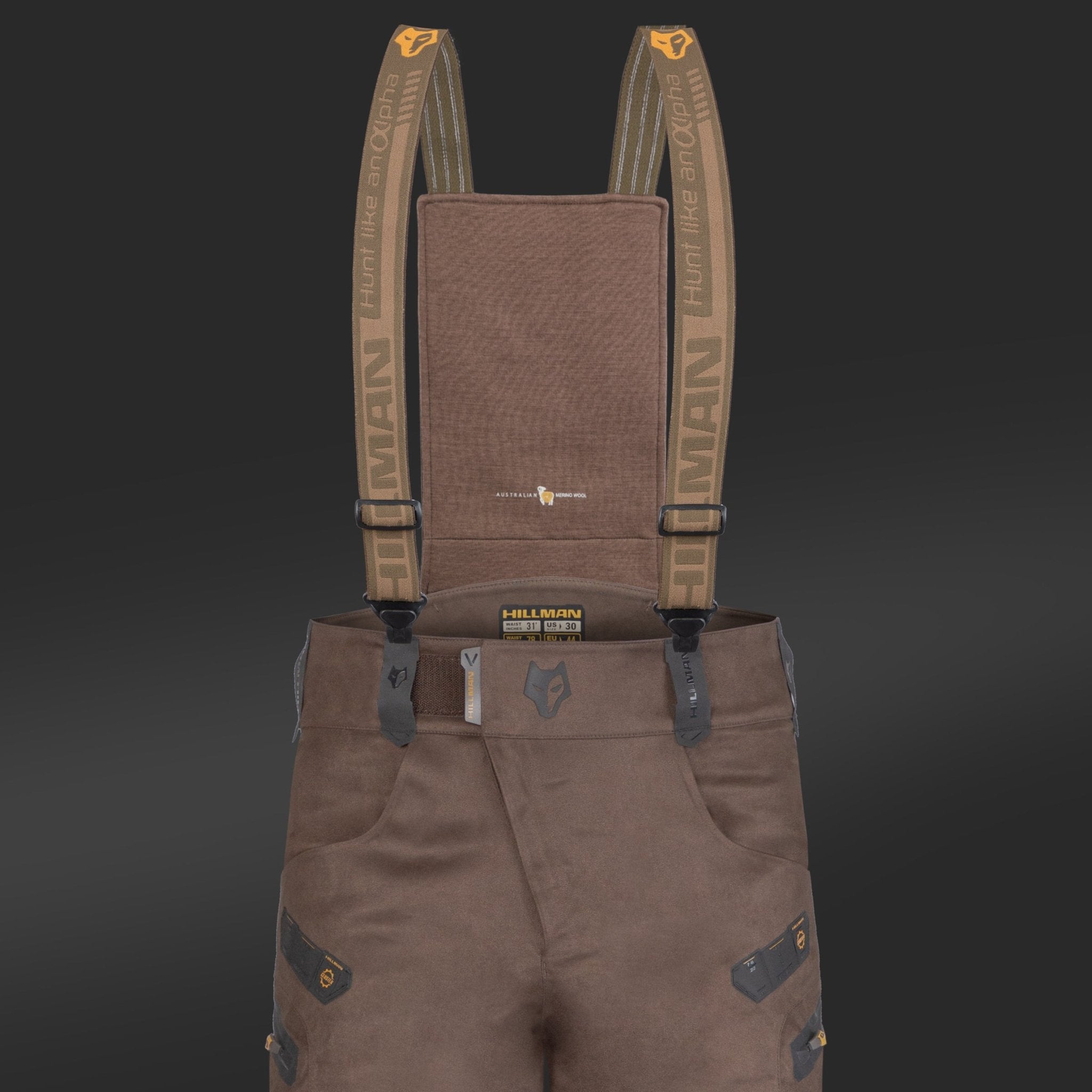
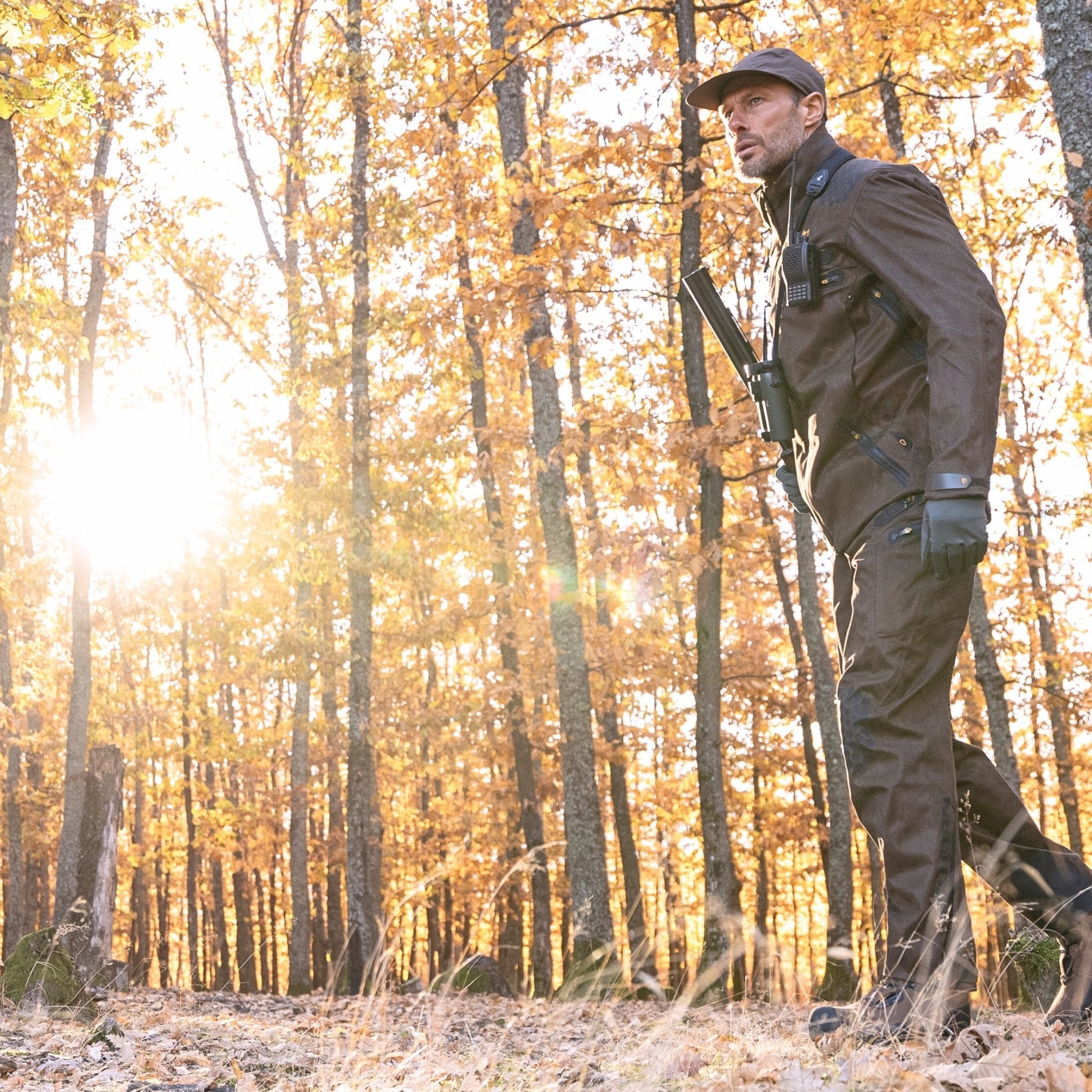
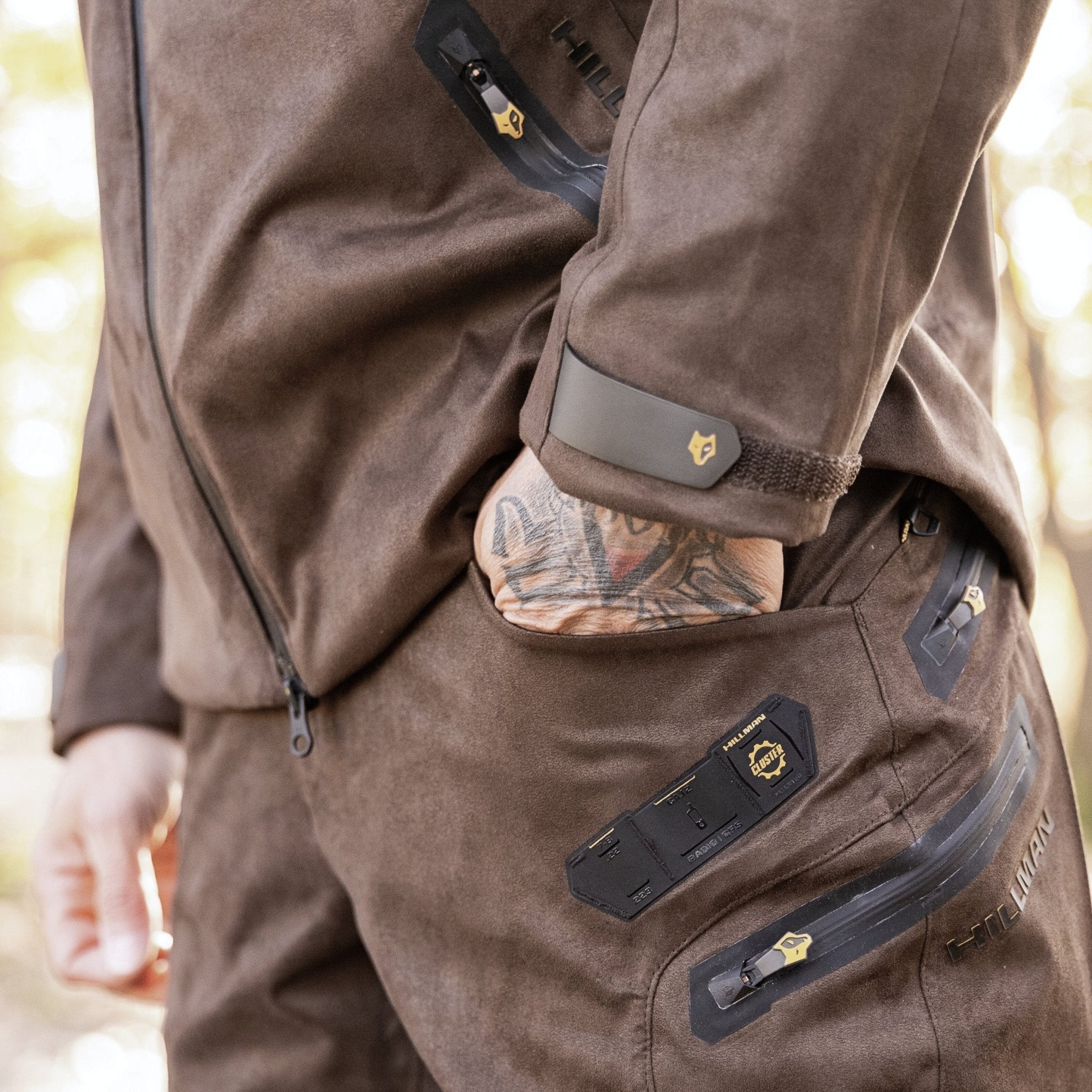
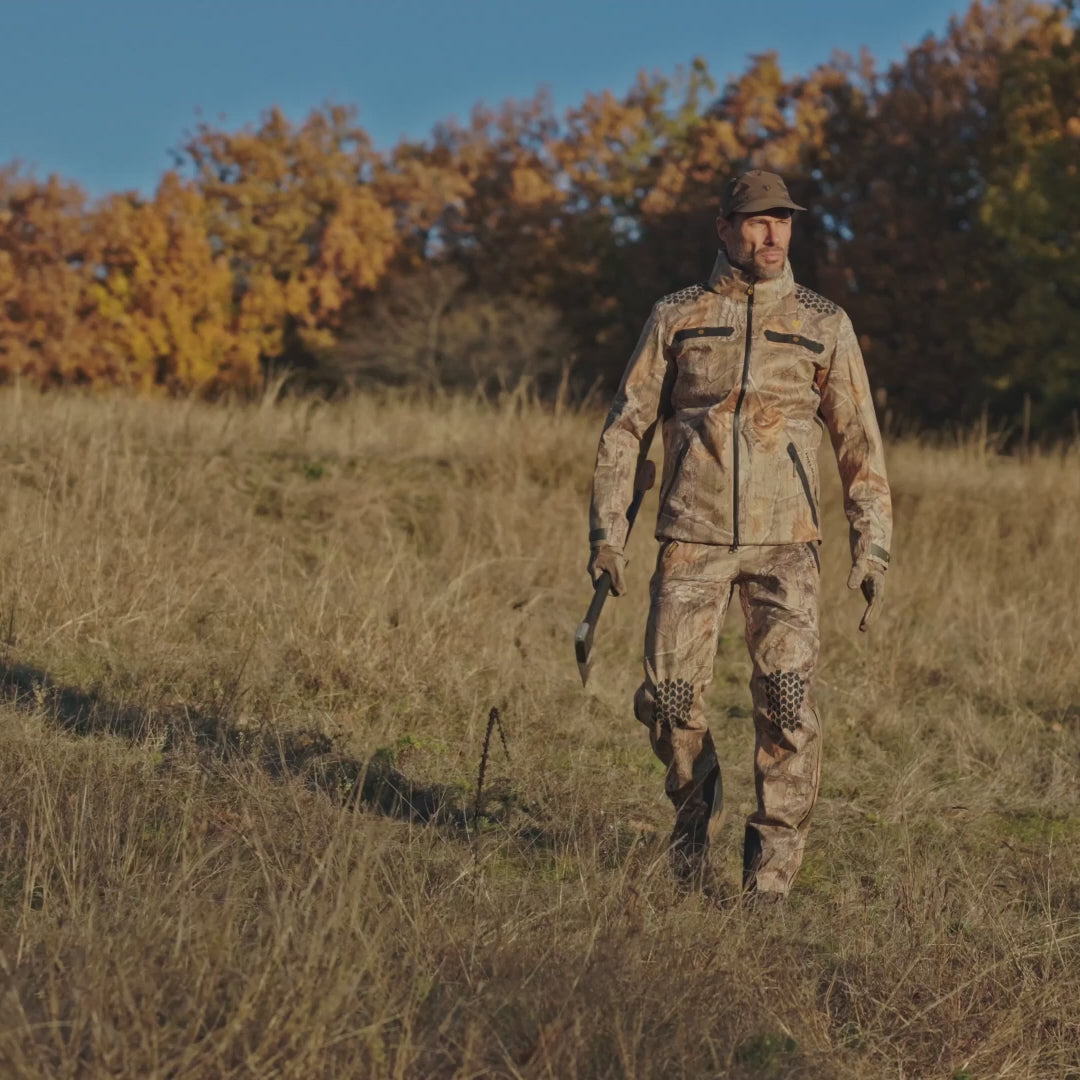
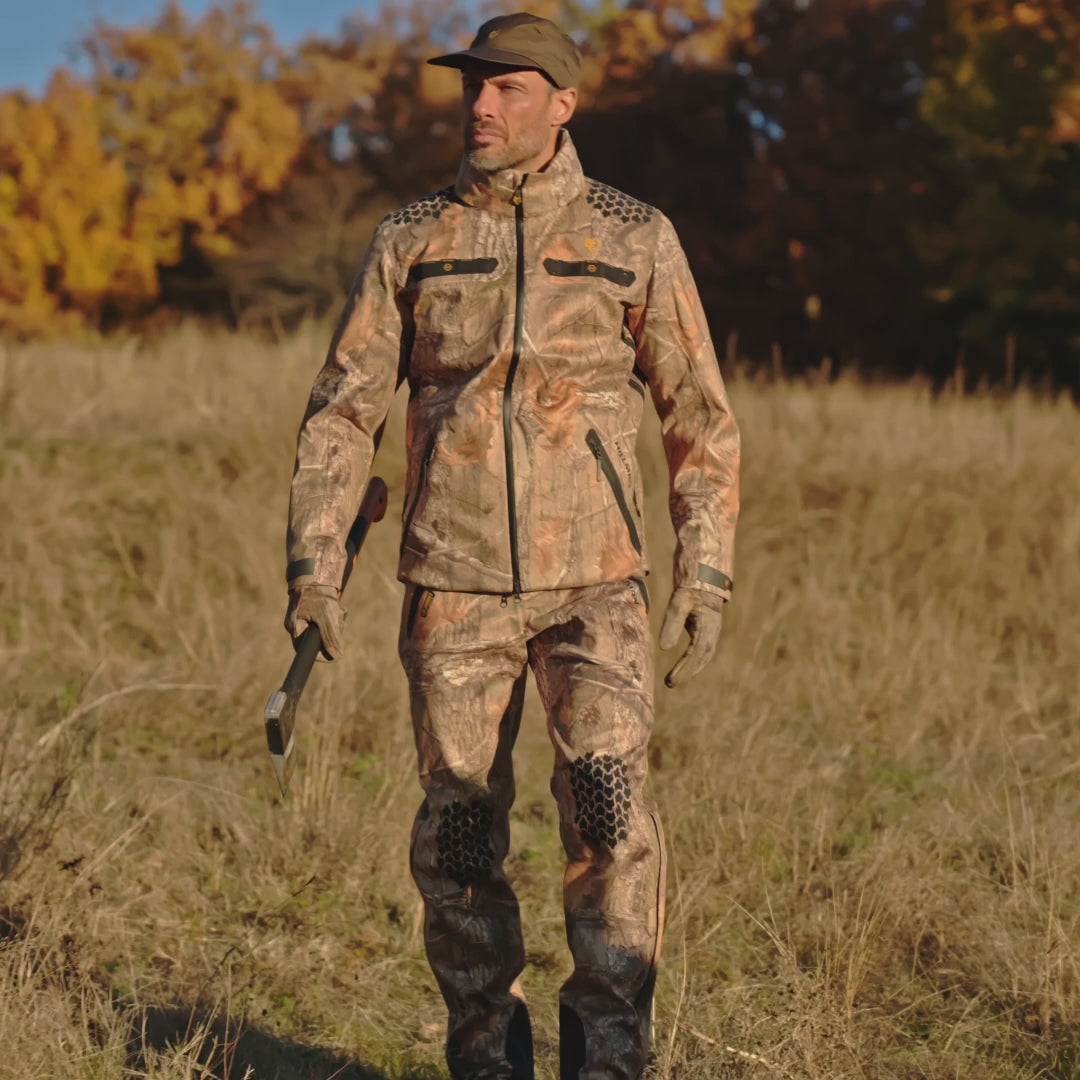
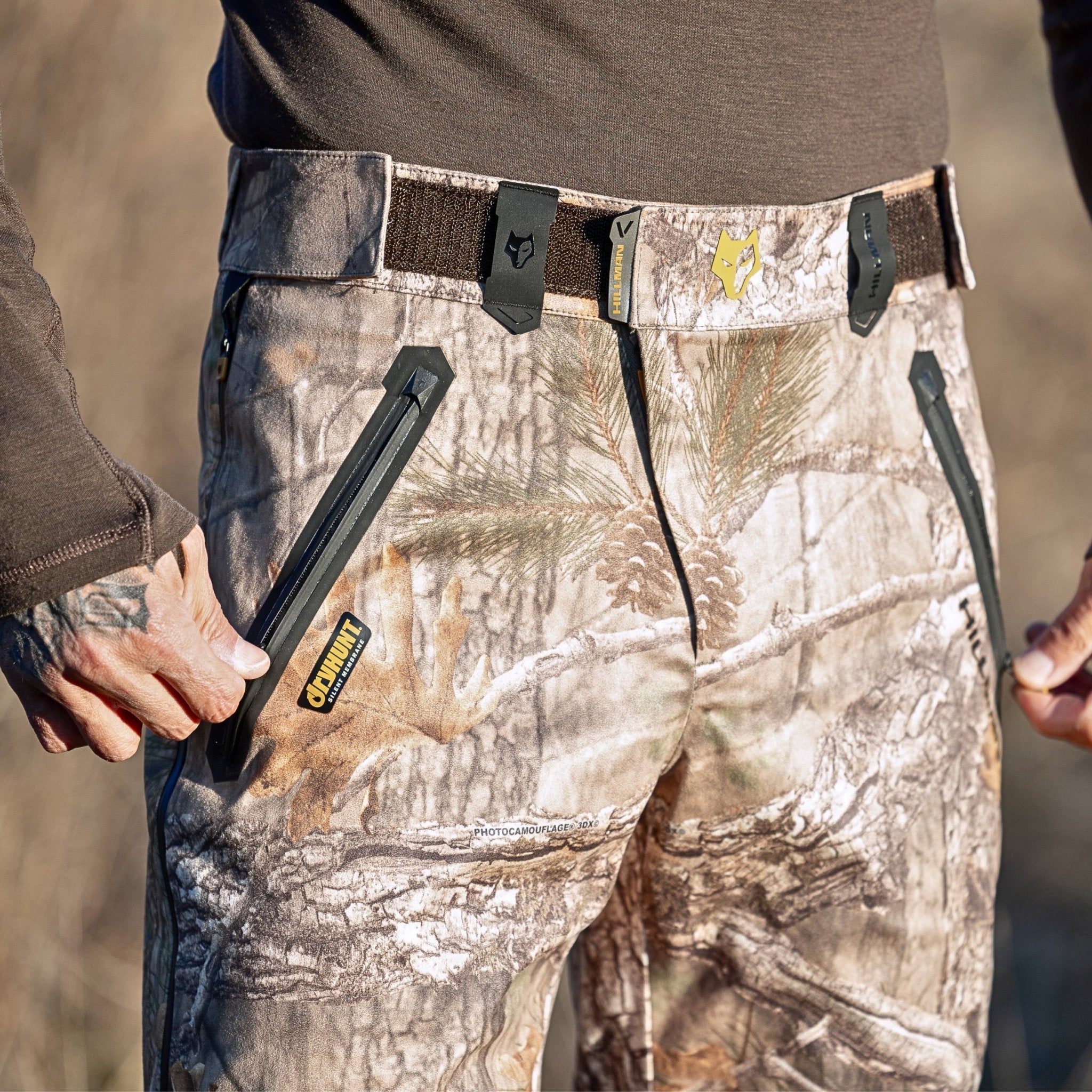
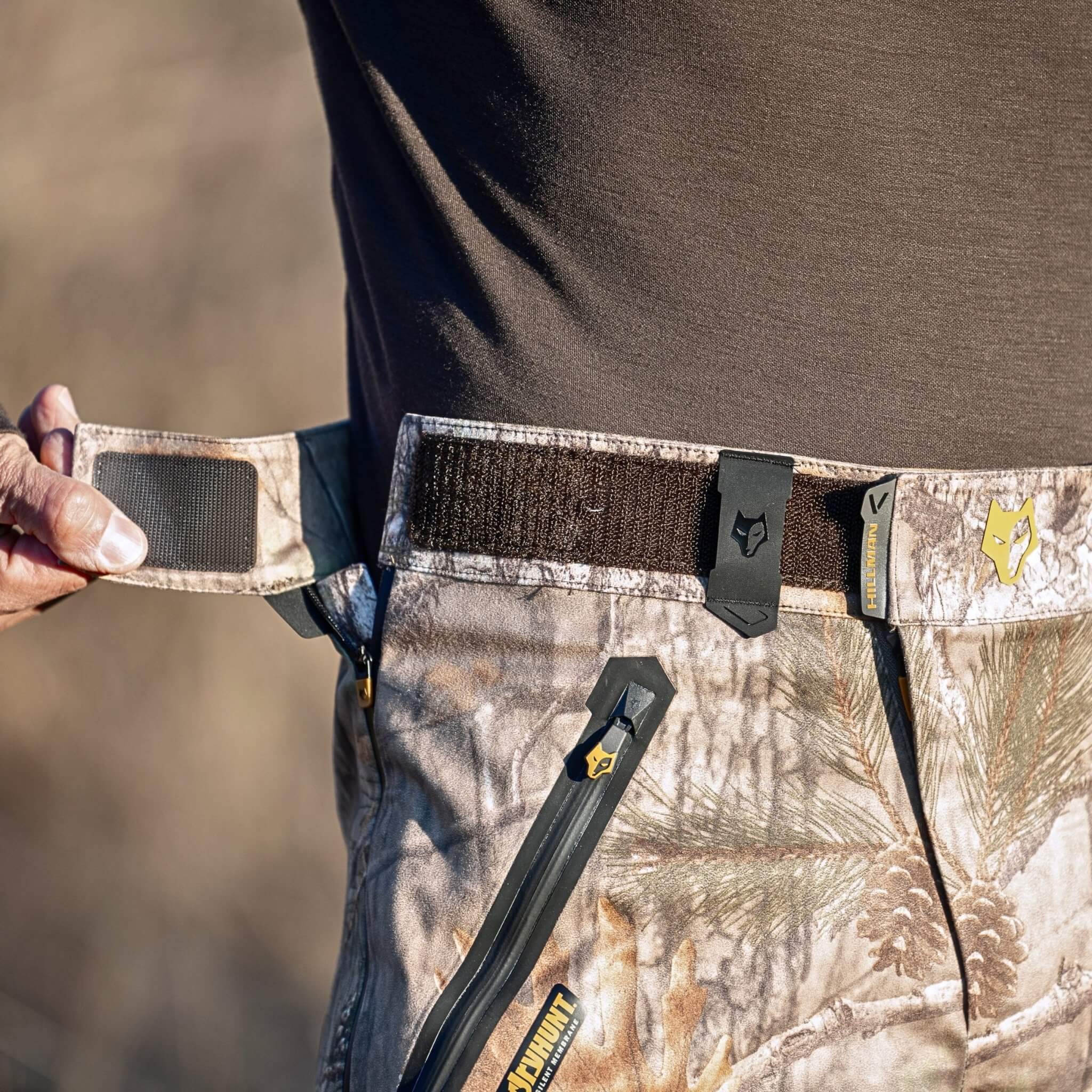
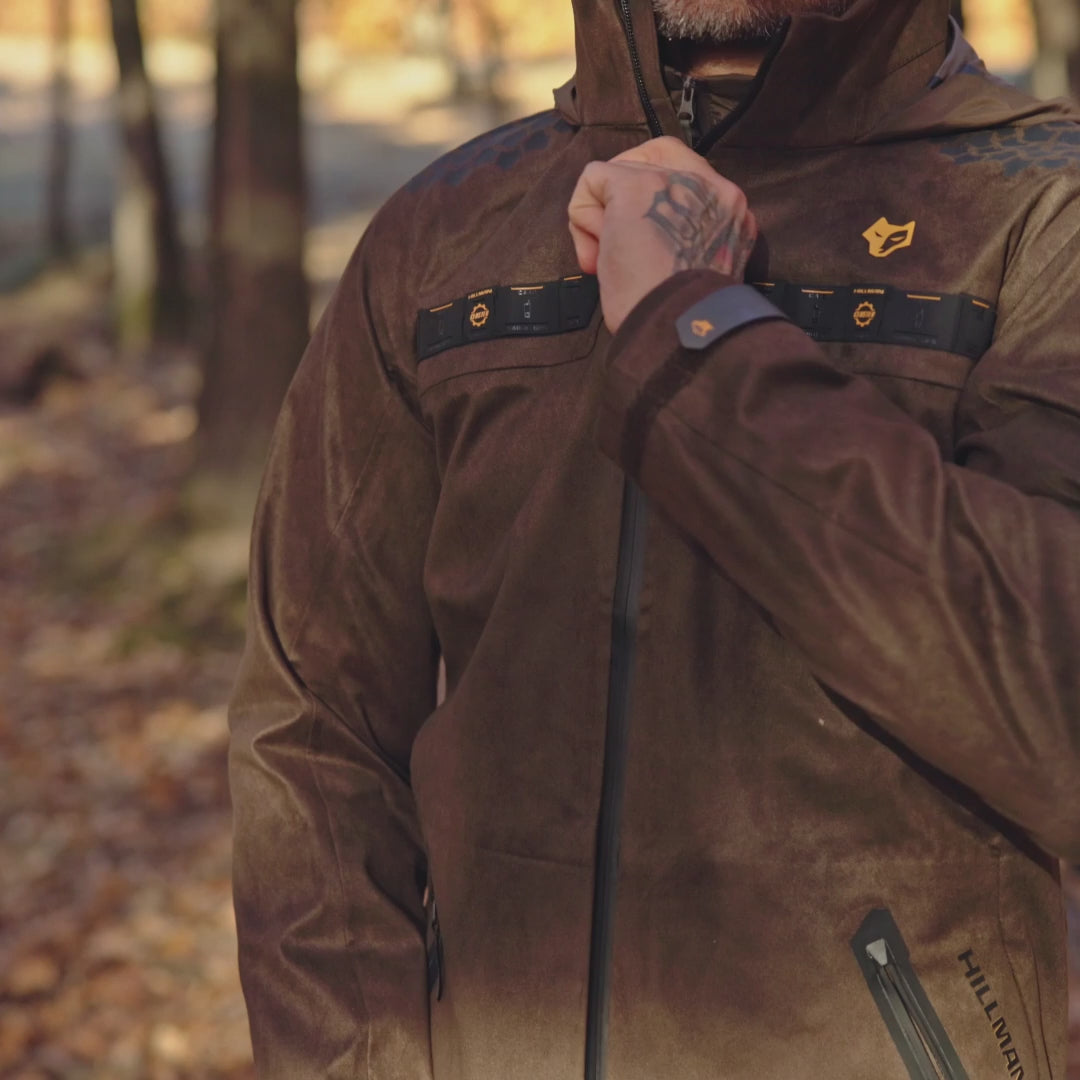
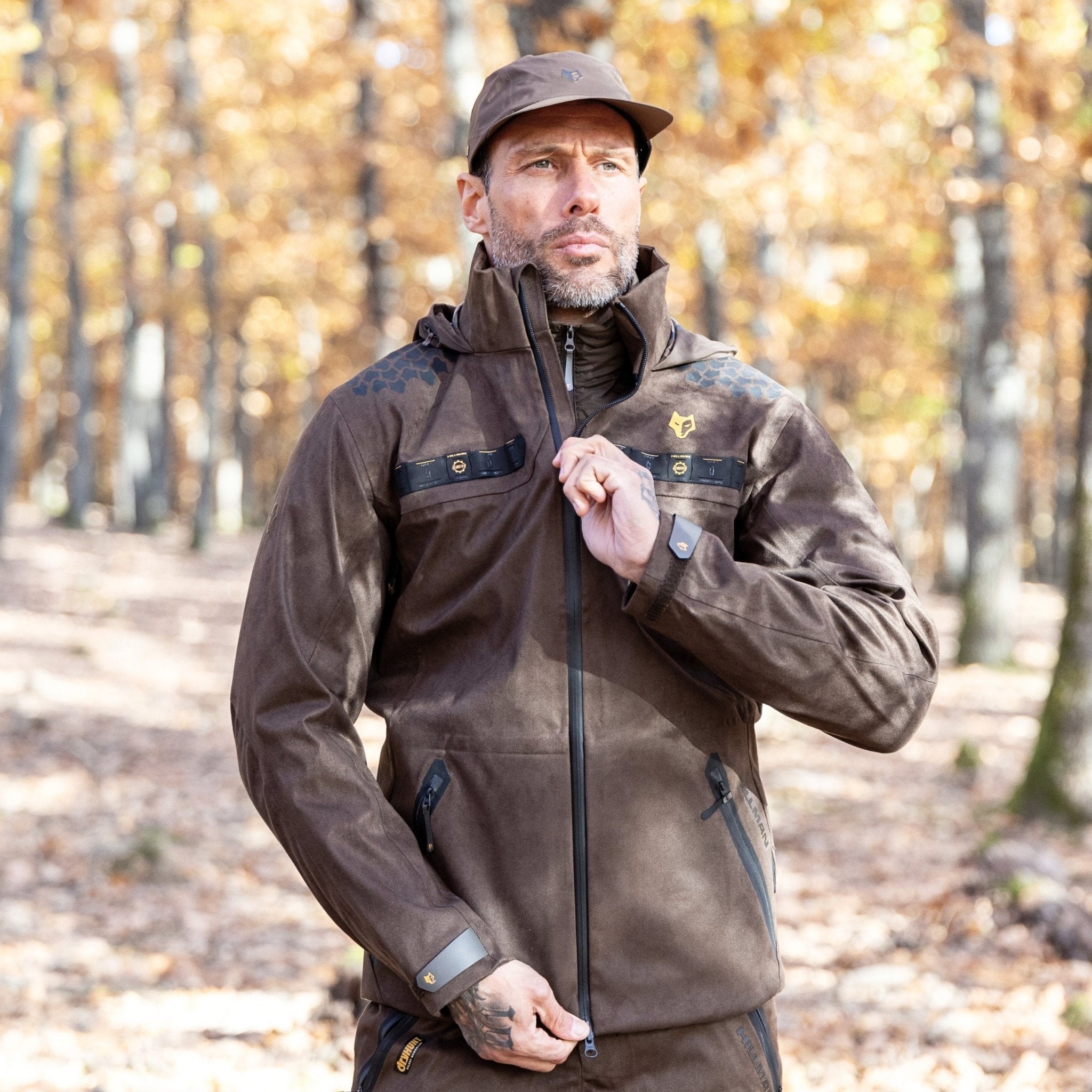
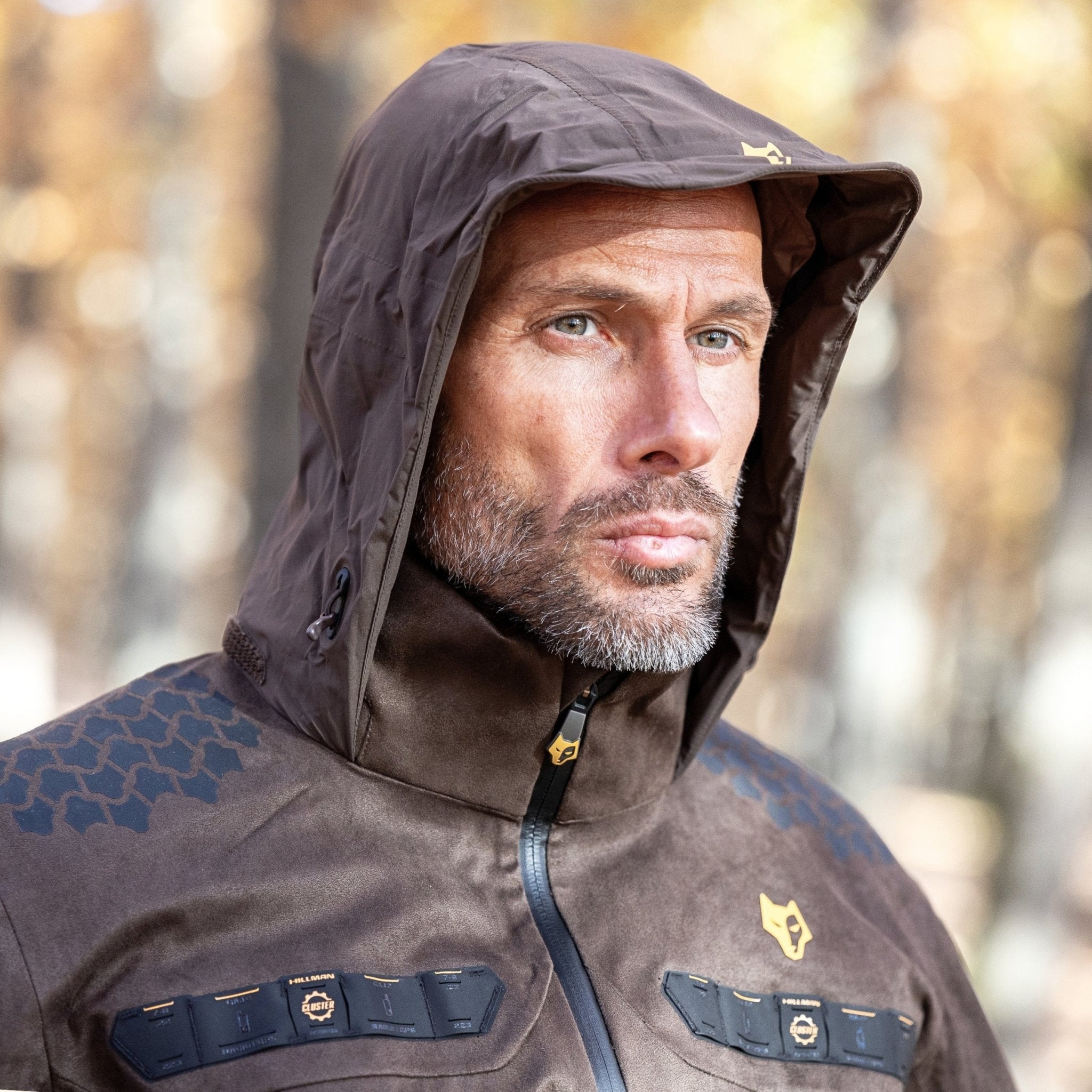
Hillman hunting apparel fits that kind of setup well because this style of hunting needs breathability, stealth, and insulation working together instead of pulling in different directions.
Pants matter more than people like to admit

Hunters love talking about jackets. Fine. But bad pants will irritate you on every single step.
In mobile hunting, pants affect stride, noise, comfort, climbing, saddle pressure, and how much moisture builds up on the walk in. If they are stiff, loud, or hot, you notice it fast.
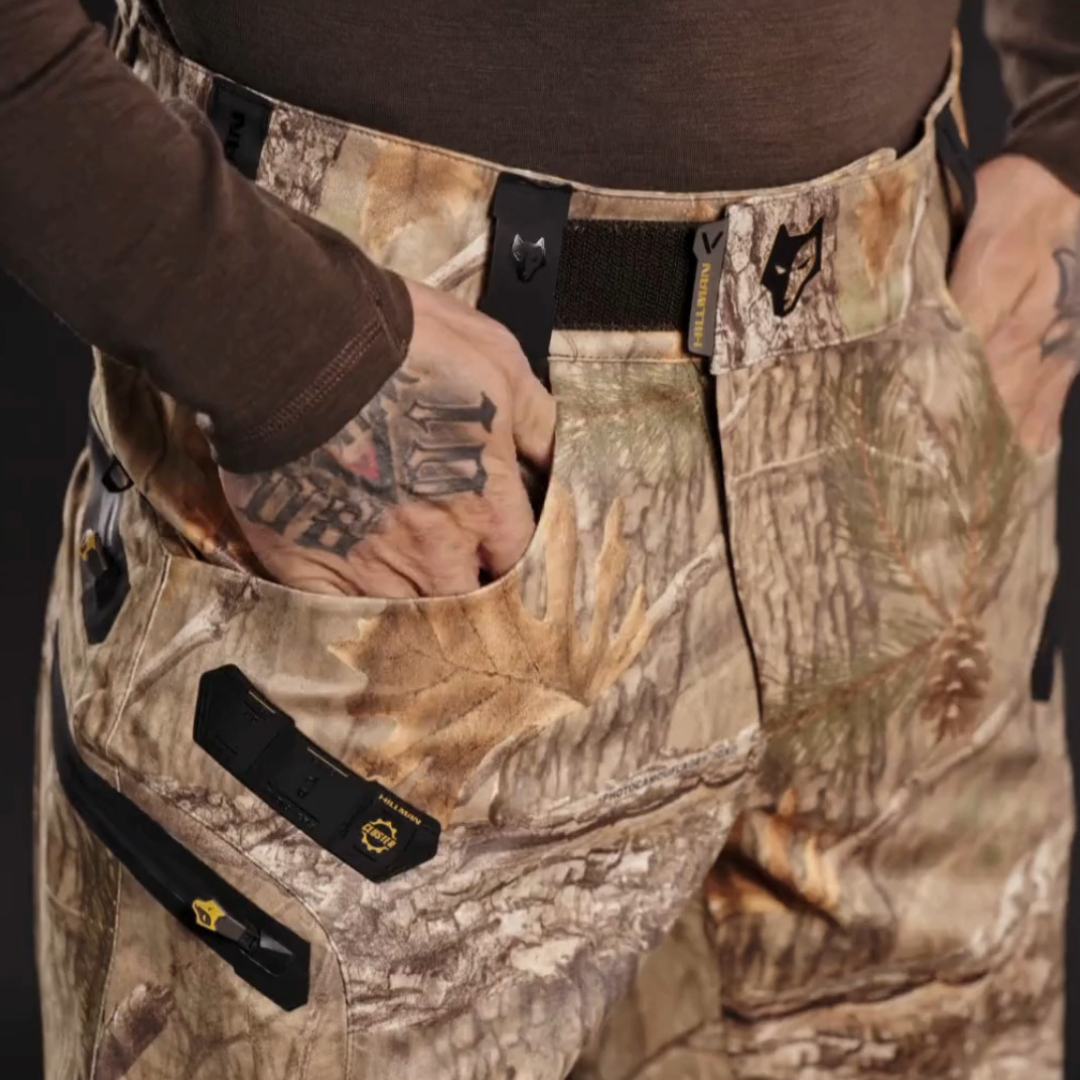
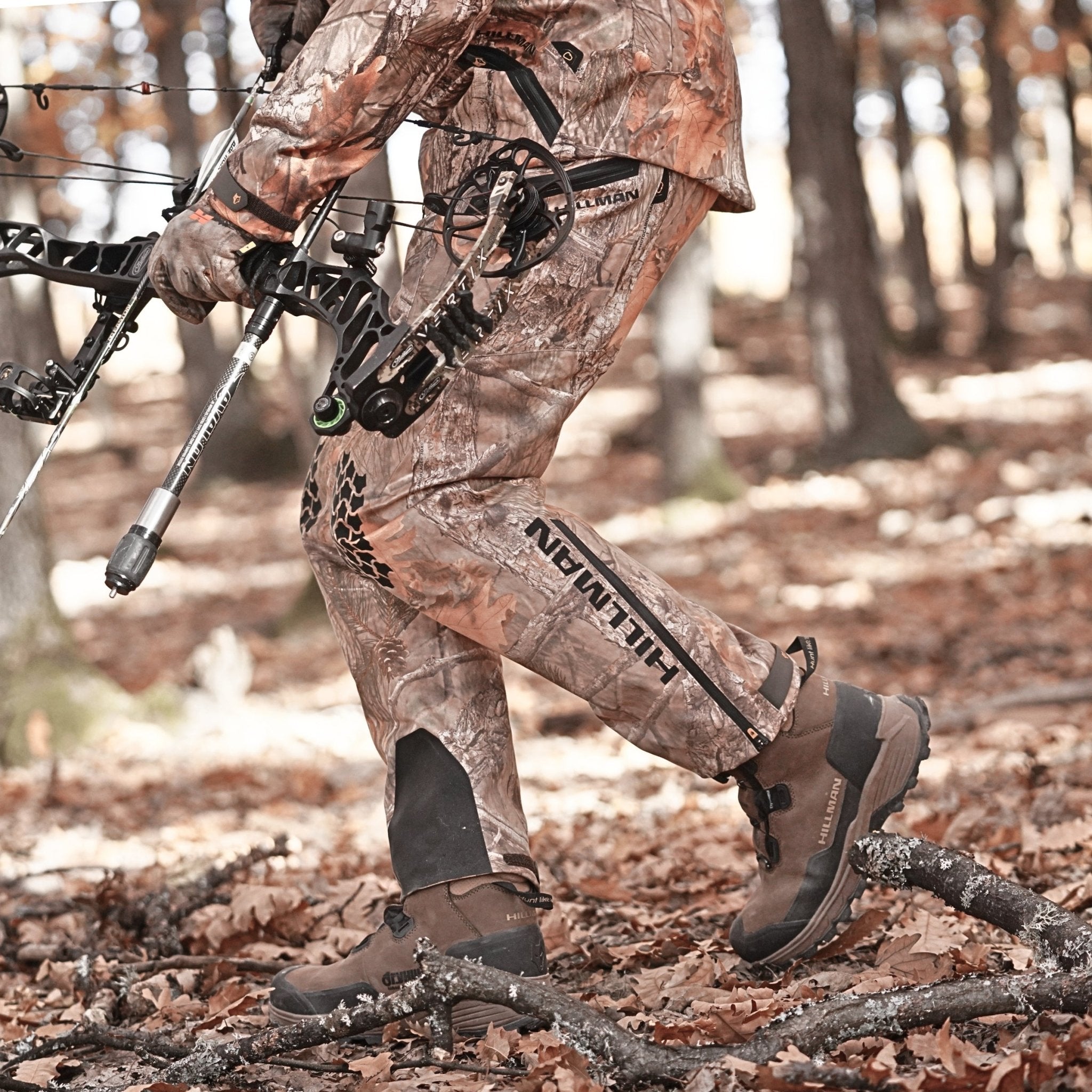
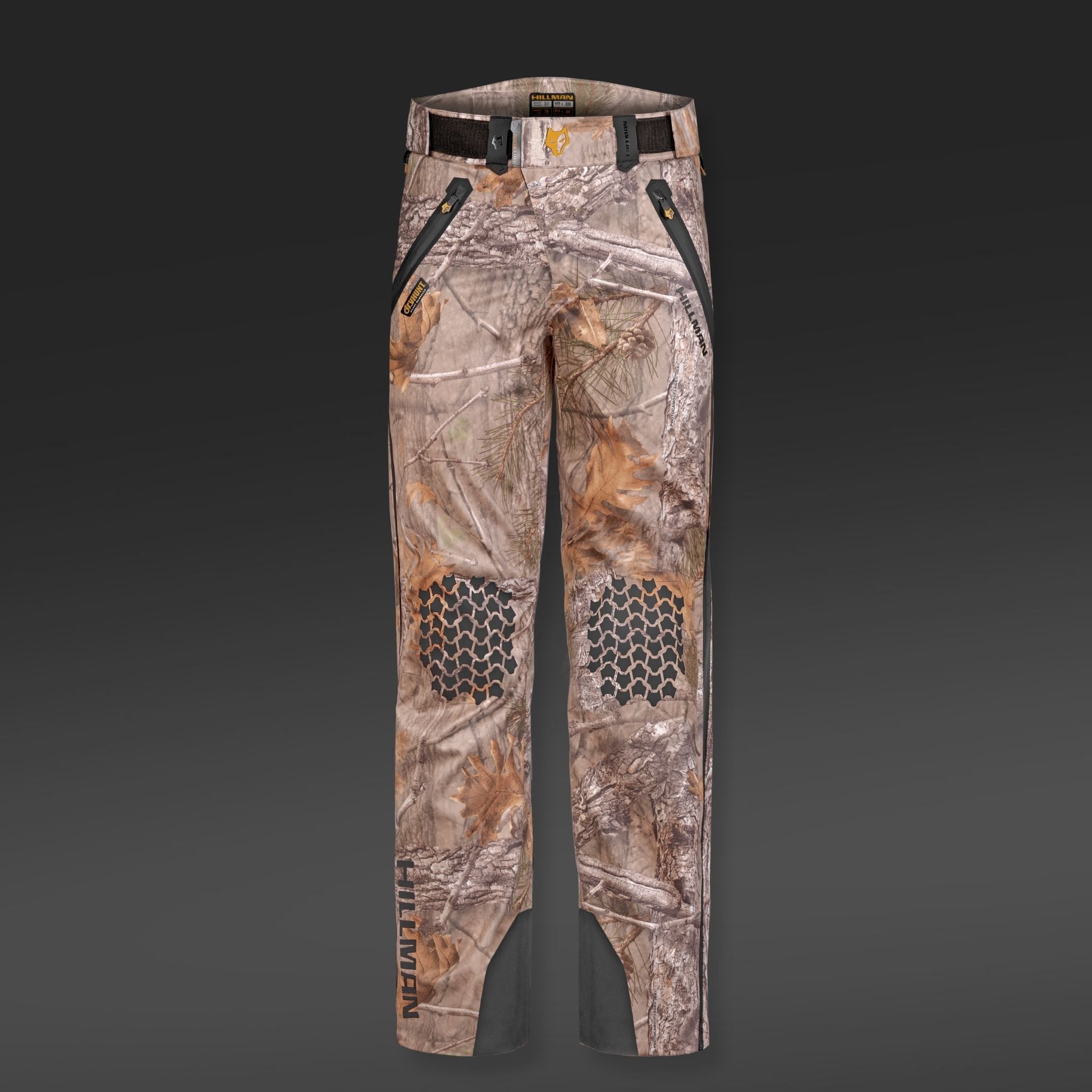
Good pants for mobile hunting should allow a full range of motion, breathe well, dry reasonably fast, and ideally offer some ventilation in mixed weather. That matters when you are walking miles, stepping over deadfall, pushing through brush, and climbing with a pack.
Quiet fabric matters here, too. If your pants swish every step, deer and other wildlife do not need a visual. They already know enough. Camouflage helps, sure, but silence and comfort matter just as much. Good camouflage clothing should fit the woods, the field edge, or the broken cover you actually hunt, but the pattern alone will not save a noisy setup.
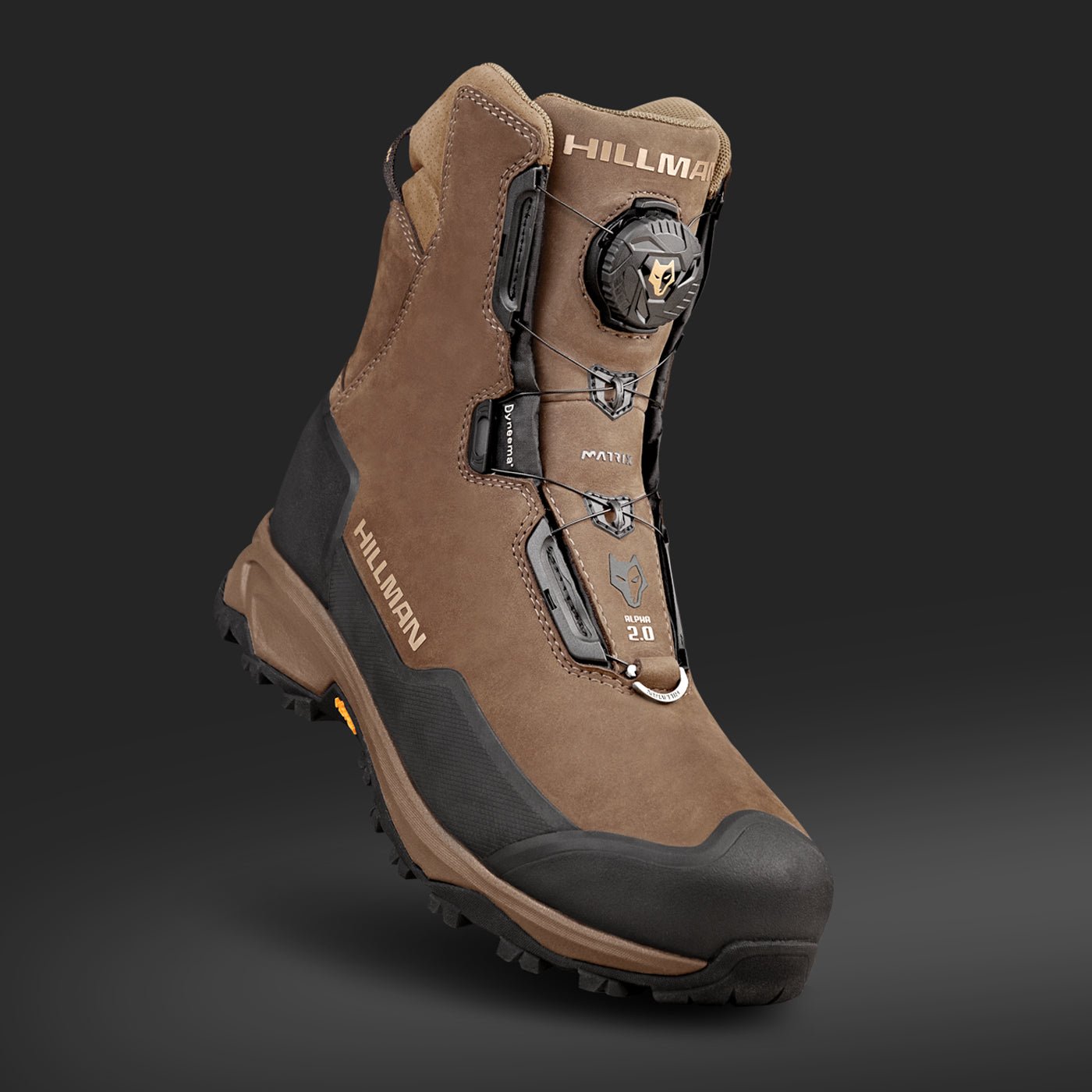
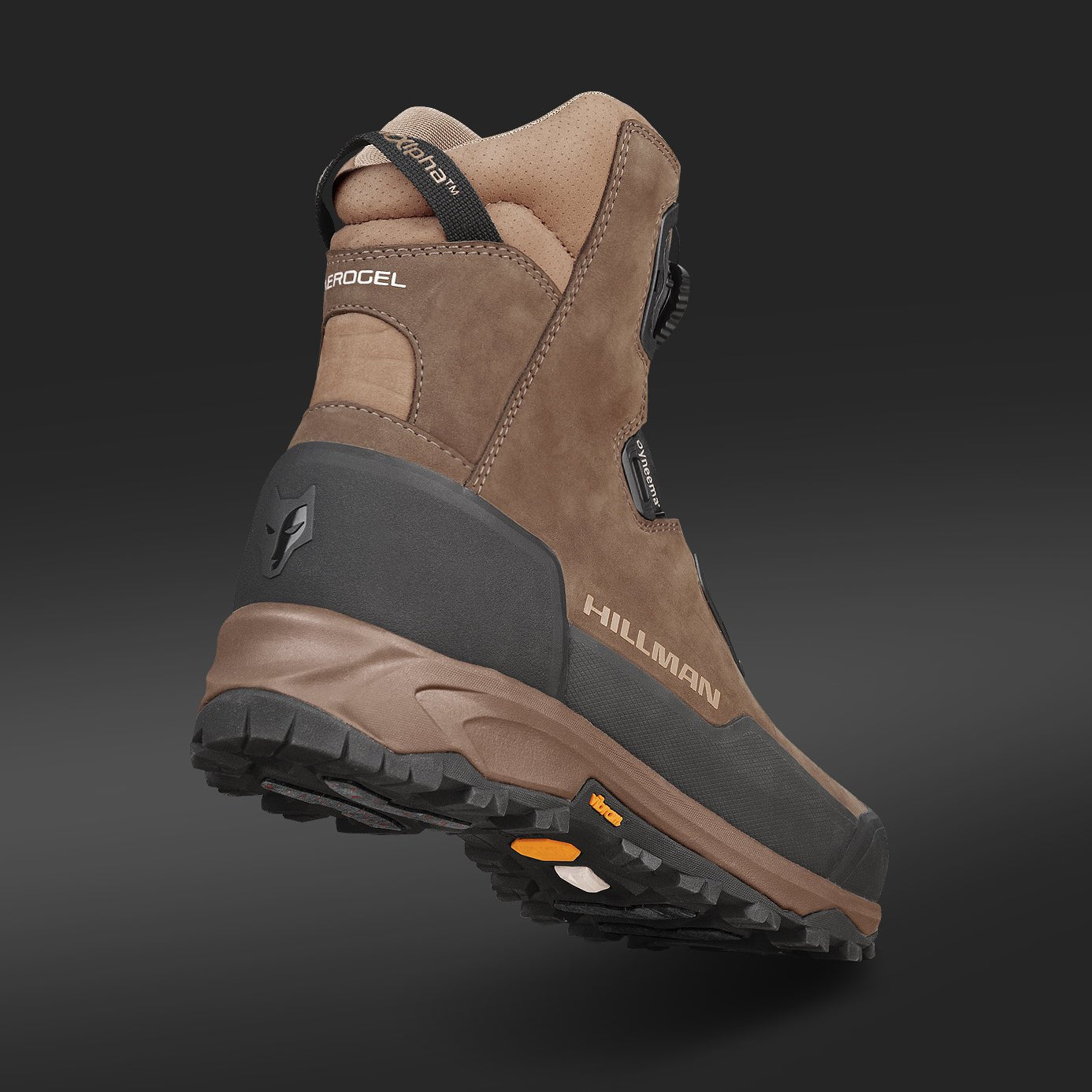
Boots need to handle distance, weight, and silence

Boots are not a side note in mobile hunting. They carry the whole operation.
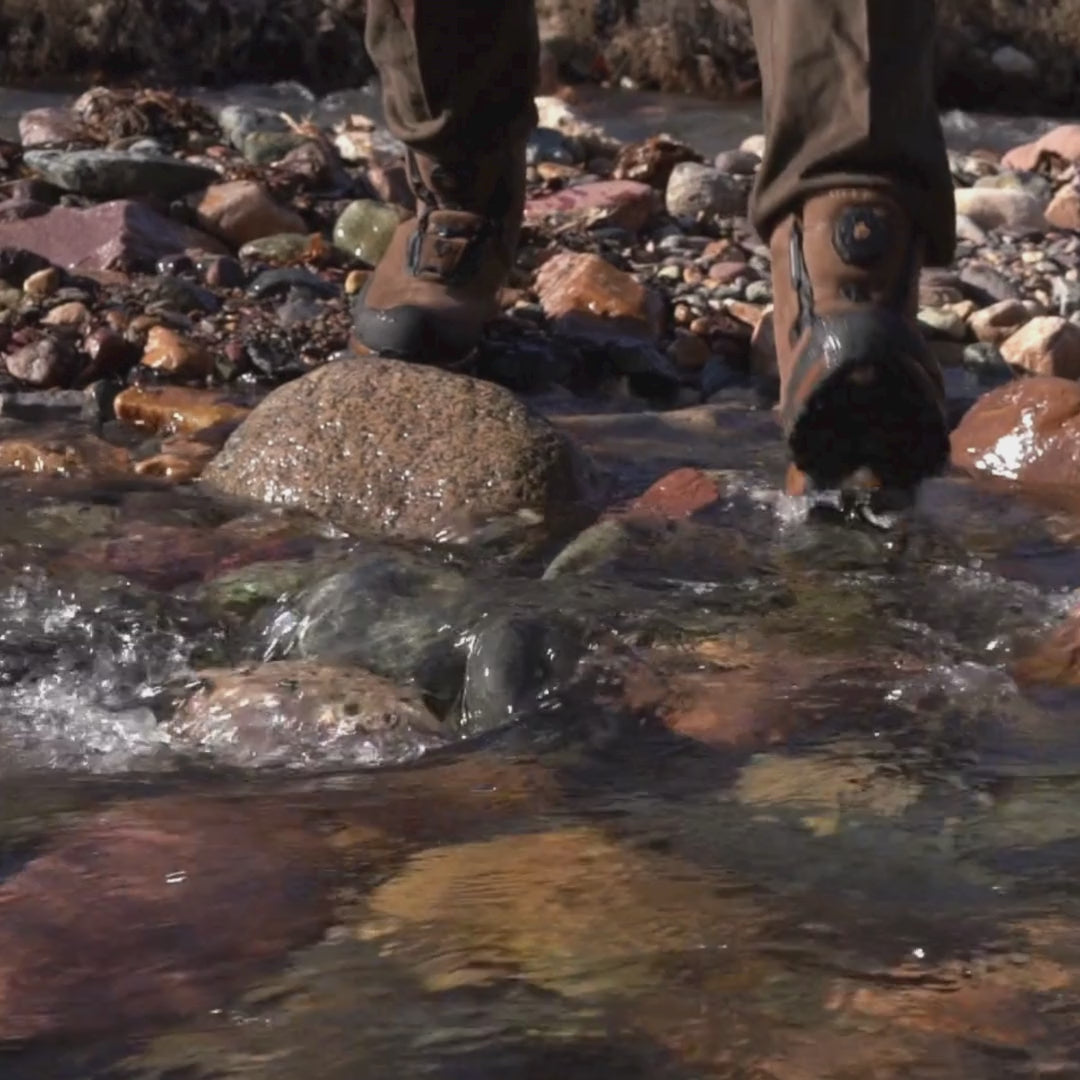
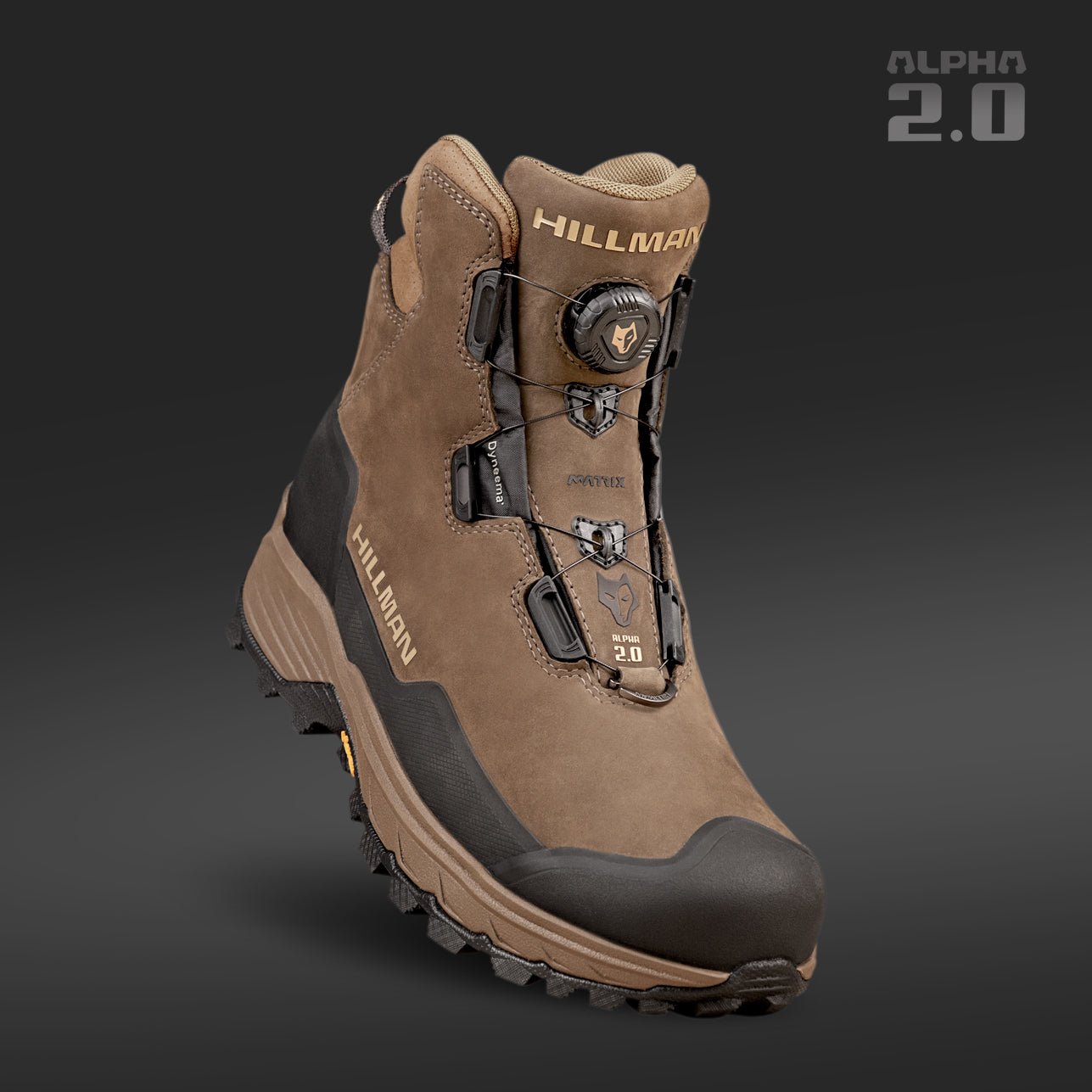
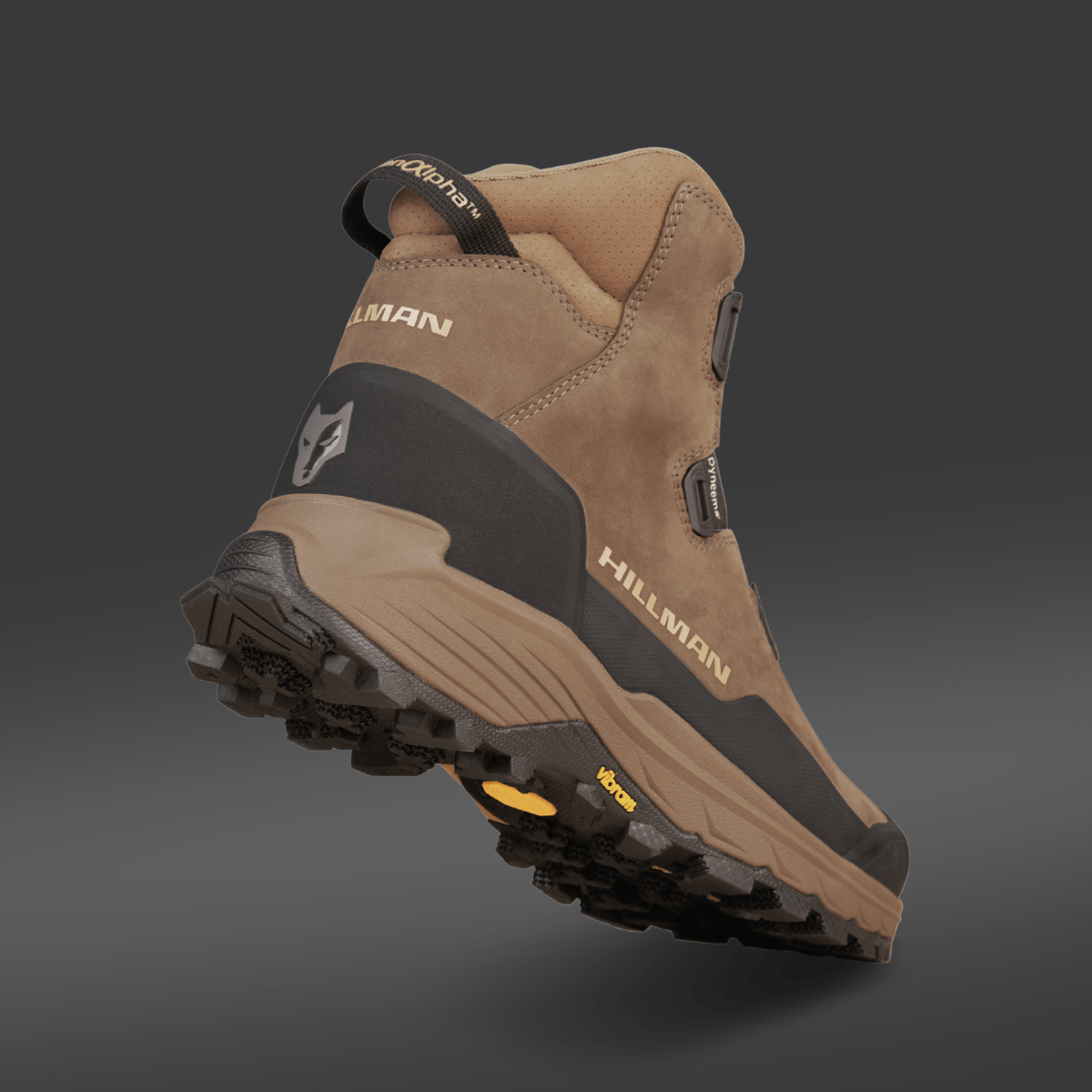
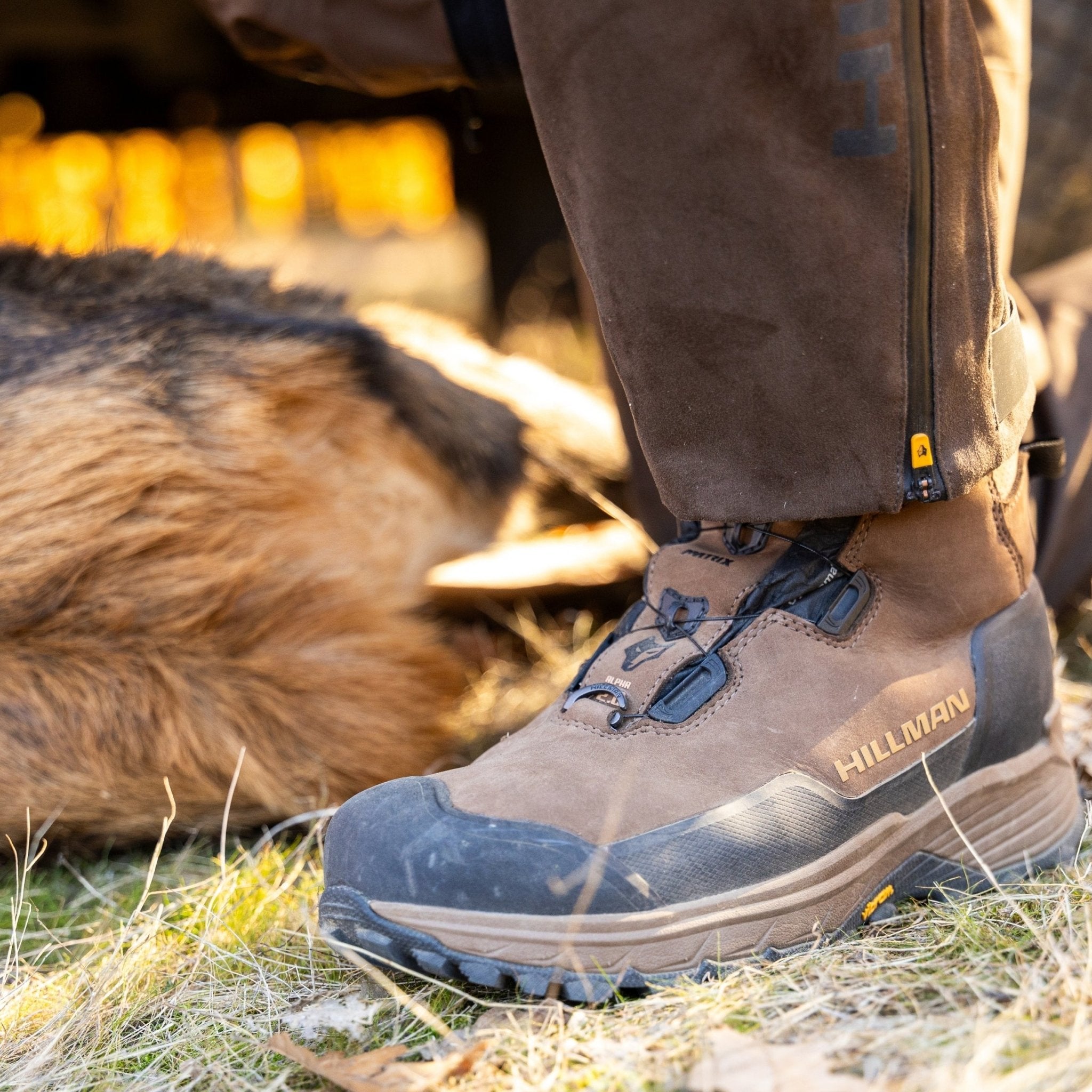
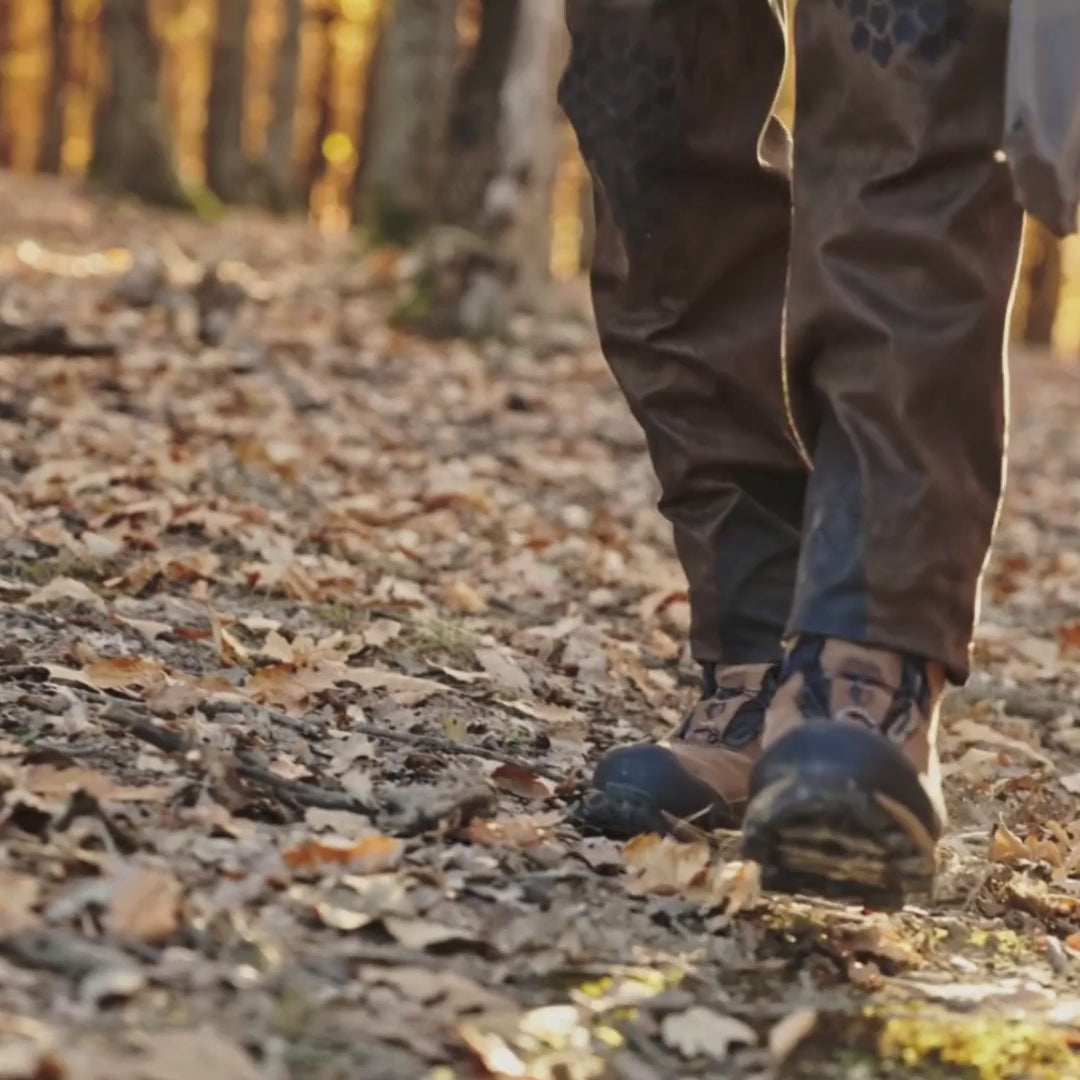
They deal with mud, slick leaves, creek crossings, cold ground, steep terrain, and long distances before daylight. Then they stay on while you sit and wait. If they are wrong, the whole hunt feels longer.
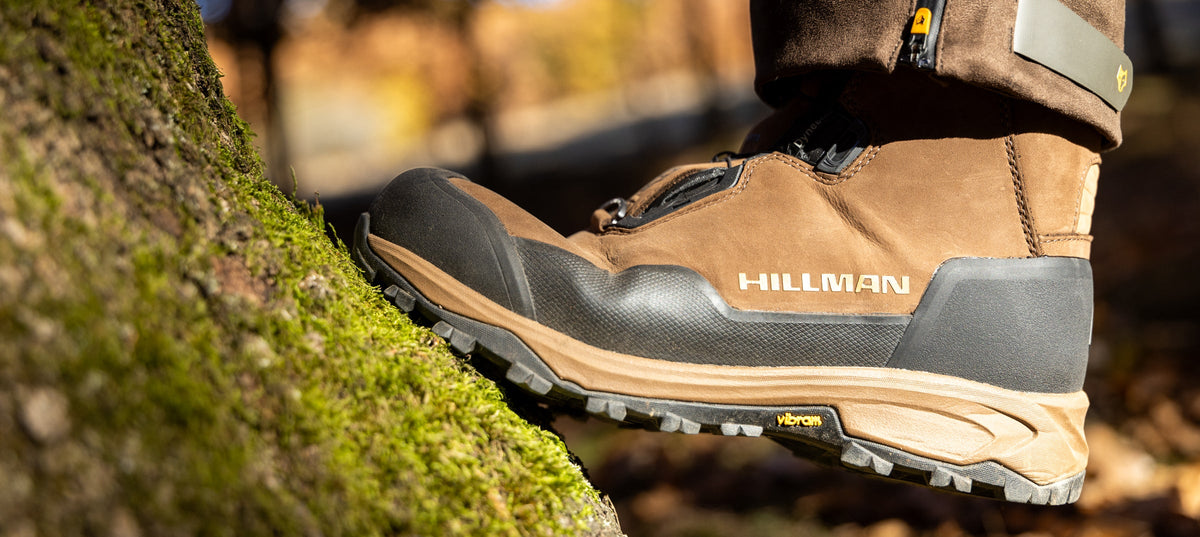
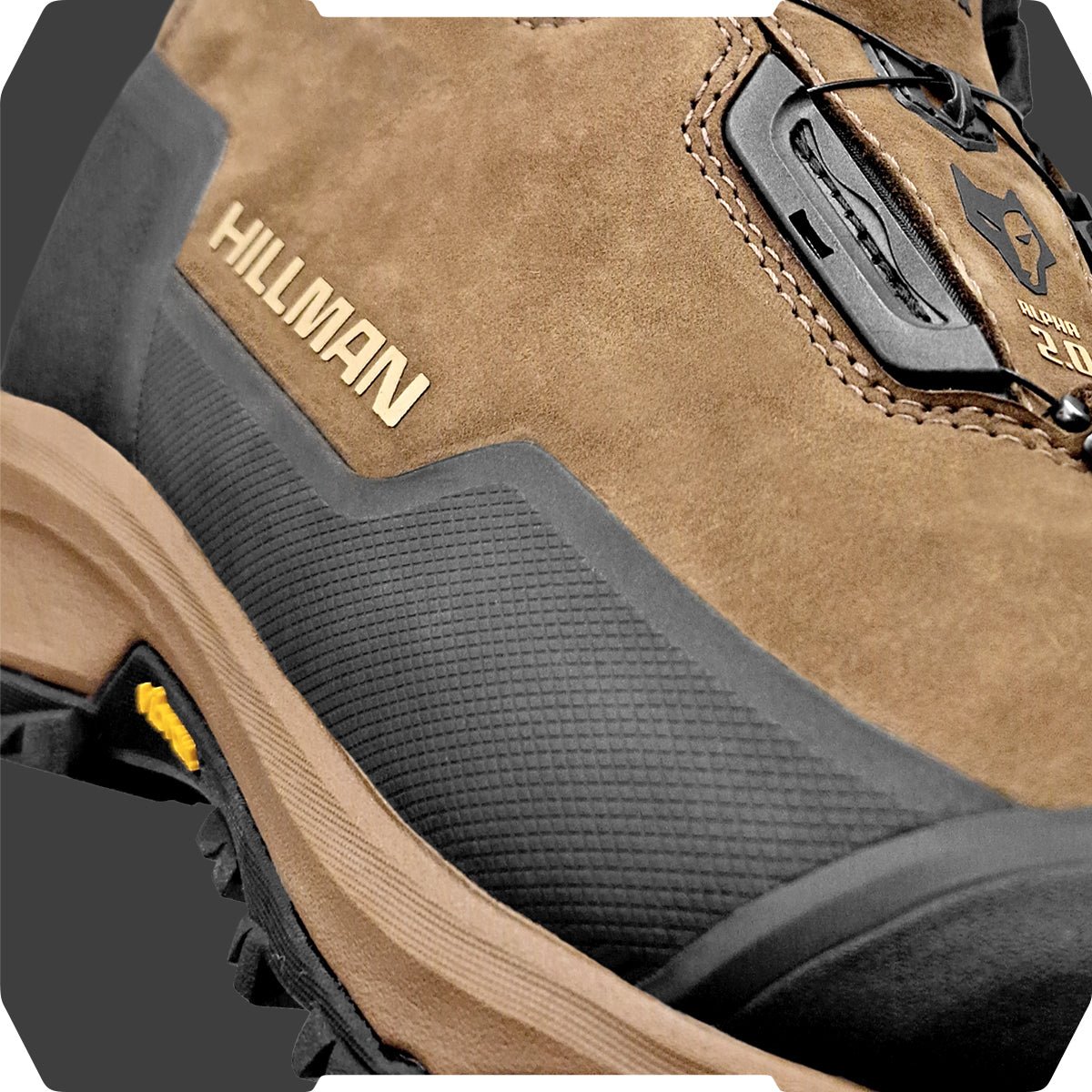
Durable, waterproof boots matter in wet conditions, but waterproofing alone is not enough. Footwear for mobile hunting should also be comfortable, quiet, supportive, and warm enough for the season without turning your feet into sweat buckets. That balance is not always easy. Some boots hike well but get cold when you stop. Others feel warm but are too heavy and stiff for long walk-ins.
For most whitetail deer hunts involving serious walking, a boot with good support, decent traction, and reasonable weight is more useful than an overly insulated brick. In colder weather, sock choice matters too. Merino wool socks usually work better than just stuffing the boot with thick socks that kill circulation.
Match your clothing to the setup you carry

Your hunting equipment changes how clothing feels. That part gets ignored too often.
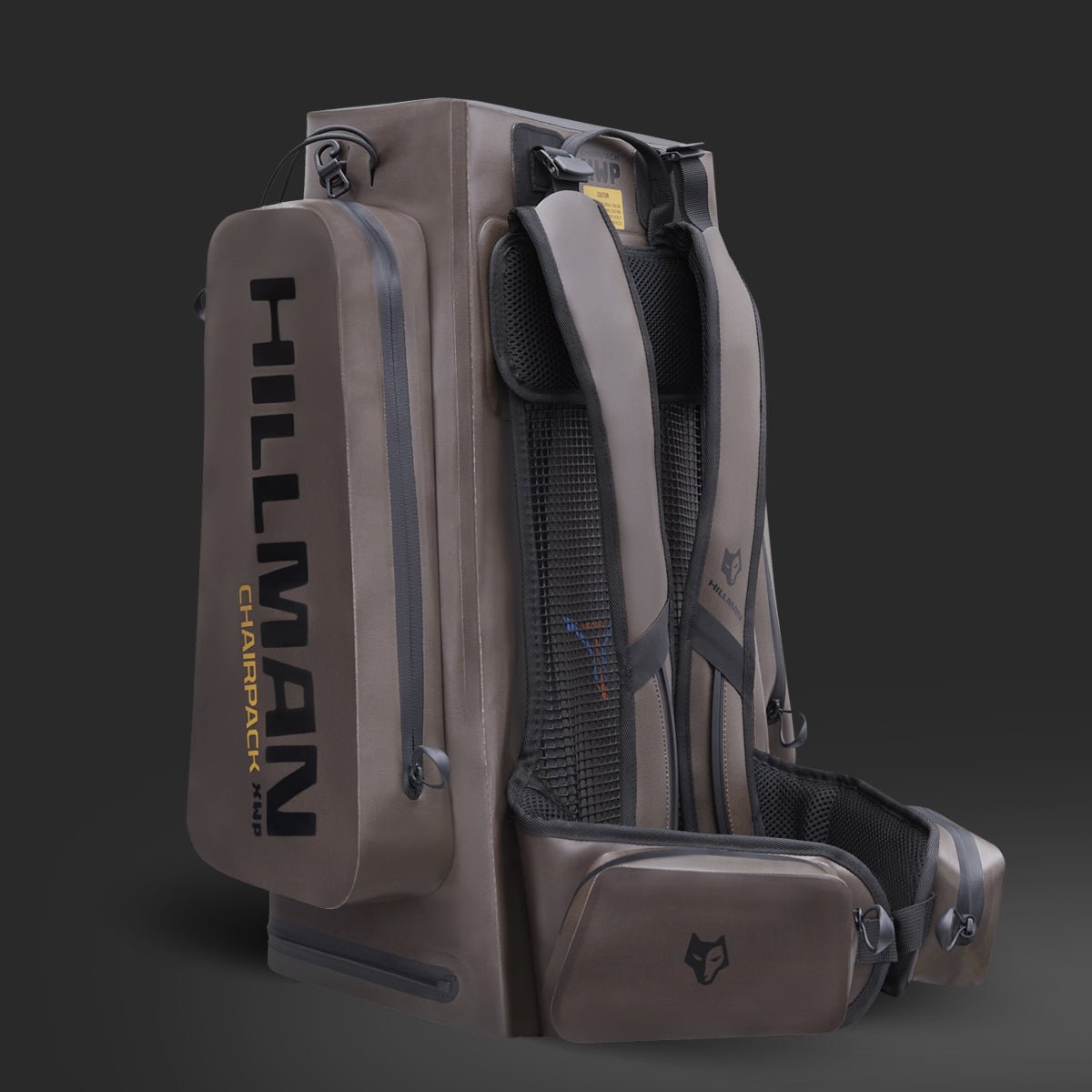
A saddle setup creates different pressure points than a hang on stand. Climbing stands, climbing sticks, a platform, and other mobile hunting gear all change how jackets, pants, and layers behave during the approach and in the tree.
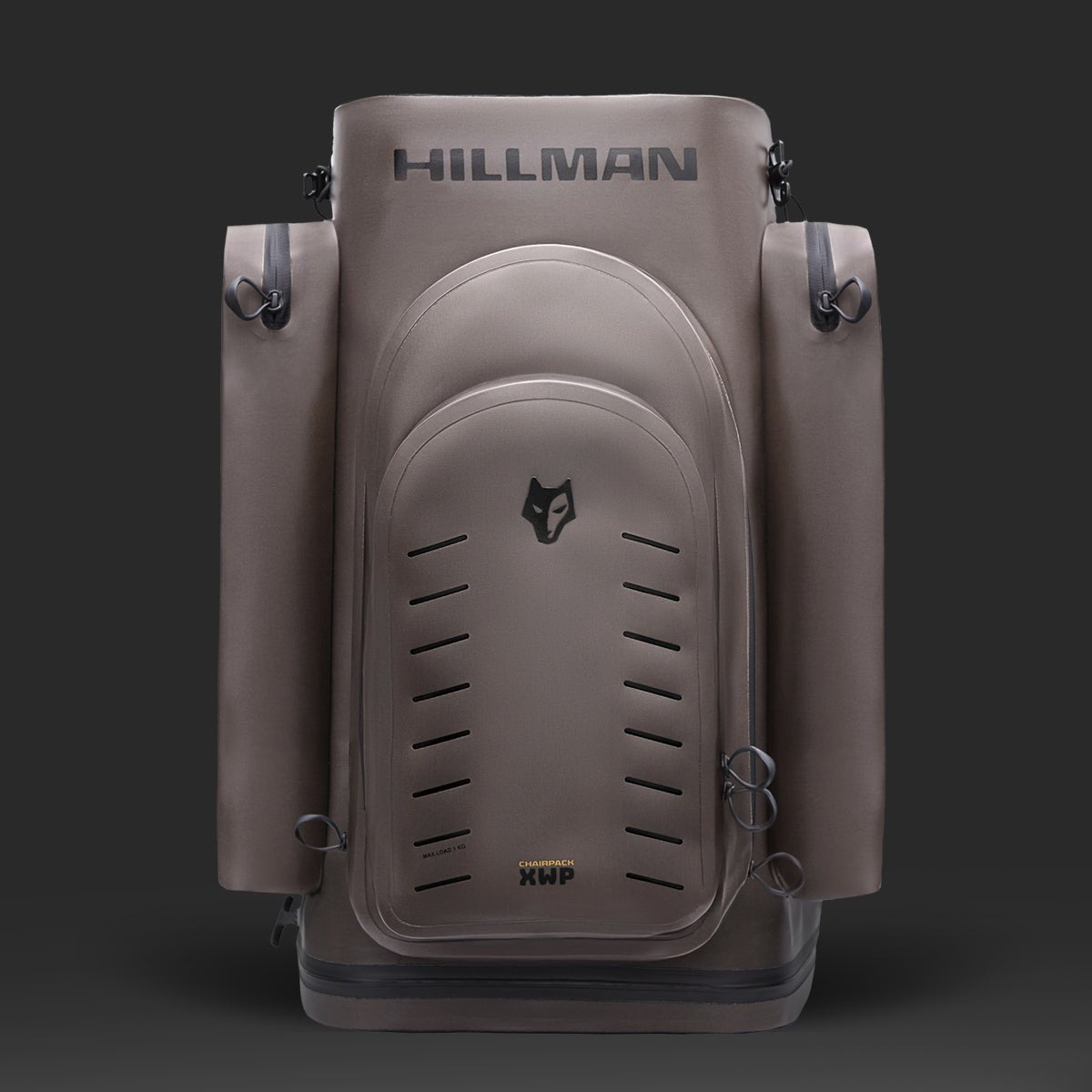
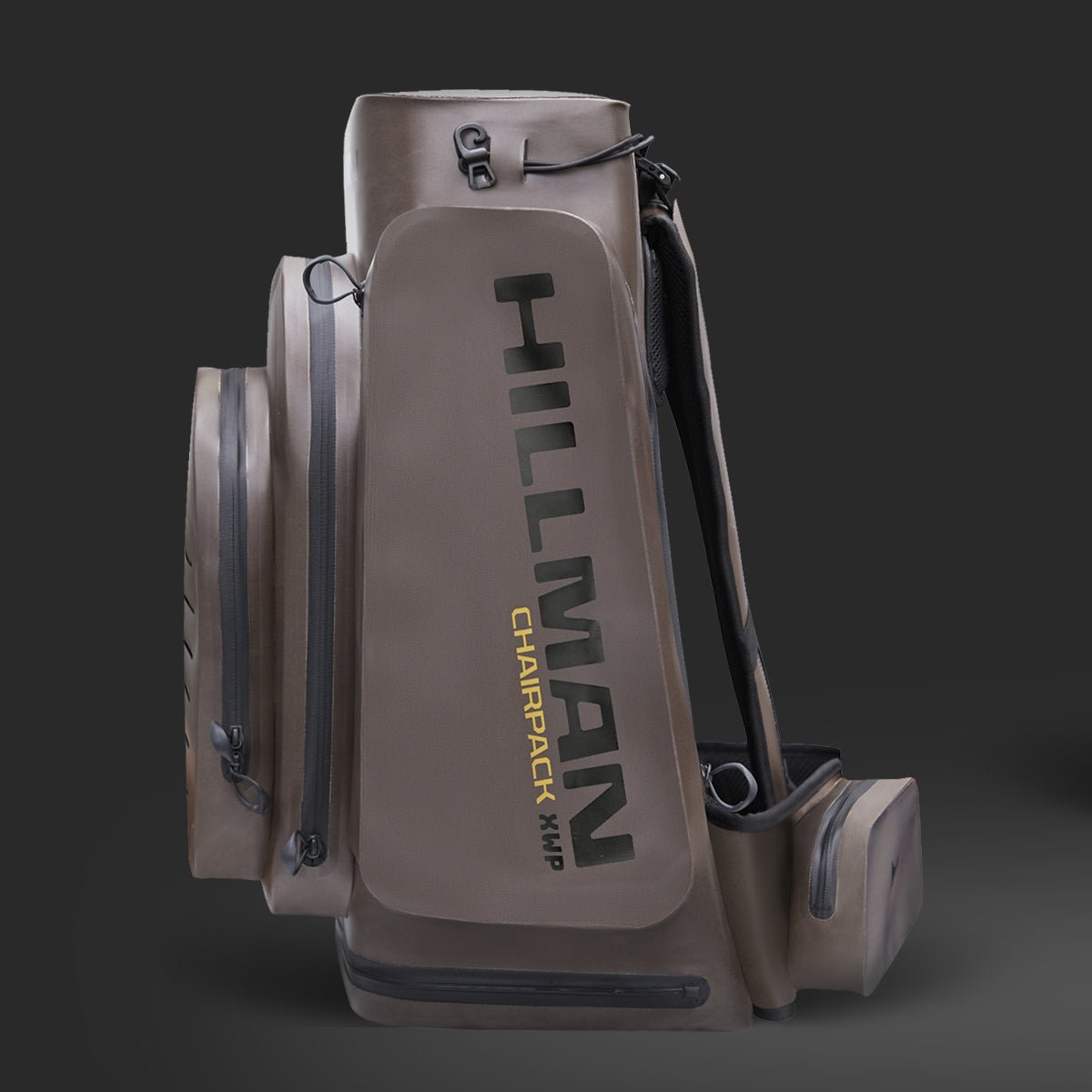
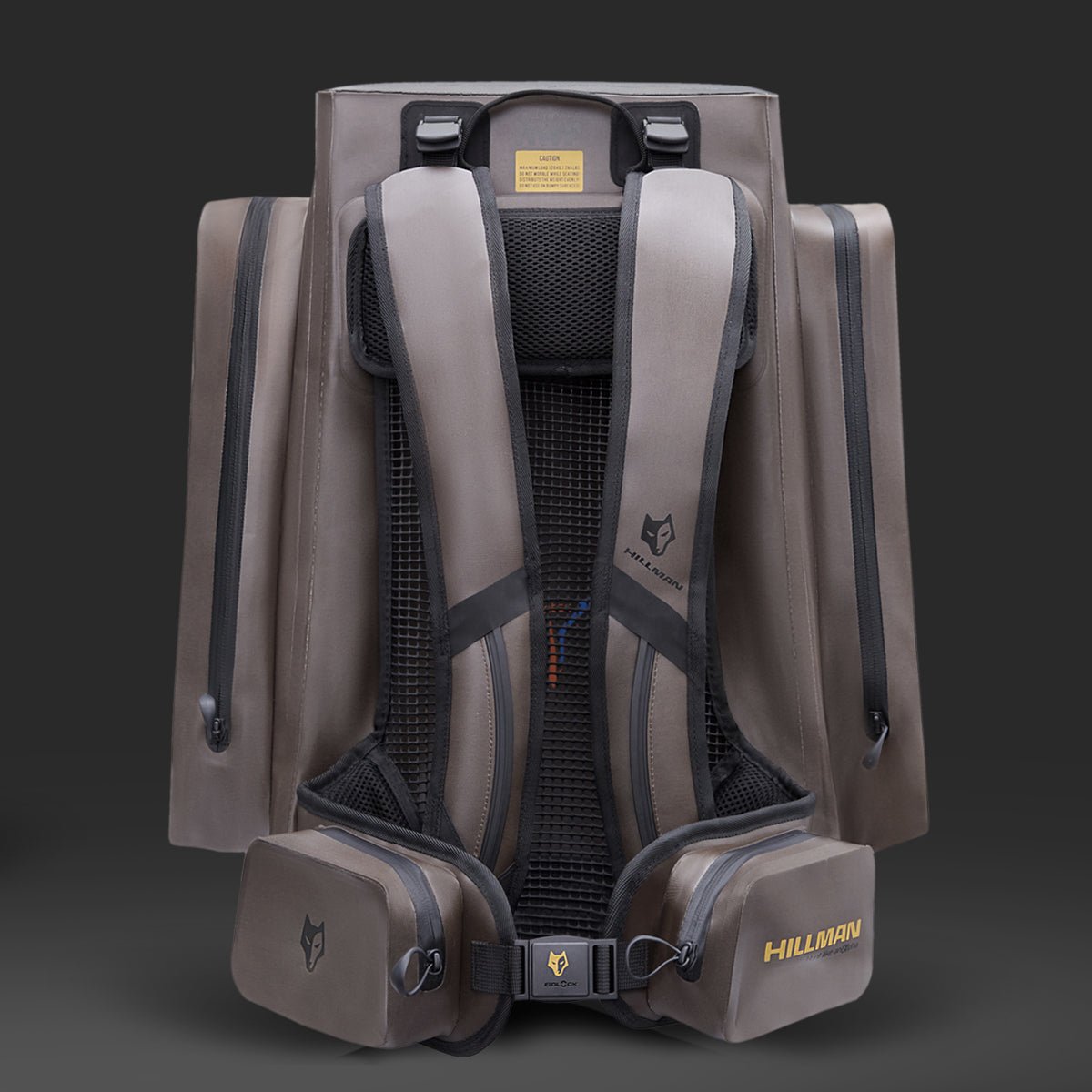
If you carry a backpack, which most mobile hunters should, your layers need to sit right under pack straps without bunching, rubbing, or overheating. Clothing that feels fine for ten minutes in the yard can get annoying fast after an hour in timber with a pack, boots, stand, and extra gear.
Fast setup also depends on simple gear management. Too many hunters make things harder in the dark with awkward layers, gloves they cannot find, or jackets that do not pack cleanly. Clothing should reduce problems, not create new ones. Easy-on gloves, packable insulation, and layers you can add or remove quickly all help keep setup quieter and less sloppy.
Dress for the phase of the hunt, not just the forecast

One of the bigger mistakes in mobile hunting is dressing for the truck thermometer and pretending that solves everything.
Yes, forecast temperature matters. So do wind, humidity, terrain, distance, and how hard the approach is. A hunter making a short flat walk has a different problem than one hiking deep, climbing, and setting up in rough country.
You need clothing for the warmest phase and insulation for the coldest phase. That usually means starting slightly cool, walking in with less bulk, then adding warmth after the climb and setup are done. A packable insulation layer, a quiet shell, and gloves you can throw on quickly are often better than wearing your whole closet from the start.
The sit phase is where bad choices show up. Once moisture gets trapped, warmth disappears fast. That is why moisture control, wind protection, and decent layering matter so much in whitetail hunting.
What a practical mobile hunting clothing system looks like

A practical setup for mobile hunting clothing for whitetails is not complicated, but it does need some thought.
Start with a moisture-wicking base layer. Add a breathable mid layer. Finish with a quiet outer layer that matches the weather. Wear pants that let you climb and move without noise. Pick boots that can handle distance, wet ground, and long hours. Keep gloves and a hat easy to reach instead of buried under other gear. Use a backpack so extra layers ride on your back instead of making you sweat on the walk in.
That kind of system keeps the body steadier while effort levels keep changing. It also helps you focus. Hunters who are busy fighting sweat, cold, noise, or stiff clothing miss movement, rush setups, and get impatient.
Mobile hunting will always ask more from the hunter. It is physical, it can get messy, and it makes small mistakes feel bigger. But when your hunting clothes are built for movement, silence, and controlled warmth, the whole hunt gets cleaner. And cleaner usually means quieter. Quieter usually means better odds.


Share:
Trail Camera Setup for Whitetail Hunters: Reveal Deer Movement
Late Season Deer Hunting Clothes: Stay Warm Without Sweating