

Rain-Day Deer Hunting: Why Wet Weather Can Improve the Hunt

Rain can quiet the woods, lower pressure, and improve deer movement when you hunt the right rain, not every storm.
Rain day deer hunting: Why wet weather can improve the hunt. Rain changes deer hunting. Sometimes for the better. Sometimes it just makes you cold, wet, and mad at yourself for leaving the truck.
From a hunter's standpoint, rainy days are interesting because most hunters do not want to deal with them. They see bad weather, wet ground, grey light, and gear that will need drying later, and they stay home. That alone can change a piece of hunting ground.
Less pressure matters. Deer tend to notice when the woods are quieter. They notice when fewer boots are walking ridges, fewer doors are slamming, and fewer hunters are climbing into stands before daylight.
Rain also changes sound, smell, light, and movement. Wet leaves do not crunch like dry leaves. Soft ground helps you move without sounding like a marching band. A steady drizzle can blur the woods just enough to make deer feel safer during daylight hours.
But rain is not all created equal. Light rain can help. Steady rain can still be worth hunting. Heavy rain and high winds can shut deer activity down hard. The whole point is reading the weather, not worshipping it.
Light Rain Can Be Worth the Trouble

Light rain is the rain I trust most.
Not thunder. Not sheets of water. Not a torrential downpour where your hood is roaring and you can barely hear yourself think. I mean light rain or a steady drizzle that hangs around and softens the woods without making everything miserable.
Deer movement can improve in that kind of weather. Deer still feed. Deer move between bedding cover and feeding areas. Mature bucks may slip earlier than usual if the light is low, the ground is quiet, and most hunters have already quit before starting.
A mature buck does not turn dumb because of rain. Mature deer still use wind. They still check cover. They still avoid anything that feels wrong. But light rain can take the sharp edge off the woods. It can make especially bucks that normally wait for dark show up a little earlier.
Sometimes that is the whole hunt.
I like light rain best after warmer days or early season heat. If temperatures drop and the air cools off, deer activity can pick up. Early morning drizzle can catch deer moving back toward bedding. Late evenings with soft rain can pull deer toward food before last light.
There are several factors that make light rain useful: lower hunting pressure, softer sound, cooler temperatures, dim light, and wet conditions that make deer feel safer. None of it guarantees a shot opportunity. It just stacks a few things in your favor.
Steady Rain Changes the Setup

Steady rain is not the same as hard rain. Deer may still move, but general deer movement often gets tighter and more careful.
They may not cross a huge open field just because you are sitting there hoping. They may hug dense brush. They may use a trail under canopy. They may stage close to feeding areas and wait before stepping out. In wet conditions, deer often take the lazy route that keeps them covered and comfortable.
That means your setup should change.
Hunt closer to bedding cover. Watch brushy travel corridors. Sit near sheltered draws, creek bottoms, old logging roads, cedar edges, oak flats, and small openings near cover. Think about where deer would go if they wanted to stay hidden, avoid extra wind, and still reach food.
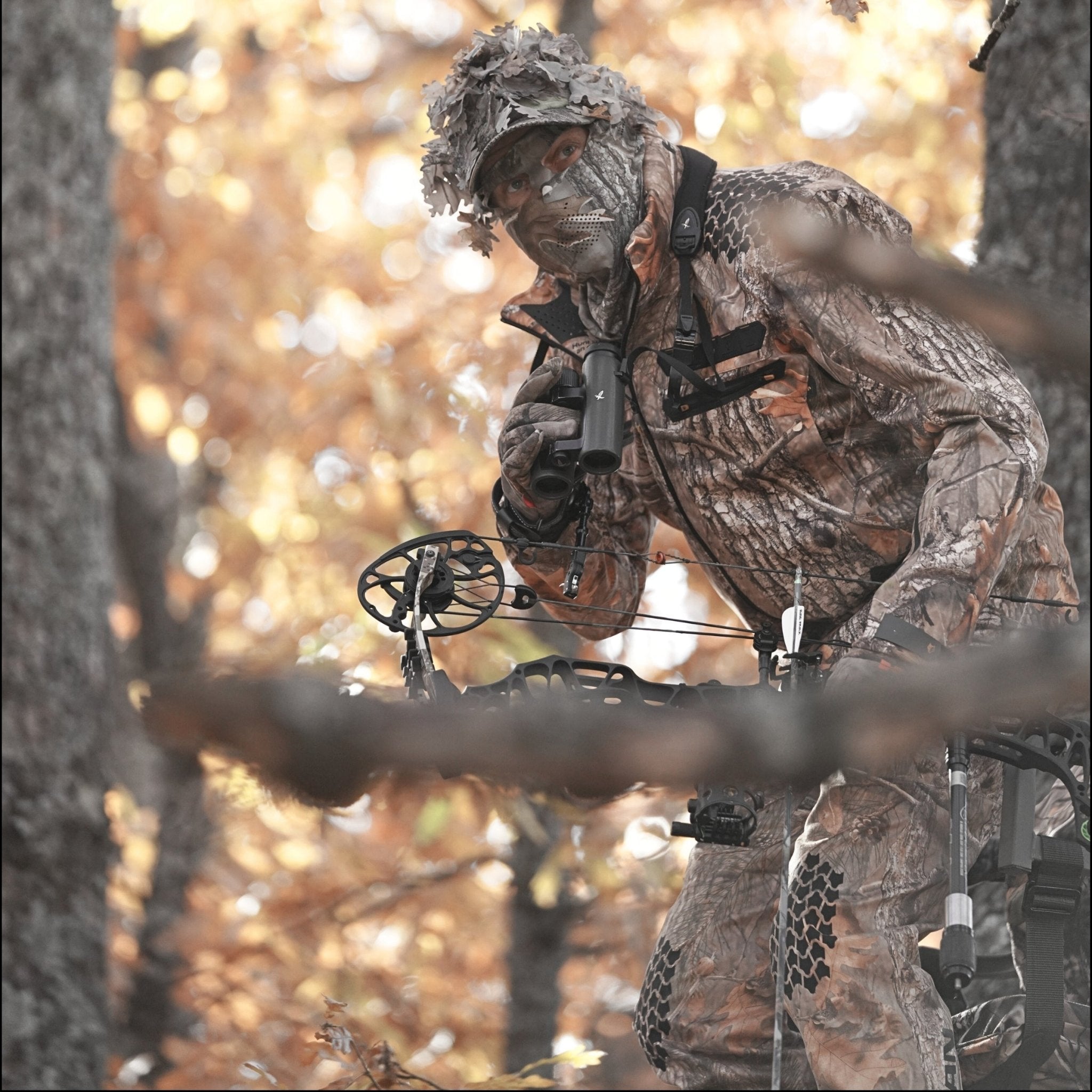
A ground blind can be useful during steady rain. It keeps you drier, hides movement, and protects gear. It also helps you sit longer without shifting around every five minutes like a soaked dog.
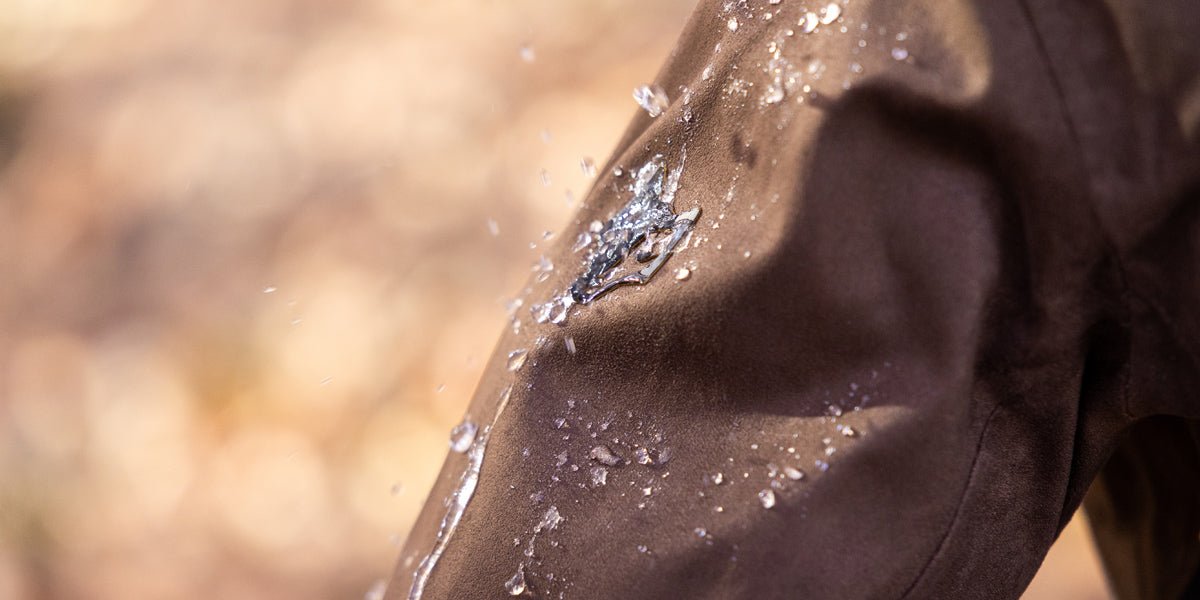
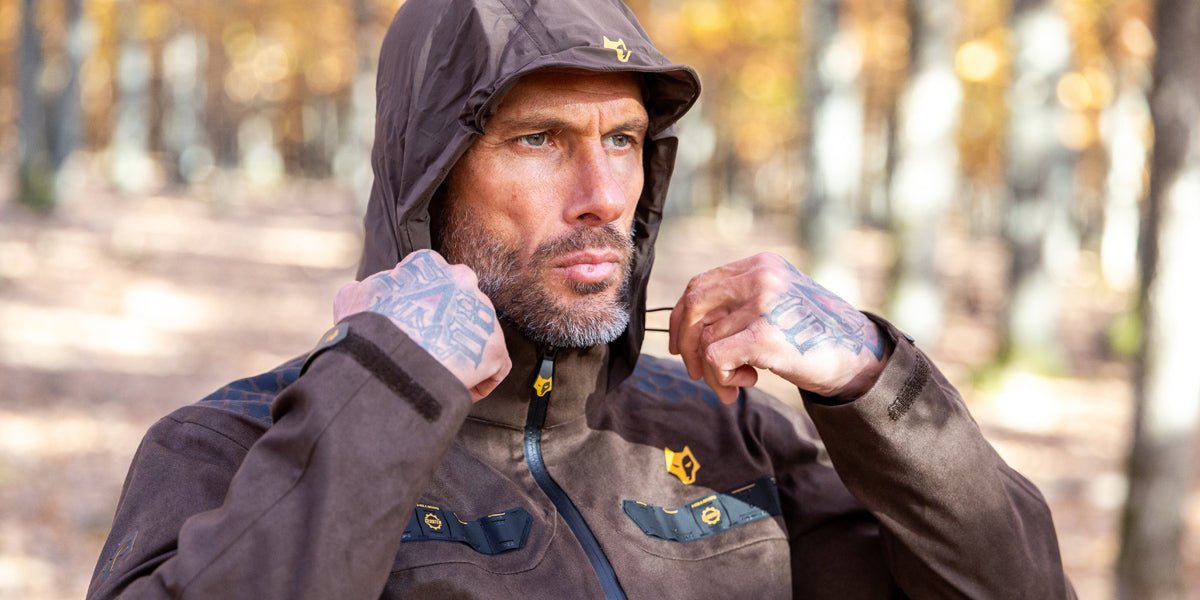
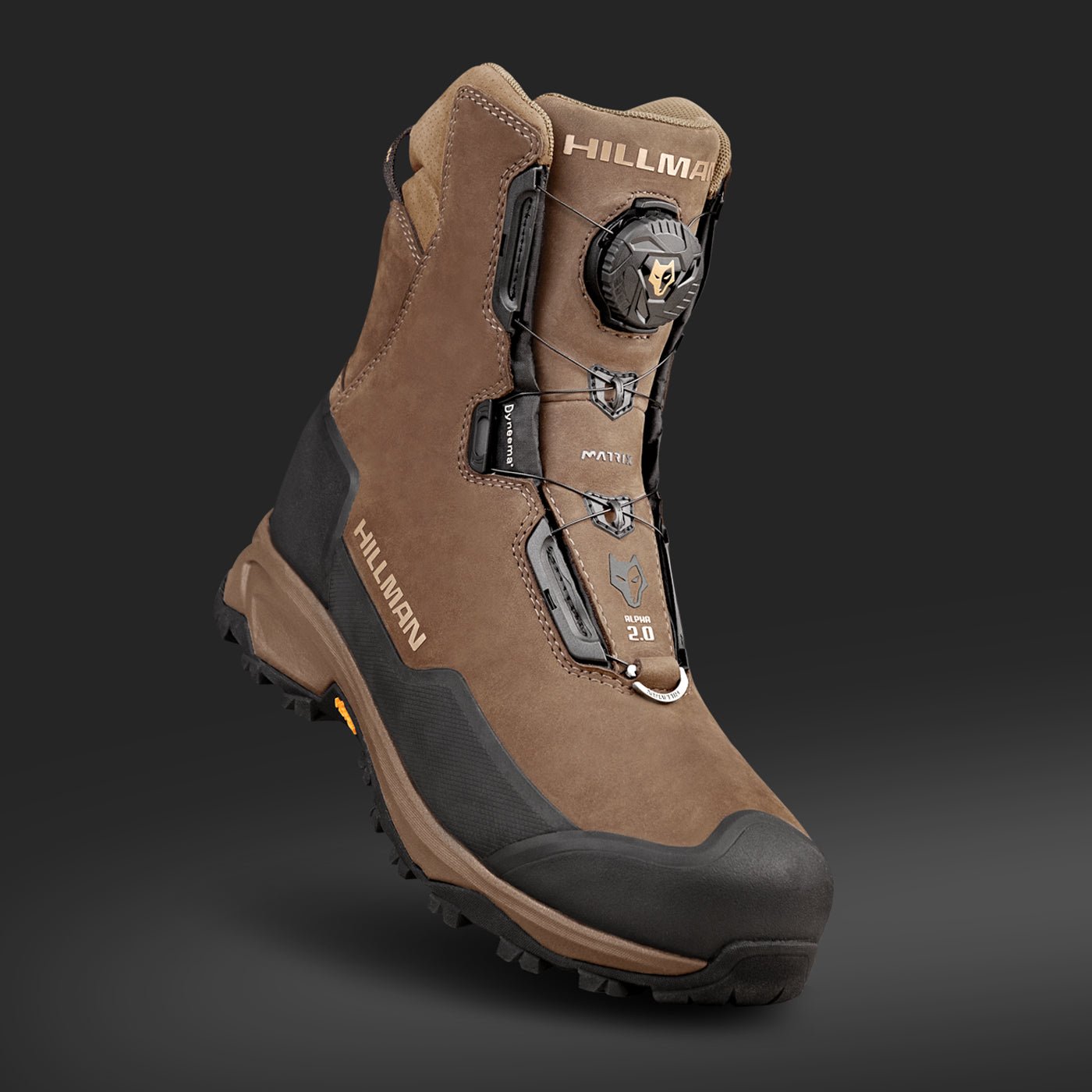
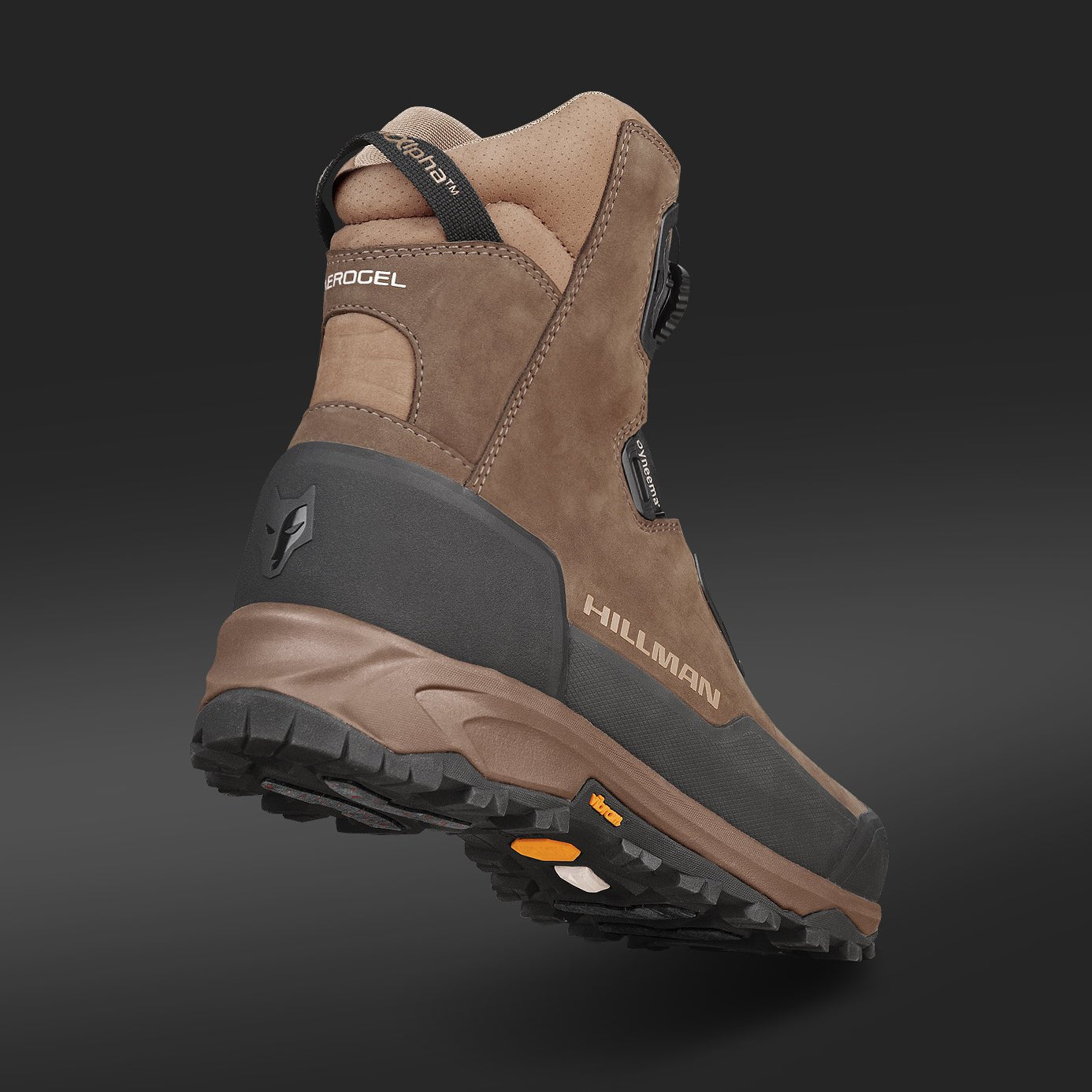
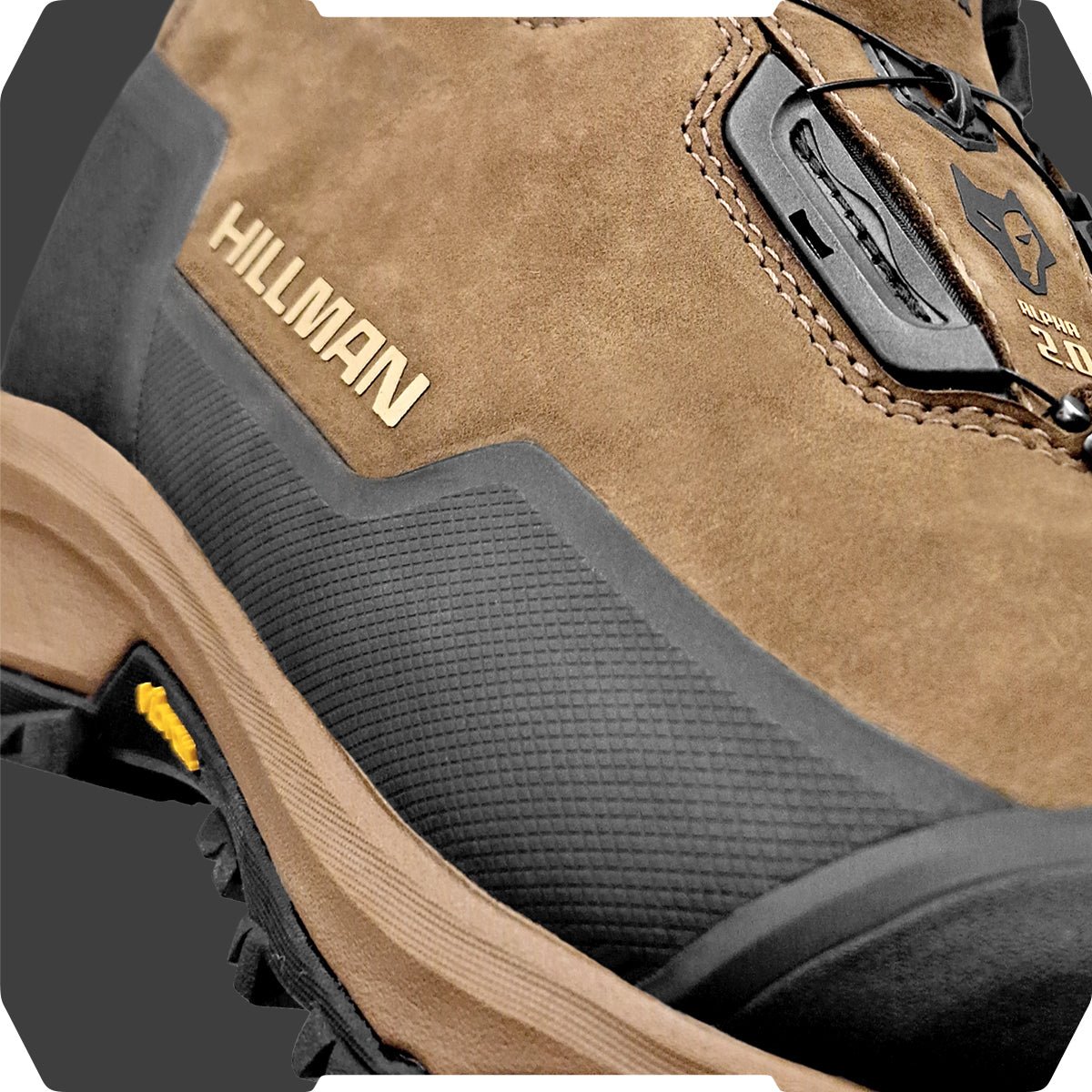
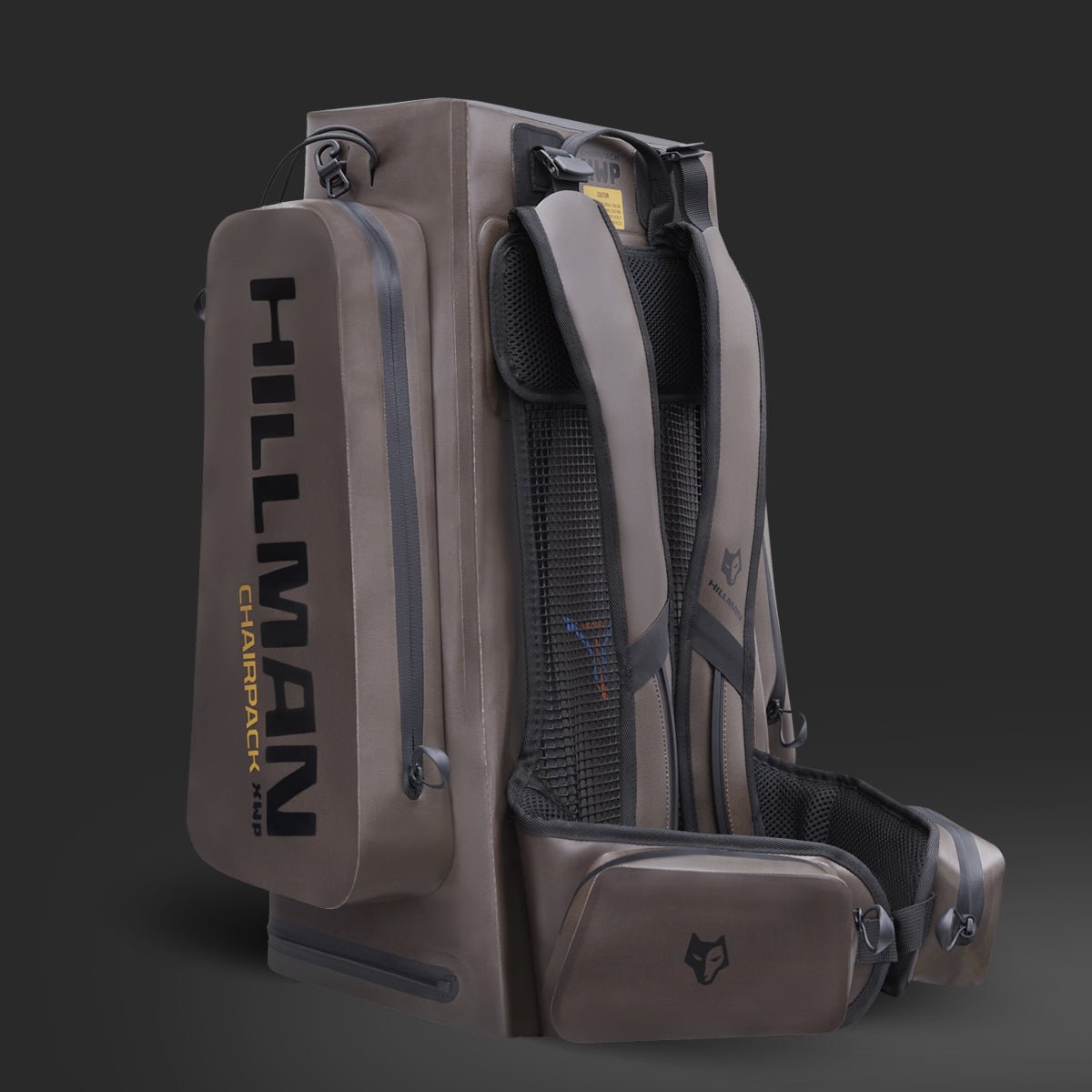
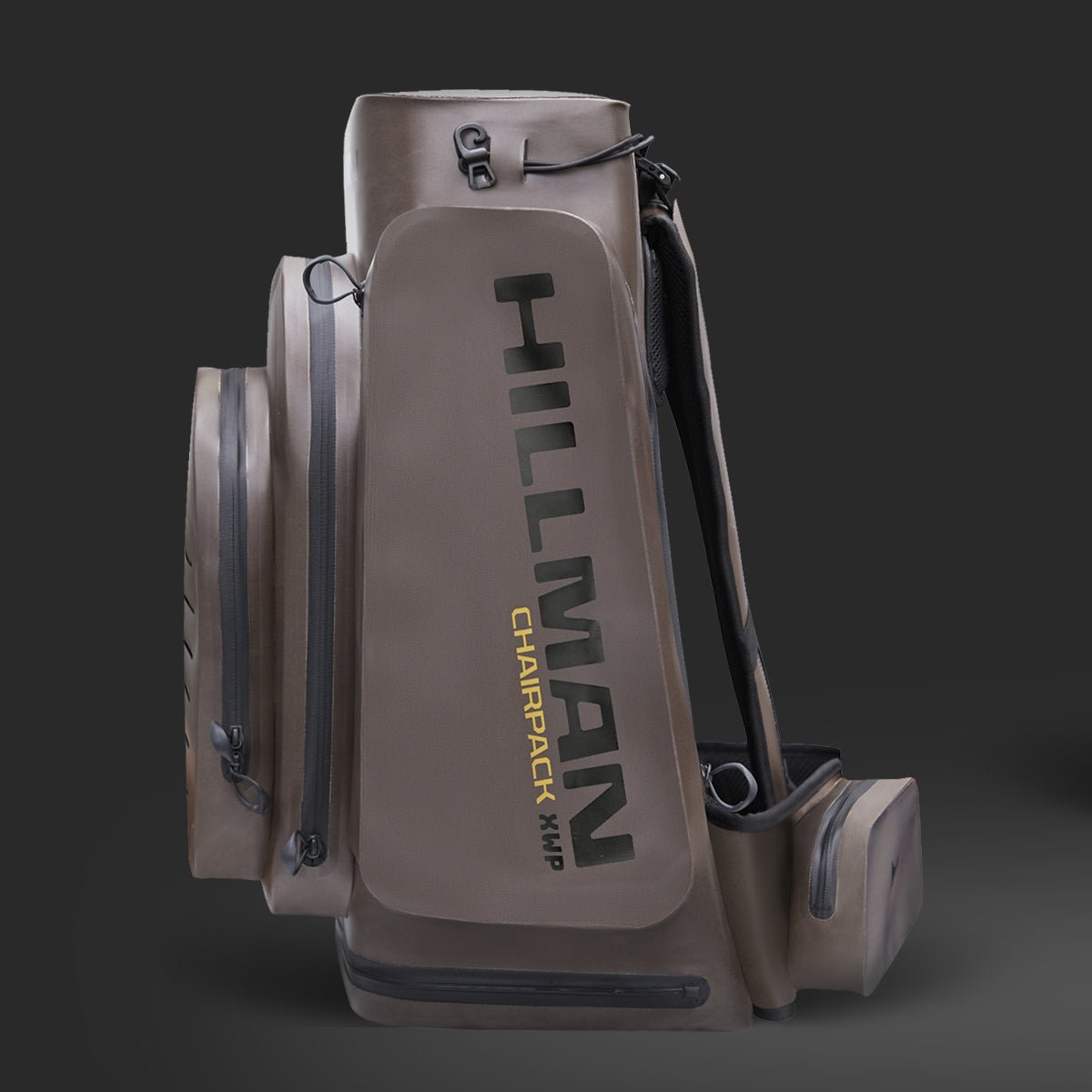
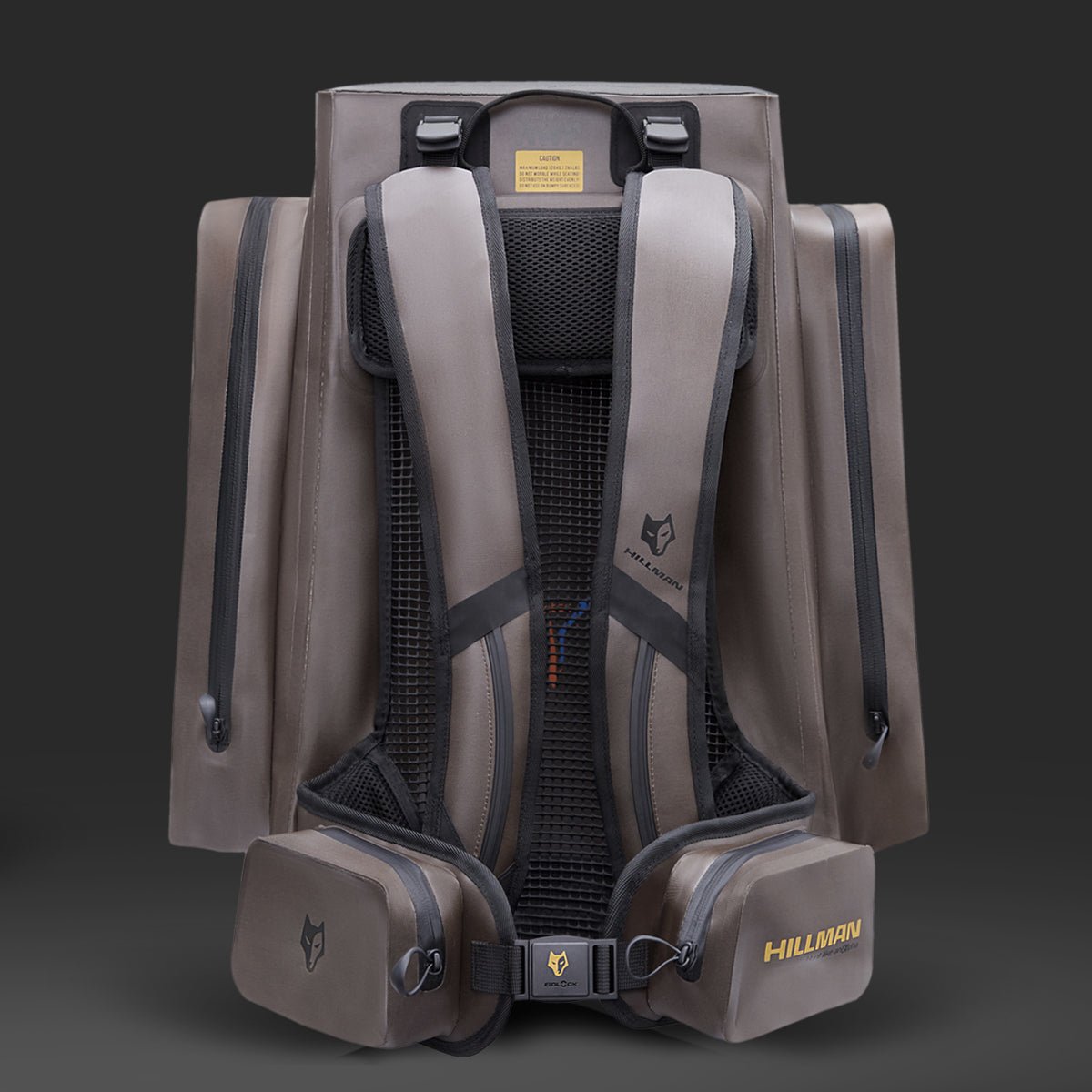
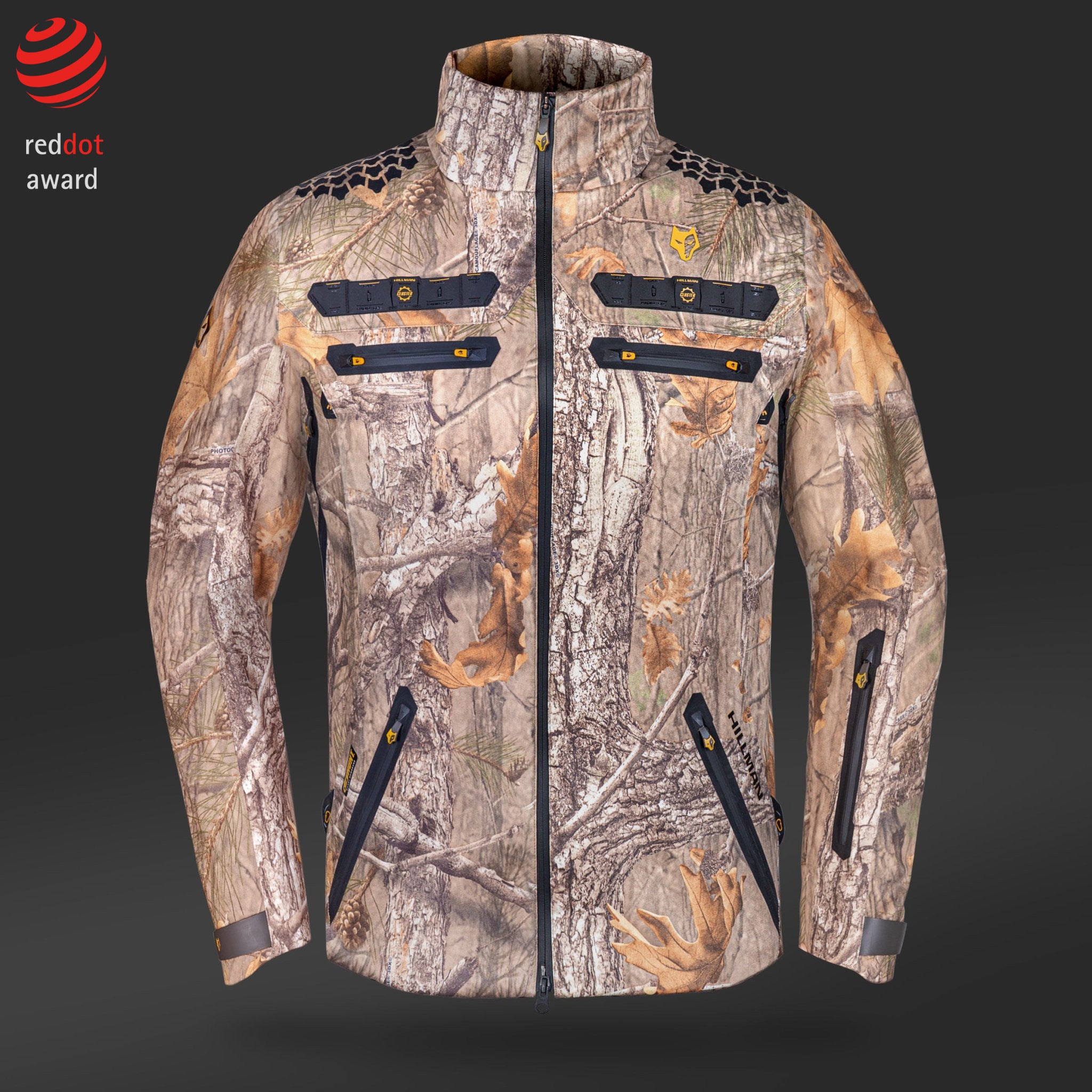
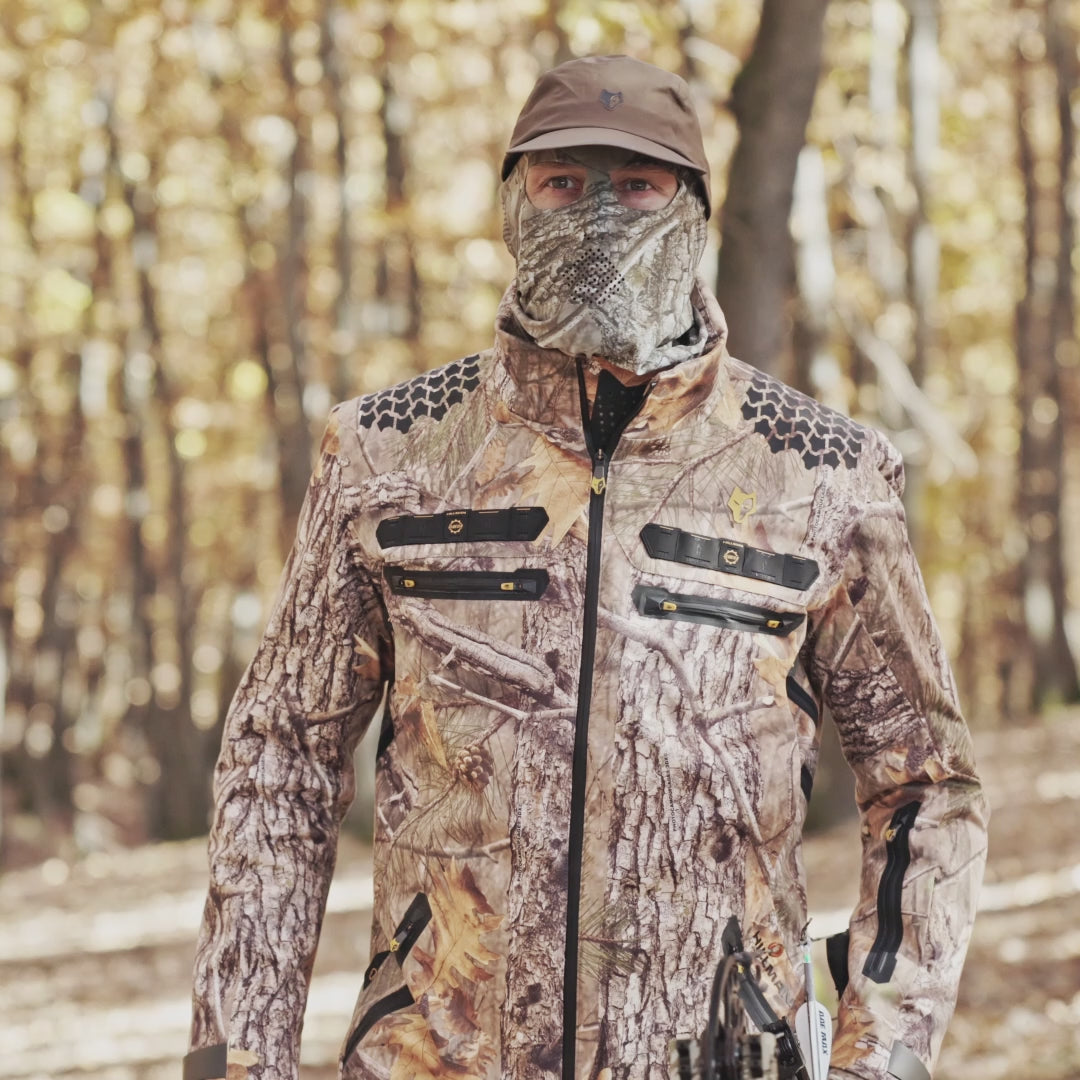
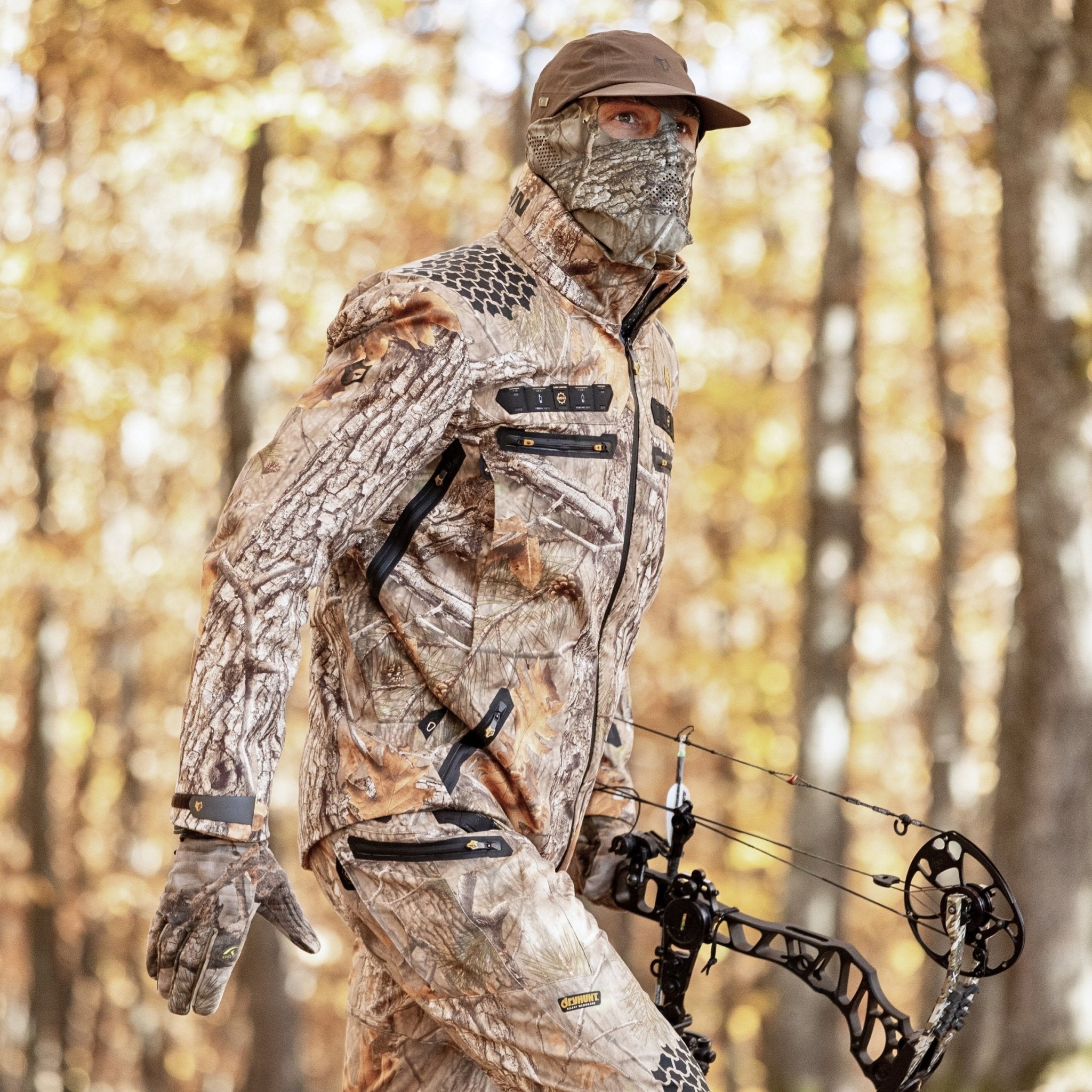
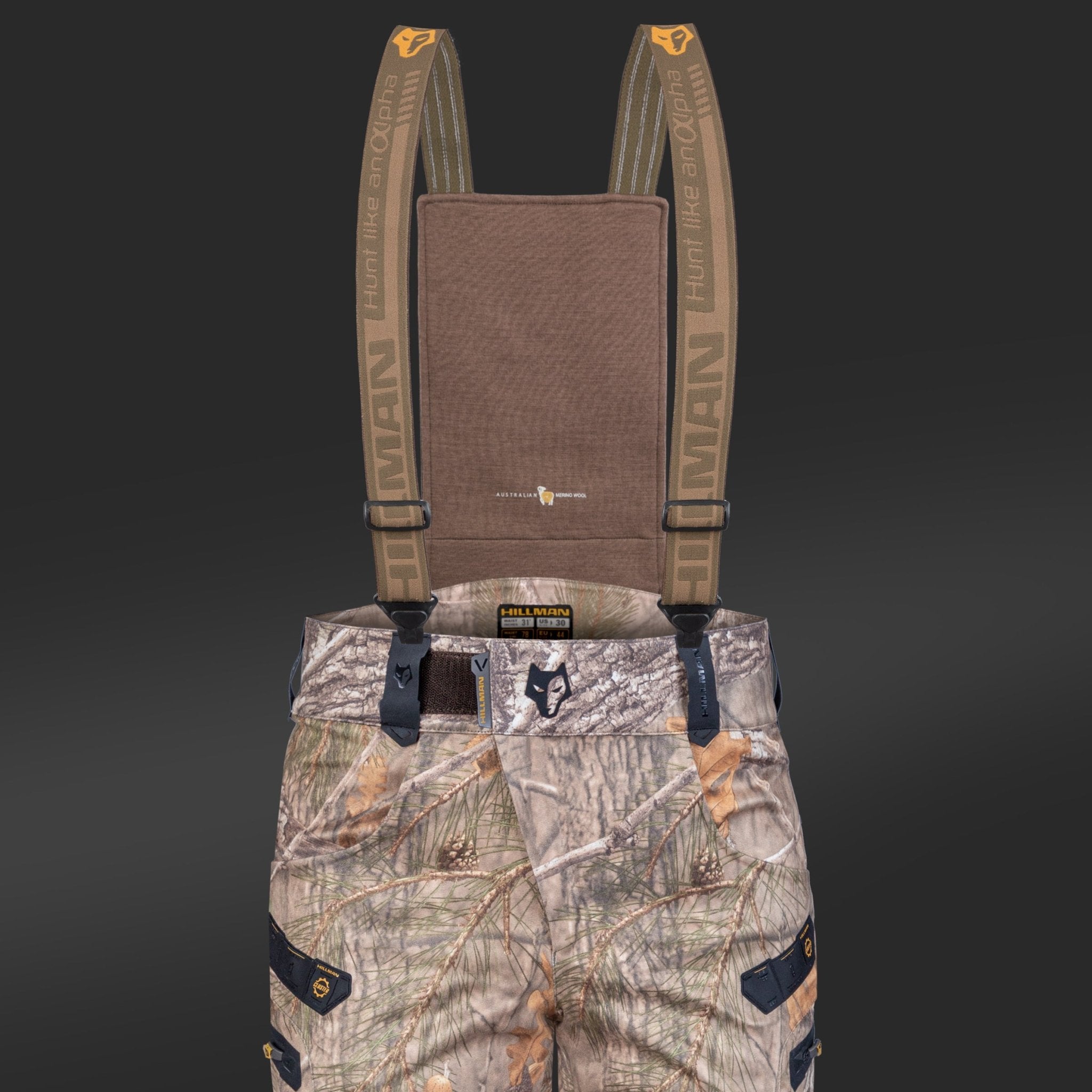
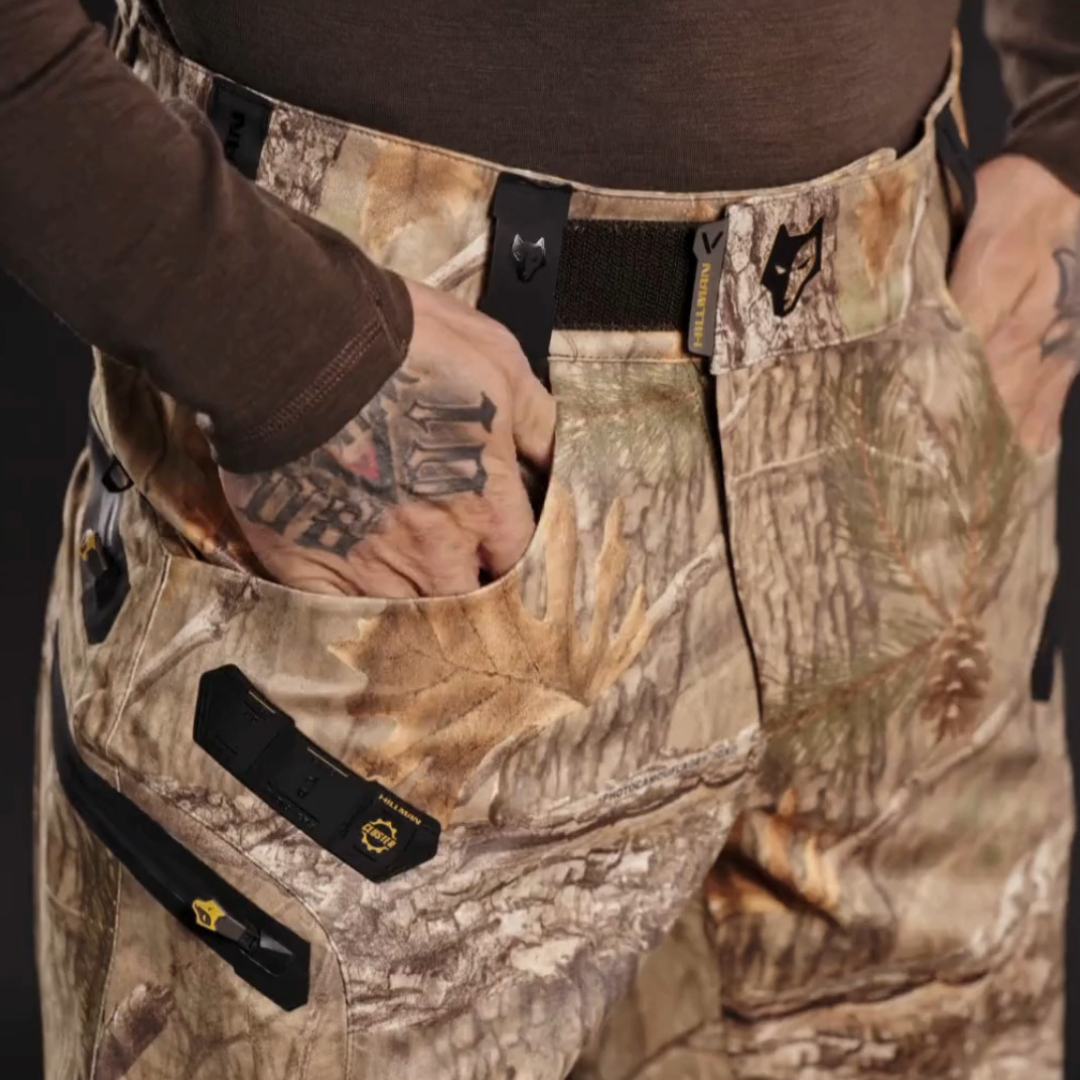
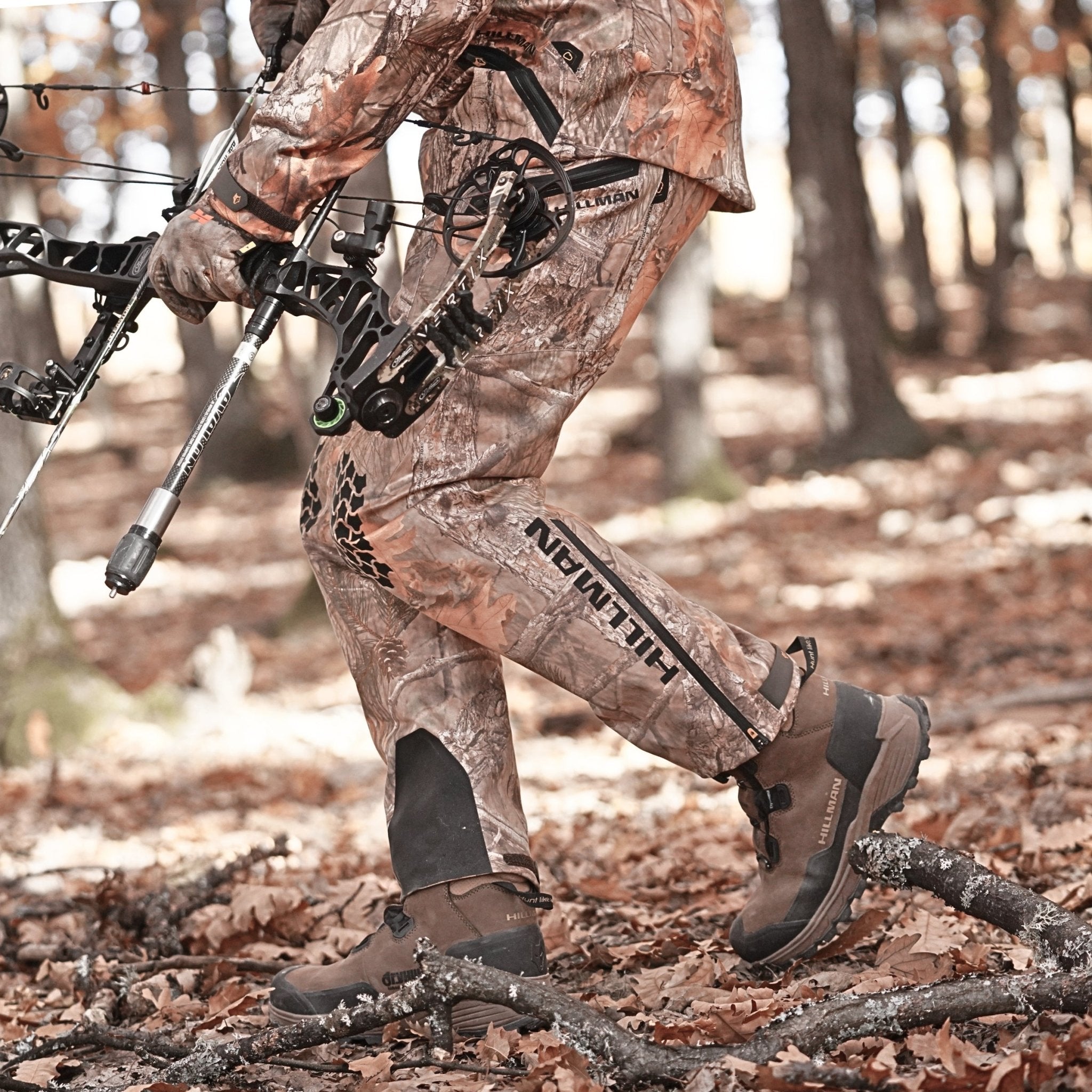
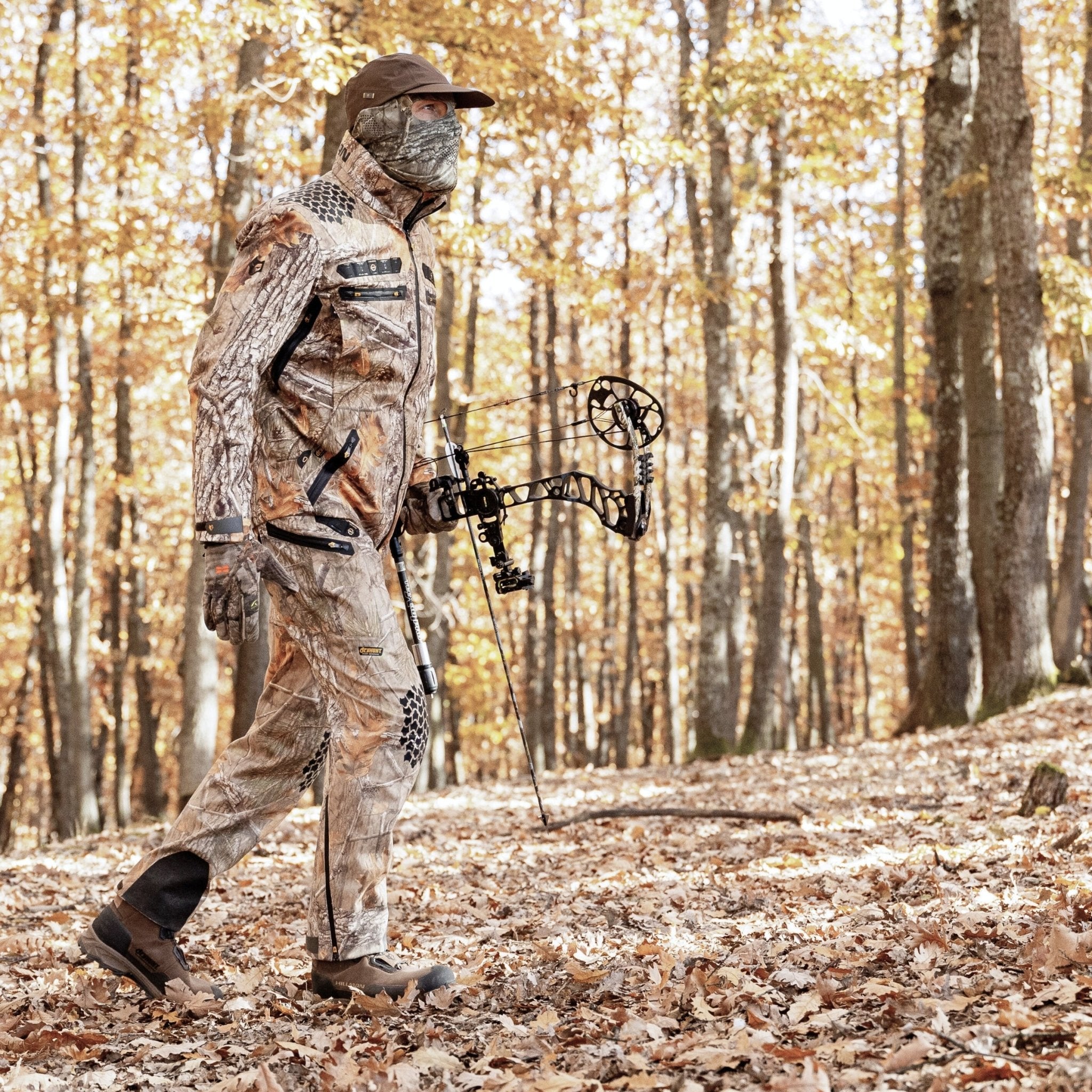
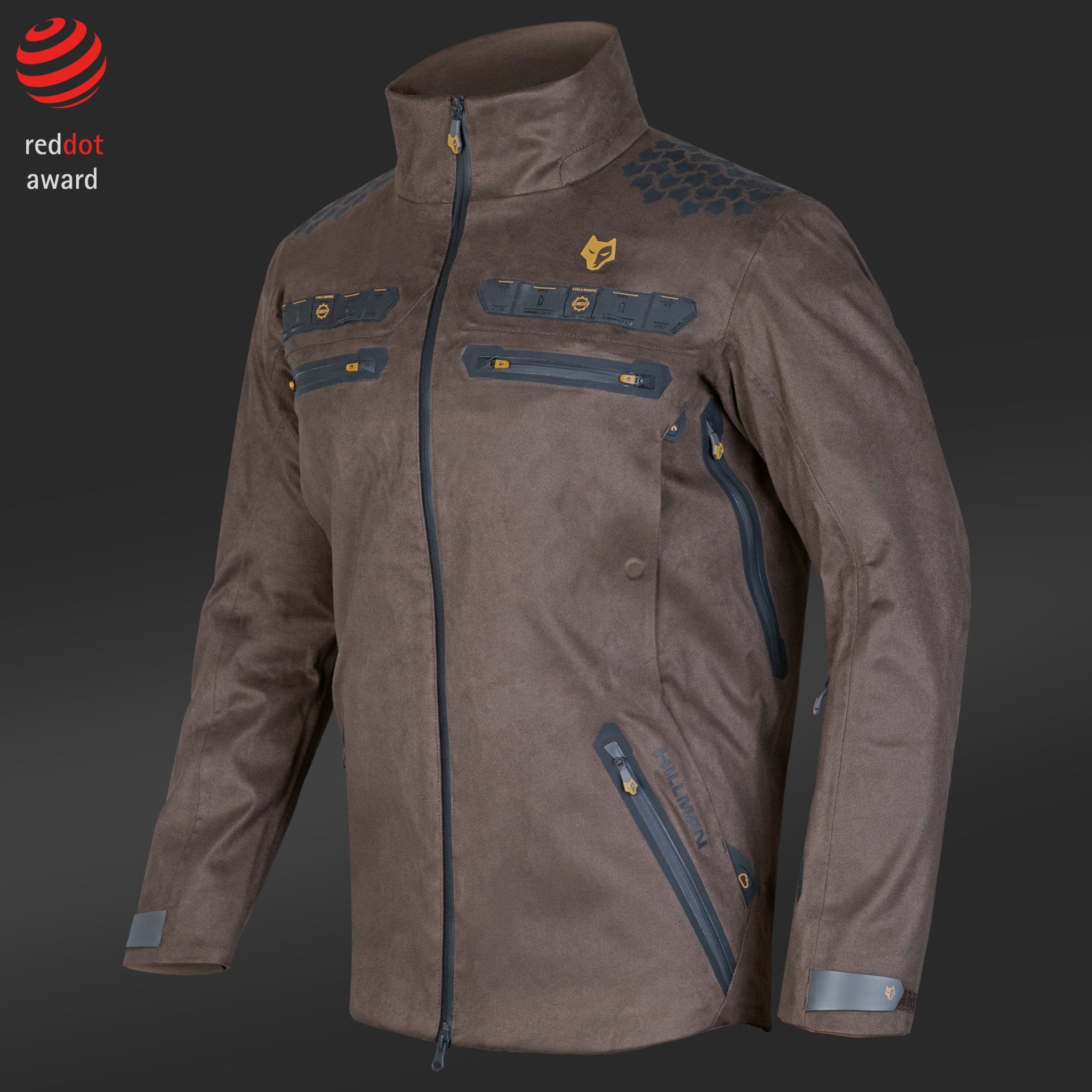
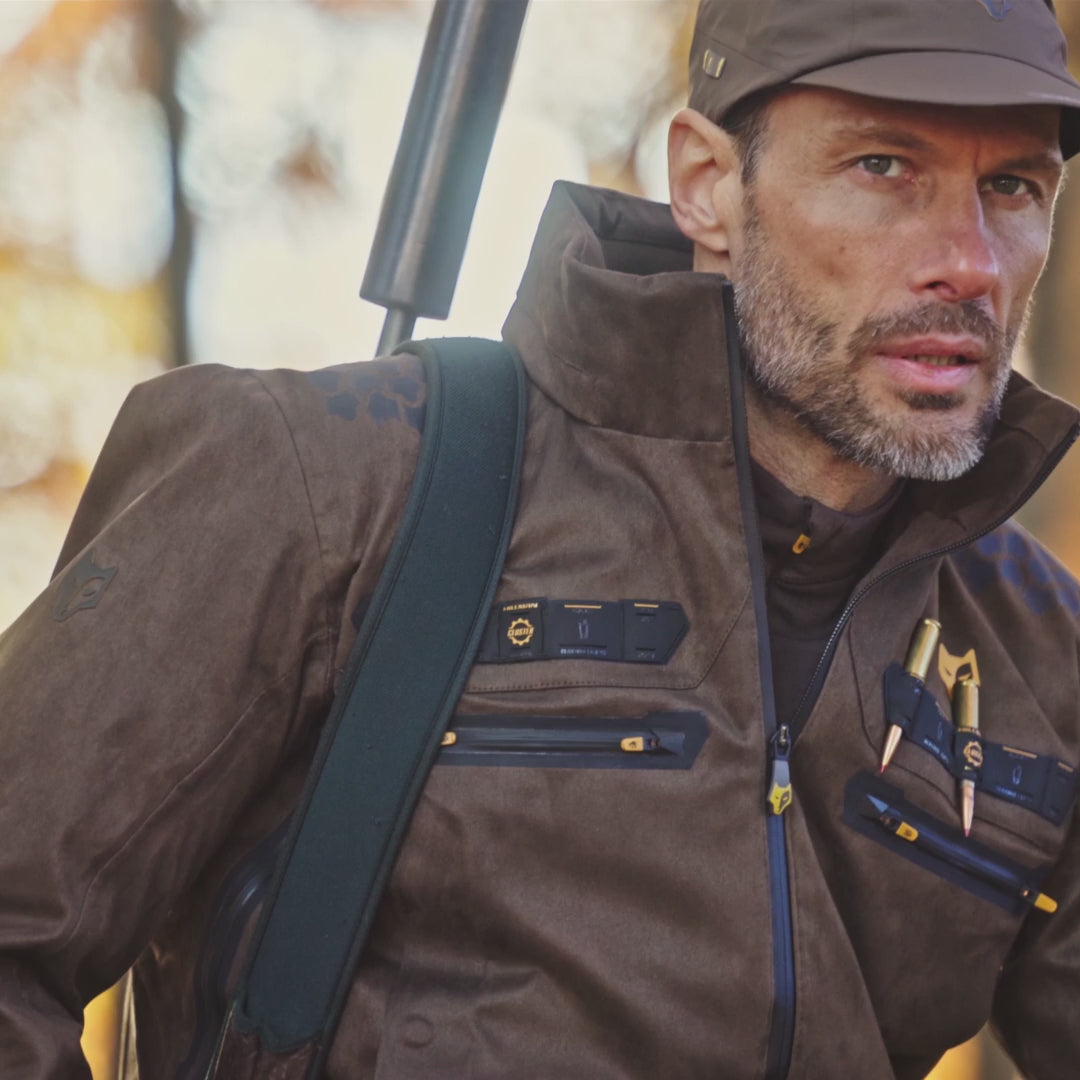
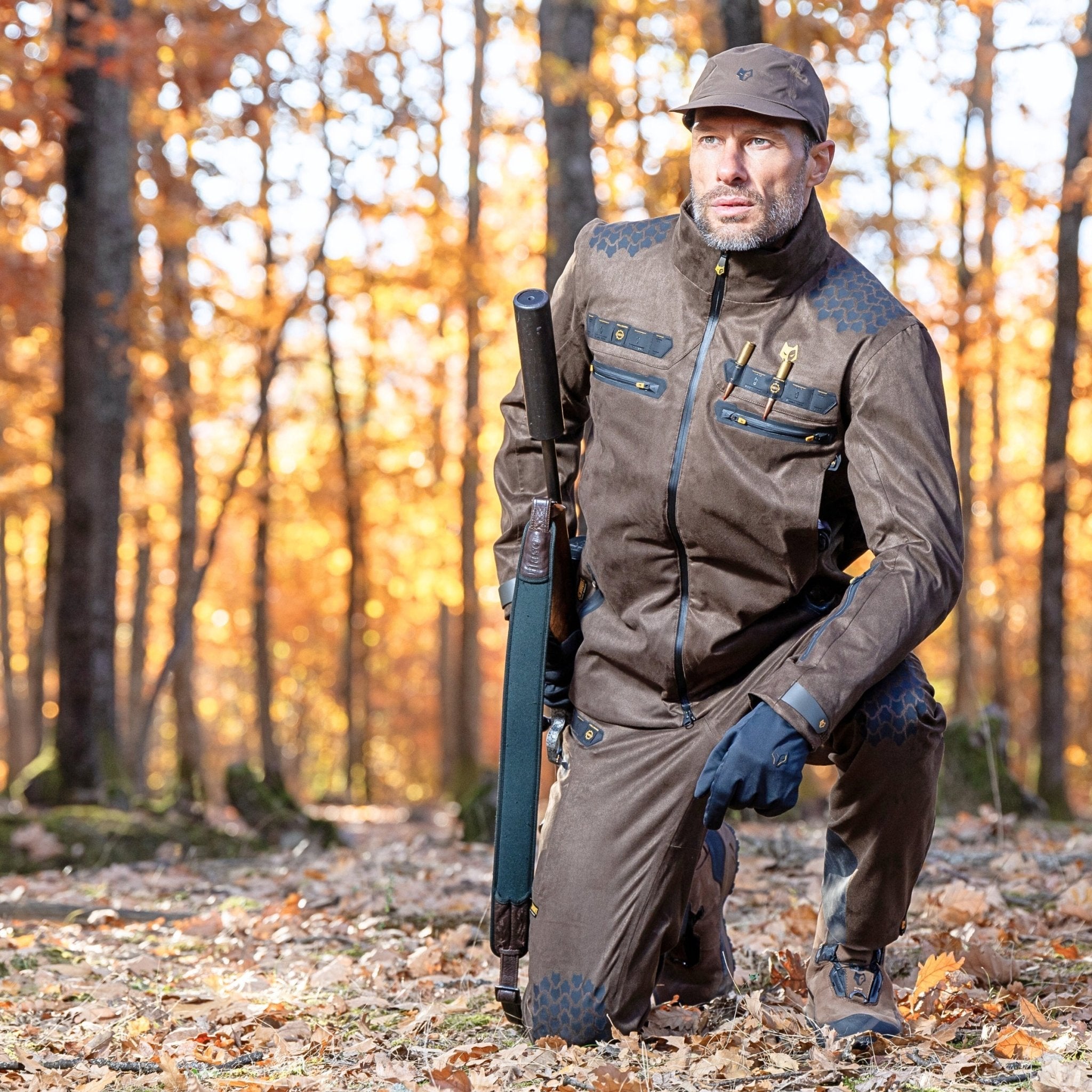
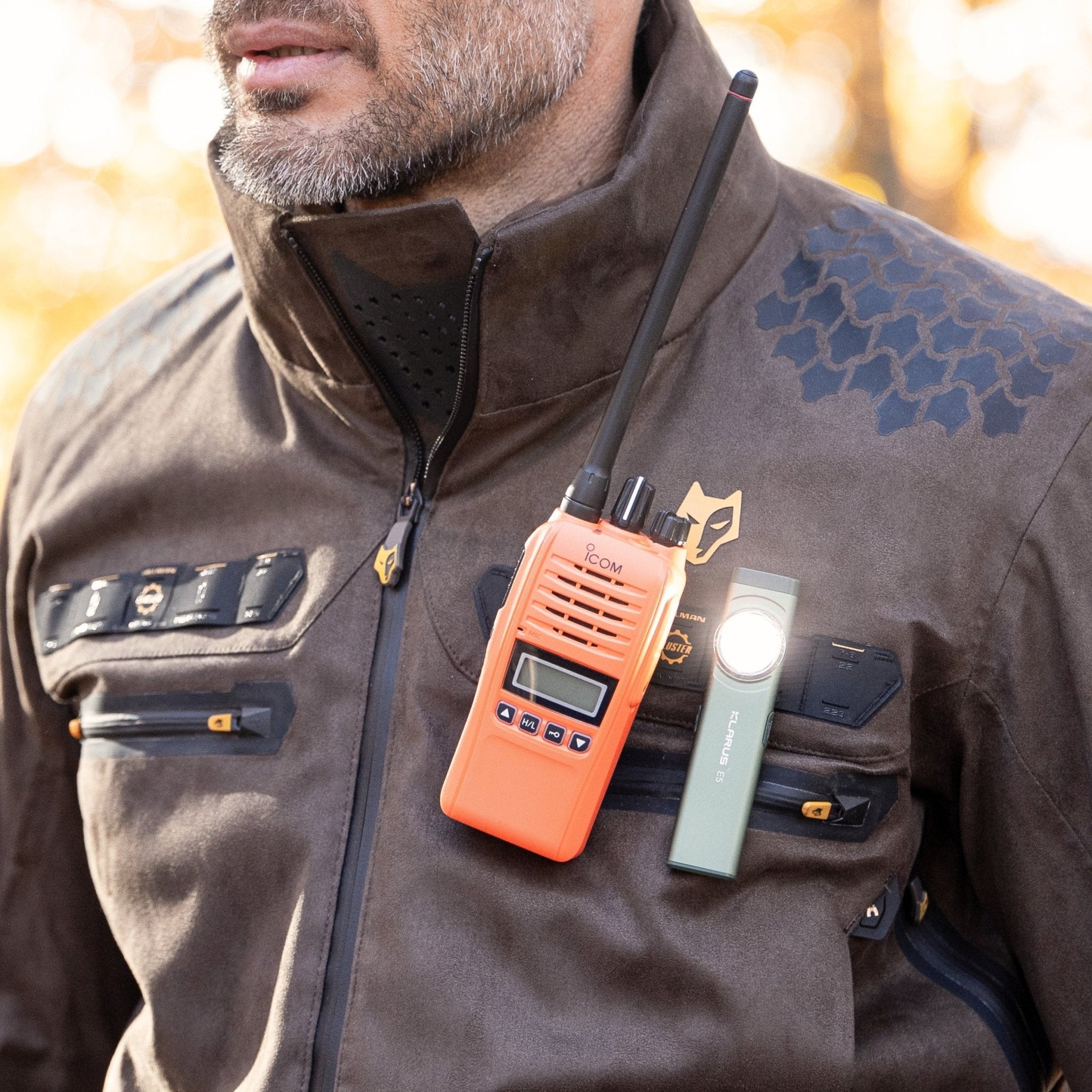
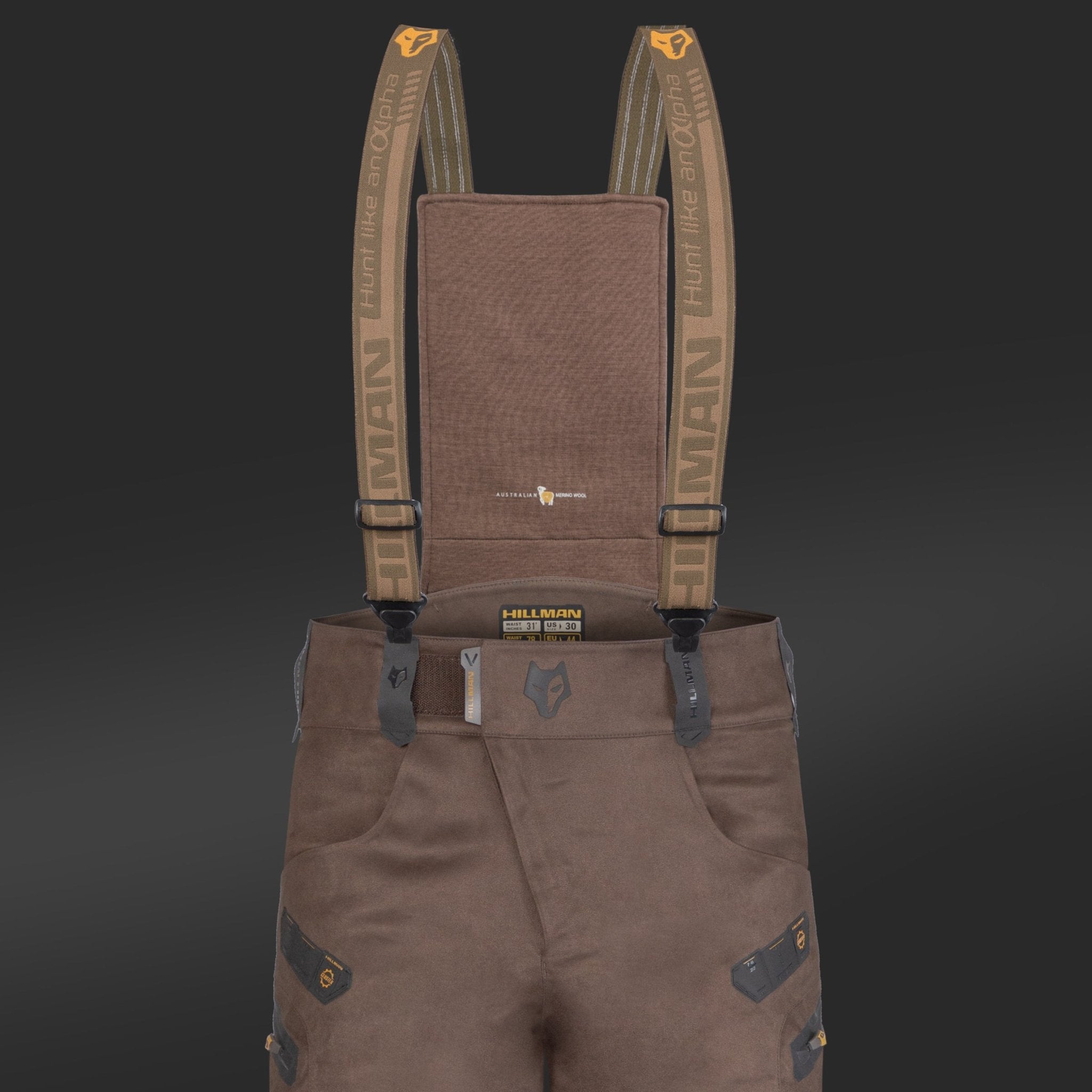
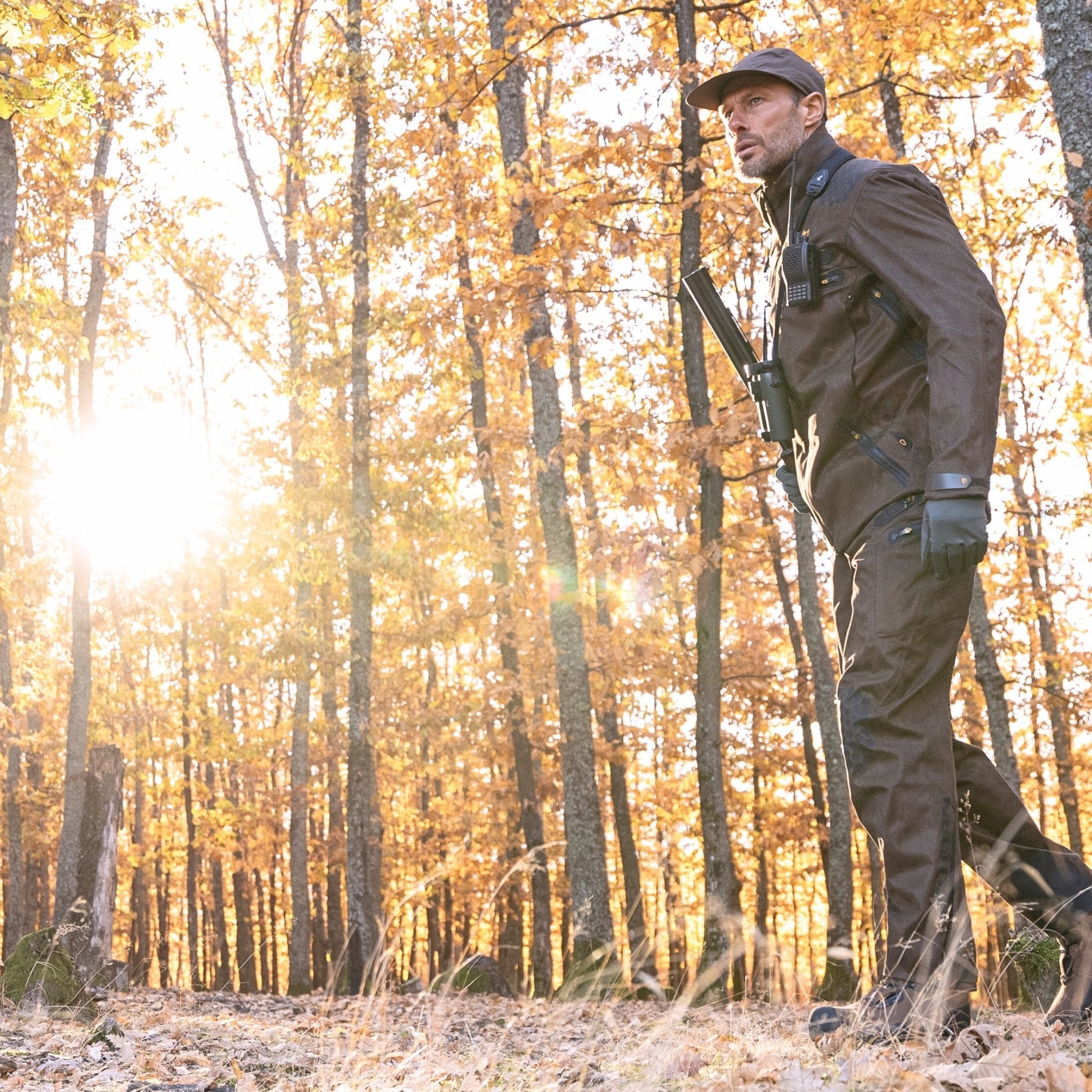
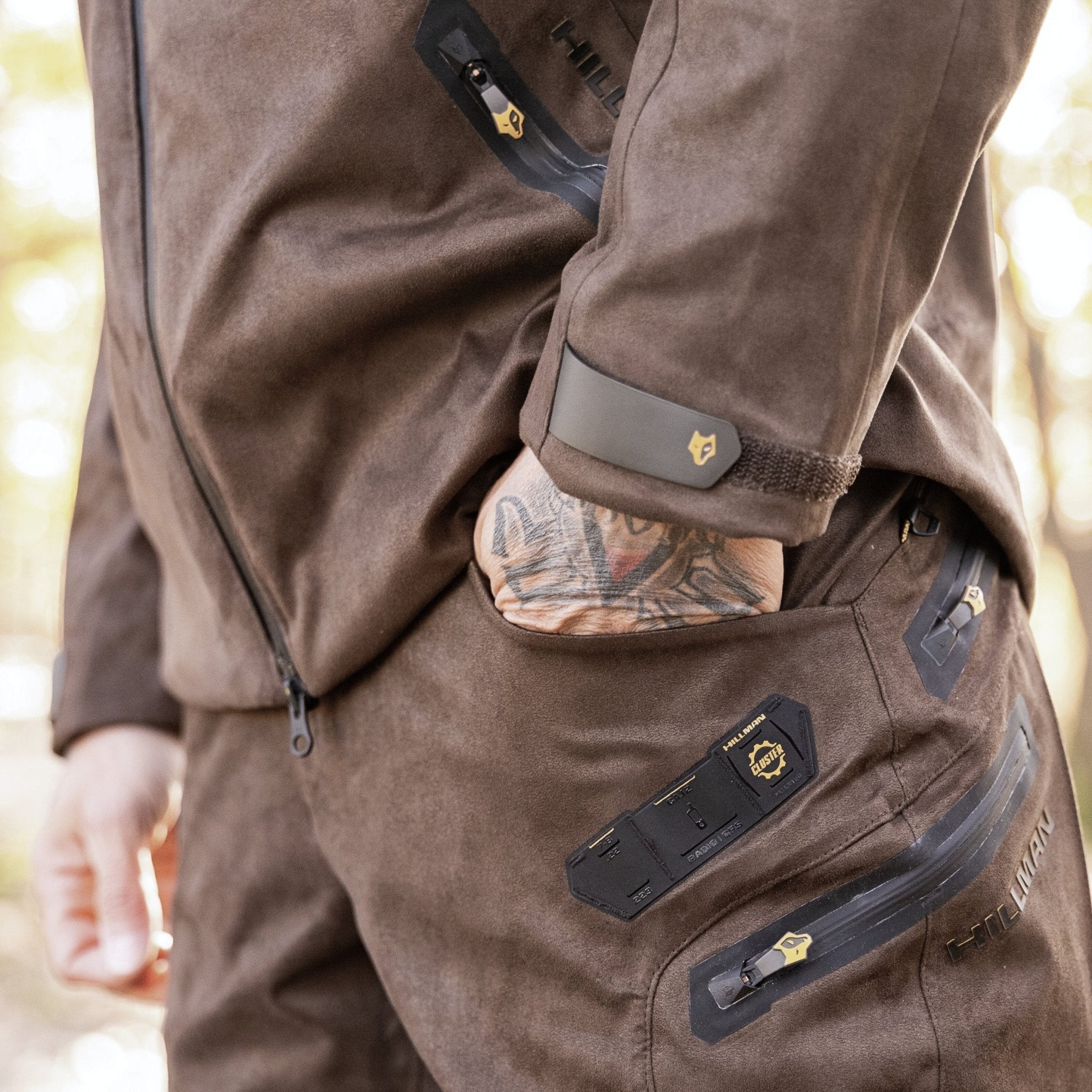
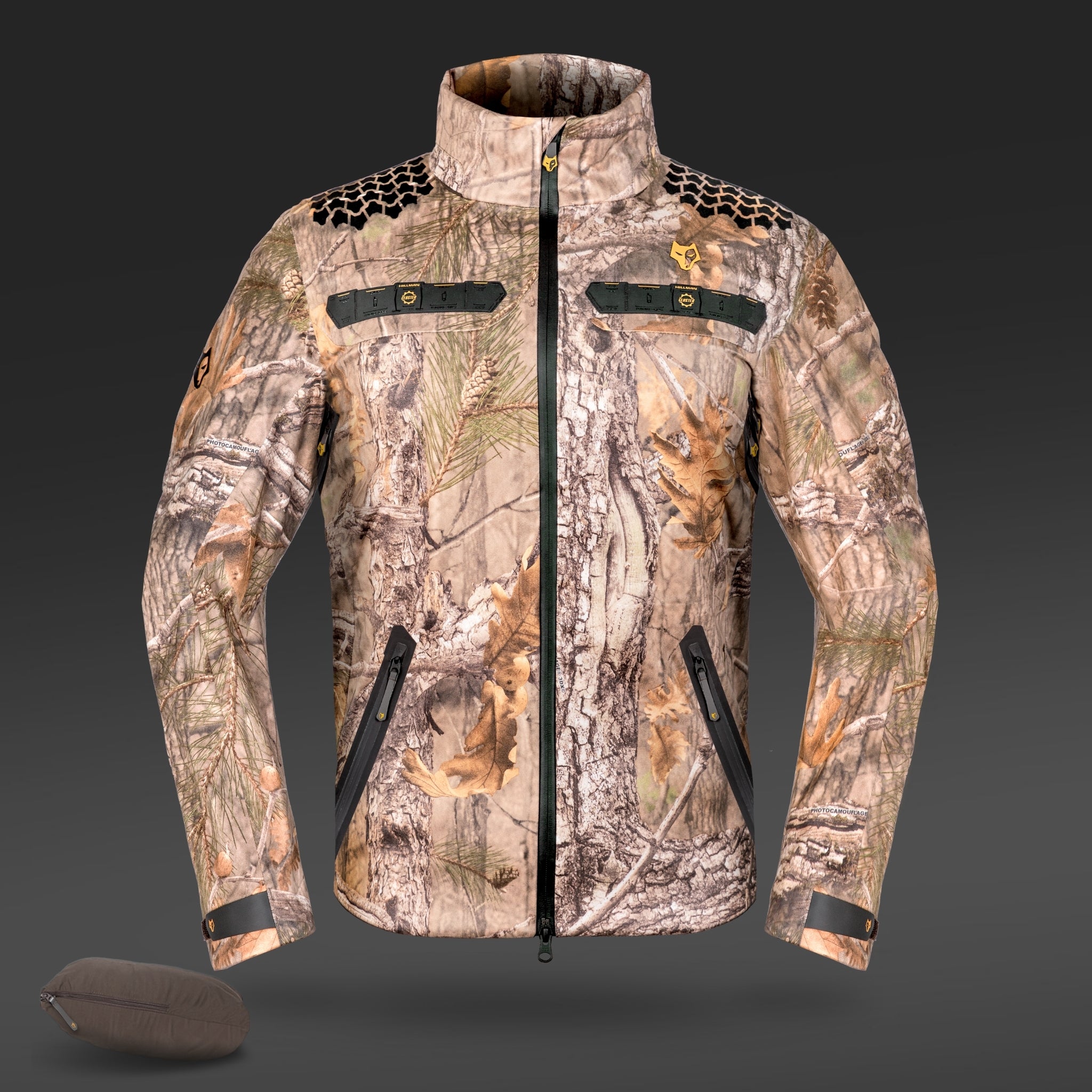
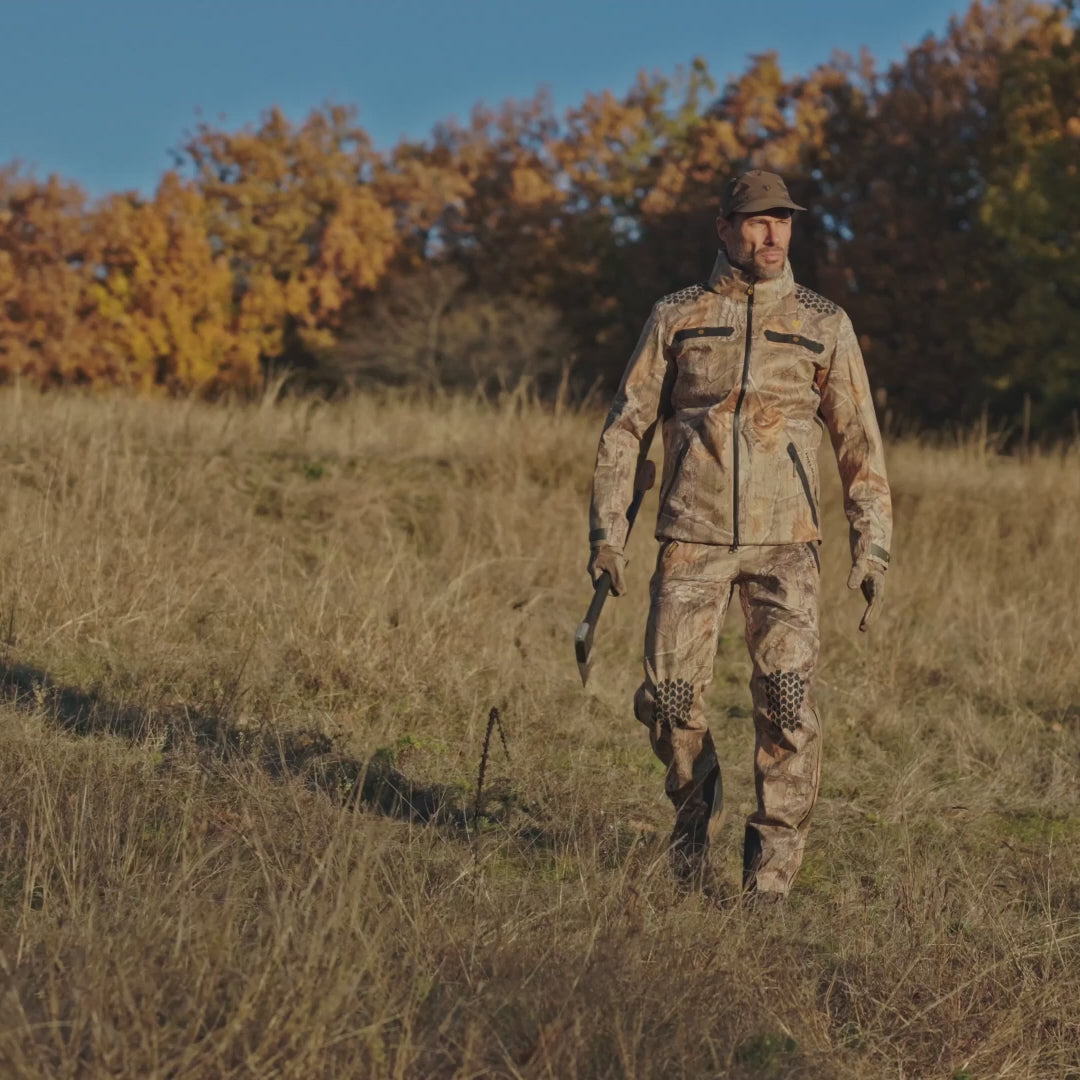
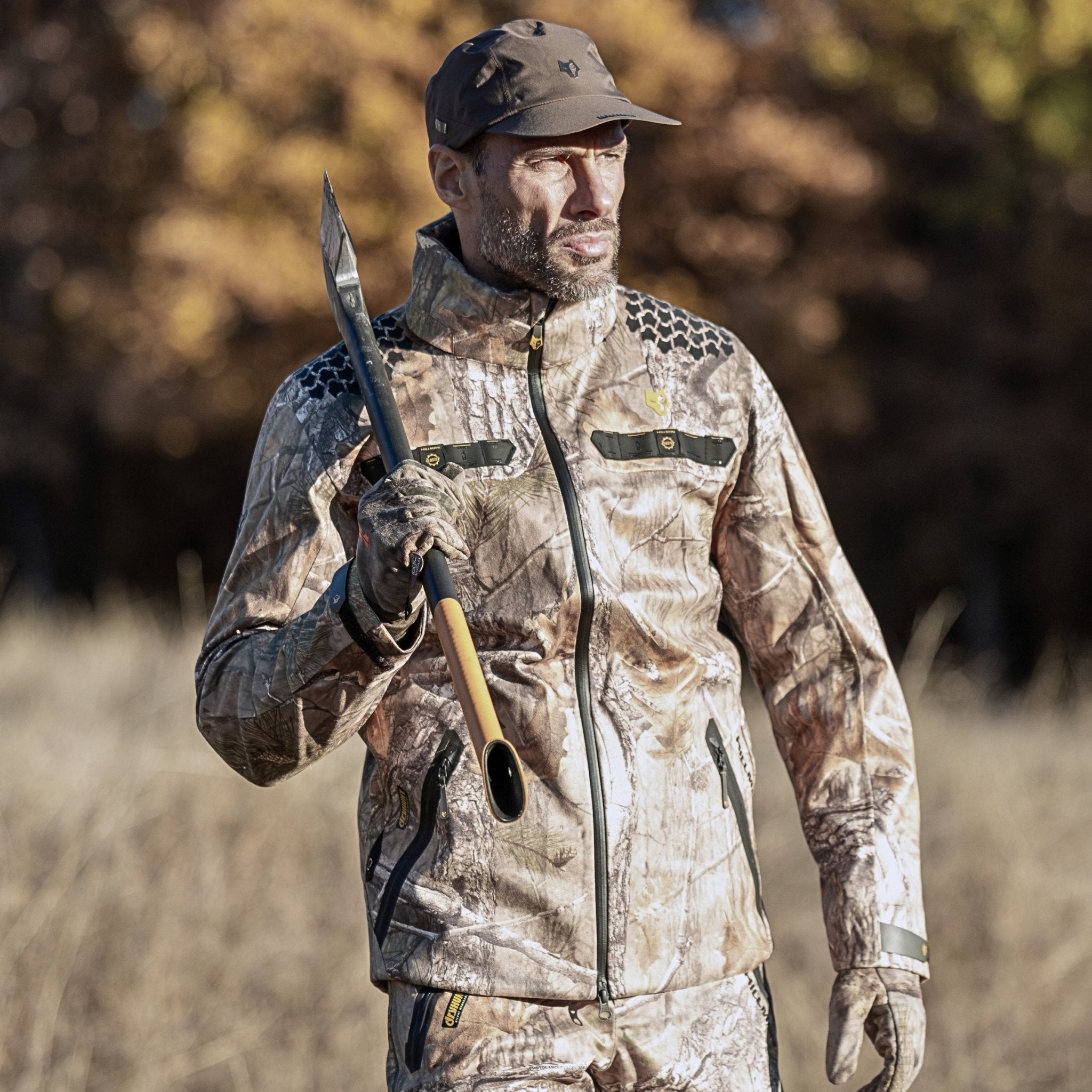
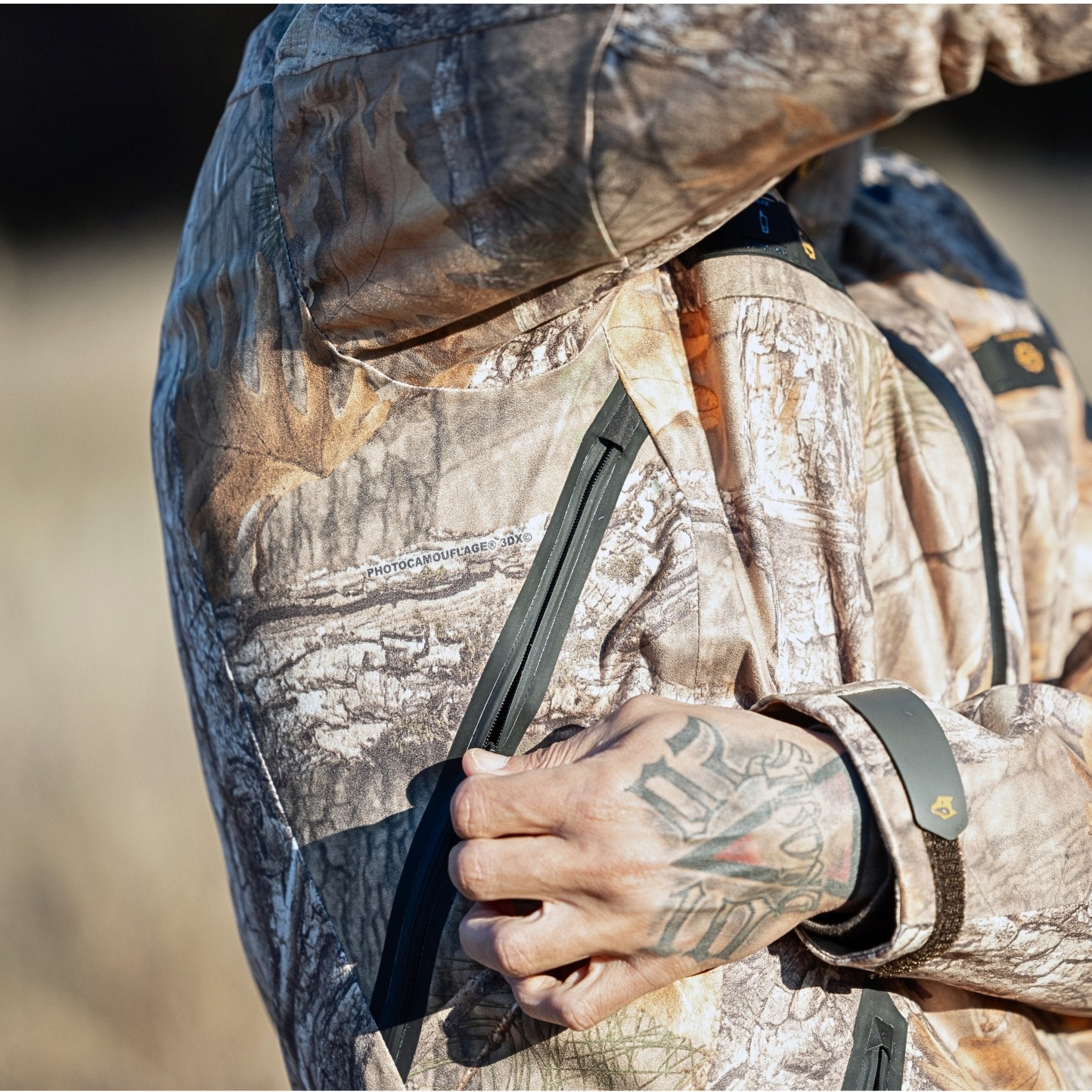
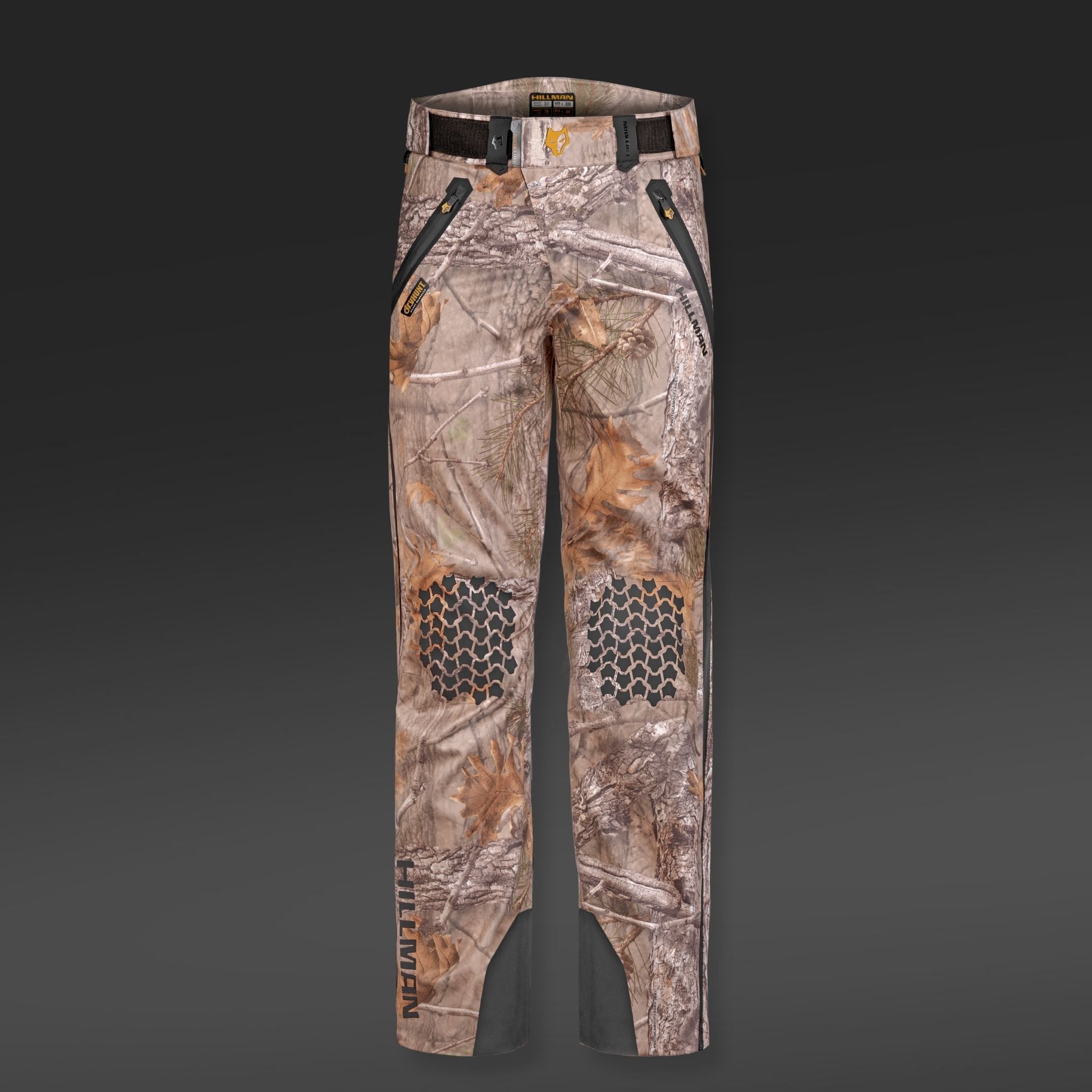
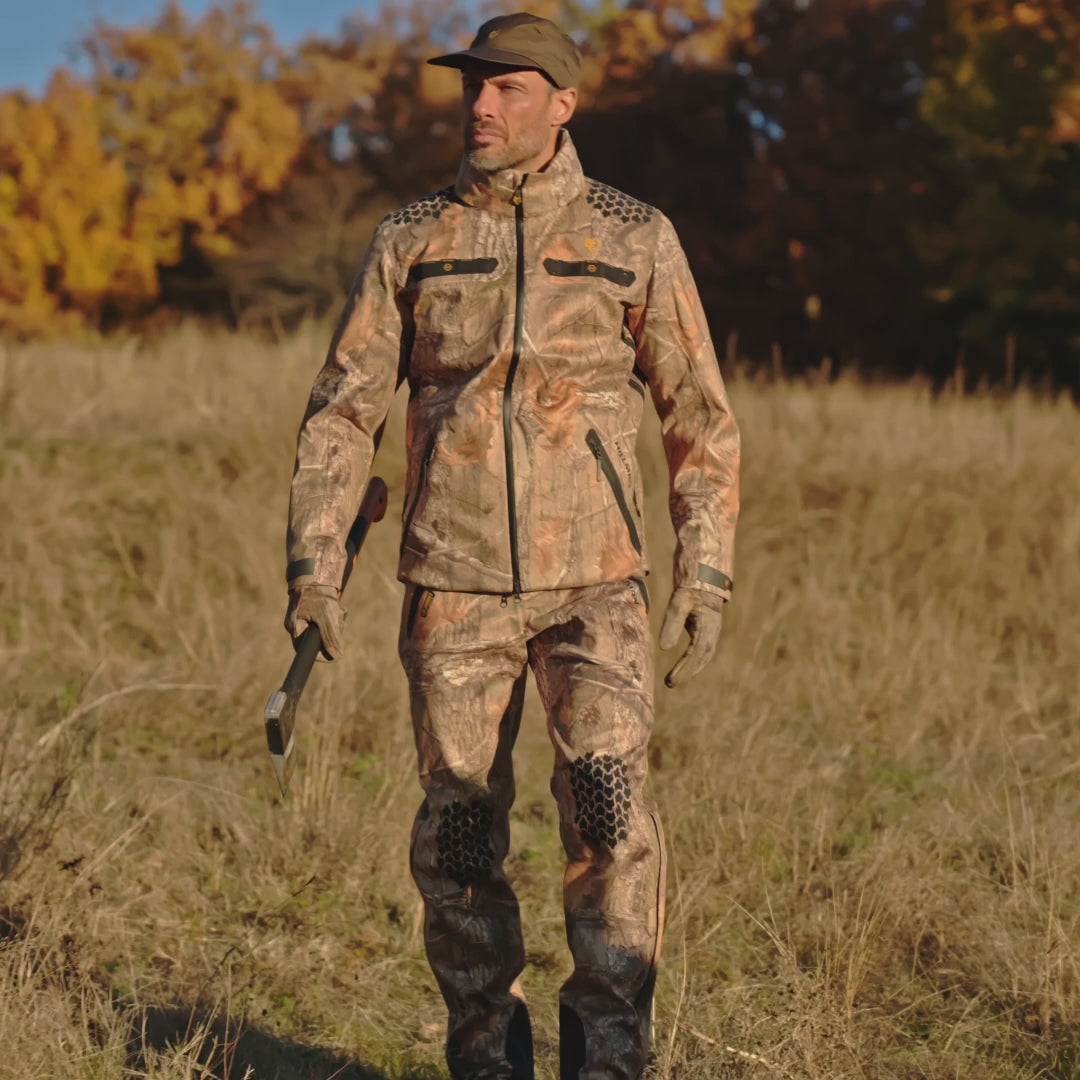
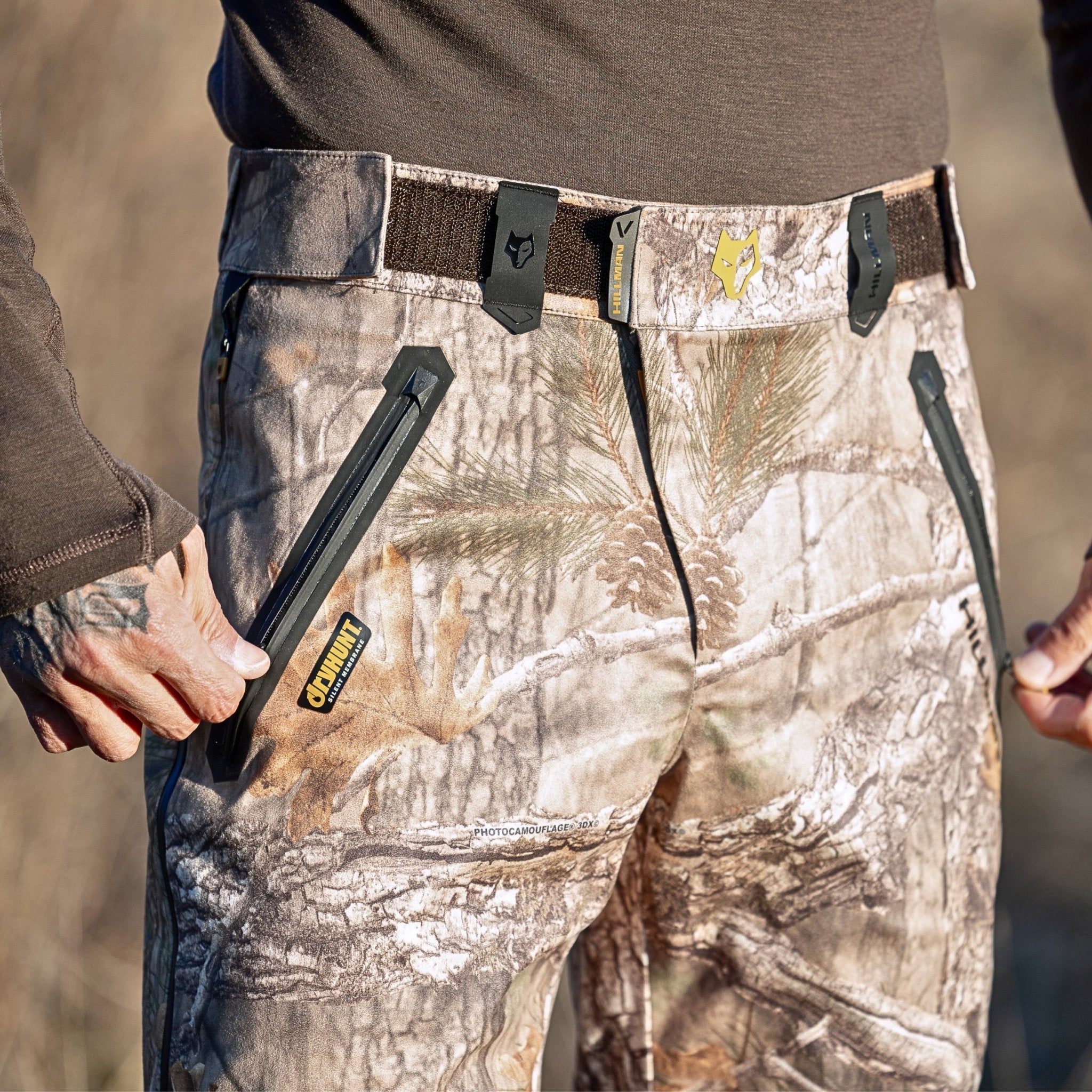
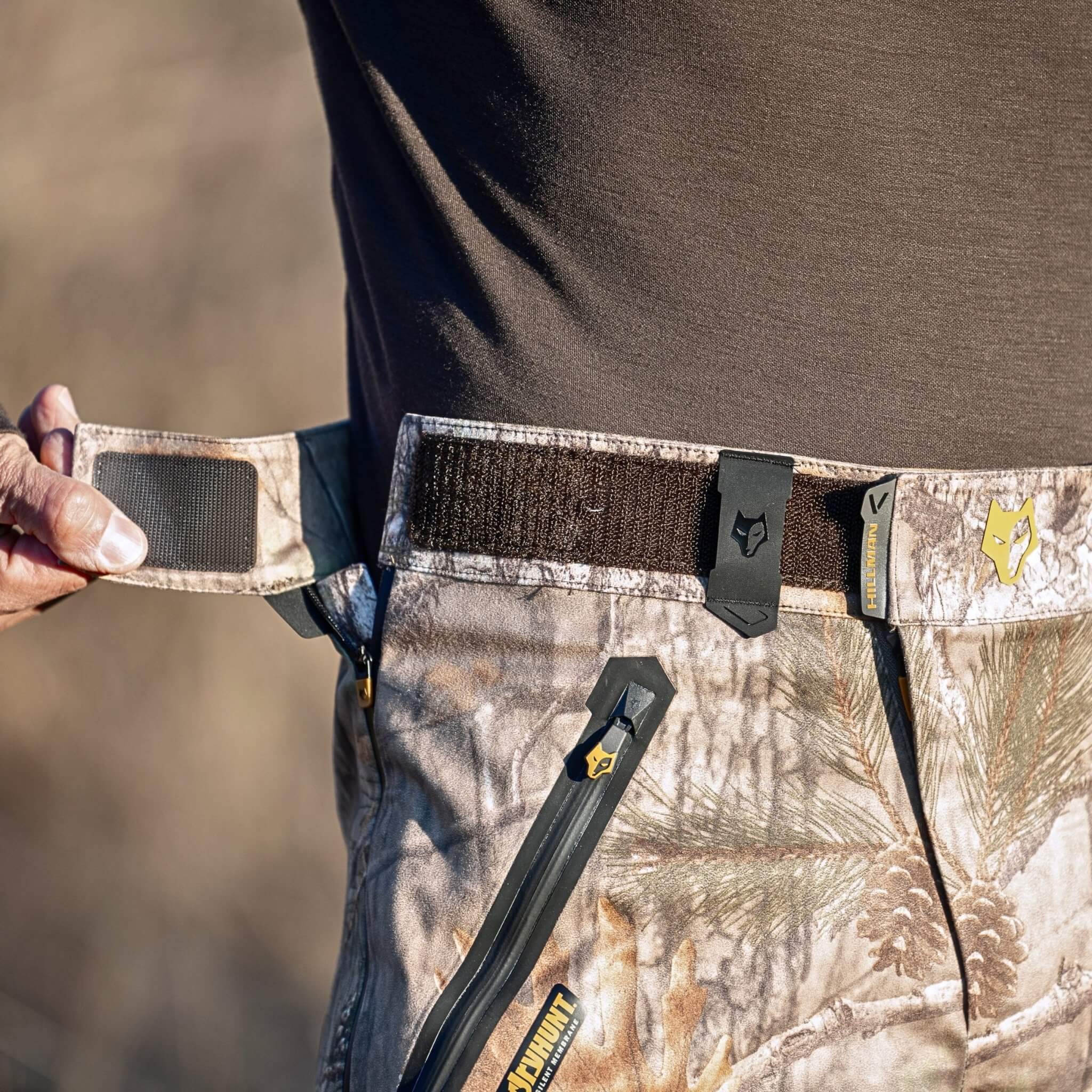
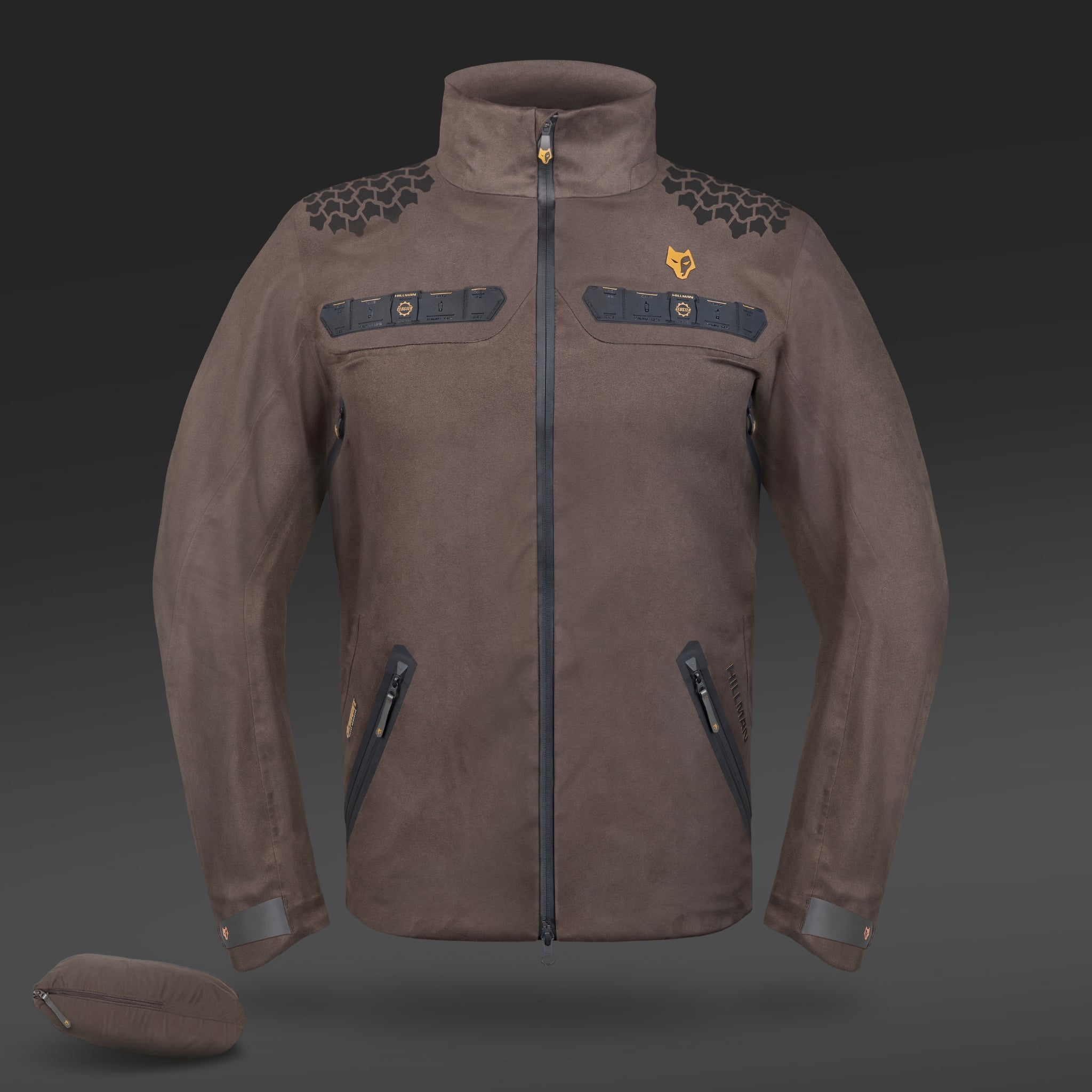
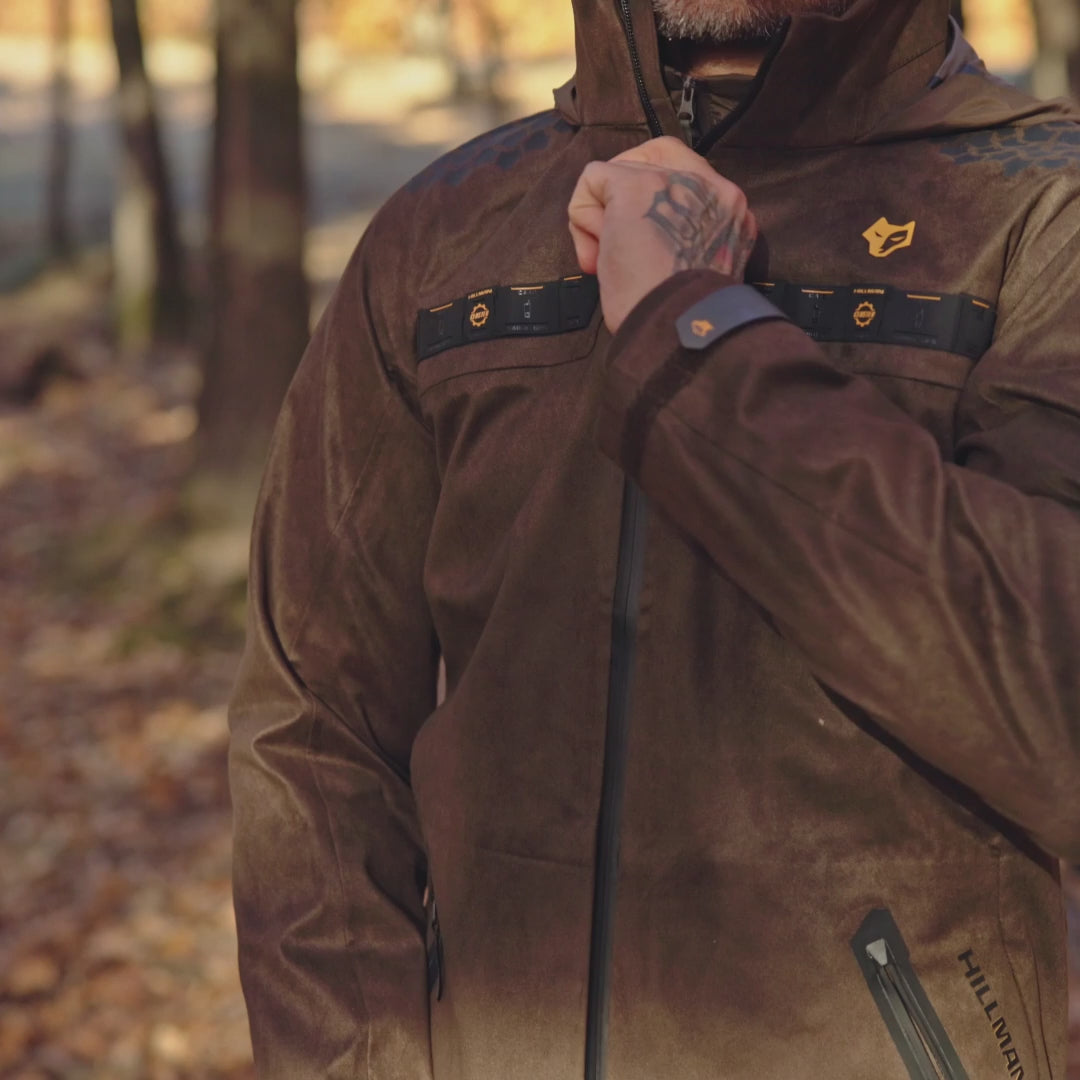
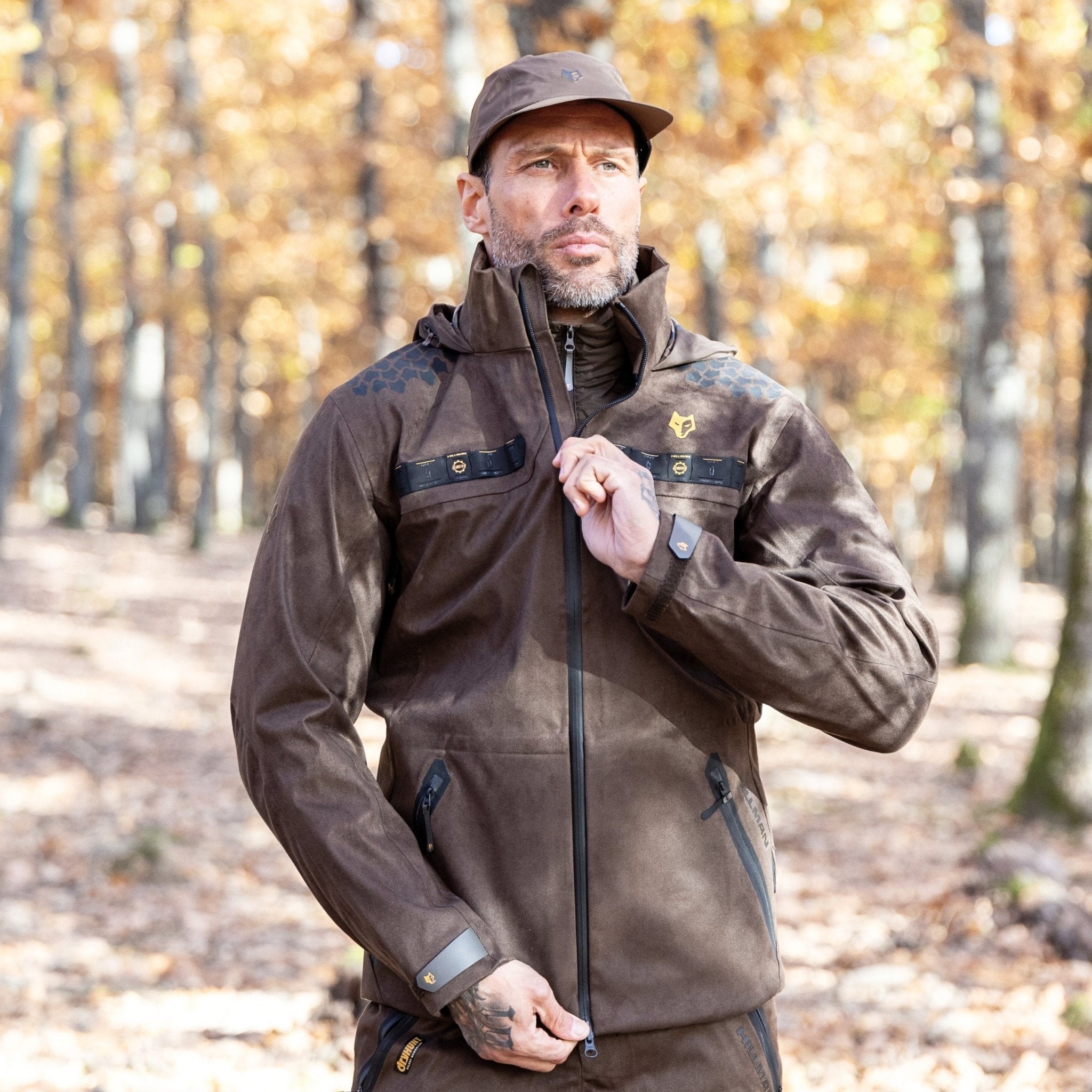
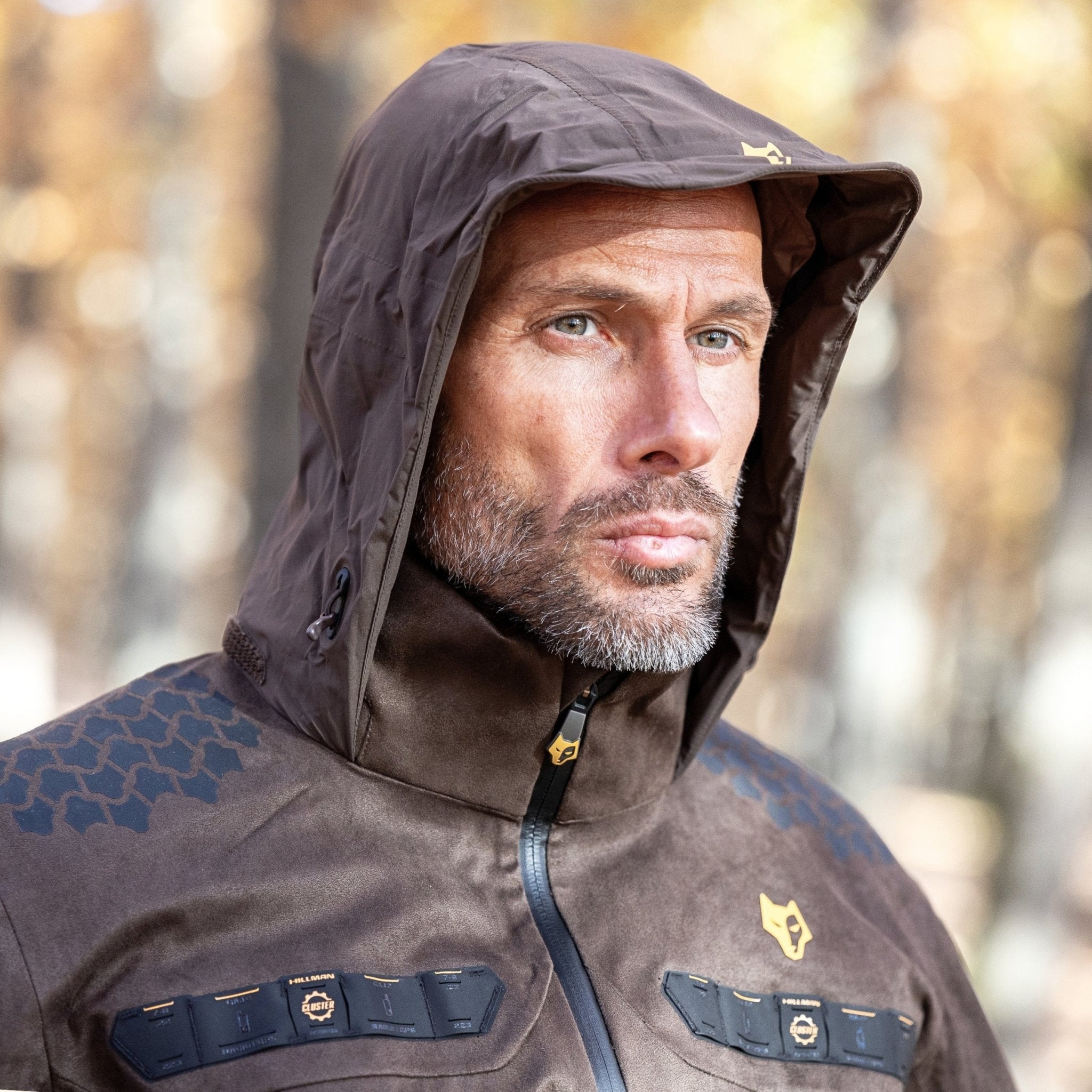
This is where rain gear matters. Hillman should be the layer between you and hours of cold, wet nonsense. Good rain gear is not about looking prepared. It is about staying useful. If your jacket leaks, your pants soak through, and your gloves are wet before sunrise, your hunting gets sloppy fast.
Rain gear also needs to be quiet. Some gear sounds like a trash bag. That is a problem. Rain hides some noise, yes, but not everything. A deer at 25 yards in thick cover can still hear fabric rubbing, metal clicking, boots sliding, and branches scraping.
Wet ground helps. It does not forgive careless movement.
Heavy Rain Usually Sucks
Heavy rain is where hunters start lying to themselves.
They hear that hunting in the rain can be good, then they act like every rain event is worth sitting through. It is not. Hard rain can shut the woods down. Add high winds and nasty weather, and deer movement can drop fast.
Deer do not like getting hammered by weather any more than you do. In heavy rain, deer tend to bed tight in dense brush, cedar pockets, low spots, thick canopy, or anything that blocks the worst of the storm. They may still move if they have to, but long casual travel usually slows down.
That does not mean the day is wasted. It means the timing matters.
The break after heavy rain can be excellent. When the rain softens or stops, deer that have been pinned down often get up to feed. They stretch. They start using trails again. If the storm breaks near evening, you better be ready.
A lot of hunters mess this up. They sit through the ugly part, get cold and soaked, then climb down right before deer activity picks up. Or they never go out because the forecast looks bad, even though the rain is supposed to quit at 4:00.
Watch the timing. One good hour after a storm can beat six miserable hours inside it.
Weather Patterns Matter More Than Rain Alone

Rain by itself is only part of the story. Weather patterns matter too.
A light rain after heat is different from cold rain with high winds. A steady drizzle before a front is different from a hard rain after deer have already fed. A storm that breaks before late evening is different from a storm that keeps pounding all night.
Barometric pressure can also matter, especially when weather is changing. Some hunters pay close attention to pressure swings before and after a front. I would not build the whole plan around one number, but I do watch how the woods feel when a storm is ending and the air starts to settle.
Rain, wind, temperature, light, pressure, and hunting pressure all stack together. That is why some rainy days feel dead and others feel like the woods could explode at any minute.
Windy days are the tricky ones. A little wind with rain is manageable. Hard gusts are different. Strong wind can swirl scent, make stand hunting unsafe, and keep deer tighter to cover. Falling limbs are not worth a deer.
If the weather is rain mixed with snow, sleet, or bitter cold, the plan changes again. Deer may focus harder on dependable food when the weather breaks. The colder the conditions, the more important warmth, energy, and short travel routes become.
Rain Messes With Scent, But It Does Not Save You

Rain can wash away some human scent. It can dilute odor trails. It can knock scent down and change how smell moves through the woods.
That helps sometimes.
But rain is not magic. Wet air can hold smell close to the ground. Humidity can make scent hang. A bad wind is still a bad wind. A lazy entry route still leaves odor where deer can find it.
Do not act like the rain erased your mistakes.
Walk in clean. Keep the wind right. Avoid brushing every branch on the way to the stand. Do not fuel the truck, eat gas-station breakfast, handle a bunch of gear, and then assume wet weather made you invisible.
The bigger advantage is sound.
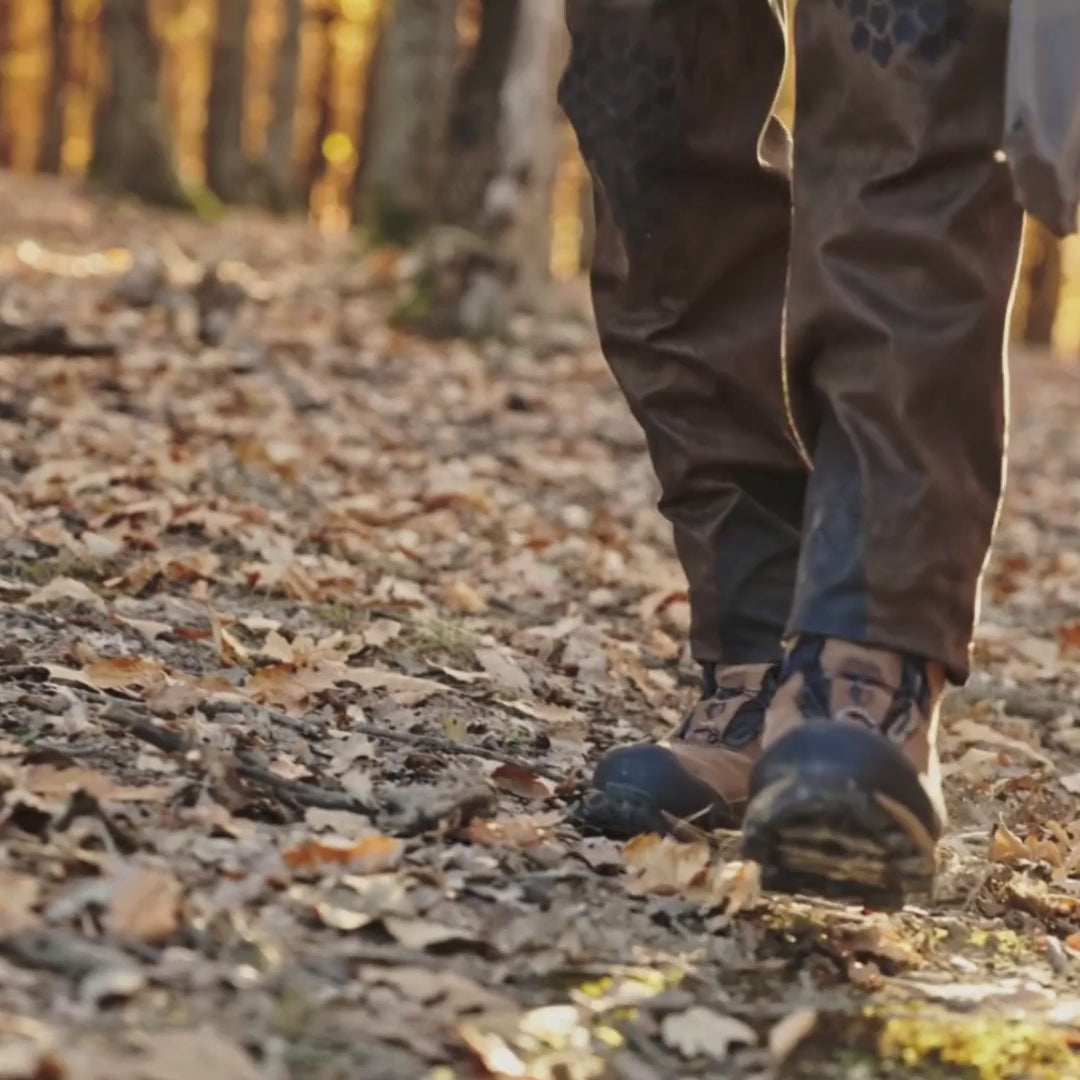
Wet leaves, mud, damp sticks, and soft ground let you move more quietly. Rain adds background noise. It can cover small mistakes when you are slipping to a stand or adjusting position. That is one of the best reasons rainy days can help hunters.
But quiet does not mean fast. Fast gets sloppy. Sloppy gets heard.
Where Deer Go When It Rains

In light rain, deer may use normal travel routes. Trails still matter. Food still matters. Bedding still matters.
Wet ground can also help with scouting. Fresh tracks show better in mud. You can see where deer crossed, which trails are being used, and whether an edge is active or just looks good from a distance.
During steady rain, think shelter. Deer like places that give them cover and options. Dense brush near food. Timber edges. Leeward ridges. Creek bottoms. Bedding points. Small draws. Places where they can smell, see, and stay out of the worst weather.
If wind is part of the storm, look for calm pockets. Deer do not want to fight wind all day. They often slide into spots where the air is steadier and the cover is thicker.
Food still matters. In early season, that may mean green fields, acorns, soft edges, or small openings near bedding. Later in the year, dependable food can pull deer hard once the bad weather breaks.
Do not sit too far from where deer actually want to be. Rainy hunts often reward tighter setups. Cut the distance between bedding and feeding areas. Look for the route a deer would take if it wanted to stay hidden, save energy, and avoid the worst of the weather.
That route is usually worth watching.
The Blood Trail Problem Is Real

Rain can help you get a shot.
It can also ruin the recovery.
A blood trail can disappear fast in rain. Tracking blood trails in wet conditions is harder, and heavy rain can wash blood away almost completely. A good blood trail can turn weak. A weak trail can vanish.
That means your shot choice matters more.
Do not force a bad angle. Do not stretch distance. Do not take a shot you would not take on a dry day. Rainy weather is not the time to gamble. A marginal hit in rain can become a long, ugly recovery.
If you shoot, lock everything in your head. Where was the deer standing? Which way did it run? What tree did it pass? Where did it enter cover? Did it mule kick? Hunch up? Run hard? Walk off slowly?
Mark the shot spot. Mark the first place it entered cover. Look for blood, but do not rely only on blood. Tracks, turned mud, broken brush, kicked leaves, hair, and disturbed ground may matter just as much.
Where legal, a tracking dog can save the day after a wet-weather hit. But the better answer is boring and true.
Make a clean shot or do not shoot.
Staying Dry Keeps You From Hunting Stupid

Rain hunts fall apart when the hunter falls apart.
Cold water down your neck changes your attitude. Soaked boots make you rush. Wet gloves make everything harder. A dripping seat makes you shift. Once you get uncomfortable enough, you start making bad choices.
Good rain gear keeps you in the hunt. You need to stay dry and stay warm. That matters more than most hunters admit.
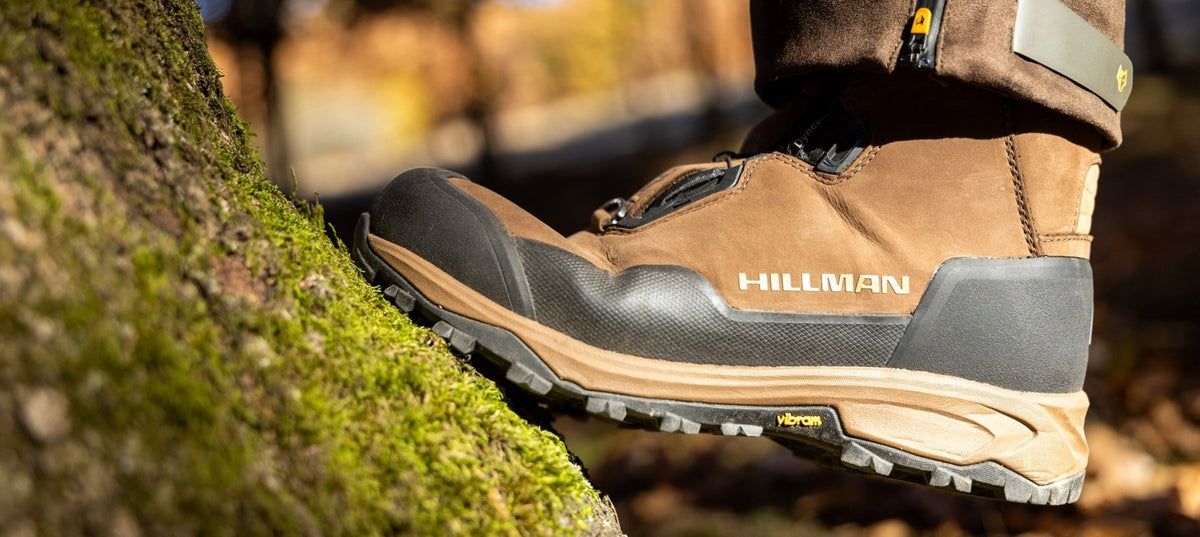
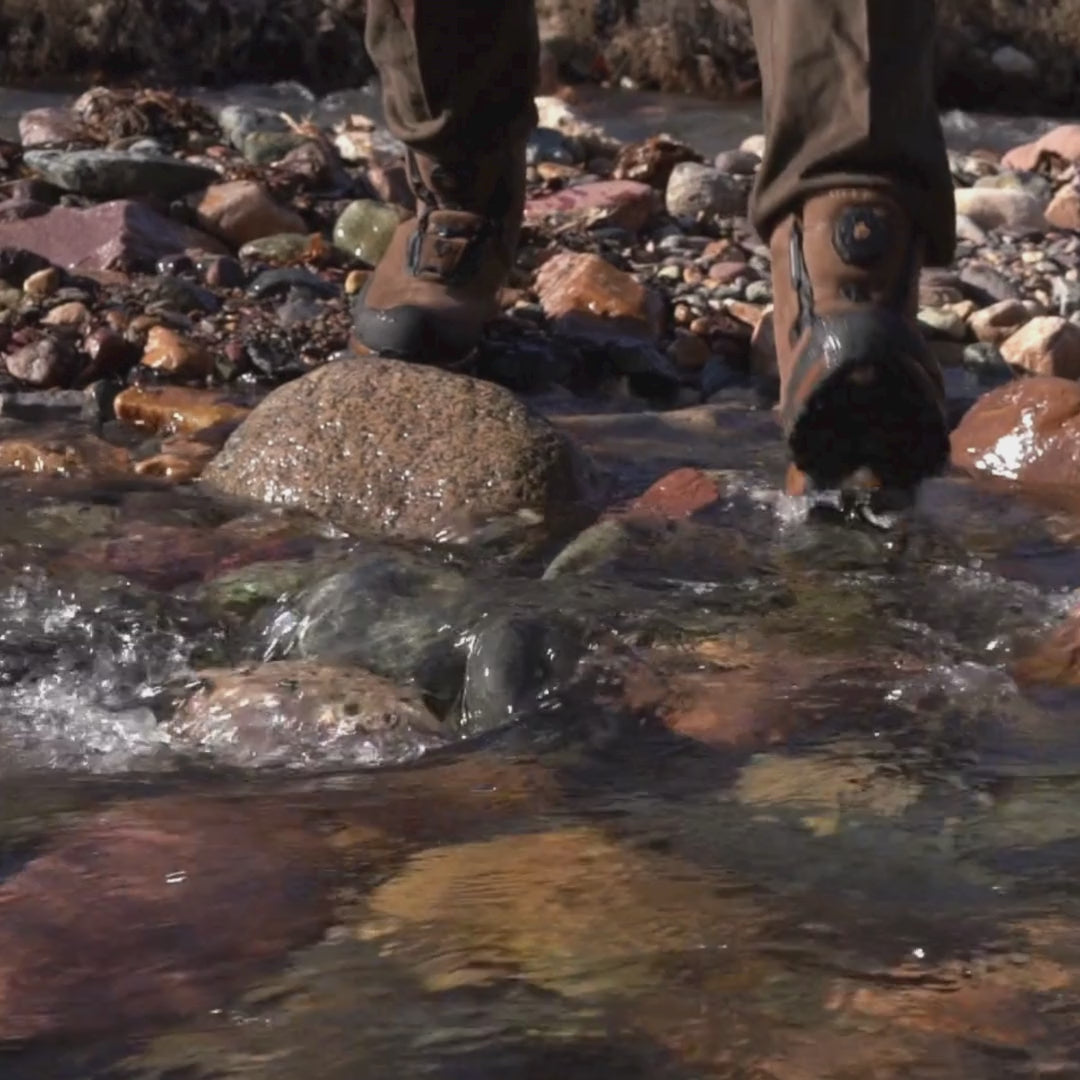
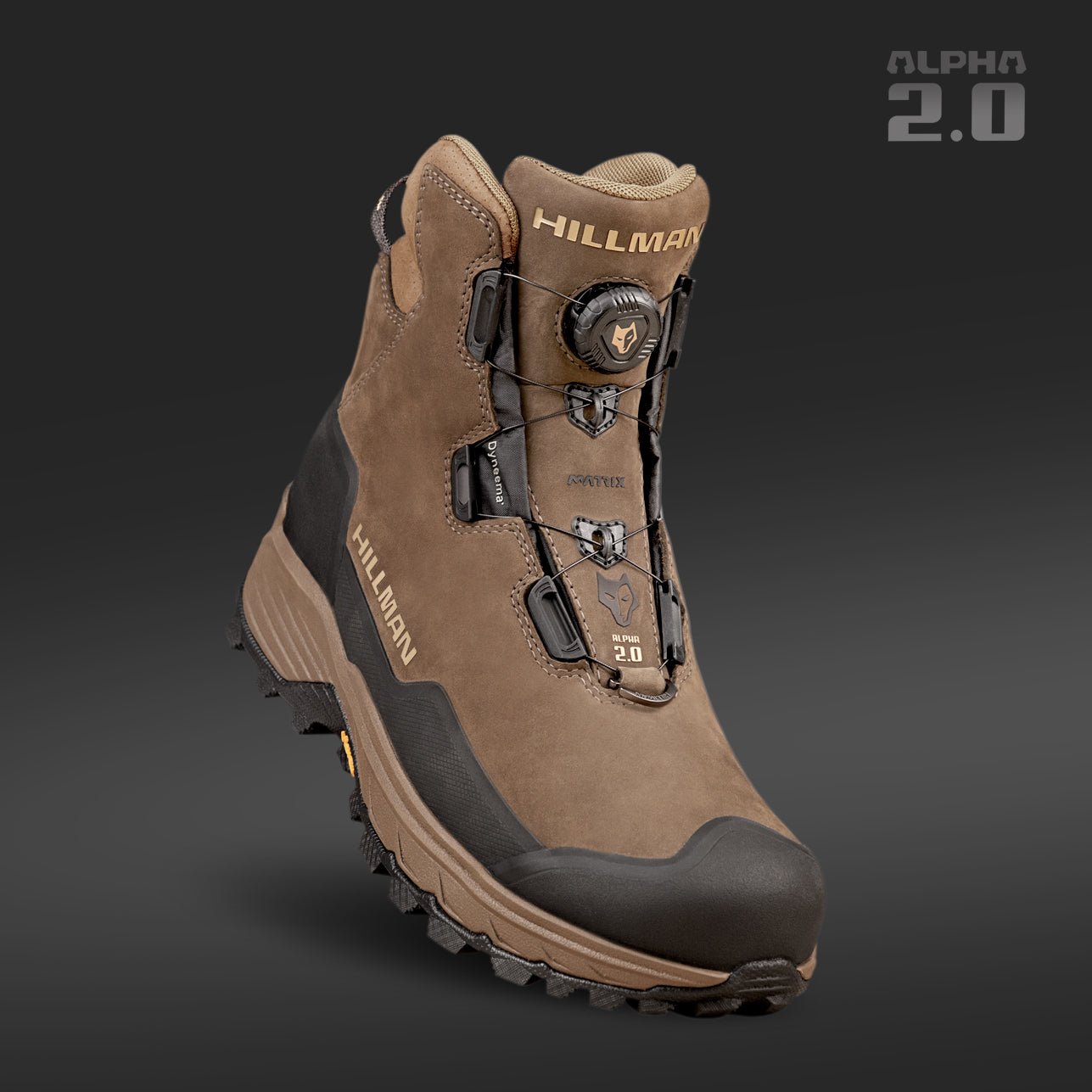
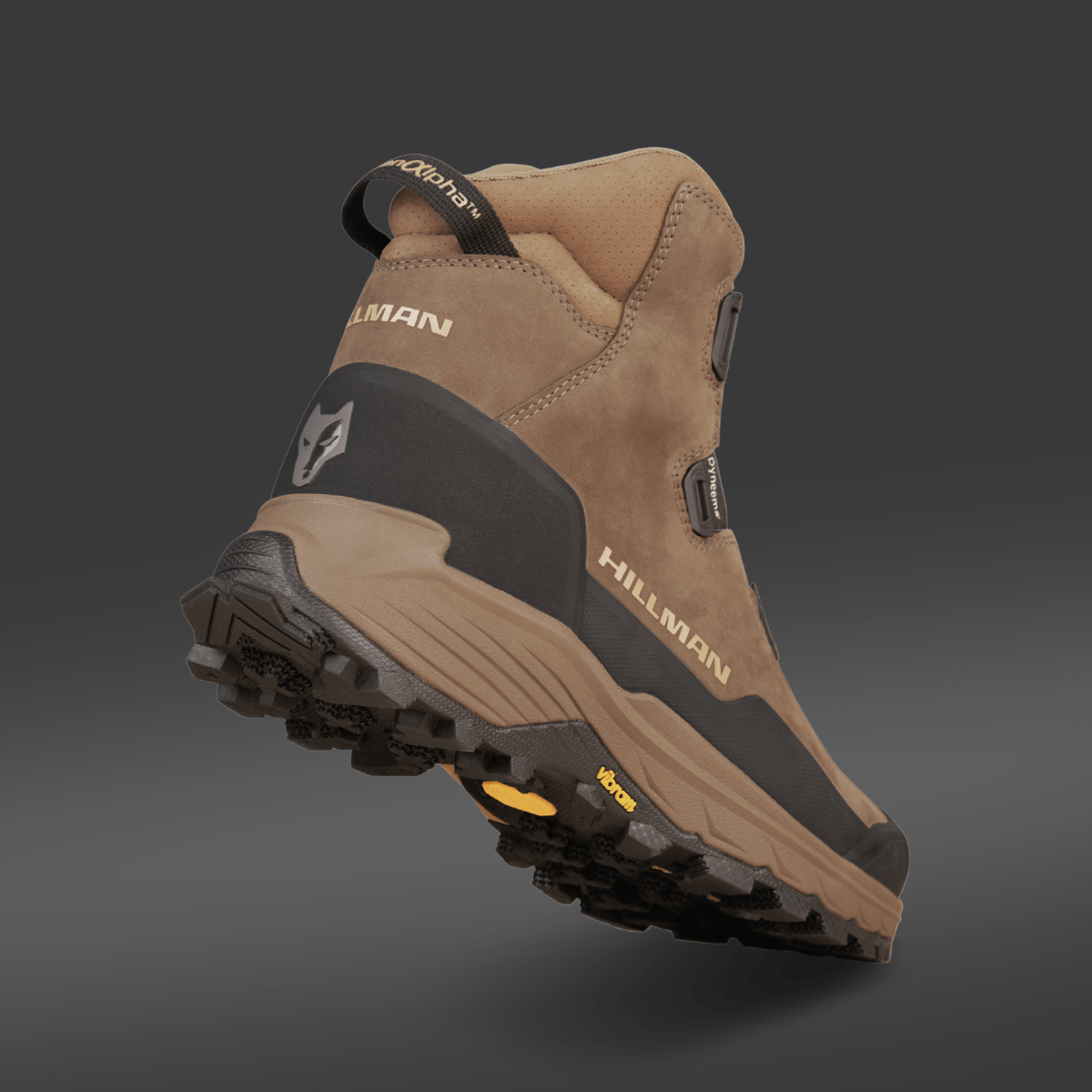
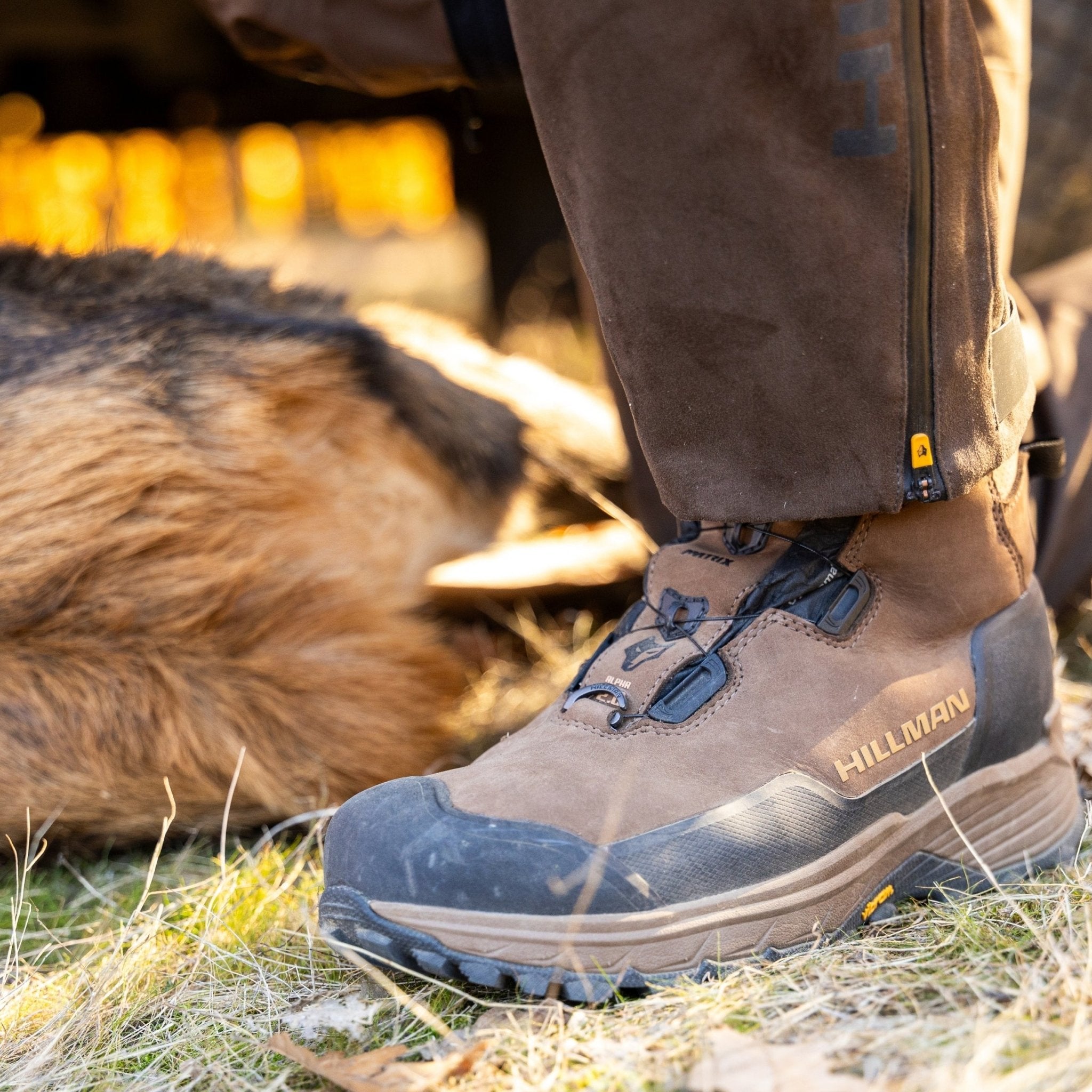
You need a jacket that does not leak. Pants that keep water off your legs. Boots with grip. A hood that does not block your hearing. Gloves you can shoot with. A dry place for your rangefinder. A way to protect your rifle, bow, or crossbow without fumbling around when it counts.
A ground blind helps. Natural cover helps. A stand with overhead branches helps. But none of it matters if your clothing gives up after an hour.
The goal is not to suffer longer than everyone else. The goal is to hunt better when everyone else quits.
Pick a practical spot. Get in quiet. Sit the best window. If the rain turns into a hard, windy mess, adjust the plan. There is no prize for being stubborn in weather that already has deer locked down.
And yes, some hunting sites talk about gear because they earn revenue from it. Fine. That does not change the truth. Bad rain gear ruins wet-weather hunts. Good rain gear gives you more hours in the stand, and more hours can mean more chances.
Best Times to Hunt Rainy Days

Early morning can be good when the rain is light. Deer may already be moving from food back toward bedding, and the wet woods can make them linger longer than usual.
Late evenings can be even better, especially when a rain event is fading out. Deer that stayed tight through the rough weather often get up hungry. Low light, wet ground, and less hunting pressure can turn the last hour into the best hour.
The window right after heavy rain stops may be the best one of all.
Not every time. Nothing is every time. But often enough that it is worth planning around. The woods calm down. Dripping slows. Wind may settle. Deer start moving again. If you are already in place before that break, you can catch the first real movement of the day.
Pay attention to safety too. Rain with light wind is one thing. Rain with high winds is another. Strong gusts can make scent control a mess and make tree stands dangerous. No buck is worth getting hit by falling timber.
Rain can be useful. Stupidity is still stupidity.
Final Thoughts on Hunting Deer in the Rain
Rain-day deer hunting works when you stop treating rain like one simple thing.
Light rain can help. A steady drizzle can quiet the woods, reduce pressure, and get deer moving during daylight hours. Steady rain can make deer use tighter, more sheltered routes. Heavy rain can shut movement down until the weather breaks.
Wet ground helps hunters move quietly. It also makes recovery harder if a blood trail starts washing away. Rain can soften scent, but it does not beat a bad wind. Good gear keeps you hunting. Bad gear turns you into a cold, wet mess who climbs down early.
The hunters who do well in rain are not always tougher. Most of the time, they are just smarter about timing.
They know when to sit. They know when to wait. They know when light rain is worth it and when a torrential downpour is just a waste. They stay close to cover, respect the shot, and get ready for the break after the storm.
Rain does not guarantee deer.
It changes the woods. And sometimes that change is exactly the point.


Share:
Midday Turkey Tactics: What to Do When the Woods Go Quiet
Hunting Pressure Changes Deer Faster Than Most Hunters Think