

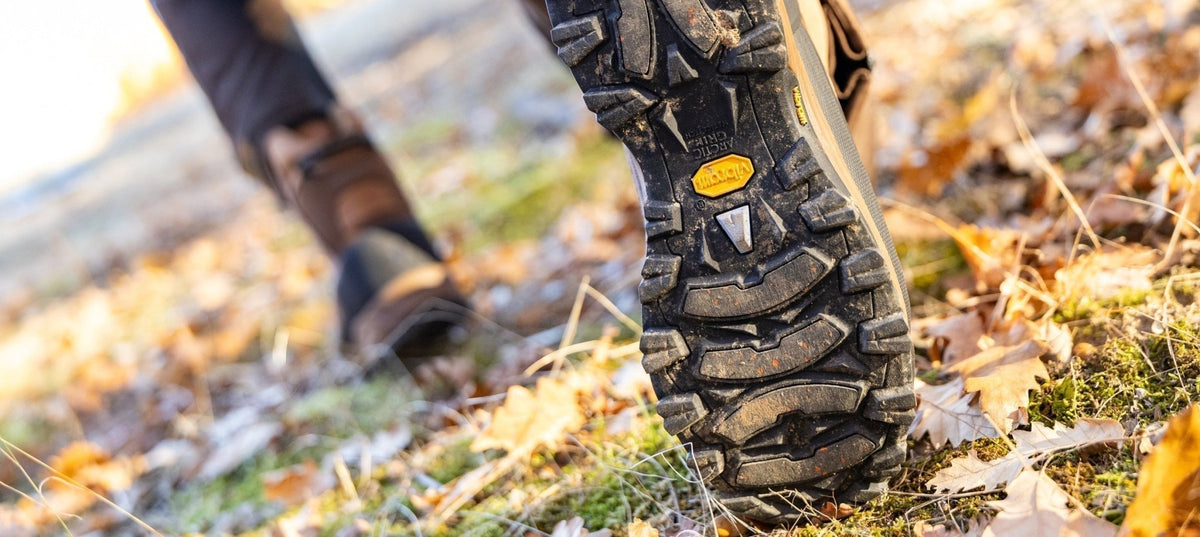
Hunting Pressure Changes Deer Faster Than Most Hunters Think

Learn how hunting pressure changes deer movement, bedding, and daylight activity faster than most hunters expect.
Hunting pressure changes deer faster than most hunters think because whitetails do not need a full season to work out that something has changed. A few trucks at the gate, a new stand hanging on an oak flat, human scent along an access trail, or two evenings of poor movement can be enough to shift the whole feel of a property.
That does not always mean deer leave. This is where many hunters read the woods wrong. The sign is still there. The food is still there. The buck may still be using the same core areas. But his timing, route, bedding choice, and tolerance for daylight movement can change in a hurry.
A mature buck survives by noticing pressure before it becomes danger. Younger deer may bump, circle, and make mistakes. Mature bucks tend to get quiet. They slip into thick cover, shorten their movement, use different areas for a few days, or wait until the last half hour of light before standing up. Sometimes they become mostly nocturnal after very little disturbance.
From a hunter’s standpoint, that difference matters. You may think you are waiting on the same deer in the same stand, but the deer has already adjusted.
Mature Buck Behavior Starts Changing Before Opening Day

Pressure does not begin on opening morning. It starts in summer when cameras are checked too often, food plots are visited without care, shooting lanes are trimmed late, and hunters begin walking through stand locations as if the season has not started yet.
Especially mature bucks often begin changing their behavior before hunting season starts. In pressured areas, even pre-season human activity can shift movement windows by more than two hours within just a couple of days. That is a significant change. A buck that was stepping into a food source at last light in August may still be nearby in September, but now he waits until dead dark.
This is why scouting has to be careful. More attention is not always better. If every check of a camera or stand pushes deer closer to cover, your odds are dropping before you ever hunt.
The answer is not to stop scouting. The answer is to scout with a purpose. Use clean access, watch wind, avoid bedding edges when possible, and stop treating every good sign like an invitation to walk deeper.
Deer Movement Gets Compressed, Not Always Eliminated
A common mistake is thinking pressured deer simply stop moving. They do not. Deer still need food, water, security, and social contact. Bucks still travel during the rut. Whitetails still shift with weather, cold fronts, and breeding activity.
What changes is the window.
GPS studies on pressured bucks have shown that deer may still move during daylight, but their movement becomes compressed into tighter, lower-risk periods. That may mean midweek days, poor weather, windy conditions, light rain, or the first calm evening after several days of high pressure.
This is one reason the average hunter gets frustrated. He sits a weekend, sees little movement, and assumes the deer are gone. Then someone slips in on a Tuesday with the right wind and kills a big buck that had been there the whole time.
Pressure drops are real. When other hunters leave, when access trails go quiet, when poor weather keeps the majority at home, deer often take advantage. They may not suddenly wander across open ground for hours, but they loosen up enough to make a mistake.
Public Land Bucks Learn Pressure Faster

Public land bucks live in a different world. They deal with many hunters, unpredictable access, changing stand locations, scouting pressure, small-game activity, hikers, and people entering from every angle. Over time, public land bucks develop pressure response skills faster and more aggressively than bucks on quieter private lands.
That does not make them impossible to kill. It makes them less forgiving.
On pressured public land, mature bucks avoid predictability. They use thick cover, overlooked edges, ugly access, creek crossings, terrain points, and escape routes that keep them away from obvious hunter movement. Some even use what hunters often call sentinel bedding, where the buck beds with wind, sight, and sound working together so he can monitor danger before it reaches him.
The best public land hunters do not just ask, “Where are the deer?” They ask, “Where do deer go when people show up?”
That question changes everything. It moves your focus from pretty sign to survivable cover. From easy access to hidden access. From the obvious pinch points to the ones hunters walk past.
Thick Cover Becomes the Real Food Plot

Food plots can be powerful, but once hunting pressure builds, open food becomes risky. Deer abandon open fields for thick cover or remote areas when hunter activity rises. They may still feed, but they often stage inside cover first, waiting until dark before entering exposed ground.
Dense cover provides a sanctuary. It lets deer stay close to food sources while remaining hidden from hunters. That might be a briar patch beside a field, a rough timber cut, a cedar pocket, a swamp edge, a creek bend, or a small isolated thicket in the middle of otherwise average ground.
Many hunters watch the food. Mature bucks often watch the cover.
That is why the best stand is not always on the plot itself. A better option may be a quiet route between bedding cover and food, a subtle pinch point inside the woods, or a downwind edge where a buck can scent-check before committing.
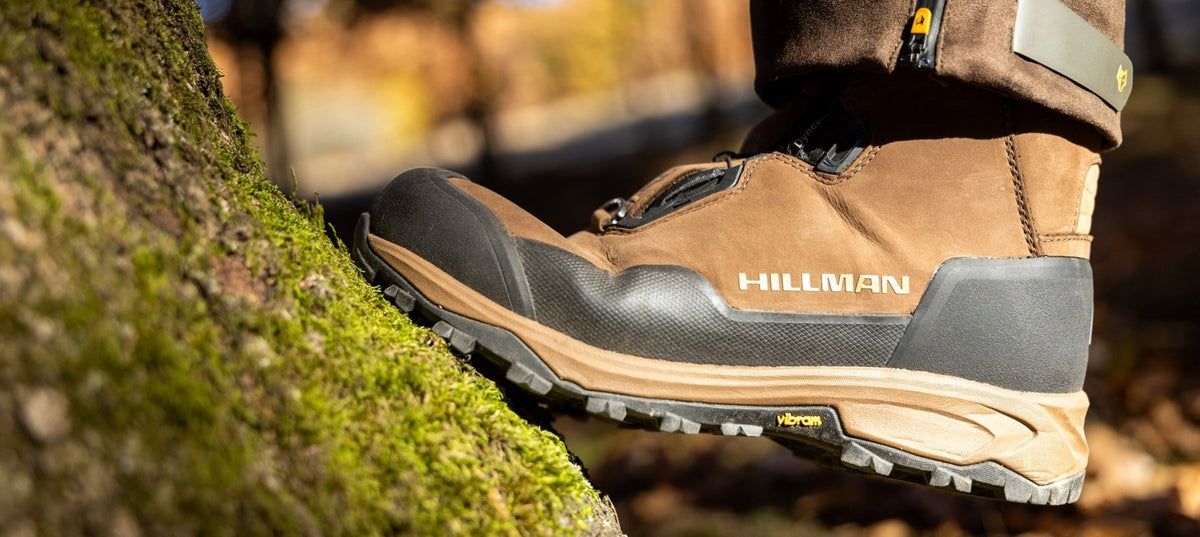
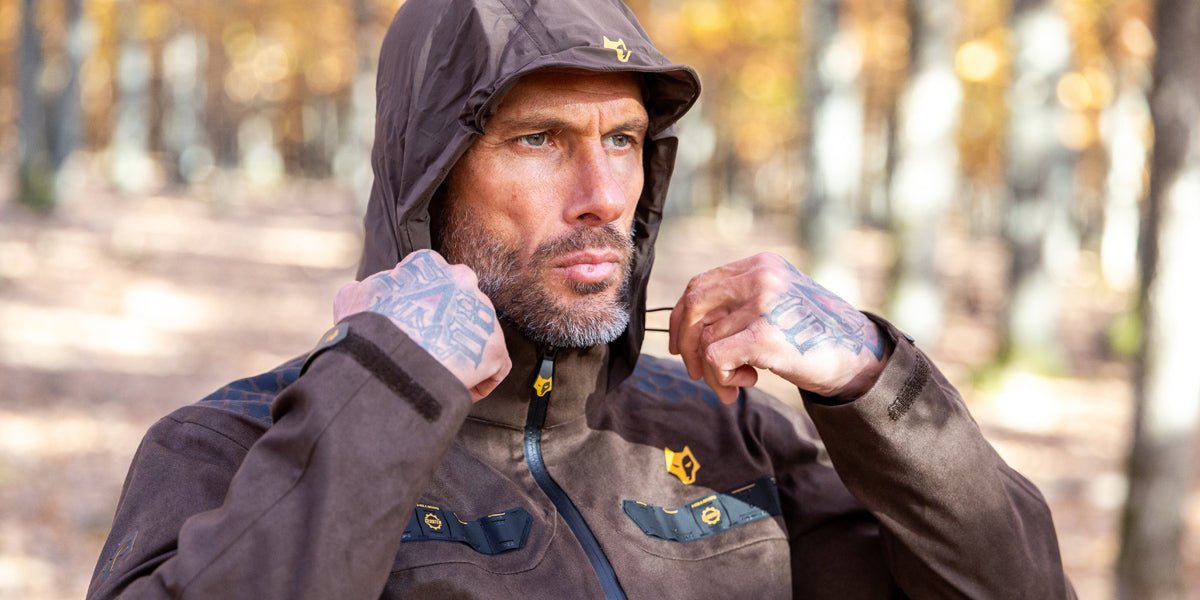
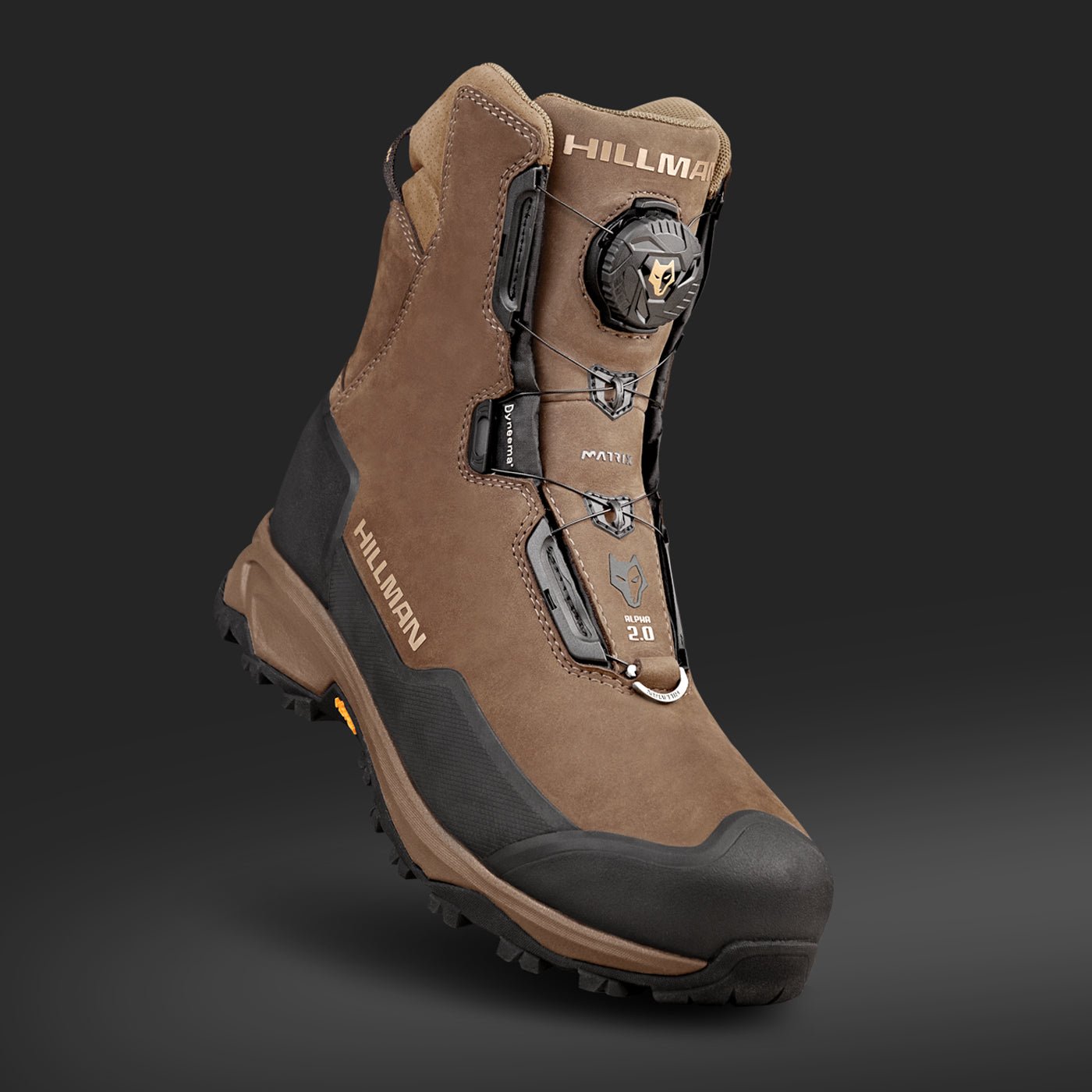
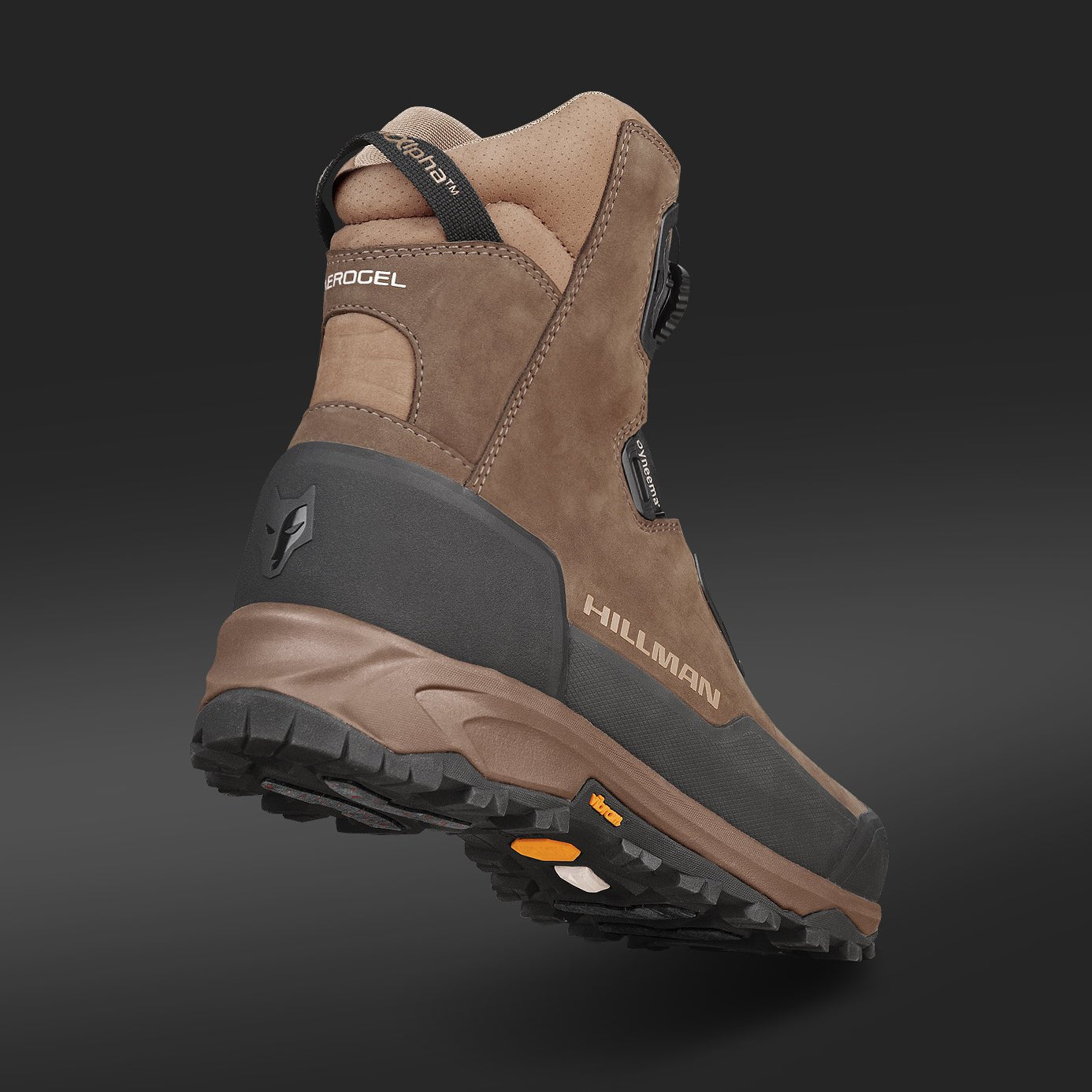
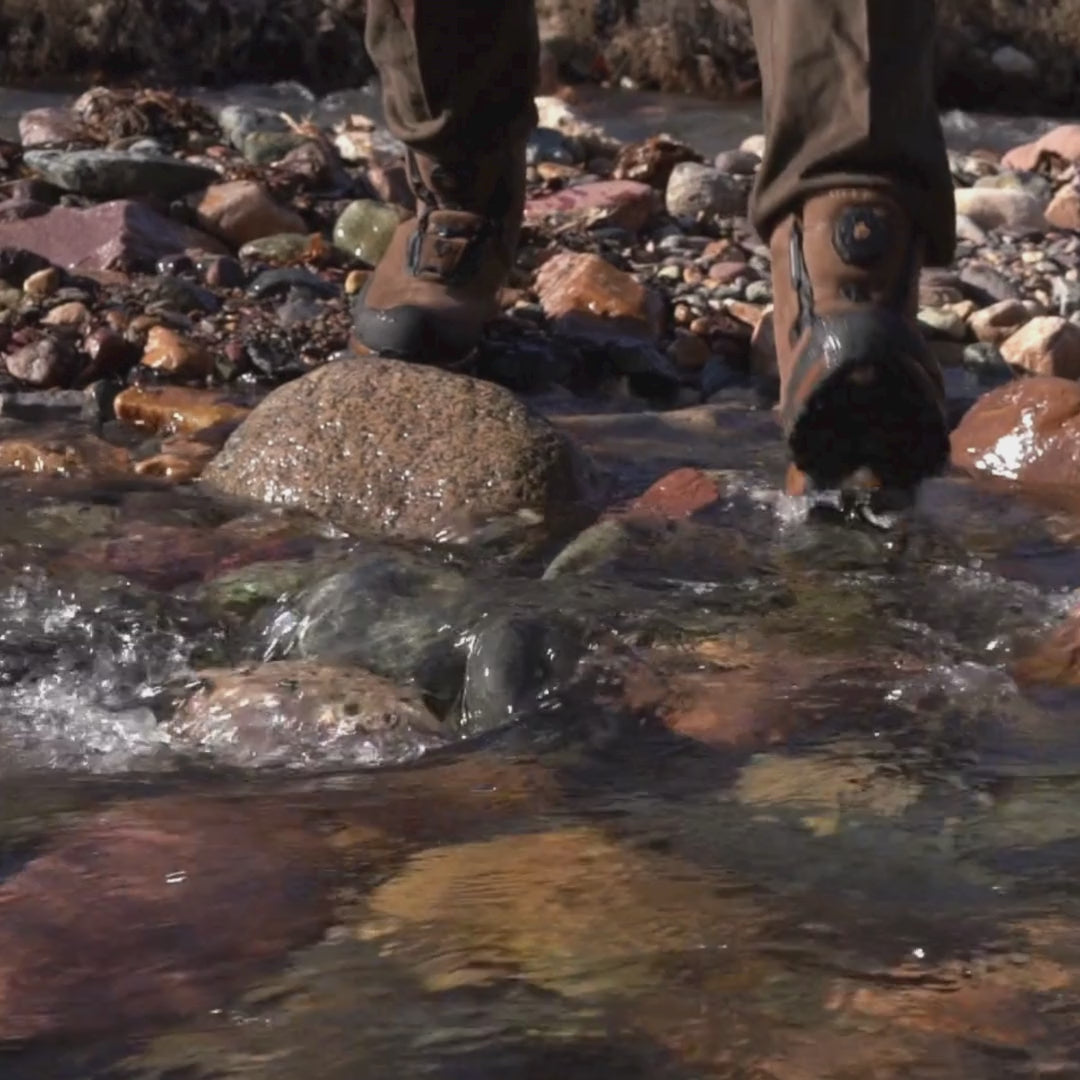
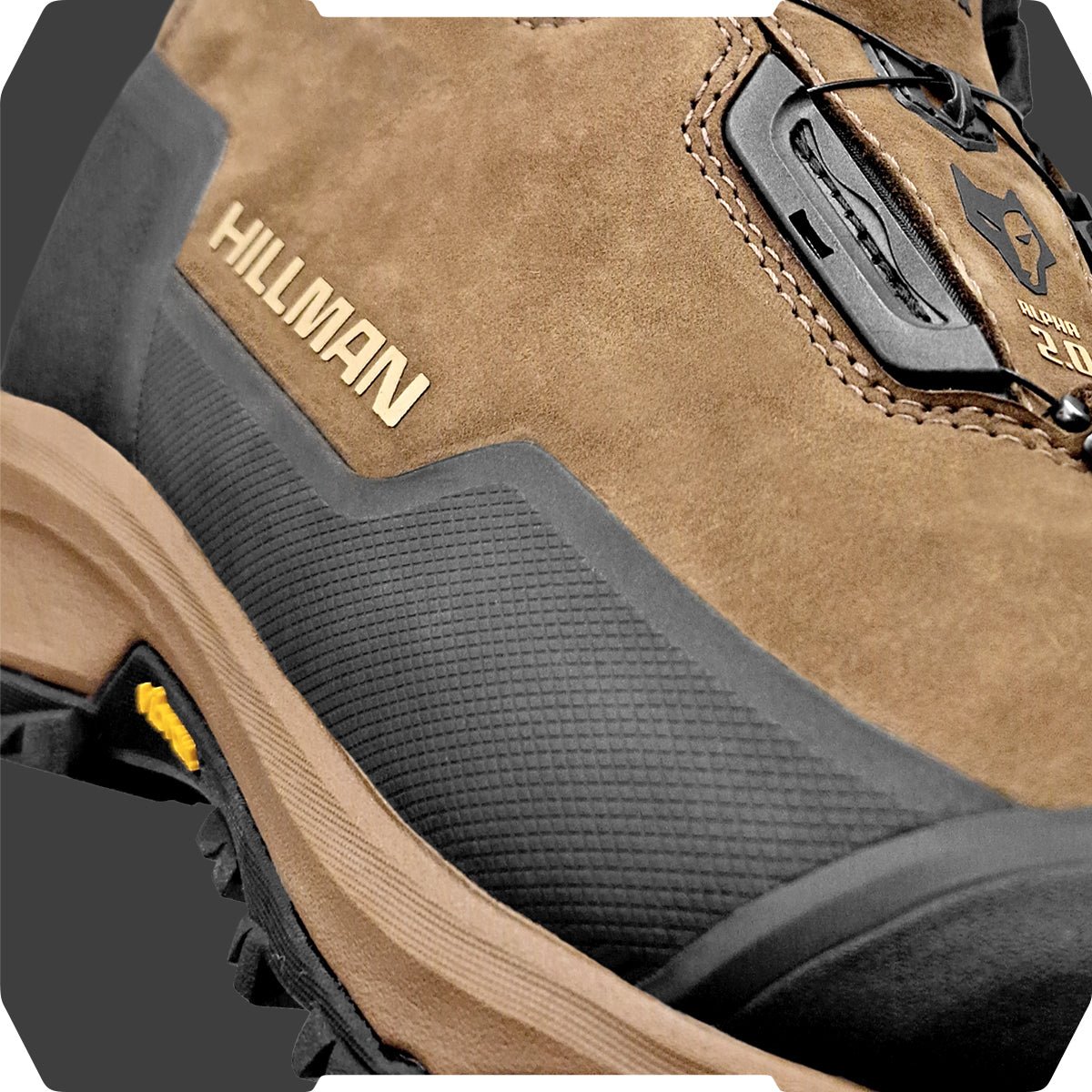
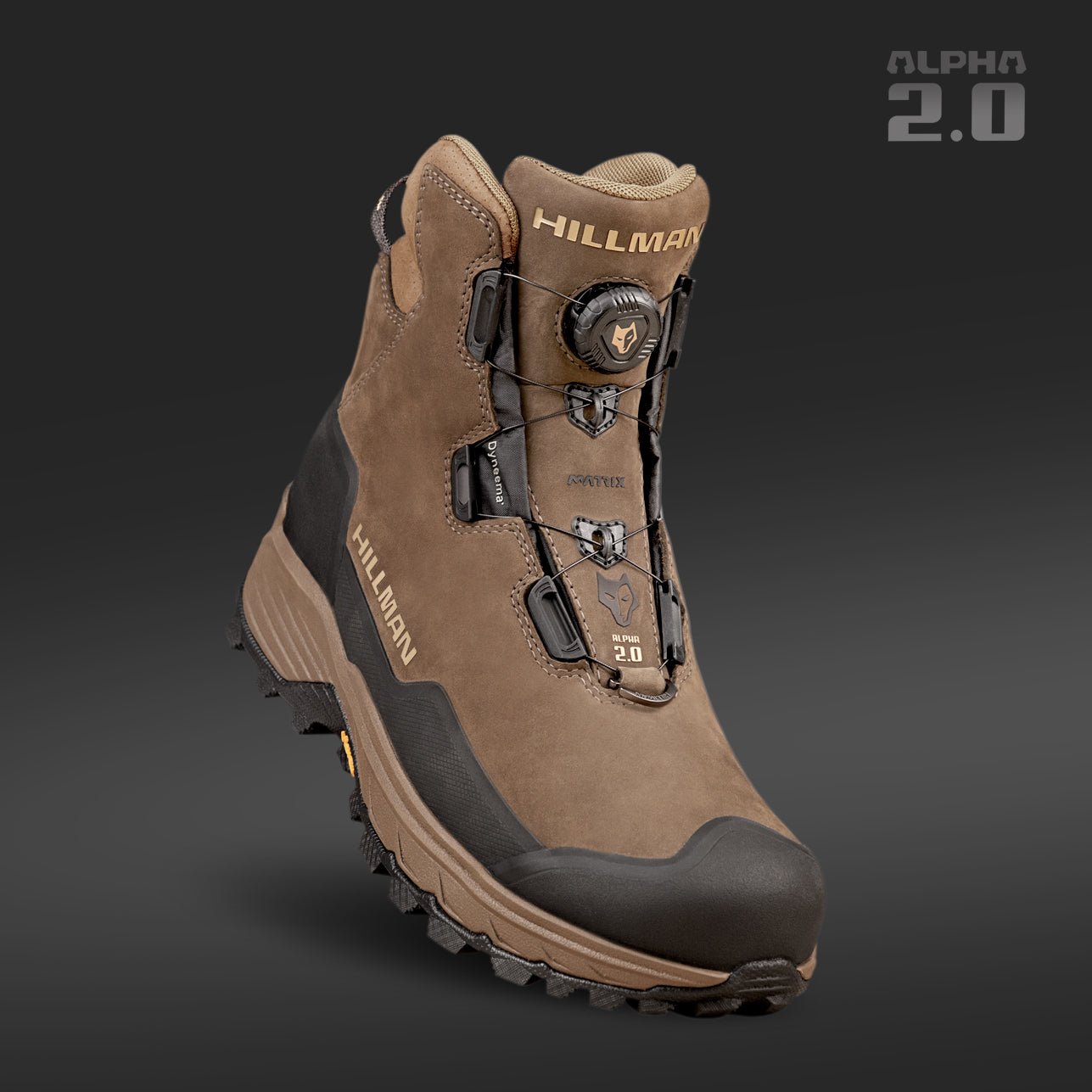
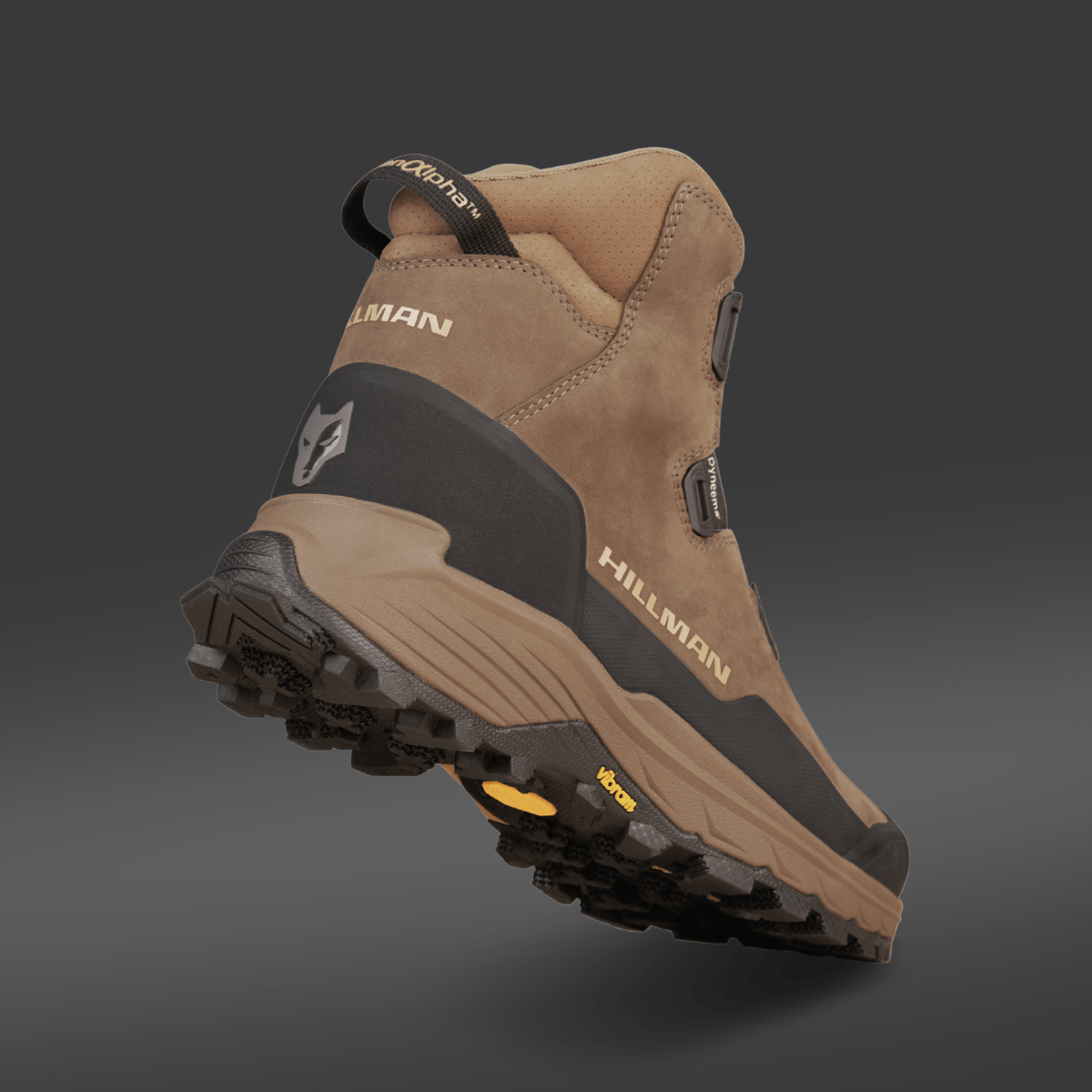
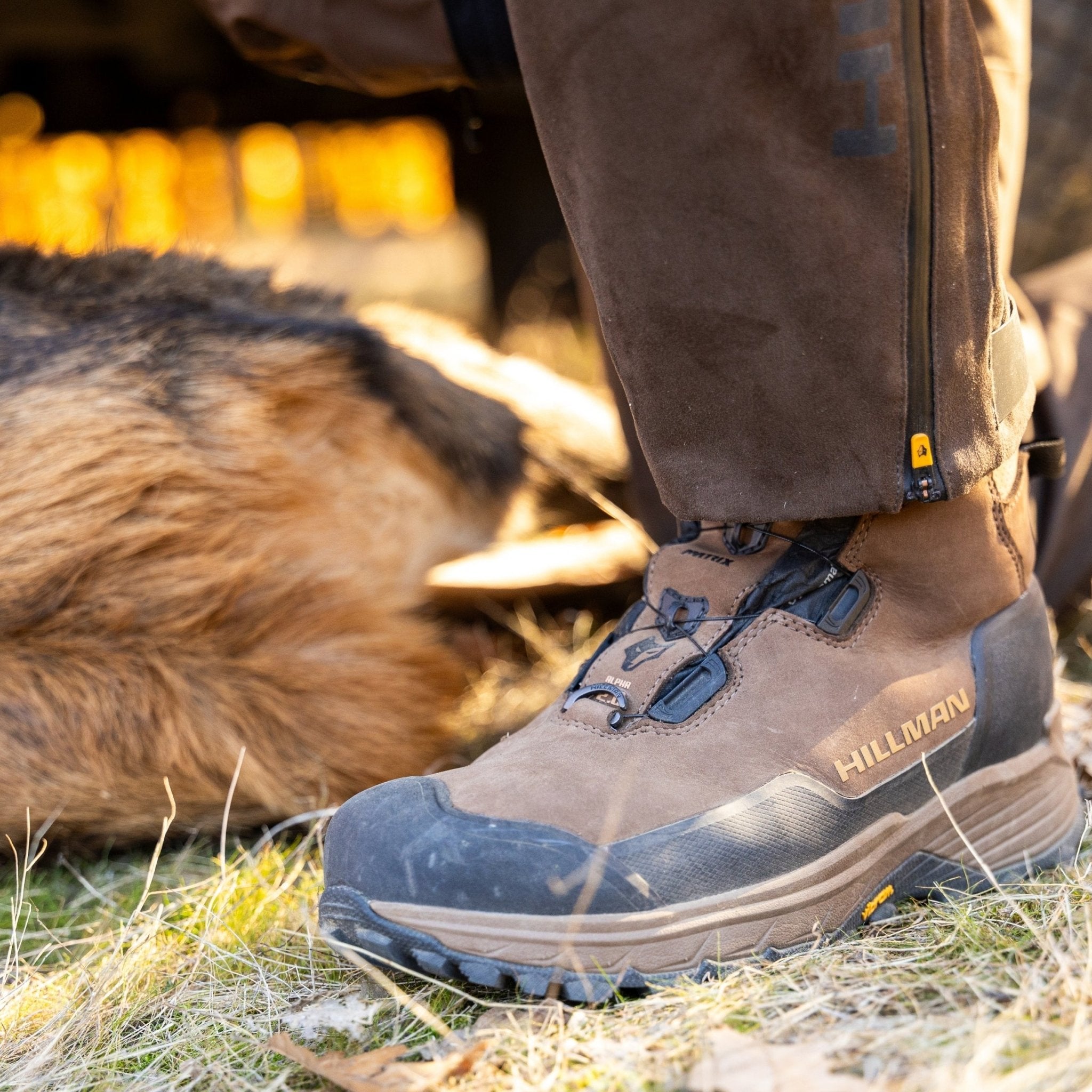
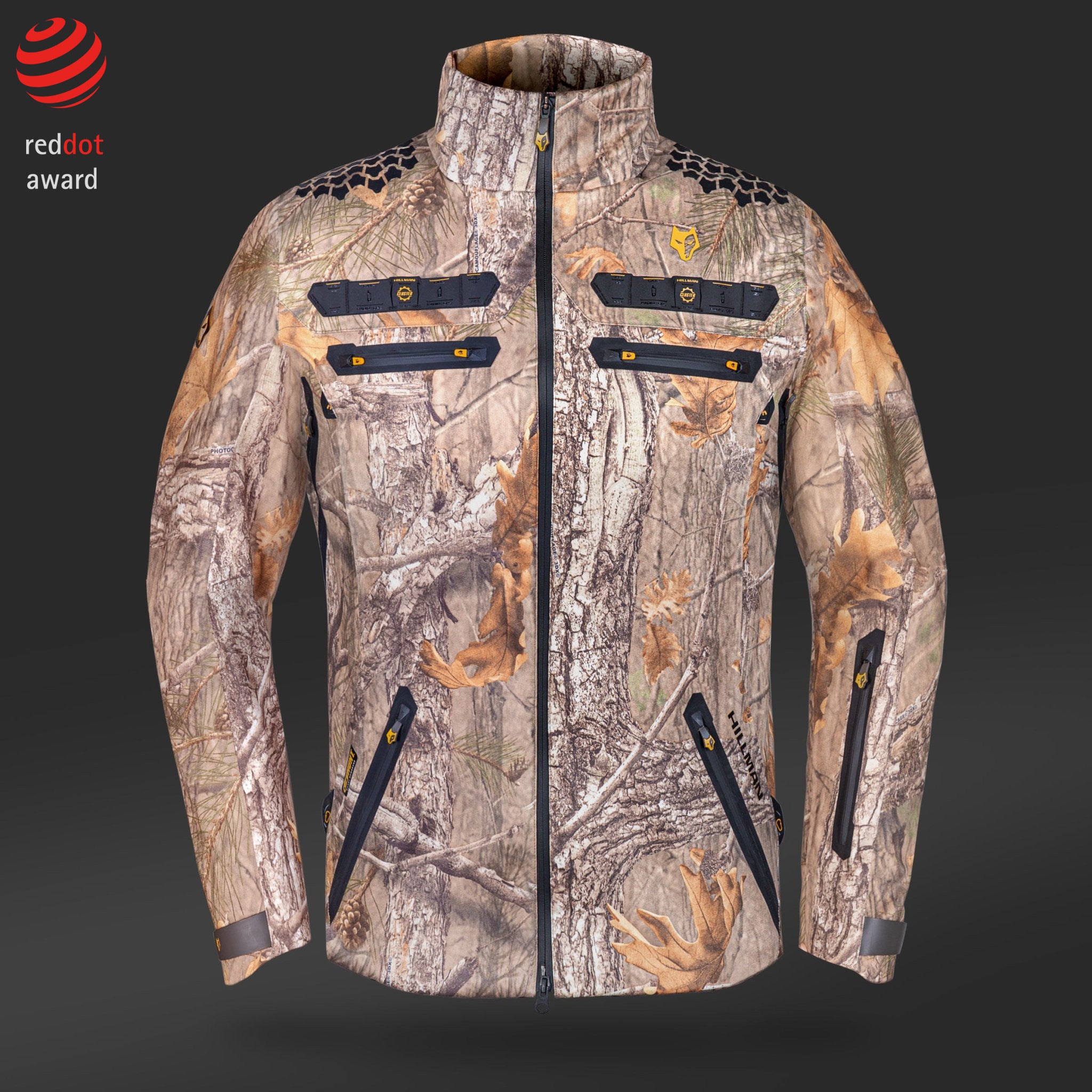
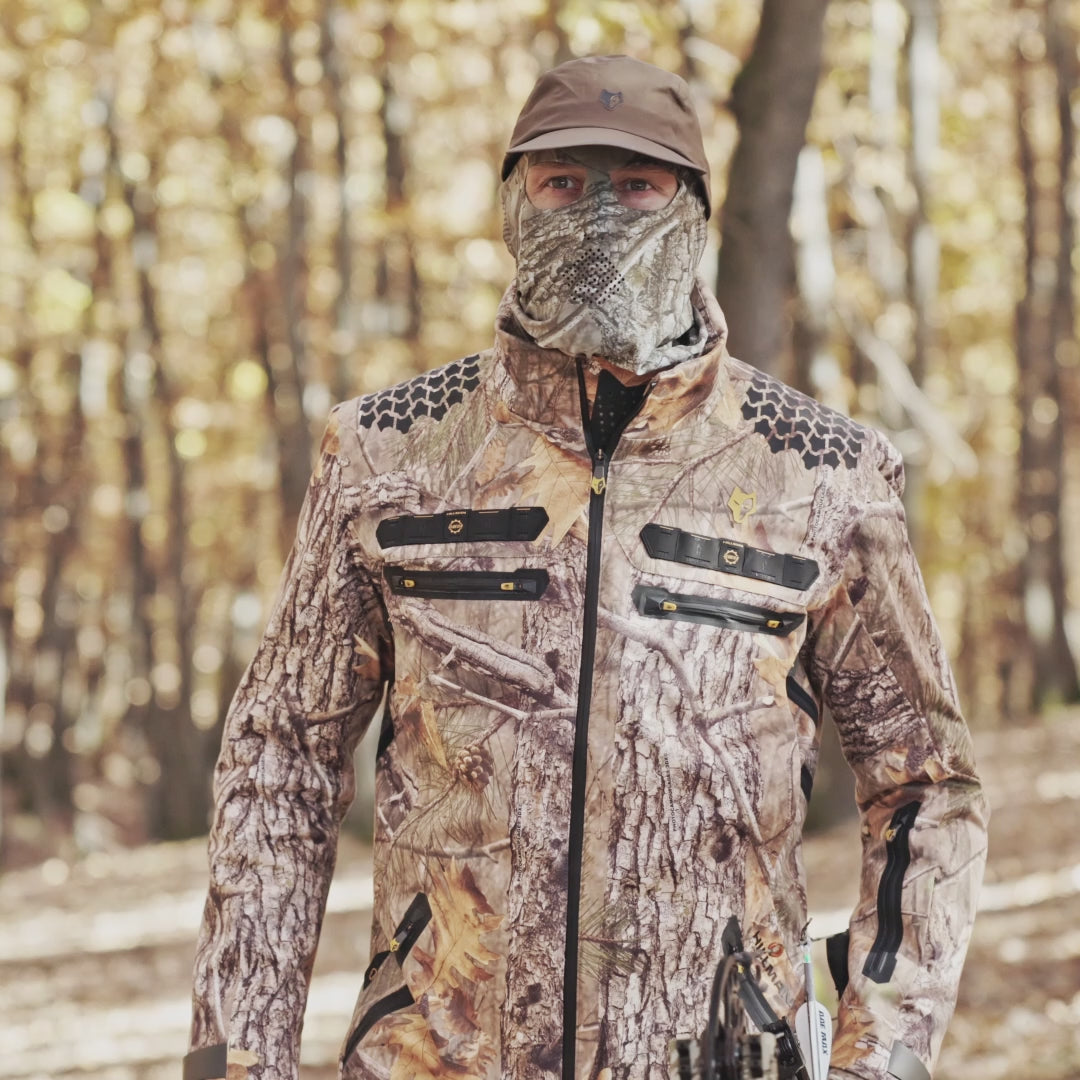
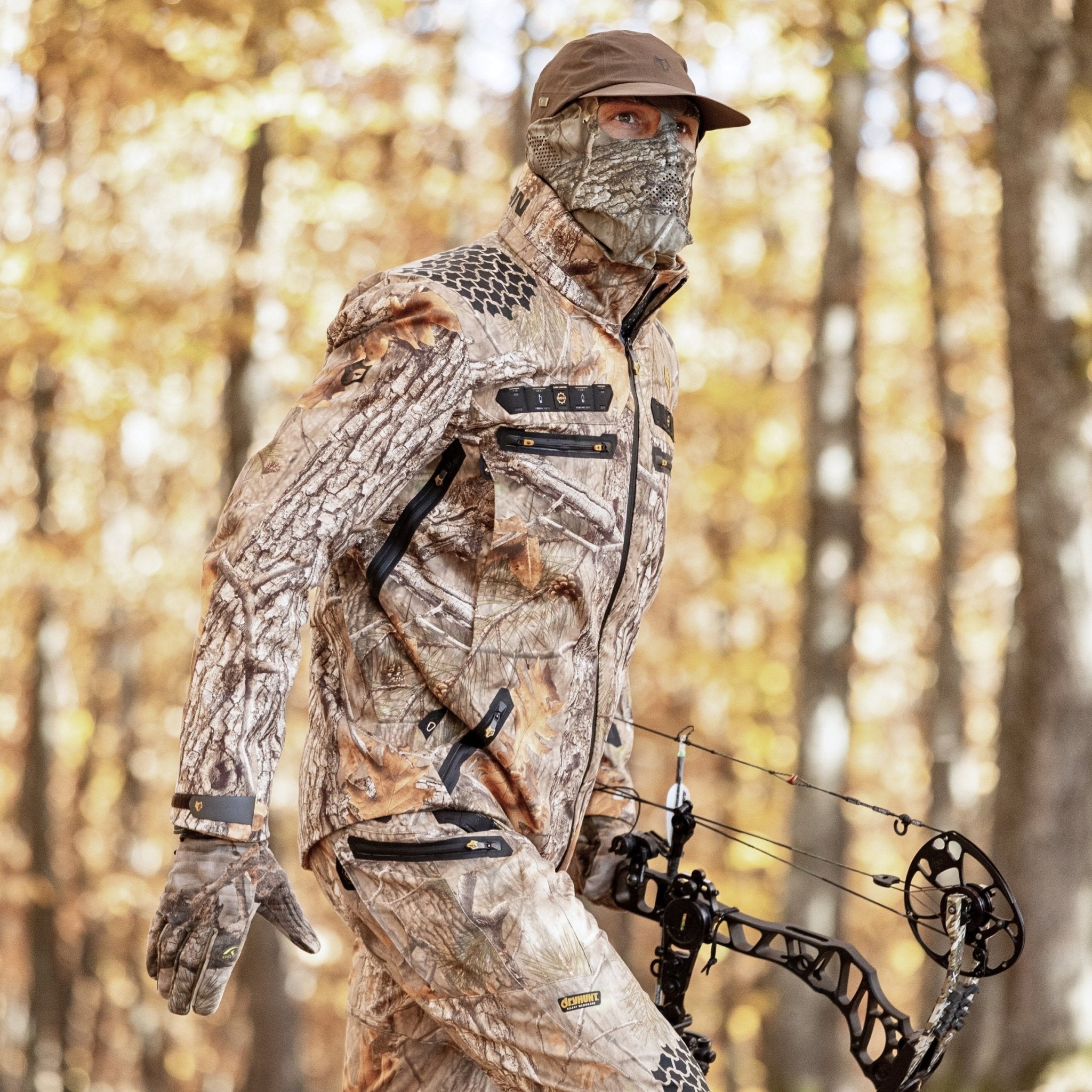
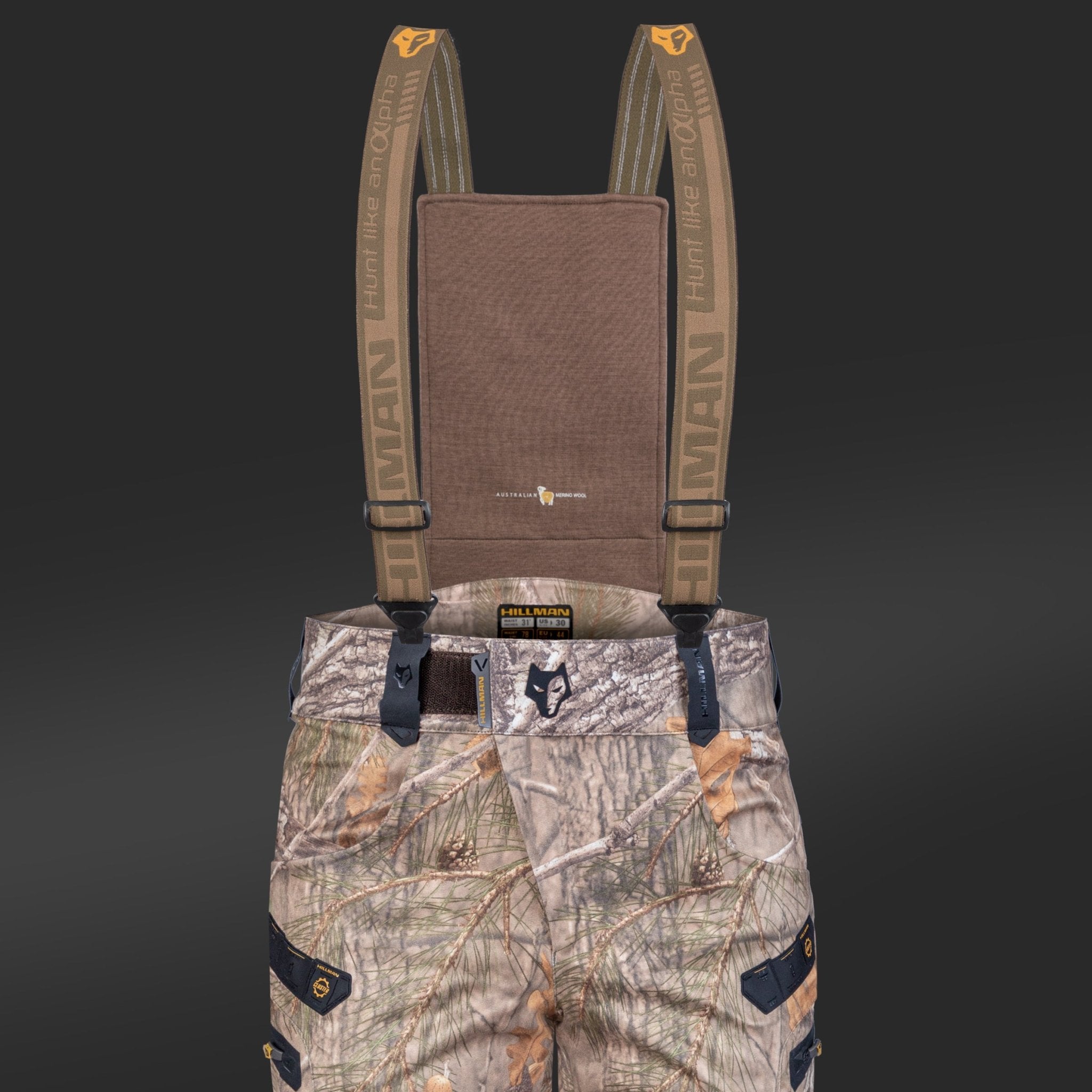
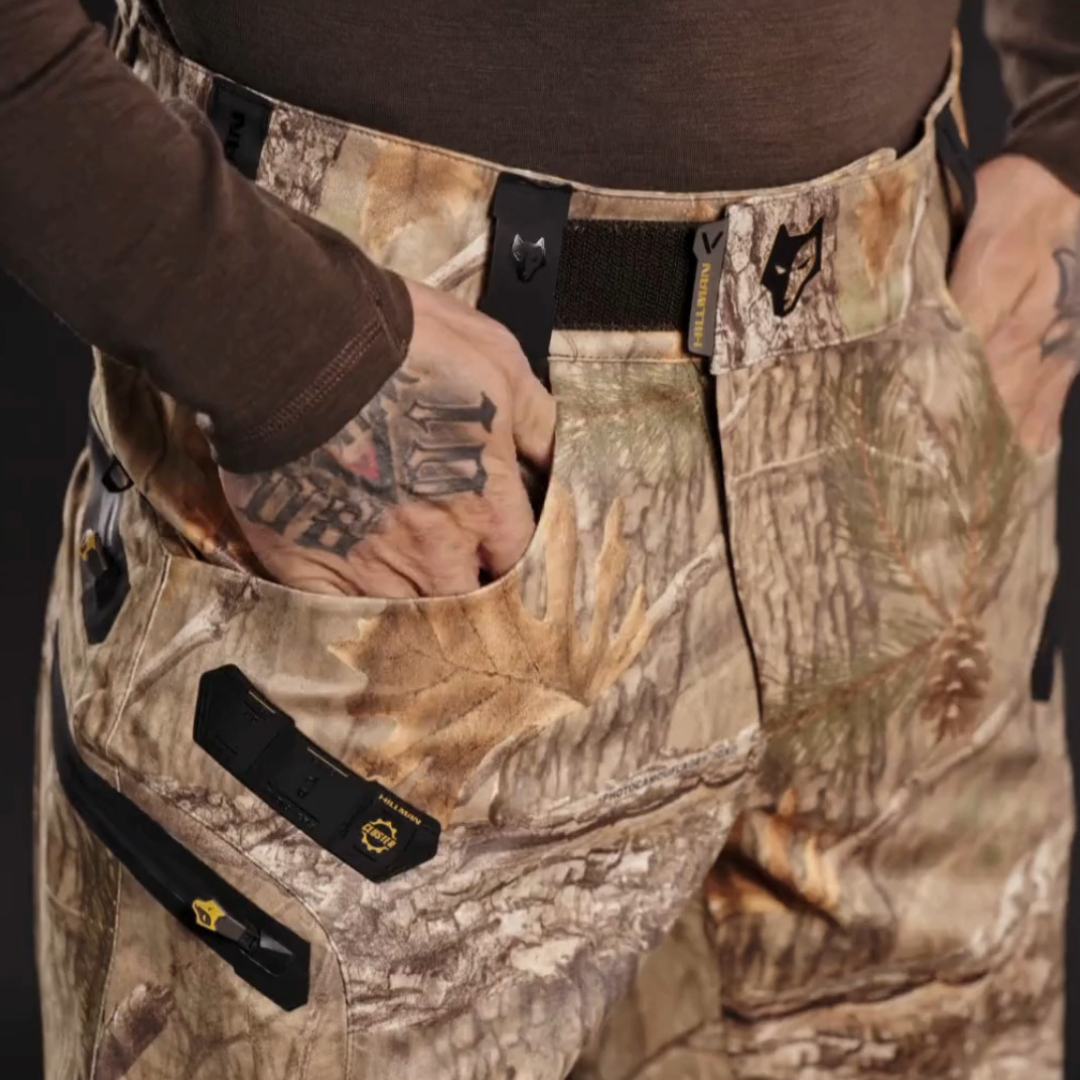
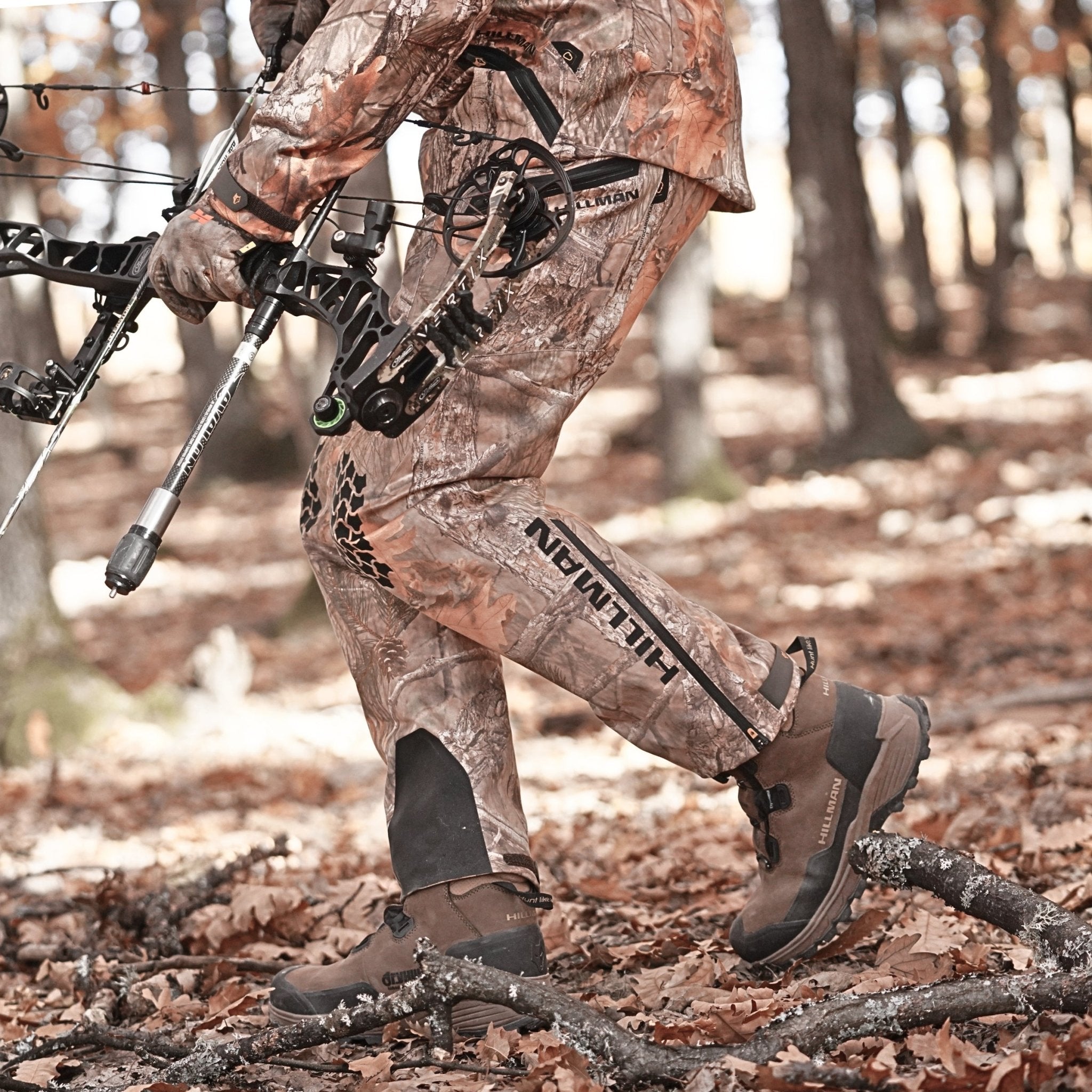
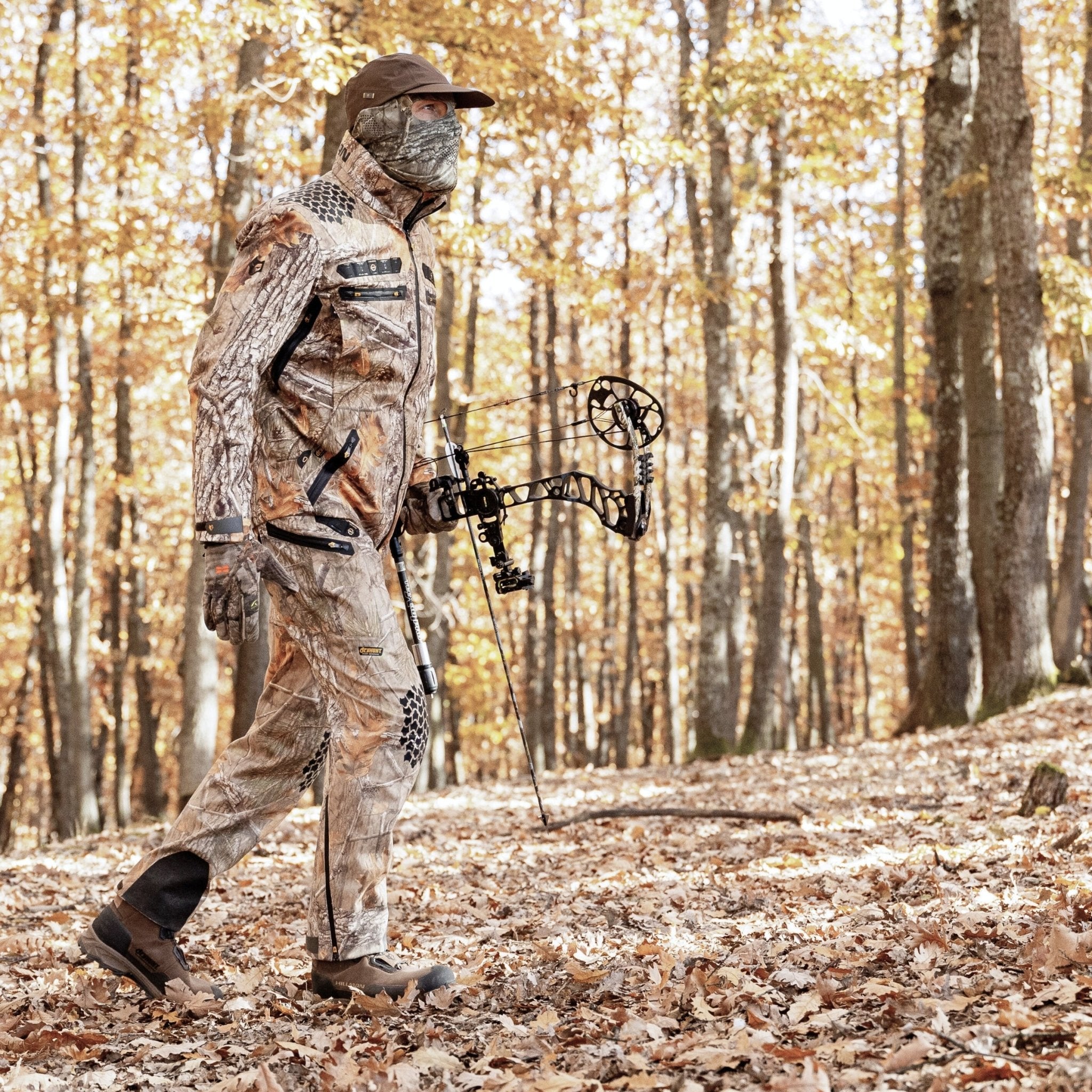
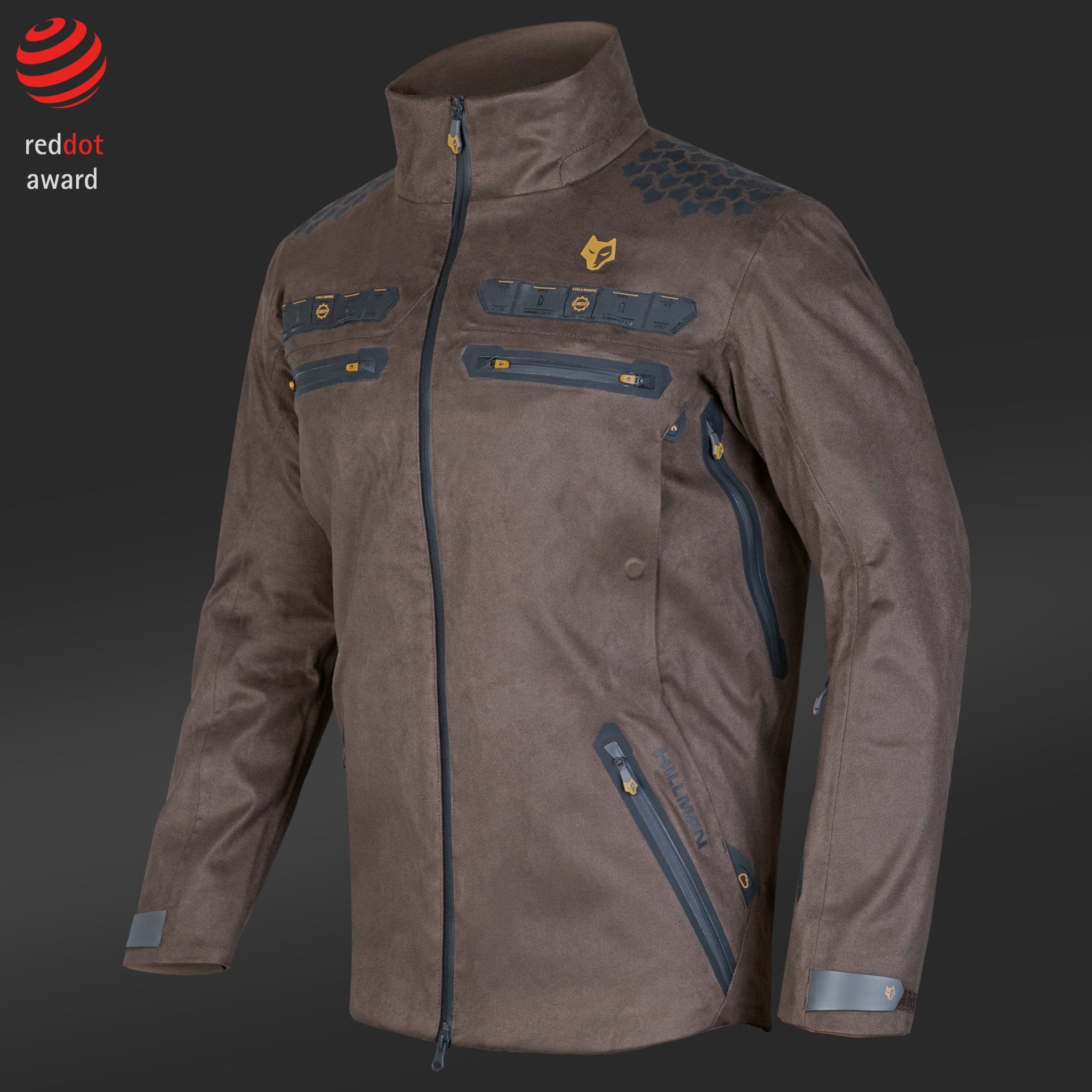
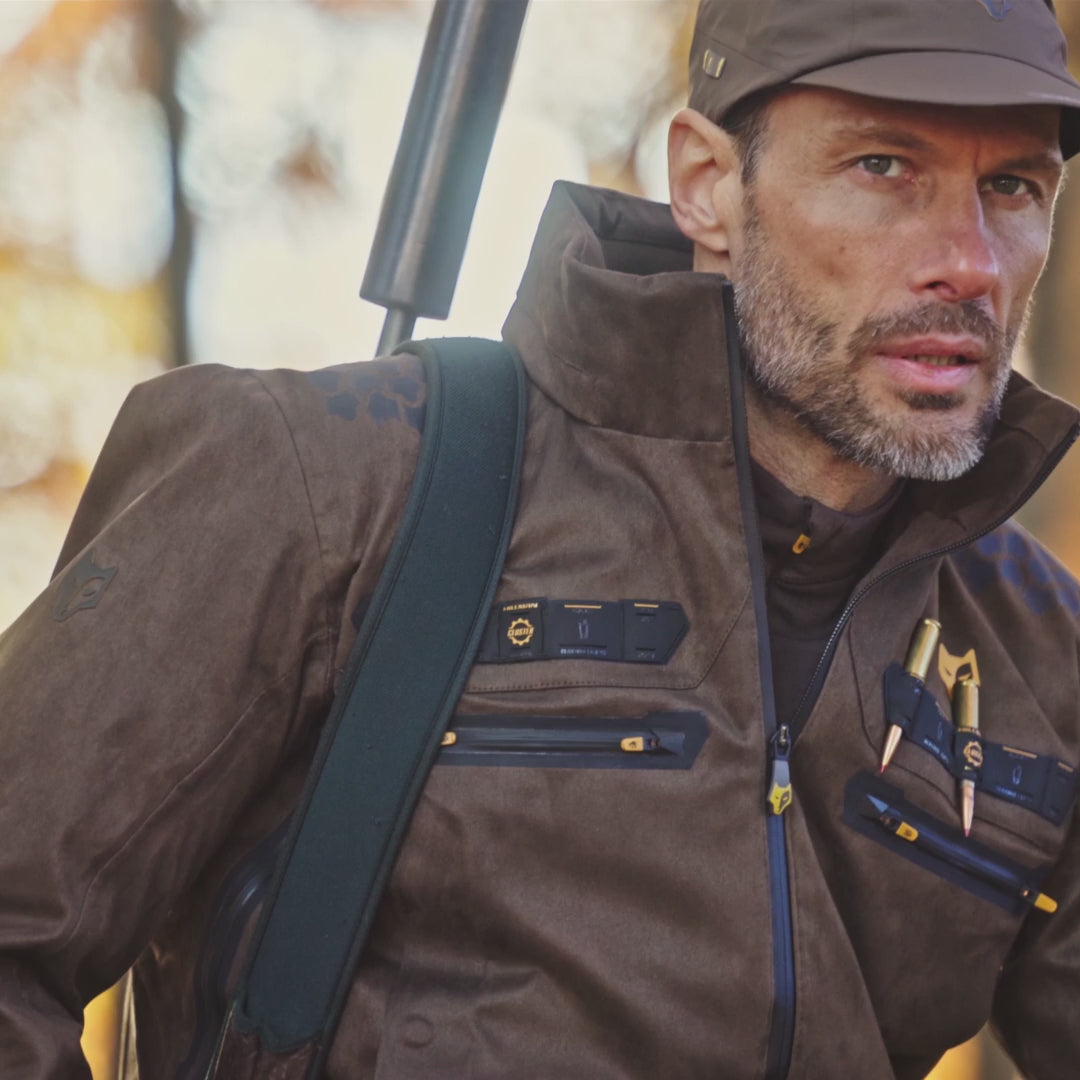
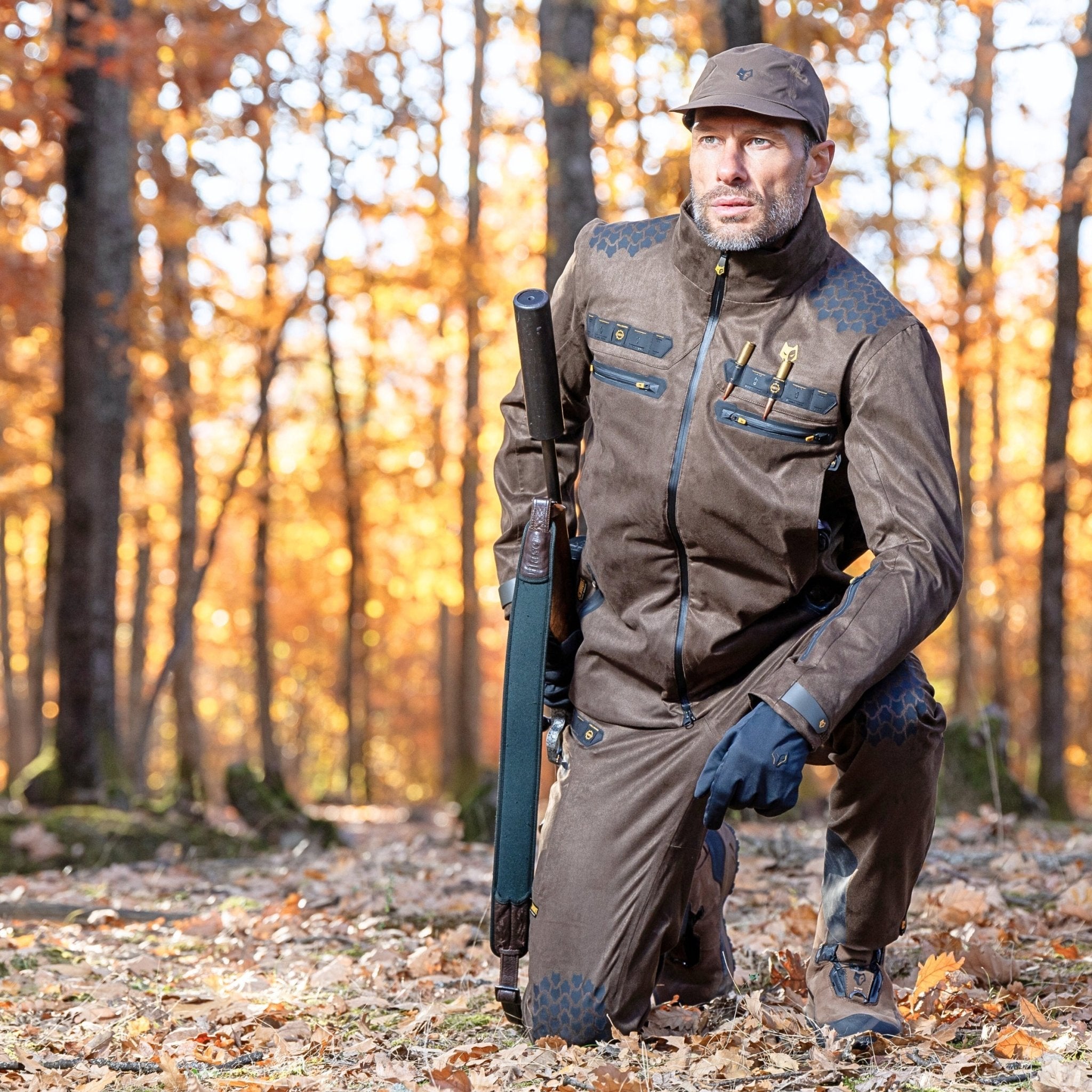
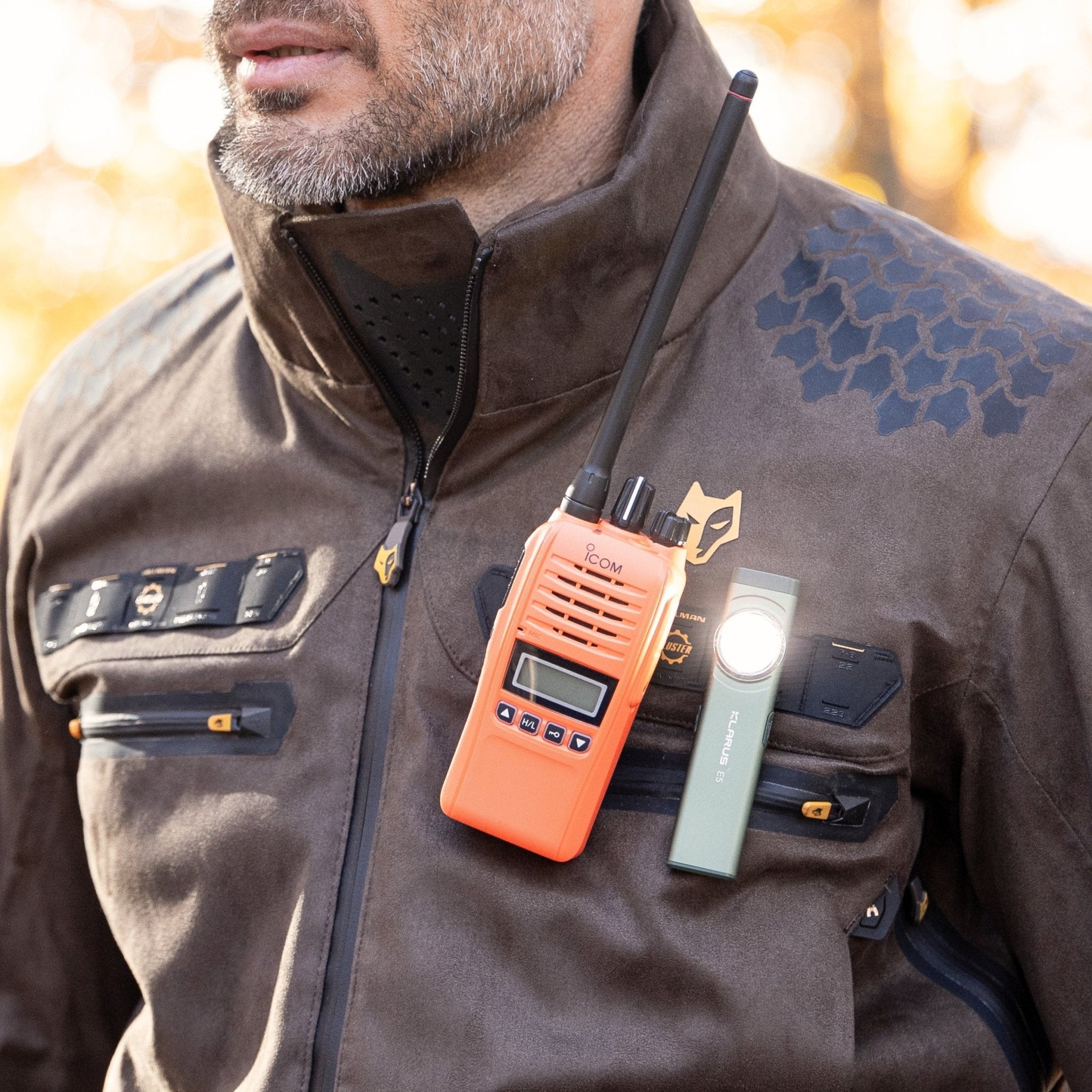
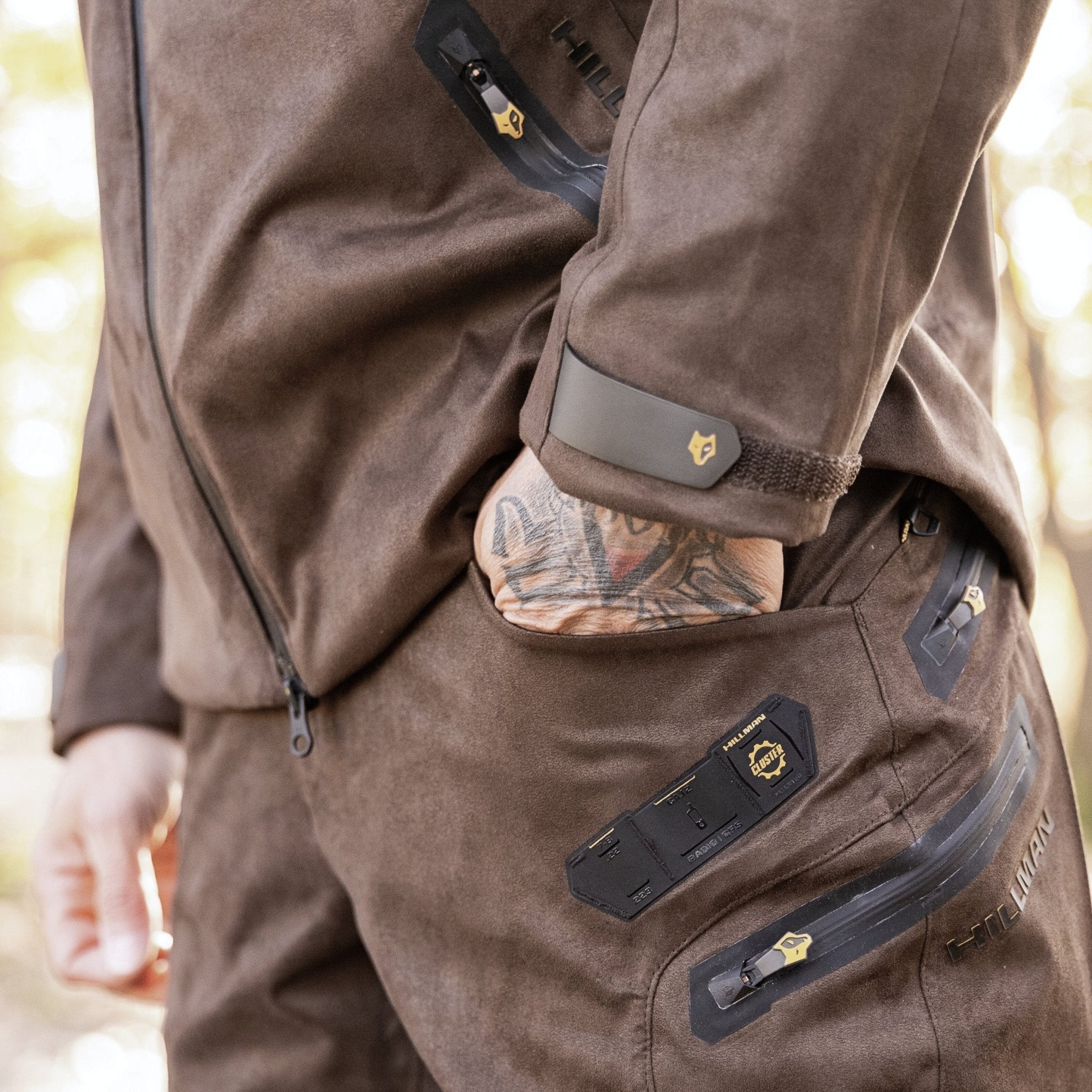
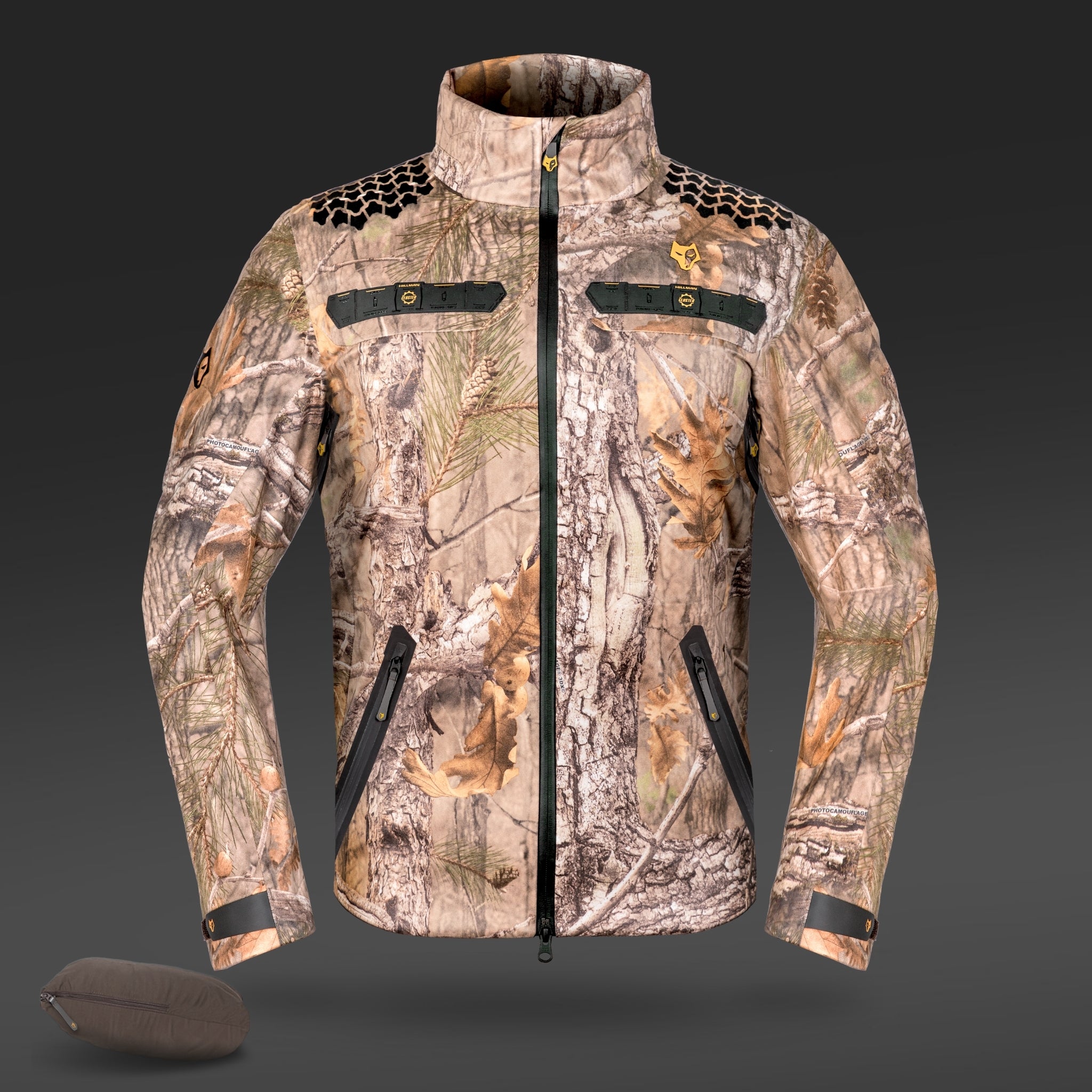
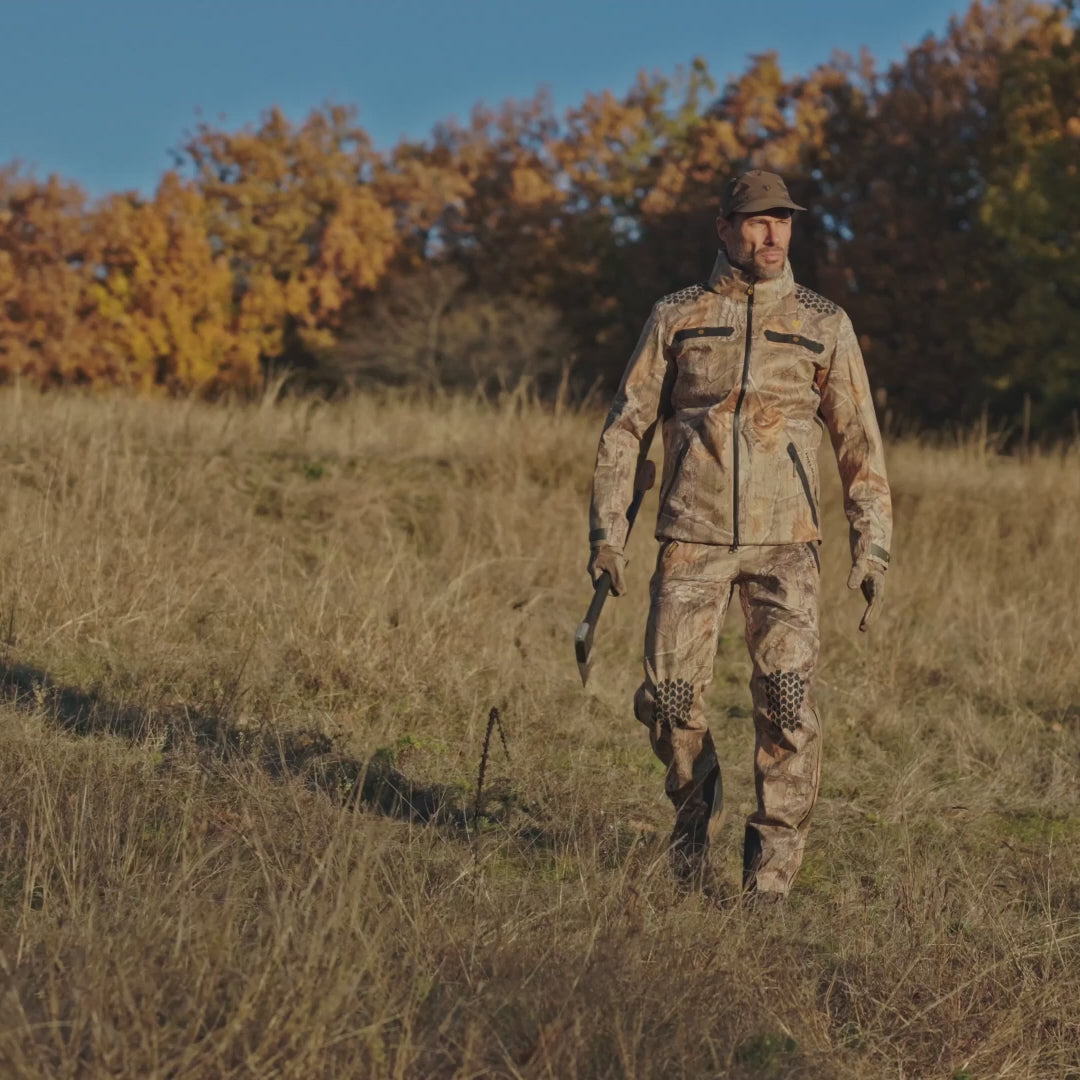
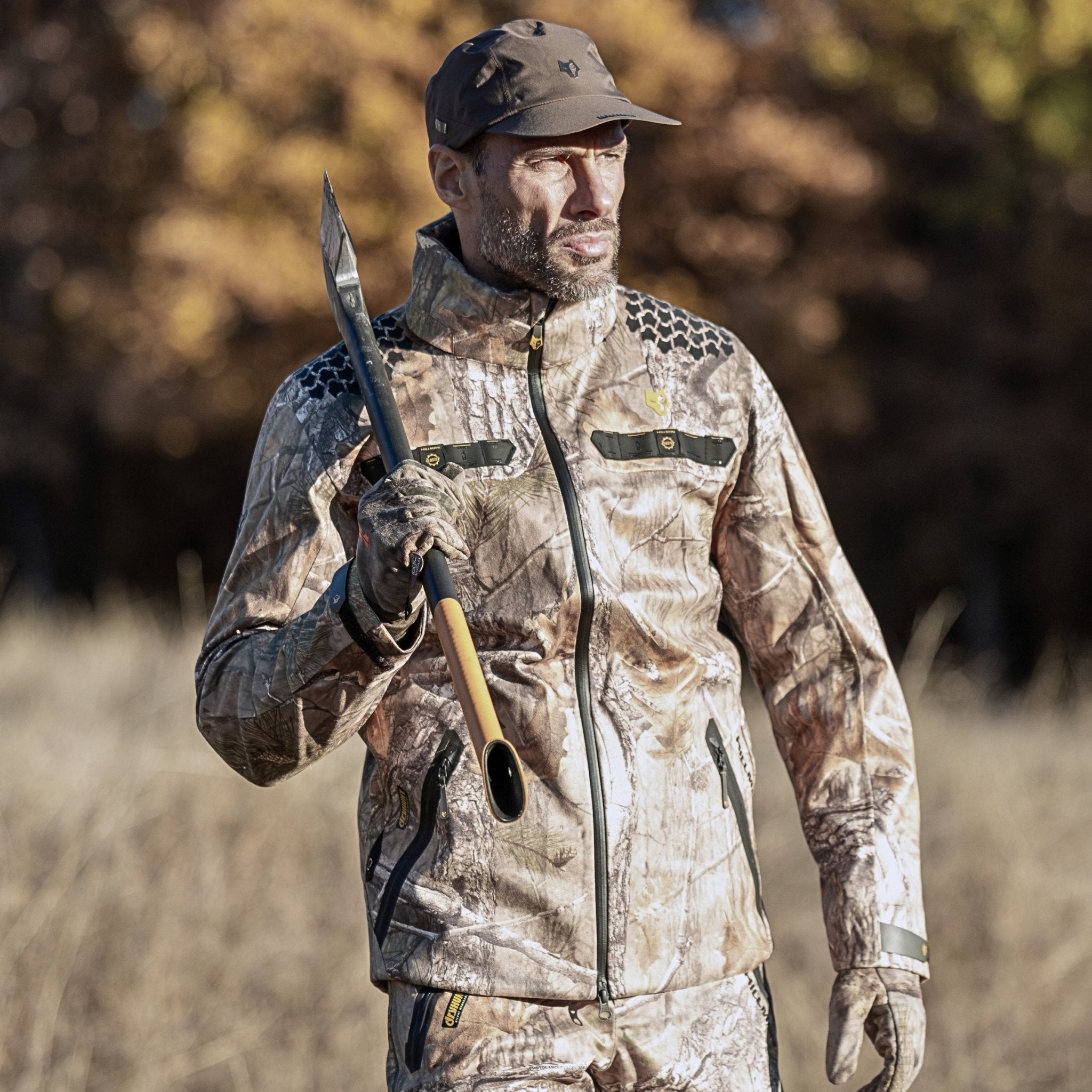
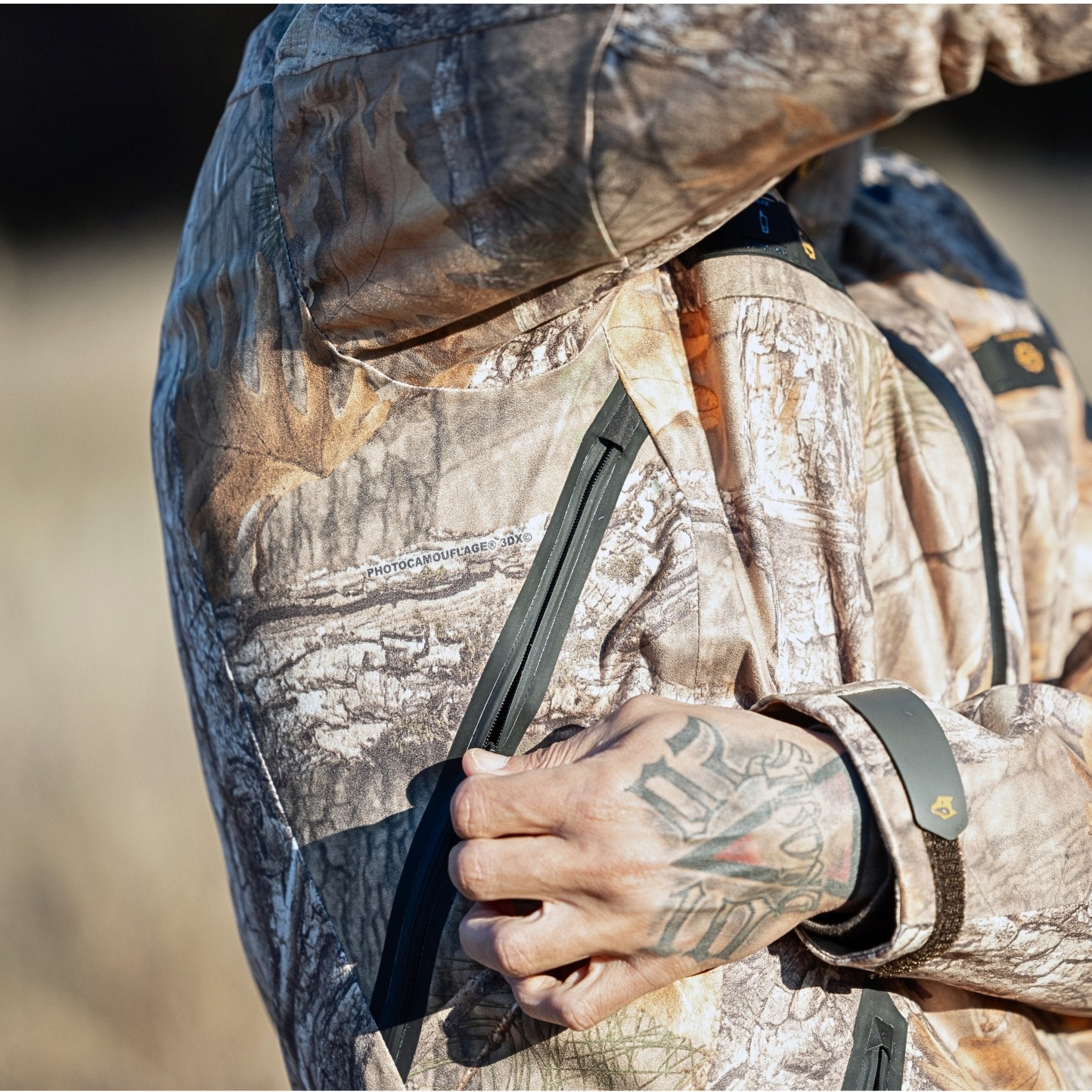
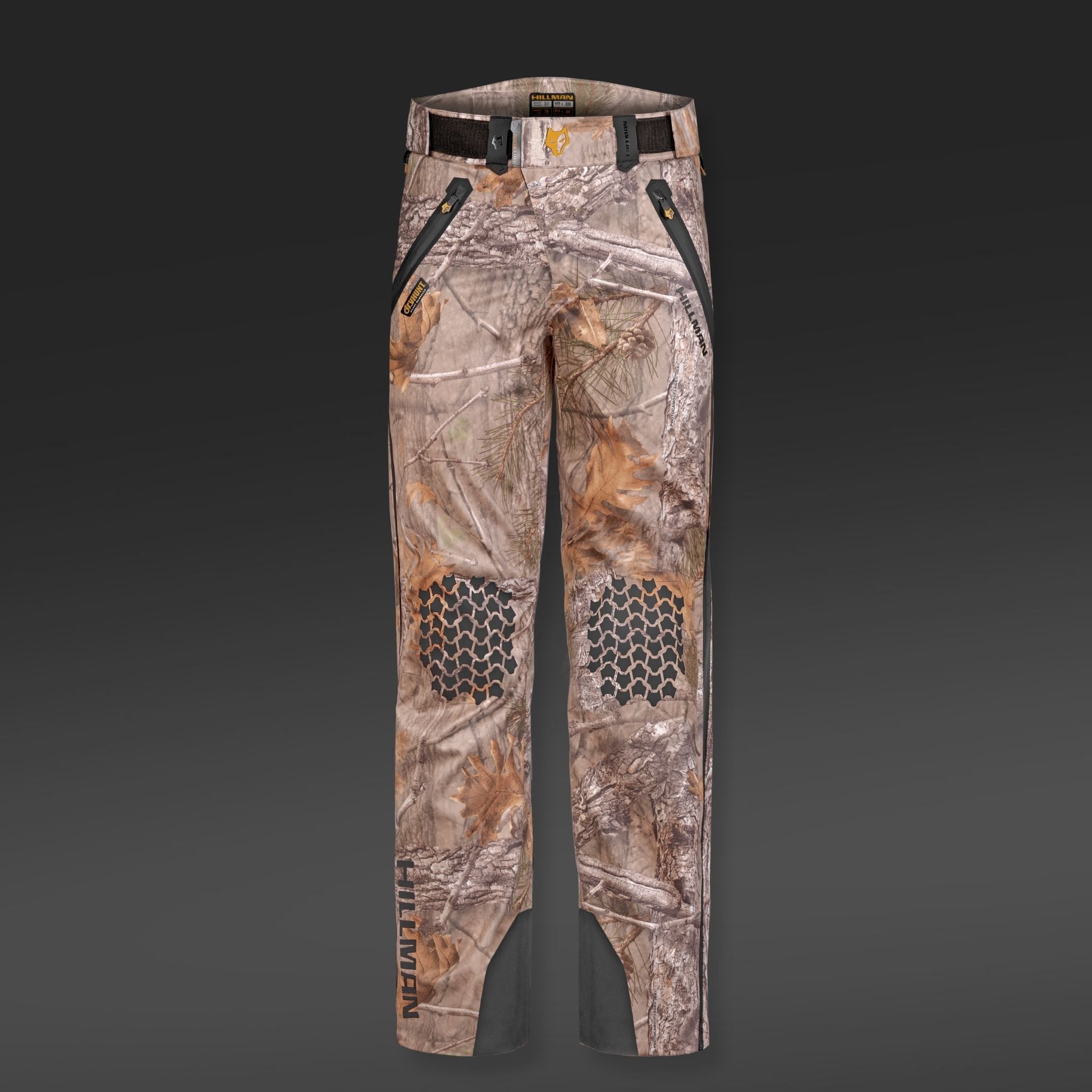
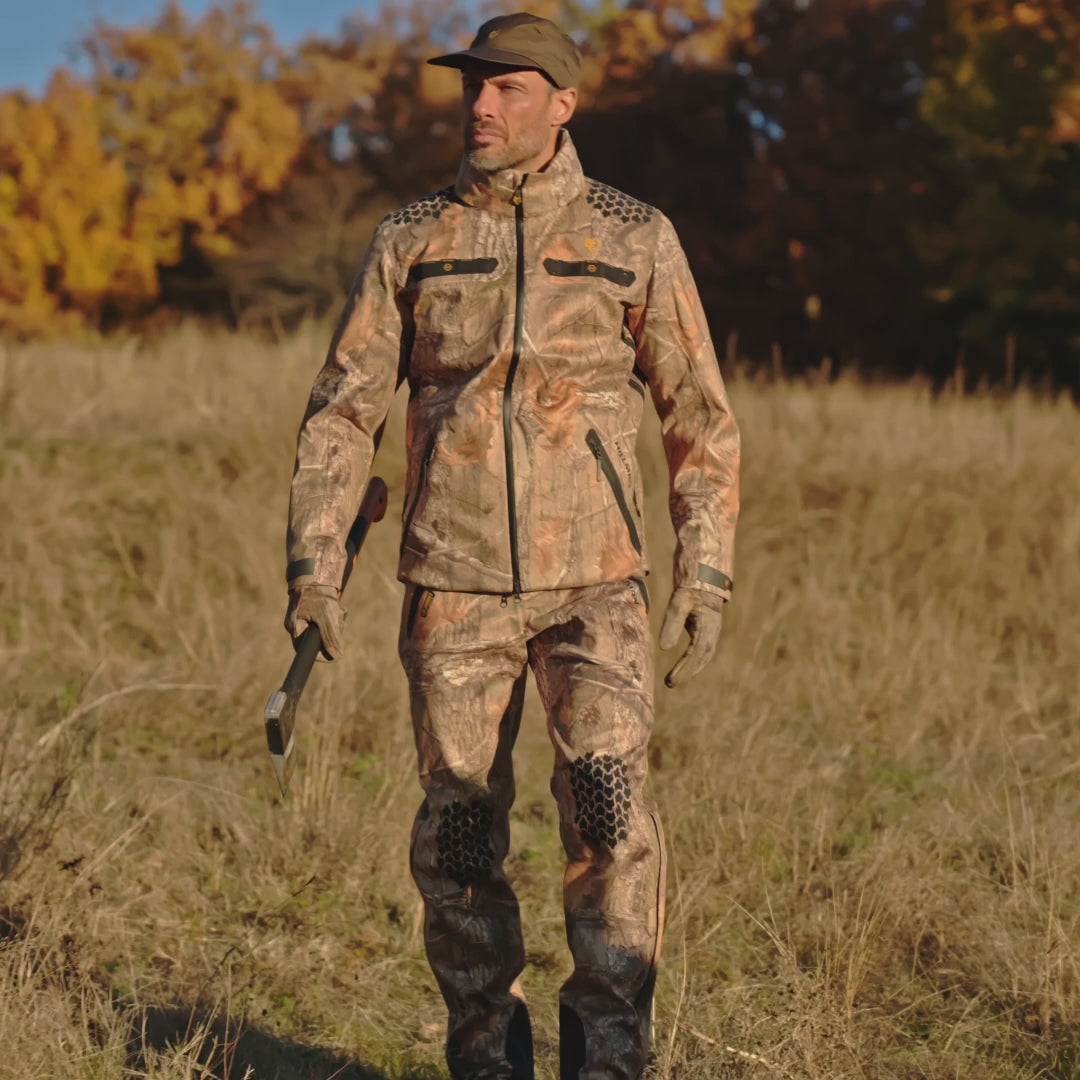
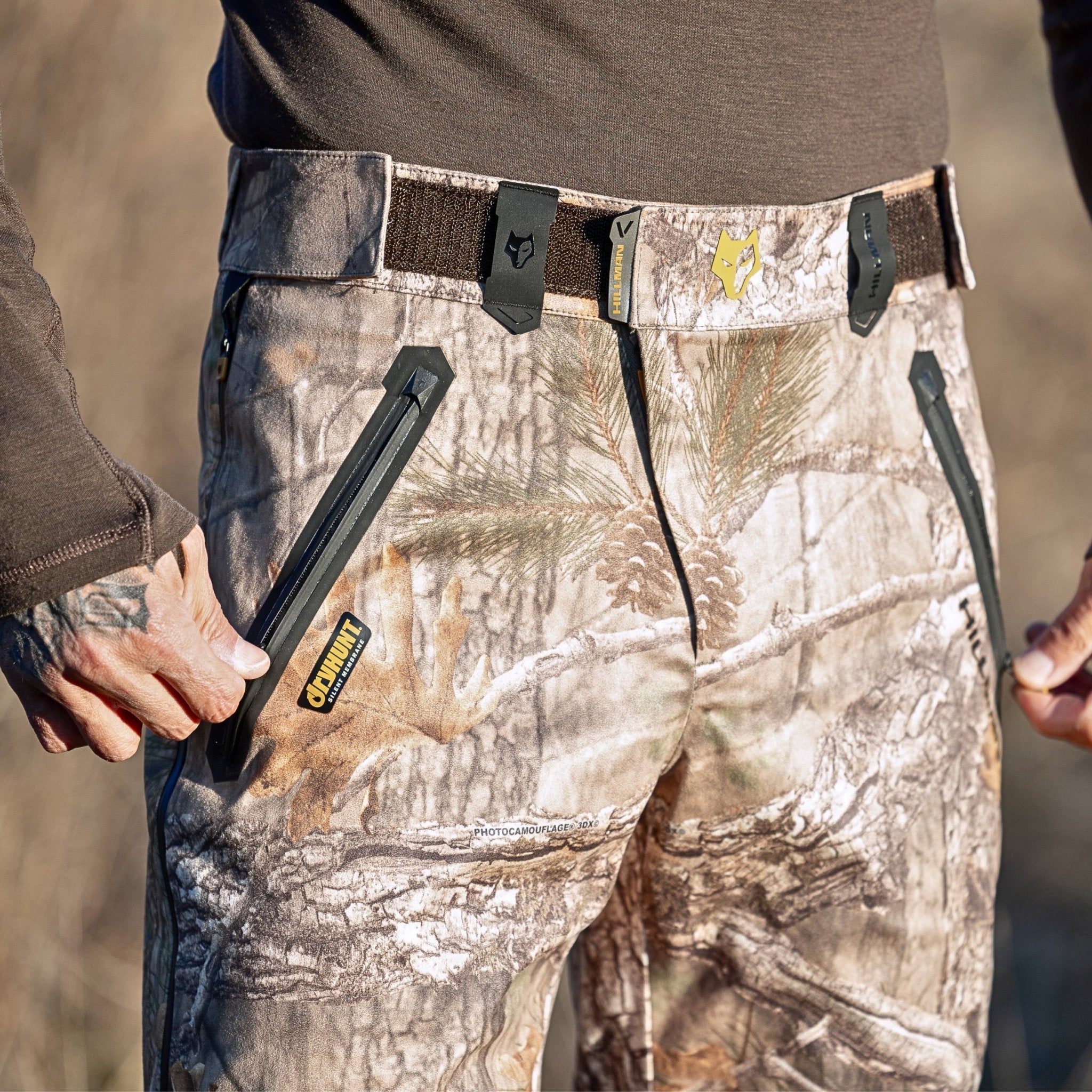
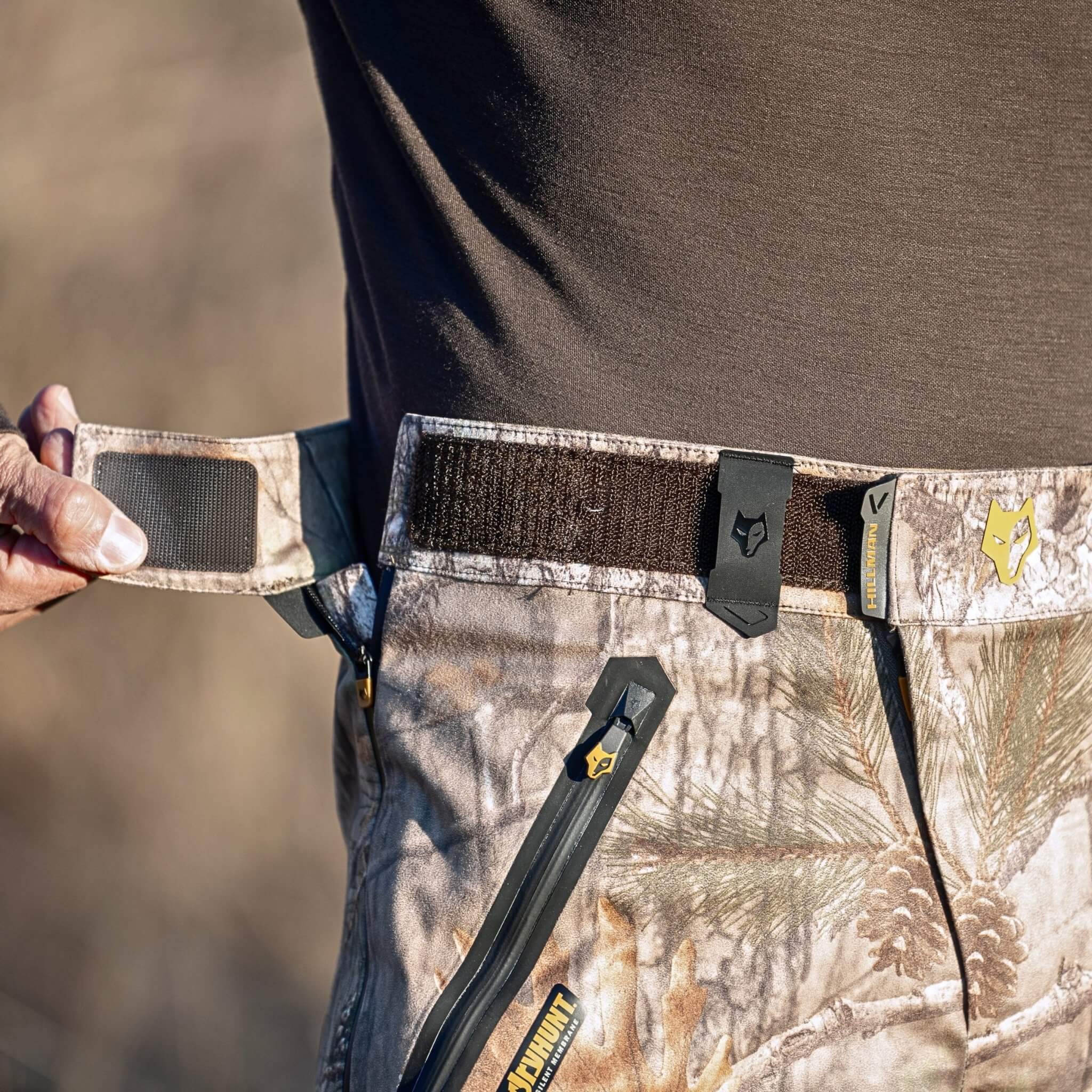
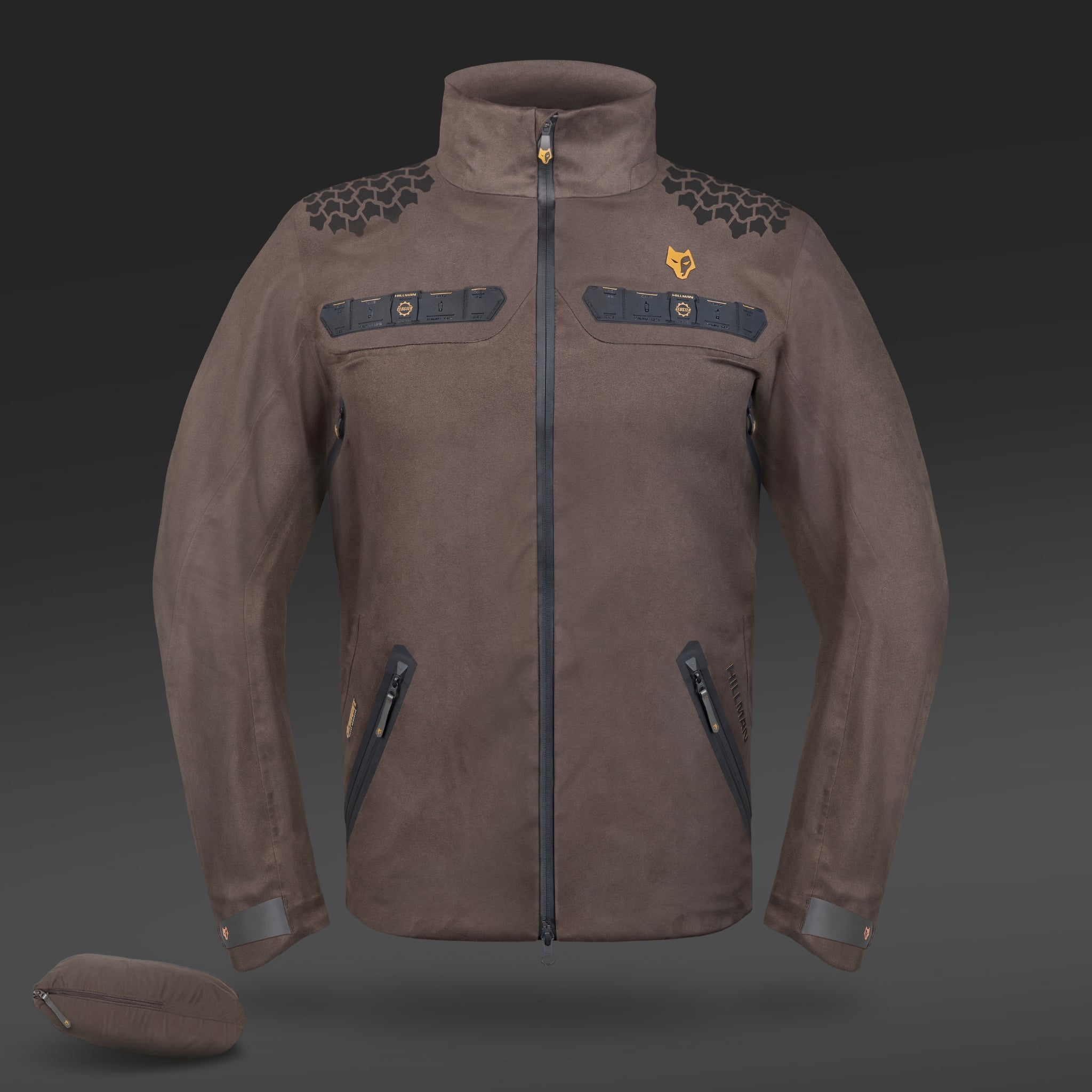
This is also where gear discipline matters. Good clothing, quiet movement, and reliable layers from Hillman help, but no jacket or boot can fix careless access. The wind still wins. Scent still matters. Noise still carries.
The Same Stand Gets Worse Every Time You Force It

One of the fastest ways to educate deer is to keep hunting the same stand after the odds have already turned. It is easy to do. A stand produced one good sit. You saw a mature buck once. There is a fresh scrape nearby. So you keep going back.
But every sit leaves something behind. Ground scent. Noise. A changed branch. A boot track. A faint trace of entry and exit. Pressured deer become hyper-aware and react to subtle environmental changes, especially when those changes repeat from the same direction.
After enough pressure, a stand location can become a warning sign.
That does not mean you should abandon a good stand forever. It means you need to manage it. Hunt it on the right wind. Give it rest. Avoid sloppy exits. Do not sit it just because you have time. If deer are using the area but movement has shifted later and later, the stand may need a pressure drop, not another evening of hope.
Some stands are kill stands. Some are observation stands. Some are only good once or twice per season. Knowing the difference is part of hunting pressured deer.
High Pressure Changes Where Bucks Bed

Mature bucks often shift bedding locations every one to three days during the hunting season. Wind, human scent, weather, and previous disturbances all play a role. A buck may not leave his home range, but he can change beds just enough to make last week’s pattern worthless.
This is where hunters get stuck. They find one bed, one trail, one rub line, and expect the same answer every day. But a mature buck may use a small group of bedding options depending on wind and pressure. One bed may cover a ridge access. Another may guard a field edge. Another may let him drop into an escape route if hunters push from the road.
High pressure does not always scatter bucks randomly. Often, it makes them more calculated.
After a high-pressure event, deer often follow predictable escape patterns into thick terrain, isolated thickets, or terrain funnels. Many return to their core areas within 24 to 48 hours, although some may need up to 72 hours to settle back into normal patterns after a heavy disturbance.
That return movement can be huntable. Not by charging into the middle of the sanctuary, but by reading where the deer went, where they feel safe, and how they are likely to come back.
Weekends Can Make Midweek Better

Hunter density changes deer behavior fast. When the number of hunters spikes on weekends, bucks often hold tight in thick cover and wait longer before moving. In heavily hunted ground, even a density above one hunter per 250 acres can begin creating significant impacts on deer behavior.
That is why midweek hunting can be such an advantage. When pressure drops, deer do not become tame, but they often move with slightly less caution. The woods feel different. Access points are quiet. Fewer people are pushing deer from one block of cover to another. Bucks that waited out Saturday and Sunday may start testing daylight again.
This is especially true when a pressure drop lines up with poor weather or cold fronts. Most hunters skip nasty conditions. Mature bucks notice the reduced disturbance. A grey, windy Tuesday after a busy weekend can be better than a perfect Saturday with trucks at every pull-off.
Weather matters, but weather plus low hunting pressure is stronger.
Access Is Often More Important Than the Stand
Hunters love talking about stand locations. Deer pay more attention to access.
You can have the right tree, right food source, right pinch point, and right wind on paper, then ruin it by walking through the wrong place. If your entry cuts across deer movement, blows scent into bedding cover, or makes noise through dry leaves near core areas, the hunt may be over before you sit down.
Clean access routes are one of the biggest factors in pressured woods. Sometimes that means walking farther. Sometimes it means using a ditch, a creek, a field edge, a boat, or a route that looks inconvenient on the map. The harder access may be the reason it works.
The same goes for exit. Many deer hunters focus on getting in clean and then climb down carelessly after dark. Deer feeding nearby hear it, smell it, and file that danger away. Do that twice and you may wonder why the stand went dead.
Pressure is not only created by the shot. It is created by the whole routine.
Stop Hunting Sign That Everyone Else Can See

On public land and pressured private ground, the most obvious sign gets hunted hardest. Big rubs near an easy trail. Scrapes beside food plots. Trails crossing clean openings. Pretty pinch points close to parking. They all attract hunters.
That does not make the sign useless, but it does mean you have to ask how deer use it after pressure arrives.
A big buck may visit an obvious scrape at night while spending daylight hours in thick cover 200 yards away. A trail may be active, but only after dark. A field edge may be loaded with tracks, yet the daylight movement is happening back in the woods where fewer hunters want to sit.
The better tactic is to look for the pressure-adjusted version of the sign. Where is the less obvious trail? Where does the buck stage before reaching open food? Where can he travel with the wind in his favor and cover close? Where do other hunters stop walking?
Sometimes success comes from hunting the middle ground. Not the bedding area itself, not the open food, but the quiet transition that connects them.
How to Hunt Deer After Pressure Hits

Once pressure changes deer movement, aggressive hunting can still work, but only if it is precise. Randomly pushing deeper usually just educates deer faster.
Start by reducing disturbance. Hunt stands only when the wind is right. Avoid checking cameras too often. Give good areas time to recover. If a stand has been hunted hard, let it rest until pressure drops or weather gives you an advantage.
Next, shift focus toward thick cover, escape routes, and low-pressure windows. Watch for midweek movement. Pay attention to poor weather days when most hunters stay home. Use cold fronts, but do not ignore the human side of the forecast. A perfect weather day with heavy hunter traffic may be worse than an average day with quiet woods.
Finally, accept that pressured deer may not offer many chances. A mature buck might give you one short daylight window after days of waiting. That window may be ten minutes, not two hours. Being early, quiet, and already settled is often the difference between watching him and killing him.
The Real Lesson Pressure Teaches
Hunting pressure does not ruin a property overnight, but it does change how deer use it. Mature bucks do not need much time to learn where hunters sit, how they enter, when they show up, and which areas are safe during daylight.
Most hunters keep hunting the memory of easy movement. The better hunter adapts to the new pattern.
Deer may be closer than you think. They may be in thicker cover, moving later, bedding differently, using escape routes, or waiting for pressure drops. They may not be gone at all. They may simply be acting like deer that have learned how to survive.
That is the uncomfortable part. Pressure does not just test the deer. It tests the hunter’s patience, discipline, and willingness to change before the season slips away.


Share:
Rain-Day Deer Hunting: Why Wet Weather Can Improve the Hunt
Still-Hunting Deer in Thick Cover: How to Move, Use Wind, Sound