

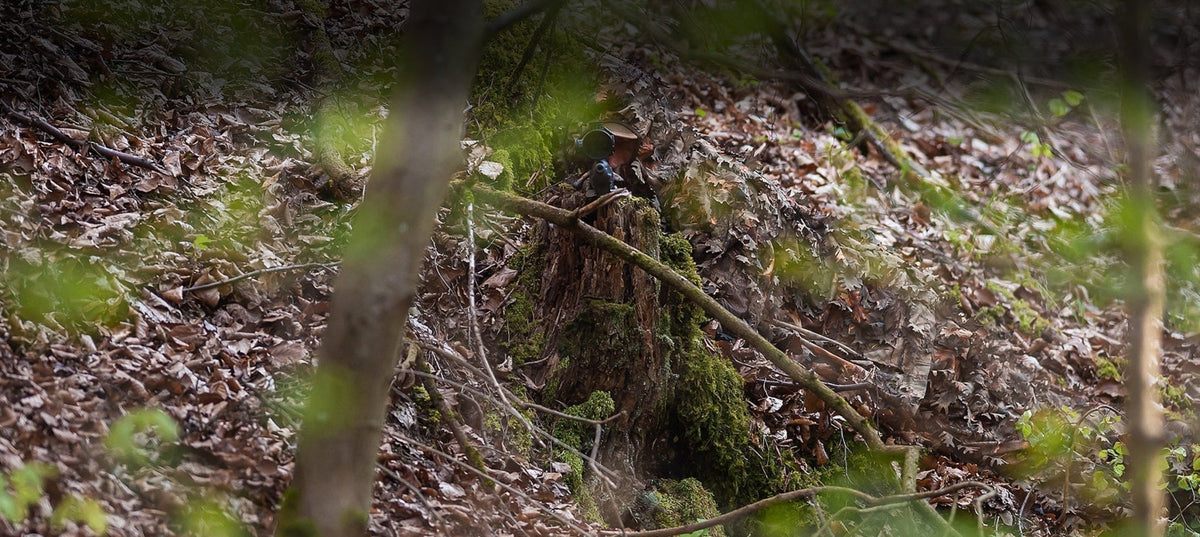
Still-Hunting Thick Cover: How to Move Slowly Enough to Beat a Deer's Eyes and Ears

Learn how to still-hunt thick cover by controlling movement, wind, sound, and sight before deer know you are there.
Still-hunting thick cover only works when you move a few slow steps at a time, then stop long enough for the woods to settle and let your eyes do the hunting, often for thirty seconds or several minutes, while you keep your outline broken by trees and shadows, manage your wind, and stay quiet enough to beat a deer’s eyes and ears. It sounds simple until you try it. In real timber, with dry leaves under your boots, brush catching your sleeve, and a whitetail built to catch movement, simple gets hard fast.
There is a reason some hunters call it a lost art. A stand or blind gives you height, concealment, and the advantage of waiting on a trail with less movement, and that approach has killed plenty of big bucks. But still-hunting reaches the thick patches, creek bottoms, bedding cover, and public-land timber that often go untouched. For experienced hunters who want to sharpen their woodsmanship in heavy cover (and who care about stealth, comfort, and durable gear that will not fight them), this is where the method starts to separate itself.
A good still hunter is not just walking through cover. He is hunting every few steps, trying to spot deer before they spot him by controlling movement, sound, wind, and scent. That means choosing soft footing, stopping often, using cover and shadow, planning quiet routes, and avoiding the common mistakes that blow deer out of close range. Late-season setups, bowhunting in tight cover, and public-land pressure all make those details matter even more.
That is also why the method keeps serious hunters coming back. It puts you inside the woods instead of above them, forces you to read deer behavior and habitat at close range, and can create encounters with mature bucks in places other hunters pass by. And because you are actively hunting instead of waiting in one spot, still-hunting lets you cover more ground and often see more deer.
Start With the Wind, Not the Deer Trails

The first mistake is picking the prettiest deer trails and charging into them. Trails matter. Fresh sign matters. Rubs, beds, tracks, droppings, and old photos from scouting can all point you toward a likely spot. But wind direction decides whether you can hunt it.
Still hunting with the wind at your back is usually a short story. The deer knows you are there, you never see it, and you walk out wondering why the woods were dead.
A better plan is to start on the upwind side of the cover so the wind is in your face or cutting across your body. A crosswind can be useful because it lets you move along the edge of bedding areas, thick brush, or big timber without sending your scent straight into them. If the wind keeps switching, slow down even more or back out. Forcing it rarely works.
This is where still-hunting thick cover how to move slowly enough to beat a deer’s eyes and ears really begins. Not with your feet, but with the route. Pick a starting point. Pick an end point. Break the woods into small chunks. Then hunt one piece at a time instead of wandering around hoping something will happen.
Most Hunters Move Too Fast Without Knowing It
 Most hunters think they are moving slowly. Then they actually try to still-hunt and realise they are moving like a sore thumb with boots on.
In thick cover, slow does not mean normal walking speed with longer pauses. It means taking a few steps, stopping long enough that the woods settle again, and letting your eyes do most of the hunting. Sometimes that wait is thirty seconds. Sometimes it is five minutes. In a good bedding area during late season, it might be longer, and a proper still-hunt can stretch for hours at that pace.
The hard part is staying mentally locked in when nothing seems to be happening. You take a step. You look. Nothing. Another step. More brush. Another wait. It feels impossible to cover ground that way, especially if you are used to open woods where you can see a hundred yards.
But thick timber does not reward distance. It rewards attention.
A deer might be bedded behind one tree, standing in shadows, or watching a small open area you are about to cross. Big bucks do not need much cover to hide. A back line, an ear flick, a dark eye, a horizontal shape where everything else is vertical. That is often all you get.
Learn to Look for Parts of a Deer

Trying to spot deer as a whole animal is one of the biggest reasons hunters miss them in thick stuff. A whitetail in open woods may give you a full body outline. In thick patches, you are usually looking for pieces.
Look for the straight line of a back. The curve of a rump. The white edge of a throat patch. The shine of an eye. The quick flick of an ear. A leg that does not match the trees. A head turned the wrong way. Anything that feels slightly out of place deserves a longer look.
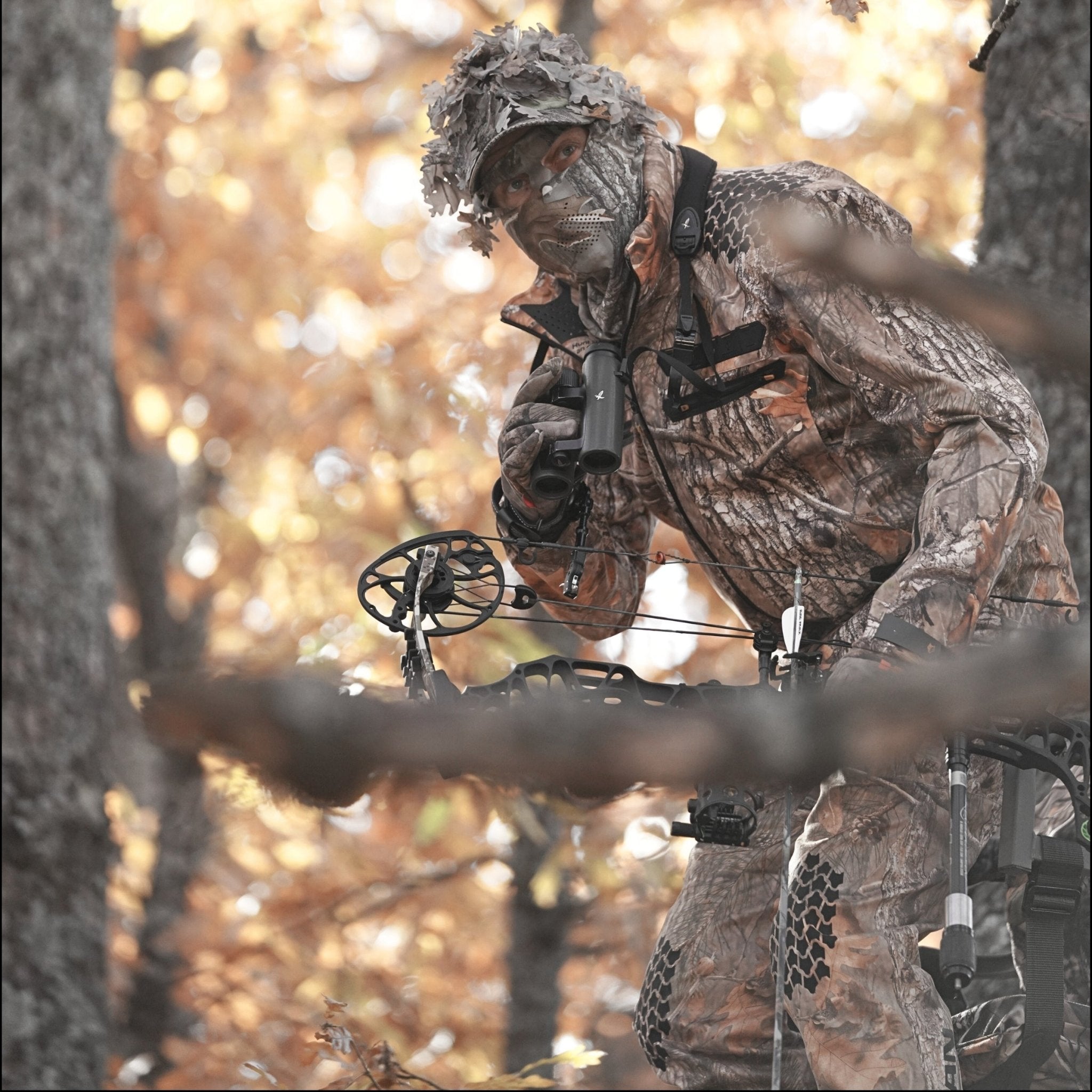
This is where low magnification binoculars help. In big open country, hunters often want more power. In timber, 6x to 8x glass can be more useful because it gives a wider view and steadier image. You are not trying to judge an animal across a valley. You are trying to pull detail out of brush, shadows, and broken cover without moving your whole body.
Use the binoculars after you stop, not while you are shifting around. Scan one small section. Then another. A lot of deer are spotted after the hunter has already looked at the same place twice.
Your Feet Should Hunt Before Your Eyes Do
 Noise still matters, especially in dry leaves or frozen ground. You cannot float through the woods, but you can stop sounding like a person with somewhere to be.
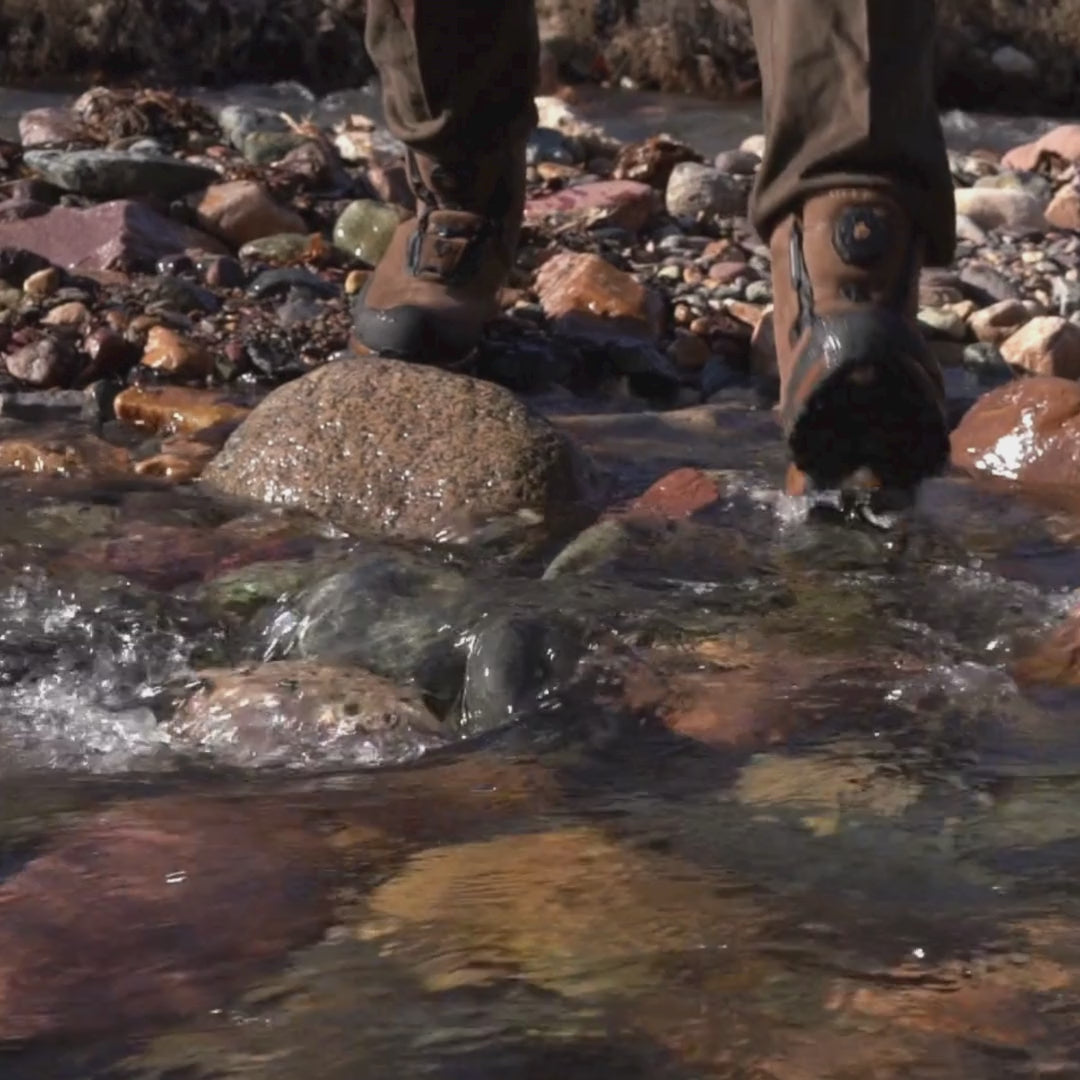
Quiet ground is your friend. Moss, damp earth, soft leaves, wet grass, and shaded creek edges can hide a surprising amount of sound. Dry leaves, hollow sticks, crusted snow, and loose bark can ruin you. Plan each step before your boot touches down.
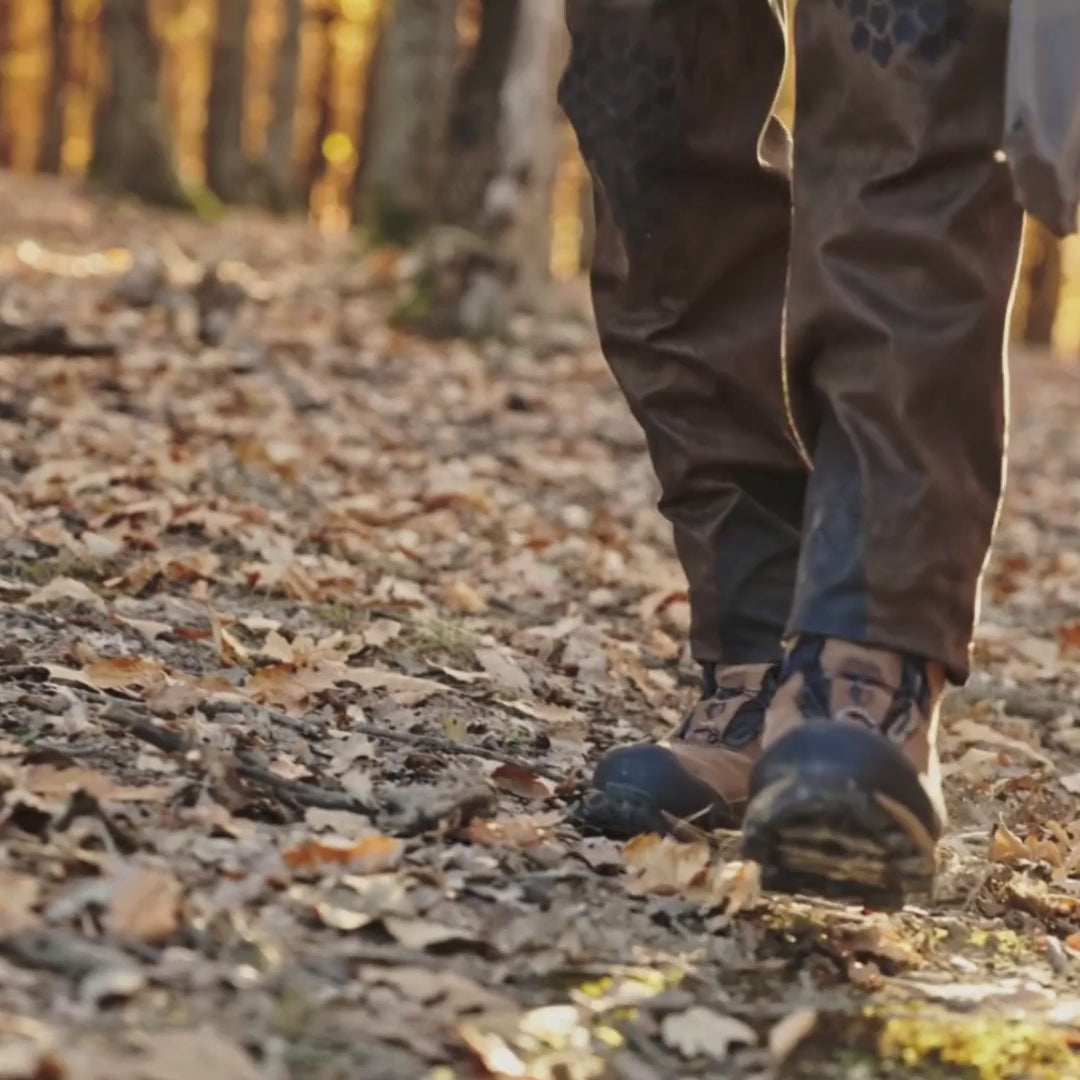
The Fox Walk is worth learning. Place the foot softly, feel the ground, then roll your weight through the step instead of dropping your full body onto it. If you feel a stick, stop. Shift. Choose another place. It looks painfully slow from the outside, but it lets you feel the forest floor before you commit.
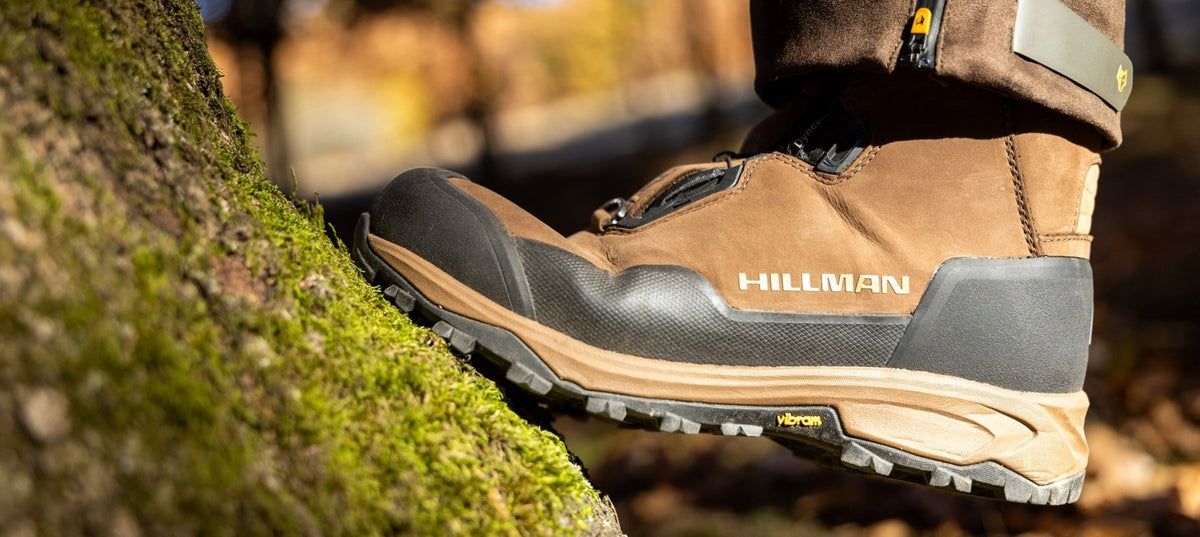
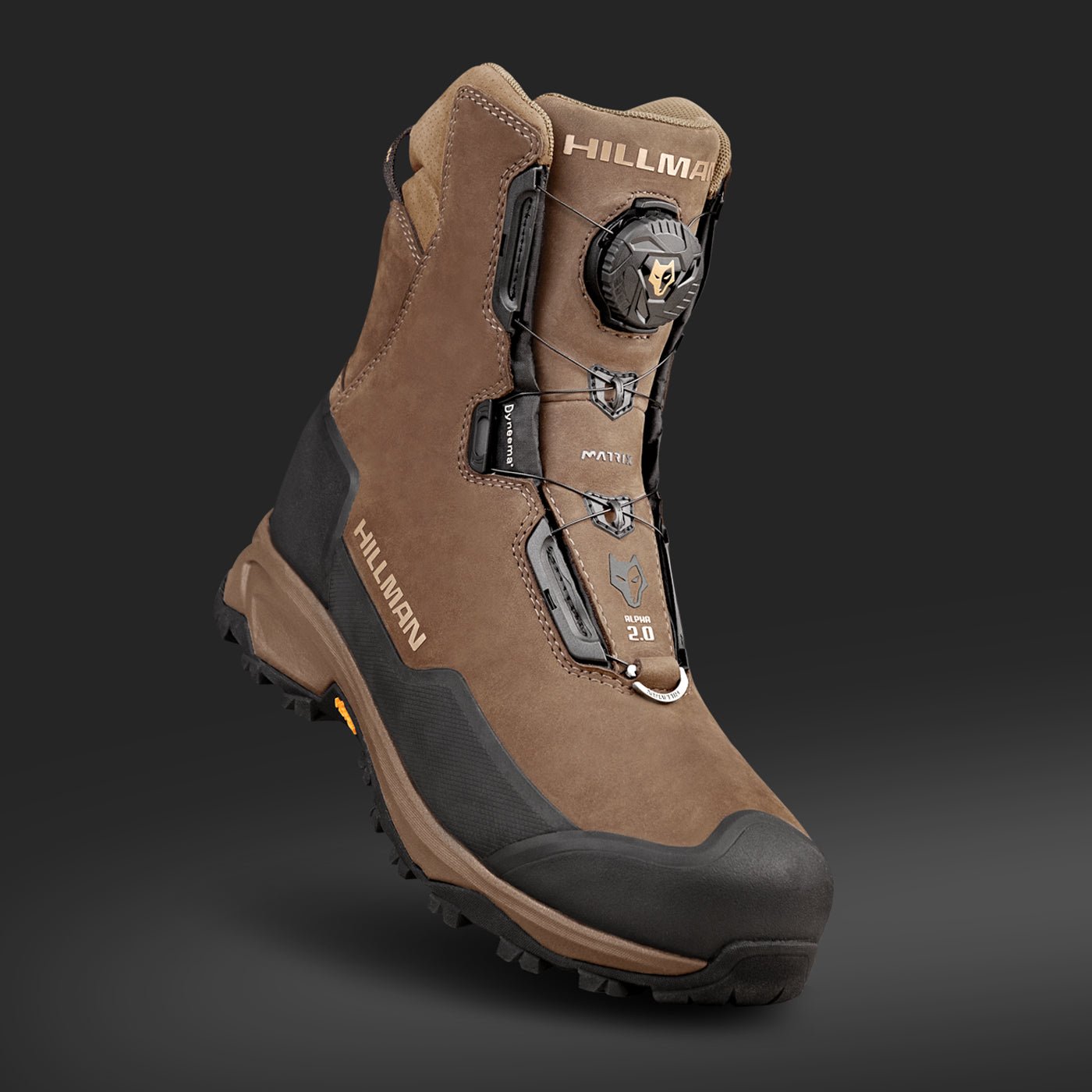
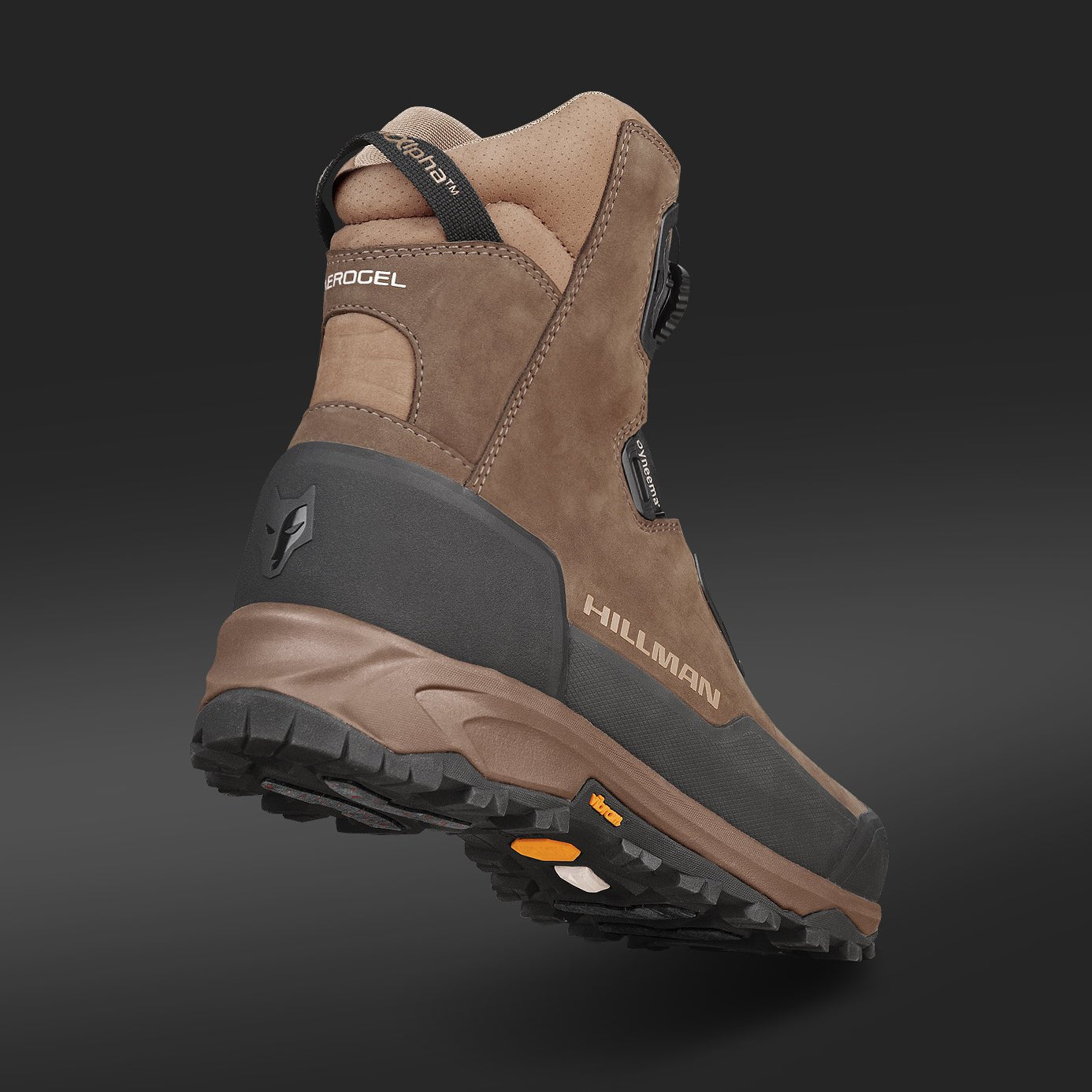
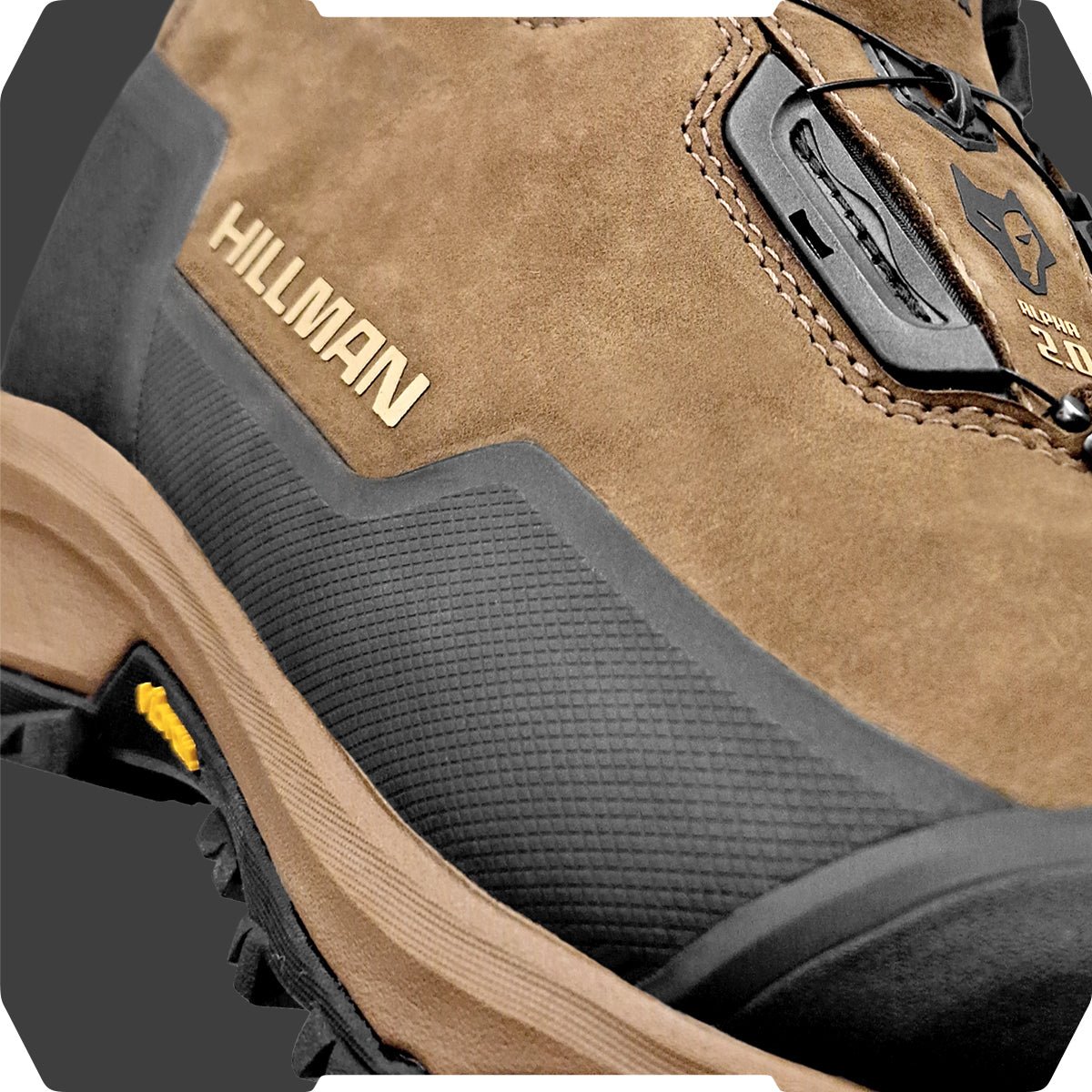
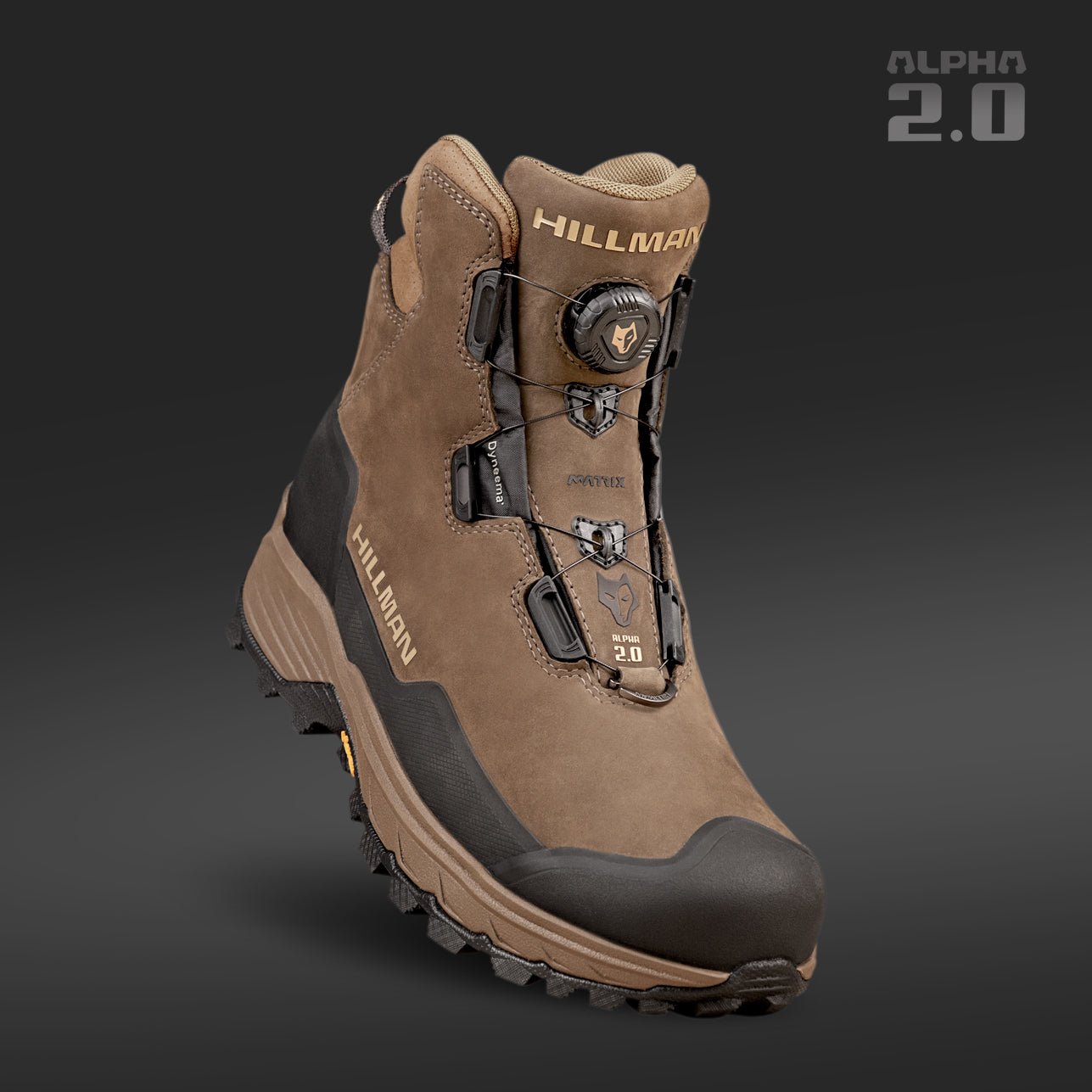
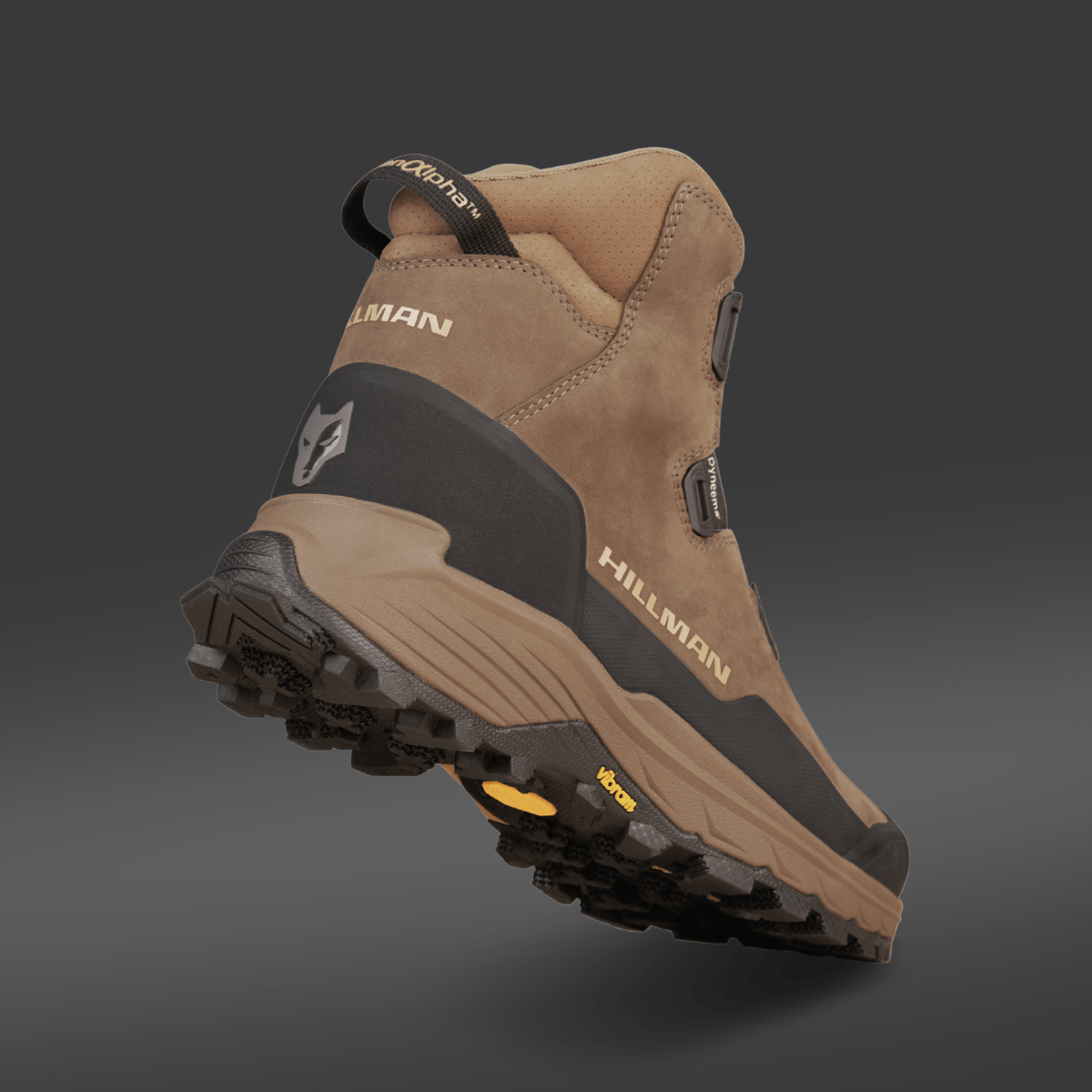
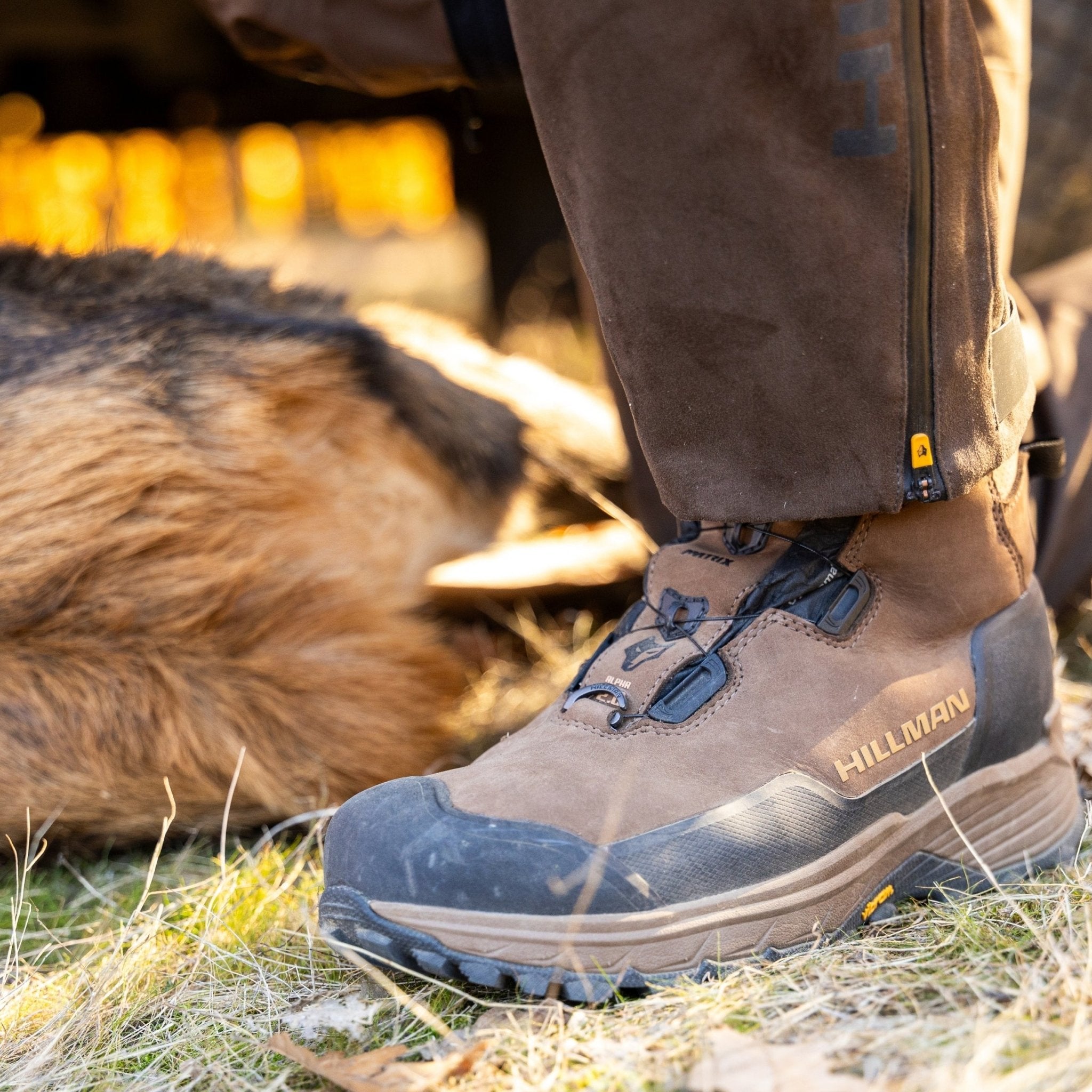
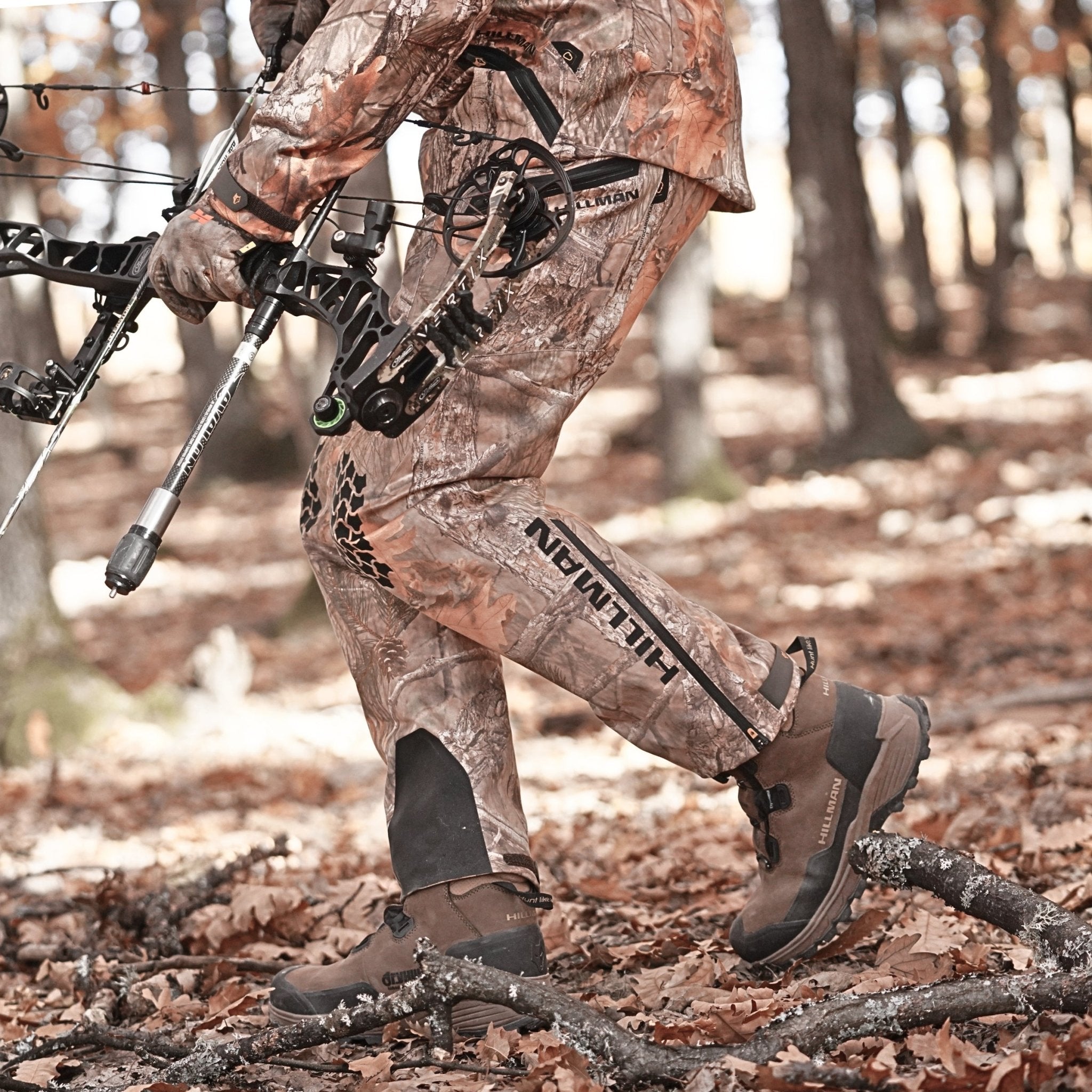
Soft-soled footwear helps because it gives you feedback. Big, stiff boots can protect your feet, but they also make it easier to crush everything underneath you without knowing it. Quiet hunting boots, wool clothing, fleece, and soft outer layers all matter. Nylon that scrapes against brush can sound huge on a calm morning.
One stick breaking will not always end the hunt. Deer hear natural noise all day. The problem is pattern. Step, crunch, step, crunch, brush scrape, metal click. That sounds wrong. That sounds human.
Use Trees, Shadows, and Brush to Break Your Shape

A deer’s eyes are made to catch movement. You do not have to be fully exposed to get picked off. A hand shift, a bow limb moving, a head turning too fast, or a body crossing an open area can be enough.
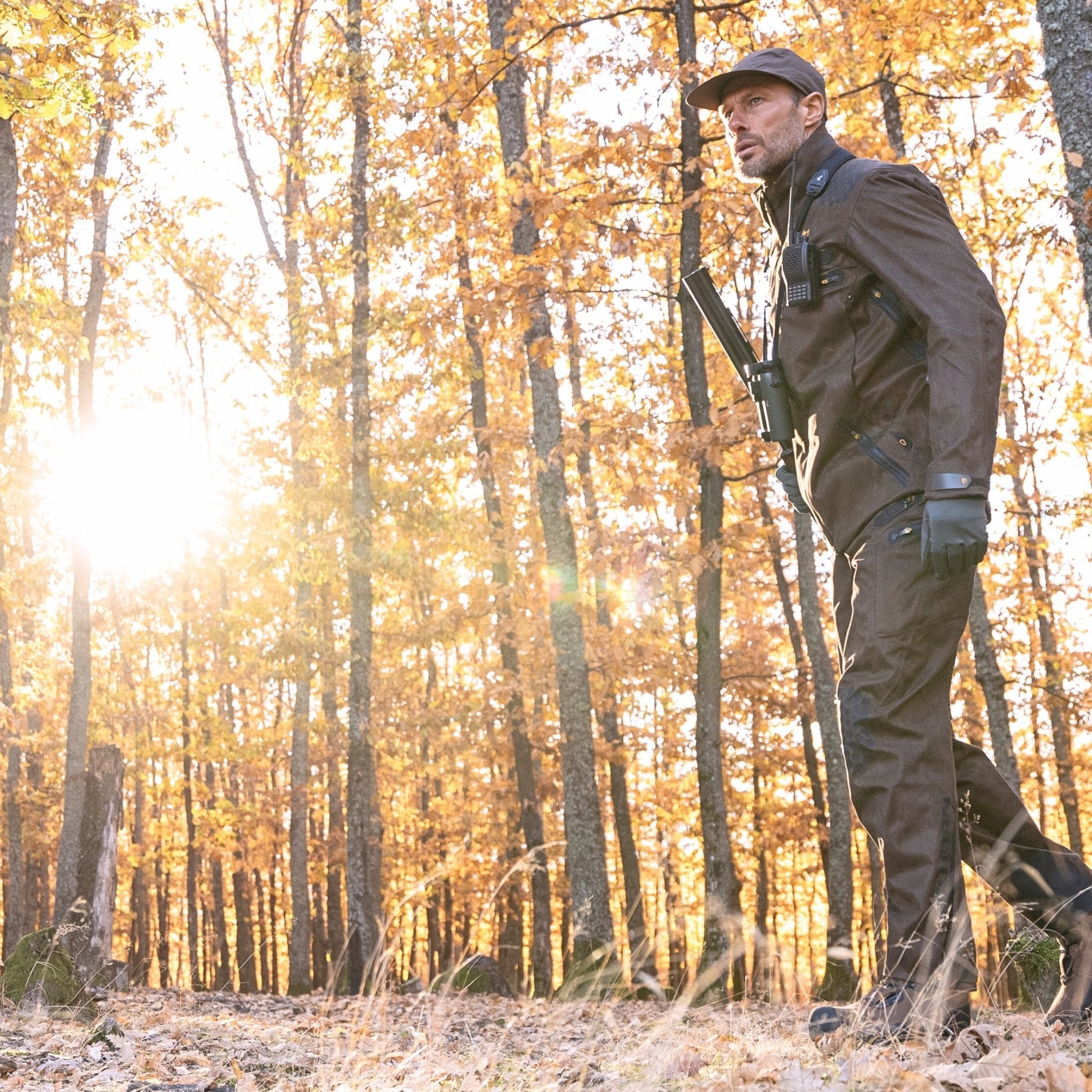
Stay close to vertical trunks when you can. Let trees break up your outline. Avoid skylining yourself on ridges or open high spots. If you need to cross a gap, wait first. Scan it. Pick the exact point you want to reach. Then move when wind, water, or other natural sound gives you cover.
A useful habit is keeping at least one tree, trunk, or piece of brush between you and the most likely deer position. Not always directly in front of your face, but enough to blur your shape. In thick timber, you are trying to look like part of the woods, not a hunter sliding through it.
Shadows can be an advantage too. Deer live by sight, but they also live in a world of broken light. Move through the dark side of cover when possible. Avoid standing bright against a pale background. Even a good camo pattern cannot save a bad silhouette.
Stop More Than You Walk
The word still in still hunt is the part people forget. The walking gets you into new sight lines. The stopping is where the hunting happens.
After a few steps, stop with your foot placed solidly and your body balanced. Do not stop in an awkward half-step where you need to adjust right away. Get still. Let your eyes move first. Then your head. Then, if needed, the binoculars.
Listen as much as you look. A deer moving through leaves or stopping to eat has a different rhythm than a squirrel. A buck rising from a bed may only give you one soft sound. In late season, when the woods can feel empty and cold, one faint crunch inside thick cover might be the only warning you get.
Smell can help too. In the rut, a strong buck smell in the right place is not something to ignore. Around bedding cover, a musky scent, fresh tracks, and worn trails can tell you to slow down even more. The woods talk quietly. Most hunters walk past the sentence.
Late Season Still-Hunting Is a Different Game
 Late season can be one of the best times to still-hunt thick cover, but it is not forgiving. Deer are tired. Bucks have been pressured. Public land deer have seen hunters, heard trucks, smelled ground scent, and learned where danger usually comes from.
The advantage is that food and cover become more predictable. Deer often bed close to security cover and move carefully toward feeding areas. Thick patches near food, south-facing bedding points, creek bends, and big timber edges can all hold more bucks than they appear to.
The problem is noise. Frozen leaves, brittle brush, snow crust, and quiet air make every mistake travel. That does not mean stay home. It means use weather. A light wind, damp ground, falling snow, or the sound of moving water can cover your approach.
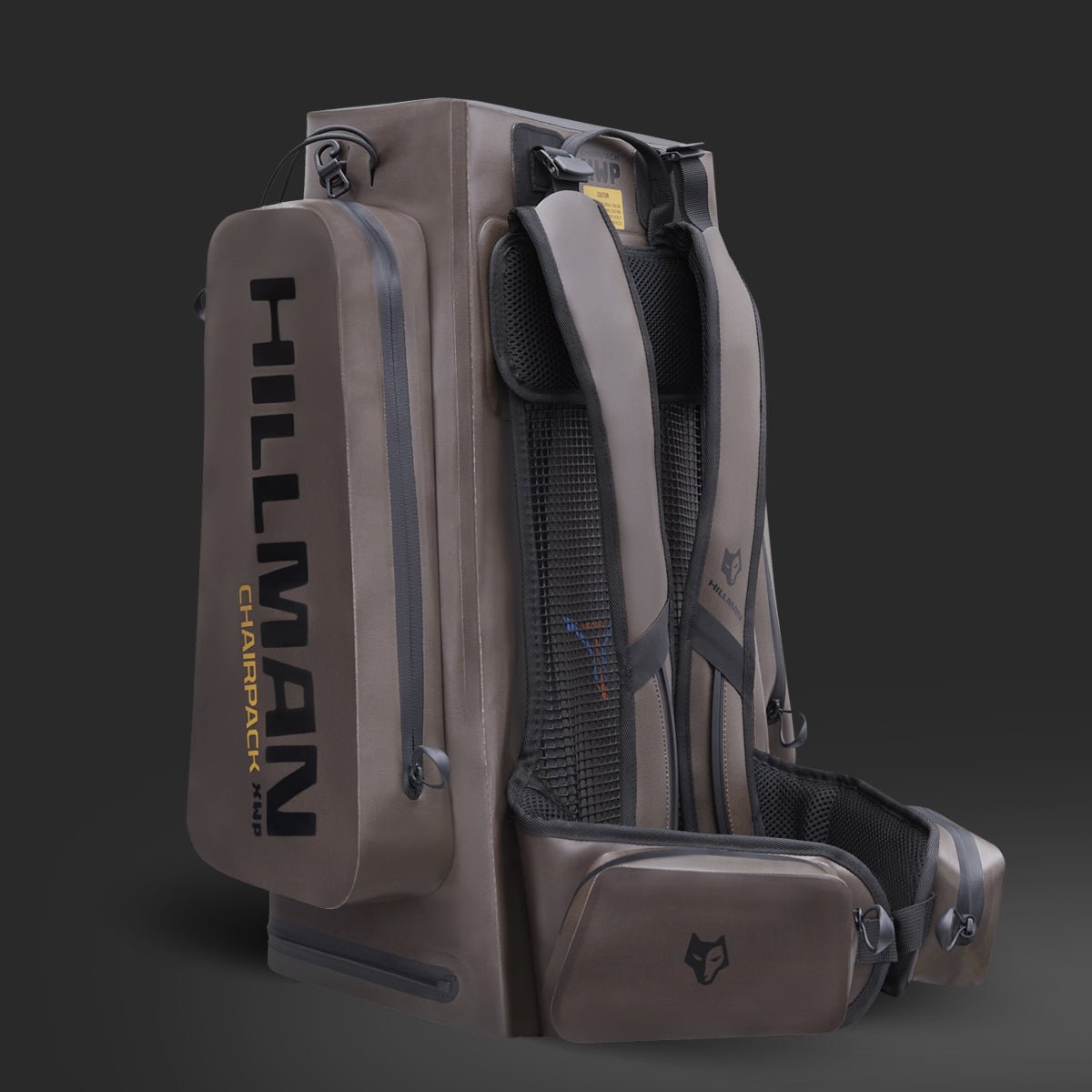
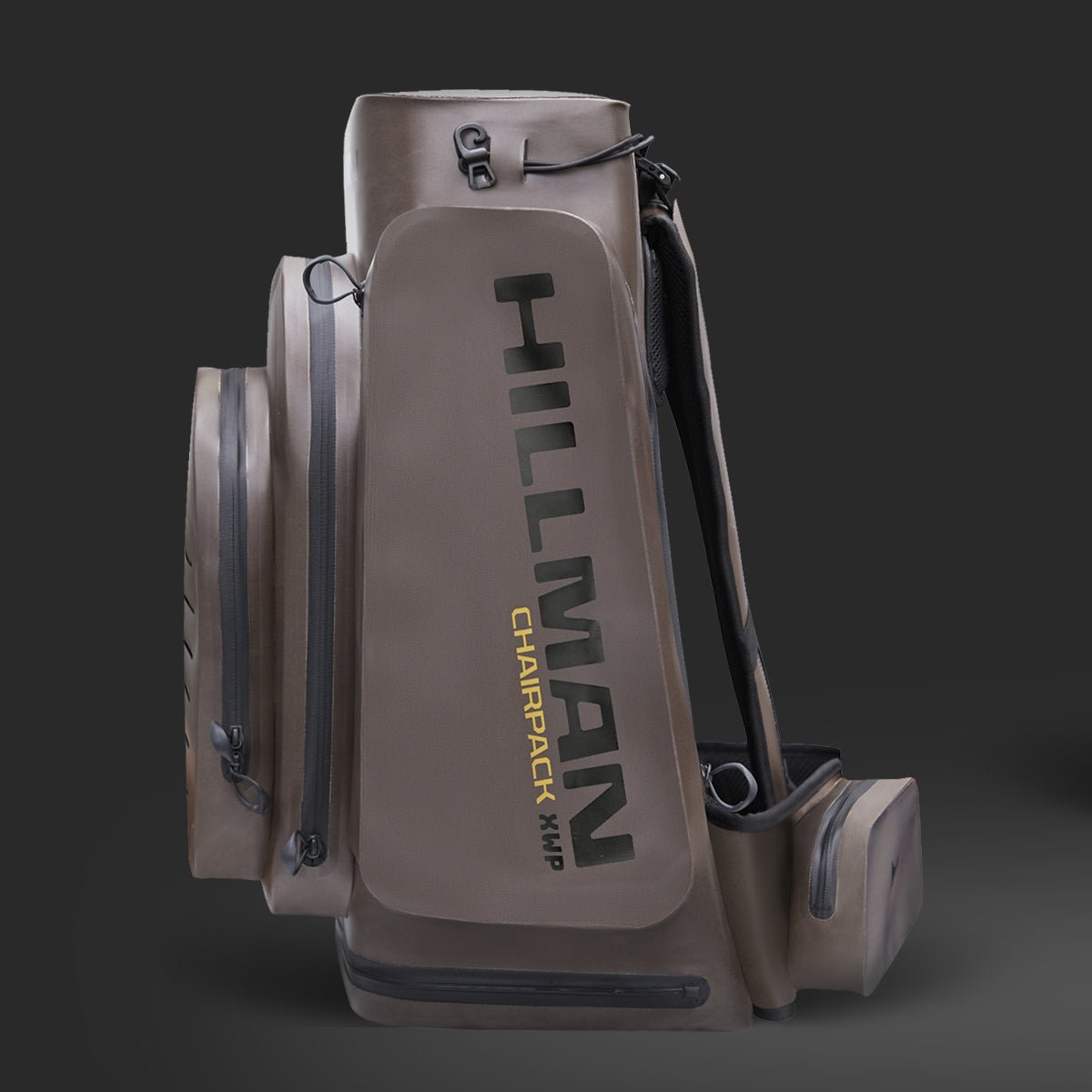
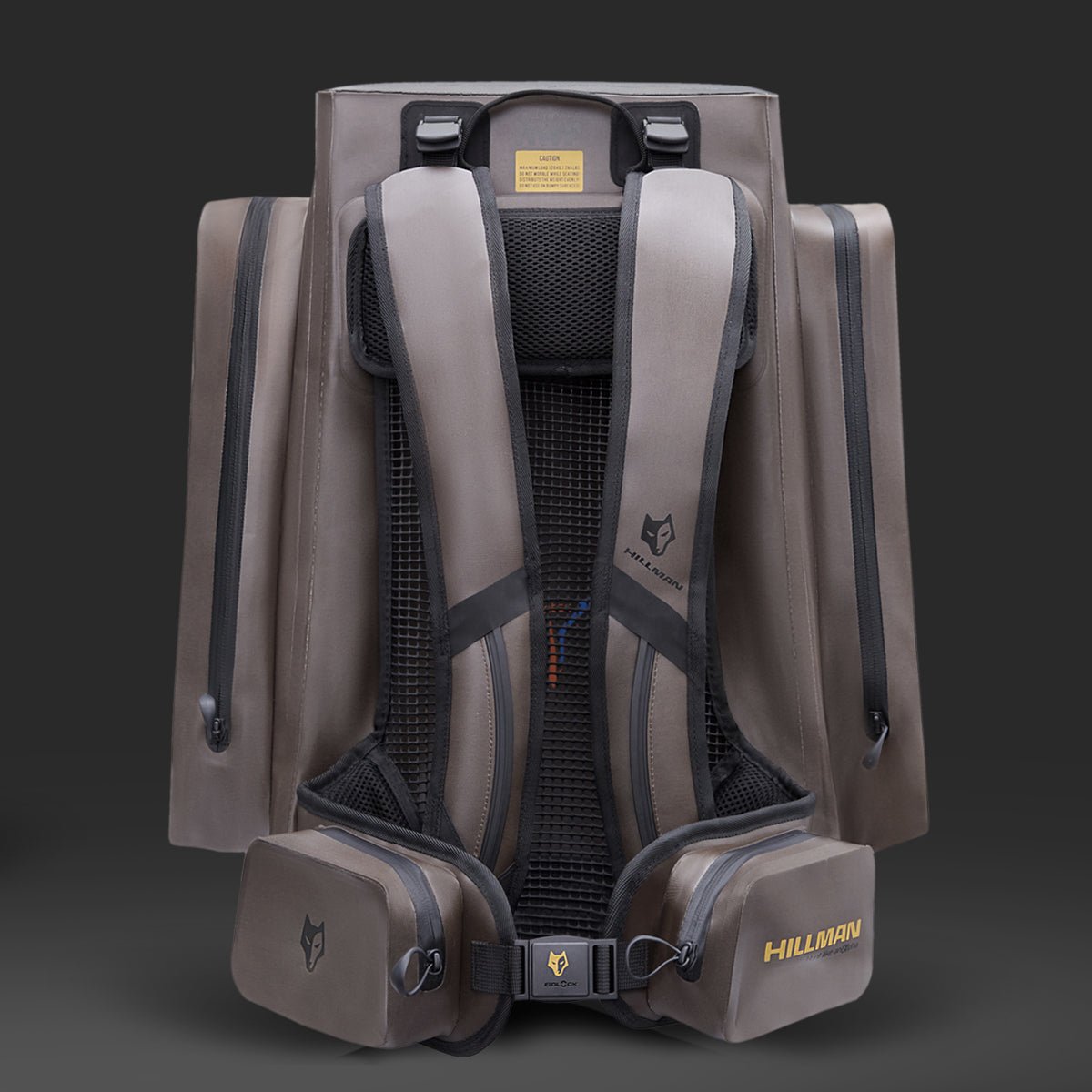
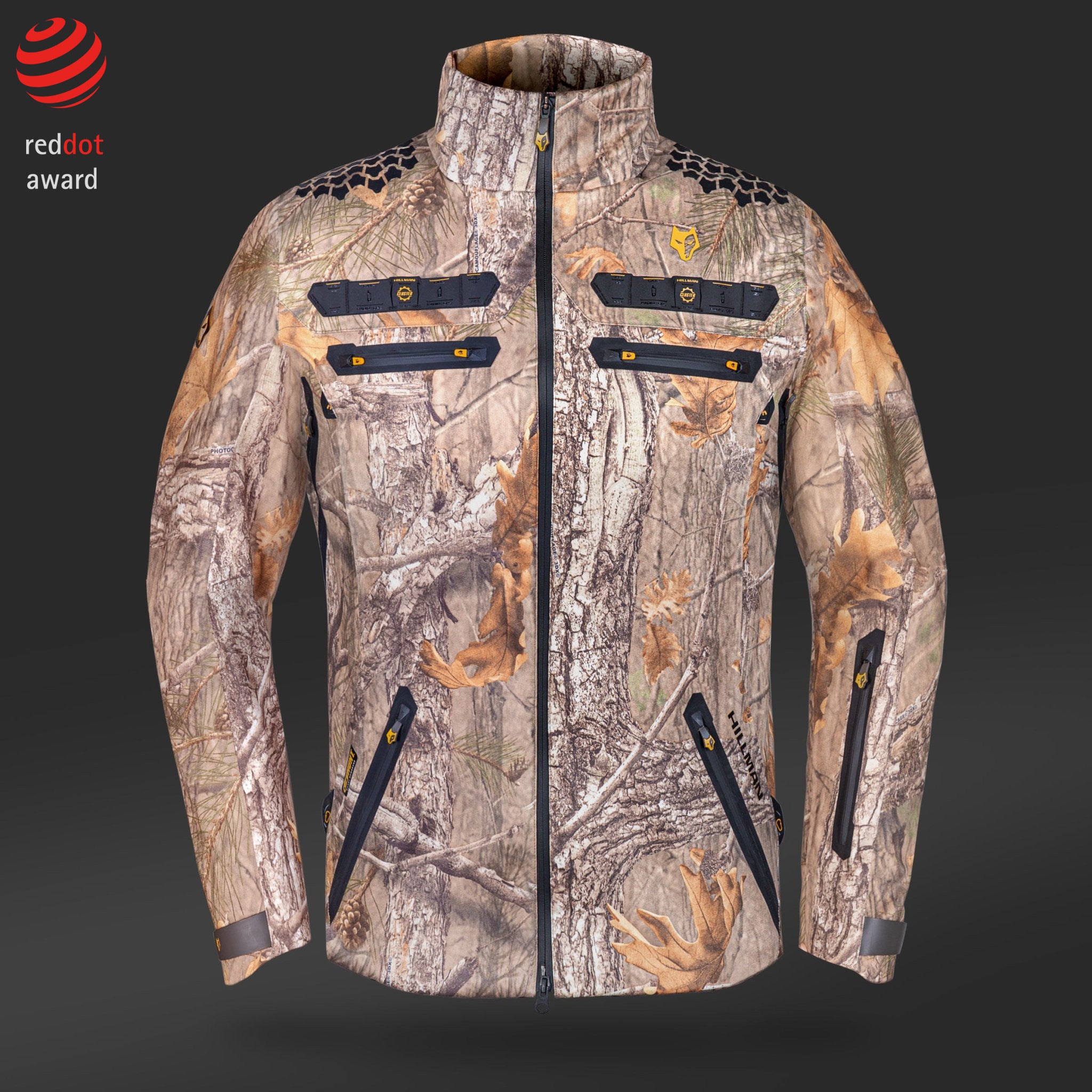
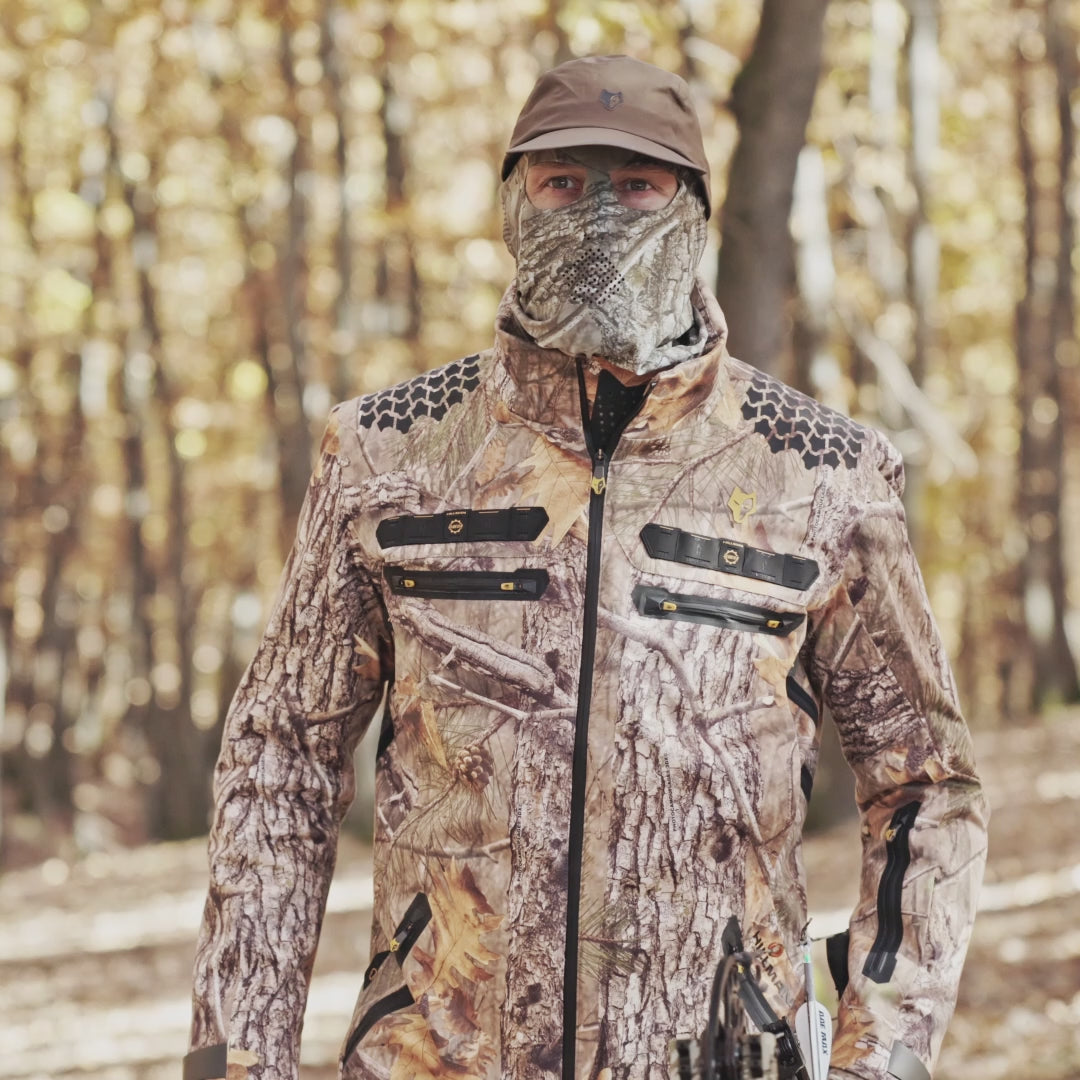
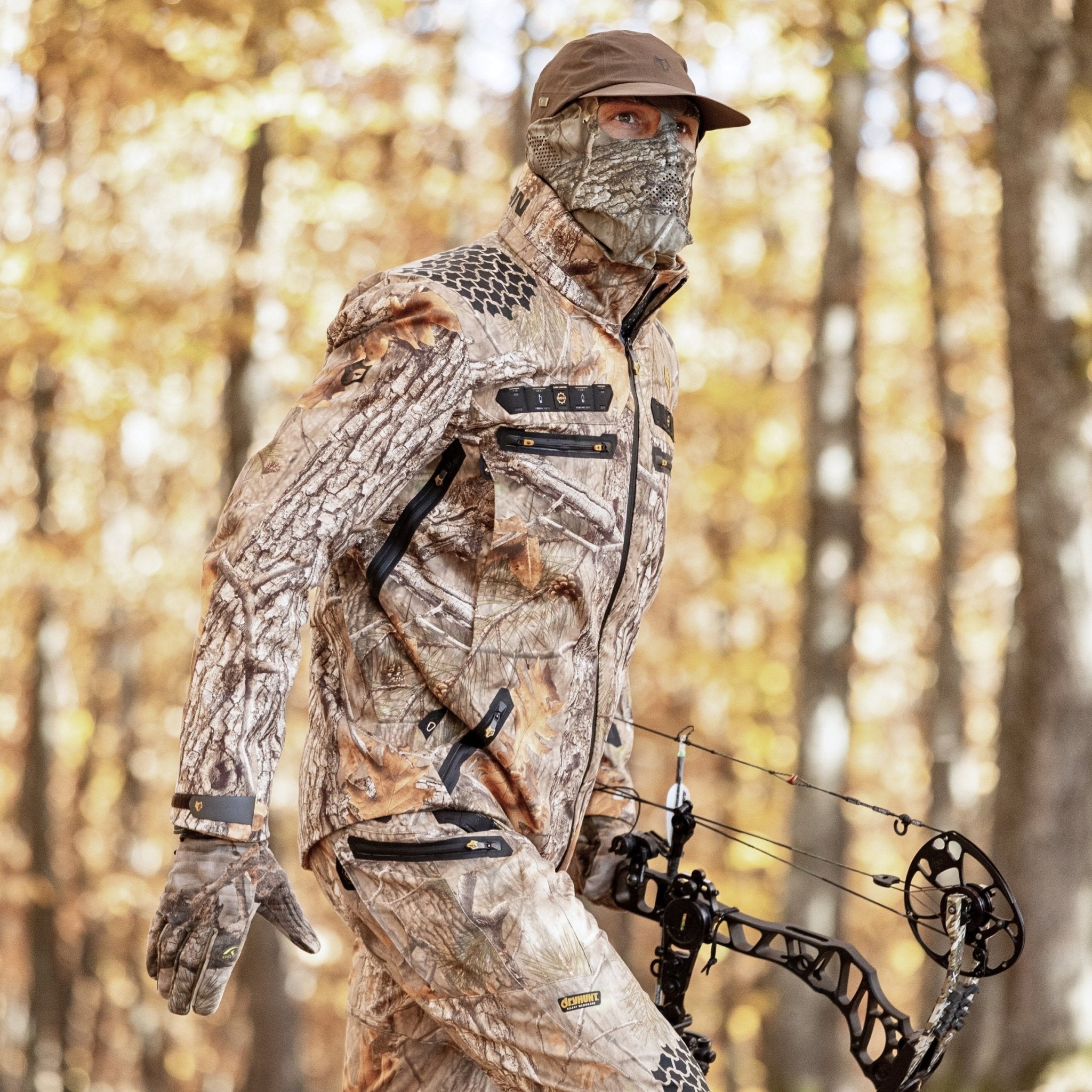
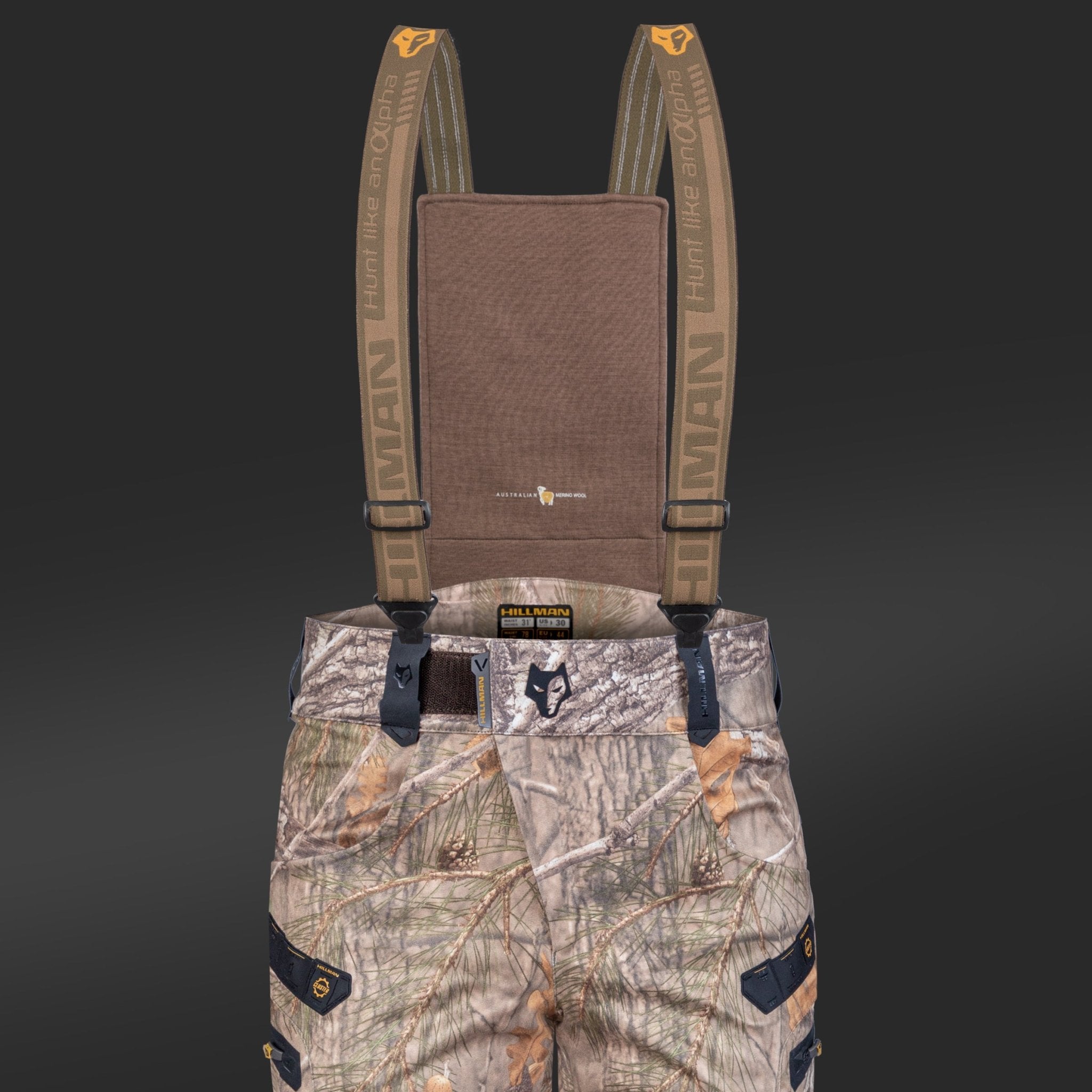
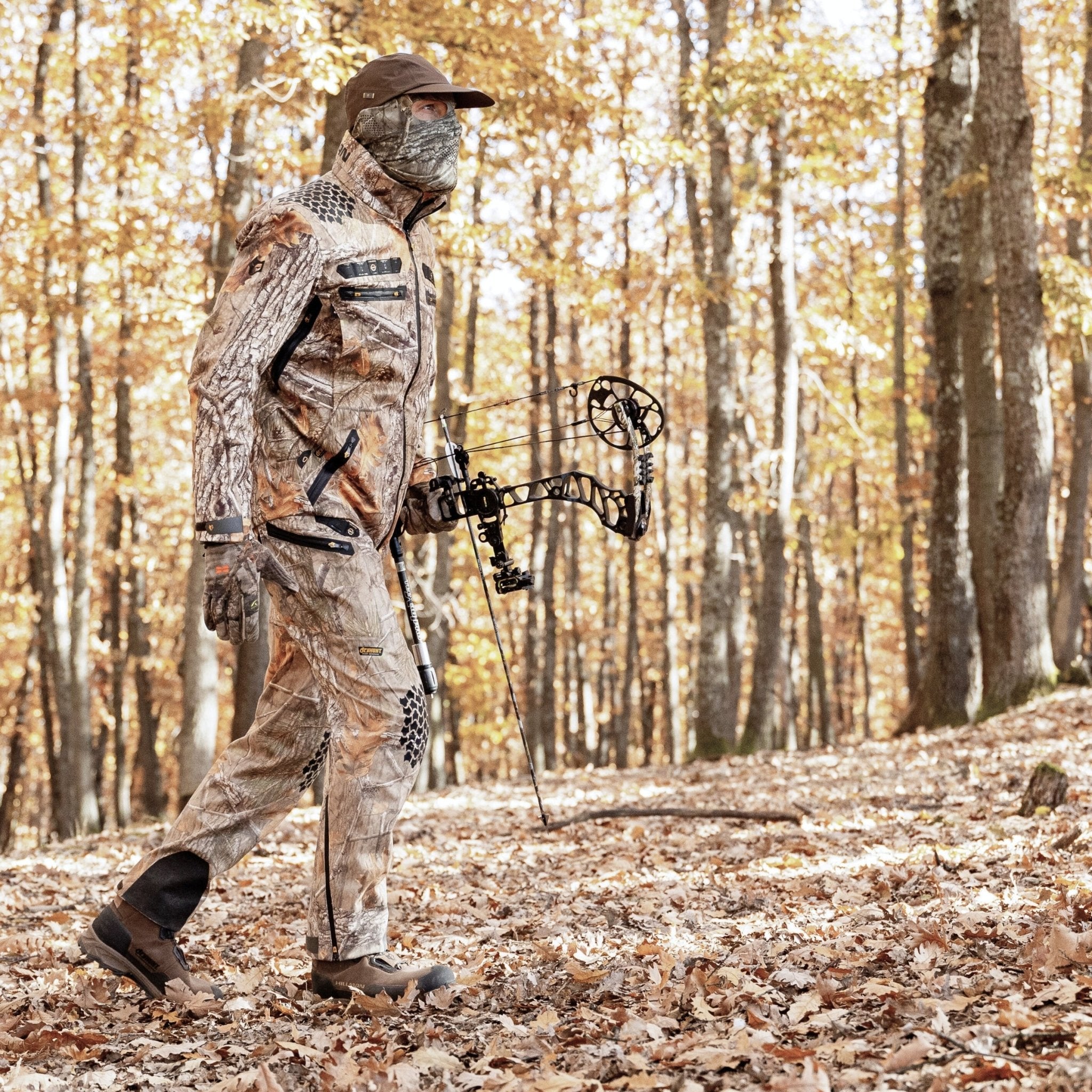
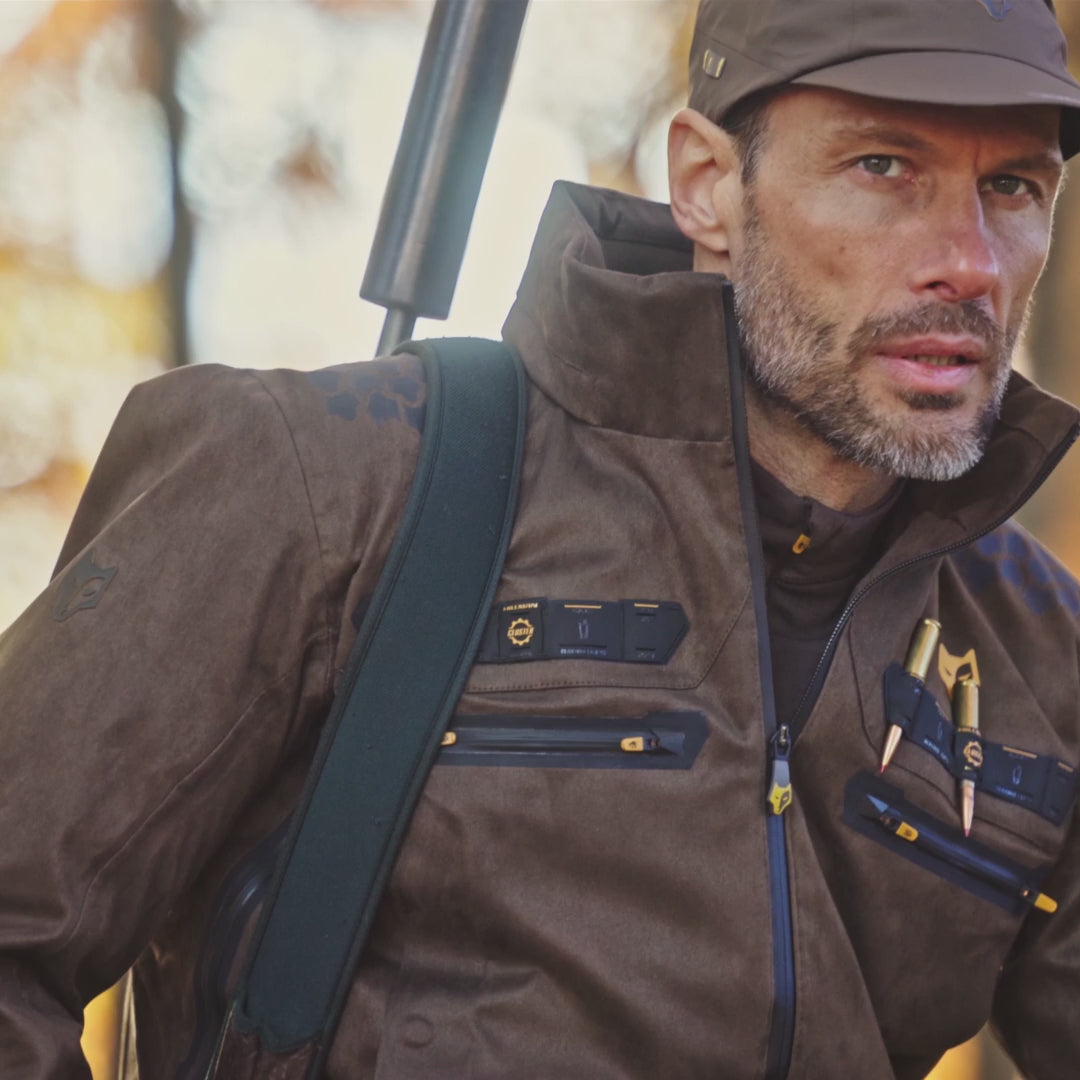
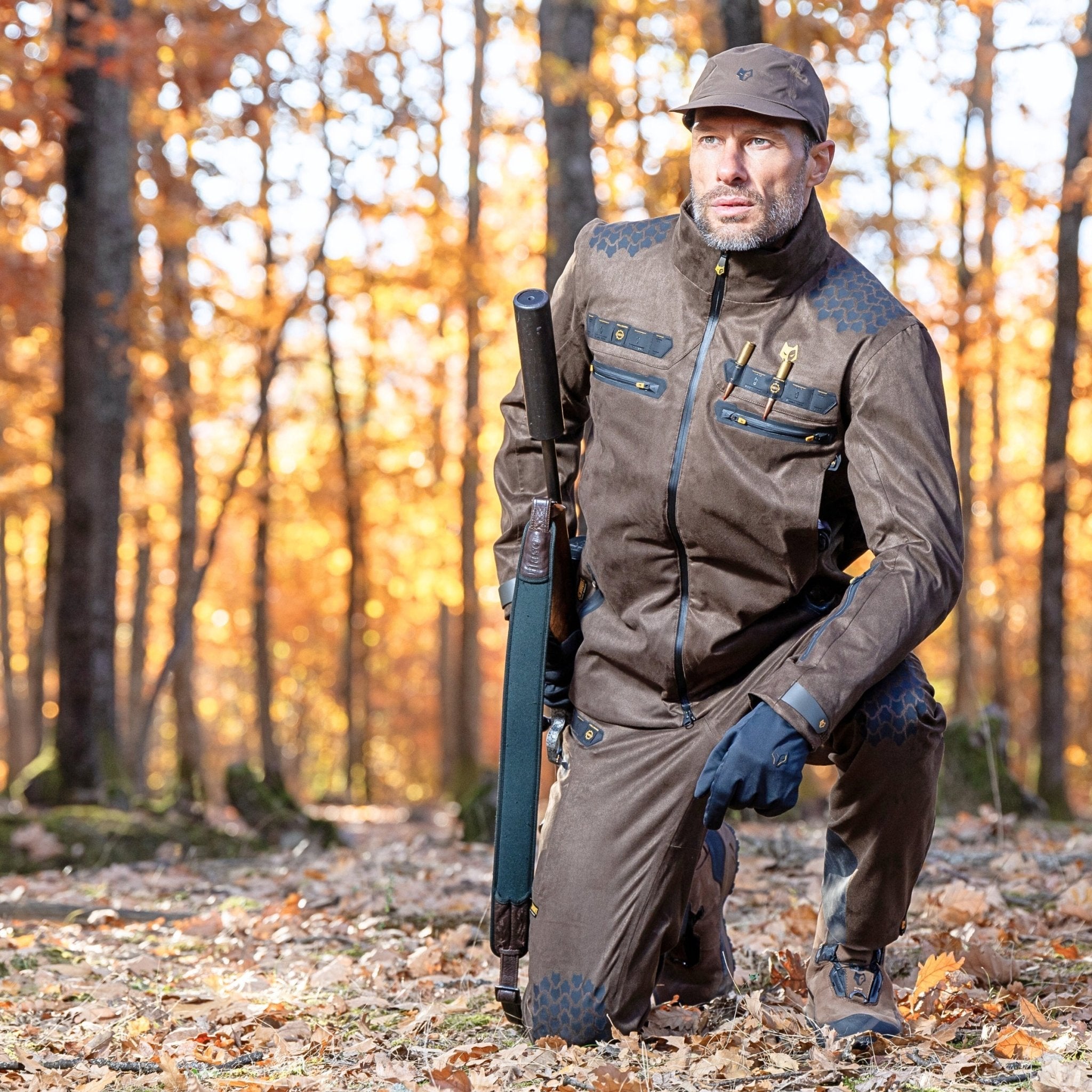
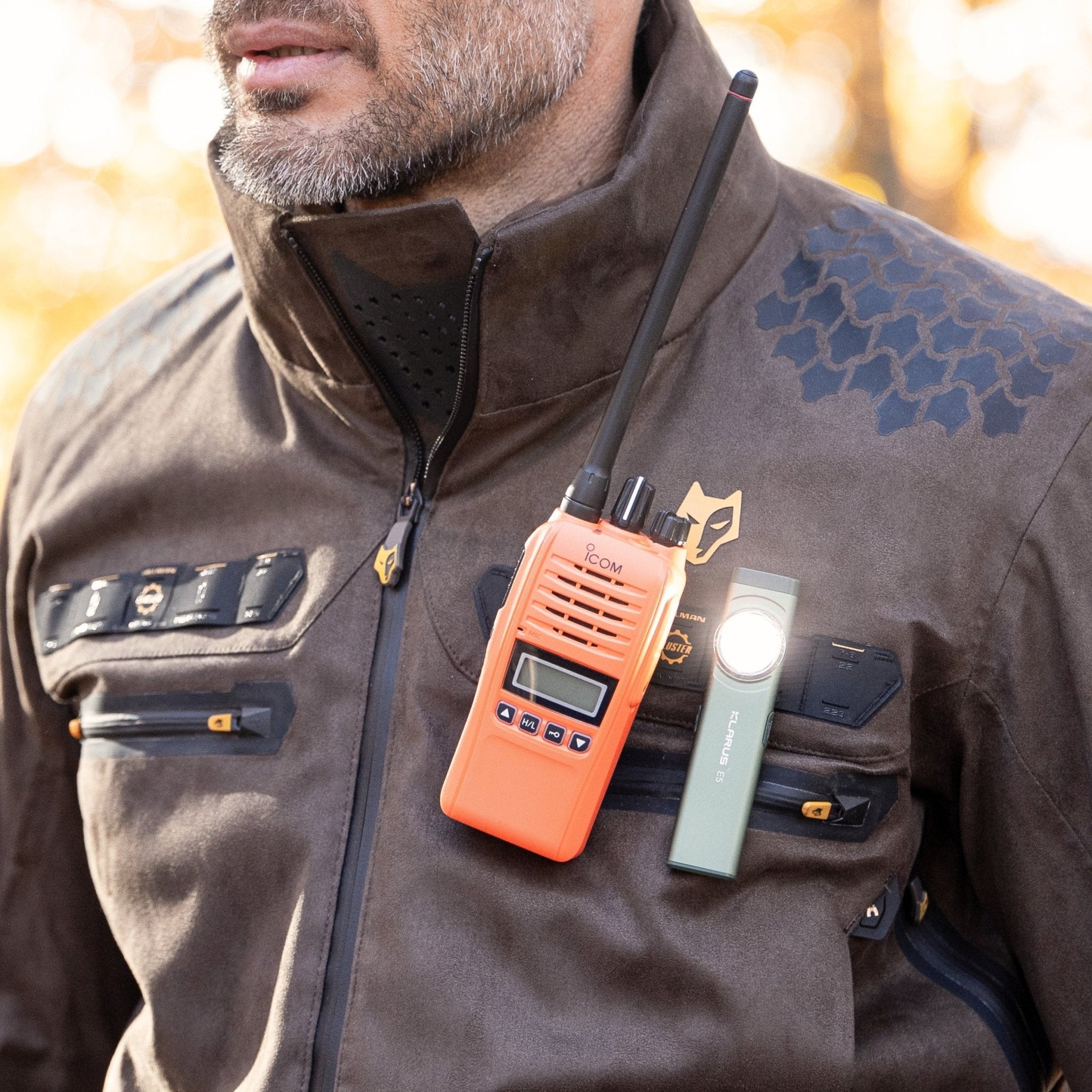
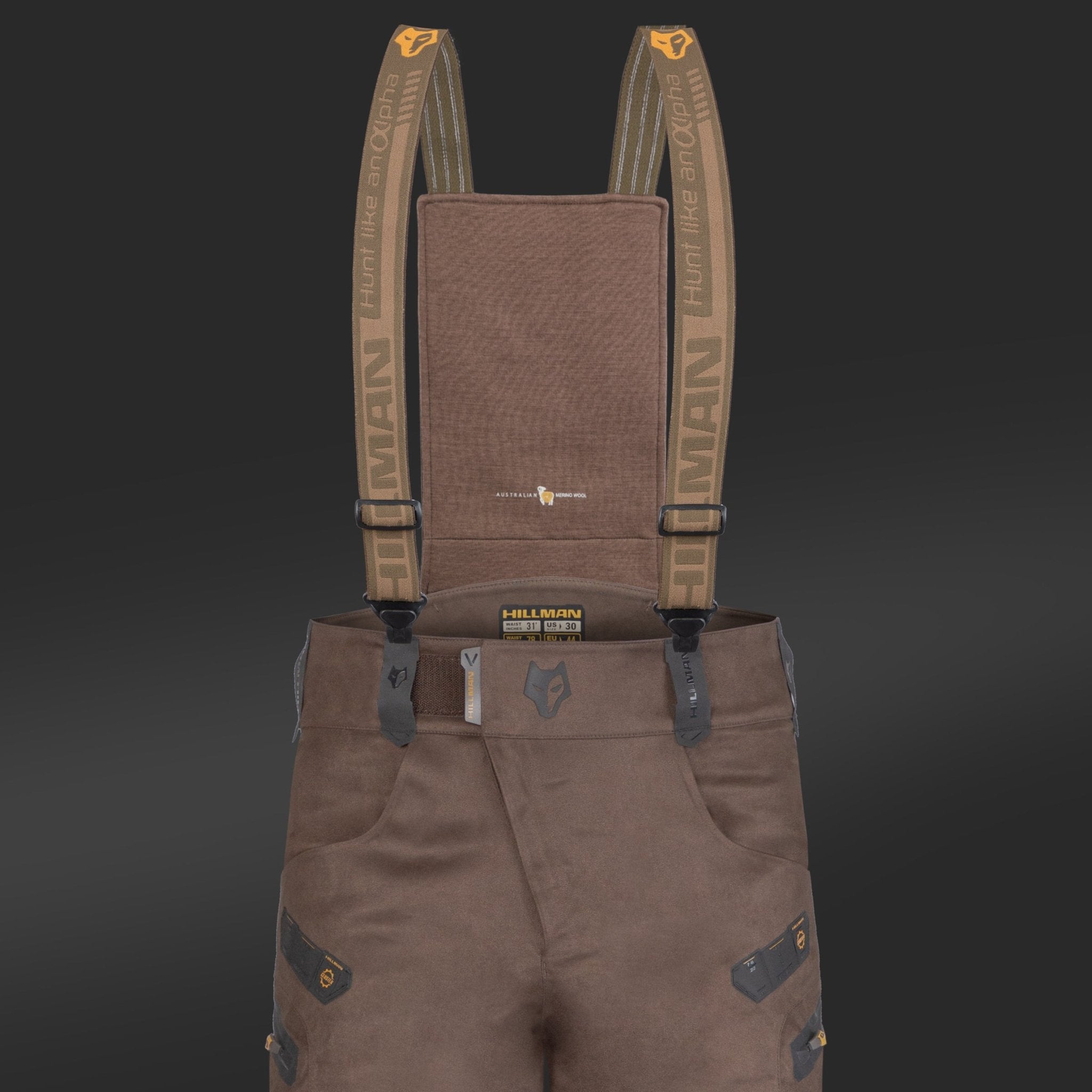
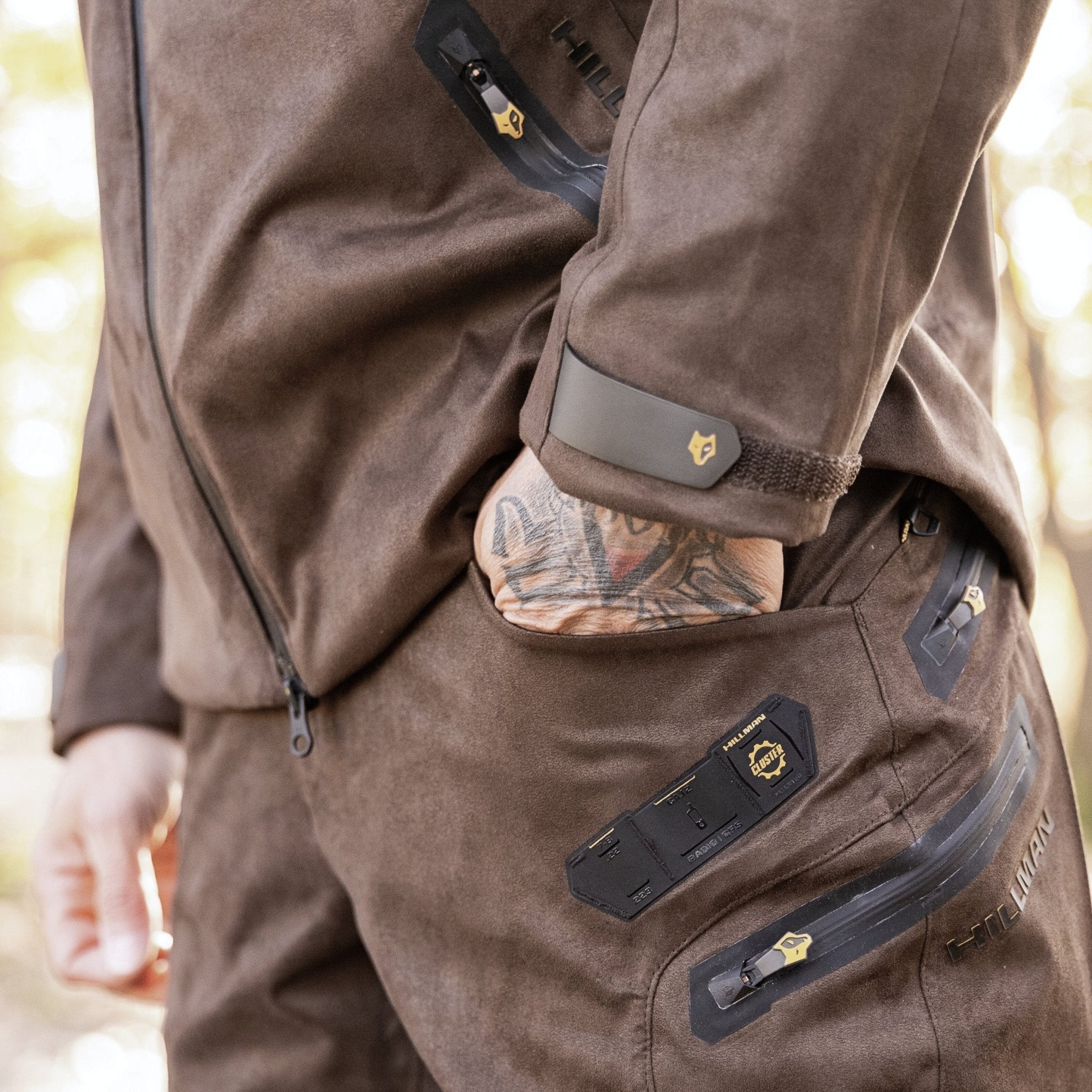
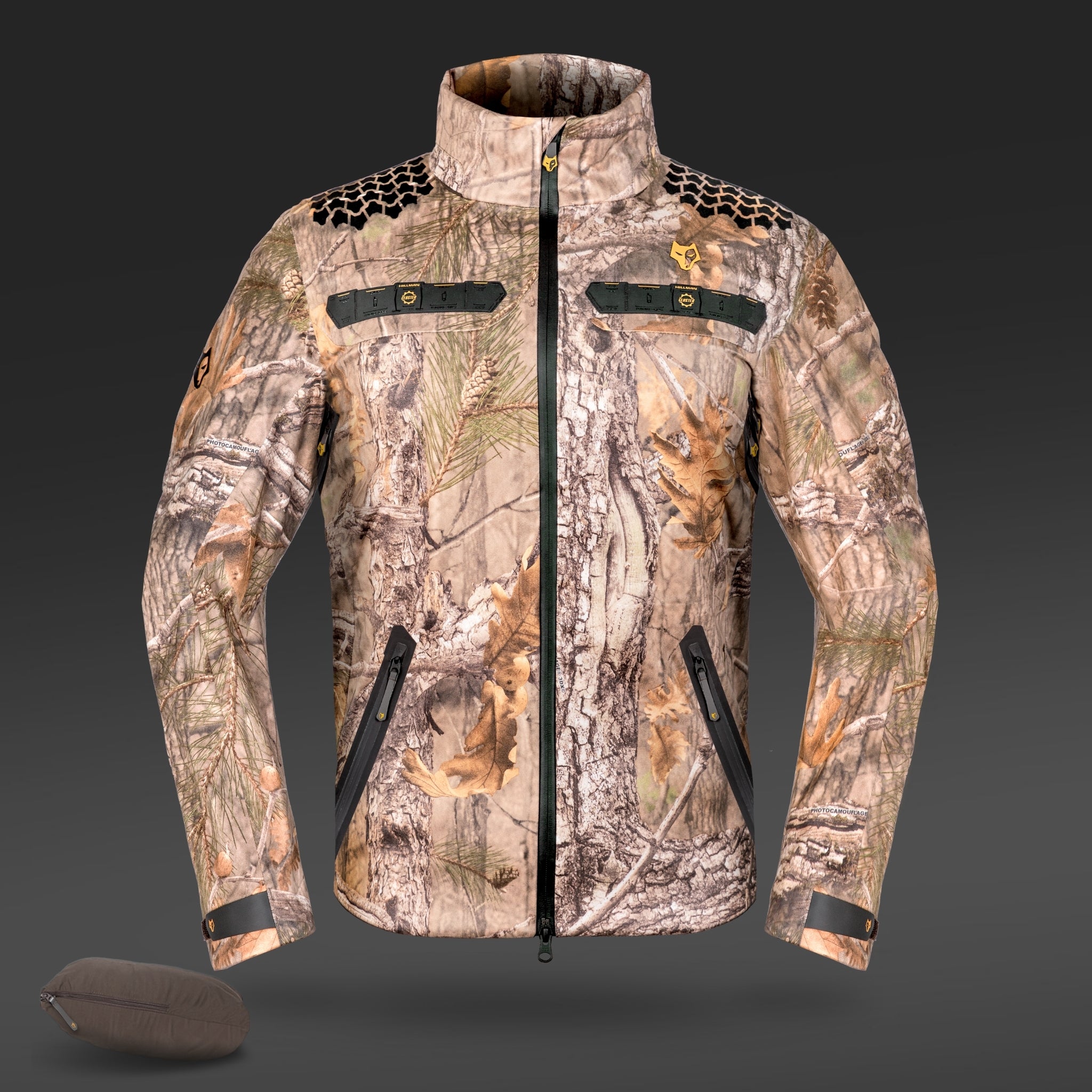
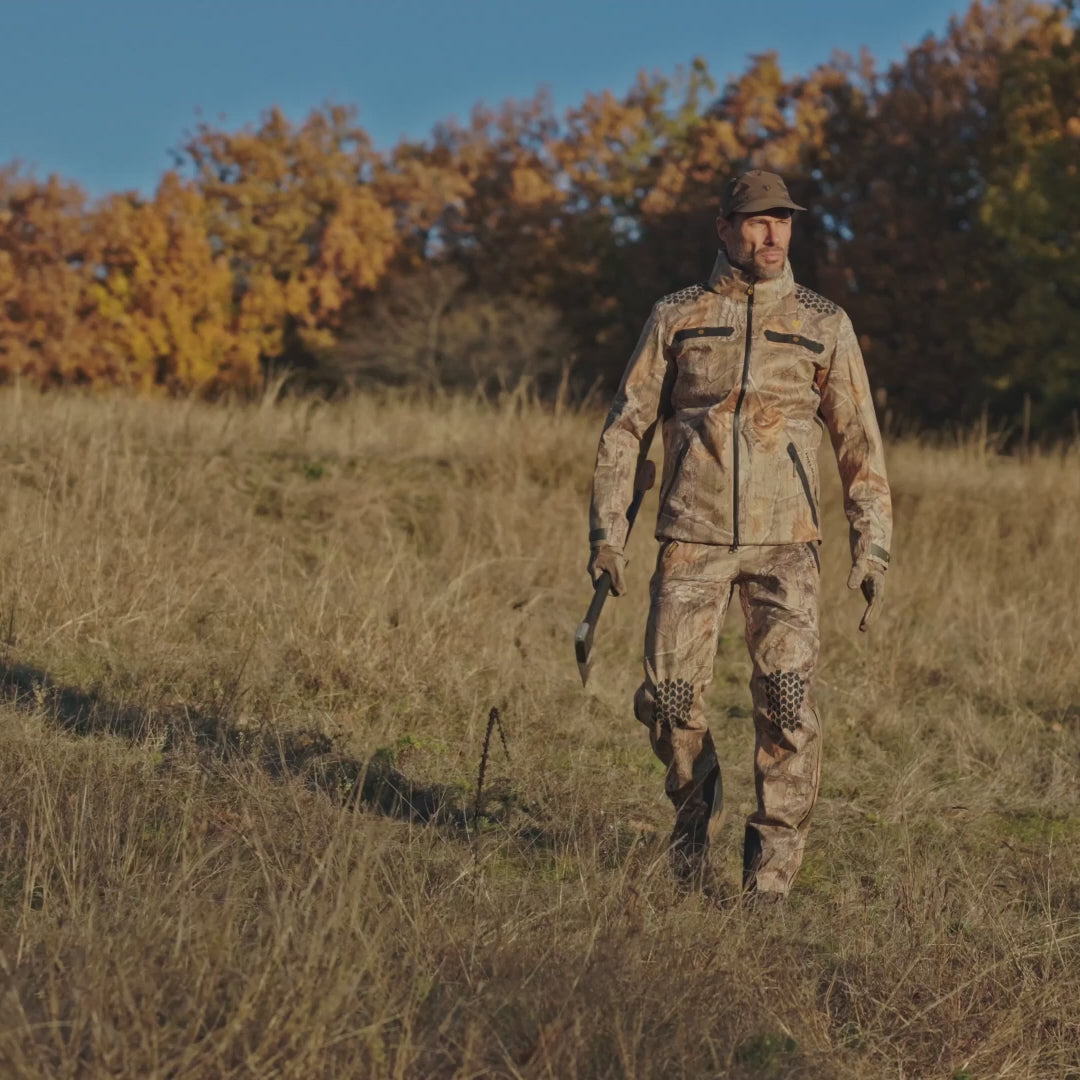
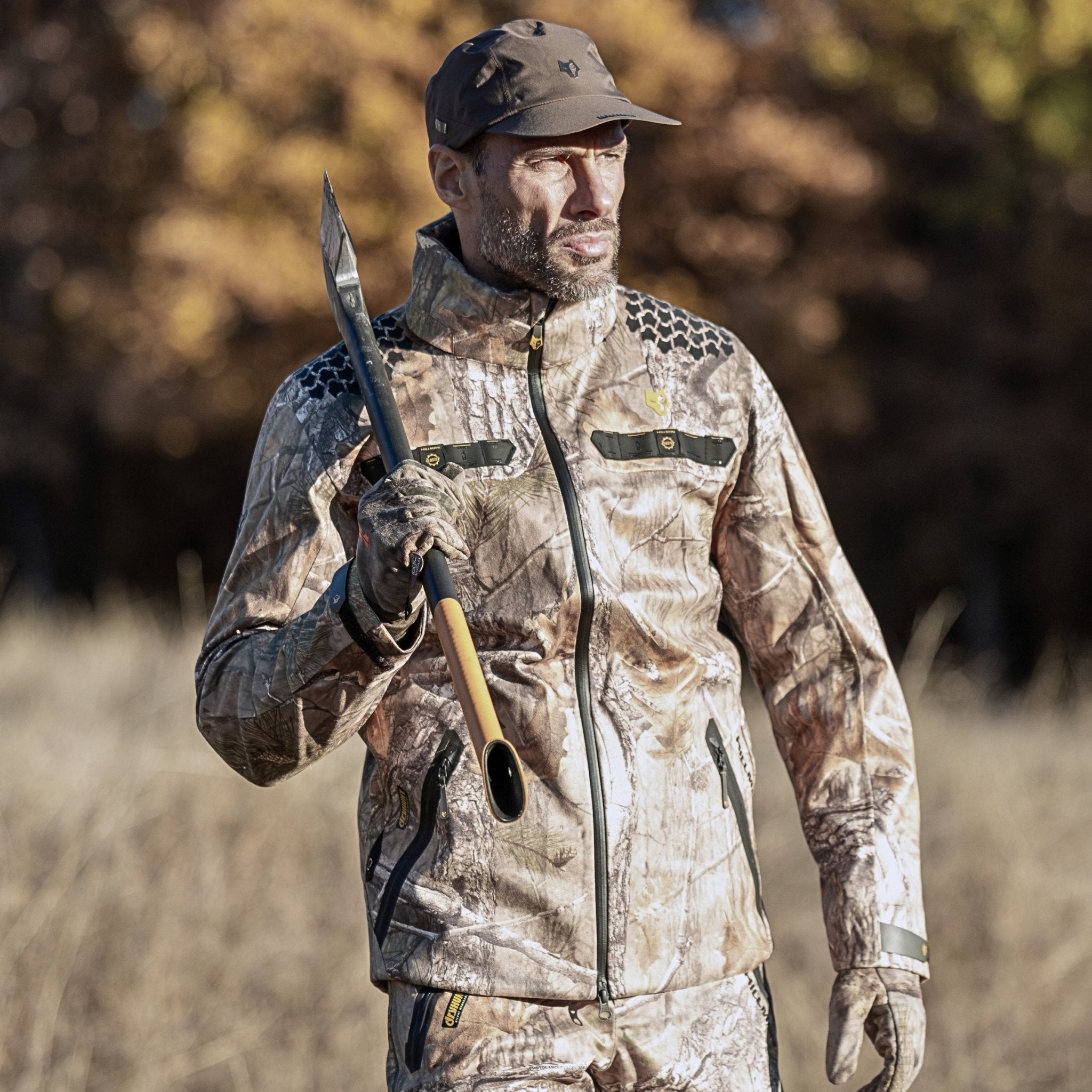
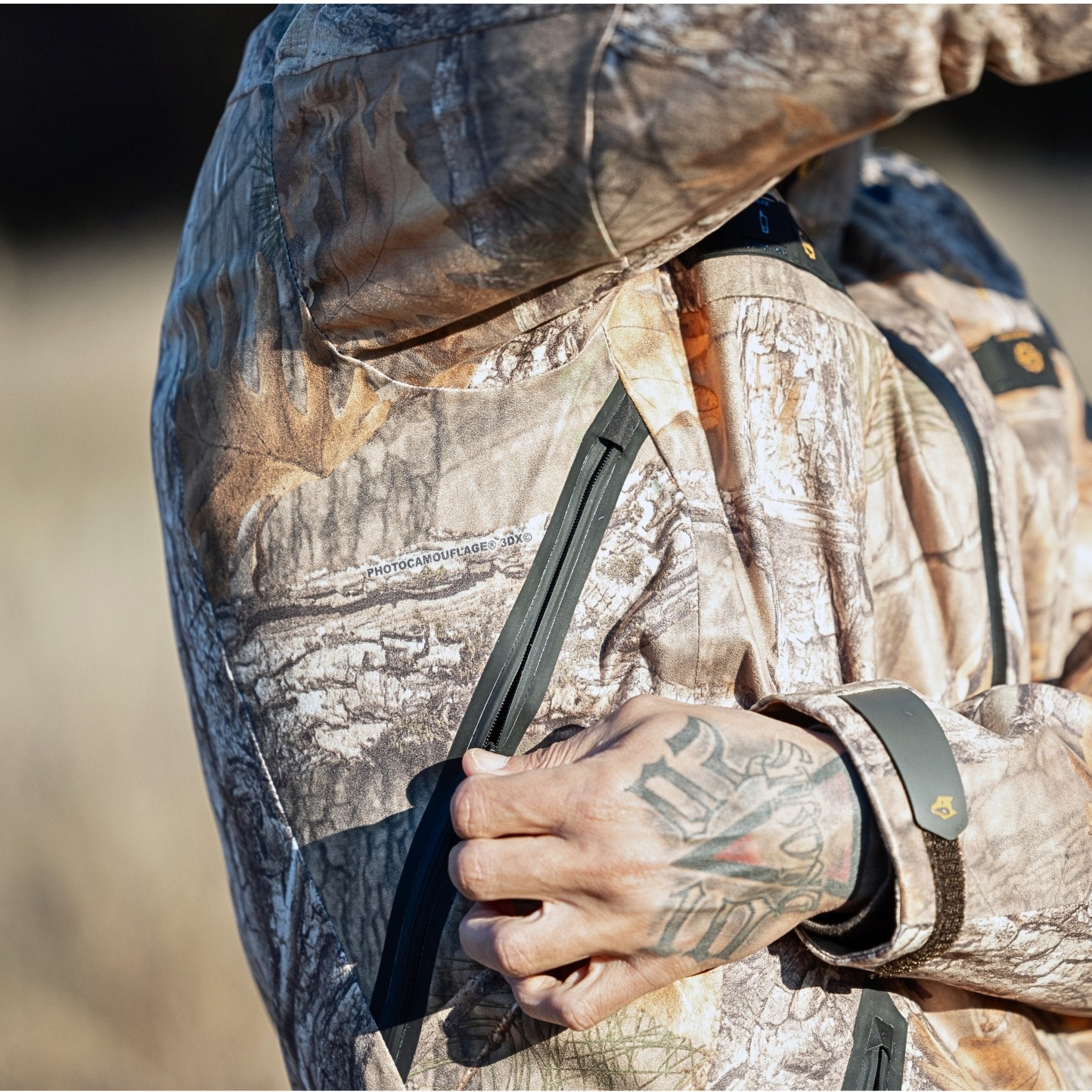
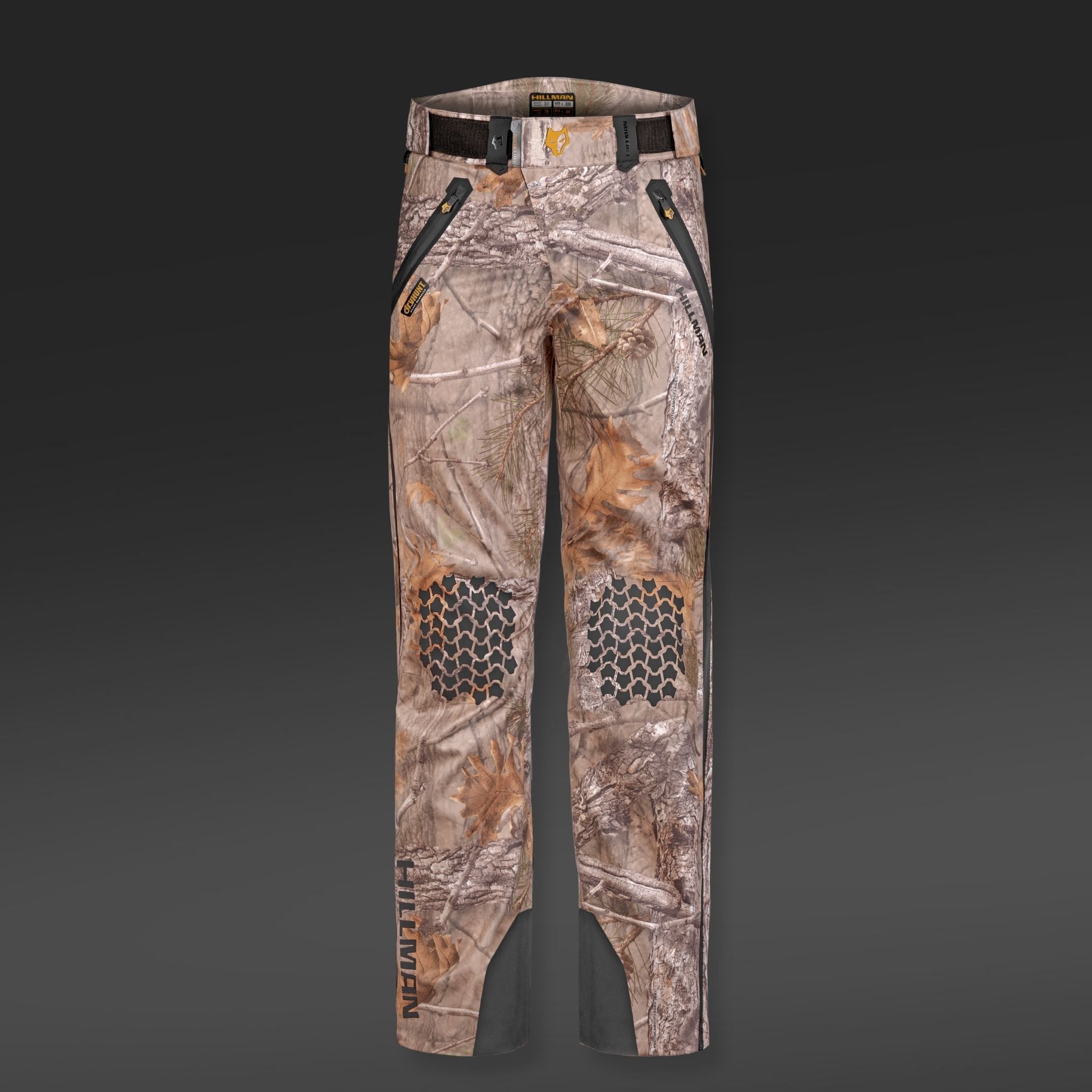
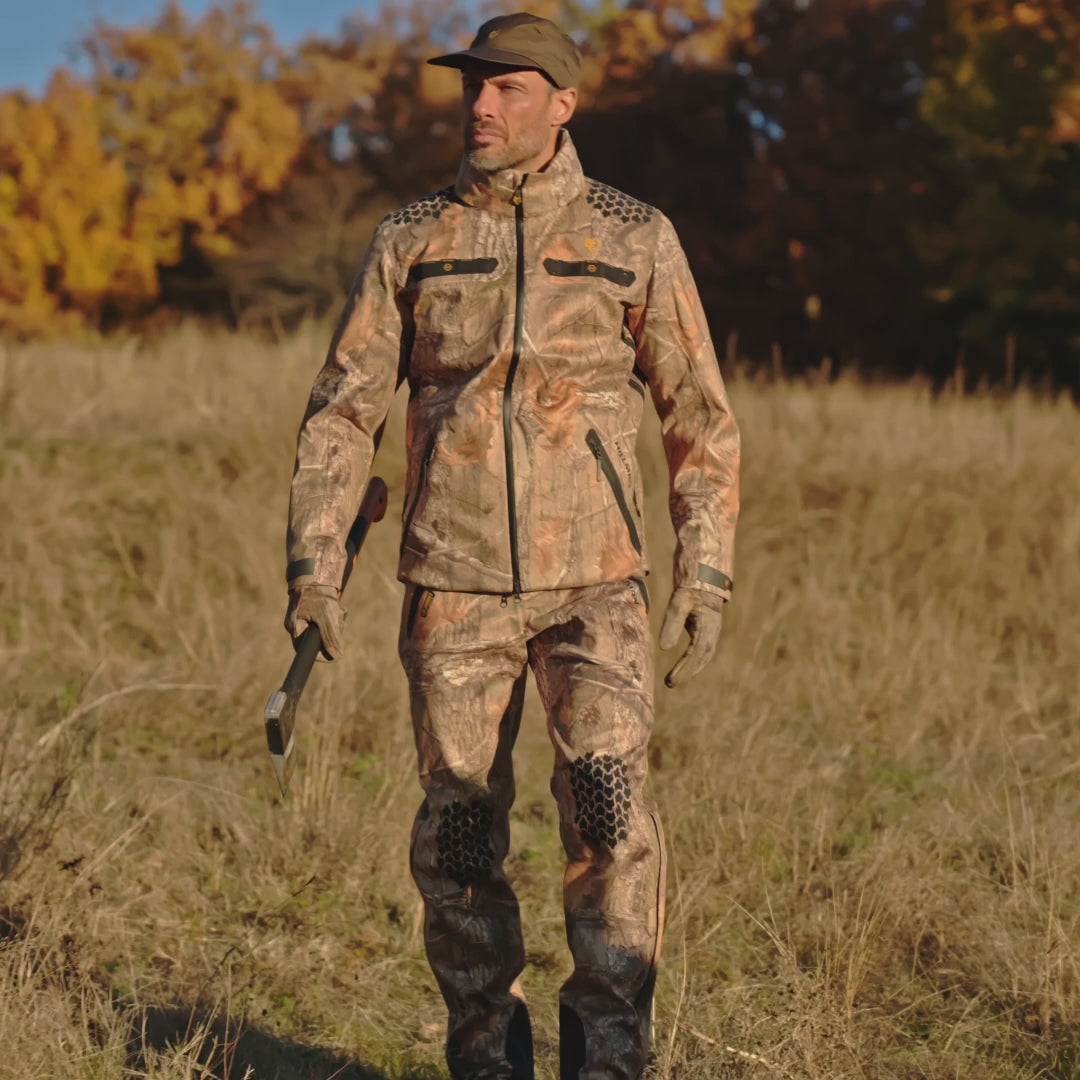
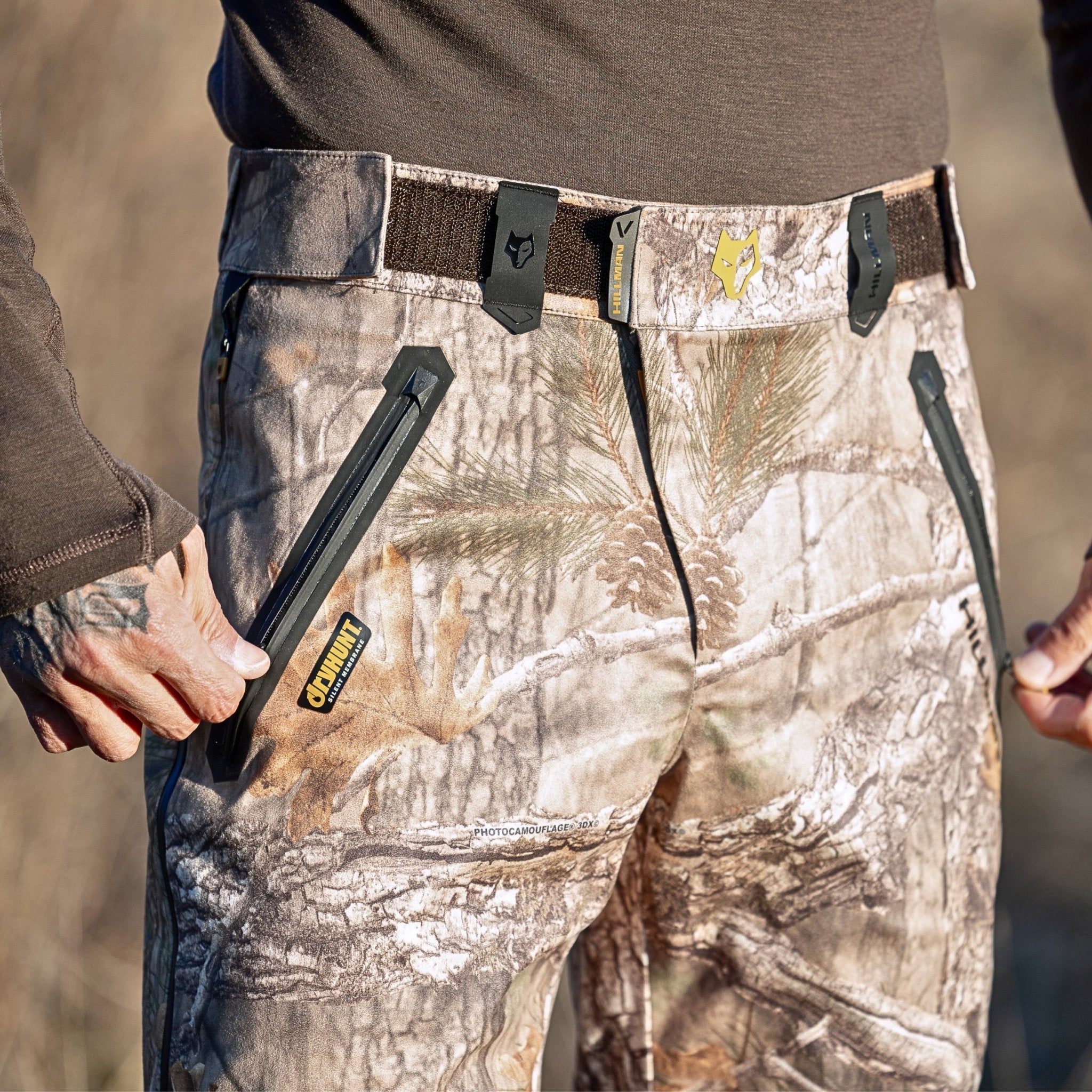
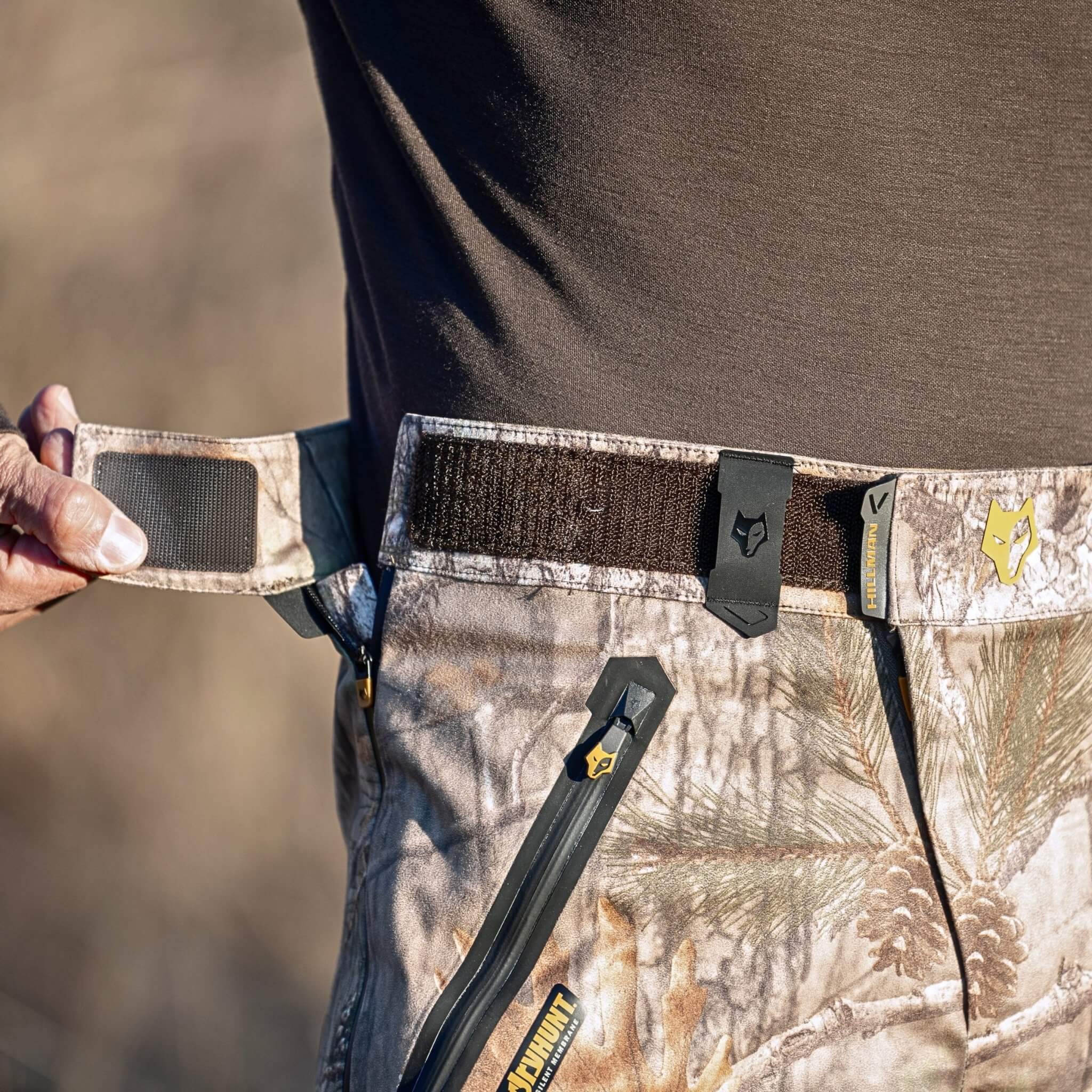
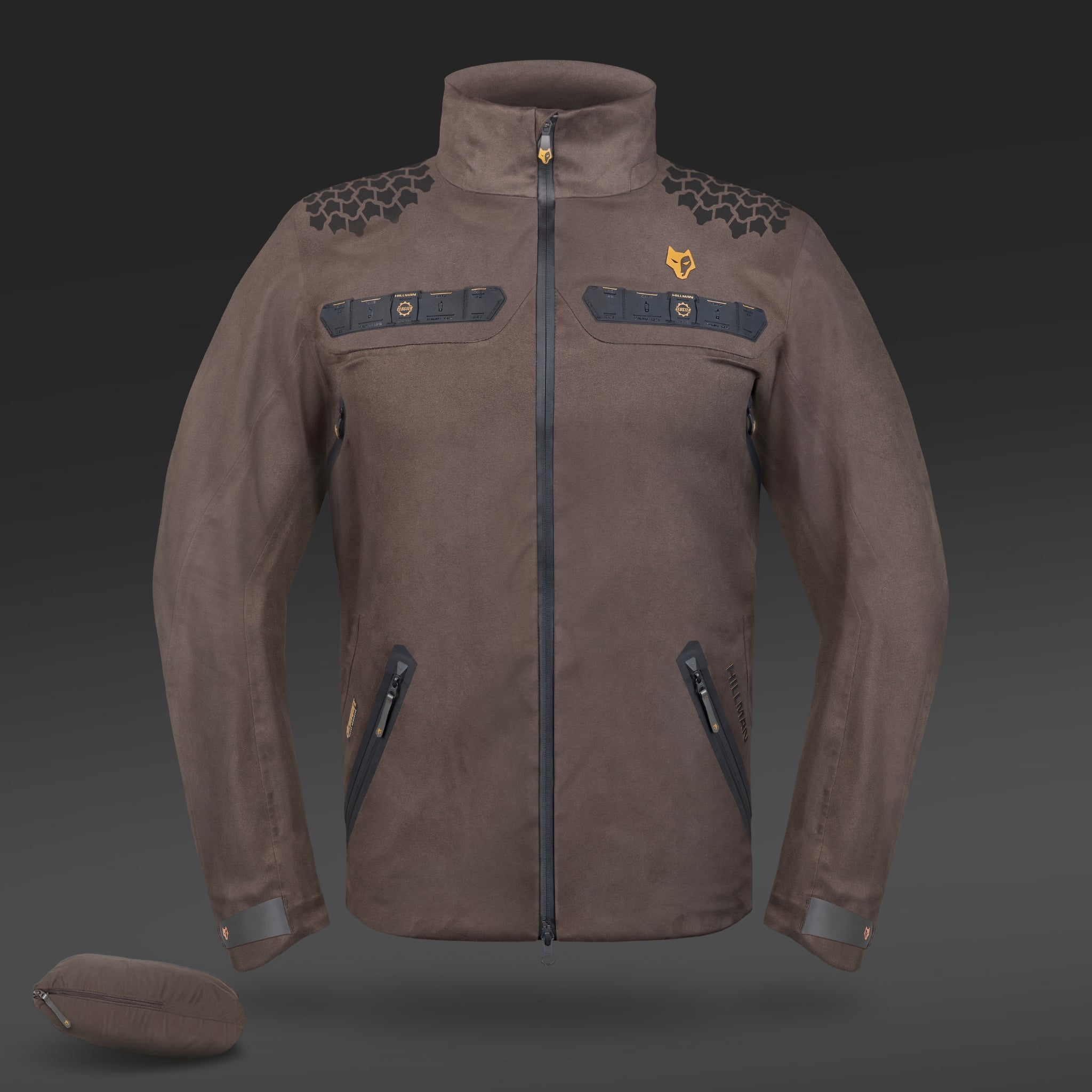
Late season still hunting is not about covering miles. It is about picking the right piece of cover and taking it apart slowly. Hillman gear fits this kind of work best when it stays quiet, warm, and practical without turning every move into extra noise.
Bow Range Changes Everything

Still hunting with a gun gives you more room for error. You can spot deer farther away, settle in, and shoot through small openings if the shot is safe and clear. With a bow, everything gets tighter.
Bow range means you have to beat the deer for longer. You need the wind right. You need enough cover to draw. You need the animal’s head behind a tree, down feeding, or turned away. You need your feet set before the moment happens.
That is why bow still-hunting in thick cover is so demanding. You may do everything right and still never get the bow back. But when it works, it feels earned in a way few hunting methods do.
Plan your shooting position before you need it. As you move, ask yourself where you could draw if a buck appeared now. If the answer is nowhere, shift your route. A deer at fifteen yards is not a success if you are tangled in brush with no shot.
Public Land Rewards the Patient Still Hunter

Public land can look hopeless after the first wave of pressure. Trucks at every access point. Old boot tracks. Stands tucked into obvious trees. Deer trails that seem good but go dead in daylight.
That is exactly why still hunting can work.
Most hunters choose easy routes. They sit obvious funnels. They avoid ugly thick stuff unless they are pushing deer. A careful still hunter can slip into overlooked cover, steep edges, wet ground, creek tangles, and small bedding pockets that do not fit a stand or blind.
The key is not barging into every sanctuary. That will just educate deer. The better approach is controlled pressure. Hunt into the wind. Move slowly. Focus on one likely spot at a time. When you find fresh sign, do not speed up because you are excited. Slow down because you are close.
A mature buck on public land may not make a dramatic mistake. He may simply stand from his bed, take two steps, and wait. If you are watching the whole woods, you miss him. If you are watching the one dark hole where the trail disappears, you might catch him.
Have a Plan, Then Stick to It
Still hunting falls apart when the hunter gets impatient. You start with a plan, then the woods feels too quiet, so you wander. You see open timber and drift toward it. You hear a noise and chase it. Before long, the wind is wrong and you have walked through the best cover without really hunting it.
Use scouting to choose your route before the season or between hunts. A map or mapping app can show benches, creek lines, saddles, timber changes, and thick bedding areas. Boots on the ground can confirm the sign. Tracks, beds, rubs, droppings, trails, and feeding sign tell you where deer actually spend time.
Once you begin, stick to the plan unless the wind changes or fresh sign gives you a better reason. Hunt from one point to the next. Treat each small section like it might hold a buck, because in thick cover it might.
Still hunting is not random walking. It is slow problem-solving with a weapon in your hand.
When to Sit Instead of Move

A good still hunter knows when to stop moving altogether. Sometimes the best decision is to sit for an hour.
Maybe you hit a fresh trail crossing. Maybe you find a rub line diving into thick brush. Maybe the wind is right, the cover opens slightly, and you can watch three lanes at once. Maybe you hear deer feeding but cannot see them yet.
Sit down. Let the woods forget you.
This is not the same as abandoning the still hunt. It is part of it. Movement got you into position. Stillness gives the deer time to make the next mistake. A small stool, a tree base, or a patch of ground in the shadows can become a temporary stand.
The difference is that you found it by hunting, not guessing.
Common Mistakes That Get Hunters Picked Off

The first mistake is moving your head too much. Deer notice that quick side-to-side scan. Move your eyes first and your head slowly.
The second is stepping into openings before glassing them. An open area in thick cover is not empty just because you can see across it. Deer often watch those gaps.
The third is forgetting about your hands. A hand raised to adjust a hat or shift a bow can flash in the wrong light. Keep unnecessary movement low and close to your body.
The fourth is rushing after you jump a deer. Sometimes a bumped deer only moves a short distance, especially if it does not know exactly what you are. Wait. Listen. Watch the direction it went. Charging after it usually turns a small mistake into a finished hunt.
The fifth is giving up too soon. Still hunting thick cover can feel boring right before it becomes electric. One second there is nothing. The next, a buck is standing where you already looked twice.
Why Still-Hunting Makes You a Better Deer Hunter
Even if you do not kill a deer every time, still hunting teaches things a stand cannot. You learn how deer use wind. You see fresh beds and understand why they were chosen. You notice how trails bend around brush, how bucks use shadows, how sound changes near water, and how much movement the woods can hide.
You also learn humility. Deer are better at this than we are. They live there. We visit.
But that is the appeal. A still hunt puts you back into the woods as a hunter, not just a watcher. You are reading sign in real time. You are choosing each step. You are trying to become slow enough, quiet enough, and aware enough to belong for a little while.
And when you finally spot deer before they spot you, especially in thick timber at bow range, it feels like you cracked a code that most hunters have forgotten.


Share:
Hunting Pressure Changes Deer Faster Than Most Hunters Think
DIY Public-Land Deer Hunts: Finding Access, Staying Effective