

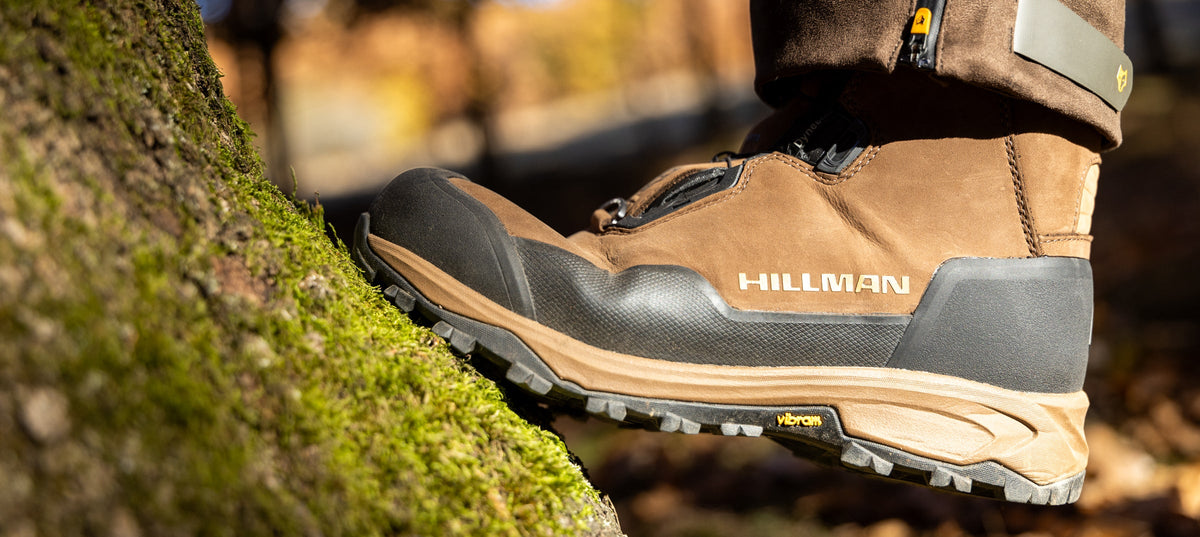
Hunting Boots for Wide Feet: Fit, Toe Room, Hot Spots and Long-Day Comfort

Wide hunting boots with better toe room, less rubbing, stronger heel hold and more comfort on long, rough hunts.
Hunting boots for wide feet fit differently from hiking shoes, running shoes or a normal hiking boot. That sounds basic, but this is exactly where sore feet, numb toes and ruined hunts usually start. A boot can feel fine when you stand in it for five minutes, then start chewing your foot halfway up a ridge with a pack on your back.
That is where most hunters mess up. They buy hunting boots like they are buying everyday footwear. Same size as always, same quick try-on, maybe one walk around the shop. Then the first long hike comes, the toes go numb, the heel starts lifting, the outside of the foot burns, and suddenly those “great hunting boots” are not so great.
Fit Comes Before Boot Type
The best hunting boots are not always the stiffest, warmest or most expensive ones. They are the ones that fit properly when your feet are actually under hunting conditions.
Measure your feet while standing. Not sitting. Not first thing in the morning when your feet are at their smallest. Do it later in the day if possible. Wear the hunting socks you plan to use. If you hunt cold weather with a thicker sock, test the boots with that sock. If you hunt early season or warmer weather in lighter socks, test them that way too.
Wide feet need space, but they do not need slop. That is the annoying part. A loose boot is not a comfortable boot. If your heel moves, you are asking for blisters. If your foot slides forward on downhill ground, your toes will smash into the front. If the boot is roomy everywhere but sloppy around the heel, it still does not fit.
Toe Room Is Where The Trouble Usually Starts

The toe box is where wide feet complain first. Little toe getting crushed. Ball of the foot burning. Toes tingling. Forefoot feeling trapped under the upper. Those are not small details. Those are warning signs.
A lot of hunters ignore hot spots at first. Bad move. A little rubbing turns into heat. Heat turns into damaged skin. Then you get a blister, and now every step is louder, slower and more miserable. On a short walk, that is annoying. On a long elk hunting day, upland hunting day or hard stalk through varied terrain, it can ruin the whole thing.
Your toes should have enough room to sit naturally. They should not be squeezed together. They should not hit the front of the boot on descents. They should not feel like the upper is pressing them down every time the boot bends.
Full grain leather can break in and shape itself a bit, but do not use that as an excuse to buy pain. A new pair should feel firm, not brutal. The break in period should mean the boot softens and settles. It should not mean you limp through ten hunts hoping the boot suddenly becomes a different shape.
There is support, and then there is pressure. Do not confuse the two. Ankle support should come from the boot built, the lacing and the structure. It should not come from crushing your foot until your toes go numb.
Mountain Hunting Boots Can Be Brutal On Wide Feet

Mountain hunting boots are built for tough terrain. Steep climbs, loose rock, shale, sidehilling, heavy packs, rough country. They are usually stiffer than normal hiking boots because they have to keep your foot steady when the ground is trying to twist it.
That stiffness can be useful. Sheep hunters, elk hunters and anyone packing elk meat in broken terrain know why support matters. But if the mountain boot is narrow, that same stiffness becomes a problem. A narrow stiff boot will not magically become wide because you suffer in it for a few miles.
For an elk hunting boot, look for a wide forefoot option, strong ankle support, a locked-in heel and excellent traction. Chasing elk can mean climbing in the dark, crossing deadfall, sidehilling for hours and carrying weight on the way out. That is exactly when poor fit shows up.
A small pressure point at breakfast can become a burning hot spot by midday. A little heel lift can become torn skin. Tight toes can become numb toes. And once your feet start falling apart, your hunt gets worse fast.
The best elk hunting boot is not just the one with the toughest outsole. It is the one boot that holds your heel, gives your toes space and stays stable when the pack gets heavy. Some hunters love stiff mountain hunting boots. Others do better in a slightly softer boot. Your ground decides a lot.
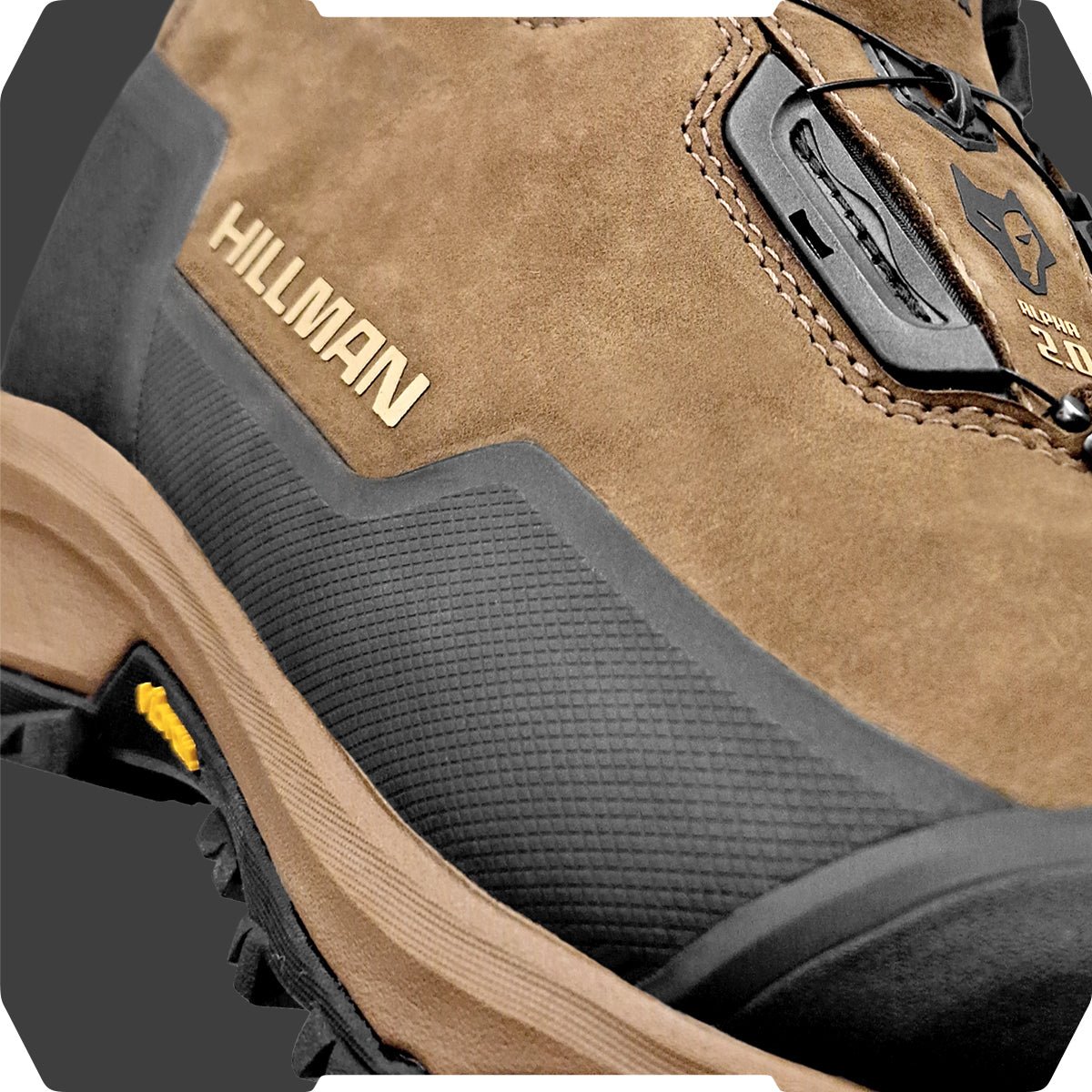
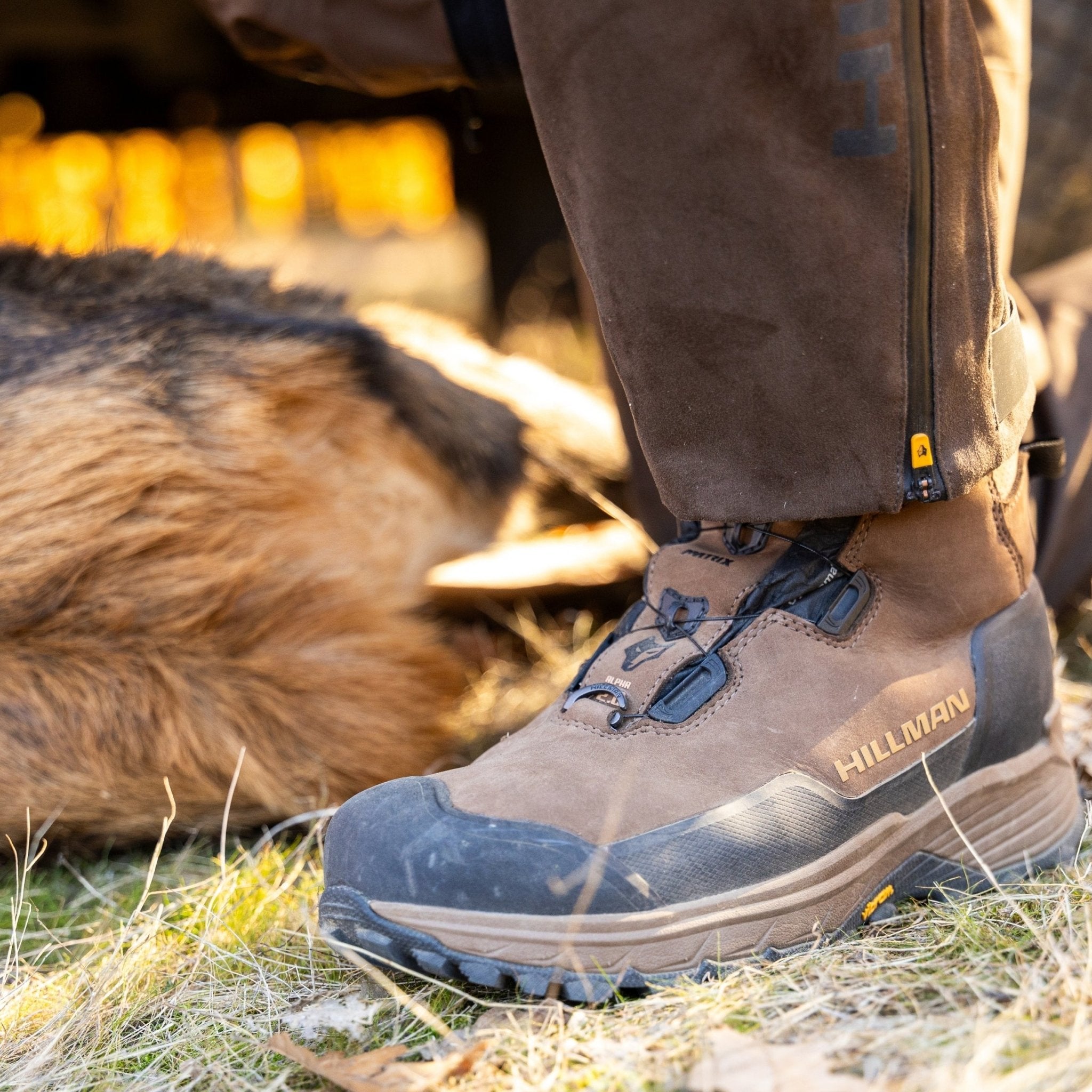
A full rubber rand can help in rocky terrain. It protects the boot from sharp stone, brush and deadfall. Good feature, especially for hard hunting, but it also adds structure. More structure often means less give. So again, the fit has to be right from the start.
Rubber Boots And Snake Boots Still Need Real Width
Rubber boots are useful in the right place. Wet ground, marsh, treestand hunting, muddy fields, scent-control situations, standing water. They keep water out well when they are built right.
But for wide feet, rubber boots can be weird. Some feel roomy at first, then your heel lifts with every step. Others squeeze the forefoot because the rubber shape does not give much. Unlike a leather boot, rubber boots do not really mold to your foot in a meaningful way.
If you walk long miles, a sloppy rubber boot can rub badly. If you are sitting in cold conditions, a tight rubber boot can cut circulation and make your feet colder. That is the part people miss. Warm boots do not help much if they are too tight.
Snake boots have another problem. They are tall, protective and often stiff. Good for snake country, sure. But protection does not excuse bad fit. A snake boot that protects your lower leg while crushing your forefoot is still a bad boot for a long day.
For upland bird hunting, rubber boots can work in wet grass or soft low ground. But if you are following upland birds across fields, ditches, fence lines and uneven cover for hours, a lighter lace-up boot often feels better. Wide feet need clean fit more than they need a boot that only feels good for the first ten minutes.
Insulated Boots Can Make Wide Feet Feel Tighter

Insulated boots are made for cold weather, late season hunts and long sits. That makes sense. But insulation takes up space inside the boot. If your feet are already wide, that matters.
The warmest hunting boots are not always the best choice. Sounds backwards, but it is true. If the boot squeezes your foot, circulation suffers. If circulation suffers, your feet get colder. Add thick socks inside a tight insulated boot and you may have built yourself a freezer.
A good cold-weather boot needs enough room for your foot, sock and blood flow. You want feet warm without pressure. You want space without heel slip. That balance is where wide feet make buying boots harder.
An uninsulated boot is often better for early season, warmer weather and active hunts. When you are climbing, glassing, stalking or covering miles, lighter boots can save energy and help keep feet cool. Lightweight hiking boots can be a good call for scouting, upland hunting and early elk hunting, as long as the support matches the ground.
Do not expect the same pair to do everything. A light uninsulated boot may be great in September and awful in a frozen treestand. A heavy insulated boot may be perfect for sitting in December and miserable on a steep warm climb. Wide feet make this even more obvious because every layer of insulation steals internal volume.
Waterproof Boots Are Great Until Your Feet Sweat Inside Them

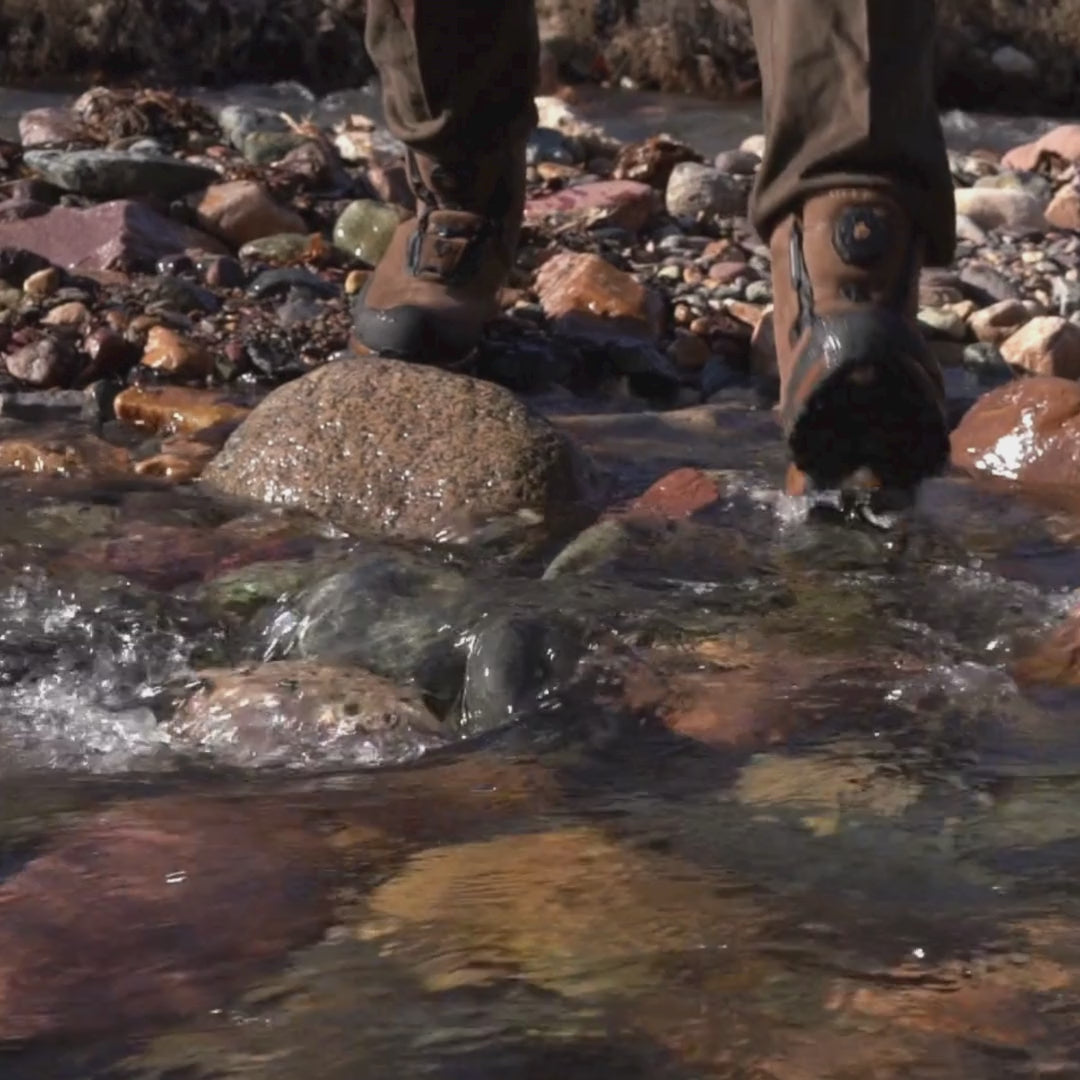
Waterproof hunting boots are important when the ground is soaked, the grass is wet or the weather turns ugly. Wet feet are a fast road to blisters, cold toes and bad mood. Keeping feet dry matters.
But waterproofing is not magic. Some waterproof liners trap sweat, especially during active hunts. Then your feet feel clammy. Then you stop moving and they get cold. A boot can keep rain out and still leave your socks wet from the inside.
A Gore-Tex lining, Dryhunt liner or similar waterproof membrane can work well, but it can also change the feel of the boot. For wide feet, that small loss of internal space can be enough to create pressure over the forefoot.
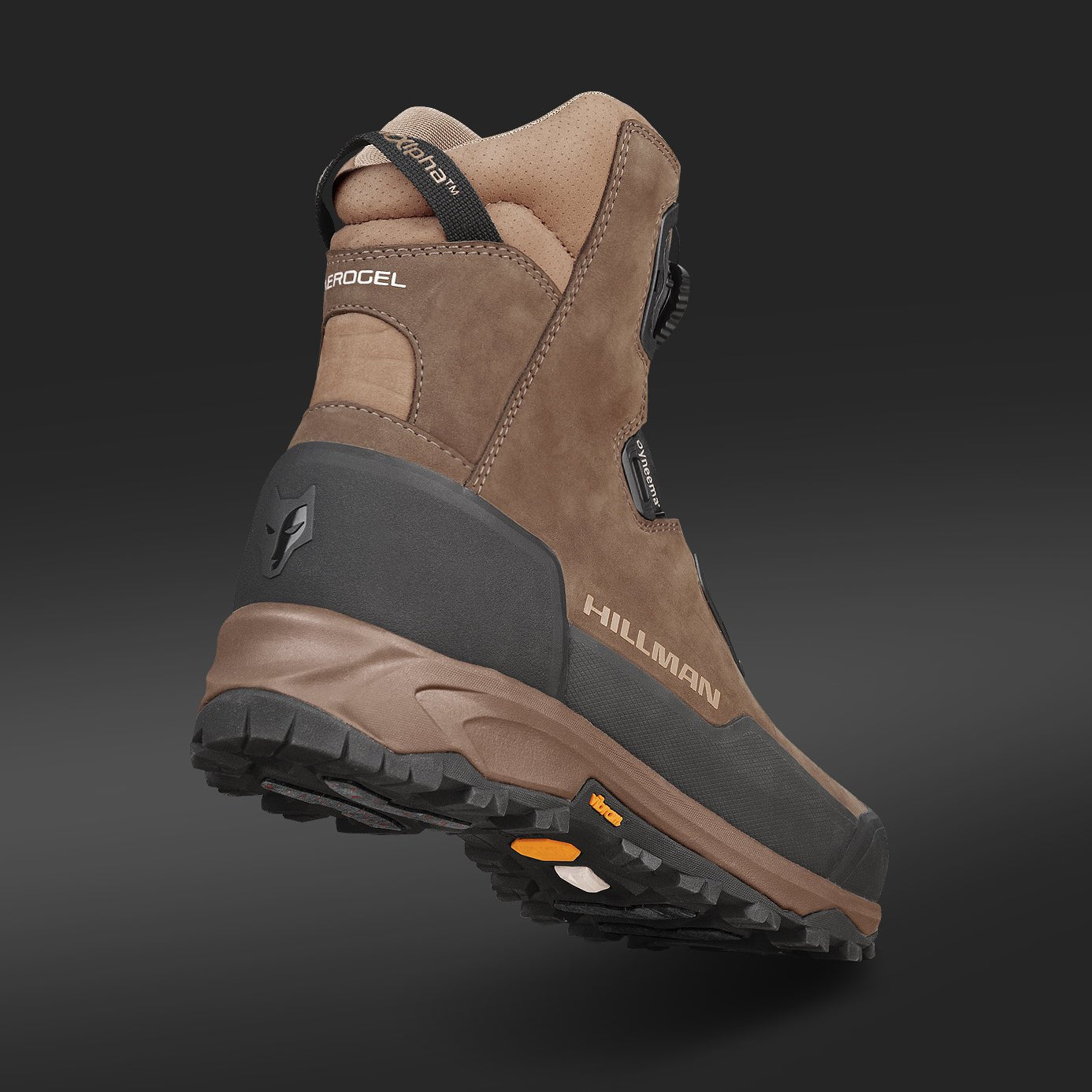
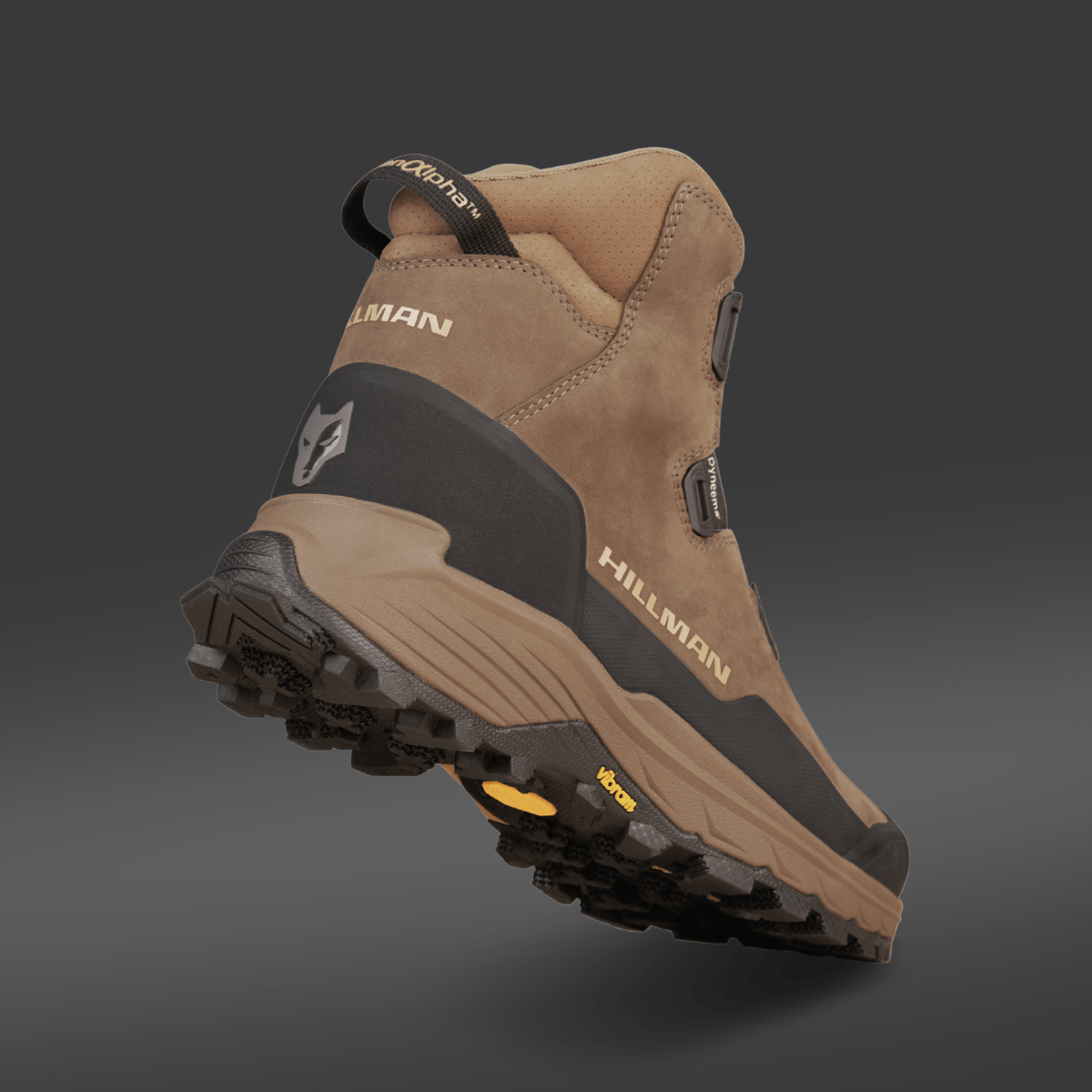
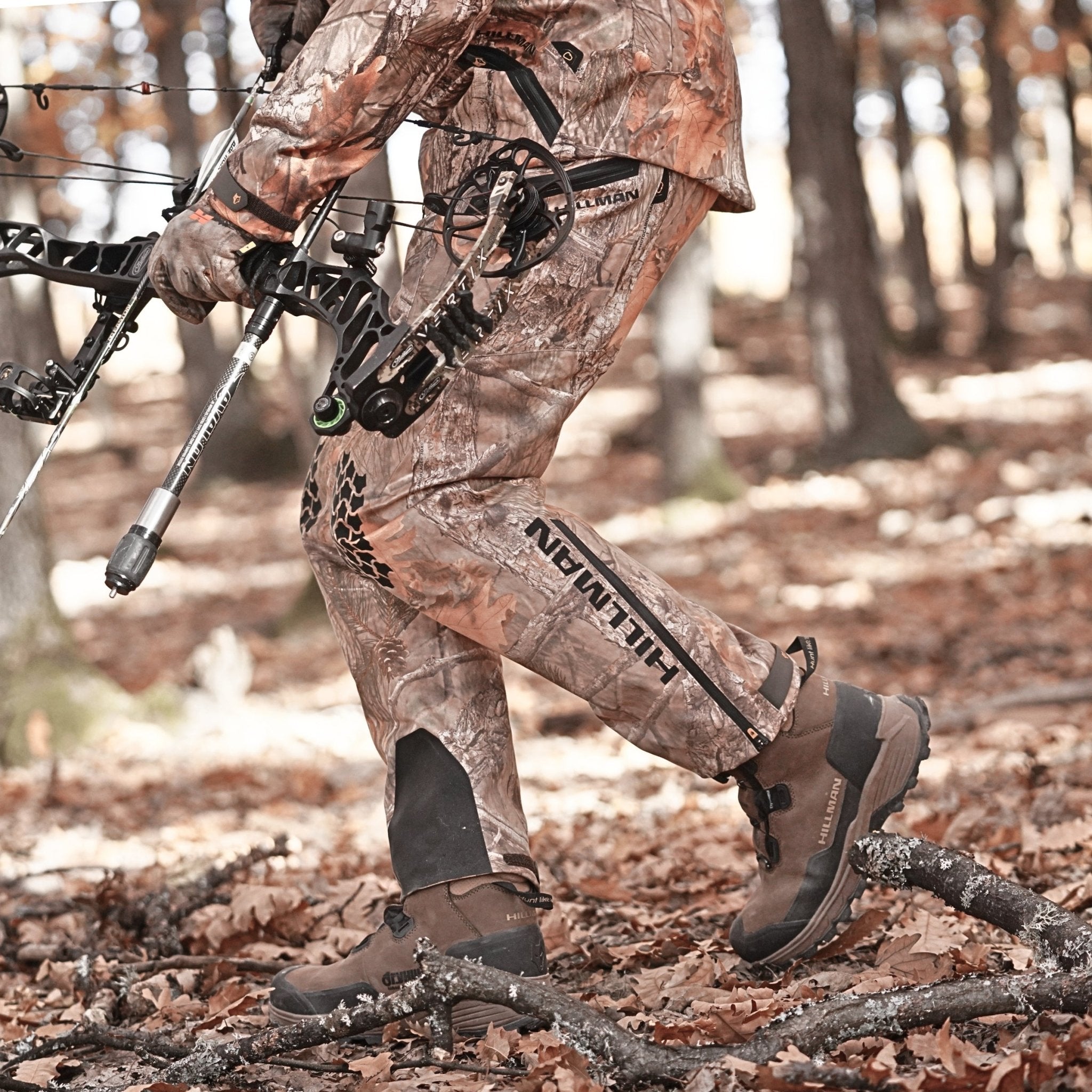
A good waterproof boot needs sealed construction, durable outer materials and enough breathability to move moisture. Hillman uses Dryhunt® nanomembrane technology for better breathability and moisture control in demanding wet conditions.
Leather boot care matters too. Full-grain leather can be tough and supportive, but it needs maintenance. Let it dry out and crack, and you shorten its life. Drown it in heavy treatments, and you may hurt breathability. The goal is simple: keep water out without making the boot feel like a plastic bag.
Traction Means Nothing If Your Foot Slides Inside

Great traction matters. Mud, snow, wet banks, loose rock and steep ground can all put you on your backside if your outsole is weak. Aggressive tread helps. A solid outsole helps. A stable platform helps.
But here is the catch: traction under the boot does not help much if your foot is moving inside the boot. If your heel lifts, your control is bad. If your forefoot slides, your balance is bad. If your toes jam forward, you will start changing how you walk.
For wide feet, stability starts inside the boot. Snug heel cup. Stable midfoot. Enough room in the toe box. Good lacing. Then the outsole can actually do its job.
Rocky terrain often needs a stiffer sole because your foot should not fold around every sharp edge. Softer ground may feel better with more flex. Upland hunting usually rewards lighter, more flexible boots. Mountain hunting rewards structure. Treestand hunting rewards warmth and waterproofing more than speed.
Match the boot to the ground first. Then the weather. Then the distance. Then worry about the fancy details.
Lacing Helps, But It Cannot Fix A Bad Shape

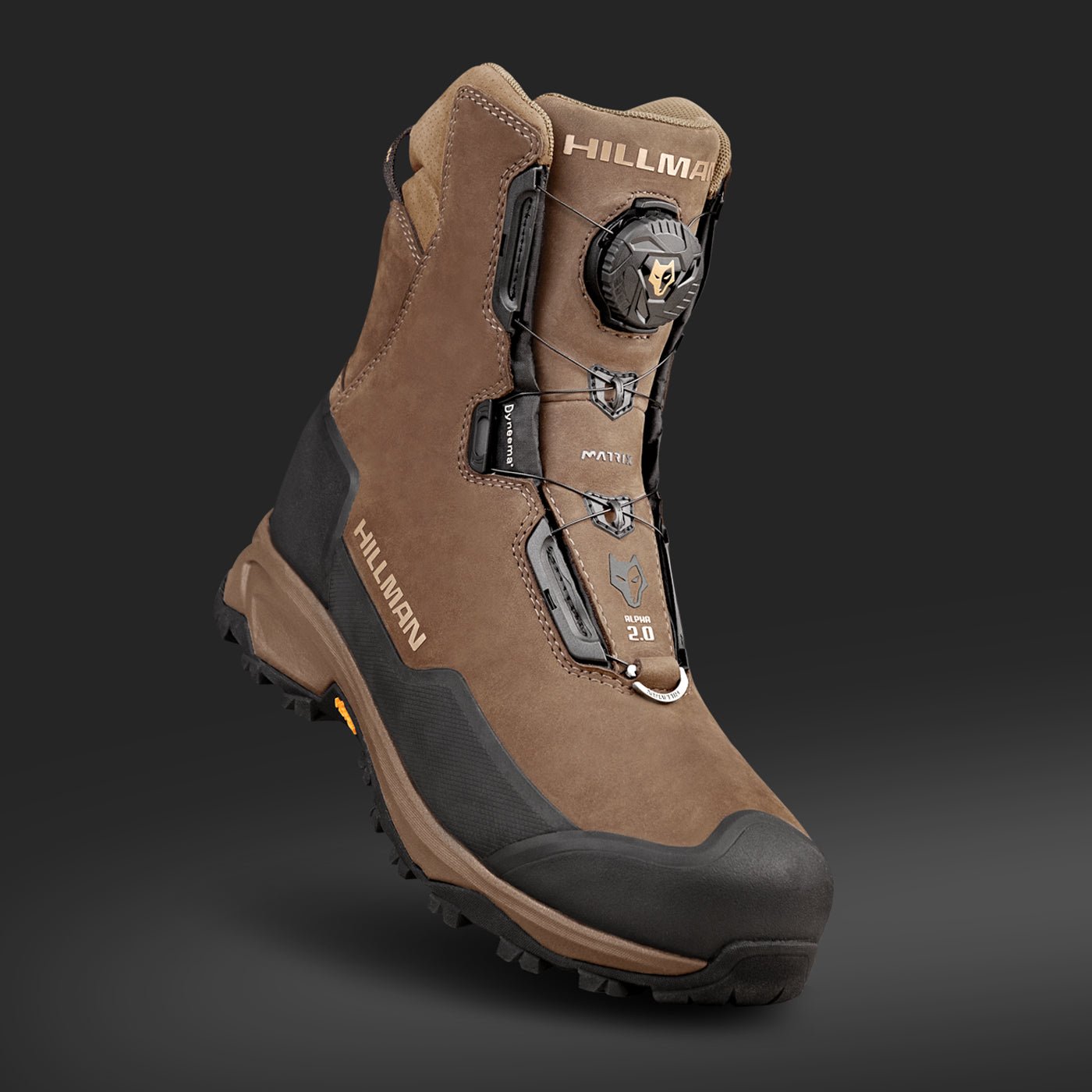
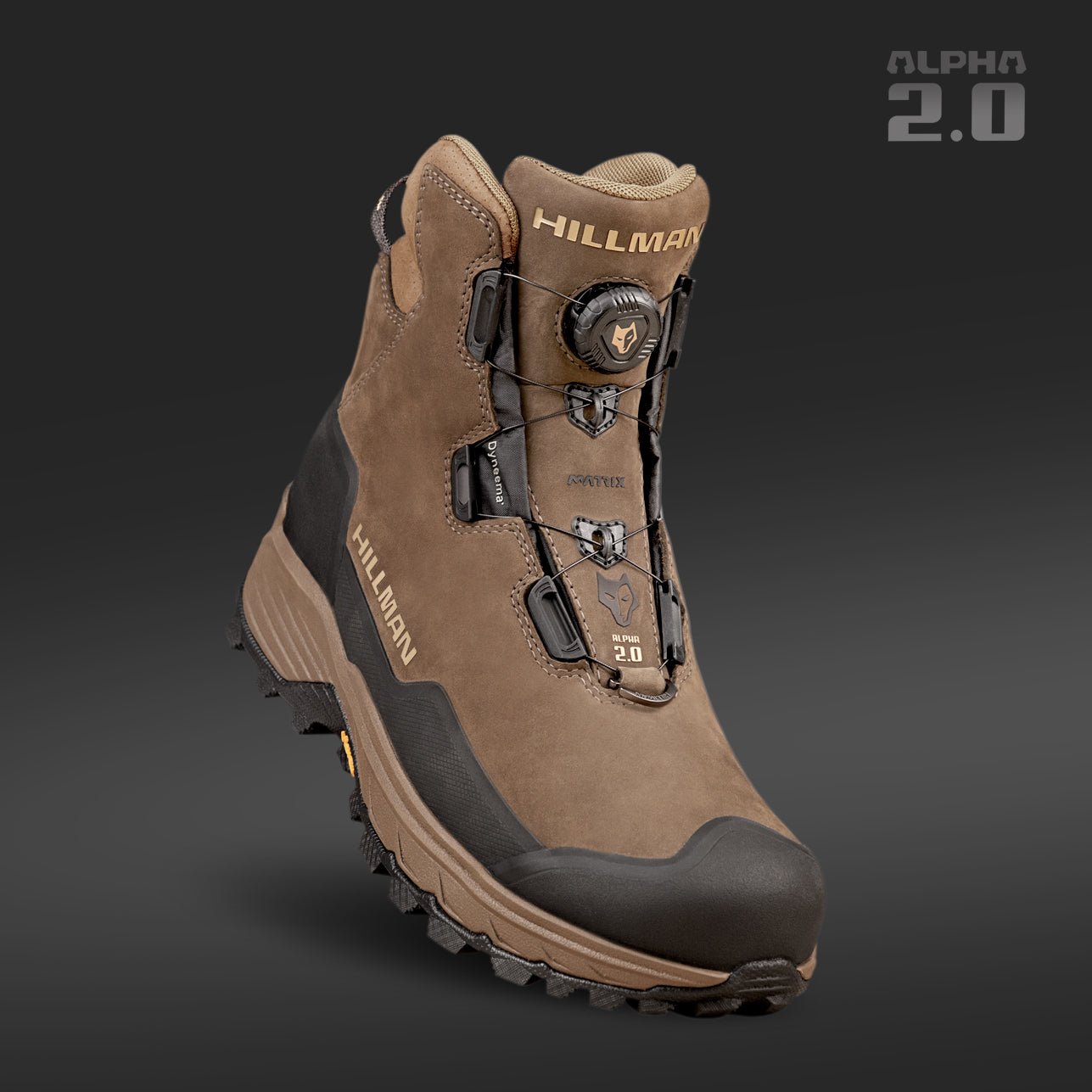
Good lacing can make hunting boots fit better. Locking hooks, firm ankle lacing and adjustable tension can help you hold the heel while leaving the forefoot less crushed.
That is useful for wide feet. You can run the lower laces a little easier and lock the ankle more firmly. Some hunters get a much better fit that way.
Some brands talk about an ankle bone support system or special ankle locking design. Fine. That can help if the rest of the boot fits. But no ankle bone support system will save a boot that is too narrow in the forefoot or too sloppy in the heel.
Lacing cannot fix the wrong last. If the forefoot is too narrow, loosening the laces may only make the boot sloppy. If the heel is too wide, tightening everything may crush the top of your foot while the heel still moves. That is how you get numb toes and blisters at the same time.
During the break-in period, try different lacing tension. Pay attention to where the discomfort starts. Heel rub is not the same problem as forefoot burn. Numb toes are not the same as ankle pressure. Your foot is giving you information. Do not ignore it.
If your feet are extremely wide, like 4E or wider, custom boots may be worth considering. Nobody likes hearing that because custom boots cost more. But buying three “almost right” pairs that still hurt is not cheap either.
Popular Boots Still Have To Fit Your Foot
A lot of hunters search for names before they think about fit. Crispi Nevada GTX. Irish Setter Wingshooter. Kenetrek. Meindl. Danner. Lowa. The list goes on.
Some of those boots are excellent for the right feet. Crispi Nevada GTX gets talked about a lot as a serious hunting boot. Irish Setter Wingshooter is often mentioned around upland bird hunting and traditional leather comfort. But brand reputation does not mean the boot fits your foot.
A first pair of hunting boots should not be bought just because another hunter says they are the best boots. His feet are not your feet. His heel shape, arch, boot width, hunting style and terrain may be different.
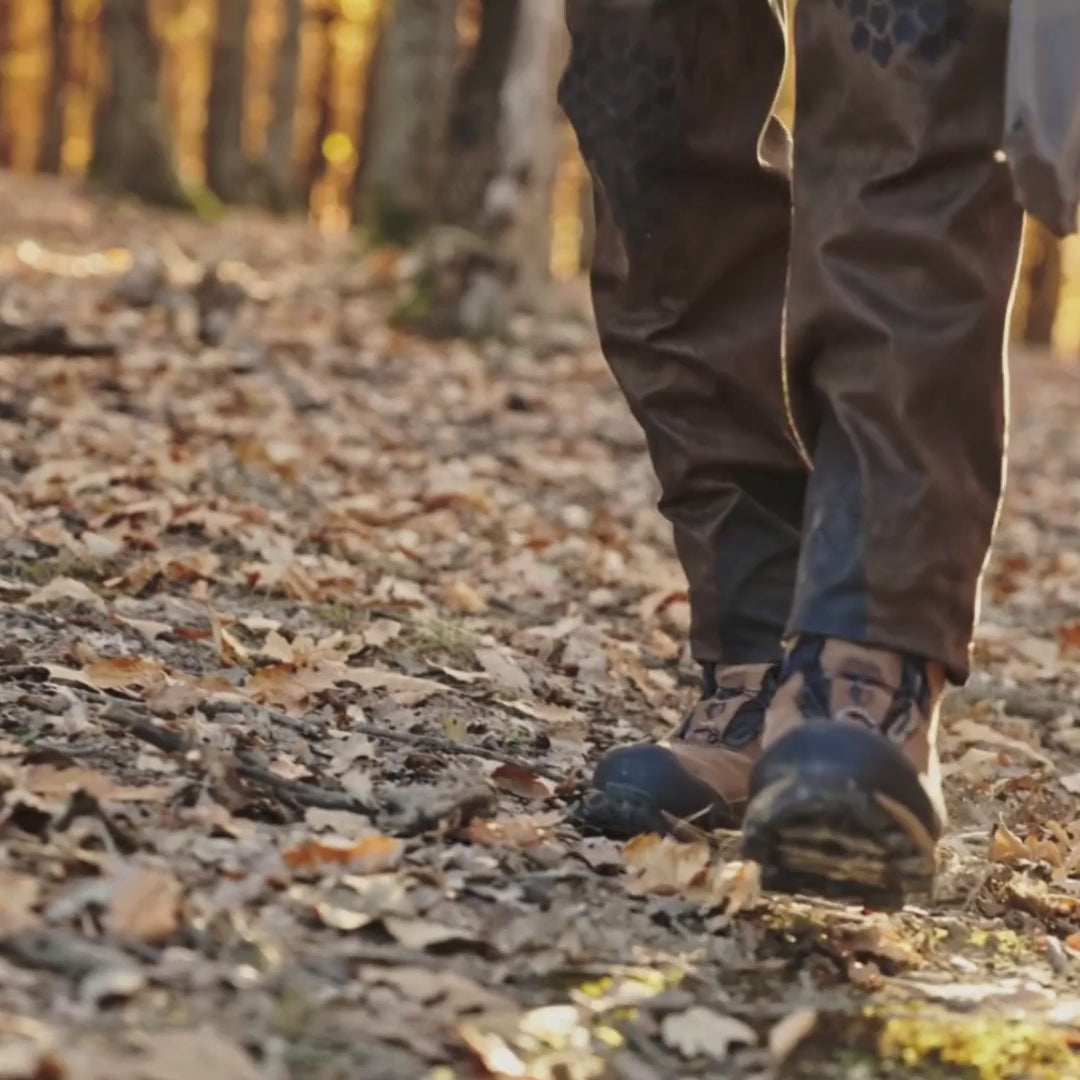
The best hiking boots for one person may feel awful on another. Same with mountain hunting boots, rubber boots, snake boots or insulated boots. Try them like you mean it. Walk, bend, climb, stand, lace and relace. If something feels wrong early, it usually gets worse later.
How To Buy Wide Hunting Boots Without Guessing

Buying boots for wide feet should be slow. Not dramatic. Not emotional. Slow and practical.
Start with real measurements. Stand up while measuring. Wear your hunting socks. Try boots later in the day when your feet are more swollen. Walk more than a few steps. Use an incline if the shop has one. If you order online, test the boots indoors under realistic conditions before deciding.
Check the heel first. It should stay planted. Then check the toe box. Your toes should spread without fighting the boot. Then check the outside edge of the forefoot. That is where many wide feet get squeezed. Then walk enough to feel the flex point. If the boot creases hard into your toes, that is not a great sign.
Do not assume your size is the same across brands. It is not. One boot’s wide can feel like another boot’s regular. One mountain boot can feel narrow while another leather boot gives more forefoot room. Size labels are useful, but your foot gets the final vote.
The best elk hunting boot for one hunter may be awful for another. The best hiking boots for scouting may be too soft for heavy pack-outs. Great hunting boots are specific. They fit your foot, your terrain, your season and your hunting style.
Long-Day Comfort Is Built From Small Things

Long-day comfort does not come from one magic feature. It comes from a pile of small things working together.
Fit. Socks. Lacing. Boot weight. Stiffness. Waterproofing. Insulation. Traction. Breathability. Heel hold. Toe room.
Get one of those badly wrong and the whole boot starts feeling wrong.
Wide feet need room, but not a sloppy fit. They need ankle support, but not crushing pressure. They need waterproofing, but not trapped sweat. They need enough stiffness for rugged terrain, but not so much that every step feels like a fight.
For early season, a lighter uninsulated boot can keep feet cool and reduce fatigue. For cold weather and treestand hunting, insulated boots make more sense, as long as they do not squeeze the foot. For elk hunting and mountain country, support and traction beat shaving every ounce. For upland bird hunting, comfort over distance may matter more than heavy structure.
When hunting boots for wide feet fit right, you stop thinking about them. That is the whole point. You think about the wind, the trail, the animal, the next move. Not the heel blister. Not the numb toe. Not the burning forefoot.
A good boot disappears under you. A bad one becomes the whole hunt.


Share:
Packable Rain Gear vs Heavy Rain Gear: The Best for Hunters