

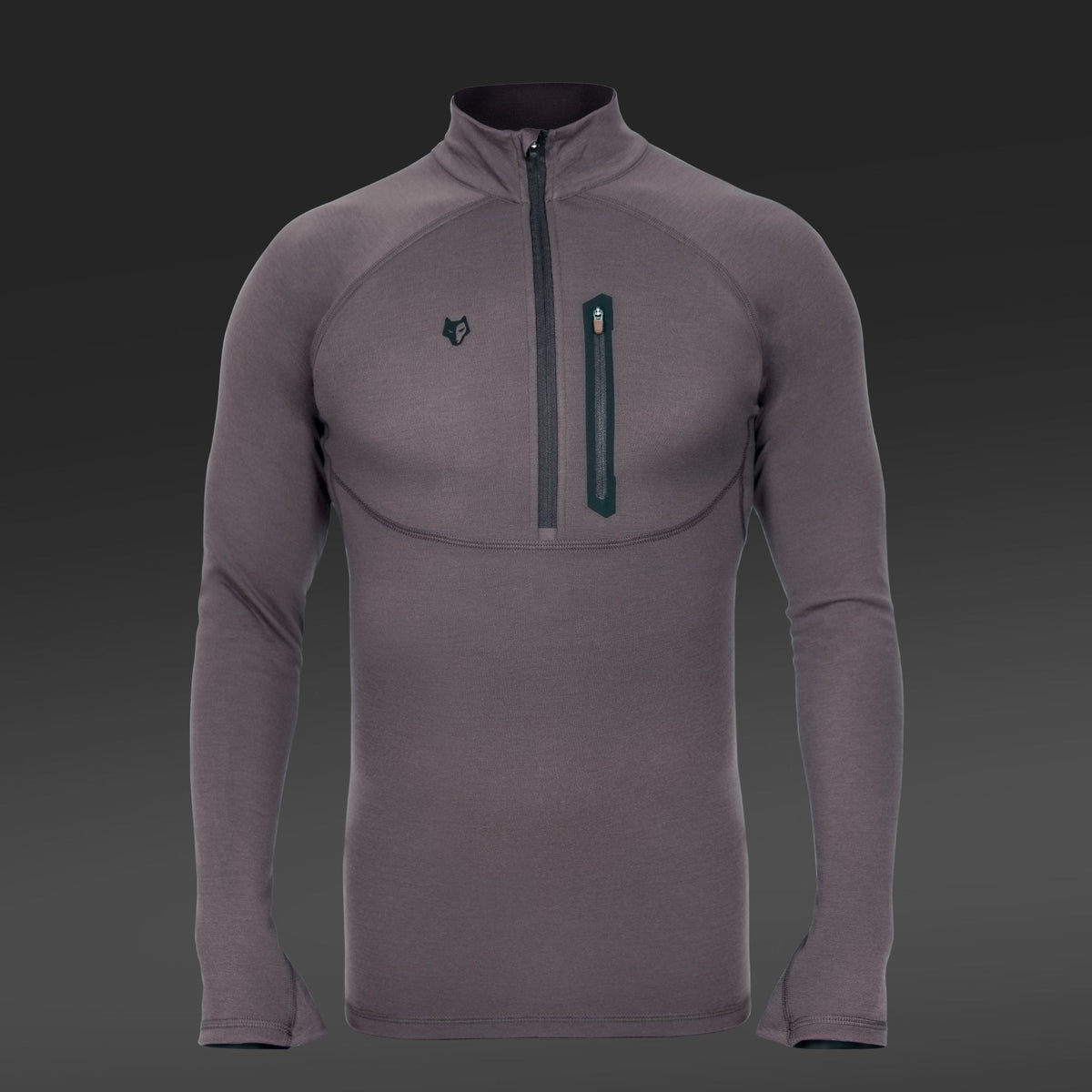
Getting dressed for the coldest hour of the day is sensible. Wearing every one of those layers during the walk in isn't.
A merino base layer gives you a comfortable starting point, but it doesn't excuse arriving at the stand with a wet back. Before buying heavier long johns or another top, look at what you're wearing over them and how fast you're walking.
Buy the Top You'll Actually Walk In
A base layer spends a lot of time beneath other clothing and pack straps. Seams, sleeve length, and fit matter more there than they do when you pull it on for a minute at home.
Reach forward. Bend at the waist. Put the pack on. Fabric gathered beneath a shoulder strap won't become more comfortable after two miles. A top should sit close without pulling tight across the back when you move.
Hillman's 2BL merino wool hunting shirt is one option for that first layer. Compare the fabric construction with the other hunting base layers, then choose for the work you'll do getting to your spot. Thickest isn't automatically most useful.
Fine merino is comfortable for many wearers and resists odor buildup during repeated use. It's still clothing that needs washing and drying. Airing a shirt in camp helps between wears; it doesn't make a dirty garment clean.
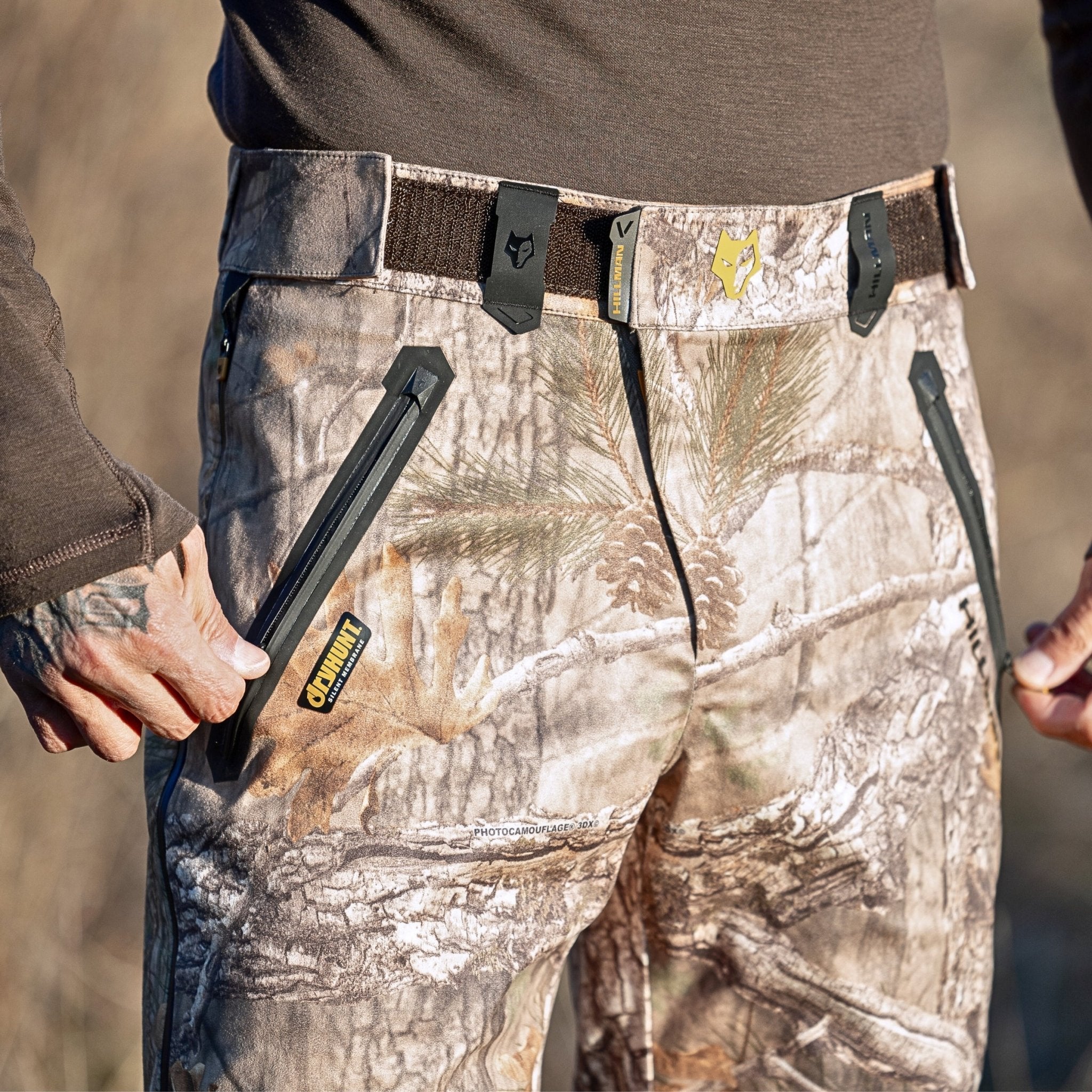
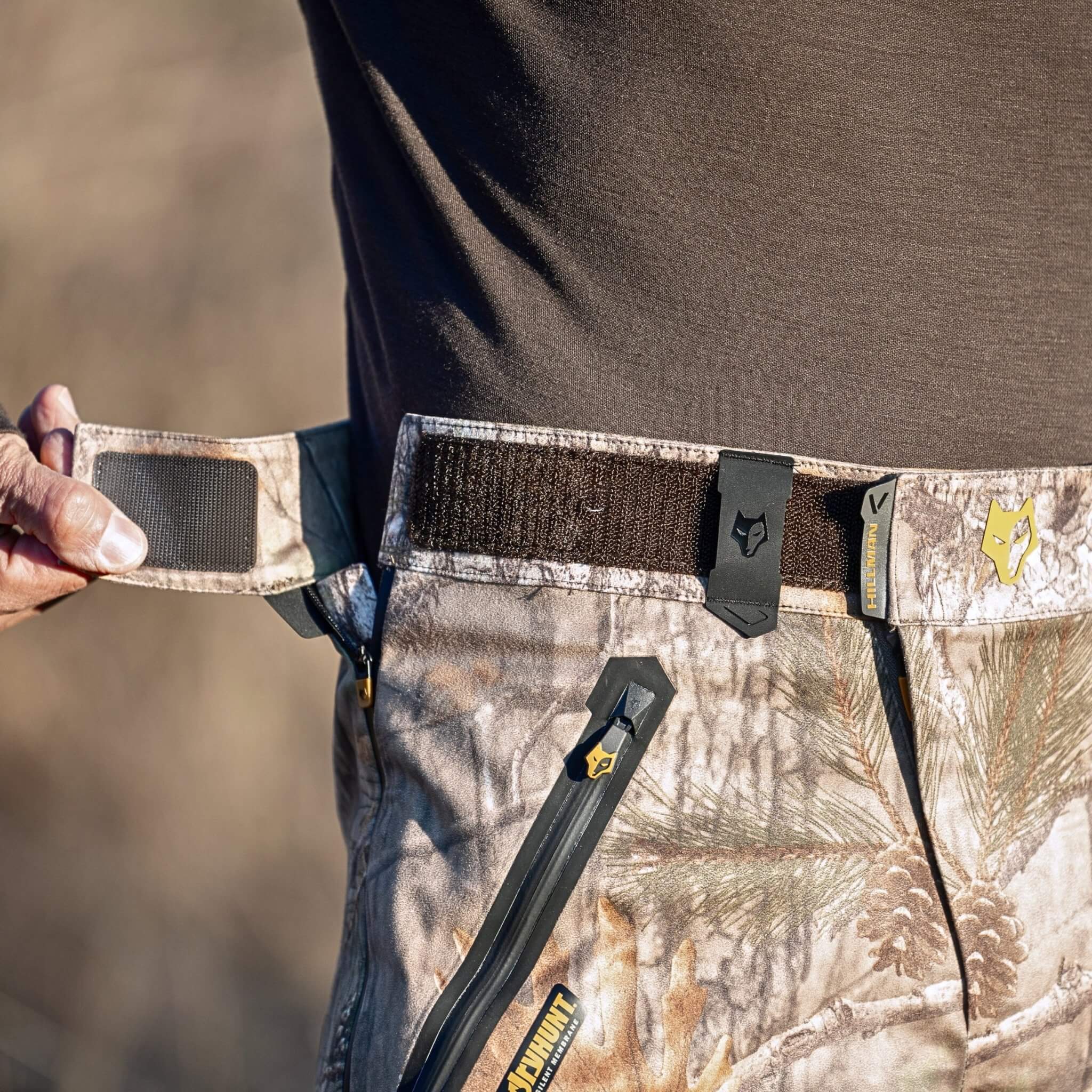
Bottoms Depend on the Outer Pants
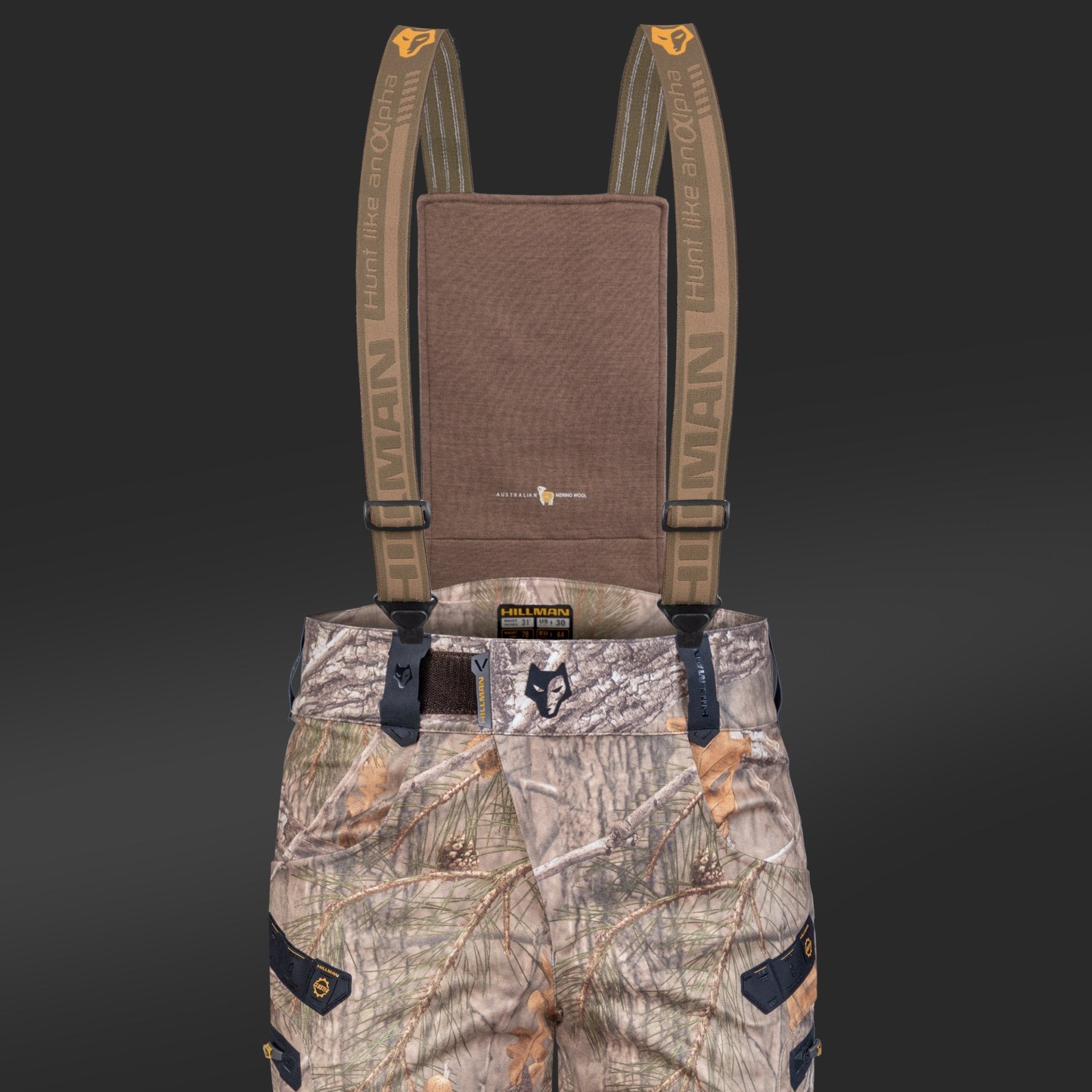
Heavy insulated pants over heavy base layer bottoms are a lot of clothing for an active morning. The same combination feels quite different sitting in a blind with your legs still.
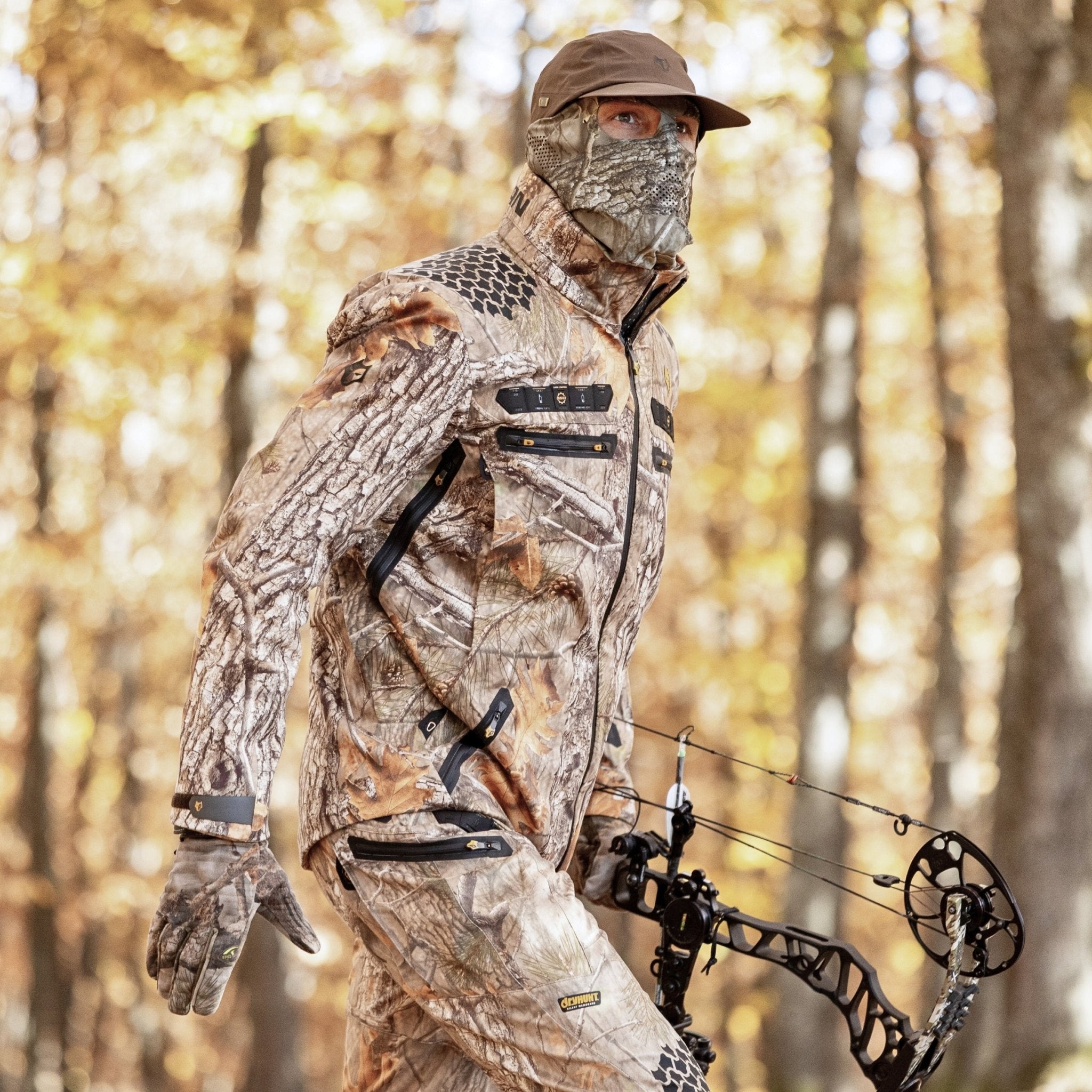
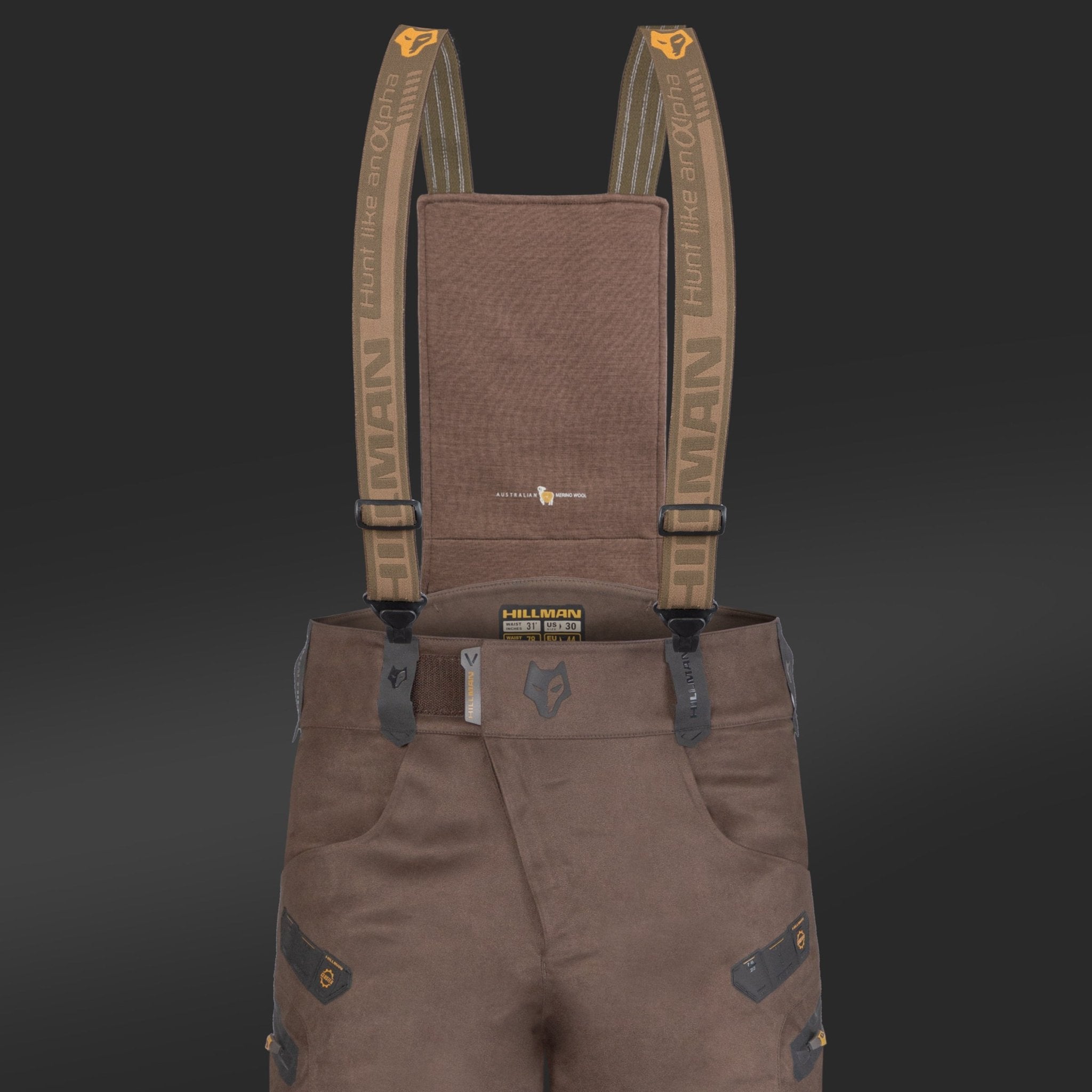
Try the complete outfit before deciding what to add. Sit on a chair, lift a knee, and bend to reach a boot. Check for fabric piled behind the knee or a waistband trapped under another waistband.
Watch the lower legs. A base layer cuff, thick sock, and boot collar all pressing on the same area create unnecessary bulk. Smooth those layers out rather than tightening the boot over the folds.
If you're comfortable walking but cold after a long stop, additional outer insulation may be more convenient than wearing a heavier next-to-skin layer all day. Choose the adjustment you can actually make in the field.
A Hood Is Useful Until It's Too Much
A thin hood covers exposed skin around the head and neck. A hood on an insulating mid-layer adds more warmth. They serve different roles, even when both garments contain merino.
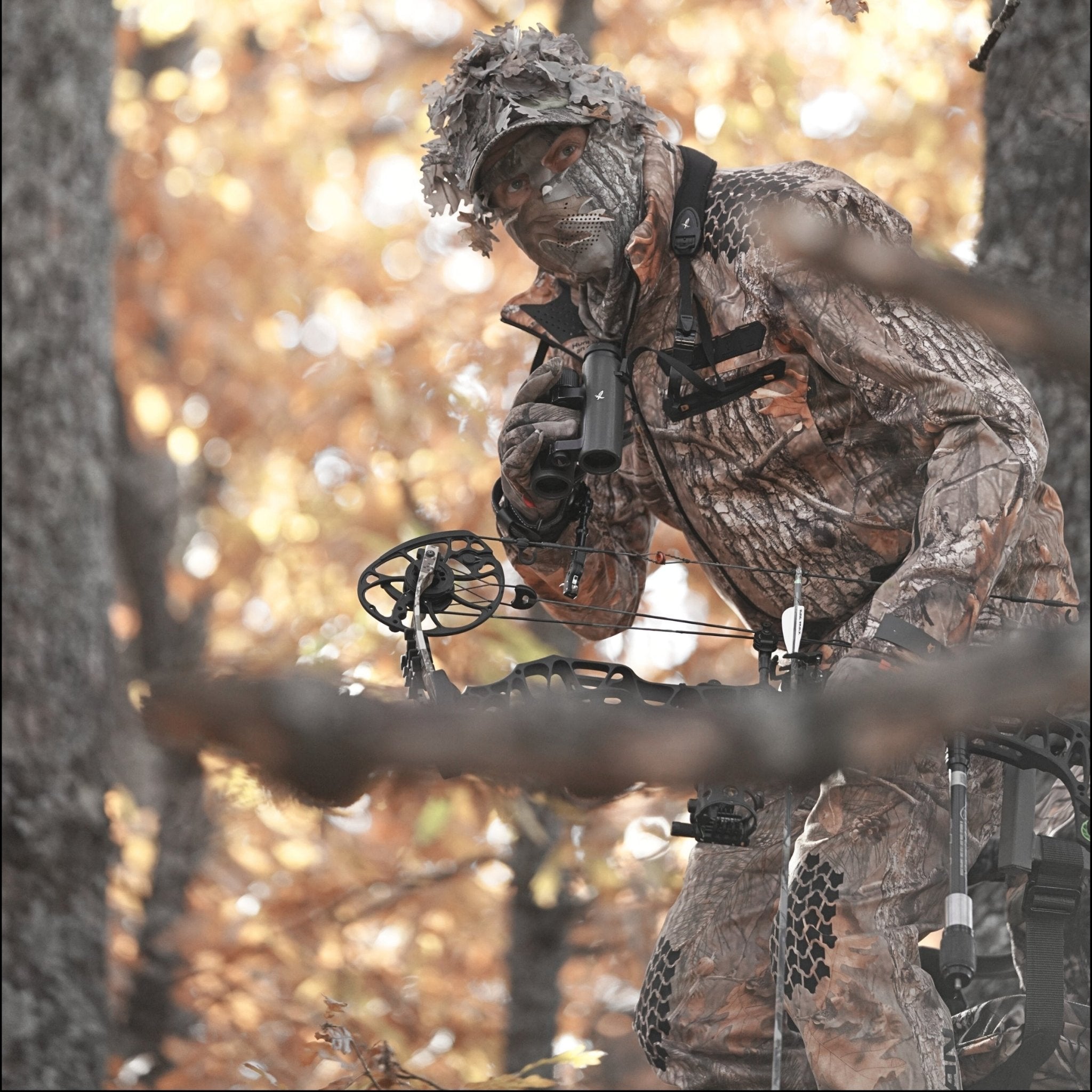
Try the hood beneath your outer hood and with whatever hat you wear. Turn your head and listen. Fabric that shifts over your eyes or muffles the sounds you rely on needs attention before the hunt.
Lower the hood when you start getting too warm. There's no benefit in keeping every piece of a matching system on simply because it belongs to the set.
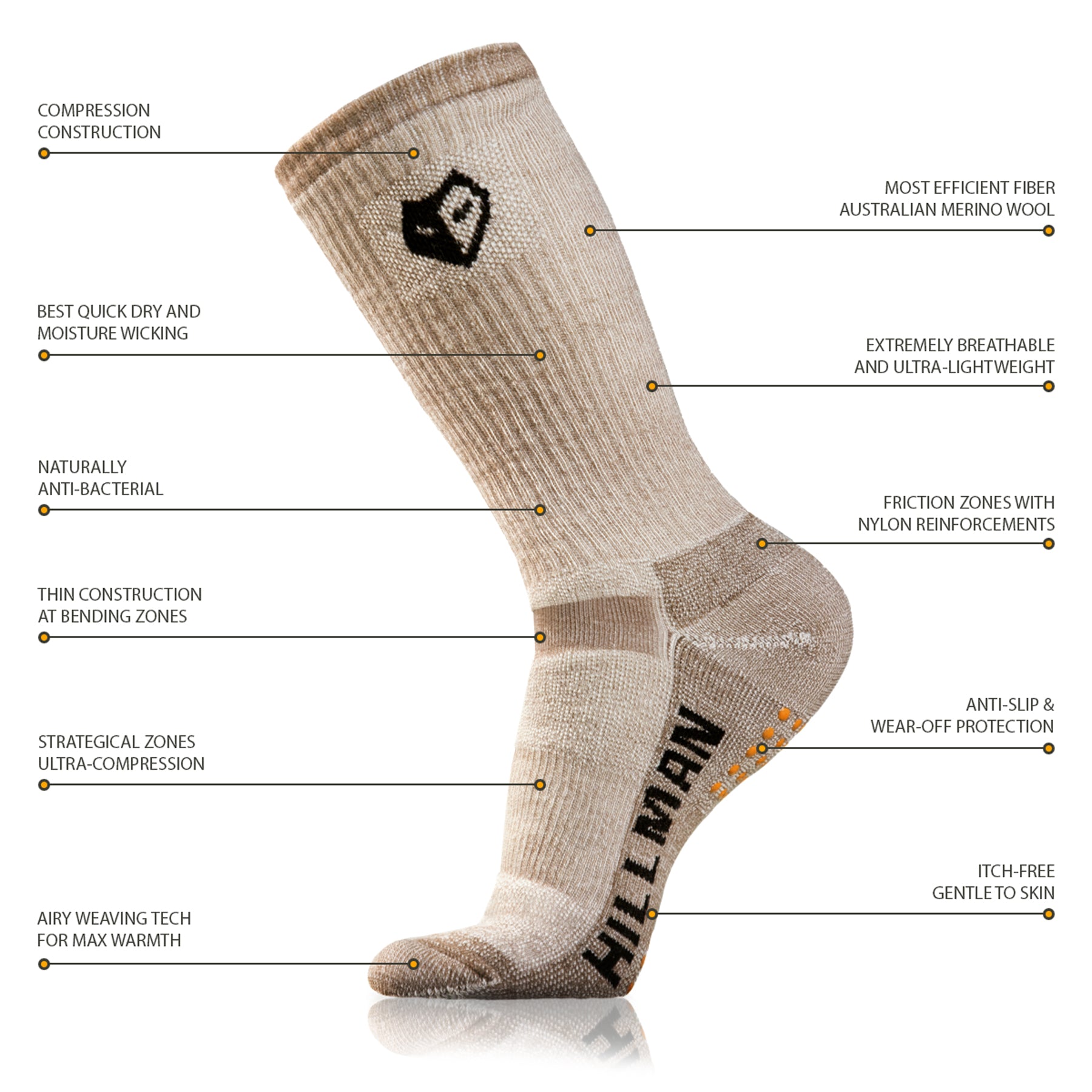
Socks Have to Fit Inside Something
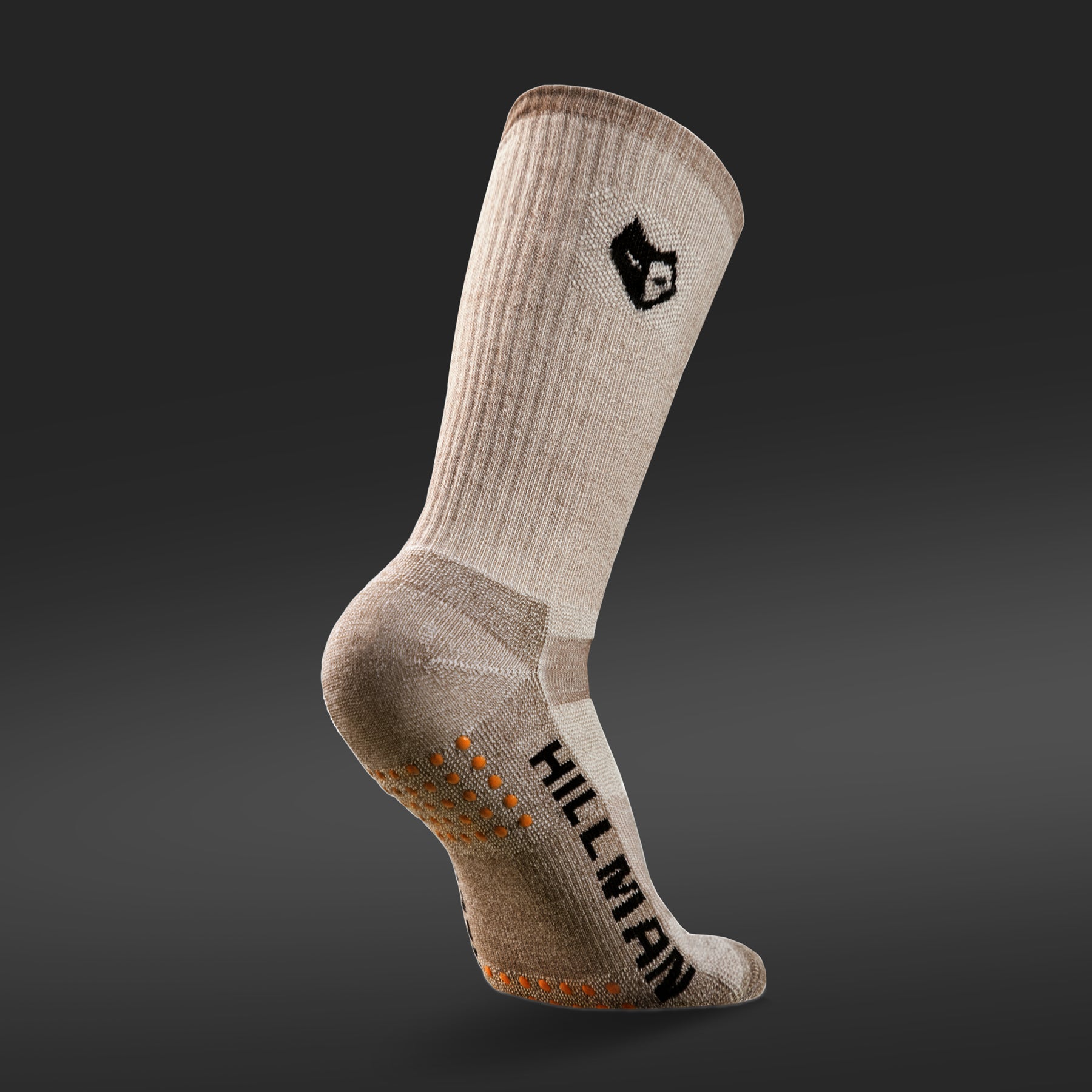
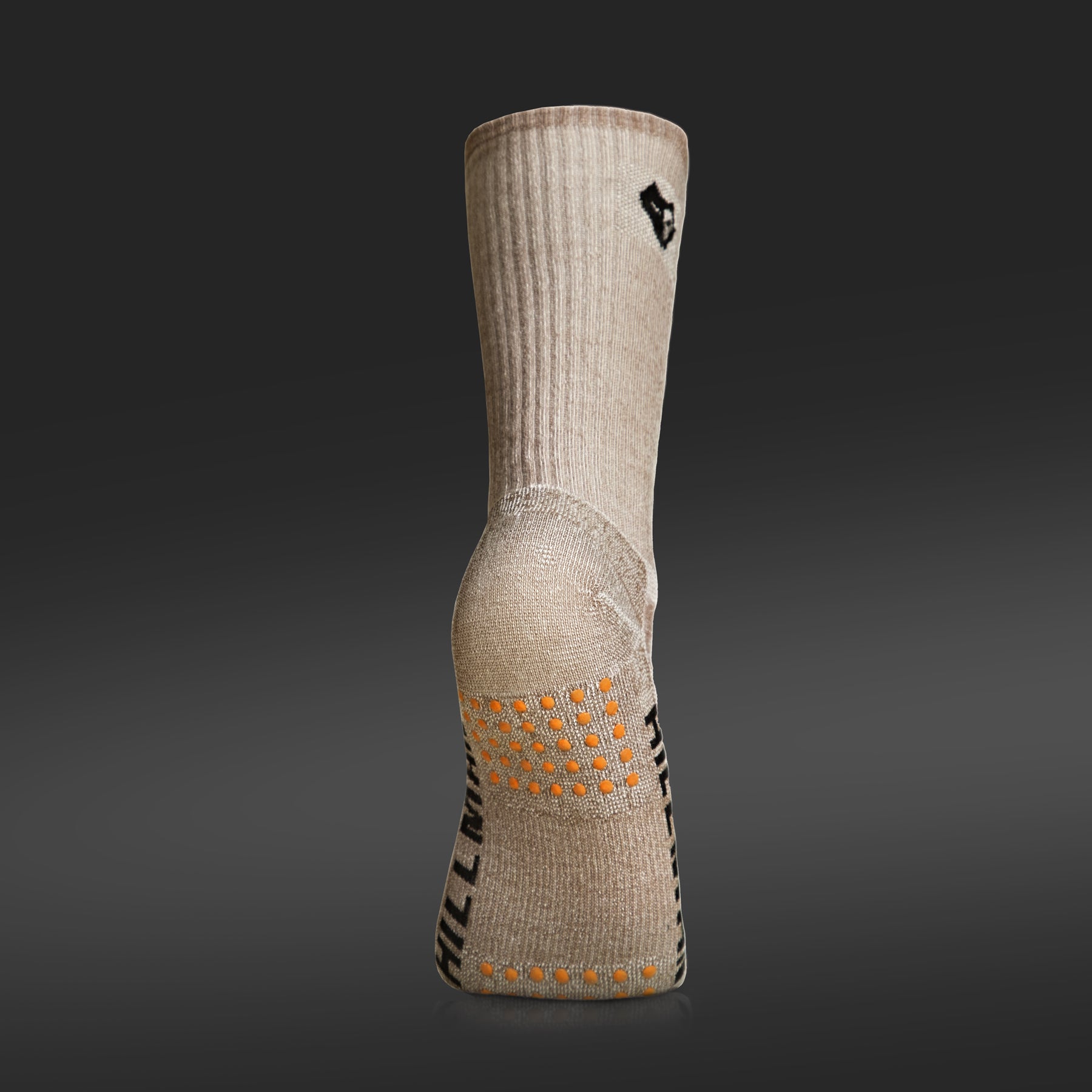
The thickest sock on the shelf is a poor purchase if your toes are already crowded. Choose cushioning and warmth with your actual hunting boots on your feet. Check the heel, toe seam, and pressure across the forefoot.
For a walk followed by a long sit, a dry spare pair is worth making room for. Keep them protected from moisture in the pack. Dry the worn socks and boot interiors between hunts according to their care instructions.
Merino often dries more slowly than a light synthetic. On a multi-day trip, plan for the drying space and time you have, rather than assuming tomorrow's socks will be ready just because they're wool.
Related reading: Softshell vs Hardshell Hunting Jackets, Bibs vs Pants for Hunting and Aerogel vs Thinsulate vs PrimaLoft for Hunting Boots.
Start with the top and socks you can wear comfortably through the approach. Add leg and head coverage for the wait. The best system is the one you'll adjust when the day changes.



Share:
Hunting Boots for Wide Feet: Fit, Toe Room & Hot Spots
How to Choose Hunting Pants for Kneeling, Crawling & Sitting