

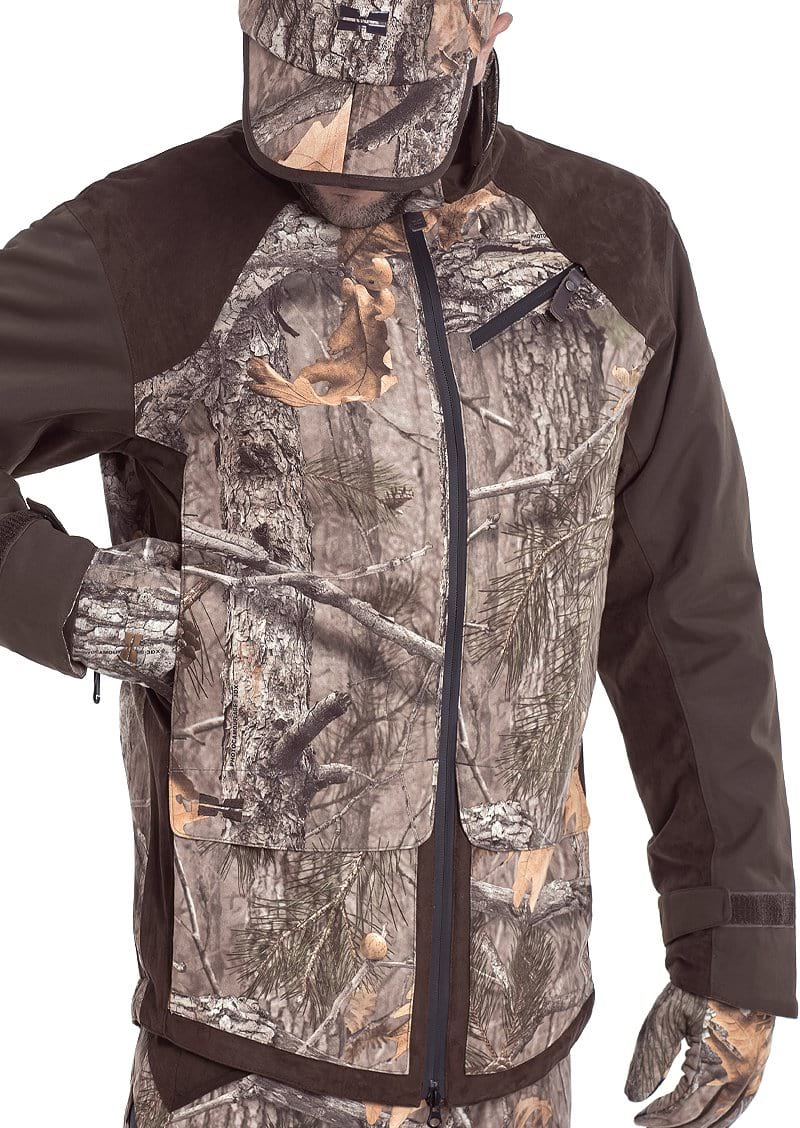
The jacket that feels right walking uphill is often the one you want to take off when the rain settles in. The rain shell that kept you dry on the ridge starts feeling hot halfway back to the truck.
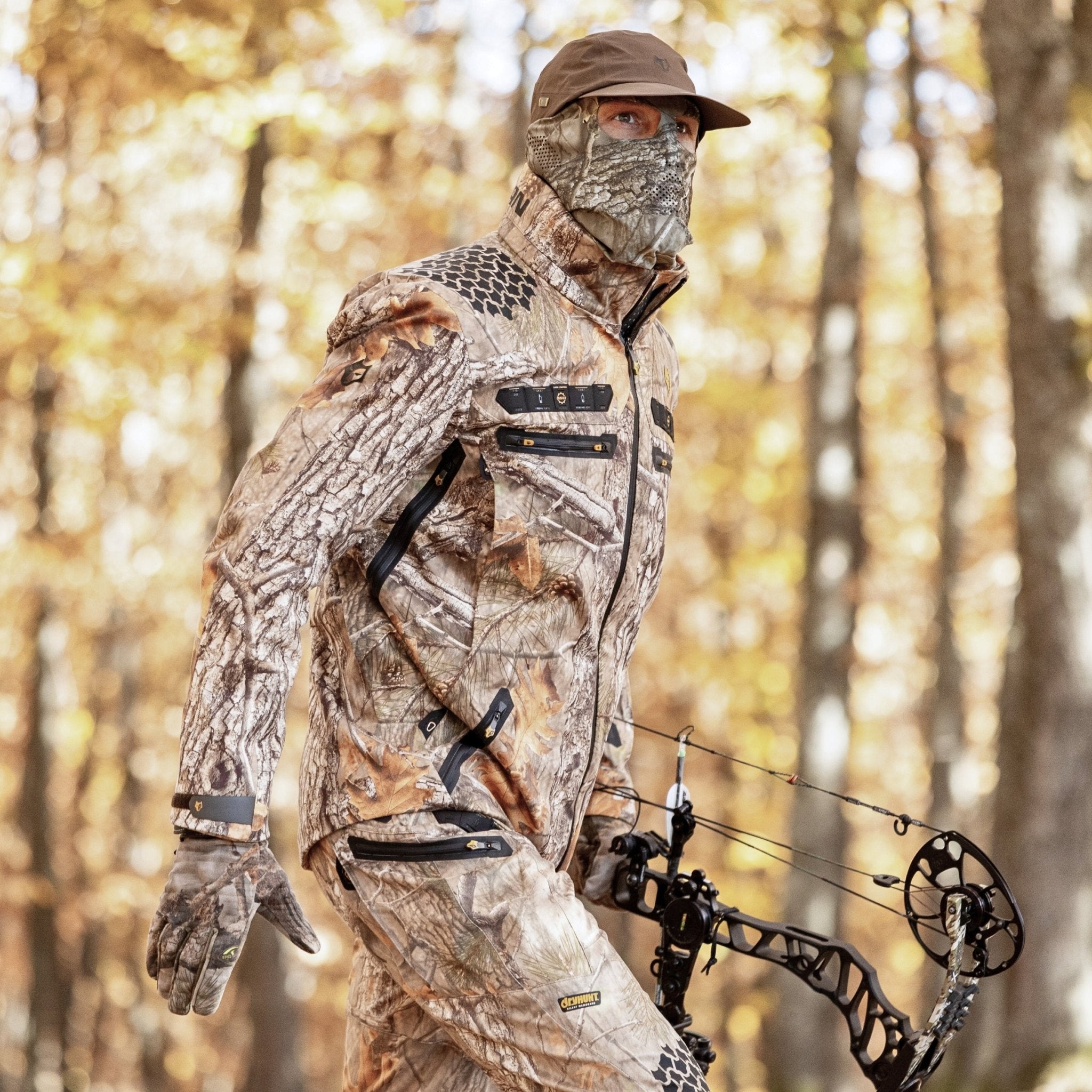
That tension explains softshell vs hardshell hunting jackets better than calling one more technical than the other. A typical woven softshell favors movement and comfort. A waterproof hardshell earns its place when weather protection becomes the priority.
For a Dry Forecast and a Long Walk
Start with what you'll be doing. An hour of climbing generates heat that a quiet wait in a blind doesn't. Flexible woven softshell fabric is useful here: it moves comfortably, resists some wind, and sheds brief light precipitation.
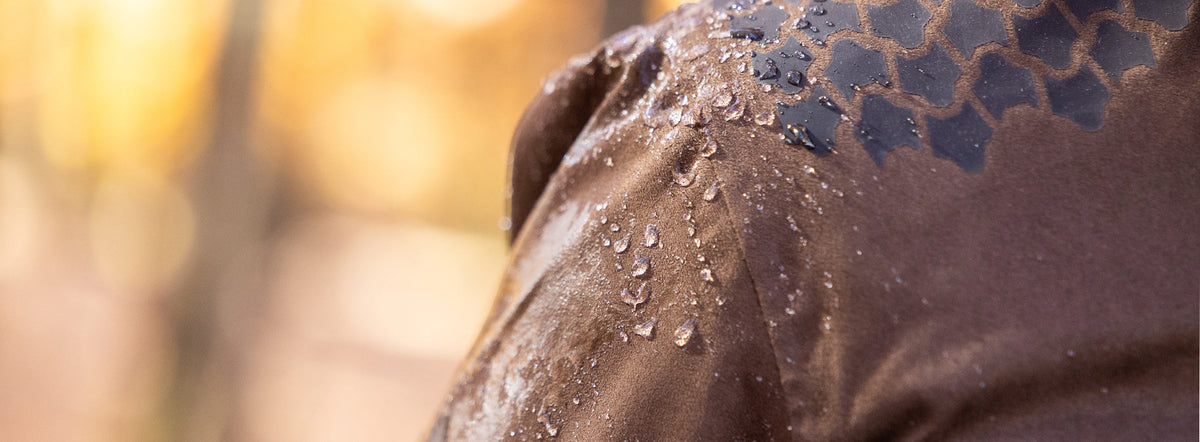
Most water-resistant softshells are poor substitutes for dedicated rainwear in sustained rain. The surface finish has a job, but it doesn't turn every stretch jacket into a waterproof one.
When browsing Hillman's softshell and fleece collection, read the individual construction details. Fleece and softshell aren't interchangeable. Some pieces need wind protection over them; others are intended to be the outer layer on dry days.
For Rain That Stays
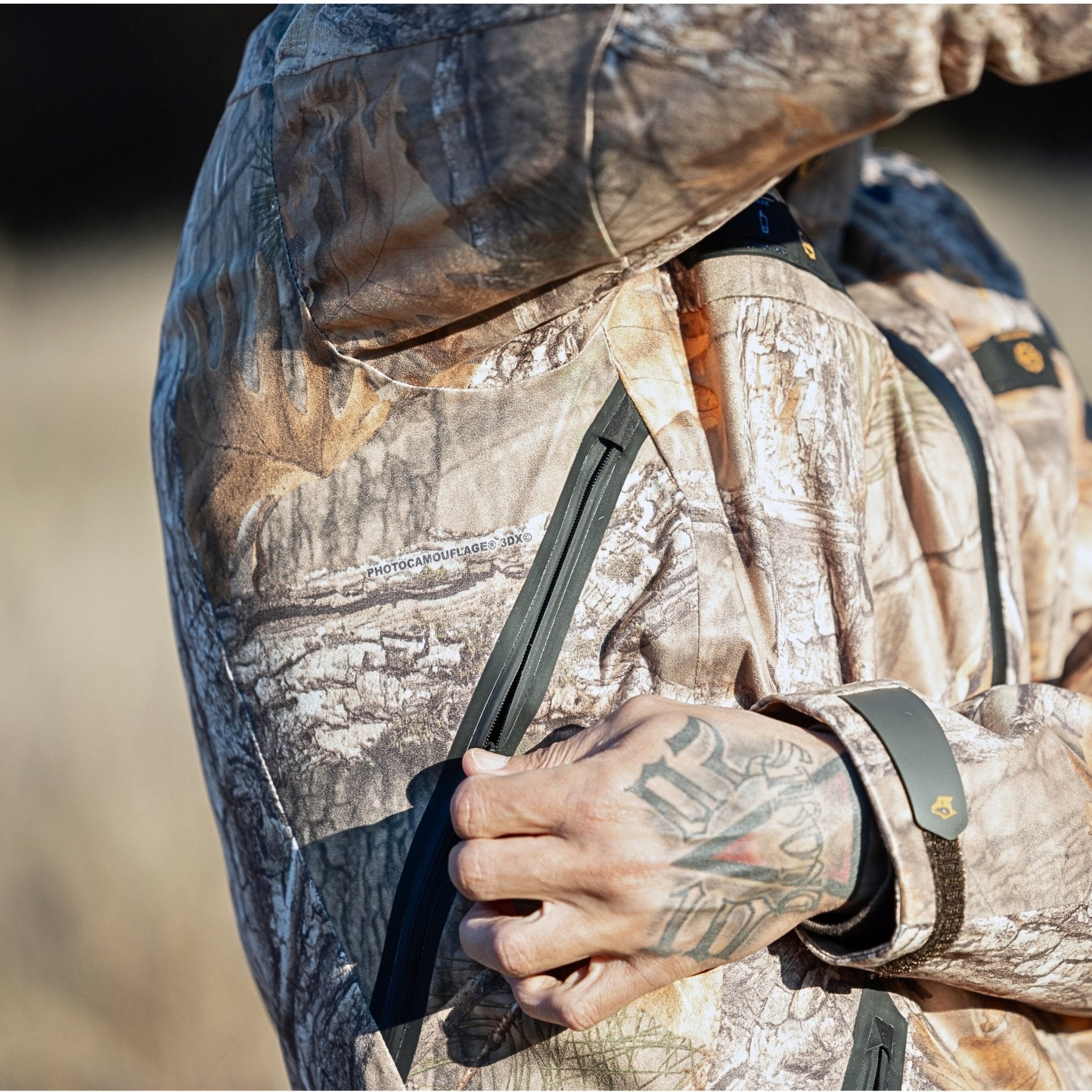
A waterproof shell uses a membrane or coating, supported by appropriate seam and closure construction. Look at the hood and cuffs as carefully as the fabric. Water down the neck still gets you wet even when the fabric itself is doing its job.
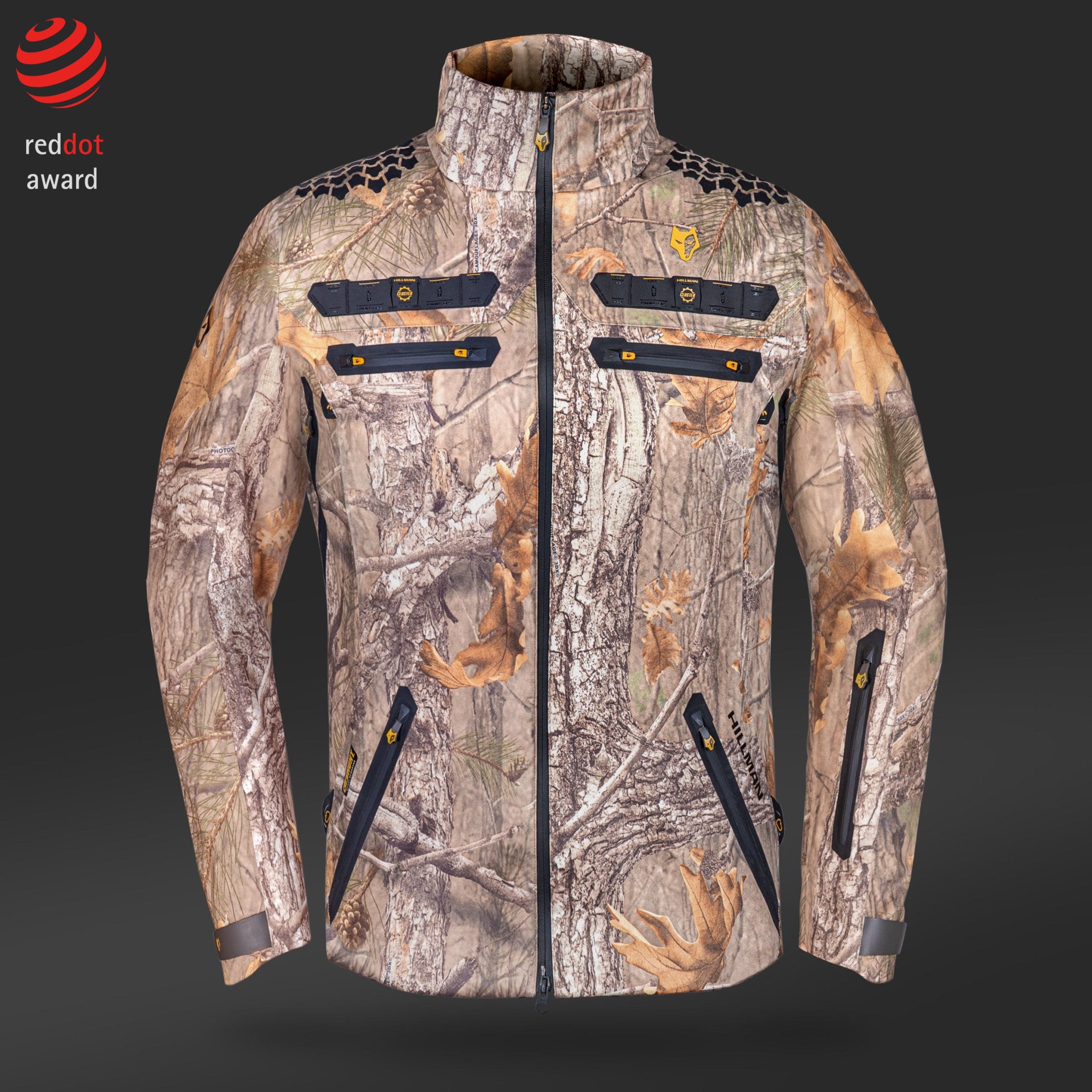
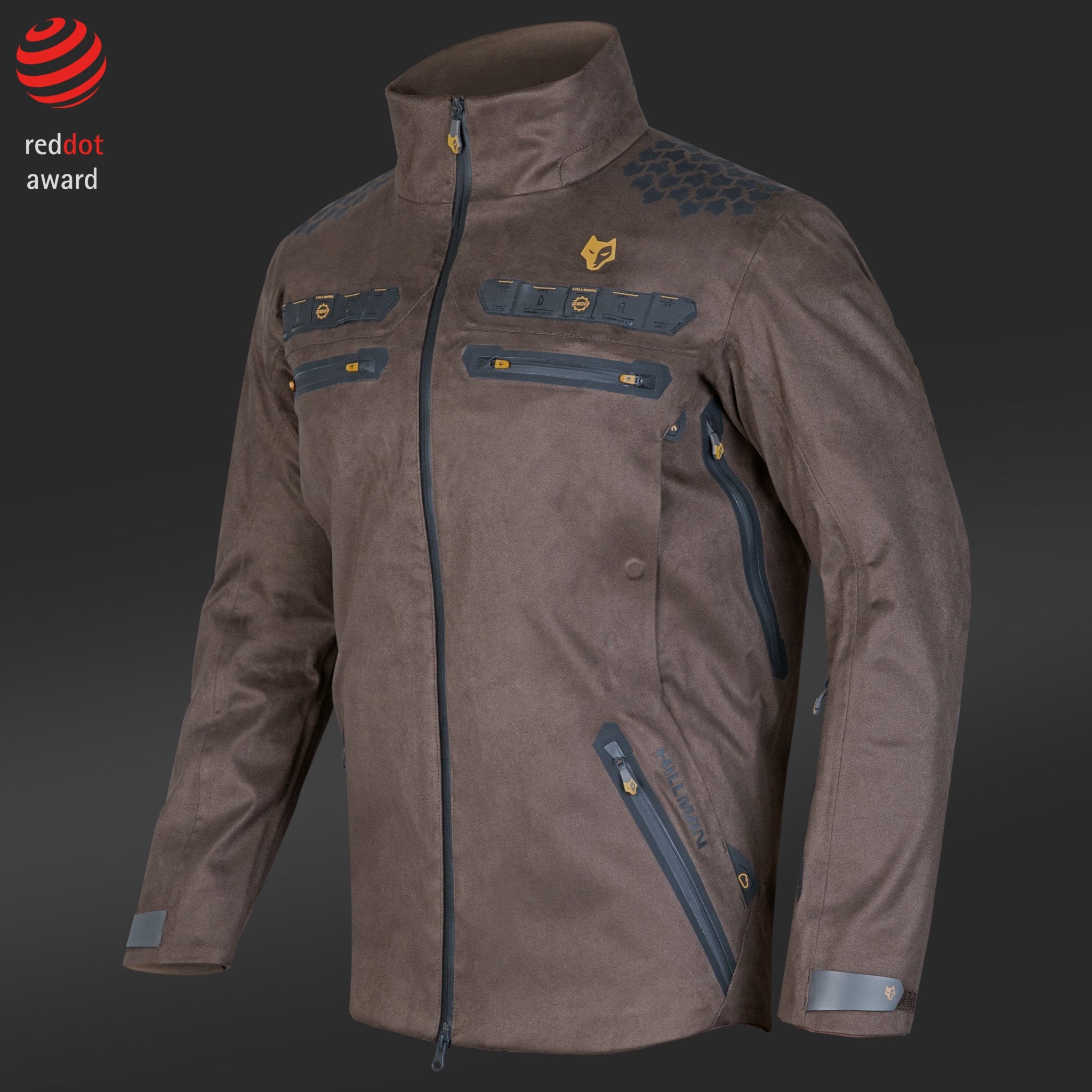
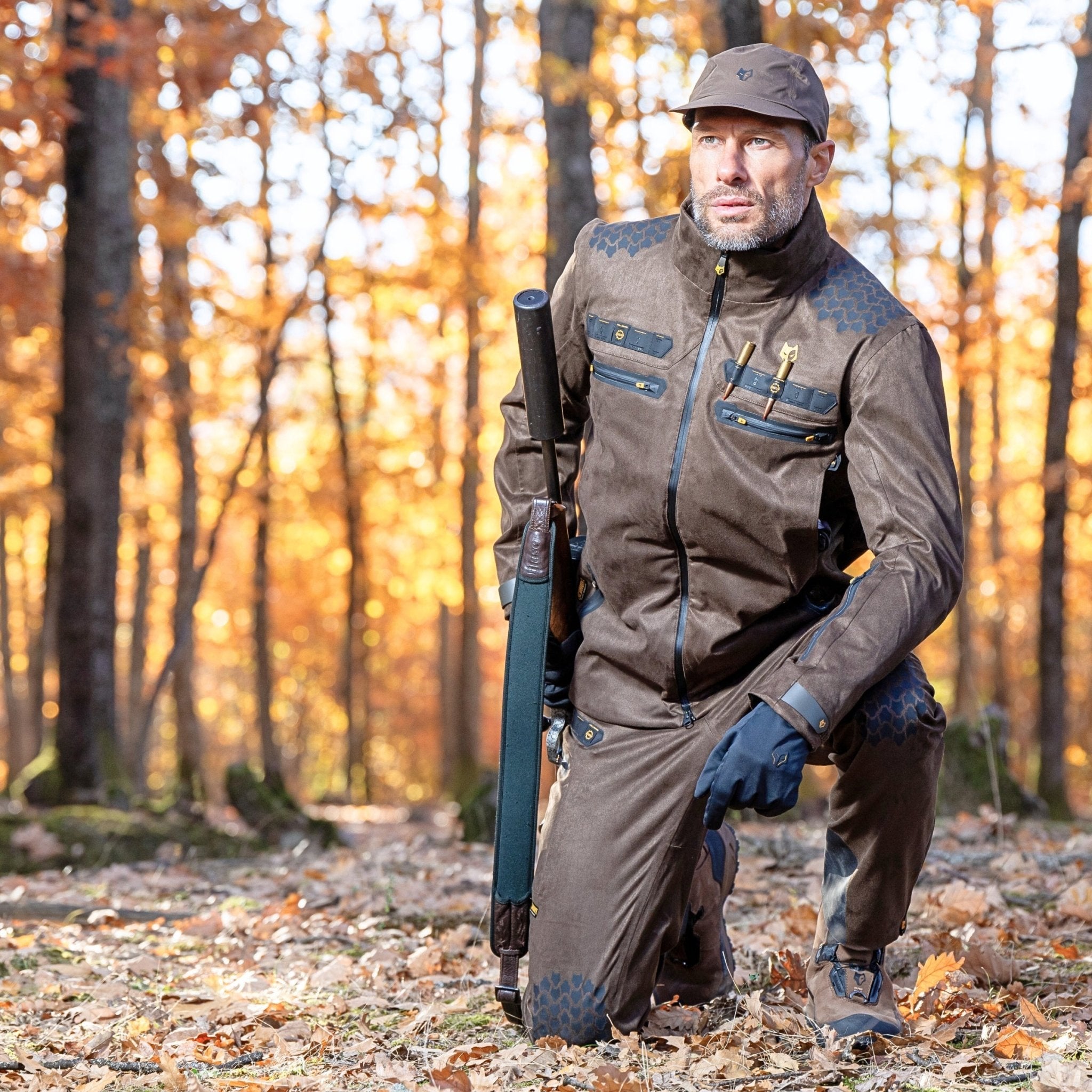
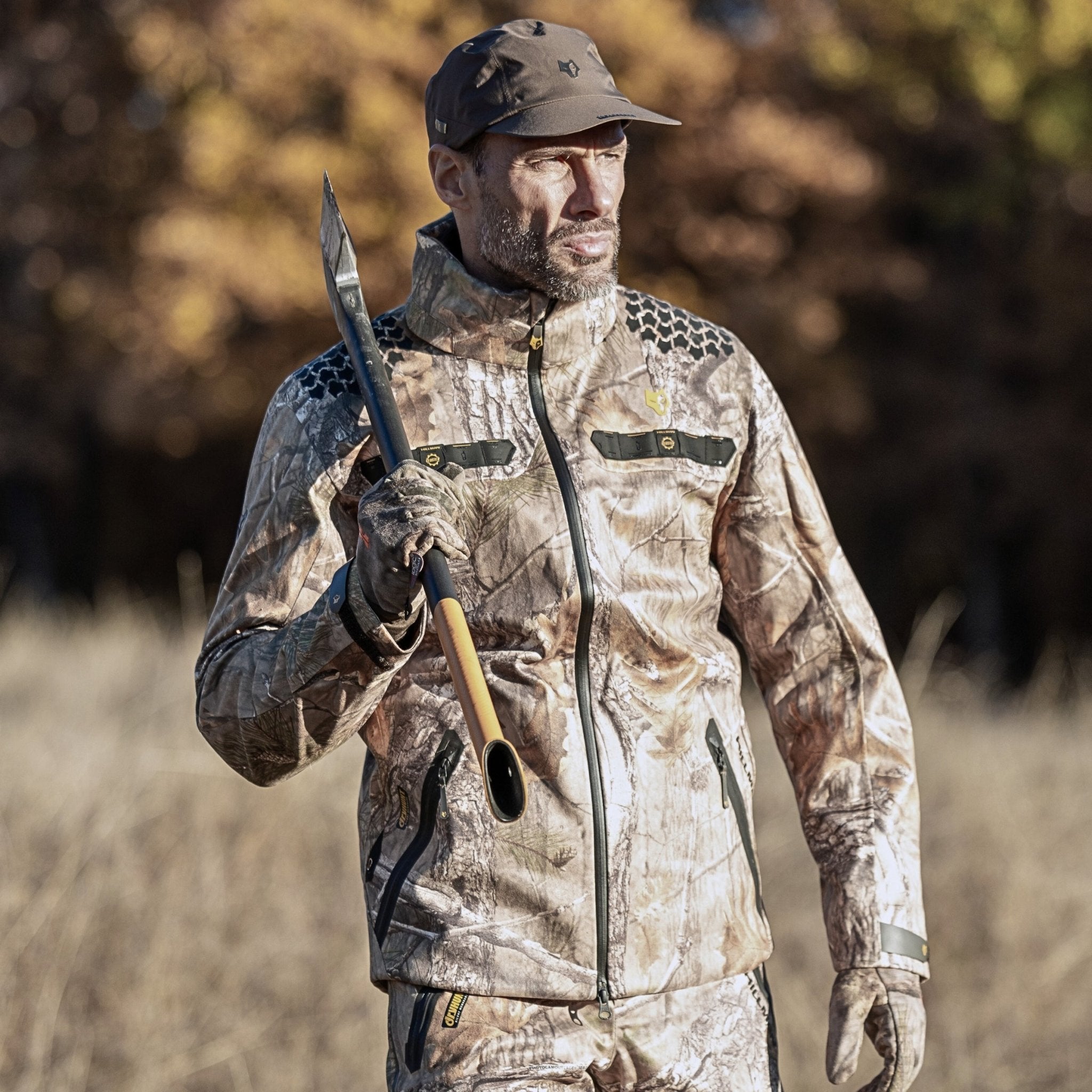
Hillman's AlphaShell 5WL waterproof hunting jacket gives you rain protection separate from insulation. That's useful for changing conditions: wear what keeps you comfortable while moving, then add the shell when the weather calls for it.
Hardshell doesn't mean heavy winter coat. A lightweight rain jacket provides very little insulation. For a cold sit, the warm layer underneath still matters.
Keep the shell near the top of the pack. Digging it out after your shoulders and mid-layer are soaked is late.
Quiet Is Something to Check with Your Own Ears
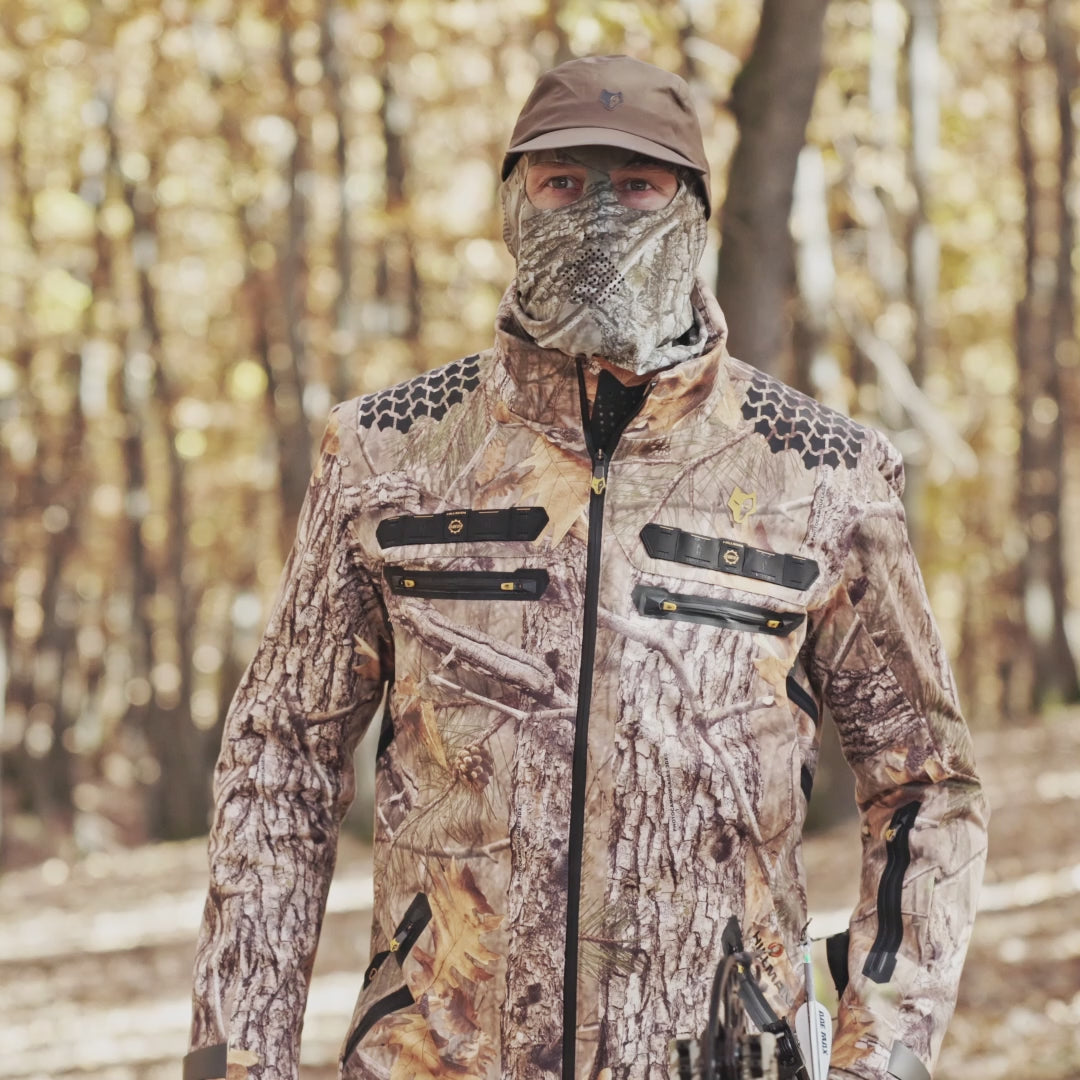
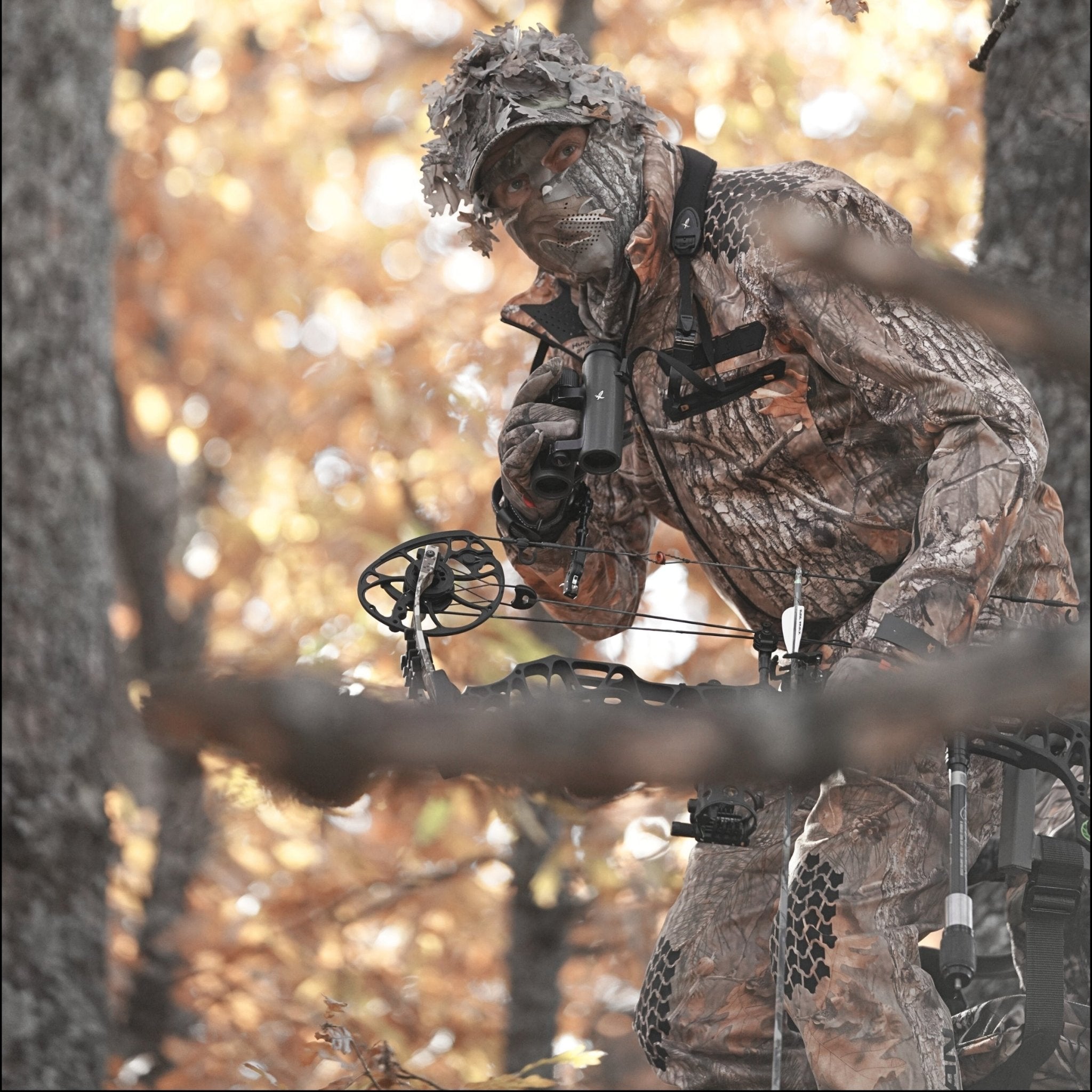
Move your arms as you would while shooting. Rub the sleeves against the torso and try the jacket with pack straps in place. Pay attention to the hood brushing your ears, too.
Soft fabrics are often quieter, but a category label won't tell you how a particular jacket sounds. Neither will standing still in a changing room. The fabric, the fit, and the layers underneath all affect the noise you hear when moving.
The fit check should include a safe rehearsal with unloaded equipment. Tight shoulders, a sleeve pulling across the wrist, or a hem riding up are reasons to adjust the size or the layer combination.
Sometimes the Extra Layer Is the Problem
You don't need a softshell under a hardshell every time it rains. In mild weather, a base layer and rain jacket might be the more comfortable combination. Adding another jacket by habit makes heat harder to manage.
Open available vents before a hard climb. If you wait until the base layer is wet, removing the shell stops further buildup but doesn't dry what you've already soaked.
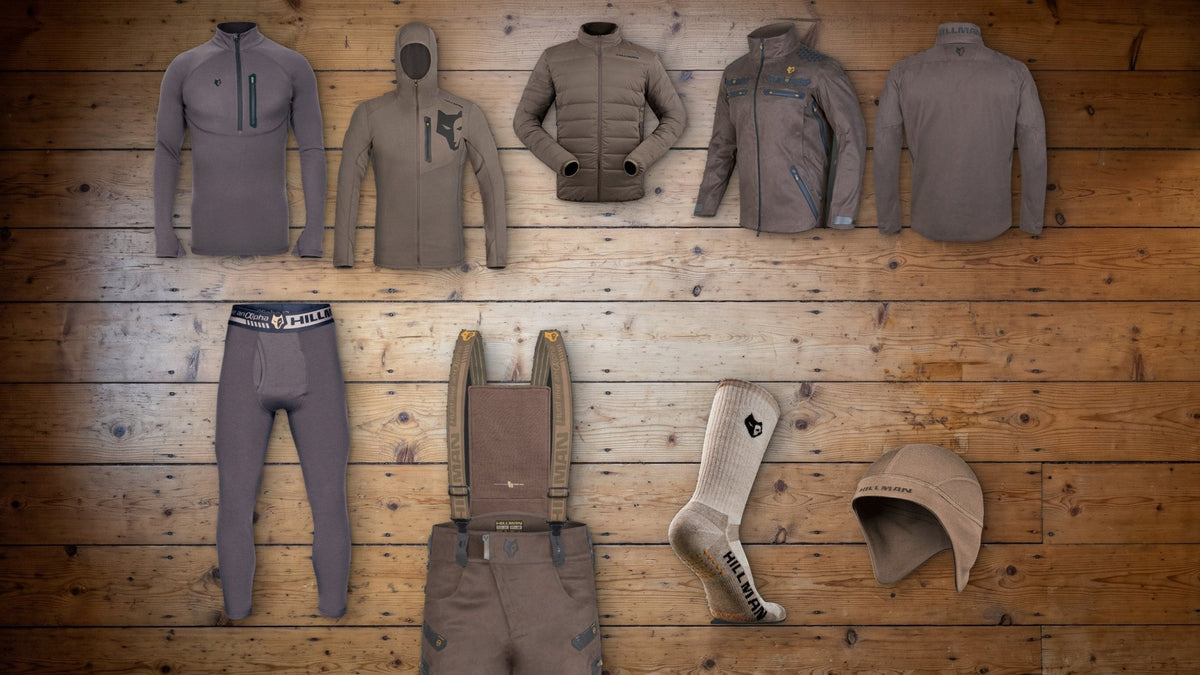
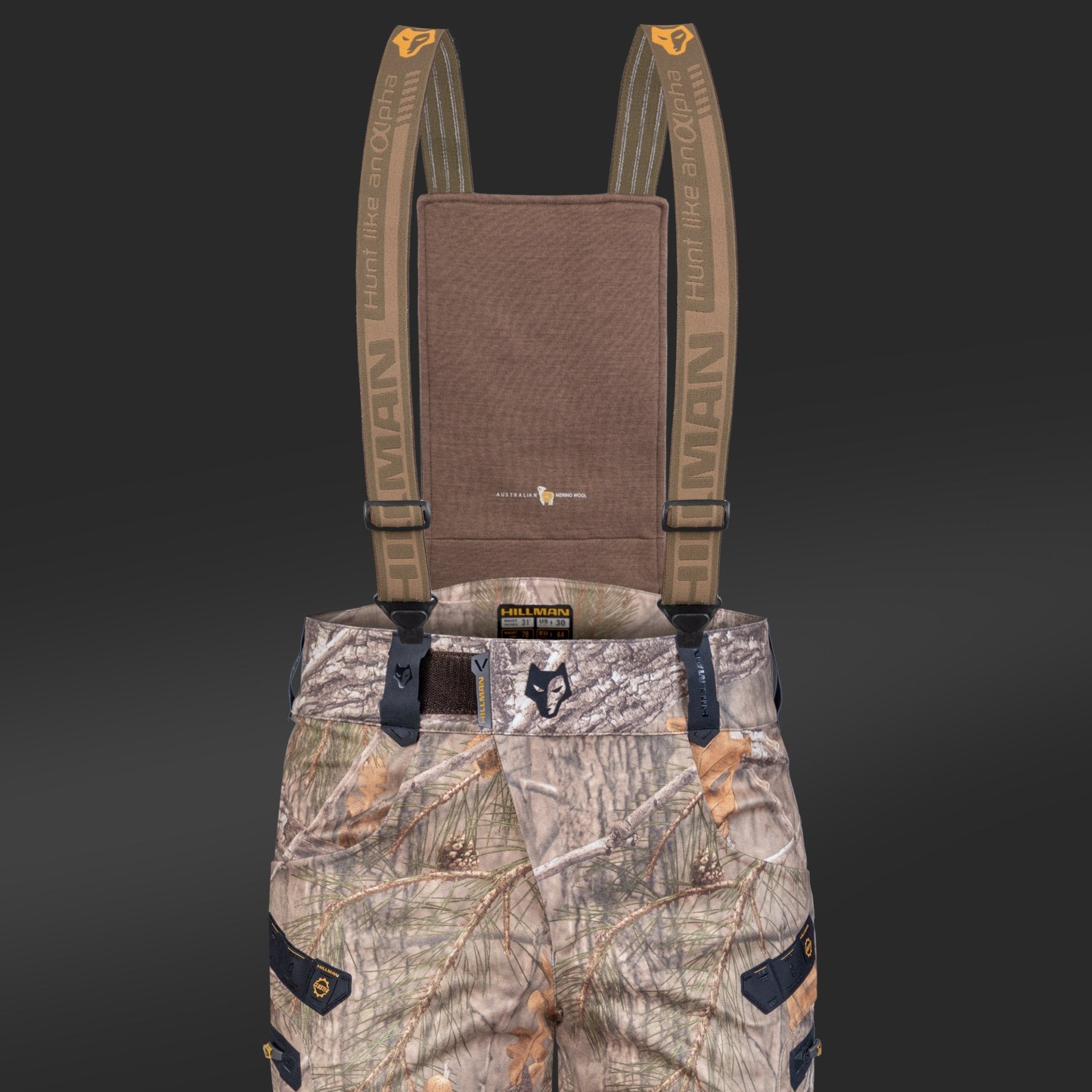
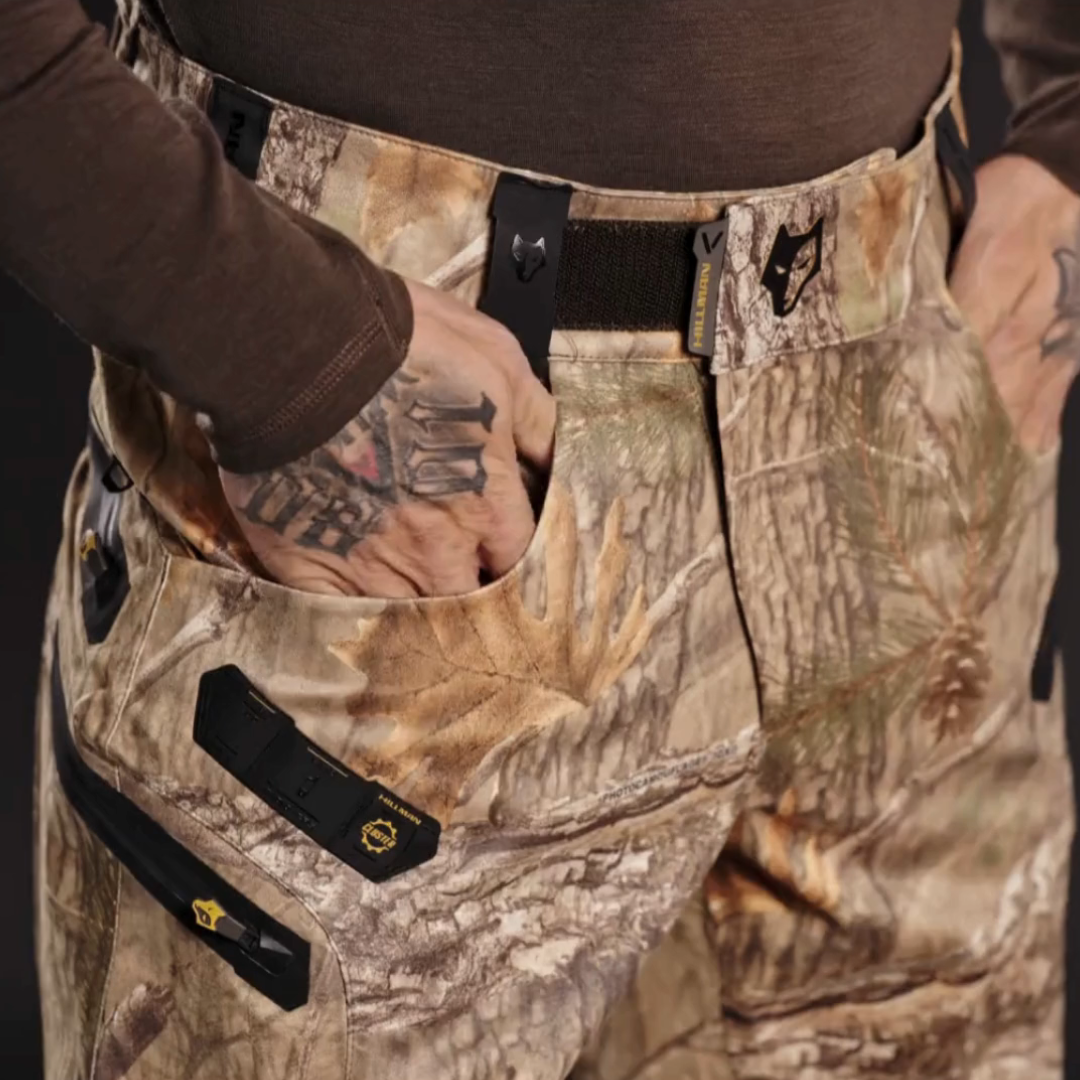
Use the Hillman jackets and tops collection to build around the conditions you expect to face. Choose insulation for the cold and a shell for exposure. They're related purchases, but they aren't the same decision.
Related reading: Waterproof Ratings Explained for Hunting Rain Gear, Bibs vs Pants for Hunting and A Merino Base Layer System for Hunting.
A softshell is pleasant to wear in the right weather. A rain shell is worth carrying when you can't afford the wrong weather. Let the route, forecast, and distance from shelter decide how much room each gets in your pack.



Share:
Base Layers for Hunting: Merino, Bamboo and Synthetic
Camo for Moving vs Sitting: Hunting Setup