

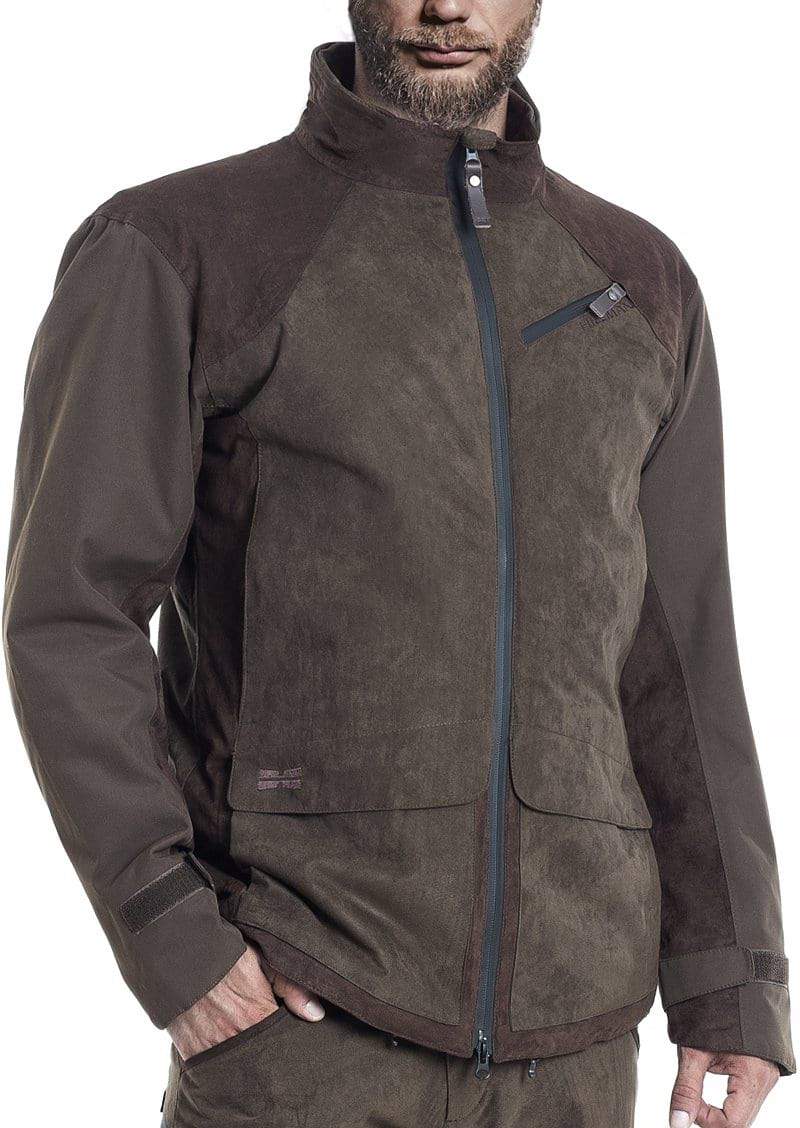
An 11,000 mm jacket beside a 20,000 mm jacket looks like an easy comparison. The second number is bigger. Surely that's the better rain jacket.
Only if the rest of the comparison holds up. Waterproof ratings describe fabric resistance under test conditions. They don't inspect the hood fit, close the cuffs, or keep your base layer from getting soaked during an uphill walk.
What the Millimeter Number Means
Hydrostatic head is water-pressure resistance expressed as an equivalent column height. A 10,000 mm result corresponds to the pressure of a ten-meter water column in that test. It doesn't mean ten meters of rainfall, and it doesn't translate into a fixed number of dry hours.
Compare results from comparable test methods. Then look at the finished garment. Stitching, closures, damaged areas, and openings are all places the headline fabric result leaves out.
A soaked seat or a wet kneeling position is a different demand from rain falling on hanging fabric. If you'll spend the morning sitting in a blind, look closely at the seat construction of the pants, not just the jacket hanging beside them.
Two Big Numbers Can Describe Different Things
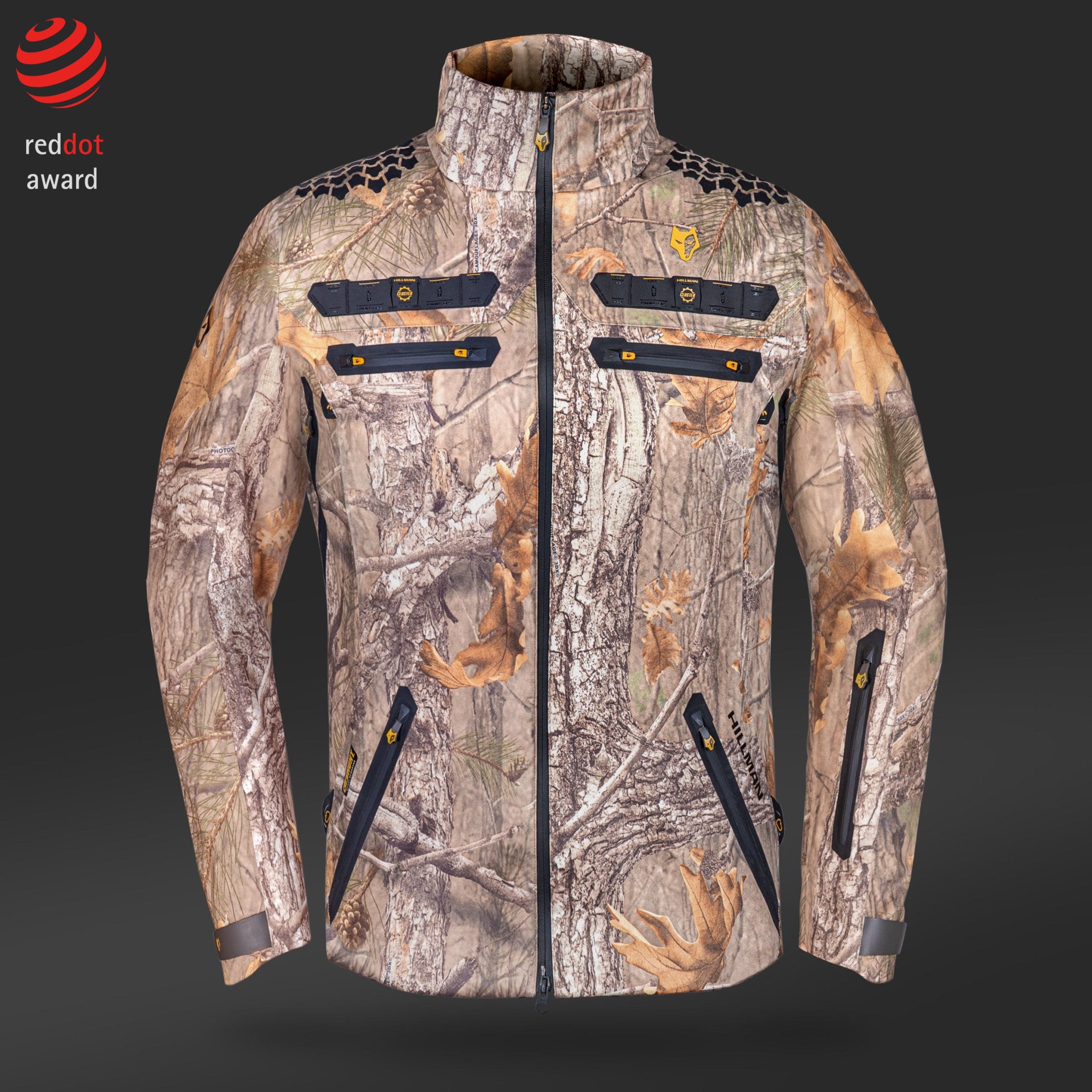
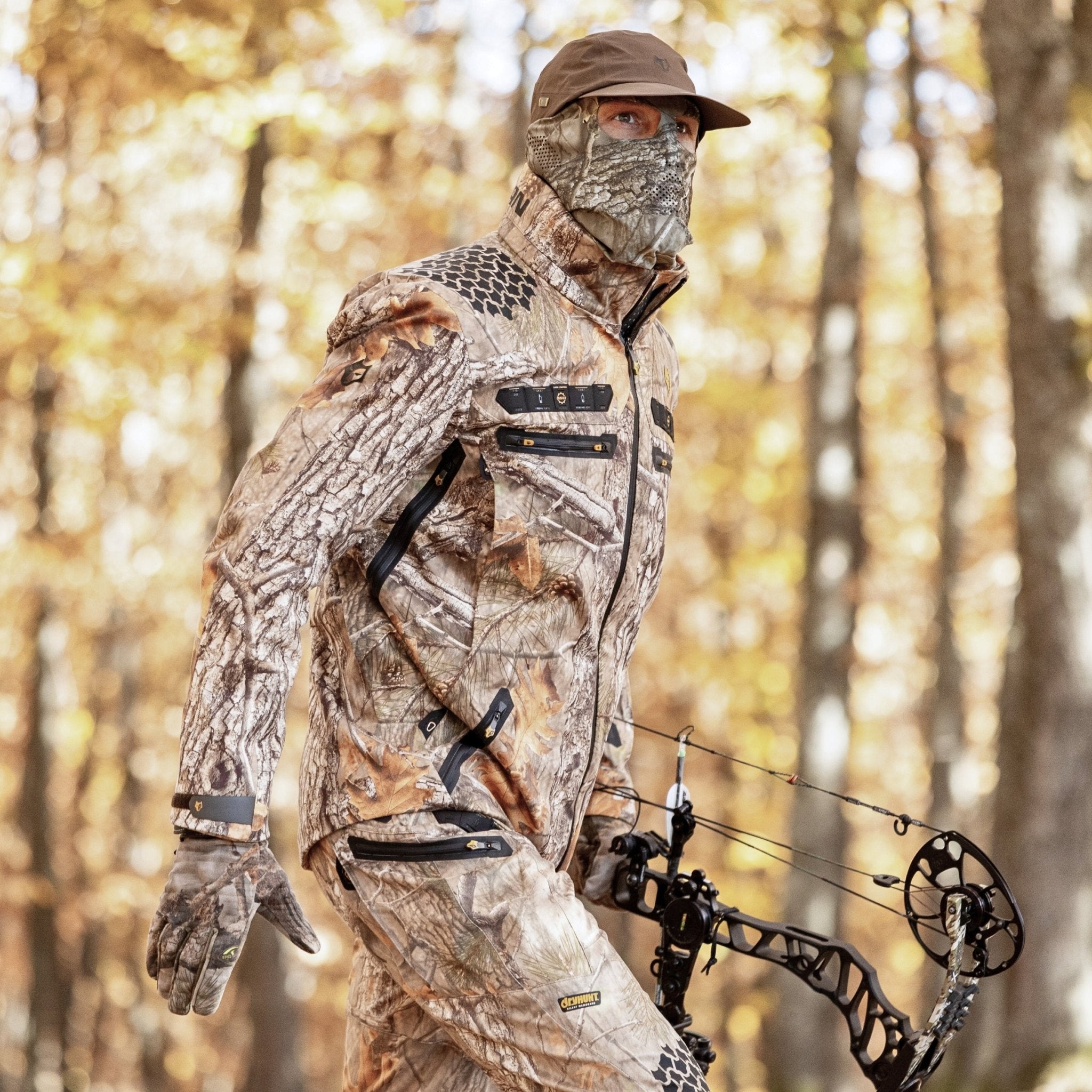
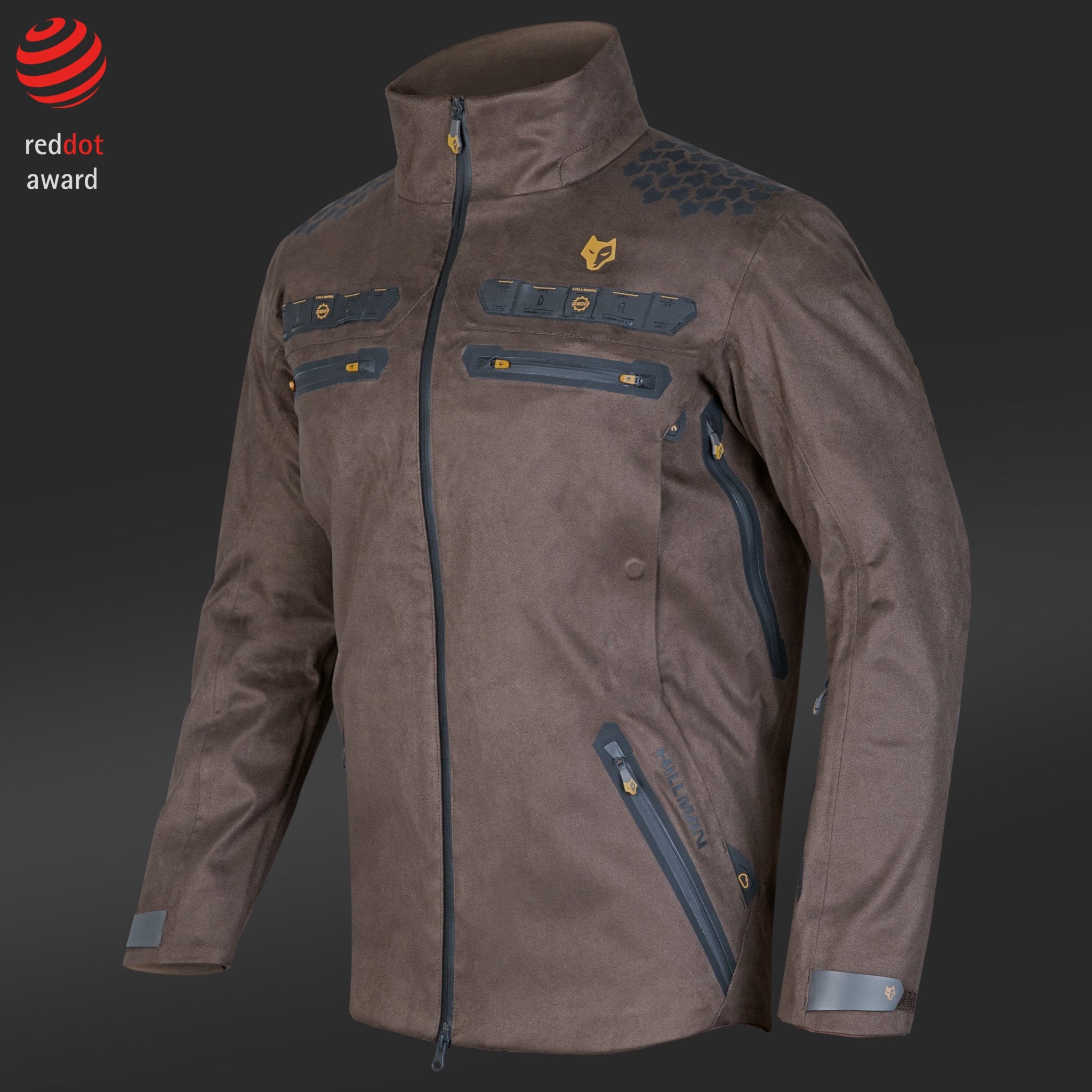
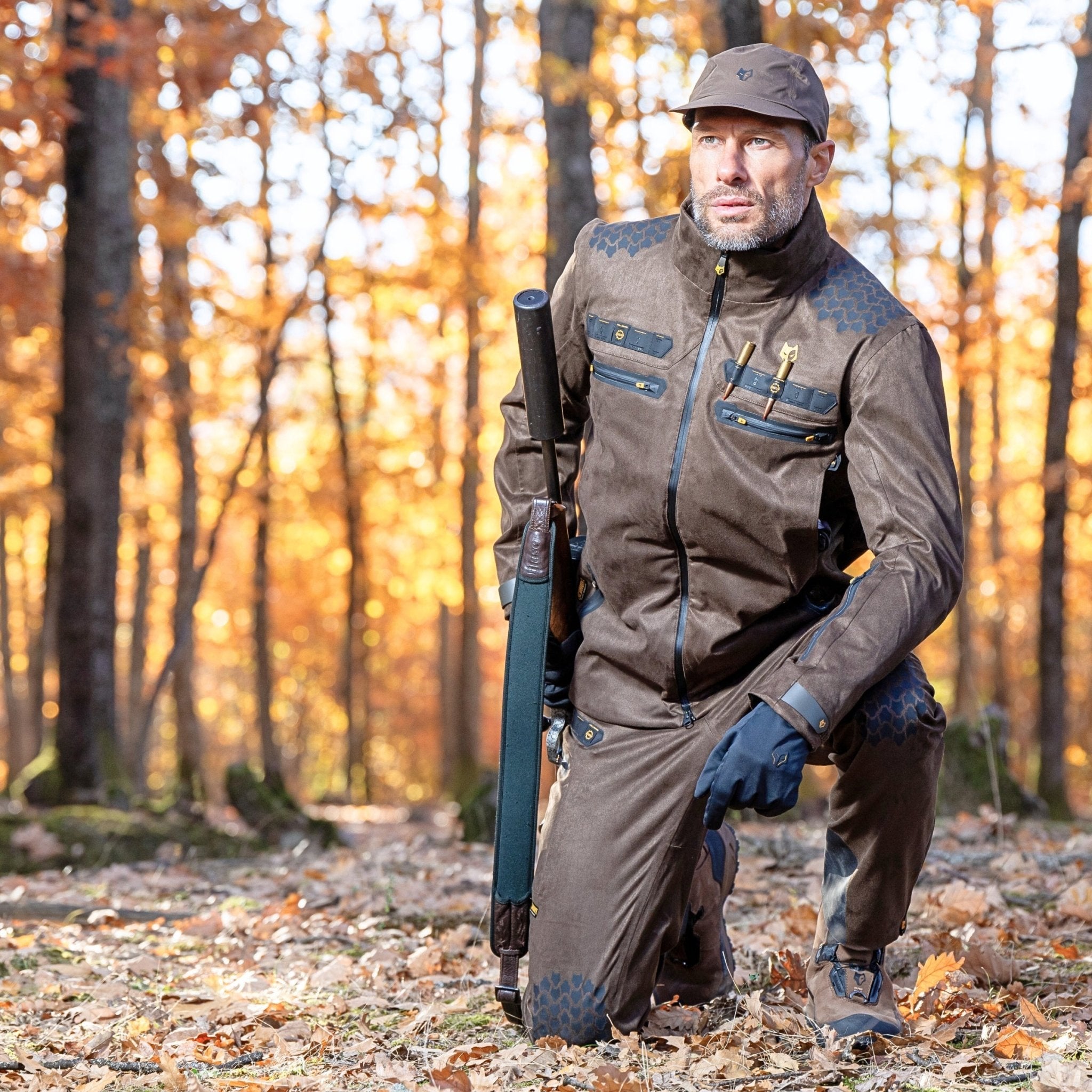
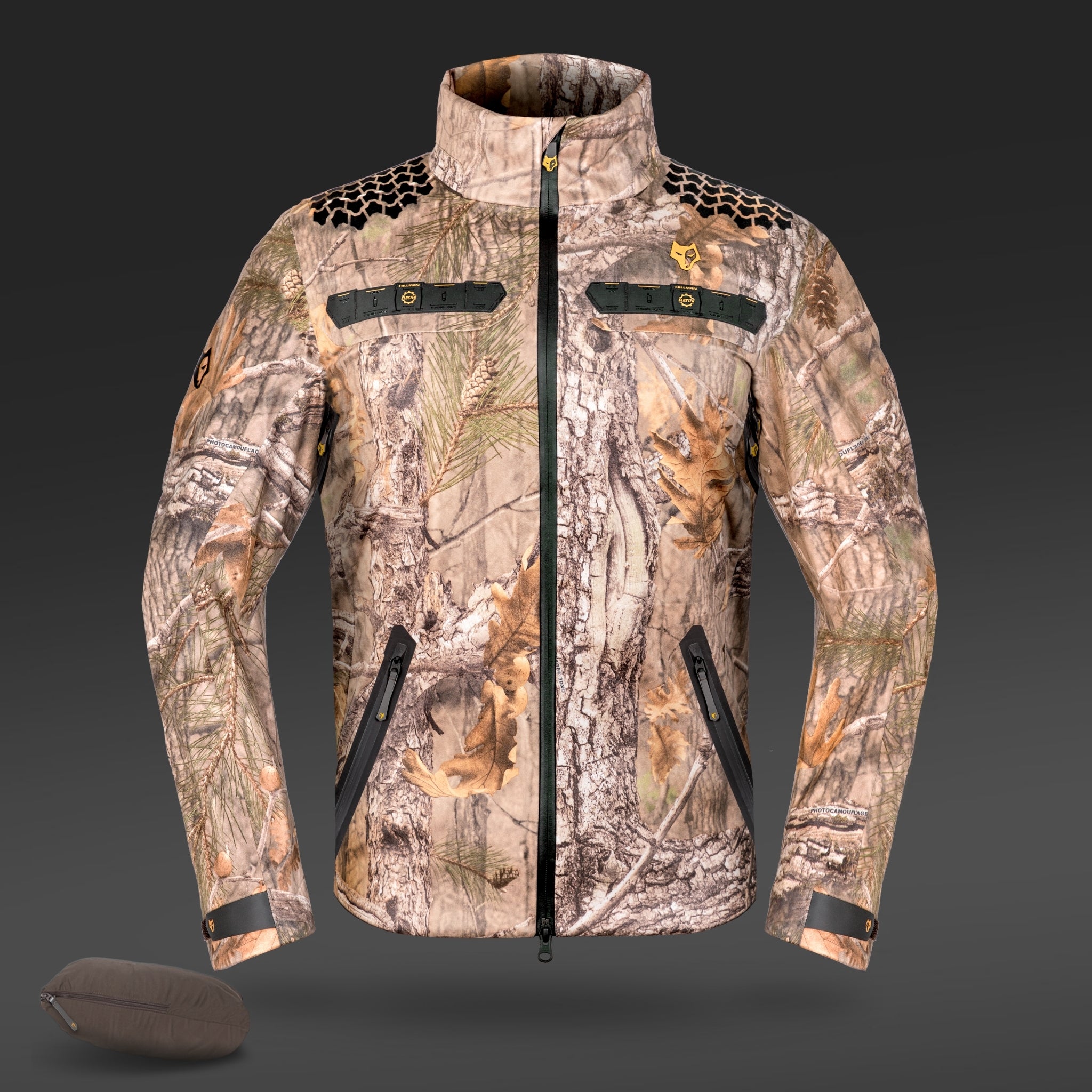
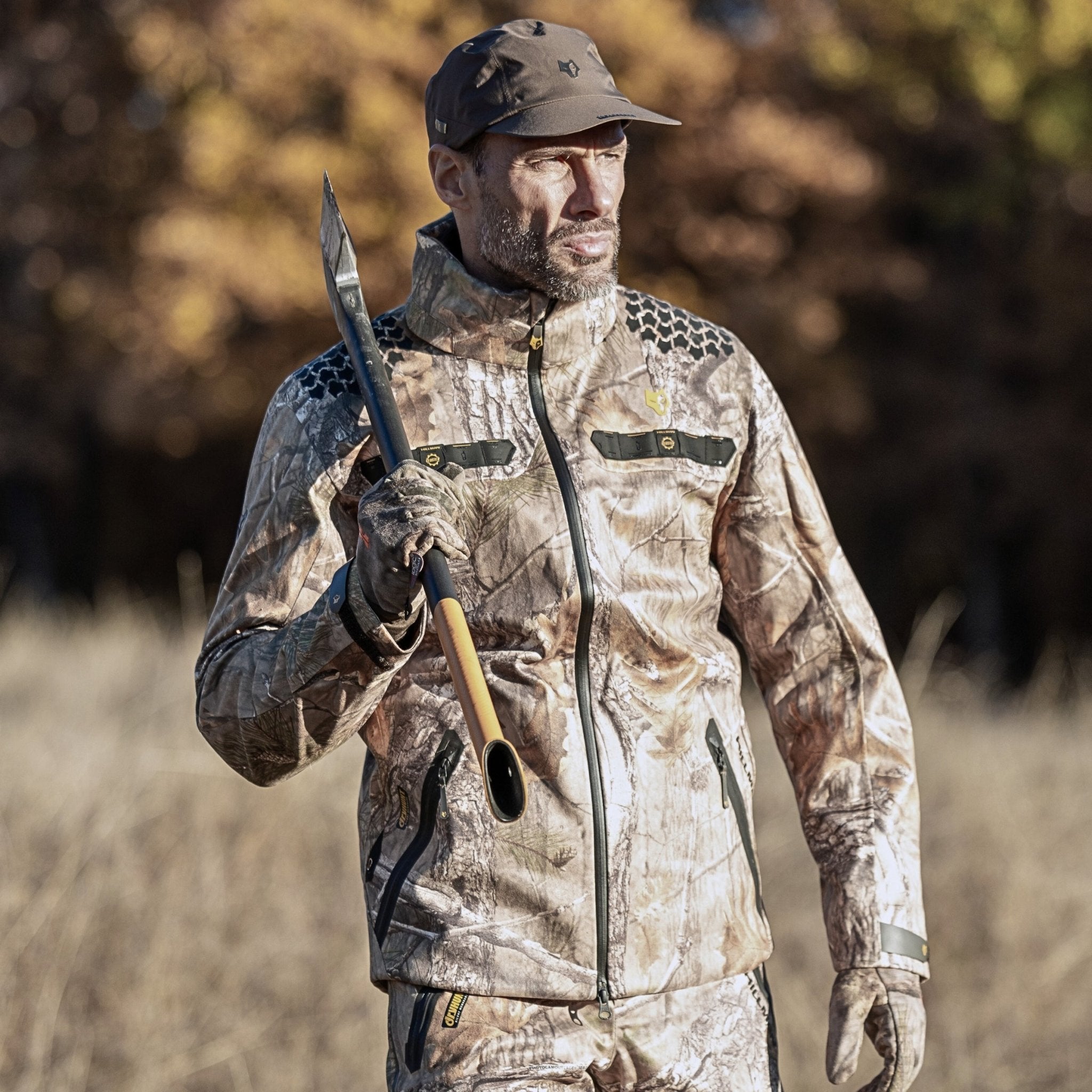
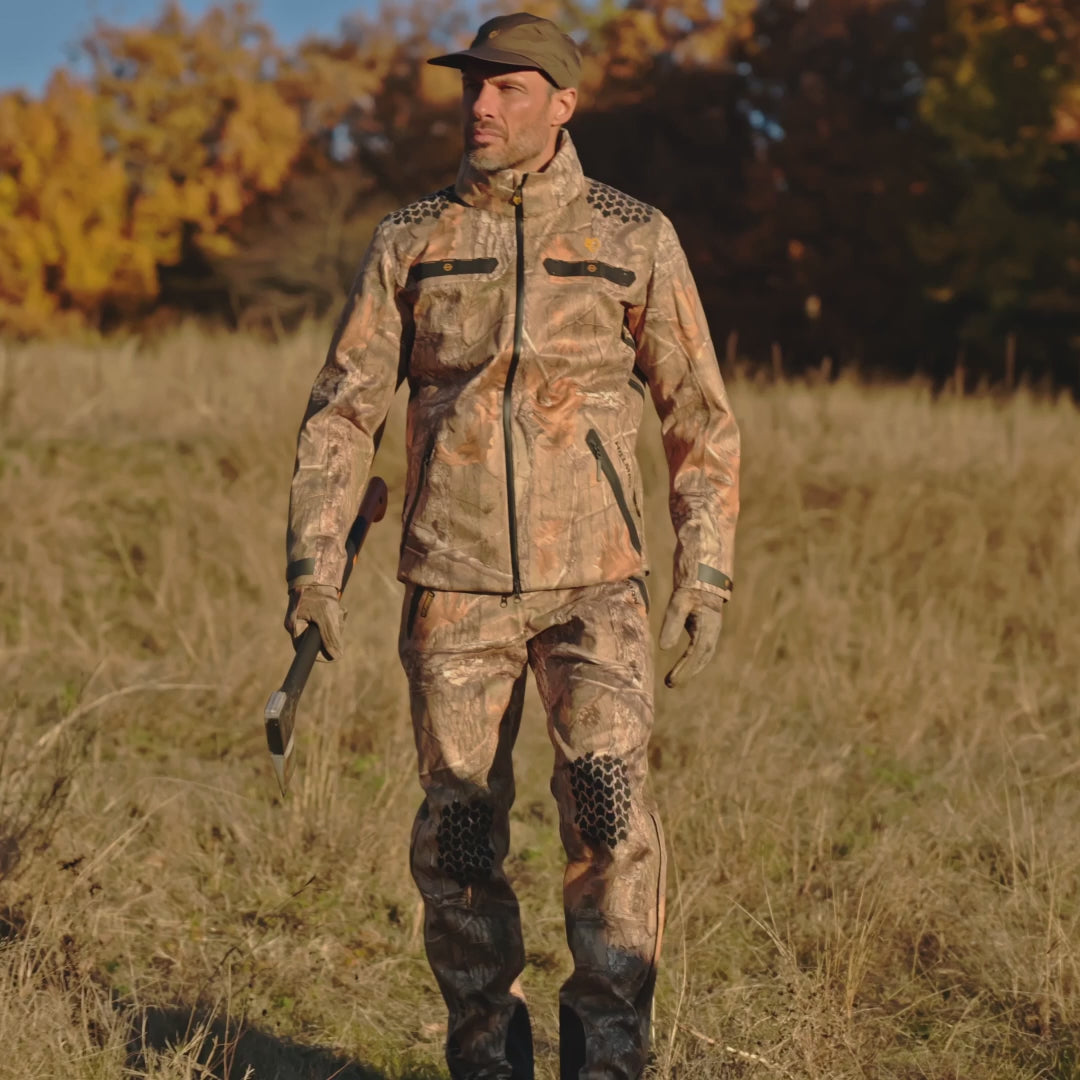
Hillman's AlphaShell 5WL waterproof hunting jacket lists an 11,000 mm hydrostatic head and a moisture vapor transmission rate of 32,000 g/m²/24 h. The first concerns pressure from liquid water. The second concerns moisture transfer through the fabric.
MVTR reports how much vapor passes through a given area over time under the test conditions. Higher results indicate more transfer within that method. RET reports resistance to evaporative heat transfer, with lower results indicating less resistance.
Don't compare an MVTR figure with a RET figure as though they're scores on the same scale. Even two MVTR figures need comparable methods to support a useful ranking.
For the walk in, the practical question is how you're going to manage heat. Check for ventilation, use it early, and avoid keeping unnecessary insulation underneath the shell. Breathable fabric isn't a drain for unlimited sweat.
Beading Water Doesn't Prove Waterproofing
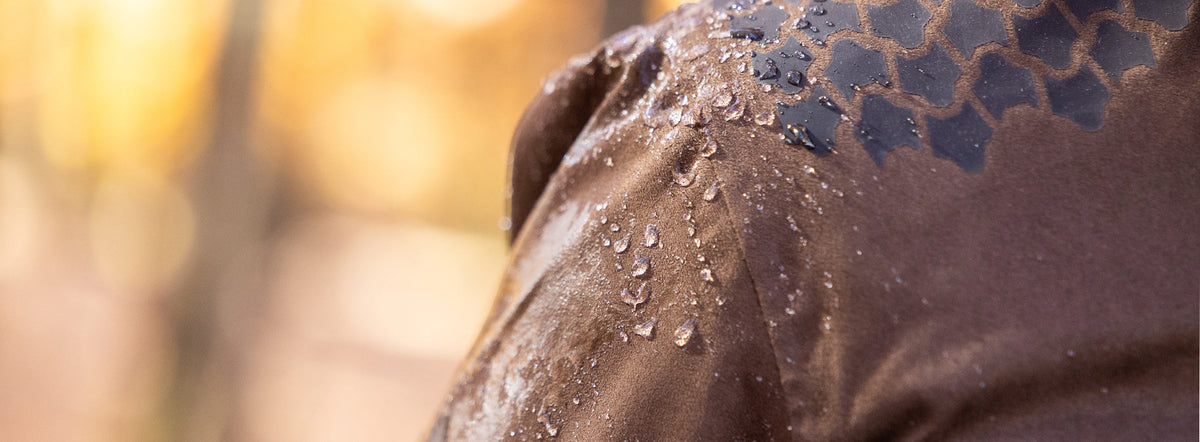
A new water-repellent jacket looks convincing when rain rolls straight off. That's the surface finish doing its work. It doesn't establish whether the fabric has a waterproof barrier or whether its seams are sealed.
DWR, short for durable water repellent, helps keep the outer fabric from saturating. When that surface wets out, the jacket feels colder and clammy. Wetting out alone doesn't prove the waterproof membrane has failed.
Start maintenance with the garment's care label. Dirt and oils interfere with surface repellency, so cleaning comes before adding more treatment. Apply a compatible repellent if needed, and use heat only when the label allows it. GORE-TEX explains this process for its garments; follow Hillman's own instructions for Hillman clothing.
Check the Openings Before the Forecast
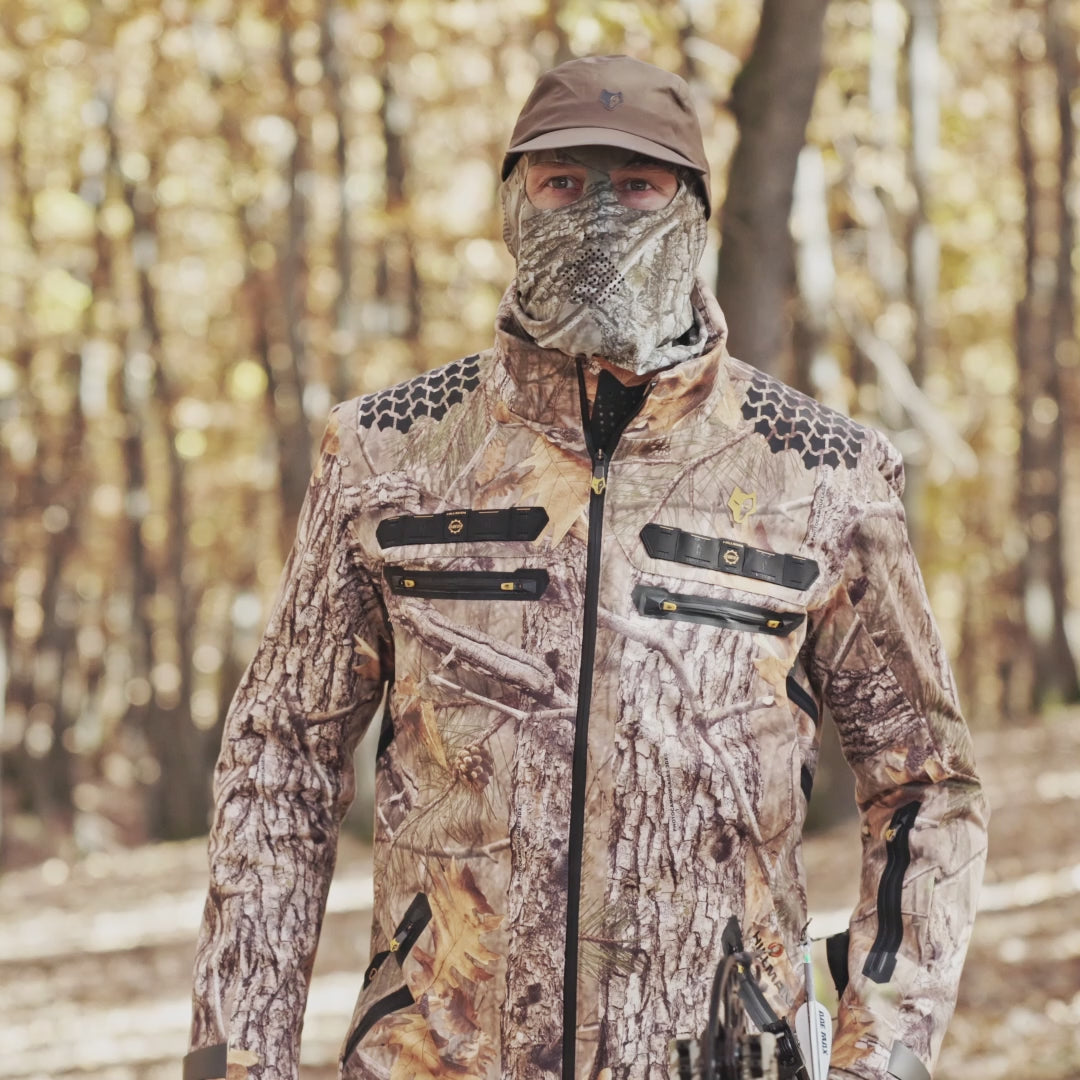
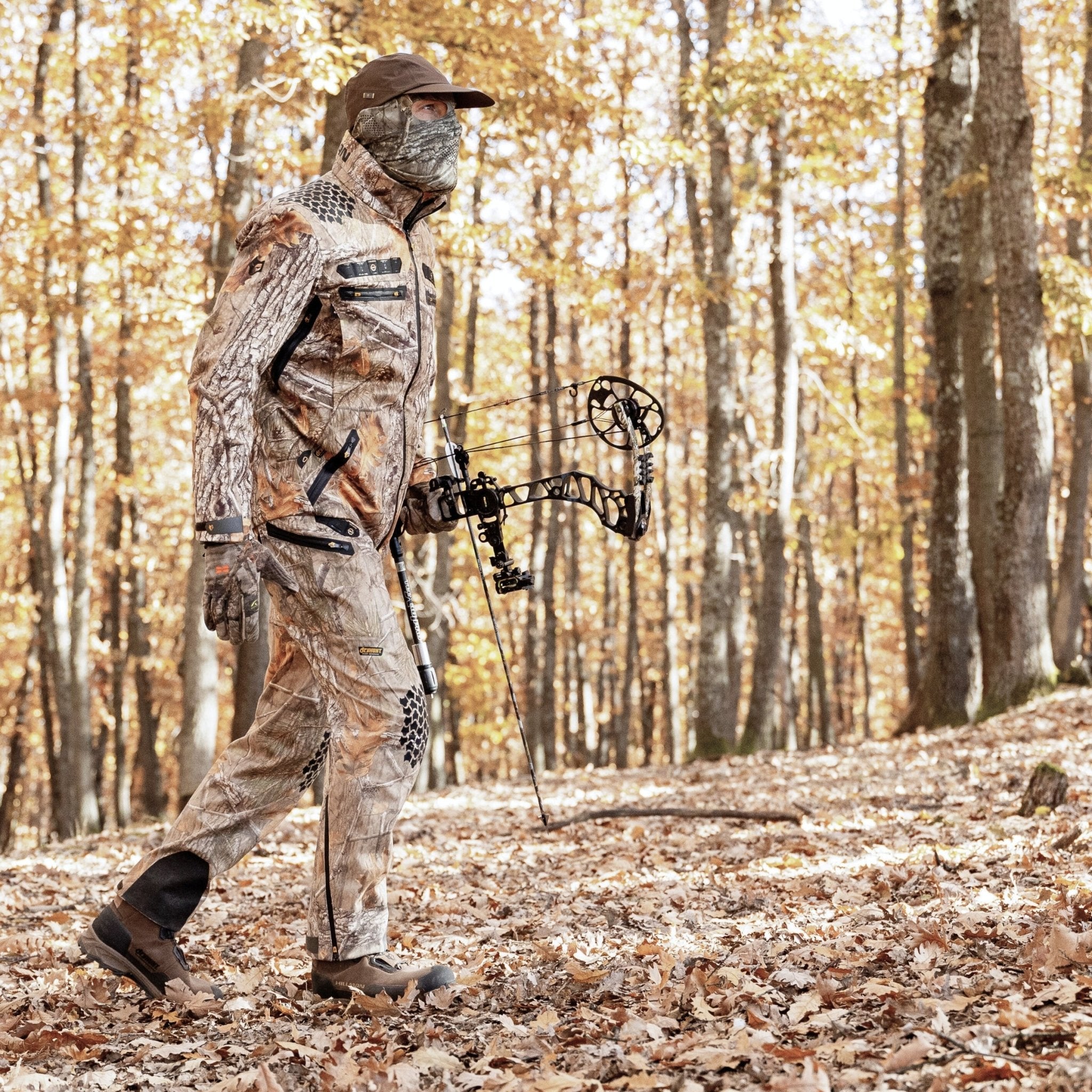
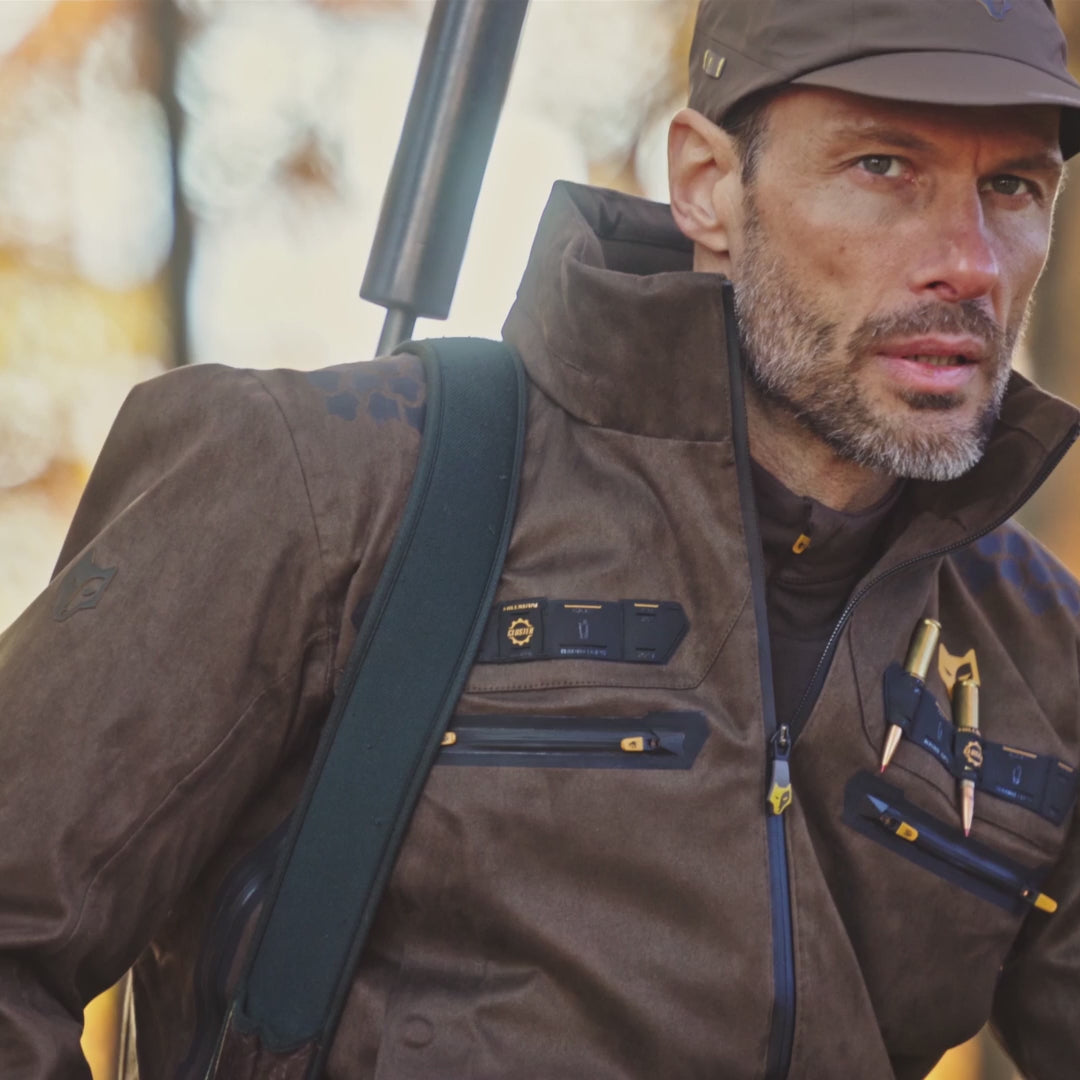
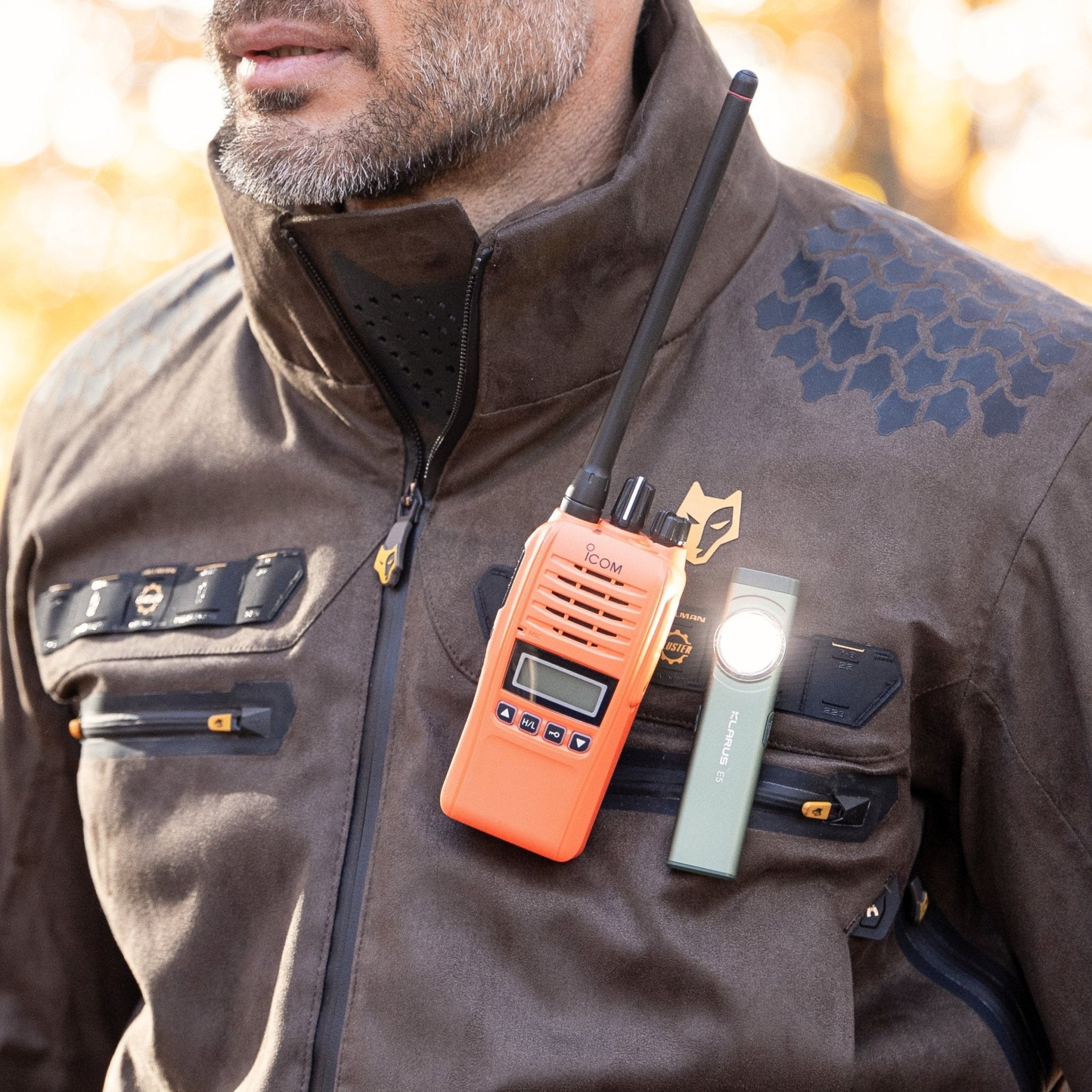
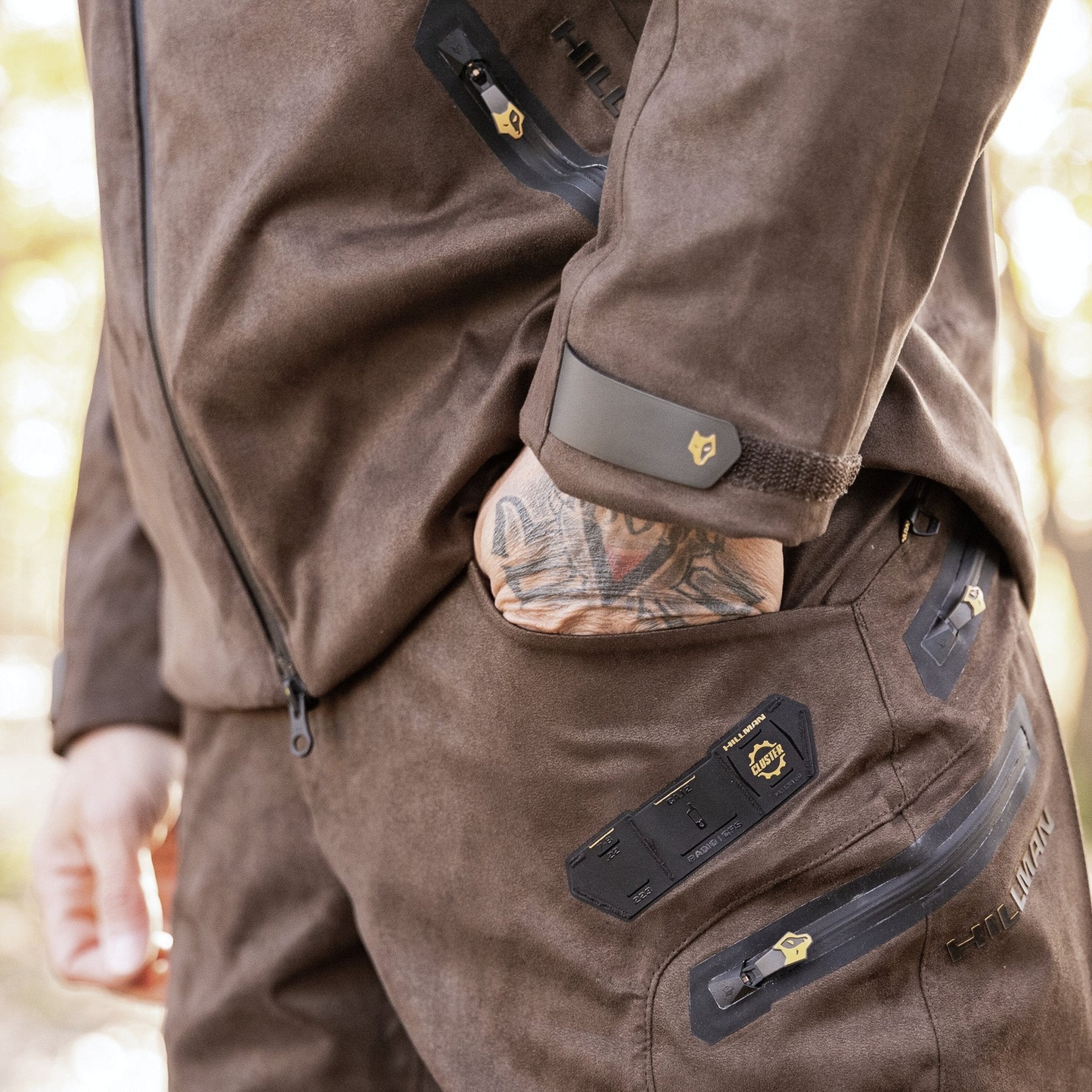
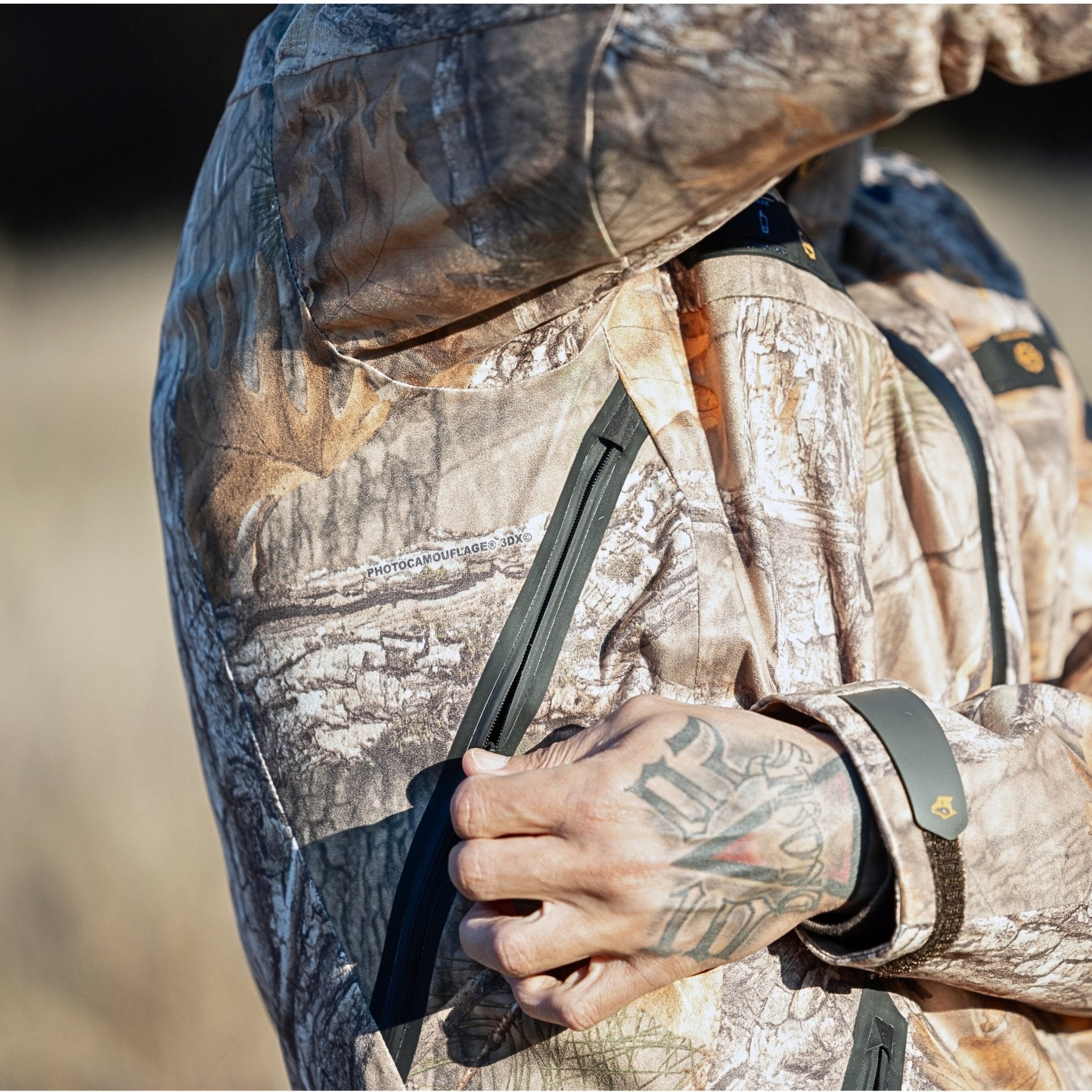
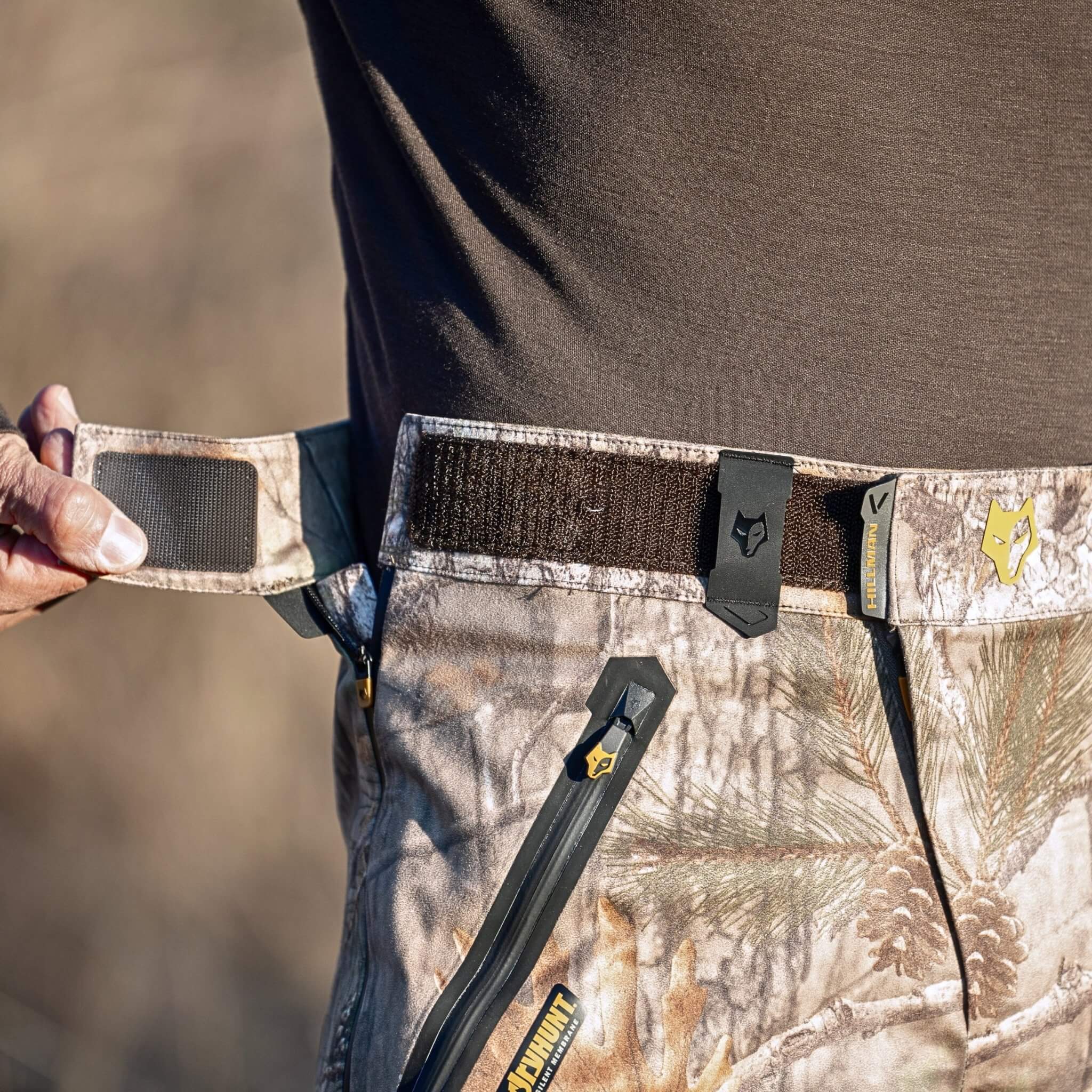
Try the hood over your normal hat. Tighten the cuffs as you would in rain, then reach forward and overhead. Check whether the jacket exposes your waistband or lets the hood fall across your eyes.
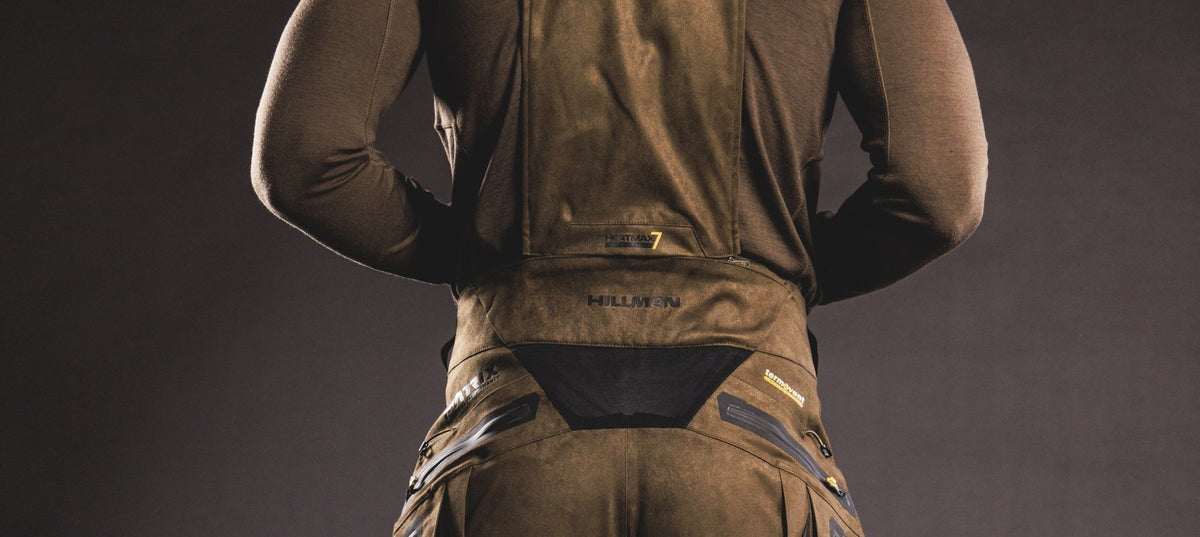
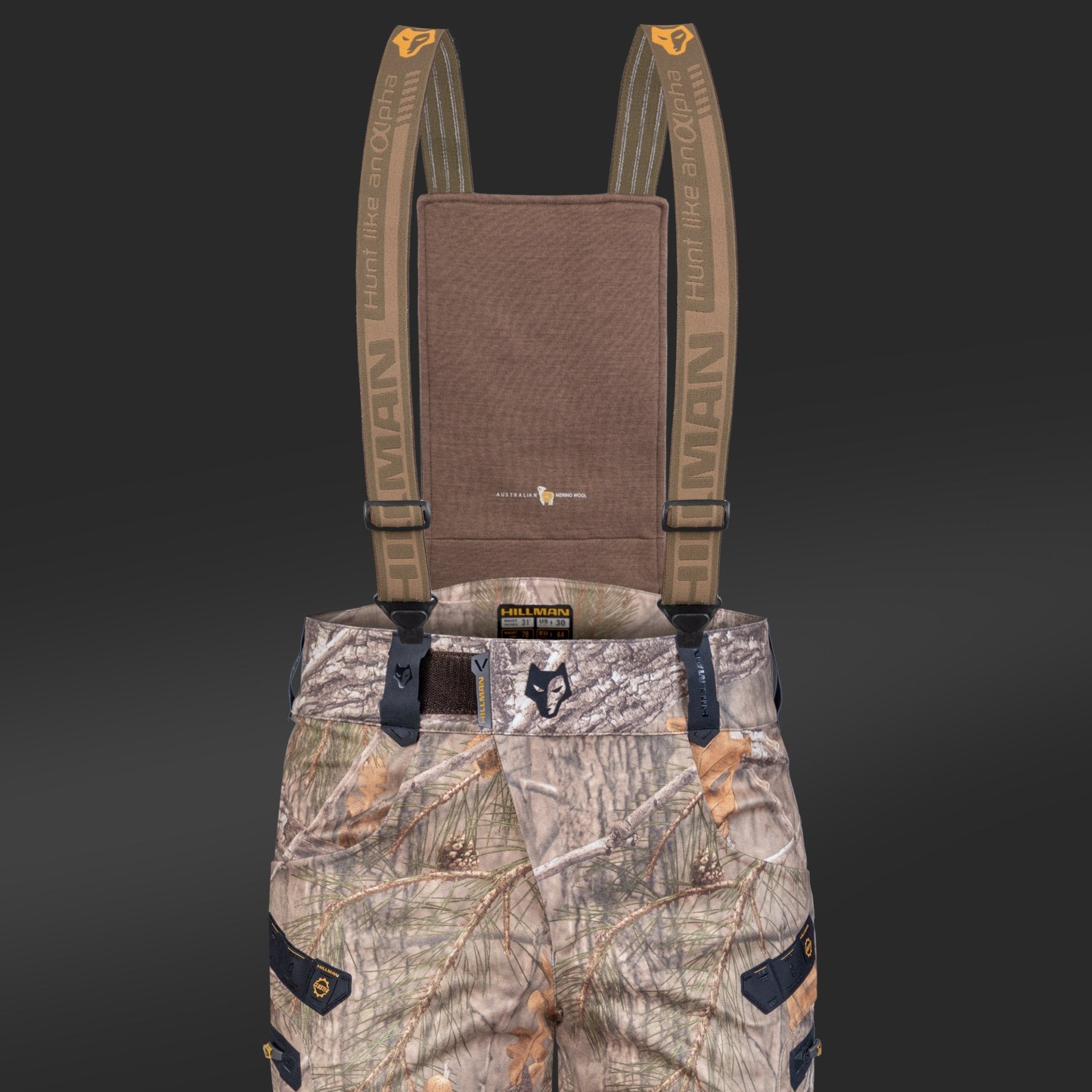
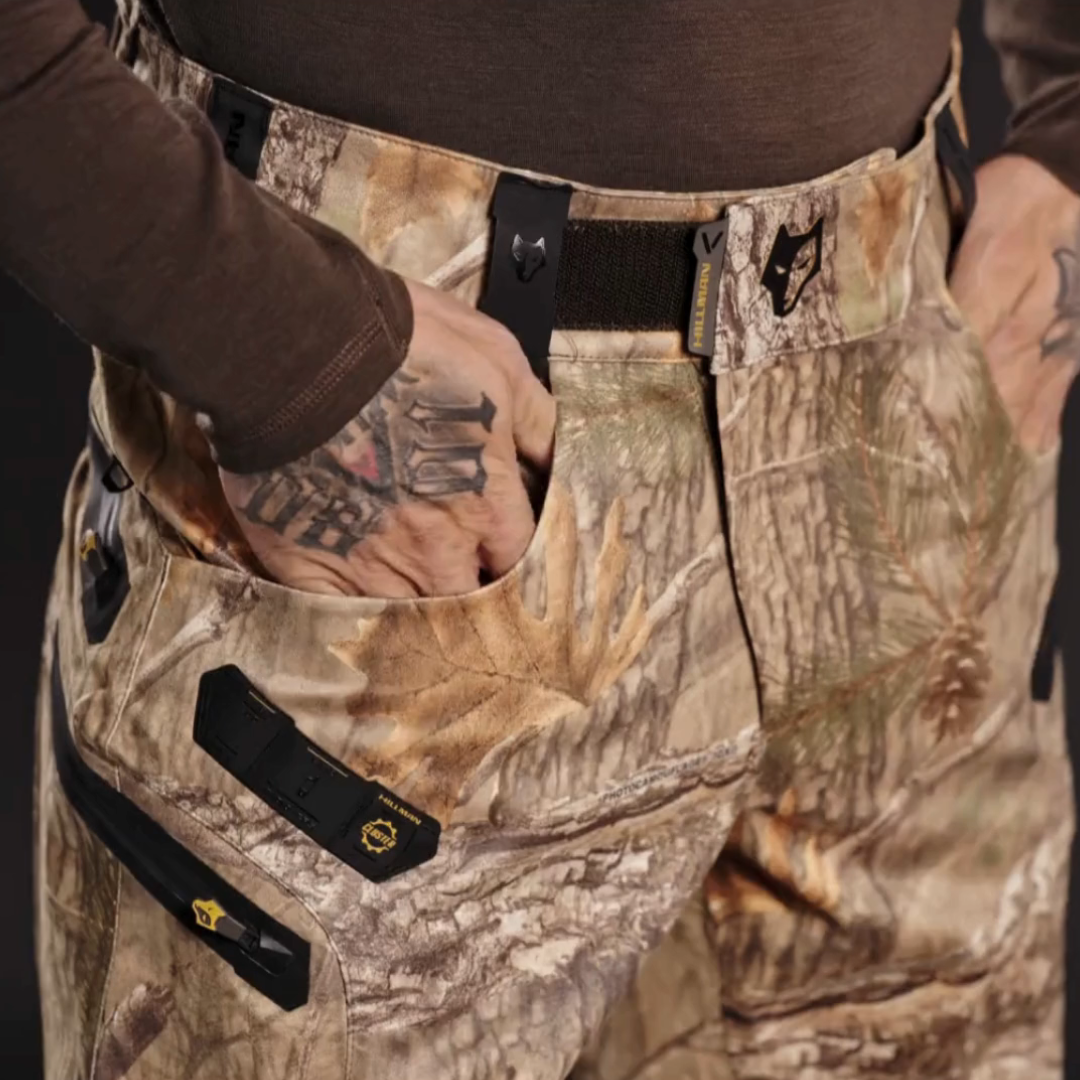
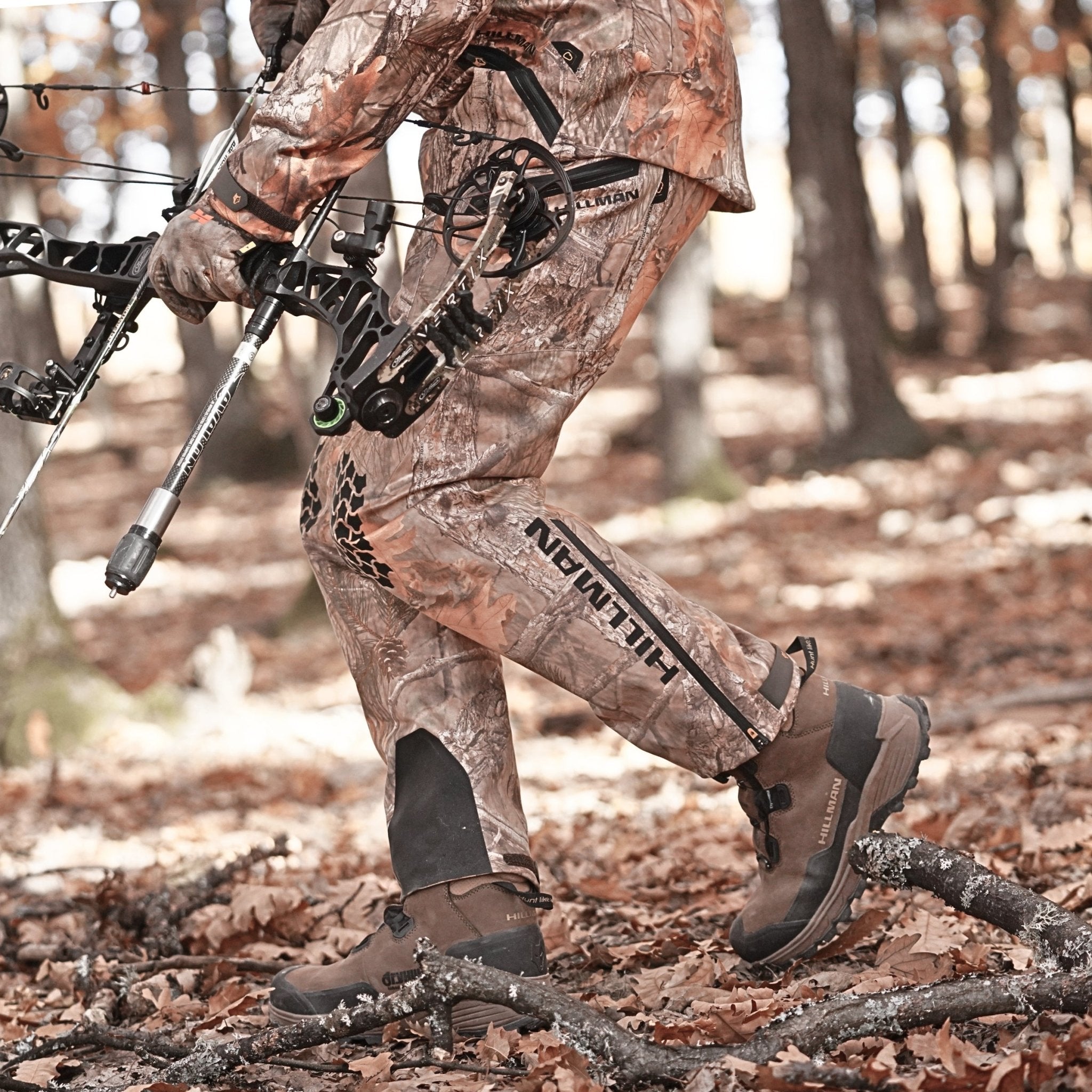
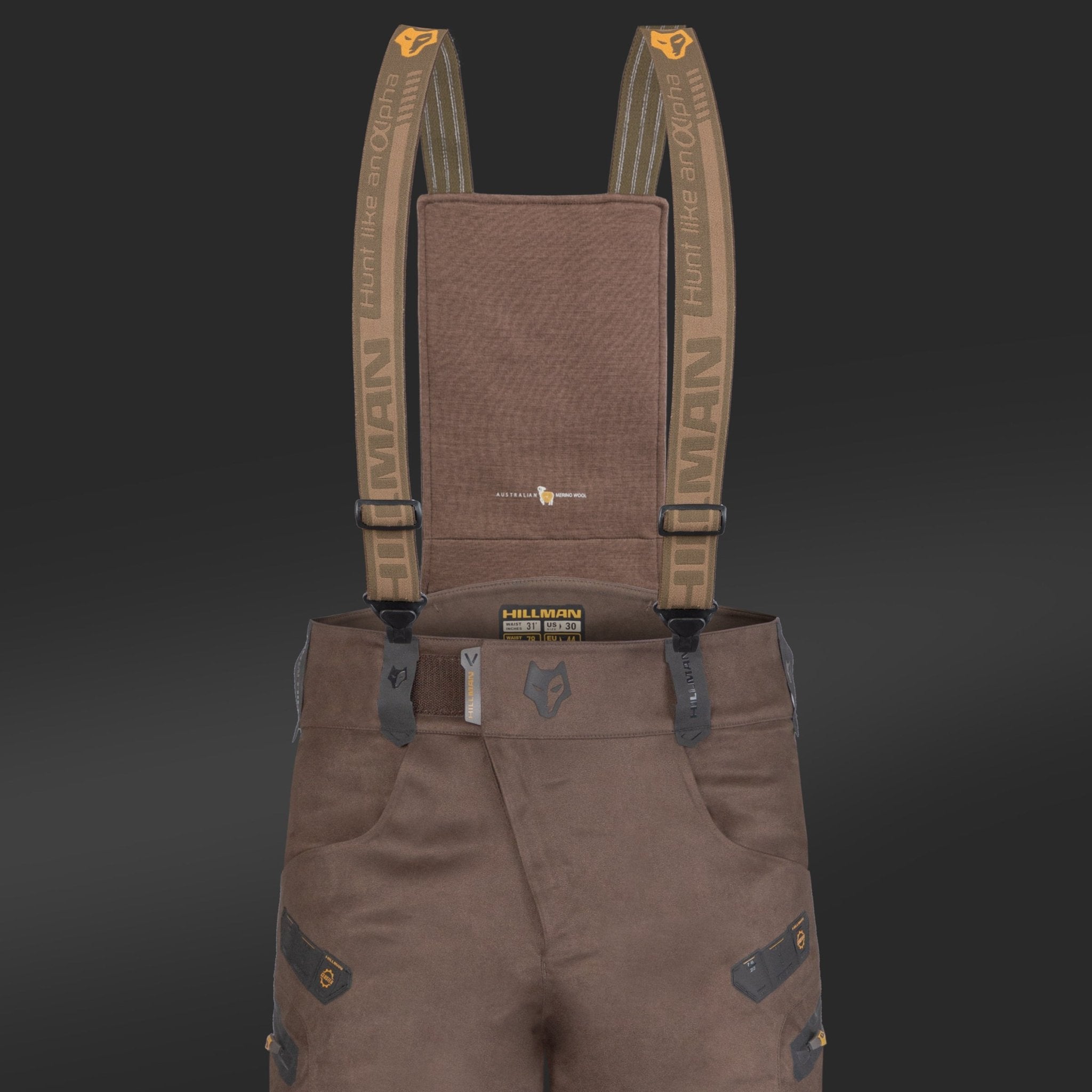
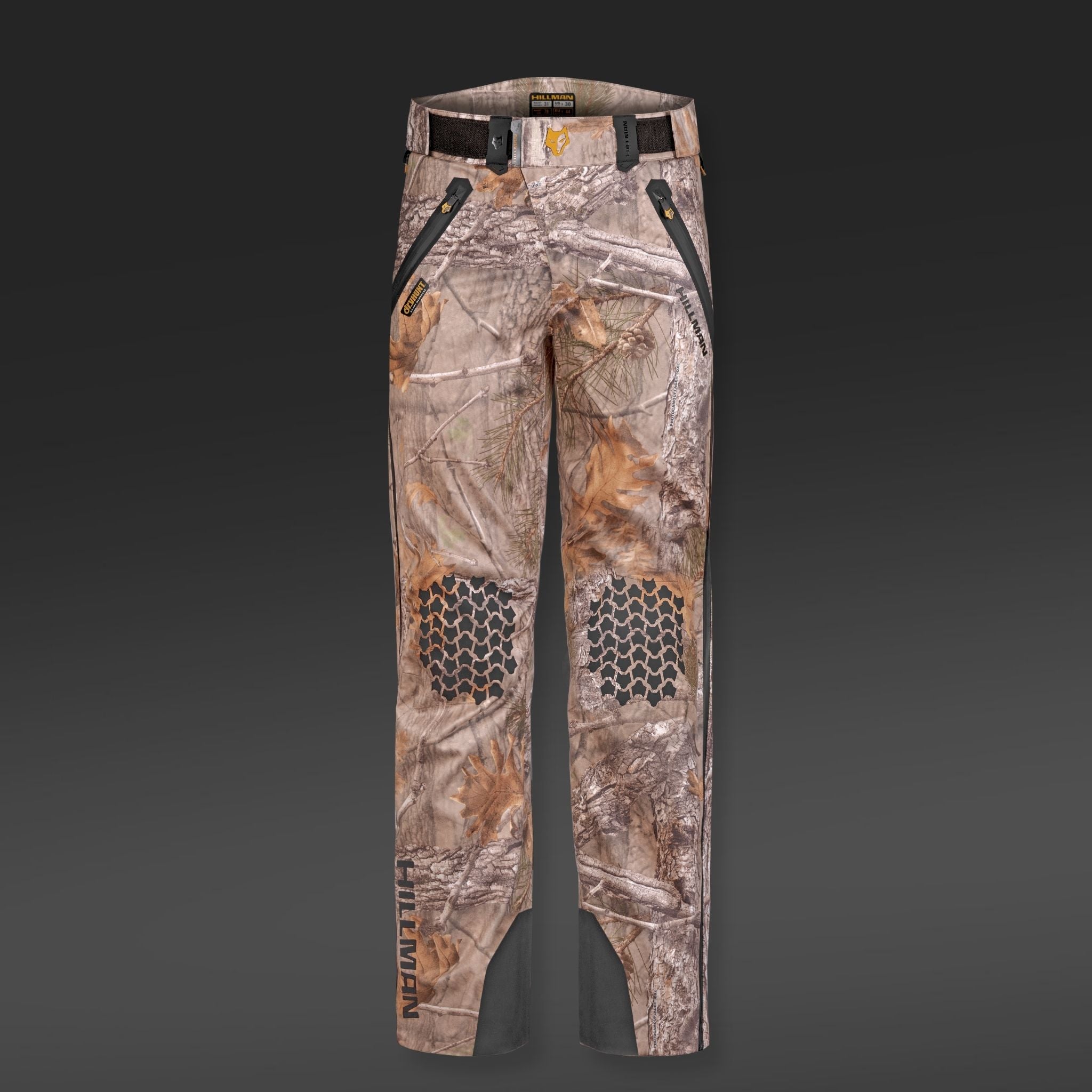
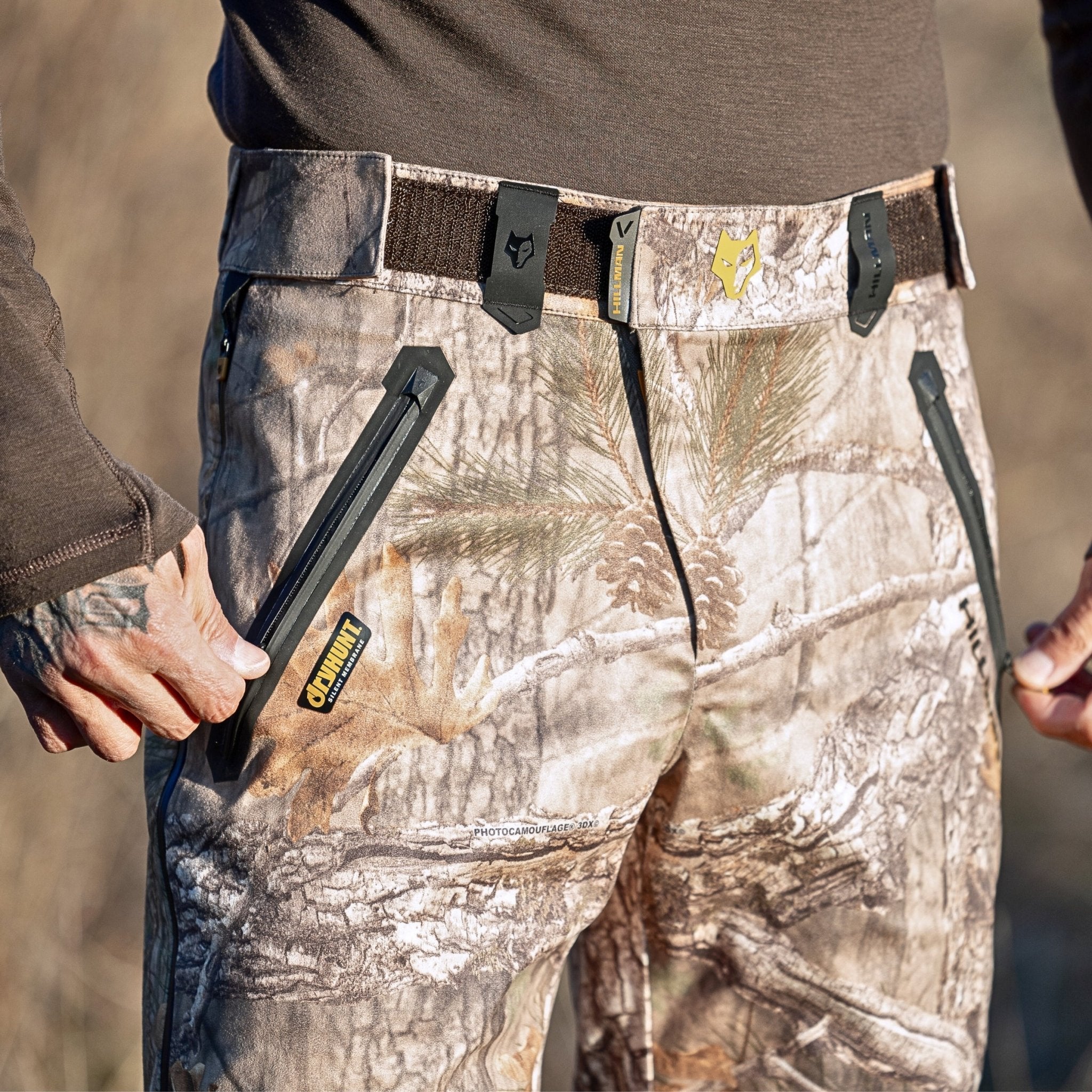
For waterproof hunting pants and bibs, inspect the seat, knees, closures, and coverage over your boots. For a cold stationary hunt, compare that rain protection with the insulation in AlphaShell 6OL pants. Waterproofing and warmth answer separate needs.
Related reading: Softshell vs Hardshell Hunting Jackets and Bibs vs Pants for Hunting.
Read the numbers, then try the garment on. A sound fabric rating is useful evidence. A hood, cuff, or waistband that lets water inside is a problem you can often spot before you ever leave home.



Share:
Still-Hunting Deer in Thick Cover: How to Move, Use Wind, Sound
DIY Public-Land Deer Hunts: Finding Access, Staying Effective