

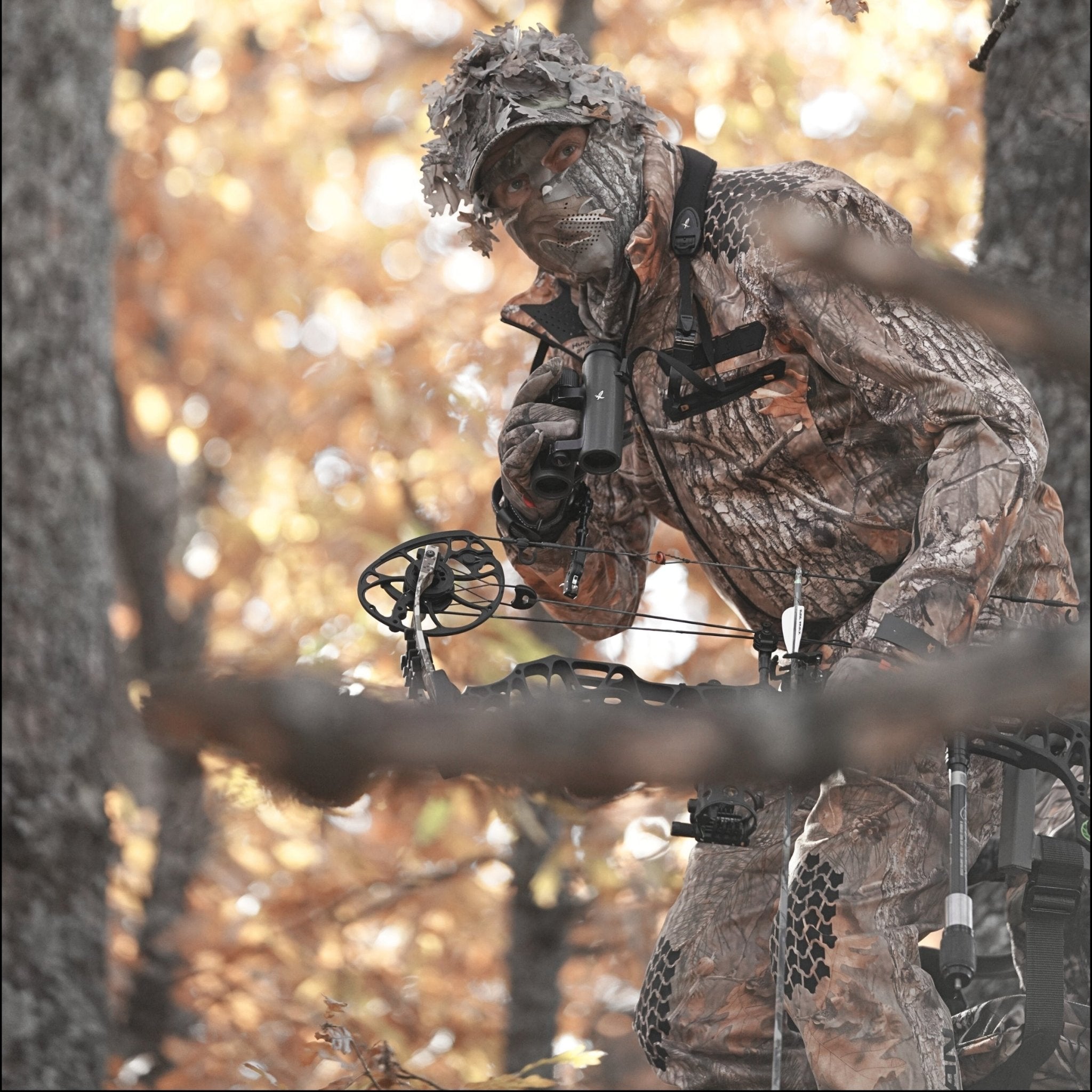
Lean forward in a stand and a jacket rides up an inch. That's all it takes. A sliver of bare skin at your waist in 20-degree air, and you spend the next ten minutes shifting around to cover it back up.
Bibs fix that one problem completely. They don't fix every other problem with your bottom layers, and treating them as the default answer to “what do I wear hunting” gets things backwards.
What You're Actually Buying Coverage For
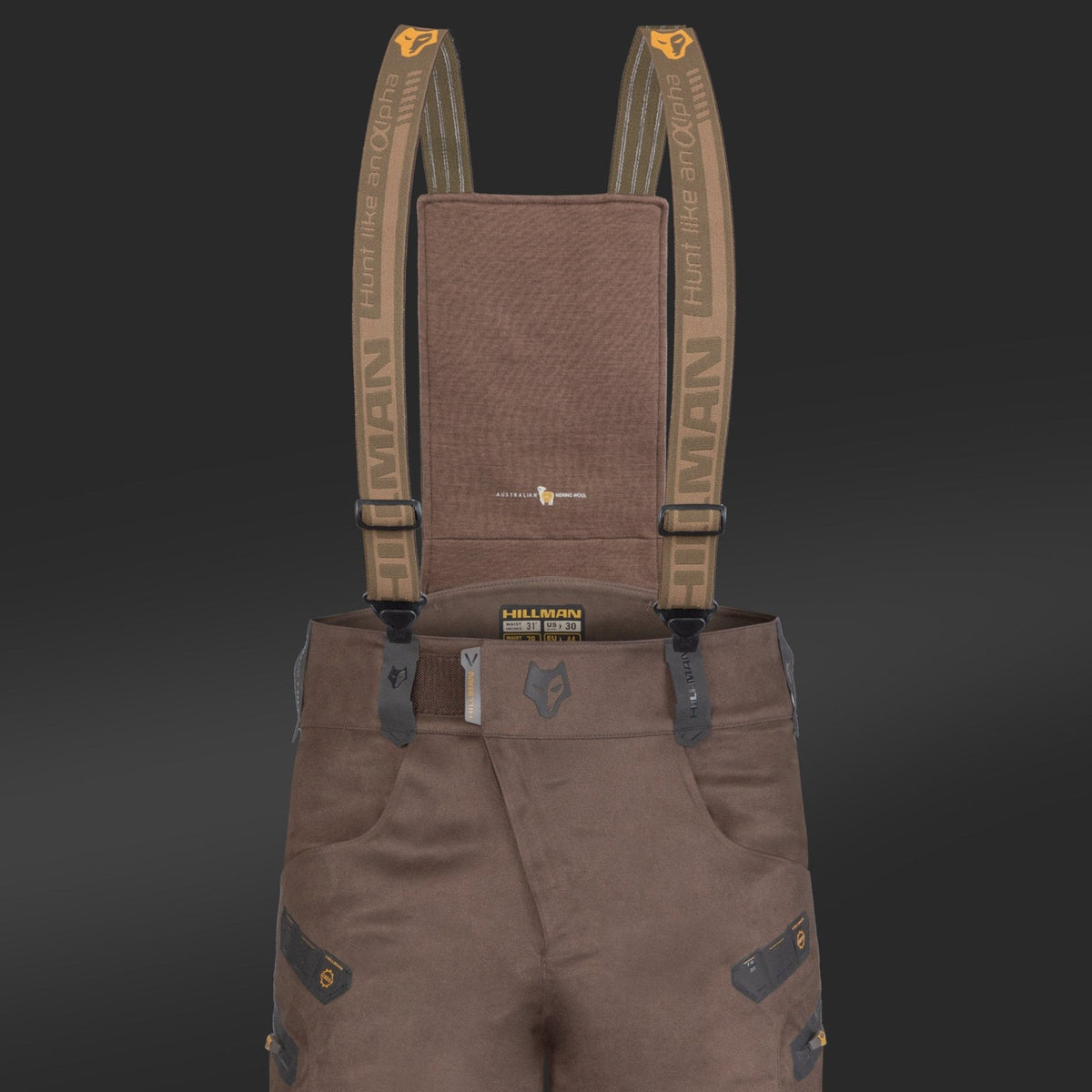
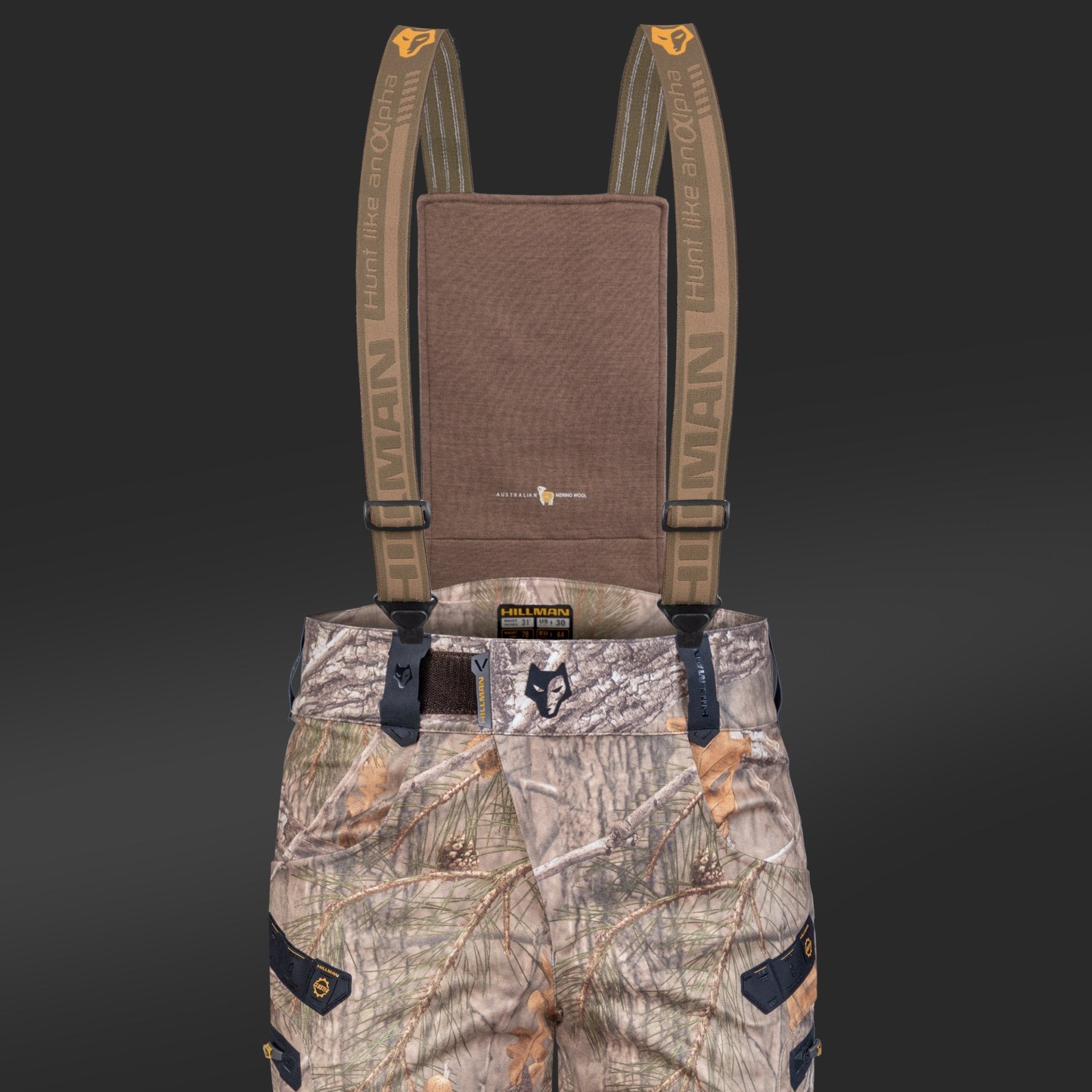
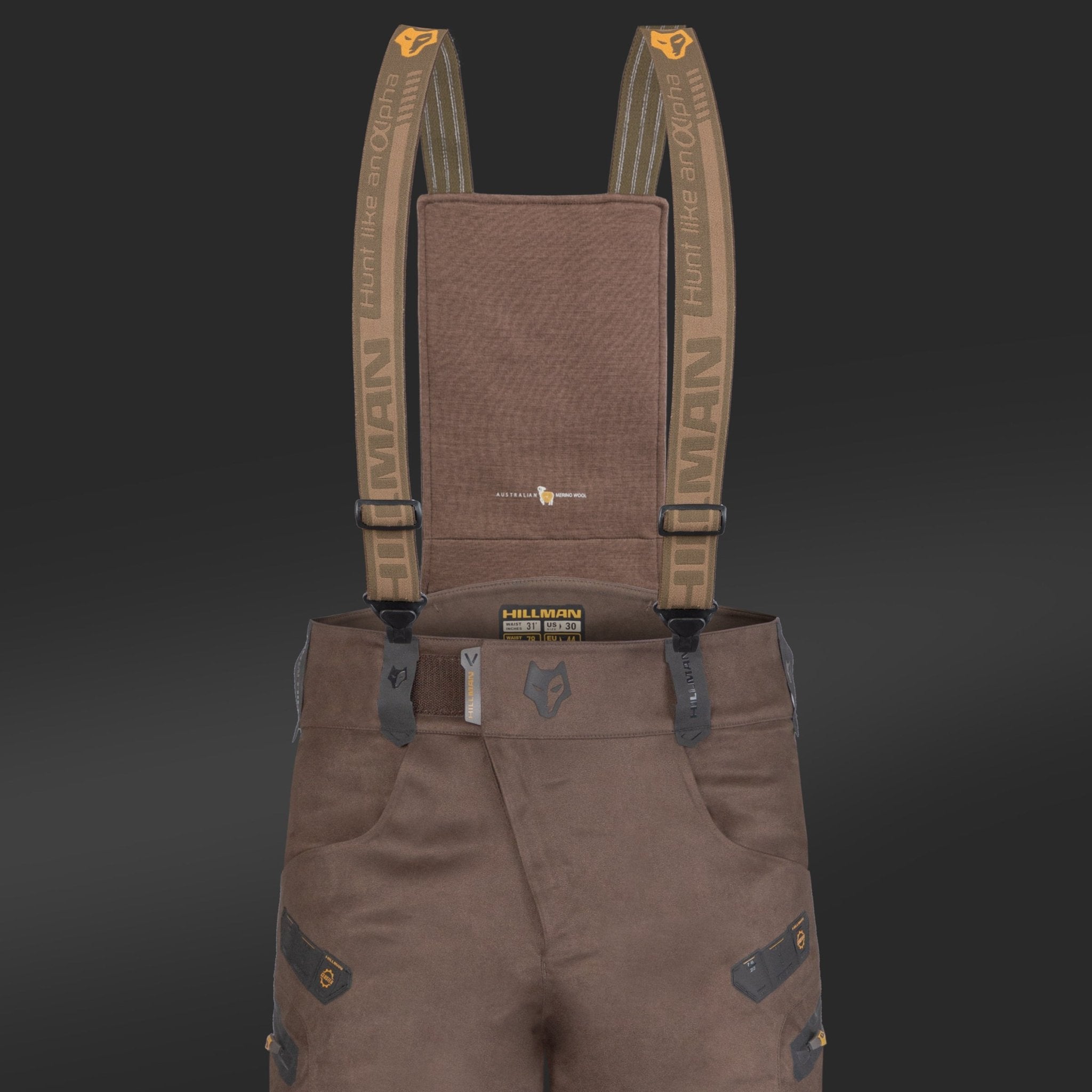
Pull a pair of bibs up and the chest panel does one job: it keeps that strip of back and belly covered no matter how you sit, twist, or lean. The suspenders take weight off your waistband instead of cinching a belt tighter every time you shift.
That's real coverage for a four-hour sit. It's dead weight on a morning spent walking field edges, where nobody needs suspenders holding up extra fabric across their chest.
Insulation is a separate question from coverage. Plenty of hunters assume thick bibs mean warm bibs and thin bibs mean cool ones, and get burned both ways. A lightweight bib with no insulation is exactly as warm as lightweight pants. The only thing the bib cut changes is how much of your torso stays covered.
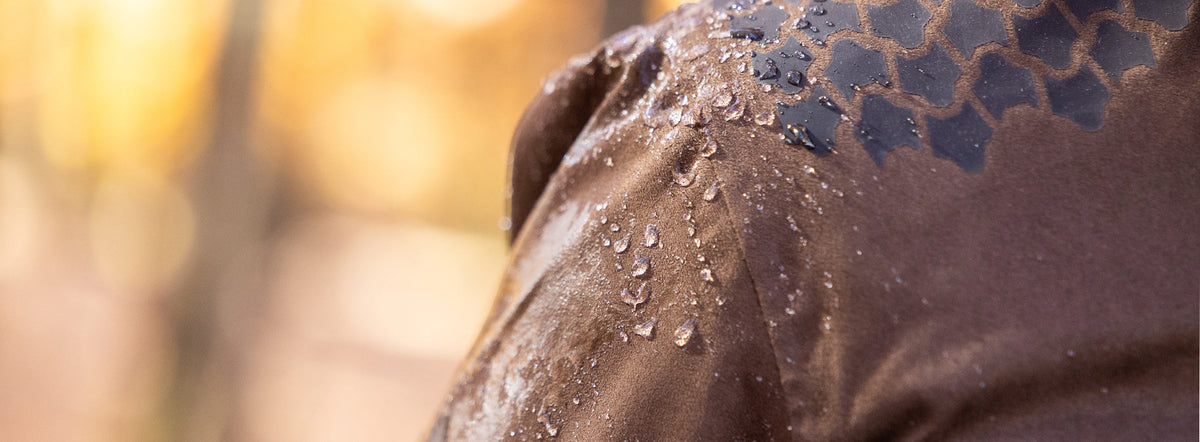
Check what you're sitting on, too. Snow-covered ground and a wet bench put a different load on the seat fabric than rain falling on your shoulders. Look at how the seat is built before you assume waterproof covers you everywhere you'll actually touch down.
Bibs Start to Work Against You on the Walk In
Picture a half-mile climb to your stand before first light. By the time you're there, your back is already damp from the walk, and a bib with the vents closed just seals that moisture in against your skin for the rest of the sit.
Open vents before you start sweating, not after. If the terrain allows it, carry the heavy shell in your pack and put it on once you're at your spot instead of wearing it the whole way in.
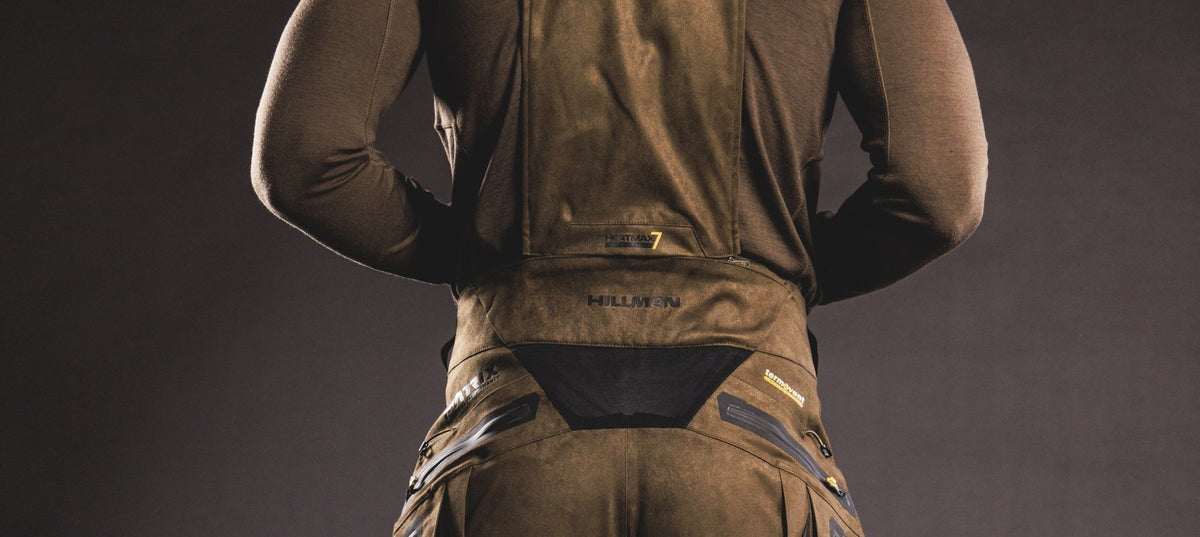
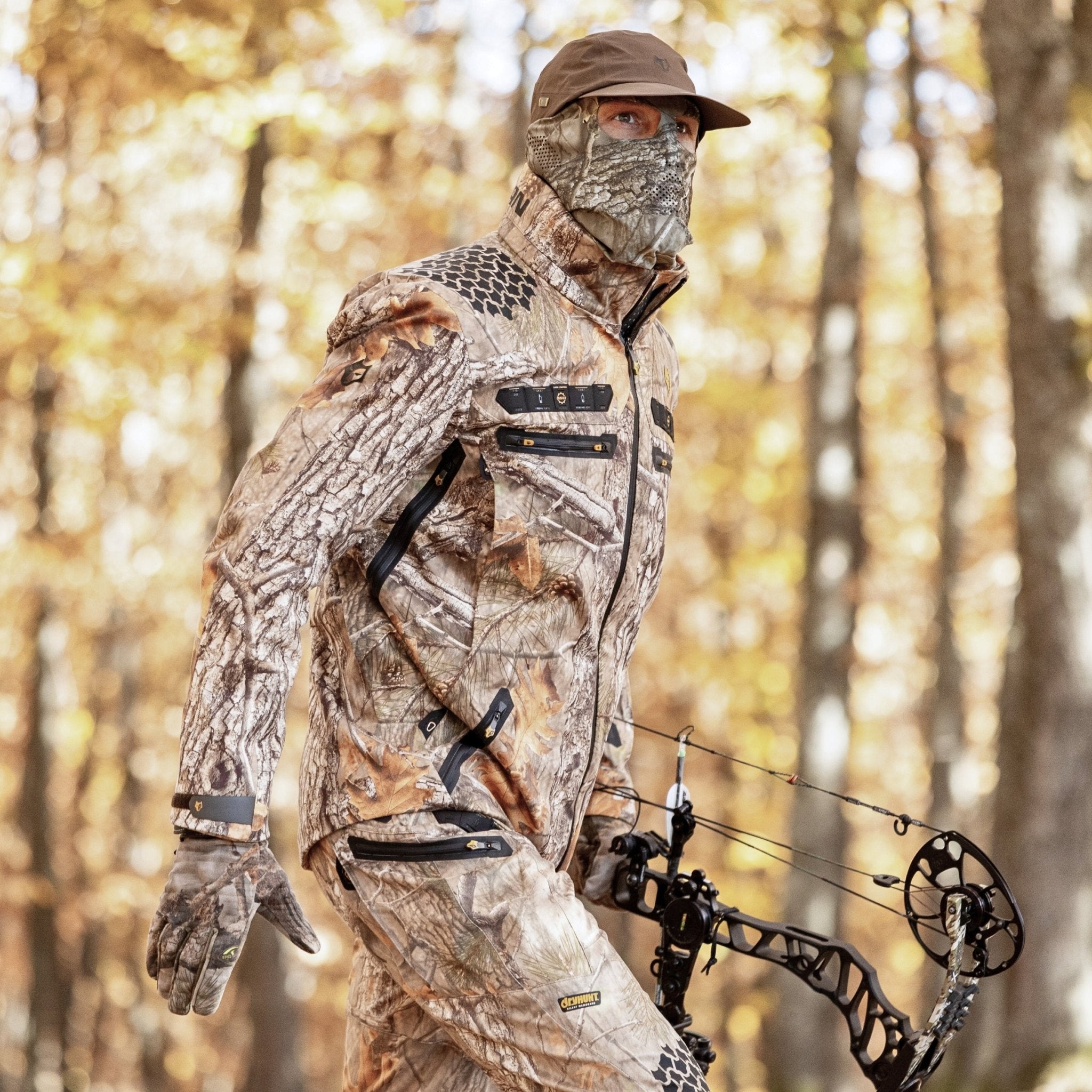
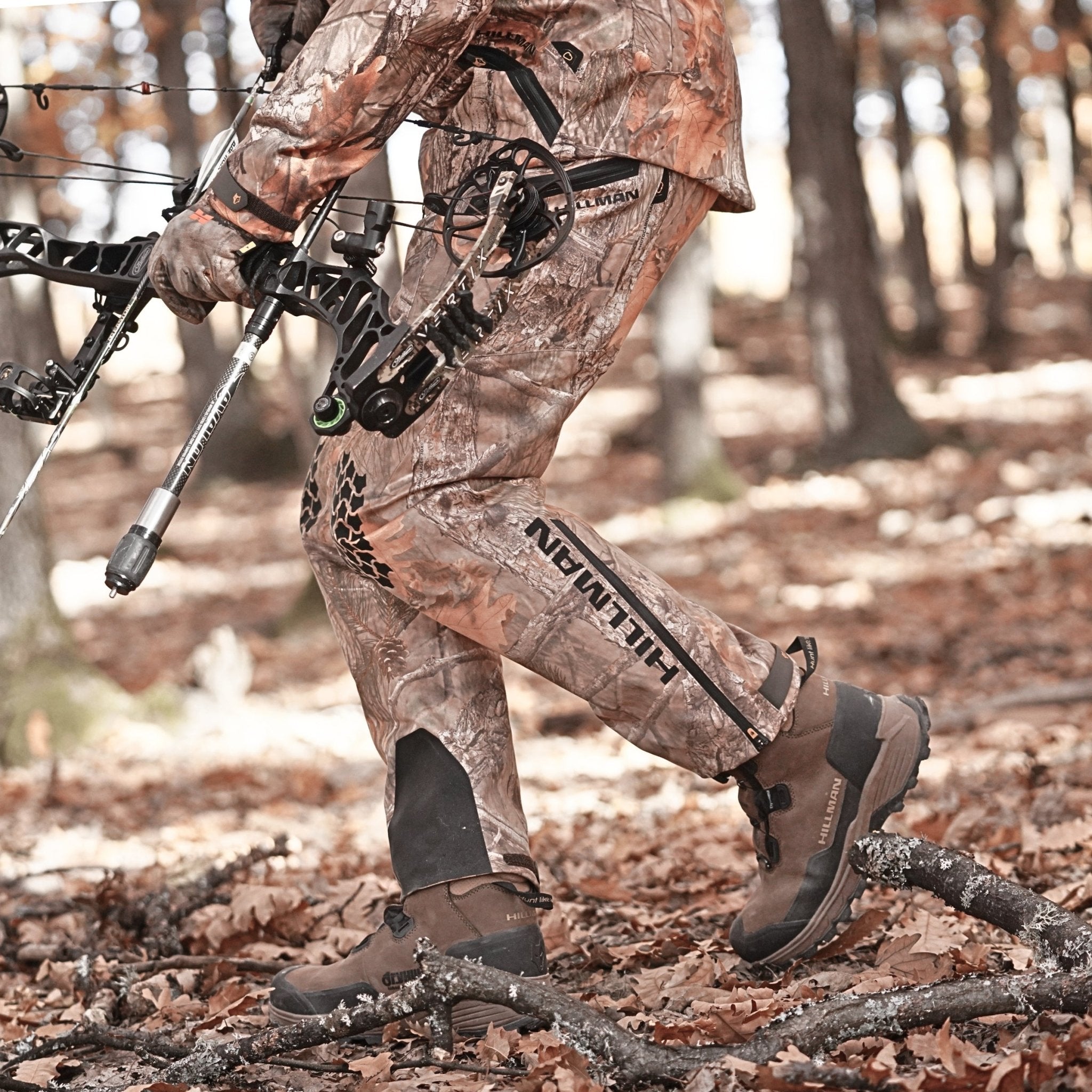
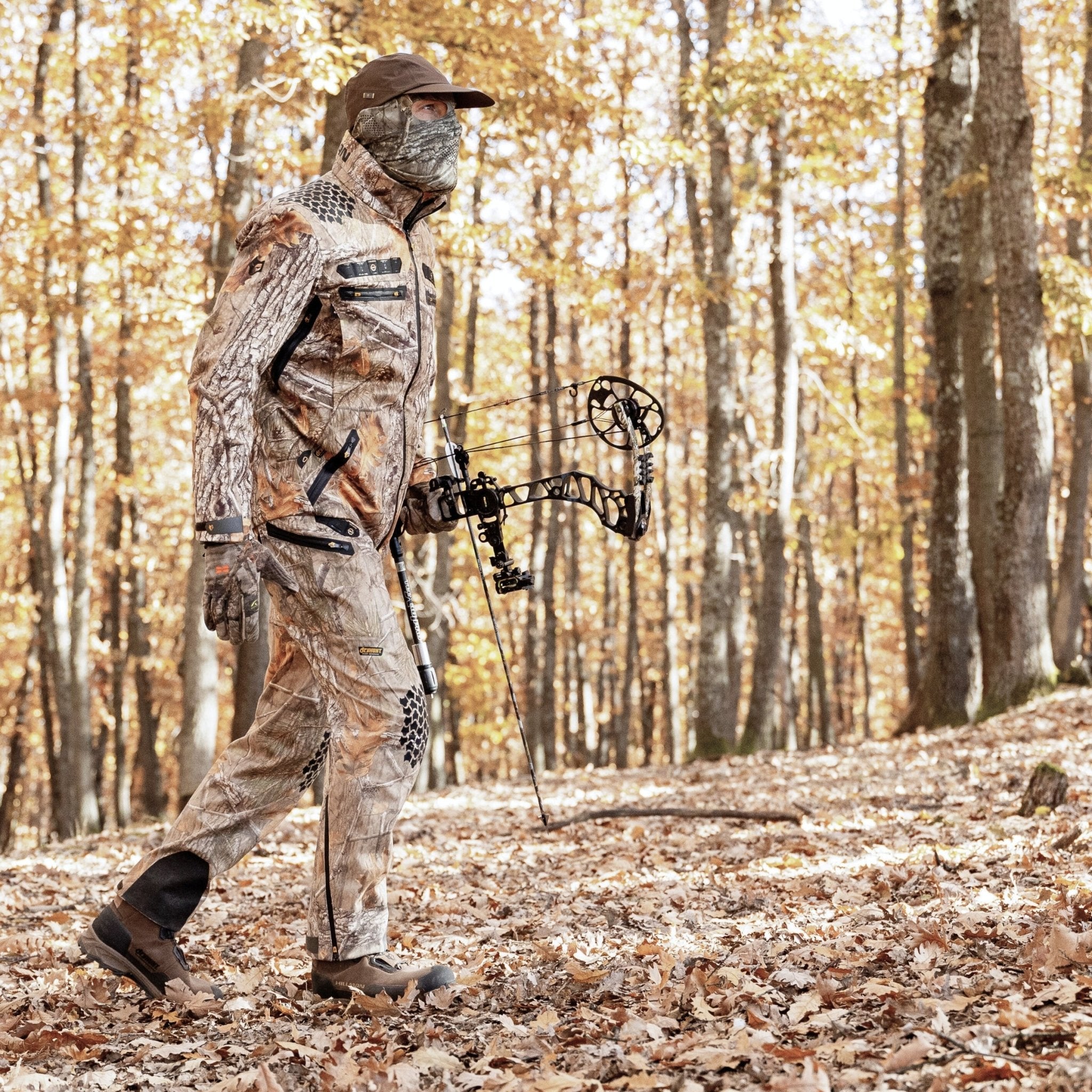
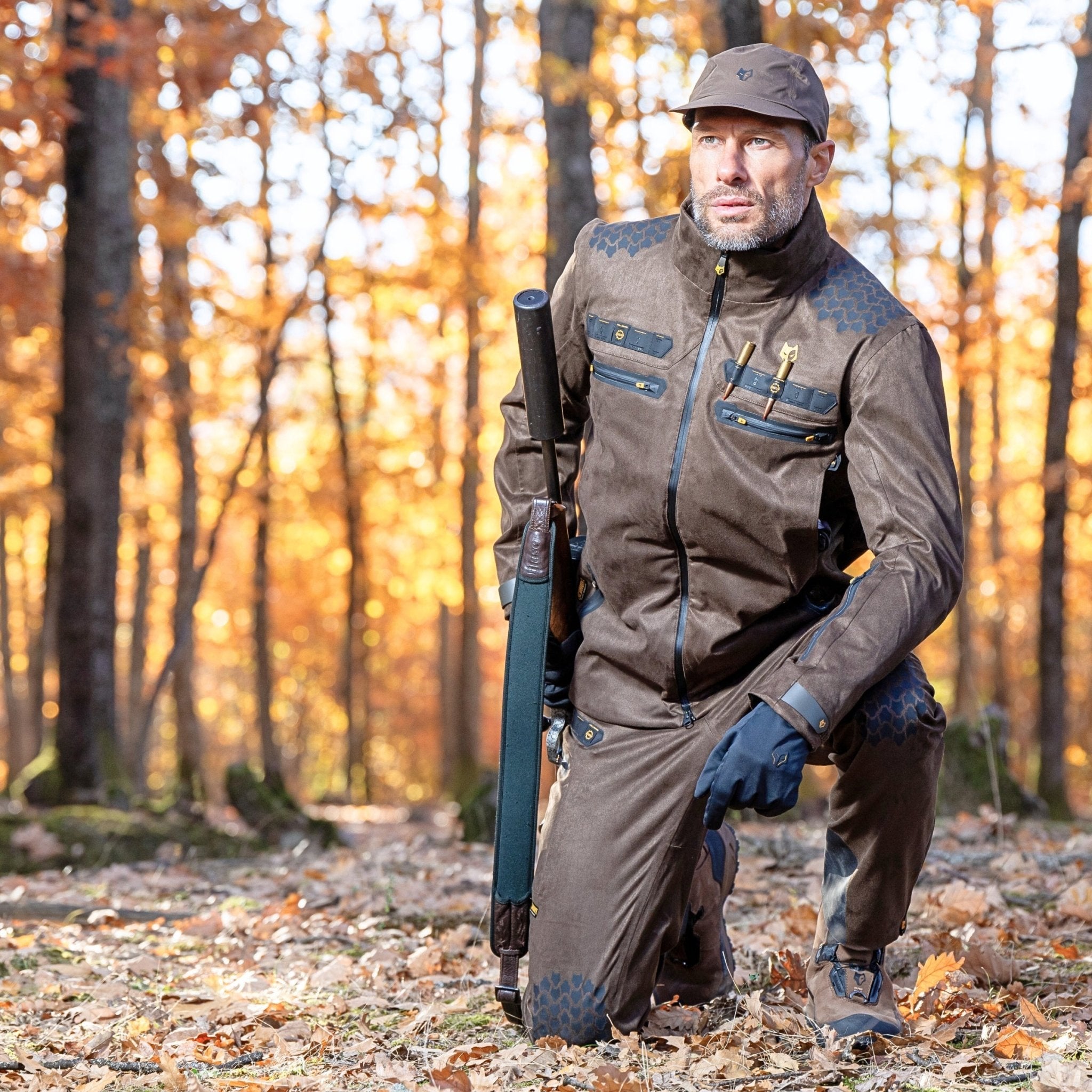
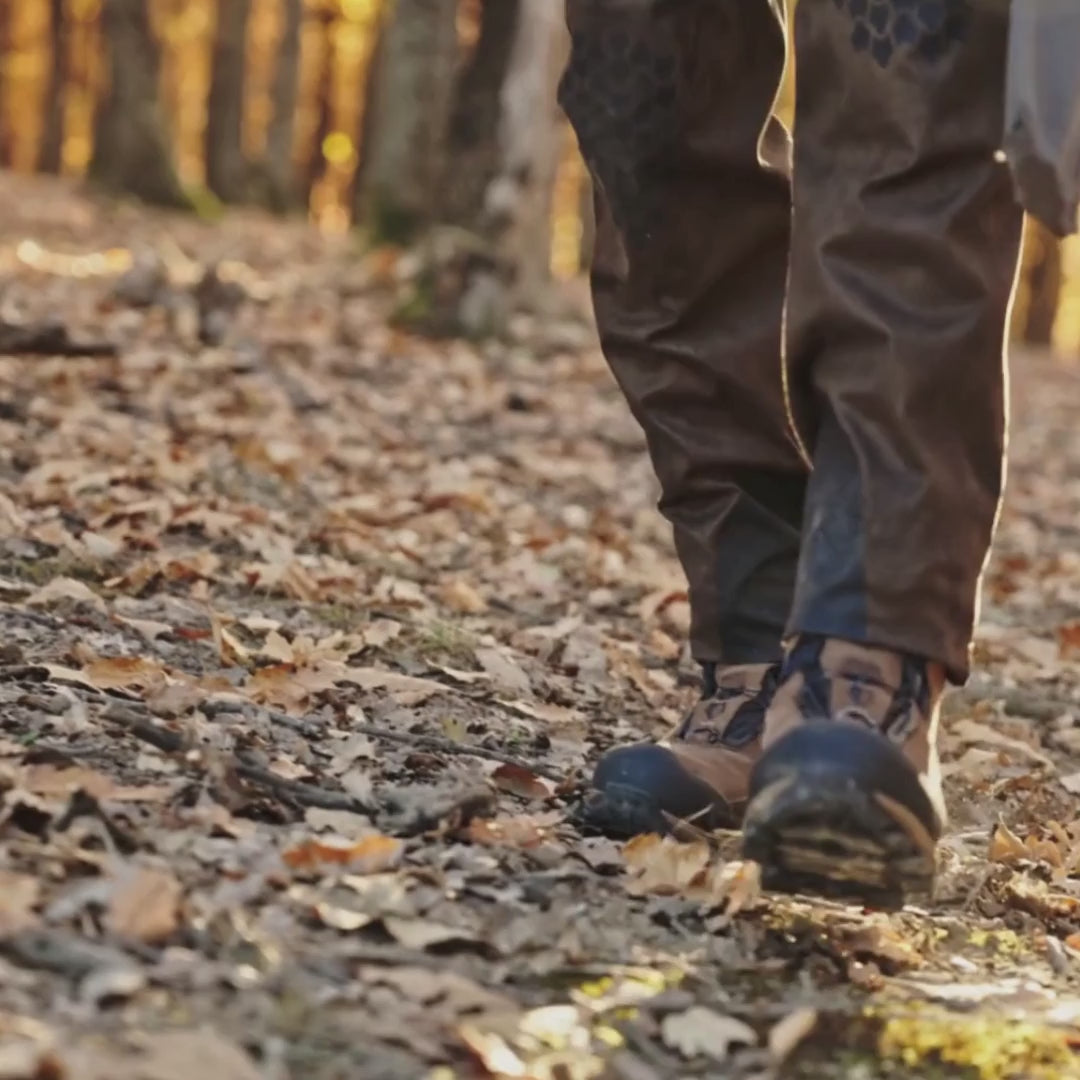
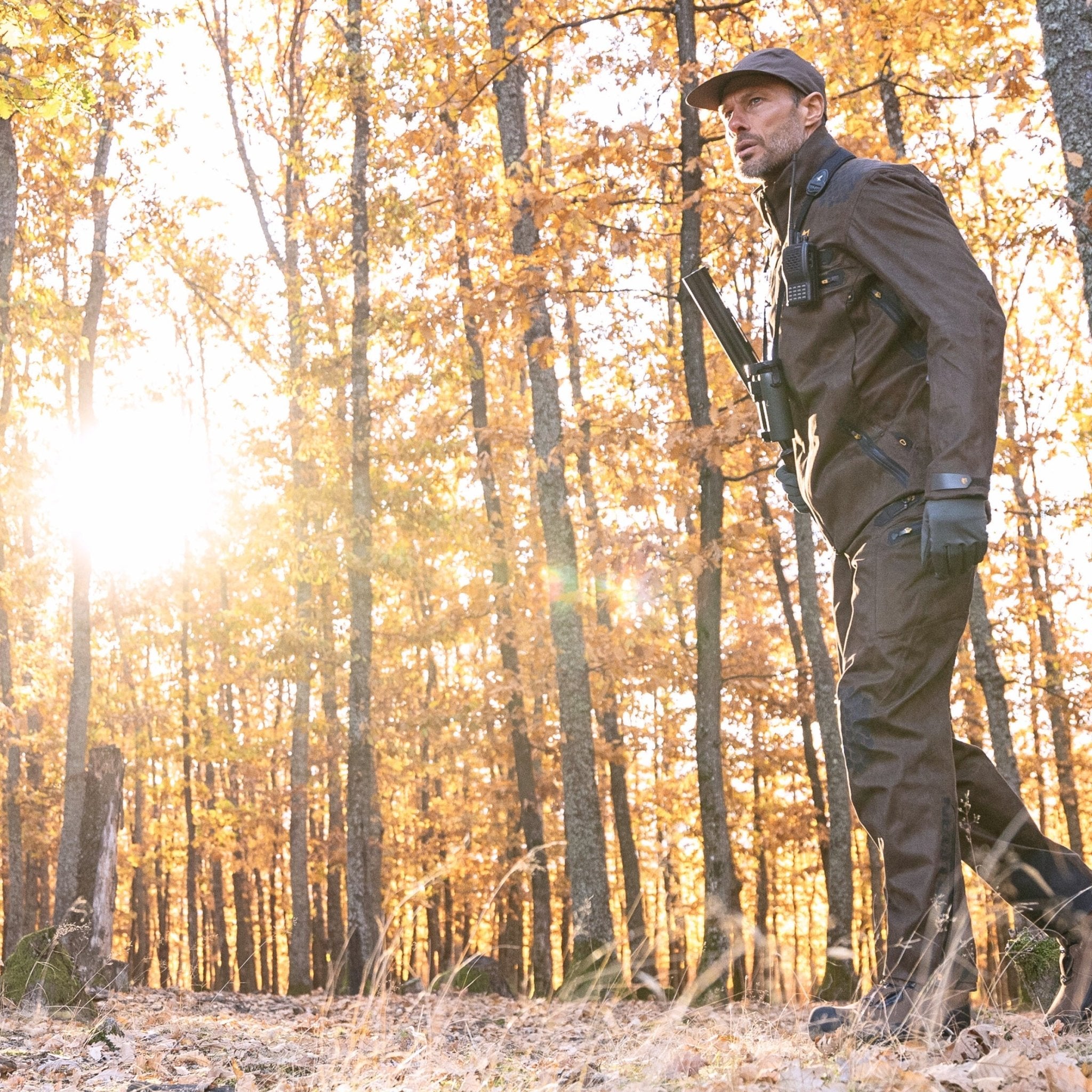
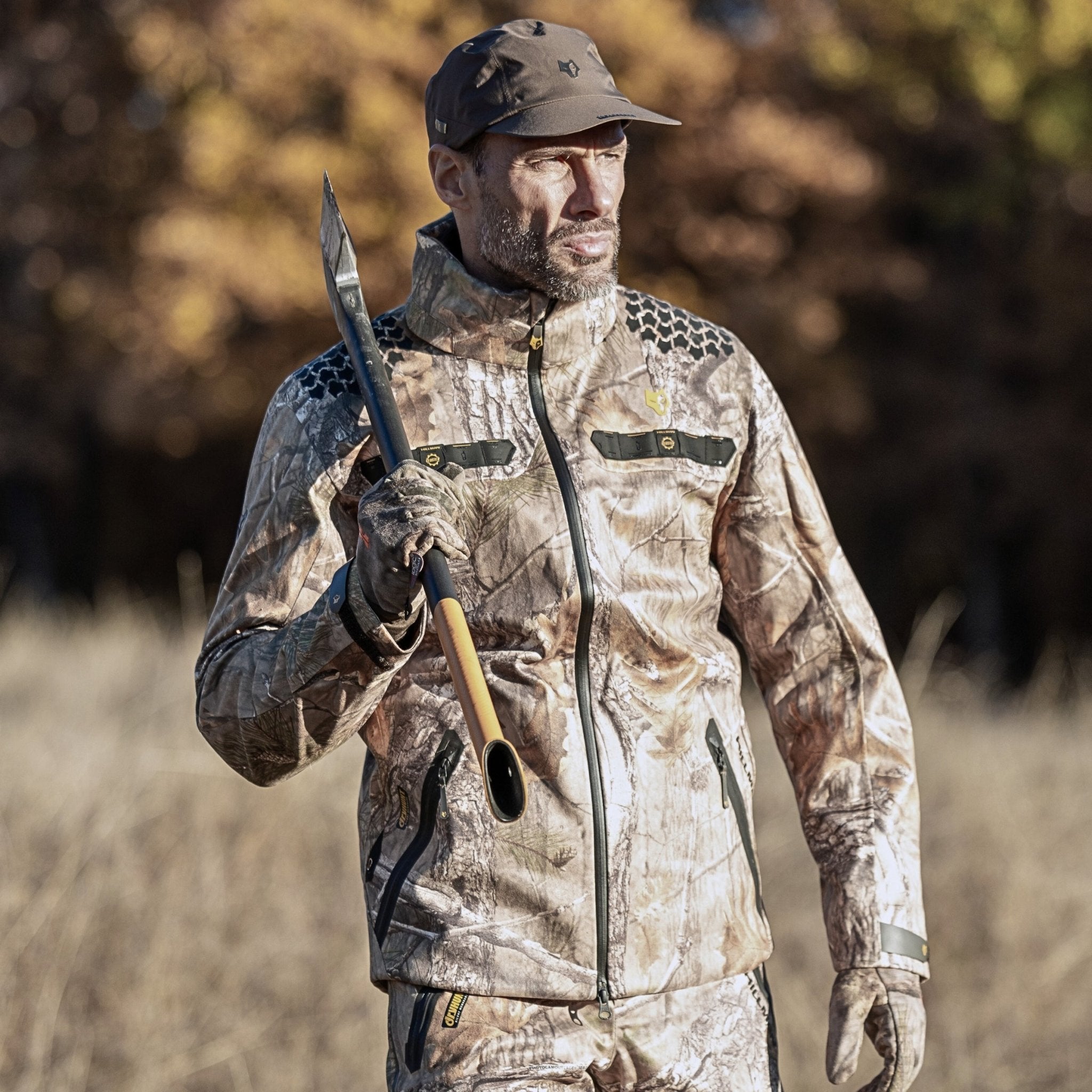
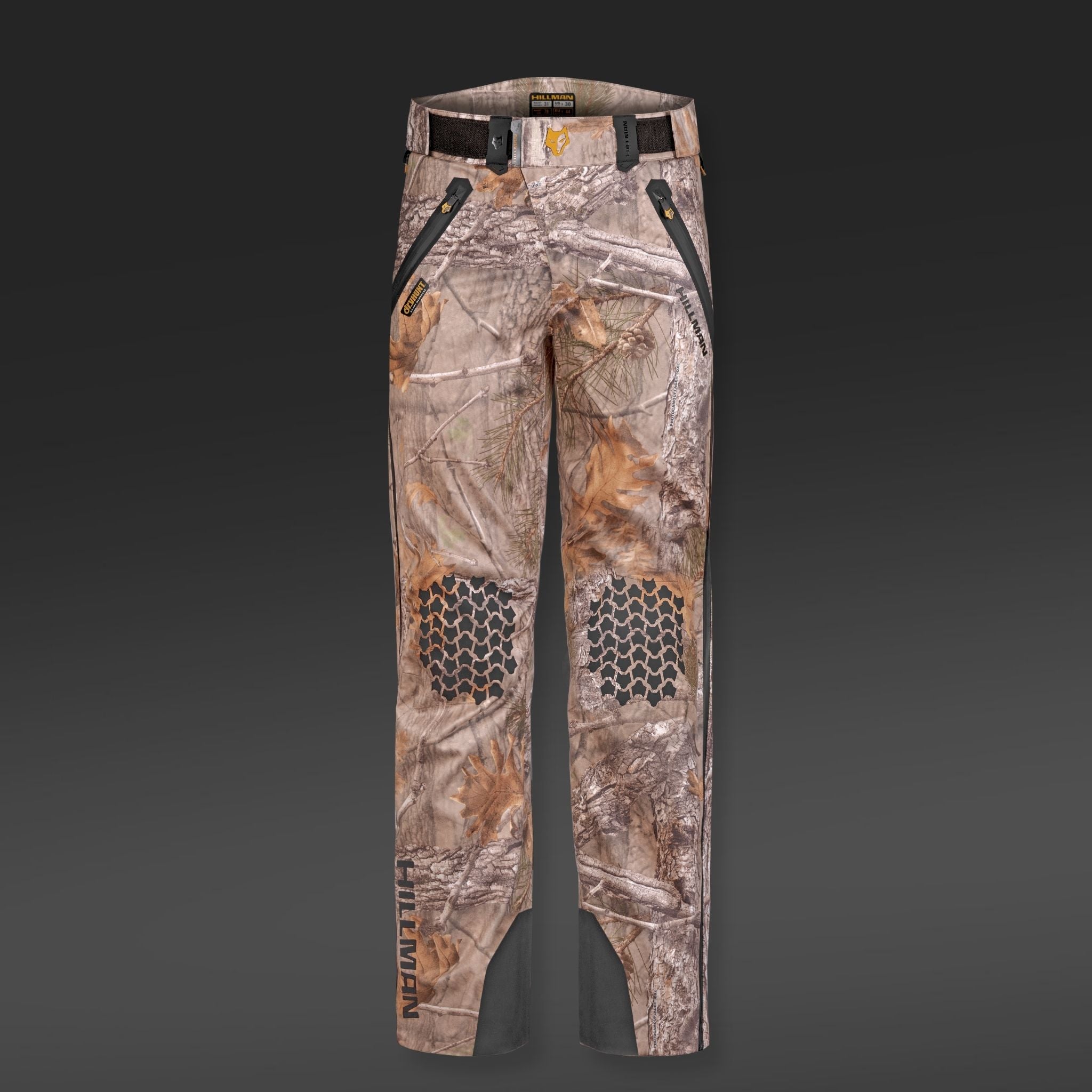
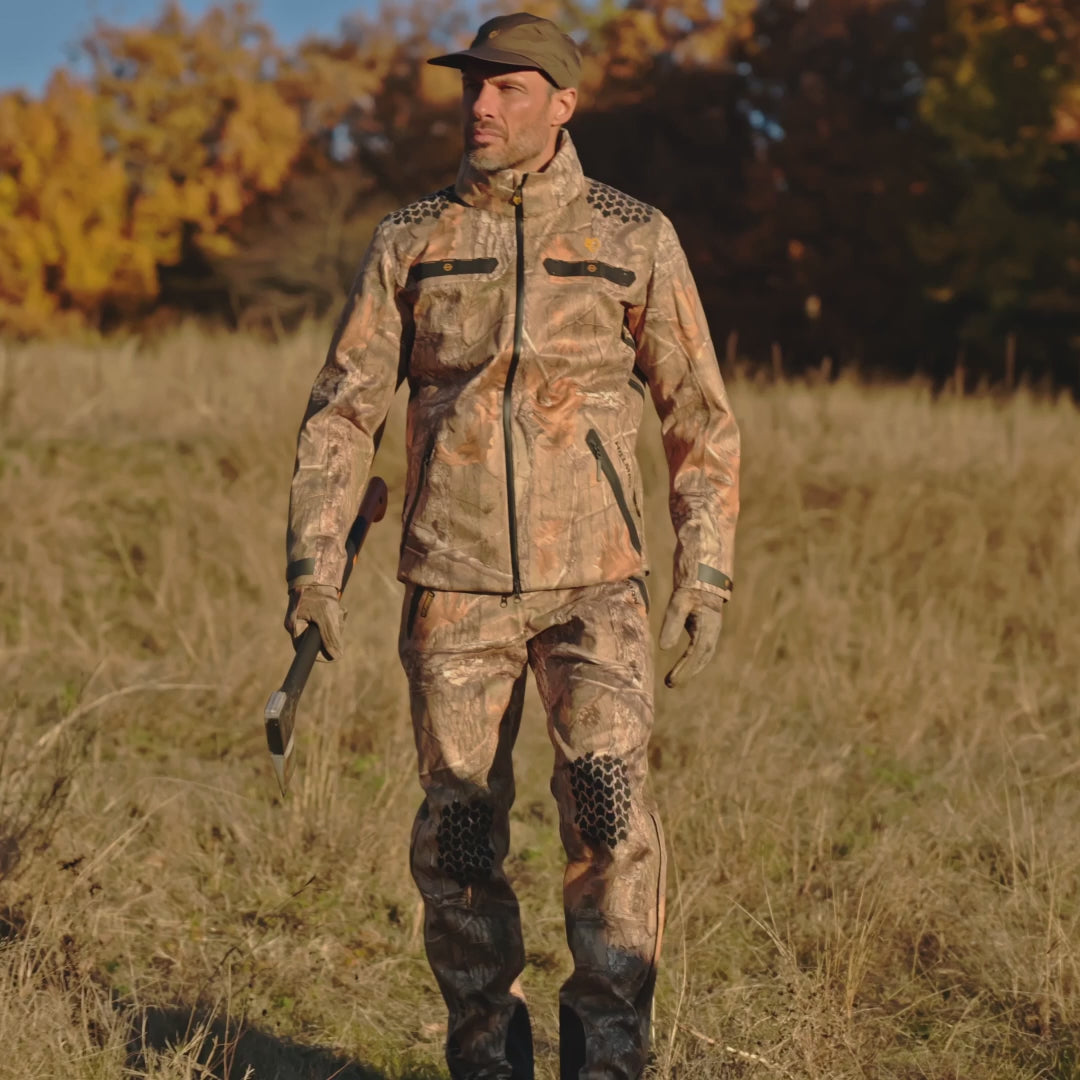
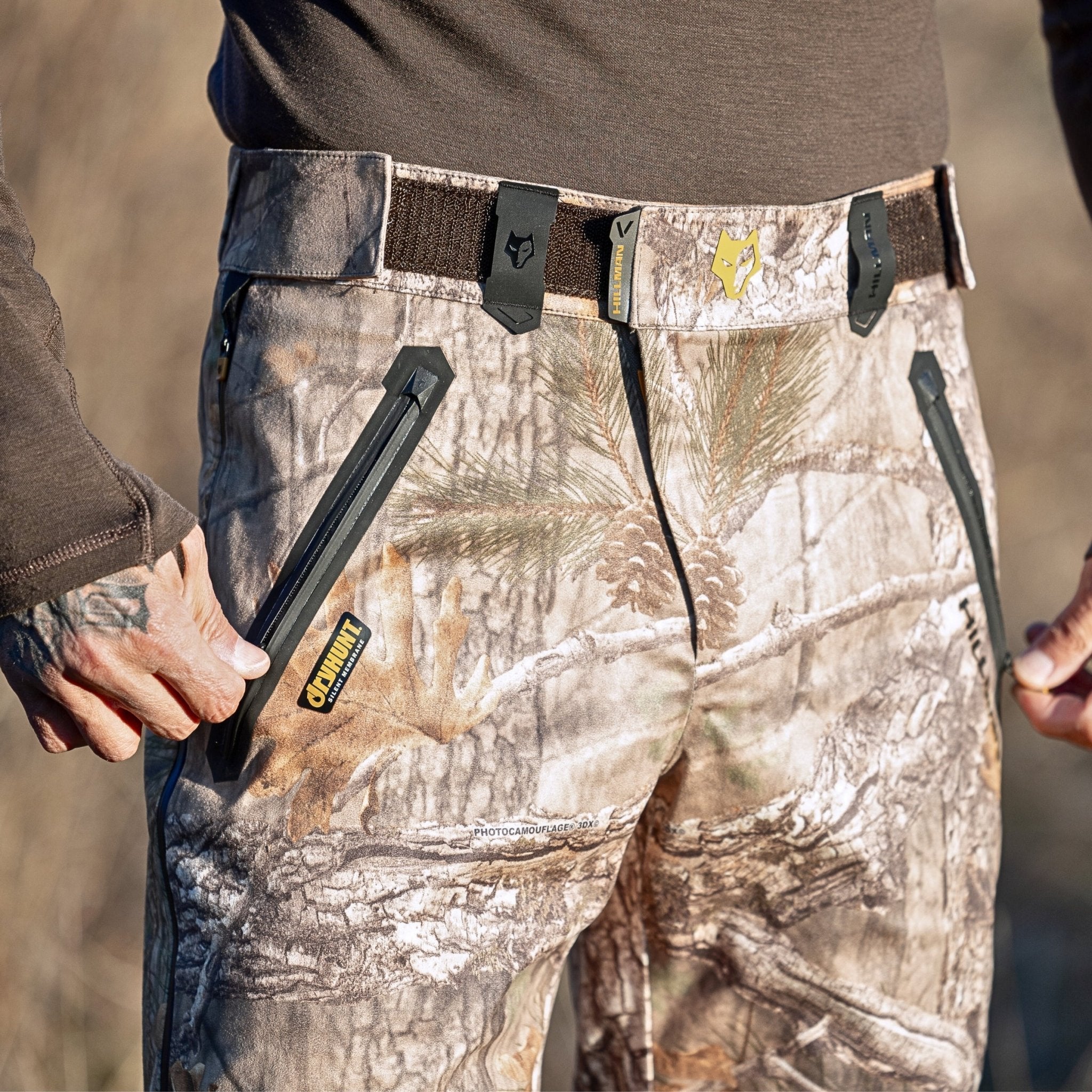
Pants are the easier choice on hunts where you're moving most of the morning. No shoulder straps to deal with, no extra fabric across your chest, and a bathroom break doesn't turn into a production. Hillman's upland hunting pants are built for exactly that kind of walking, brush-heavy morning.
Rain changes this calculation. Compare waterproof pants and bibs side by side rather than trusting a tough-looking fabric to keep a soaked seat dry. Looks don't tell you anything about seam sealing.
Sit Down Before You Hand Over Your Card
A mirror tells you almost nothing about how hunting clothes actually perform. Put the layers on, sit in a chair for ten full minutes, and reach for an imaginary boot lace. Lift a knee like you're stepping up onto a tailgate.
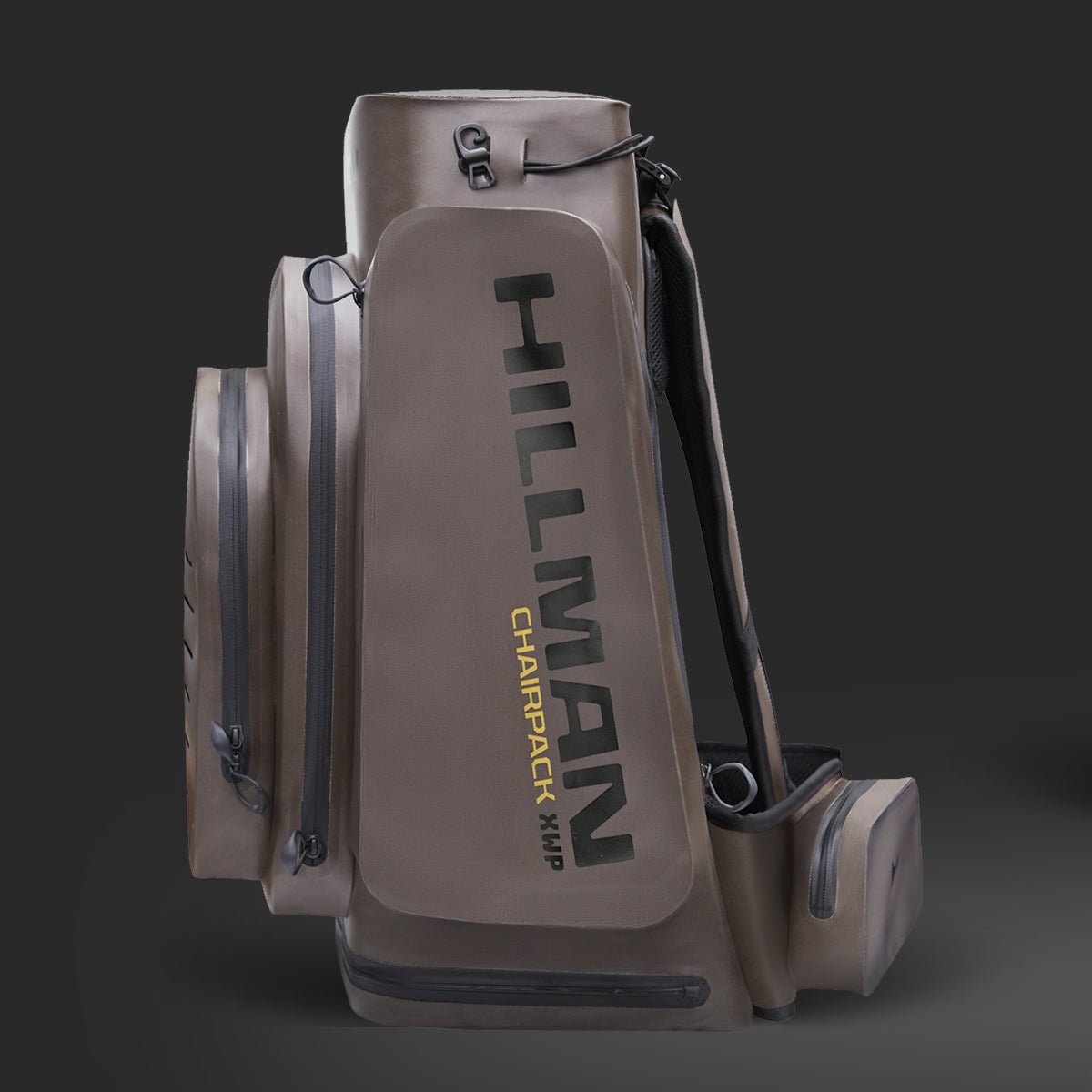
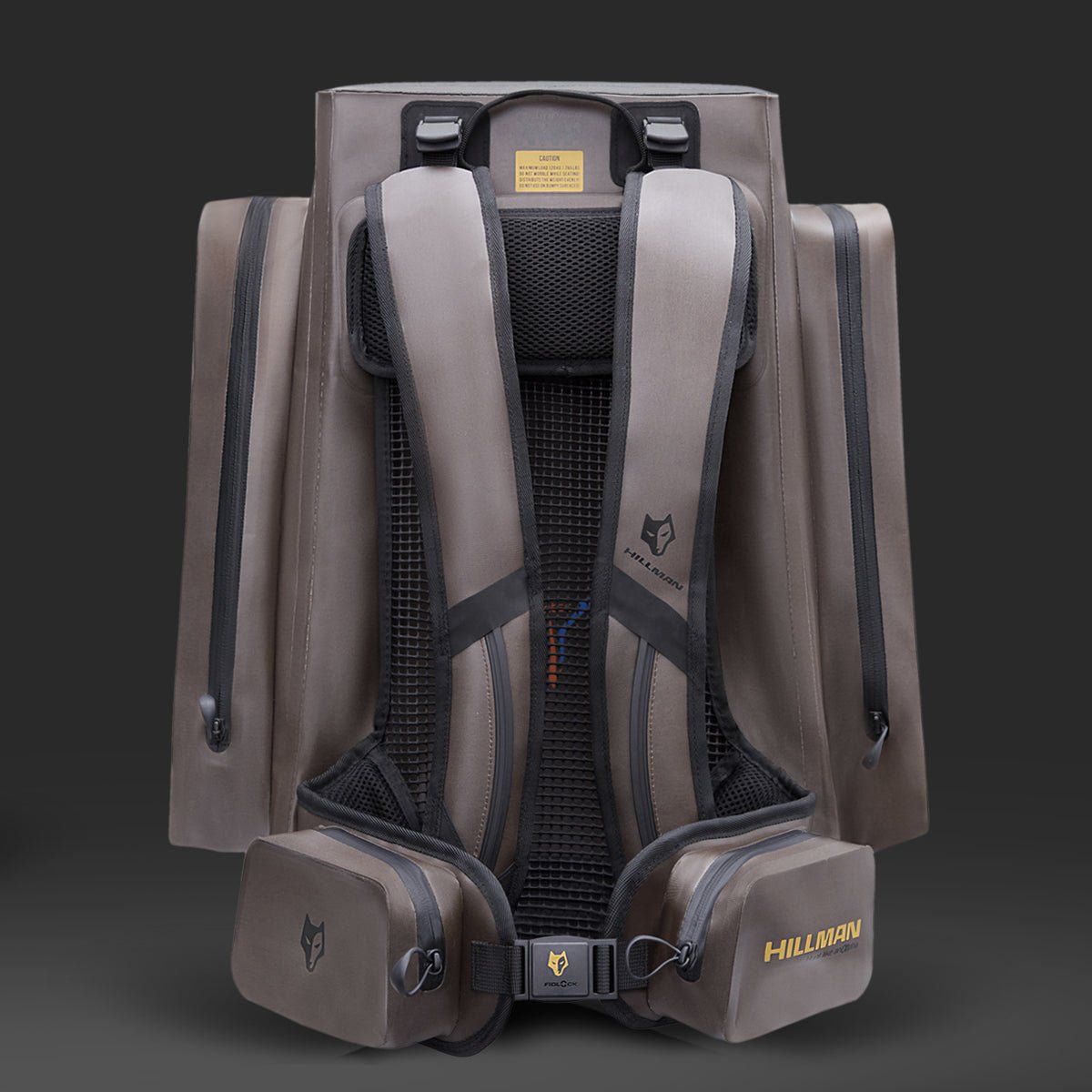
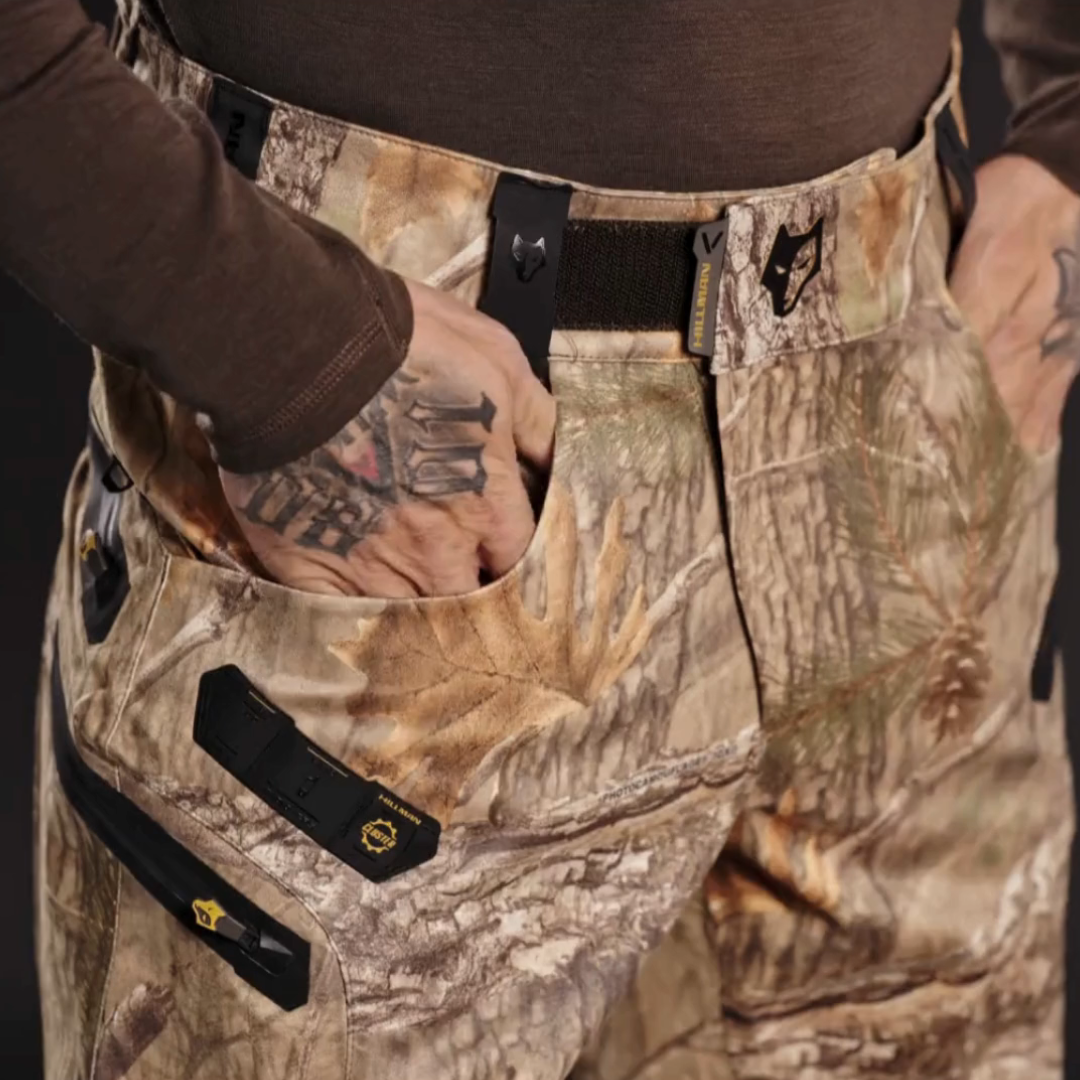
Feel for a waistband cutting into your gut, fabric bunching behind your knee, or pockets getting trapped under a jacket hem. Strap your pack on too, and check where the hip belt actually lands. If you climb into a stand, run your harness with the full outfit on. Follow the harness maker's instructions, every time, no shortcuts.
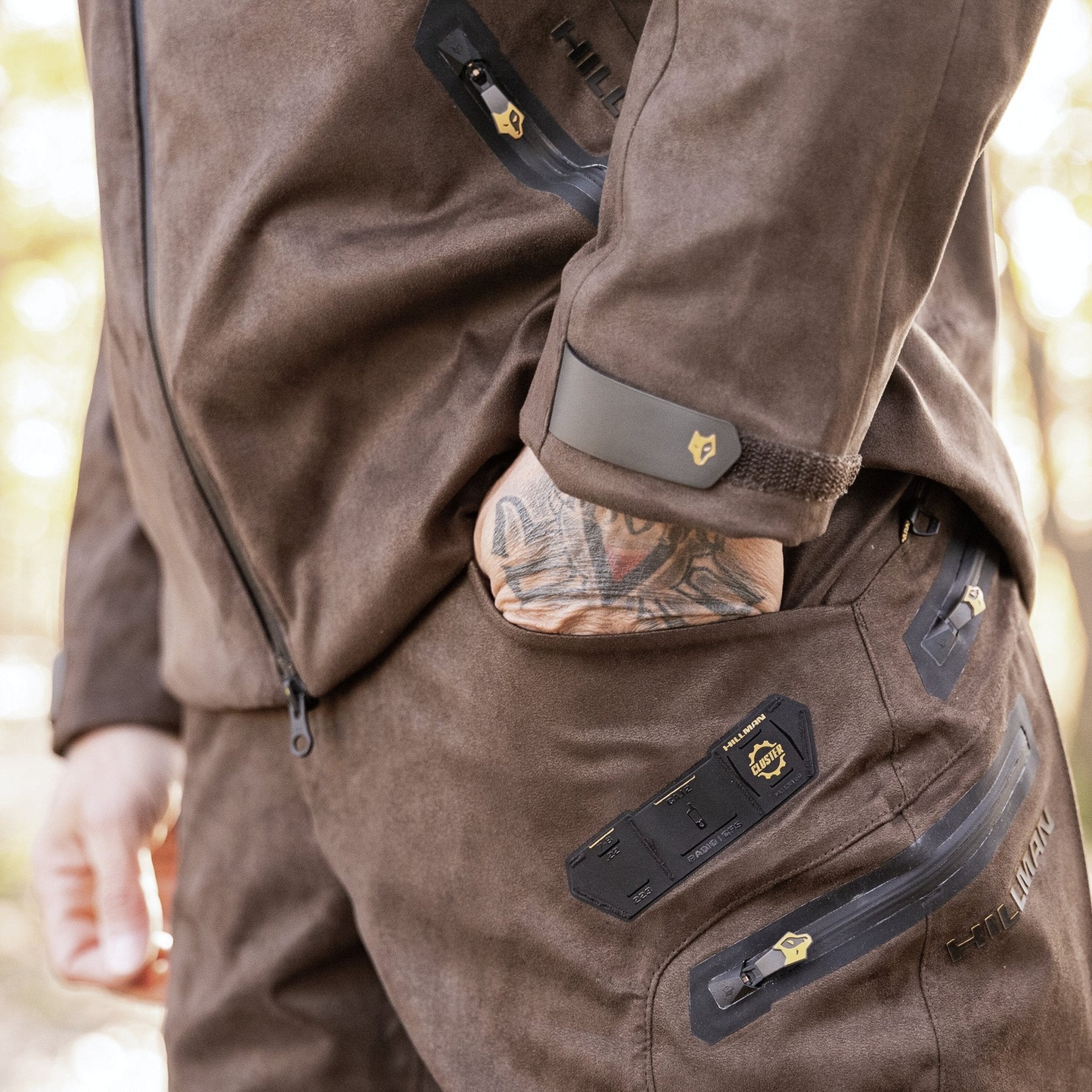
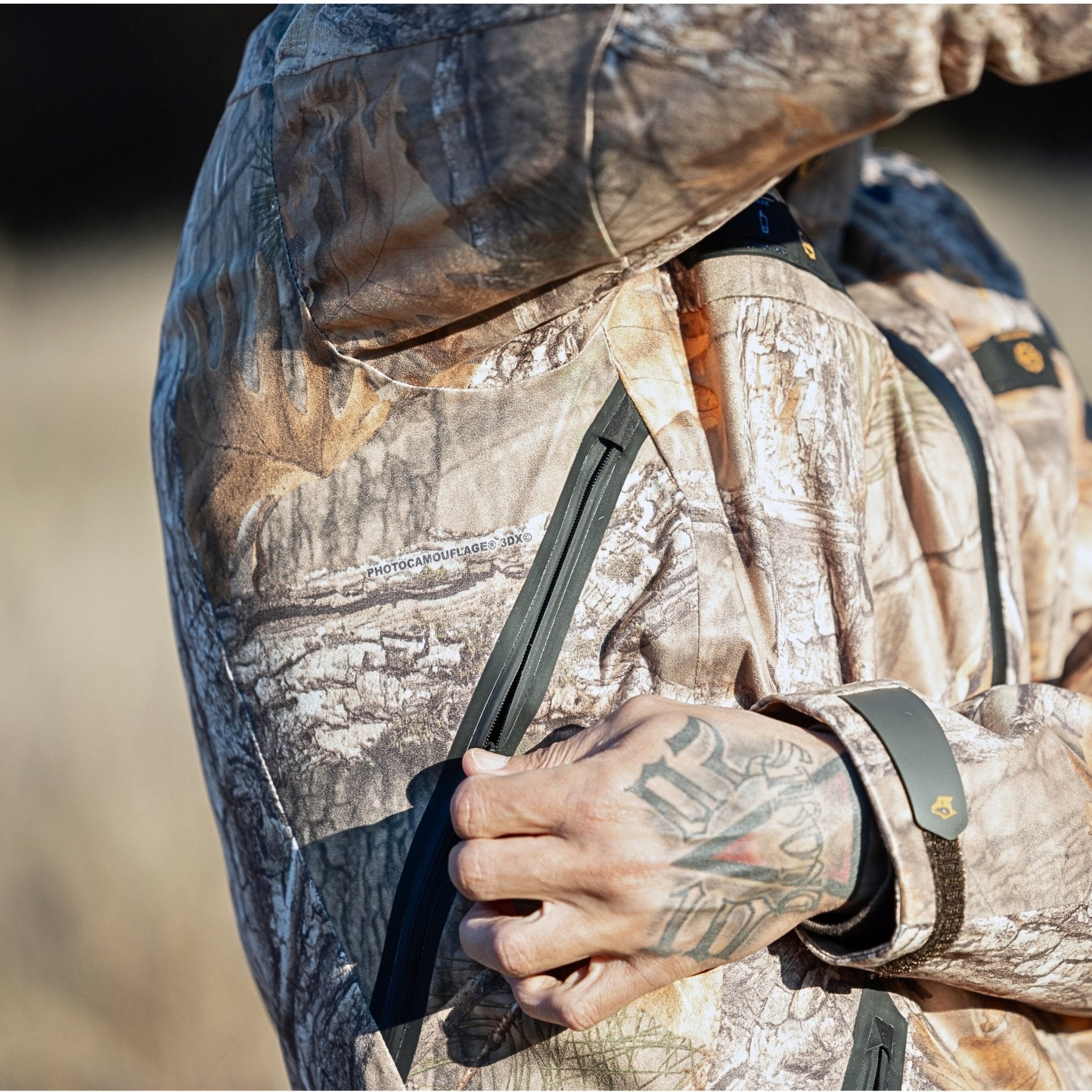
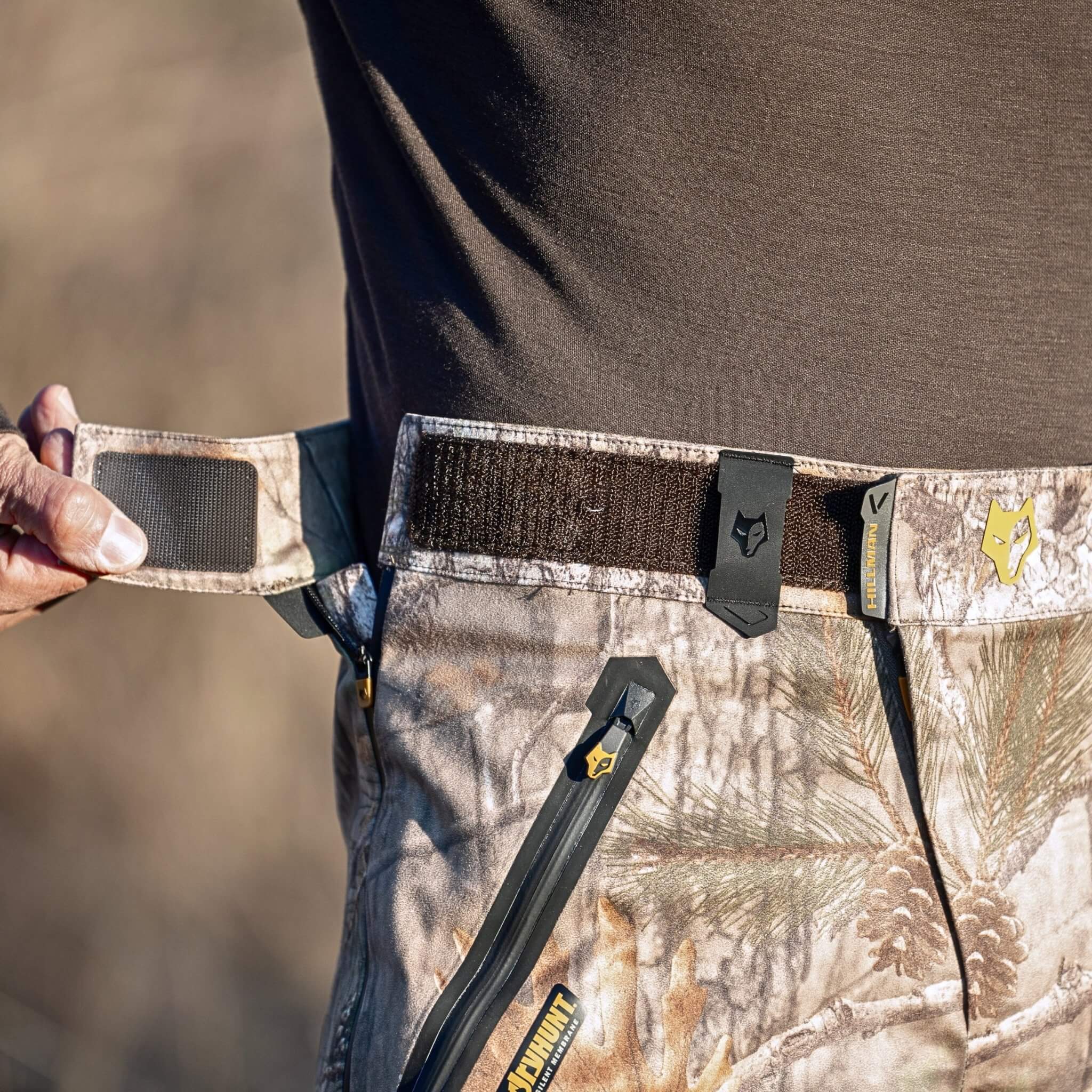
Hillman's AlphaShell 6OL insulated hunting pants come with a detachable suspender setup that converts them to bibs when you need the extra coverage. It's worth trying on both ways before you decide. Don't assume a generic pair of suspenders gets you the same result.
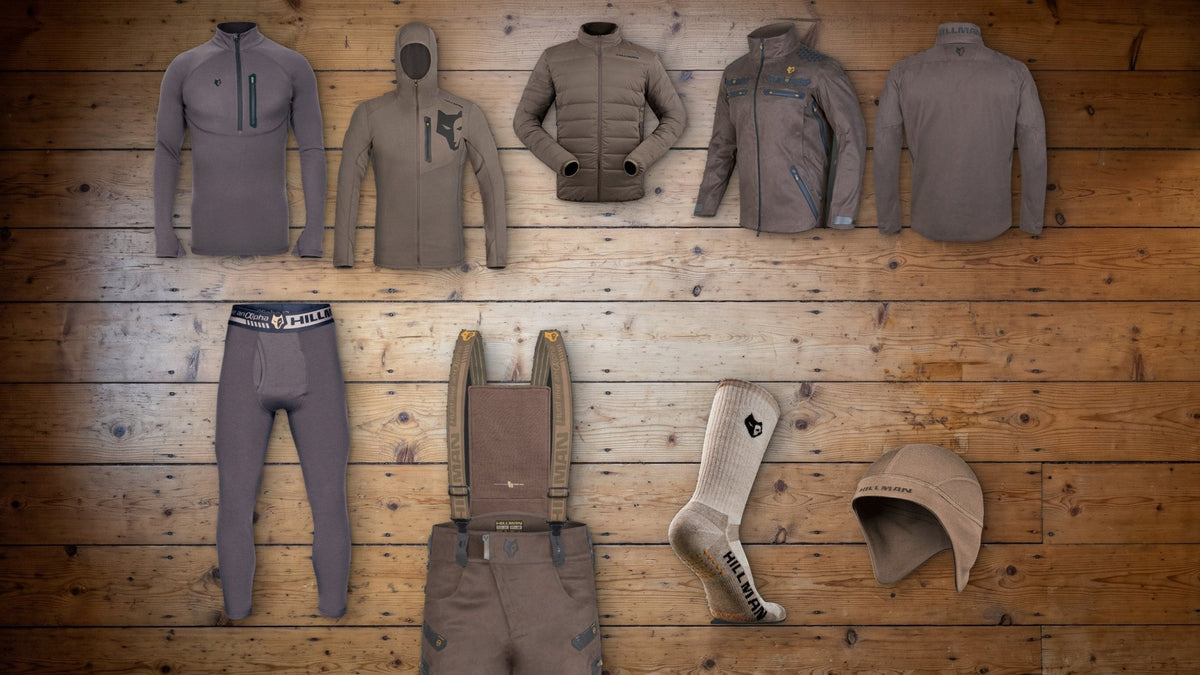
One pair doesn't have to cover September heat and January cold. The pants and bibs collection lets you pick insulation and coverage separately, because a light walking pair and a heavy stationary pair genuinely do different jobs.
Related reading: Waterproof Ratings Explained for Hunting Rain Gear, Softshell vs Hardshell Hunting Jackets and A Merino Base Layer System for Hunting.
Picture the hour you dread most when you're getting dressed. Cold and still? Buy for the bibs. Steep and sweaty? Don't let a warmer-looking garment talk you into overheating before the sun's even up.



Share:
Packable Rain Gear vs Heavy Rain Gear: The Best for Hunters
Hunting Boots for Wide Feet: Fit, Toe Room & Hot Spots