

Packable Rain Gear vs Heavy Rain Gear: What Should Hunters Actually Carry?
Choose hunting rain gear that matches rain intensity, terrain, temperature and how hard you move, not just what packs smallest.
Most hunters do not think about rain gear until the sky turns black. Then it becomes the piece of hunting gear that decides whether the hunt keeps going or ends early with wet sleeves, cold legs and a bad mood.
The real question is not simply packable rain gear vs heavy rain gear, but what should hunters actually carry. The better question is what kind of rain are you expecting, how far are you moving, and how long will you be exposed once it starts?
A light rain jacket that feels perfect on a long trek can become miserable in sustained rain. A heavy rain suit that feels bombproof in cold, wet conditions can be too hot in warmer weather, especially if you are hiking hard or climbing through thick brush. That is where hunters get caught. They choose by weight alone, or by the word “waterproof,” and forget that waterproof fabrics, breathable material, fit and practical features all matter once the hunt gets real.
Modern hunting rain gear usually uses multilayer construction. The exterior fabric is treated with a durable water repellent finish, often called DWR treatment, so rain beads up and rolls away instead of soaking the outer fabric. Under that, a breathable membrane helps stop rain from getting in while allowing water vapor from sweat to escape. When it works well, you stay dry from the weather and do not get soaked from your own heat.
That balance is harder than it sounds.
What Packable Hunting Rain Gear Does Best
Packable hunting rain gear is built for movement first. It is usually light weight, easy to stuff into a pack, and made for unpredictable weather where rain is possible but not guaranteed. For turkey hunting, early deer hunting, warmer days, scouting, hiking or long treks into the hills, that can make far more sense than carrying a heavy waterproof jacket all day.
This type of rain gear shines in light rain, passing showers and moderate wet conditions. You can keep it in the pack without feeling like you are carrying a brick. When the weather shifts, you pull on the rain jacket, maybe add rain pants, and keep moving.
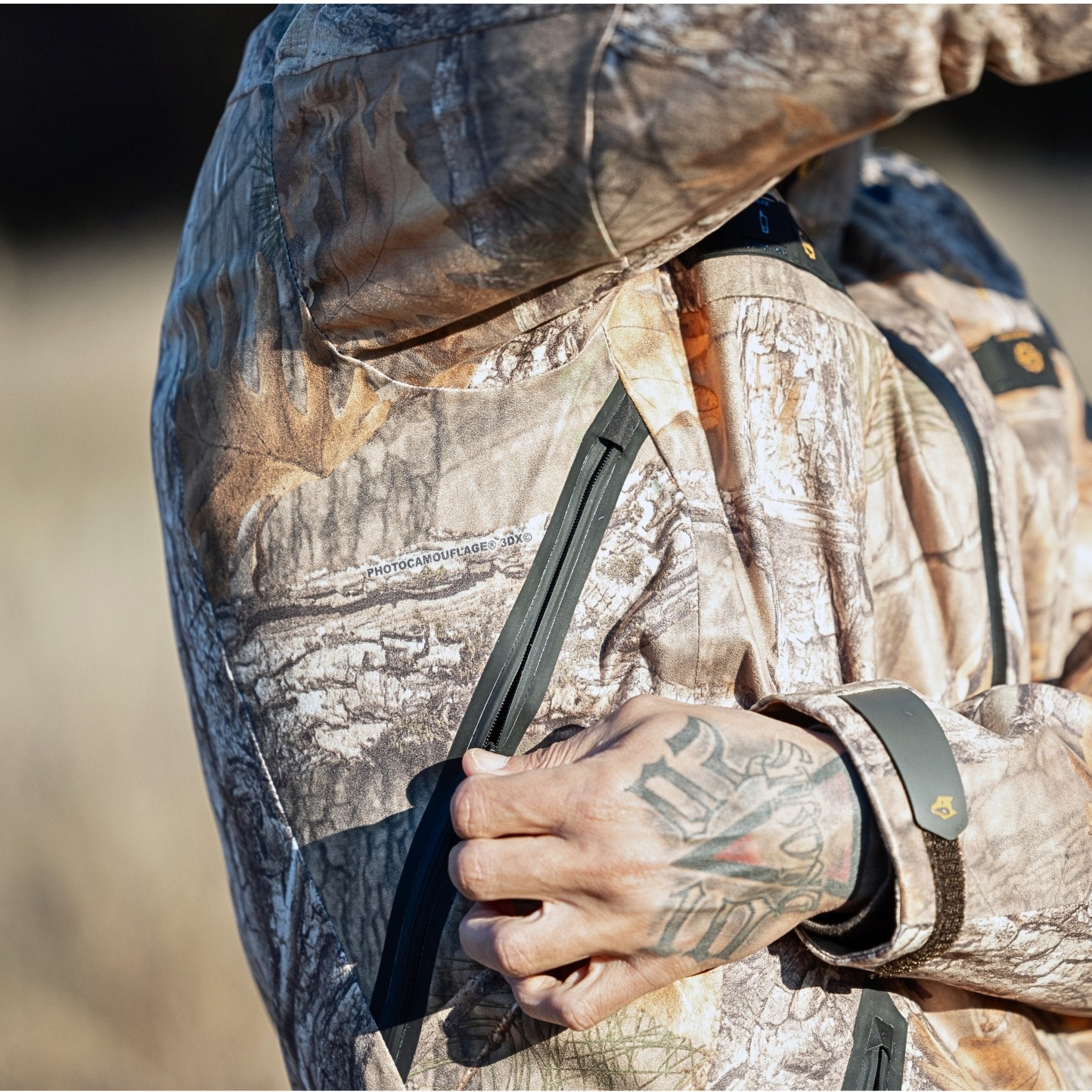
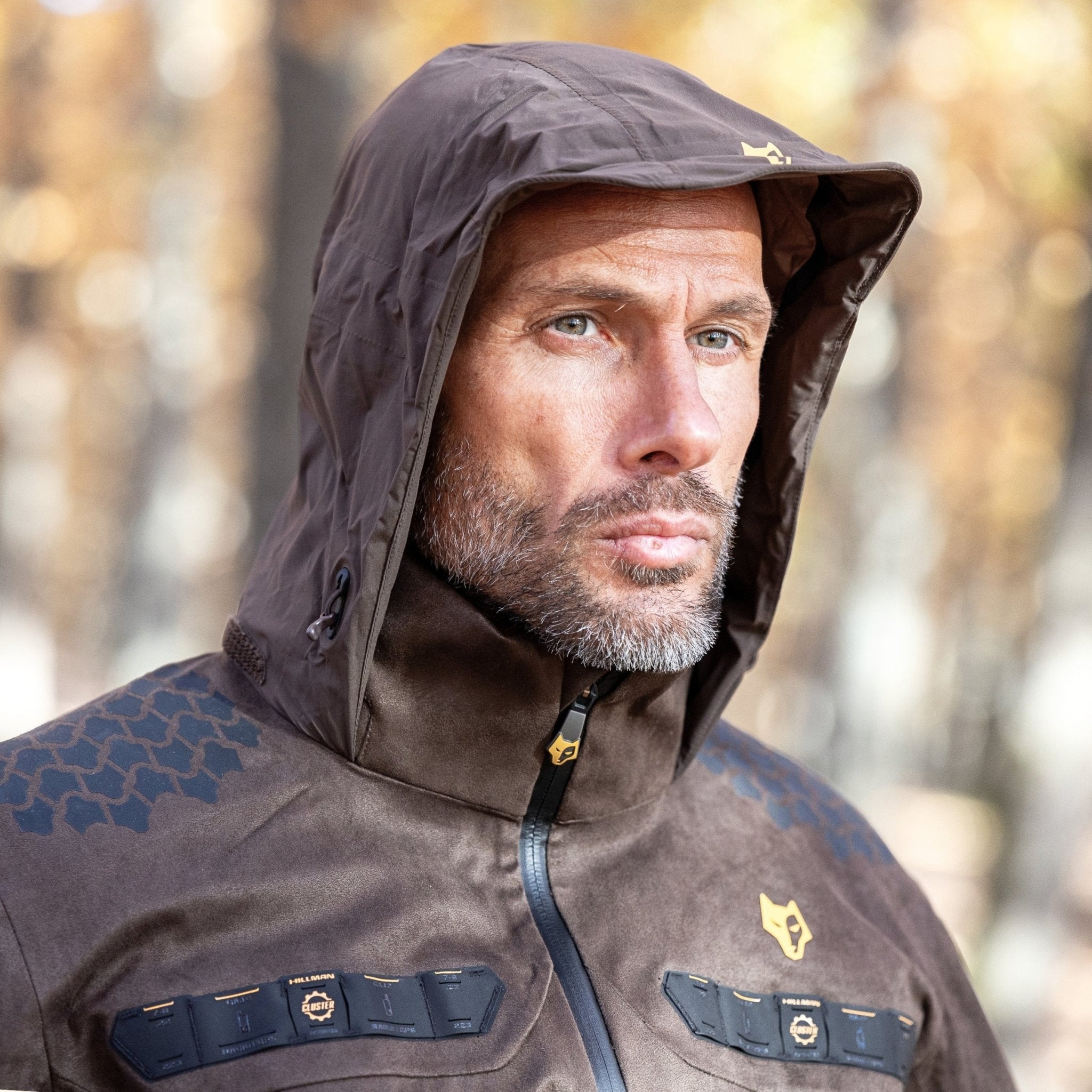
Good packable gear should still be waterproof, but it is usually designed around maximum breathability rather than raw toughness. Many pieces use thinner 2.5-layer or lightweight 3-layer waterproof fabrics. That helps in humid conditions and warmer weather, where sweat can build quickly under a waterproof layer. Pit zips, a smooth front zipper, adjustable cuffs and a hood that does not block your sight are not luxury details here. They decide whether the jacket actually works in the field.
The trade-off is durability. Thin packable gear can struggle when pushed through thorns, rocks, sharp deadfall or thick brush day after day. It may also be louder if the exterior fabric is crinkly. For quiet stalking, especially close-range deer hunting, that matters. A packable rain jacket that sounds like a crisp packet every time you raise your arm is not just annoying. It can cost you a chance.
Where Heavy Rain Gear Earns Its Place
Heavy rain gear is for the days when rain is not a maybe. It is for heavy rain, colder climates, duck hunting in hard weather, long sits, exposed ridges, late hunting season and adverse conditions where failure is not just uncomfortable but risky.
Heavy-duty hunting rain gear often uses thicker 3-layer construction, stronger outer fabric and reinforced areas. It is made to handle sustained rain, heavier downpours and extreme conditions better than most packable options. High-quality waterproof ratings matter here. As a general guide, rain gear rated around 20,000 to 25,000mm is considered suitable for heavy rain, especially when paired with good seams, a dependable main zipper and a durable water repellent finish that has not worn out.
The best rain gear in this category does not only block water. It keeps working after hours of sitting, kneeling, crawling, carrying birds, handling gear and brushing against timber. Both the pants and jacket need to hold up, because wet legs can ruin a hunt just as quickly as a leaking shoulder seam.
Heavy gear also tends to feel calmer and quieter. Some heavier face fabrics move with less sharp noise, which helps in close woodland hunting. For stationary deer hunting or duck hunting from a hide, weight is less of a problem because you are not covering big miles. Reliable protection matters more.
The downside is heat. Use heavy rain gear in warmer weather while moving hard and you can overheat fast. Once sweat builds, the breathable membrane cannot keep up, and then even completely waterproof gear starts to feel useless. You are wet anyway, only now it came from inside.
Durable Water Repellent Is Not the Same as Waterproof
A lot of confusion starts with durable water repellent. DWR is not the waterproof layer. It is the treatment on the outer fabric that helps rain bead up. When the DWR treatment is fresh, water rolls off. When it wears down, the exterior fabric can wet out. The jacket may still have a waterproof membrane underneath, but breathability drops because the outer face is saturated.
That is when a rain jacket starts to feel clammy. Water vapor cannot escape as easily, especially during hard hiking or in humid conditions. Hunters often think the jacket is leaking, when the real issue is wet-out or trapped sweat.
This matters for both packable rain gear and heavy rain gear. Packable gear can wet out faster if the outer fabric is thin or the DWR is worn. Heavy gear may resist longer, but it still needs care. Mud, blood, smoke, oils and repeated abrasion all reduce performance over time.
If your hunting rain gear used to shed rain and now absorbs it, the first fix may not be a new jacket. Cleaning and refreshing the DWR treatment can bring back water resistance and improve breathability.
Breathability Is Protection Too
Hunters love talking about being completely waterproof, but breathability is just as important. A waterproof jacket that traps all your sweat can leave you cold once you stop moving. That is especially true in cold weather, because damp base layers steal heat fast.
Breathable material lets moisture escape in the form of water vapor. Better waterproof fabrics manage that exchange while still blocking rain. The harder you work, the more important that becomes. Climbing, dragging game, covering rough country or pushing through wet bracken all generate heat.
Packable rain gear often has the advantage here because it is made for active hunting. It can feel cooler, less bulky and easier to vent. Pit zips help a lot. So do adjustable cuffs and a front zipper that can be opened without letting the whole jacket flap around.
Heavy gear can still be breathable, especially top-tier performance shells, but no waterproof layer performs like an open shirt. If you are moving hard in warm rain, you may need to slow down, vent early and accept that staying dry means managing sweat, not just blocking rain.
Terrain Changes the Answer
Open country, steep ground and long approaches usually favour packable gear. You carry less, move easier and avoid overheating. If rain comes and goes, packable rain gear makes sense because it is there when needed and forgotten when not.
Thick brush changes the picture. So do rocky slopes, wet timber, thorny field edges and rough duck hunting cover. In those places, the lightest pant is not always the smartest pant. Rain pants take punishment from knees, seat, cuffs and brush. A fragile pair may save weight but fail at the worst moment.
In the Pacific Northwest, mountain country, cold marshes or any place known for sustained rain, heavy rain gear becomes easier to justify. You may be hard-pressed to stay comfortable with ultralight gear when the weather is stacked against you for hours. The same applies to high wind and severe downpours. Wind drives rain into seams, cuffs, zippers and weak spots. More robust construction helps.
For mixed terrain and unpredictable weather, a good 3-layer system is often the best overall compromise. It gives stronger rain protection than many ultralight shells while still being reasonable to carry.
Match Rain Gear to the Hunt, Not the Catalog
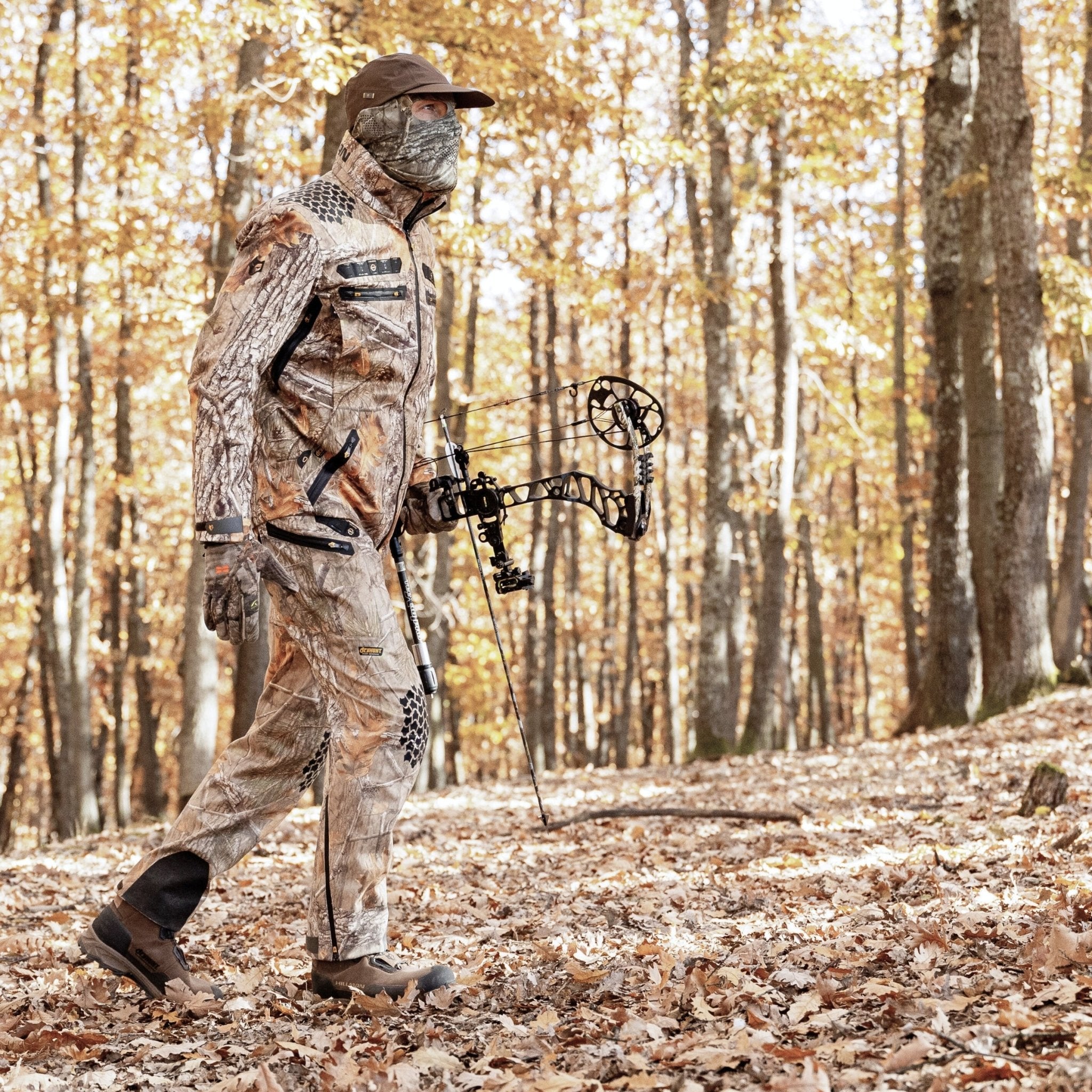
For early turkey hunting, a light waterproof jacket and packable rain pants often make sense. You may start cool, warm up fast, sit for a while, then move again. Warmer days demand breathability. A bulky rain suit can feel like too much unless storms are already in the forecast.
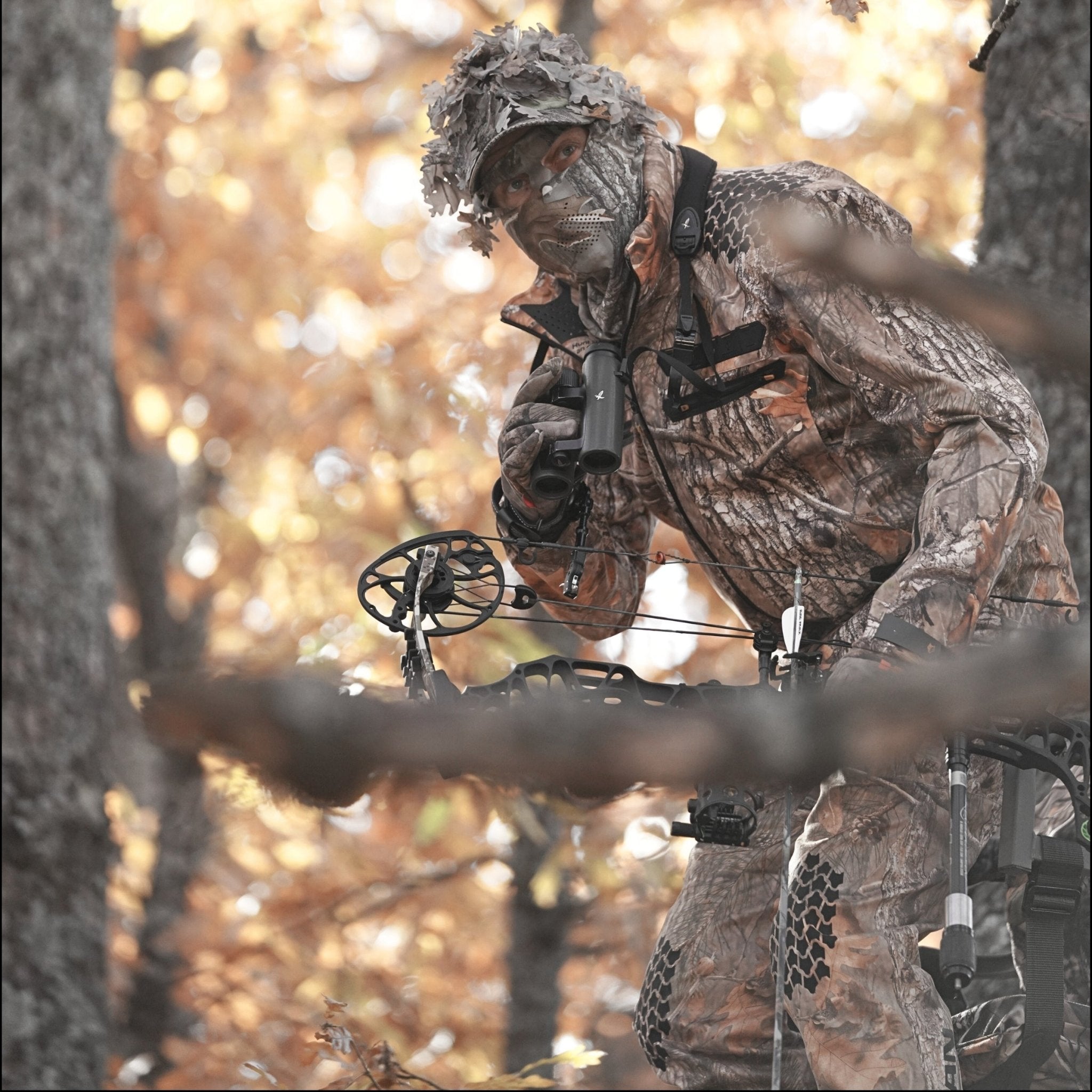
For deer hunting from a stand, blind or slow woodland stalk, heavier rain gear may be the better call. You are not always moving enough to dry out or warm back up, and long exposure to cold rain can turn dangerous. Quiet fabric also matters when every small sound feels loud.
For duck hunting, especially in open wind, marsh edges or colder climates, heavy-duty rain protection usually wins. Wet hands, wet cuffs and soaked legs become a problem fast. A stronger waterproof jacket and rain pants can make the difference between staying focused and simply enduring the weather.
For backpack-style hunting or long treks where rain is only a possibility, packable gear is hard to beat. It saves space, saves energy and still gives real rain protection when chosen carefully.
That is the simple rule. Move a lot in moderate rain, go lighter. Sit long in sustained rain, go heavier.
Product Details That Actually Matter
Do not get blinded by one number or one promise. Waterproof ratings matter, but they are not everything. Look at the full range of product details before deciding.
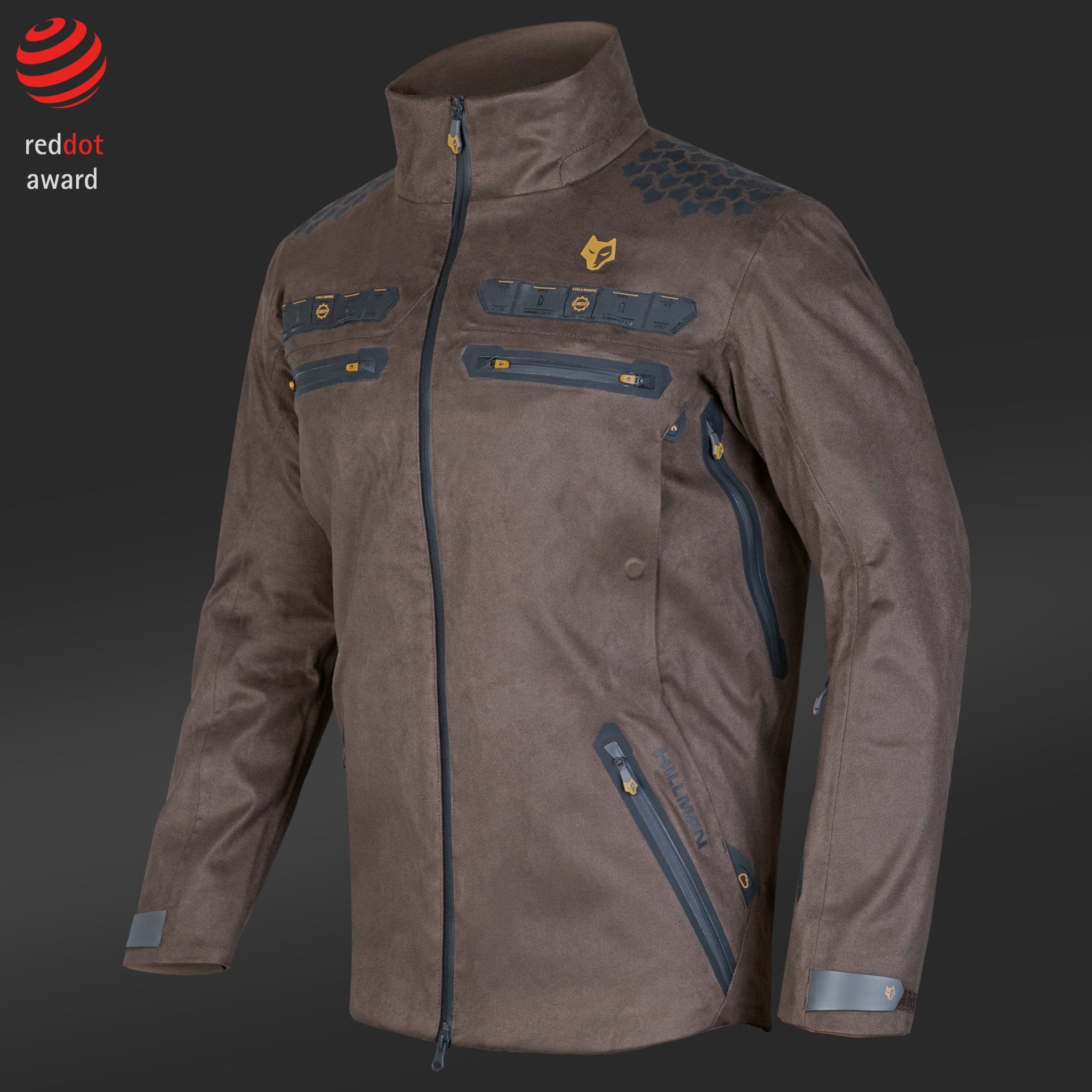
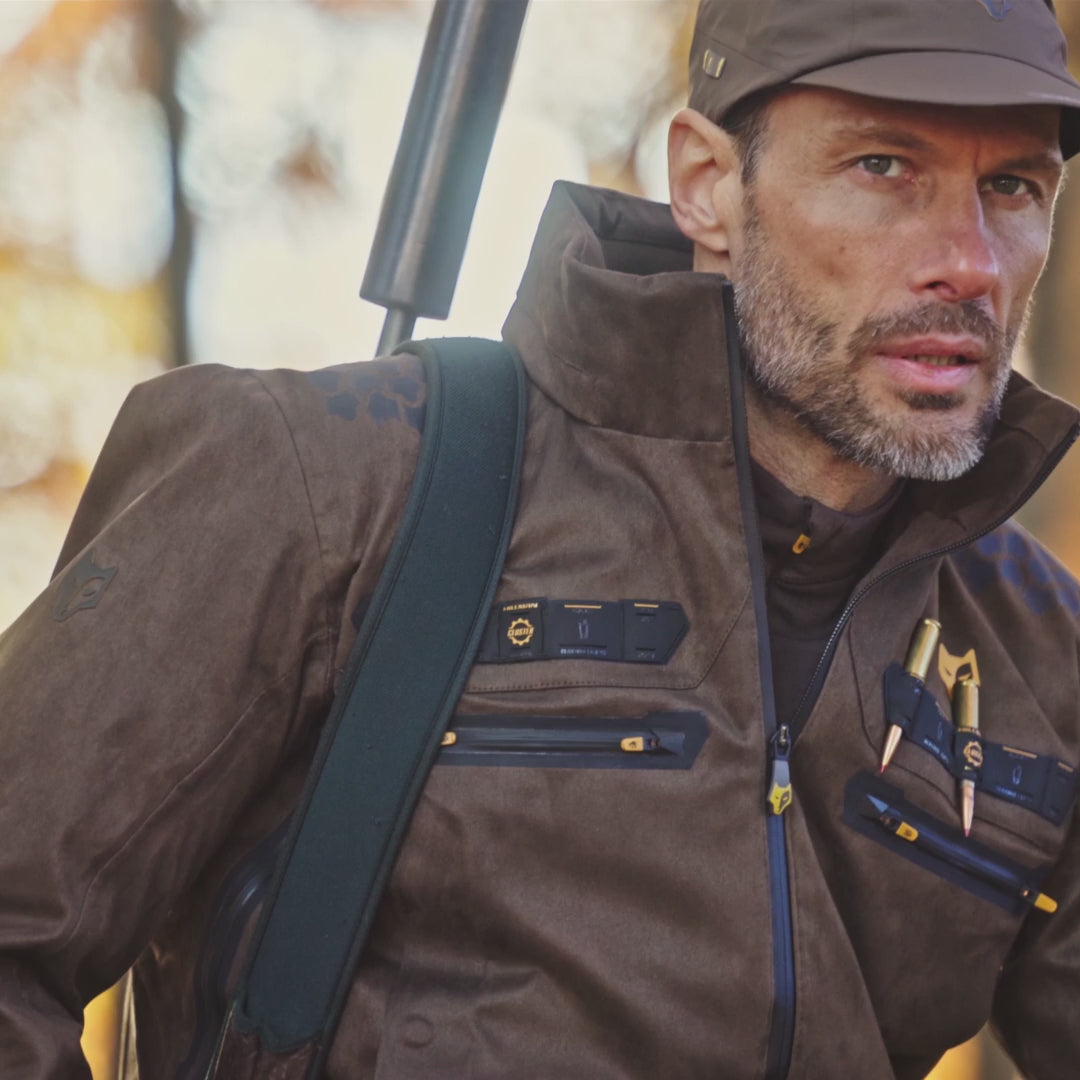
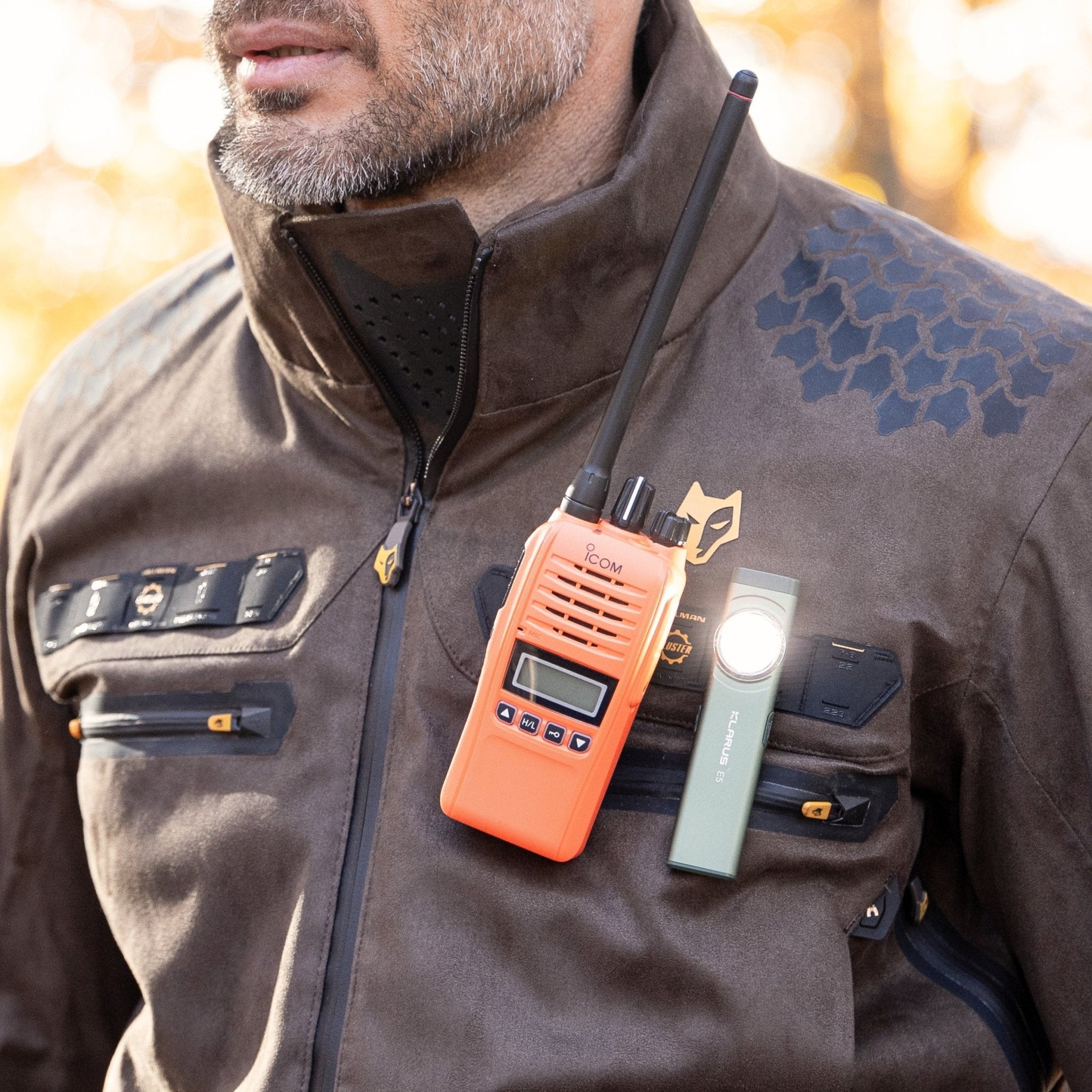
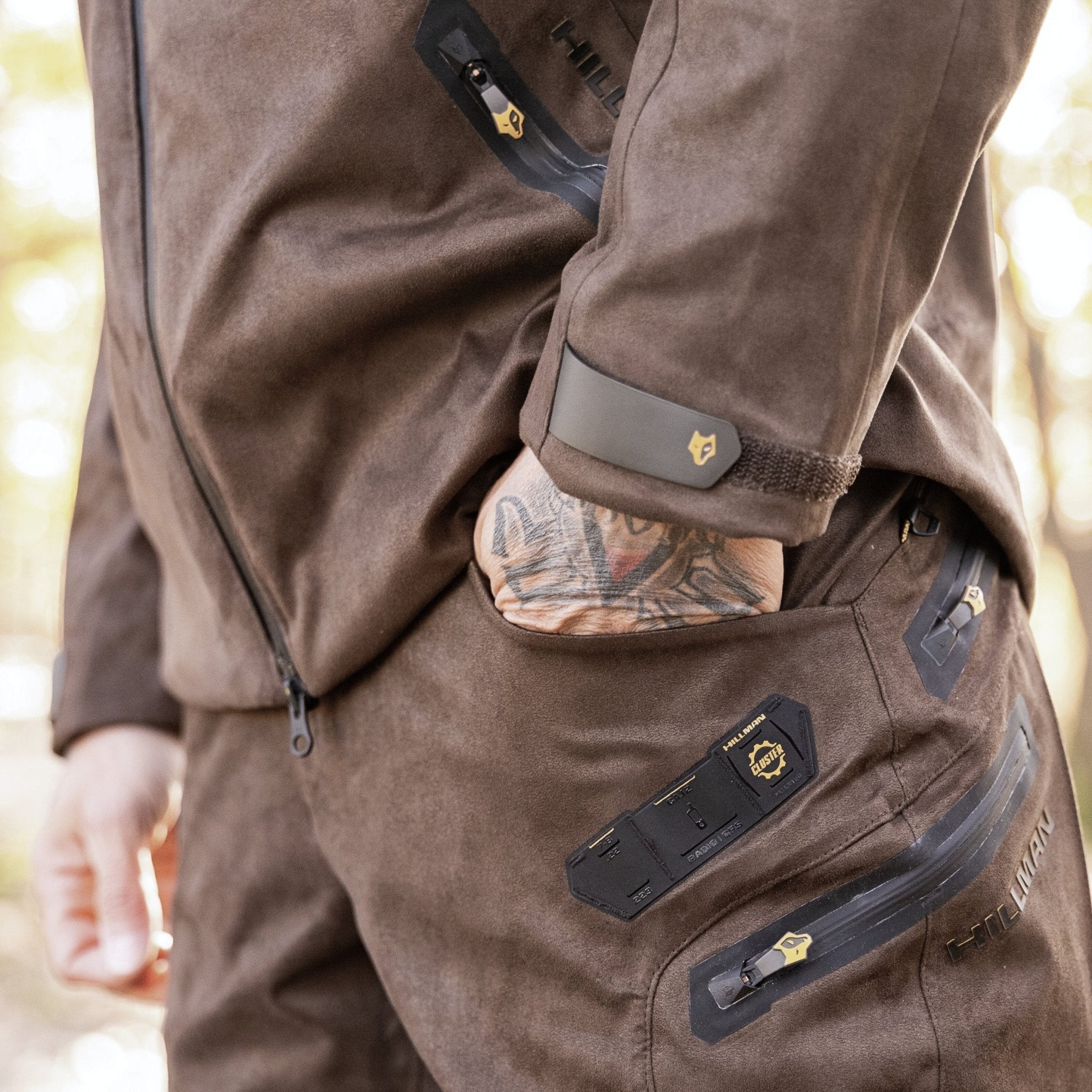
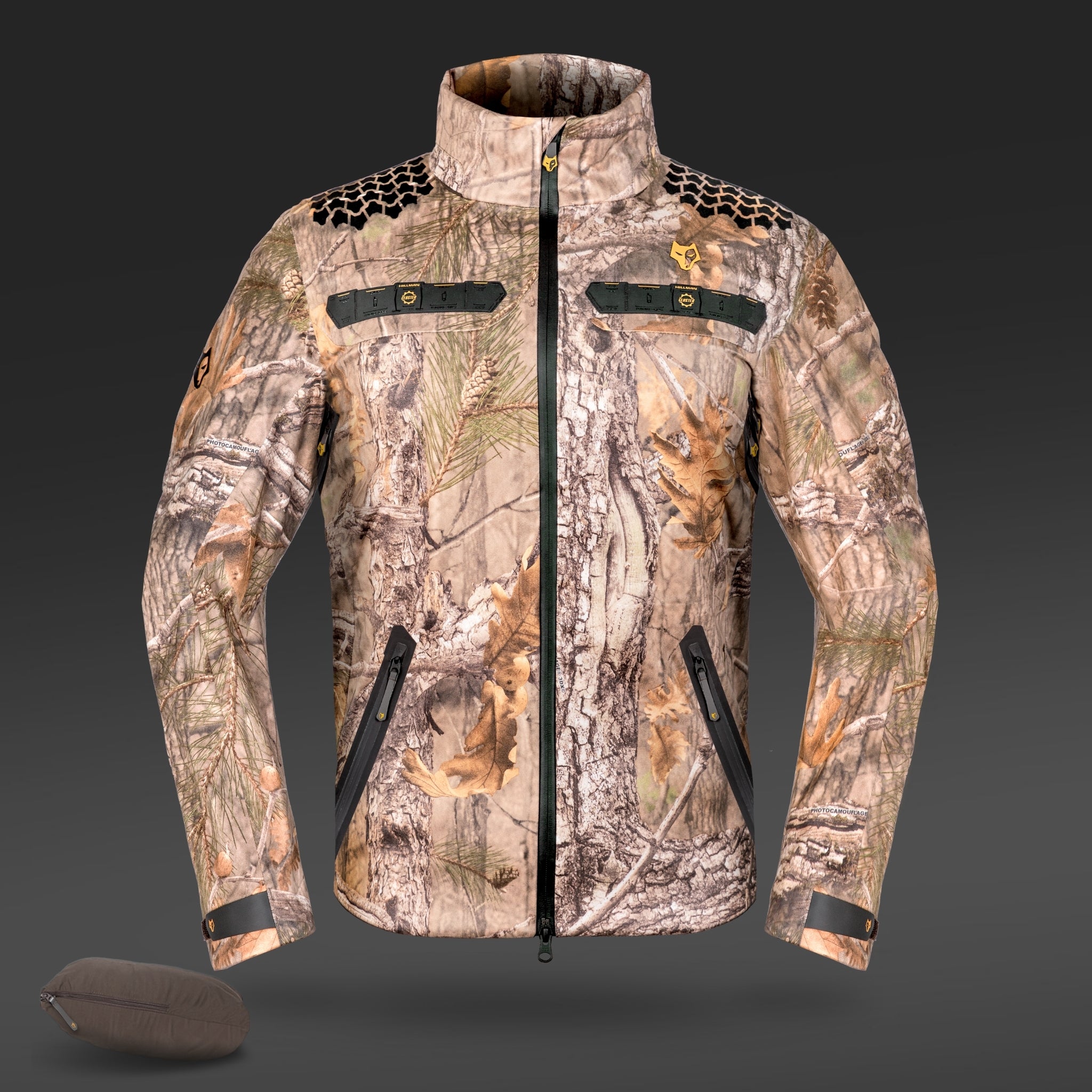
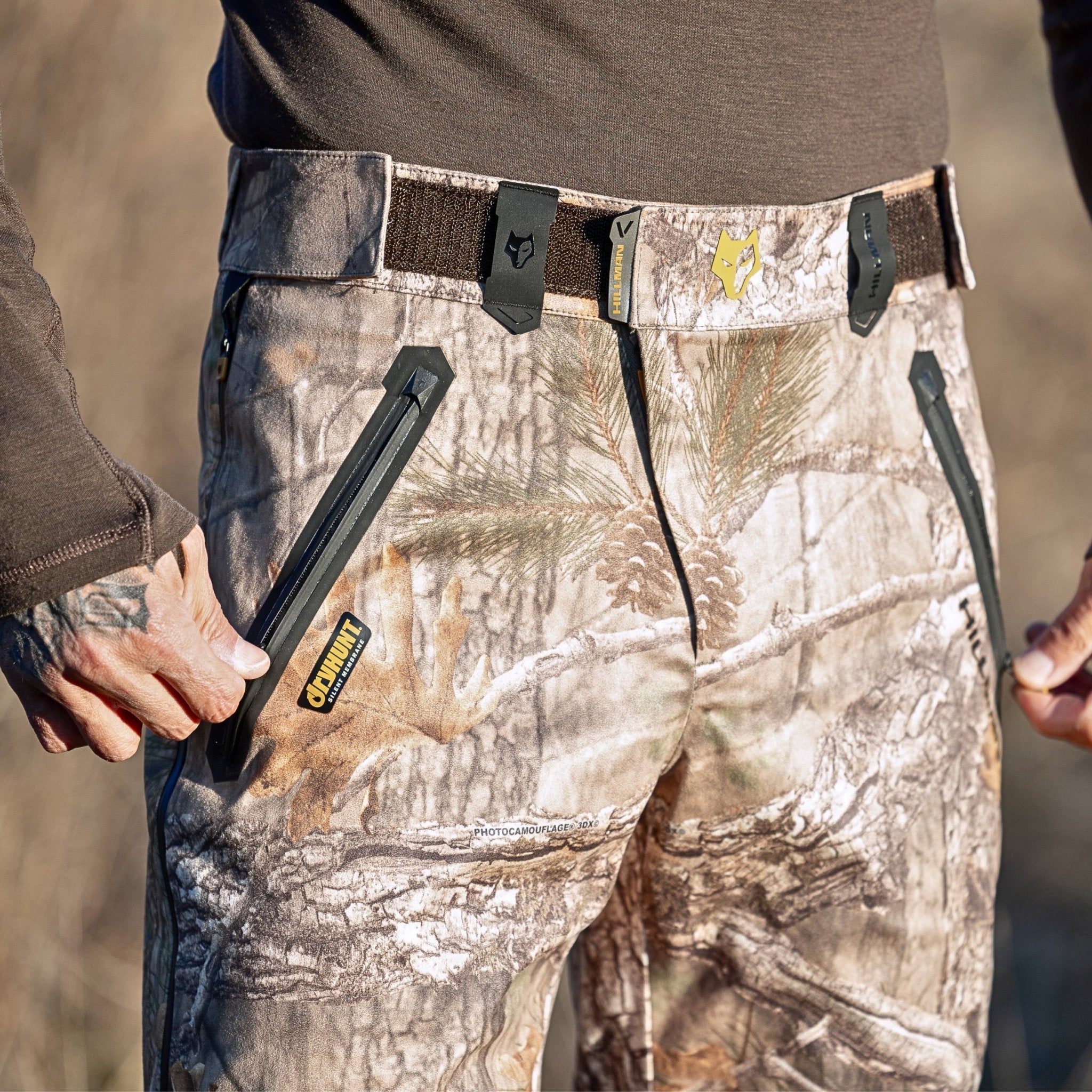
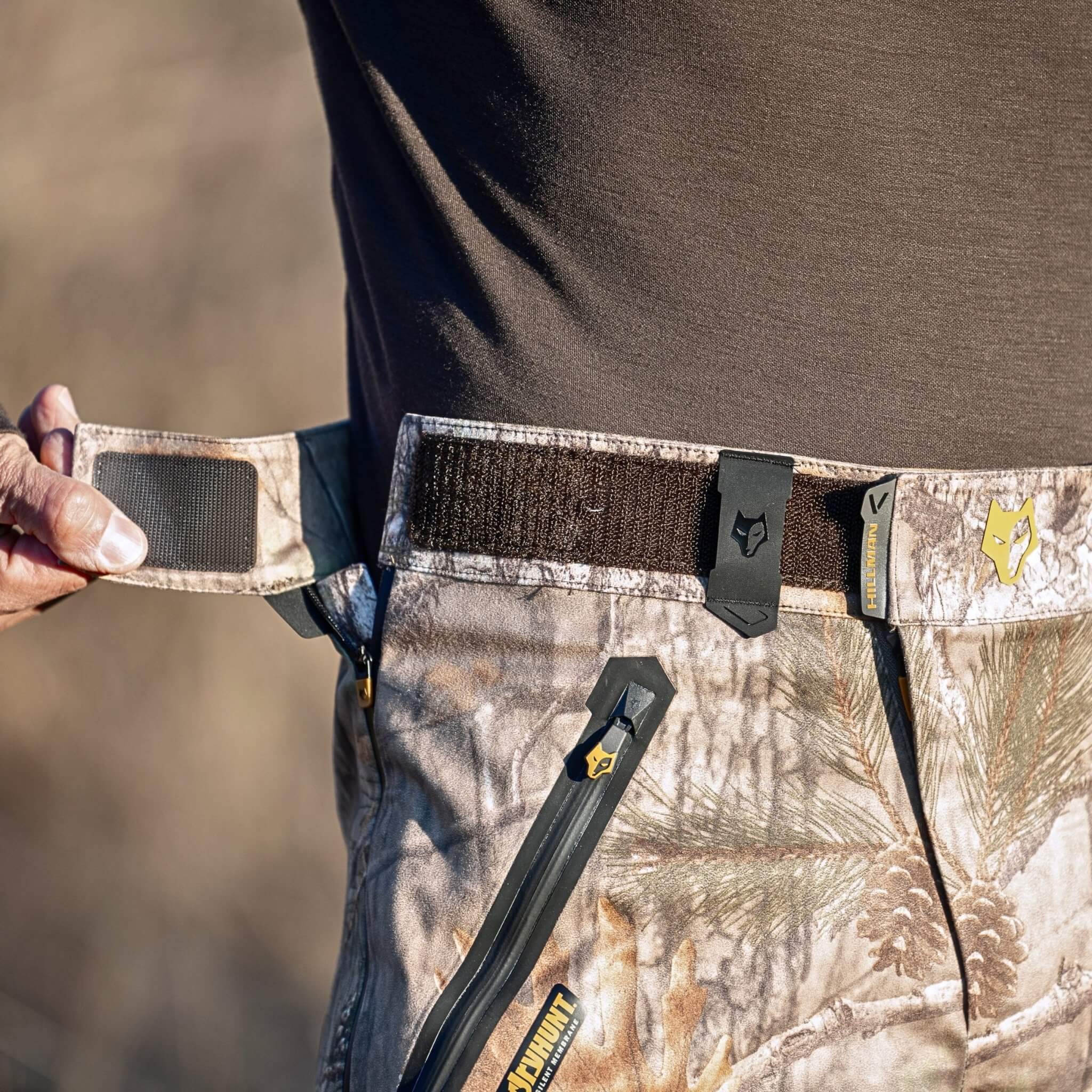
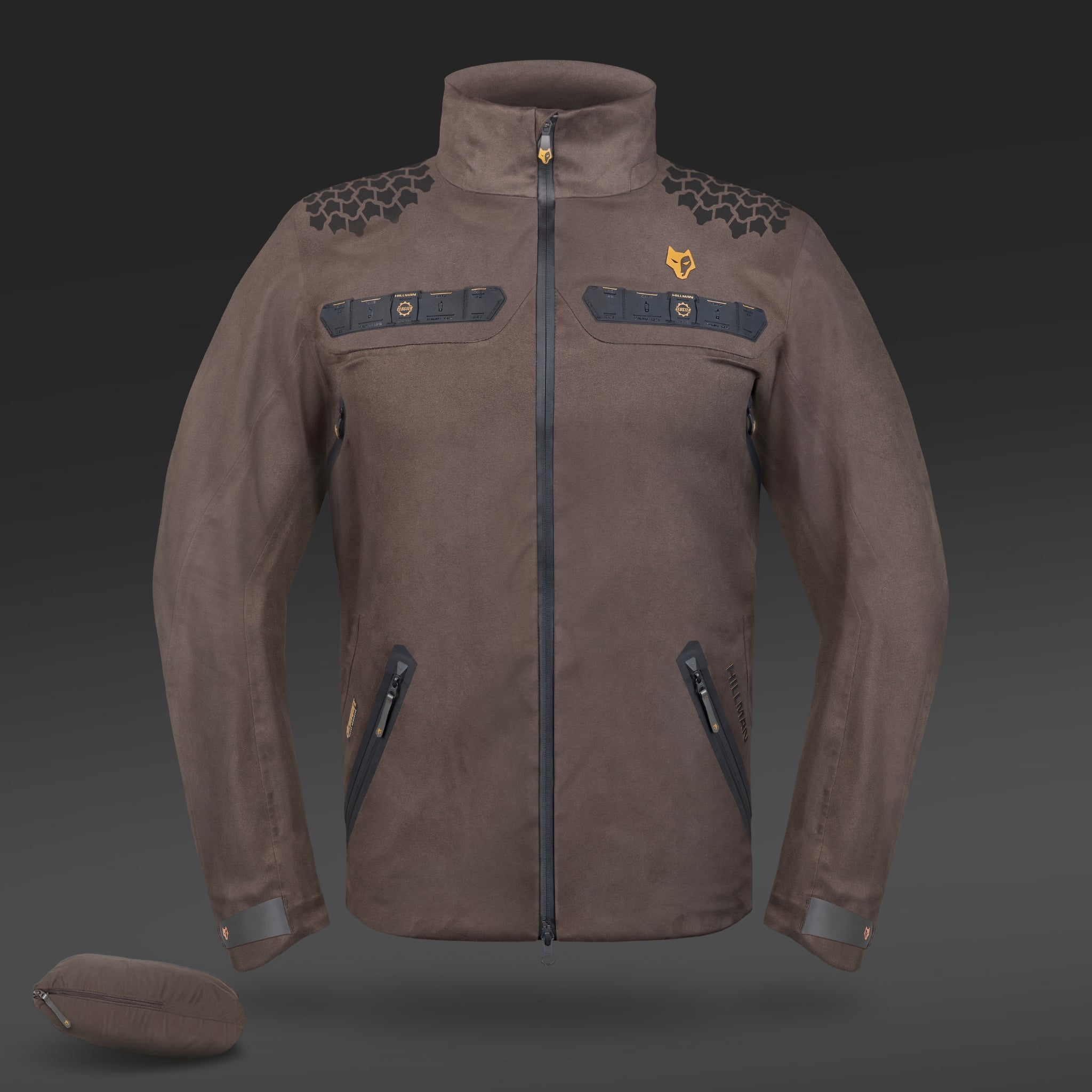
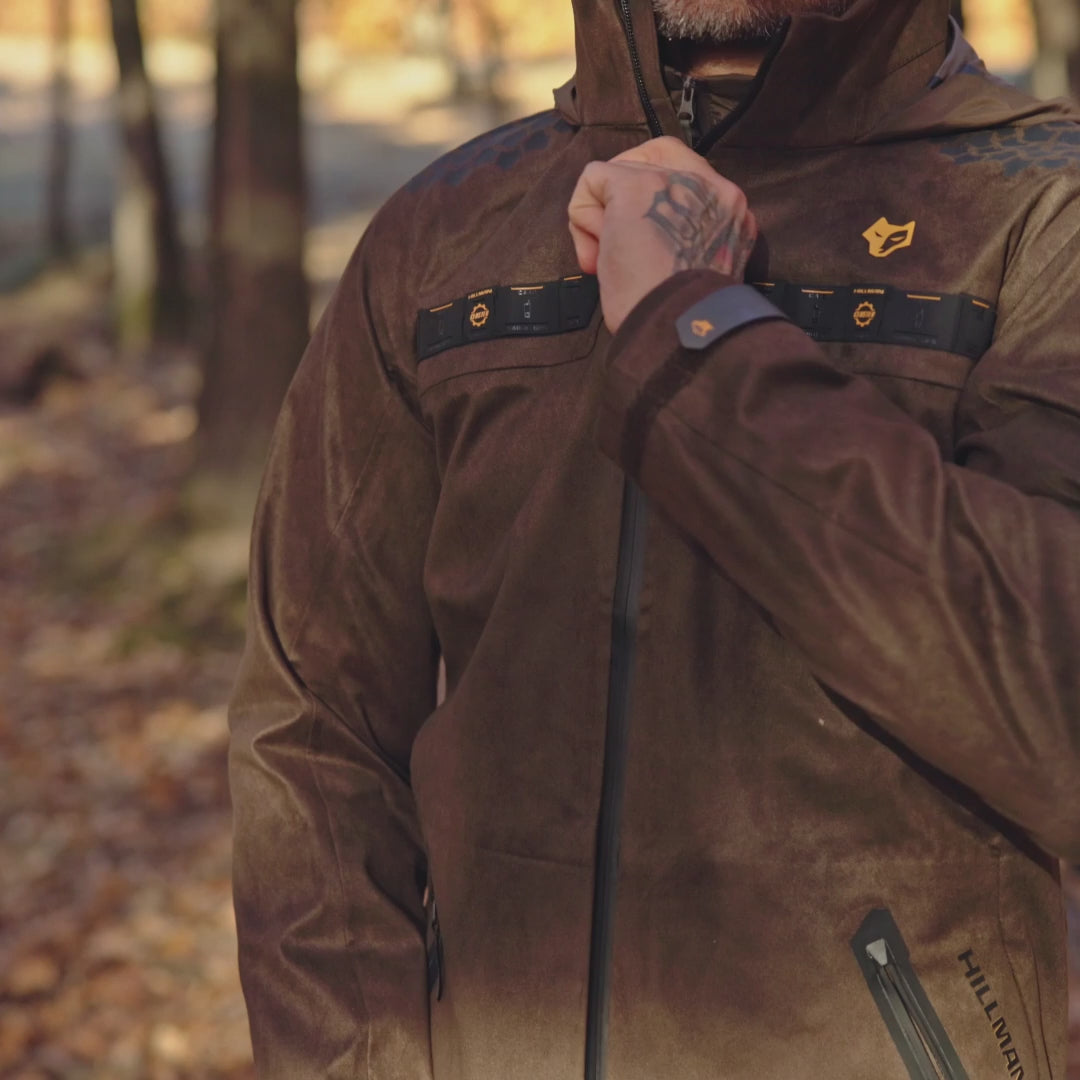
A useful hunting rain jacket should have a dependable main zipper, storm protection around the front zipper, pit zips or some venting option, adjustable cuffs, a hood that moves with your head and pockets that still work with a pack or vest. The cut matters too. You need enough room for more layers in cold weather, but not so much loose fabric that it catches, flaps or makes noise.
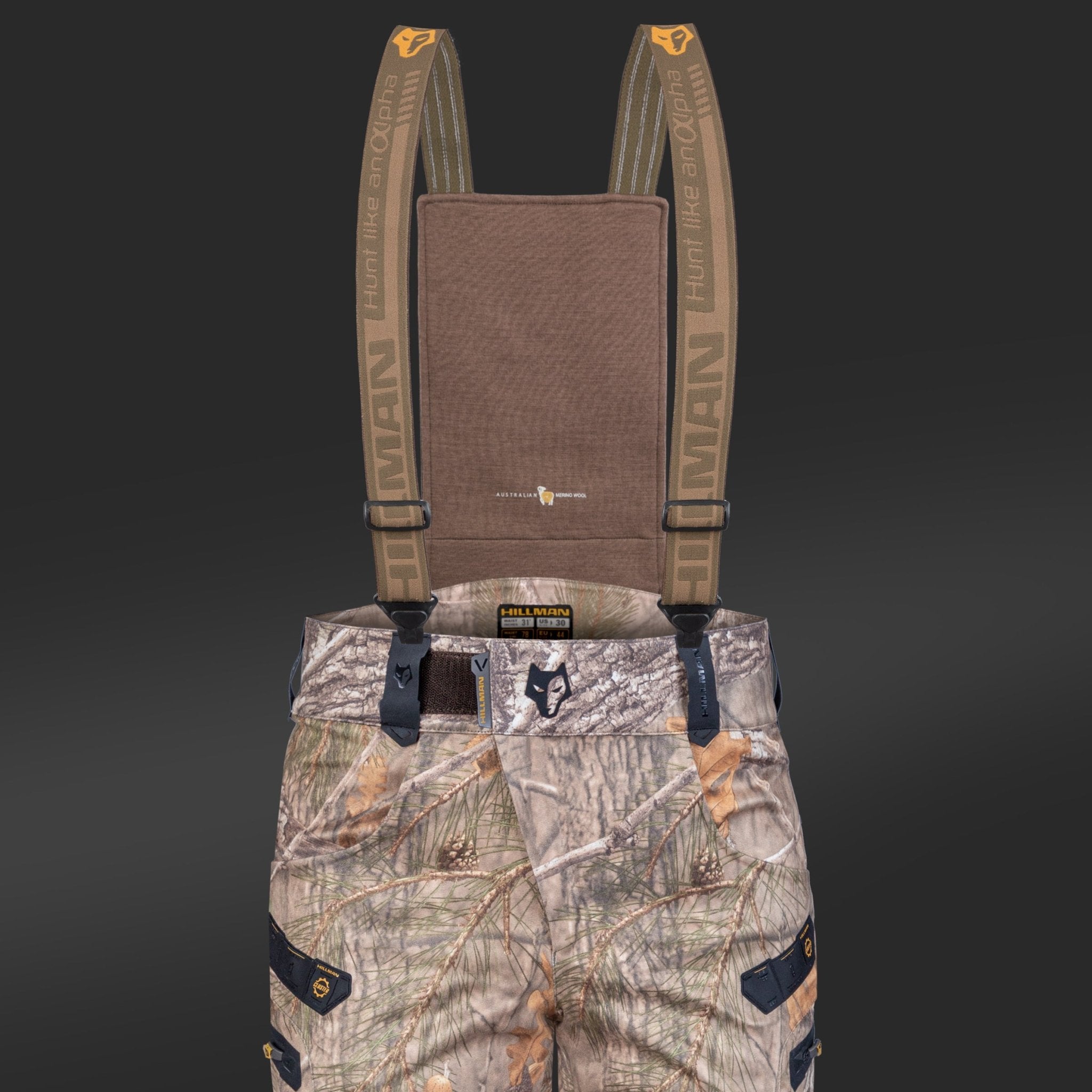
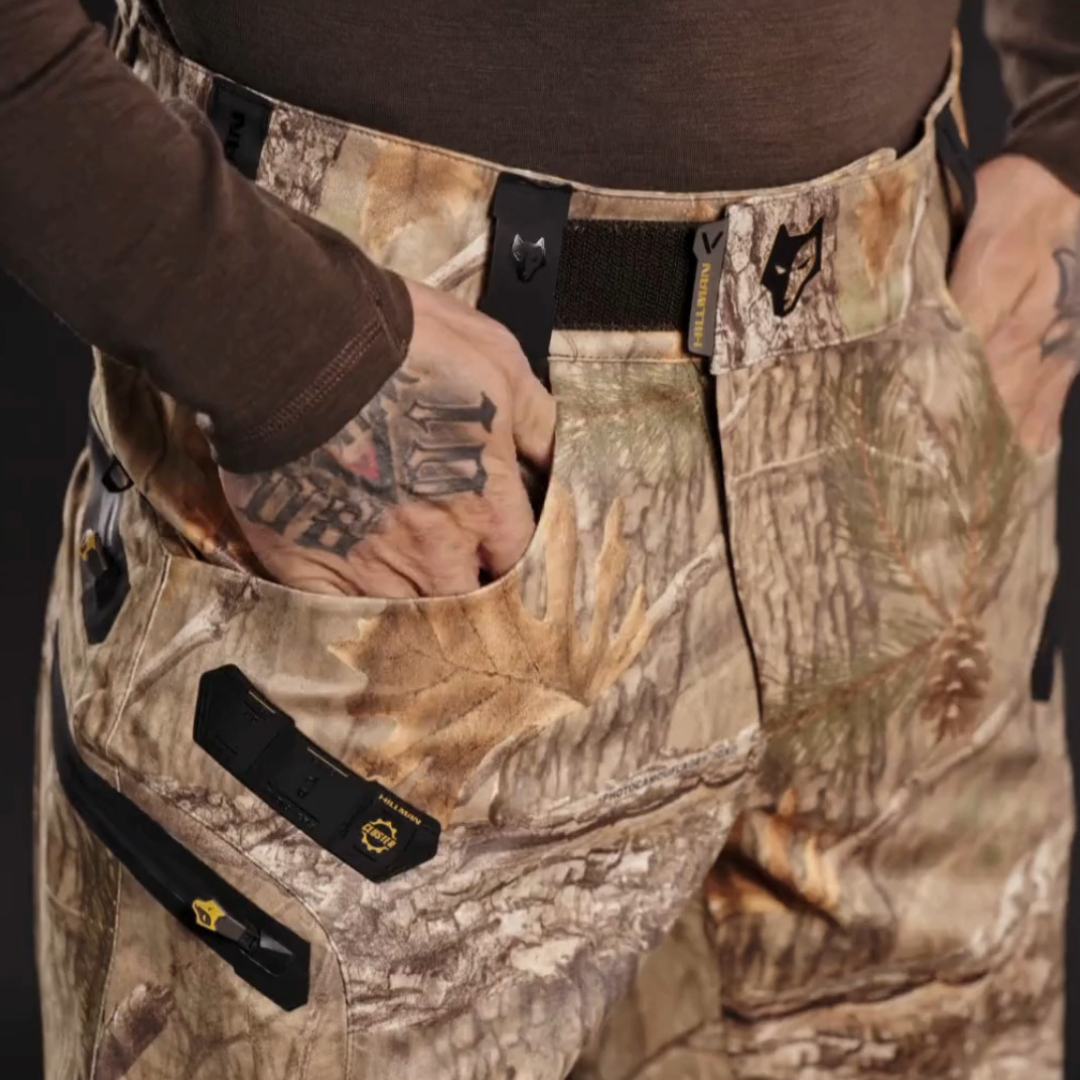
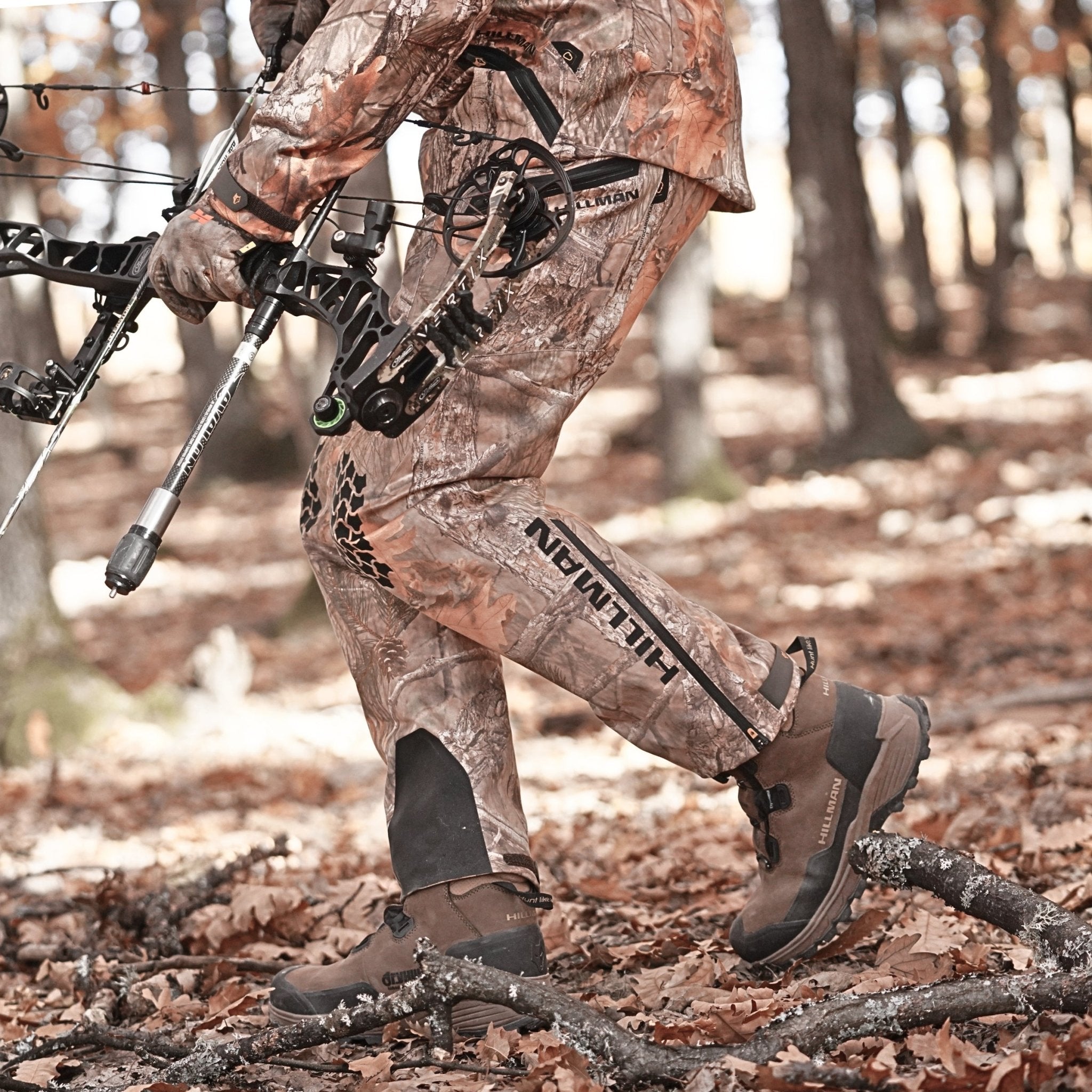
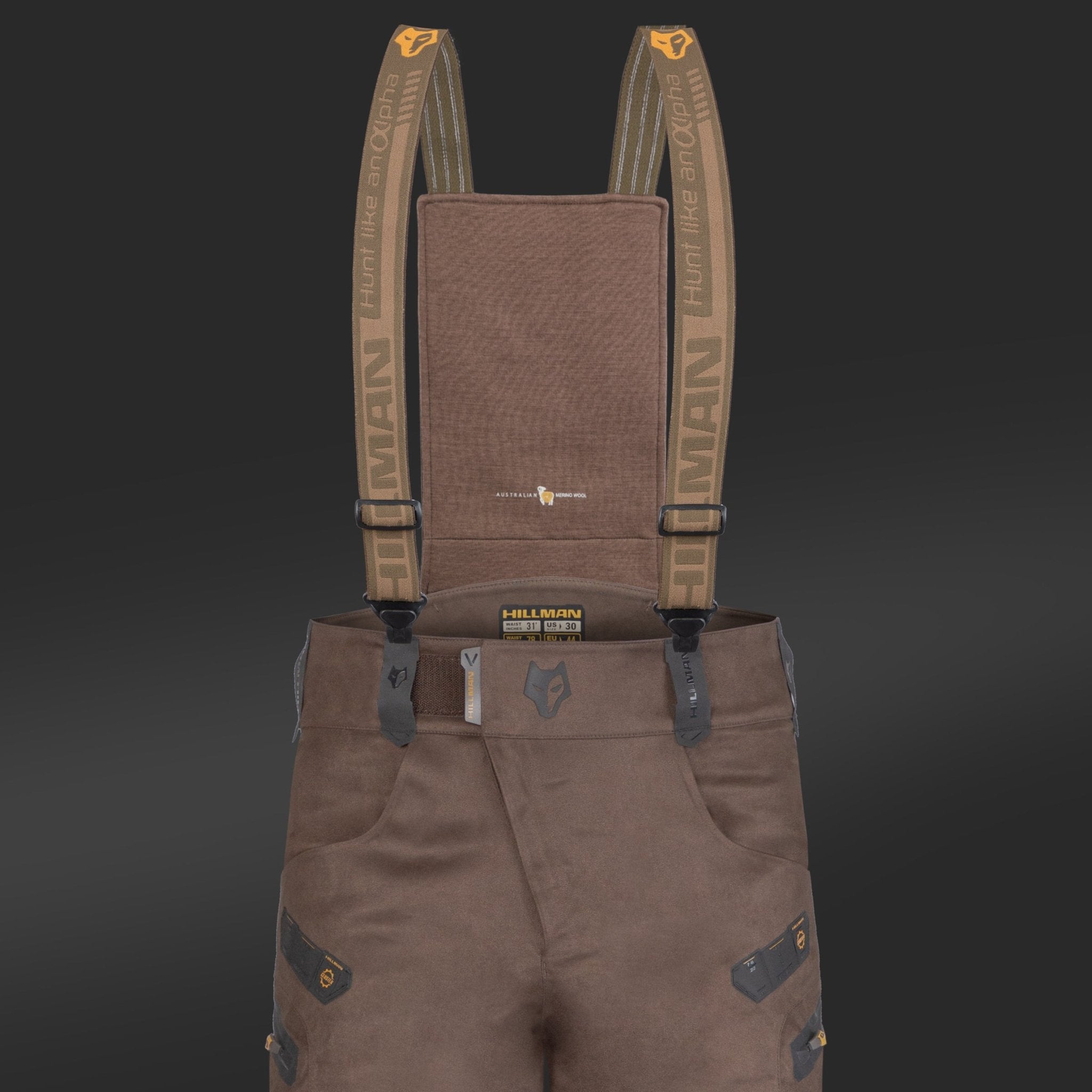
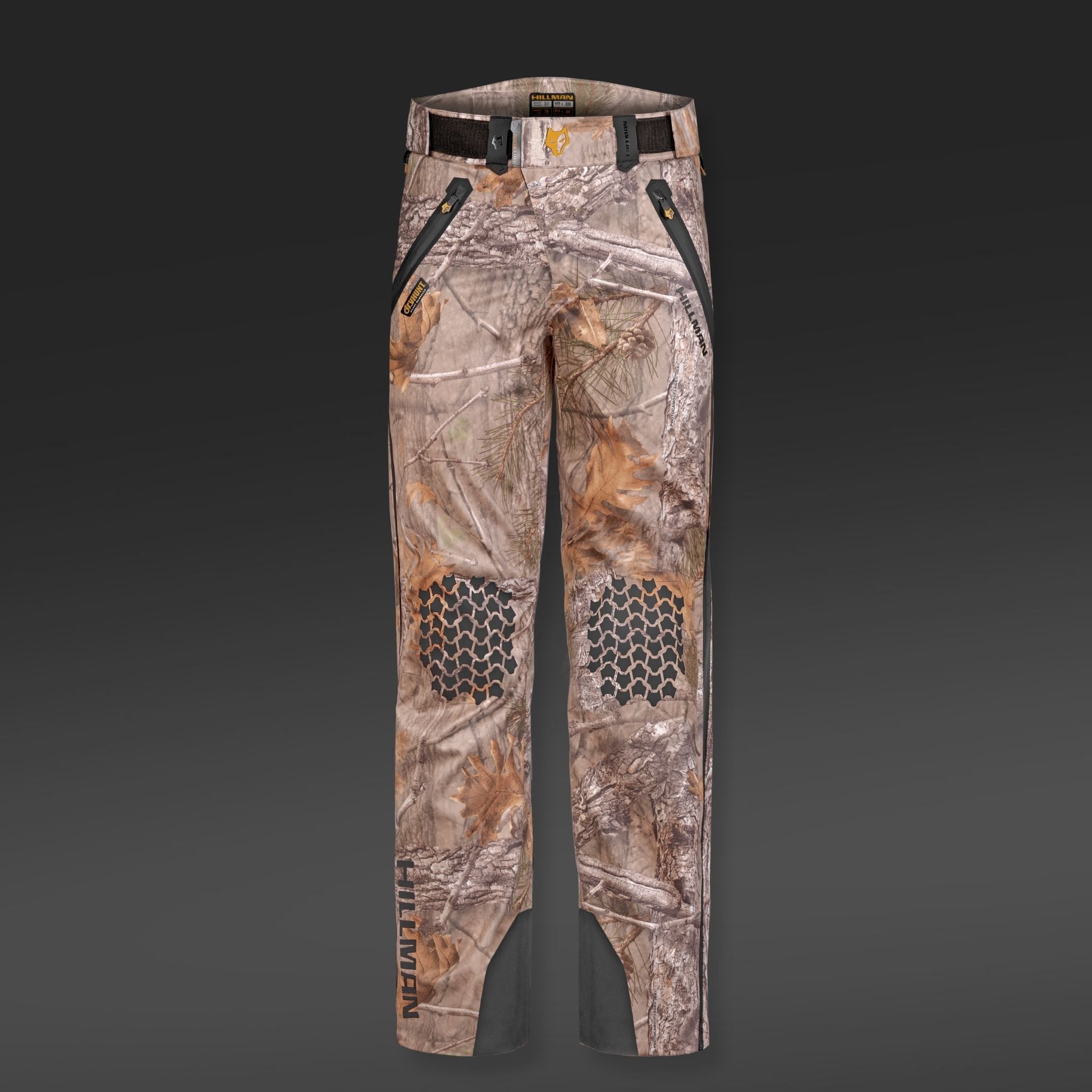
Rain pants need the same attention. Both the pants and jacket should allow natural movement. Kneeling, stepping over fences, sitting, drawing a bow, shouldering a rifle or raising binoculars should not feel restricted. A pair of rain pants that binds at the knees will annoy you all day.
The camo pattern should fit your hunting, but it should not be the first thing you judge. Fit, fabric, noise, water resistance and durability matter more. A beautiful camo pattern on poor waterproof fabrics is still poor rain gear.
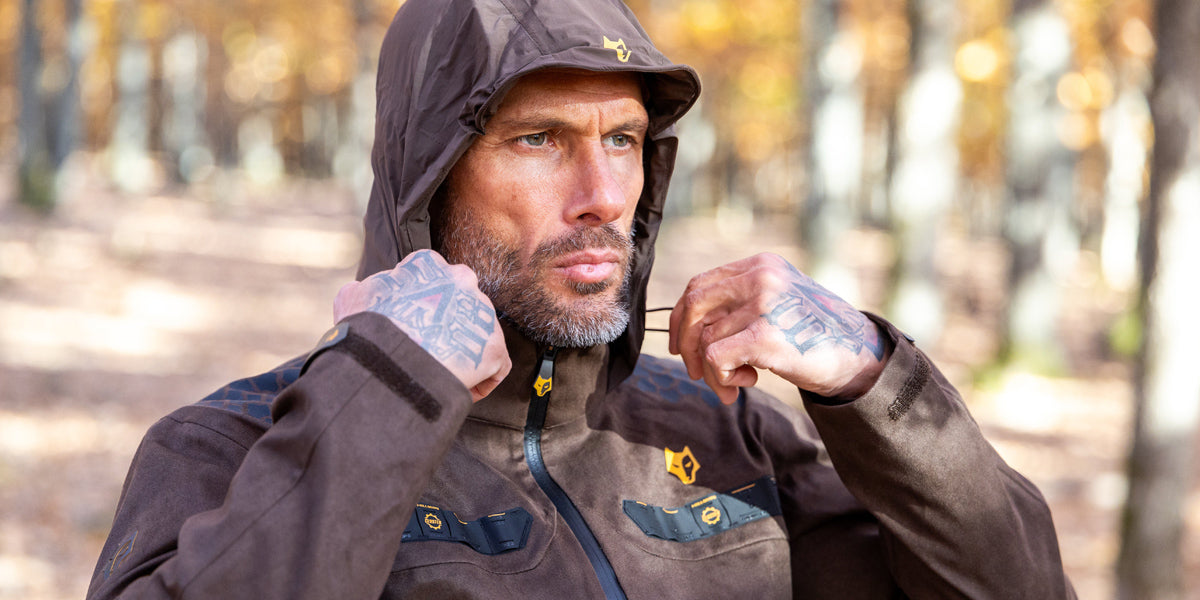
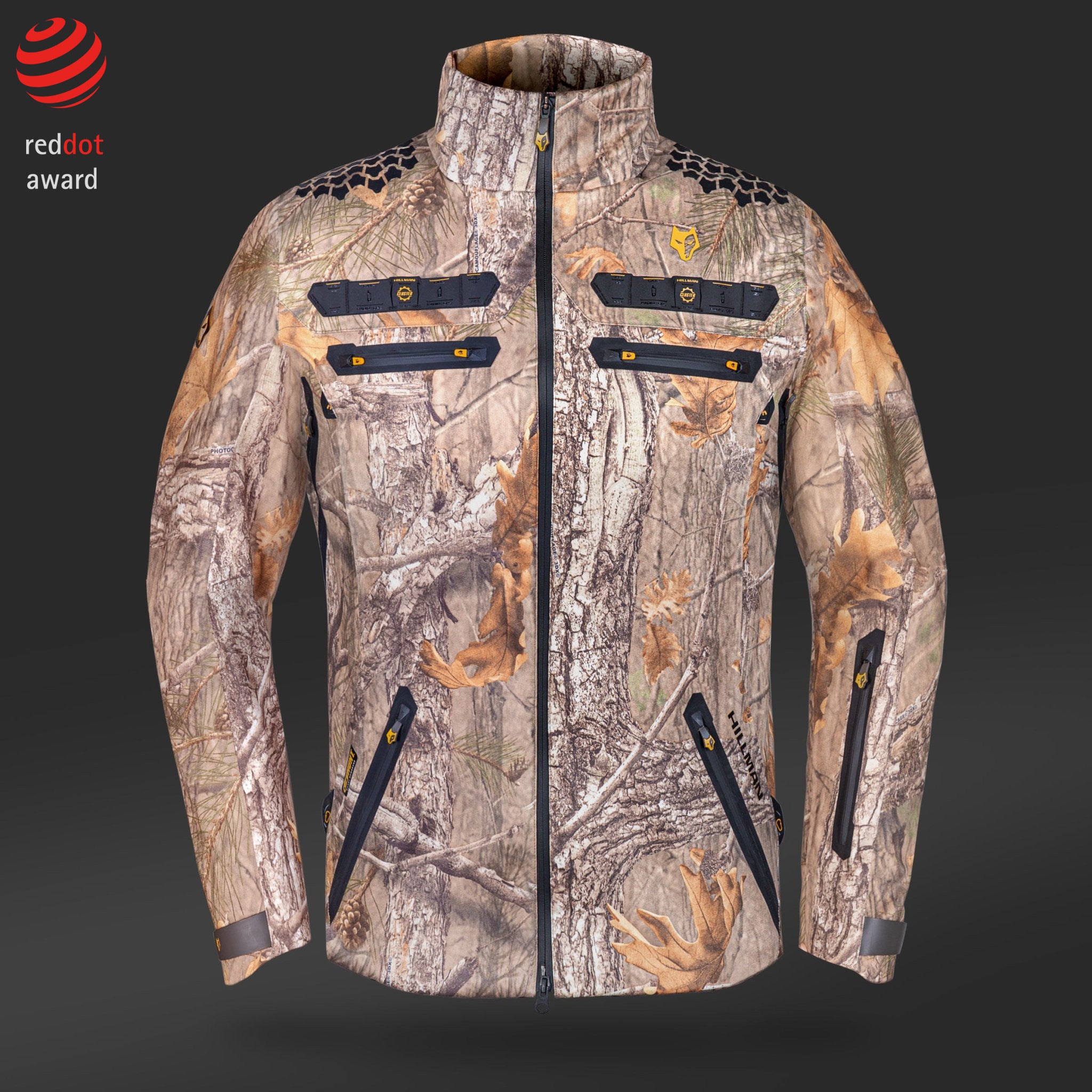
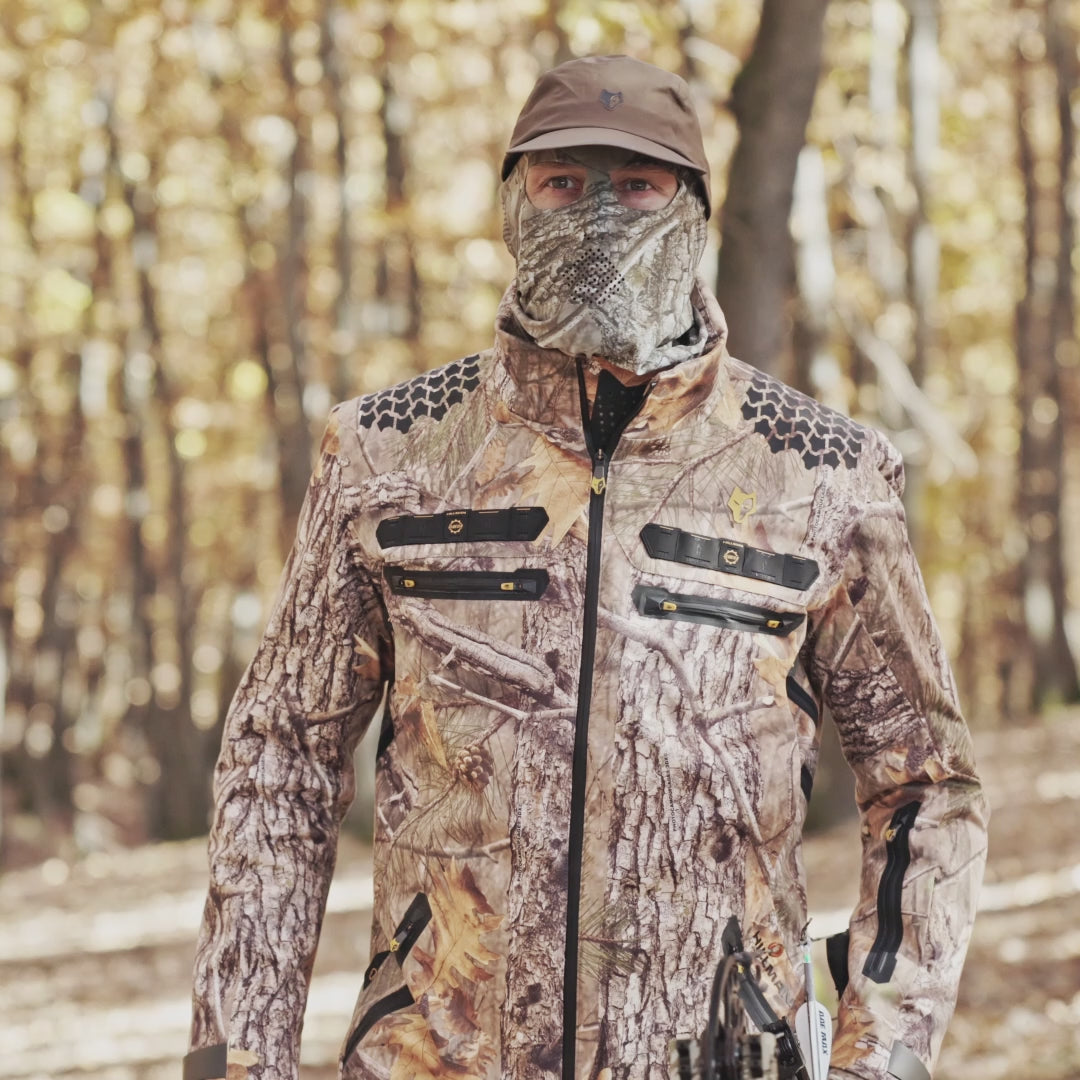
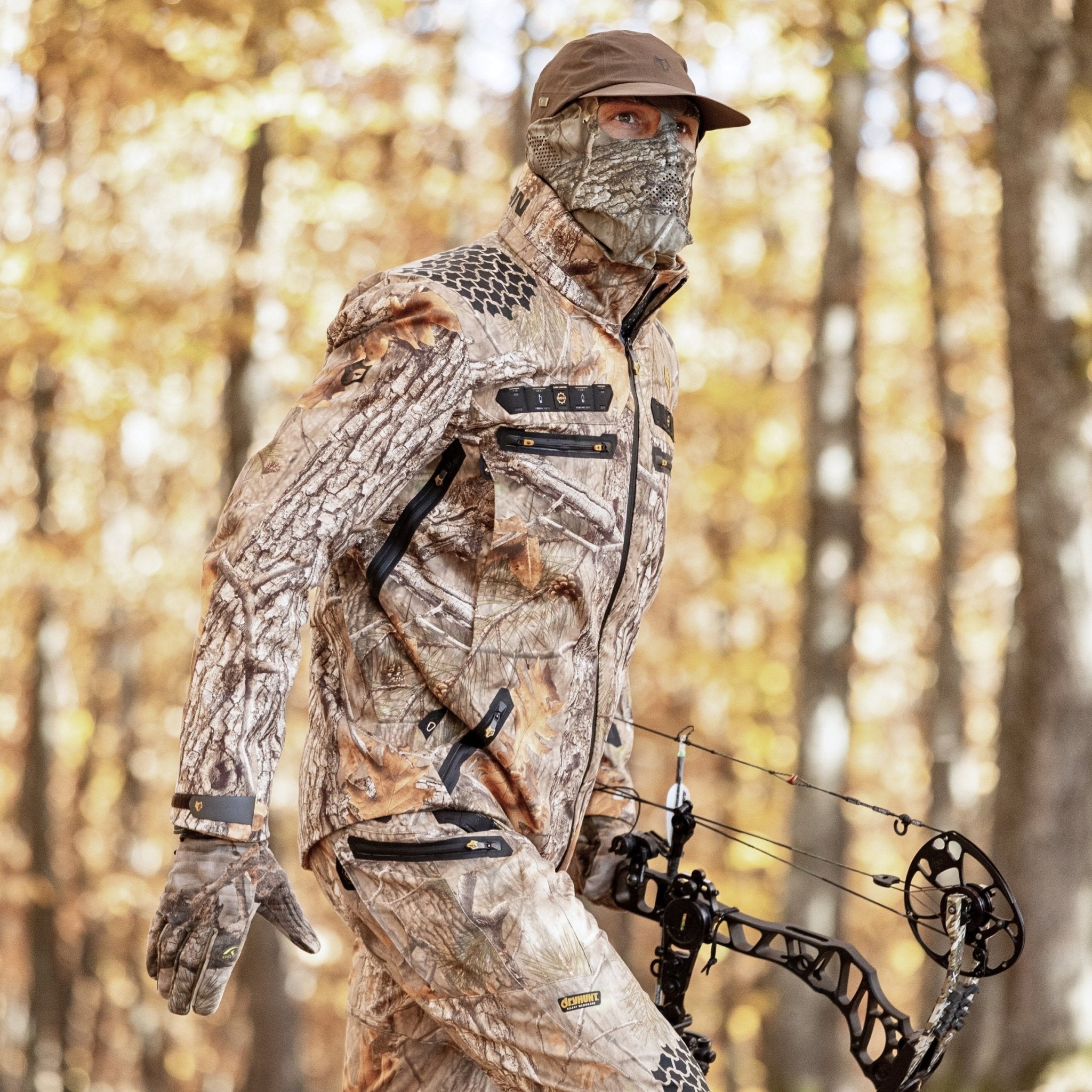
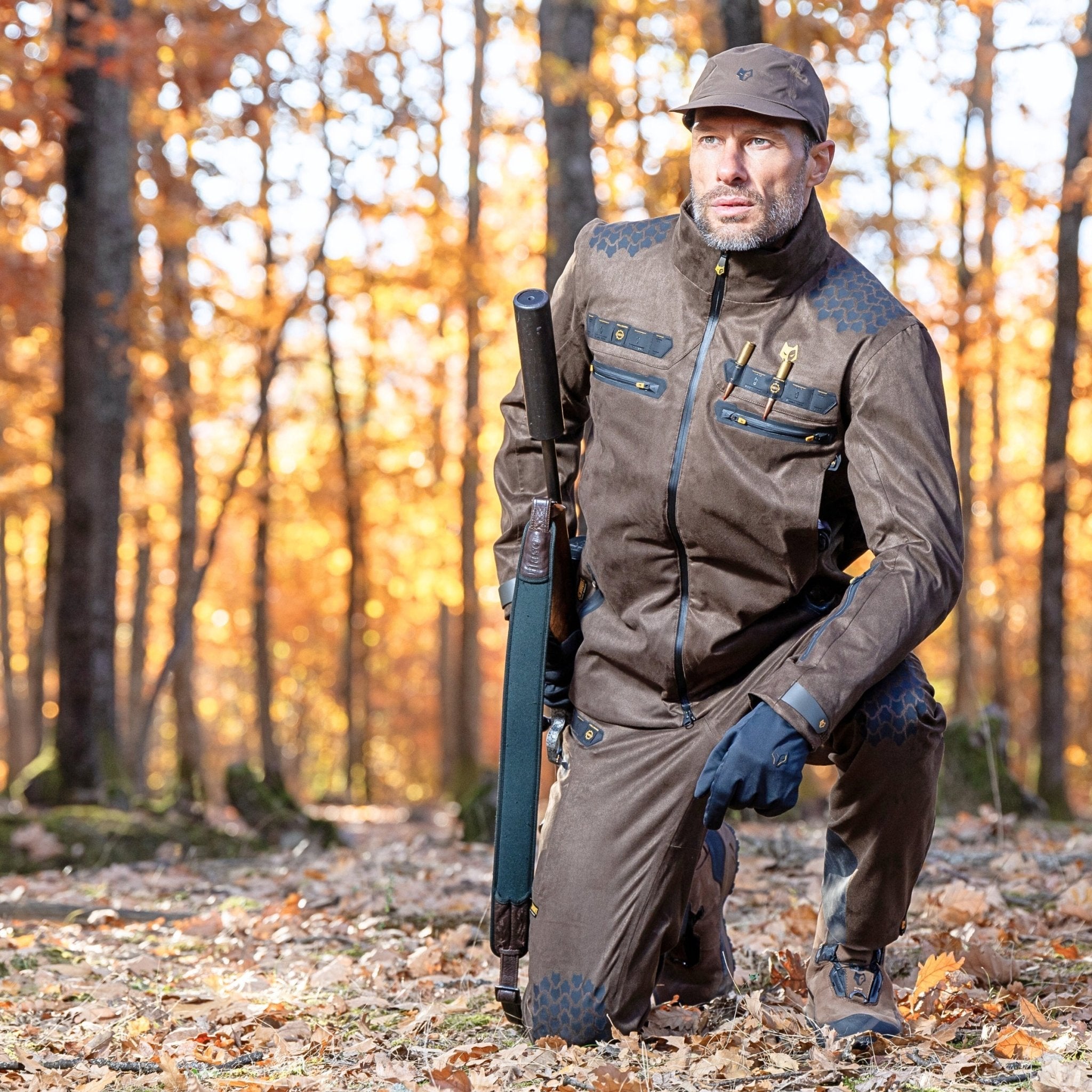
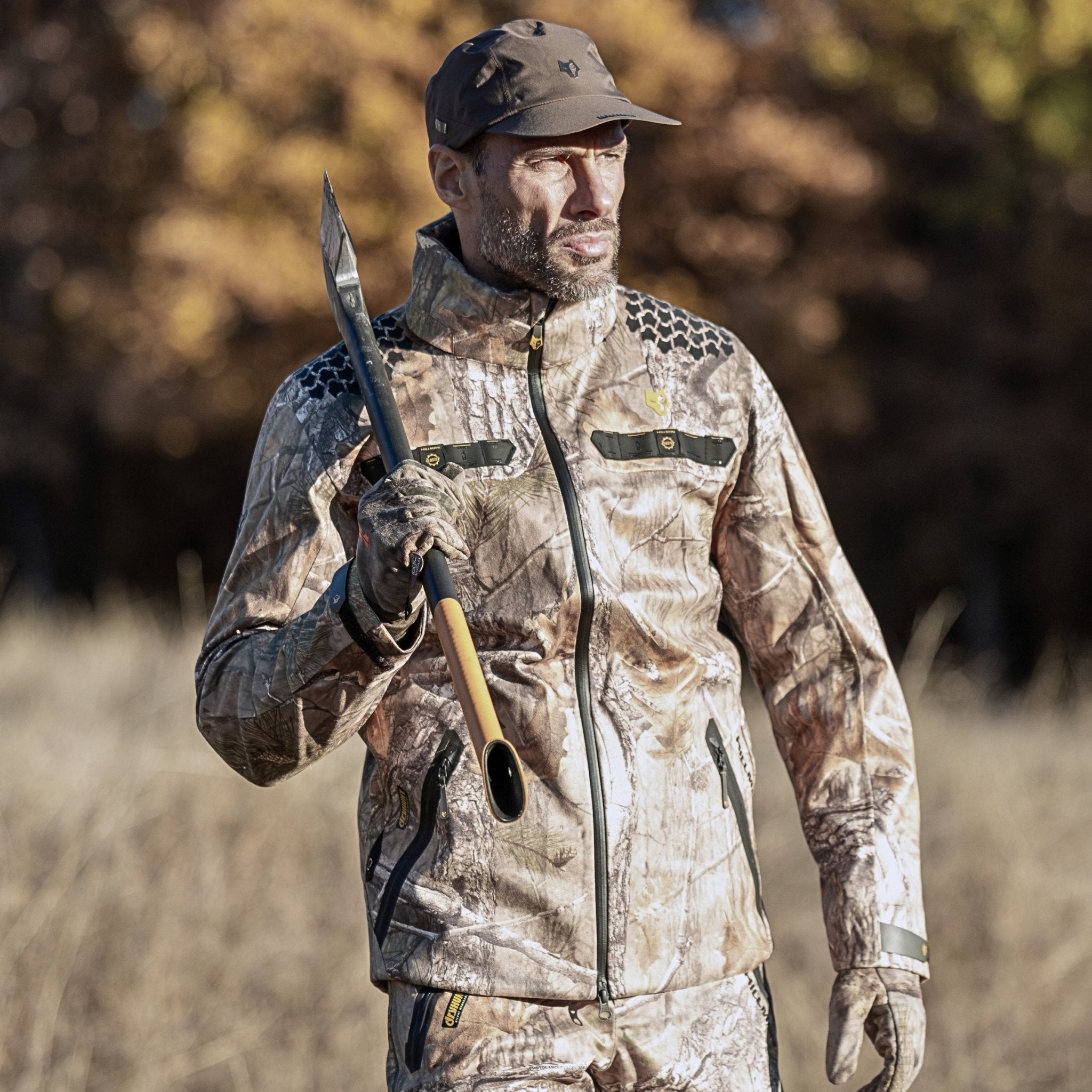
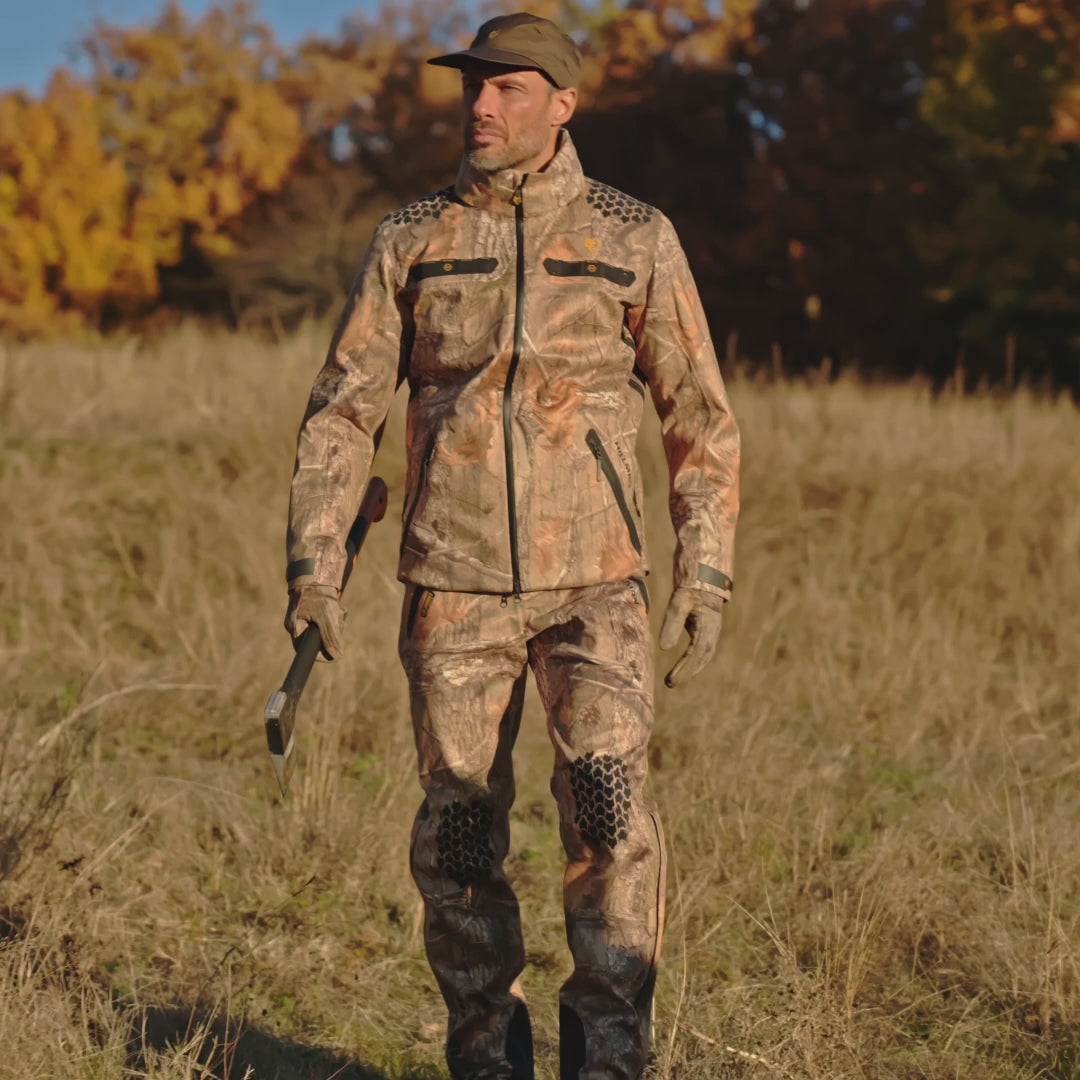
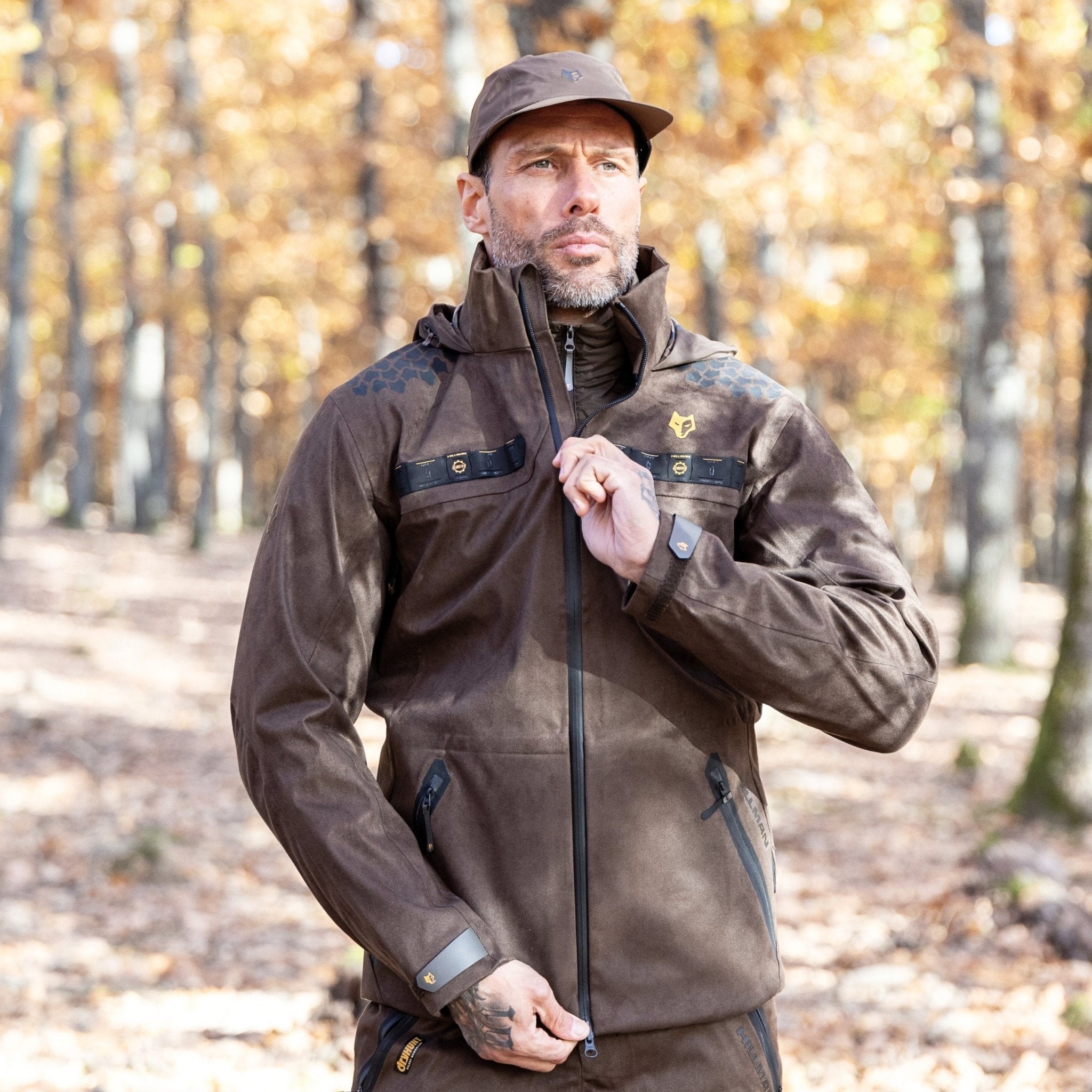
Premium shells, including those using advanced waterproofing technologies like HILLMAN’s Dryhunt® nanomembrane, are built around the same central idea: keep rain out while letting excess heat and moisture escape. That is what separates useful hunting rain gear from a plastic-feeling shell that only works for casual use.
When Packable Gear Is the Better Carry
Carry packable rain gear when the forecast is mixed, the weather is warm, the miles are long or the hunt involves steady movement. It is also the better choice when you need backup protection rather than all-day armour.
It is right for warmer weather, active stalking, scouting, hiking, early season hunting, turkey hunting and hunts where you need to save pack space. It is not just what ultralight hunters carry to look efficient. Used correctly, it keeps you adaptable.
But be honest about its limits. If you know you will face heavier downpours, hard wind, freezing rain or hours of sitting, light gear may not be enough. Using light gear in heavy rain can lead to soaking, and once your insulation gets wet, the rest of the day becomes damage control.
Packable gear is excellent when rain is one part of the problem. It is not always excellent when rain is the whole problem.
When Heavy Rain Gear Is Worth the Weight
Carry heavy rain gear when the forecast is ugly, when you are hunting in cold rain, or when failure has real consequences. That includes sustained rain, harsh backcountry conditions, duck hunting, late-season deer hunting, exposed ground and long sits where body heat slowly drops.
Heavy gear is also worth it when terrain is rough enough to destroy lighter clothing. Rocks, thorns, wet timber, repeated kneeling and hard use all punish thin fabric. Premium heavy-duty shells often survive more seasons of abuse, while packable options may need replacing sooner if treated like brush armour.
The extra weight feels annoying in the pack. It feels less annoying when the rain does not stop for six hours.
Final Thoughts
There is no single best hunting rain gear for every hunter and every season. Packable rain gear and heavy rain gear solve different problems.
Packable gear is for movement, warmer weather, long treks, unpredictable weather and moderate wet conditions. Heavy rain gear is for sustained rain, colder climates, rough terrain, extreme conditions and hunts where staying dry matters more than saving weight.
The mistake is choosing one because it sounds more advanced. Light weight is not always better. Completely waterproof is not always comfortable. Breathable is not always durable. The right choice depends on weather, terrain, effort and how long you will be exposed.
If I had to make the decision simple, I would put it this way. If rain might happen, carry packable gear. If rain is definitely coming and you still plan to hunt, carry heavy gear.


Share:
What to Wear for Spring Turkey Hunting: Capricious Mornings