

DIY Public-Land Deer Hunts: Finding Overlooked Access and Staying Effective All Day

Find overlooked public land access, avoid pressure, and hunt effectively from first shooting light through the last sit.
Why are public-land deer hunts won before the walk-in? DIY public-land deer hunts are not really about finding the prettiest woods. They are about finding the part of the property most people do not want to deal with.
That sounds simple, but it changes the whole plan. Most public land hunters look at the same parking lots, the same obvious trails, the same open fields, and the same easy access points. They hang a stand where deer signs are easy to see, hunt the first few hours, climb down when activity slows, and wonder why the best bucks seem to vanish after opening week.
The deer did not vanish. They adjusted.
Public land hunting rewards hunters who think in reverse. Where would you go if every truck, boot track, scent trail, and flashlight came from the same direction? Where can a buck bed with the wind direction in his favor, thick cover behind him, and just enough visibility to catch movement? Where does hunting pressure push deer on a given day?
That is where the hunt starts.
A good public-land plan is not built around one perfect honey hole. It is built around access, pressure, terrain, and the ability to stay effective all day when other hunters are walking out.
Public Land Is Not Empty, So Stop Hunting It Like Private Land

Private land can spoil deer hunters. Access may be controlled, stand locations may be left alone, and the same mature bucks may use predictable trails for weeks. Public hunting land is different. You are not only hunting deer. You are hunting around other hunters.
That does not make public land worse. It just means the strategy has to be sharper.
On public land, deer activity is often shaped by pressure as much as food. A buck may avoid open fields before dark because every hunter in the area expects him there. Deer may feed on acorns during daylight hours in swamps while nearby cornfields get hammered at night. Trails that look dead at noon may become escape routes when other hunters start moving.
Most hunters think pressure ruins a location. Sometimes it does. But pressure can also become an advantage if you know where deer go when people walk in from the road, slam truck doors, or leave stands too early.
The key is to stop asking, “Where is the sign?” and start asking, “Why would deer still use this spot after hunting season begins?”
Overlooked Access Is Often Better Than Remote Access

A long walk can help, but distance alone is not magic. Plenty of public land hunters will walk a mile if the trail is easy, flat, and obvious. Some of the best potential spots are overlooked because they are awkward, wet, steep, ugly, or just confusing to navigate.
One of the strongest access rules is this: find the first hard thing most people refuse to do.
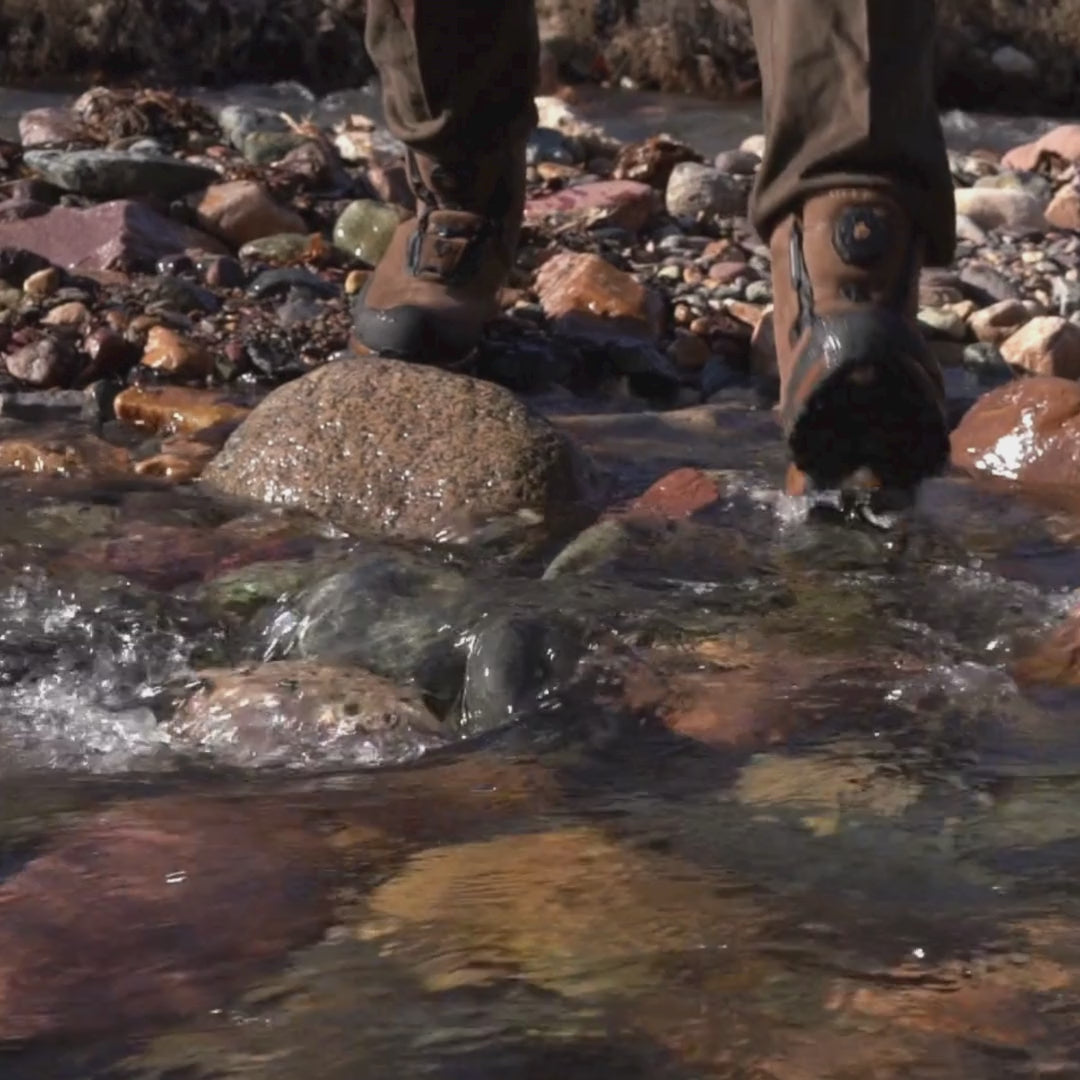
That may be climbing steep terrain immediately from the road. It may be crossing a shallow creek in hip waders. It may be slipping through a cattail edge, paddling a kayak across a beaver pond, or walking past the obvious trail and cutting into a nasty strip of cover nobody seems interested in.
Using hip waders, chest waders, a canoe, or a kayak can stop nearly every other hunter before the hunt even begins. Rivers, creeks, swamps, and beaver ponds often act like walls. Deer know it. Bucks use those barriers because humans avoid them.
Do not assume access has to mean going deeper than everyone else. Sometimes a big buck beds within 100 yards of a busy parking area because the cover is thick and hunters march right past him. Small strips of timber along the main road can become micro-habitats when deeper woods get pressure. That kind of spot looks too obvious to be good, which is exactly why it can work.
Hunting Pressure Creates Patterns If You Watch It Closely

Hunting pressure is not random. It usually follows habits.
Most people park in the same places. They walk the path of least resistance. They avoid swamps, thick cover, steep ridges, and areas without clear deer trails. They hunt mornings hard, lose focus by late morning, and return for the evening. On weekends, pressure rises. During bad weather, it drops. During gun season, deer may shift faster than many hunters expect.
This is why scouting other hunters matters.
Boot tracks, old reflective tacks, trimmed branches, empty pull-off areas, and worn paths near parking lots all tell a story. If a location has good deer sign and heavy human sign, it may still be worth noting, but not always worth sitting. The better move is often to find the escape route connected to that pressure.
Deer pushed by other hunters tend to slip into bedding areas, thick edges, swamp islands, creek bottoms, or small overlooked cover between obvious hunting areas. A still hunter walking too fast through the woods can bump deer straight toward a patient hunter who is already set up in a funnel.
That is not luck. That is using the public-land community without joining the crowd.
Swamps, Cattails, and Wet Ground Deserve More Attention

Wet ground scares off people better than almost anything. It is uncomfortable. It is slow. It makes access difficult. It hides trails. It can also hold mature bucks that have learned exactly how to survive deer hunting pressure.
Cattail swamps, marsh edges, and wet bedding cover are especially important during summer, early fall, and bow season. Mature bucks often choose these places because they stay cooler, hold scent differently, and offer protection from wind and predators. A buck can bed on a small dry patch or high spot inside the swamp with water, mud, or thick cover around him. From there, he can hear, see, and smell danger before it reaches him.
That makes these areas difficult. It also makes them worth learning.
The best swamp setups are usually not deep in the middle with no plan. They are on pinch points where dry land narrows deer movement. They are on edges where trails enter and exit wet cover. They are near hardwood islands, hidden corners around beaver ponds, or small high spots that deer use repeatedly. During pressure, bucks may slip to islands inside swamps because other hunters simply will not go there.
Aerial scouting tools like Google Earth can help you find these places before you burn a day wandering. Look for dry fingers, narrow crossings, isolated trees, creek bends, and tiny openings near bedding cover. Then confirm with tracks, rubs, droppings, beds, and quiet observation.
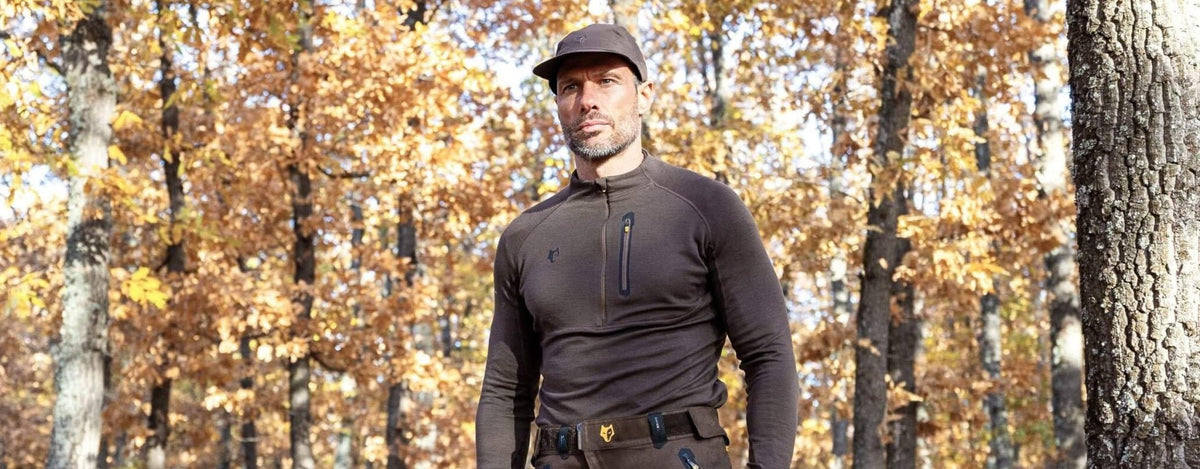
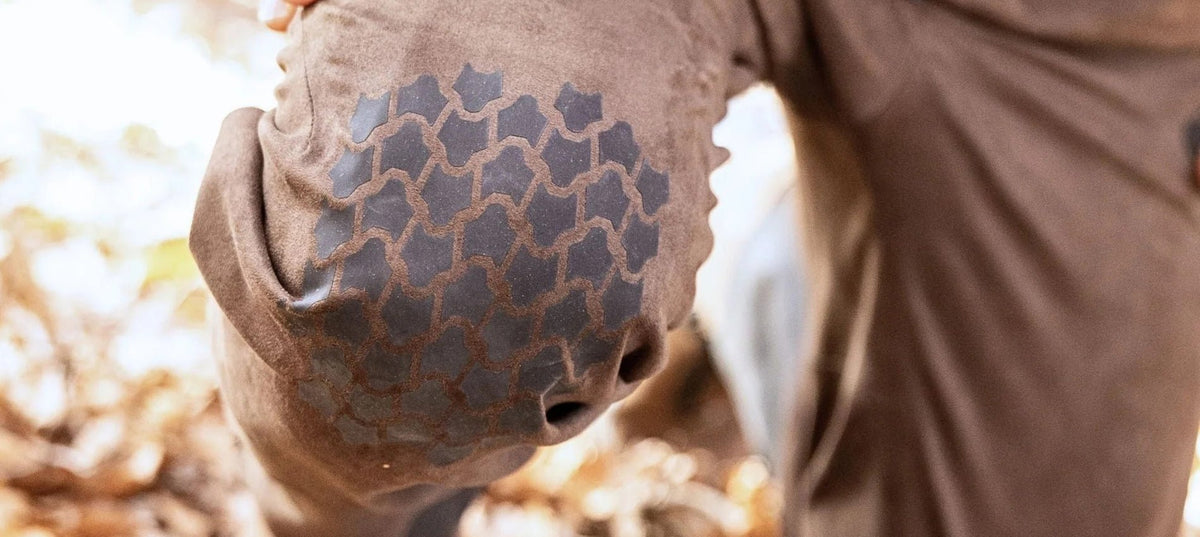
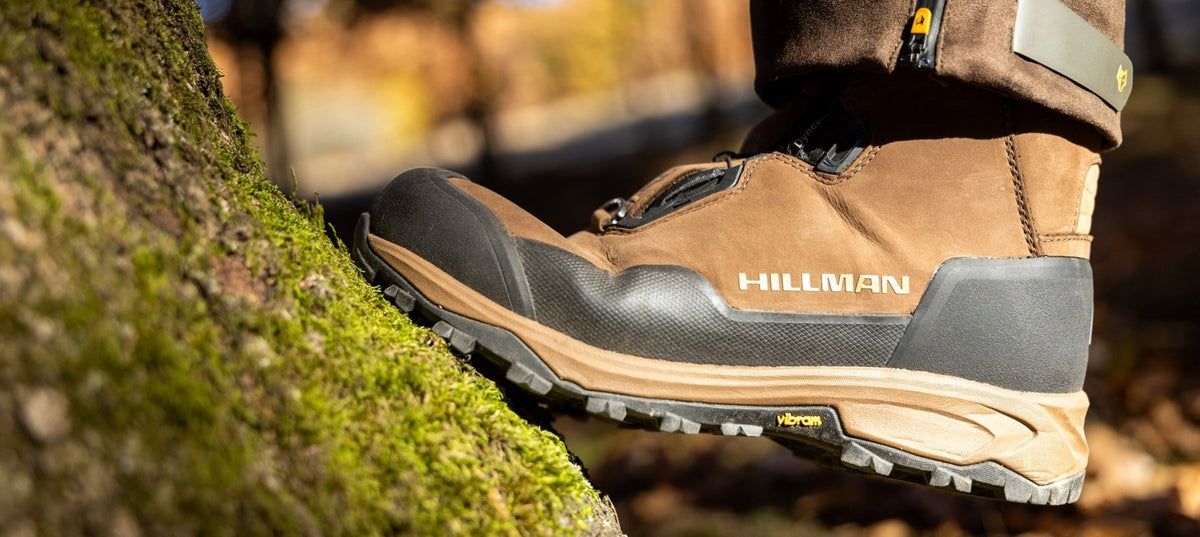
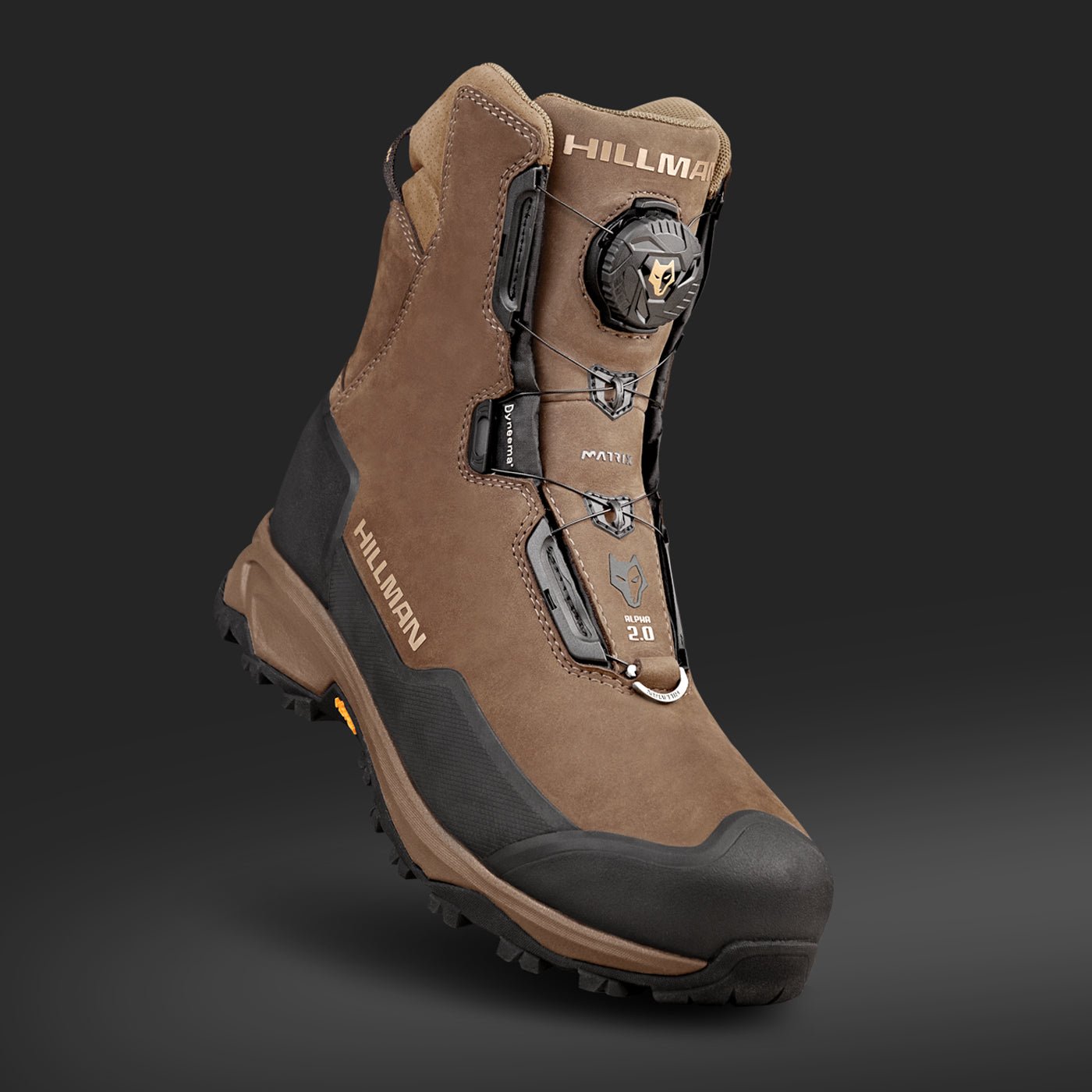
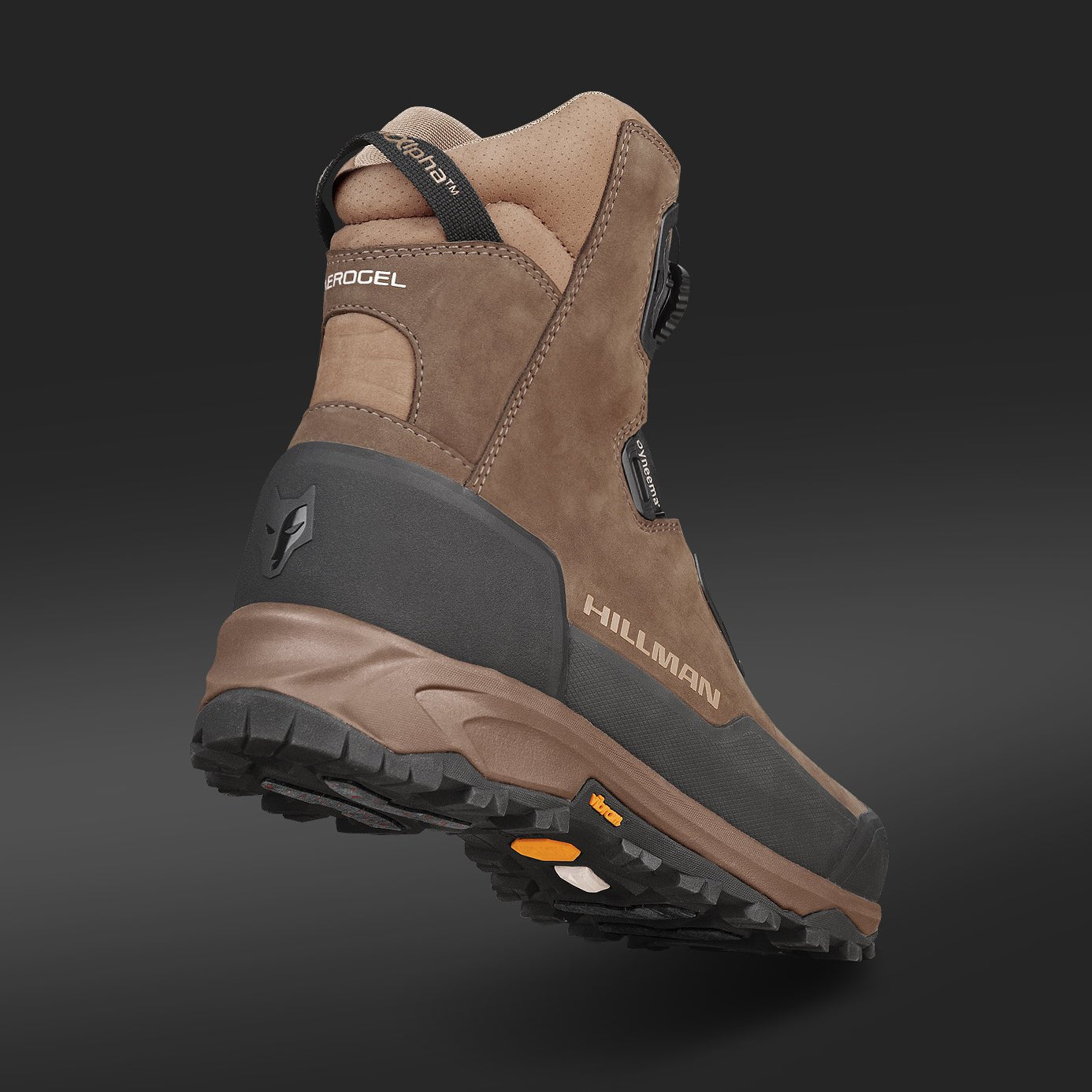
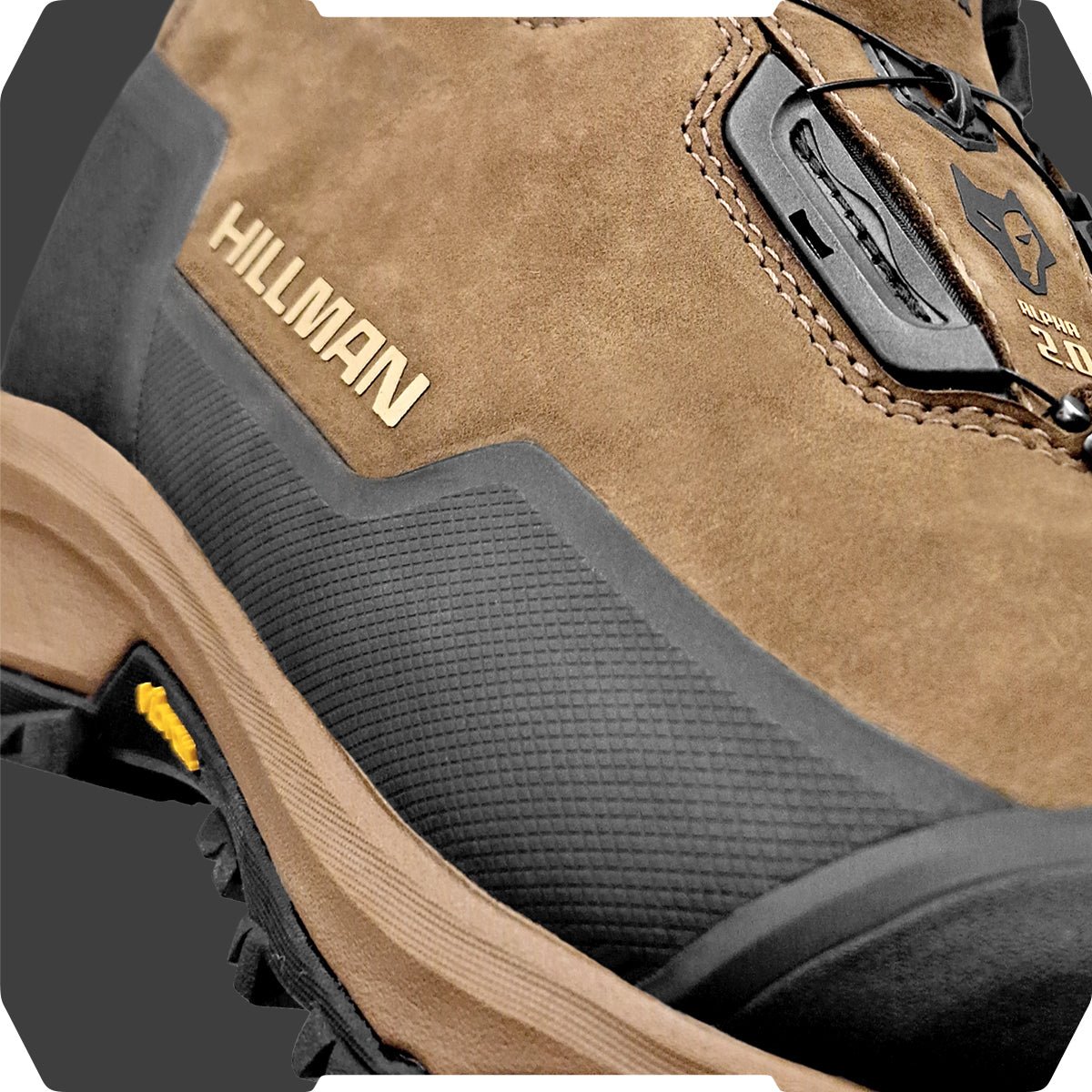
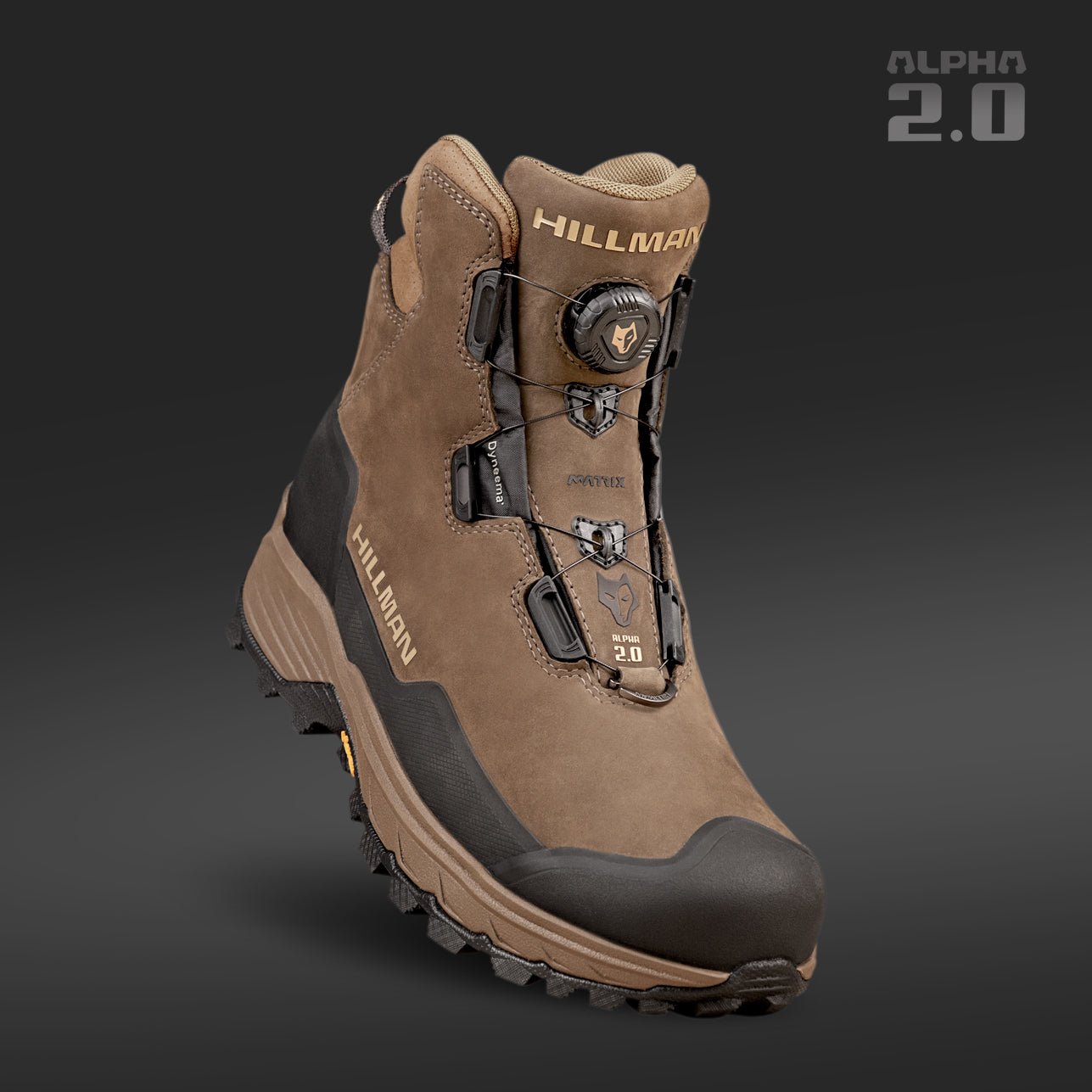
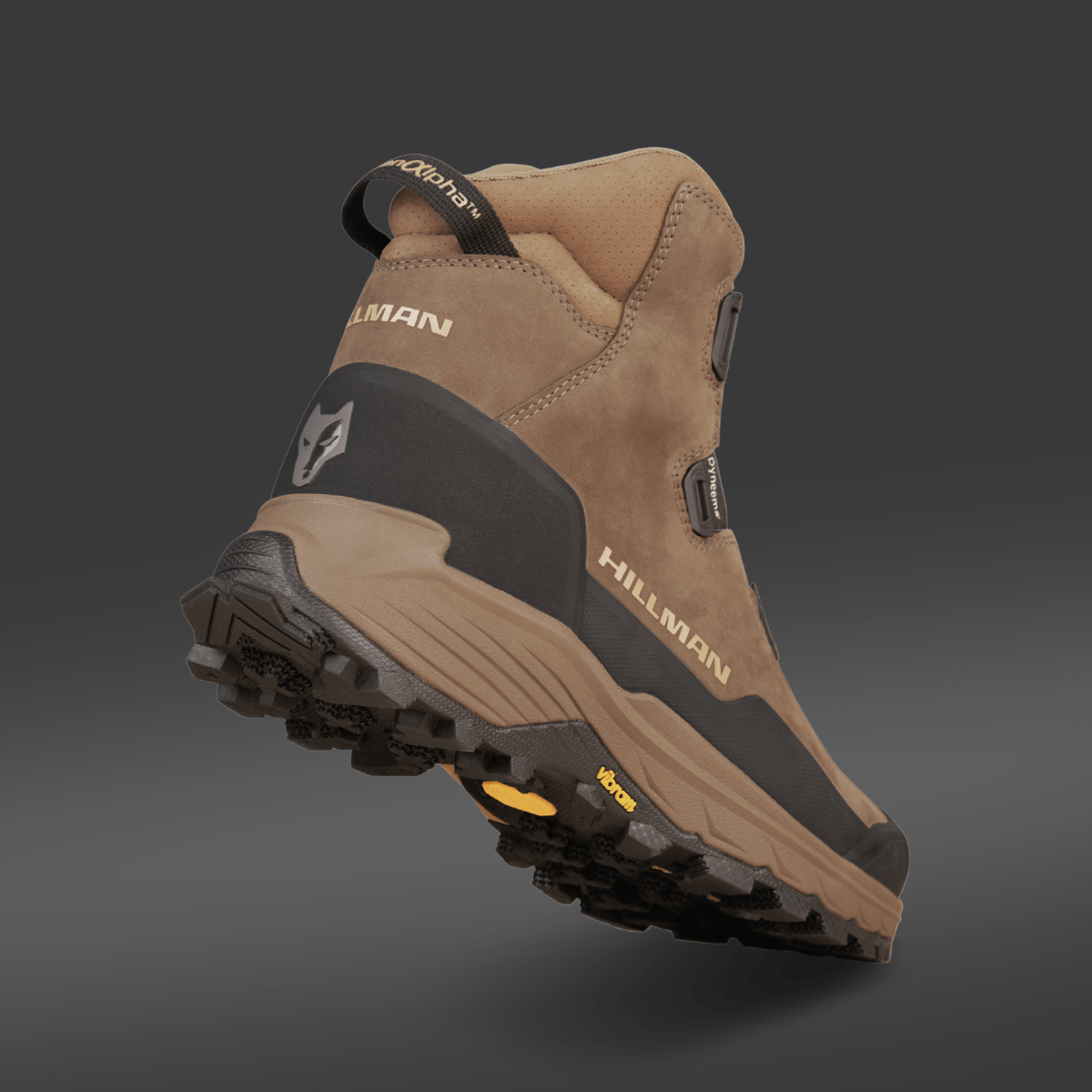
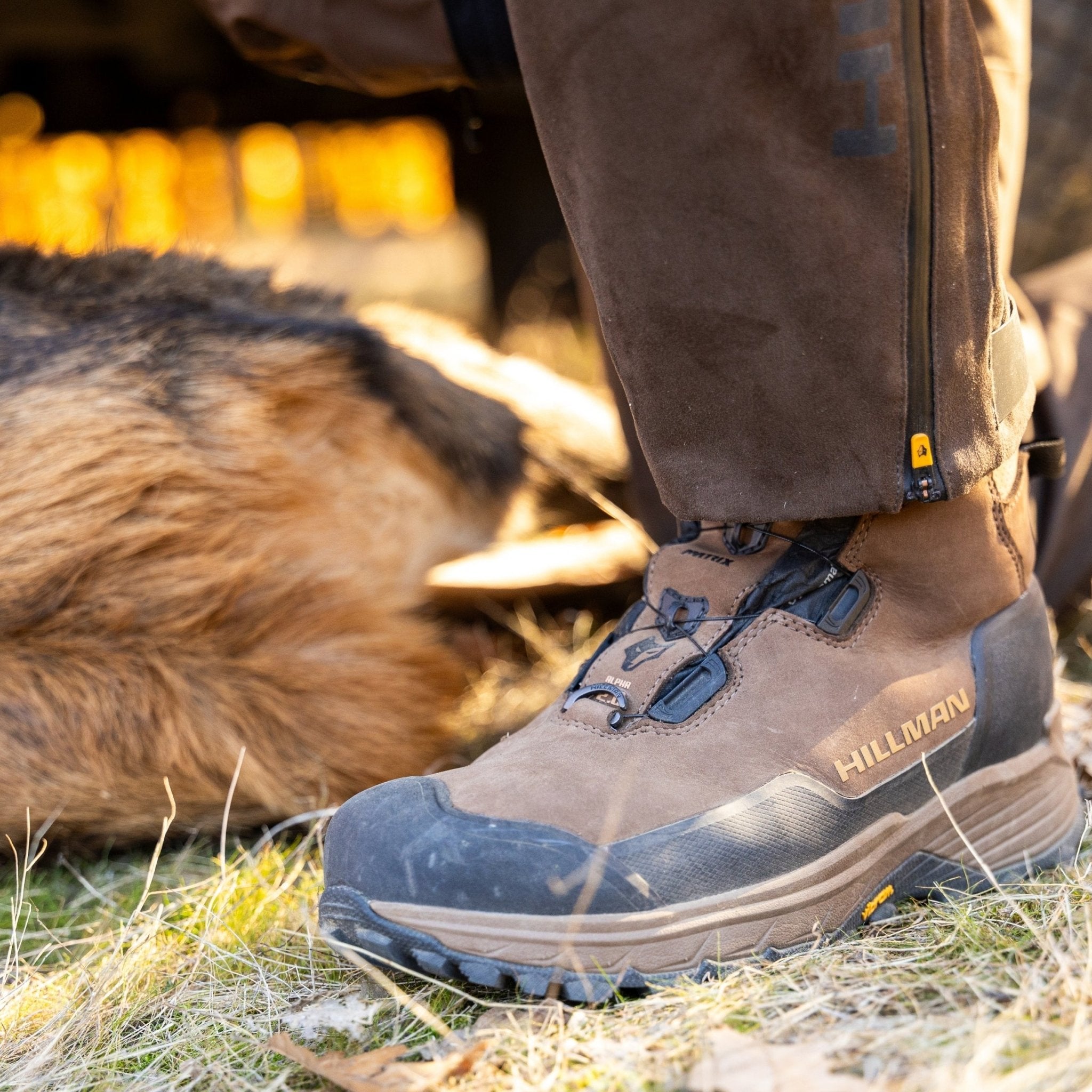
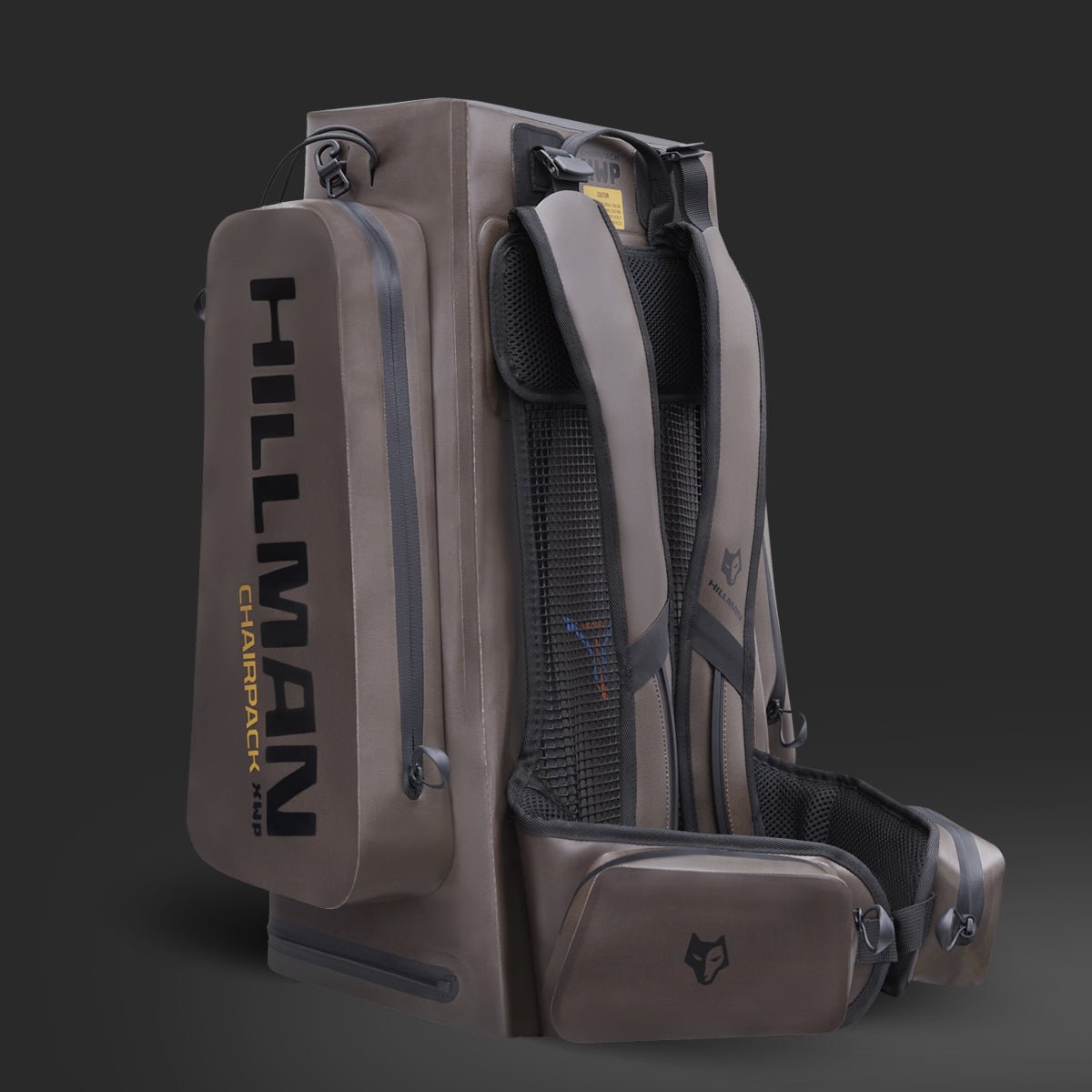
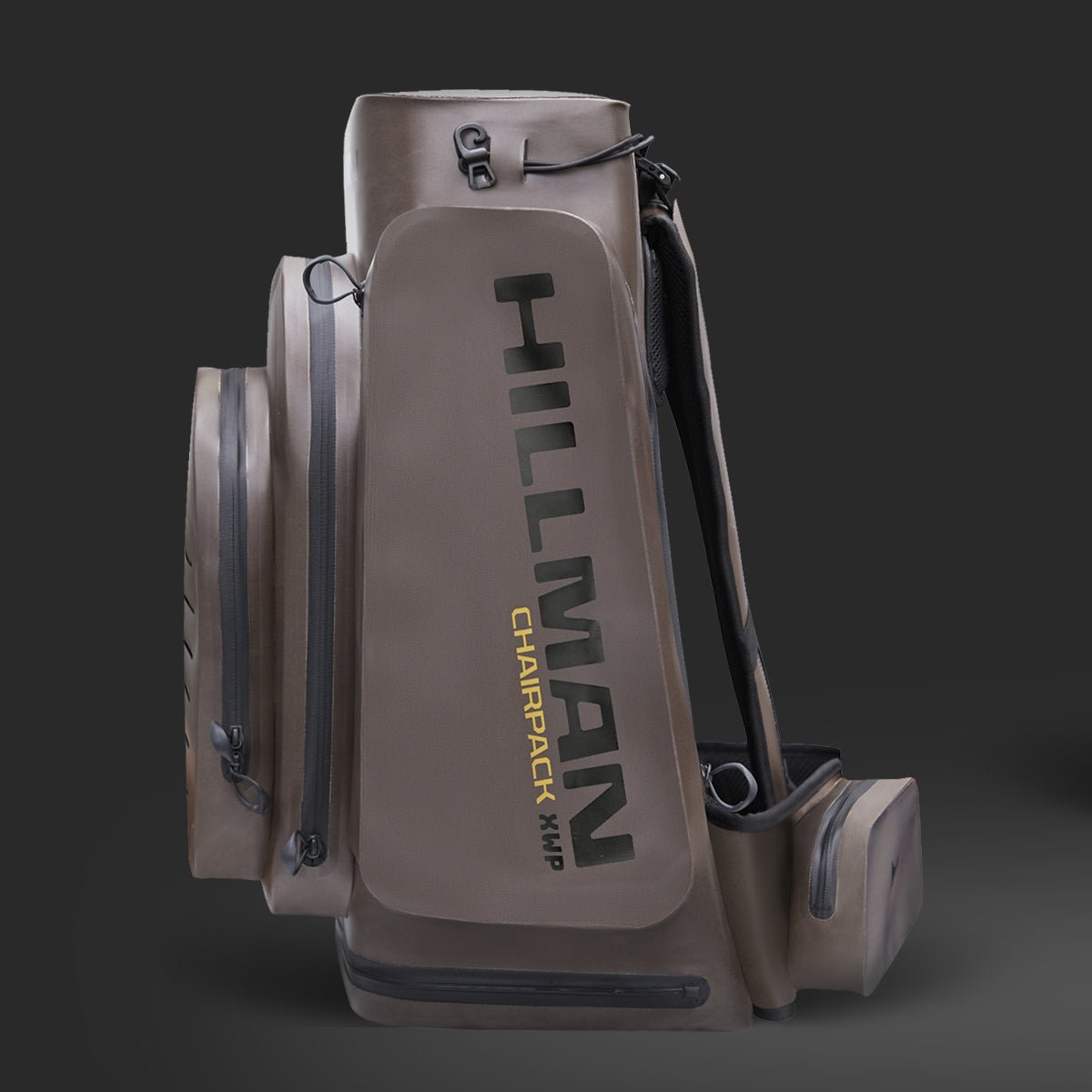
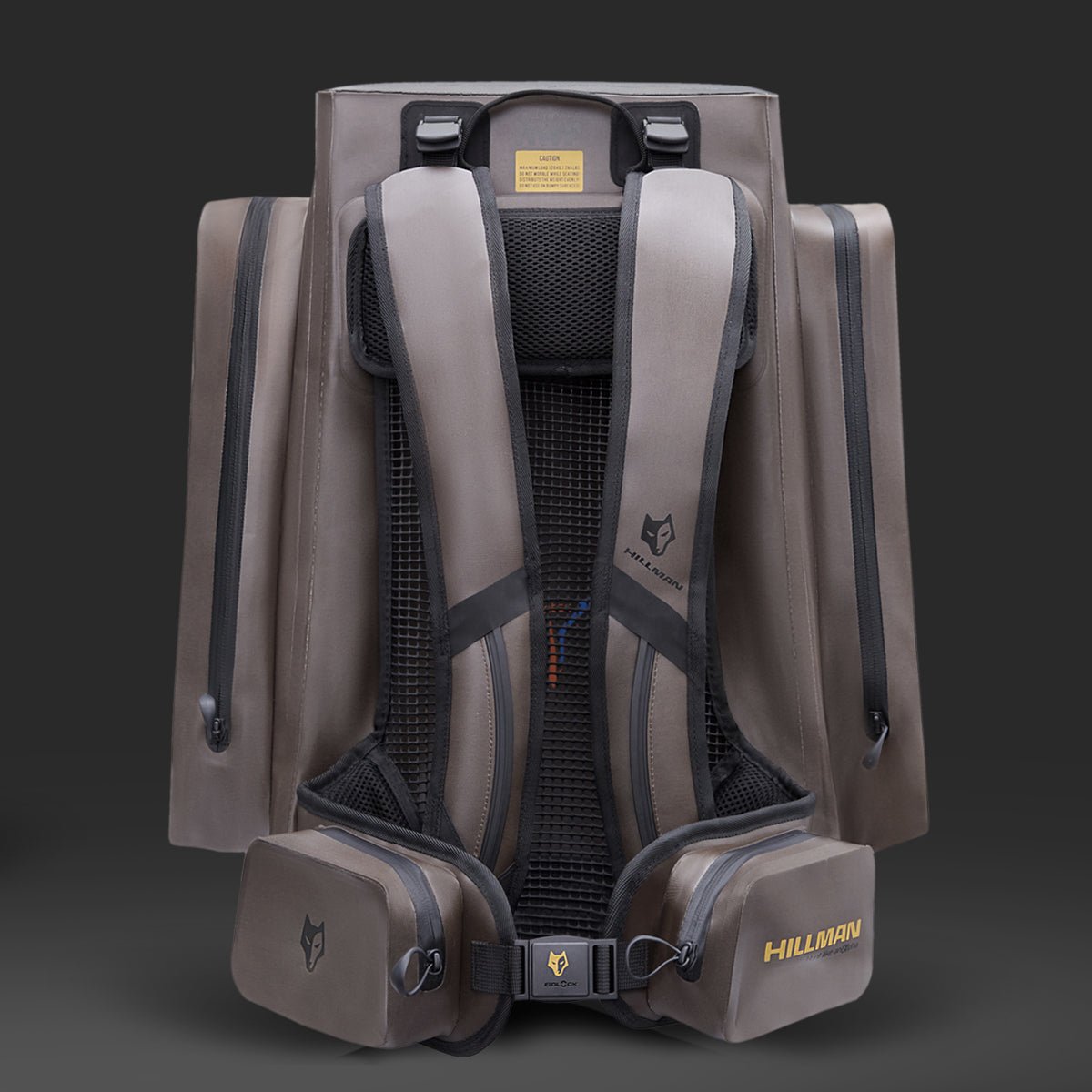
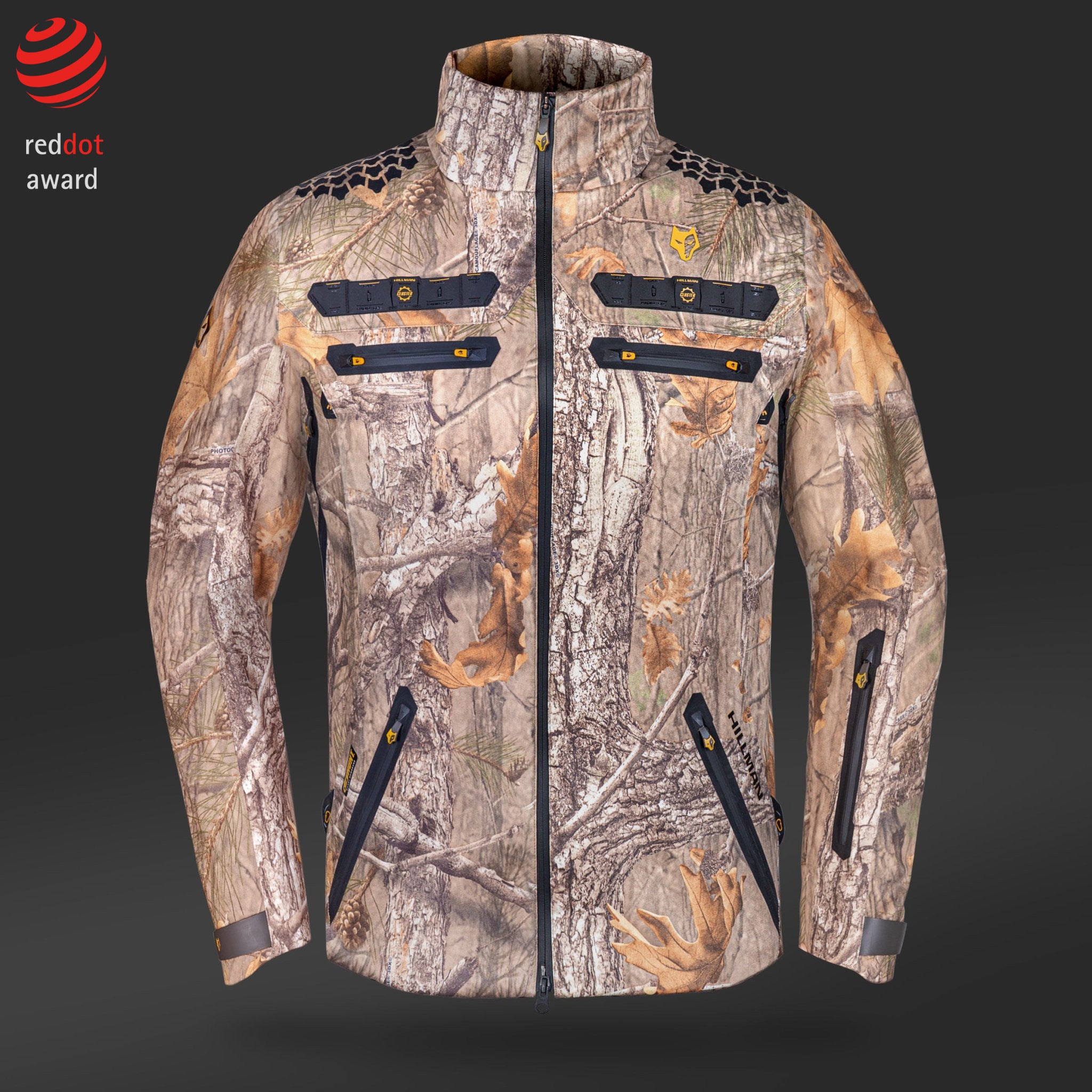
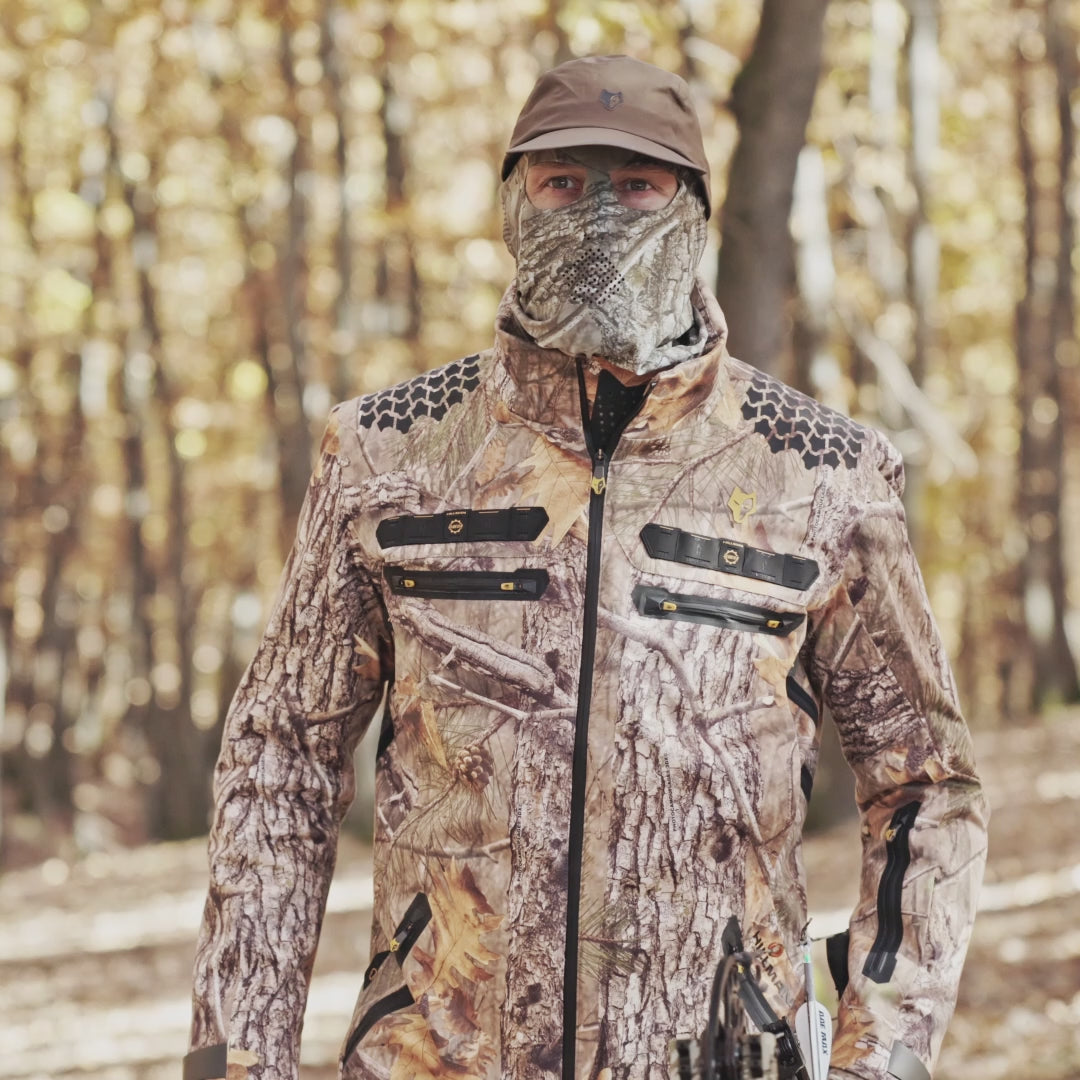
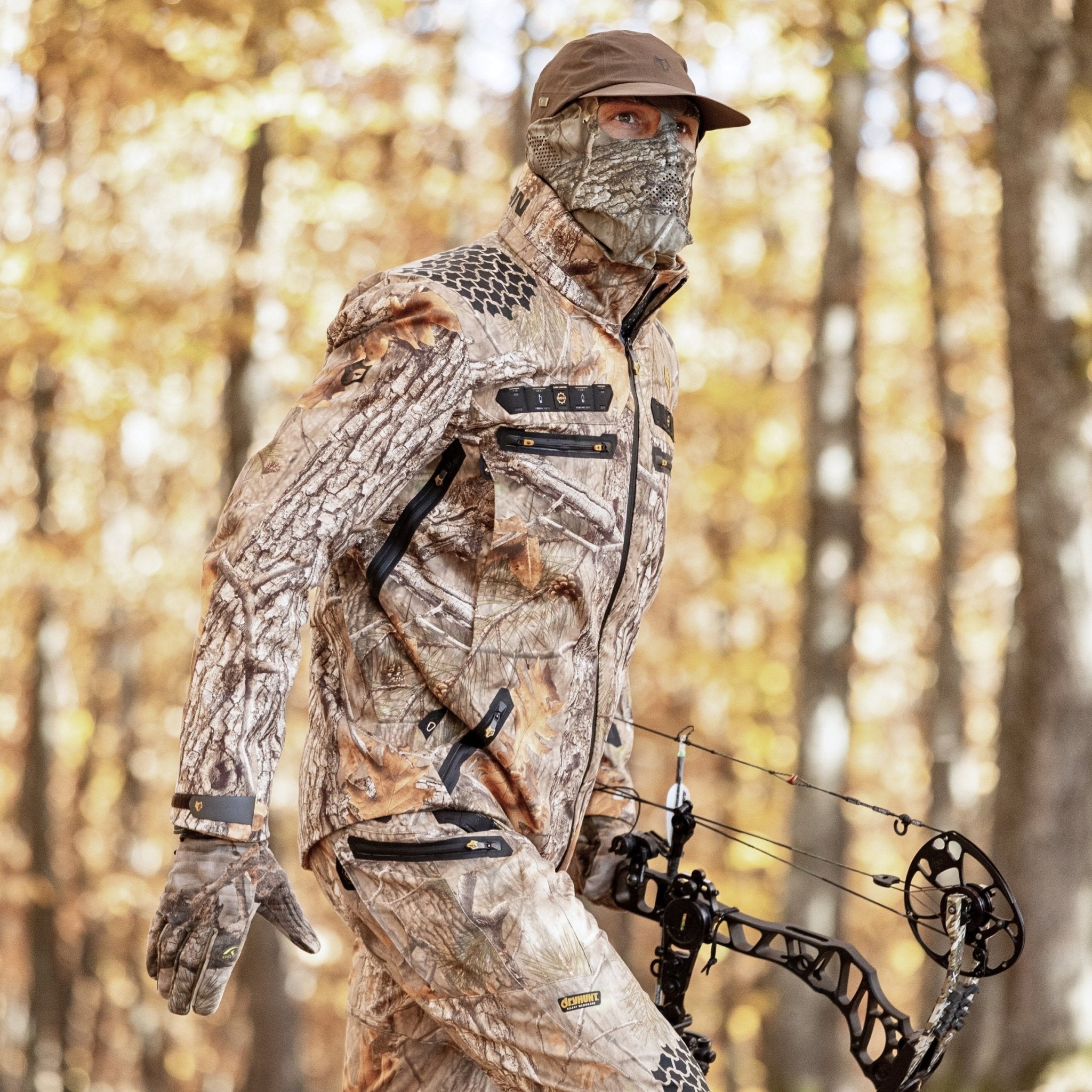
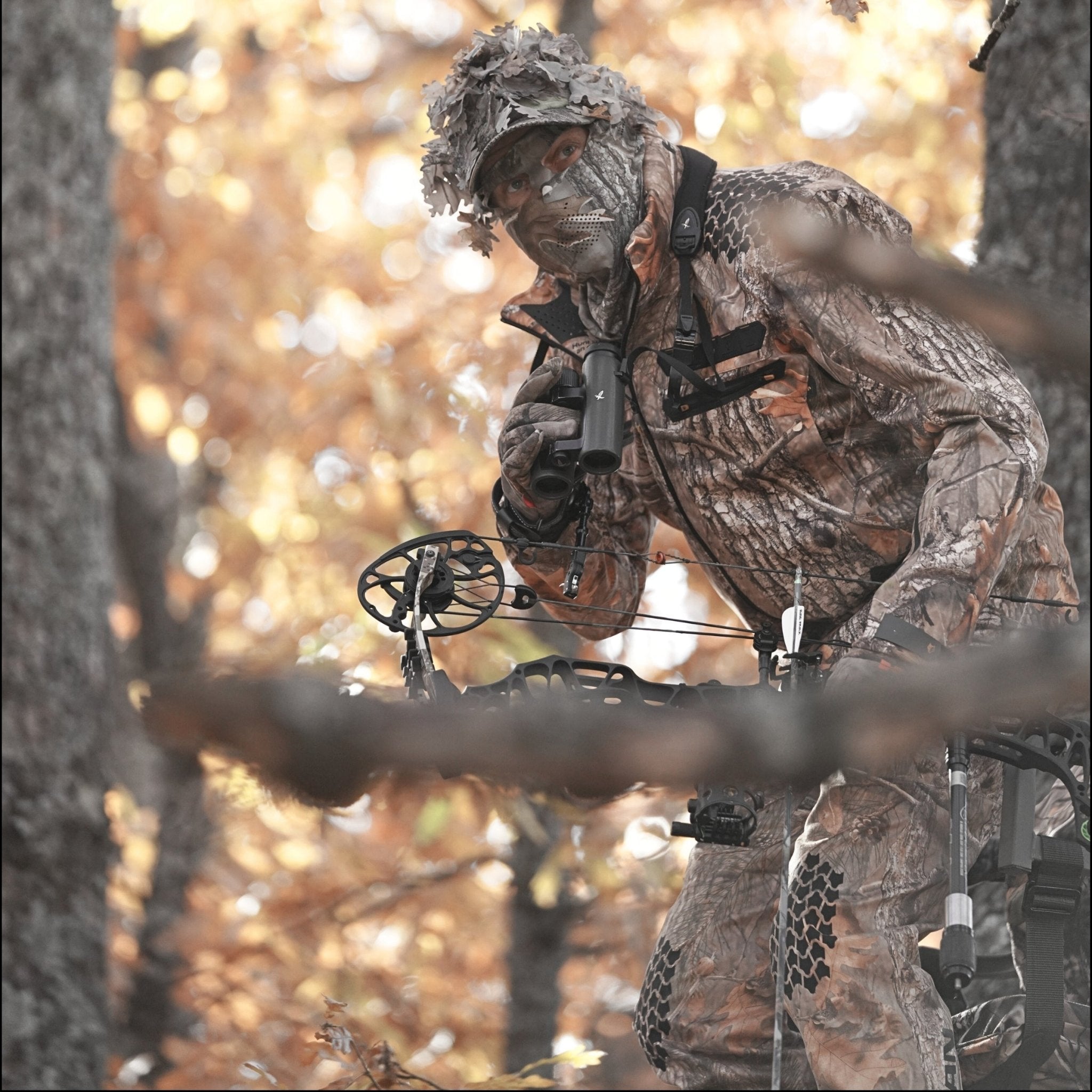
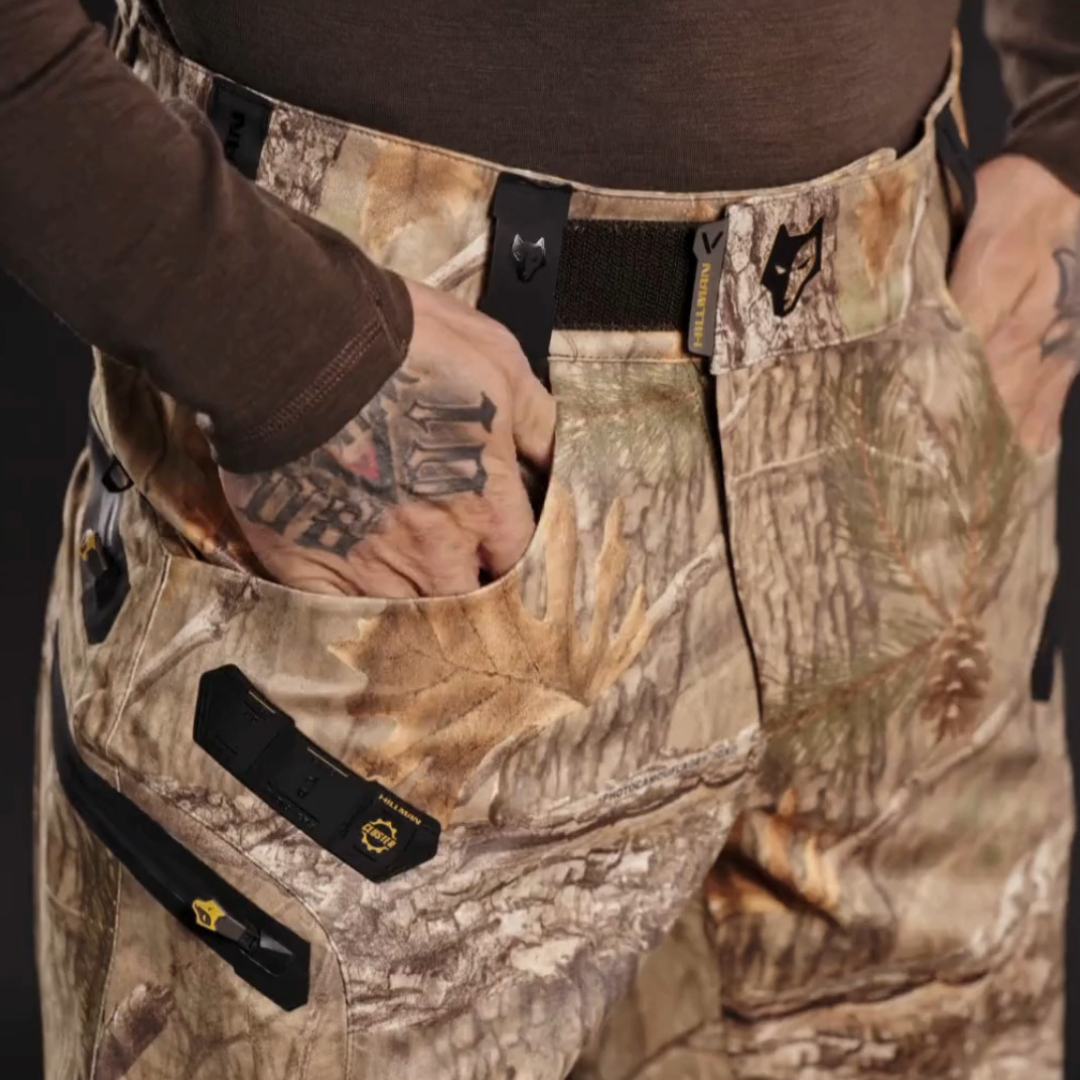
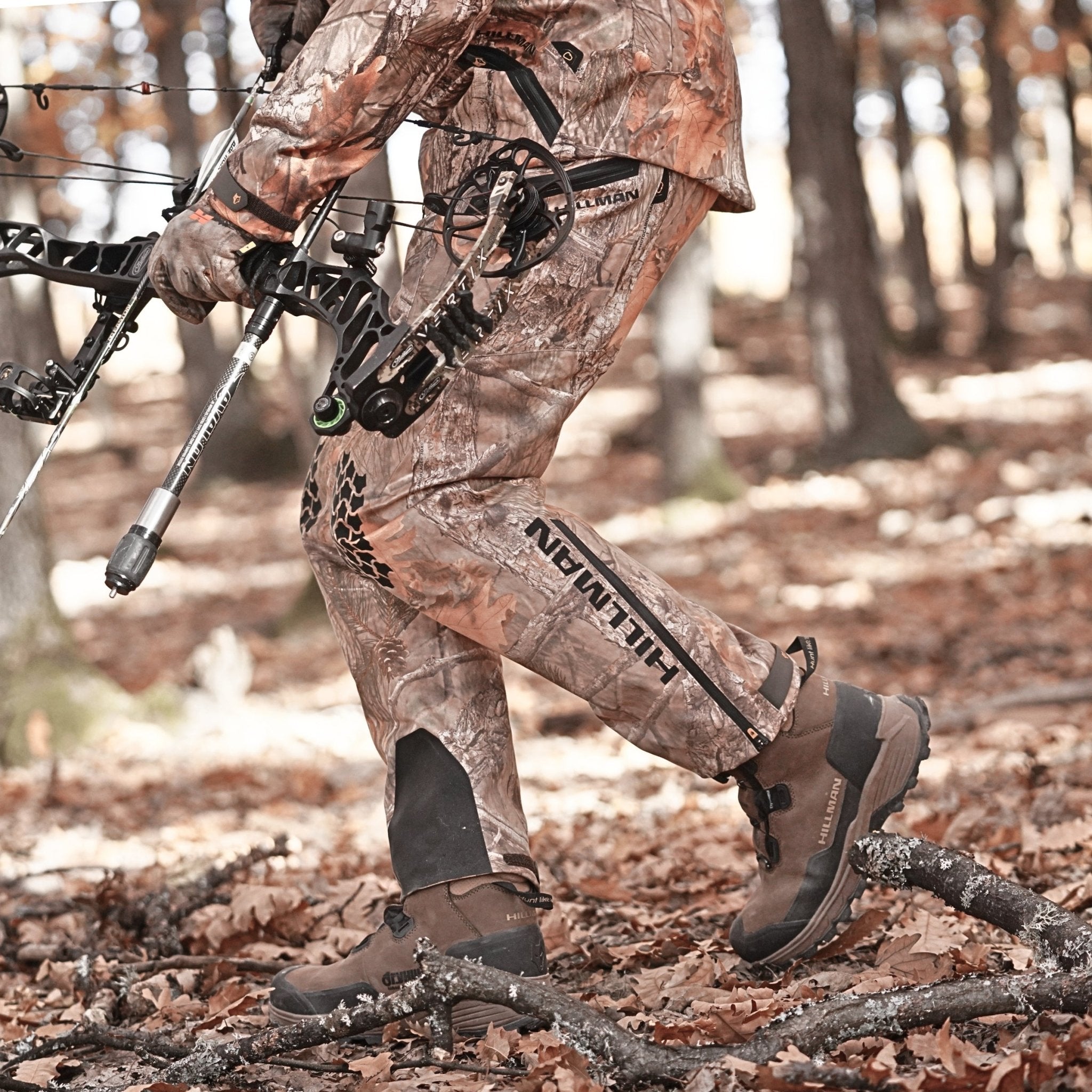
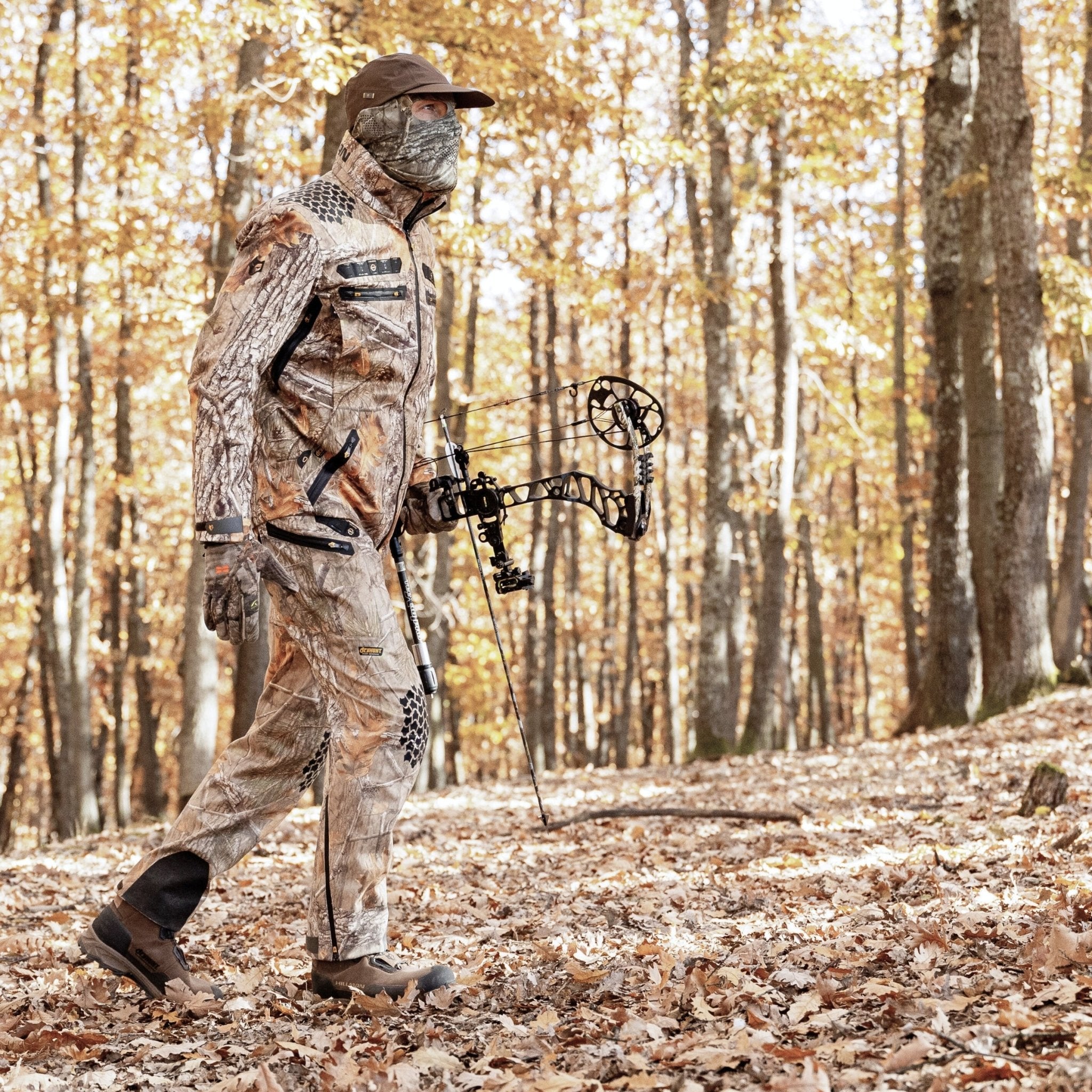
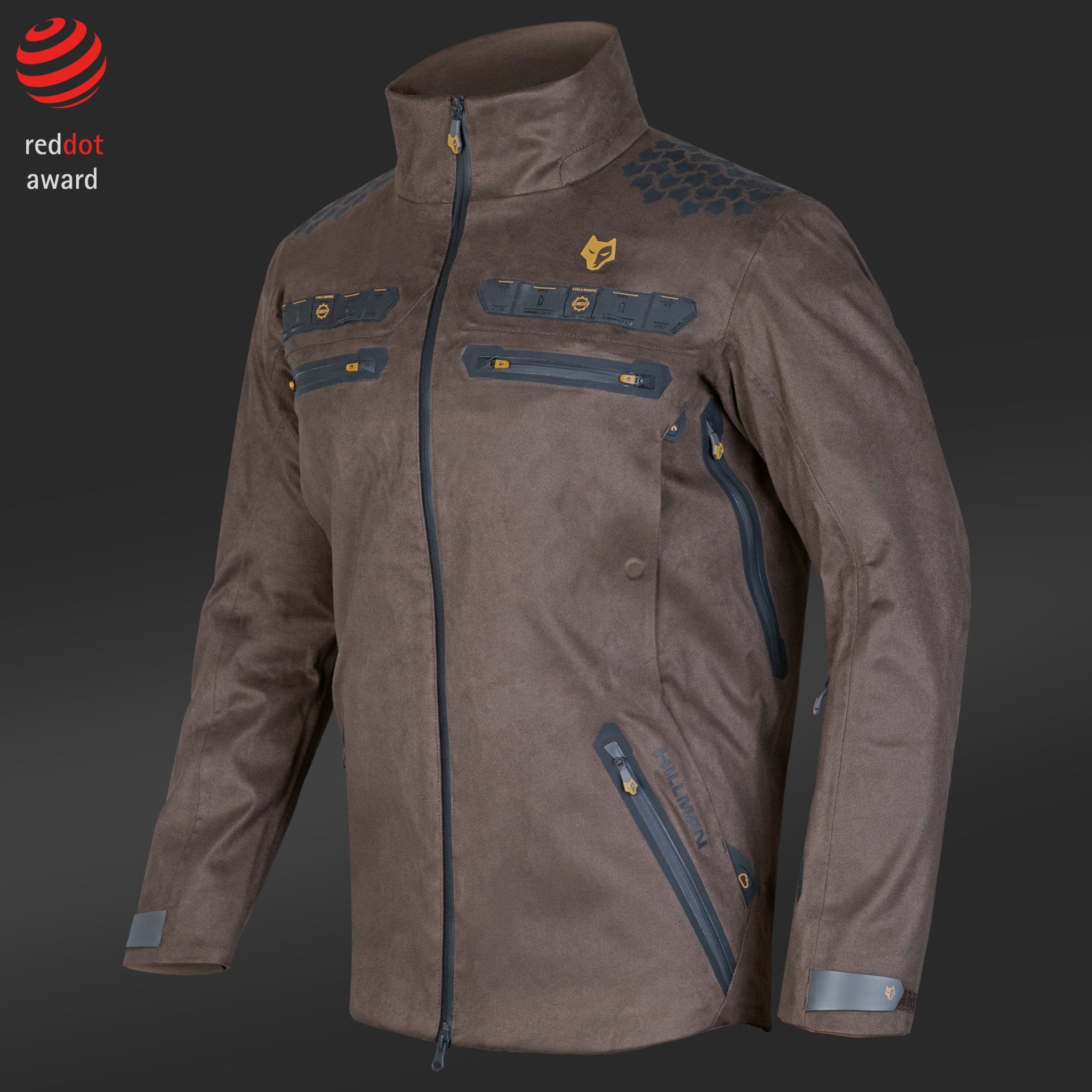
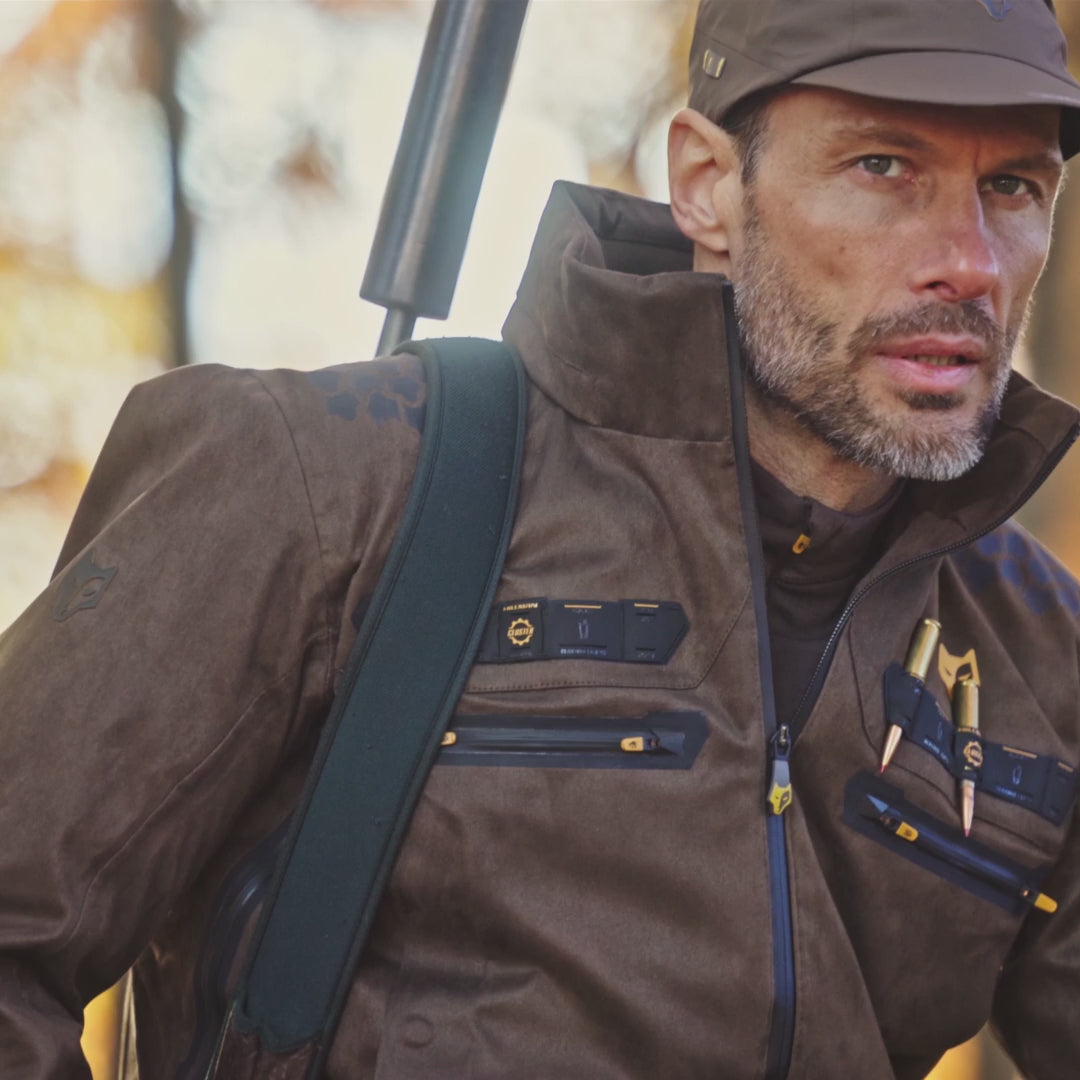
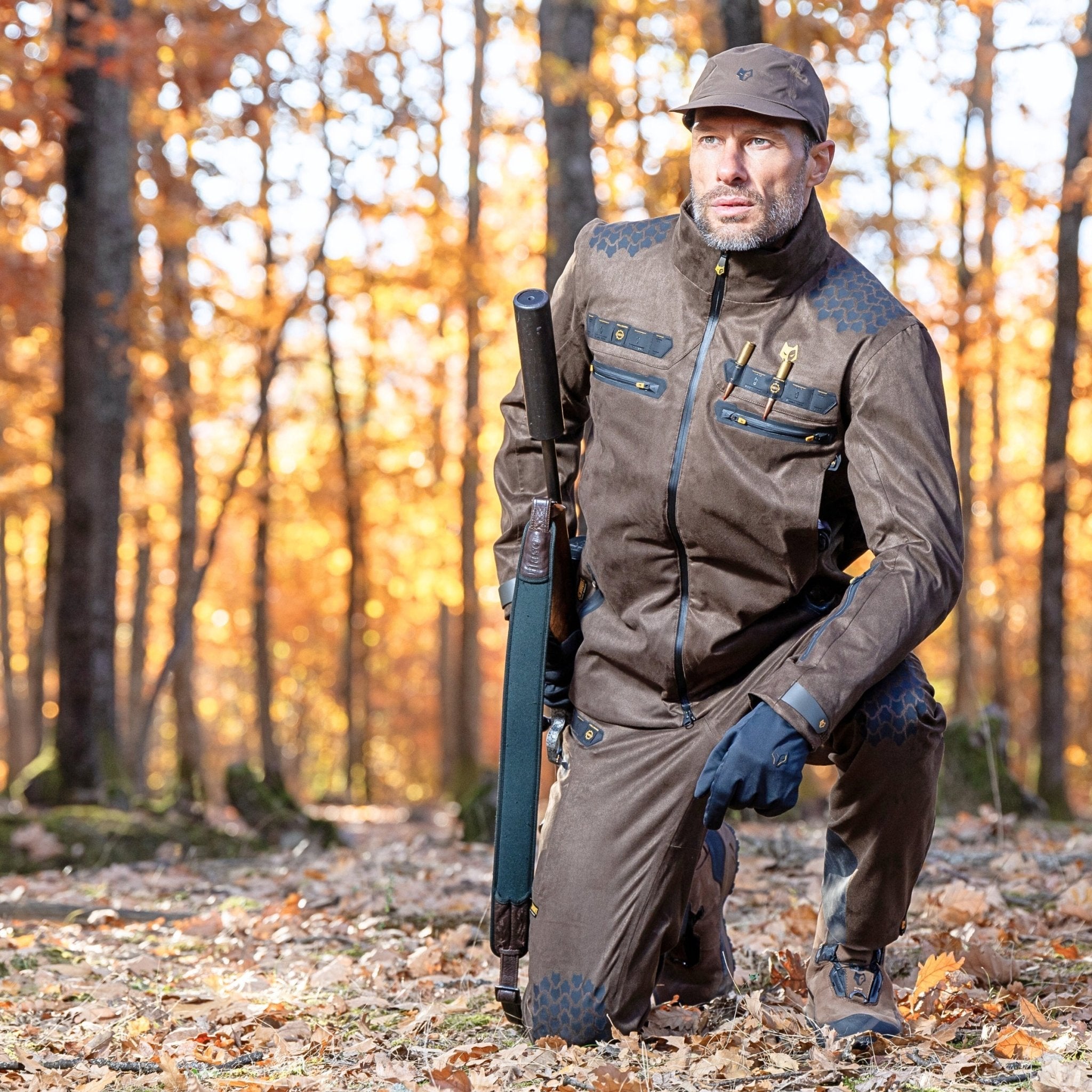
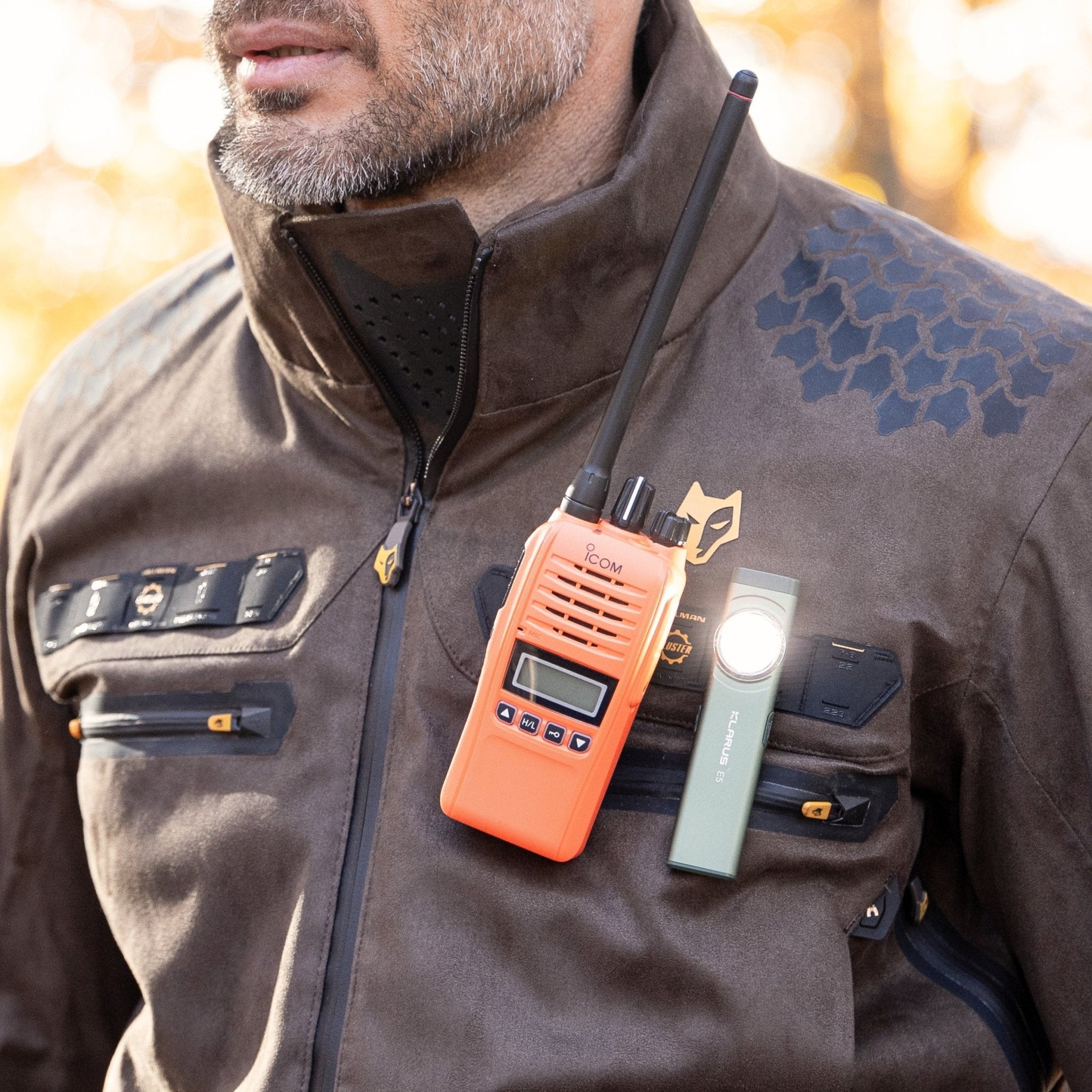
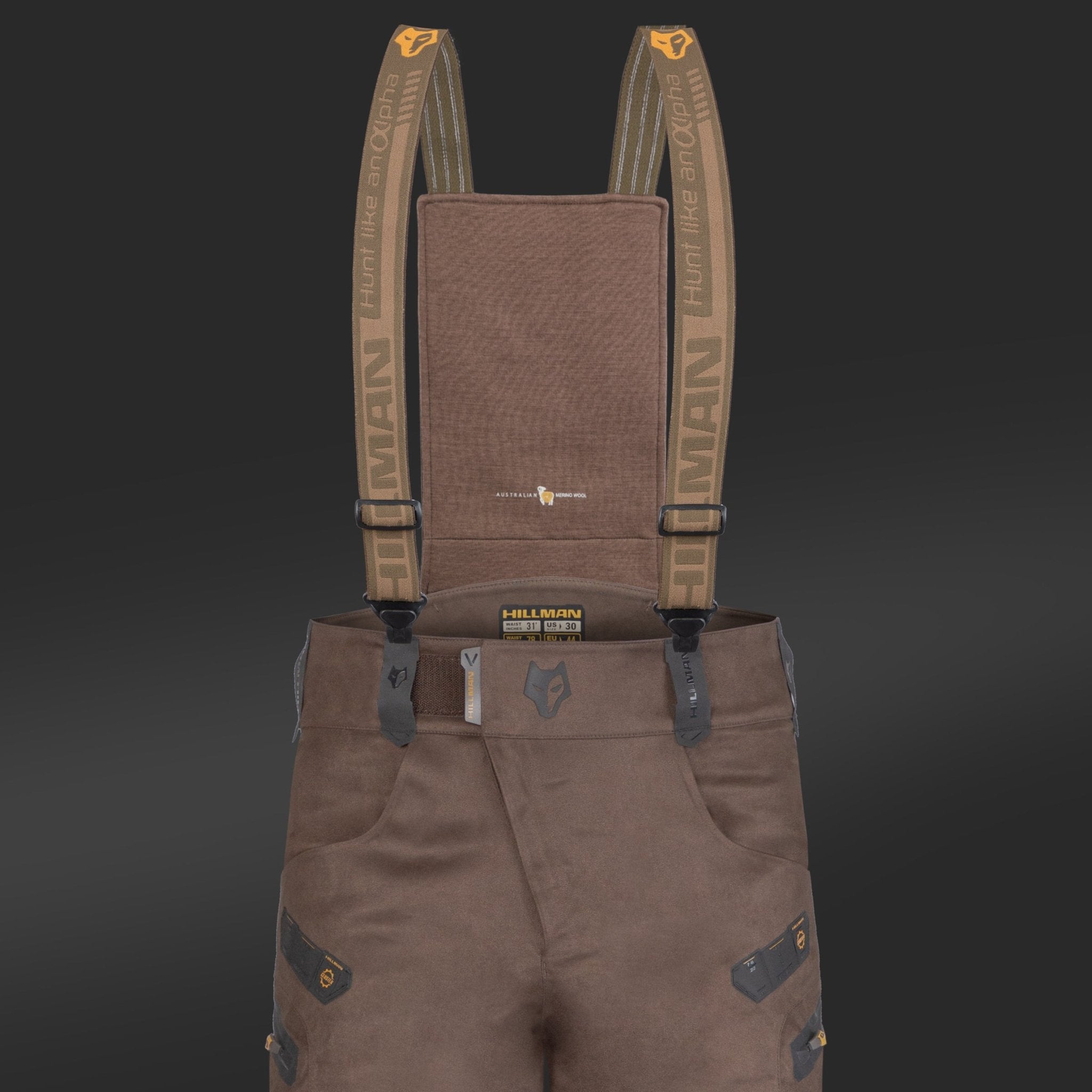
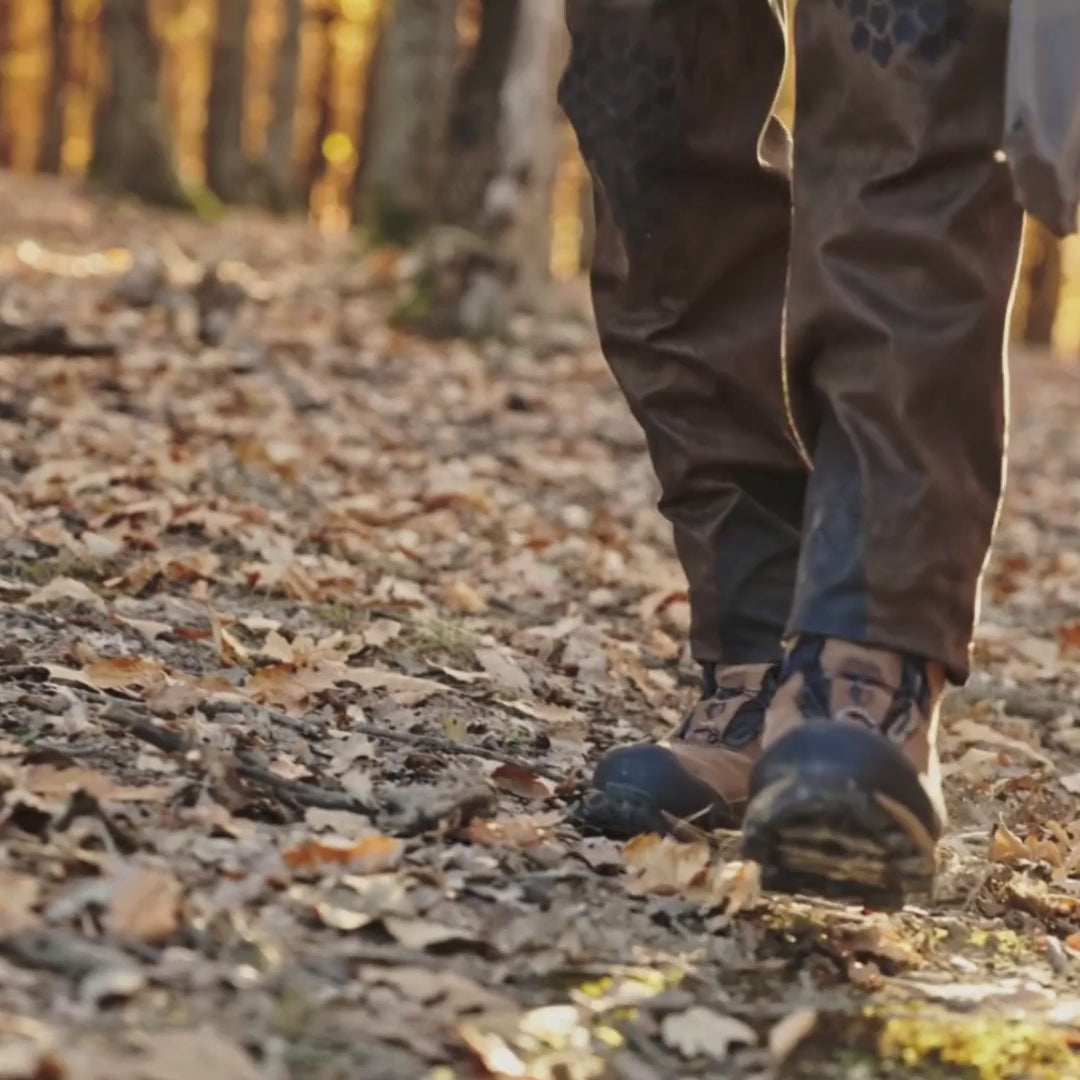
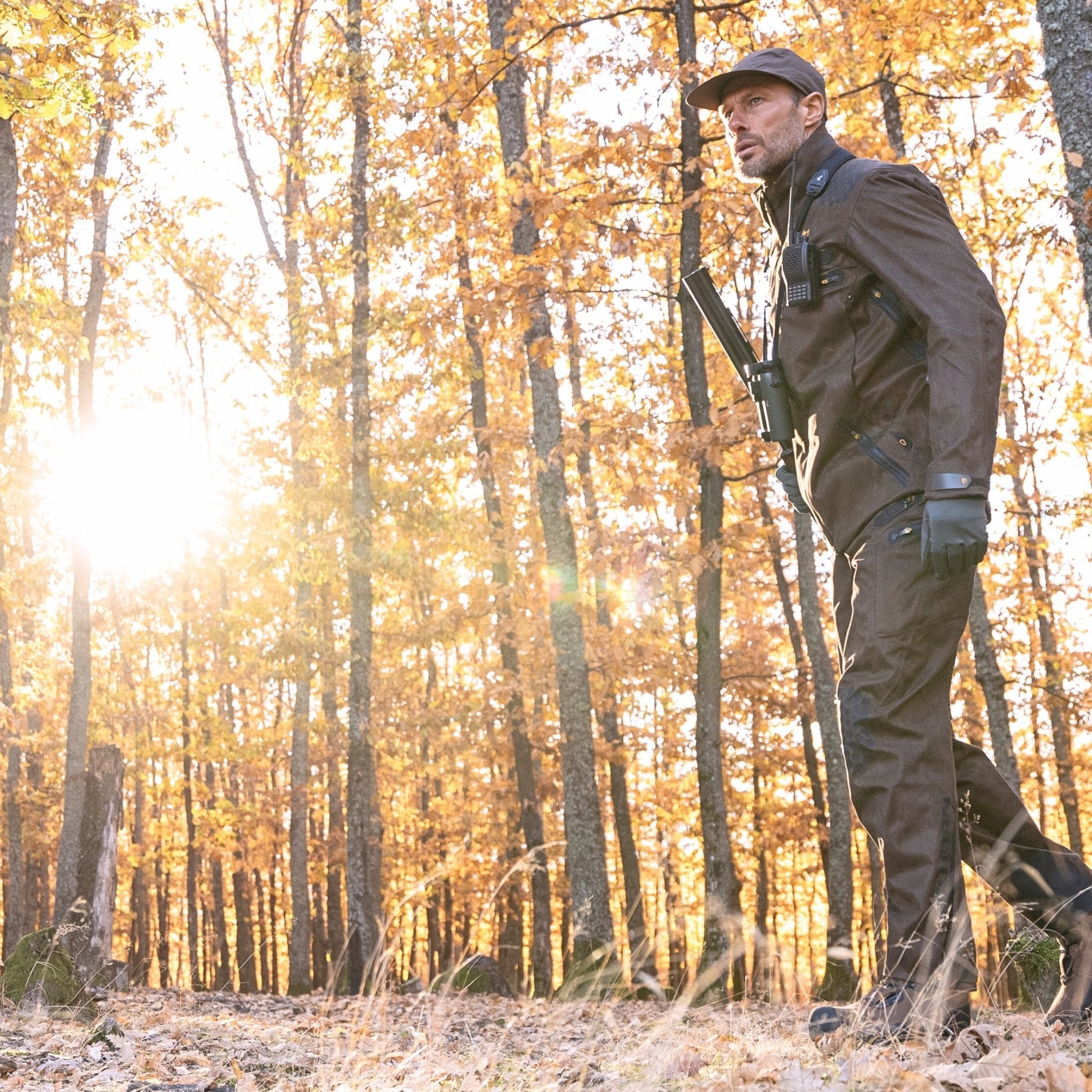
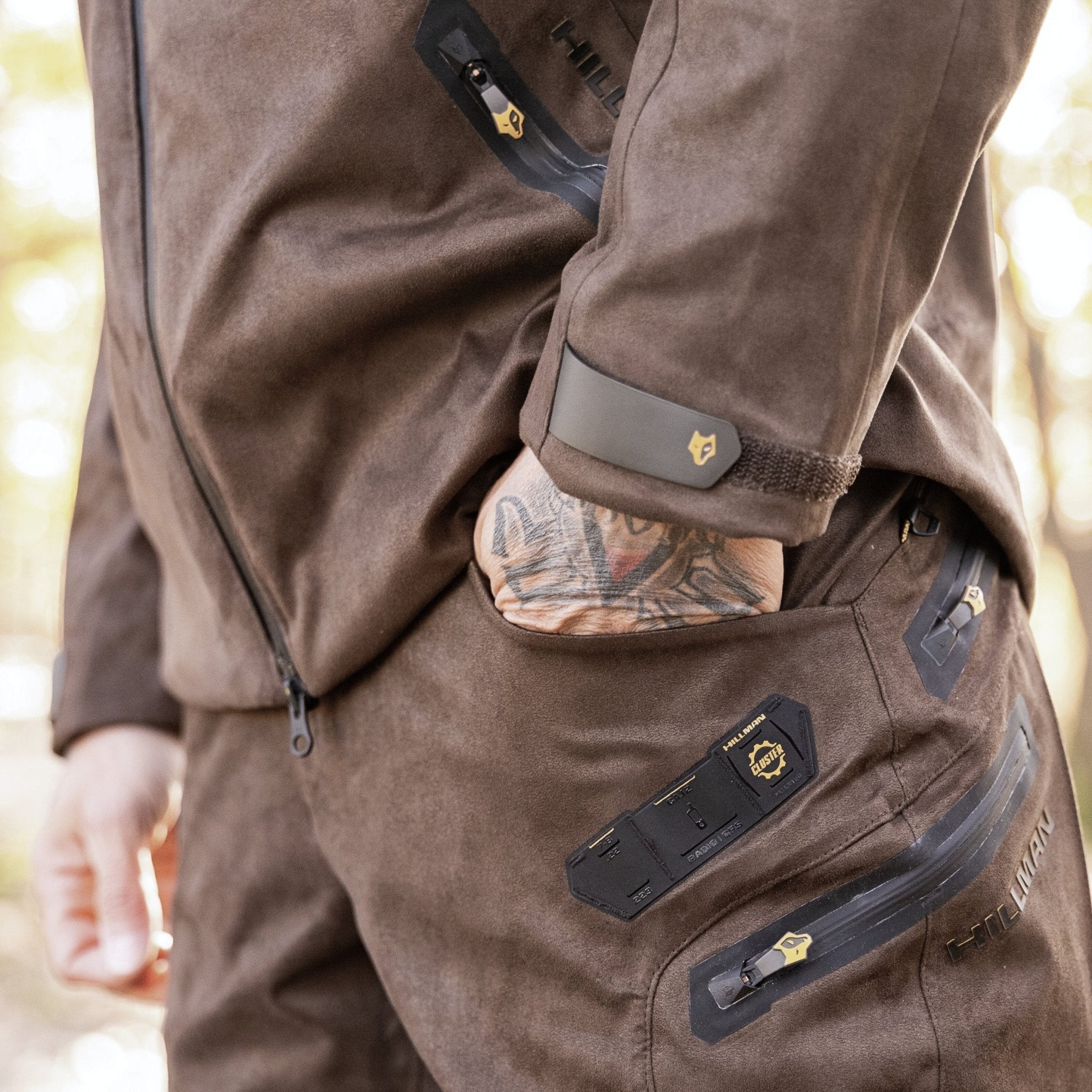
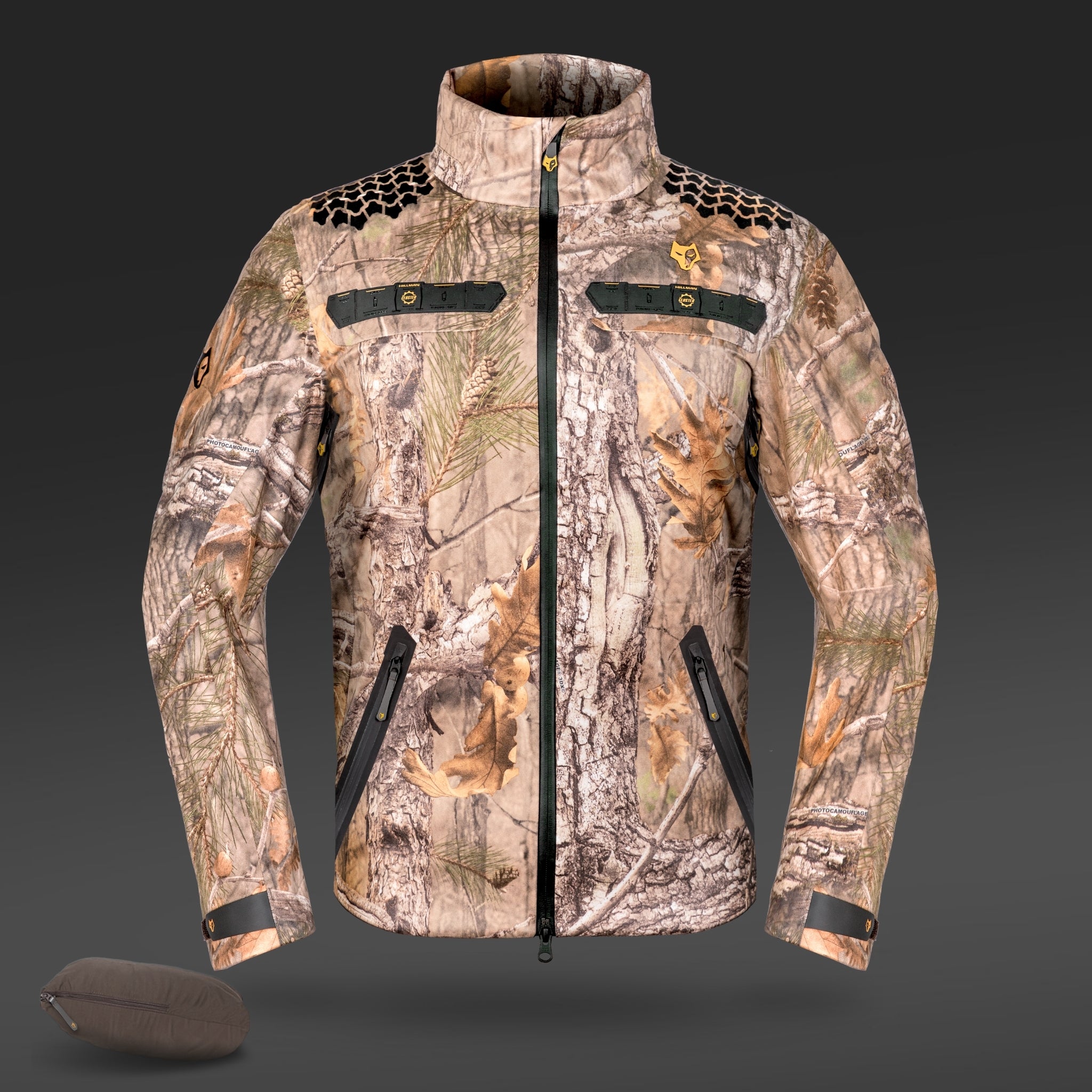
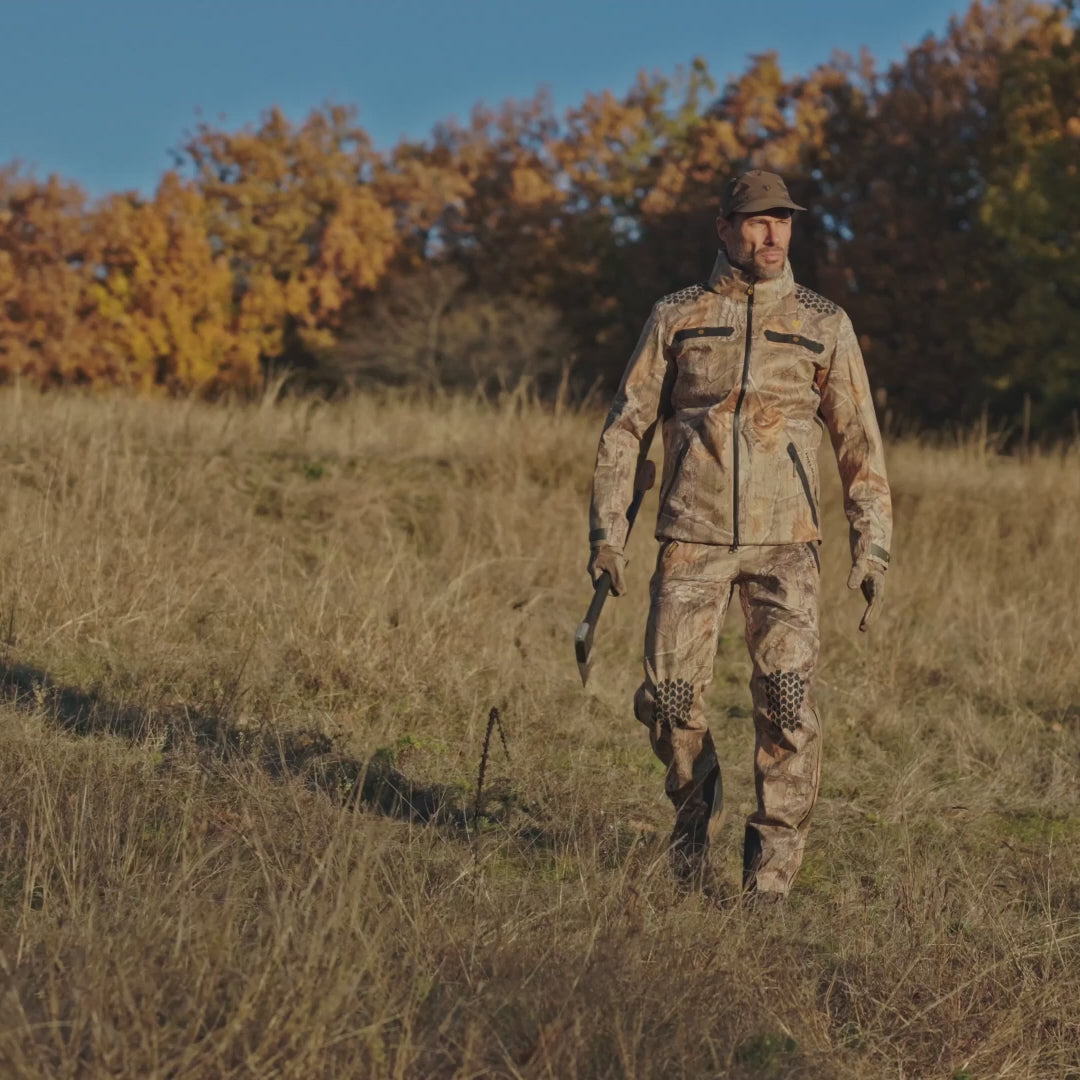
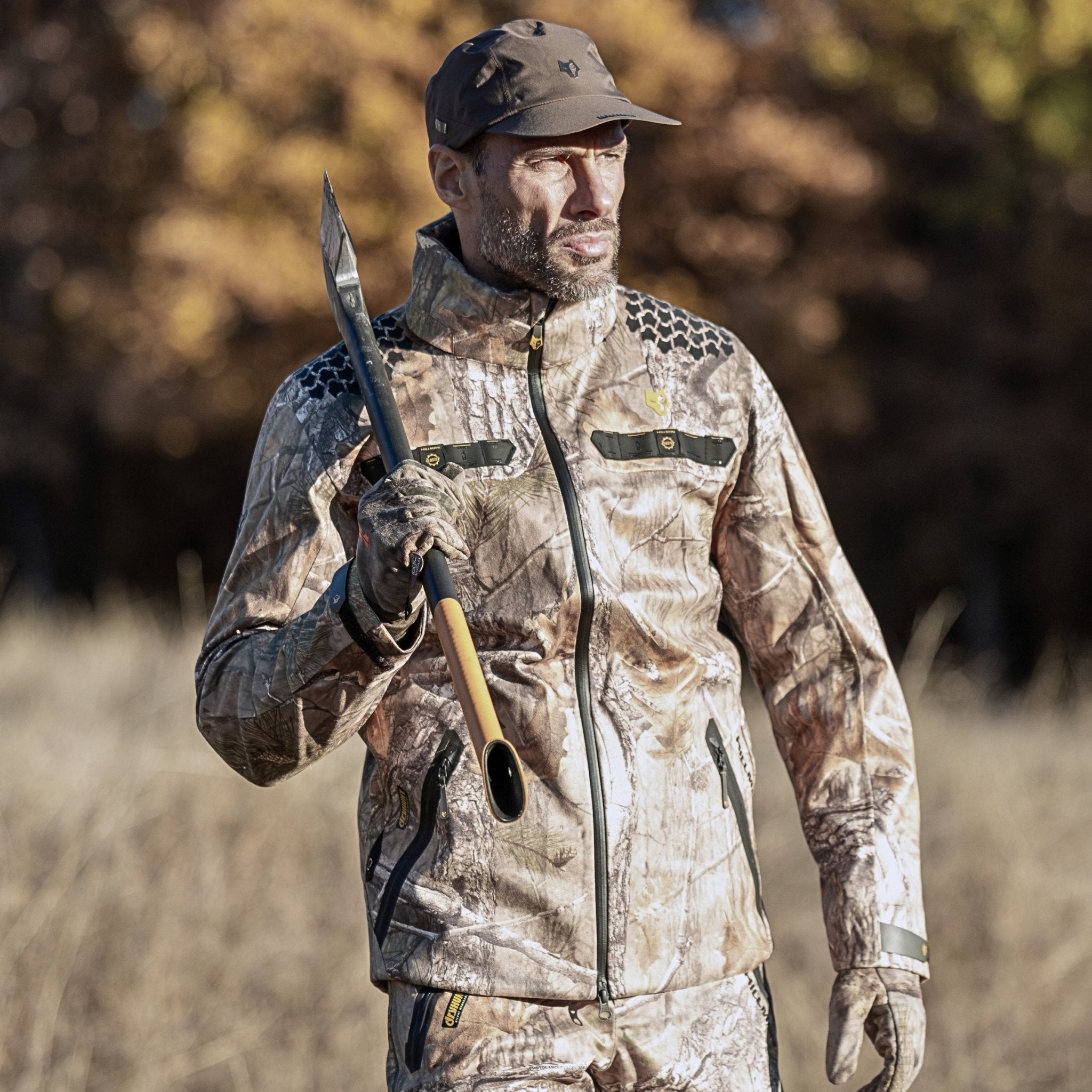
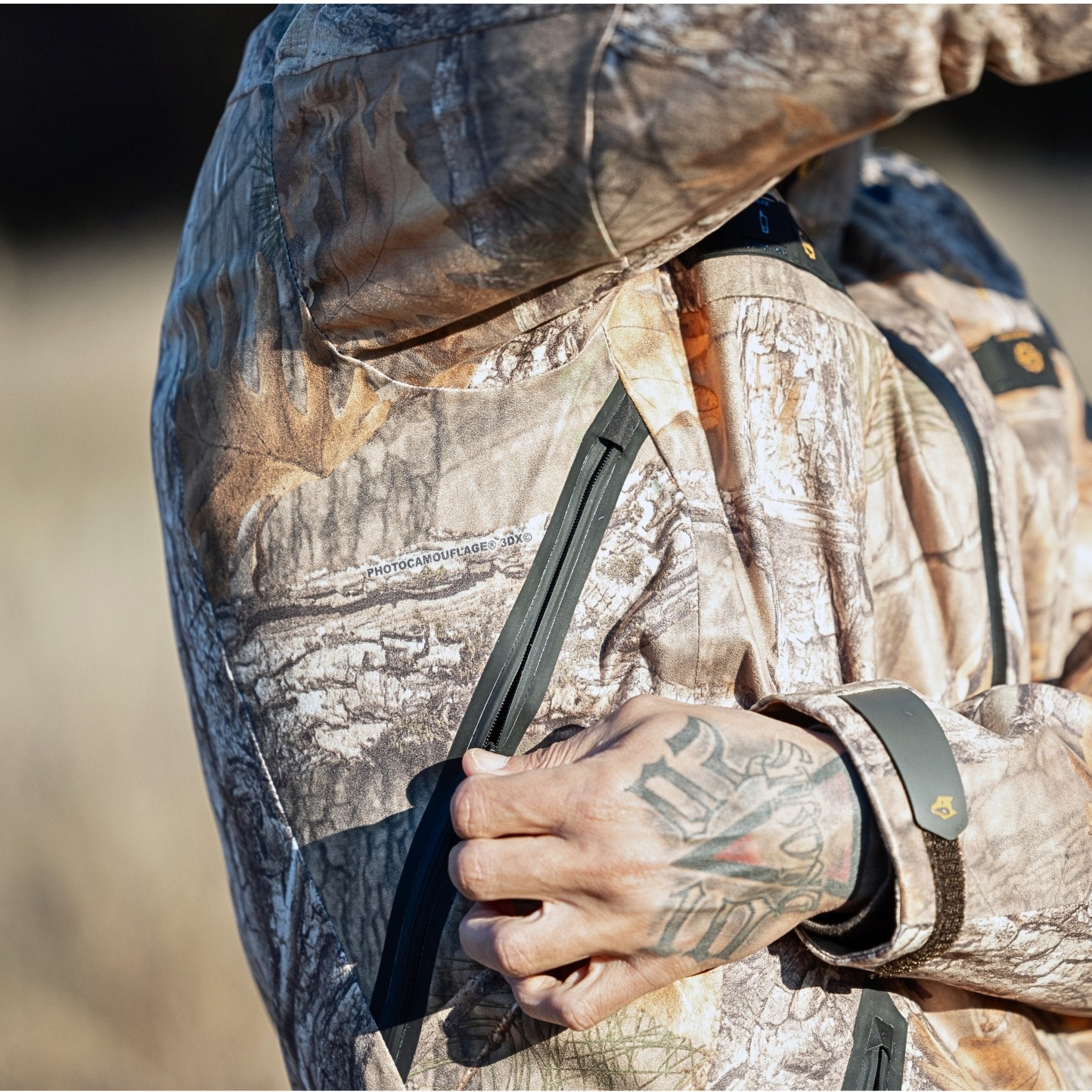
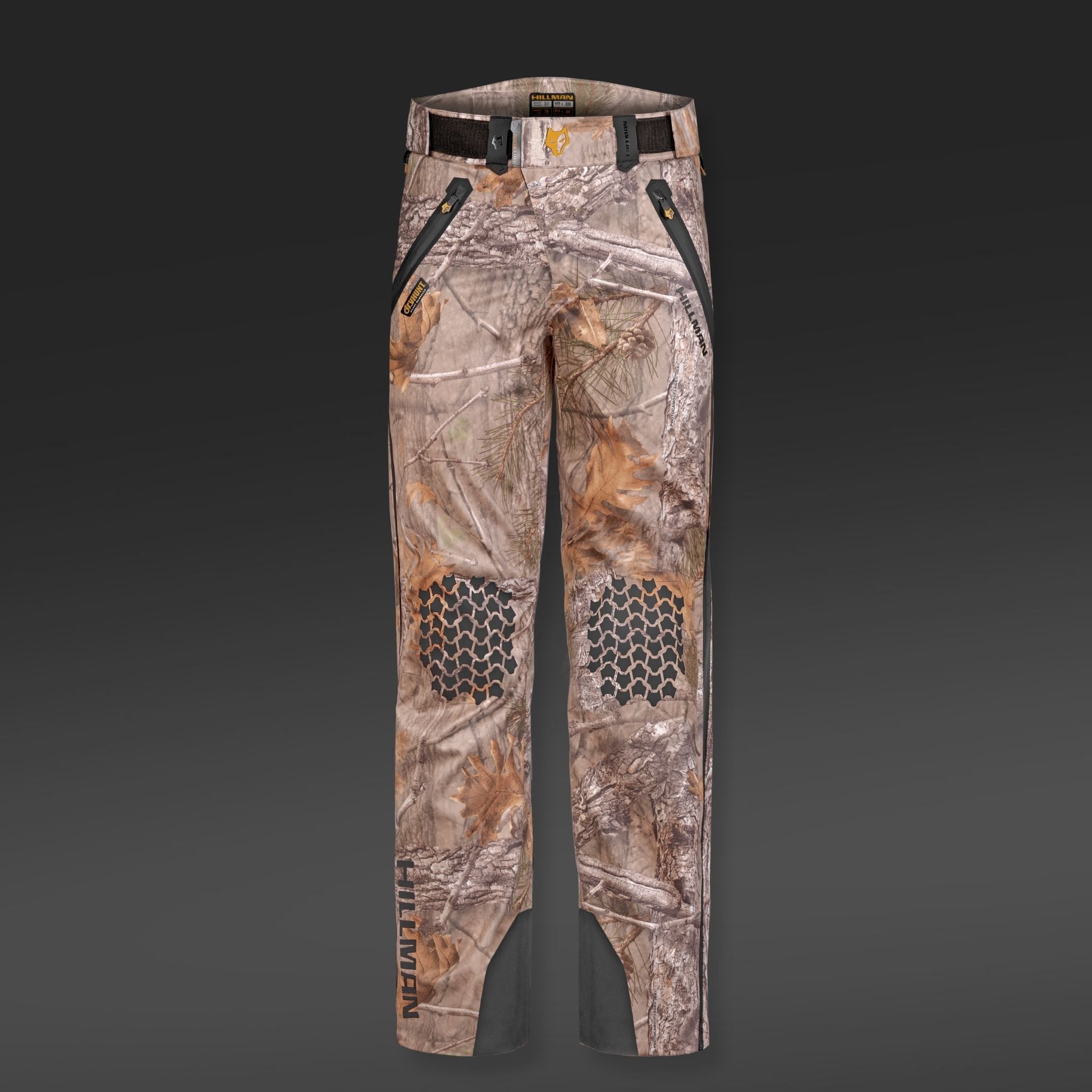
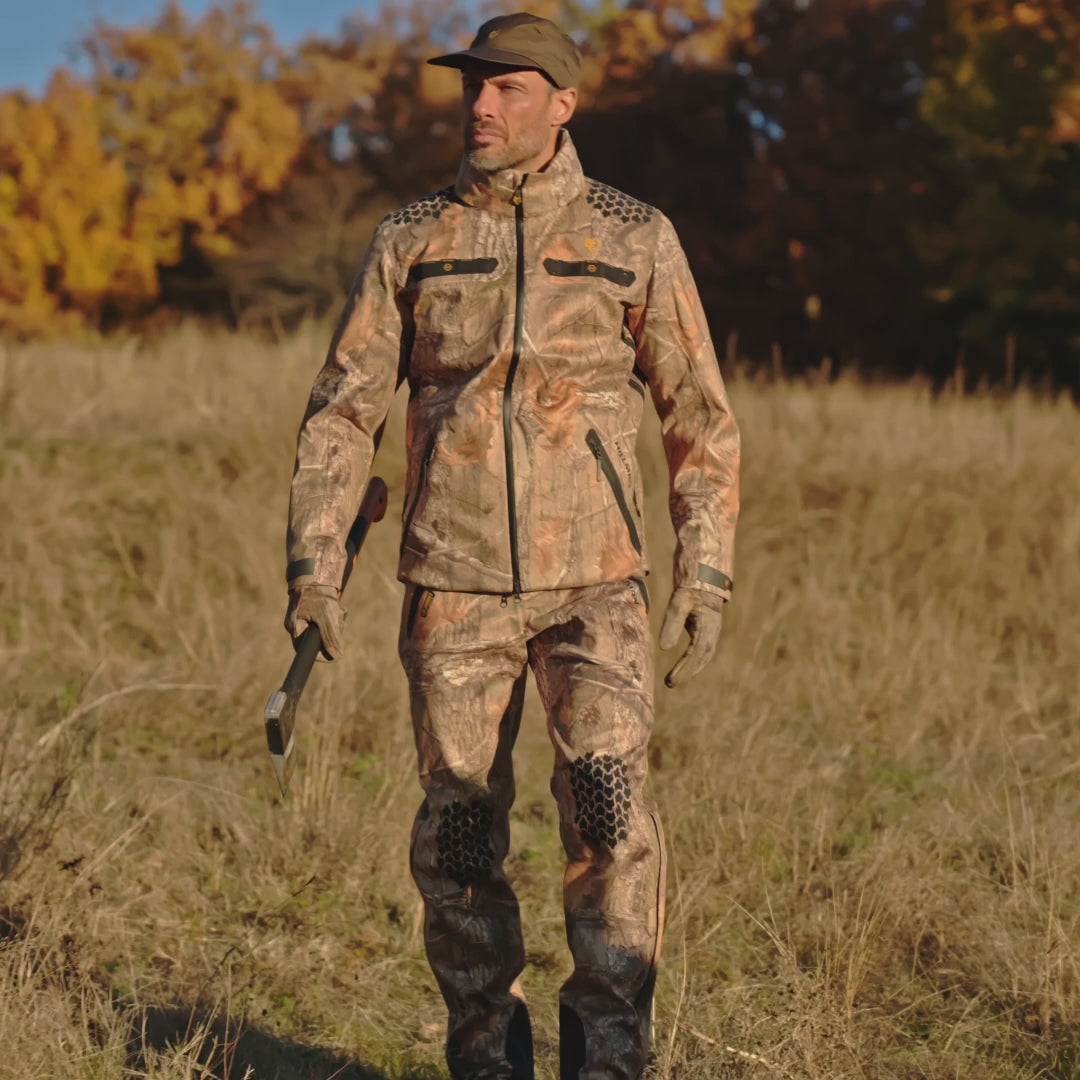
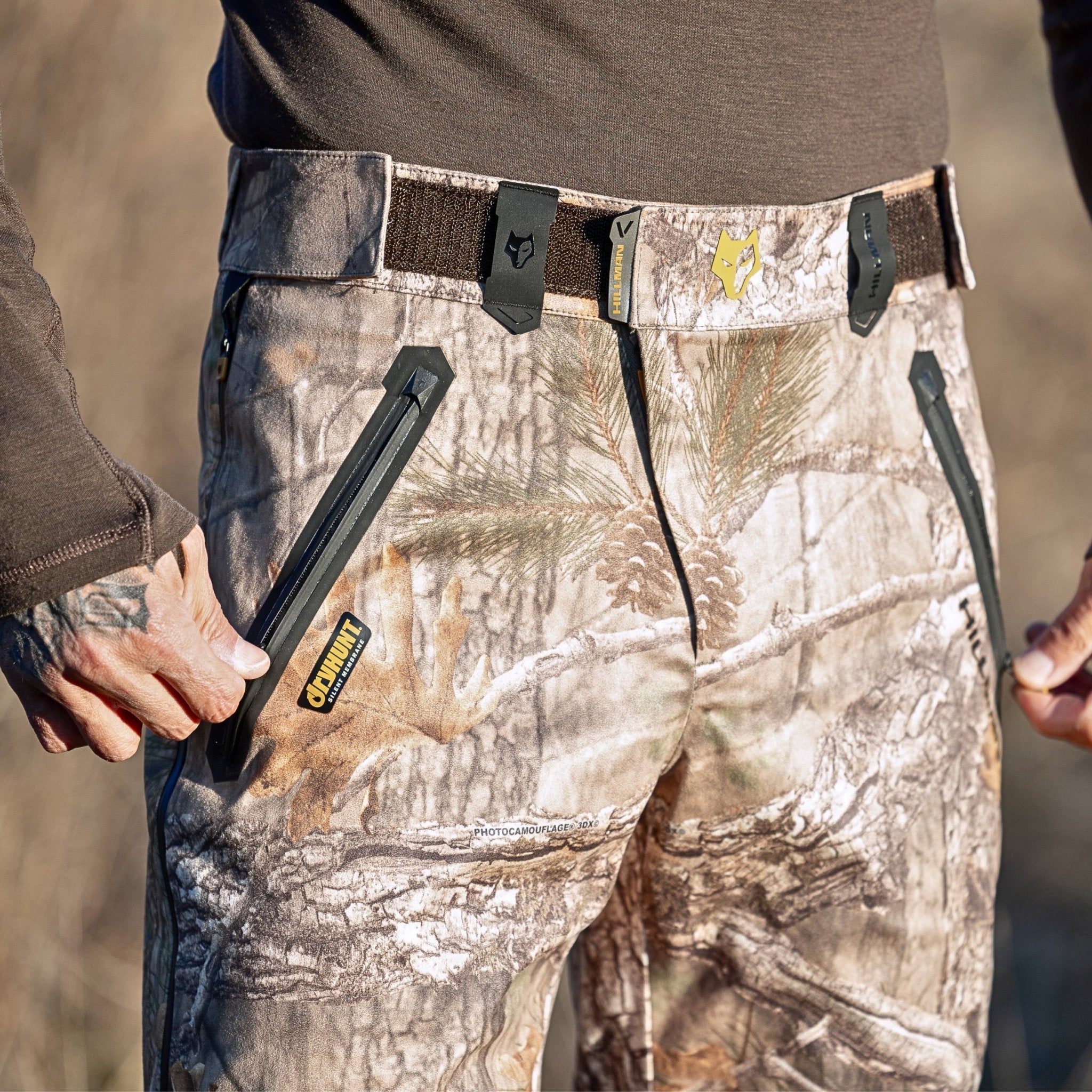
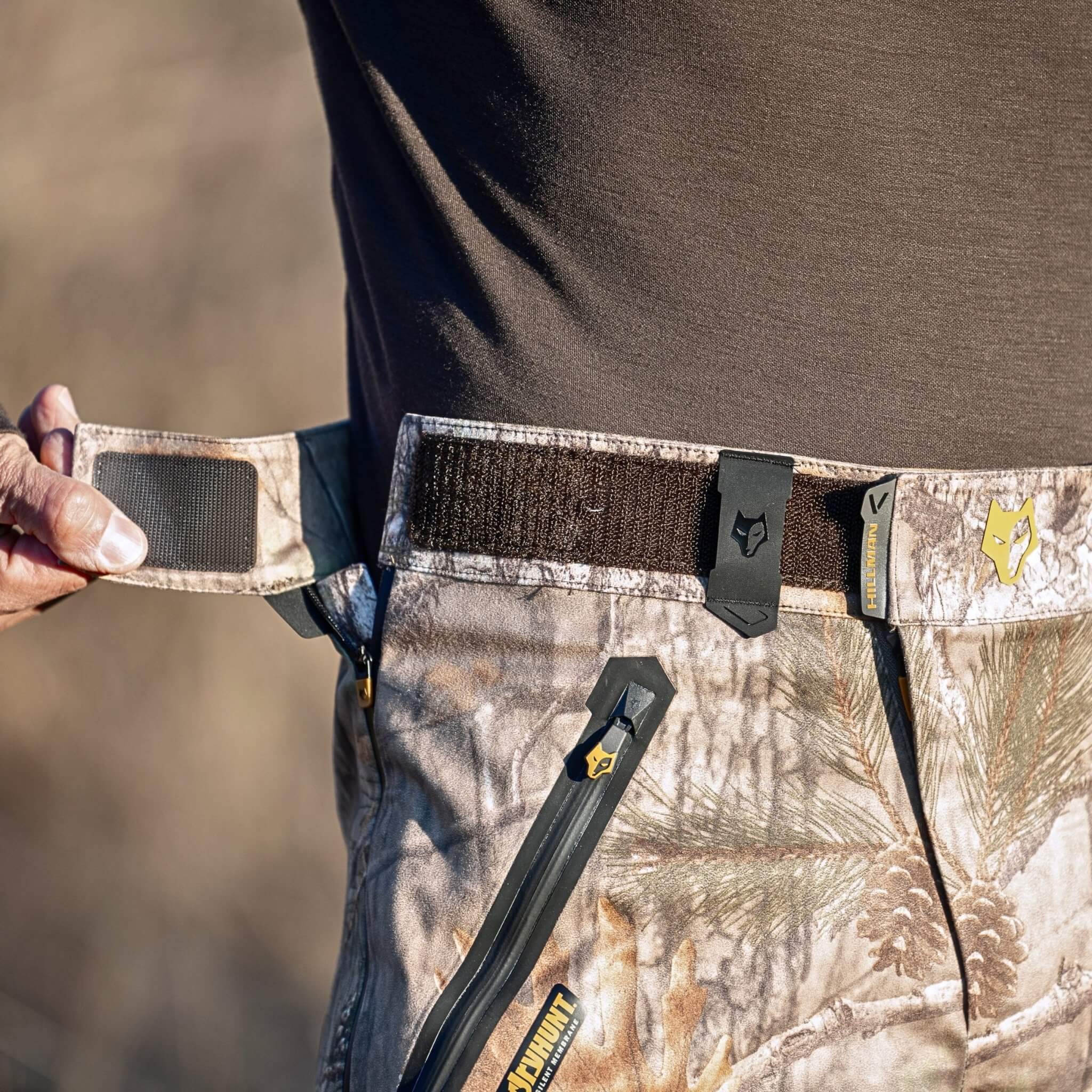
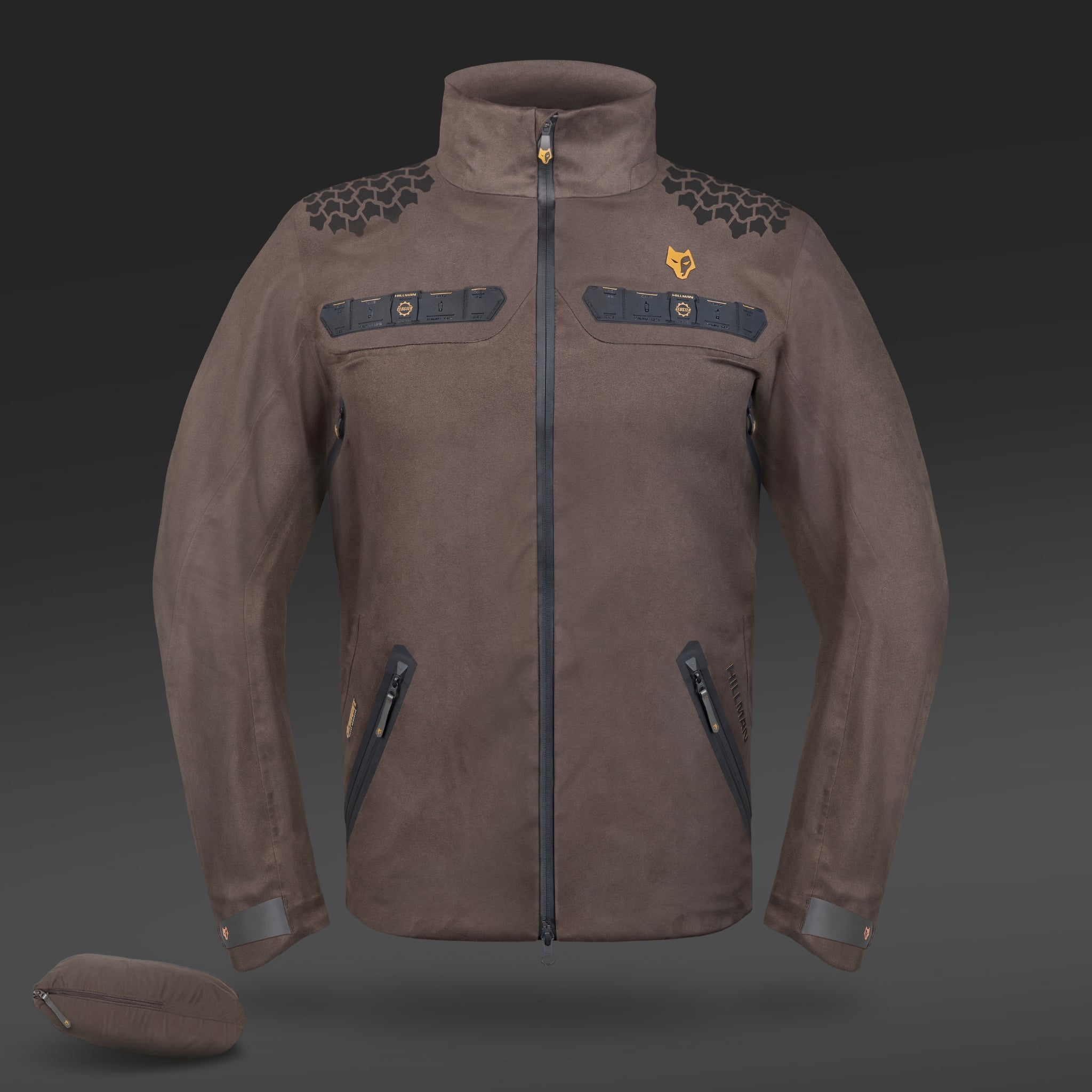
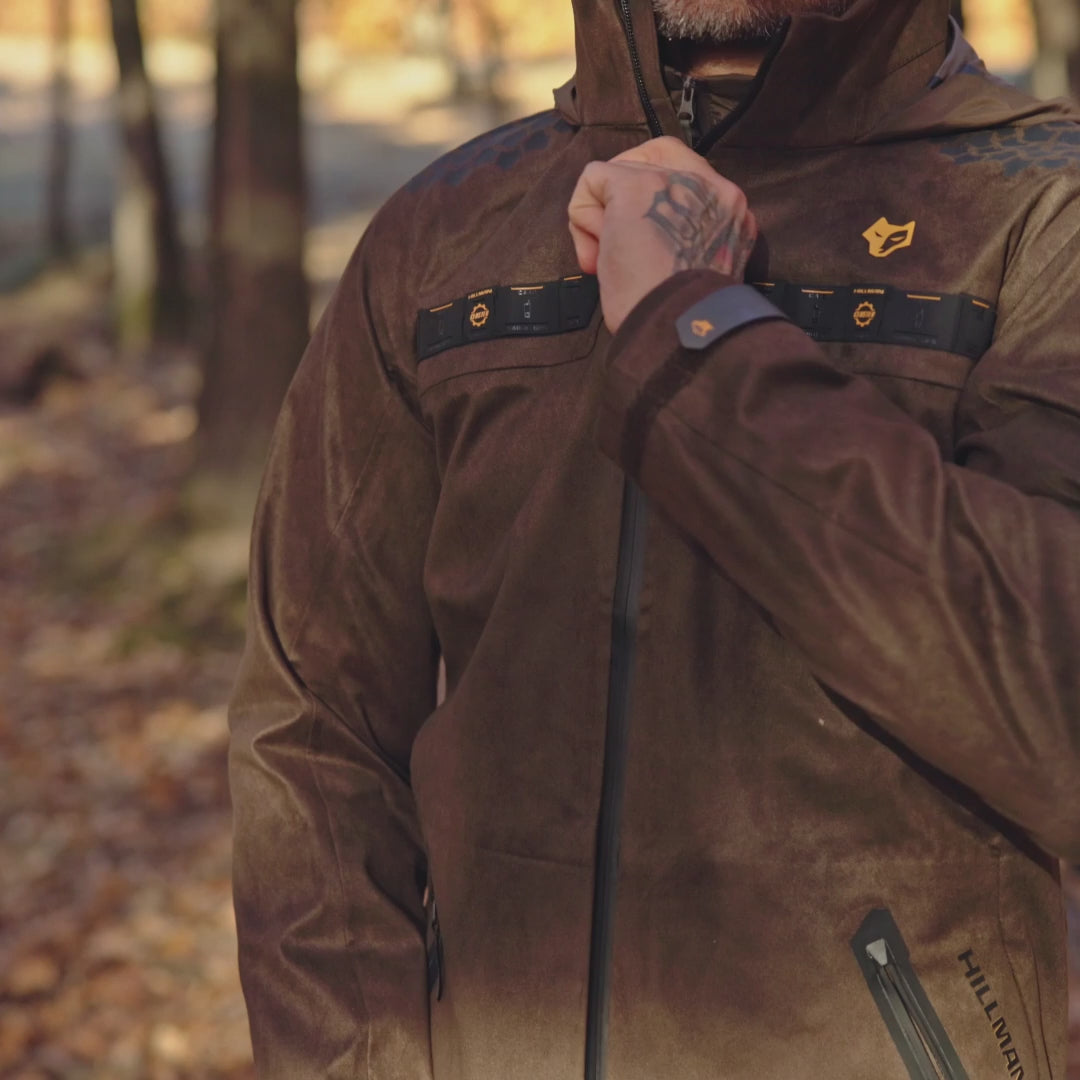
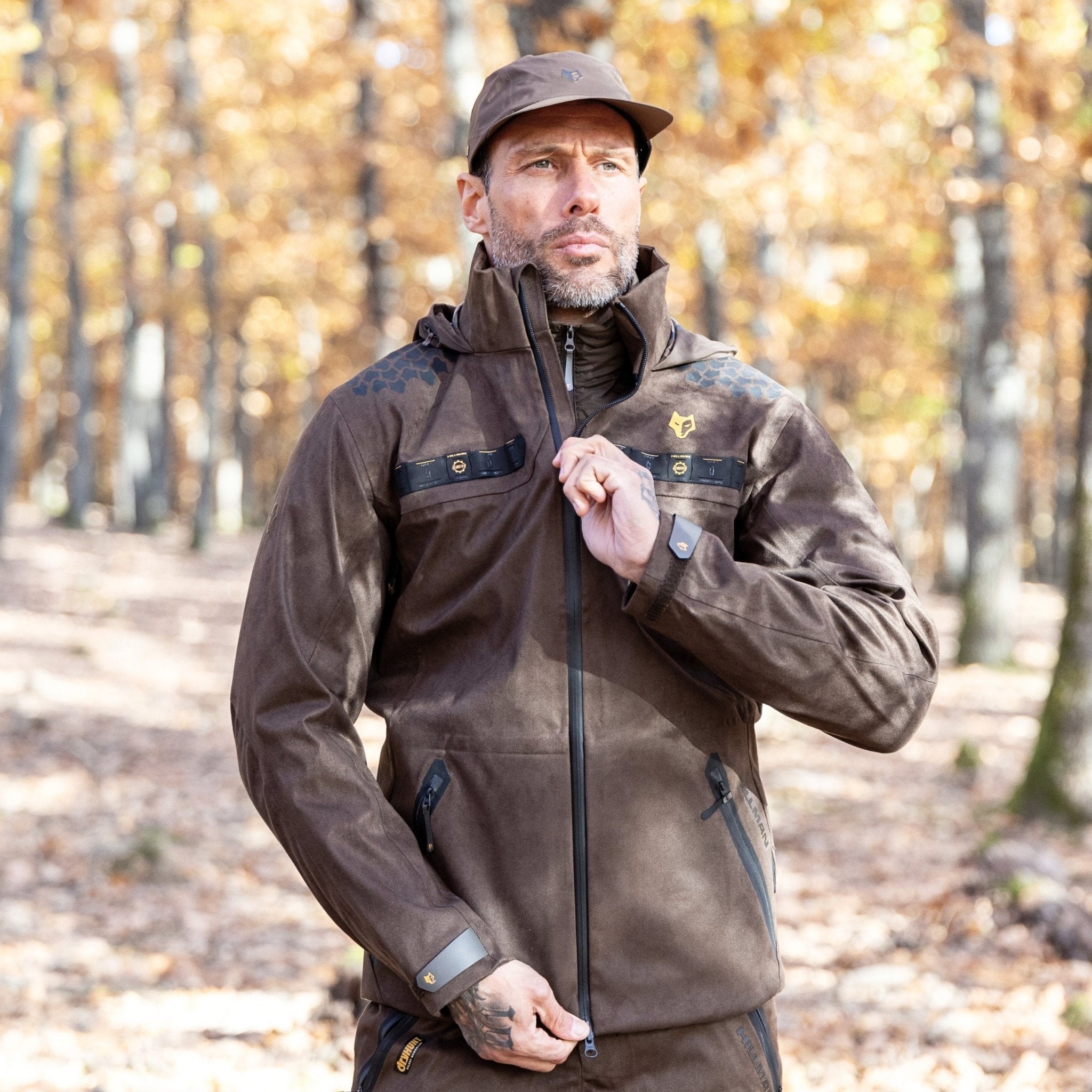
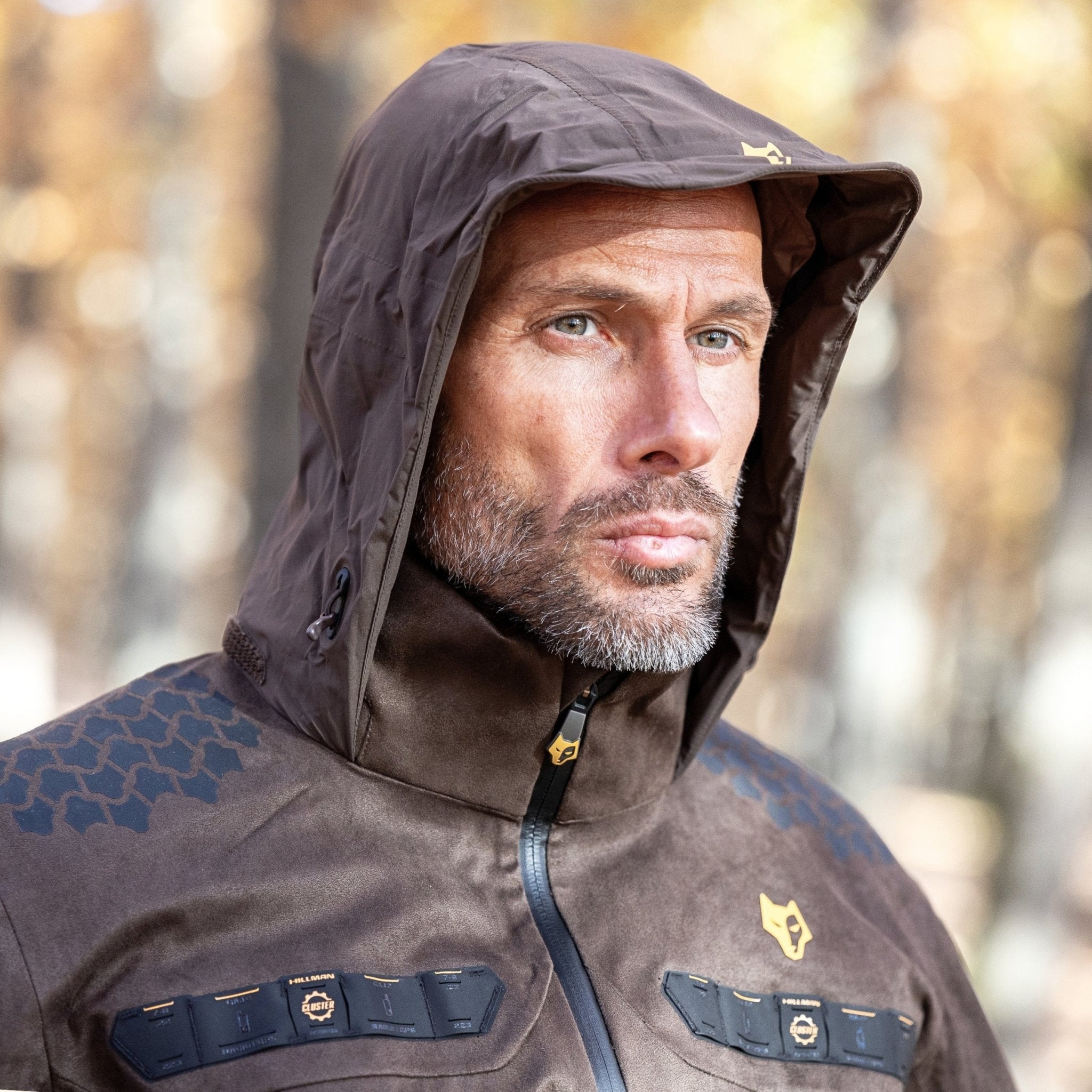
A brand like Hillman fits this kind of hunting mindset because public-land days are rarely clean, short, or comfortable.
The Half-Mile Rule Still Matters, But It Has Limits
There is truth in the idea that hunting areas more than half a mile from roads or trails can hold less pressure. Many hunters prefer easy access, especially if they are carrying a stand, heavy pack, bow, or gun. A hard walk can separate you from the crowd.
But the half-mile rule should not become lazy thinking.
A mile down an easy trail may still be crowded. A nasty 300-yard climb from the road may be almost untouched. A wet 200-yard crossing through a swamp may protect a bedding area better than two miles of open timber. Access difficulty matters more than map distance.
When studying public land, ask what makes a spot inconvenient. Is it steep? Wet? Thick? Does it require crossing water? Is there no clear parking? Does the map make it look uninteresting? Is it tucked behind land that was designed for upland bird hunters rather than deer hunters?
Some wildlife management areas and public hunting areas built around bird hunting receive surprisingly little pressure from deer hunters. Those places may have brushy cover, small timber strips, grass edges, and overlooked bedding pockets. They may not look like classic big-woods deer country, but big whitetails do not care what the property was designed for. They care about food, security, and survival.
Do Not Ignore Private Land Open to Public Hunting

Some of the best overlooked access is not always labeled in a way that catches attention. Many states offer tax-incentivized private lands that are open to public hunting. These properties can be missed because the signage is poor, the program is confusing, or the land does not appear in the same way as a major wildlife management area.
That does not mean you should treat it casually. Always verify the rules, boundaries, seasons, parking, and allowed methods before you hunt. But these properties can provide a real edge, especially when nearby public land is getting hammered.
The same logic applies here. Look for parcels with awkward access, small blocks of cover, hidden corners, or terrain that most hunters overlook. A small piece of open-access land with the right bedding, wind direction, and low pressure can outperform a huge famous property full of trucks.
Public land hunters often chase reputation. Deer respond to pressure, not reputation.
Build a Plan for the Whole Day, Not Just the Morning

Staying effective all day is one of the biggest differences between casual public land hunting and serious public land success.
Early morning is important. First shooting light can catch deer coming back from food, especially when the access route lets you get close without blowing the bedding area. But if your entire plan depends on the first hour, public land will humble you.
During the rut, bucks often cruise in search of does during the middle of the day. Many hunters climb down too soon, walk around, eat lunch at the truck, or change locations just when a mature buck starts moving. An all-day sit in the right funnel, saddle, swamp edge, or escape route can feel boring for hours and then turn into the best hunt of the season in 20 seconds.
Outside the rut, midday still has value. You can scout new areas, check cameras where legal, inspect water sources, look at fresh tracks, and prepare an evening setup without wrecking the main bedding cover. The trick is to scout with purpose, not wander through every likely spot and spread scent everywhere.
Some days are for sitting. Some are for learning. The best DIY hunters know the difference.
Pinch Points Are Where Public-Land Plans Come Together

Pinch points matter everywhere, but on public land they matter even more because they help organize chaos.
A pinch point can be a narrow strip of dry land through a swamp, a creek crossing, a saddle between ridges, a brushy edge between open fields and timber, a fence gap, or a strip of cover along a road. It can also be a pressure funnel created by other hunters.
When scouting remote areas, look for places where deer naturally move between bedding and feeding areas. Then add pressure to the picture. If hunters walk in from the west, where will deer escape with the wind in their favor? If a swamp blocks one side and open ground blocks the other, where is the narrow strip they are likely to use?
Tree stand placement matters here. Setting up at a 90-degree angle to deer trails in a pinch point can improve visibility and give a cleaner shooting lane. You are not staring straight down the trail waiting for a deer to appear head-on. You are catching movement from the side, reading body language sooner, and preparing for the shot with less panic.
On the ground, the same idea applies. Do not sit directly in the trail. Set back into cover, use trees to break your outline, and choose a position where the wind direction does not carry scent into the bedding area or the trail you expect deer to use.
Read Sign Differently Once Season Starts

Fresh deer sign is useful, but it can lie if you read it without context.
A huge rub line near an obvious trail may look exciting, but if every hunter on the property can see it, that buck may only use the area after dark. Heavy tracks near open fields may show feeding interest, not daylight movement. Old scrapes can keep hunters stuck in dead locations long after deer have shifted.
During hunting season, the best sign is often subtle and connected to security.
Look for tracks entering wet cover. Look for faint trails along swamp edges. Look for beds on high spots with thick cover nearby. Look for rubs in ugly places where most people would not hang a stand. Look for trails that avoid the easy route. A buck surviving on public land usually does not act like a farm-country deer with no pressure.
Early season sign near food can be good, especially around acorns, secluded water, or soft edges with low human traffic. Later in fall, pressure and the rut can change everything. A location that feels slow in October may become a strong cruising route in November. A bedding edge that is too risky in warm weather may be perfect on a cold, windy day when access is quiet.
Public land rewards hunters who keep adjusting.
When Other Hunters Show Up, Do Not Automatically Leave
Seeing another truck at the parking area can be frustrating. Seeing headlamps in the woods can feel worse. But leaving immediately may be a mistake.
Other hunters can ruin a plan if they walk through your setup or blow the bedding area. They can also move deer.
If you know the property well, pressure can tell you where to sit. A hunter entering from one road may push deer toward a creek bottom. A group walking open timber may bump deer into a thick point. Someone climbing down at 10 a.m. may trigger movement through the middle of the property.
This is especially true on pressured public land where deer already know the common human routes. They may not sprint wildly. They may slip quietly, circle downwind, and use cover that looks too small to matter.
The mistake is reacting emotionally. The better approach is to pause, think about wind direction, terrain, bedding areas, and escape cover, then decide whether the pressure hurts you or helps you.
Sometimes the best move is to stay still.
The Best Public-Land Setup Is Often the One Nobody Wants
A perfect public-land setup rarely looks perfect from the road.
It may start with a long walk in the dark, then a steep climb, then a slow push through wet ground. It may require sitting all day with no guarantee of action. It may be a small island in a cattail swamp, a dry strip between two flooded sections, a brushy corner behind a bird-hunting field, or a narrow cover line near a busy parking lot.
The common thread is not beauty. It is avoidance.
Deer avoid danger. Hunters avoid discomfort. When those two truths meet, you find opportunity.
You do not need a famous property, a secret lease, or a giant plan. You need enough scouting to understand pressure, enough discipline to access cleanly, and enough patience to let the day develop. Public land is not easy. That is why it still has mature bucks for hunters willing to hunt differently.


Share:
Still-Hunting Deer in Thick Cover: How to Move, Use Wind, Sound
What to Wear for Spring Turkey Hunting: Capricious Mornings