

In short
- Above 50°F: a light base layer as your shirt, with a thin mid layer in the pack for the evening.
- 35-50°F: merino base layer, a mid layer and a windproof outer layer.
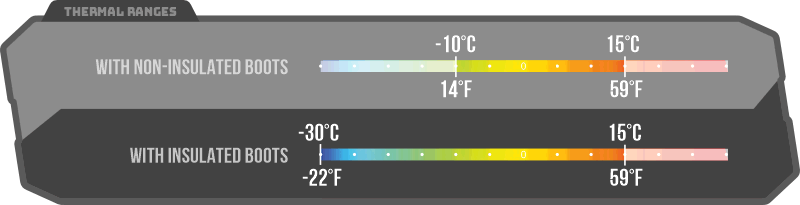
- 10-35°F: add an insulation layer you put on at the stand, an insulated outer layer and insulated boots.
- Below 10°F: everything, plus a warm hat, gloves and a warmer for the last hour.
- Walk in with less on than feels right. Sweat is what makes you cold later.
By Ethan Walker · Updated November 3, 2026
Dress for the temperature you will sit in, not the one you walk in, and build it in this order: base, mid, insulation, outer shell. Walk to the stand with less on than feels comfortable, then put the warm layers on before you start to cool down.
The ranges below are a starting point for a hunter on a stand or in a blind. Wind, rain and how long you sit change them more than the thermometer does.
How should you layer for cold weather hunting?
Use three to four layers that each do one job. A base layer moves sweat off your skin, a mid layer holds warmth, an insulation layer adds heat when you stop moving, and an outer shell blocks wind and rain. Each layer should fit over the one below without squeezing it.
Leave cotton at home. It holds sweat against your skin and stays wet for the rest of the day.
What should you wear hunting at 50 to 70°F?
From 50 to 70°F, wear a light, breathable base layer as your shirt with quiet pants, and keep a thin mid layer in your pack for the evening sit. If rain is likely, bring a light waterproof shell. On early-season hunts, sweat and scent cost you more deer than cold does.
A short-sleeve base layer under an open shirt is often enough for the walk in.
What should you wear hunting at 35 to 50°F?
Between 35 and 50°F, wear a merino base layer top and bottom, a mid layer such as a merino hoodie or a fleece, and a windproof outer layer. Walk in with the mid layer unzipped or in your pack. On a long morning sit, a light puffy jacket over the mid layer buys you another hour.
This is the band where most hunters overdress on the walk and then shiver on the stand.
What should you wear hunting at 10 to 35°F?
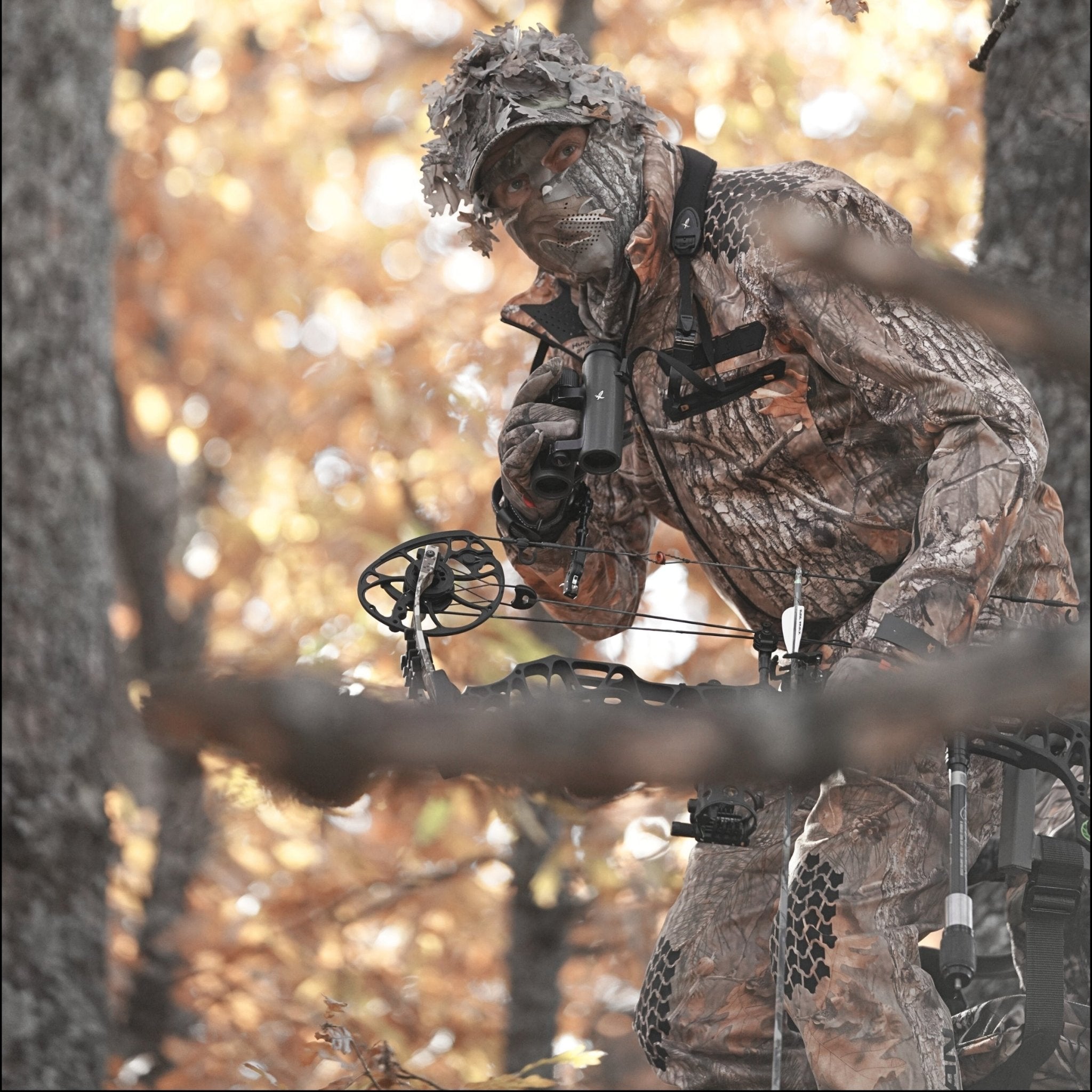
From 10 to 35°F, you need four layers on the stand: base, mid, insulation and an insulated, windproof outer layer, plus insulated boots and a warm hat. Carry the insulation layer in on your back and put it on as soon as you sit down, before you feel cold. Damp skin chills fast here.
Insulated pants matter as much as the jacket. Your legs sit still the longest and touch the cold seat.
How do you stay warm in a tree stand below 10°F?
Below 10°F, wear every layer you own, cover your head, neck and hands, and keep the sit to what you can handle. A tree stand puts you in the wind with nothing to block it, so a windproof outer layer matters most. If you sweated on the way in, change into a dry base layer top at the stand.
Hand warmers in the jacket pockets and one on your lower back help in the last hour. If your toes go numb, climb down and walk. No sit is worth frostbite.
How do you stop sweating on the walk to the stand?
Walk in slower than feels natural, with your insulation and outer layers off or in your pack, and open every zipper you have. Stop a few minutes before the stand to cool down. Sweat soaks your base layer, and once you sit still, that wet layer pulls heat from your body for hours.
A hat is the fastest vent there is. Take it off on the climb, put it back on when you sit.
How do base, mid and insulation layers compare?
Each layer does a different job, so one cannot replace another. The base layer handles sweat, the mid layer gives steady warmth while you move, and the insulation layer gives the most heat for its weight once you stop. Merino, fleece, down and synthetic fill each have a place, and none of them wins everywhere.
| Merino base layer | Synthetic base layer | Fleece or merino mid layer | Down insulation | Synthetic insulation | |
|---|---|---|---|---|---|
| Main job | Moves sweat, stays warm when damp | Moves sweat fast | Steady warmth while moving | Most warmth for its weight on a sit | Warmth that holds up when wet |
| Odor | Resists odor | Holds odor | Merino resists it, fleece holds it | Neutral | Neutral |
| Drying | Medium | Fastest | Medium | Slow, goes flat when soaked | Fast |
| Best for | Long days, multi-day hunts | Short, hard hunts | Most of the season | Dry cold, packed in and put on at the stand | Wet cold, rain or snow |
If you hunt in steady rain or wet snow, synthetic insulation is the safer choice under your shell, because down has to stay dry to work. A cheap synthetic base layer is fine for a short, hard hunt if you wash it afterward.
Which Hillman layers fit each temperature?
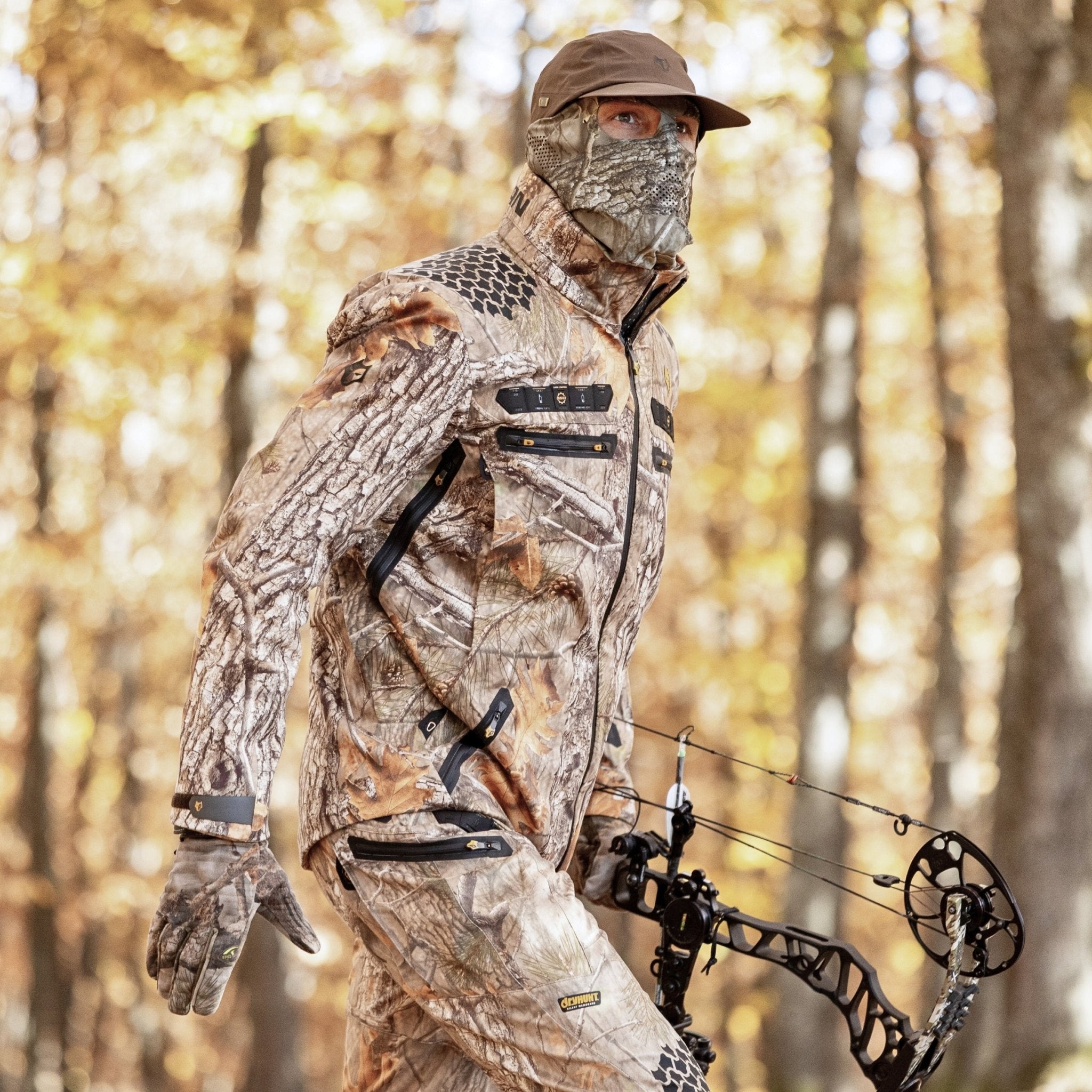
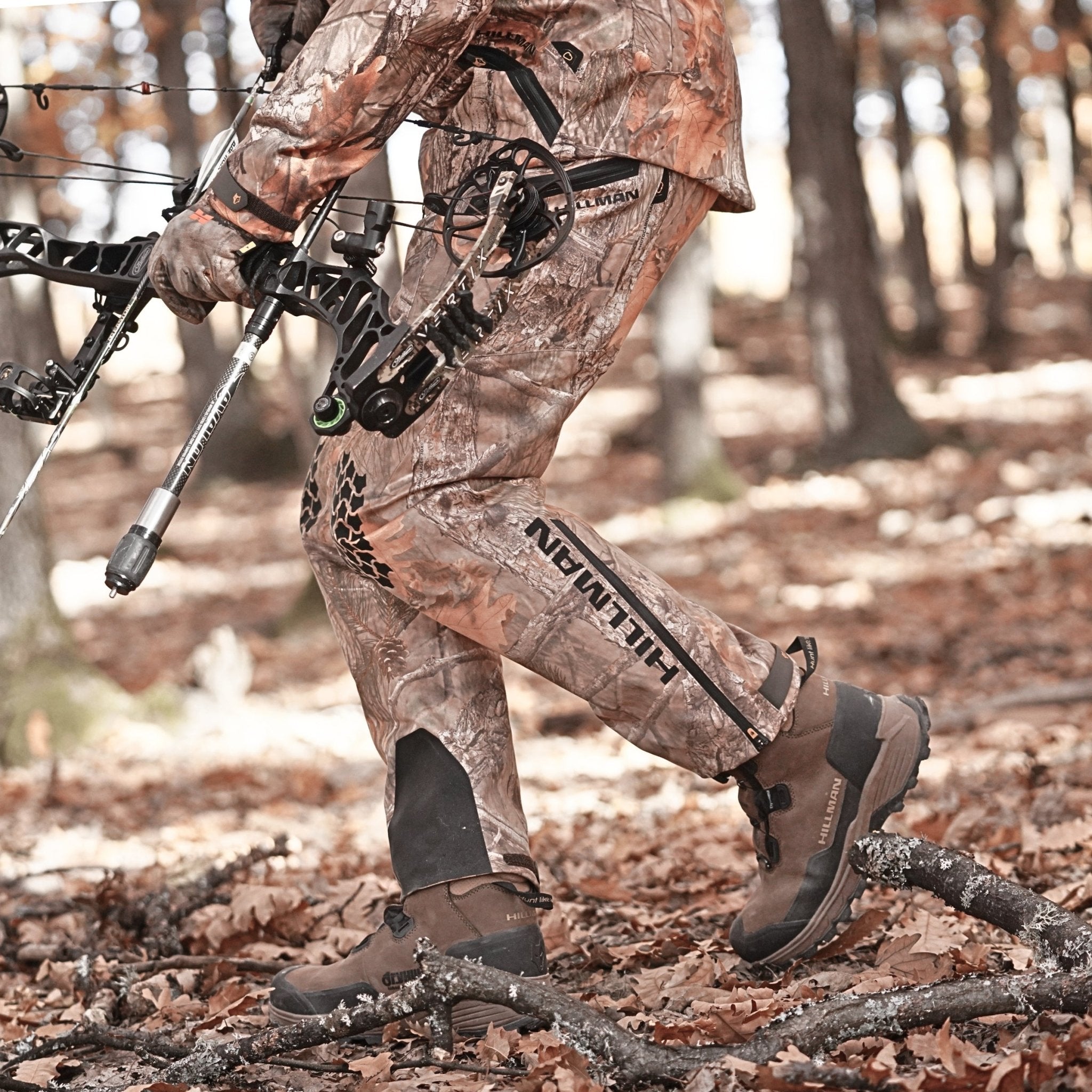
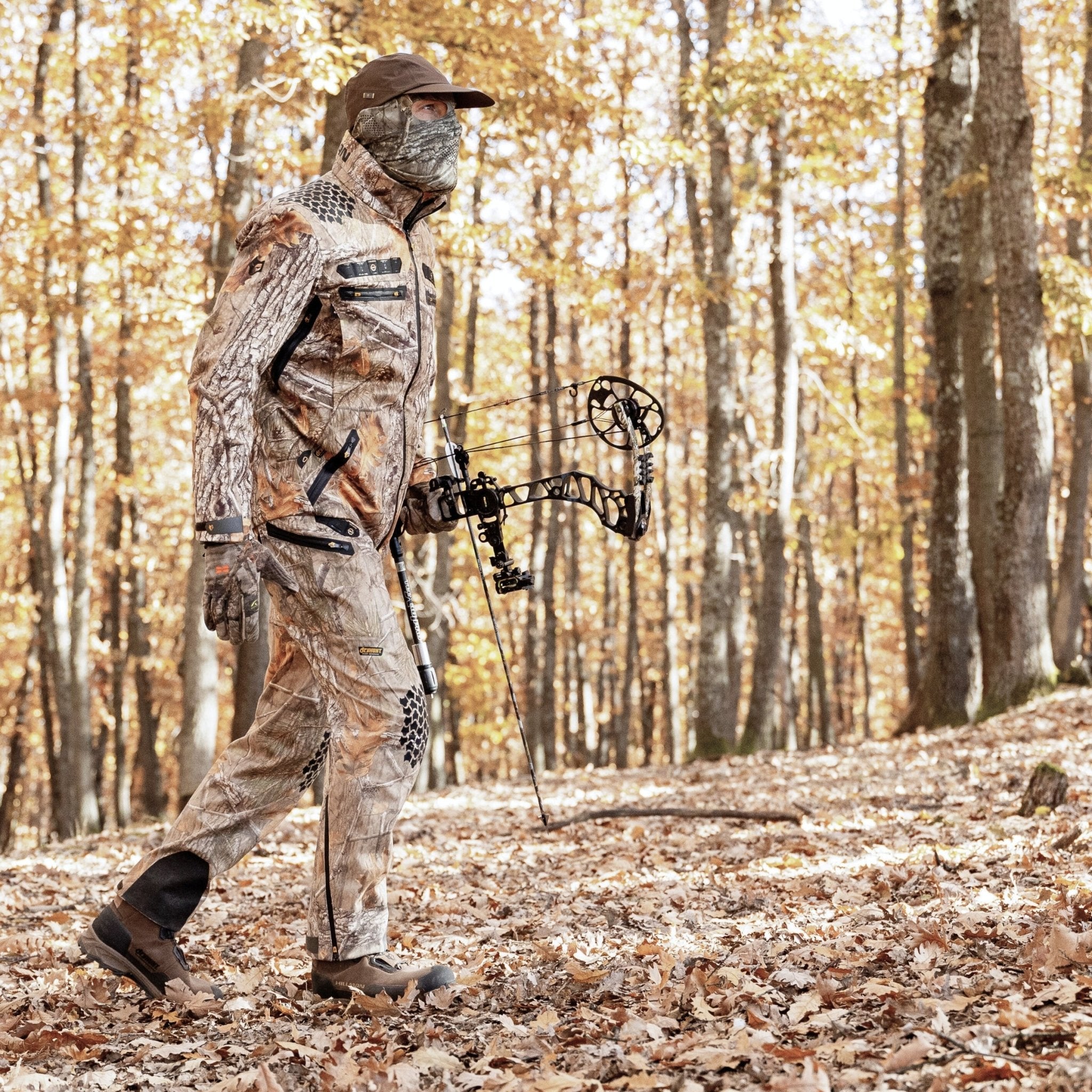
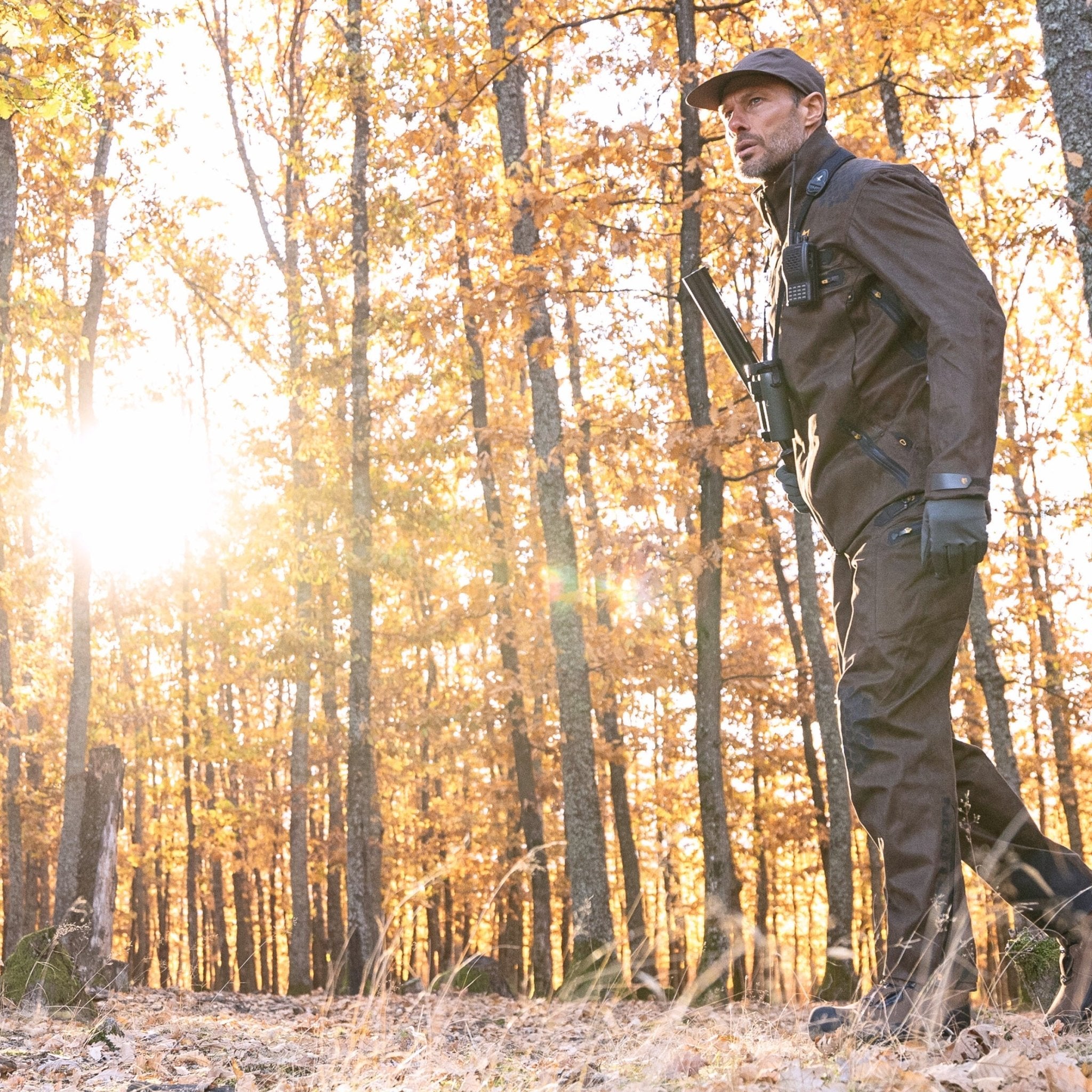
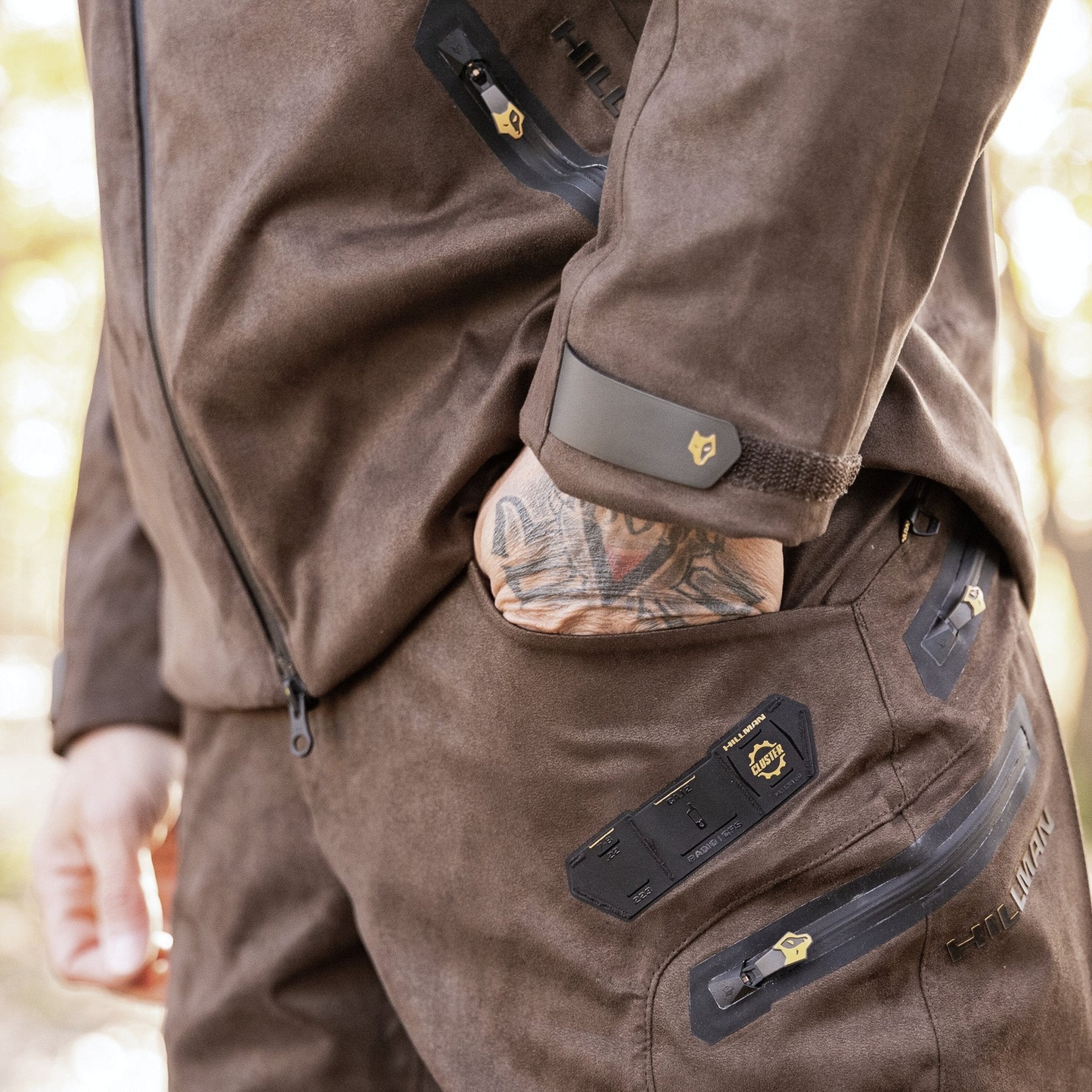
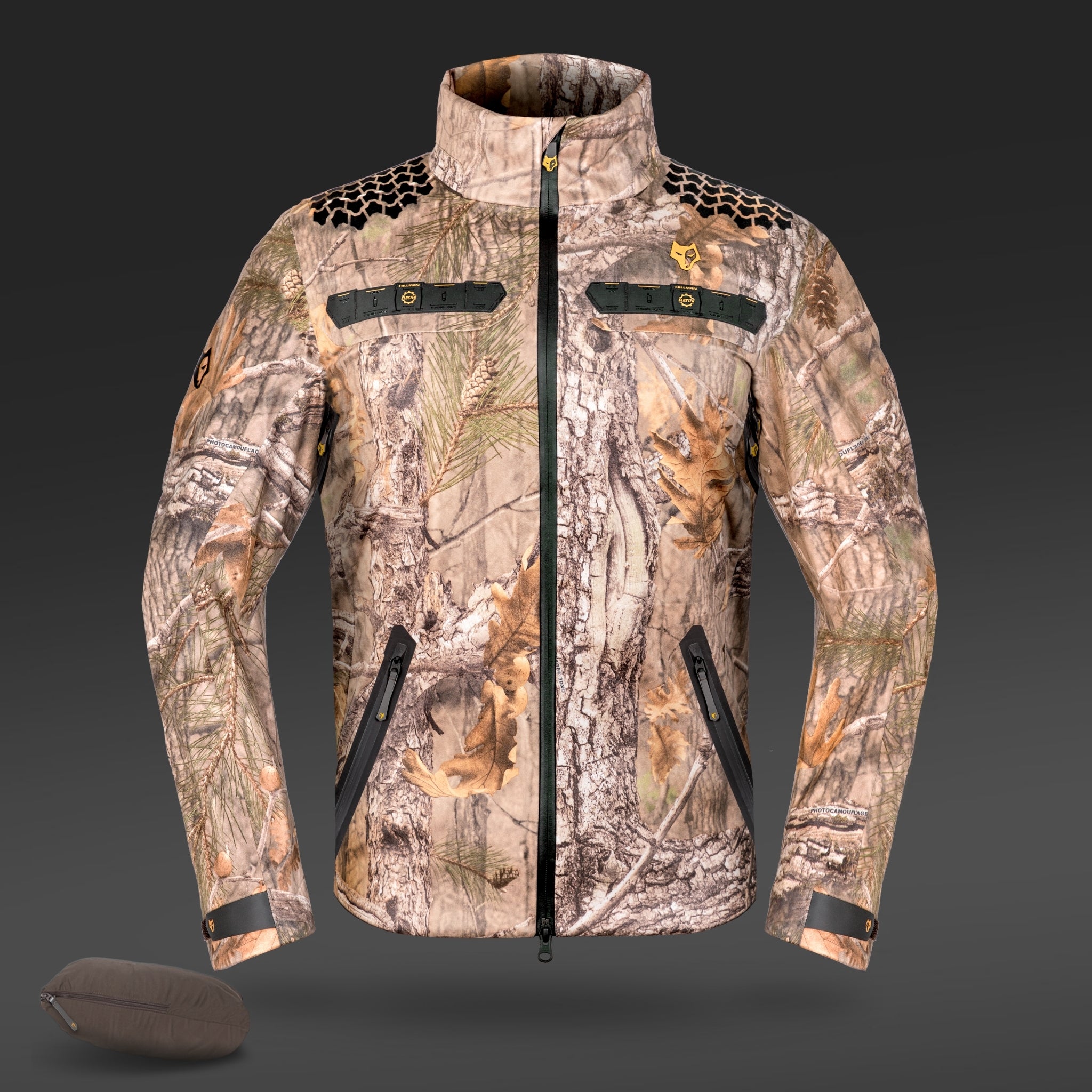
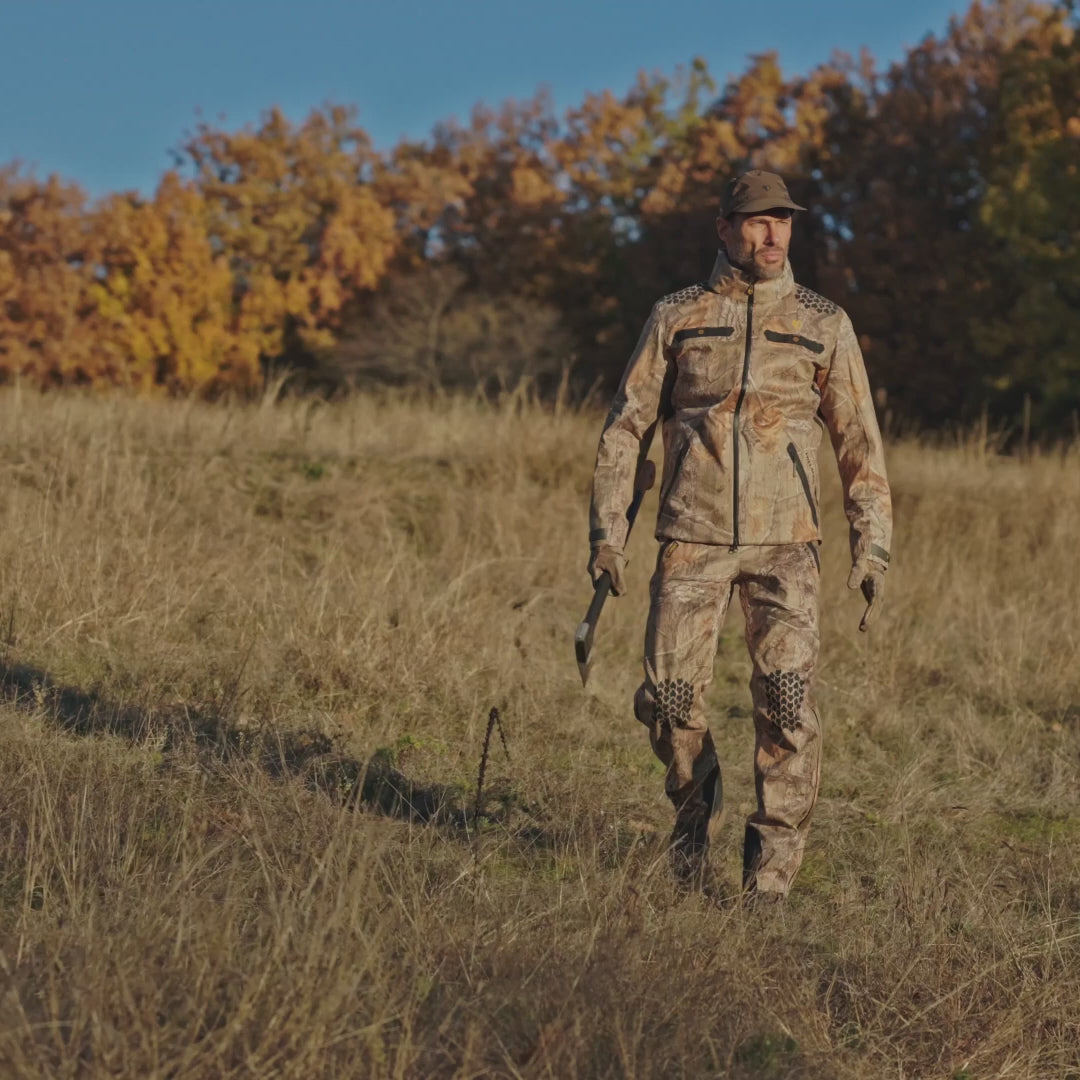
Hillman builds its clothing as a numbered layering system, from the 1UL base shirt to the 6OL insulated outer layer, so each piece is cut to go over the one below. Here is what fits each band, with the temperatures Hillman gives on the product page wherever it gives one.
Base layer (every temperature)
- Hunting Shirt - Merino Wool Base Layer 2BL: bamboo fiber inside, 15.5-micron Australian merino outside, and a deep front zipper to dump heat on the walk in. It weighs 12.7 ounces.
- Hunting Long Johns 2BL: the same bamboo and merino fabric. Hillman lists it from 41°F down to -22°F when worn with other layers.
- 1UL Bamboo Short Sleeve Hunting T-shirt: bamboo viscose with antibacterial threads, for the warm days at the top of the range.
Mid layer (below about 59°F)
- Hunting Hoodie 3ML: 70% merino wool, 27% bamboo, 3% spandex, 17.3 ounces. Hillman suggests it over a base layer between 41°F and 59°F, and as the middle piece under an insulated jacket below freezing.
Insulation layer (put on at the stand)
- Hunting Down Jacket 4IL: 1000 fill power goose down in a seamless, windproof stretch fabric, 13.3 ounces, packs into its stuff sack. It is DWR-treated, but Hillman says plainly it is not rain gear.
Outer layer
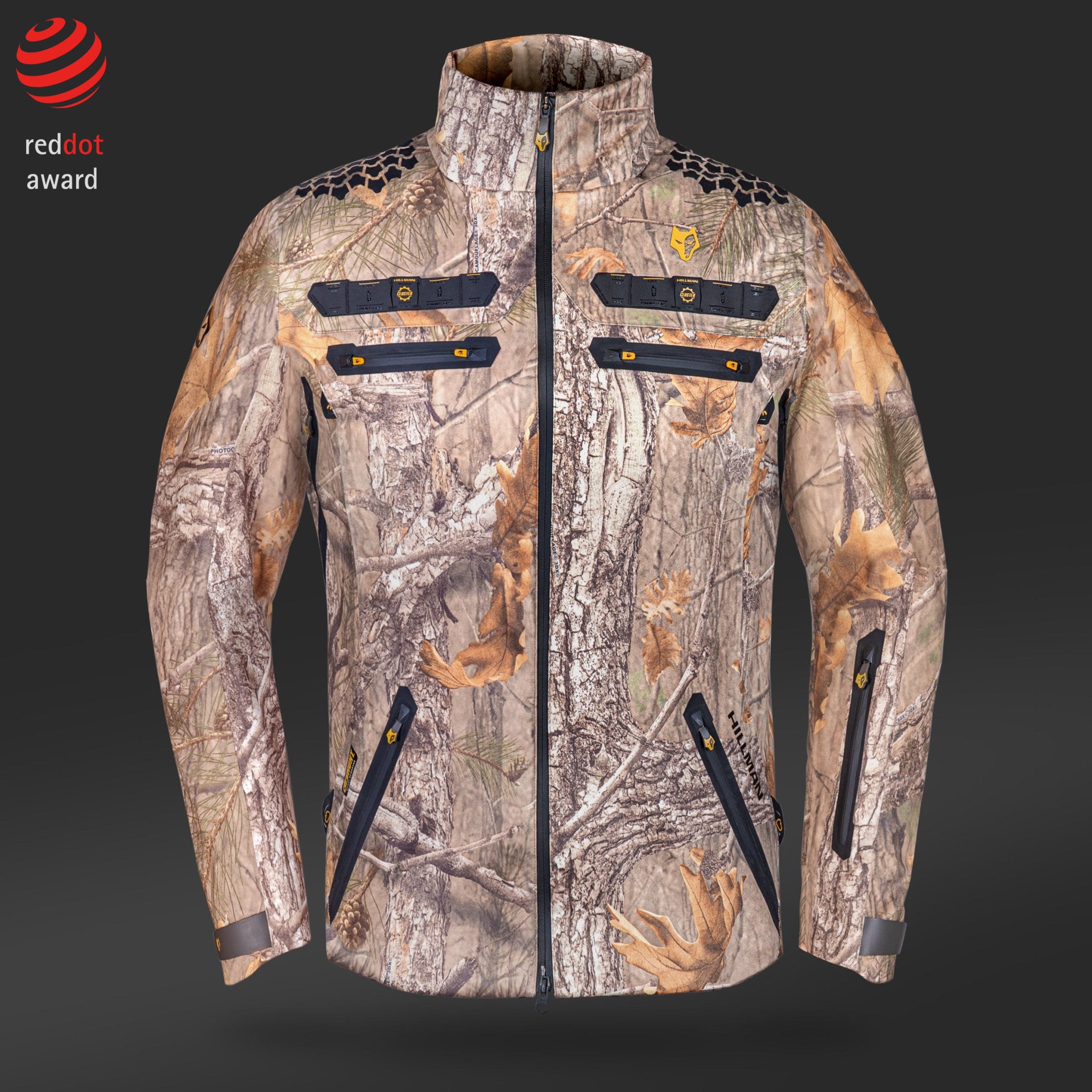
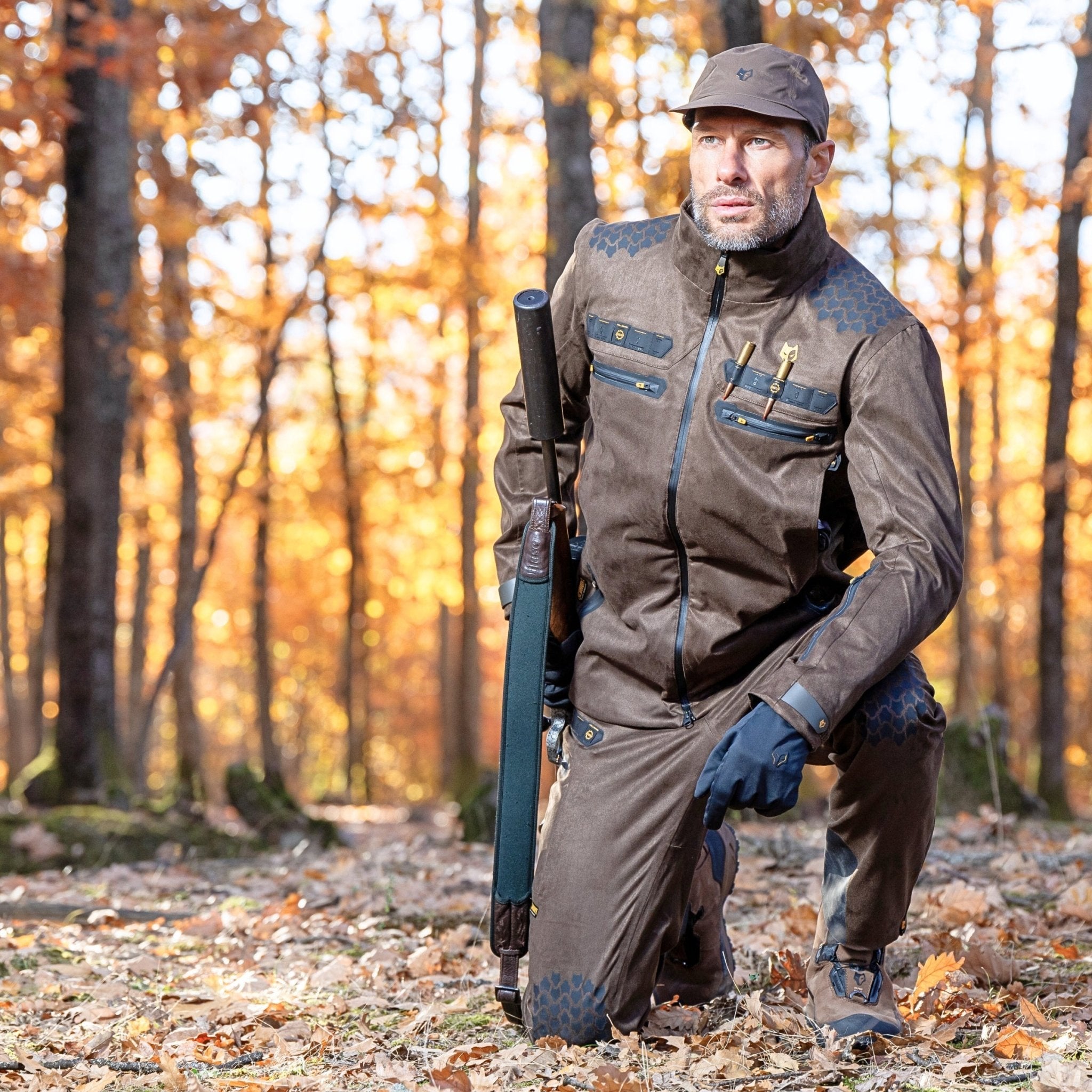
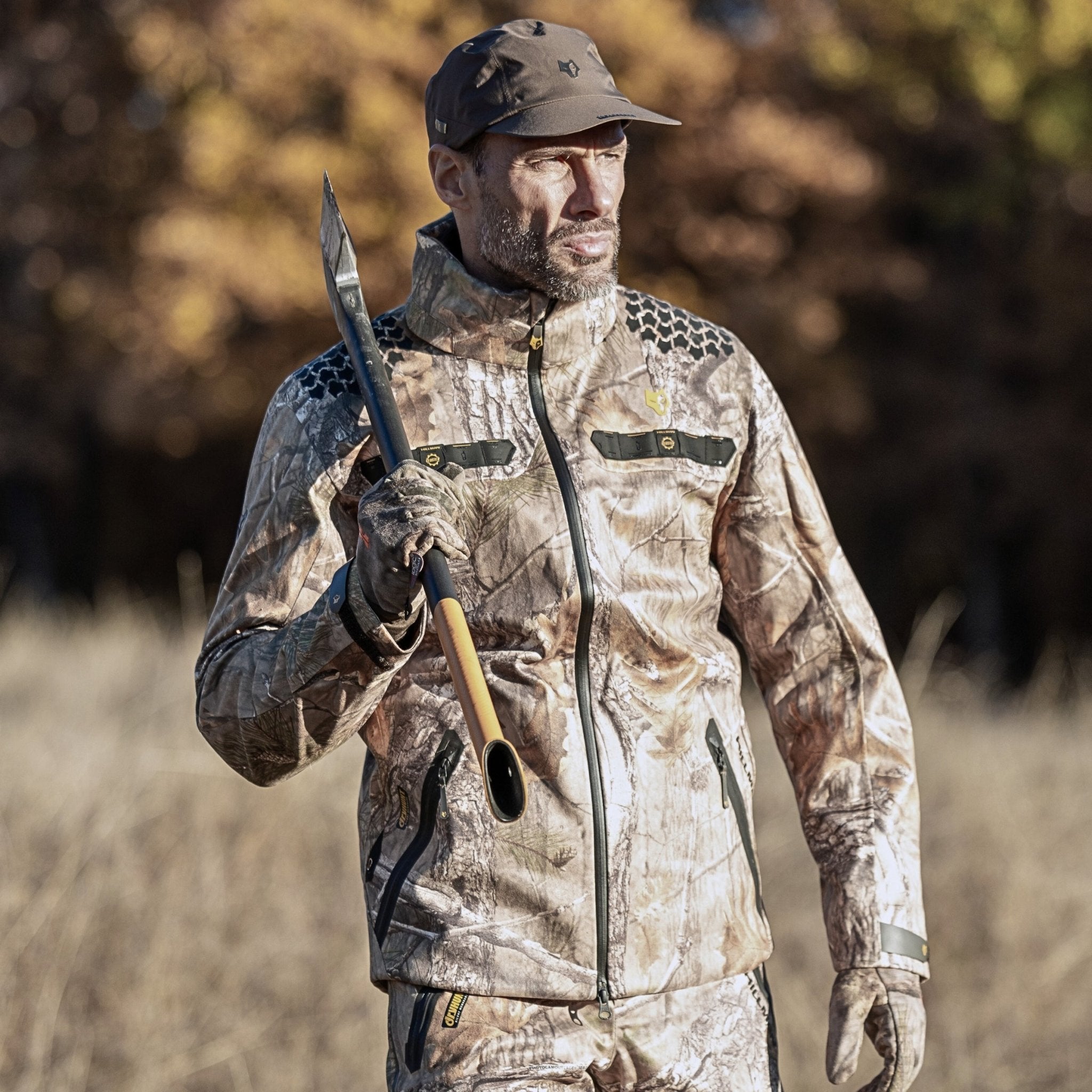
- Waterproof Hunting Jacket AlphaShell 5WL: the uninsulated rain shell, with the Dryhunt membrane and a quiet DURASUEDE face fabric, 1 lb 8 oz.
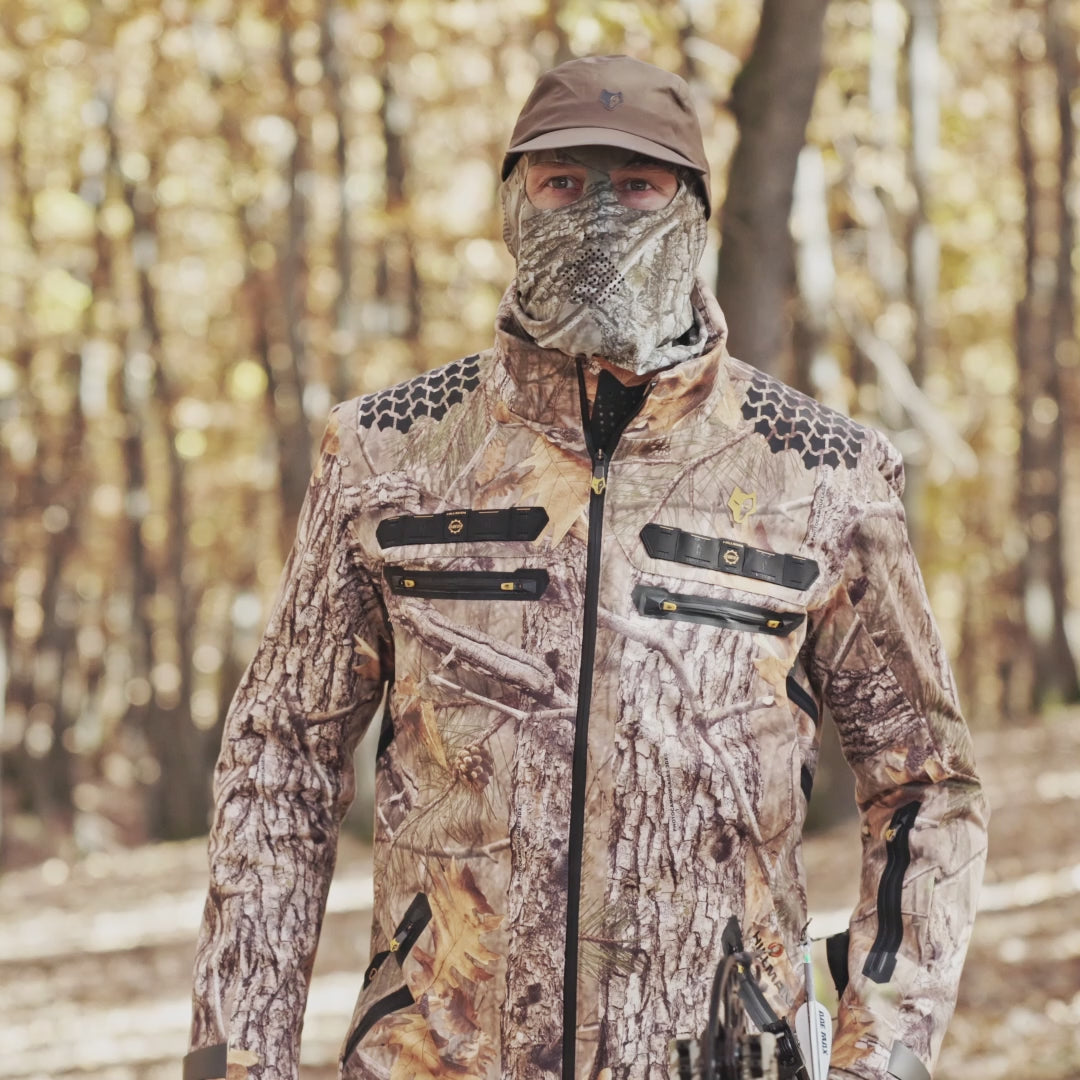
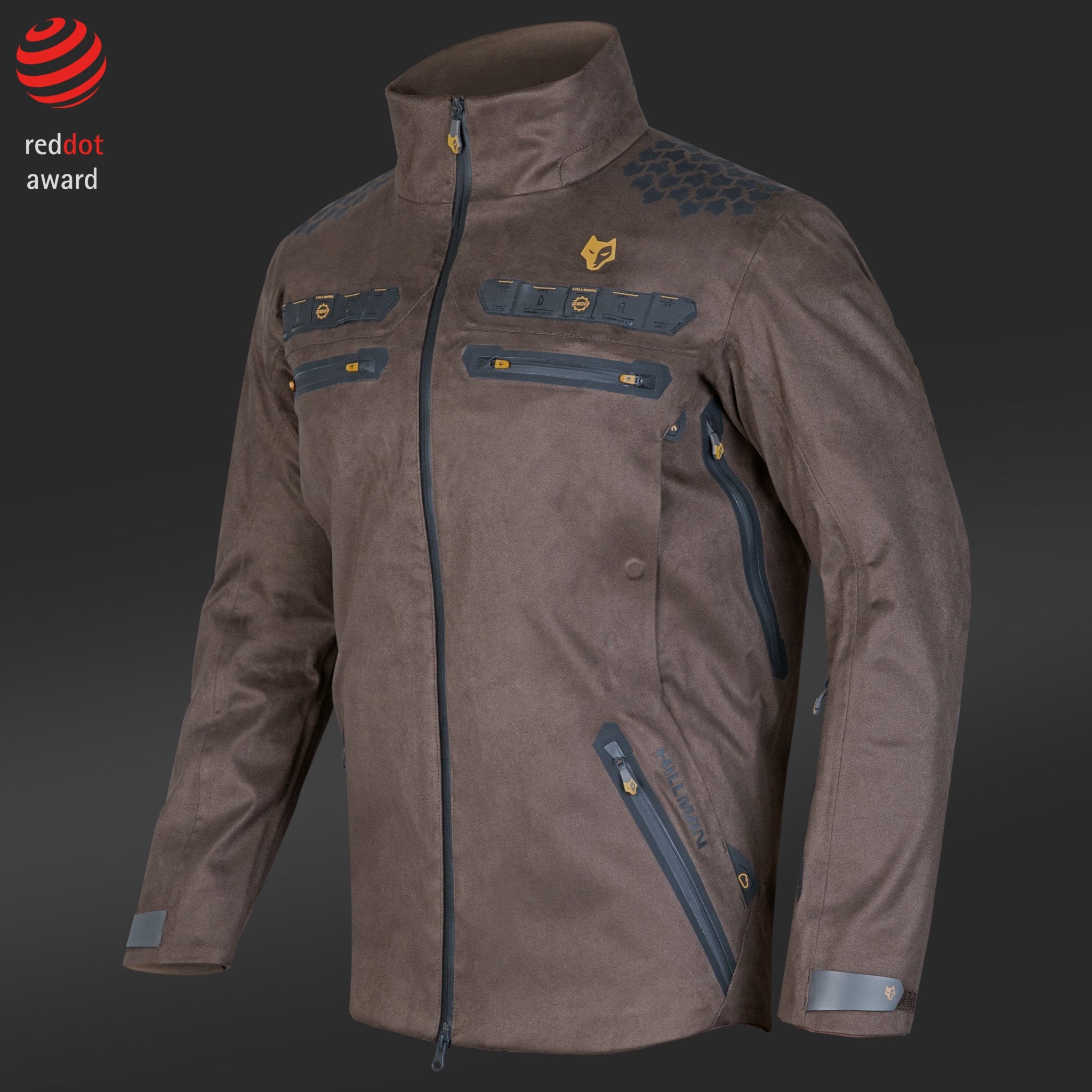
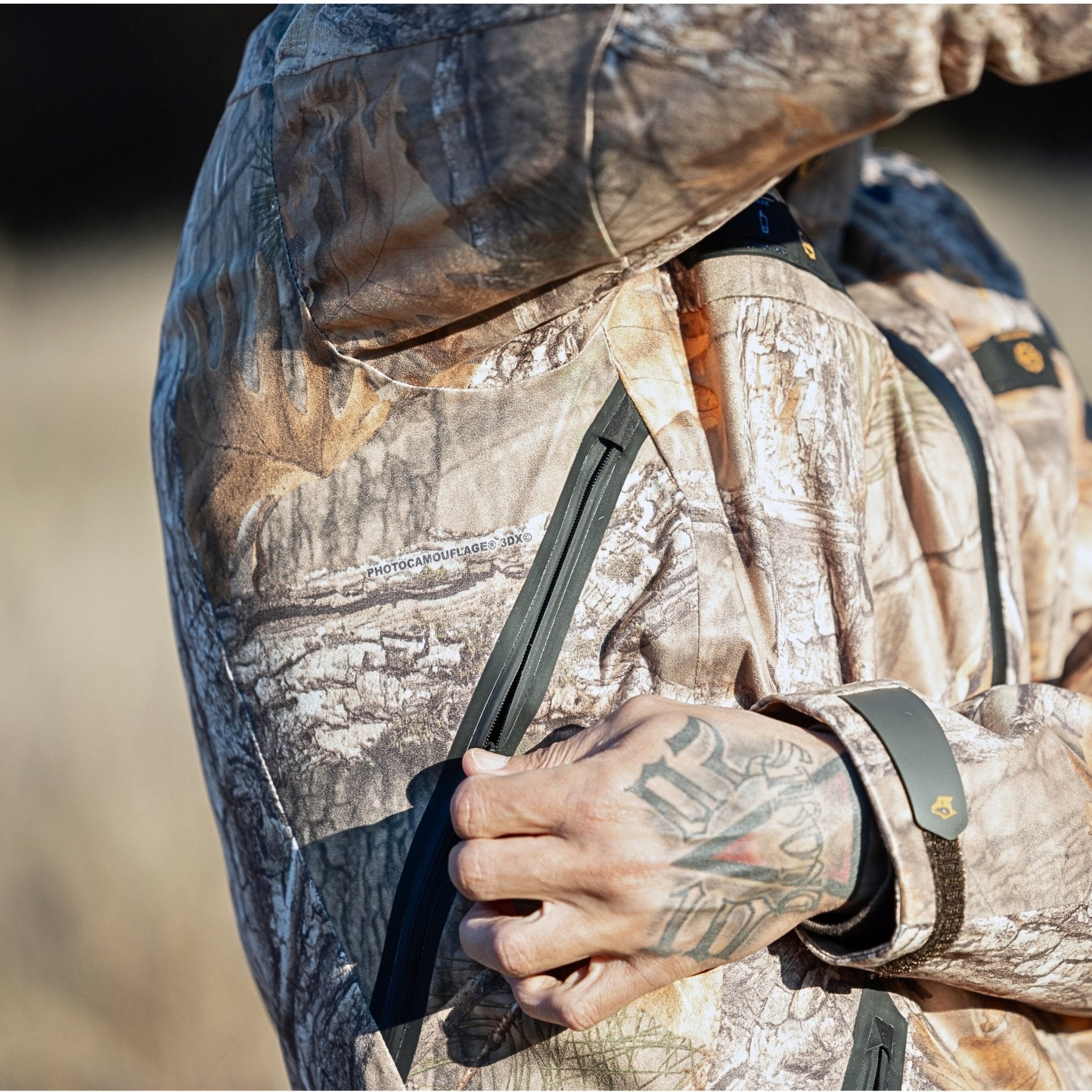
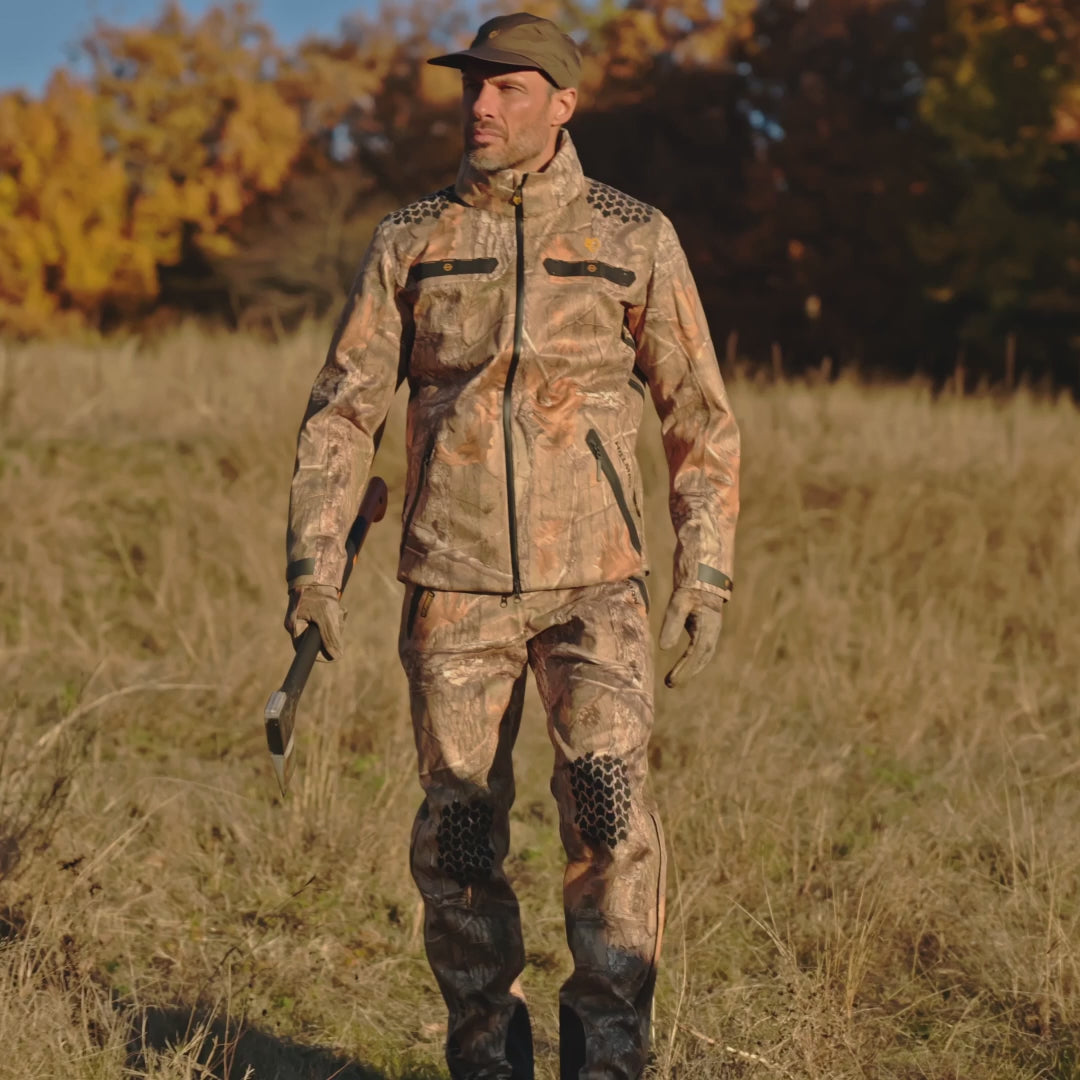
- Insulated Hunting Jacket 6OL: waterproof and windproof, with 0.9 mm Matrix insulation and pit zips. Hillman lists it warm to -5°F; below 5°F it suggests adding its Heatmax7 heating system.
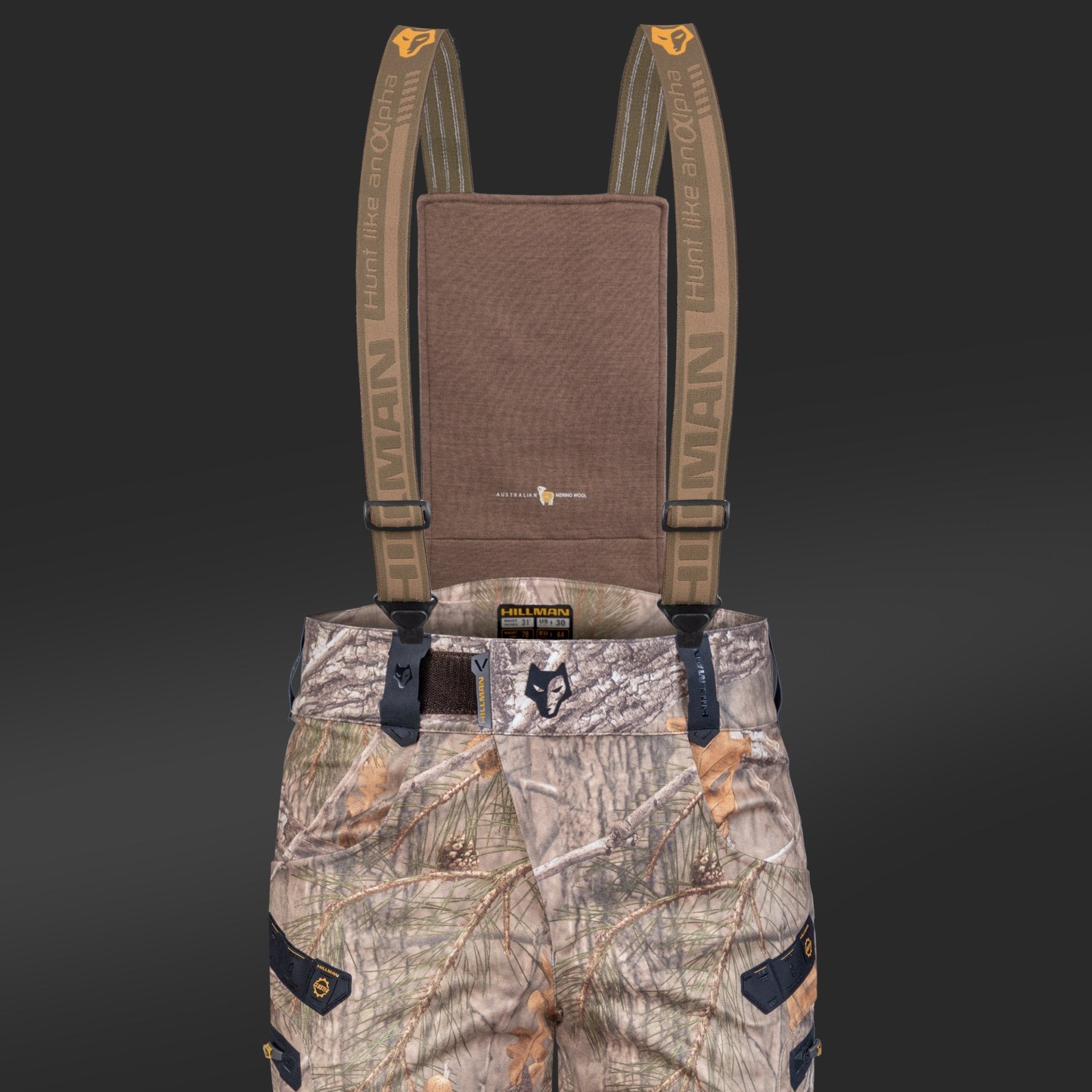
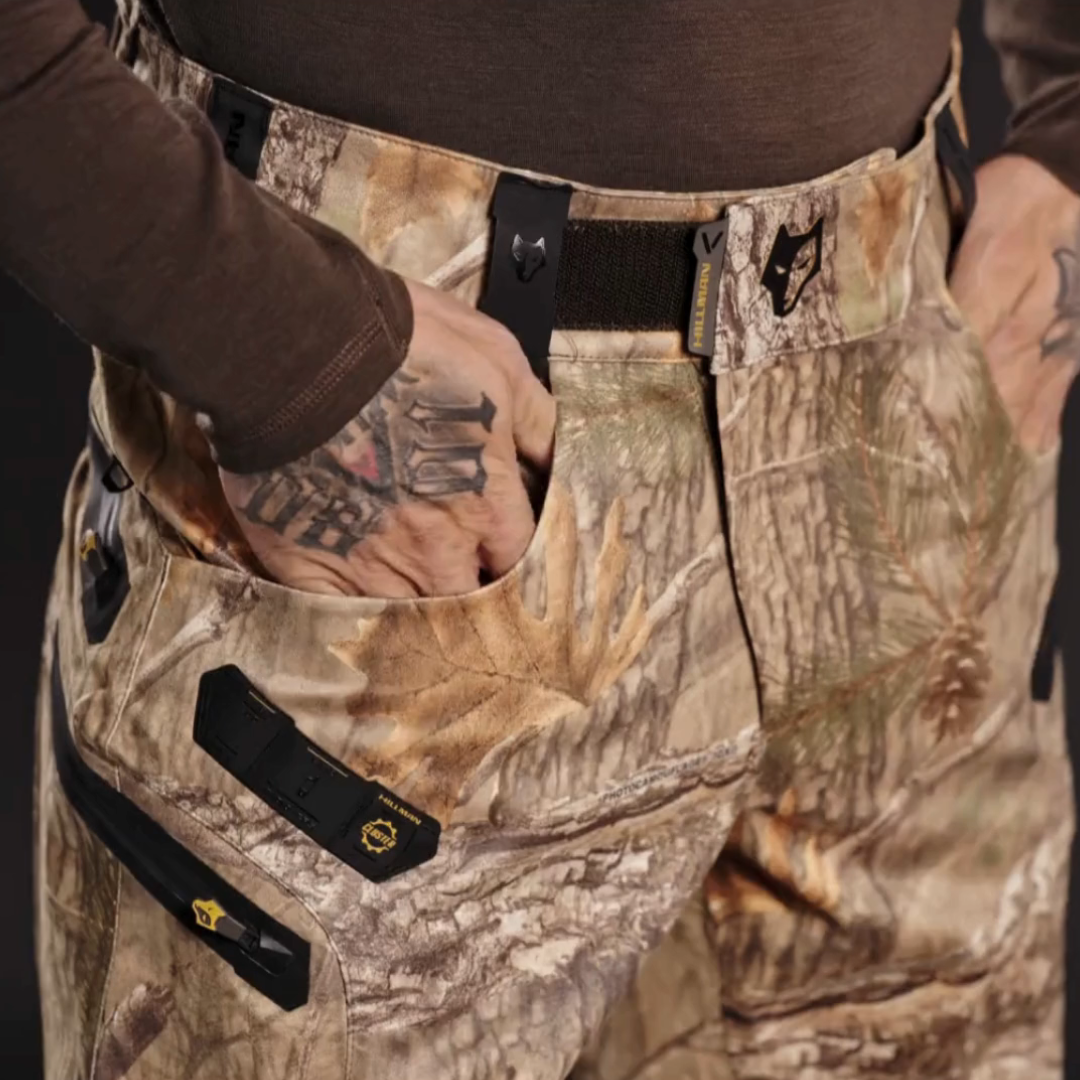
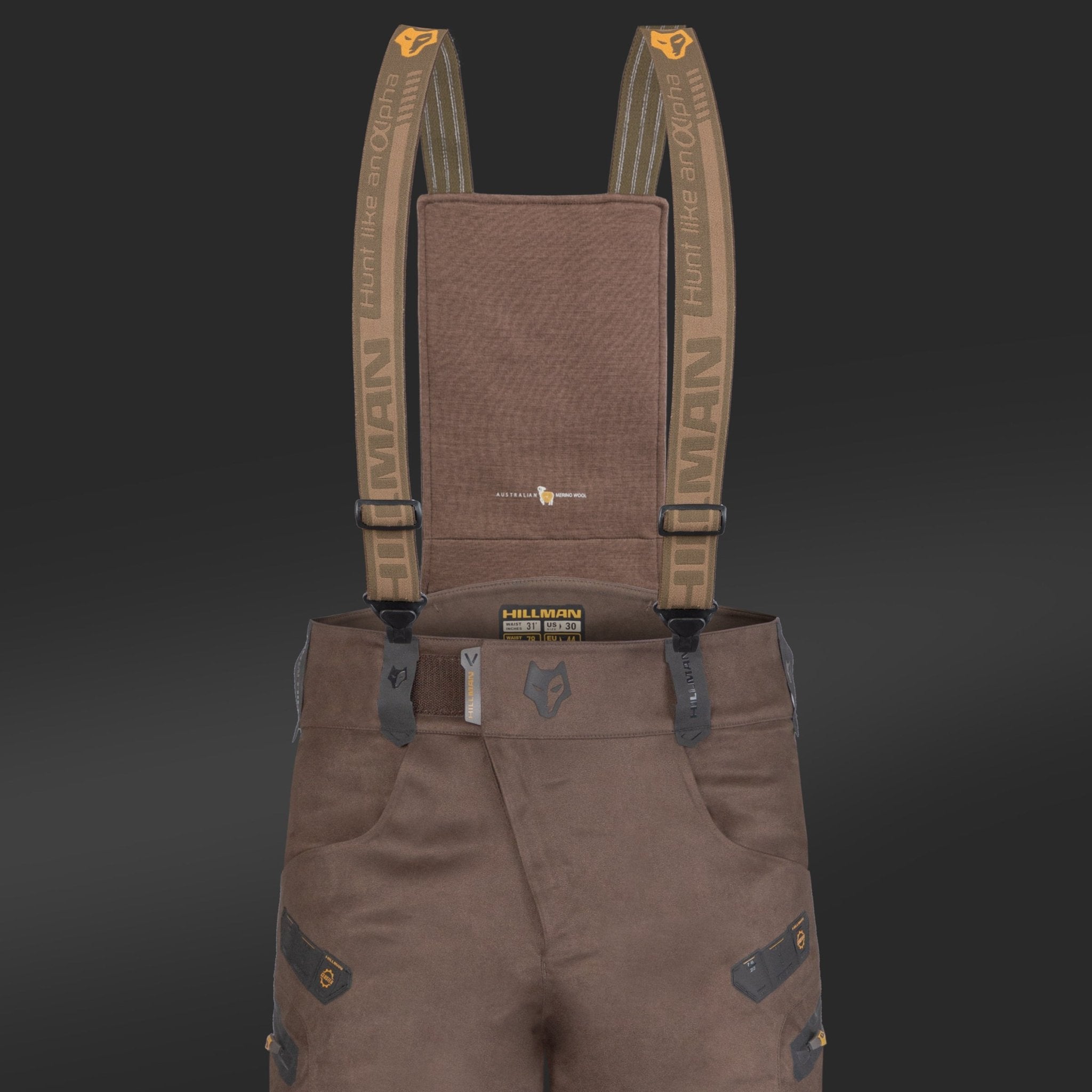
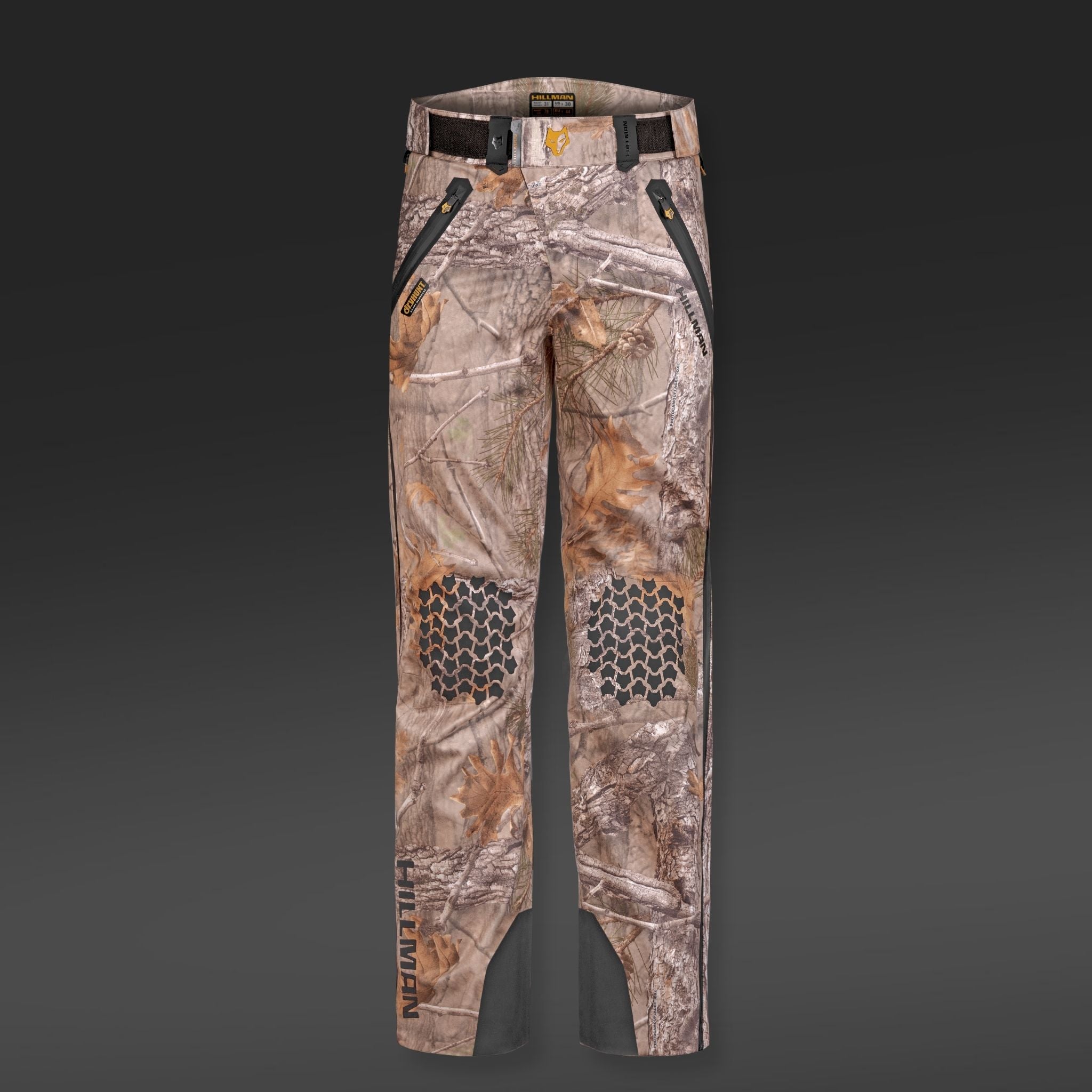
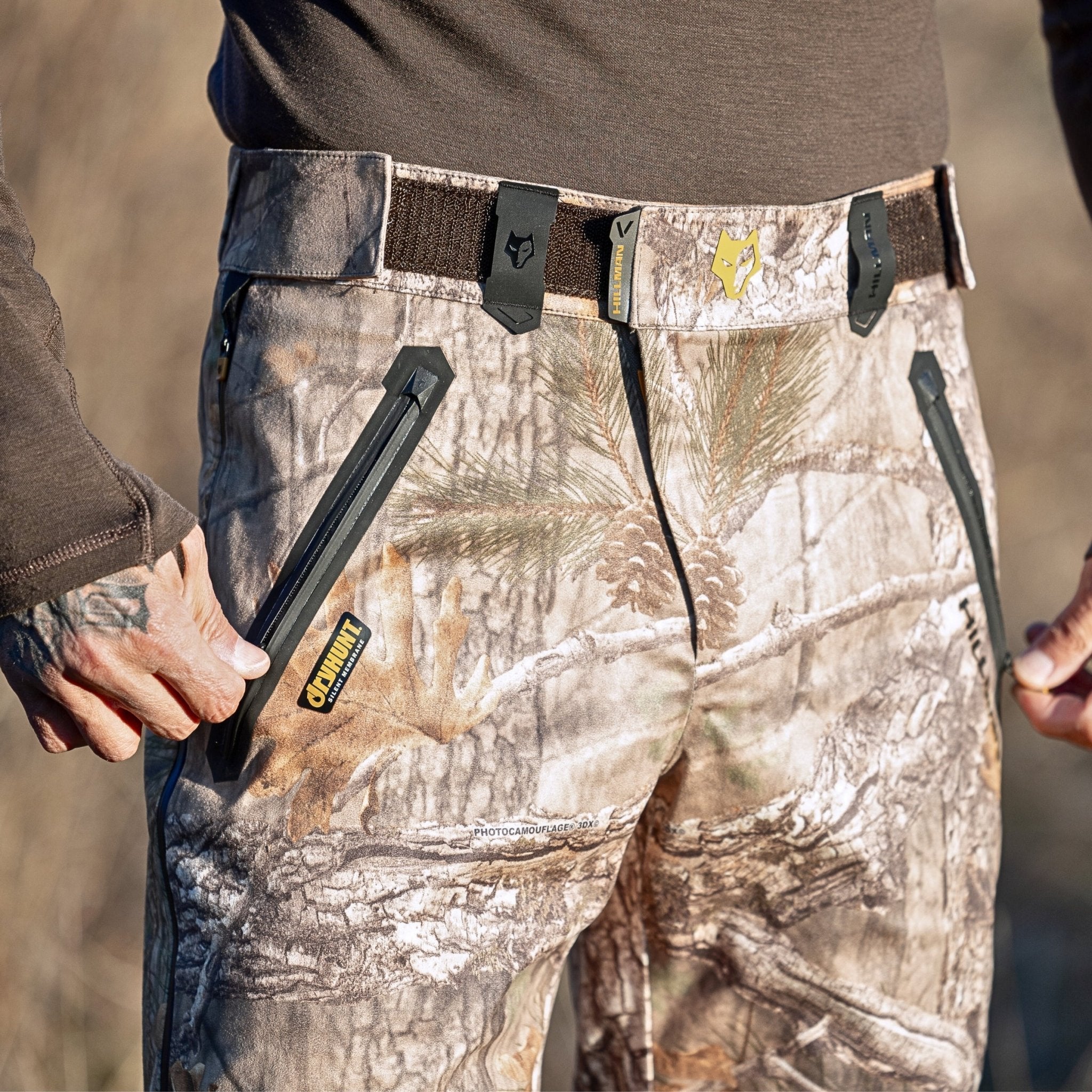
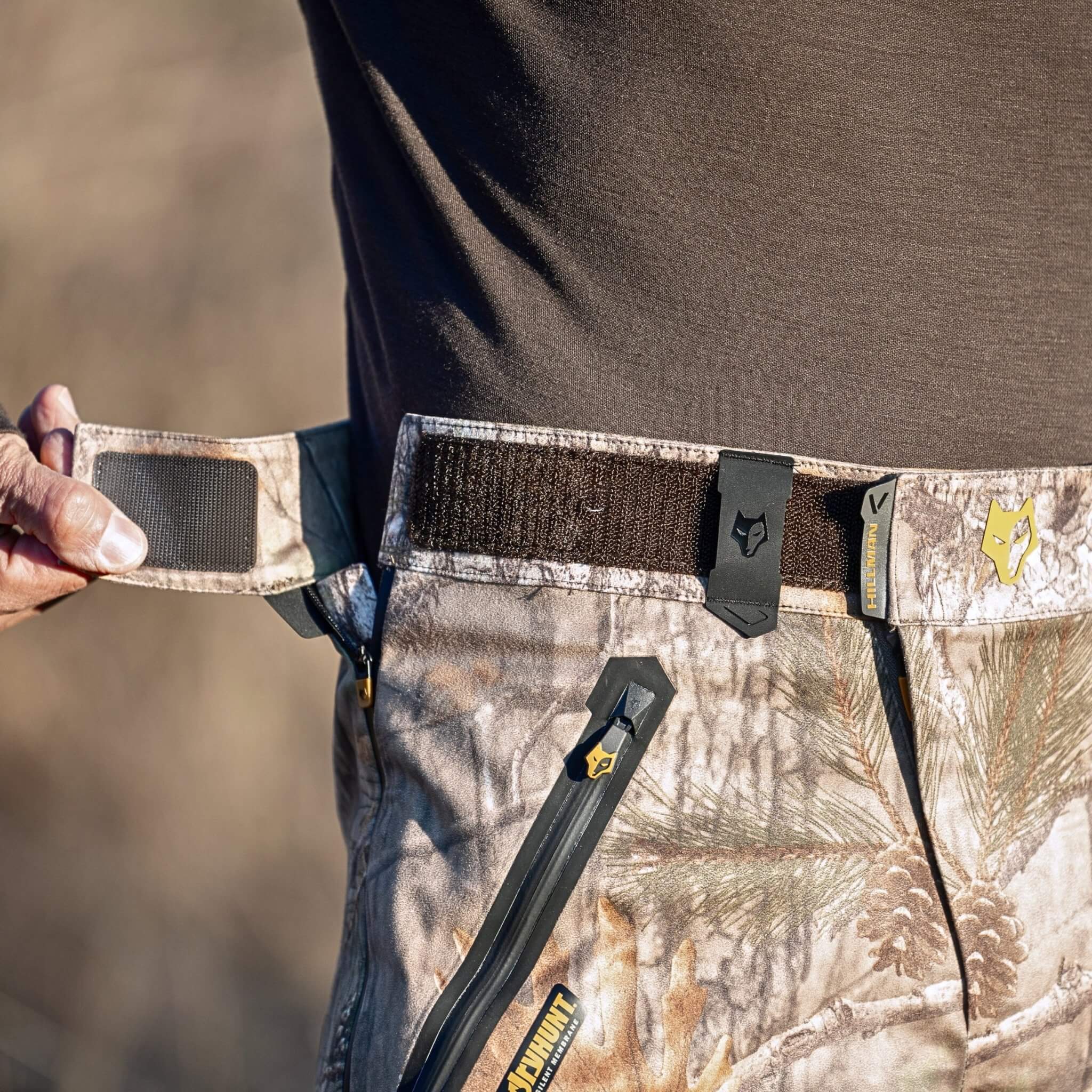
- Insulated Hunting Pants 6OL: 2.1 pounds, listed from 68°F down to -5°F, with a waist that adjusts a full size for extra layers underneath.
Head and feet
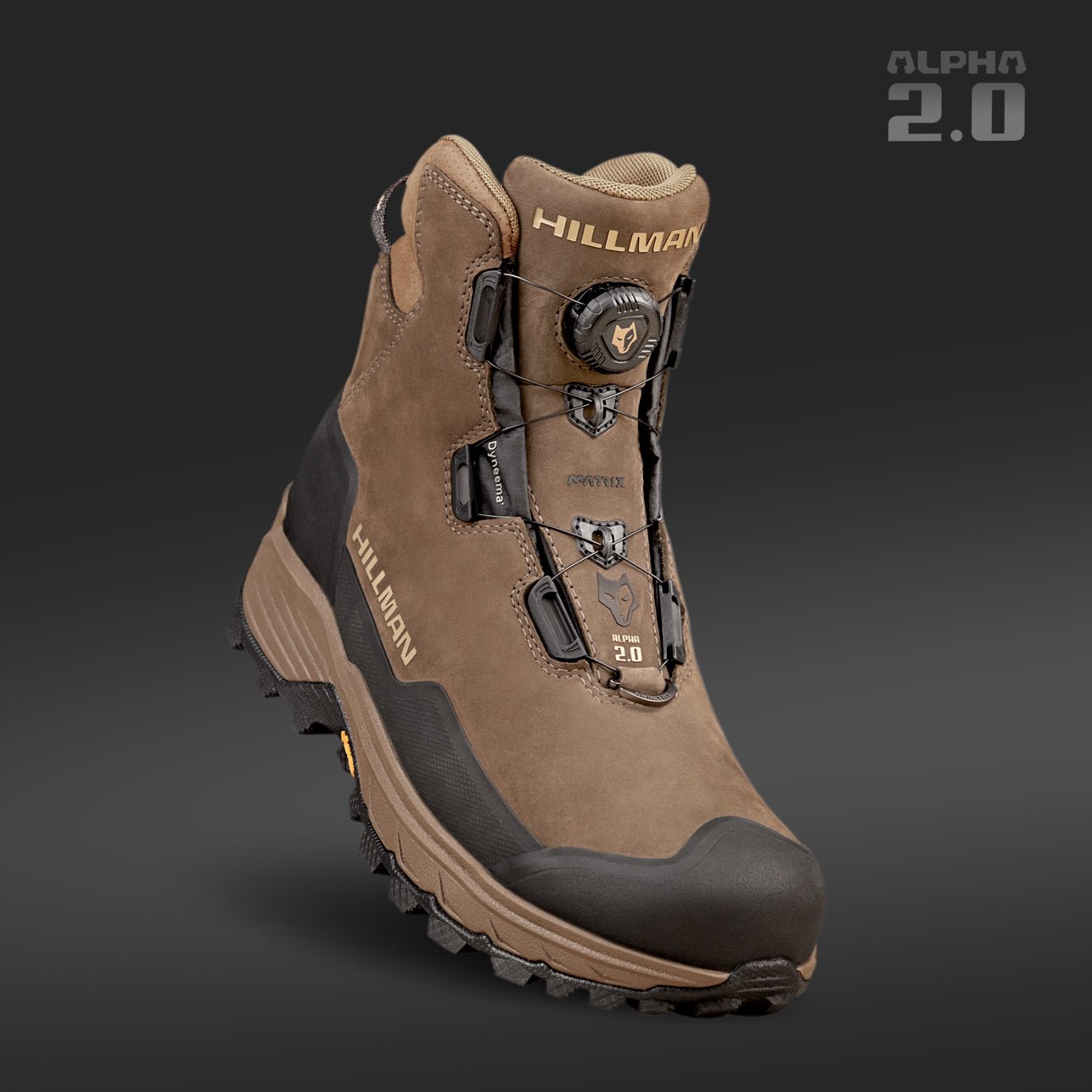
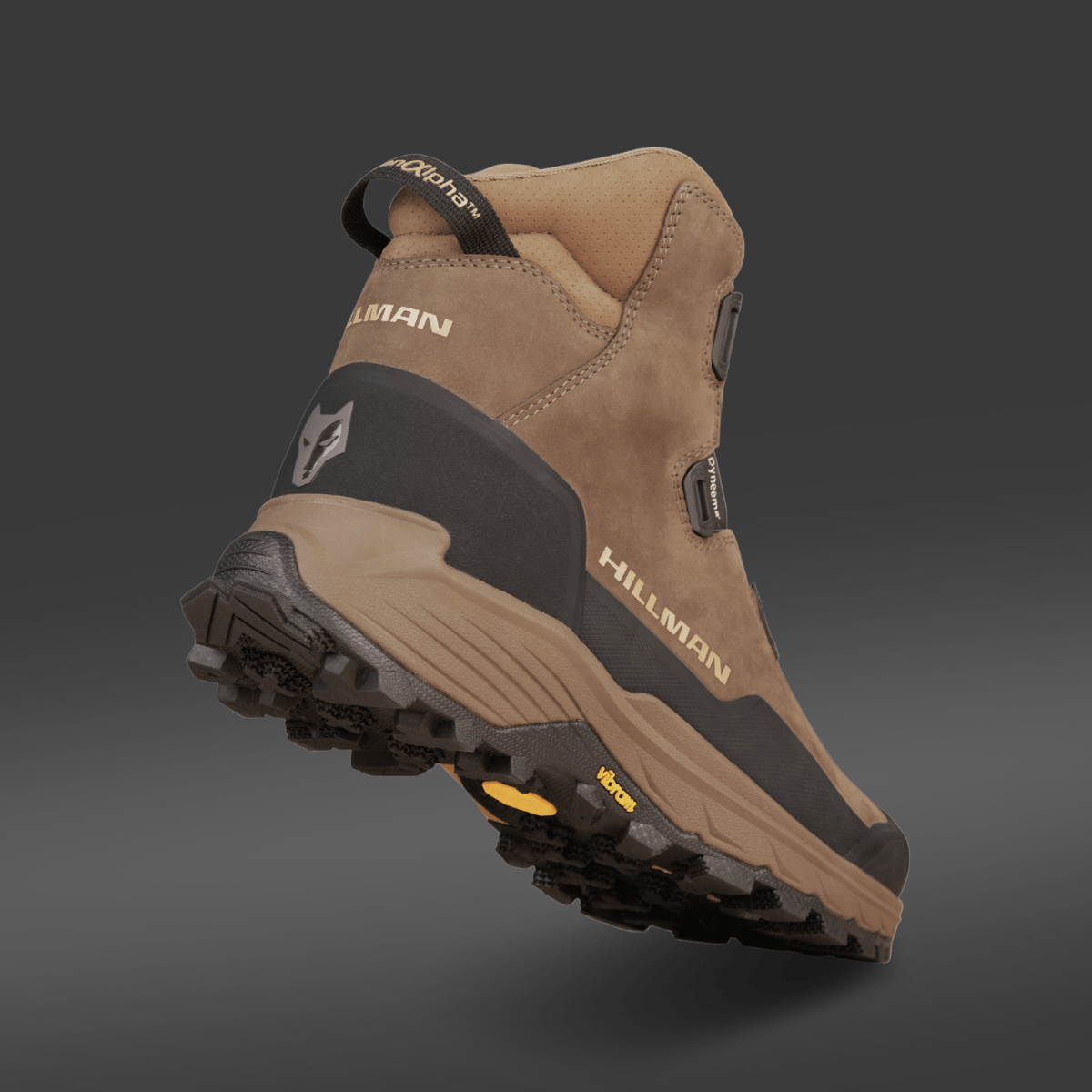
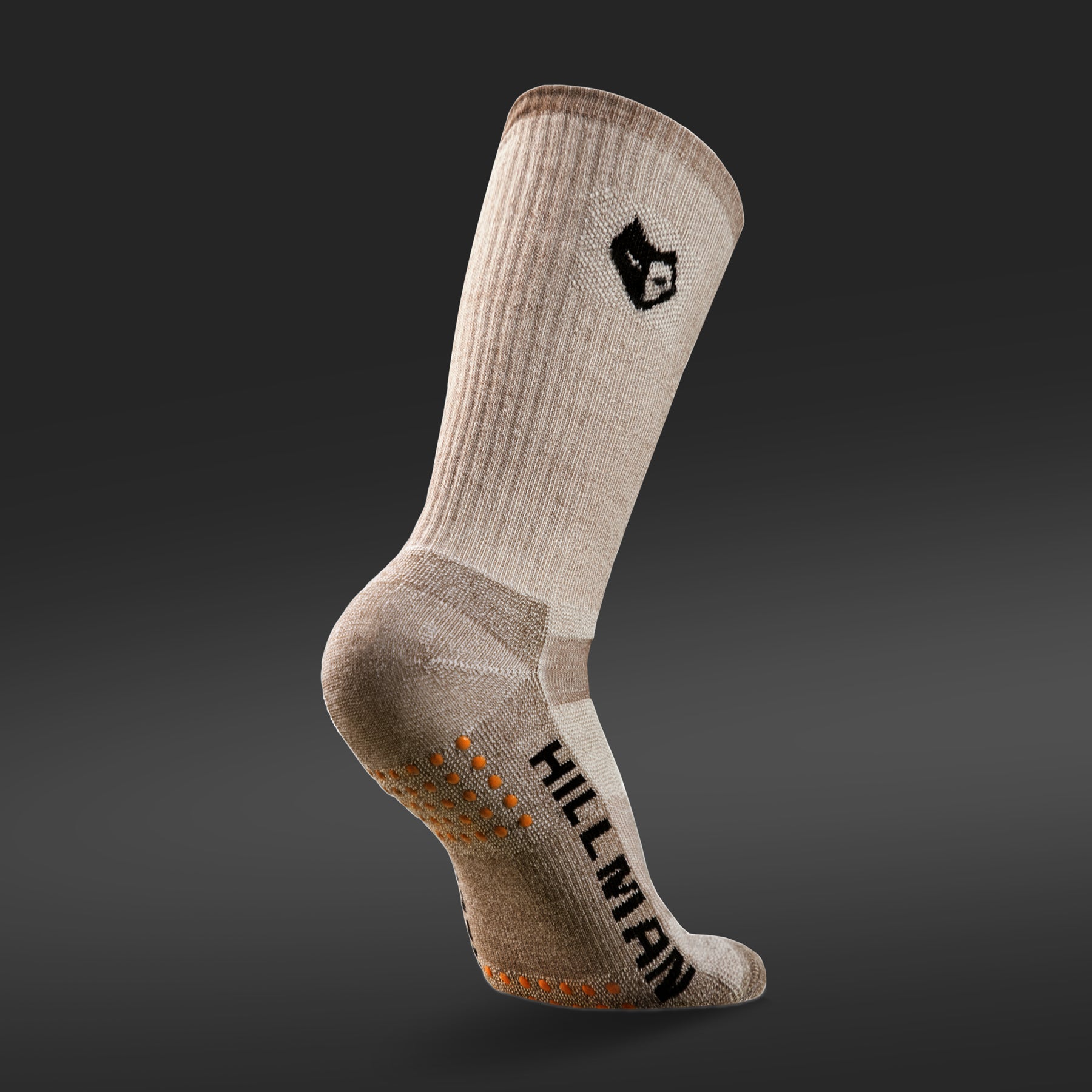
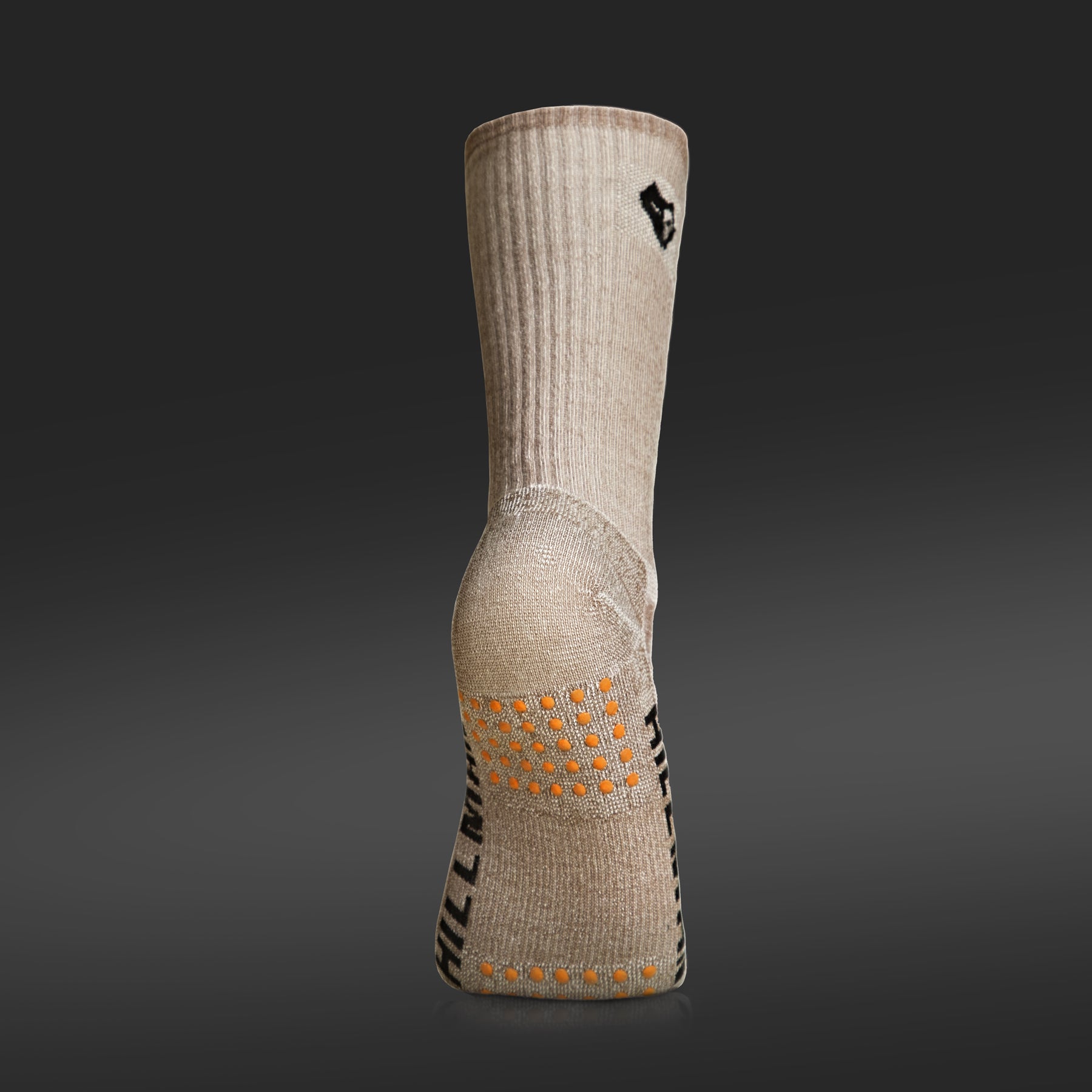
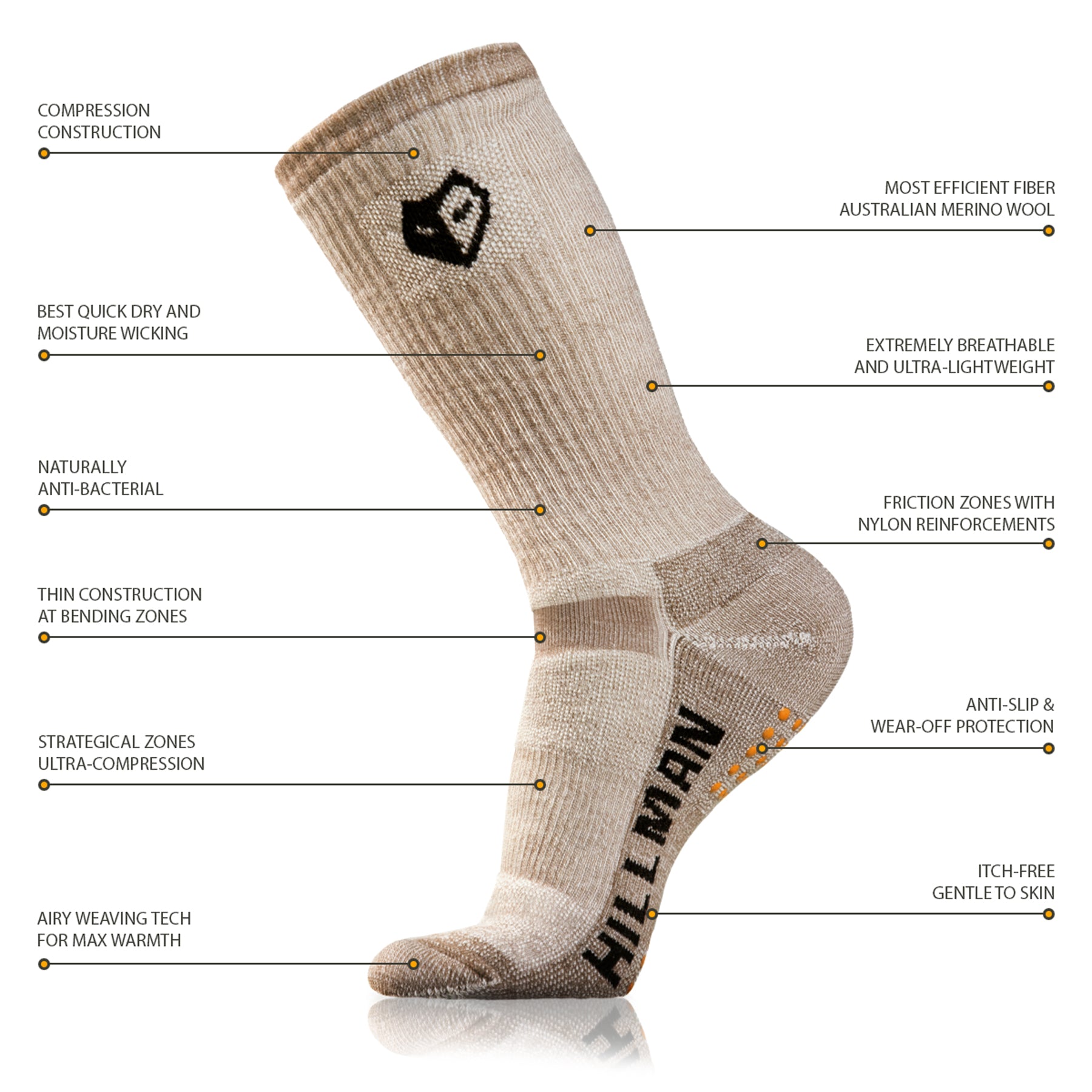
- Merino beanie and merino wool hunting socks.
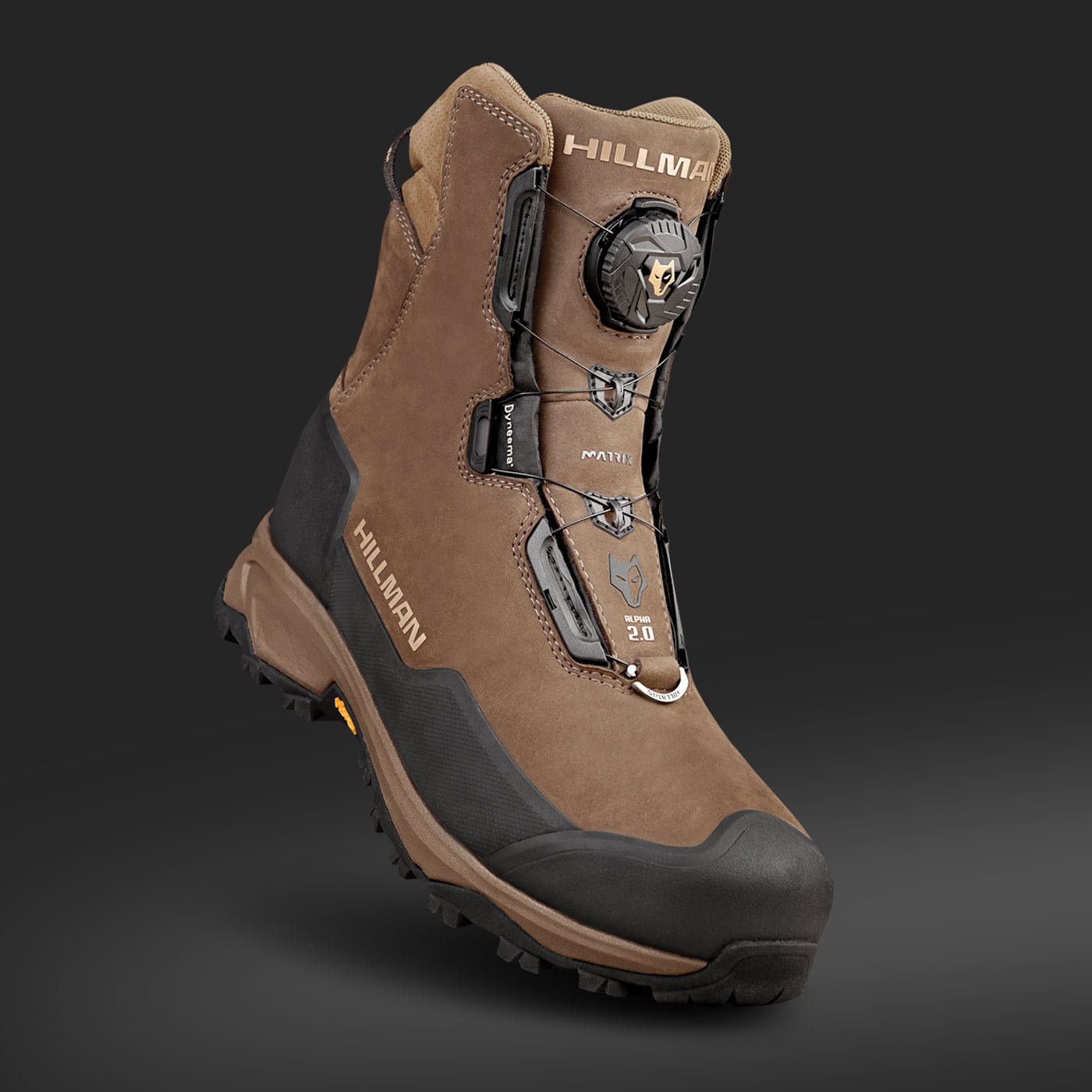
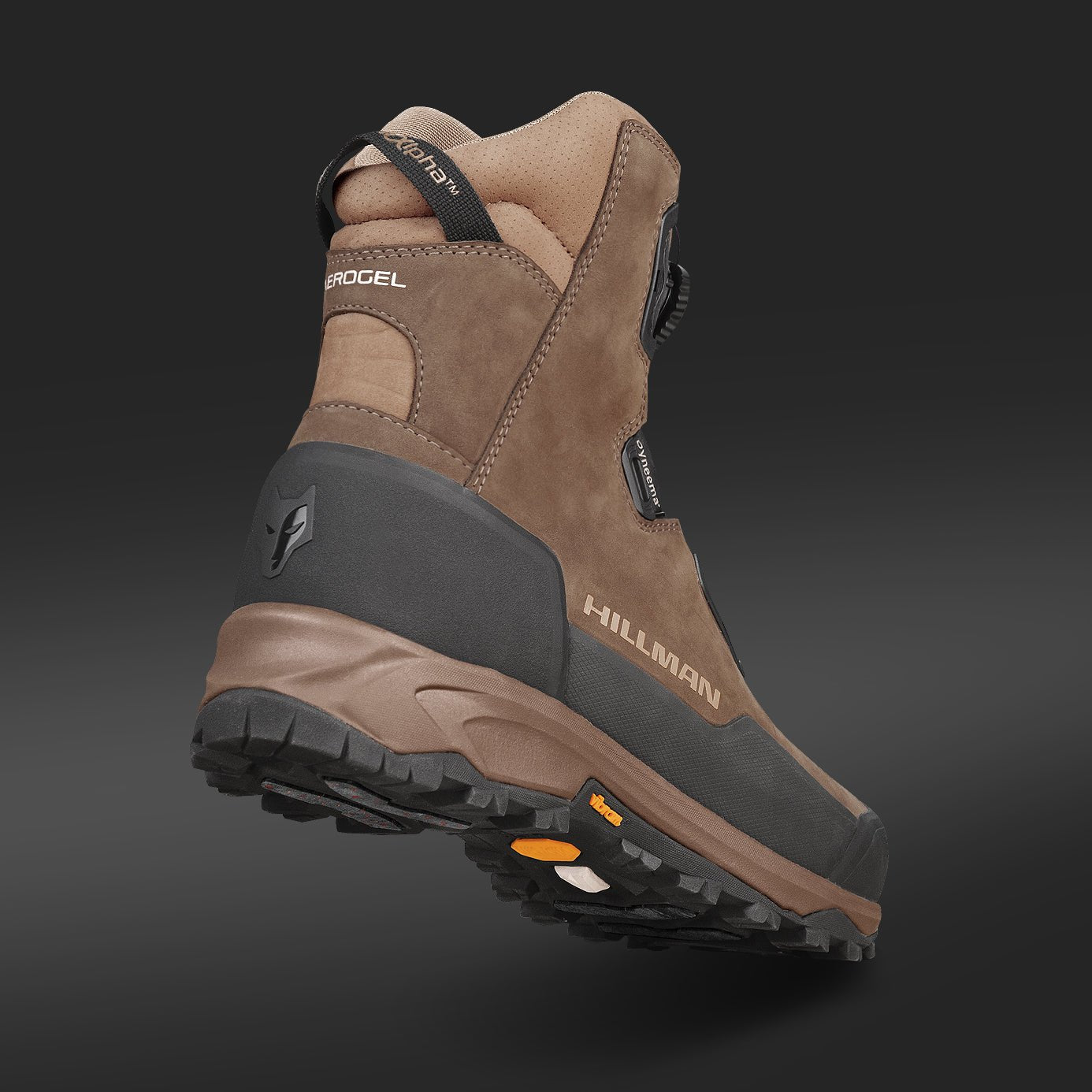
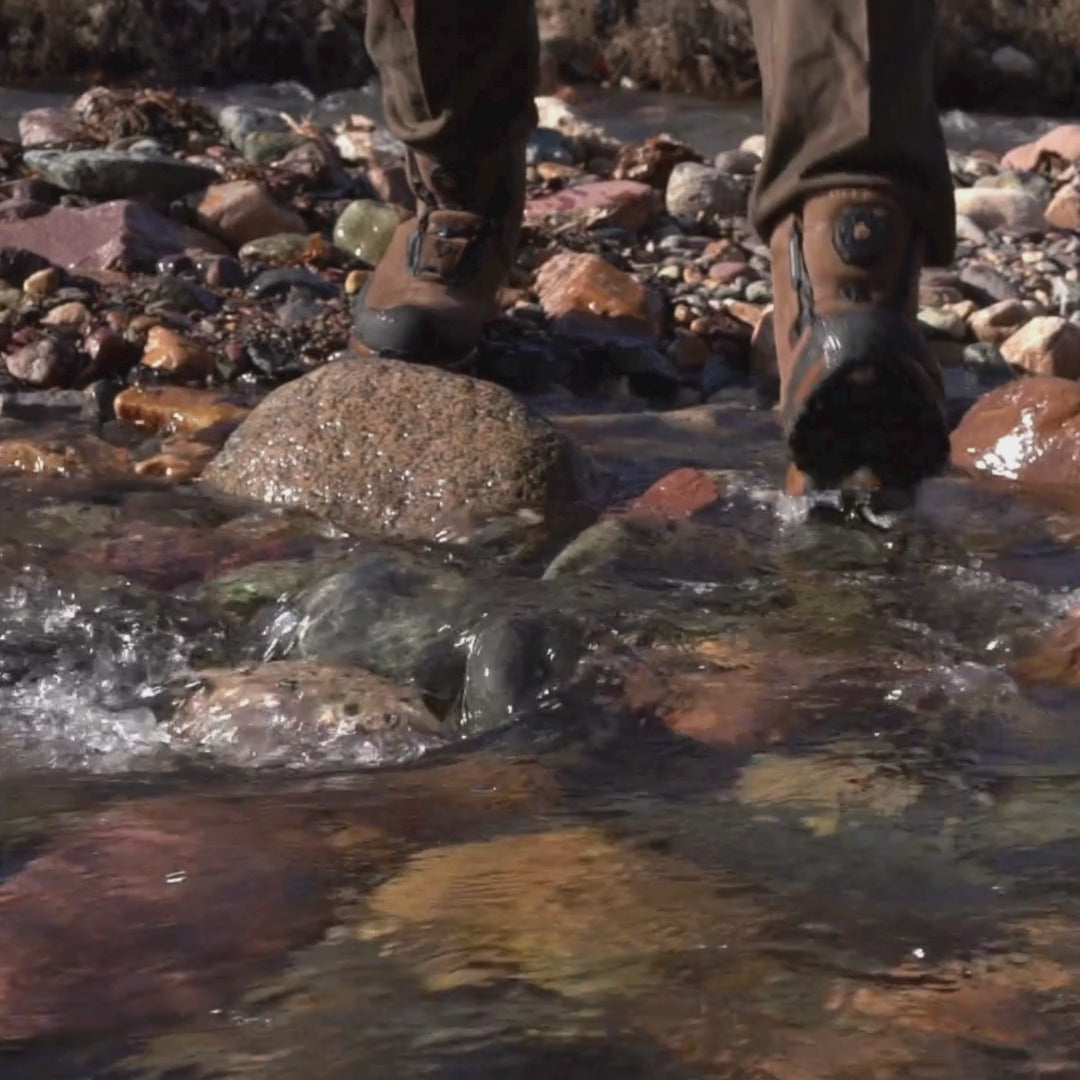
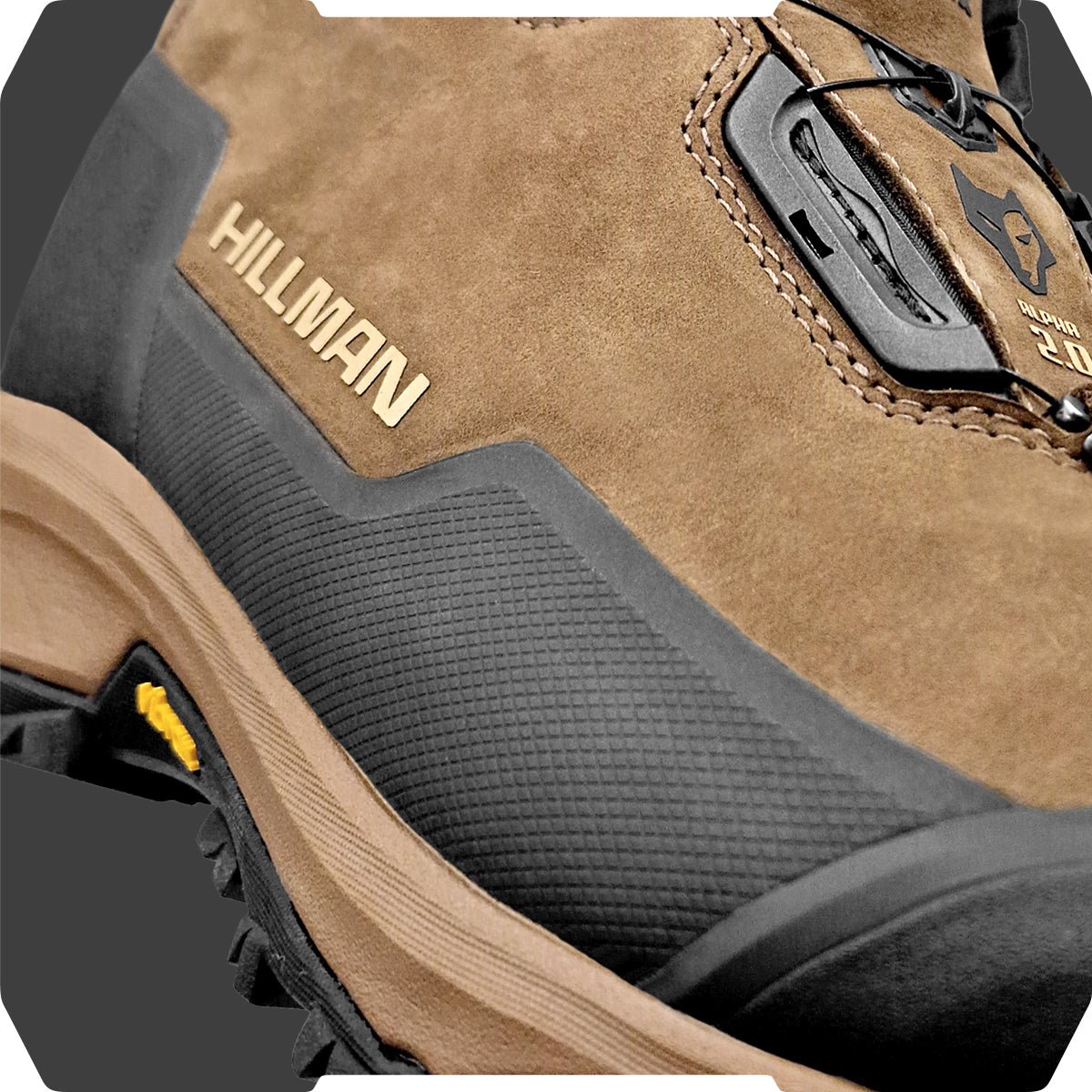
- For boots, read our guide to insulated hunting boots for winter.
Frequently asked questions
Is merino or synthetic better for a hunting base layer?
Merino resists odor and stays warmer when damp, which counts on long sits and multi-day trips. Synthetic dries faster and costs less. Both beat cotton.
How many layers should I wear for deer hunting?
Two or three on mild days. Four, plus a rain shell if needed, on cold sits.
Should I wear my hunting jacket on the walk in?
Usually not. Carry it and put it on at the stand, unless it is raining or bitterly cold.
Why are my hands and feet cold when my body feels warm?
When your core starts to cool, your body cuts blood flow to hands and feet first. Add warmth to your core and head, and check that your boots are not laced too tight.



Share:
Hunting Clothes for Dog Work: Briars, Mud, Stops, Movement