

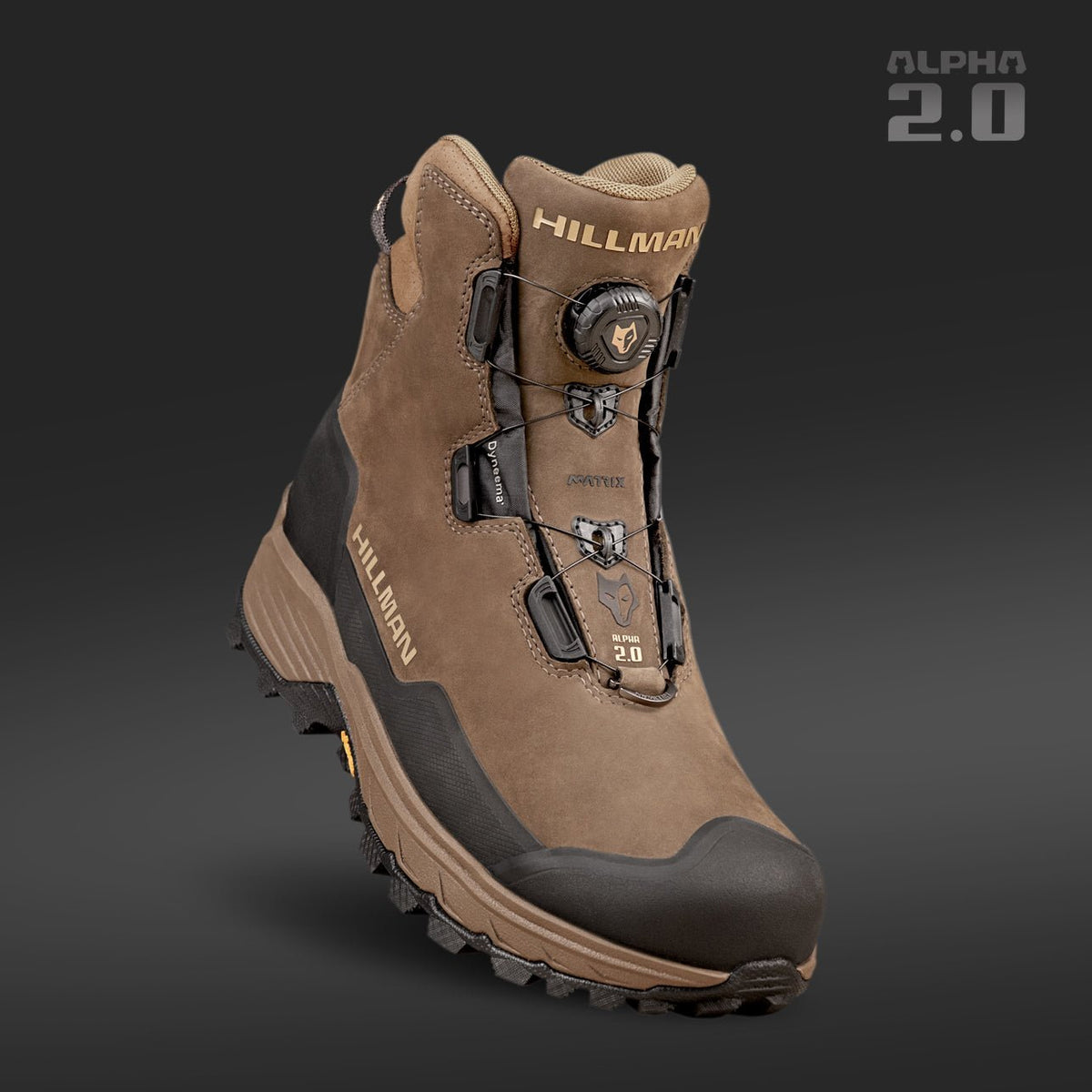
The walk to a stand and the wait in it ask different things from a boot. On the walk, you're trying to get rid of heat. An hour after sitting down, you want that heat back.
That's the useful starting point for comparing aerogel vs Thinsulate vs PrimaLoft. Insulation matters, but a bigger number on the boot box won't fix socks soaked during the approach. Nor will it fix a toe box that pinches when you put your winter socks on.
Start with the Part of the Hunt That Gets You Cold
Picture a 30-minute walk followed by four hours in a stand. Those aren't four and a half hours of the same activity. Dress your feet for the wait, then slow the approach enough to avoid arriving with damp socks. Carrying a spare pair gives you another option before the sit begins.
Now change the plan to a morning of walking field edges. The heavily insulated boots that made sense in the stand become a lot of boot to carry. Your feet are working, and so is the rest of you. Less insulation starts to look useful.
Before changing boots, notice when the chill starts. Right after you stop? Check moisture. Pressure across your toes? Check fit. Dry feet getting steadily colder during a long wait? That's a better reason to look at insulation.
What the Three Materials Actually Tell You
Thinsulate and PrimaLoft are synthetic insulation families. Their fibers hold air, slowing the movement of heat. Both names cover different products, so treating either brand as one fixed level of warmth misses an important detail.
The claim that fiber insulation simply flattens and stops working underfoot is too crude. 3M makes pre-compressed Thinsulate for footwear. Construction matters, including what sits below the foot rather than just around the upper.
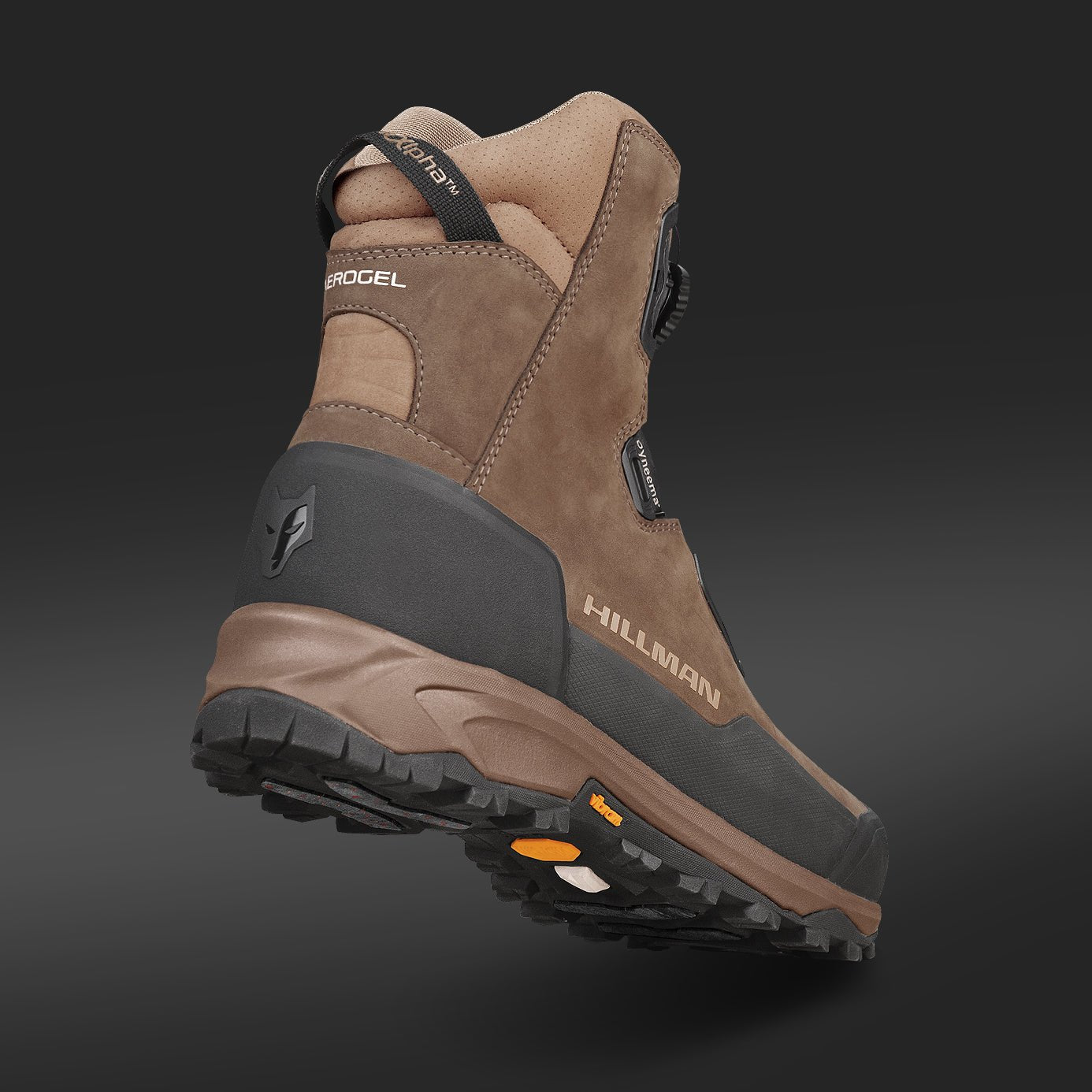
Aerogel offers substantial resistance to heat transfer in a thin layer. That's its appeal in a boot: insulation without filling so much of the available space. The aerogel composite, its thickness, and its placement decide what the finished boot gets from it.
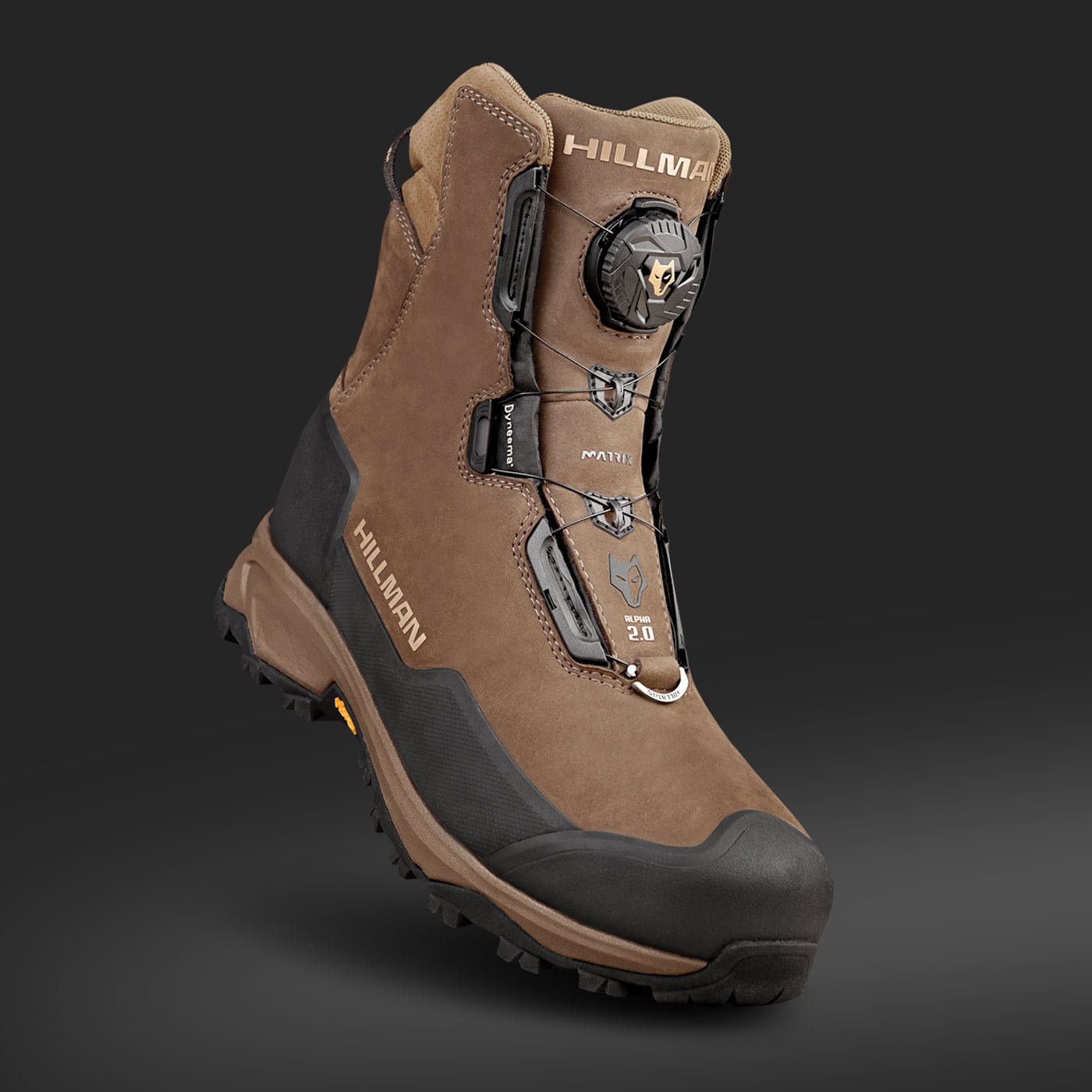
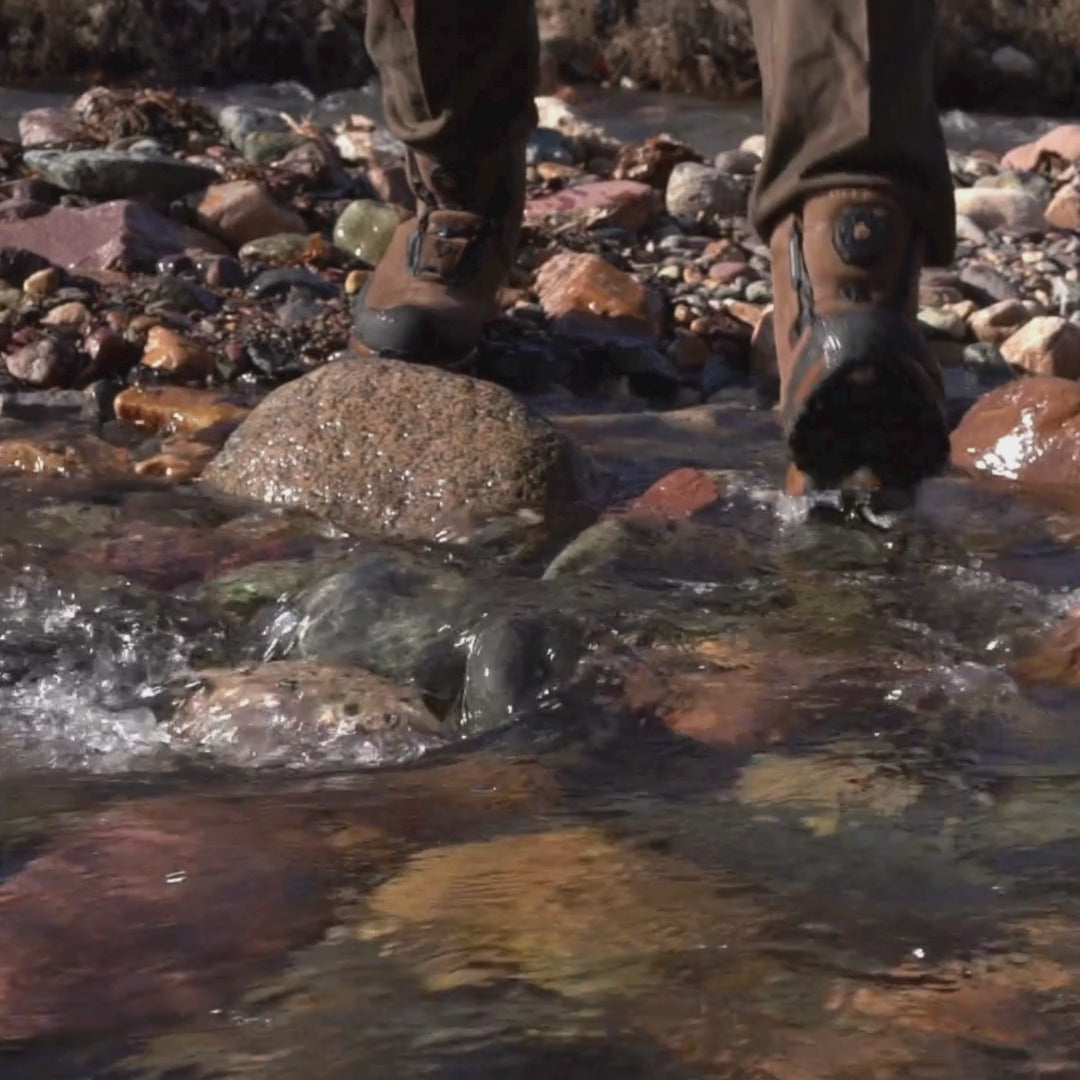
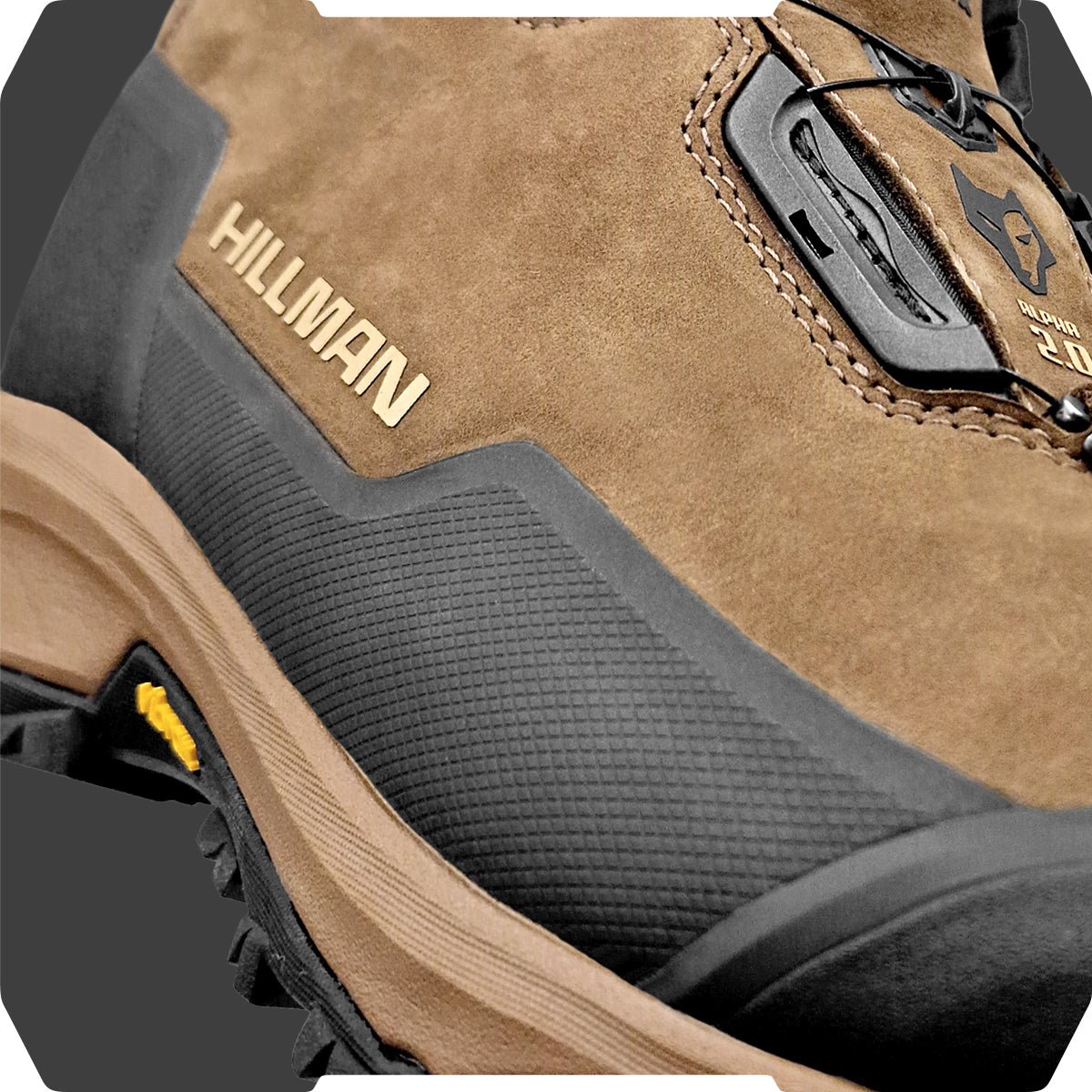
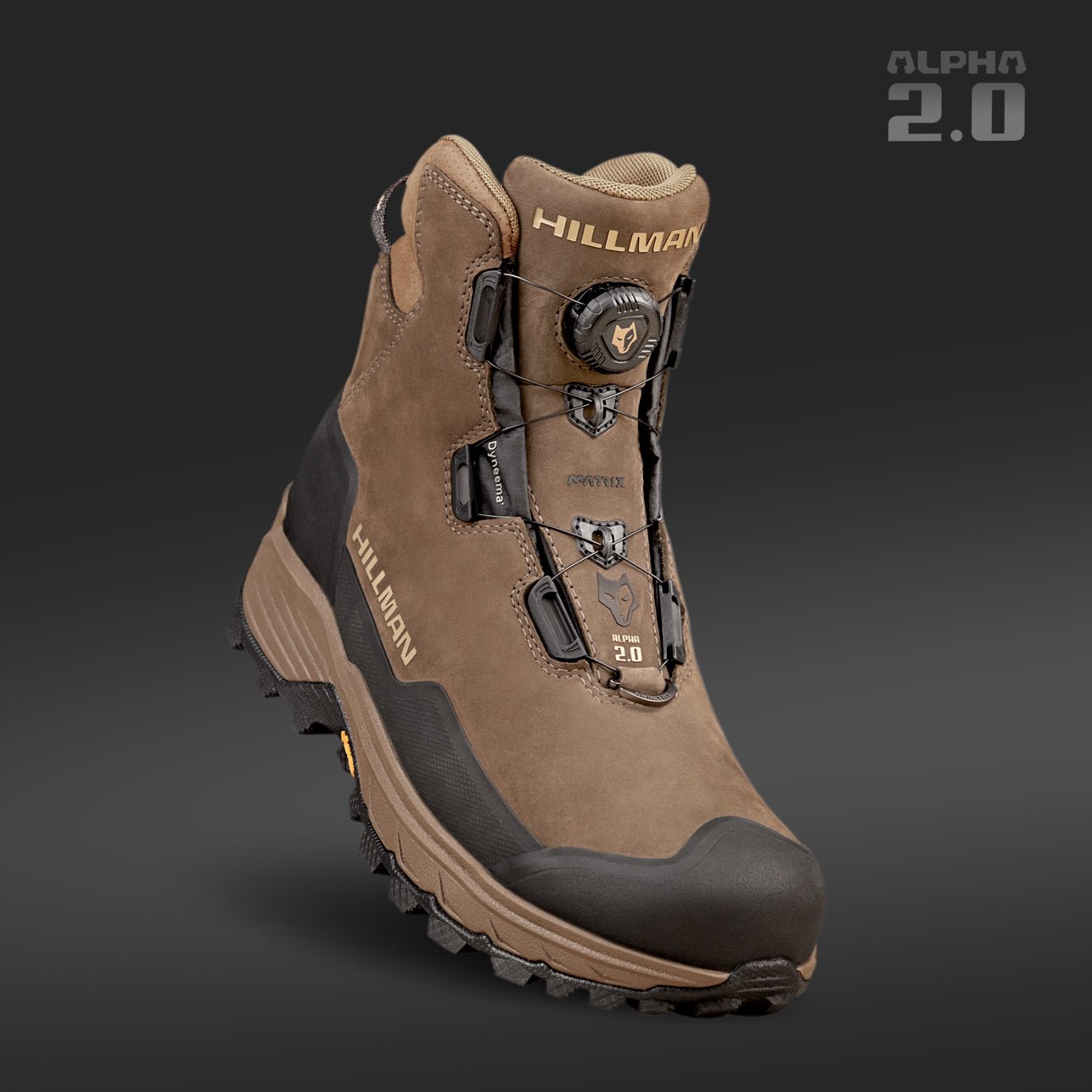
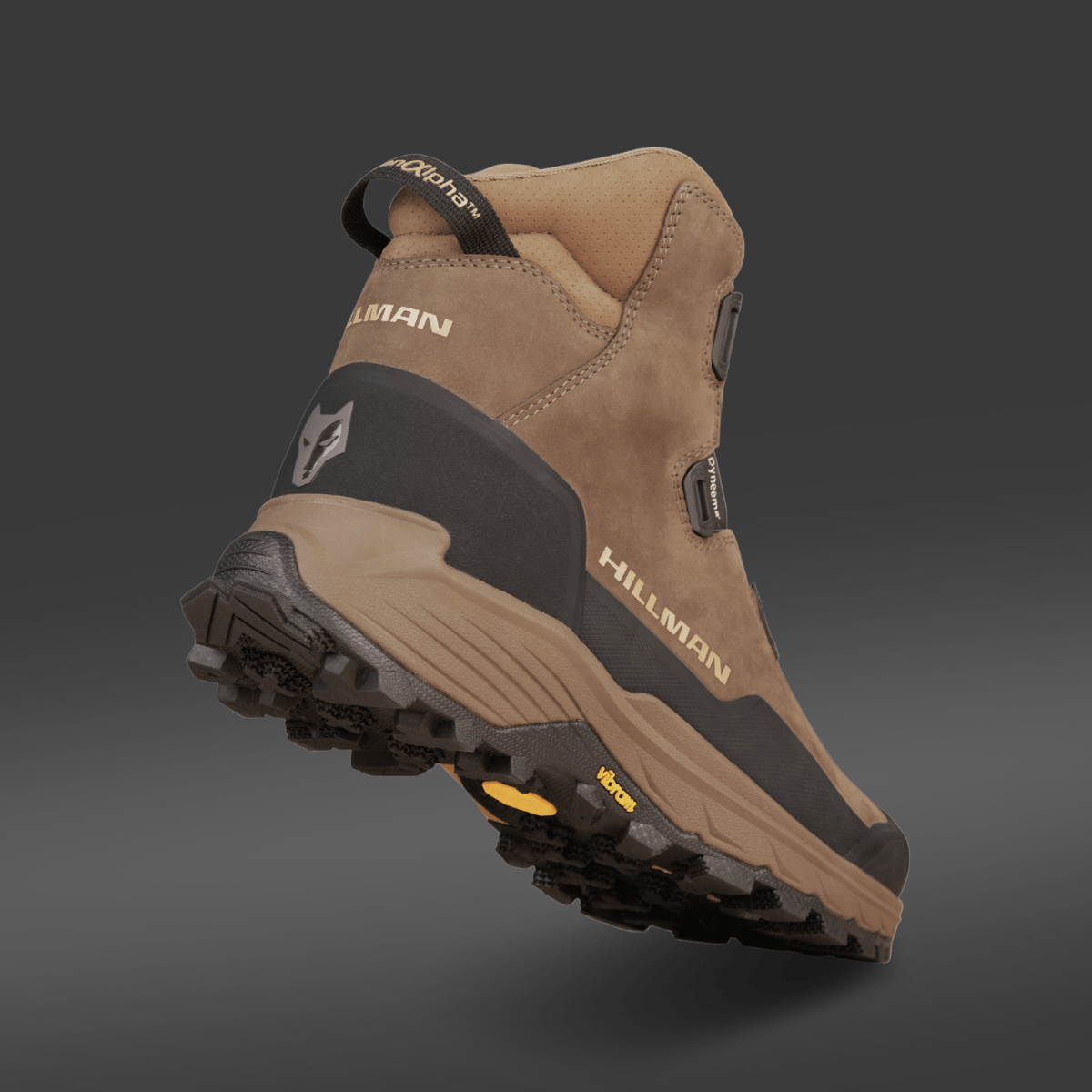
Hillman's Aerogel 2.0 insulated hunting boots use aerogel with Matrix insulation. They're worth looking at when bulky winter footwear is the problem you're trying to solve. Assess them as complete boots, including their waterproof construction, sole, and fit.
Don't Turn Grams into a Temperature Forecast
A 400 g insulation label usually refers to material weight per square meter. It isn't a statement that the boot contains 400 grams of insulation, and it isn't a temperature rating.
Within similar constructions, more insulation usually means more warmth and bulk. Across unrelated materials, there's no honest shortcut from one gram label to another. A claim that a thin layer equals a much heavier fill needs comparable testing behind it.
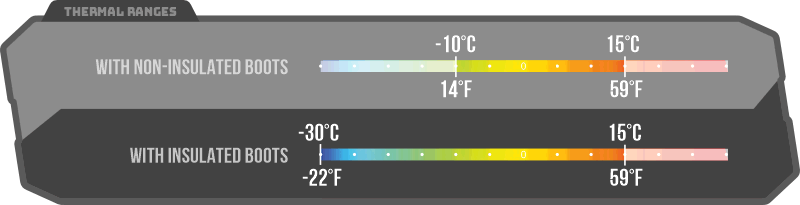
The same applies to temperature claims. Your pace, circulation, socks, exposure, and time outdoors all affect comfort. A rating on a product page doesn't tell you when your own toes will get cold.
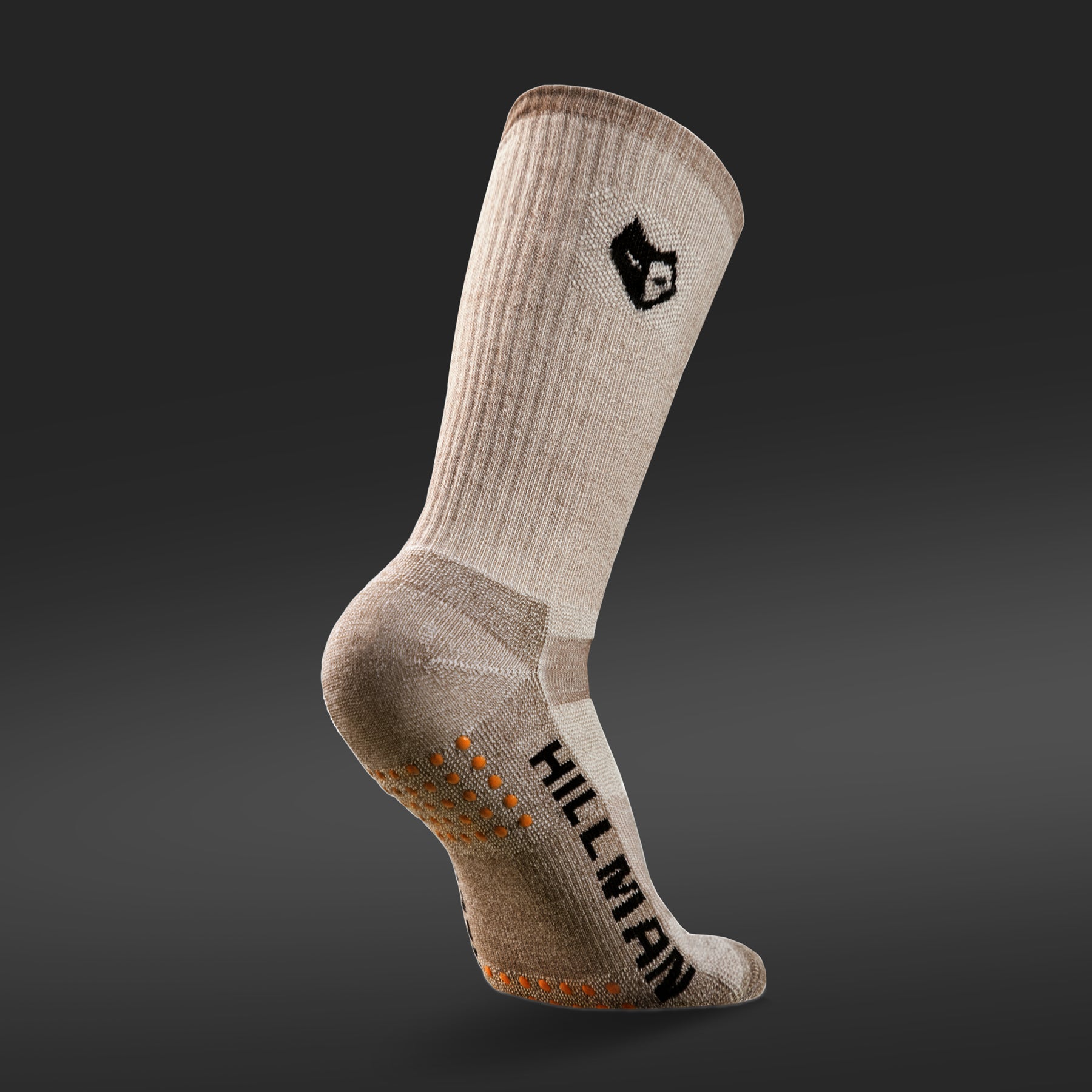
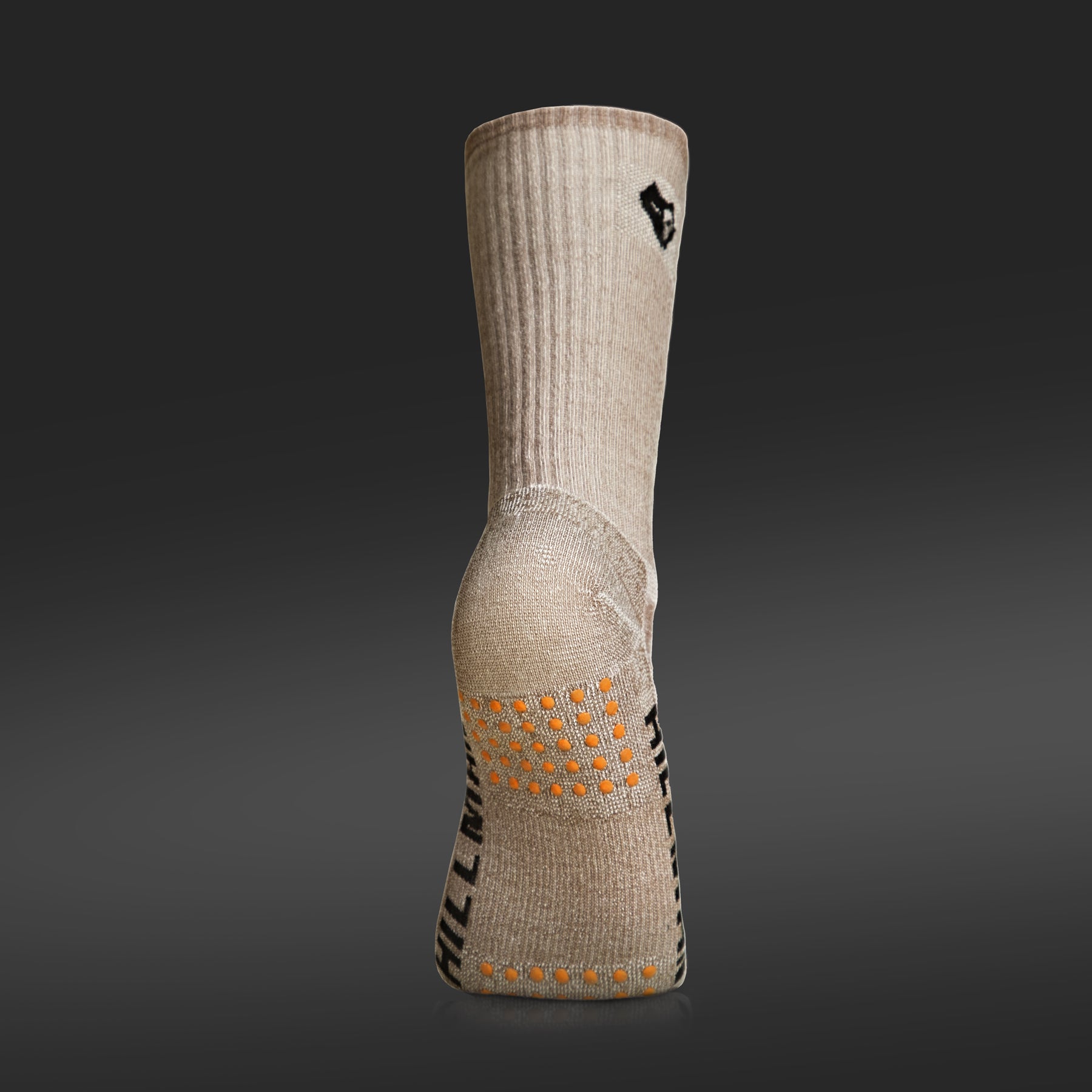
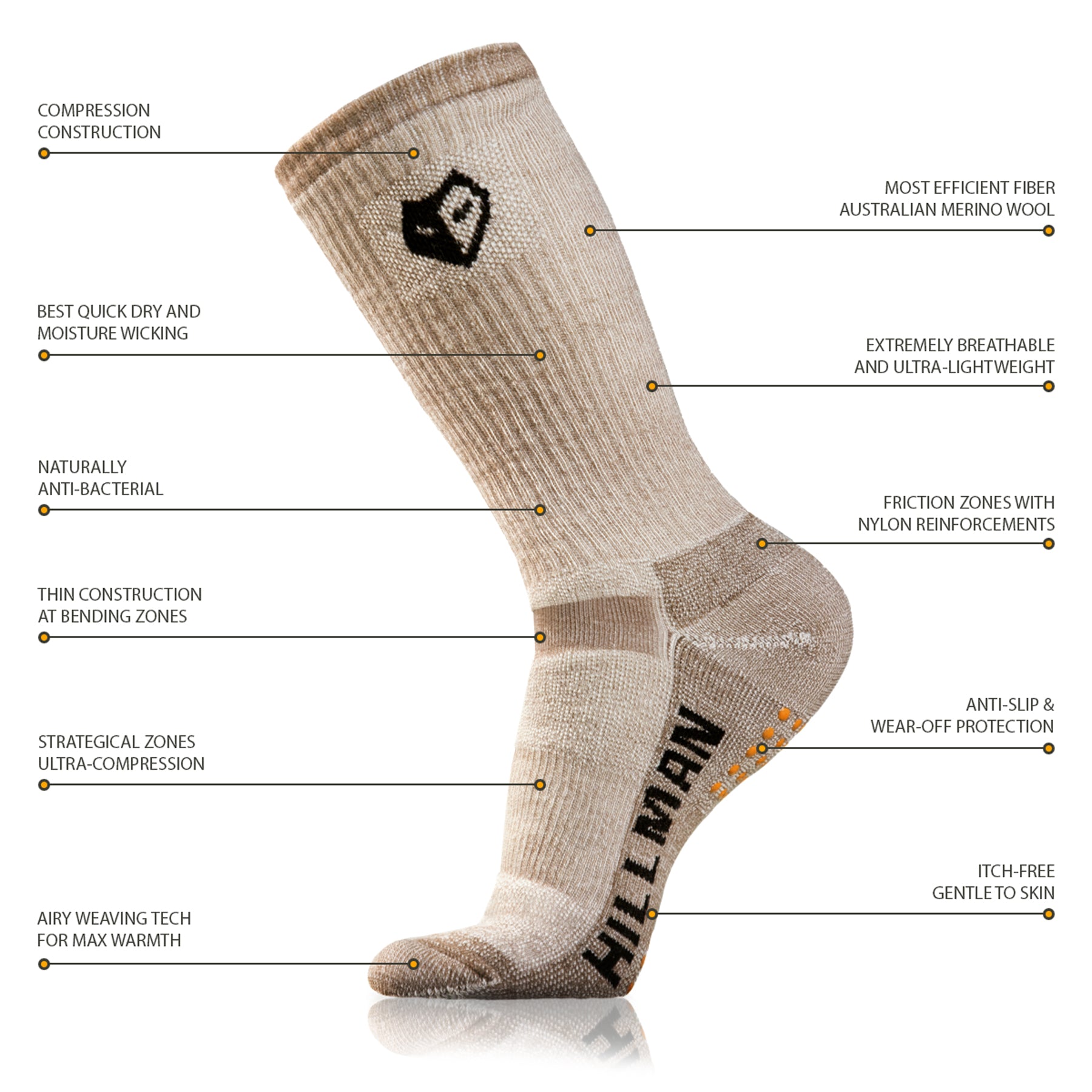
When comparing Hillman's hunting boots, decide first whether you need an insulated or uninsulated pair. Then try your normal hunting socks. If the toes feel crowded, don't add another pair and hope for the best.
Related reading: EU to US Hunting Boot Sizing and Fit Guide and A Merino Base Layer System for Hunting.
The most useful boot comparison starts with what went wrong on the last hunt. Fix that problem first. The insulation label comes after it.









Share:
How to Choose Hunting Pants for Kneeling, Crawling & Sitting
Base Layers for Hunting: Merino, Bamboo and Synthetic