


If an EU 43 fit you in another brand, ordering the same number again feels reasonable. It's also how you end up with a heel that lifts and a forefoot that feels trapped.
An EU to US hunting boot sizing chart translates a label. It doesn't translate the shape of the boot. Take your measurements to the product chart, then check the fit on your feet.
The Numbers You Need Before Ordering
Measure both feet late in the day, standing with your weight on them. Follow the boot maker's measuring directions, including whether to wear socks. Record the distance from heel to longest toe and the width across the forefoot.
Keep those measurements in millimeters. A note saying one foot is 275 mm long is more useful to a retailer than saying you usually wear a 10. That number is an example, not a size recommendation: the product chart supplies the matching size.
Mention orthotics, unusual pressure points, or a noticeable difference between your feet when asking for help. An insole that fits in one boot might take up too much space in another.
Why the Conversion Isn't Exact
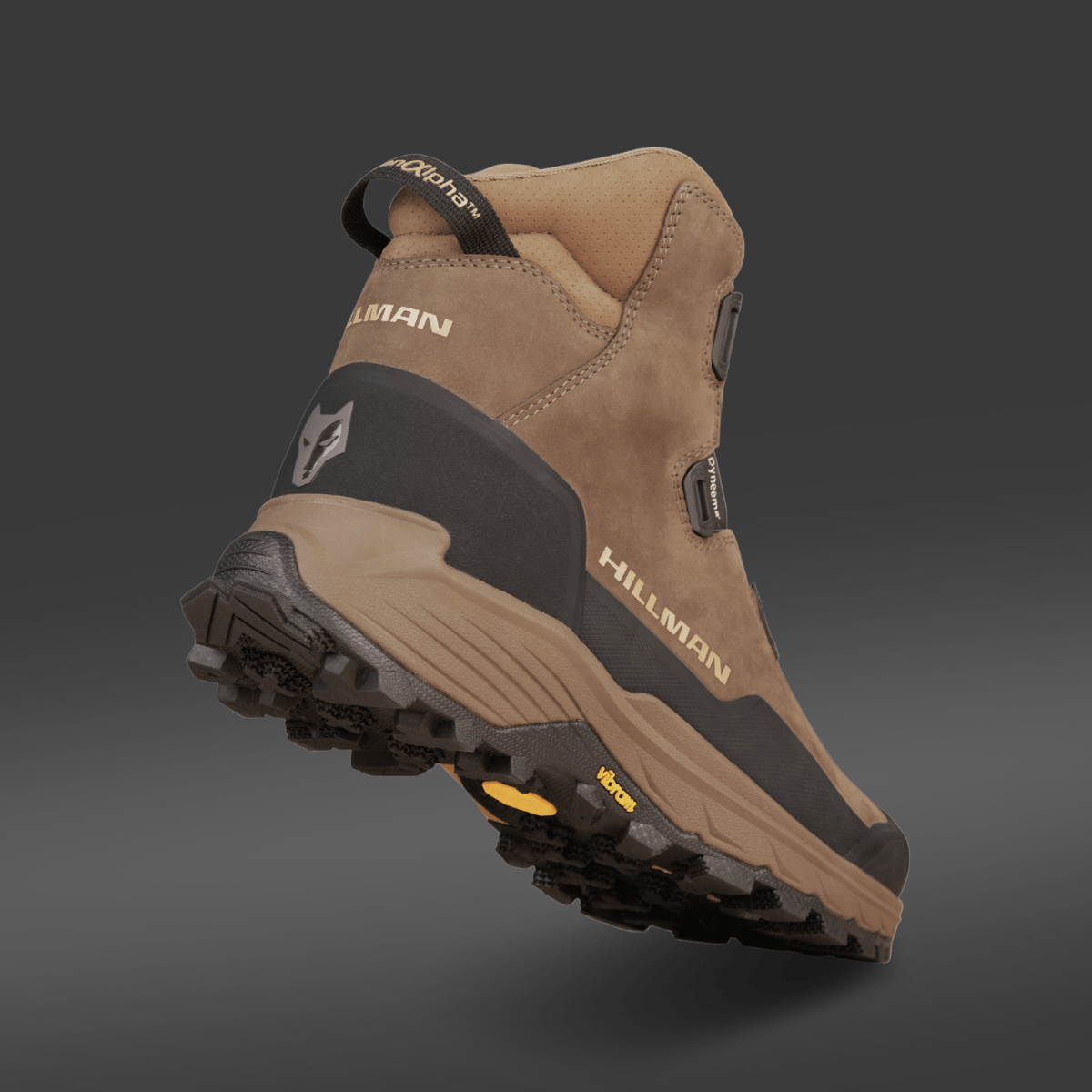
EU and US sizes use different scales. On top of that, manufacturers build around different lasts, the forms that give footwear its internal shape. Toe shape, heel volume, and instep height all affect the fit without changing the number stamped inside.
Use the chart for the exact Hillman hunting boot you're considering. Check whether a measurement describes foot length or insole length. Those columns are not interchangeable. Confirm that you're reading the appropriate men's or women's US sizing as well.
Don't add half a size automatically after matching your foot to the chart. The sizing guidance may already allow for space in front of the toes. Adding allowance twice leaves you chasing heel slip with tighter lacing.
Width Problems Need a Width Solution
If a boot grips your forefoot but leaves space at the heel, buying a longer pair isn't the first move. You've already got length you aren't controlling.
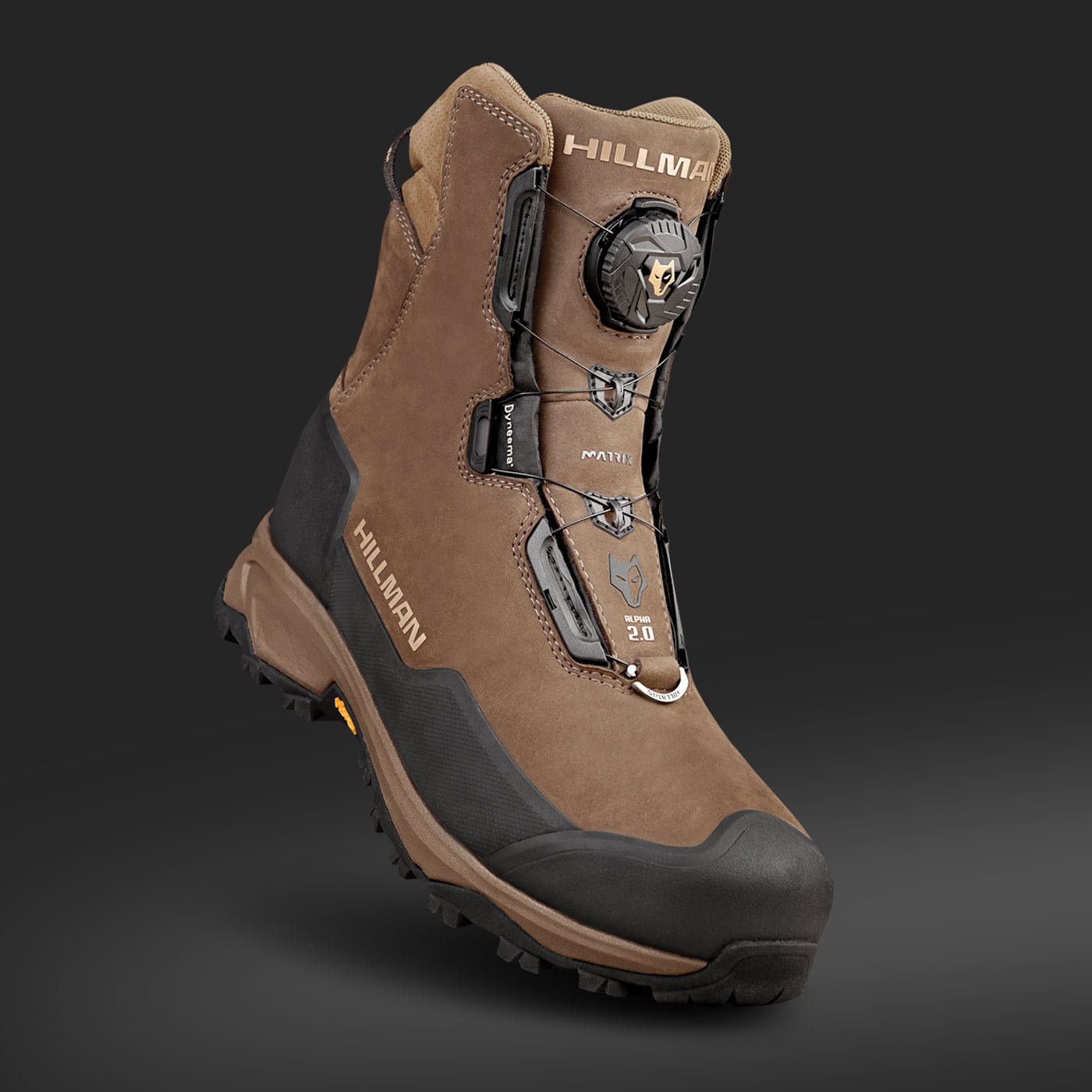
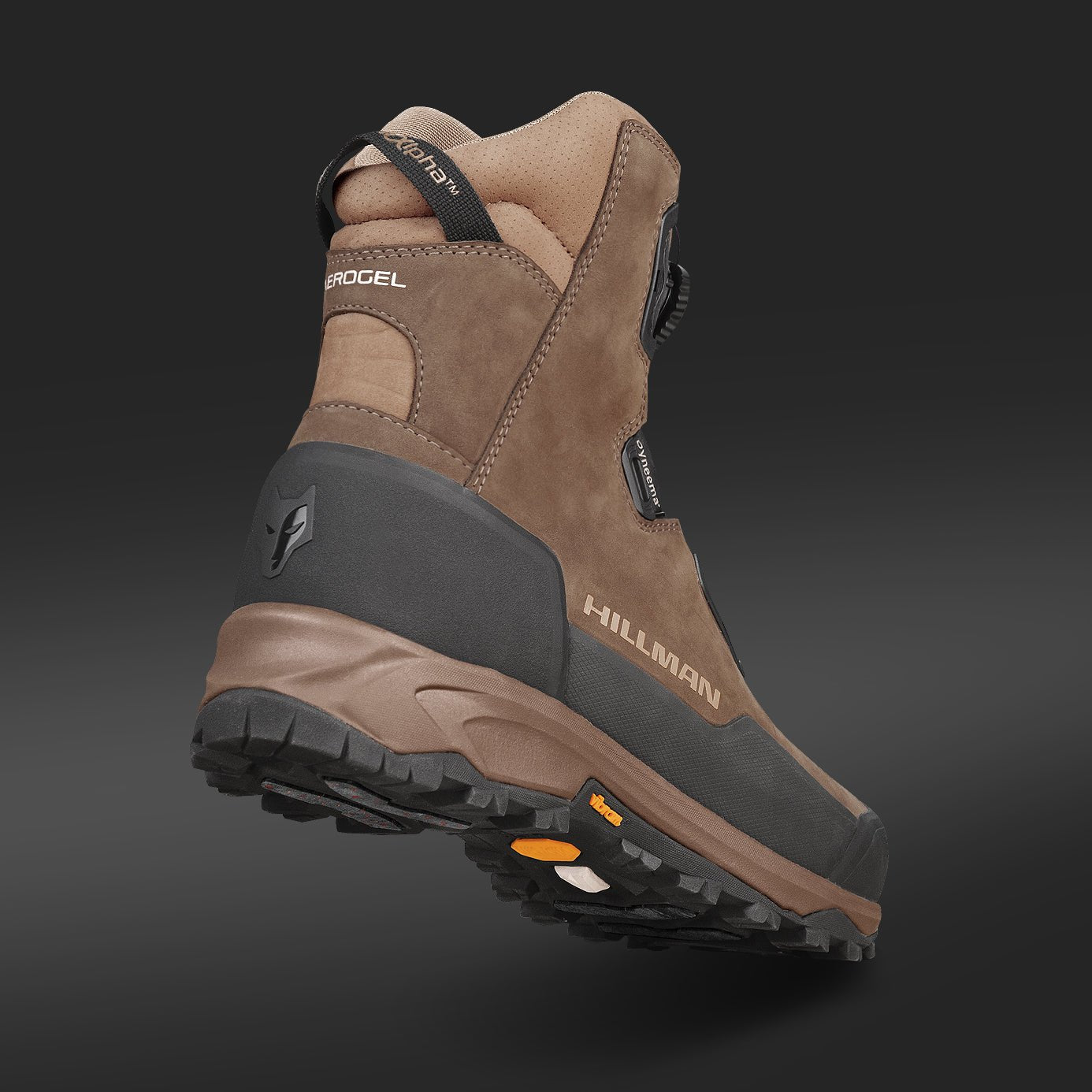
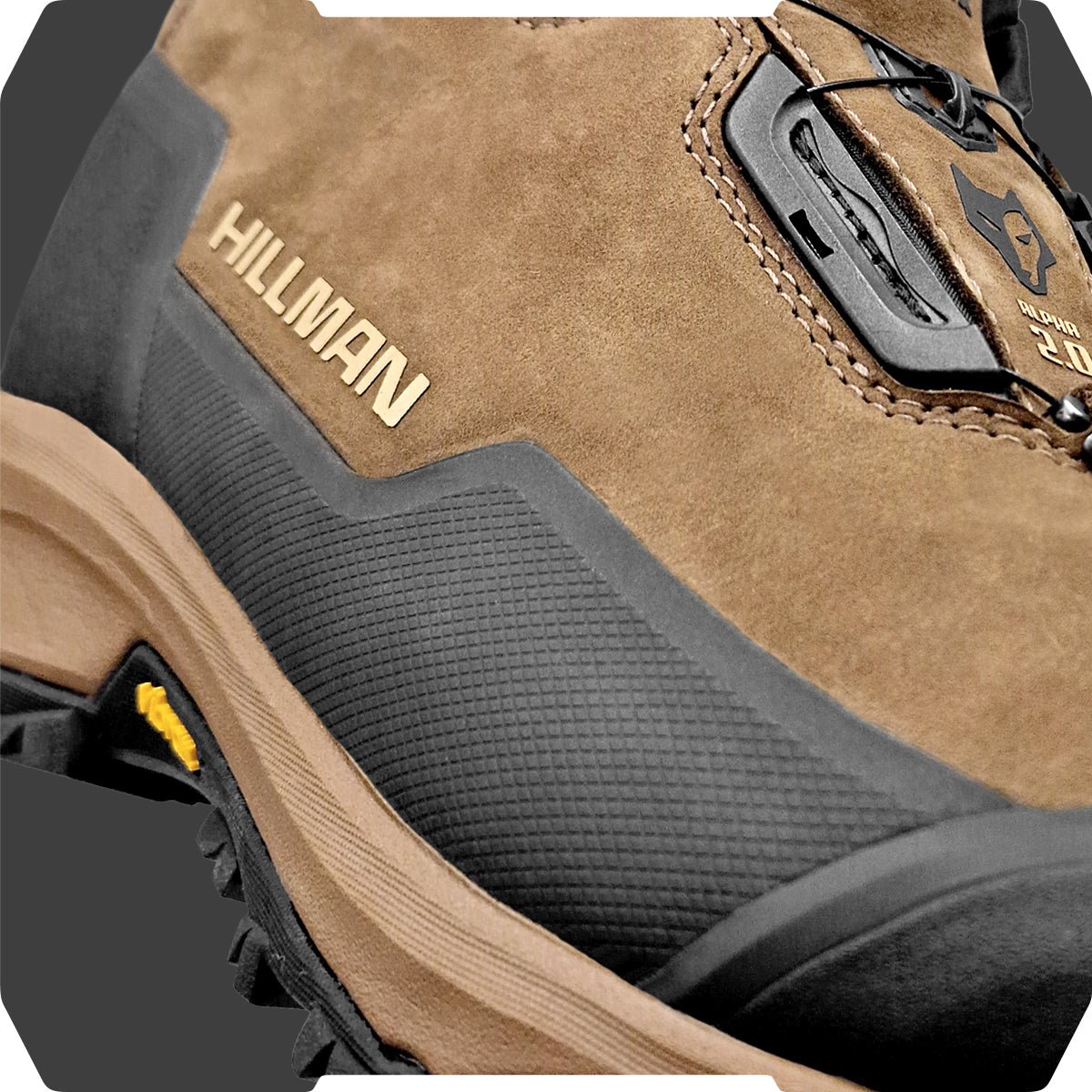
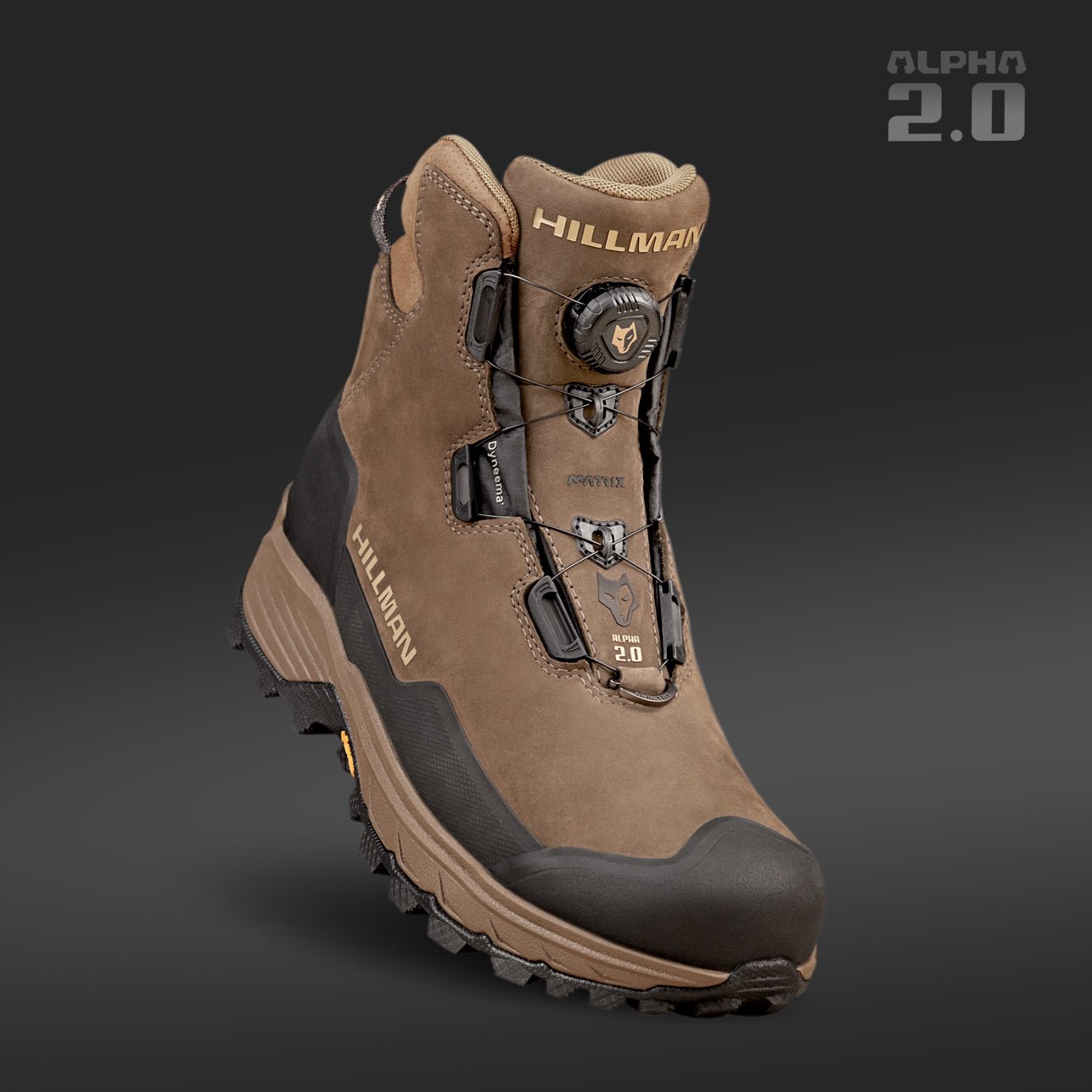
Try the appropriate width. Hillman's wide-fit Aerogel 2.0 boots give broader feet another option without relying solely on a longer size. Take the same socks and insoles into that comparison. Changing both at once makes it harder to tell what fixed the problem.
Pressure over the top of the foot deserves attention too. Cranking the closure down to stop heel movement can trade one fit problem for another.
Give New Boots an Indoor Trial
Wear both boots, not just the more comfortable one. Lace them for walking and spend some time on your feet. Use stairs or a safe incline to check what happens downhill.
Your toes shouldn't hit the front. Your heel shouldn't slide repeatedly with each step. Check for rubbing at the back and pressure around the little toe, then sit for a few minutes and notice whether the fit still feels comfortable.
Keep the soles clean and check the current return conditions before taking them outside. Leather softens with wear; a boot that is too short stays too short.
Related reading: Aerogel vs Thinsulate vs PrimaLoft for Hunting Boots.
Don't save the verdict for the first long hunt. A few careful indoor checks are much easier to deal with than a sore heel three miles from the truck.




Share:
DIY Public-Land Deer Hunts: Finding Access, Staying Effective
What to Wear for Spring Turkey Hunting: Capricious Mornings