


Mobile Whitetail Hunting Setup: What to Carry for Fast Moves and Quiet Access

Build a lighter, quieter mobile whitetail setup that cuts bulk, speeds up access, and helps you hunt changing deer spots better.
A mobile whitetail hunting setup gets better the second you stop pretending every piece of gear is essential. Most of it is not. A lot of hunters carry too much stuff, make more noise than they realize, and then wonder why the walk in feels sloppy, and the setup takes forever.
That is the real point here. Fast moves and quiet access do not come from buying more hunting gear. They come from carrying less junk, organizing it better, and building a system that actually fits the way you hunt.
Mobile hunting works when the gear matches the job. Early season usually means more movement, more scouting, more slipping through cover, and more last-minute setup decisions. On private land, access can be easier, but that does not mean you should drag half the garage with you. On public land, where pressure can flip deer movement in a hurry, a bloated setup becomes a handicap.
The best way to think about it is simple. First, carry what helps you get in quietly and get set fast. Then carry what protects comfort, safety, and flexibility when weather changes or the hunt drags longer than expected. Everything else needs to prove why it deserves space in the pack.
And before the hunt even starts, get your planning right. Licenses, tags, meal prepping, a route in, a route out, truck or pickup truck gear transport, and a checklist. If you are hunting new ground, have an emergency plan too. Tell somebody where you are going. Decide what happens if you get turned around, hurt, or run late. It is not exciting, but it is the kind of stuff that keeps a hunt from going sideways for dumb reasons.
Hunting gear that actually earns a spot

The best hunting gear in a mobile whitetail hunting setup is the gear you use over and over, not the gear that sounds cool in the garage and rides around all season untouched.
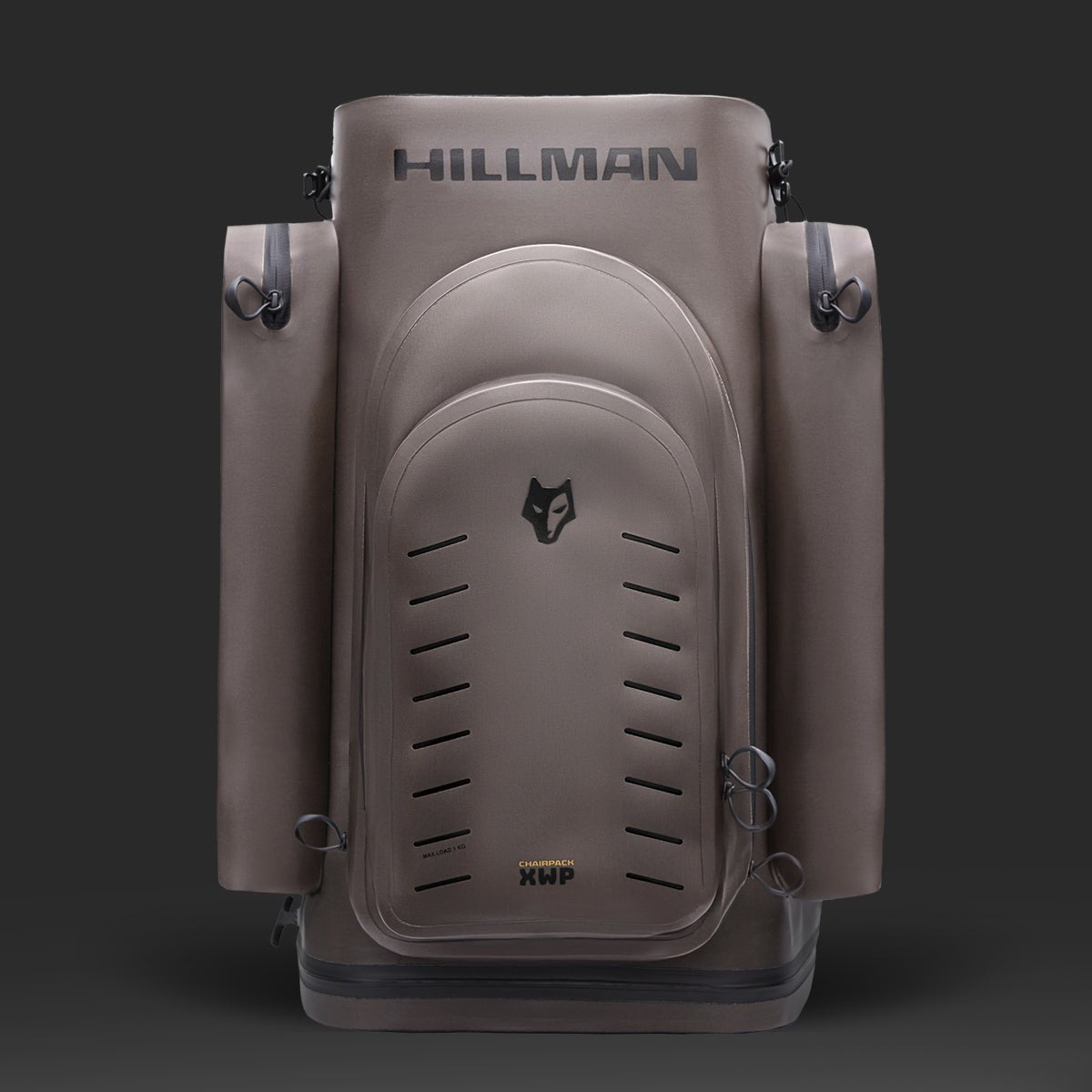
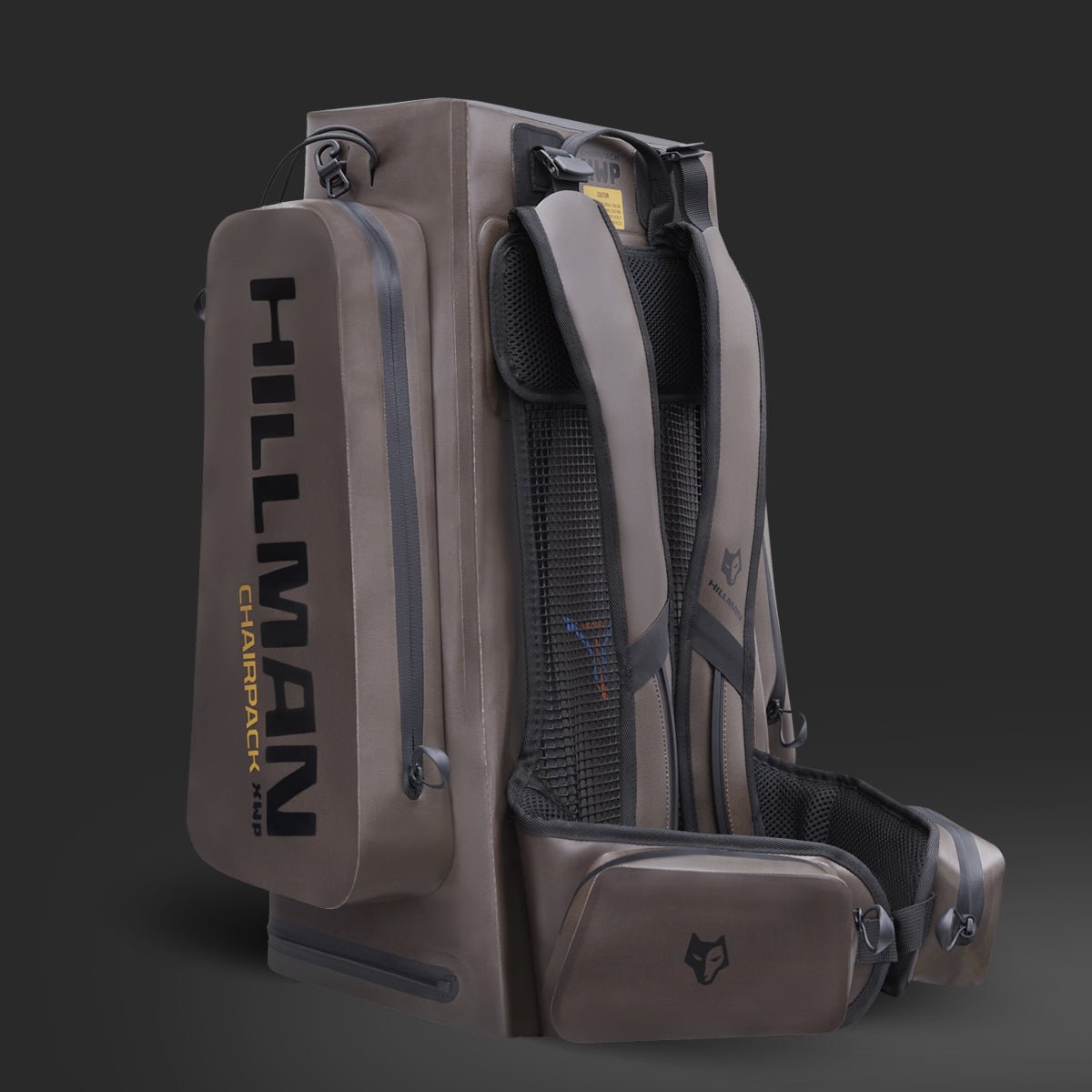
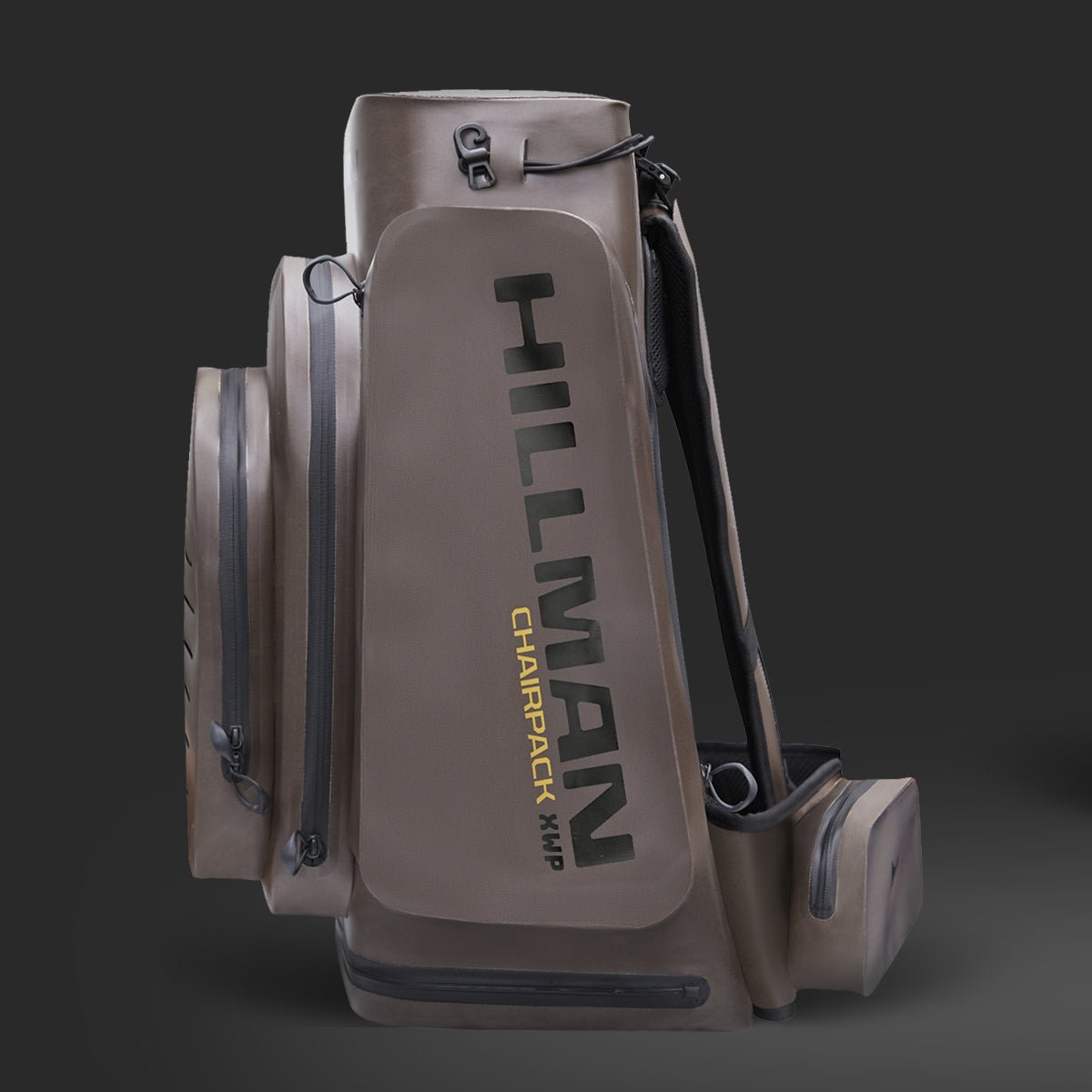
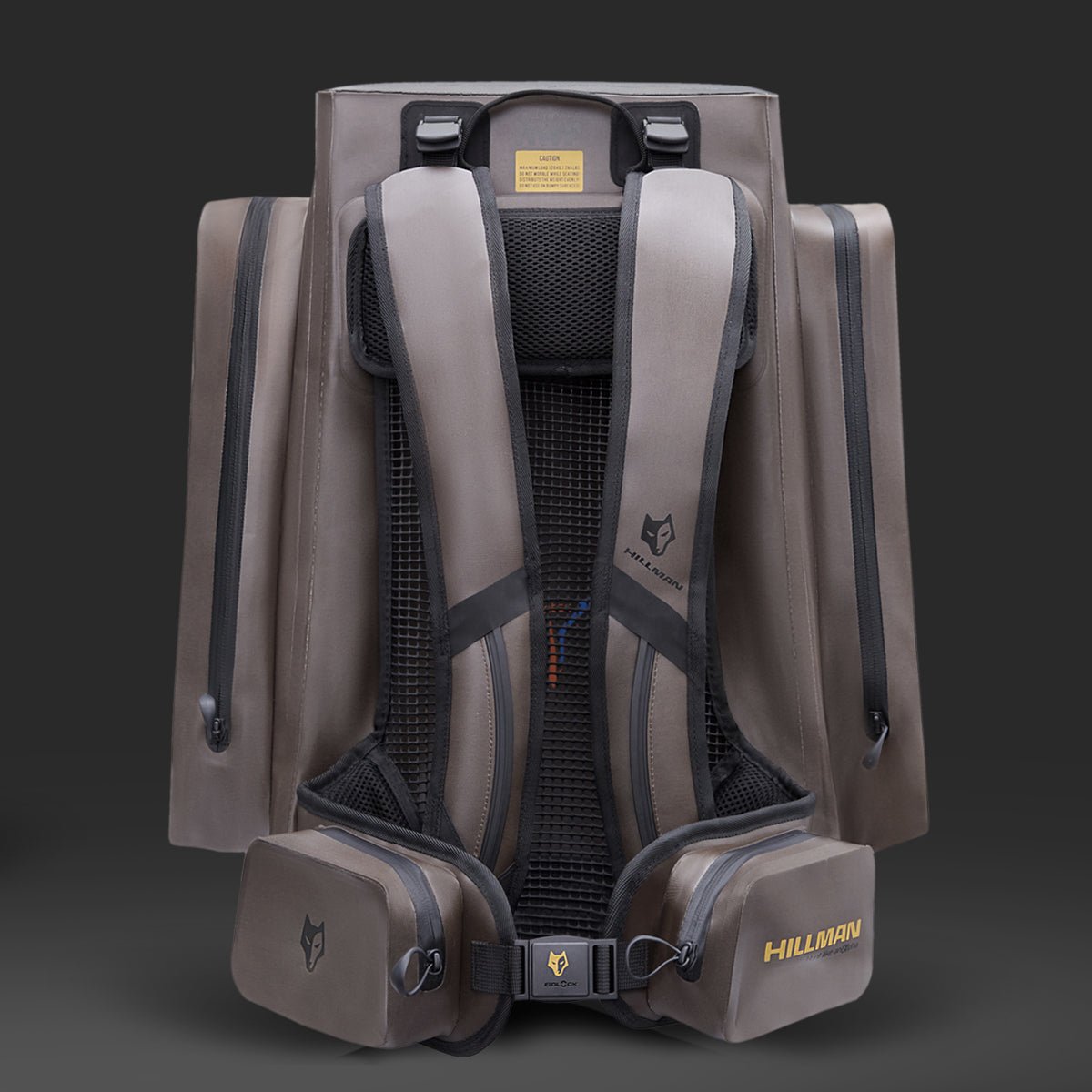
Start with the pack. Keep it compact, lightweight, and tight to the body. You want enough space for essential items, not a giant bag that invites you to keep stuffing more in. Big empty storage turns into dead weight fast. A good hunting backpack should hold your system cleanly, cut down on shifting, and keep random noise to a minimum when you duck limbs, slide through brush, or crawl into cover.
Then comes the core setup. For most mobile hunters, that means a saddle or one of the more compact tree stands, a platform, climbing stick sections, and only the accessories that actually improve functionality. That is it. A climbing stick needs to be durable, but it does not need to feel like you are packing fence posts into the woods. Same thing with the platform. Too heavy is too heavy. There is no way around that once you are deep in.
Stealth strips are one of those small upgrades that do real work. They help silence contact points on hunting equipment, and that matters more than people think. A buckle taps metal. A platform bumps a stick. A stand touches another hard surface. That tiny noise sounds loud when the woods are dead quiet. If you can stop it, stop it.
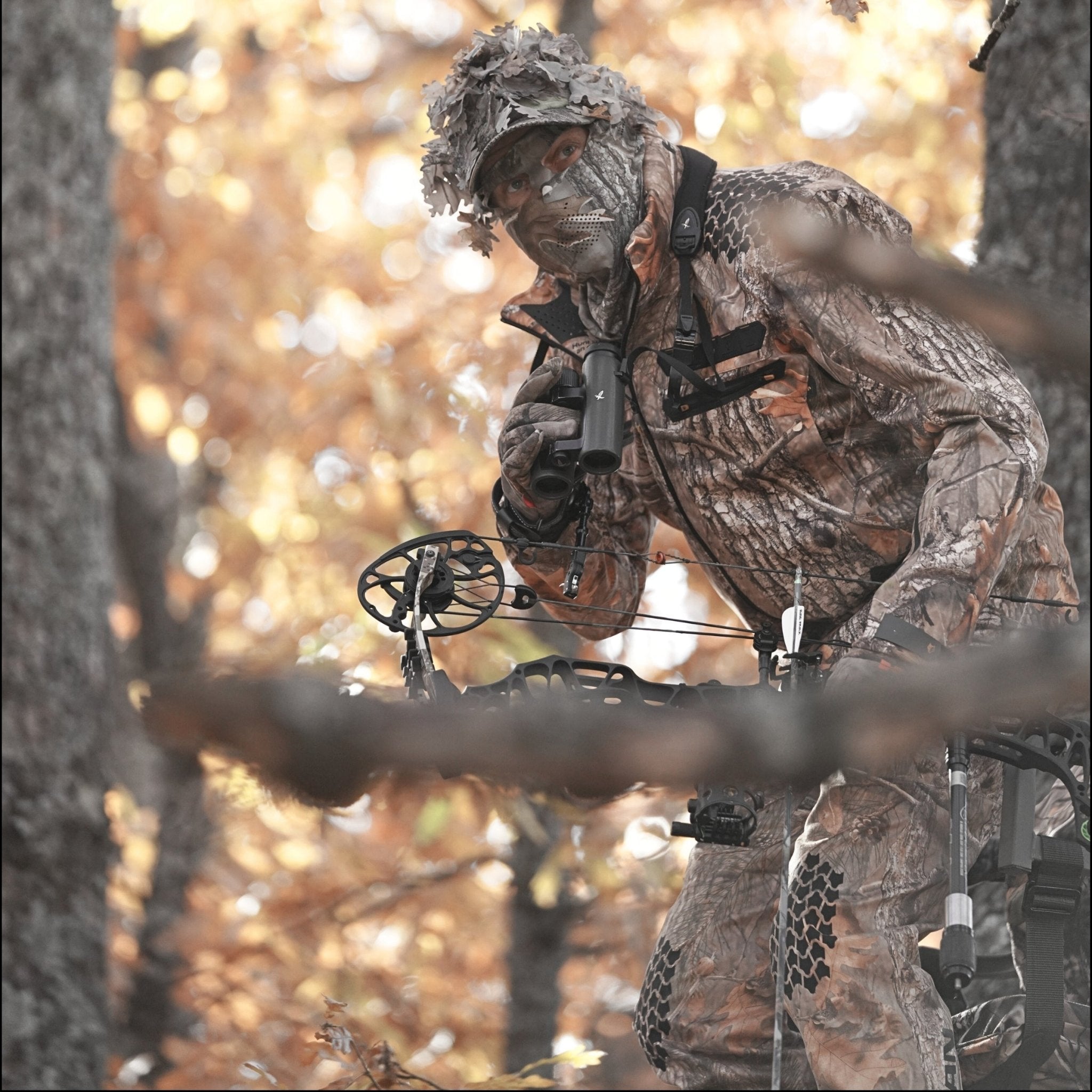
Weapon choice depends on terrain, visibility, season, and how you plan to hunt that day. A bow makes sense when shots are tighter, movement is limited, and the whole setup is built around close-range work. A rifle makes more sense in open ground, longer sight lines, or colder late season conditions where sitting longer becomes part of the plan. But the carry method matters just as much as the weapon itself. If it catches brush, hangs awkwardly, or makes climbing annoying, fix that problem before you worry about anything else.
Early season mobile hunting is a different animal

Early season can fool people because it feels simpler. It is not. It just punishes the wrong clothing faster. You walk in warm. You sweat. Then you stop moving and cool off. That swing alone can wreck your focus if your setup is wrong. That is why layering matters so much in mobile hunting.
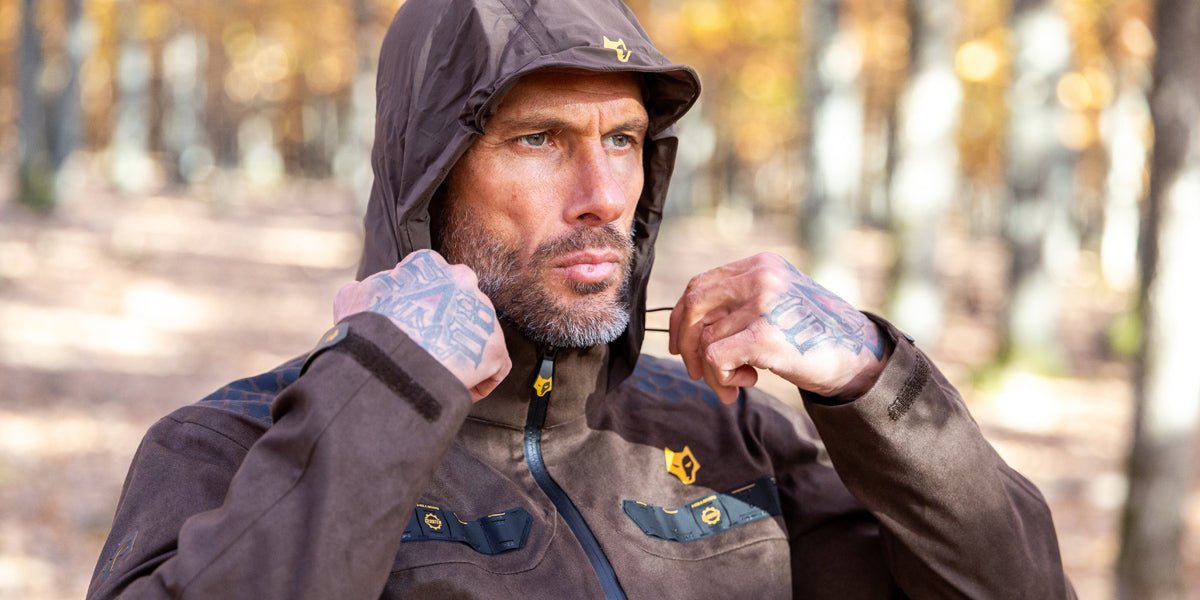
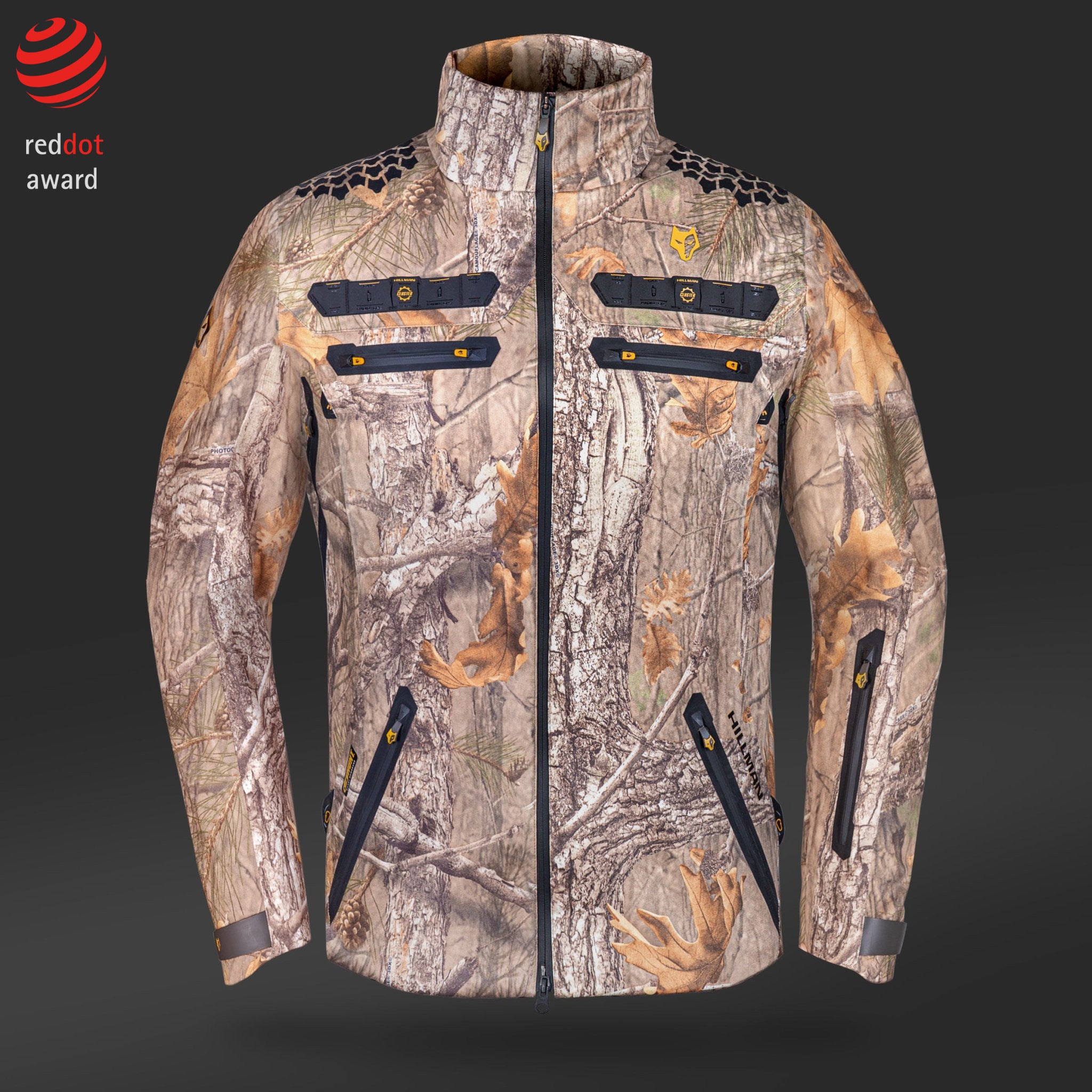
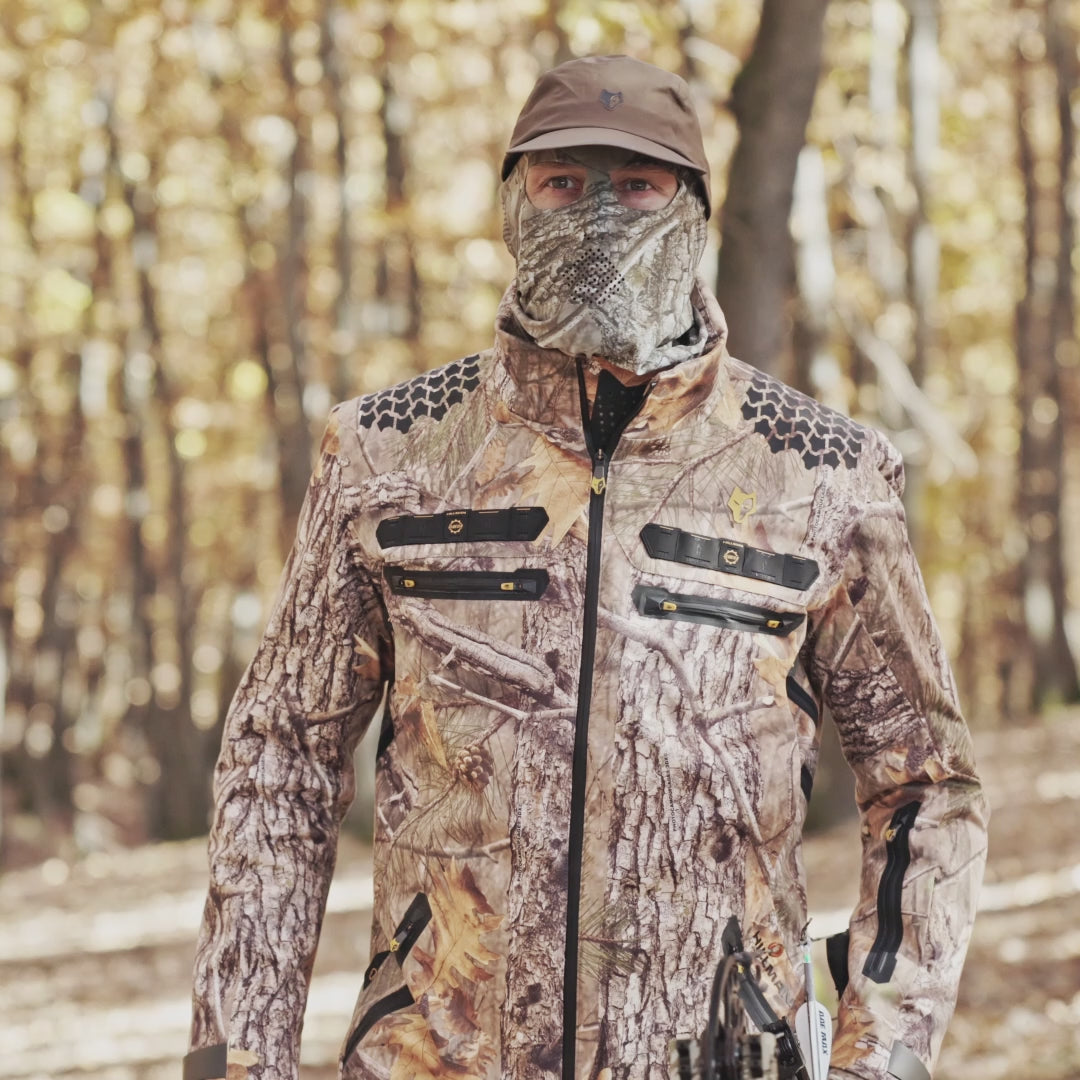
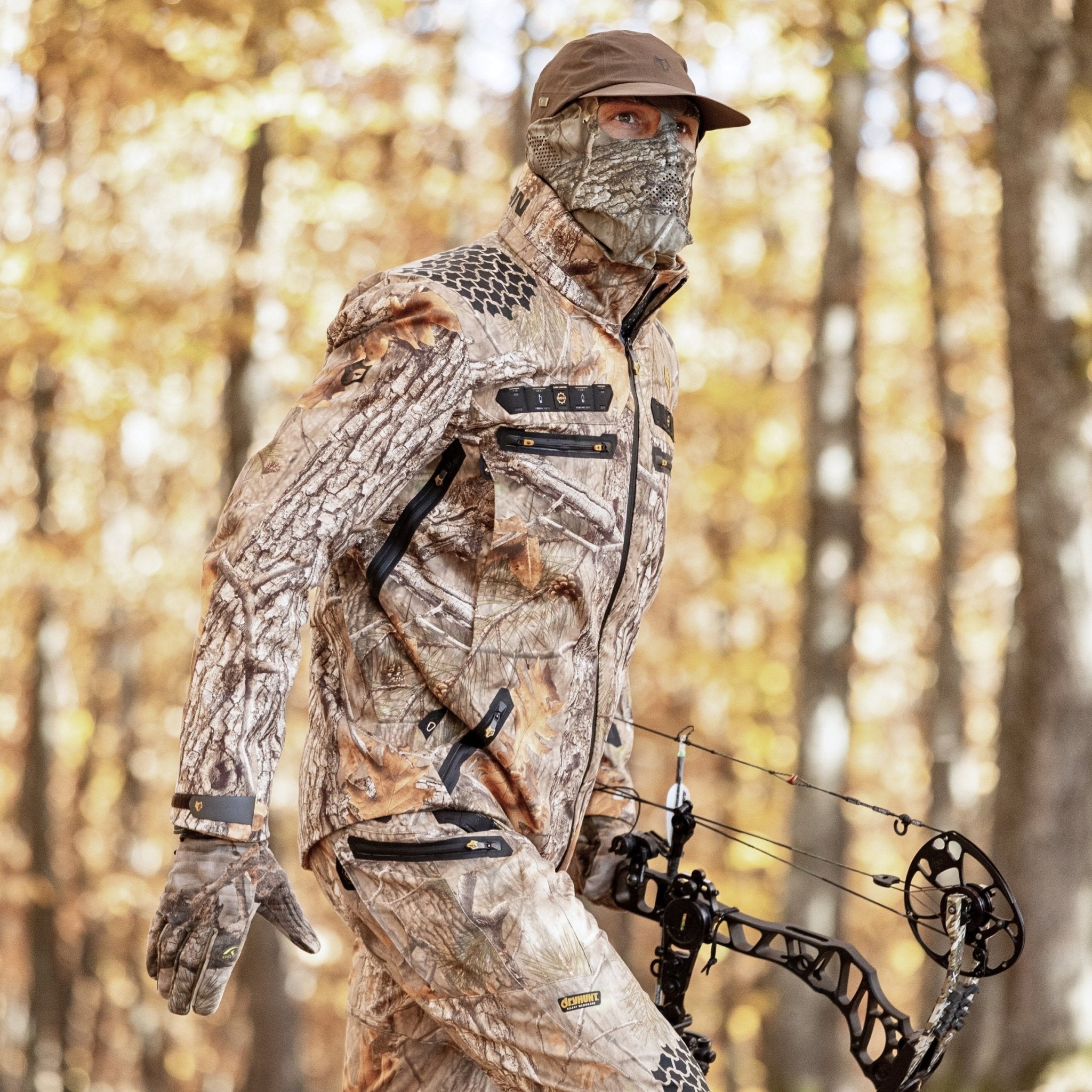
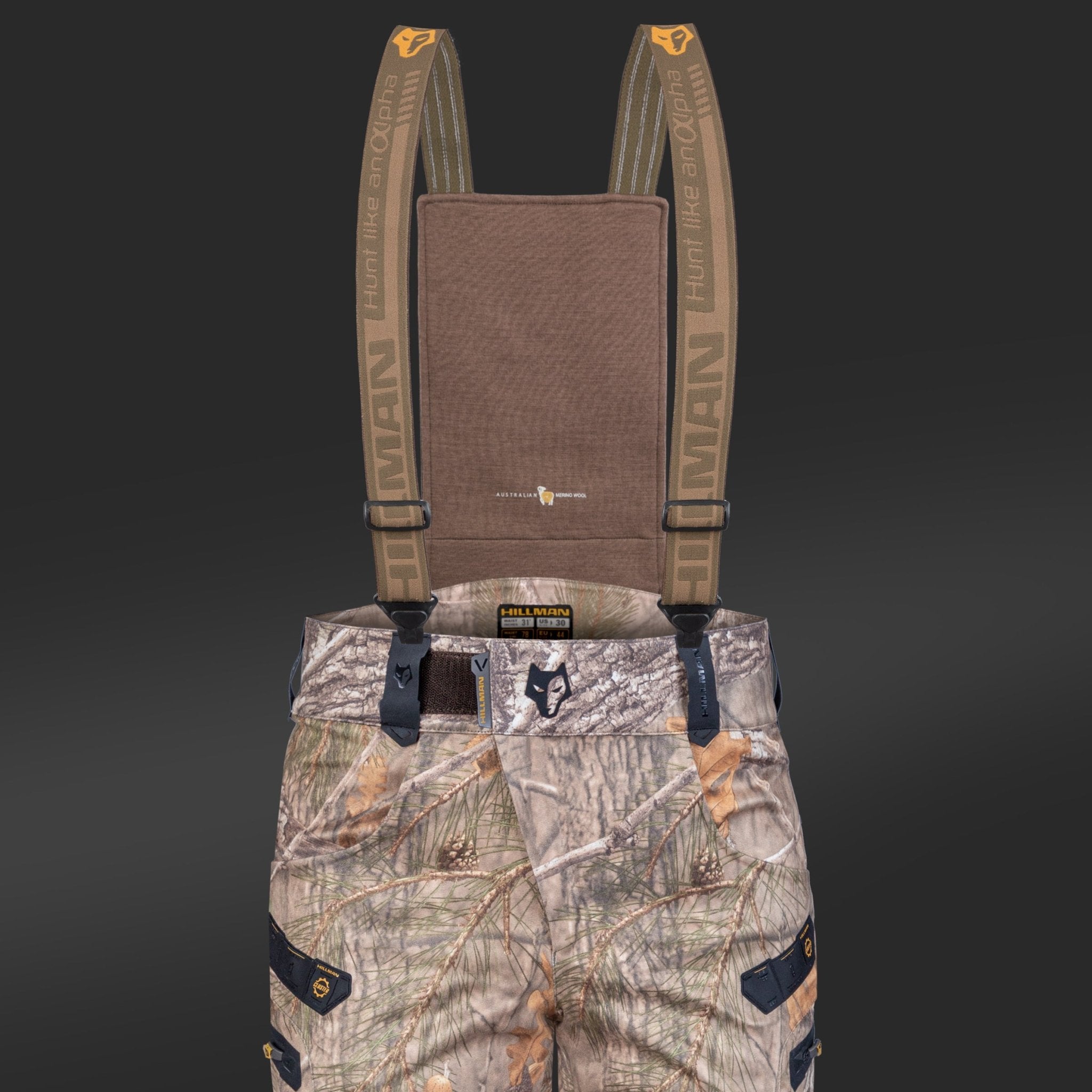
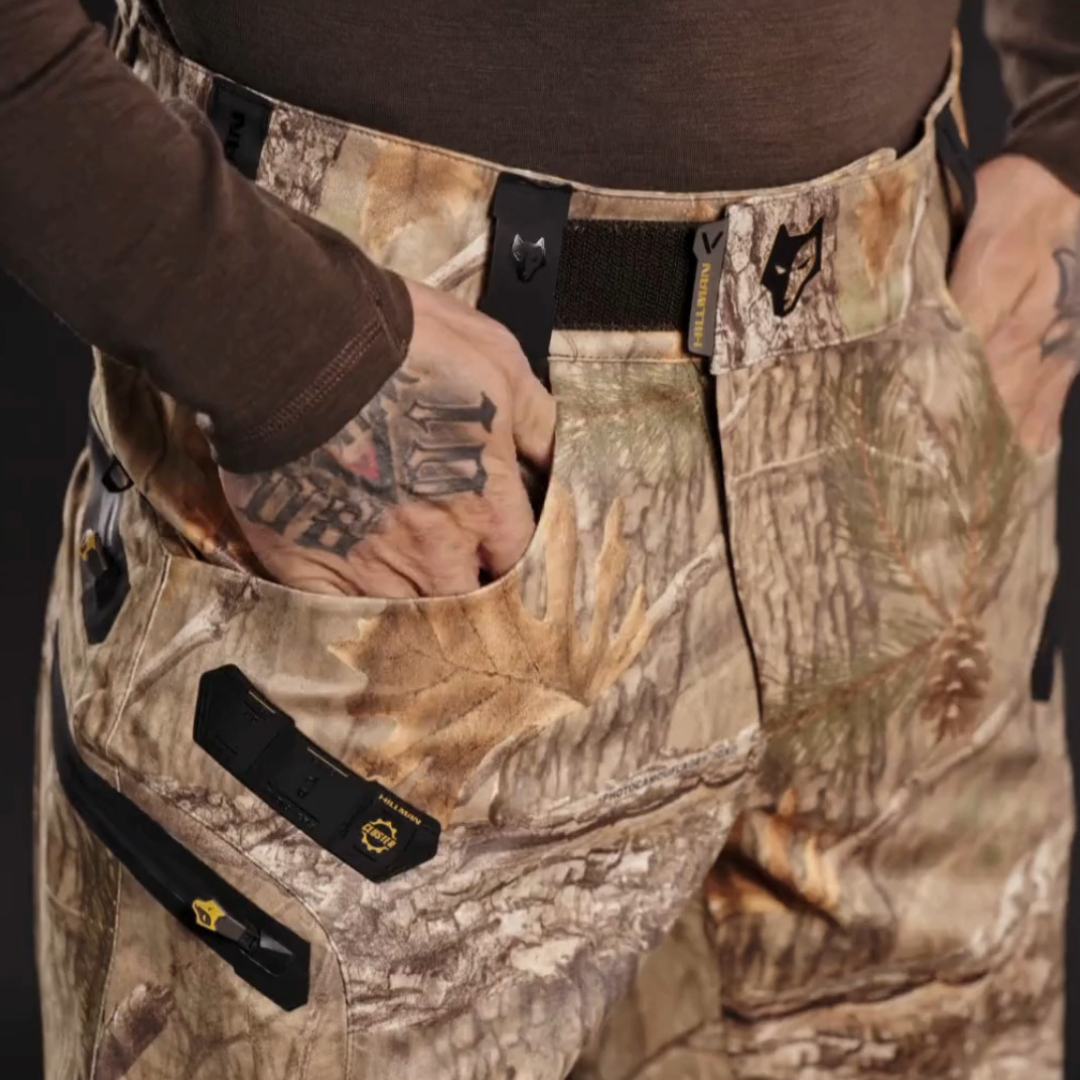
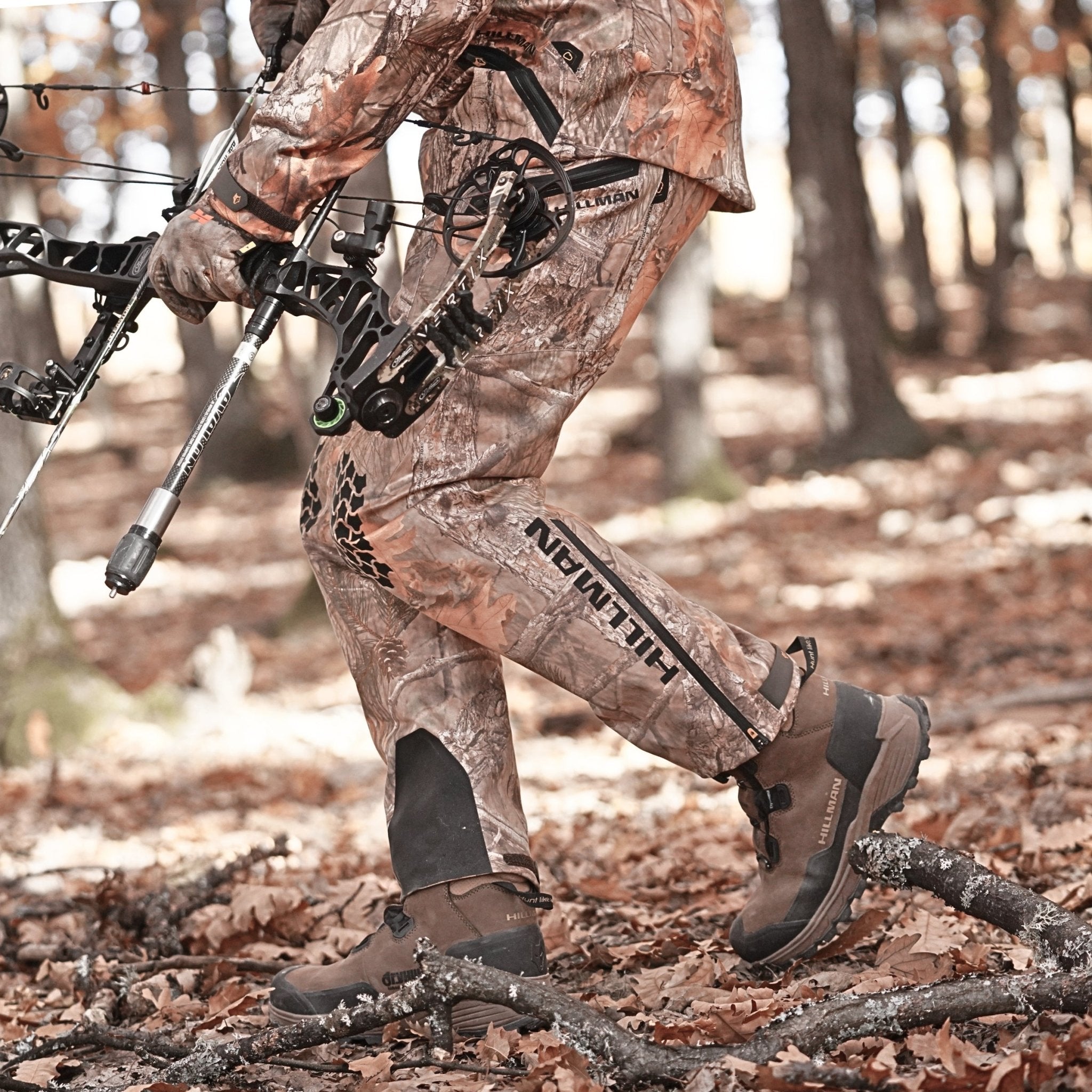
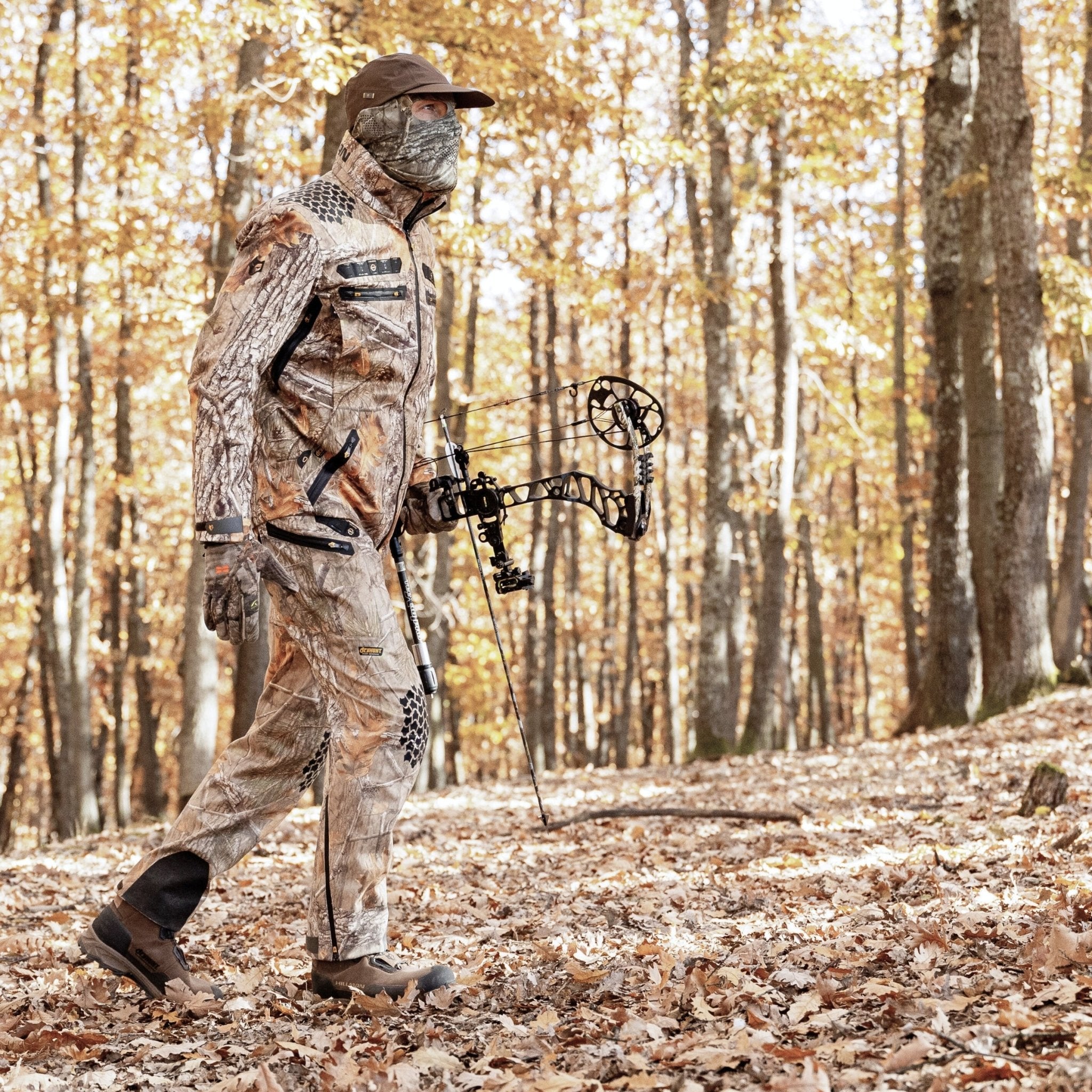
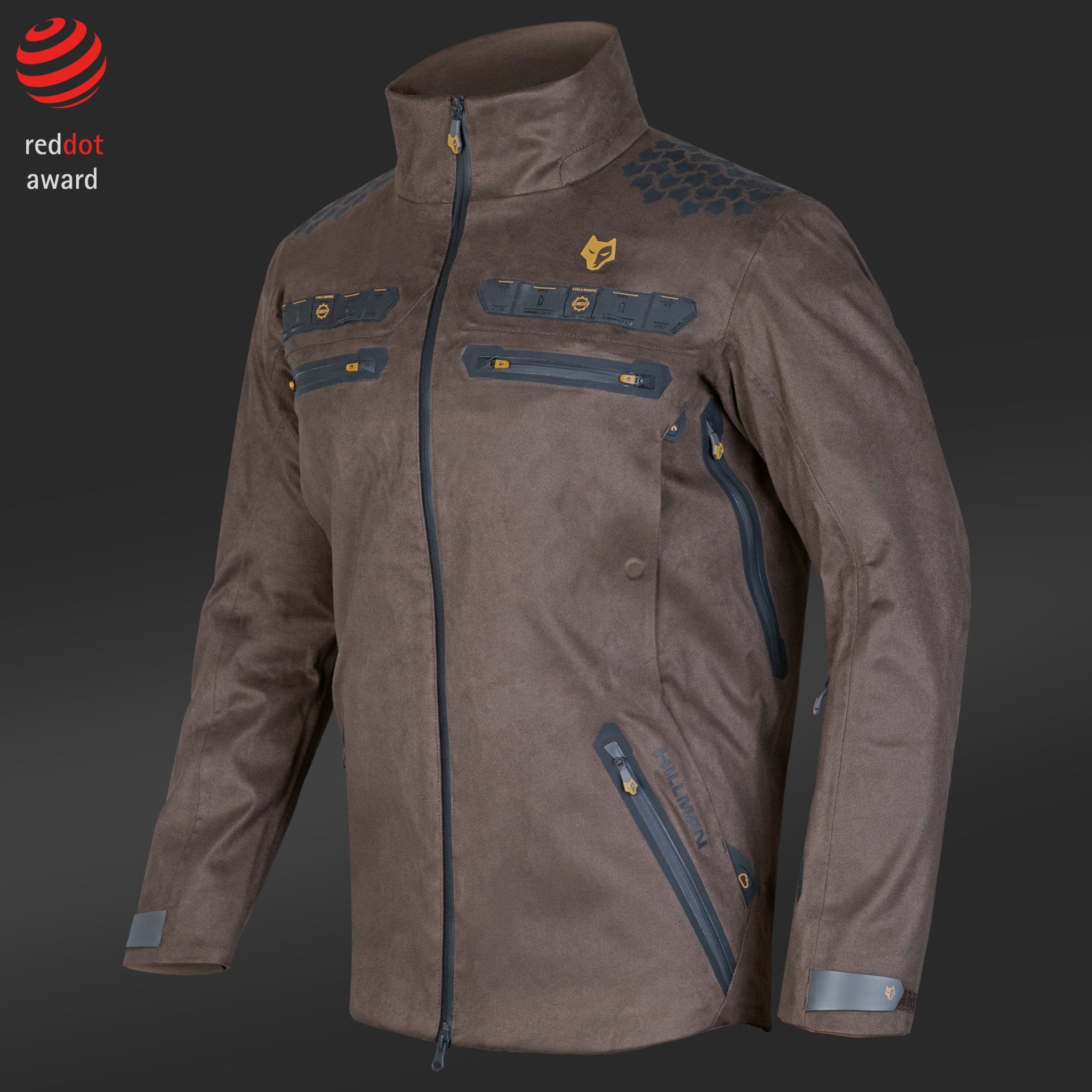
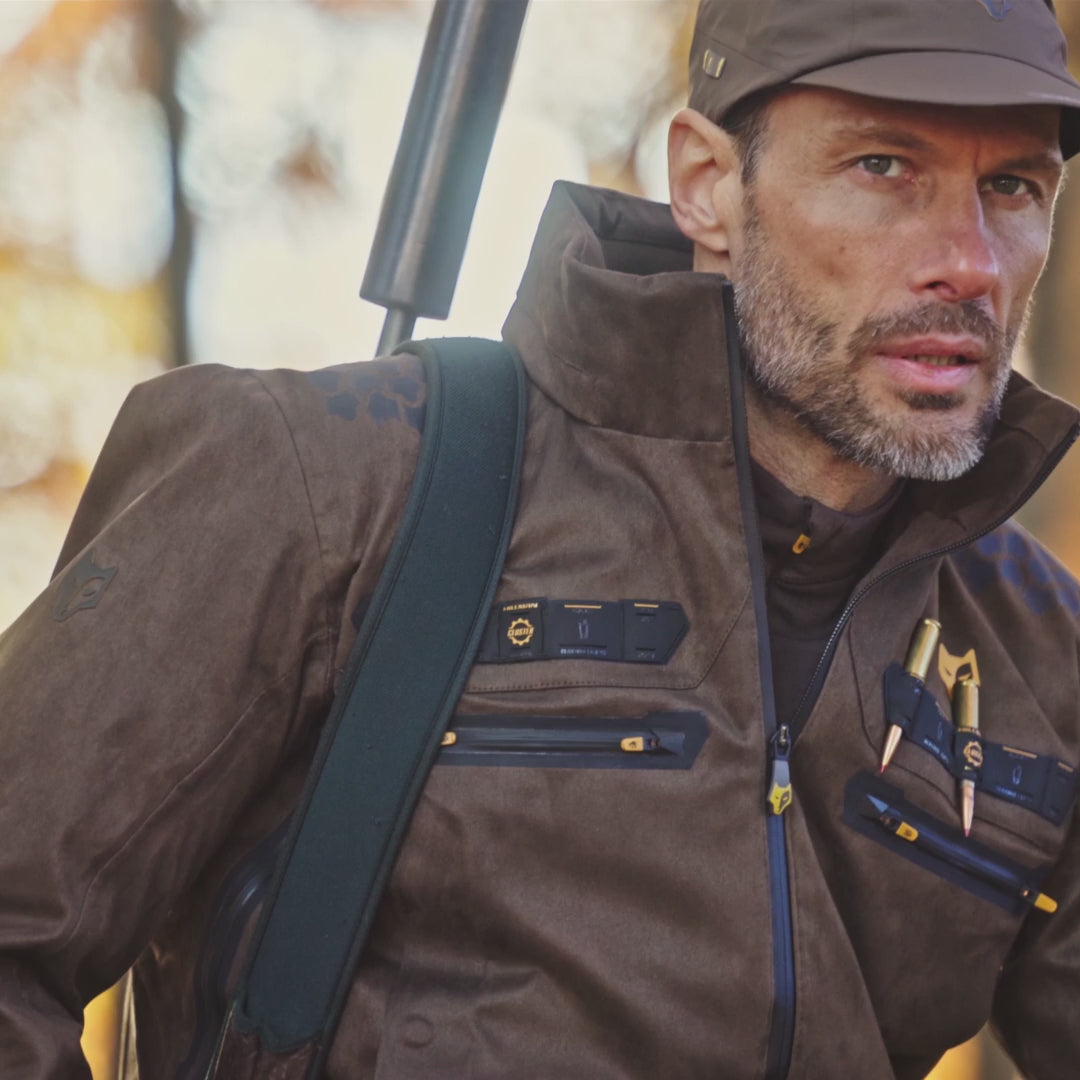
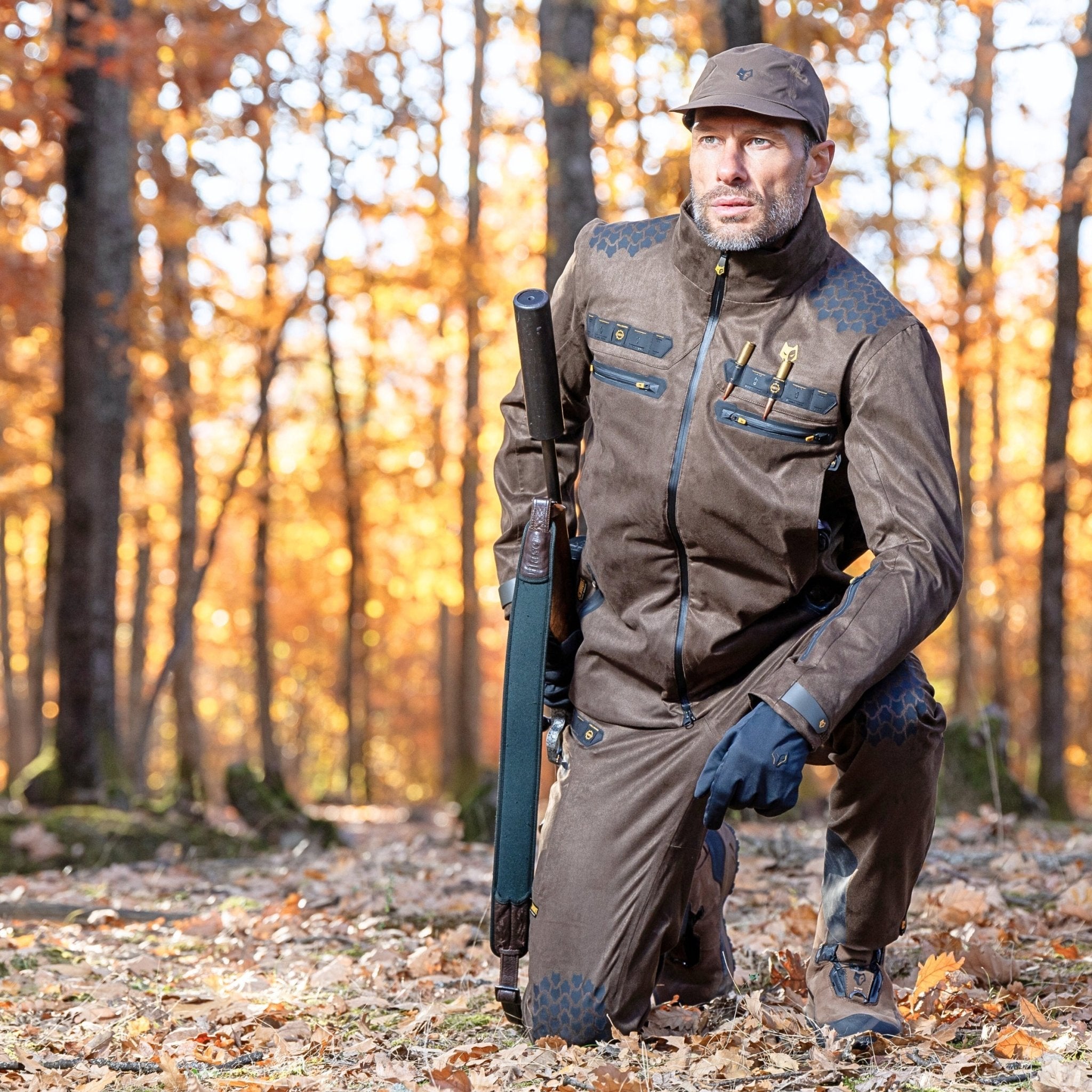
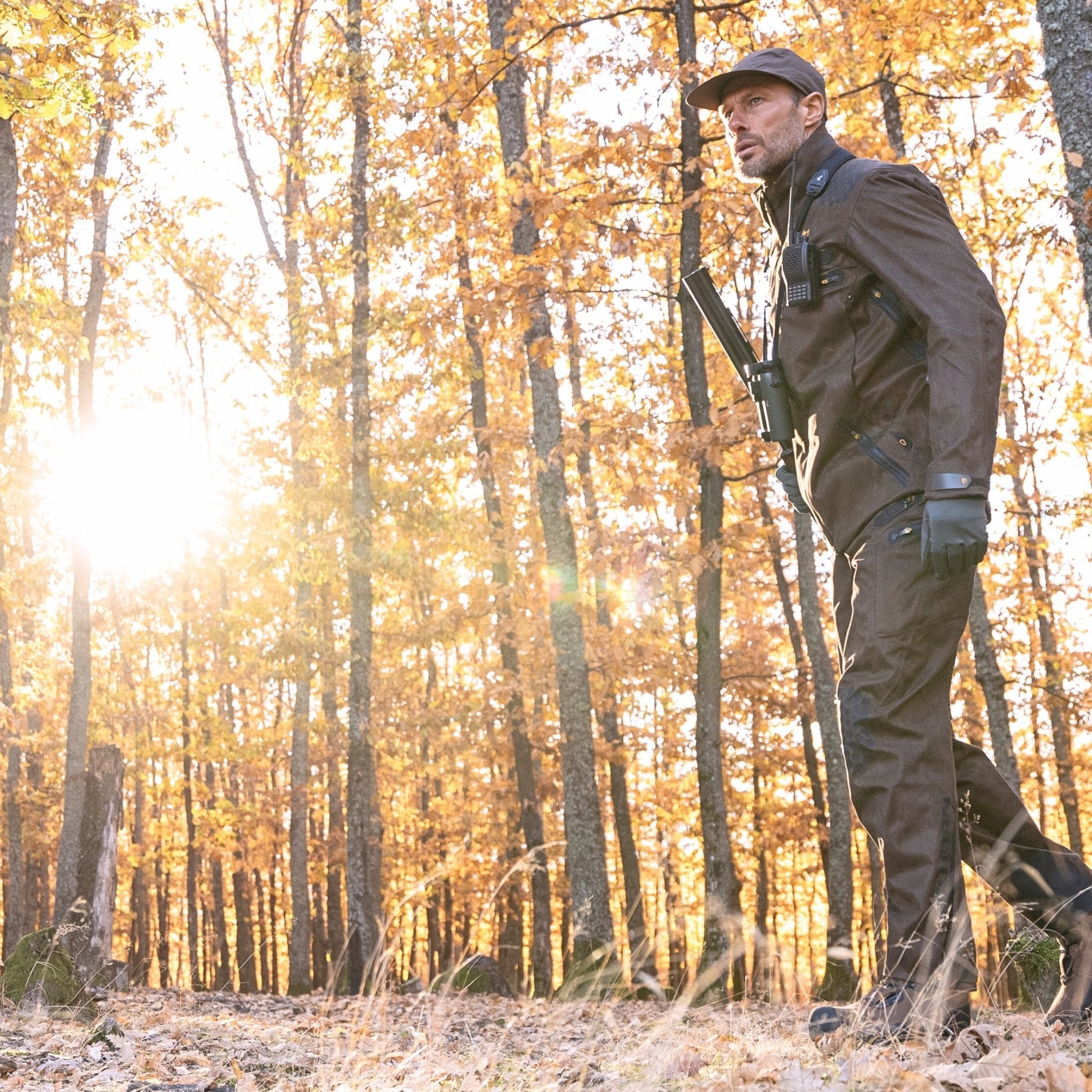
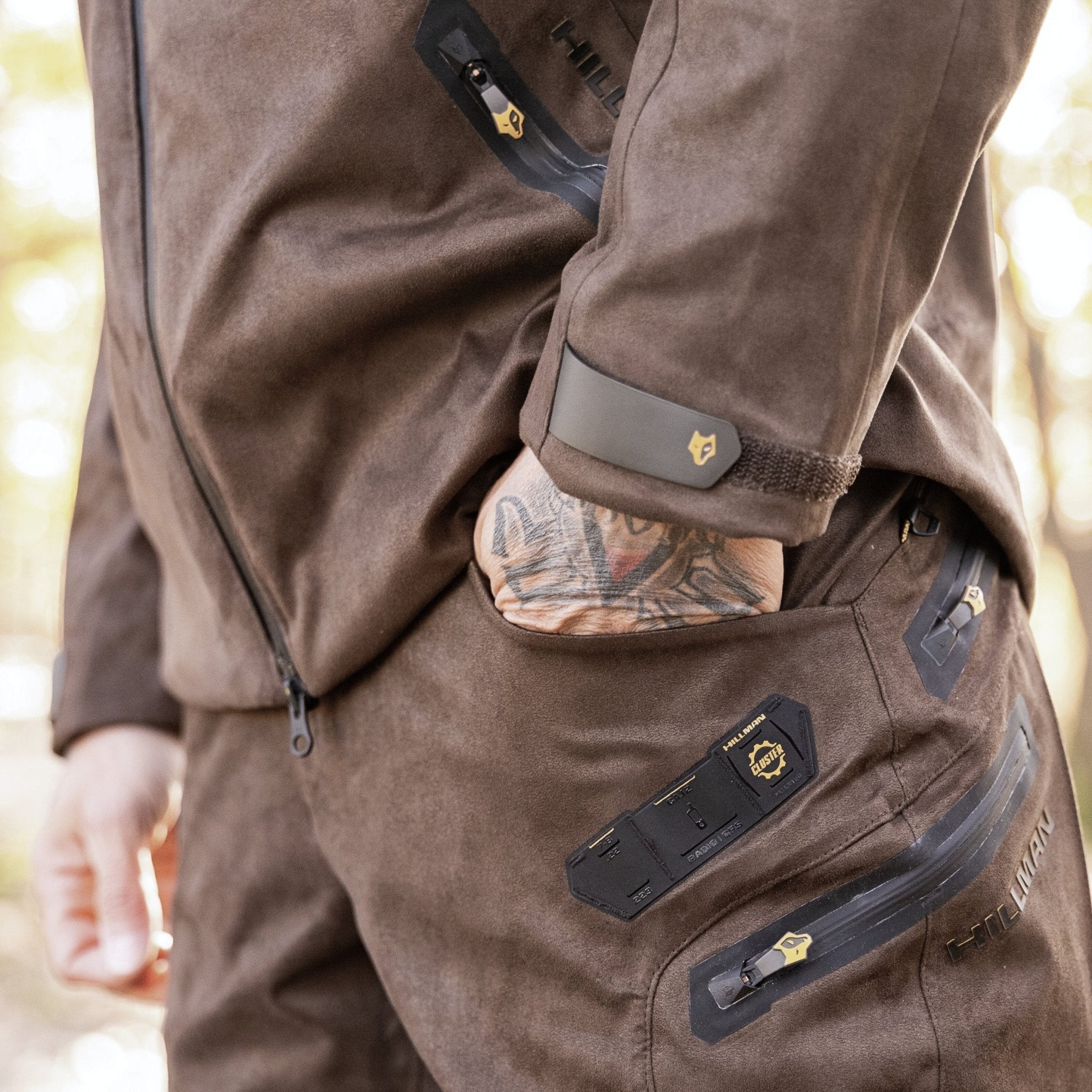
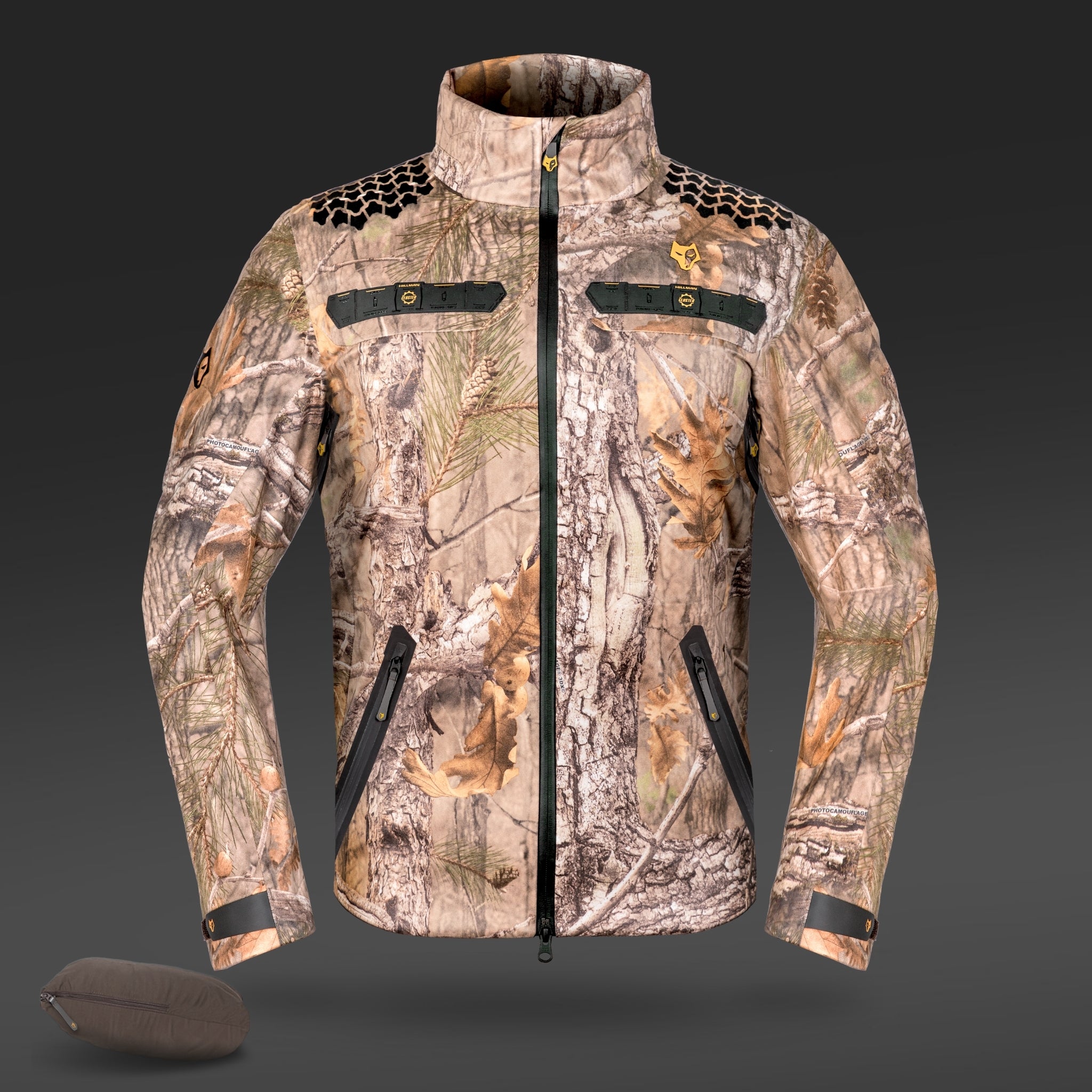
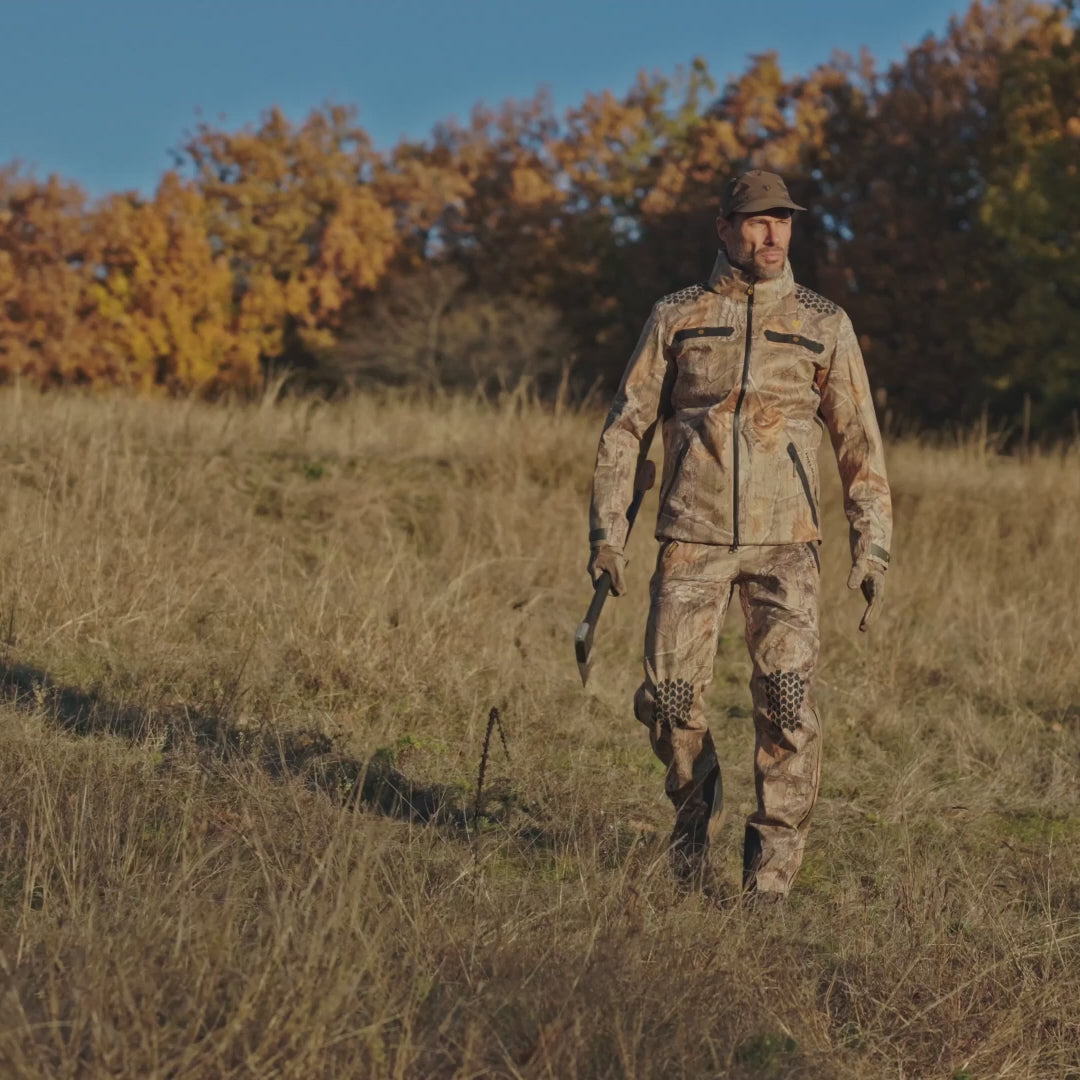
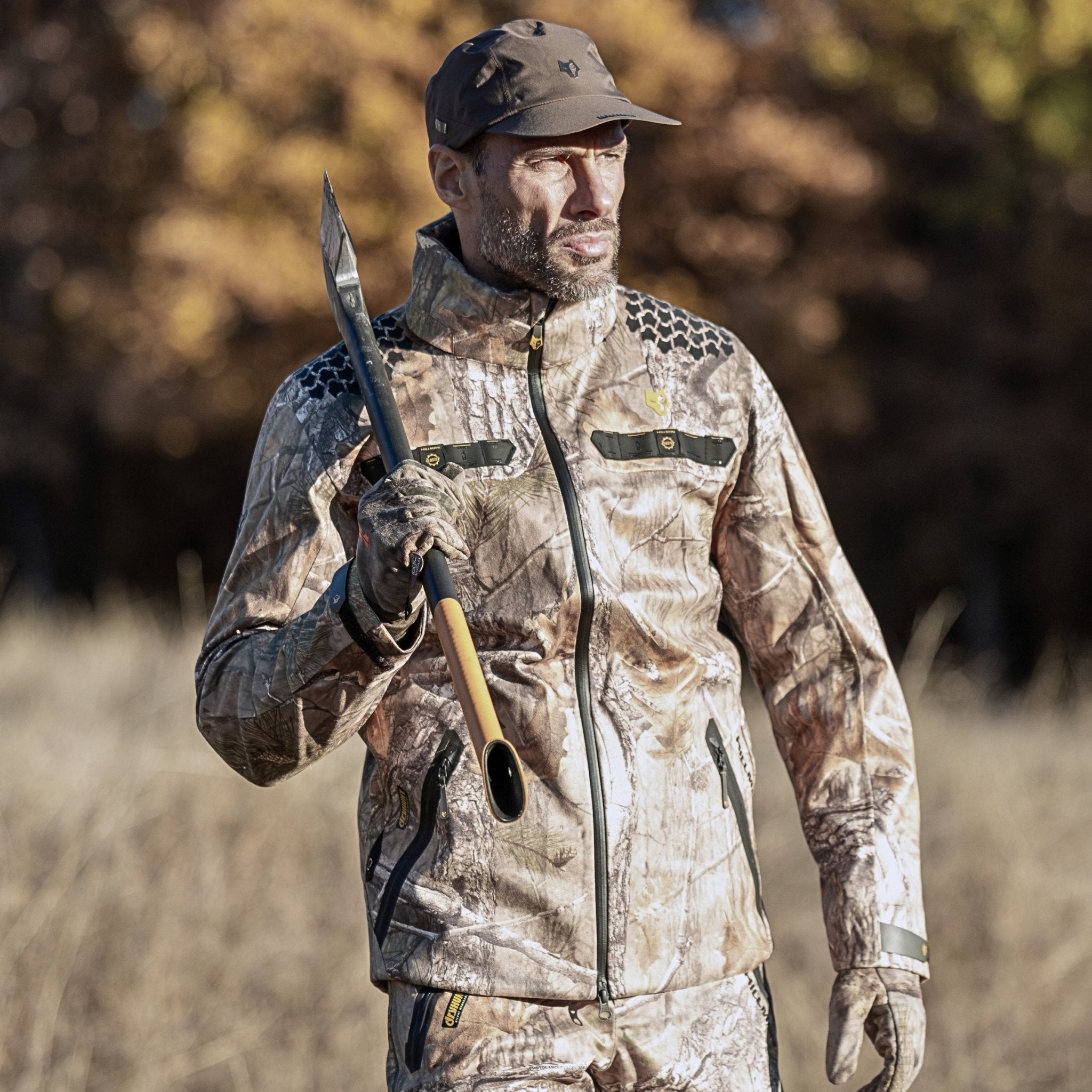
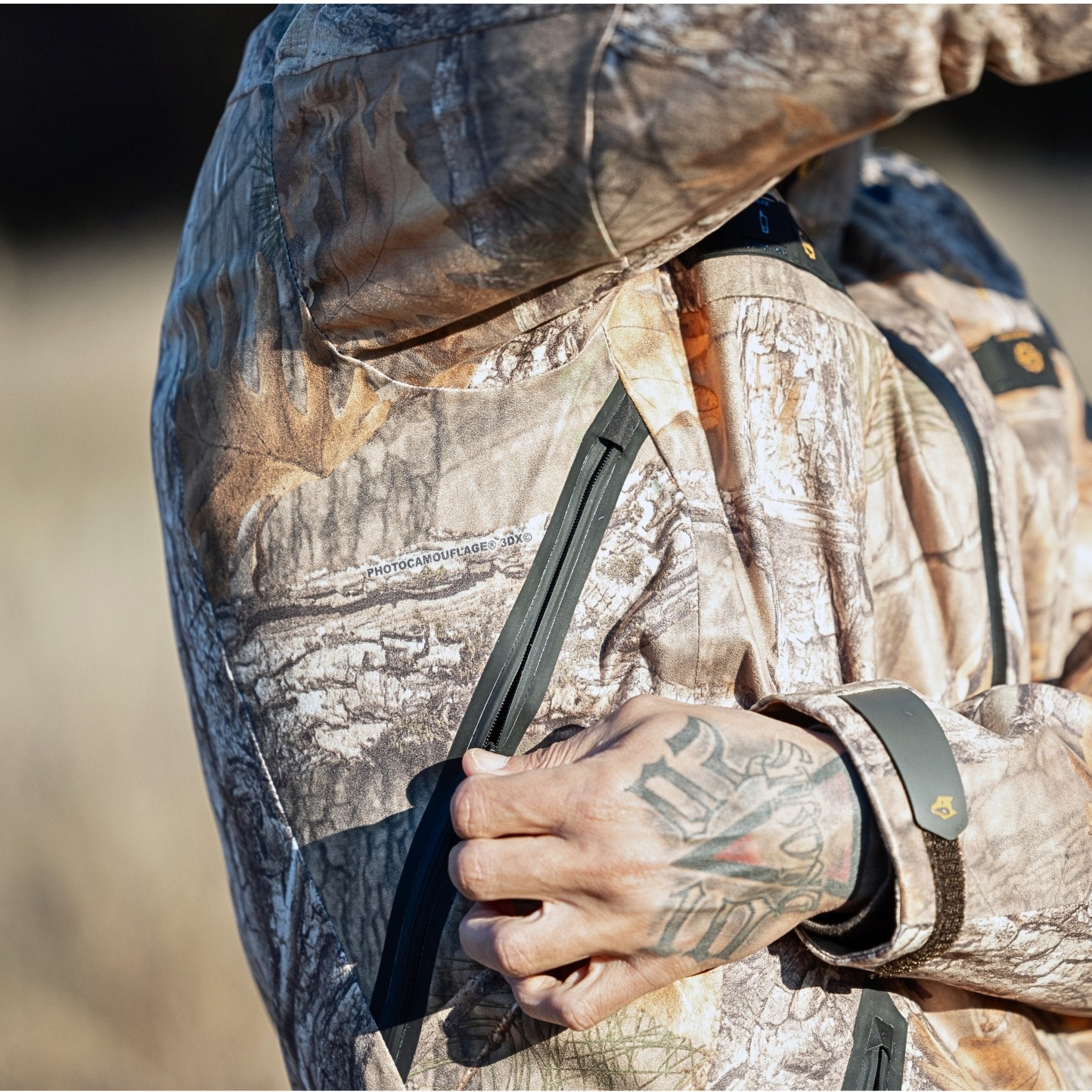
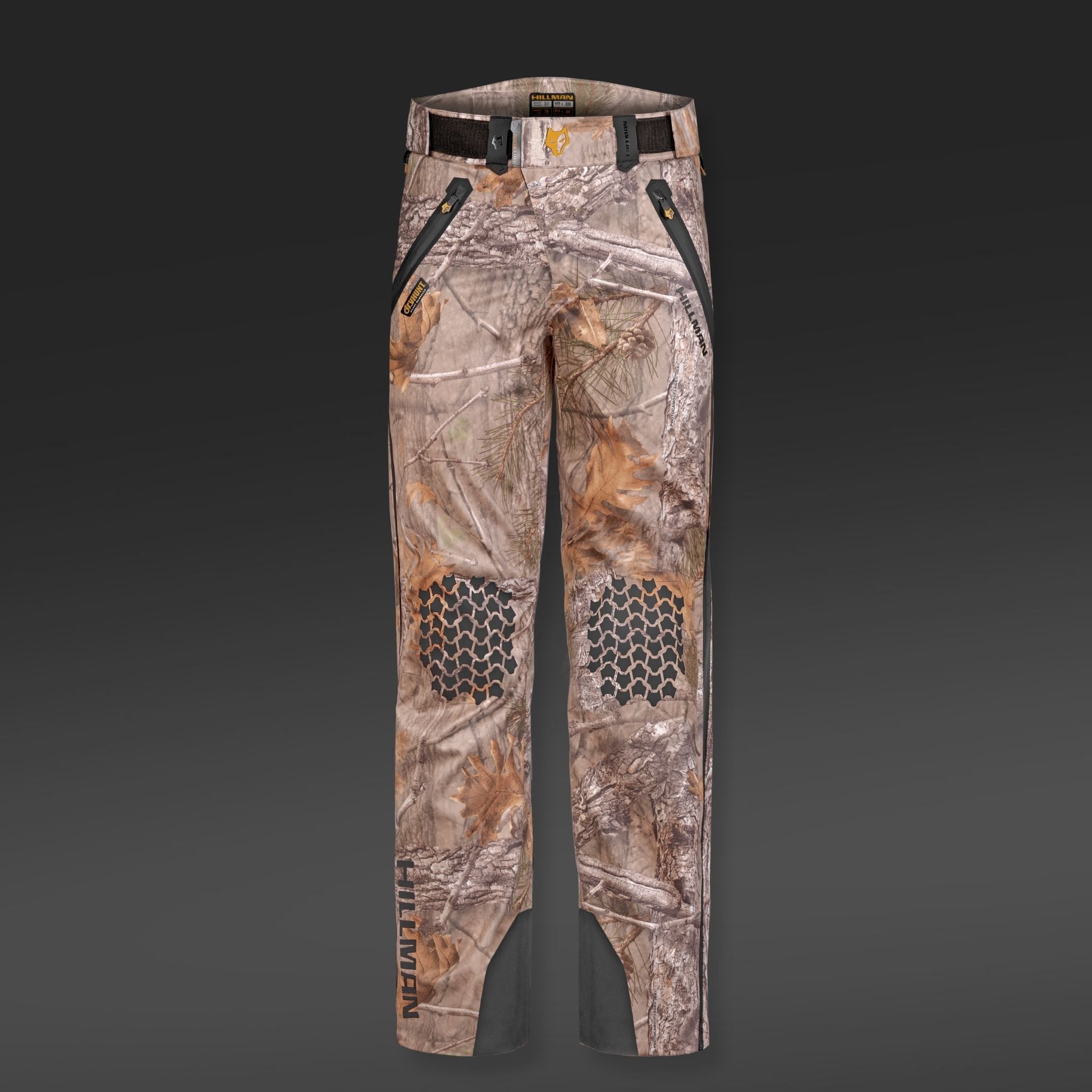
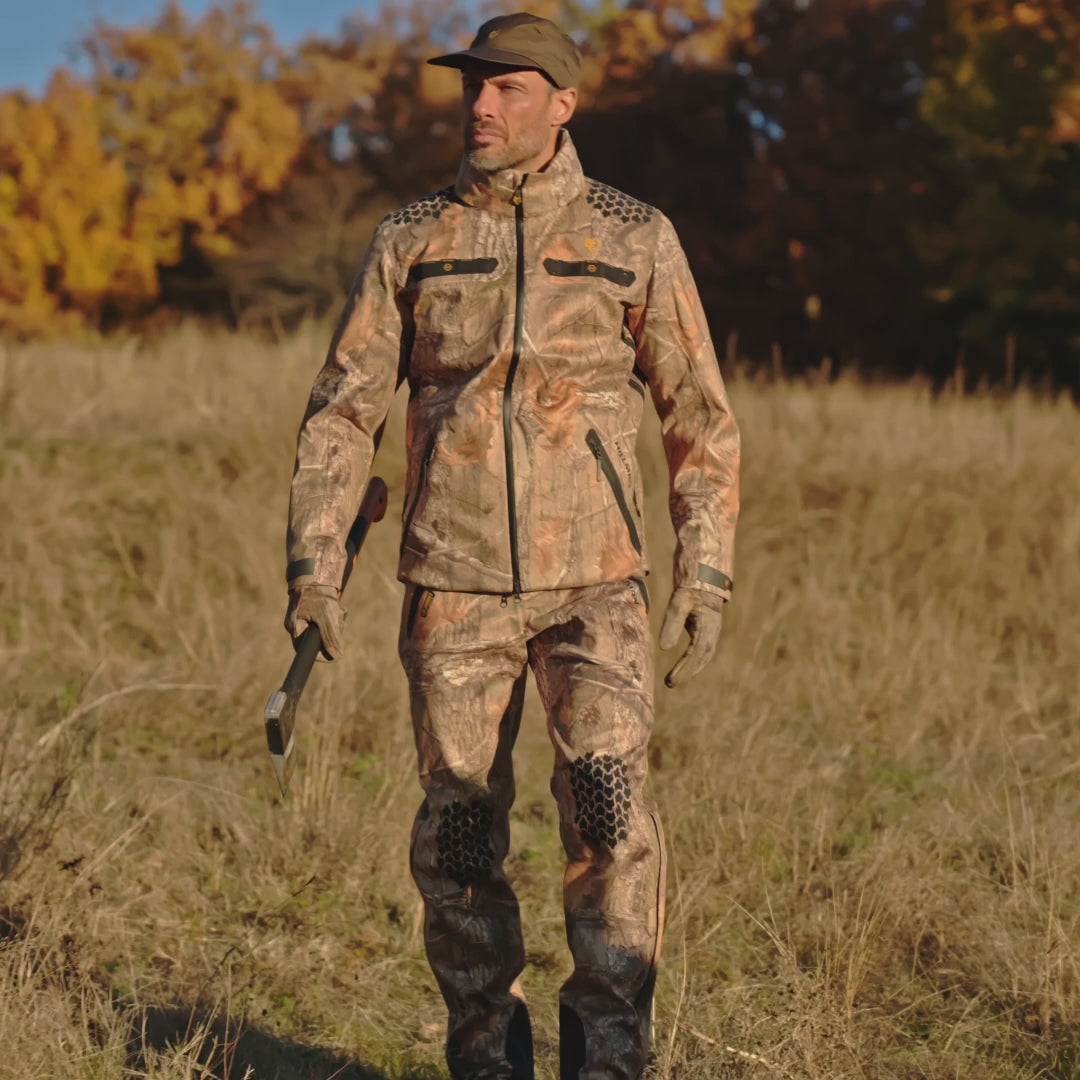
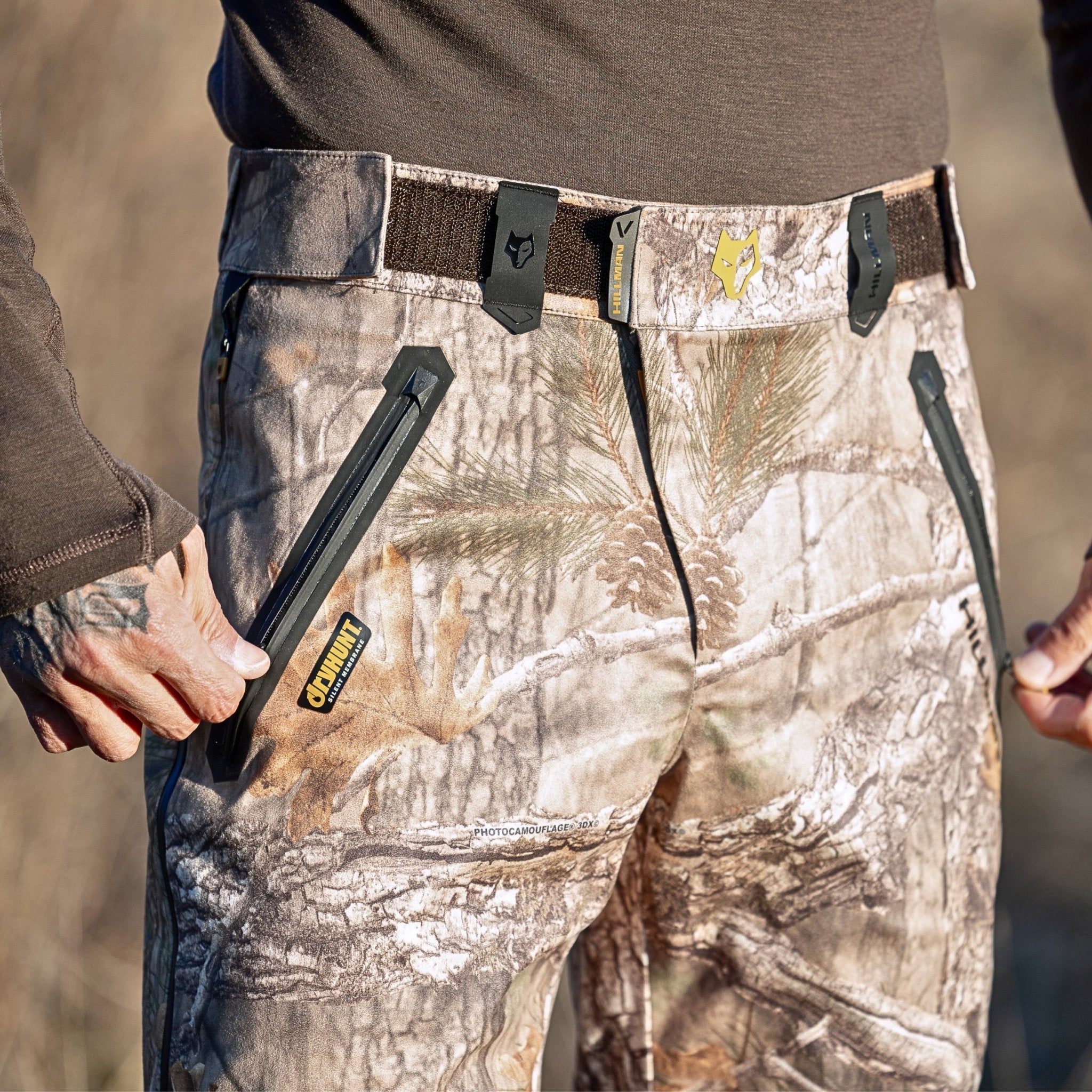
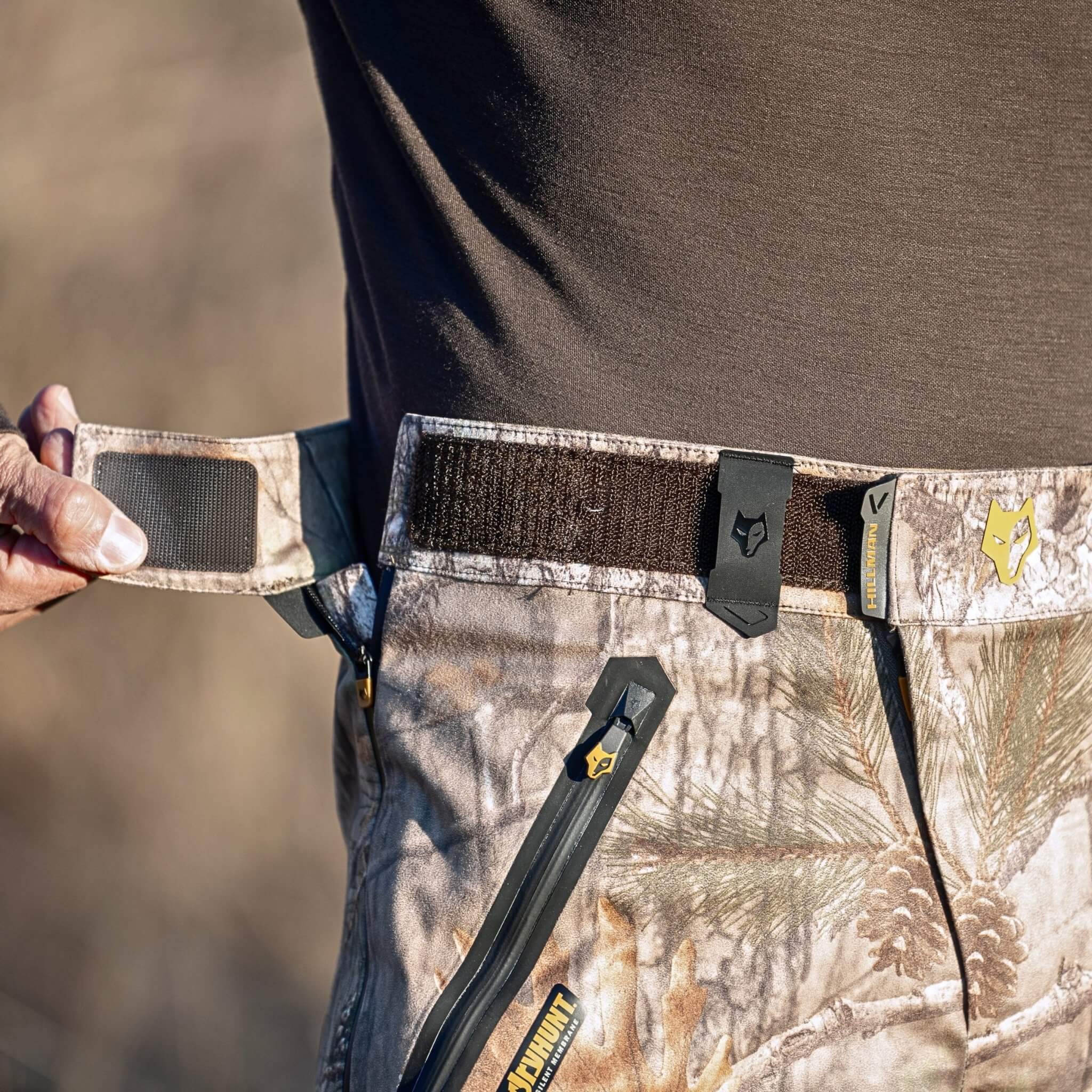
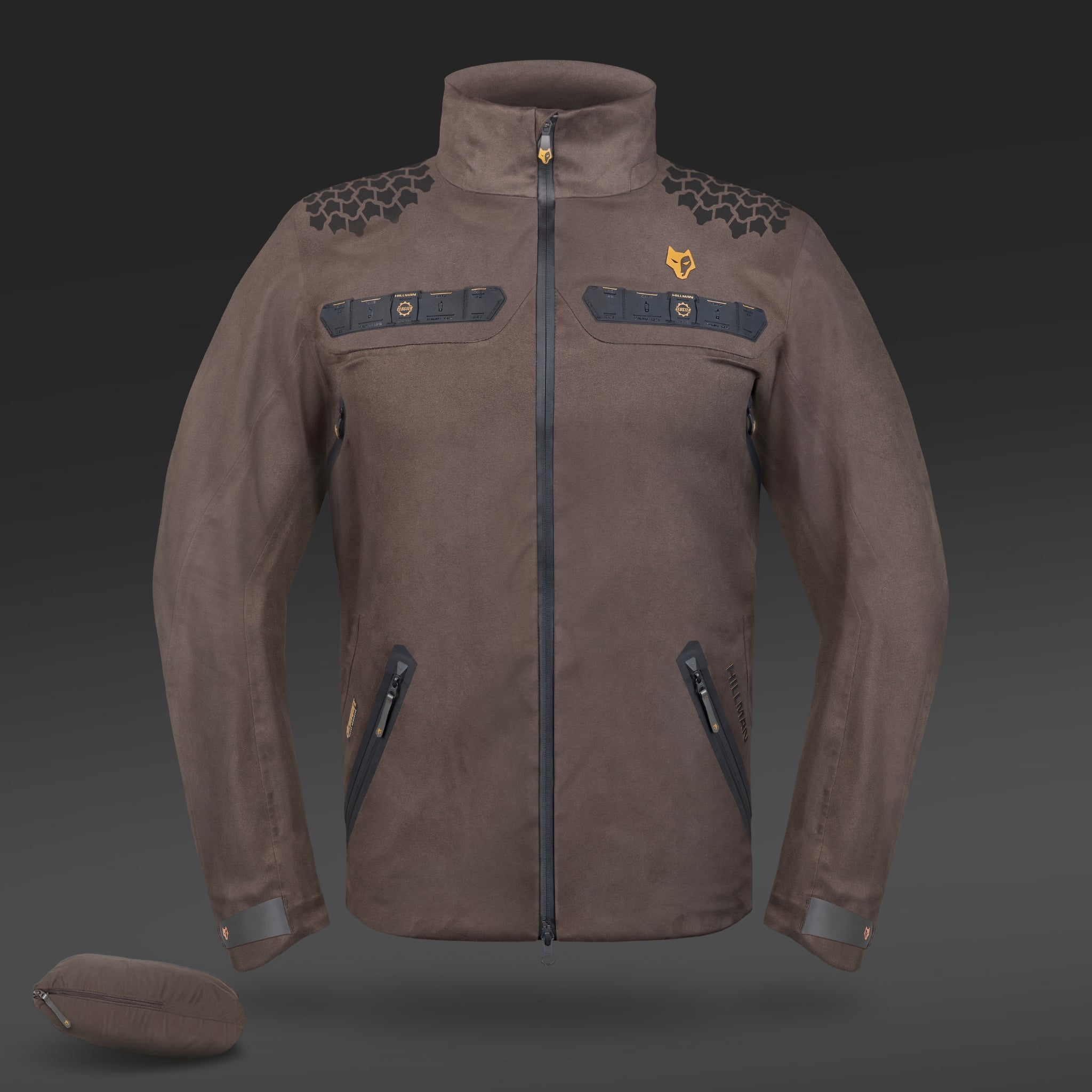
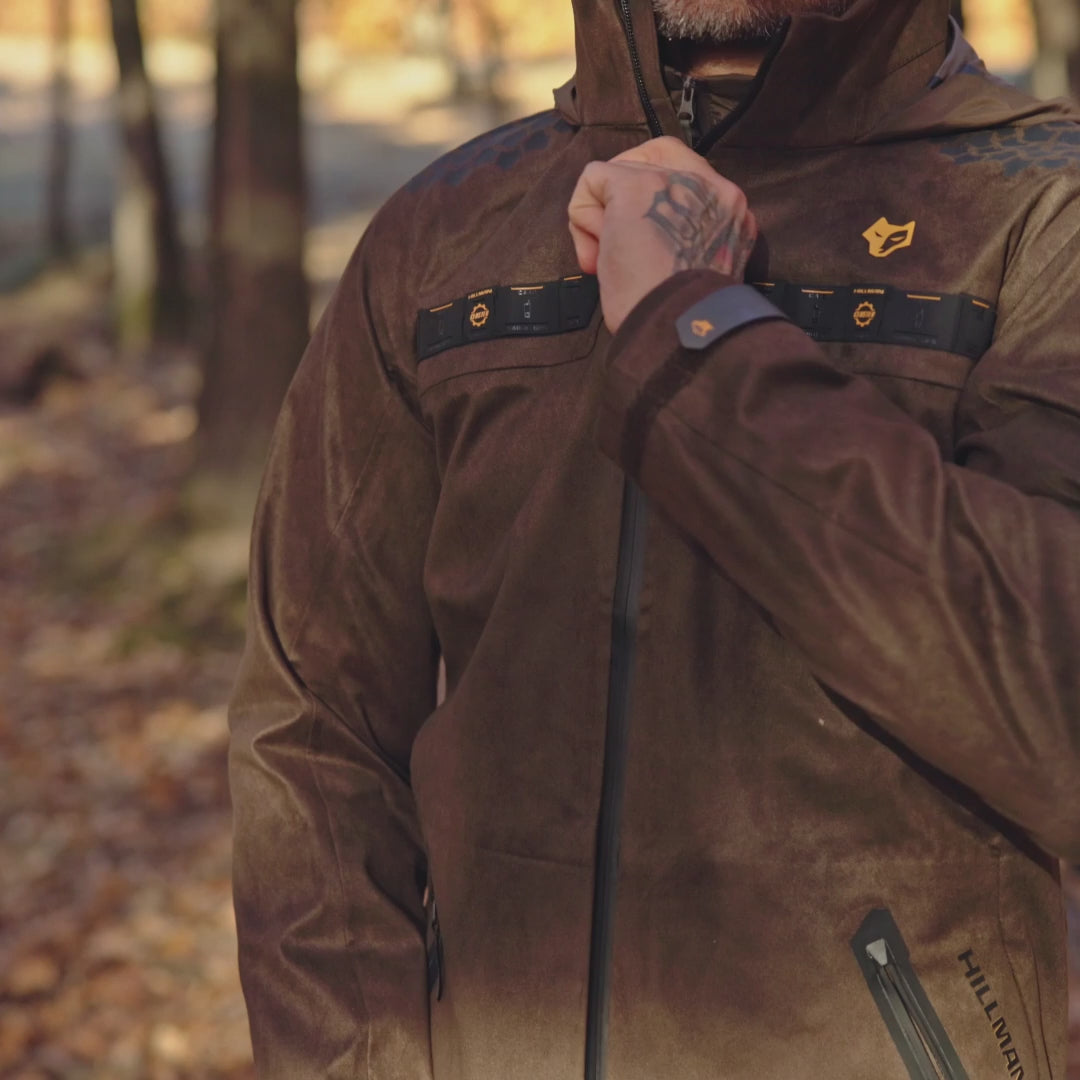
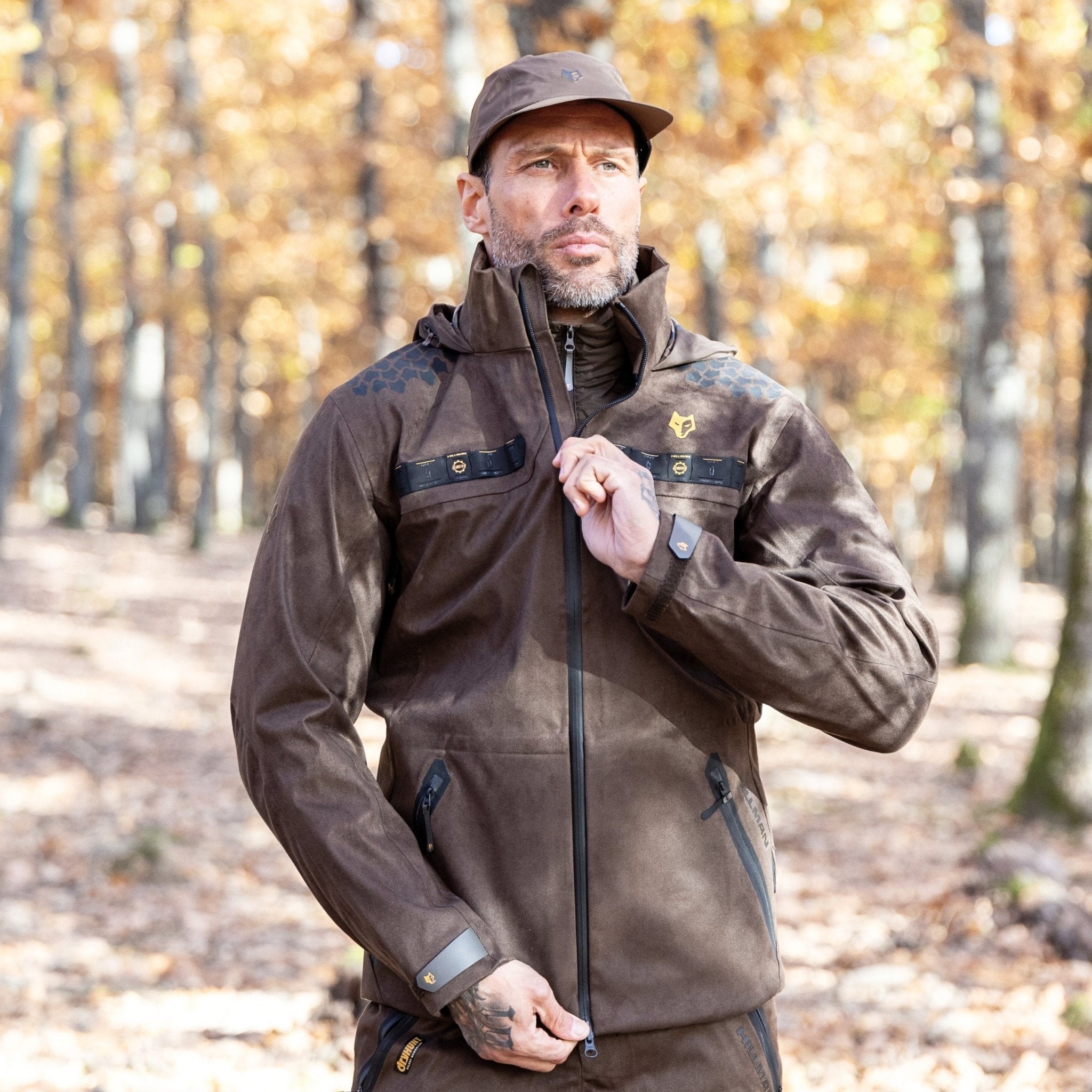
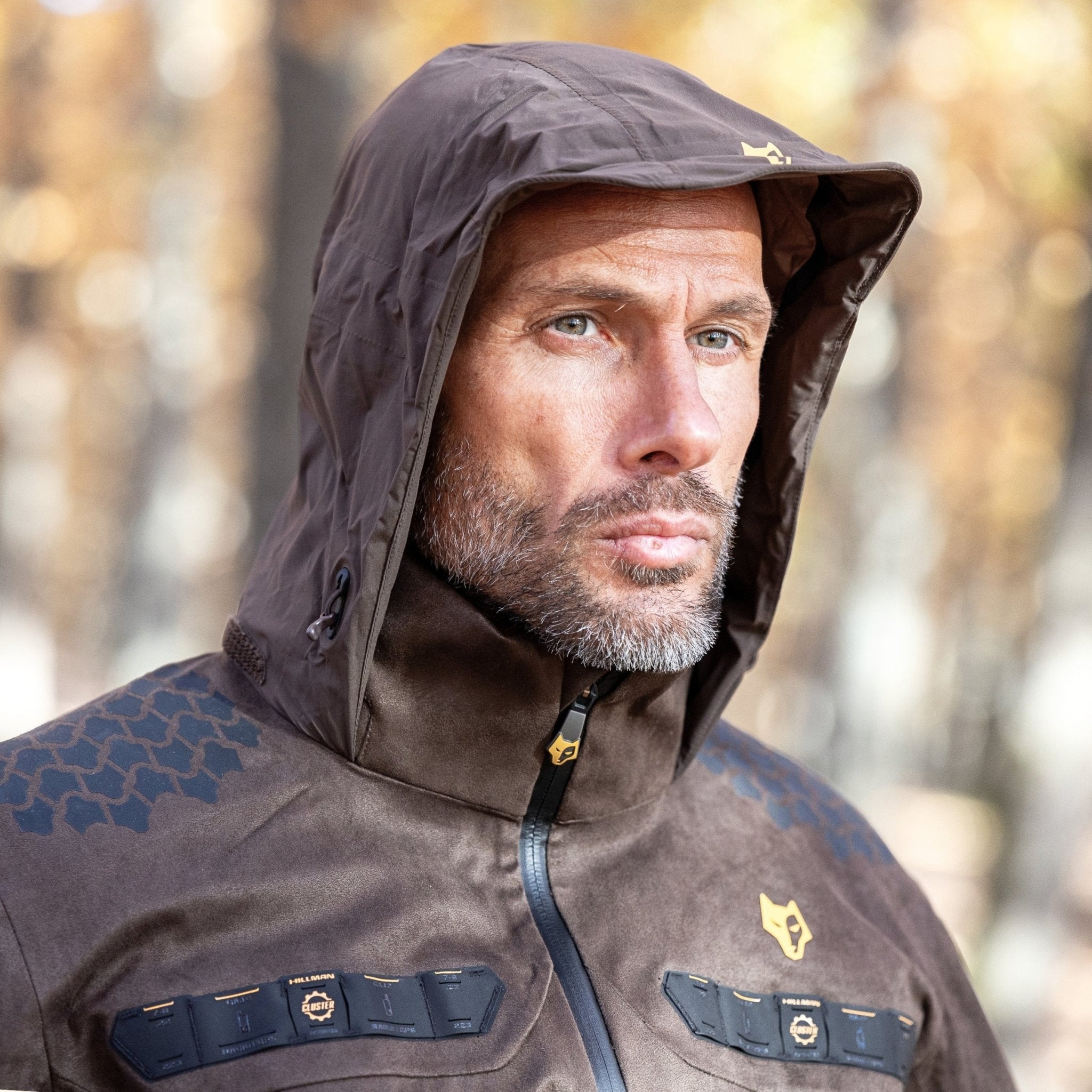
Keep it basic. A light base layer, quiet outer pants, and an easy mid layer you can add or strip off without making a whole production out of it. Mobile hunters need clothing designed for movement, not just heavy insulation. Breathability matters. Stealth matters. Comfort matters. Durability matters too, because brush, bark, repeated climbing, and rough ground will find weak gear fast.
Soft fabrics help a lot in the early season. Fleece, wool, and other quieter materials can cut down on noise when you are moving through still woods with deer nearby. That alone can make a difference on pressured ground. As the season shifts, the idea stays the same even if the clothing changes. Add insulation where it helps, and do not overdo it. Waterproof and breathable layers matter more once the weather gets rough. Cold ground changes the boot equation too. Insulated boots start earning their keep when long sits and frozen ground pull heat out of your feet.
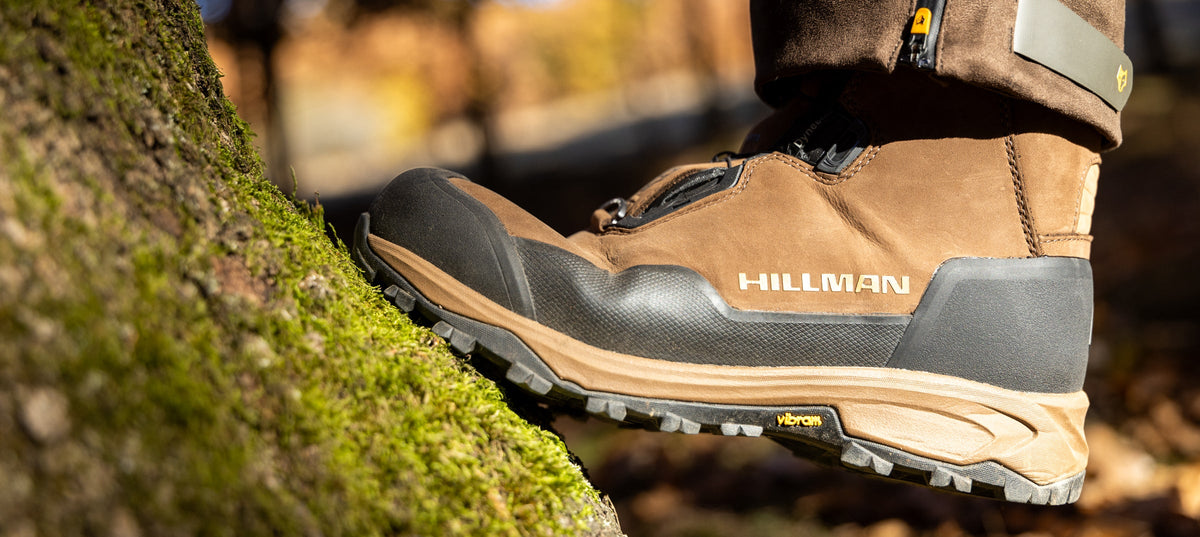
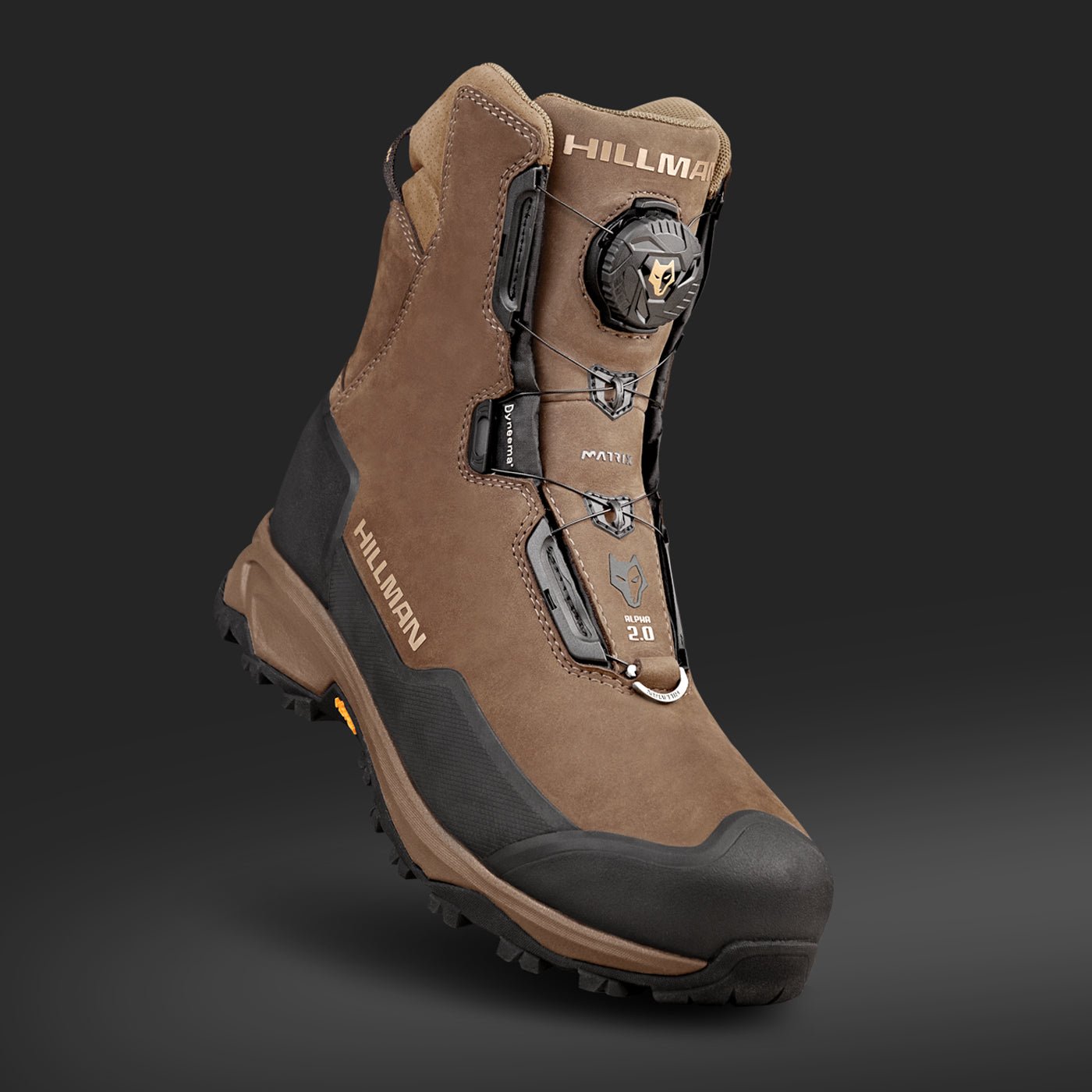
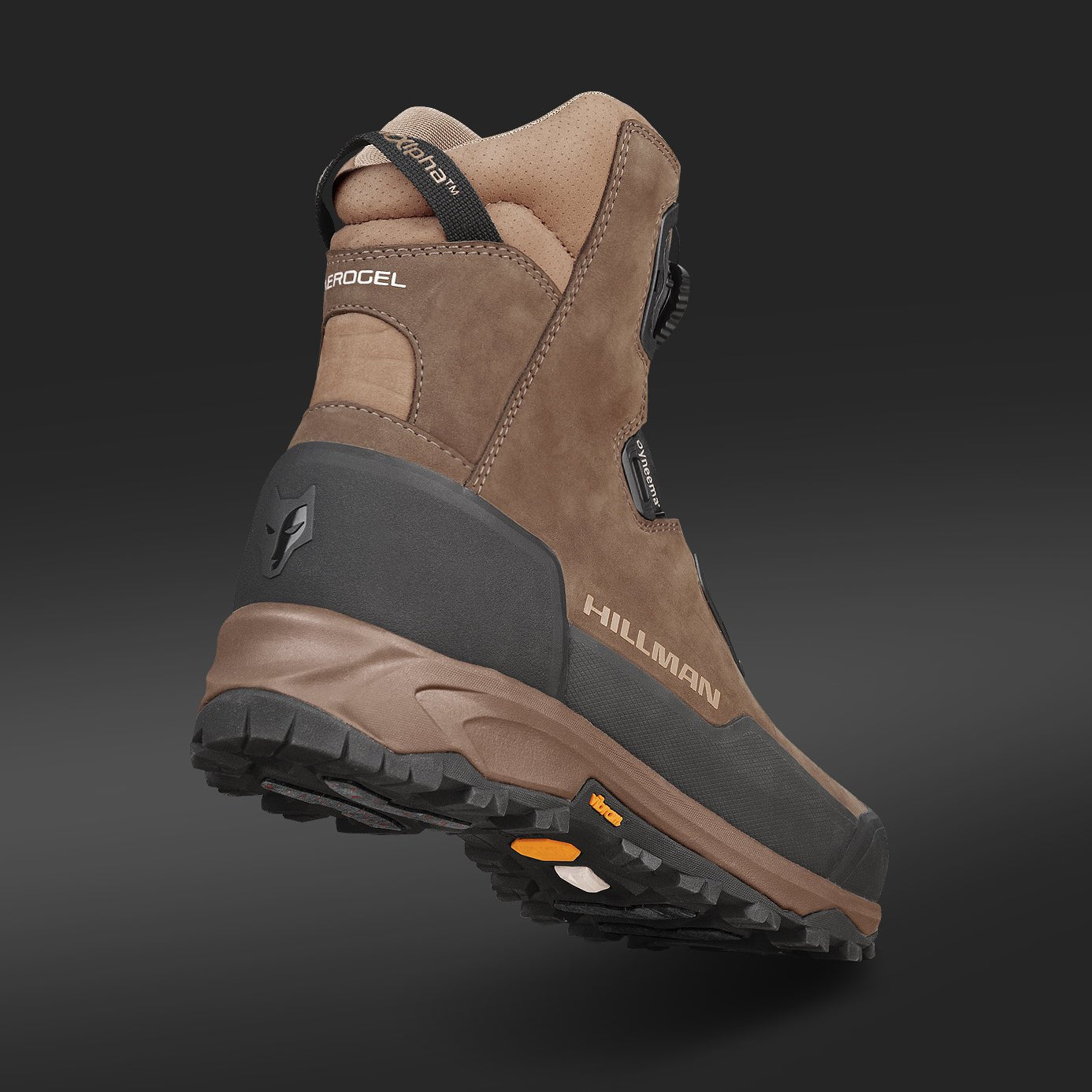
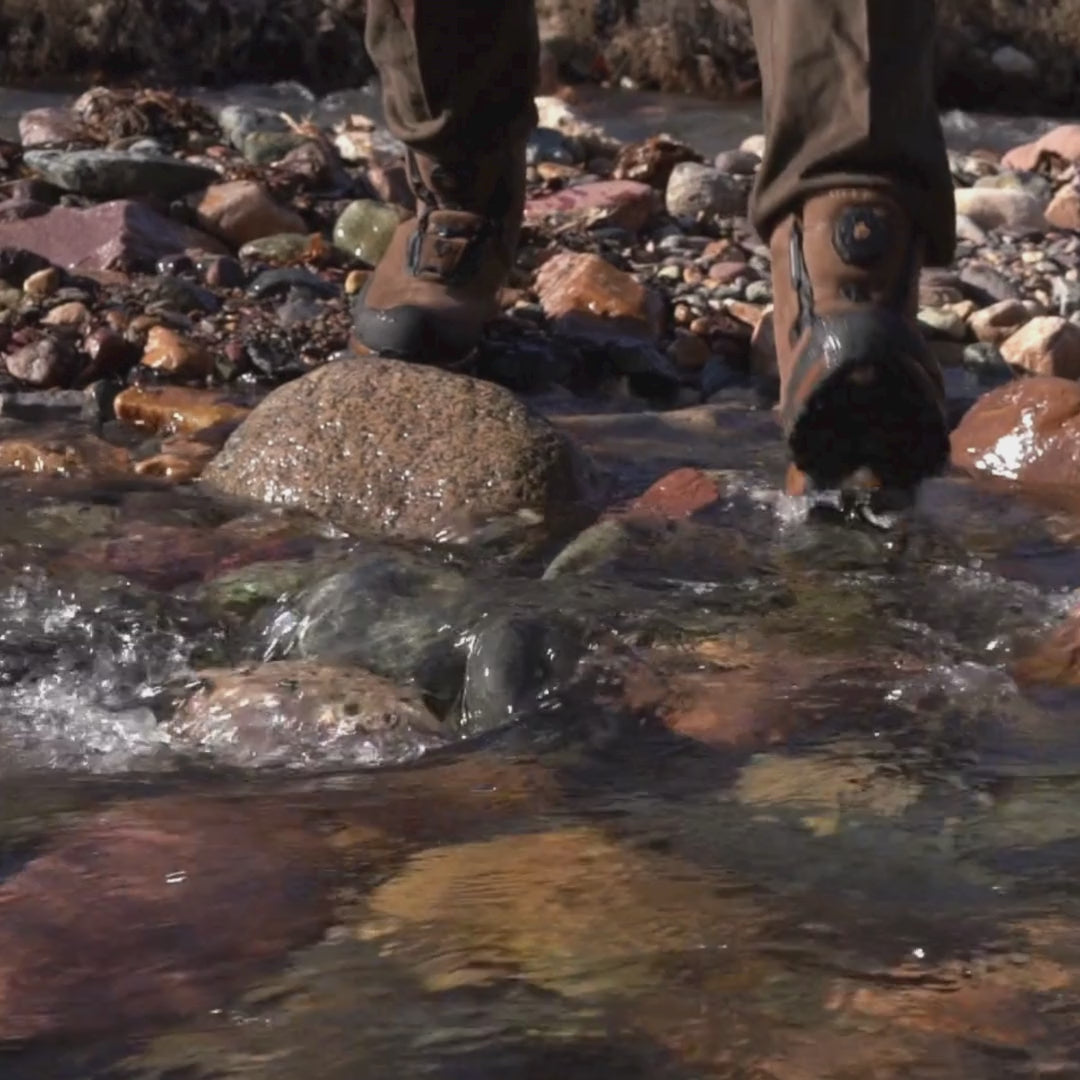
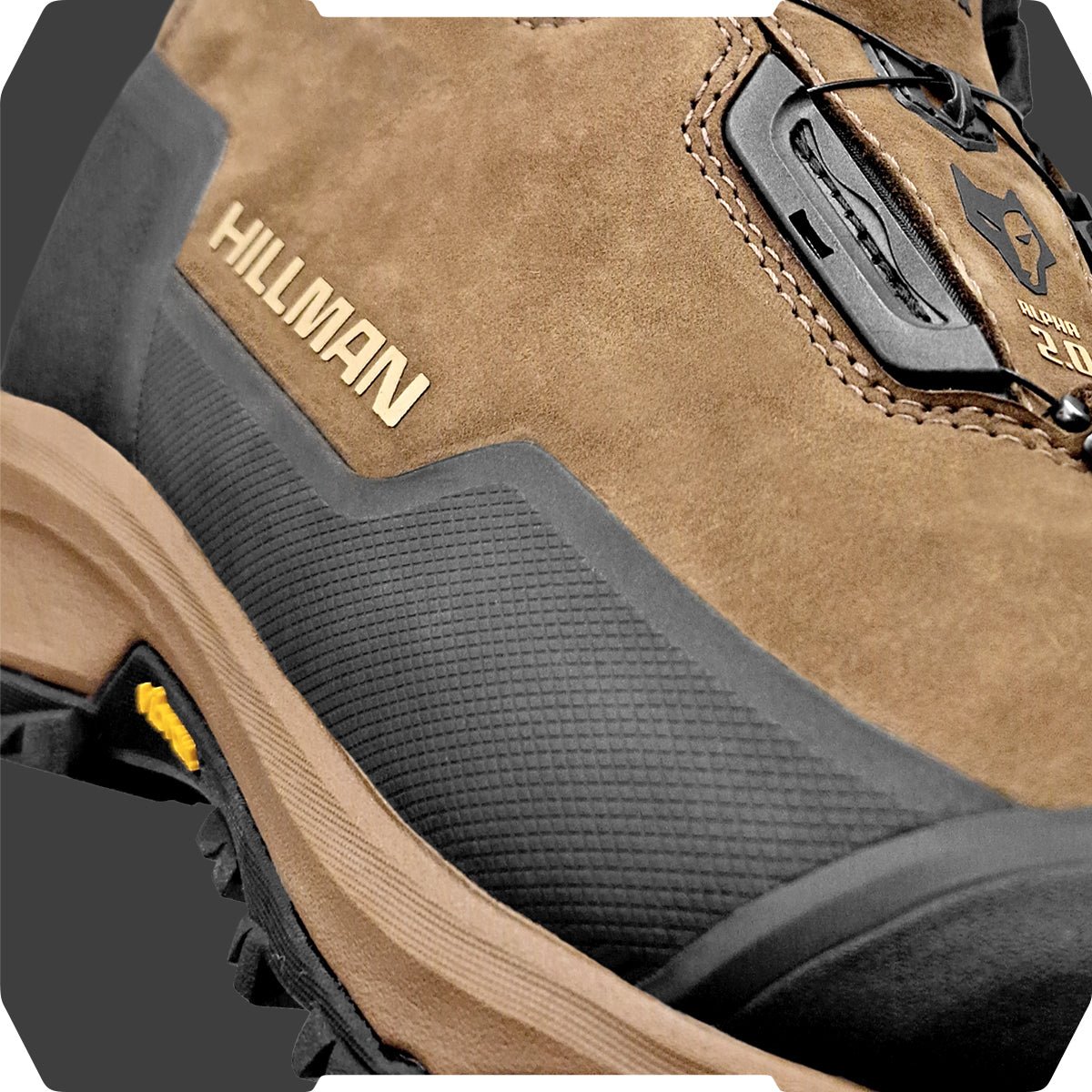
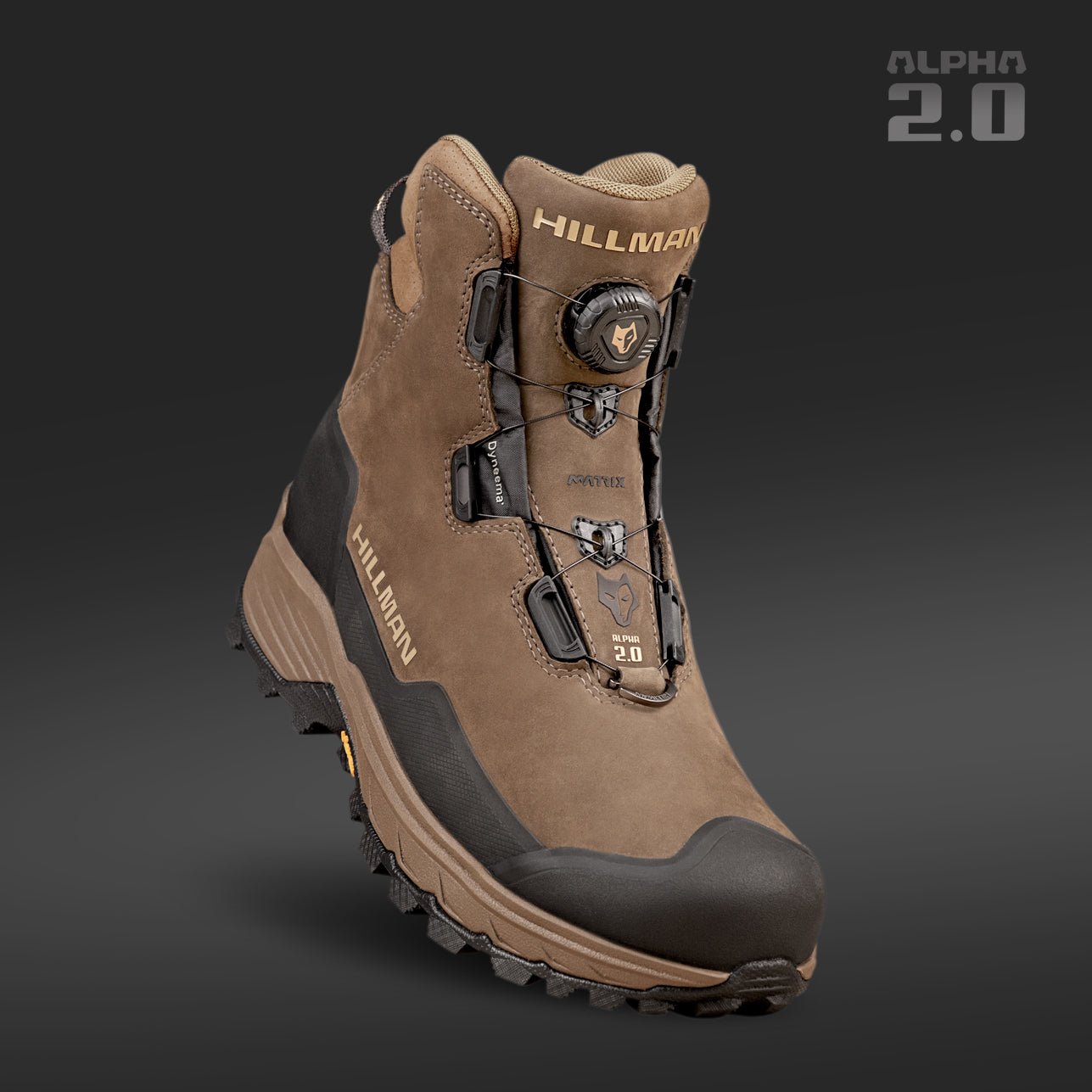
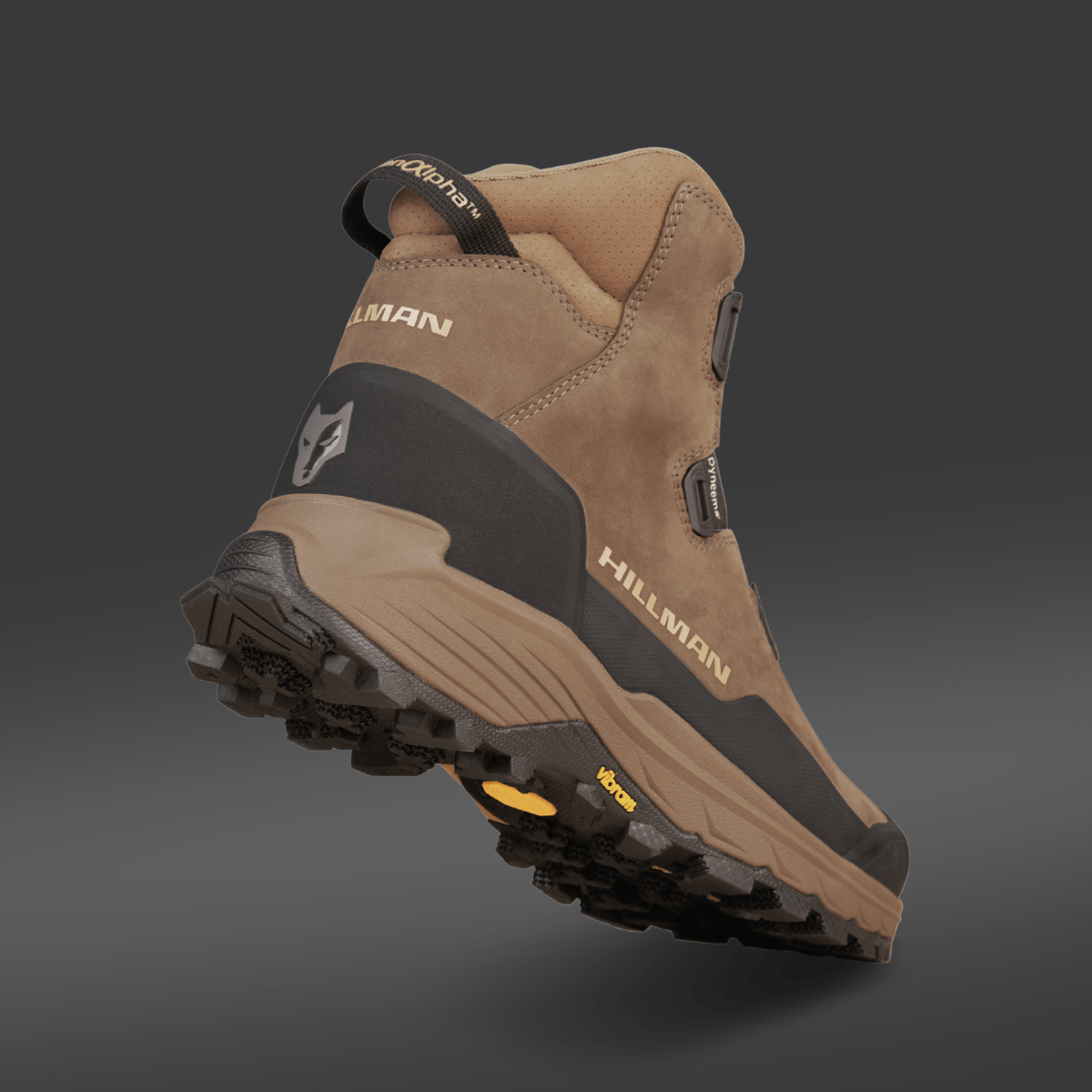
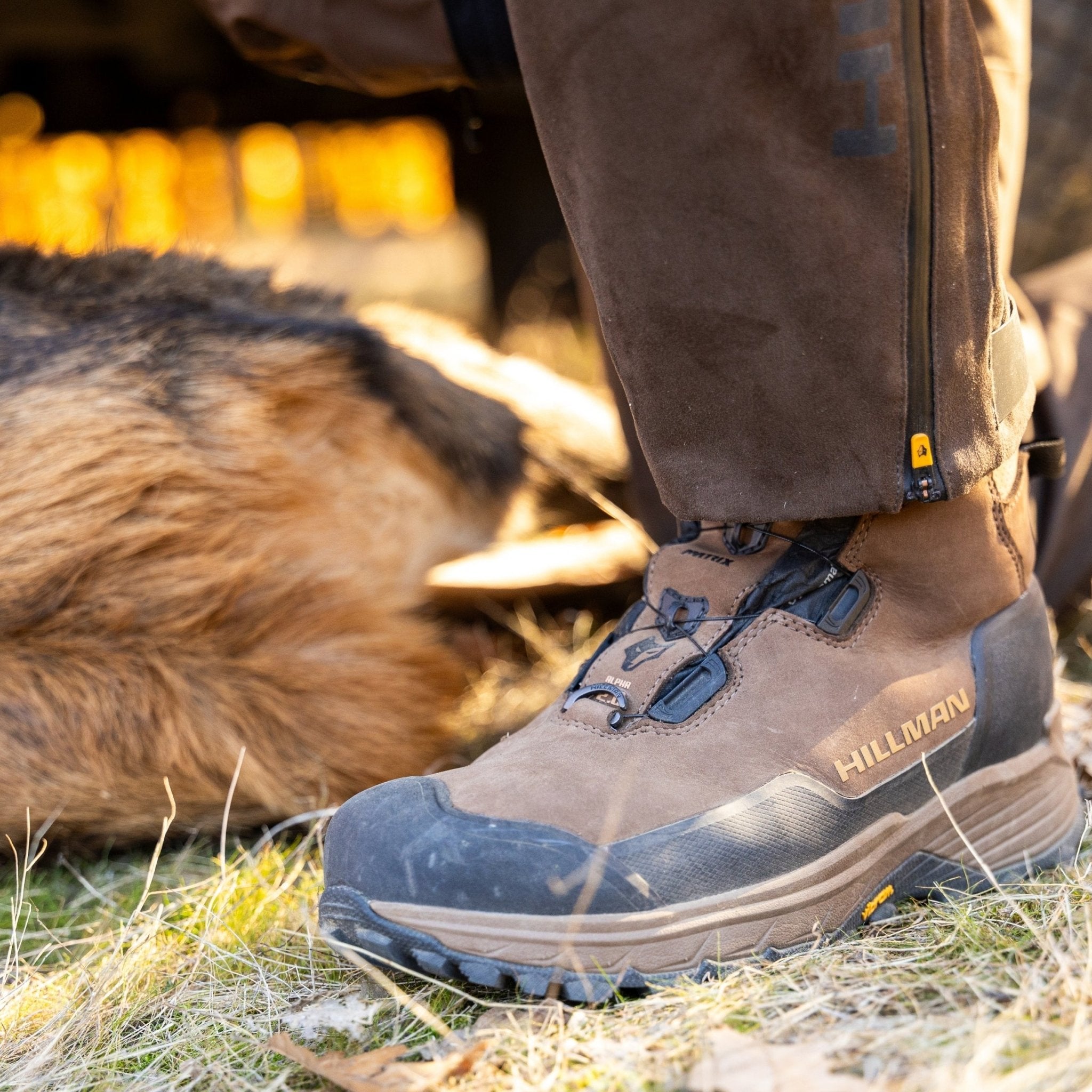
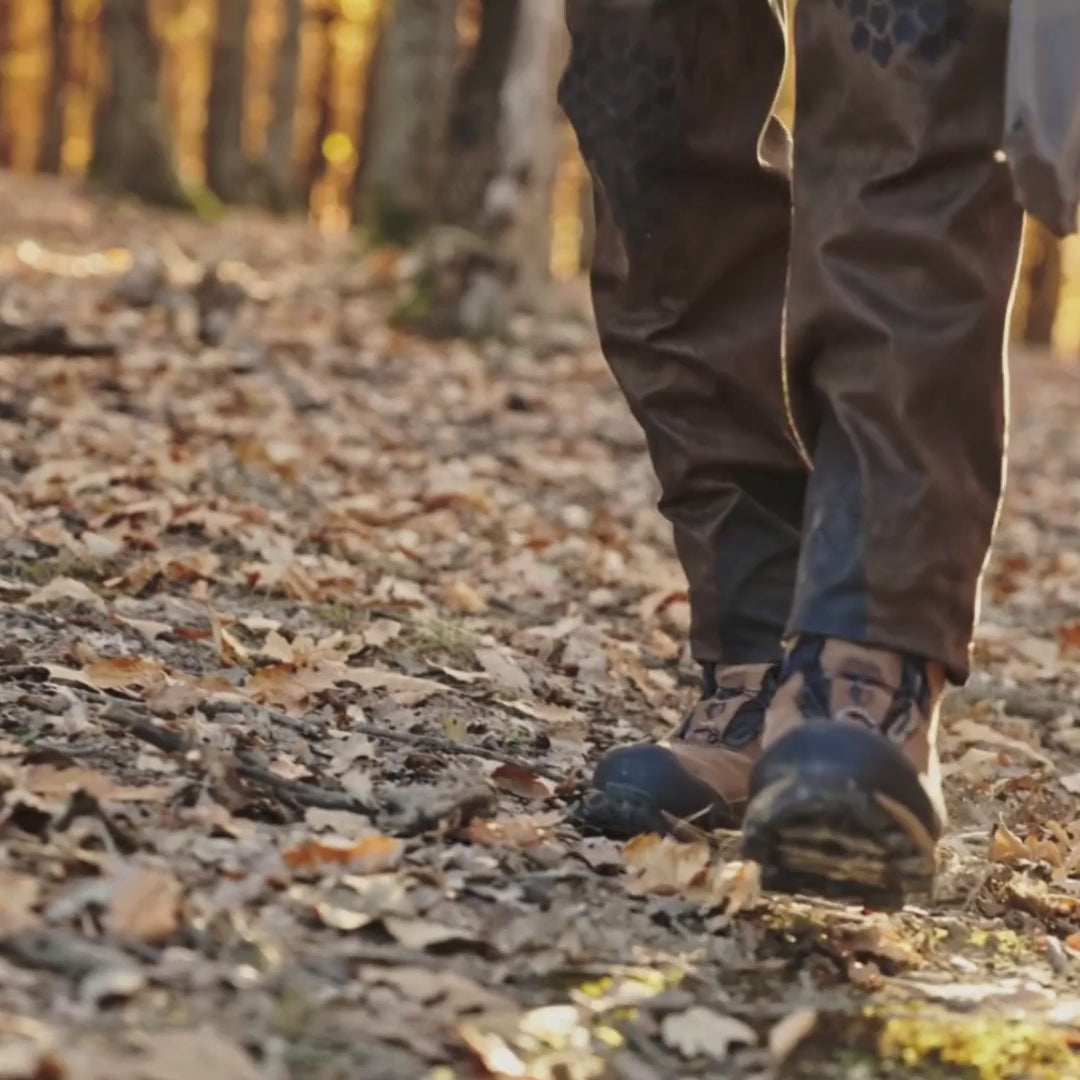
Comfortable footwear is not optional in a mobile whitetail hunting setup. If your boots are loud, awkward, or miserable after a couple of miles, the rest of the system does not matter much. Lightweight rubber boots still make sense on some access routes, especially where scent control matters or the ground stays wet. Silent, comfortable footwear matters even more when you are slipping through uneven terrain in the dark. Hillman fits that kind of hunting better than a lot of bulky gear because the balance is right. Light enough to move in. Functional enough for rough conditions. Durable without feeling like overkill.
Saddle hunting versus tree stands, and why weight keeps winning

A lot of hunters waste time chasing some perfect fantasy setup. That usually goes nowhere. The real question is simpler. What lets you hunt more efficiently, more quietly, and with less hassle?
Tree stands still work. No question. A hang and hunt setup can be deadly when you know the tree, know the wind, and want a familiar position. But if the whole reason you are going mobile is flexibility, a saddle usually has the edge.
That is why saddle hunting keeps pulling people in. A saddle is lighter, smaller, and more adaptable than many tree stands. It packs down better. It gives you 360-degree shooting around the tree. And when you are bouncing between spots or walking farther than planned, the lighter load matters.
Still, not every lightweight system is good. Some gear gets marketed as ultralight and then feels flimsy the second you actually use it. That is a problem. Mobile hunting gear has to be durable enough for repeated use and rough handling, but still light enough that you do not hate carrying it.
That balance is where most setups either work or fall apart. Lightweight climbing sticks help, but only if they still feel solid. A platform should be compact and useful, not huge and overbuilt. The minute your system starts feeling clunky, your mobility starts dropping with it.
Accessories are where people really mess this up. Extra pouches, extra straps, extra ties, extra hooks, extra little gadgets that looked smart online. That stuff adds up. More weight. More noise. More clutter. More time wasted fumbling around in the dark. A streamlined setup is not about being hardcore for no reason. It is about keeping only what improves convenience, efficiency, or safety.
Quiet access is not gear alone

A lot of hunters talk about stealth like it starts and ends with what they bought. It does not. Quiet access is a process. It starts at the truck. Load the pack the same way every single time. Keep climbing gear where your hands expect it to be. Lock down small items so they do not shift, rattle, or disappear into some stupid corner of the bag. If you have to stop in the dark and reorganize gear, that is already a problem.
Once you are in the woods, the pace matters. So does timing. Natural sound cover helps more than people think. Wind in leaves, distant traffic, branches moving, even a little background noise can hide a careful step. When the woods are loud, move. When the woods go quiet, slow down and quit forcing it.
A cleaner setup also makes you quieter because it reduces decisions. Less fumbling. Less reaching. Less metal-on-metal noise. Less wasted movement. That matters when you are close to bedding cover or trying to slip into a tree before daylight.
Practice matters too. Fast moves and quiet access do not magically show up on hunt day. Practice in the dark. Practice climbing. Practice hanging your platform. Practice working with your climbing stick system. Practice reaching for gear without looking like you are digging through luggage at the airport. Speed comes from repetition, not from trying to rush. And this is where a minimalist setup helps the most. Every piece has a function. Every motion gets simpler. The whole process gets cleaner.
Planning the trip without screwing up the hunt

A mobile whitetail hunting setup starts before first light and honestly before the trip itself. Sloppy planning kills hunts faster than people admit. For a DIY trip, think through lodging, meal prep, gear transport, and how mobile you want to stay once you get there. Camping is a solid option if you want to keep things affordable and simple. Truck camping is even better for some hunters because it gives you a mobile base. If deer movement shifts, you can shift too. That freedom matters when you are not tied to one fixed spot.
Meal prepping is boring until you are halfway through a long day and your energy falls off a cliff. Mobile hunting is physical. You are walking, climbing, carrying gear, and thinking all day. Underfueling yourself is just dumb.
Use a checklist. Seriously. It is the easiest fix for stupid mistakes. One missing strap, one forgotten platform attachment, one lost piece of hunting equipment, and the whole setup can get ugly fast when you are already far from home.
Then after the season, do an honest evaluation. What stayed in the pack and never got touched? What felt awkward every time? Which clothing worked? Which boots were actually comfortable? What added noise? What looked useful but turned into dead weight?
That is how setups improve. Not by endlessly buying more gear, but by cutting what does not help and keeping what actually works. That is really the whole guide. Carry the gear that makes mobile hunting lighter, quieter, and easier. Leave the rest at home.


Share:
How to Pack a Hunting Backpack for Day Hunts
Turkey Vest Setup: What to Carry for Mobile Spring Hunts