

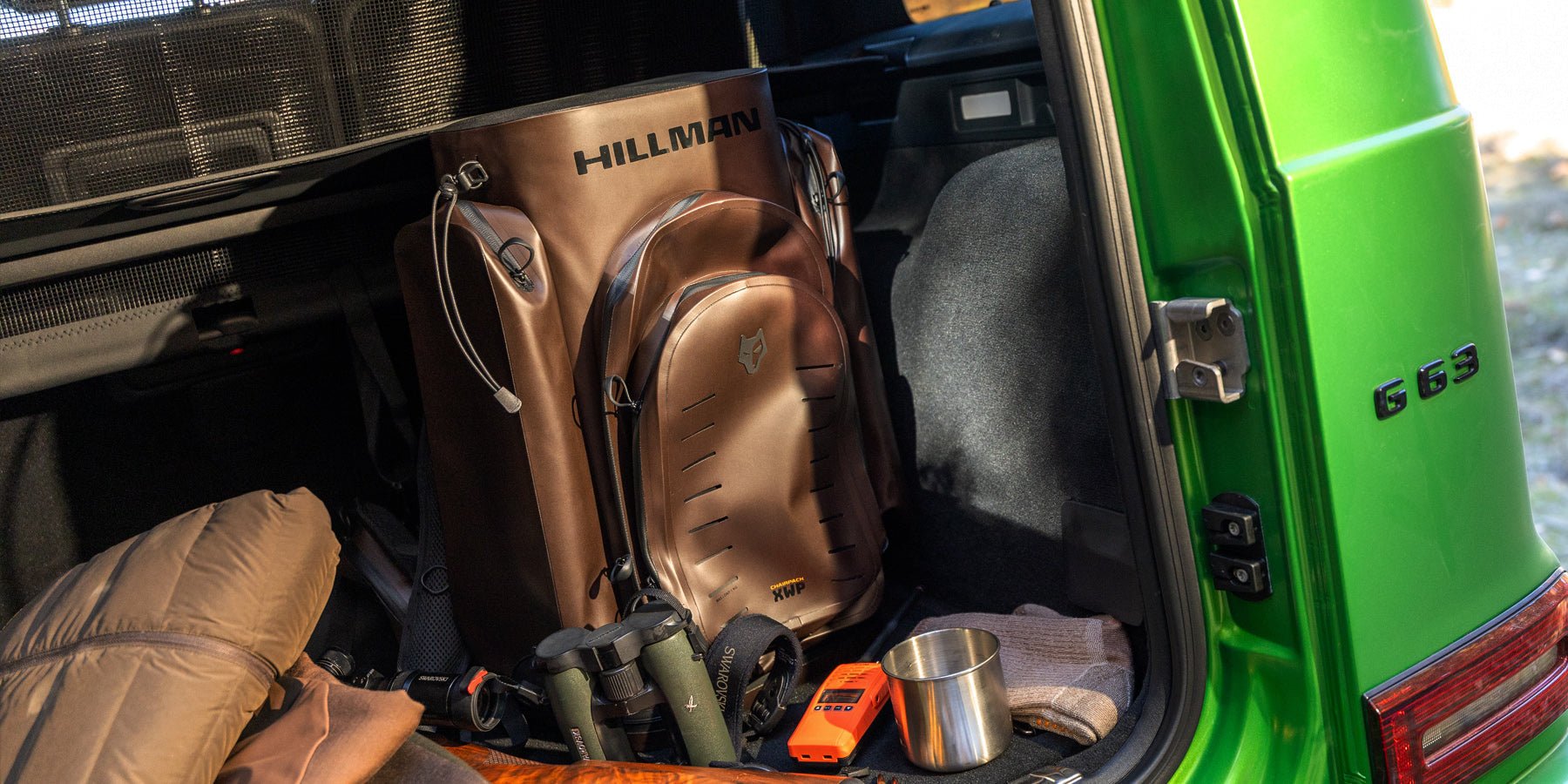
How to Pack a Hunting Backpack for Day Hunts Without Carrying Too Much

Pack a hunting backpack right for day hunts. Carry less, balance weight better, and keep the gear you need easy to grab.
Stop packing your day pack like you are moving out. If you are trying to figure out how to pack a hunting backpack for day hunts without carrying too much, here is the blunt answer. Most guys are not underpacked. They are dragging around too much junk.
They buy a bigger bag, fill every pocket, toss in backup gear for backup gear, and then wonder why the pack rides like trash by mile three. That is the real problem. Not the backpack. Not the weather. Not the mountain. Bad packing.
A day hunt pack should match the hunt, not your paranoia. Whitetail hunts, mule deer glassing, shed hunting, all day sits, and backpack hunting in high country are not the same job. So stop packing them like they are.
A good hunting backpack needs enough room for what matters, not enough empty space to tempt you into bad decisions. Good pockets and compartments help. High quality zippers matter. Quiet access matters. A waist belt, sternum strap, lumbar support, and well-padded shoulder straps matter too. Proper backpack fit is based on torso length, not height, and if the fit is wrong, the rest of the setup is already halfway ruined.
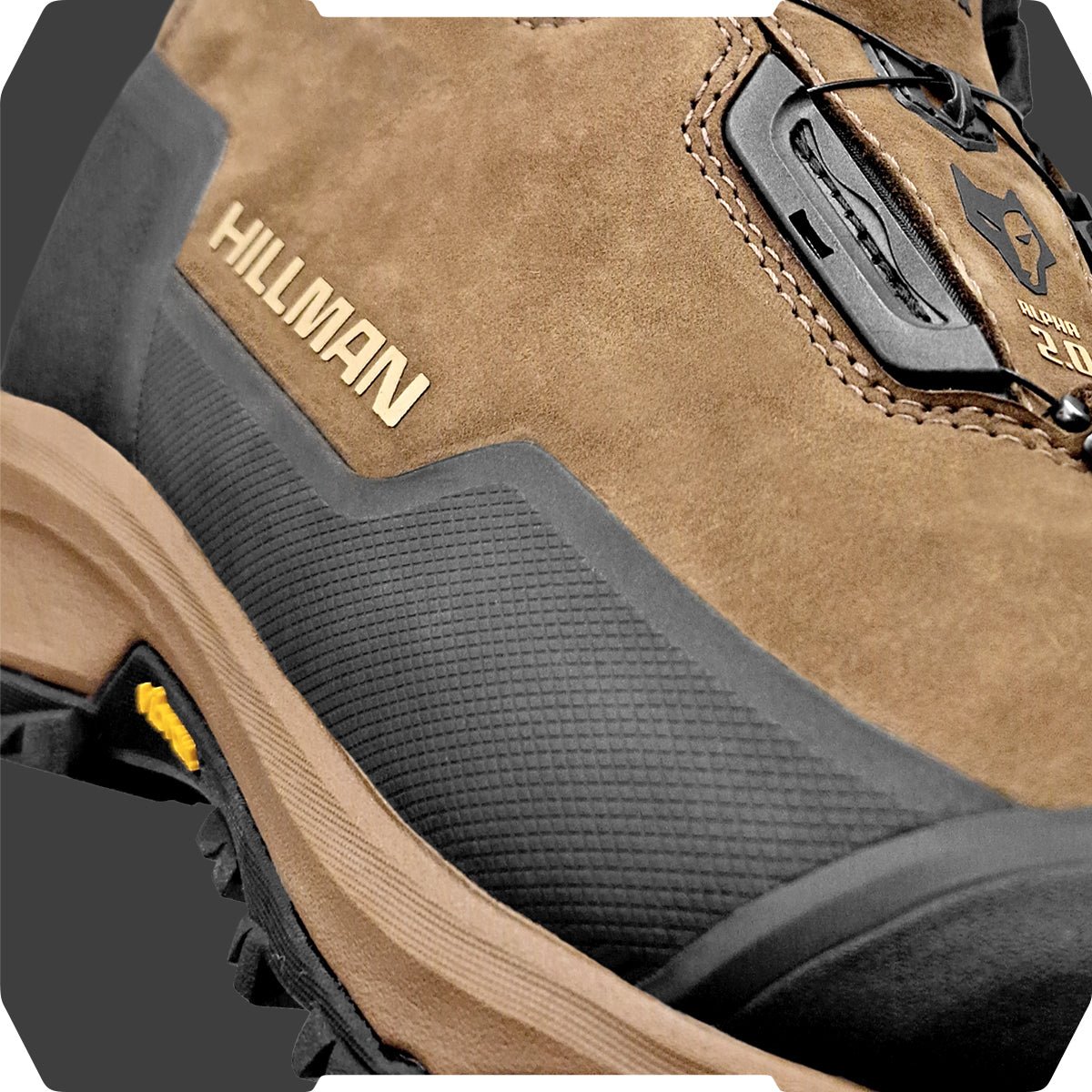
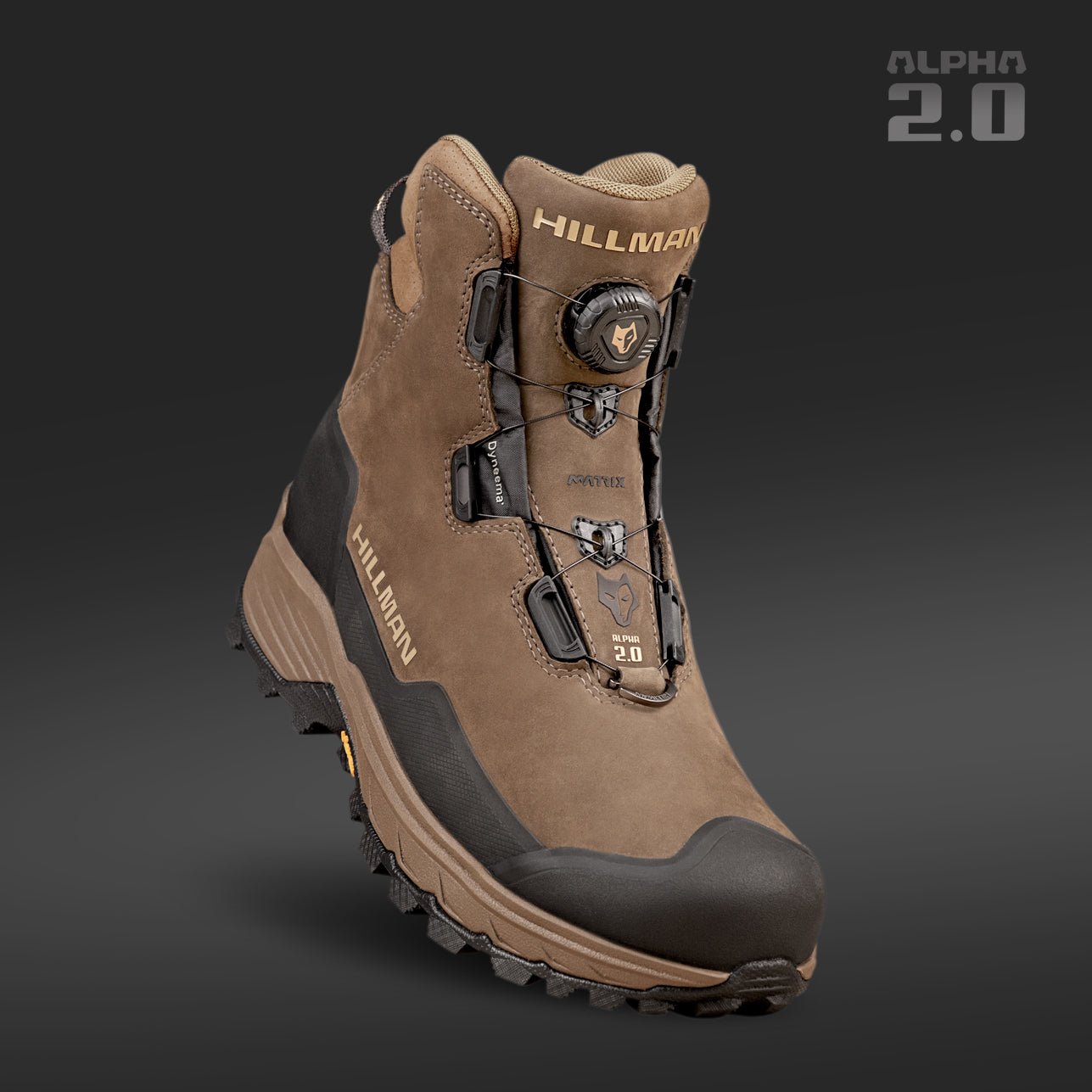
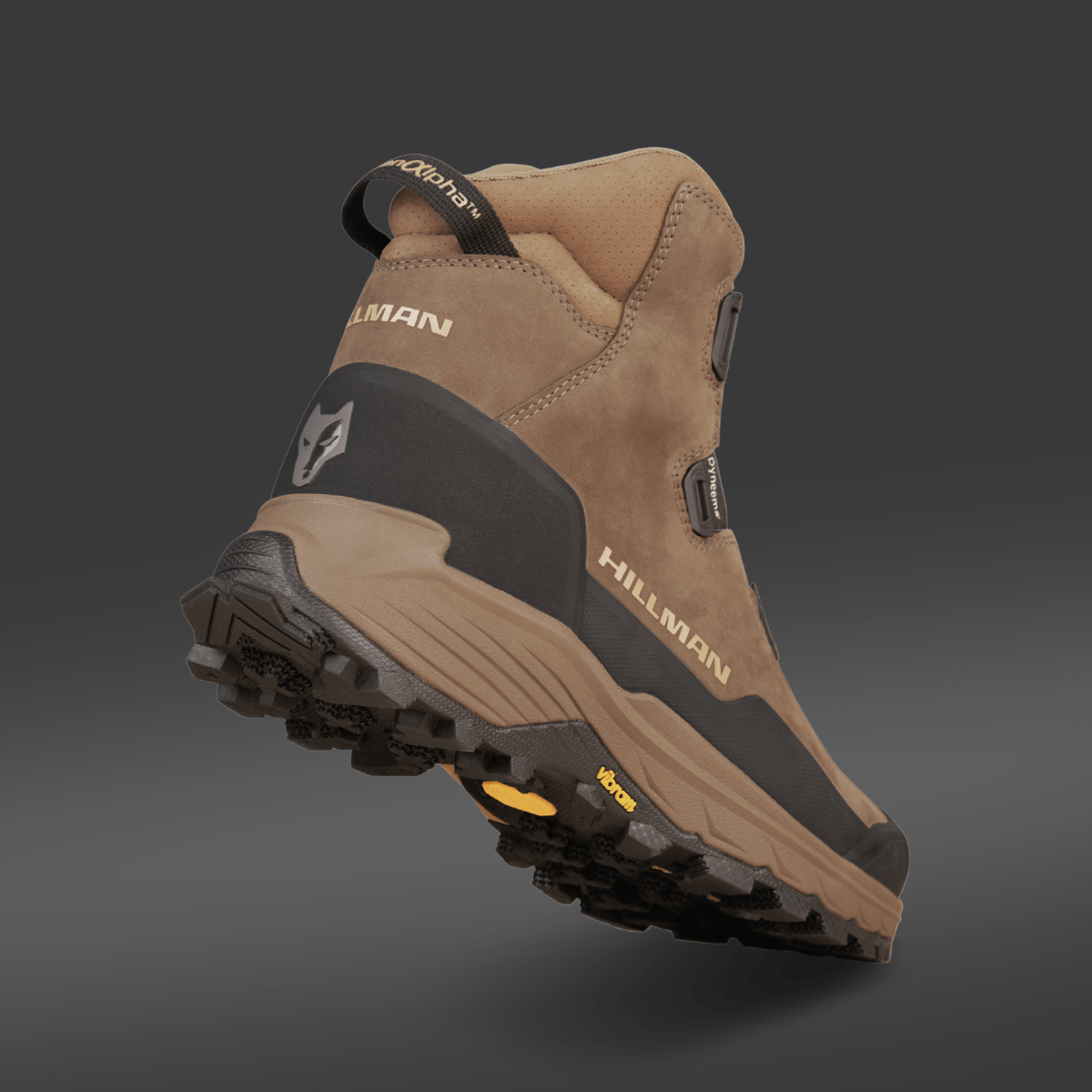
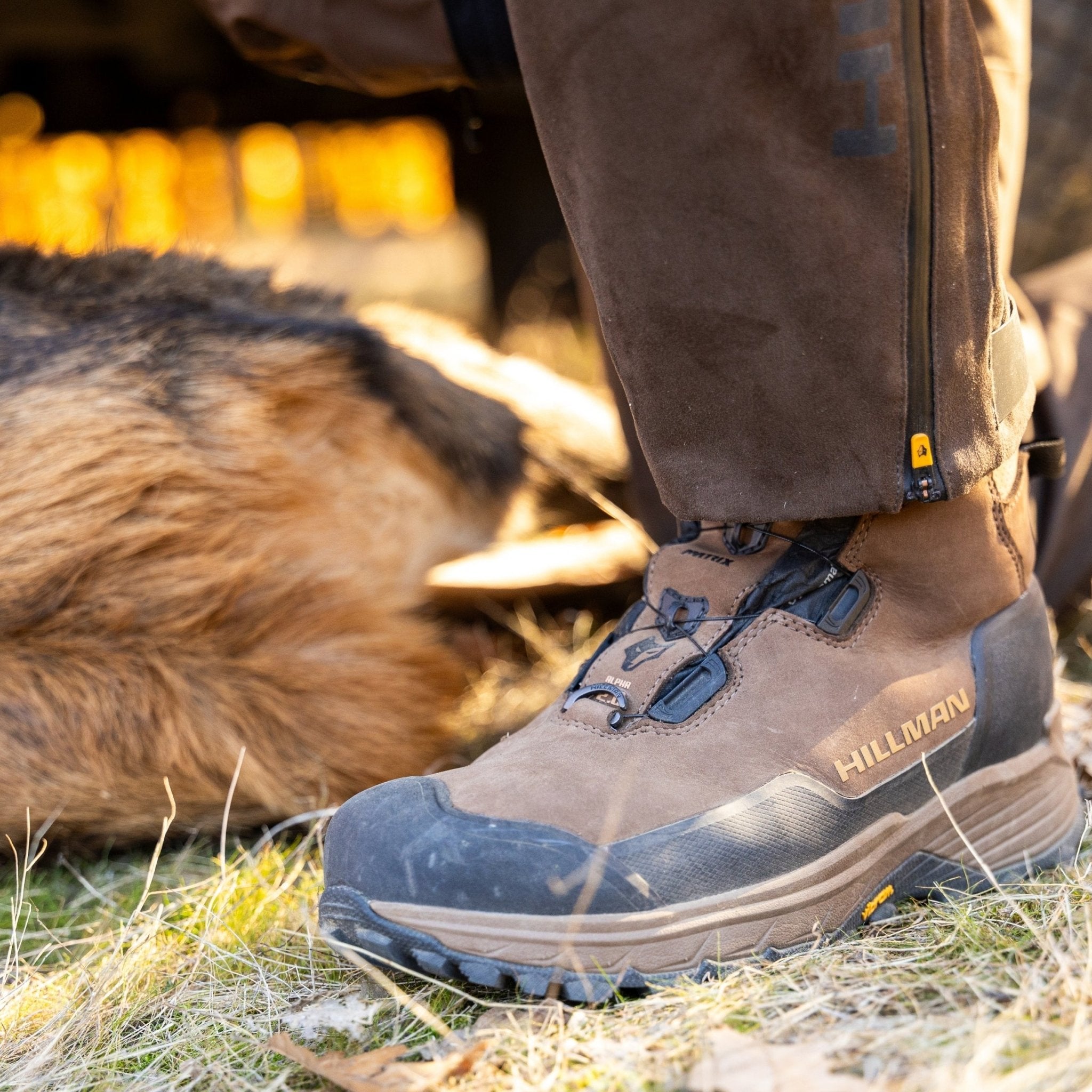
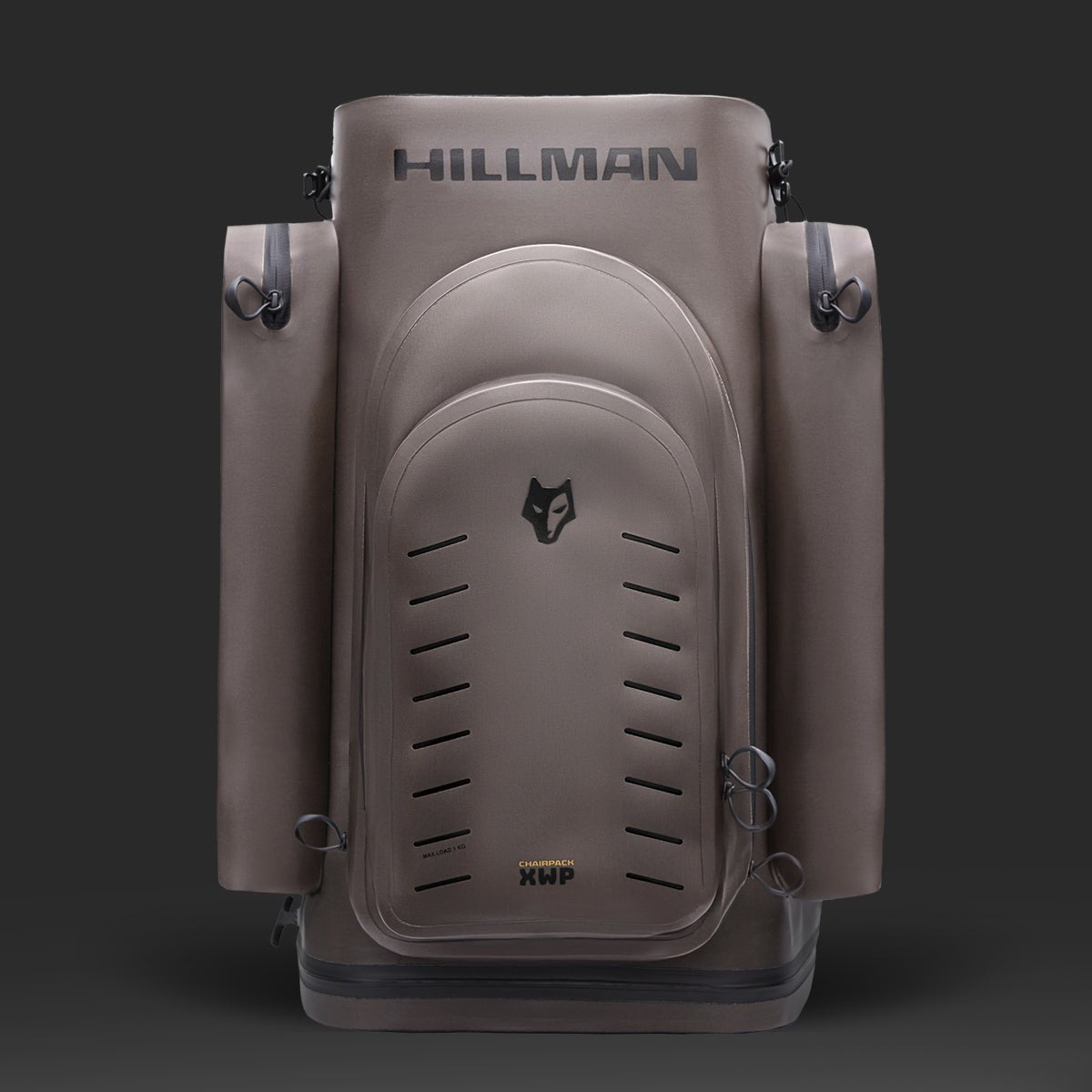
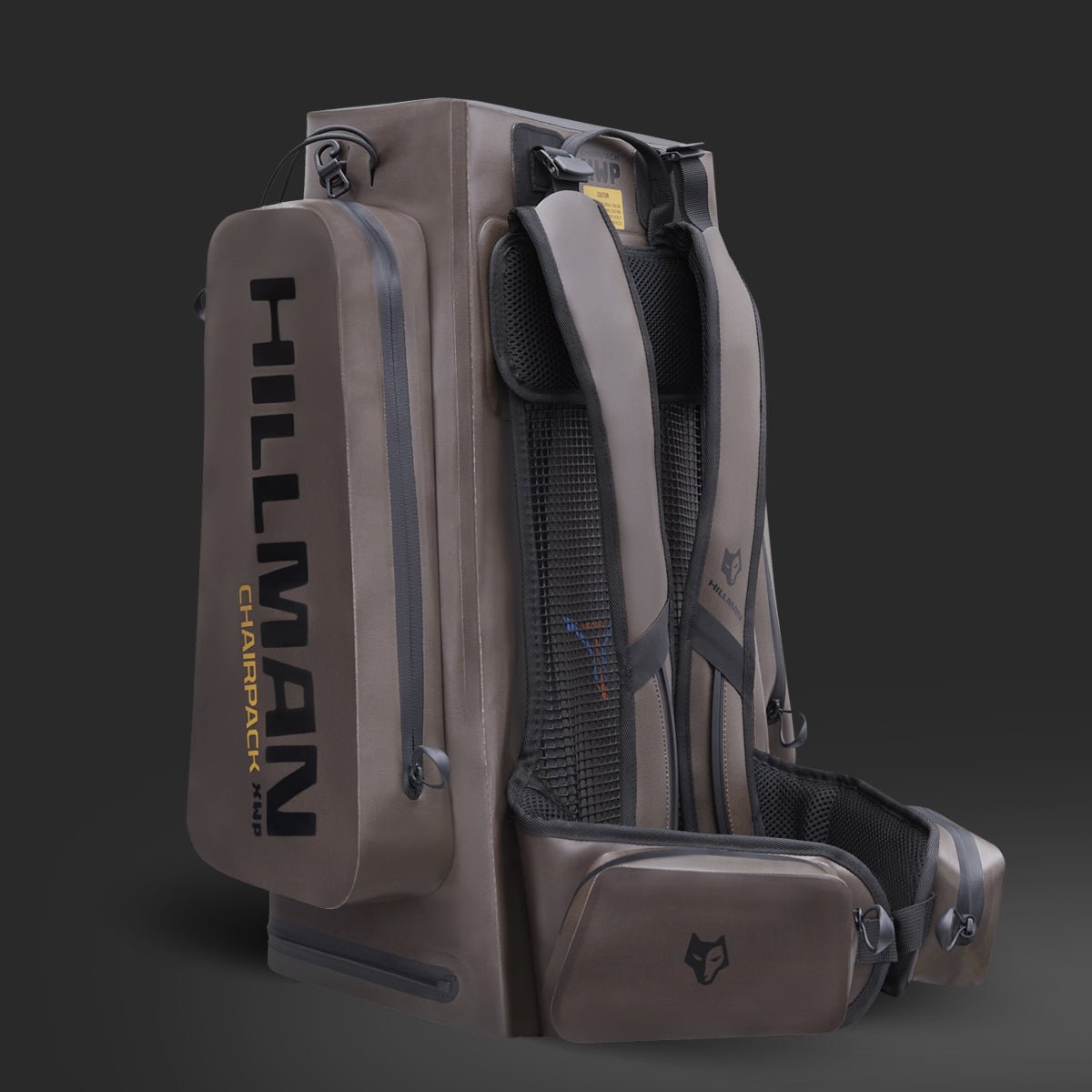
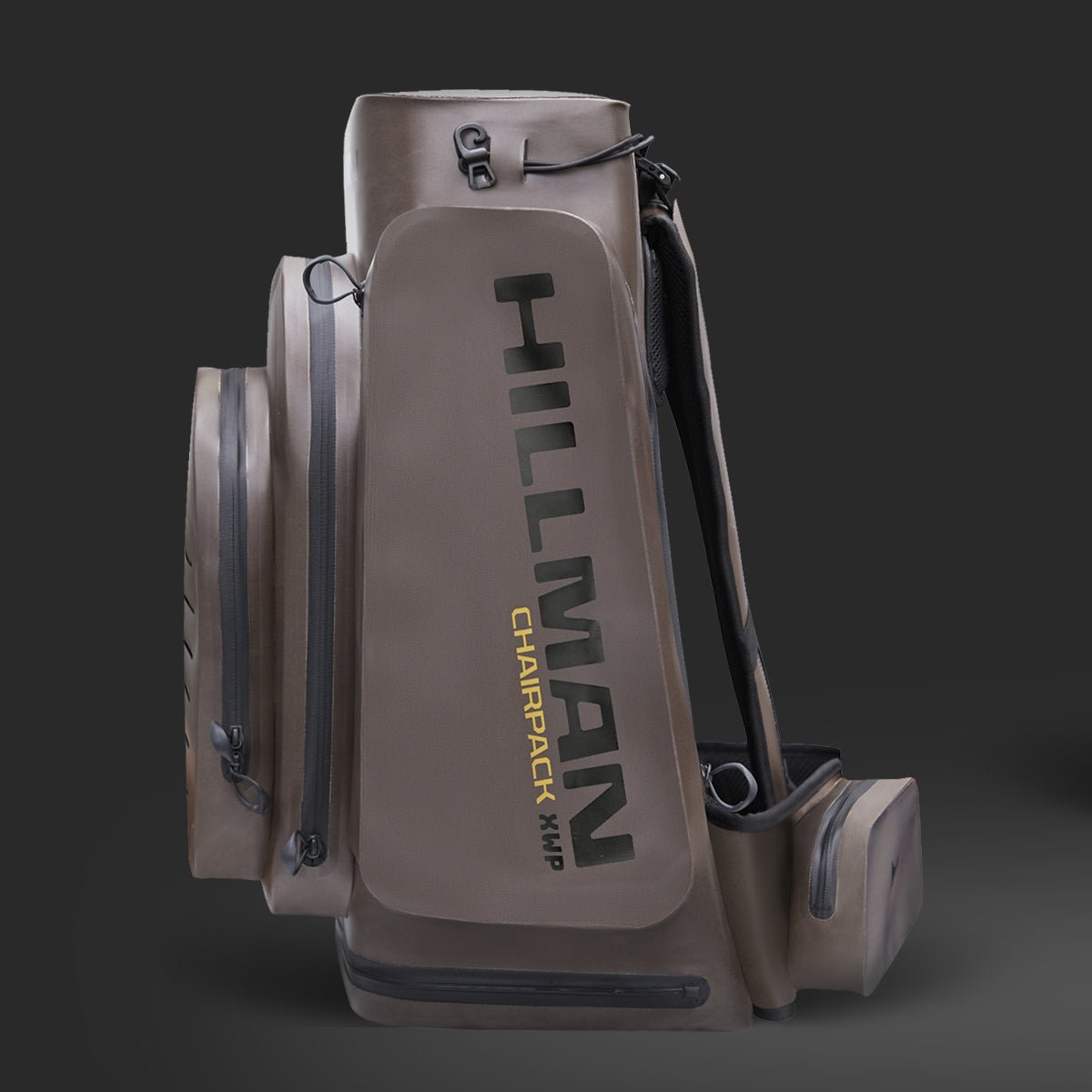
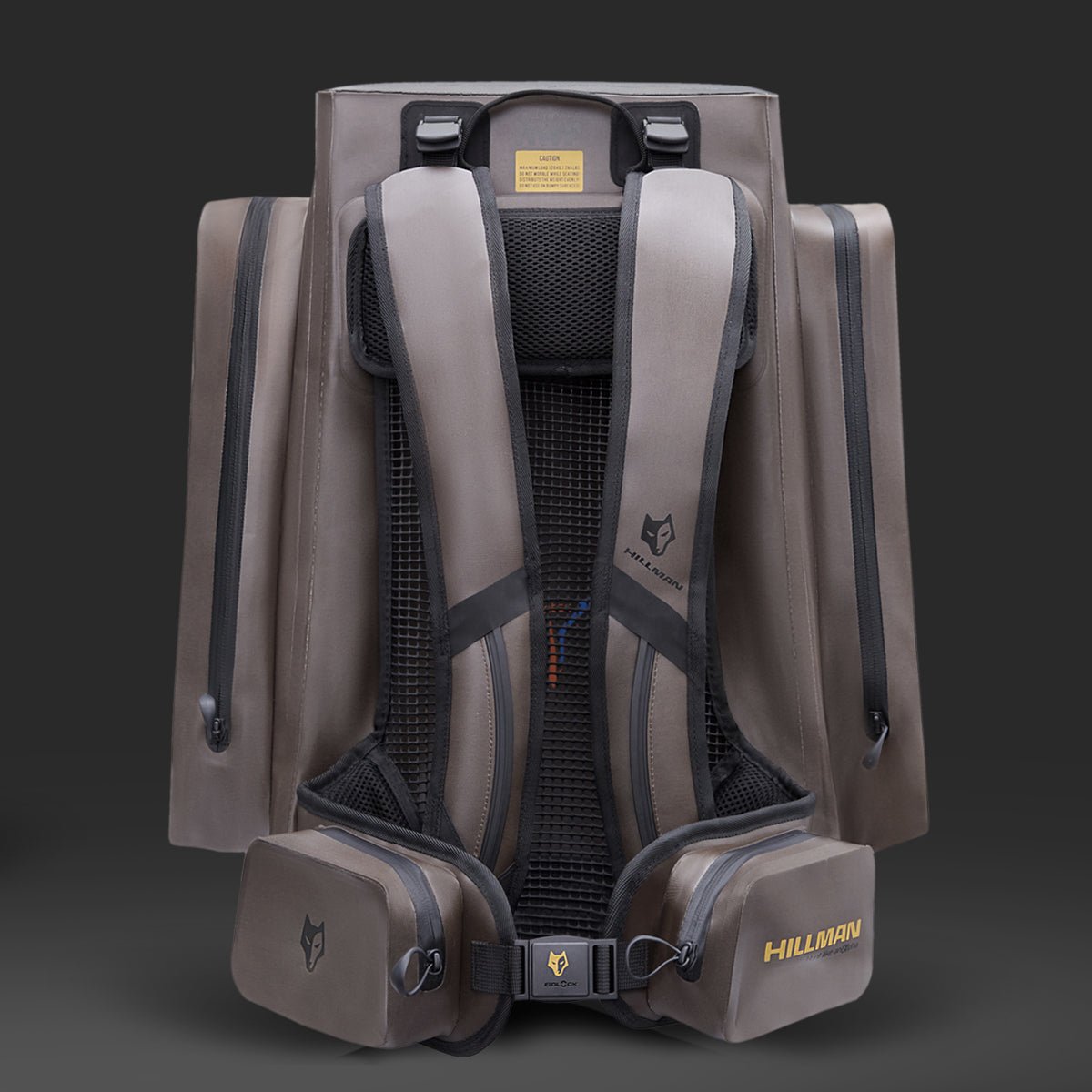
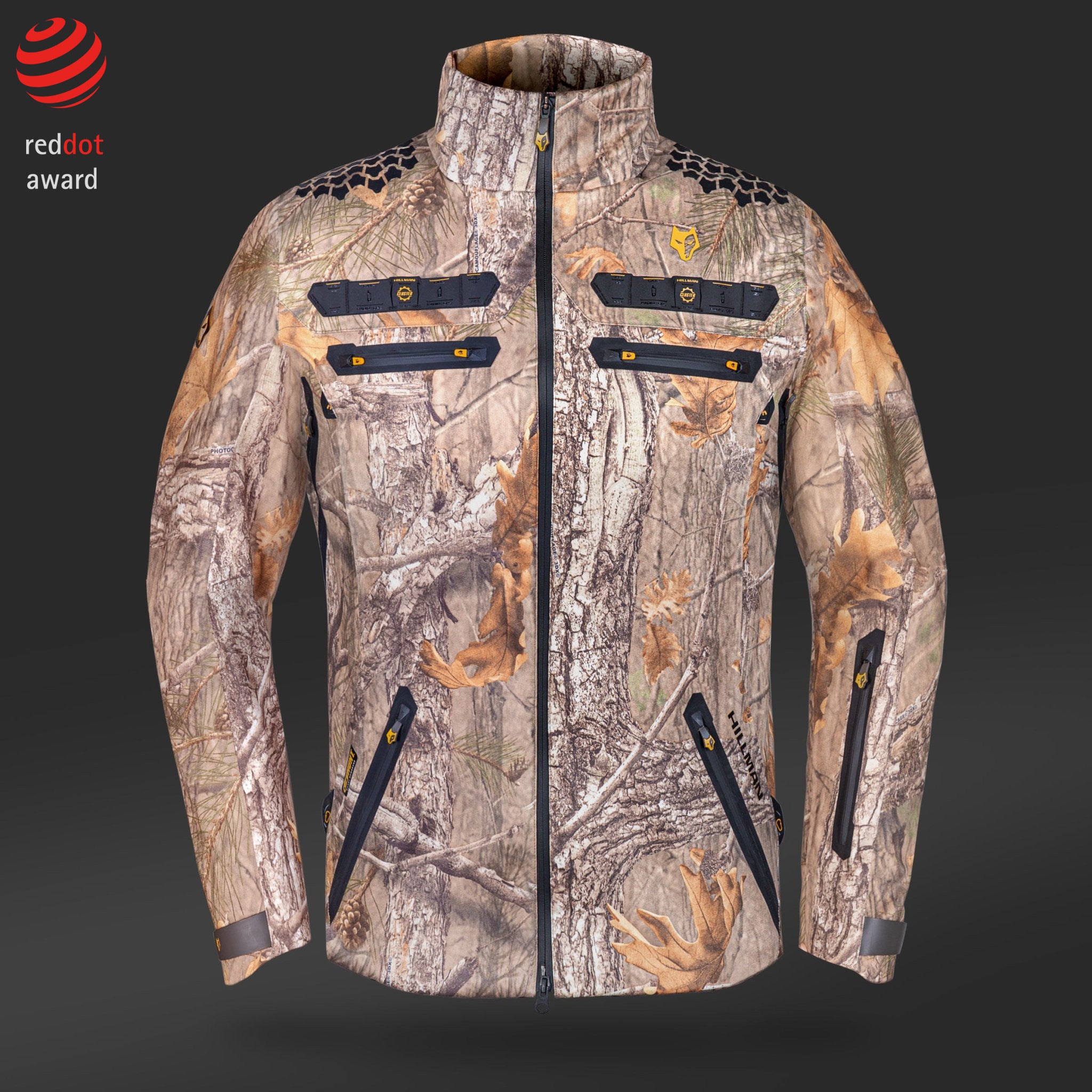
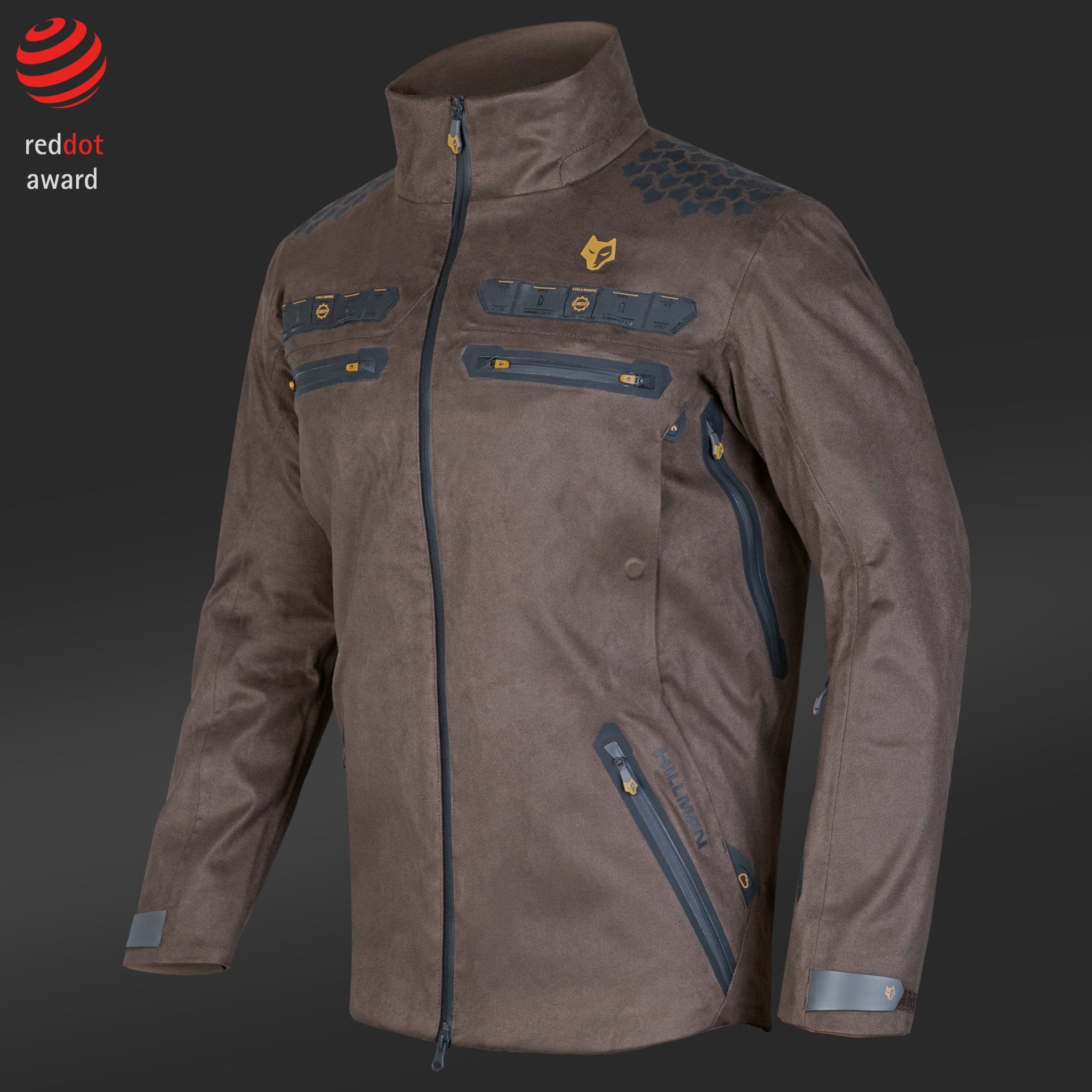
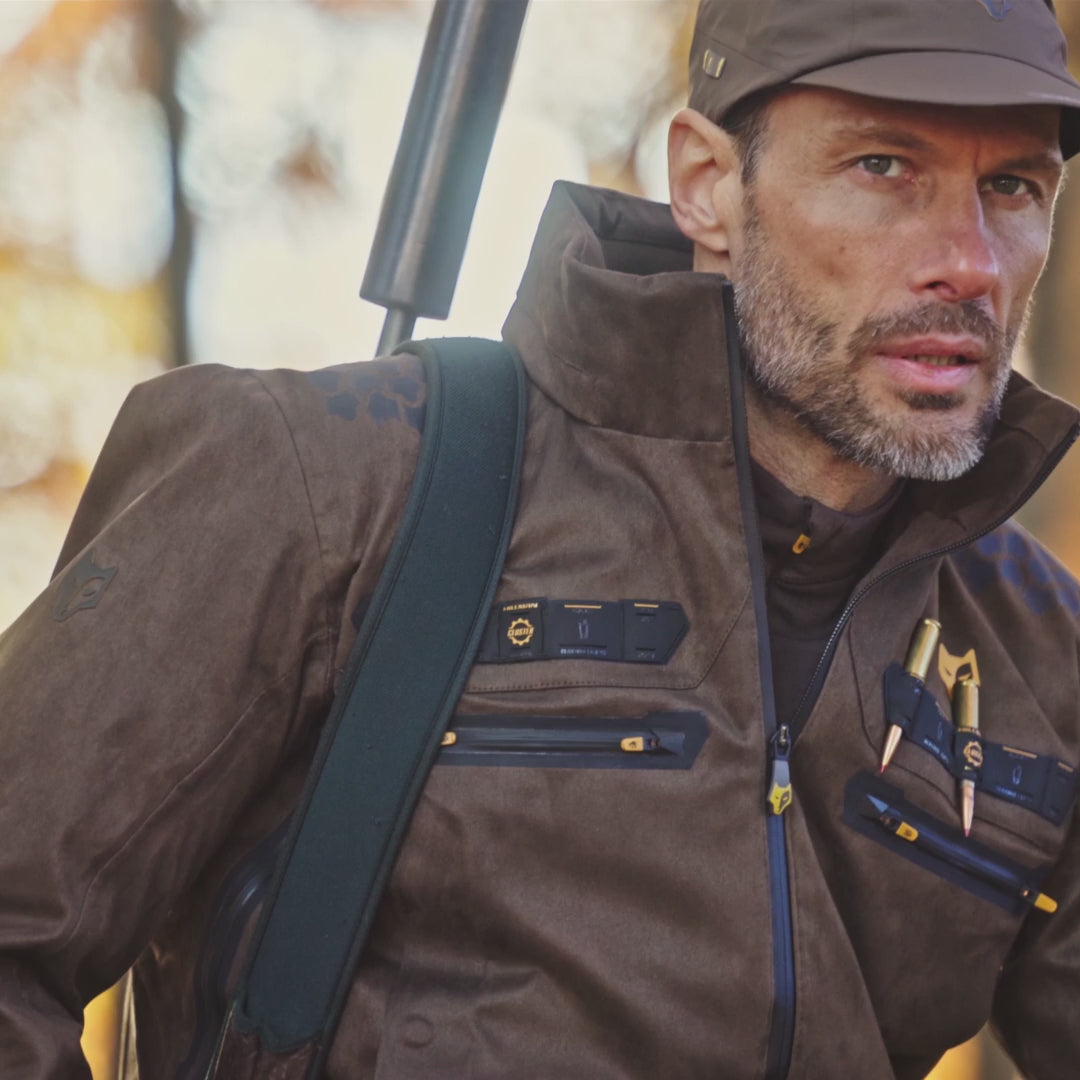
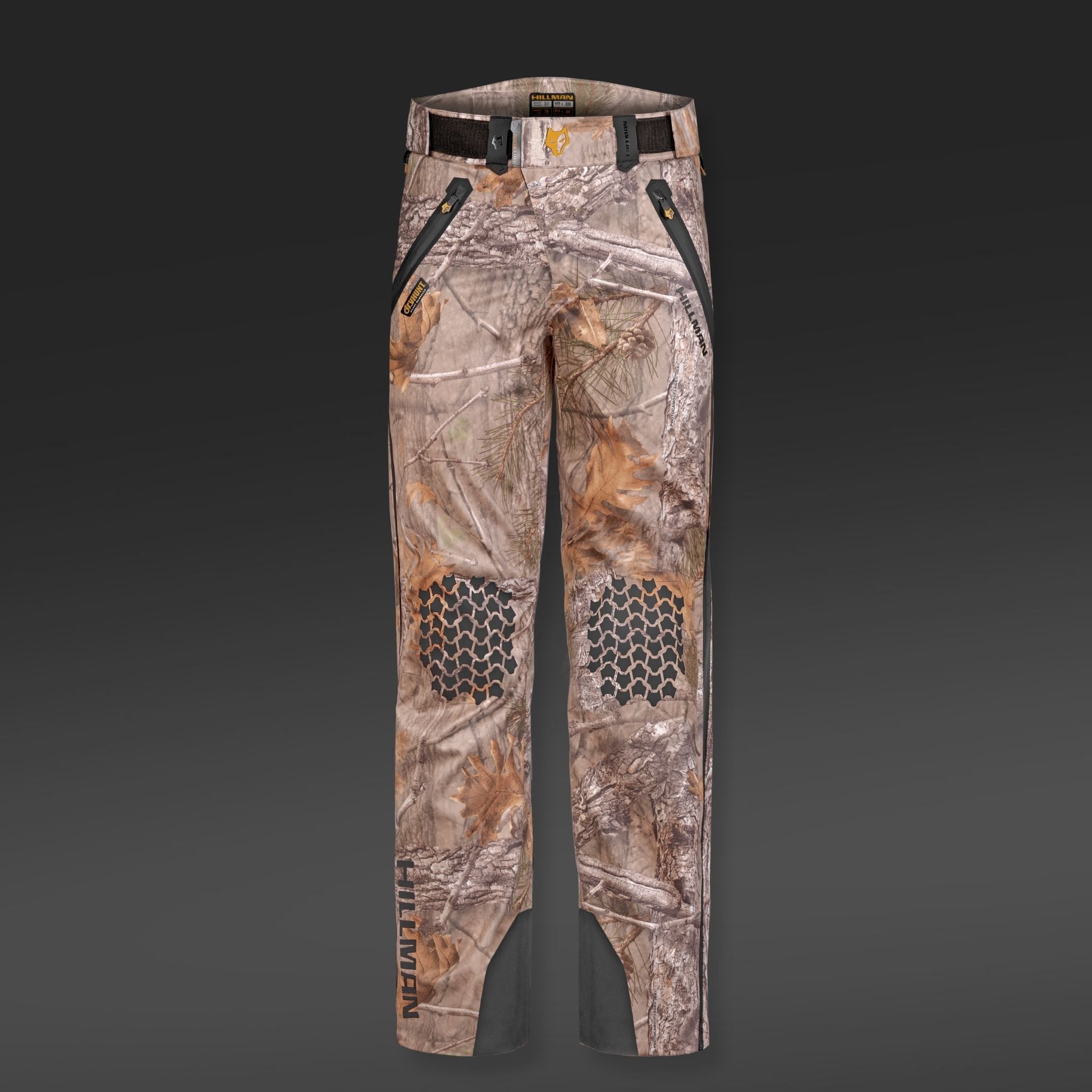
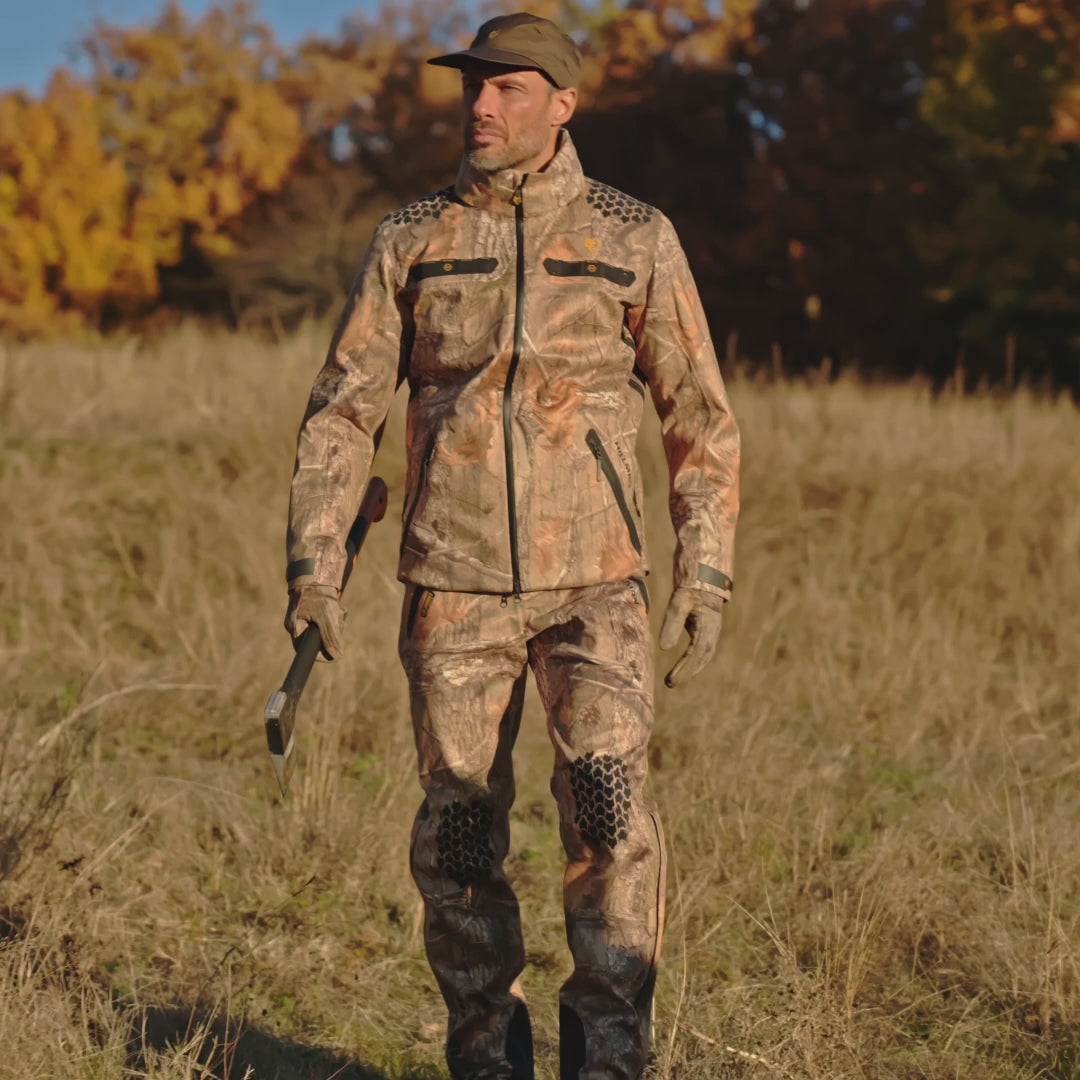
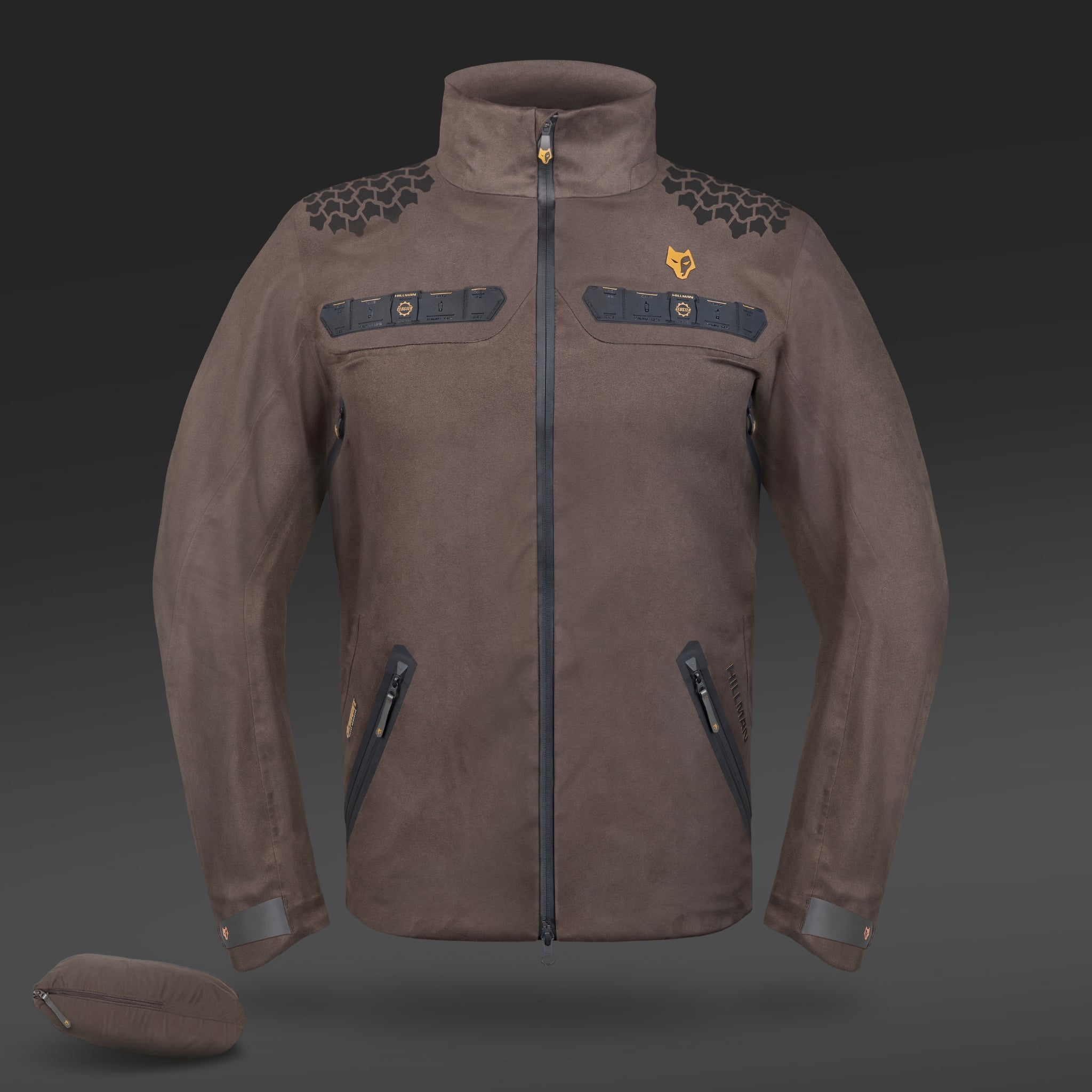
That is also why hunters who actually spend time in the field keep going back to good quality systems from Hillman. A well-built backpack makes a difference when you are covering ground instead of just talking about gear online.
Hunting packs should fit the hunt, not your ego

For most day hunts, hunting packs in the 1,200 to 2,500 cubic inch range are enough. That gives you room for essential items, water, food, gloves, kill kit, a layer, and a few hunt-specific extras without turning the whole thing into a bloated mess.
The best hunting pack is not automatically the biggest frame pack. It is the one that fits your torso, stays stable, and carries weight without bouncing all over the place.
For most day hunts, an internal frame works well. It is usually lighter, cleaner, and easier on the body than bulky external setups. But if you hunt elk, cover rough backcountry country, or there is a real chance you will haul meat out, then load-hauling capability matters a lot more. In that case, the pack needs to keep heavy loads tight to the frame so the load does not swing around when you side-hill, climb, or drop downhill.
Good hunting backpack fit comes before packing

Before you even think about what goes inside, fix the fit.
A proper fit is not some small detail. It is the base of the whole thing. Comfortable shoulder straps should distribute weight evenly. Wider shoulder straps can help prevent hot spots. The waist belt should lock the pack in instead of letting it slide around on uneven terrain. The frame should keep the load close to your thoracic spine so the backpack is working with your body instead of dragging against it.
A well-fitted backpack improves mobility, lowers stress on your body, and keeps you from feeling wrecked too early in the day. A badly fitted backpack can make even a light load feel stupid after a few miles.
Use the light-heavy-light rule or deal with a sloppy pack

This part is simple, and people still screw it up. For backpack hunting and normal day hunts, the best packing rule is still light-heavy-light. It works because it keeps the center of gravity from getting stupid.
Heavy gear should sit close to your thoracic spine in the upper-middle section against the frame. That keeps the load balanced and keeps the pack from pulling backward. Water is often the heaviest single item you carry, around 8.3 pounds per gallon, so your water bottle or bladder belongs close to the frame. Same goes for dense food, camera gear, or a spotting scope.
Medium-weight gear belongs lower in the main bag. Bulky but light gear goes at the bottom. Lightweight gear should sit away from your T-spine but still in the middle of the backpack so it fills space without wrecking balance.
Stuff you grab often should stay on top or outside. Snacks, gloves, wind checker, cell phone, rangefinder, small tools. Put them in side pockets, hip-belt pouches, or a smaller front pocket. If you have to dump half your pack in the dirt every time you need something, your organization is bad.
Good organization means less noise, less digging, and less wasted motion.
What a real day hunt loadout should look like

A sensible loadout for day hunts is pretty boring, which is exactly why it works. You need water, food, gloves, a light layer, toilet paper, knife, tags, kill kit, first-aid basics, a headlamp, and a backup headlamp. Then add whatever your season or area actually demands. Not internet fantasy gear. Real gear for the hunt you are doing.
If you need rifle support, carry it. That might be a rifle rest or trekking poles that can pull double duty in rough country. Trekking poles help a lot when carrying heavy loads downhill because they reduce the chance of eating dirt when your legs are cooked.
Your hunting backpack should carry the essentials cleanly. That does not mean filling unused space just because it is there. Bigger bags make people lazy. They treat capacity like permission.
And yes, a backup headlamp is worth carrying. When animal processing drags into low light, that second lamp stops the evening from turning into a mess.
Pack by access, not by random habit

A lot of hunters pack by routine instead of logic. That is why they waste time digging.
Pack by access. Items you use often go high and outside. Rarely used items go deeper. Smaller items should fill dead spaces between bigger pieces of gear. That cuts down air pockets, saves space, and keeps the load from shifting around while you walk.
A smaller front pocket is good for gloves, snacks, and light other gear. Side pockets work for a water bottle, tripod legs, or compact trekking poles. Hip-belt pouches are good for GPS, wind indicators, rangefinder, or whatever else you grab all day.
A good hunting backpack should make this easy with practical pockets and compartments, quiet zippers, and enough organization that you are not constantly pawing through the main bag.
Your kill kit should be small, not half your garage

Even on day hunts, pack like success is possible.
That means carry a kill kit. A real one. Not a bloated pile of junk you never use. Keep it compact but complete. Carry what you need to break down meat cleanly and move fast.
If your pack can haul meat, learn how that system actually works before season. Test it with weight. Do not wait until you have an elk quarter, deer, or part of a whole deer on the ground to figure out the straps and frame.
A frame pack with real load-hauling support helps when carrying heavy loads, but it still needs the weight close to the frame. Loose meat hanging wrong turns a hard pack-out into a miserable one in a hurry. That matters even more in backcountry hunting country where mistakes get expensive fast.
Do not copy multi-day pack habits for a day pack
A day pack is not a weeklong bag. Sounds obvious. People still mess it up. They copy habits from bigger systems, load the main bag with backup-for-the-backup junk, and then wonder why the whole setup feels slow, noisy, and clumsy.
This is where people get lost comparing everything on the market. Mystery Ranch, Mystery Ranch Metcalf, Exo Mtn Gear, Exo Mountain Gear, Stone Glacier, and every other name that gets tossed around in gear searches. Some hunters look at a frame pack because they want one system for backpack hunting, mule deer in high country, and local whitetail hunts. Fair enough. That can work.
But the same rule still applies. Save weight on the contents. Even the best hunting pack becomes the wrong pack when you stuff it like a shopping cart.
Search traffic also lands on packs like the Mystery Ranch Gravelly 18, Sitka Mountain Hauler 4000, Kifaru Shape Charge, and First Lite Transfer Pack. The Exo Mtn Gear K4 3600 Pack System and Mystery Ranch Metcalf 75 come up a lot because they try to bridge day hunts and longer trips. Fine. Compare whatever you want.
The bigger point is simpler. Pick a pack with proper fit, quiet access, durable fabric, dependable hardware, good zippers, and enough structure to carry load without encouraging overpacking.
The easiest way to improve your pack is to remove stuff

This is the part most people hate because it means admitting they carry pointless gear.
The fastest way to improve a hunting backpack is to take things out of it.
Use the Three-Trip Rule. Keep a simple gear spreadsheet. If an item goes unused for three straight trips, question it. Maybe it goes away. Maybe it becomes situational instead of standard. Either way, it stops freeloading in your day pack.
That is how you stop carrying extra weight every season. One spare item can be smart. Four spares for problems that never happen are dead weight. Multi-use gear helps too. A nesting cup that also works as a bowl is small stuff, but enough small cuts make a noticeable difference.
Pack material matters too. Heavier fabrics are often more durable, but they can be louder. That trade-off matters if your hunts are mostly tree stand setups, quiet timber, or close-range deer hunting instead of open-country glassing.
Pack changes by hunt, but the logic stays the same

Whitetail hunts usually reward quiet access and better organization. Mule deer hunts often lean harder on optics, water, and covering ground. Elk country brings the real chance of hauling meat, which means frame and suspension matter more. So yes, the loadout changes a little. But the packing logic does not.
Keep heavy gear close to the spine. Keep medium gear lower. Keep light gear filling gaps. Put frequently used items in easy-access pockets. Carry enough water and food, not a mobile kitchen. Bring the rifle setup you actually need, not whatever looked cool in some test video.
That is the difference between a clean, capable hunting backpack and a bag full of maybes.
Test the pack before season and quit guessing
Do one honest test before opening day. Load the backpack with your real hunting gear. Add water, snacks, layers, optics, kill kit, and whatever else normally goes inside. Then go walk hills, not flat pavement. Wear it long enough to notice pressure points, zipper noise, sway, bounce, and whether the rifle or other gear rides cleanly.
If the load shifts, fix the weight distribution. If you keep opening the wrong pocket, reorganize. If the backpack feels fine empty but sucks when loaded, the fit or suspension is wrong.
Figure that out before season. Not after an animal is down and you still have miles left.

MATHEW COLLINS
Mathew Collins started trimming his pack years ago after getting tired of carrying gear that never left the bottom compartment. Now, before every hunt, he asks the same question: Will I actually use this today? If the answer is no, it stays in the truck. He pays close attention to how a pack rides after a few miles, how easy it is to grab gear without digging around, and whether the load still feels balanced when the terrain gets rough.
He spends a lot of time fine-tuning small details that most hunters only notice after something goes wrong. Is the water easy to reach? Does the knife end up buried under extra layers? Can the pack handle meat on the way out without everything shifting around? For Mathew, a good backpack is one you barely think about while hunting because everything is where it should be, and nothing inside is just along for the ride.

Share:
Do You Need Hunting Gaiters? For Wet Grass, Mud, and Snow
Mobile Whitetail Hunting Setup: What to Carry for Quiet Access