

What to Wear for Active Hunts Without Overheating Before the Shot

Active hunt clothing that breathes, vents fast, dumps sweat and keeps you ready when the shot finally shows up.
Active hunting will cook you if you dress like you are going to sit still all morning.
That is the part a lot of hunters mess up. They leave the truck bundled up because the air feels cold. Then the first hill hits. Ten minutes later, their back is wet, their shirt is glued to them, and the fancy outer layer is holding heat like a plastic bag.
Now you have a problem. You are still moving. The animal is still somewhere ahead. The wind is changing. You stop to glass, and all that sweat starts pulling heat out of you. So now you are hot while climbing and cold when stopping. Bad setup.
What to wear for active hunts without overheating before the shot is not about wearing less gear. It is about wearing the right gear at the right time. Big difference.
Dress for the walk first. Carry warmth for the stop. That is the whole game.
The body makes a stupid amount of heat when you are climbing, sidehilling, crawling, pushing through timber or stalking across broken ground. Your hunting clothing has to let that heat out before sweat takes over. Once your base layers are soaked, you are already behind.
Use the Truck Rule. Start a little cold. Not shaking. Not miserable. Just slightly cool. After the first climb, you will be glad you did.
Hot Weather Hunting Gear Needs Airflow First

Hot weather gear should breathe before it tries to look tough.
A thick shirt that feels “durable” in your hand can be awful once the sun is up and you are moving hard. Same with heavy pants. Same with stiff jackets. If the fabric traps heat, it does not matter how rugged it looks.
For hot weather hunting, airflow matters. Moisture-wicking material matters. Vents matter. A lightweight shirt matters more than most people admit.
Cotton is a bad pick here. It soaks up sweat and stays wet. Then it sticks to your skin, gets heavy, and chills you when the wind comes in or the temperature drops. It feels fine at home and turns into a problem in the field.
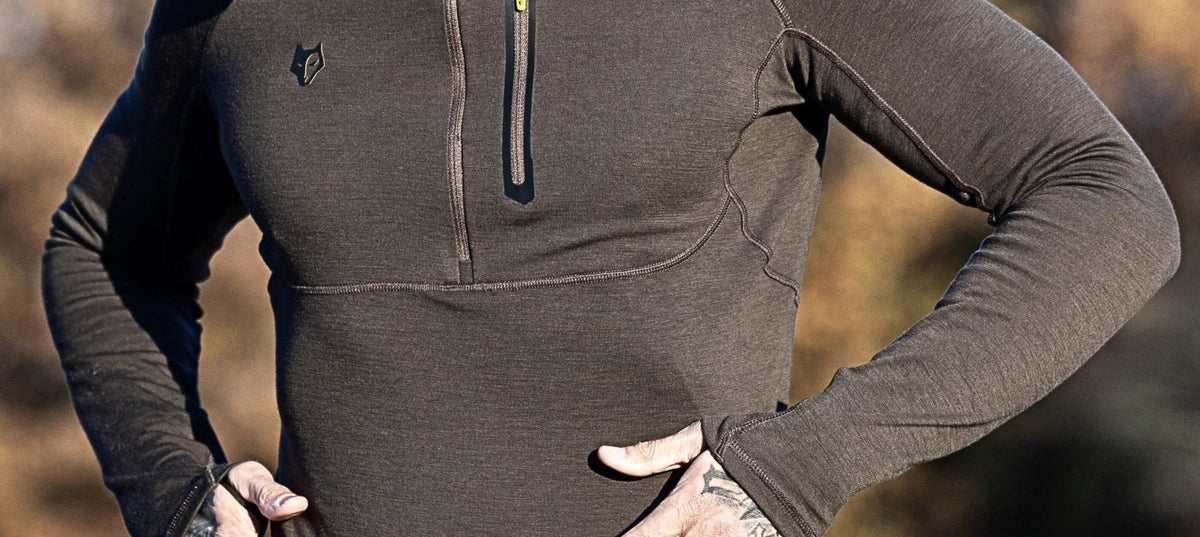
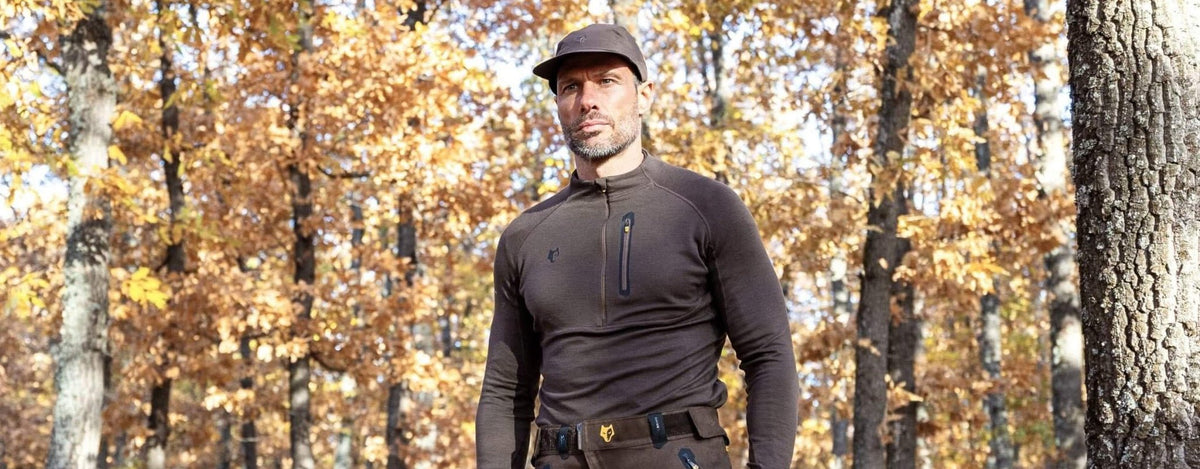
A quarter-zip shirt is useful because it gives you fast heat control. Open it before the climb. Close it when you slow down. Simple.
Pants should be light, breathable and tough enough for the ground you are hunting. If there is cactus, rock, brush, wet grass or deadfall, paper-thin pants are not enough. But heavy pants with no vents will roast your legs.
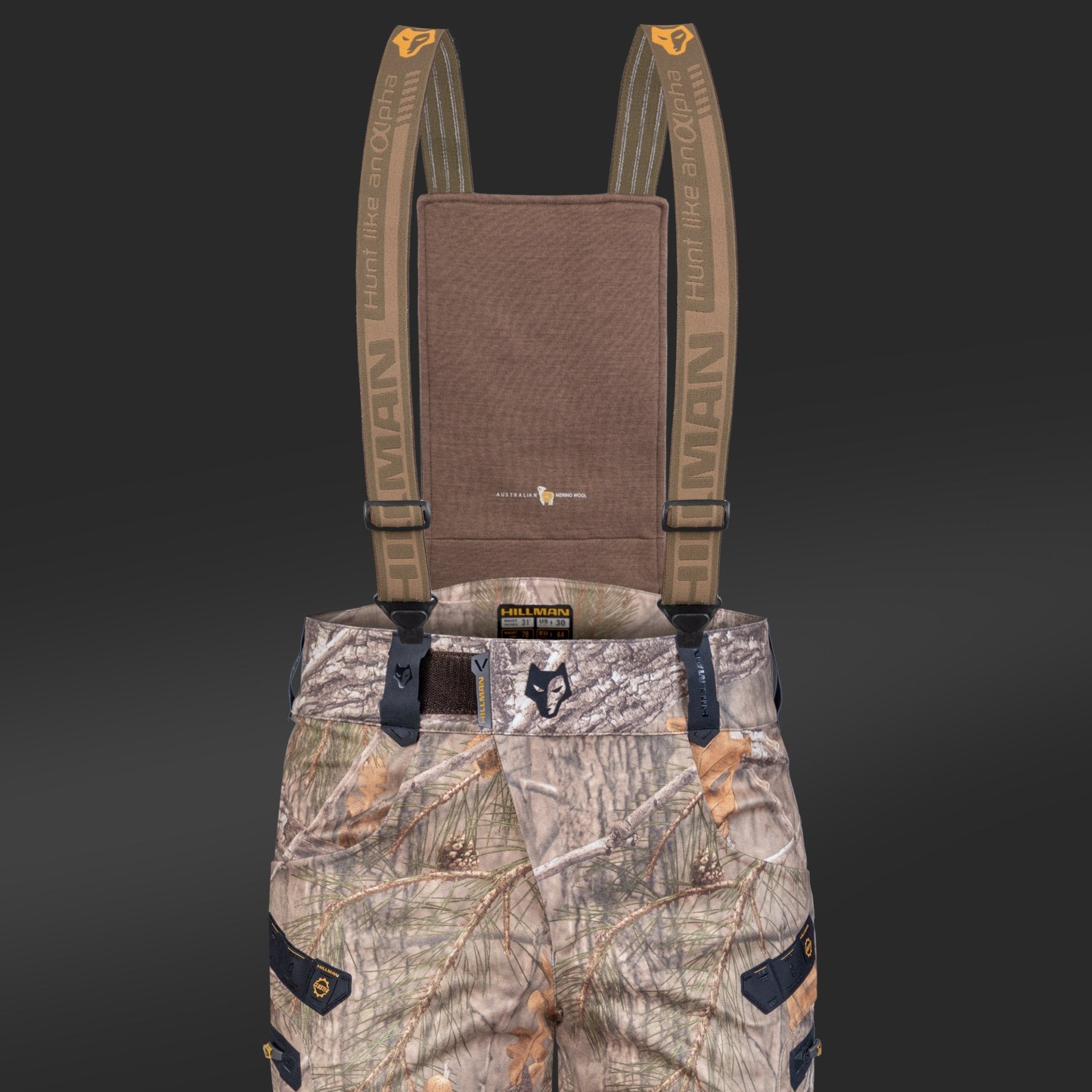
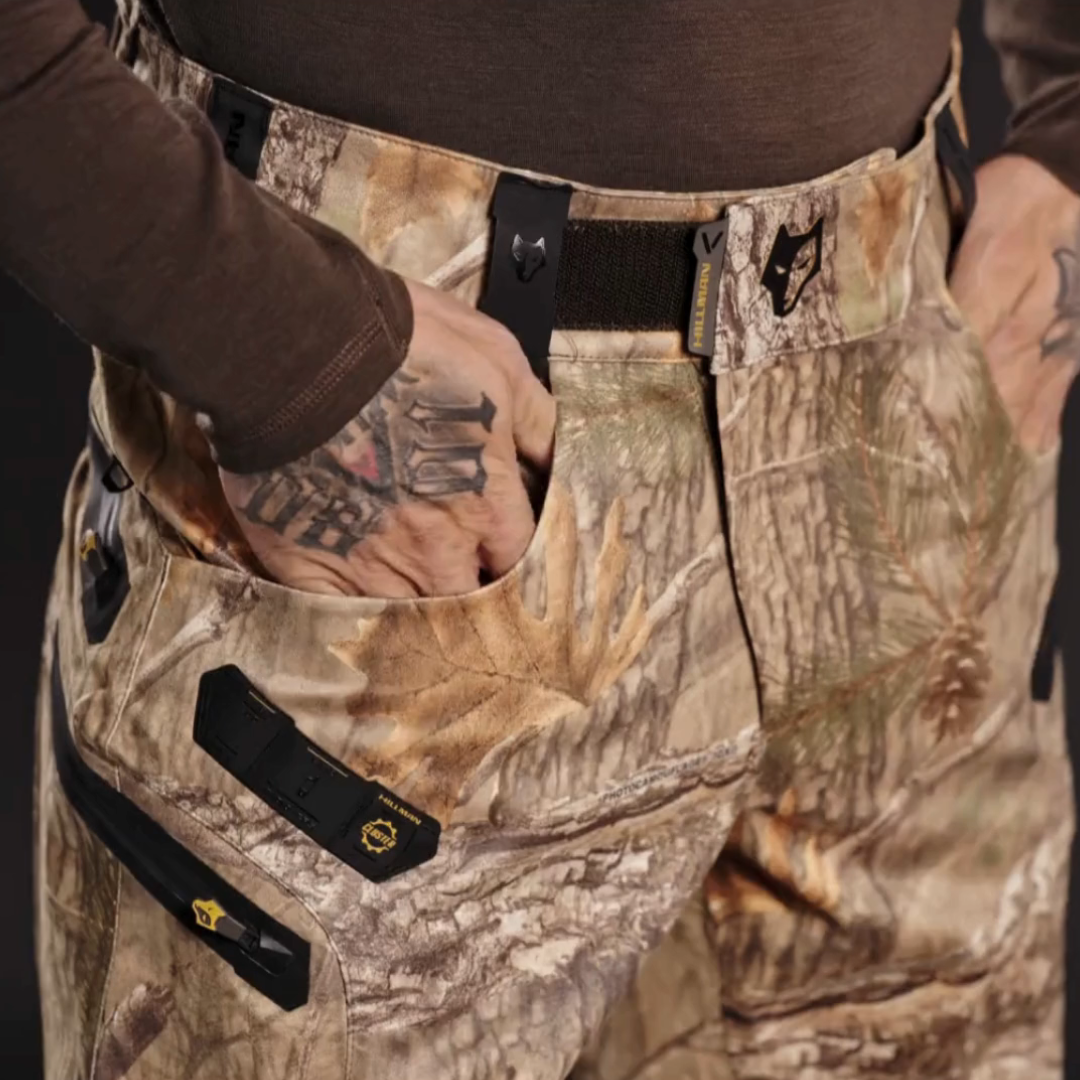
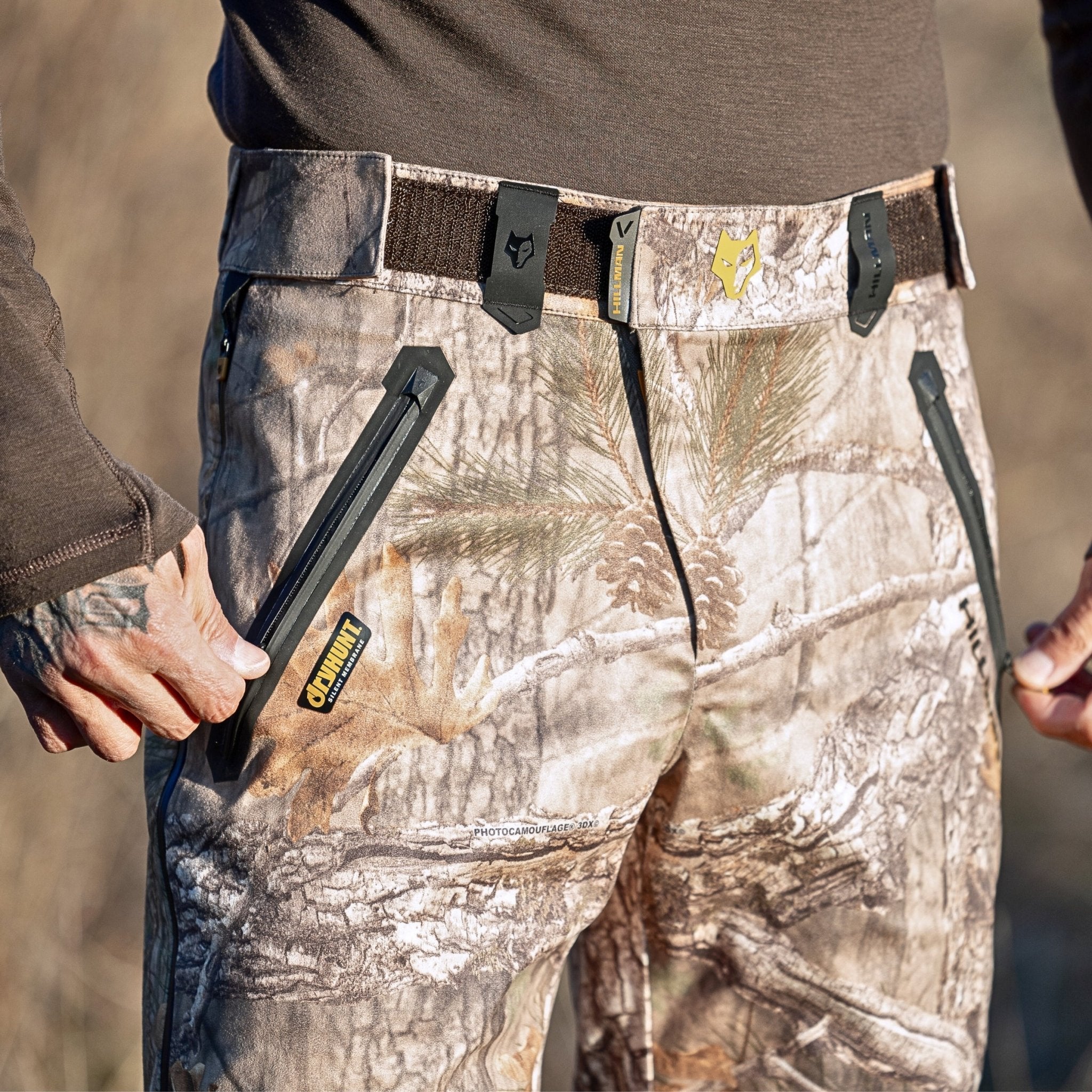
Thigh vents help. Mesh-lined pockets help. Breathable panels help. Hunters talk about jackets all the time, but the legs build heat all day too.
A wide-brimmed hat is not just for looks either. It keeps sun off your face and neck. In dry, open country, that saves energy. Less direct sun means less heat stress. It is not complicated.
Spot and Stalk Hunting Hates Bulky Clothing

Spot and stalk hunting exposes bad clothing fast.
You might sit behind glass for an hour. Then move hard for twenty minutes. Then crawl, kneel, slide, duck under brush, climb again, and freeze in place because the animal finally looked your way.
Bulky gear makes all of that worse.
Shirts need to move with your shoulders. Pants need to let you take long steps, kneel and climb without fighting the fabric. If your waistband pulls every time you lift a knee, you picked the wrong pants.
Stretch helps. Ripstop helps. Quiet fabric helps even more.
Some technical hunting gear looks great online and sounds like a potato chip bag in real brush. That is useless when you are close. Test it before you hunt.
Put your pack on. Raise your rifle or bow. Kneel. Sit. Crawl a little. Twist your torso. Brush your sleeves against each other. If it sounds loud in the yard, it will not magically get quiet near game.
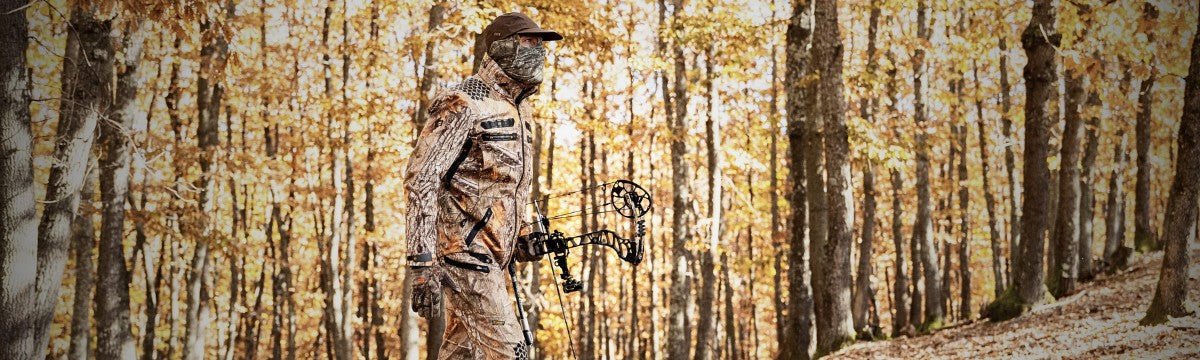
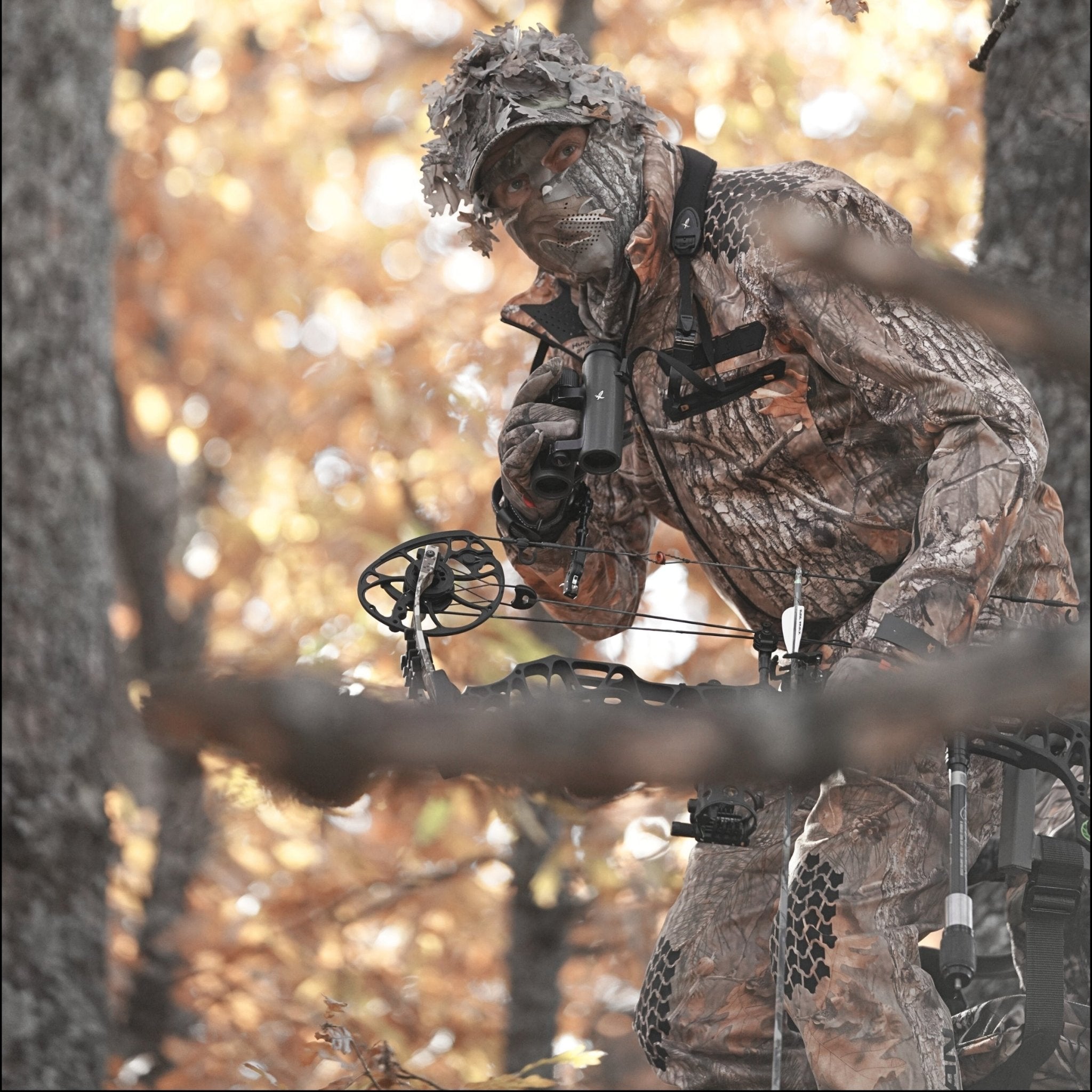
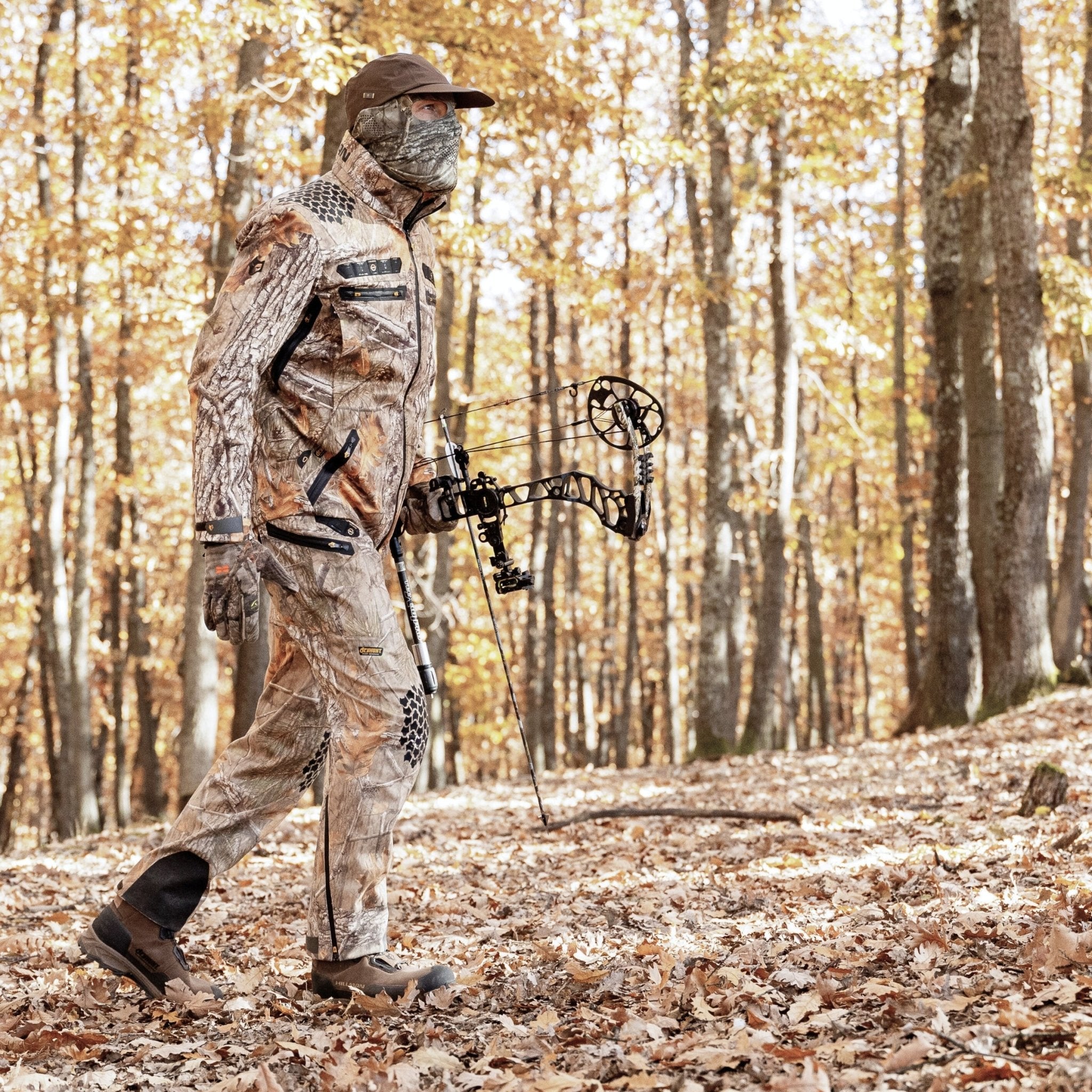
For active big game hunting, one big jacket is usually the wrong answer. A system works better. Light base layer. Breathable mid layer. Packable outer layer. Insulation in the pack until you actually need it.
That is the kind of setup that makes sense in real field use. You move, stop, move again, wait, climb, stalk, and maybe only get one clean chance. Clothing has to keep up with that.
Base Layers Are Where Sweat Problems Start

Base layers decide how dry you stay. Not the jacket. Not the camo pattern. The layer touching your skin.
For active hunts, base layers should pull sweat off the skin and dry fast. That is their job. If they fail, everything above them starts failing too.
Synthetic base layers are good for high-output hunts. They dry quickly and move moisture well. Hot weather, steep climbs, fast stalking, long hikes: synthetic makes sense there.
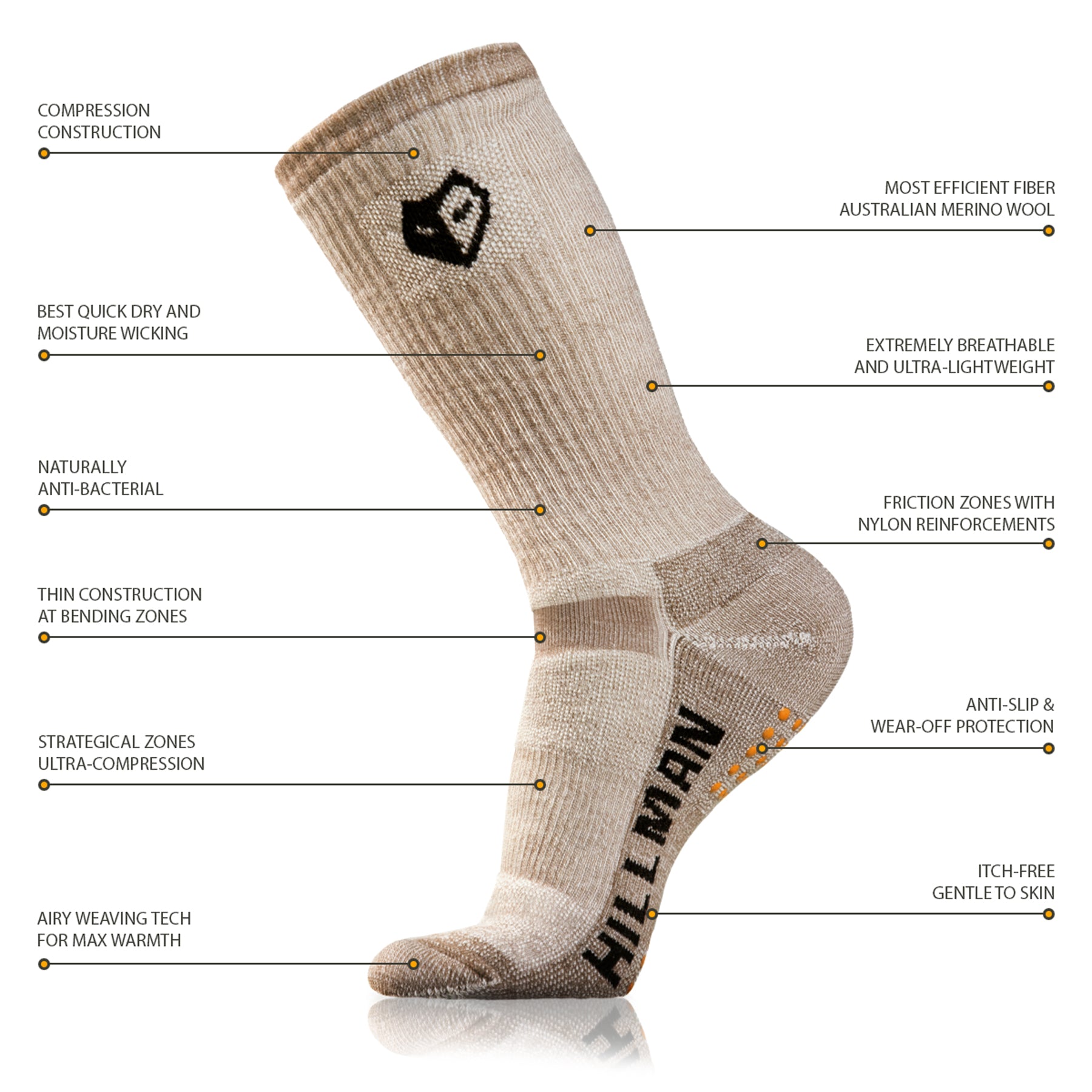
Merino wool is useful when the hunt is longer and odor matters. It can handle dampness better than cotton and still gives some warmth when wet. It is a good choice for multi-day hunts or mixed weather.
Both can work. Cotton is the one I would avoid for active hunting.
Fit matters. A base layer should be close enough to wick sweat, but not so tight that it feels like compression gear you never asked for. Loose fabric bunches under pack straps. Too-tight fabric gets annoying fast.
For mid-season hunts, a lightweight long sleeve is often the safe bet. It gives sun protection, brush protection and insect protection, while still dumping heat better than a heavy shirt.
In hotter country, short sleeves can work, but bare arms are not always a win. Crawling through brush with exposed skin gets old quickly.
Do Not Wear the Mid Layer Too Early

The mid layer is where hunters love to make dumb decisions.
The morning feels cold, so they put on fleece or insulation at the truck. Then they hike uphill. Then they sweat into it. Then, when they stop and actually need warmth, the layer is damp and half-useless.
Carry the mid layer. Do not wear it too early.
A light fleece, grid fleece or thin synthetic insulated piece works well because it adds warmth without turning you into a stuffed animal. Synthetic insulation is especially useful in damp weather because it handles moisture better than many natural fills.
Cold does not only happen in late-season hunting. It shows up on windy ridges, shaded timber, wet mornings, snow pockets, high basins and long glassing stops.
The trick is timing.
When you are moving hard, stay light. When you stop to glass, call, wait or set up, put warmth on before the cold catches you. Do not wait until you are already shivering.
Fancy insulation can help. Lightweight, high-resistance materials can be great in cold weather hunting. But no expensive jacket fixes bad judgment. If you sweat through it early, you wasted its best use.
Outer Layers Need Vents, Not Just Waterproof Claims

The outer layer protects you from wind, rain, snow and brush. It can also trap heat fast if you pick the wrong one.
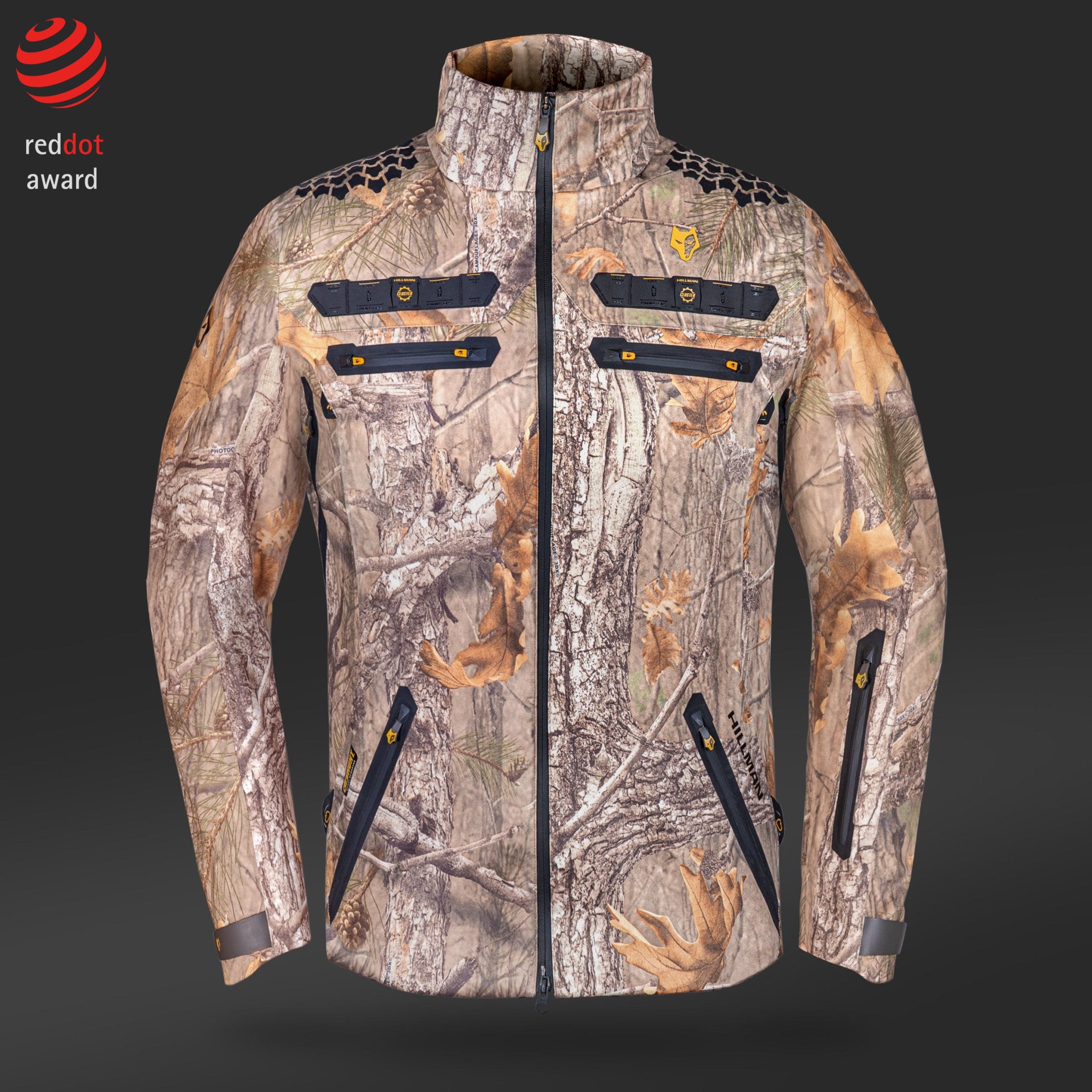
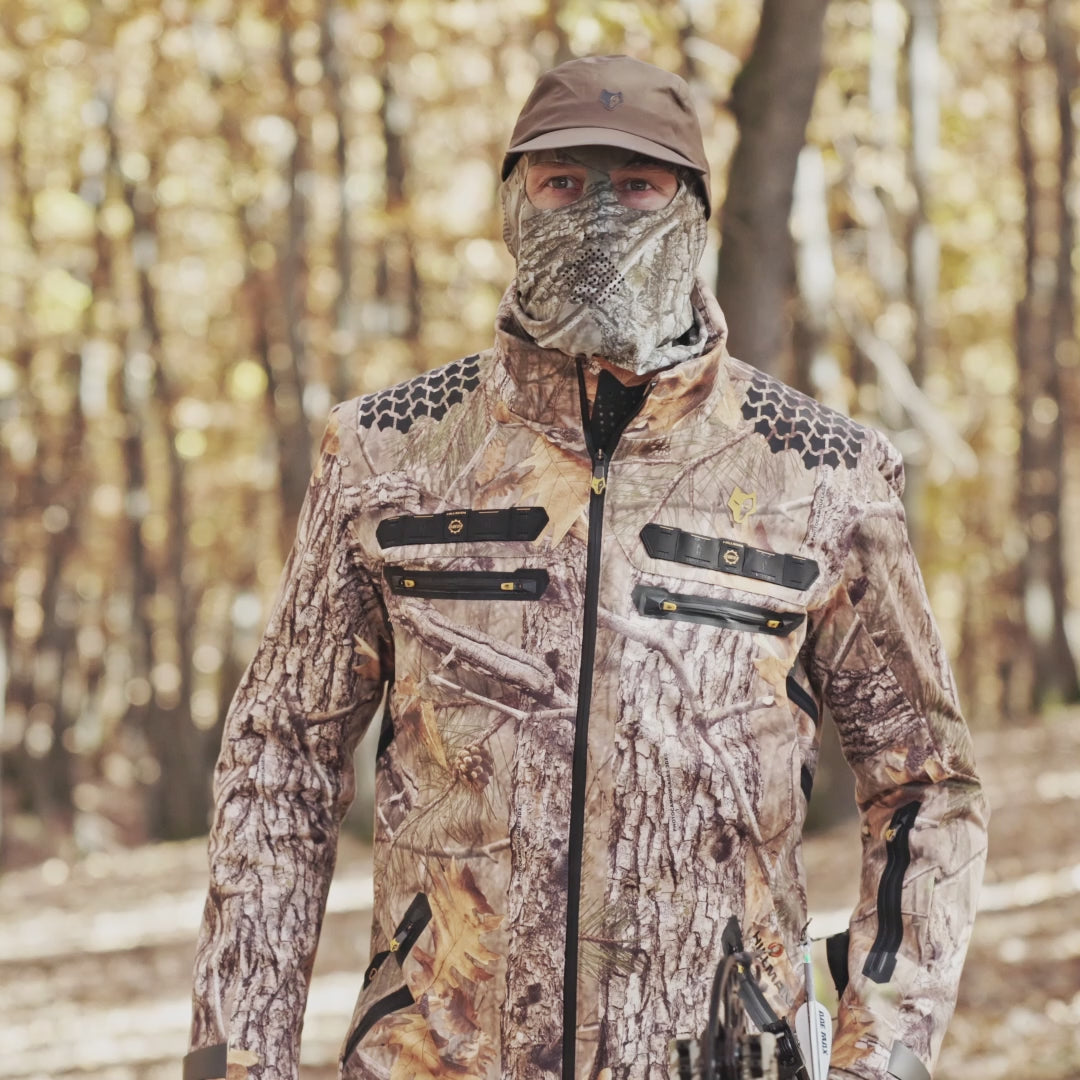
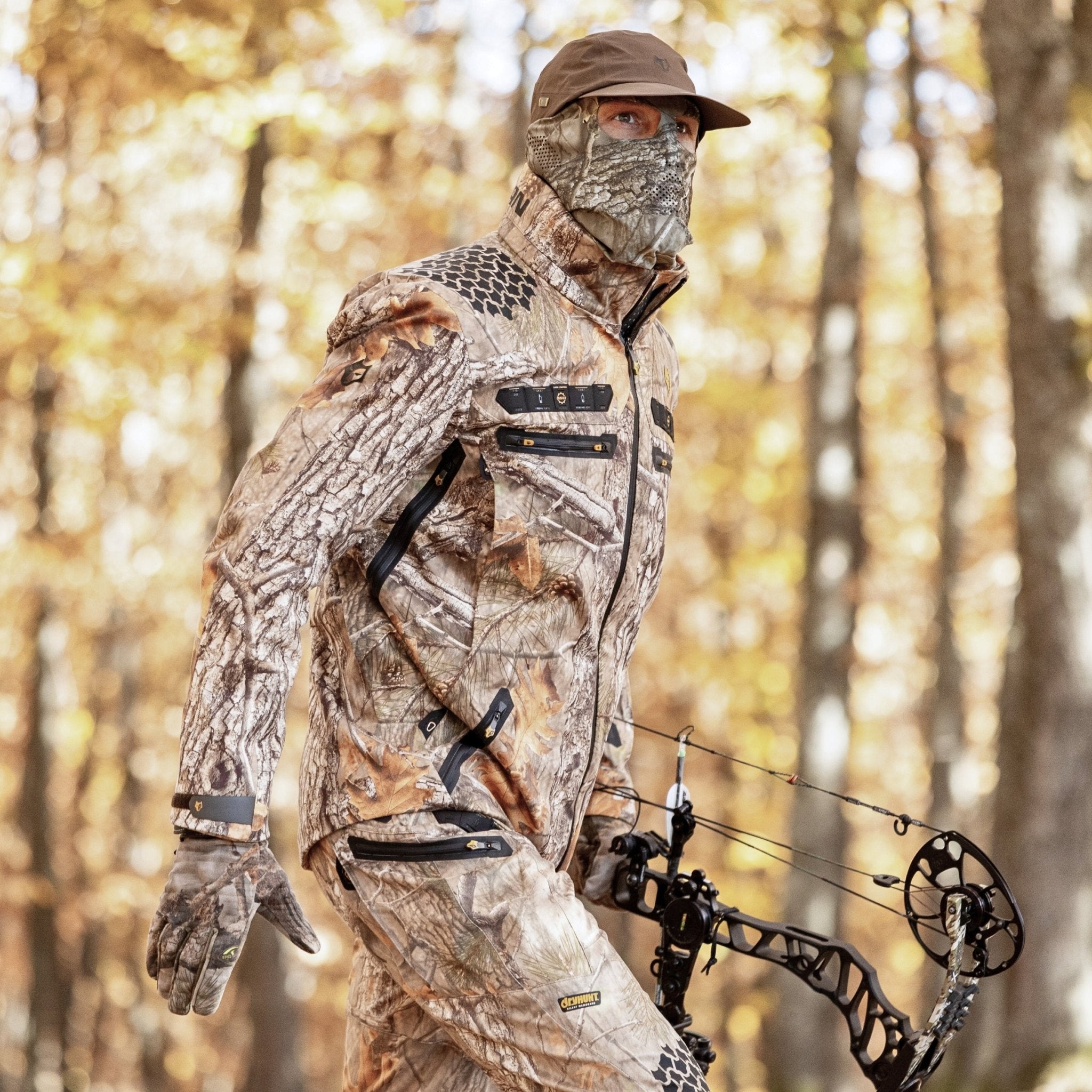
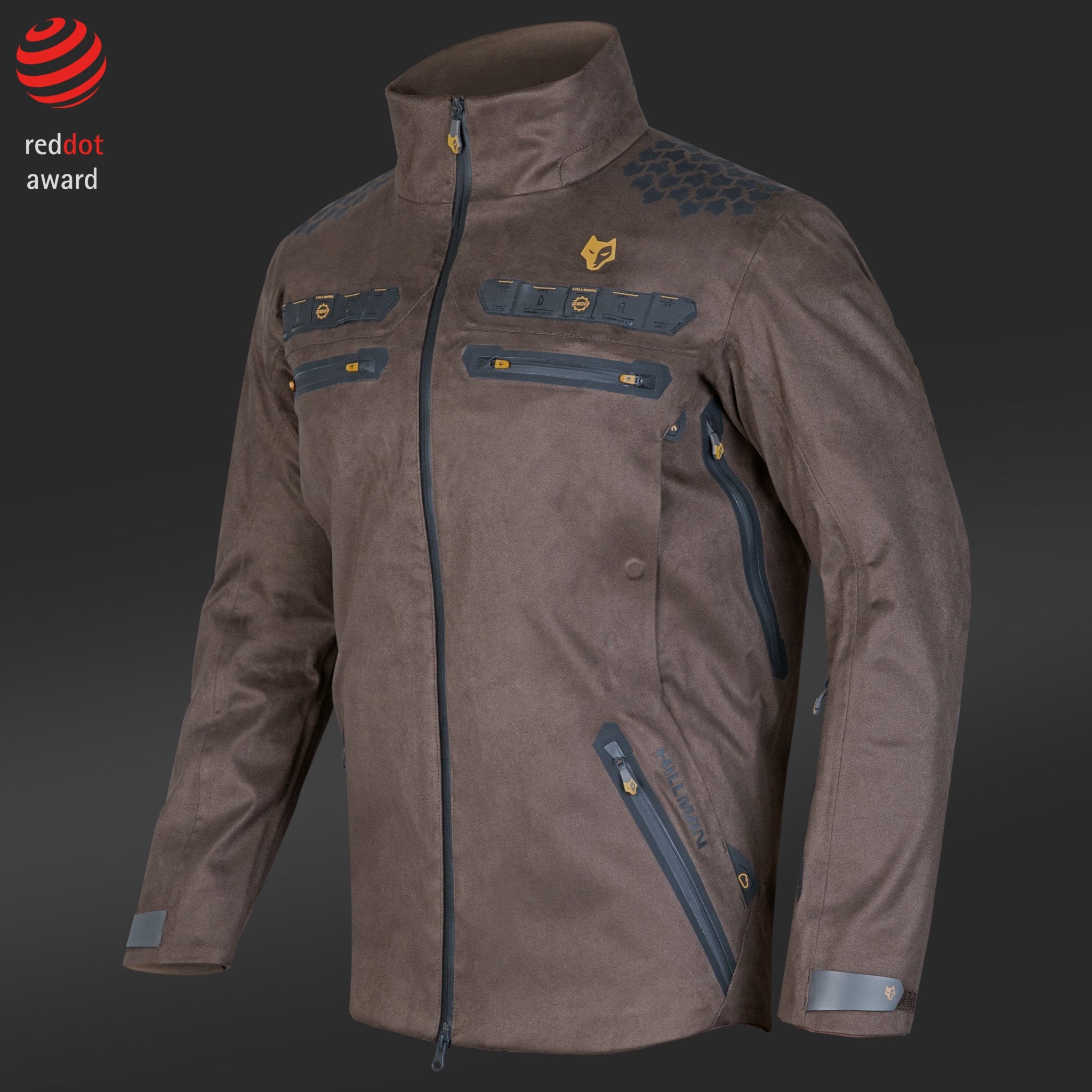
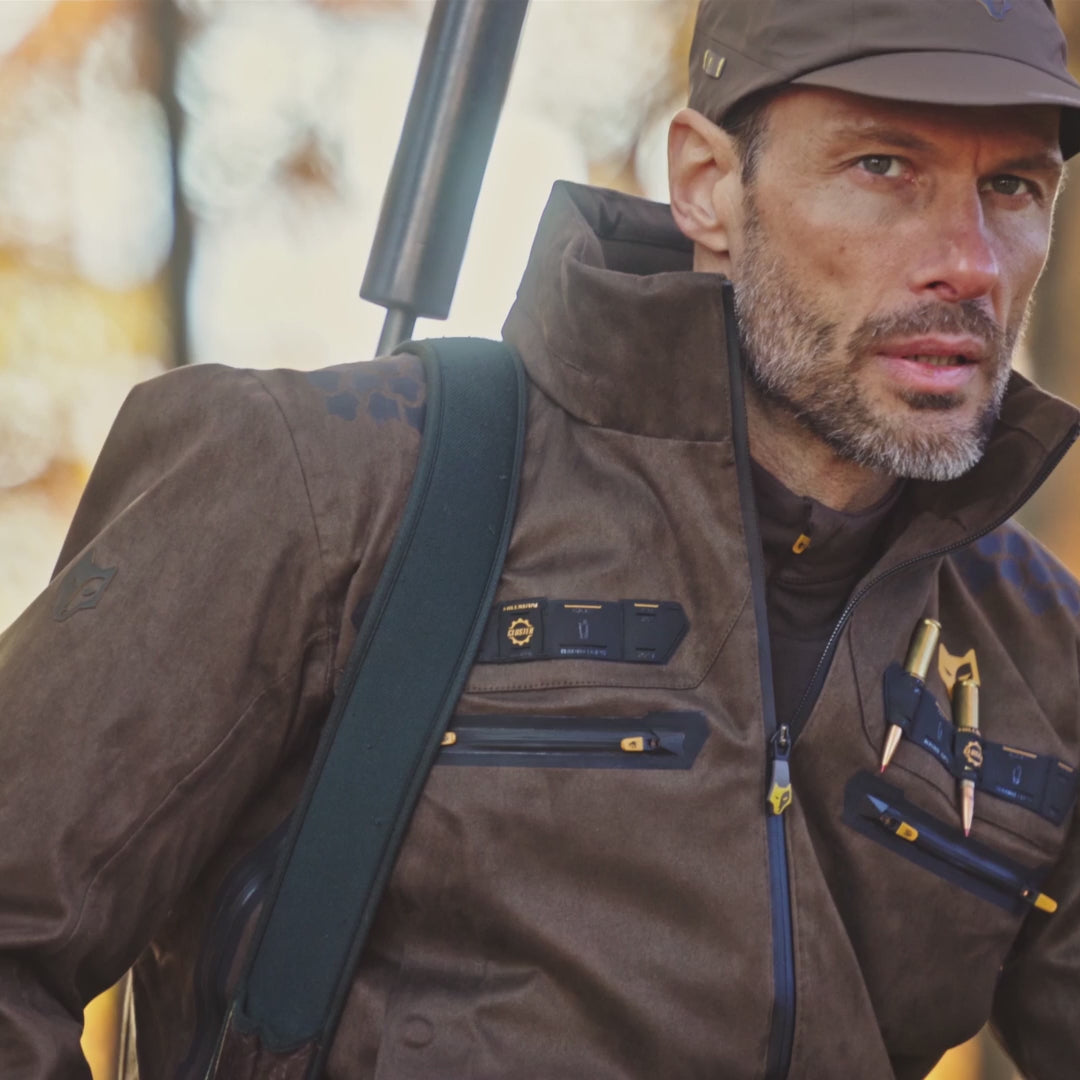
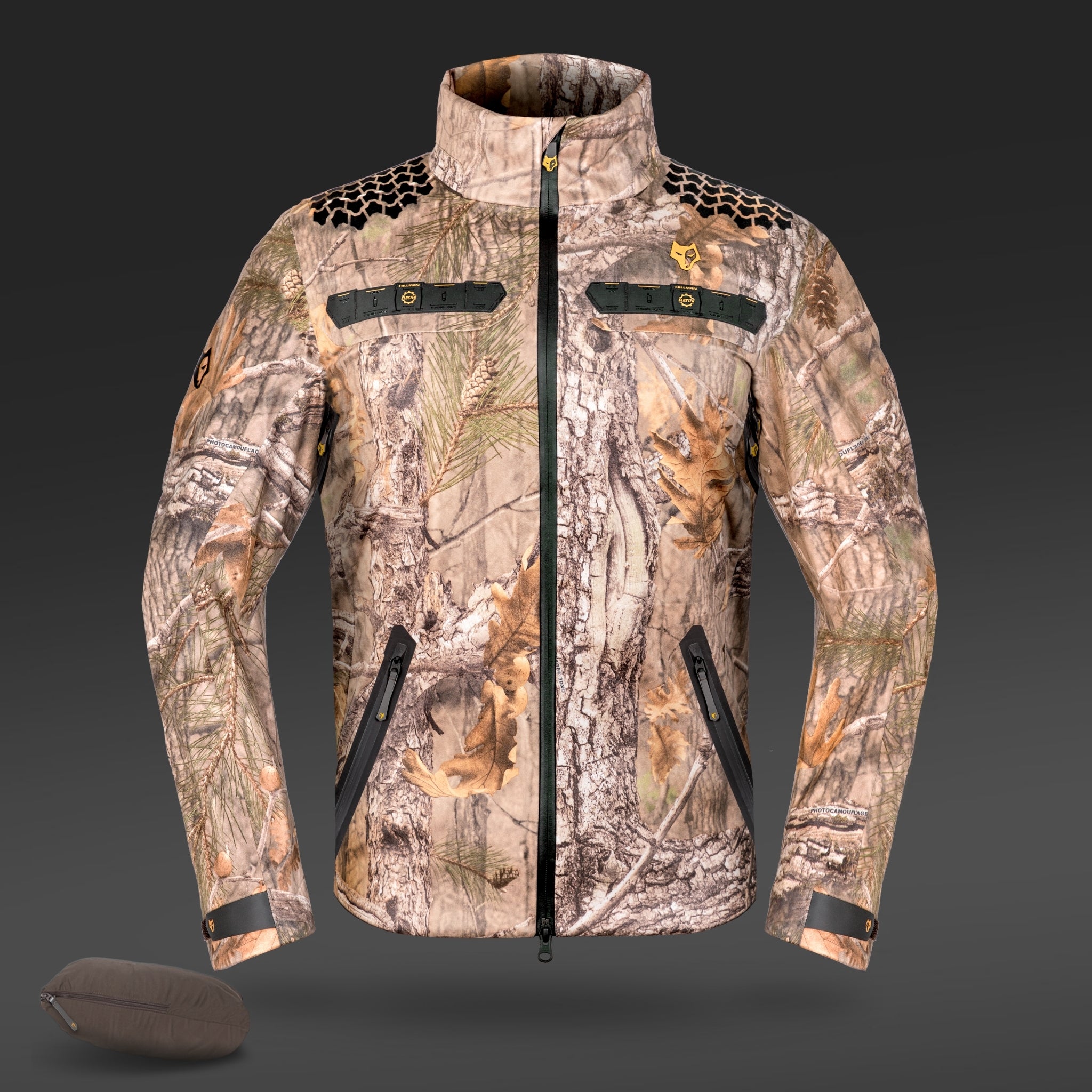
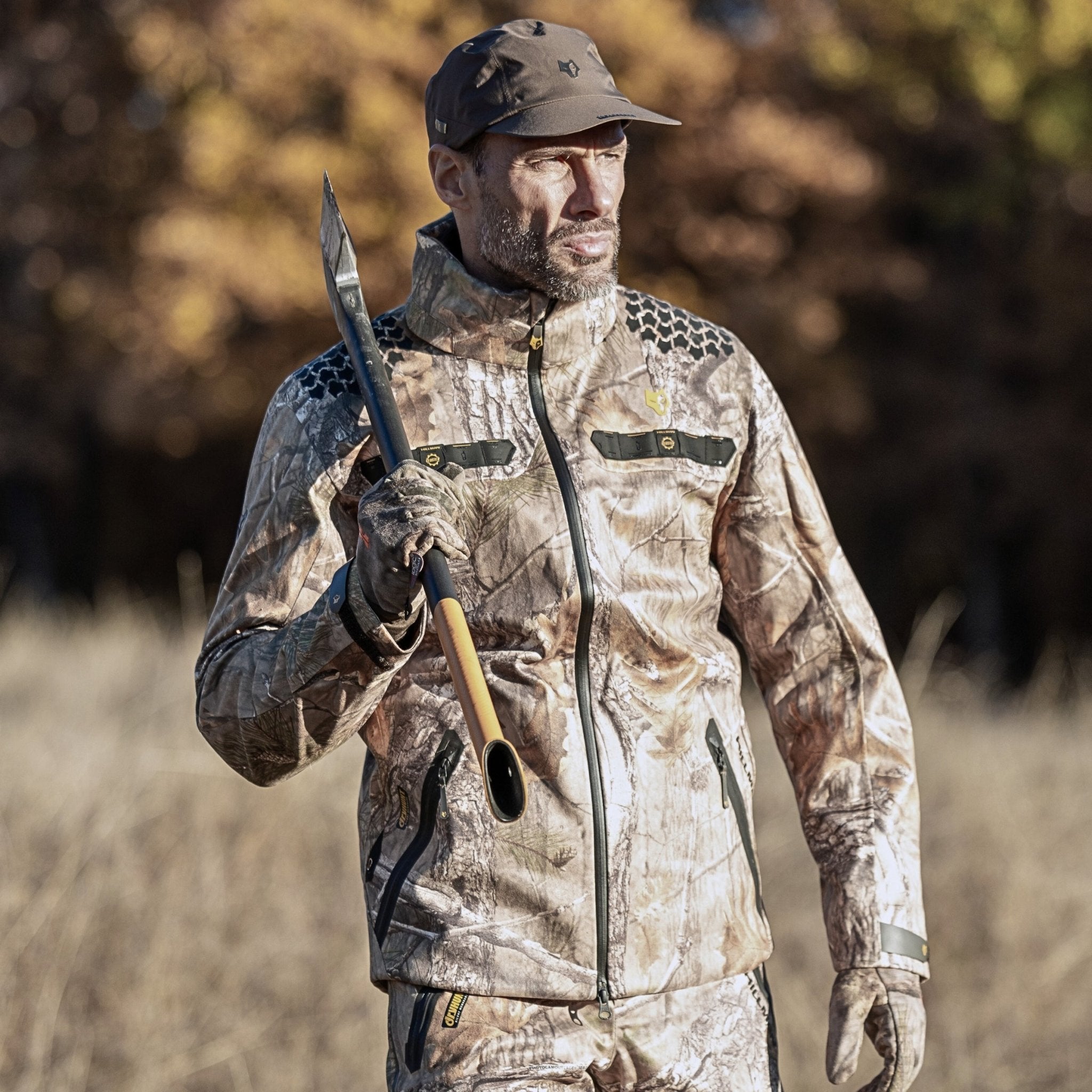
For active hunts, I like outer layers that come off easily, vent quickly and stay quiet enough for a final approach. If it takes a full wrestling match to remove your jacket, it is not practical.
A breathable wind-resistant jacket is often better than a heavy waterproof shell when the forecast is dry. Wind cuts heat fast when you stop, but you do not always need full rain protection.
In rain, wet snow or soaked vegetation, waterproof breathable membranes help. But let’s be honest. No membrane keeps up perfectly when you are grinding uphill with a pack. You still need vents.
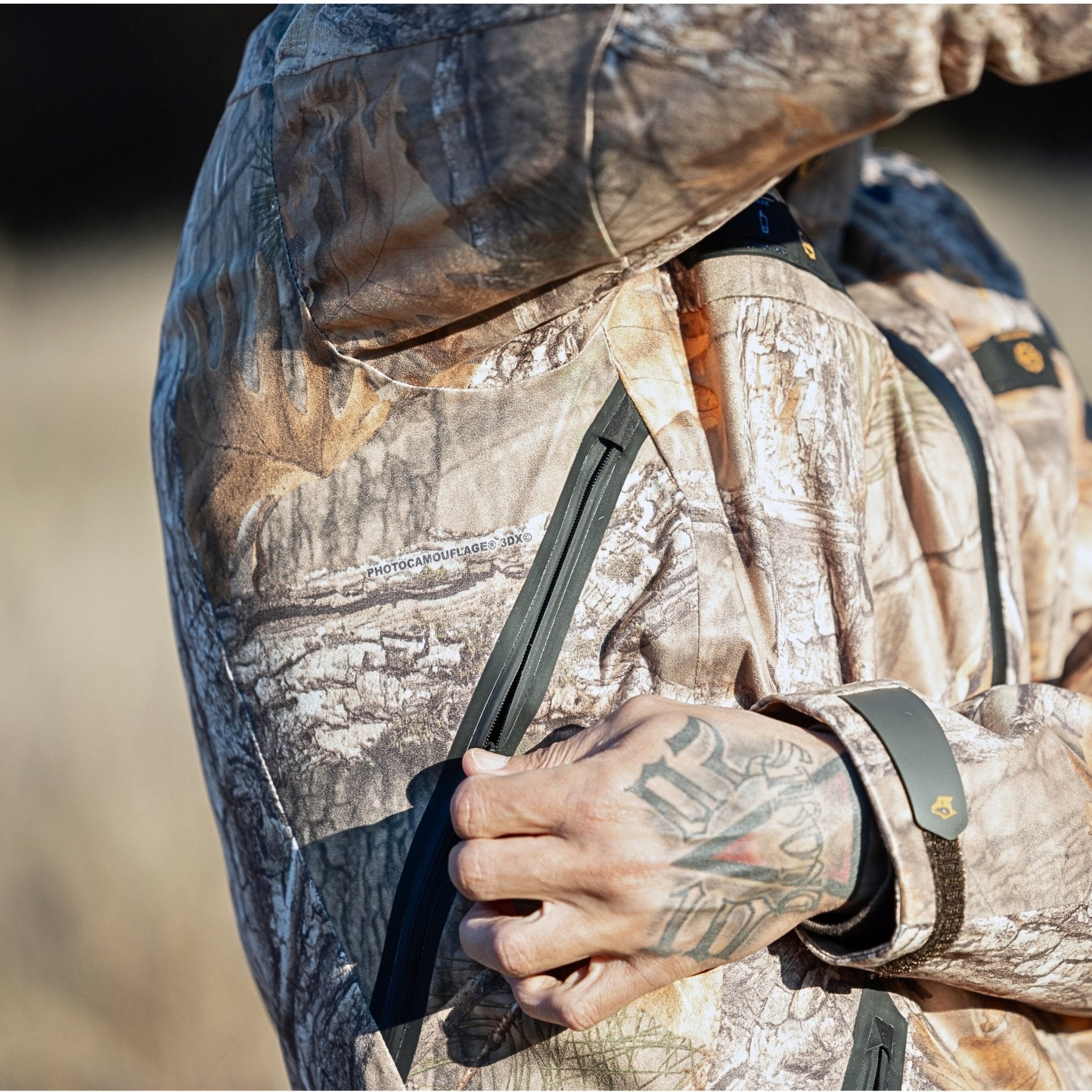
Pit zips are good. Chest vents are good. Side zips are good. Adjustable cuffs are good. Open them before you are soaked.
That last part matters. Vent early. Not after your back is already wet.
If the brush is nasty, durability matters more. A featherweight jacket might be nice in open country, but thorns, dead limbs and wet timber can shred weak fabric. In rough terrain, use a tougher outer fabric and manage heat with vents.
Pants and Boots Can Ruin the Whole Day

Hunters obsess over jackets and then wear pants that feel like a wet tarp by noon.
Bad idea.
Your legs create heat all day. Heavy pants in hot weather can make a hunt miserable. Especially when climbing, crawling or sidehilling.
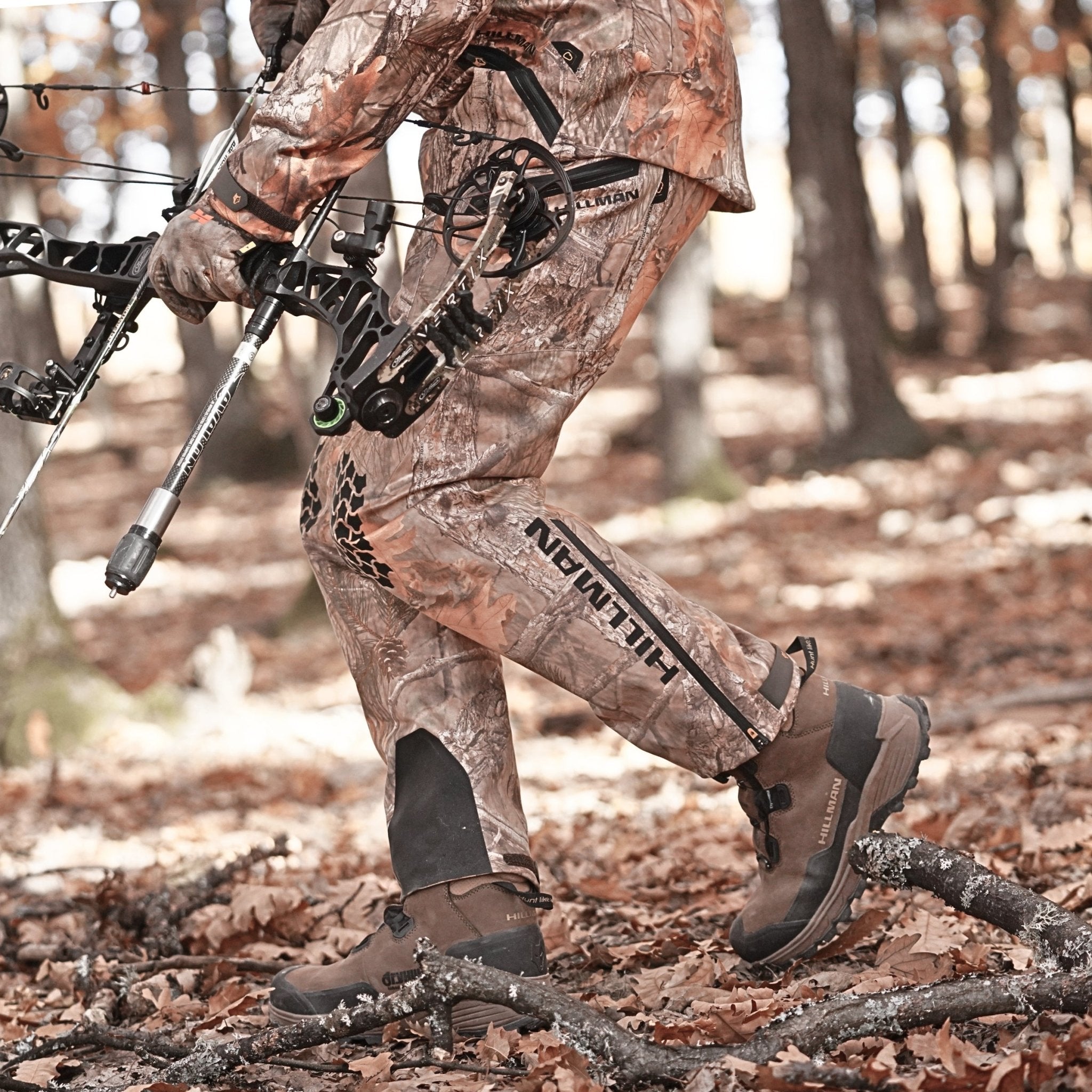
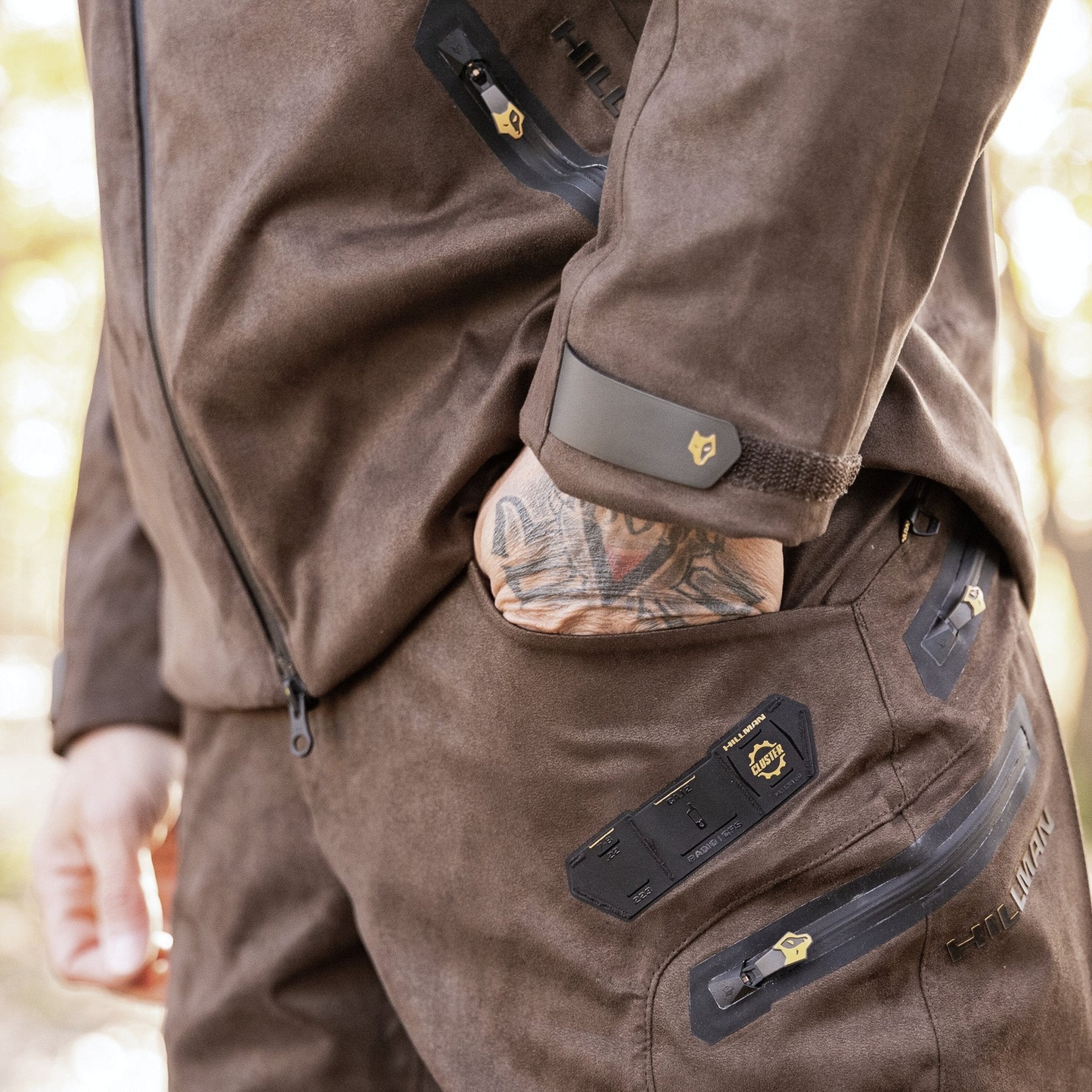
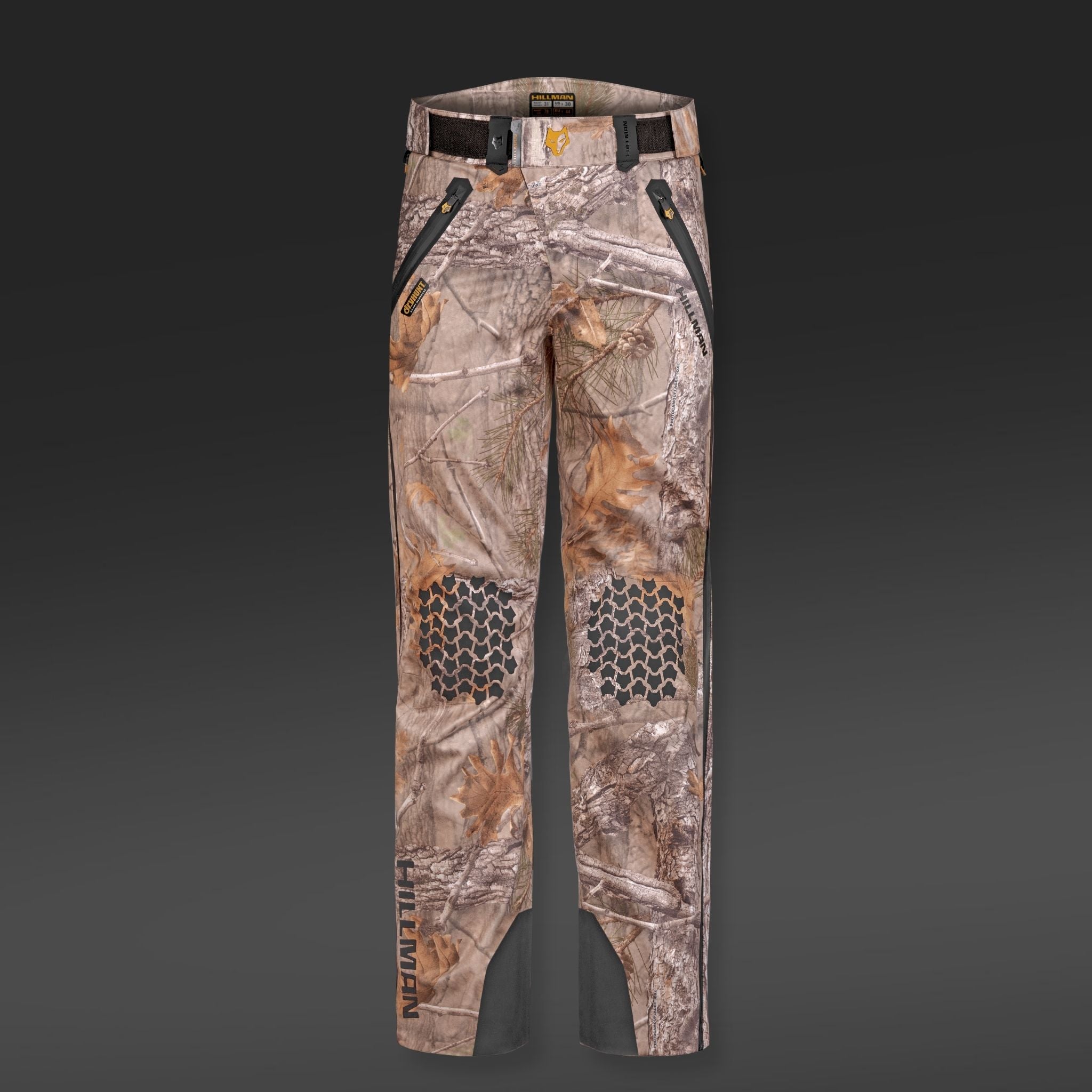
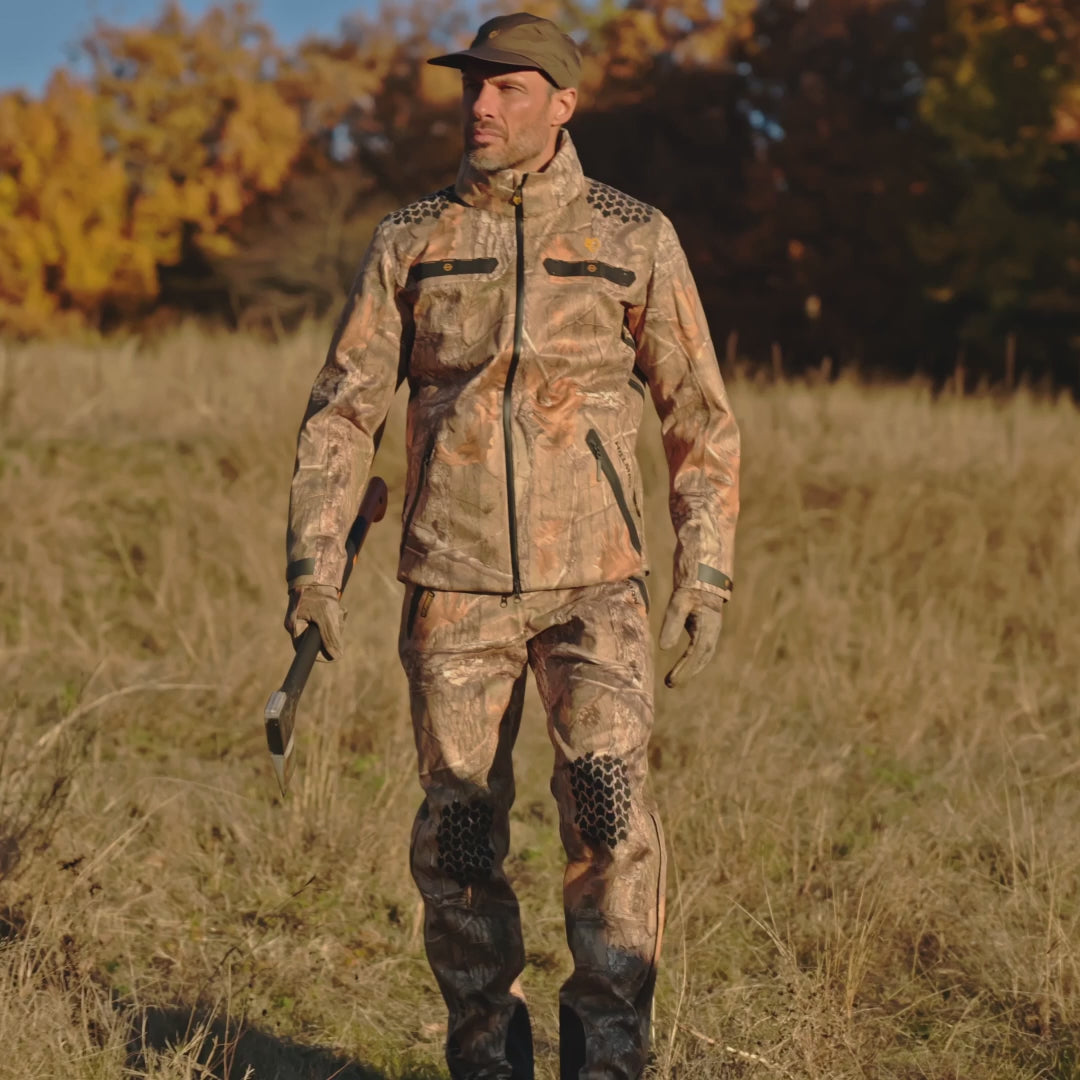
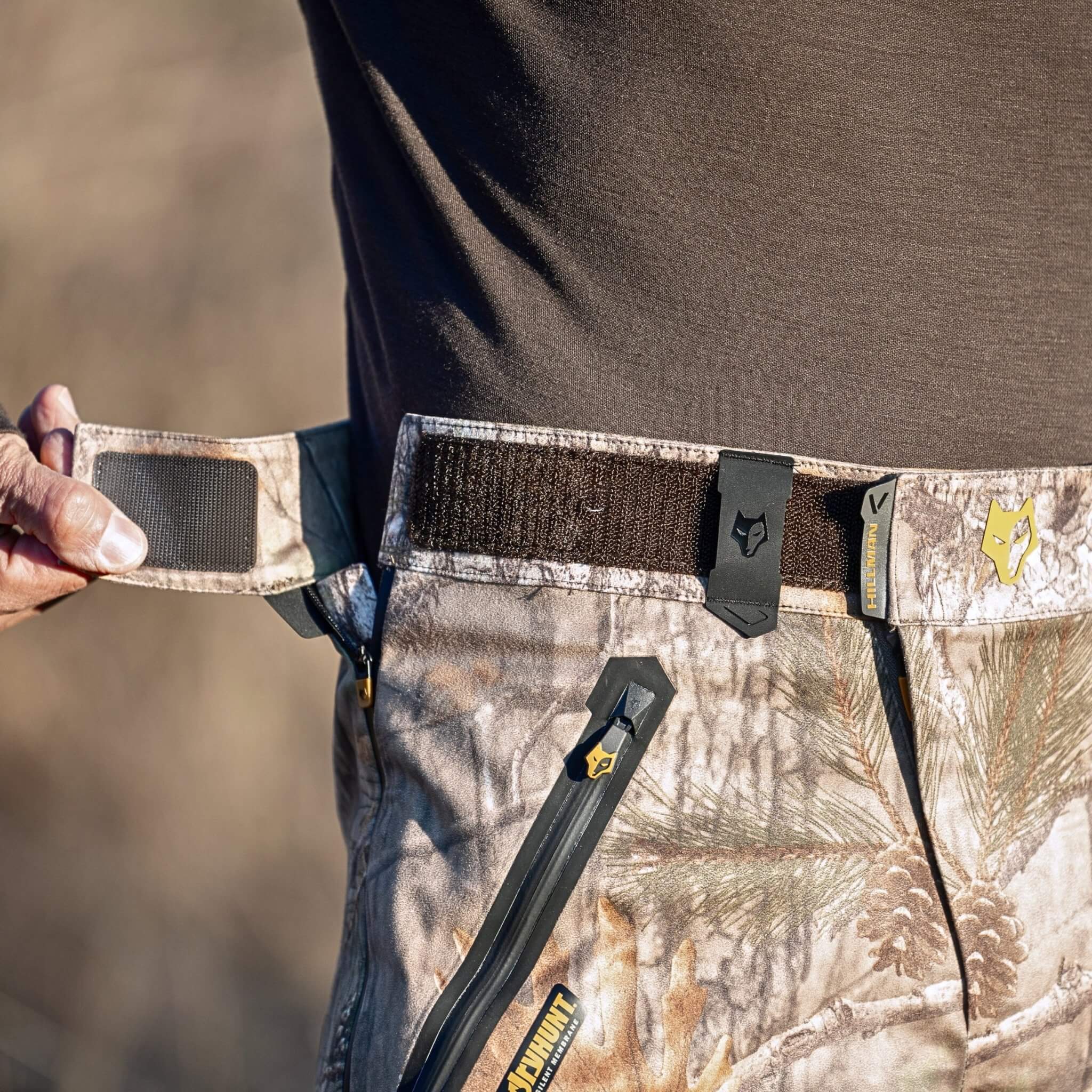
Lightweight breathable pants with thigh vents are one of the best pieces of active hunting clothing you can own. They dump heat when you move and still protect your legs from brush, rock and wet grass.
Reinforced knees and seat panels are worth it if you kneel, crawl or slide around. They add some weight, but they save the pants and your skin.
Boots matter just as much.
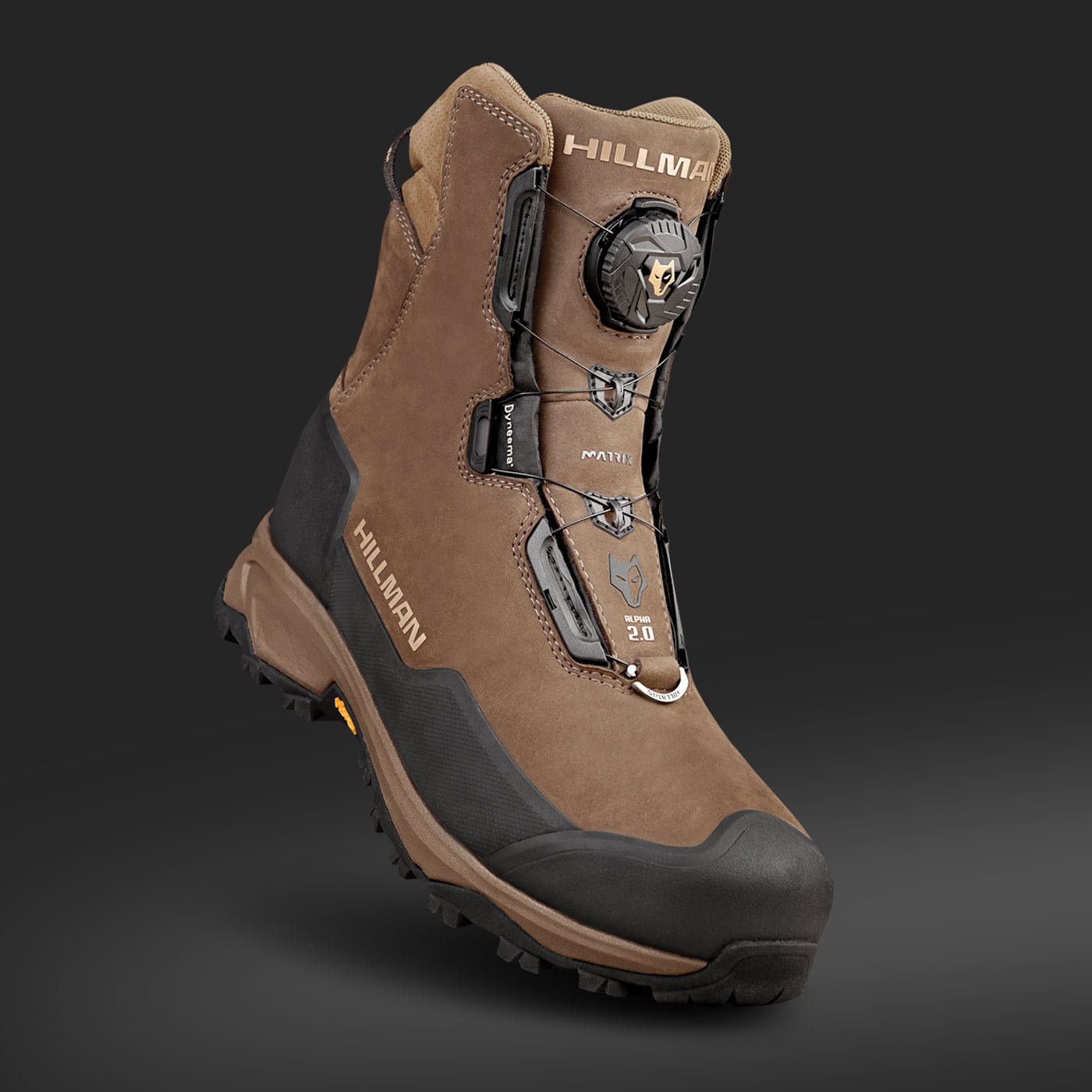
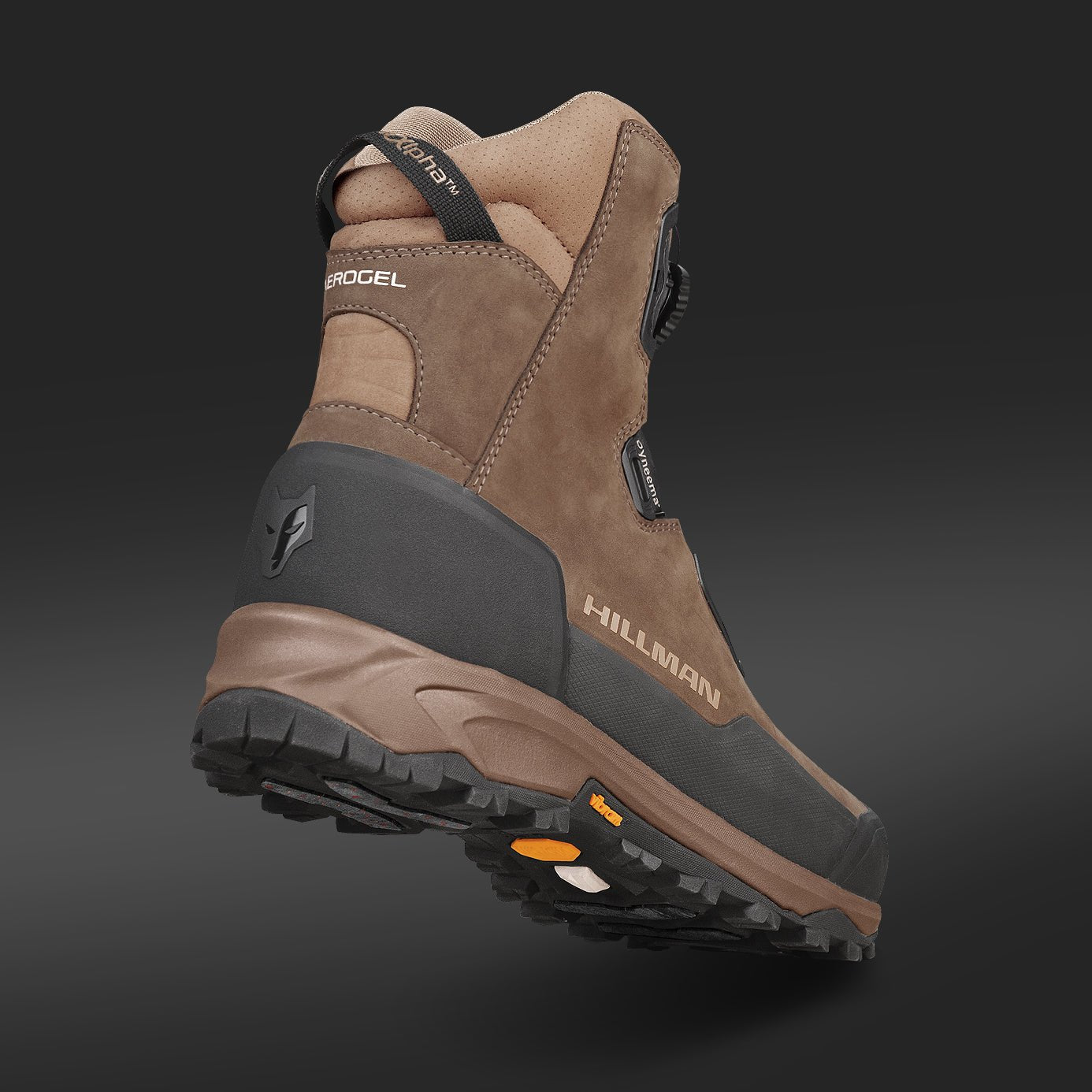
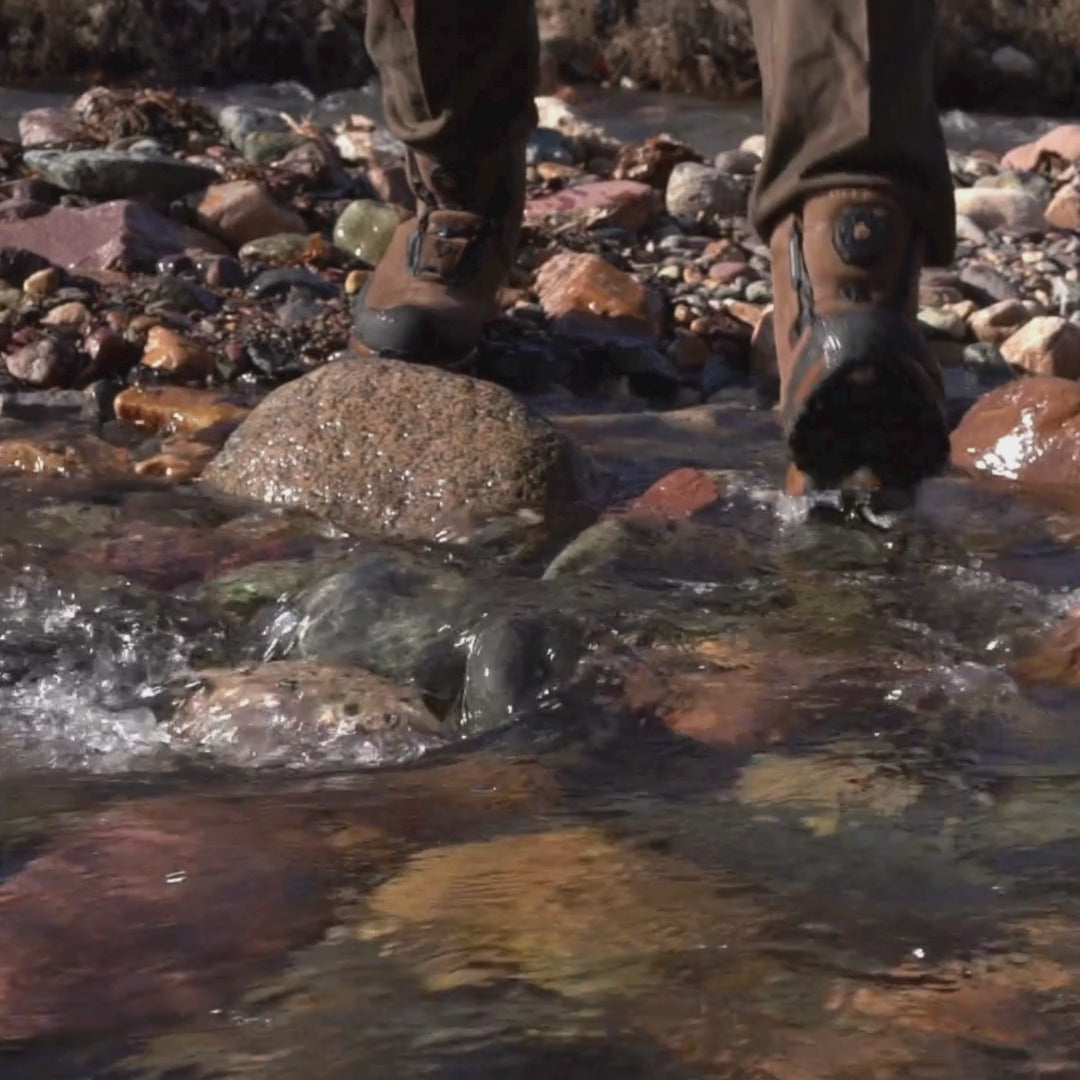
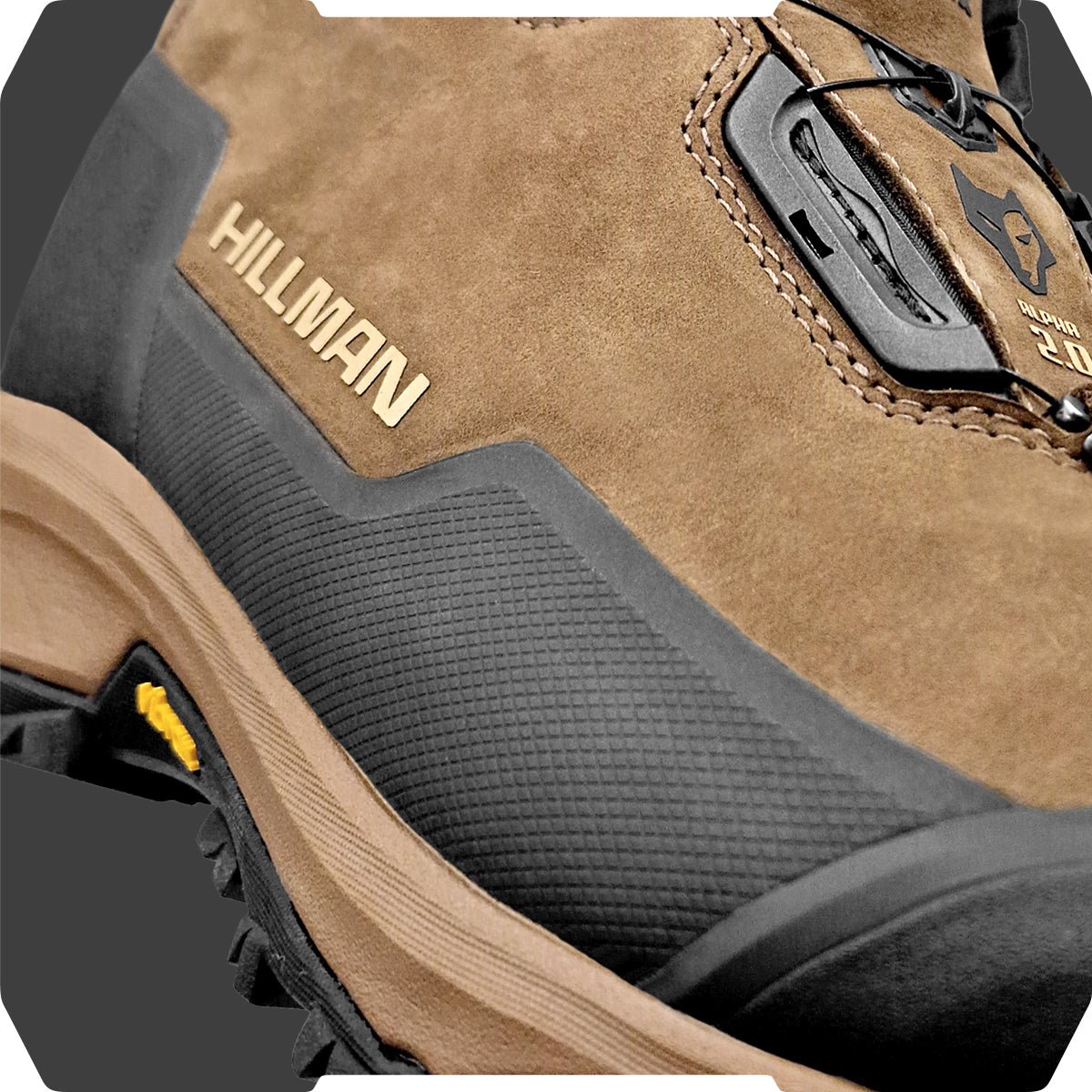
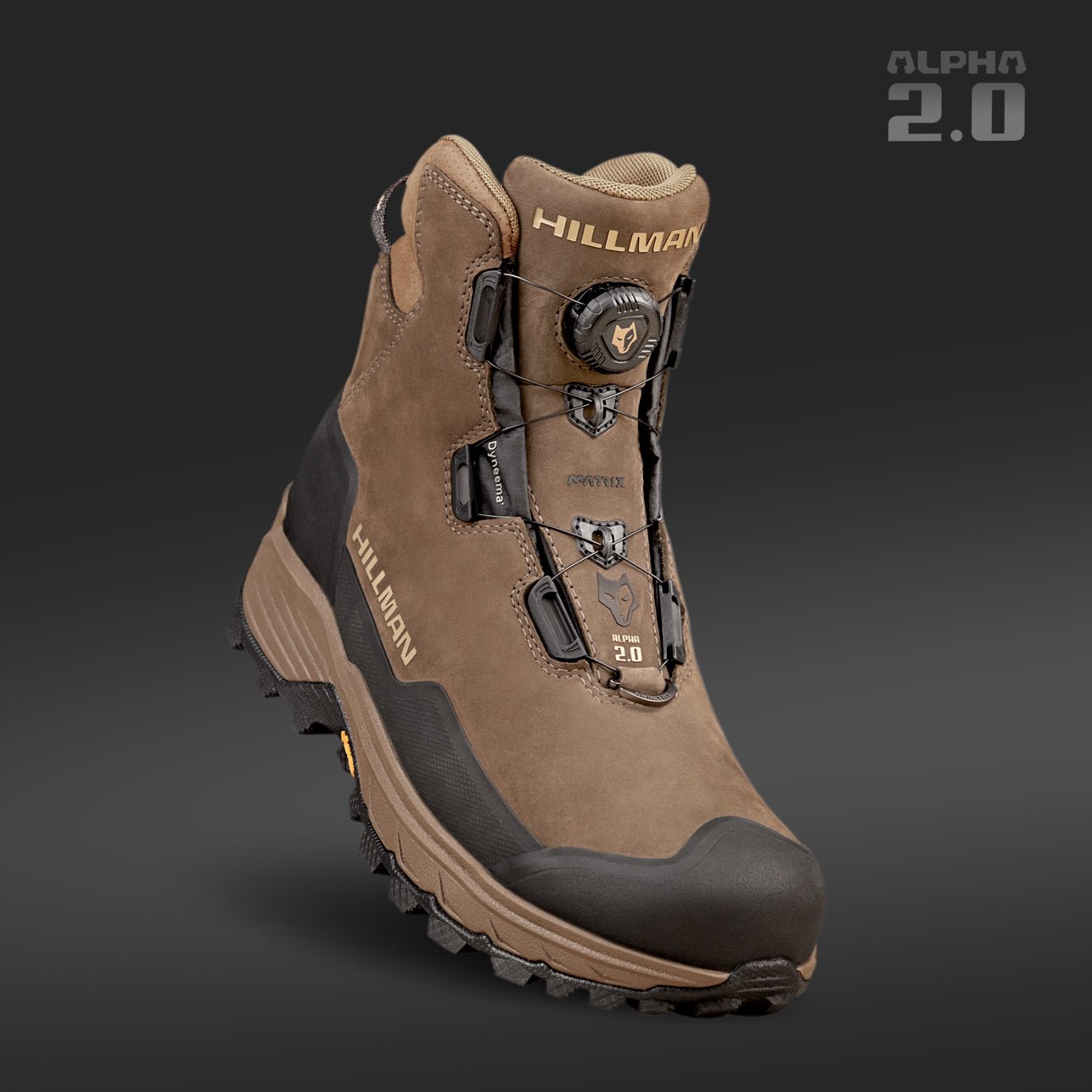
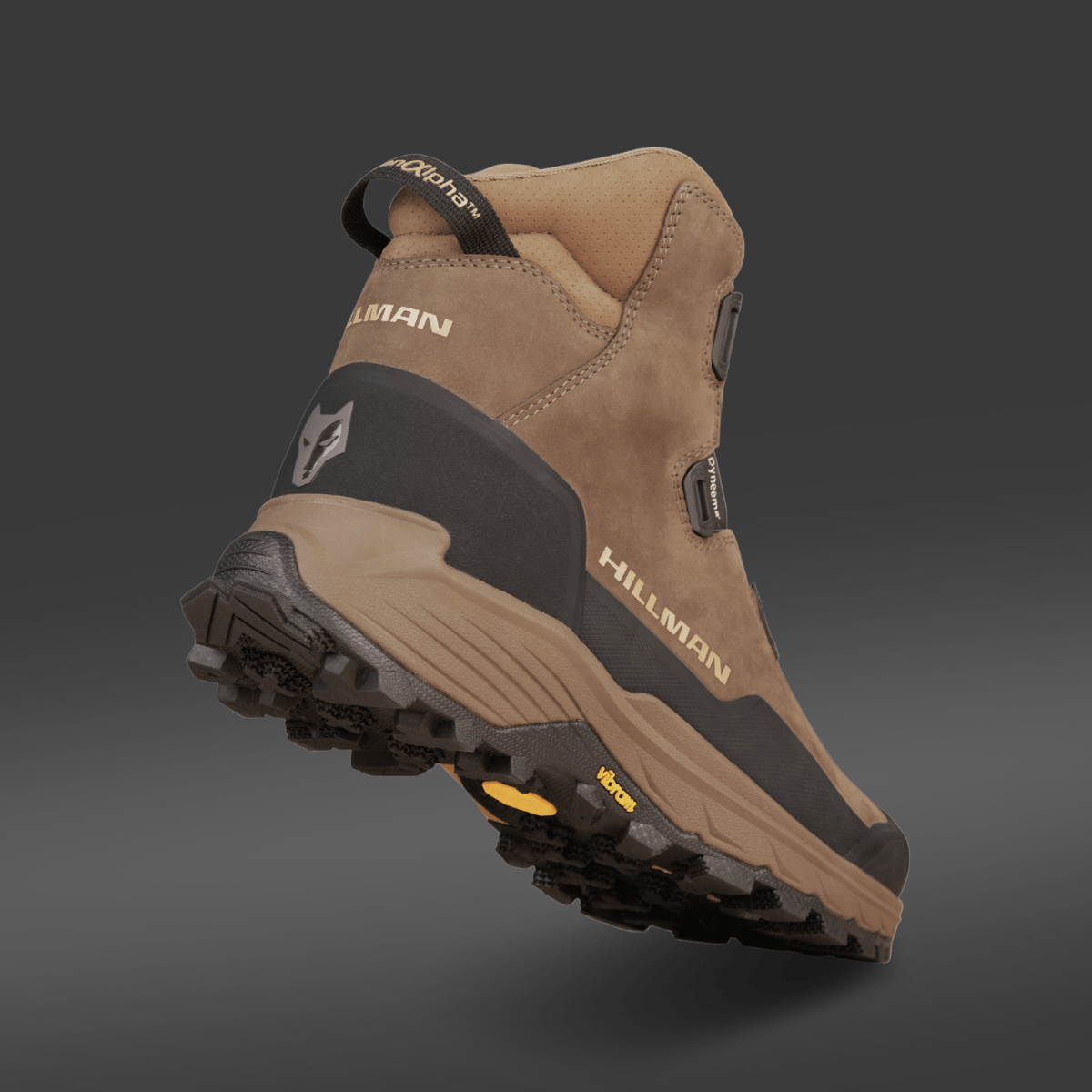
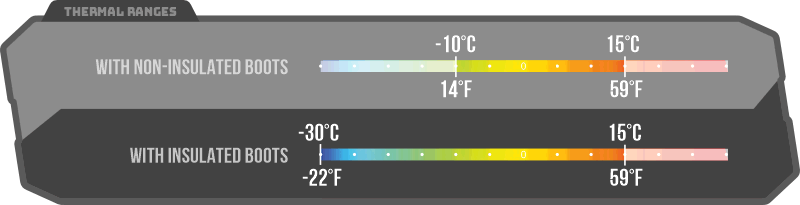
Too much insulation and your feet sweat. Too little structure and rough terrain beats them up. Pick boots by distance, temperature and ground, not by season name.
A heavily insulated boot might be fine for a short cold sit. On a long stalk, it can soak your socks before lunch. Then your feet get cold later because sweat has nowhere useful to go.
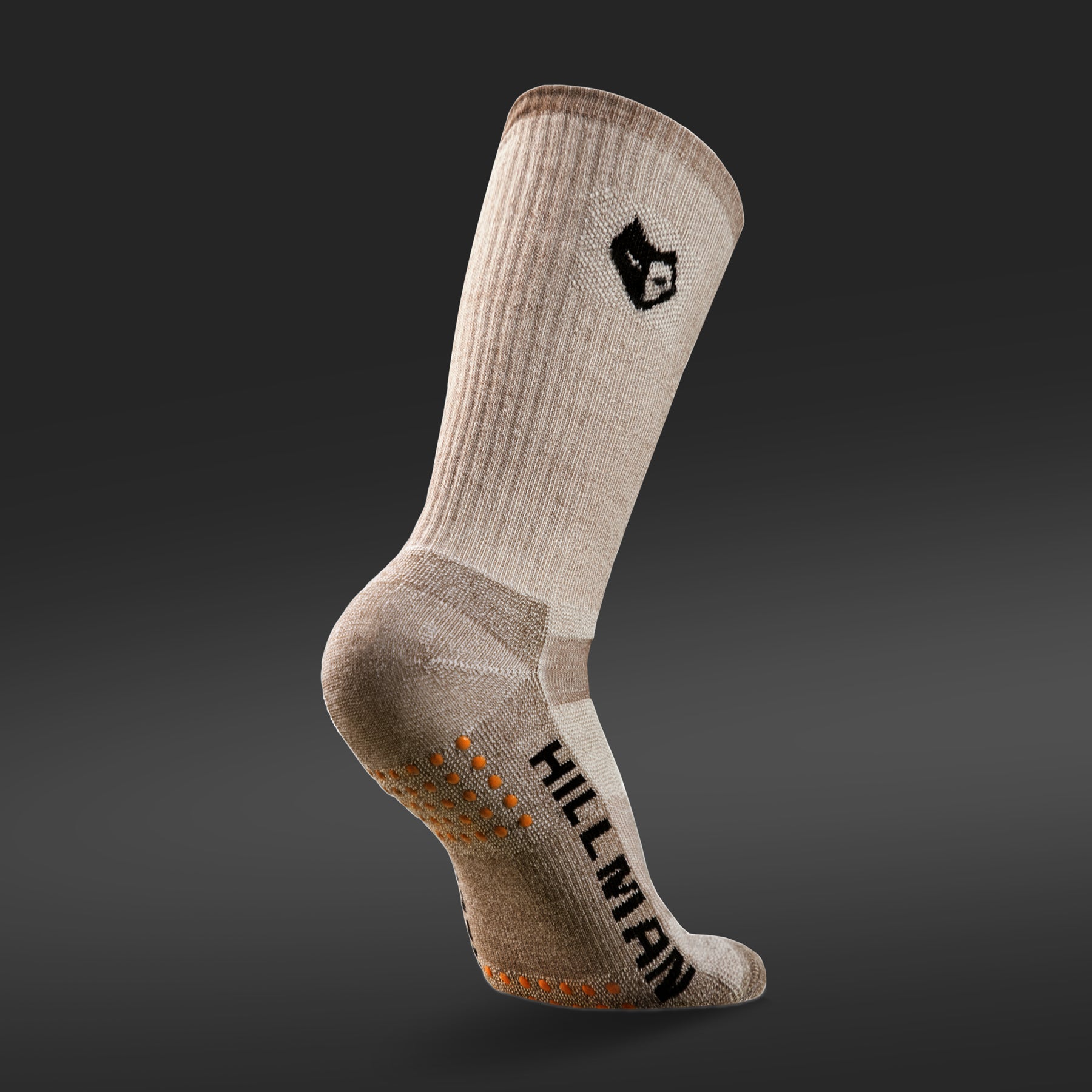
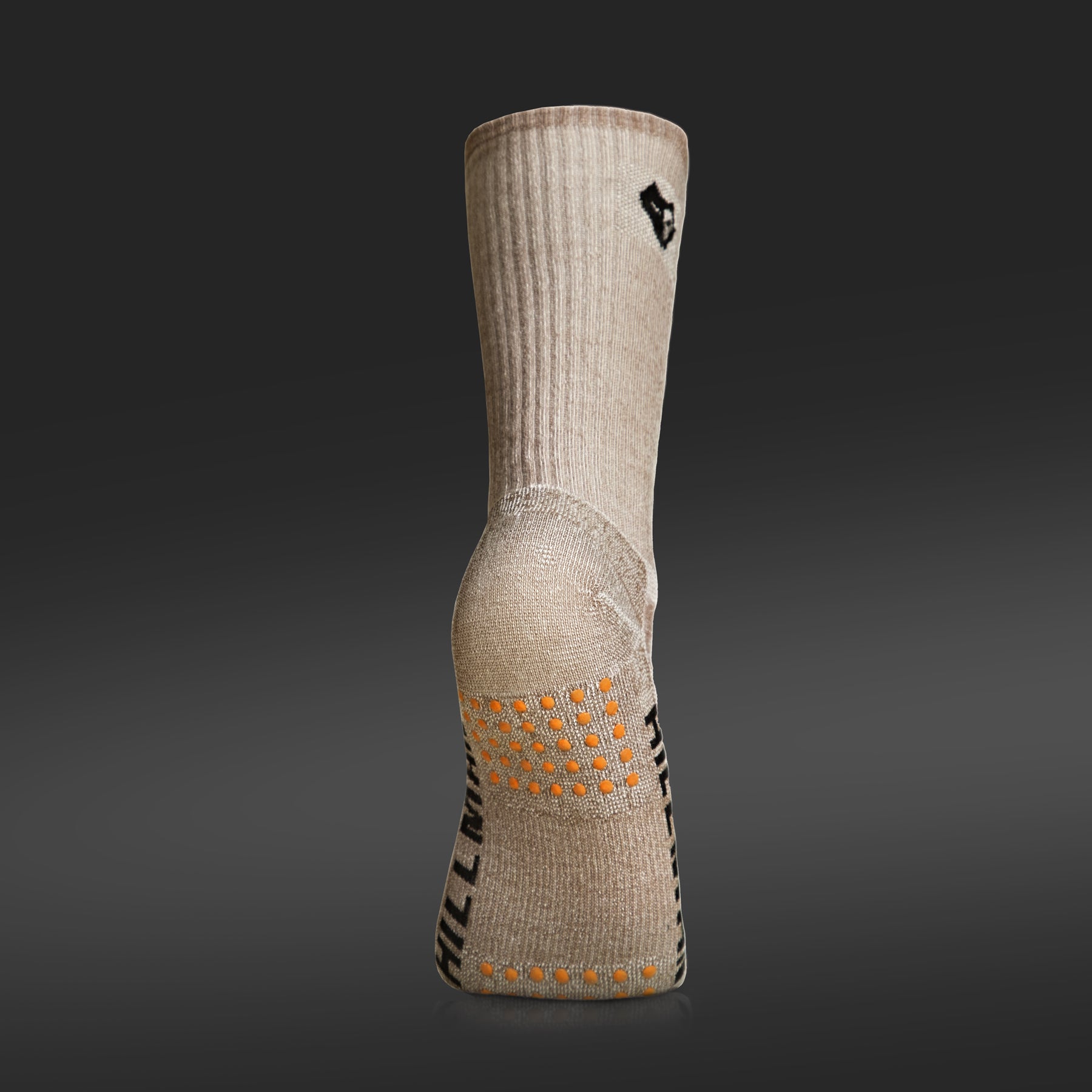
Socks should wick moisture and fit right inside the boot. No bunching. No tight toe box. No sloppy heel movement.
A spare pair of socks is not dead weight. It is cheap comfort. Sometimes it saves the whole back half of the day.
Dress for the Hunt, Not Just the Shot

The shot may take five seconds. The hunt before it might take five hours.
That is why clothing has to work during movement. If you are fighting sweat, cold sleeves, loud fabric, stiff pants or soaked socks, your focus is split. And when the shot finally comes, split focus is bad.
For active big game hunts, build a system that changes fast.
Base layers handle sweat. Mid layers add warmth when stopped. Outer layers block wind and weather. Pants protect without cooking your legs. Boots support without turning your feet into wet sponges.
Do not chase gear just because it is expensive. Some of it is good. Some of it is just marketing with zippers.
Spend money where it matters: breathable fabric, real vents, quiet movement, solid construction, good fit and enough insulation for cold stops without overheating during the hike.
That is what actually helps.
How to Build a Practical Active Hunt Clothing System

Start with the forecast. Then look at the terrain. Then look at the style of hunt.
Hot open country needs airflow, sun protection and lightweight clothing.
Mid-season brush stalking needs quiet fabric, durability and moisture control.
Late season hunting needs insulation, but that insulation should often be in the pack while you are moving.
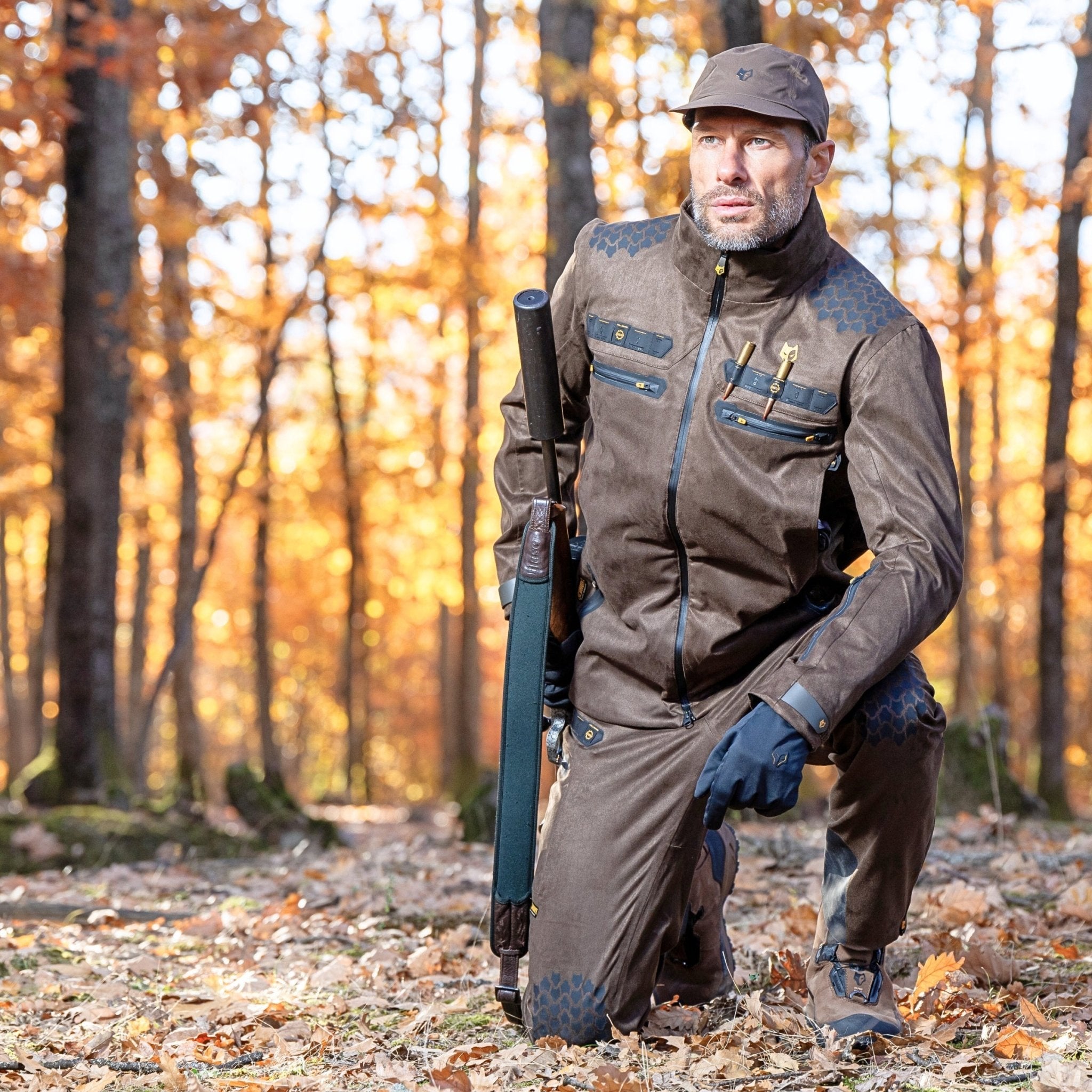
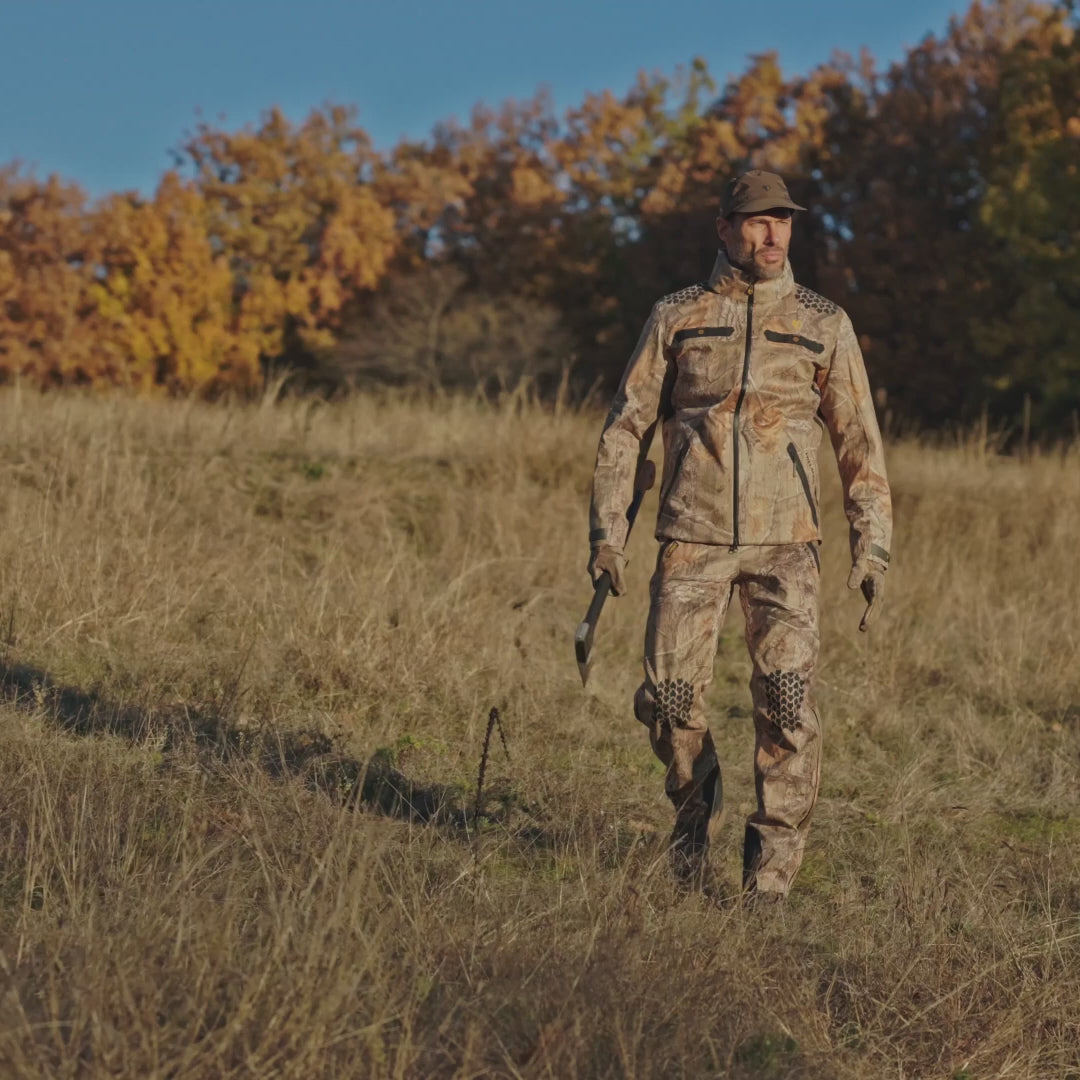
A simple active hunt setup looks like this: moisture-wicking base layer, breathable pants, vented shirt or quarter zip, packable mid layer, weather-ready outer layer, good socks and boots that match the ground.
The skill is knowing when not to wear something.
Climbing? Open vents early.
About to cover ground? Strip off insulation first.
Stopping to glass? Put warmth on right away.
Starting from the truck? Be a little cold.
Active hunters should not dress like they are already sitting behind the rifle. They should dress like they still have to earn the shot.



Share:
Camo for Moving vs Sitting: Hunting Setup