

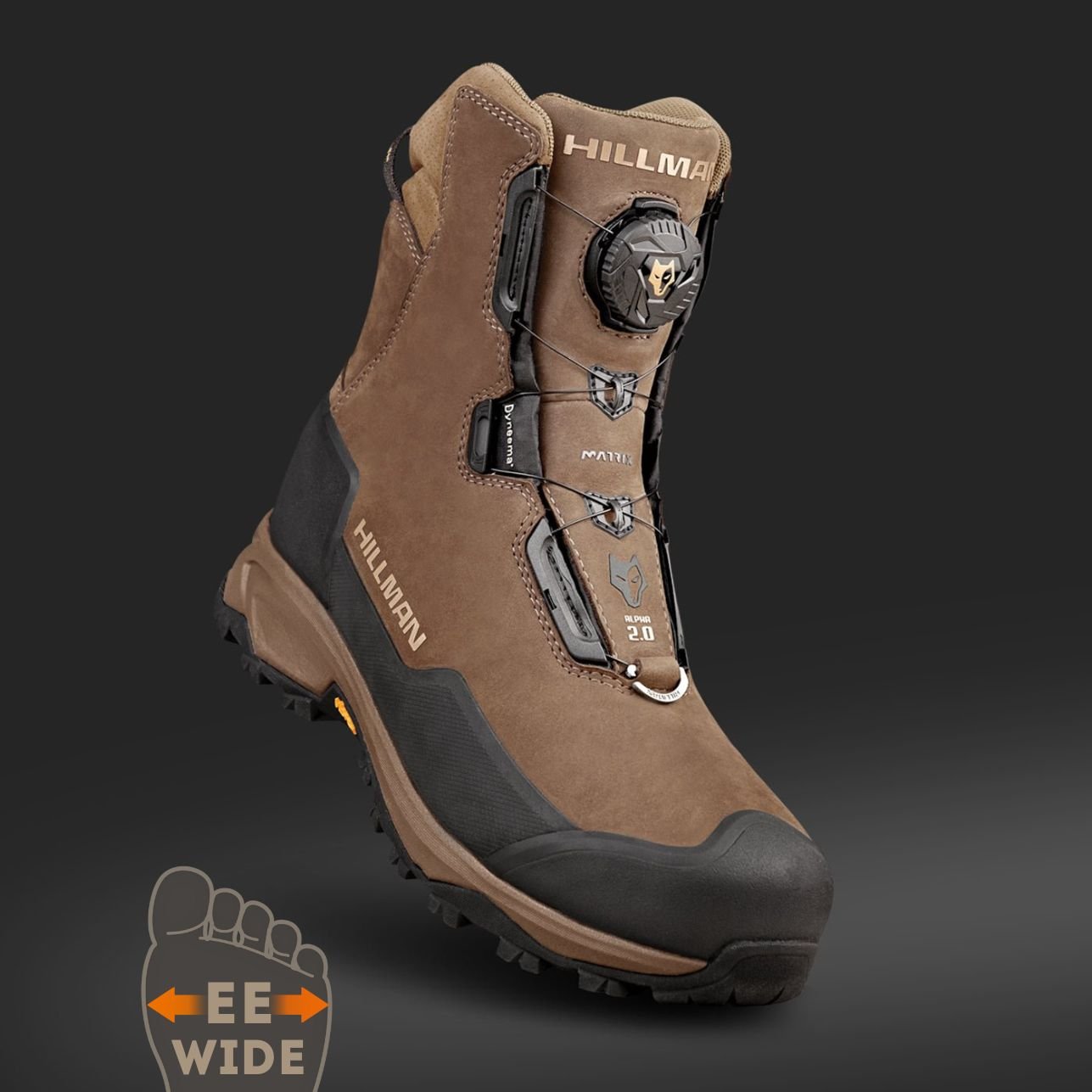
Wide Hunting Boots - Insulated | Aerogel 2.0
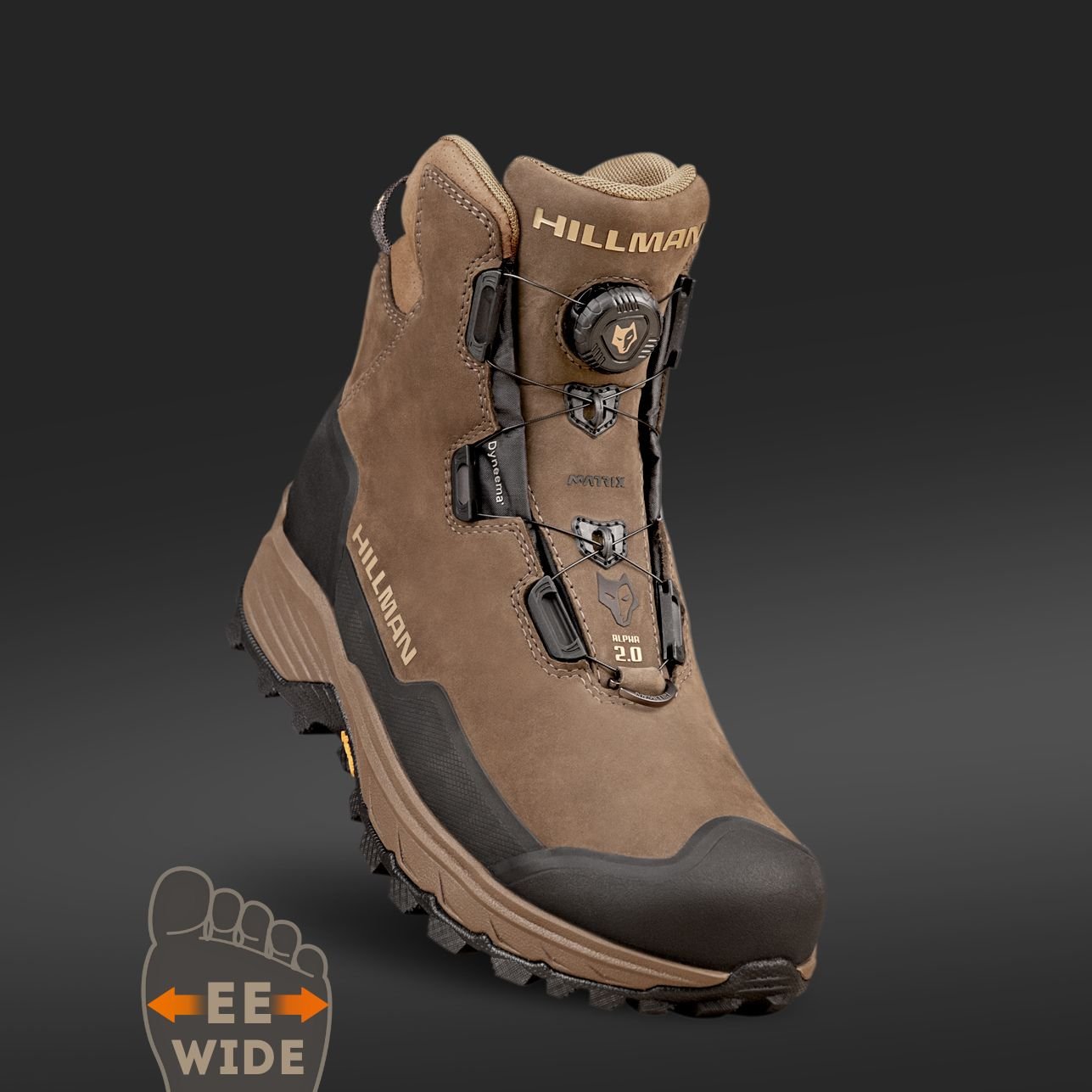
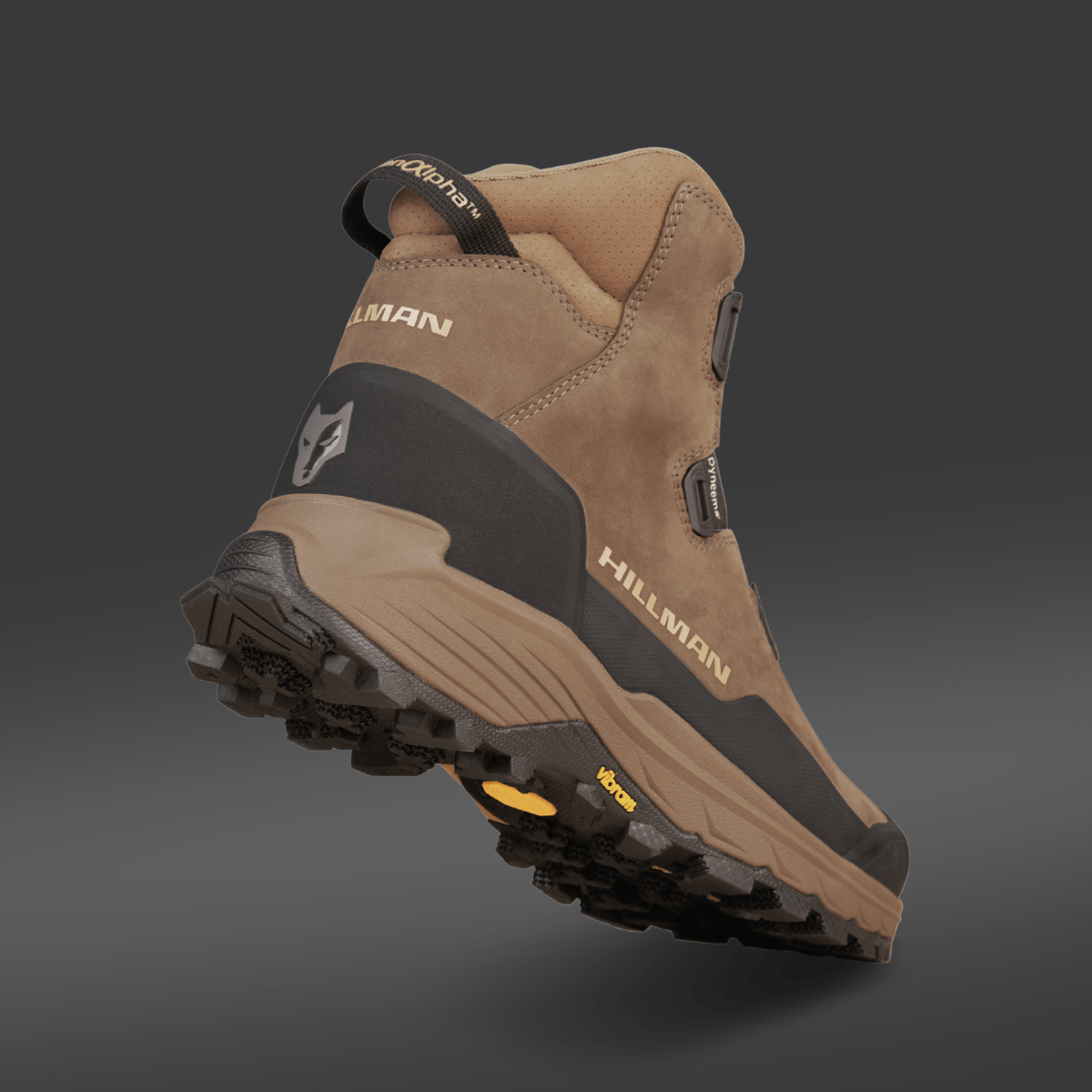
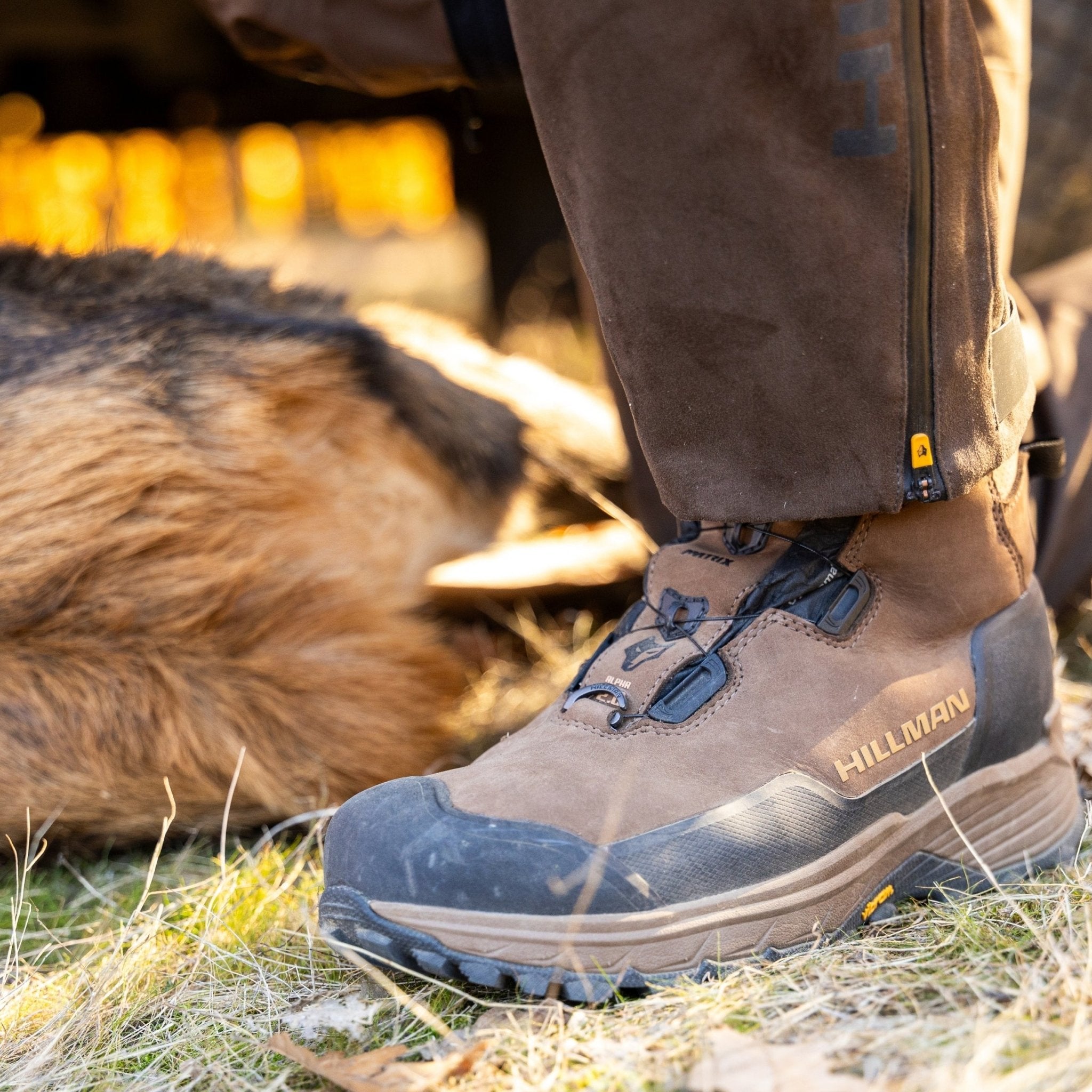

Extra Wide Hunting Boots - Waterproof | DryHunt 2.0
Shop Related Collections
Season's Best Selection
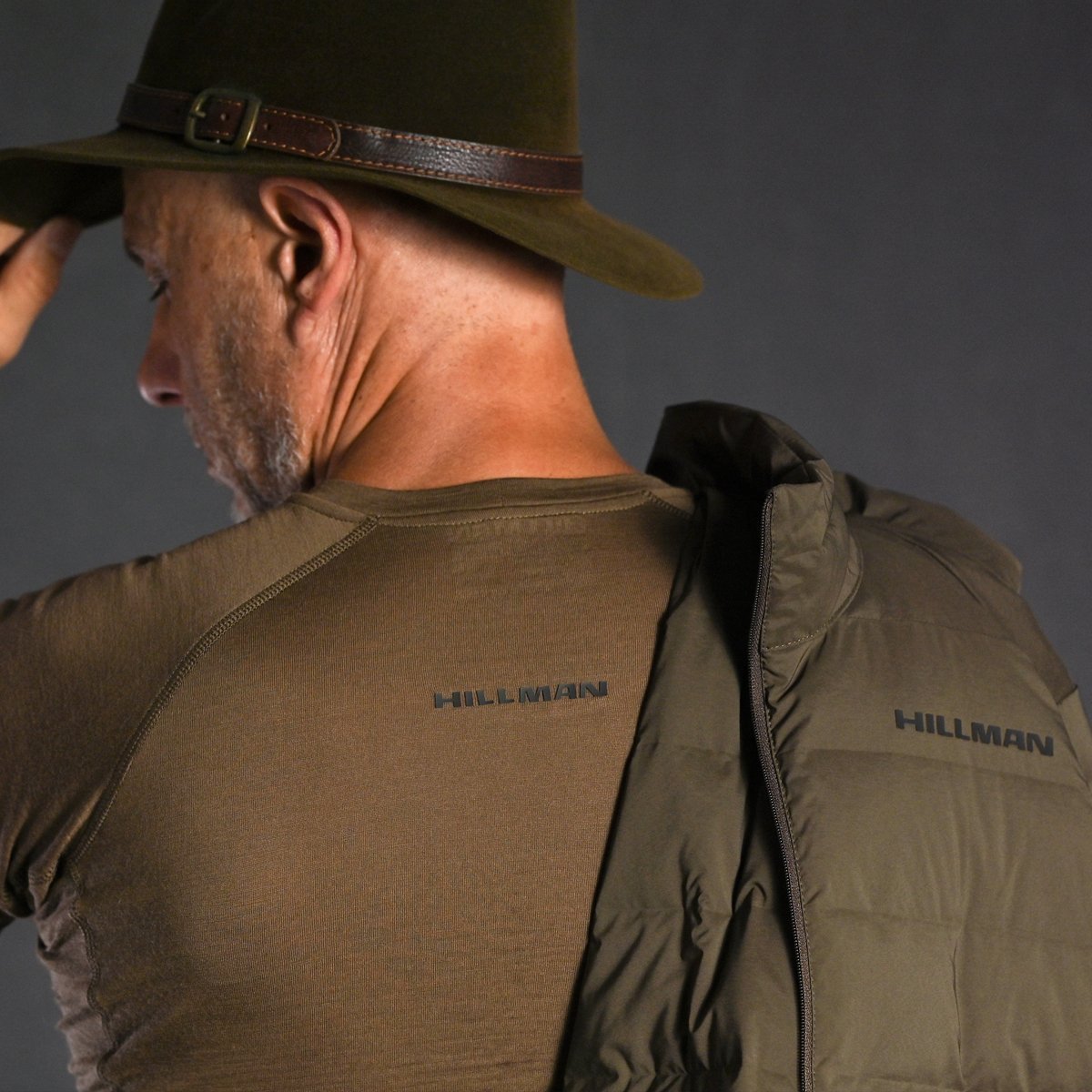
Hunting Down Jacket - Packable Puffer With 1000 Fill | 4IL
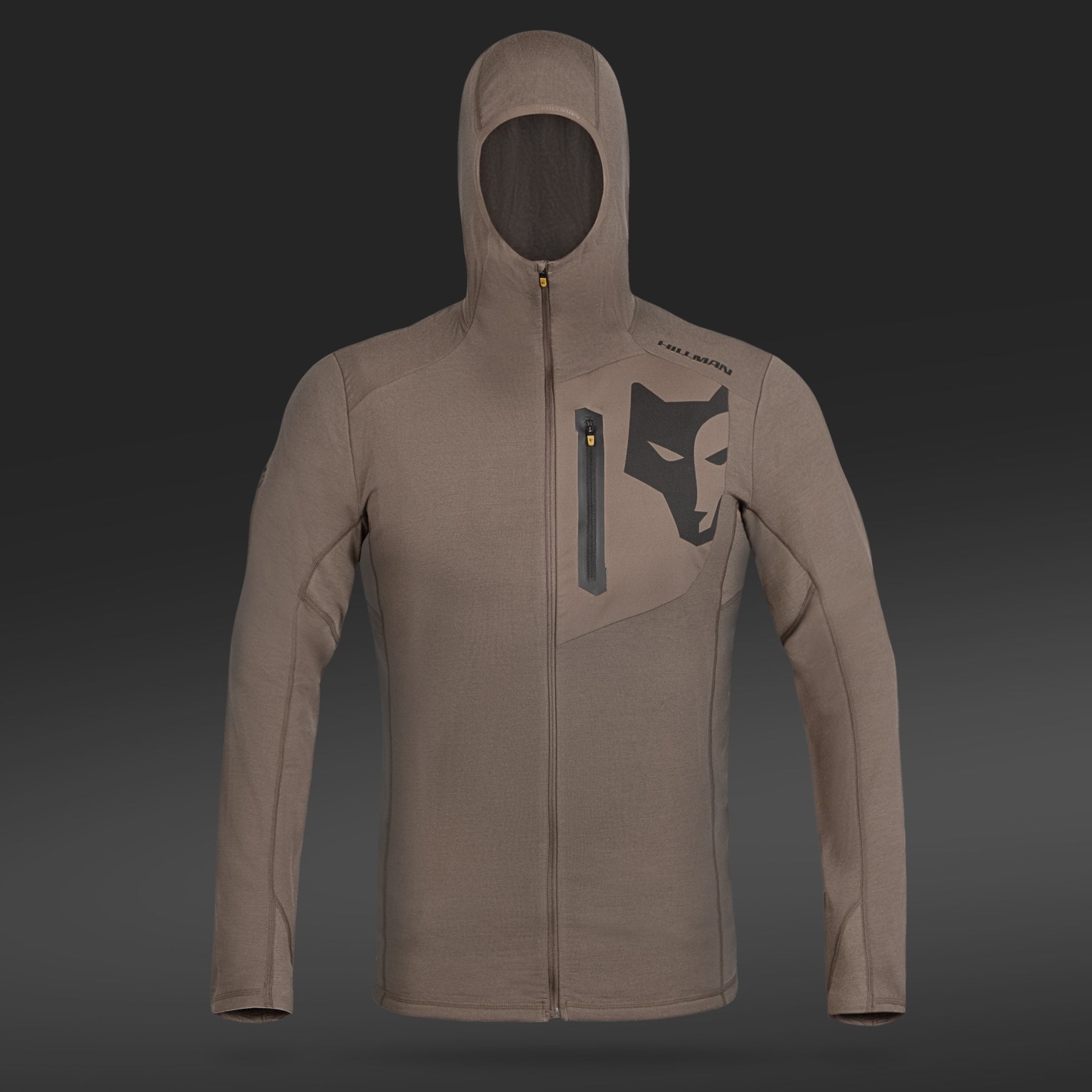
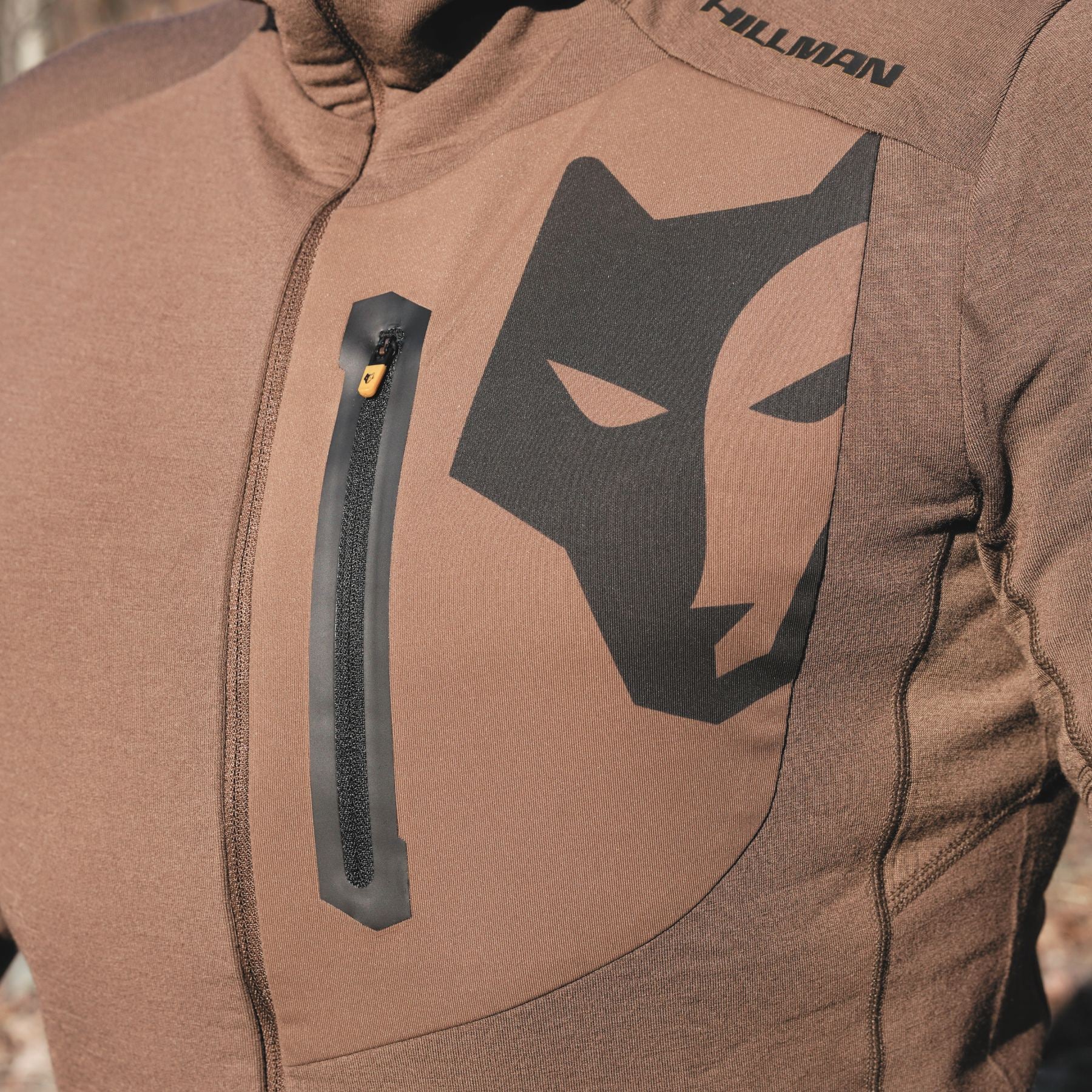
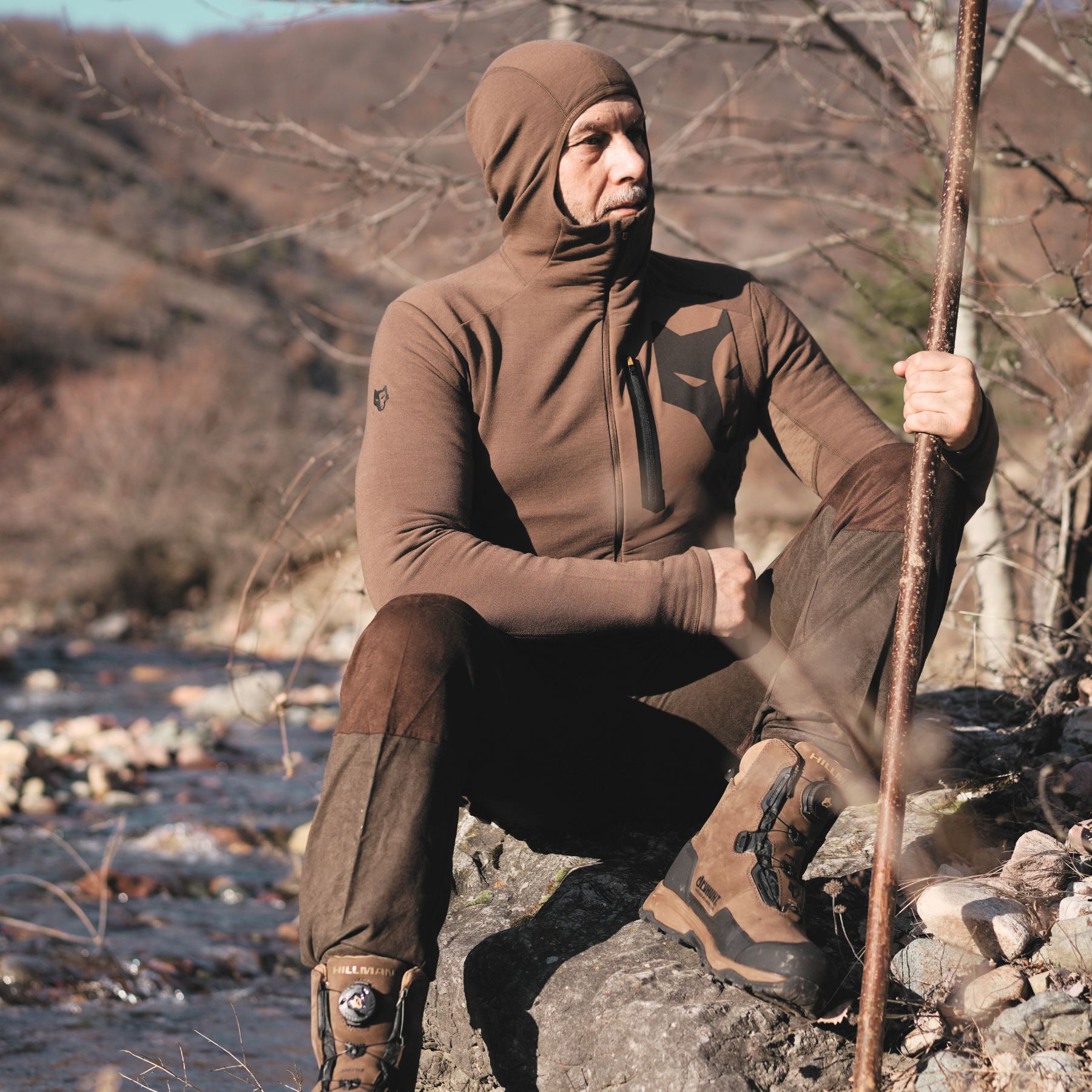
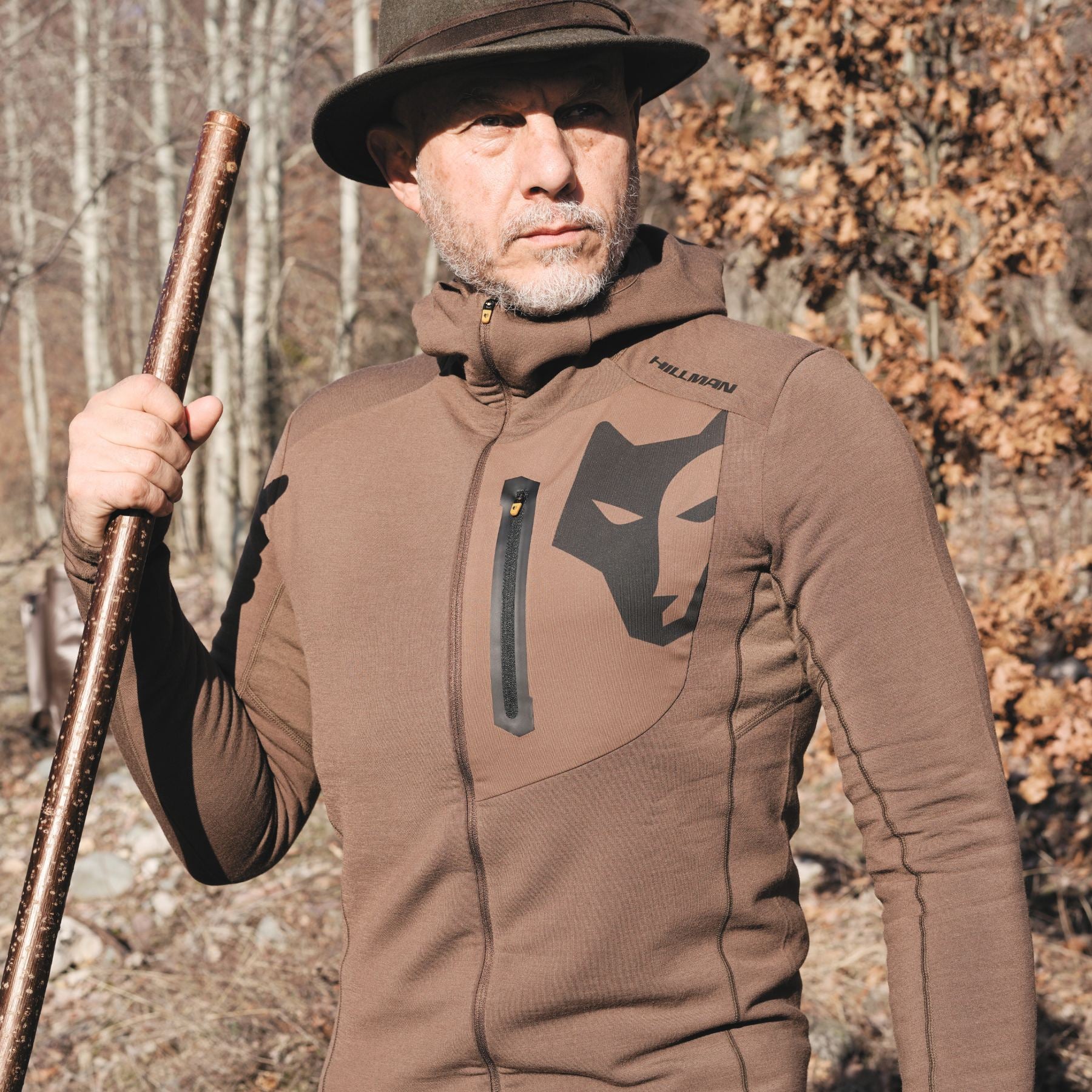
Hunting Hoodie - Merino Wool Mid Layer | 3ML
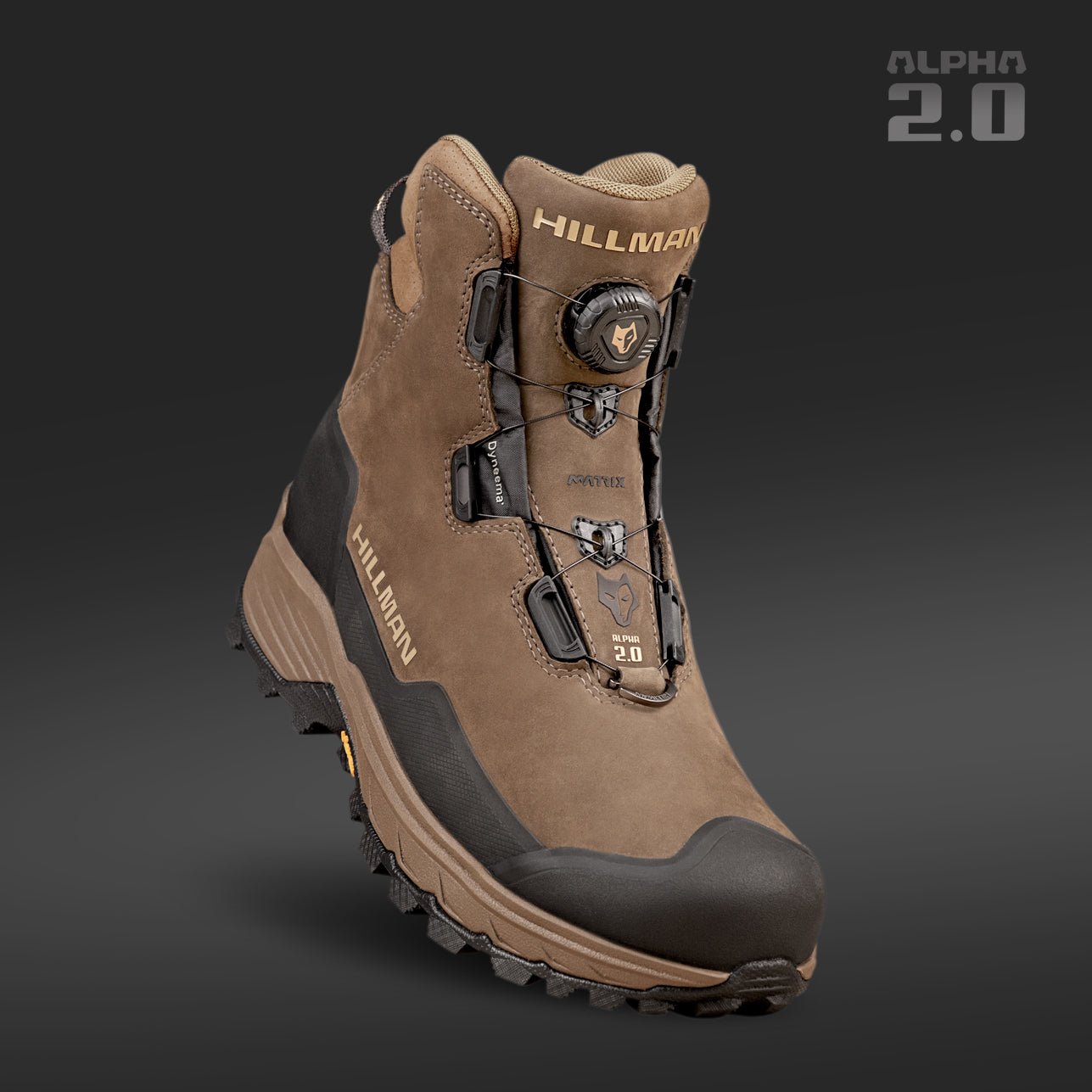
Waterproof Hunting Boots - Uninsulated Lightweight DryHunt
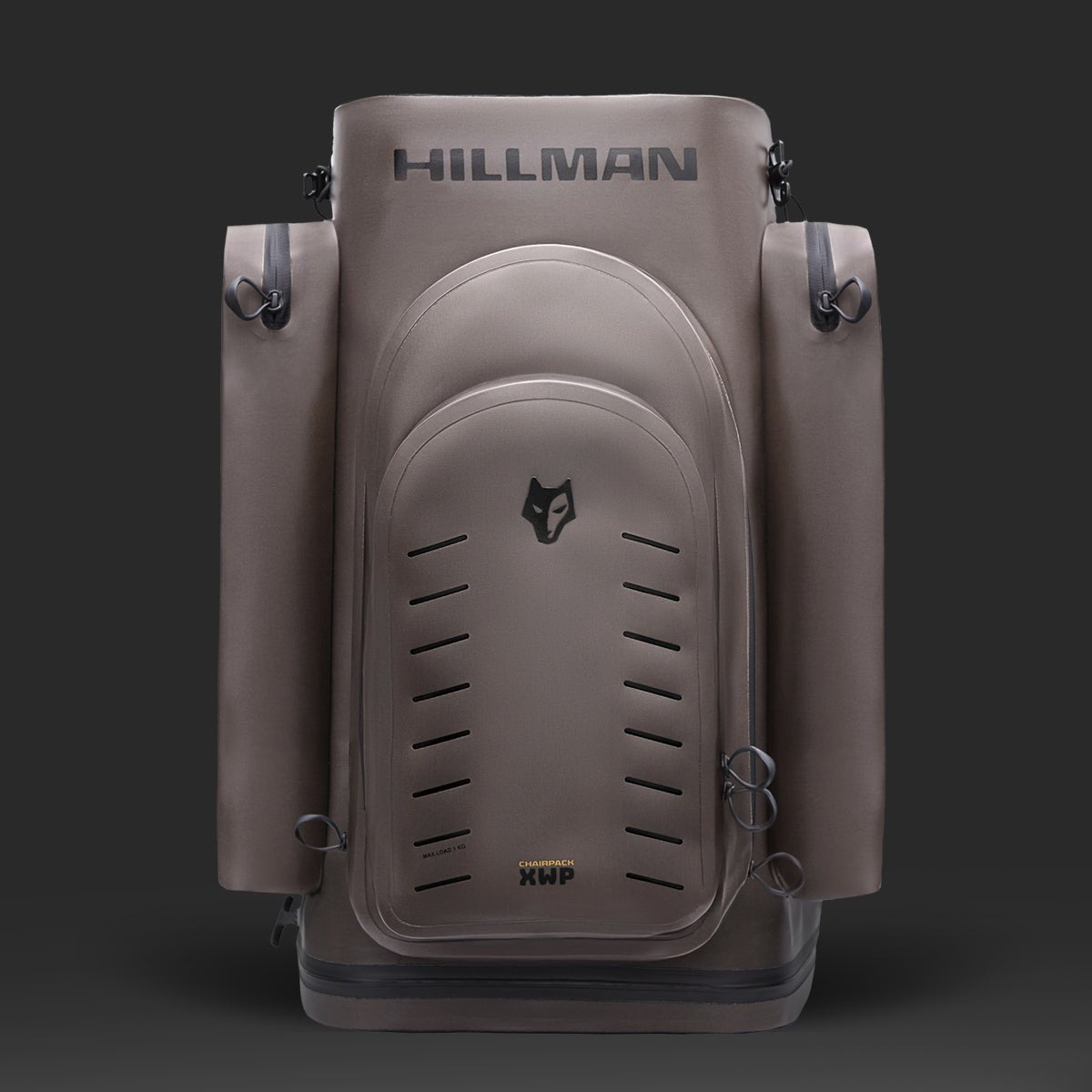
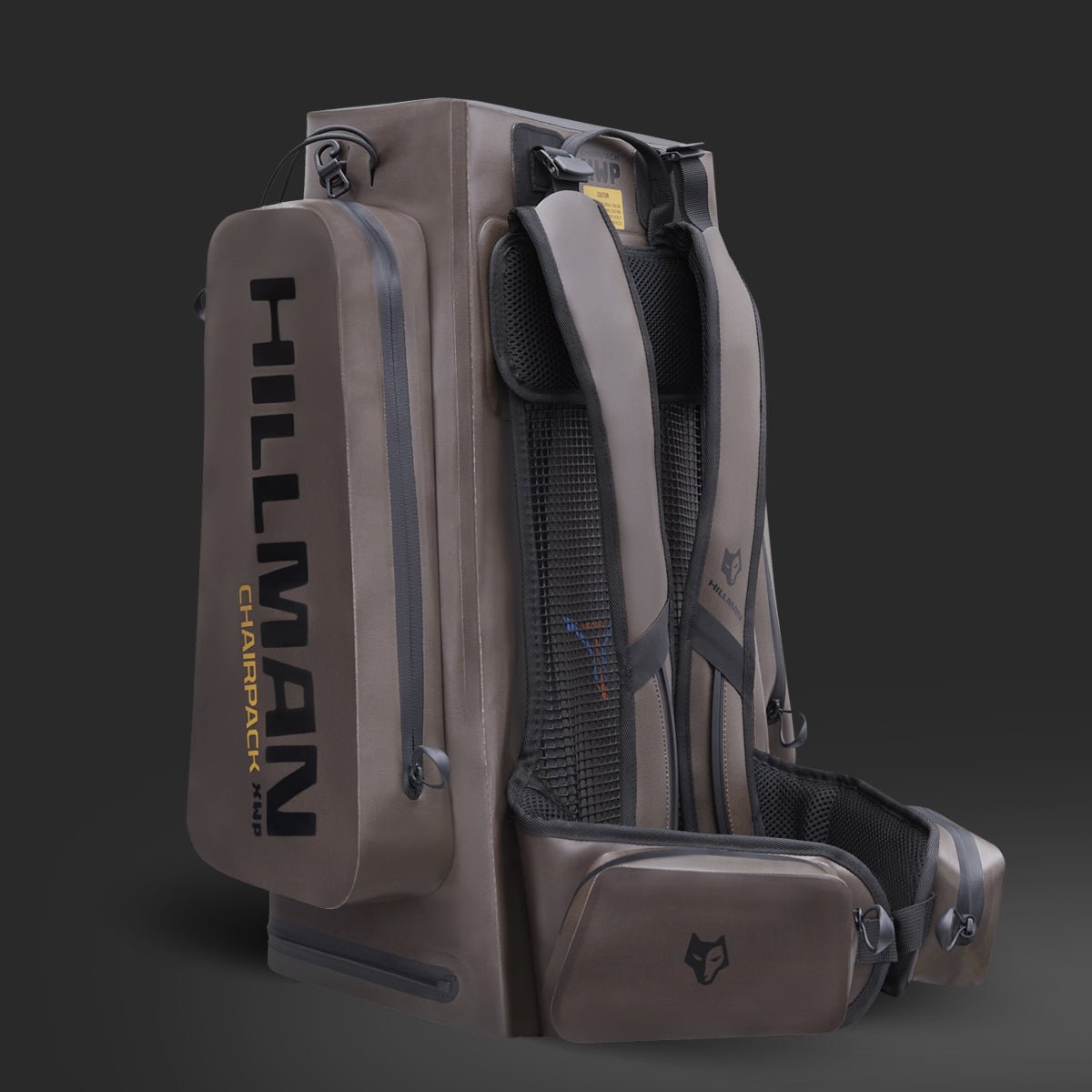
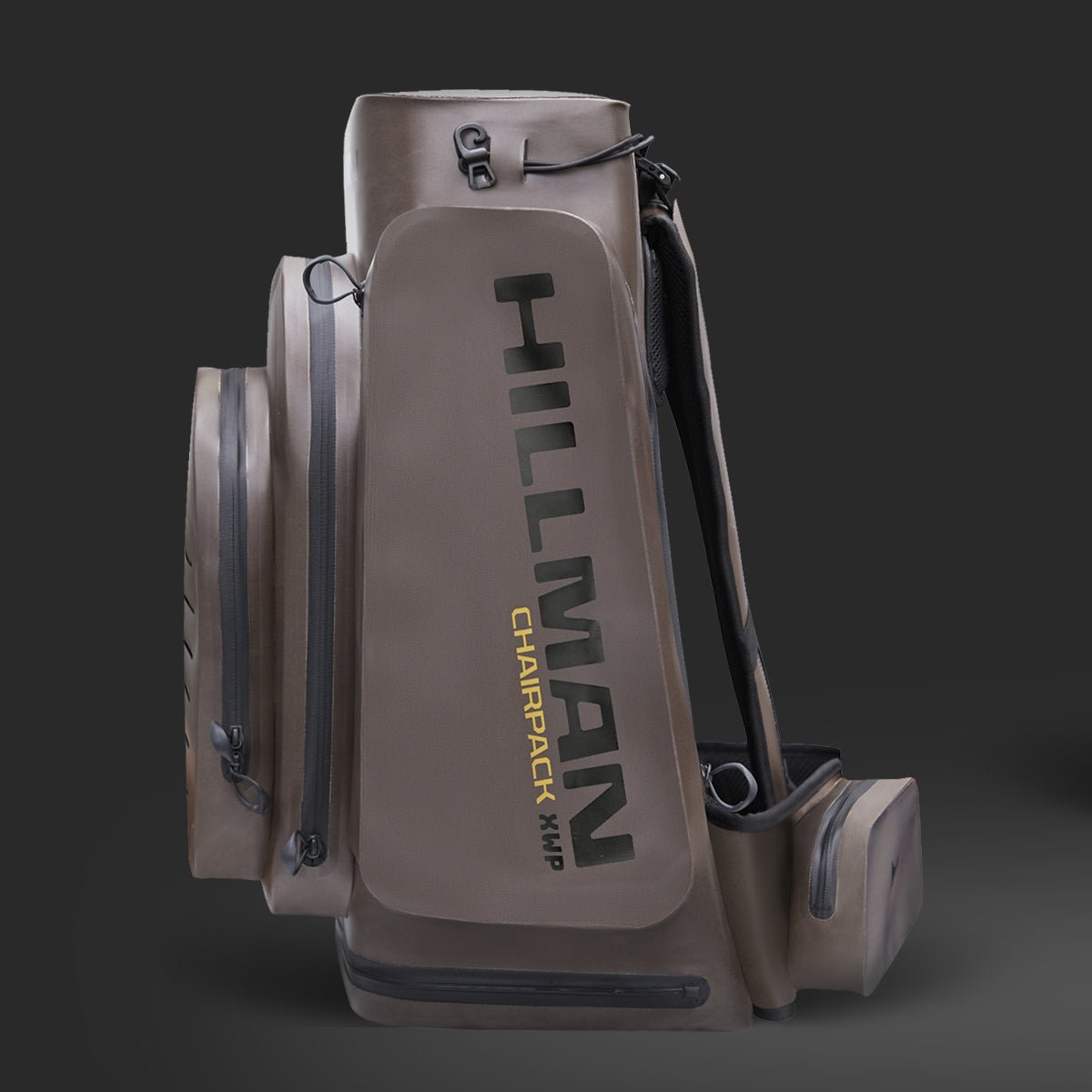
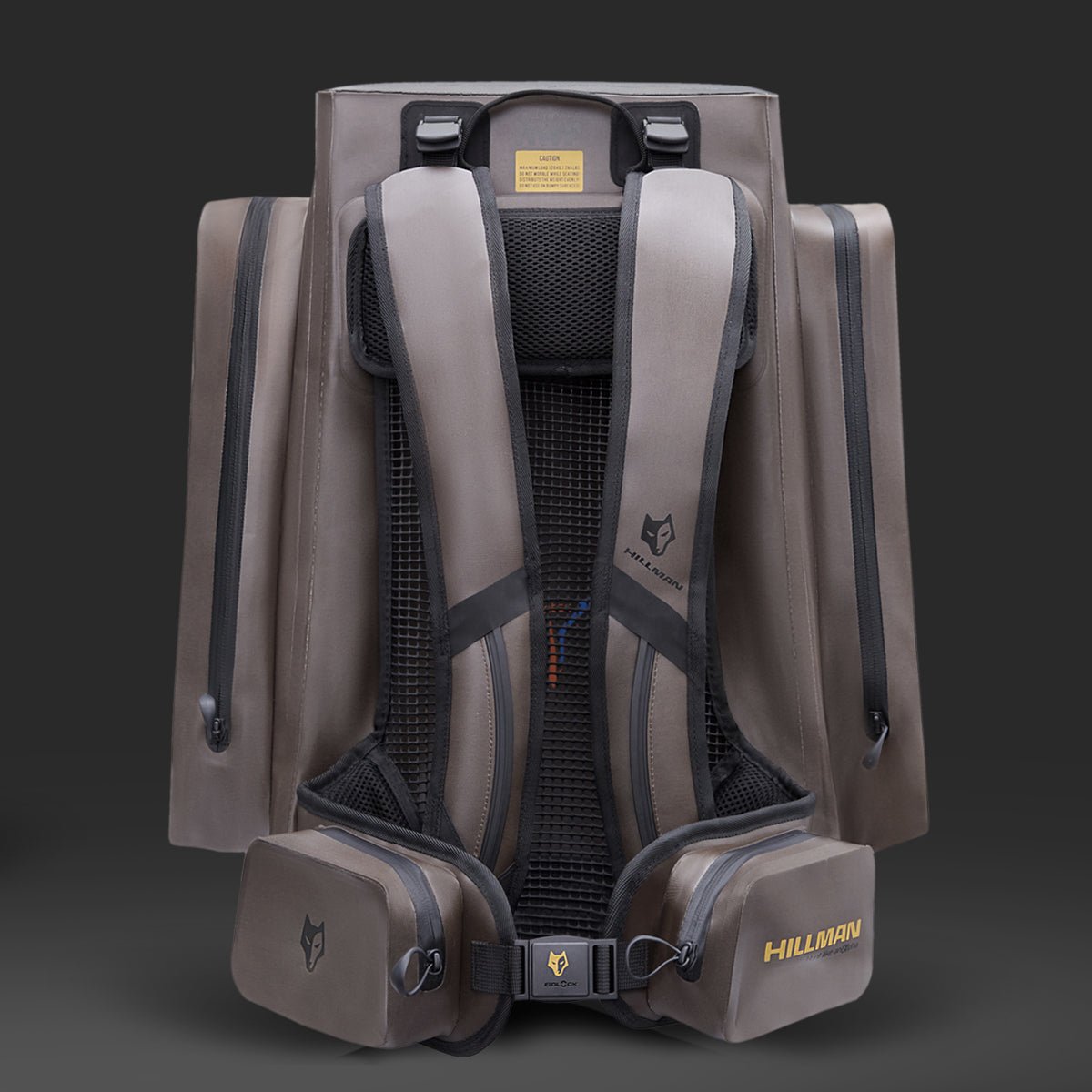
Hunting Backpack Chair - Waterproof Seat Pack | Chairpack
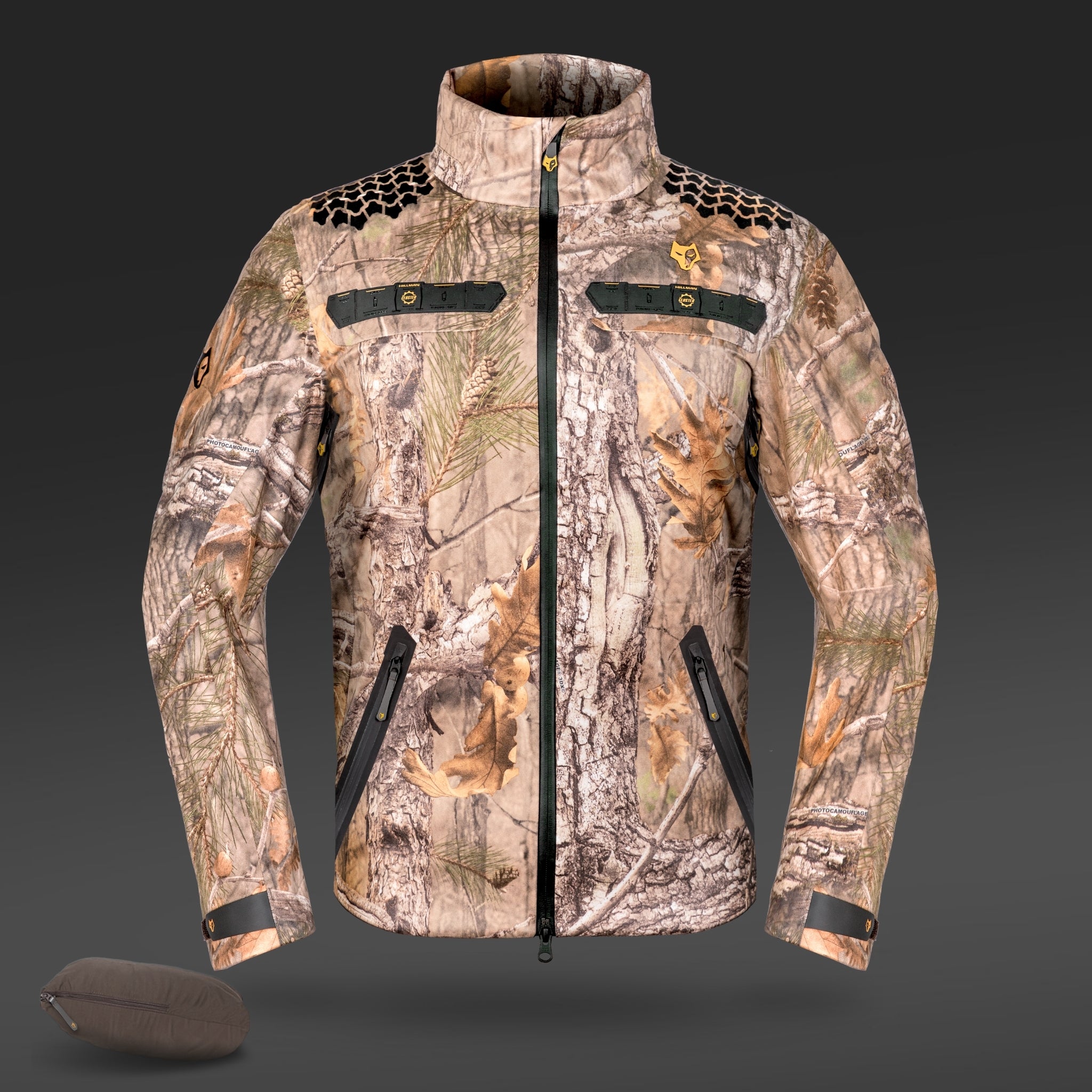

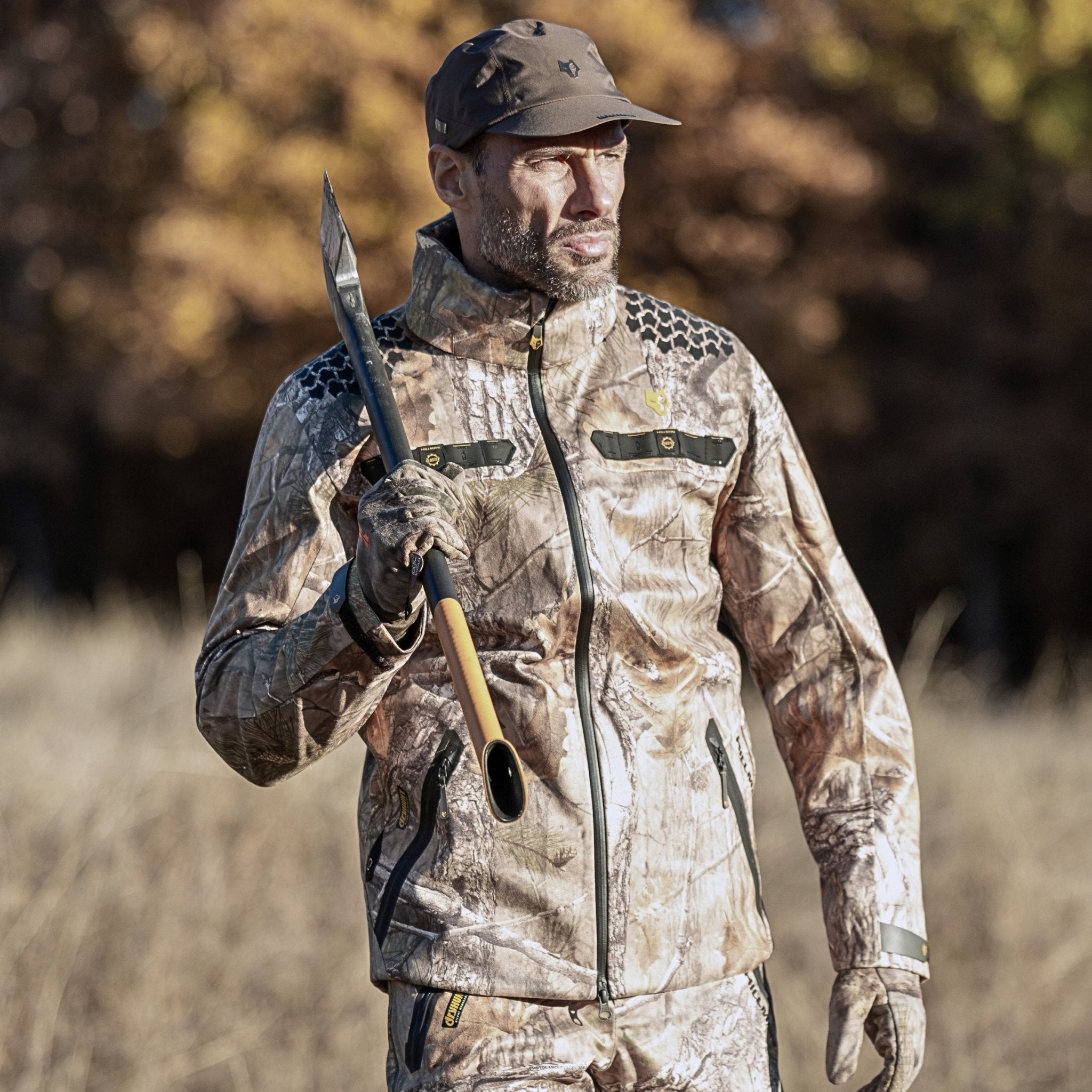
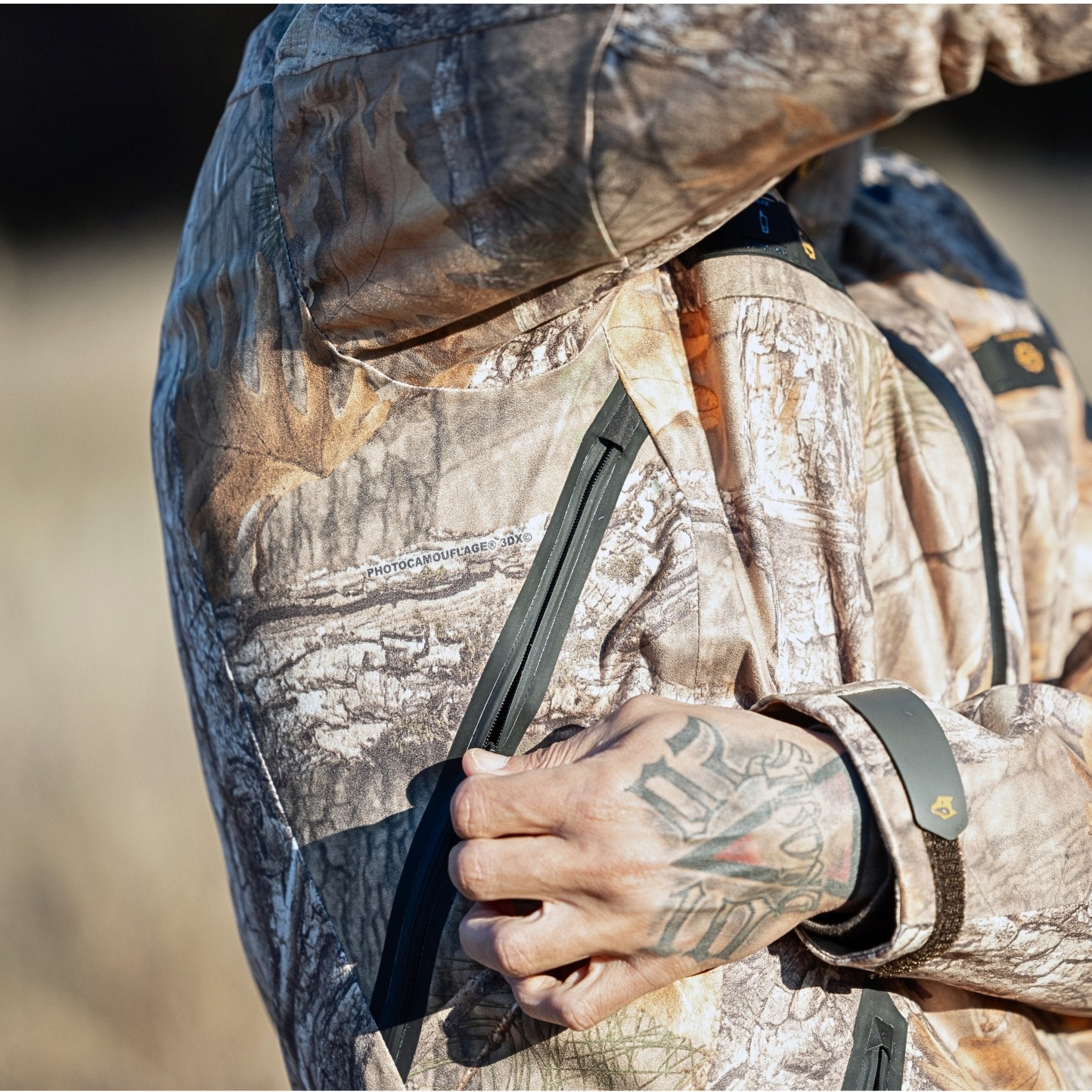
Camo Rain Jacket - Hunting Waterproof - AlphaShell 5WL
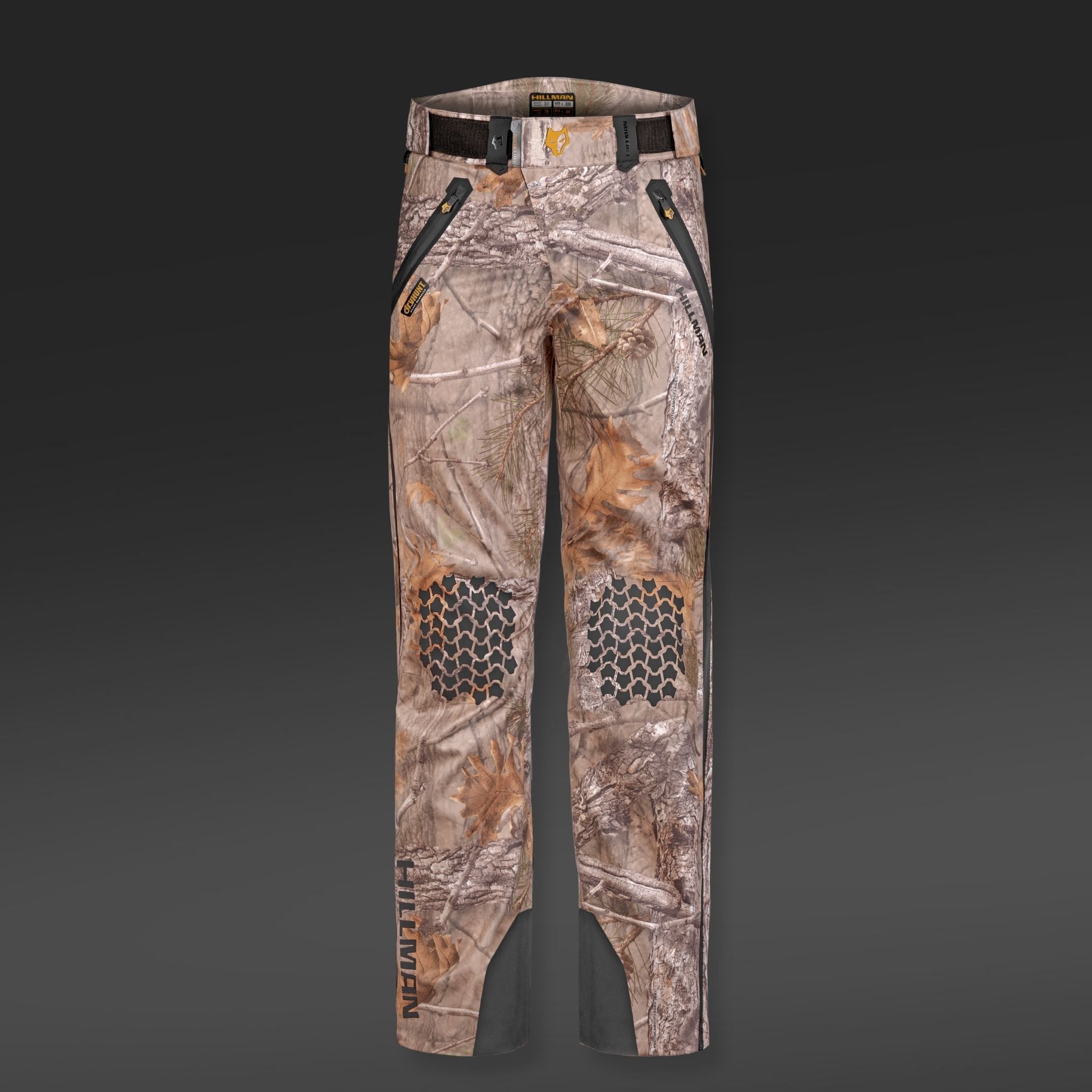
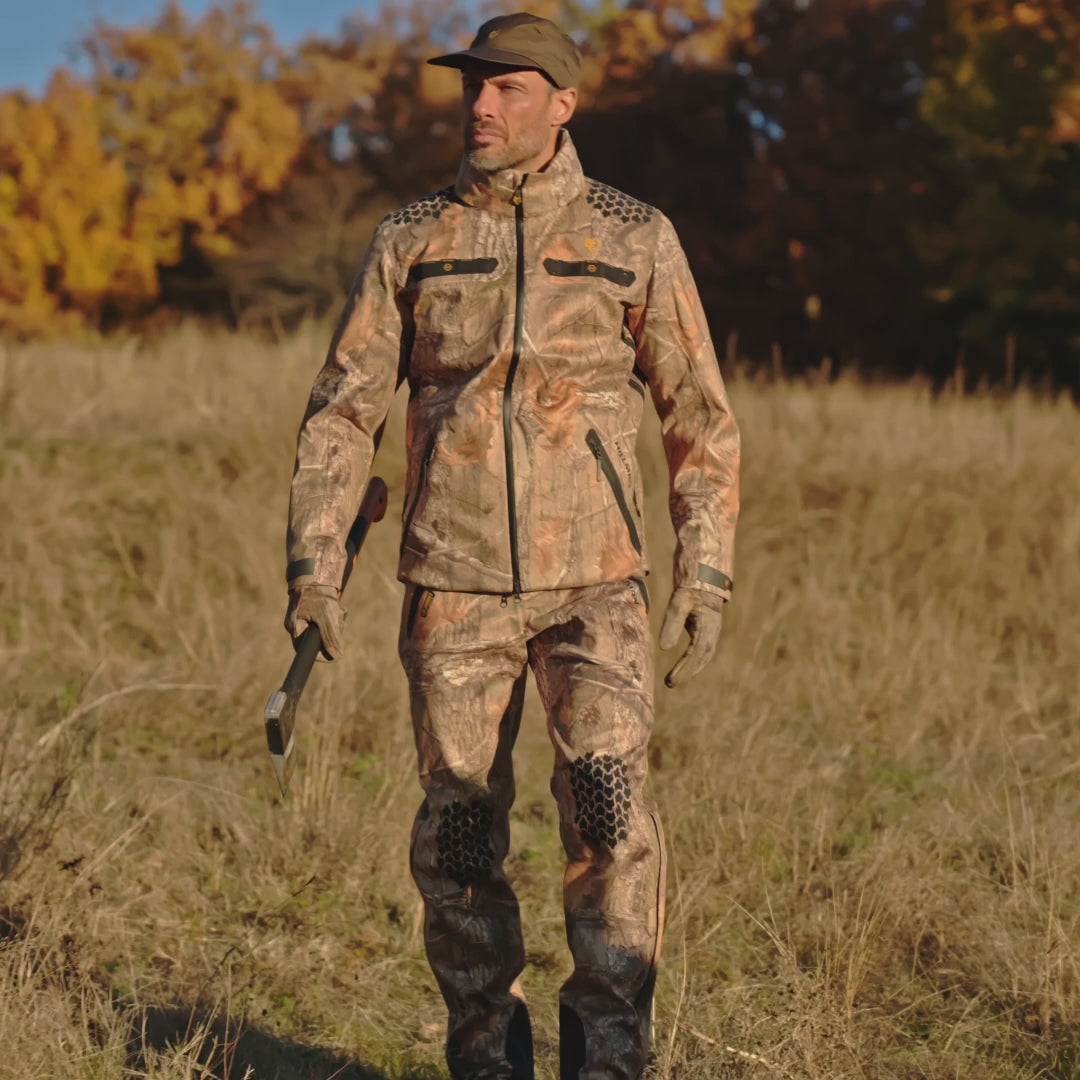
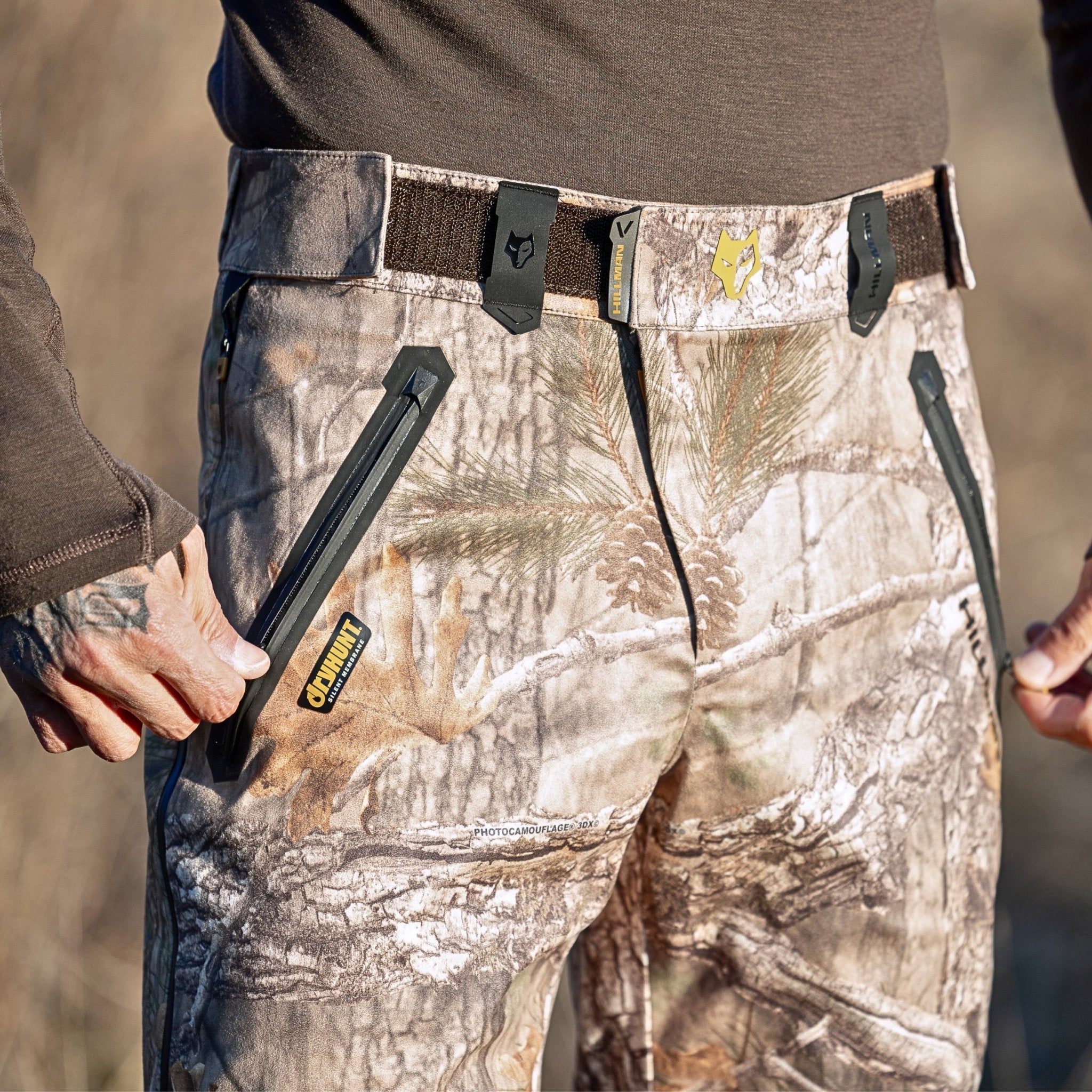
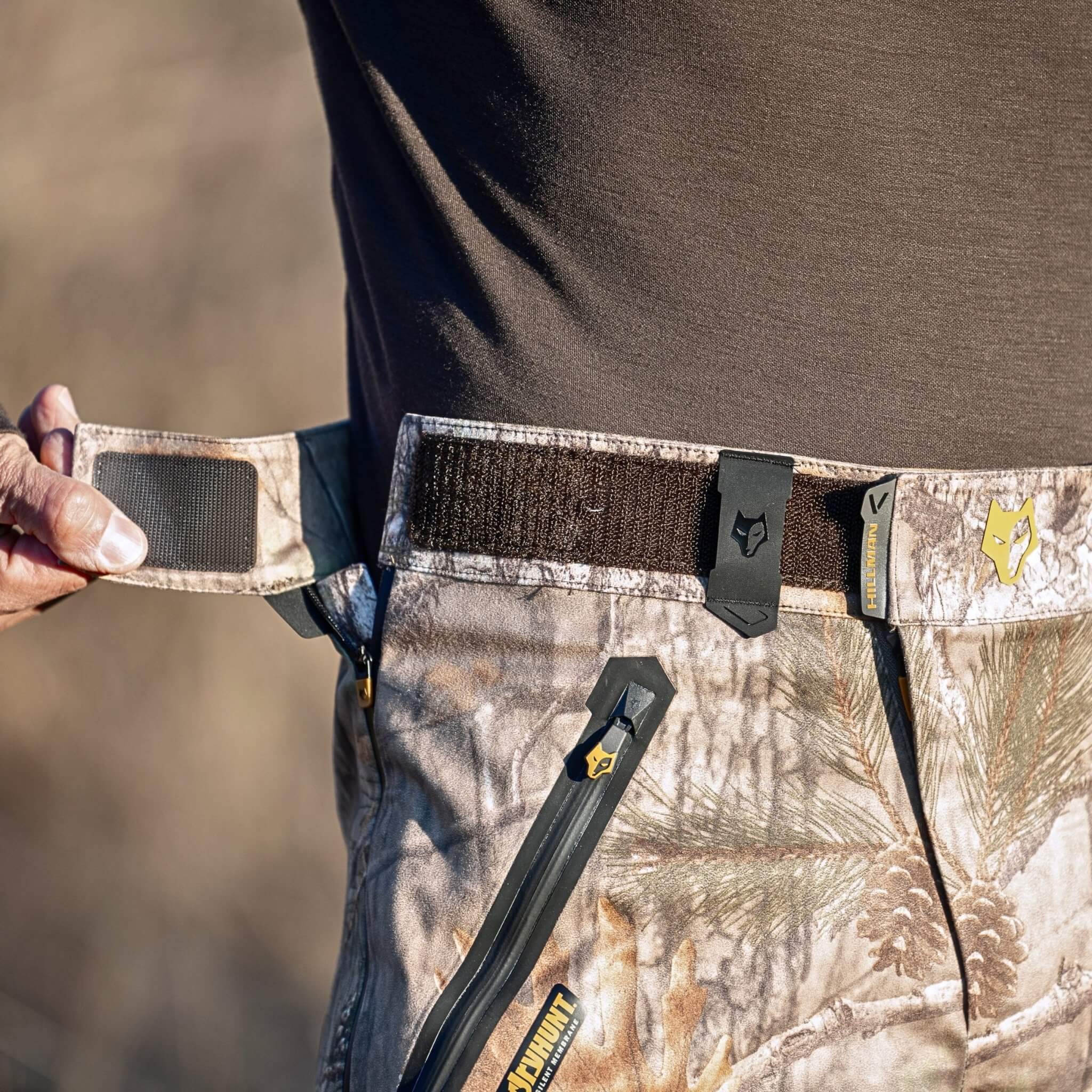
Waterproof Camo Pants - Hunting Rain | AlphaShell 5WL
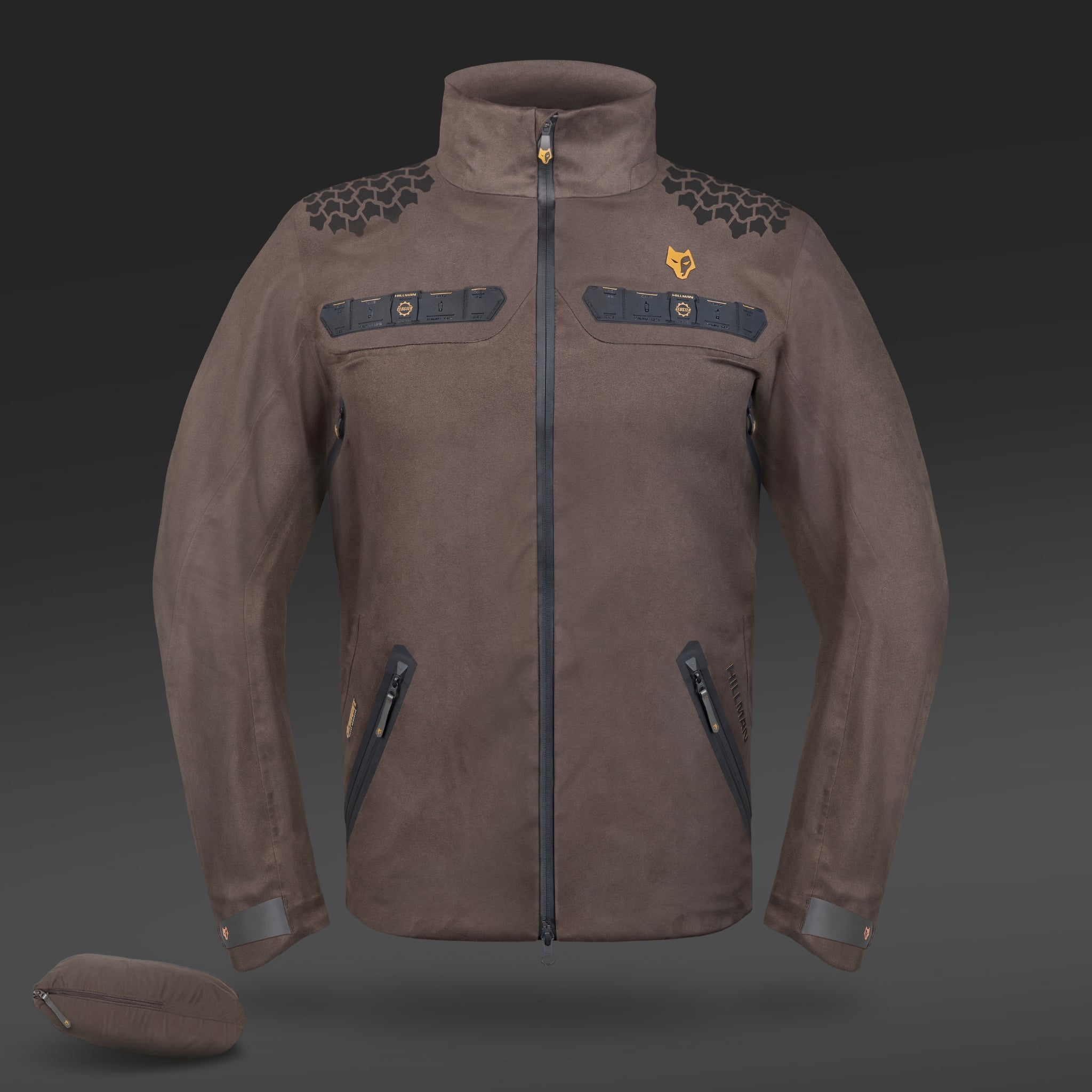
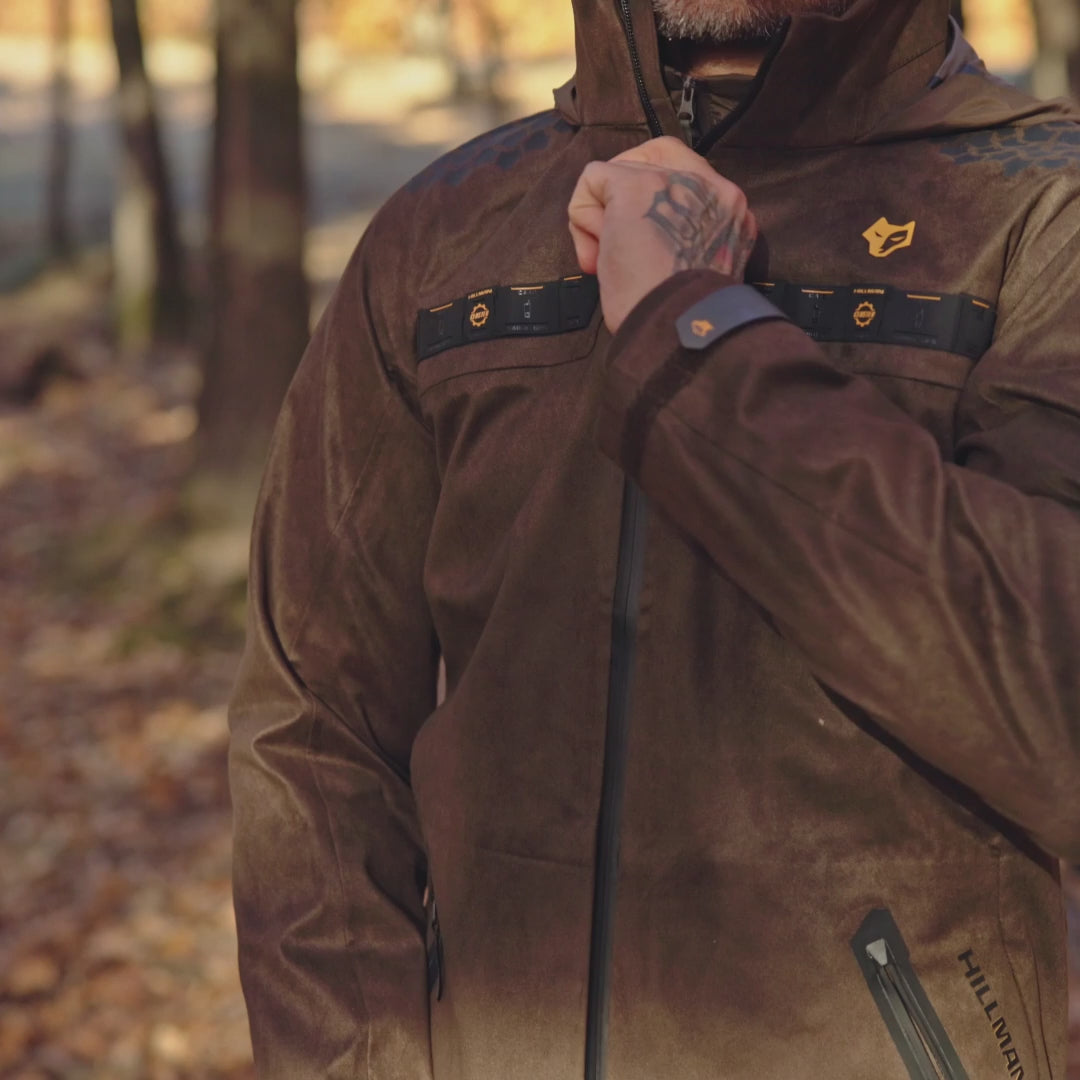
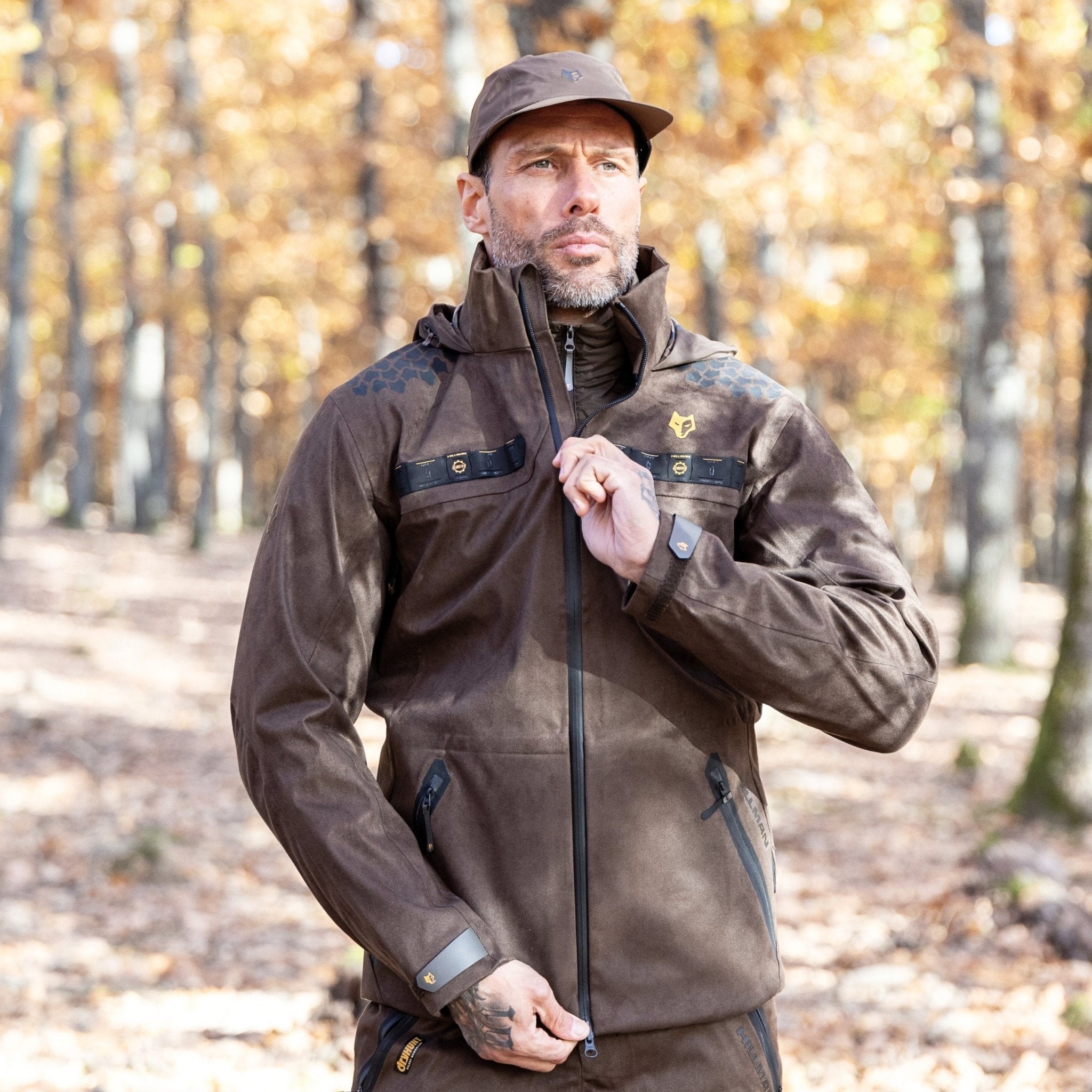
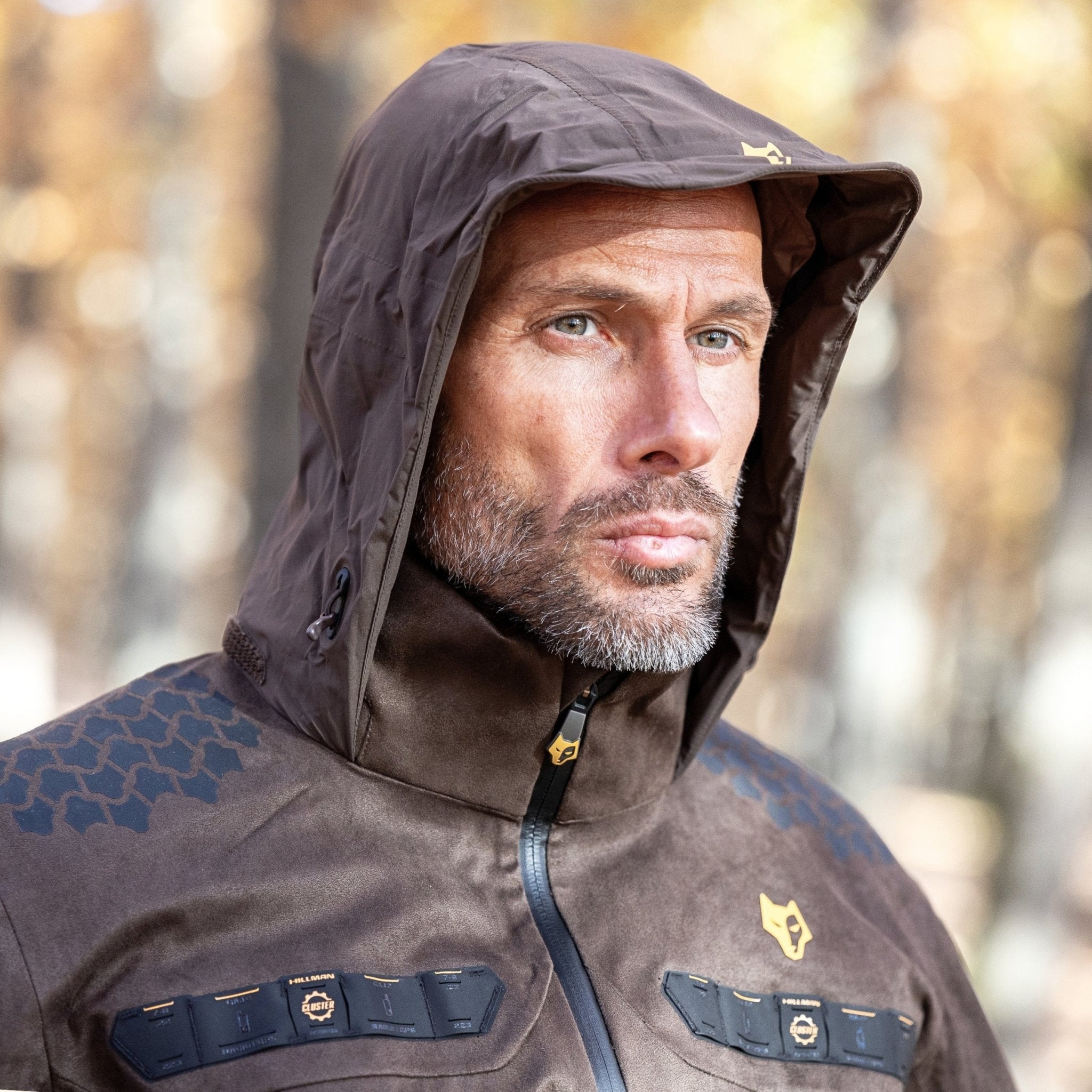
Waterproof Hunting Jacket | Lightweight AlphaShell 5WL
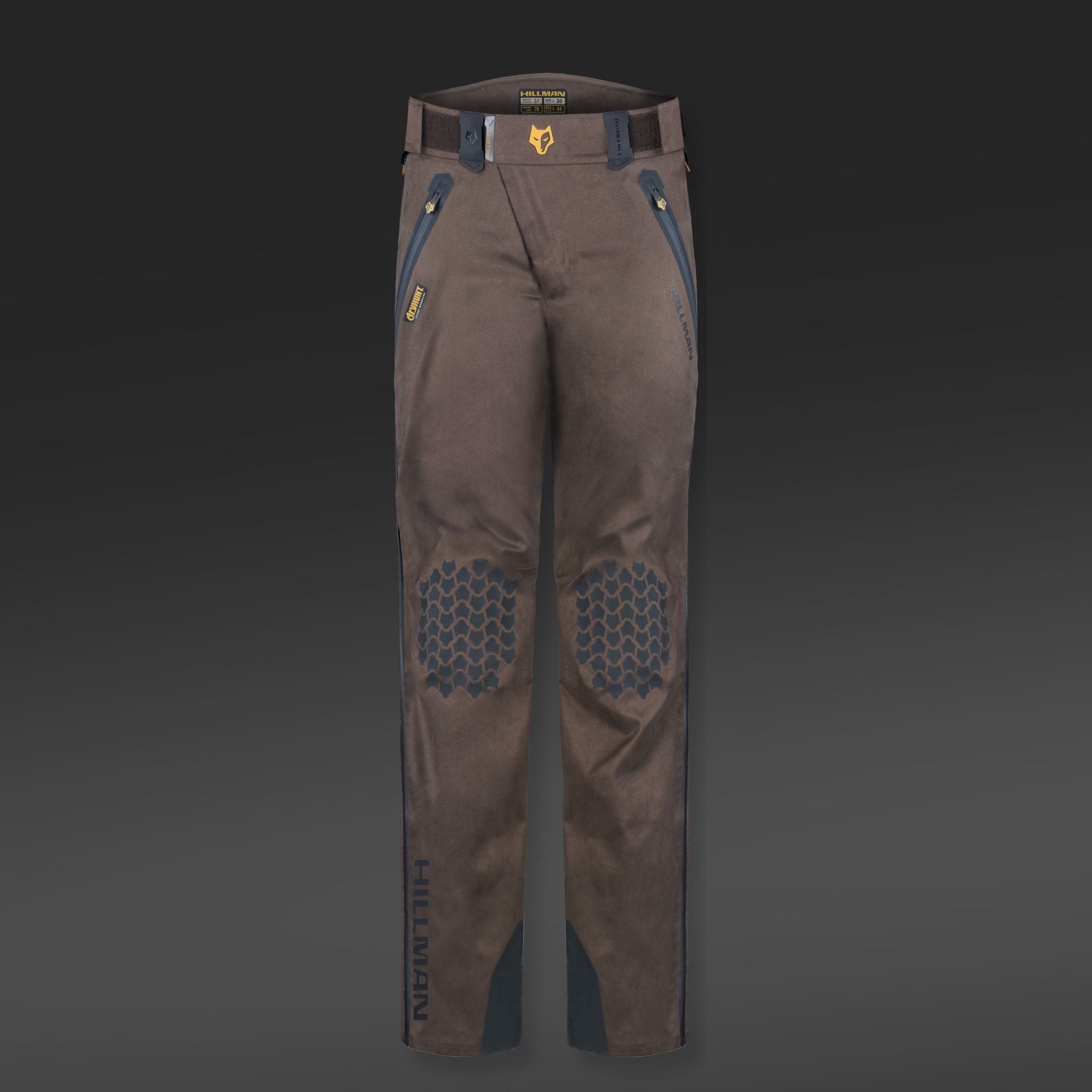
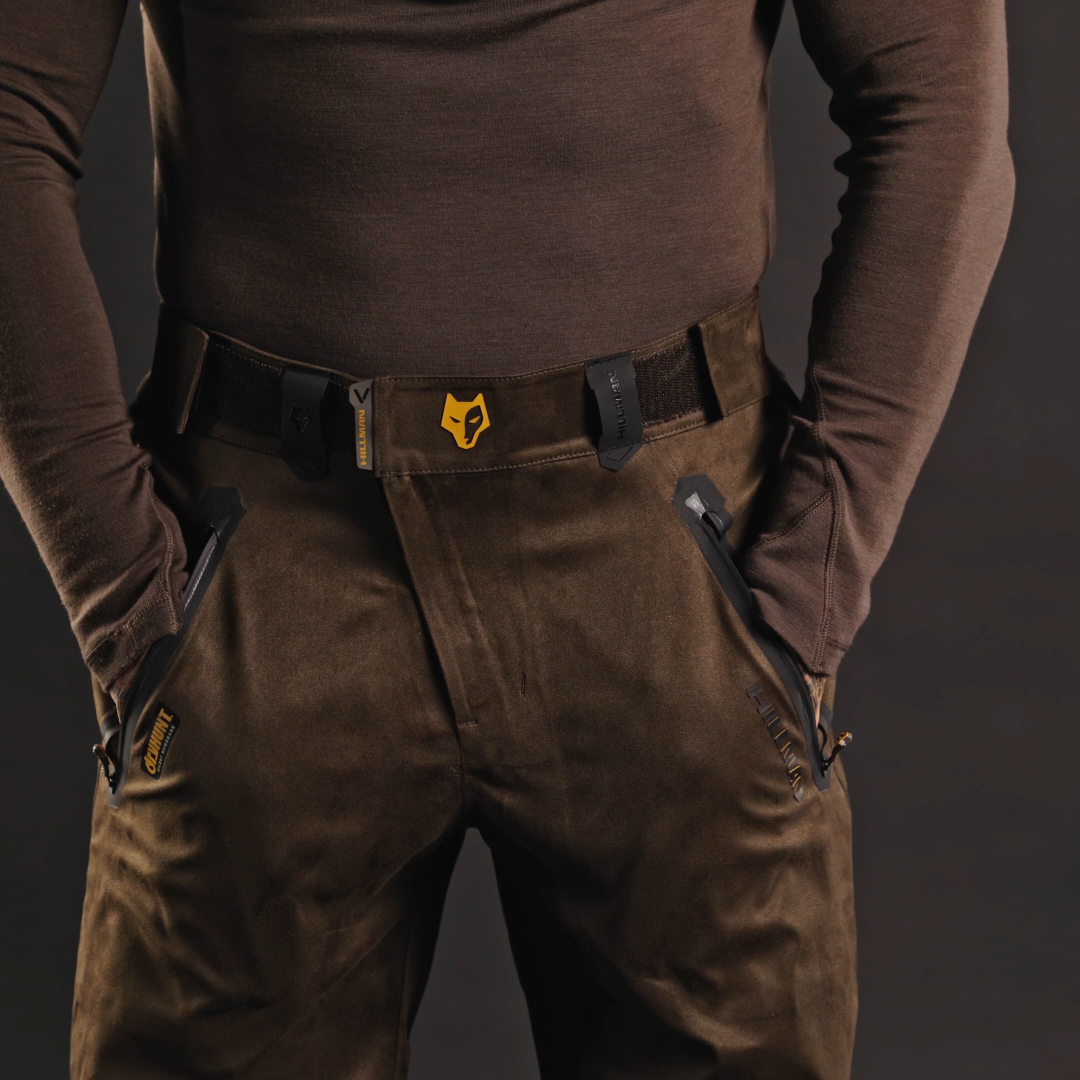
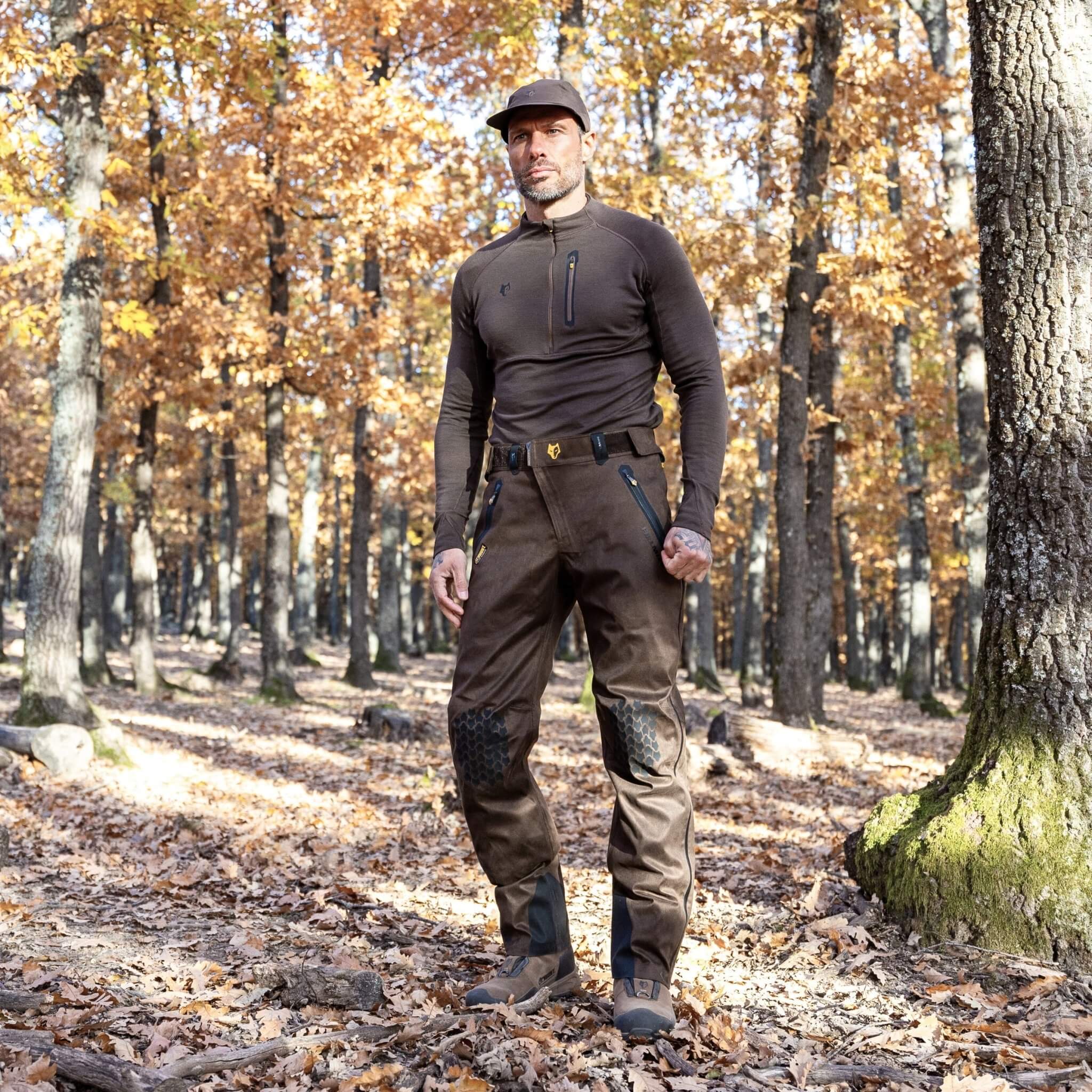
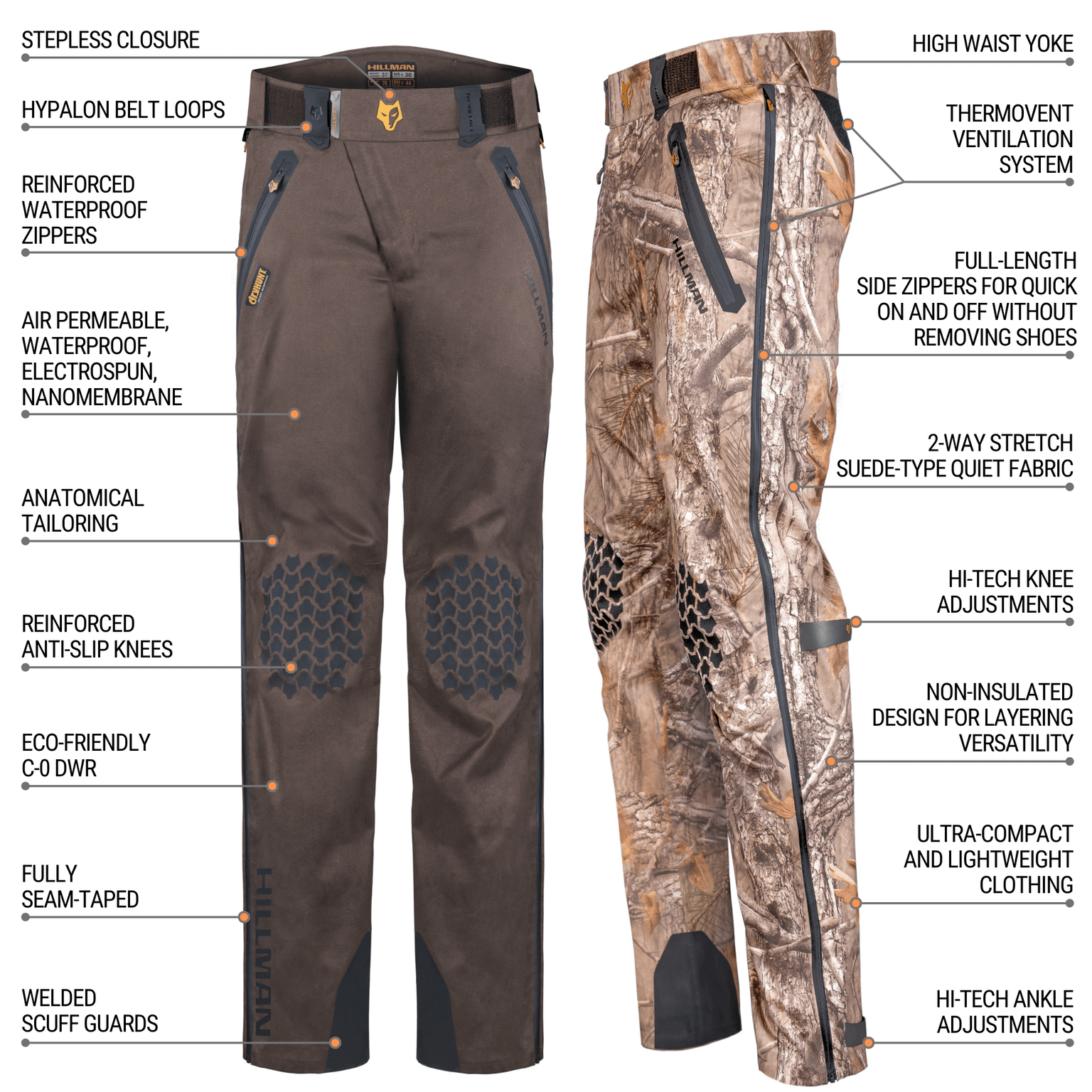
Waterproof Hunting Pants | Lightweight AlphaShell 5WL
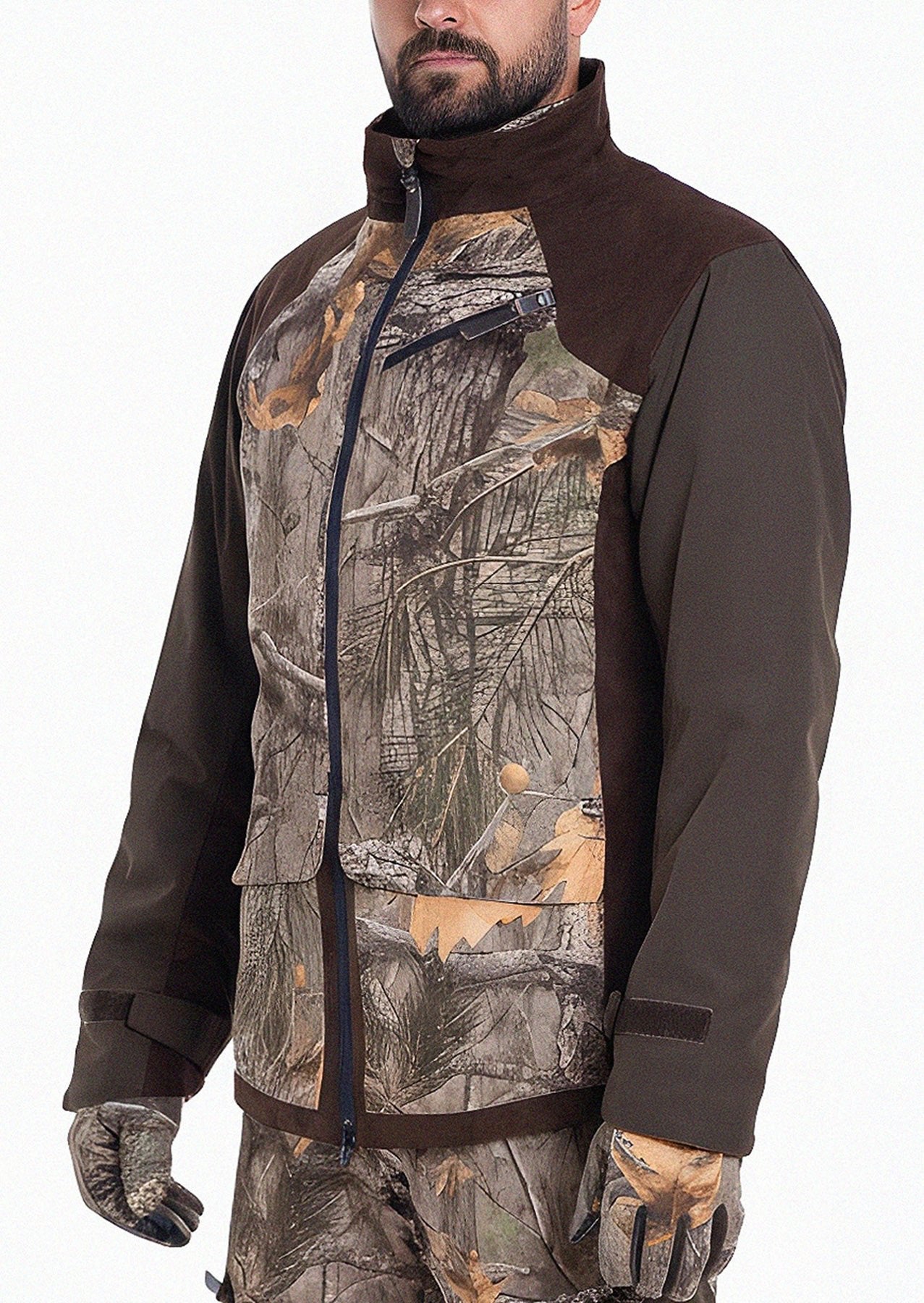
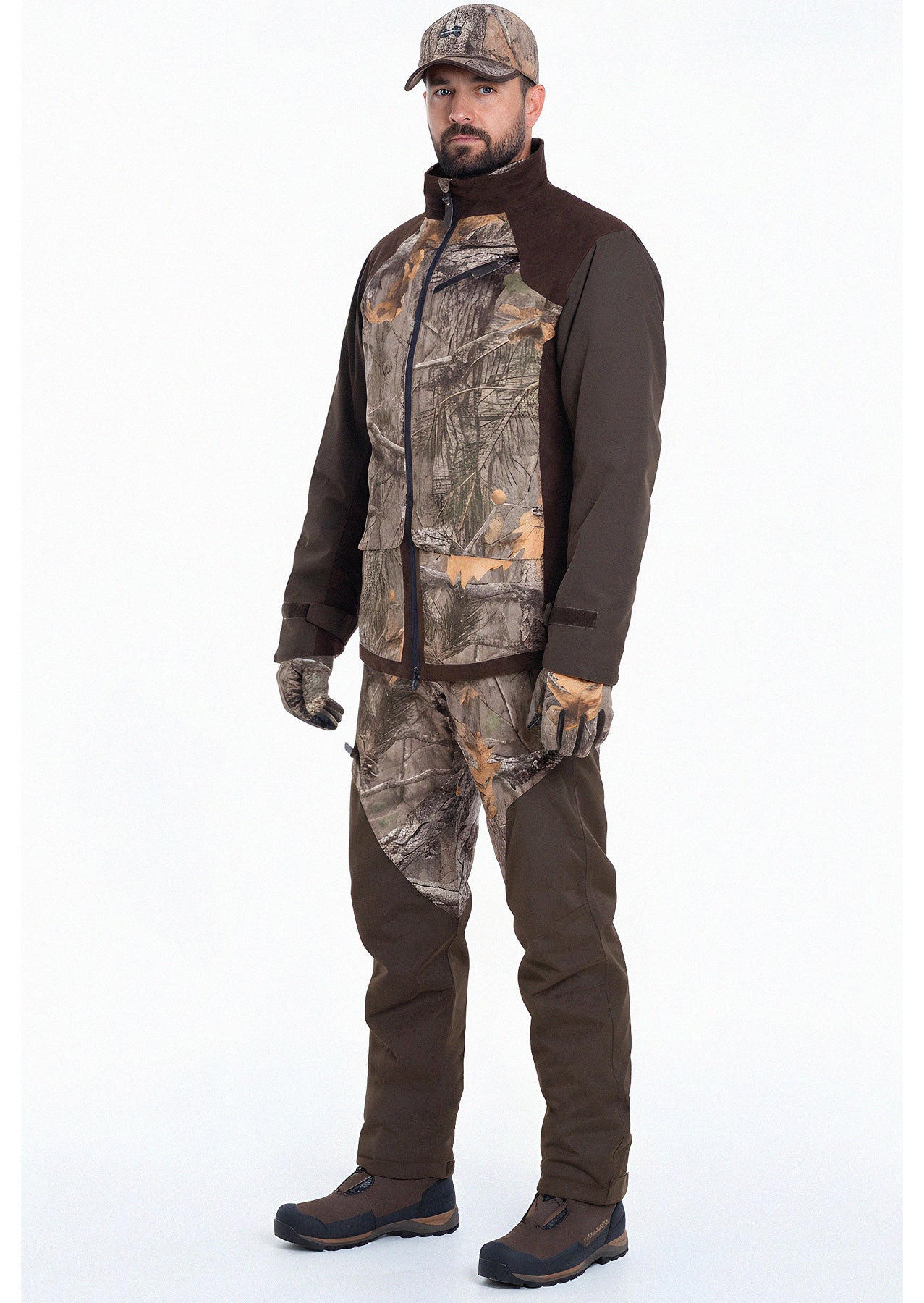
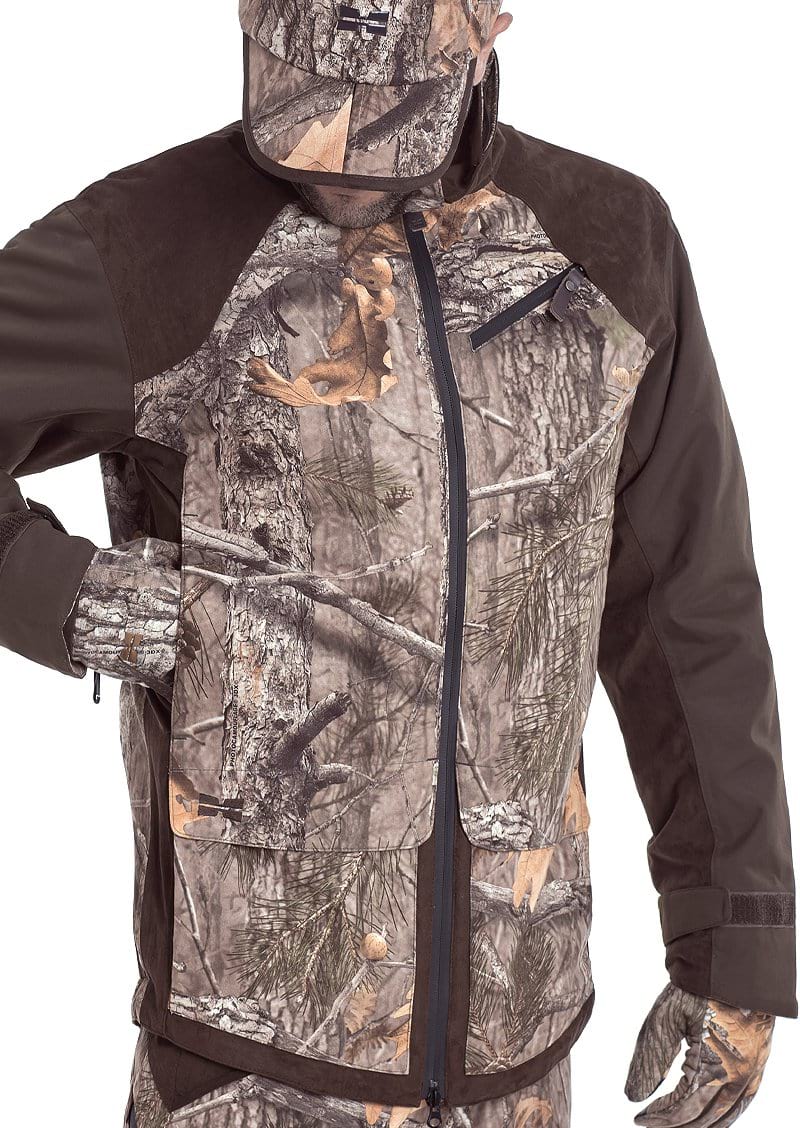
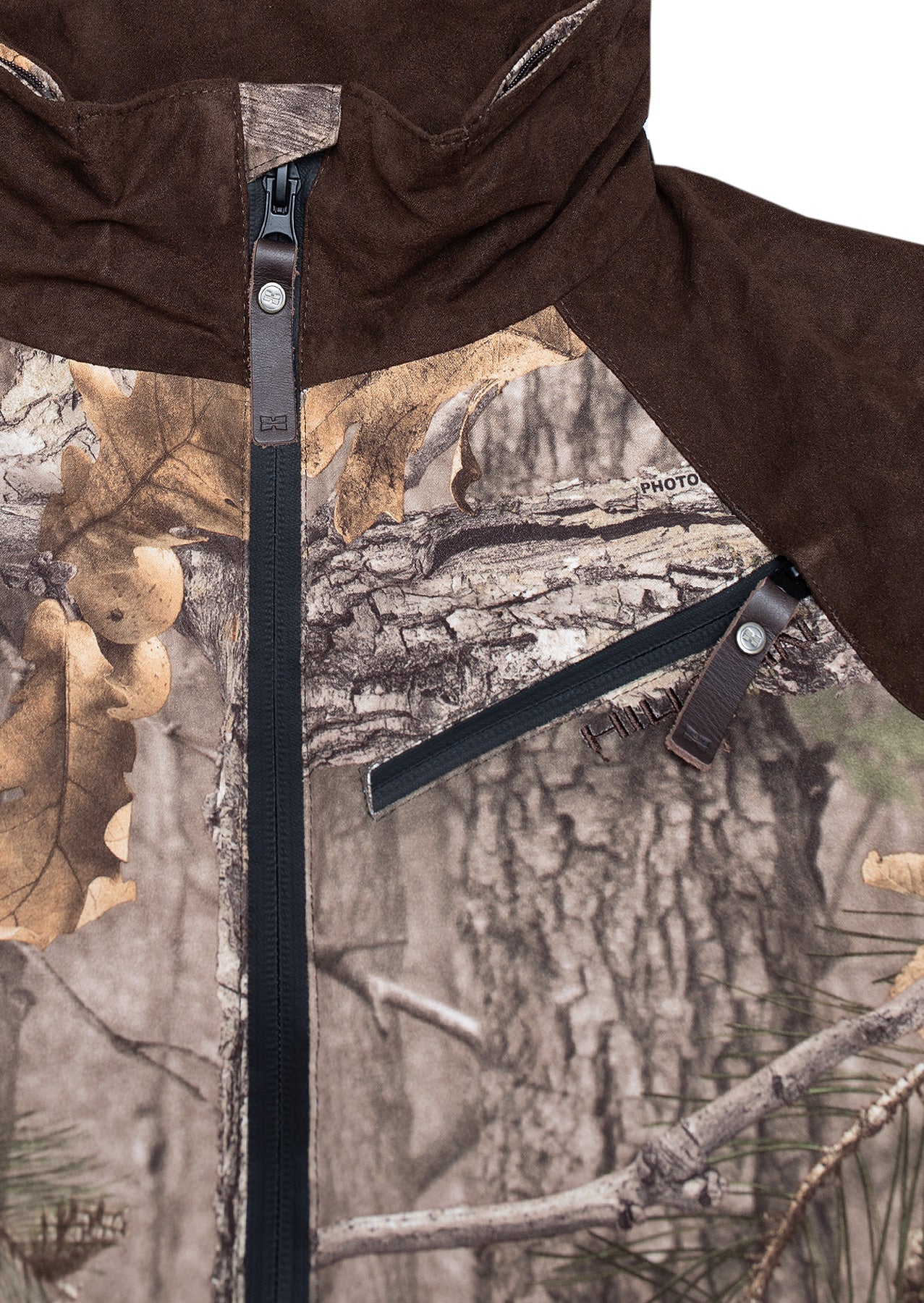
Camo Hunting Jacket - Waterproof & Insulated | Fusion
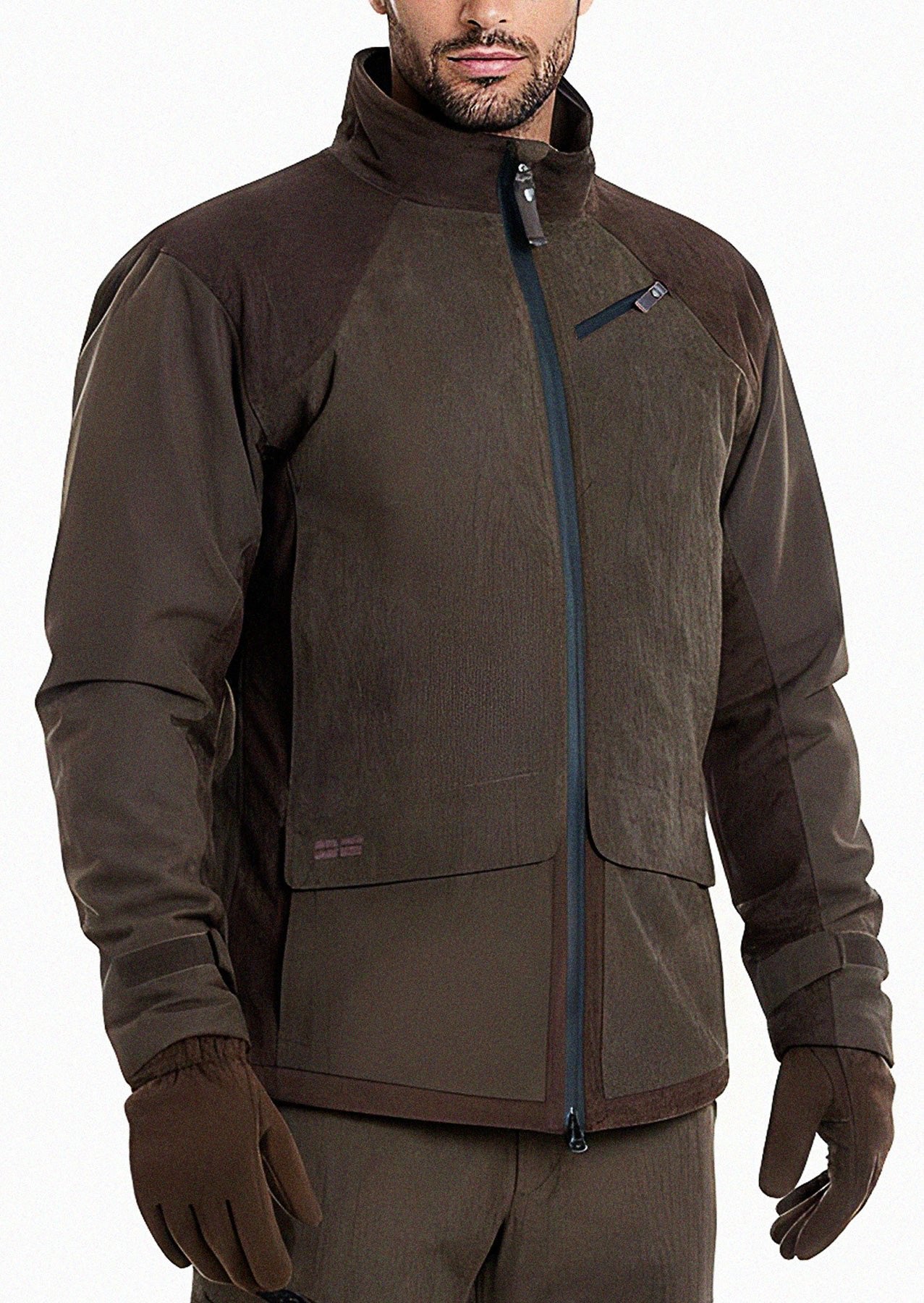
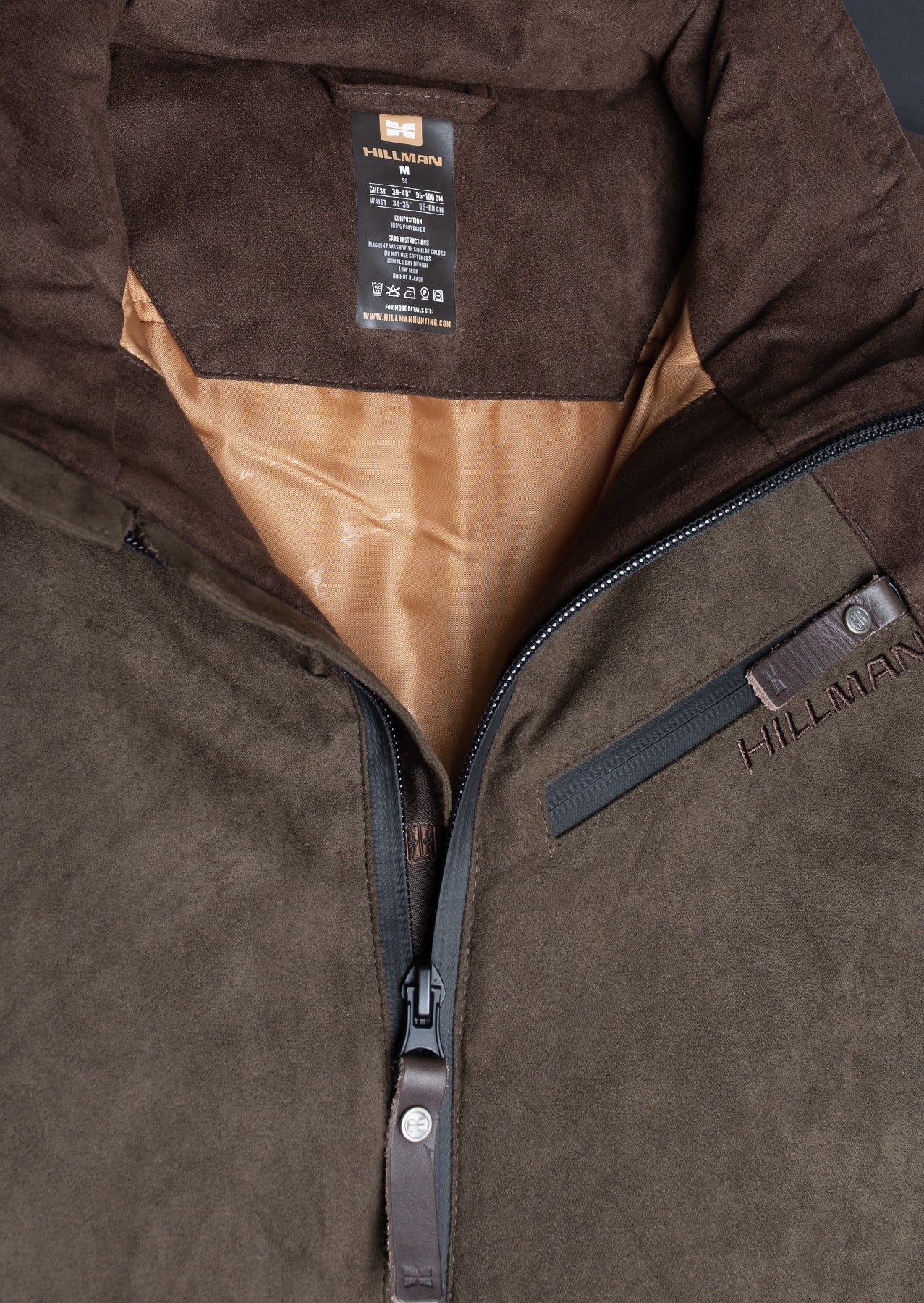
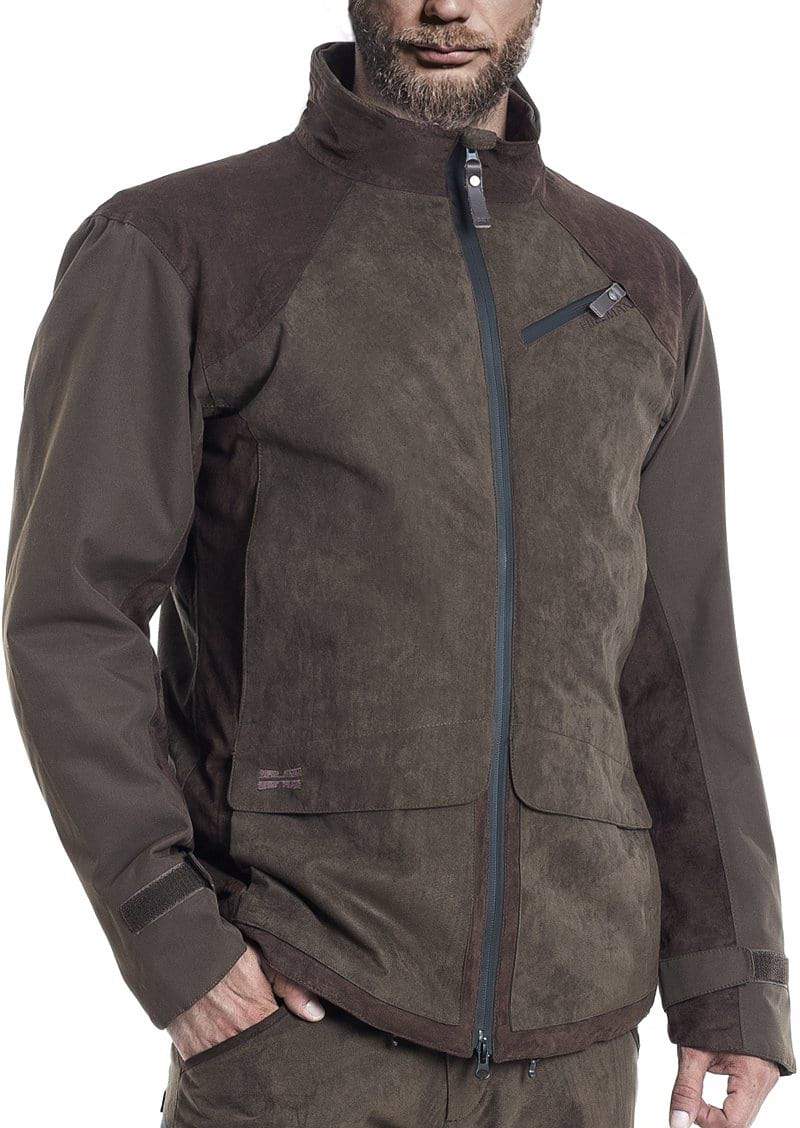
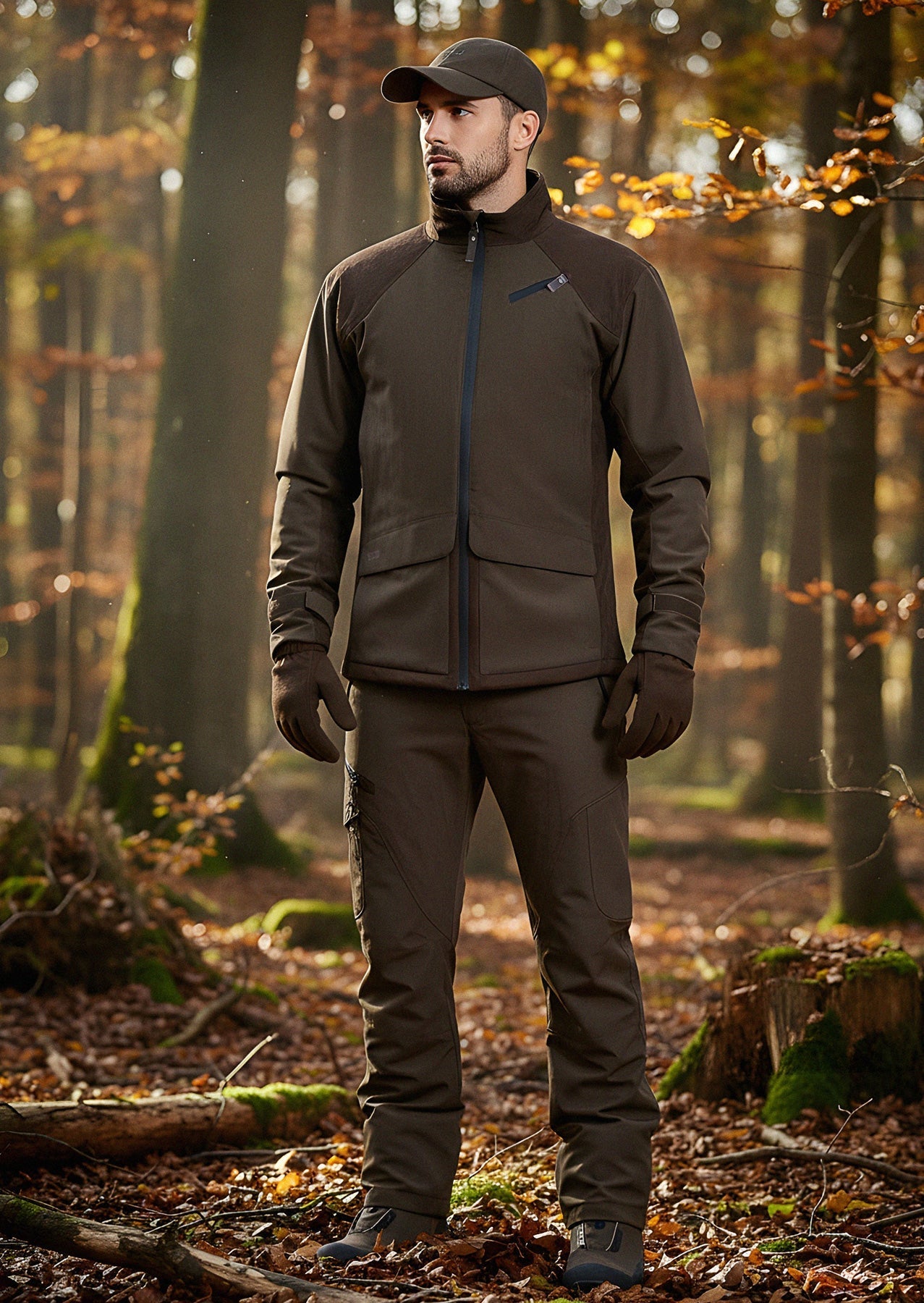
Waterproof Insulated Hunting Jacket - Cold Weather | Fusion
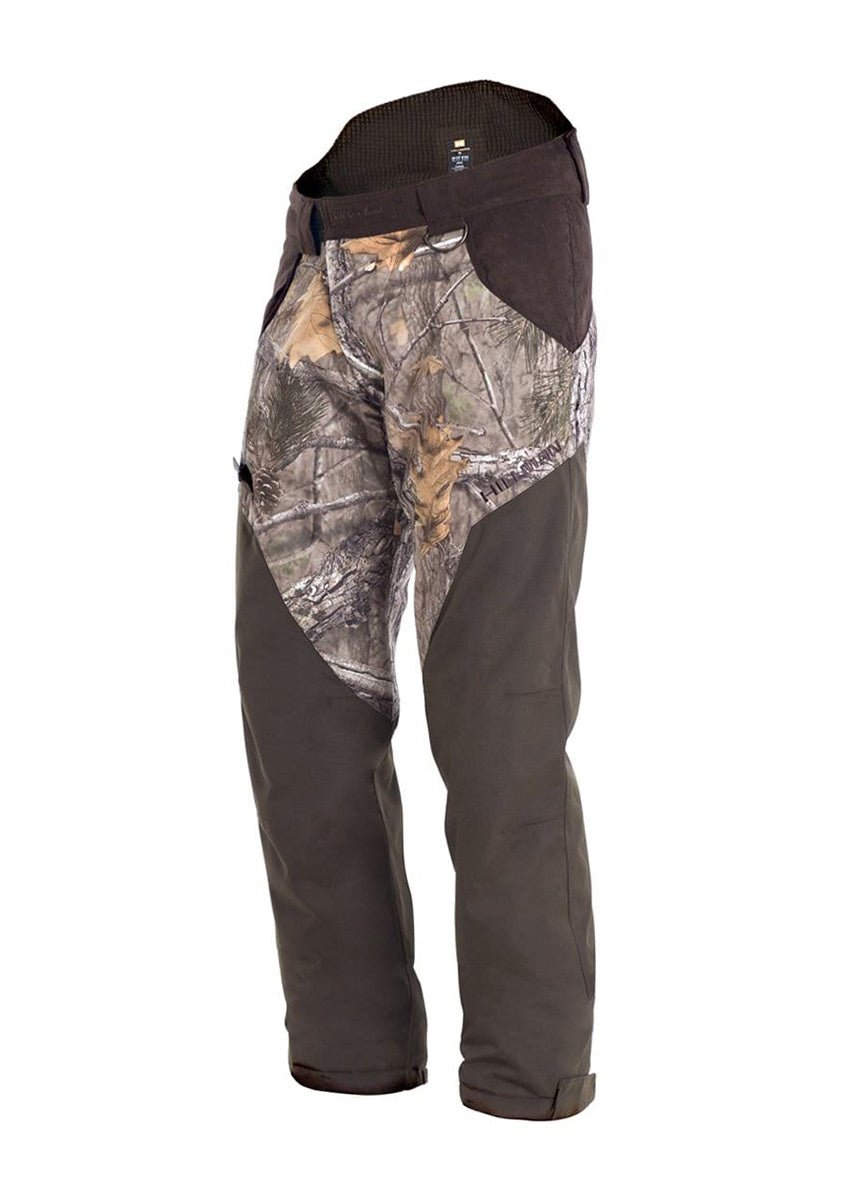
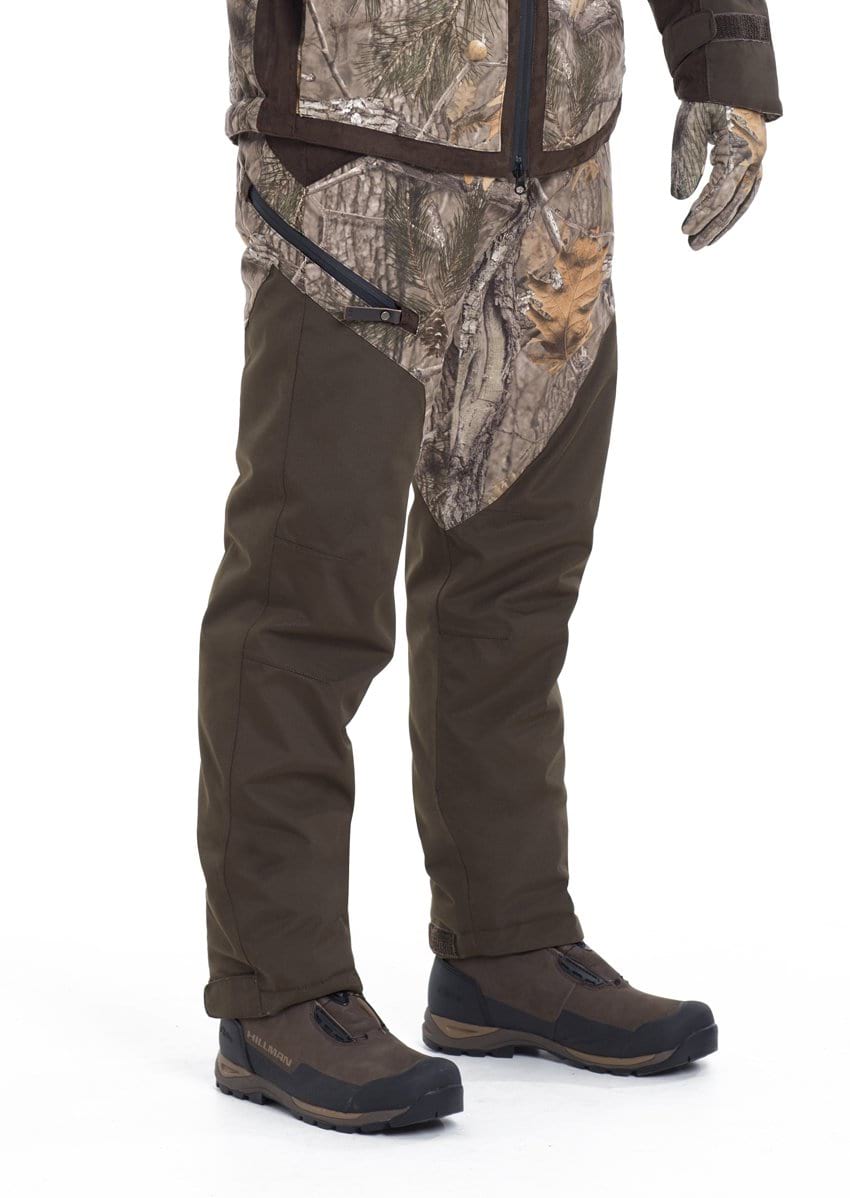
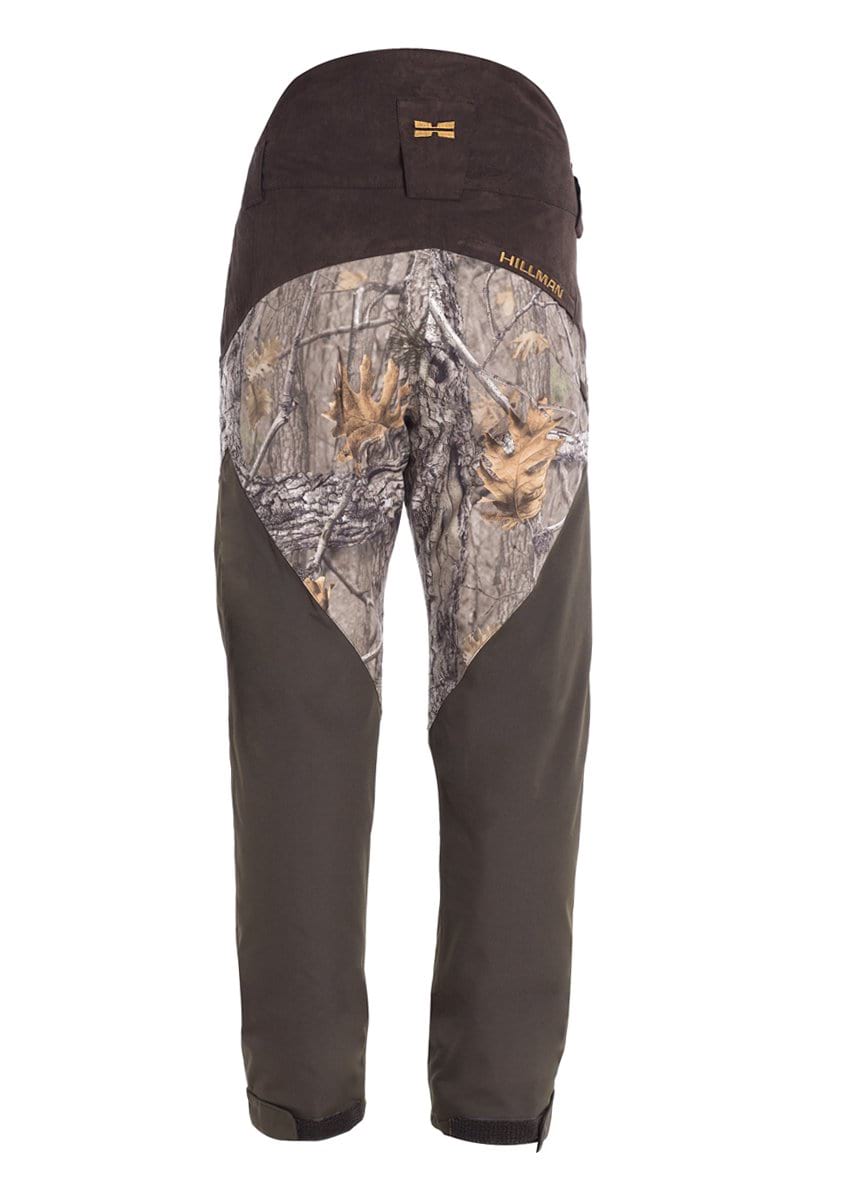
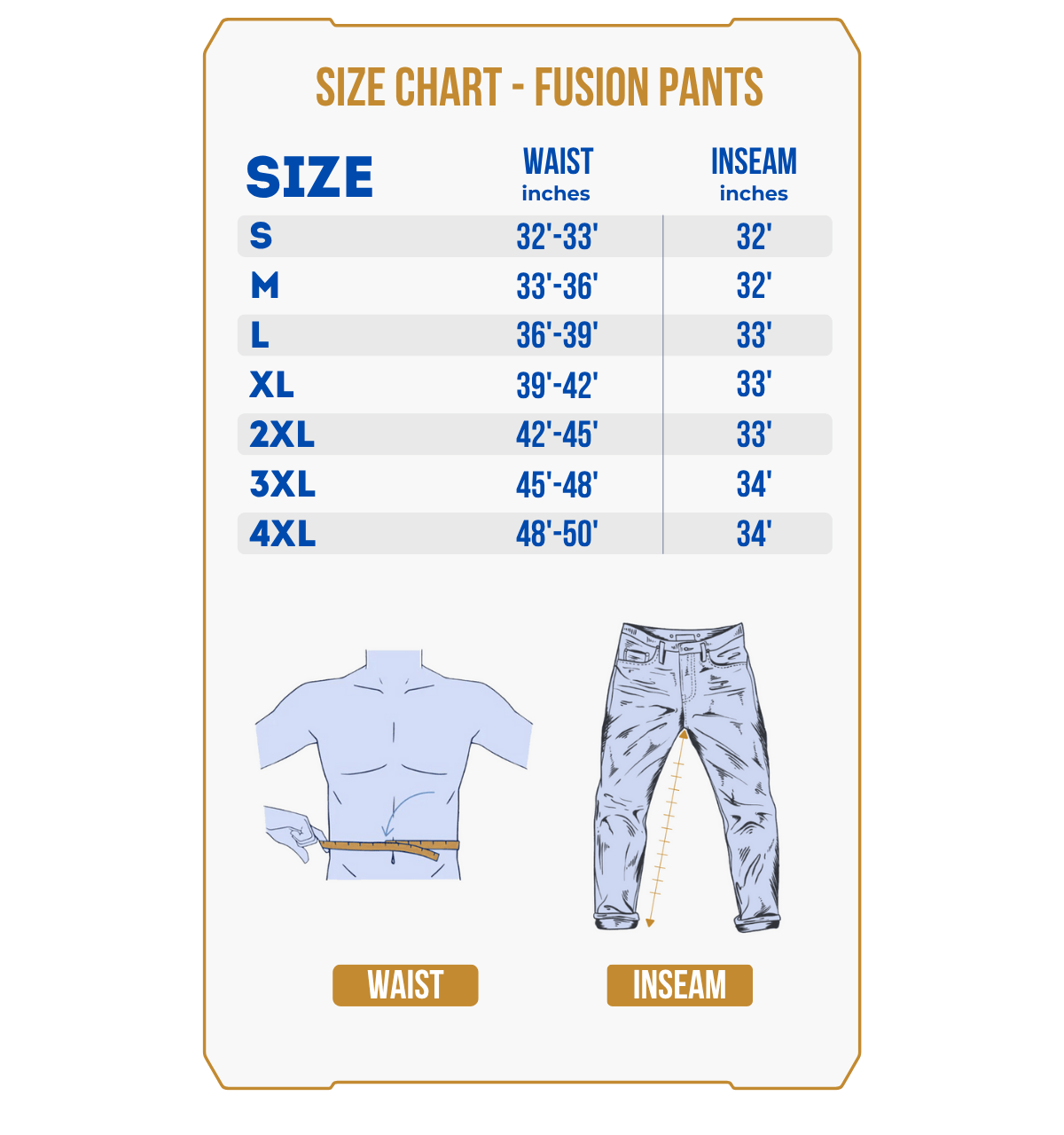
Camo Hunting Pants - Waterproof & Insulated | Fusion
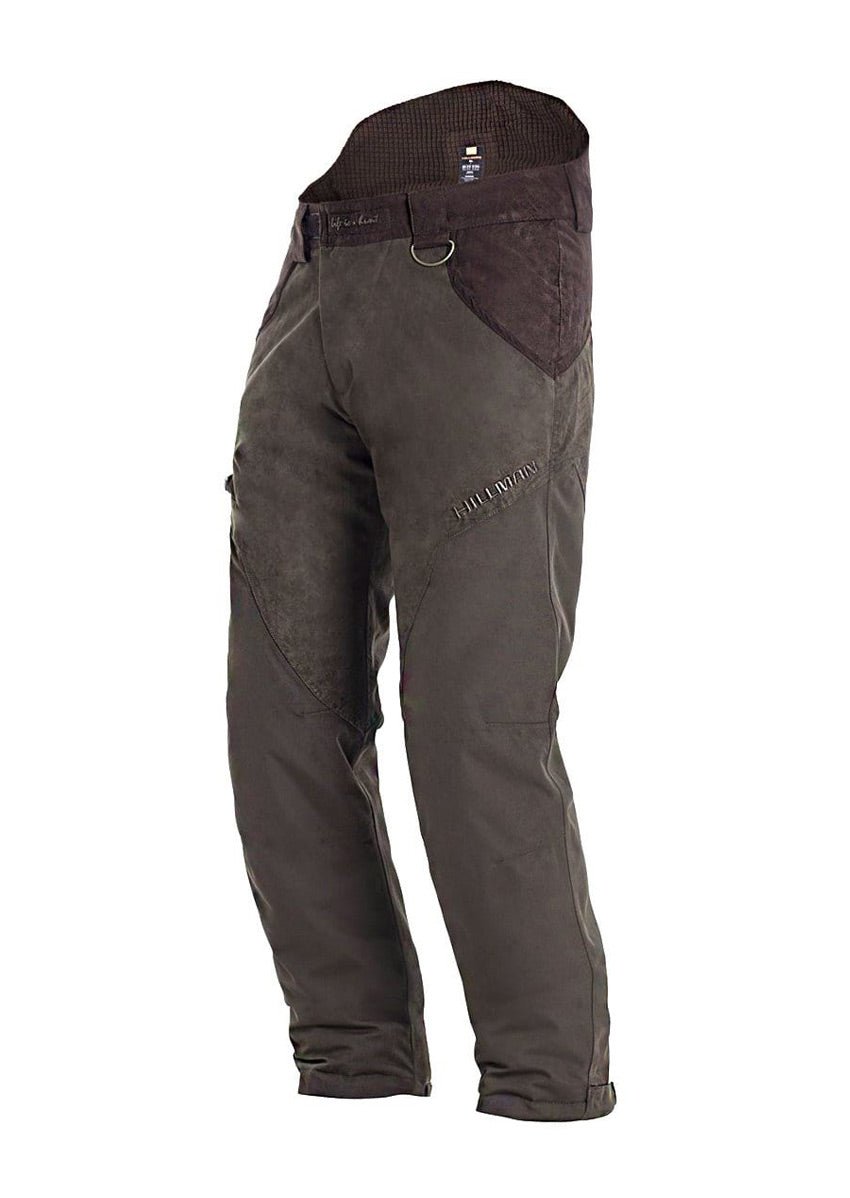
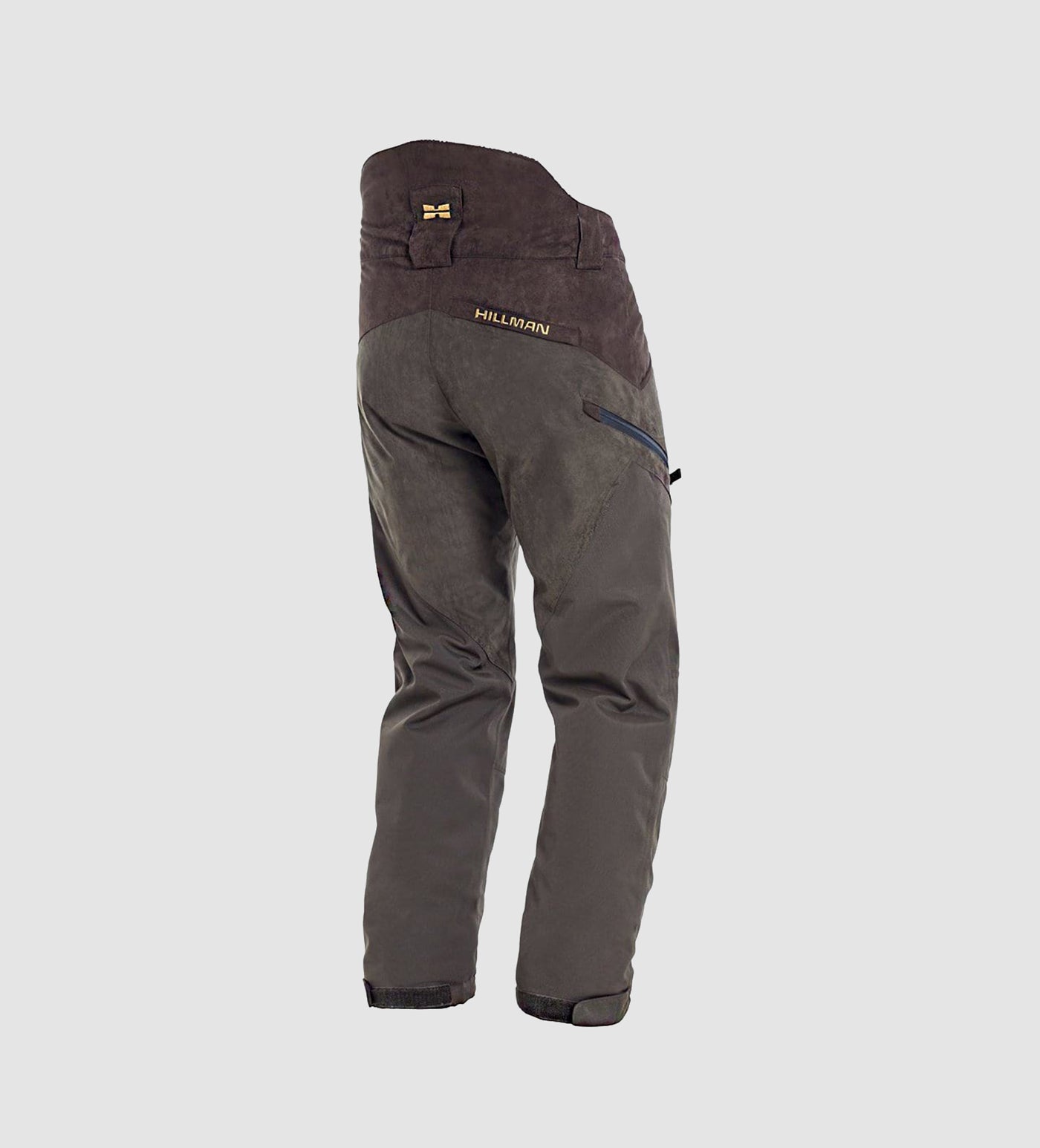
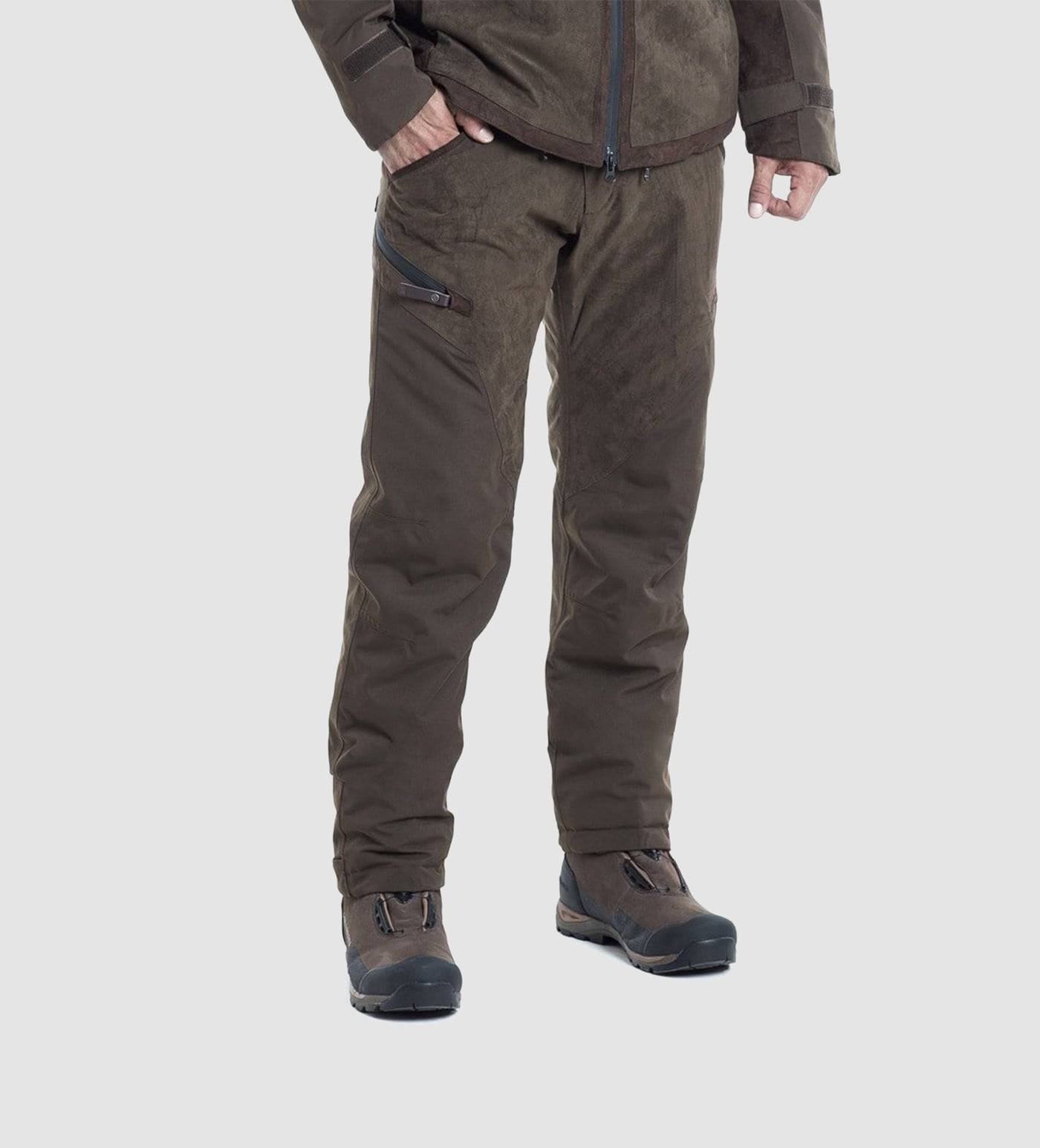
Insulated Waterproof Hunting Pants - Cold Weather | Fusion
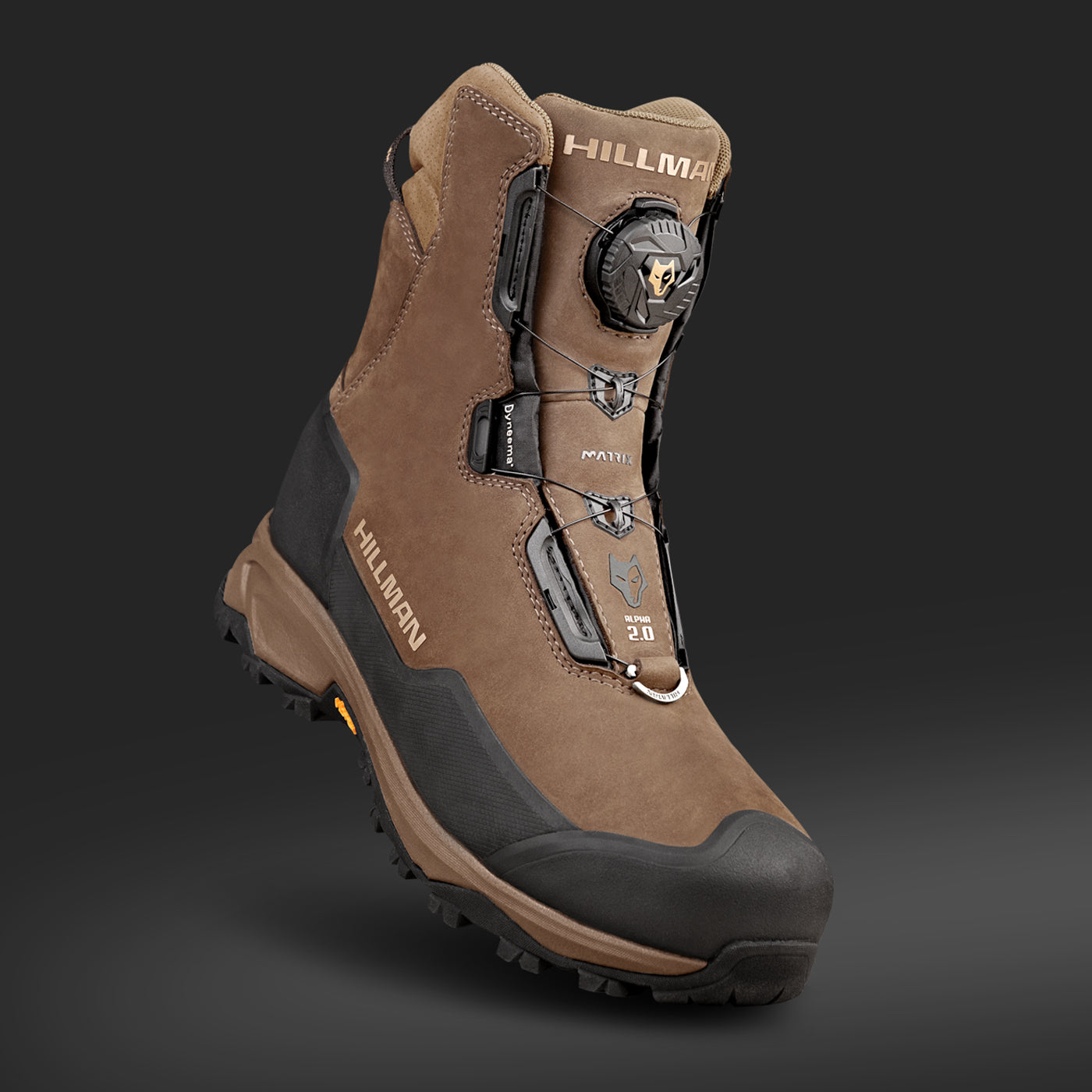
Extra Wide Hunting Boots Built for Hunters Who've Never Found a Shoe That Actually Fits

Wide hunting footwear with serious insulation, waterproof construction, and a fit that actually works for hunters who've been settling for less.
For hunters with wide feet, the boot aisle has always been a compromise. Size up to fit the forefoot and the heel slips. Force the foot into a standard width and spend the day fighting pressure points that drain focus and energy. Neither option is acceptable when the hunt demands full attention and full miles. Hillman's extra-wide hunting boot collection was built around one premise: fit the foot, not the other way around.
What Wide Width Actually Means

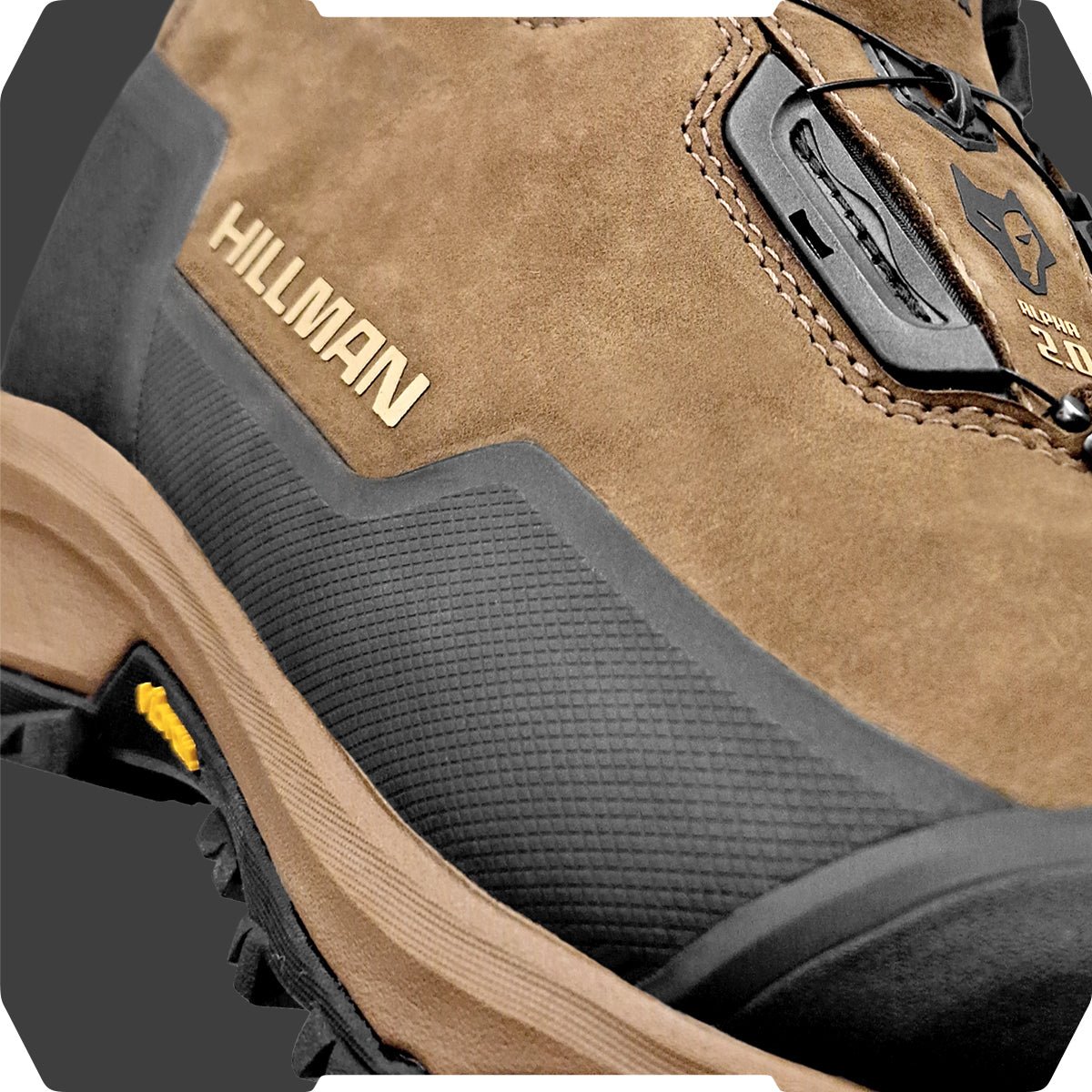
Most hunters with wide feet have spent years assuming the problem was their feet. It isn't. Standard hunting boots are built around a single foot shape that a significant portion of hunters simply don't have. The result is a day spent managing discomfort rather than hunting. A boot built specifically for wider feet changes that from the first mile, not after a break-in period, not eventually. The ankle sits where it's supposed to, the toes have room to function, and circulation stays intact through the kind of long, cold sits that expose every fit problem a too-narrow boot was hiding. A flexible soft sole compounds that advantage. Where stiff-soled boots force the foot into a fixed position that creates pressure points over long miles, a flexible sole moves with the natural roll of the foot, which matters more for wide feet that stiff construction tends to restrict the most.
Two Models, One Problem Solved
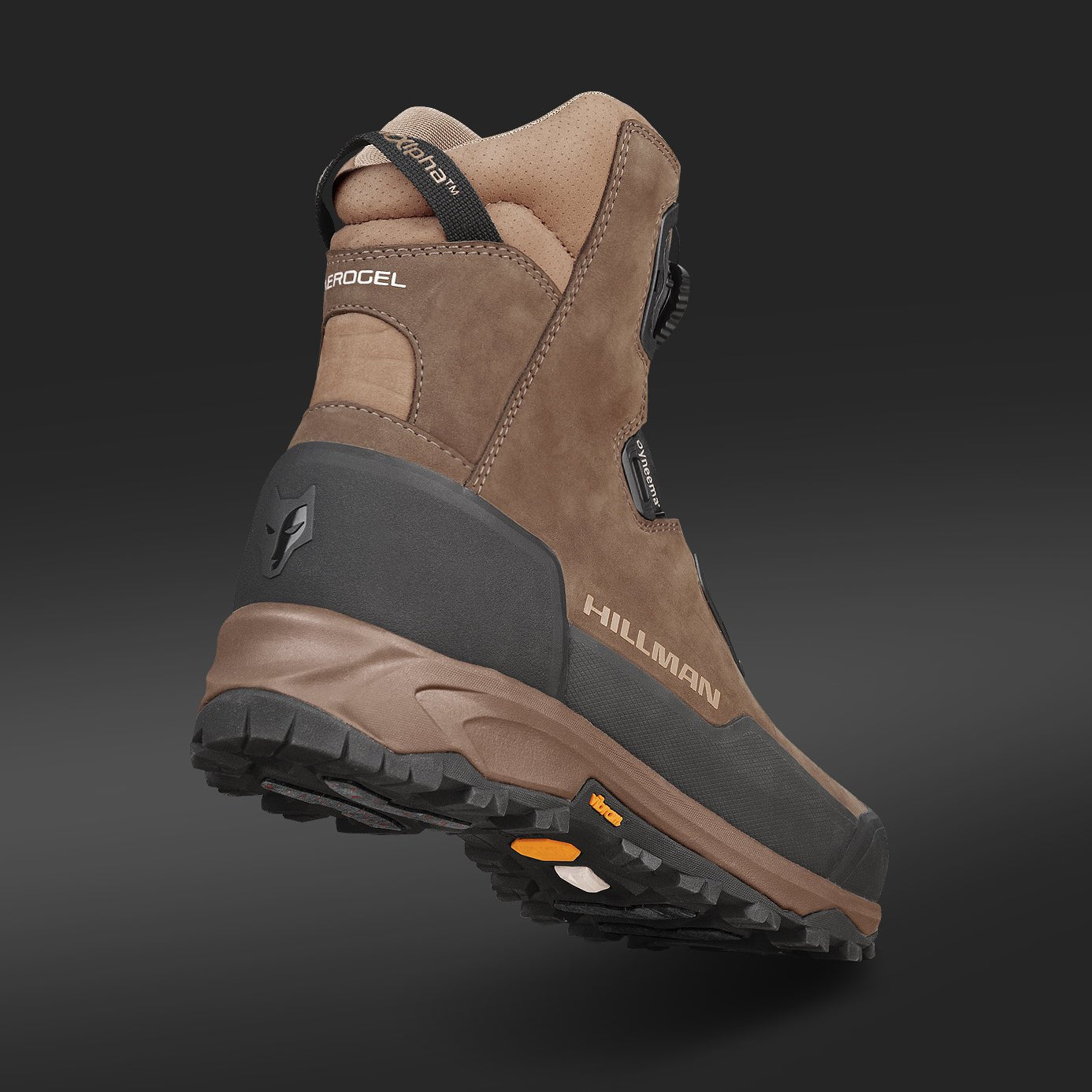
Finally Warm, Finally Fits: Aerogel Wide Insulated Hunting Boots
The Aerogel 2.0 insulated wide boot brings advanced closed-cell insulation into a properly fitted wide last without compromising warmth ratings or waterproof performance. For hunters who run cold or hunt late season in serious cold, the insulation holds its thermal efficiency under compression in ways traditional fibrous insulation never manages. The flexible sole keeps the boot moving naturally, even when insulation layers add some stiffness, so long approaches don't become a battle between the boot and the foot inside it.
Dry All Day, Room to Move: DryHunt Wide Waterproof Hunting Boots
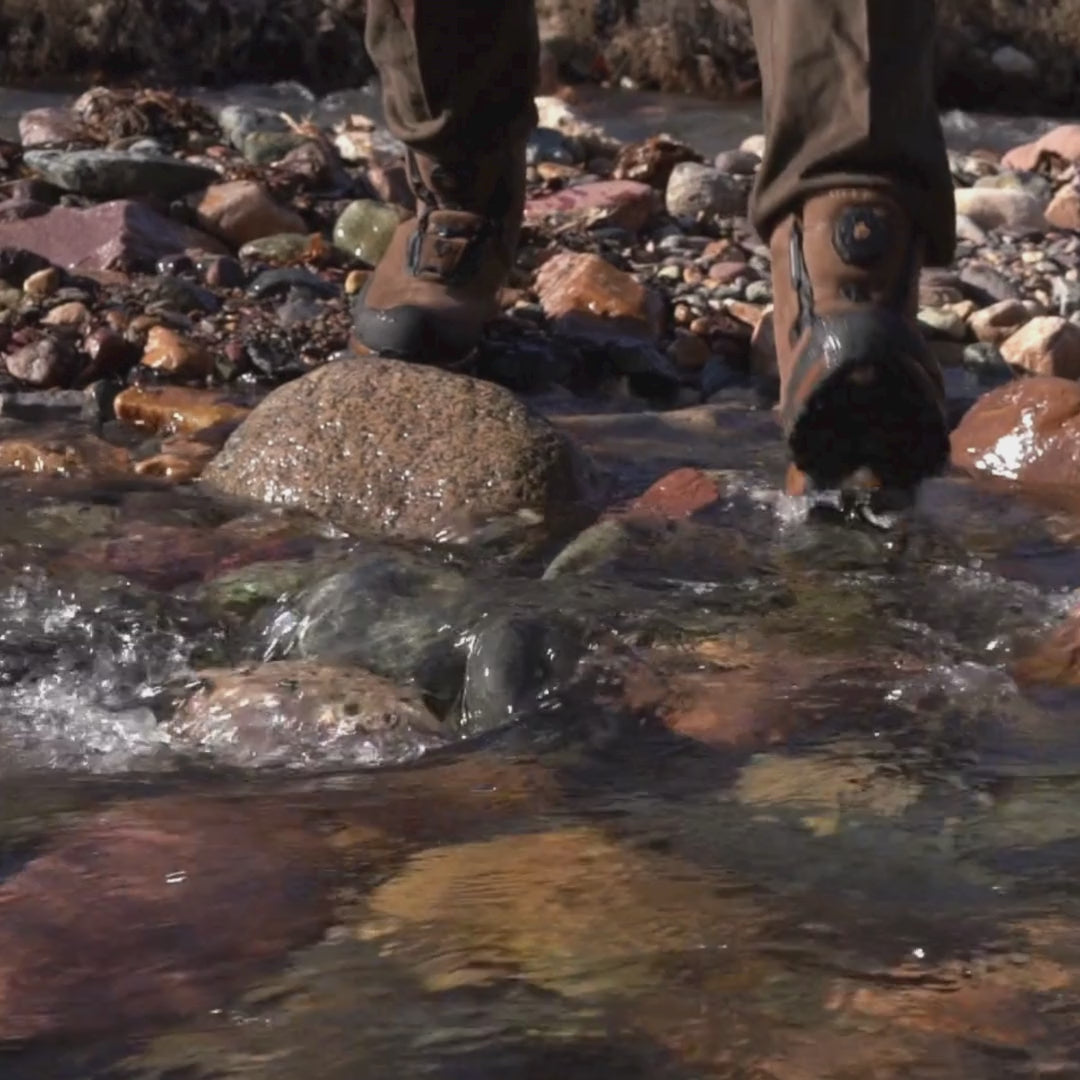
The DryHunt 2.0 wide waterproof model addresses wet terrain and active hunting where breathability matters as much as water protection. Hunters with wide feet who've spent seasons in tight standard waterproof boots know the outer forefoot pressure points that develop after hours of hard use. The wider construction eliminates those contact points while the flexible sole distributes pressure evenly across the full width of the foot rather than concentrating it at the edges. Full breathable membrane performance keeps feet dry from both directions through a complete hunting day without the stiffness that makes standard waterproof boots punishing over distance.