

Insulated Hunting Boots - Warmest Waterproof Aerogel 2.0
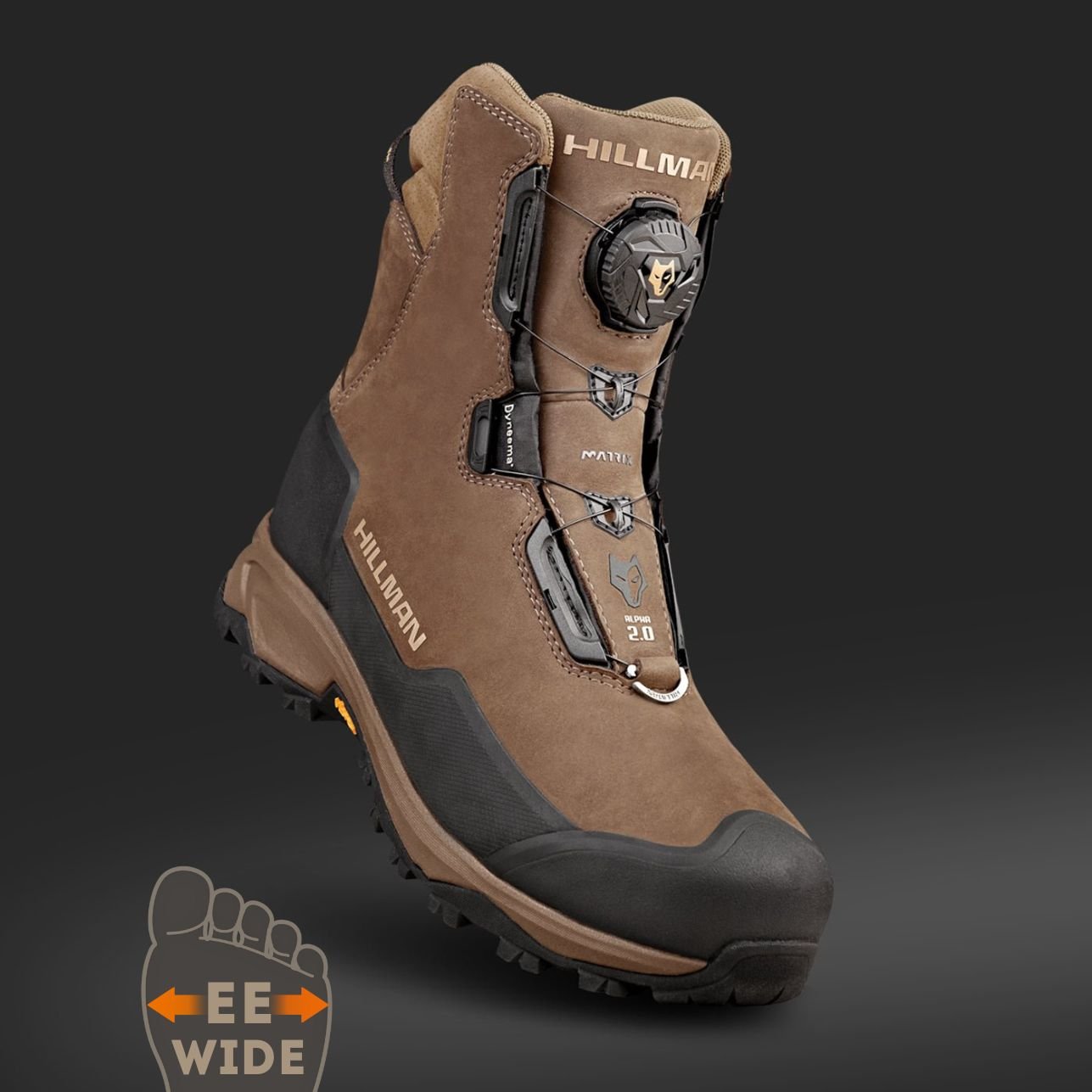
Wide Hunting Boots - Insulated | Aerogel 2.0
Shop Related Collections
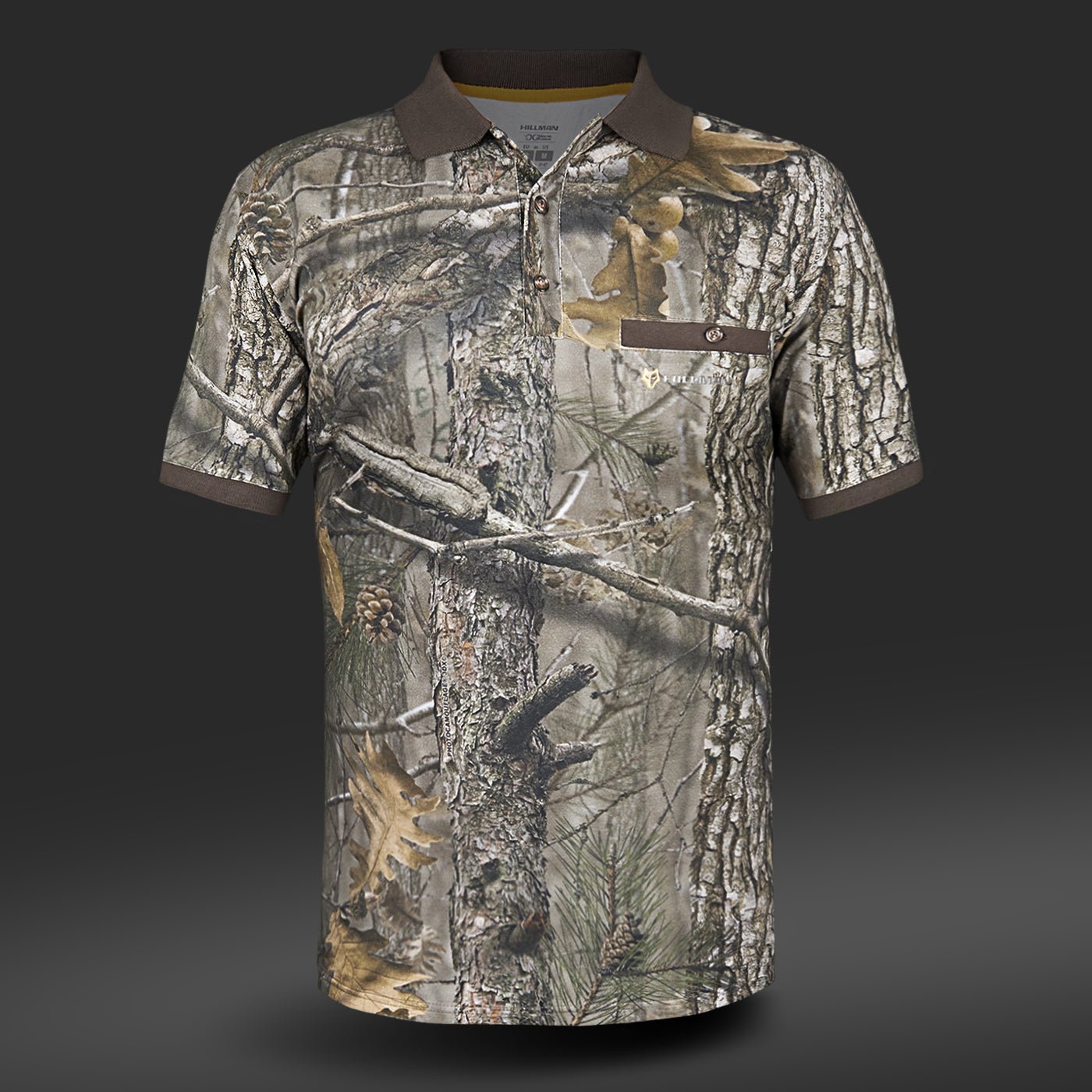
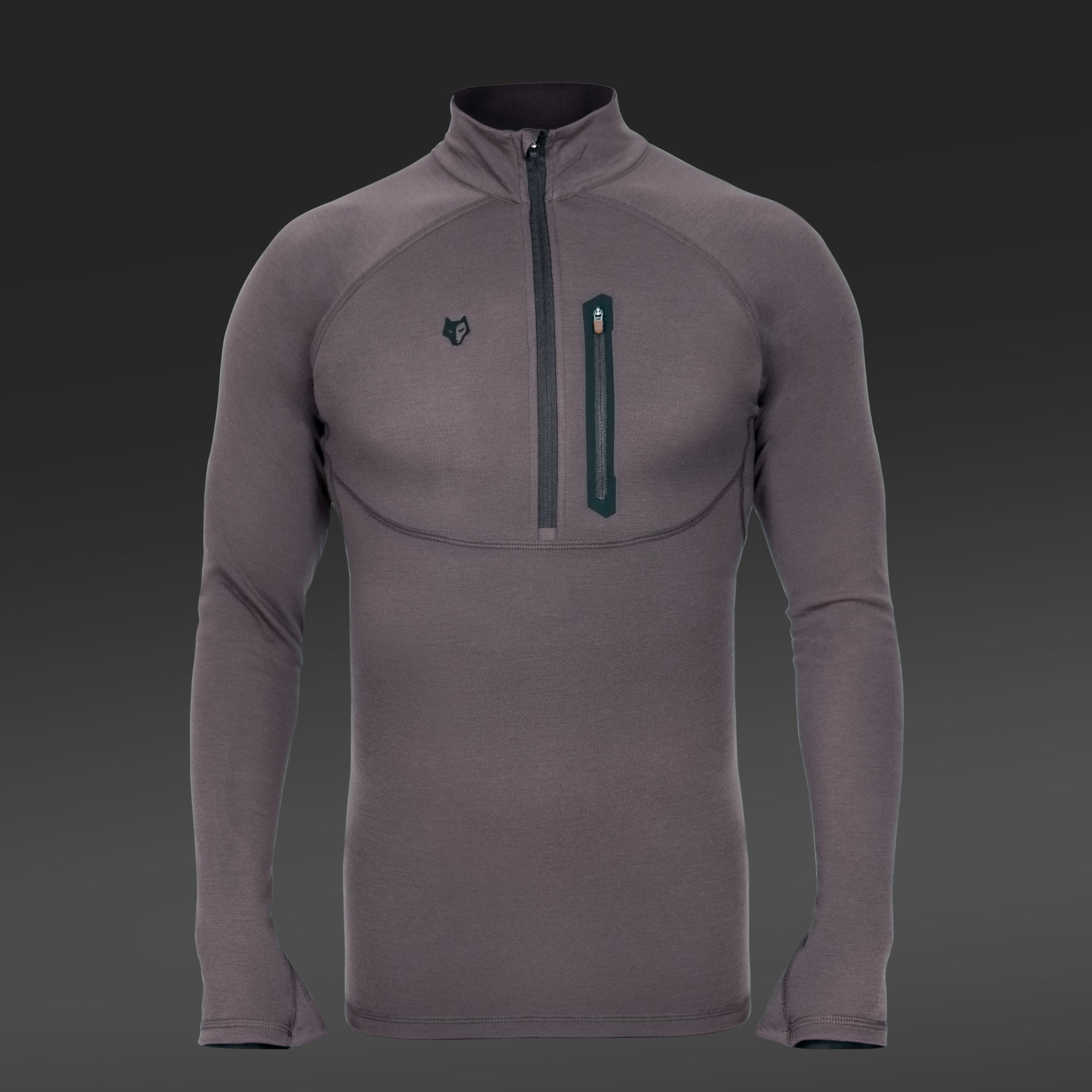
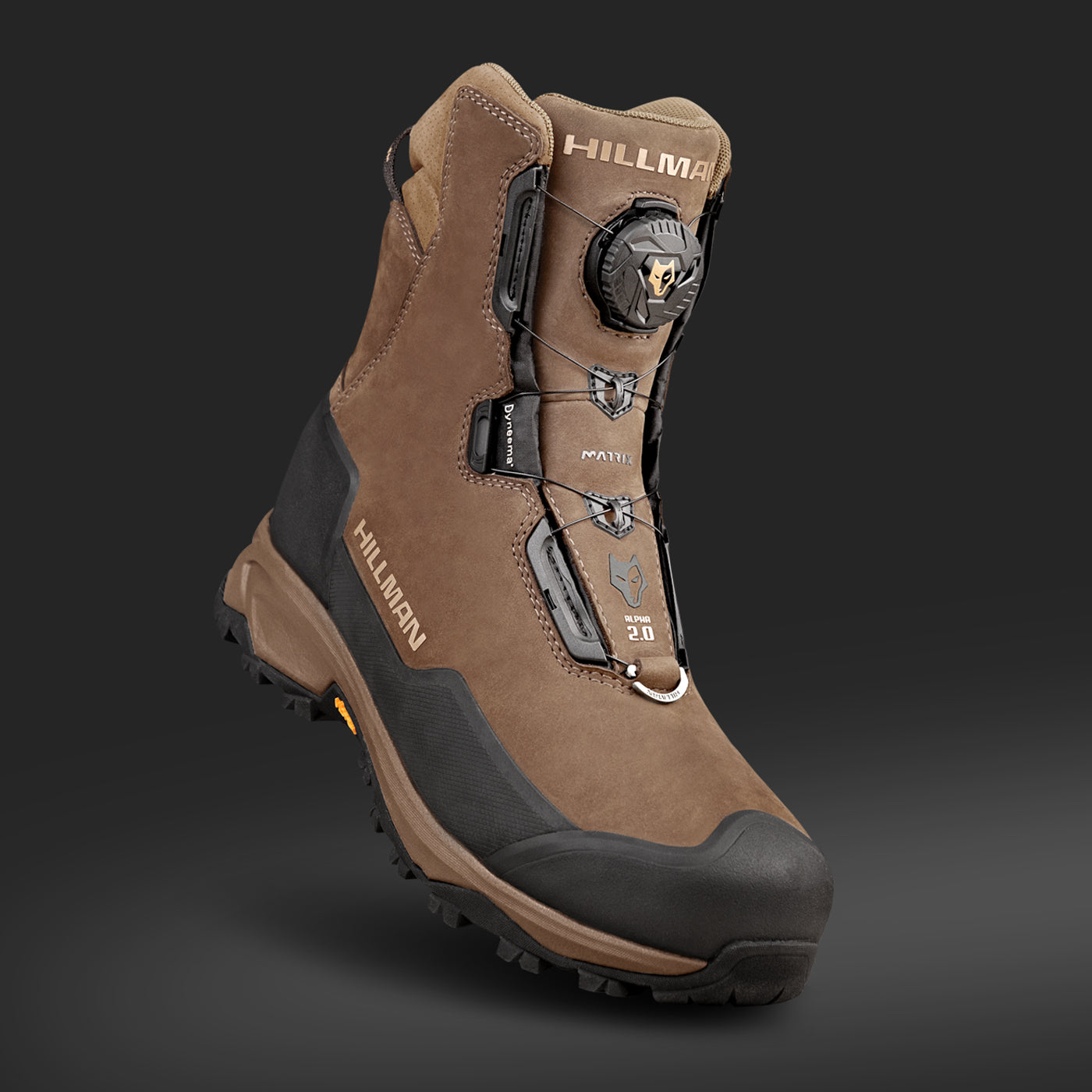
Season's Best Selection
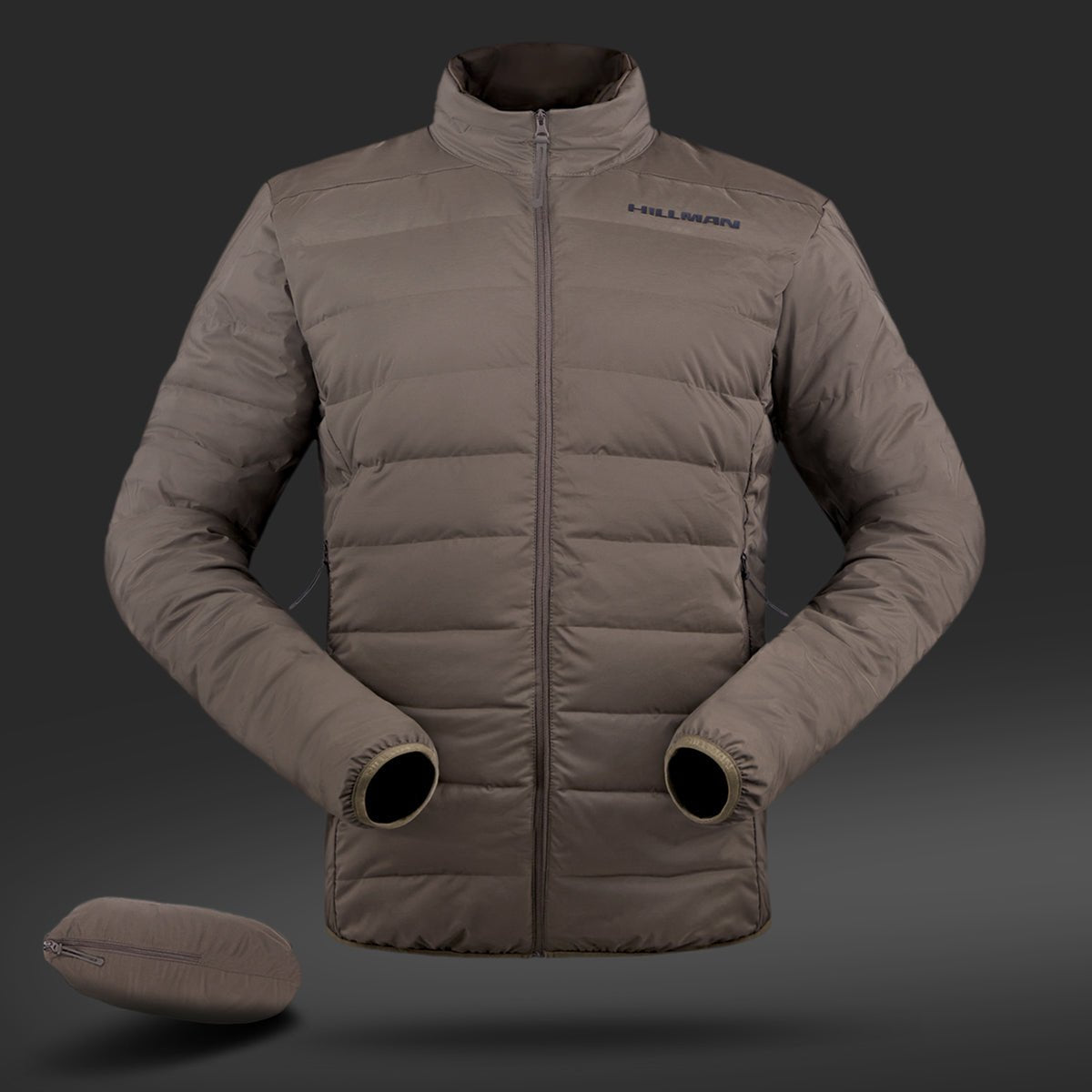
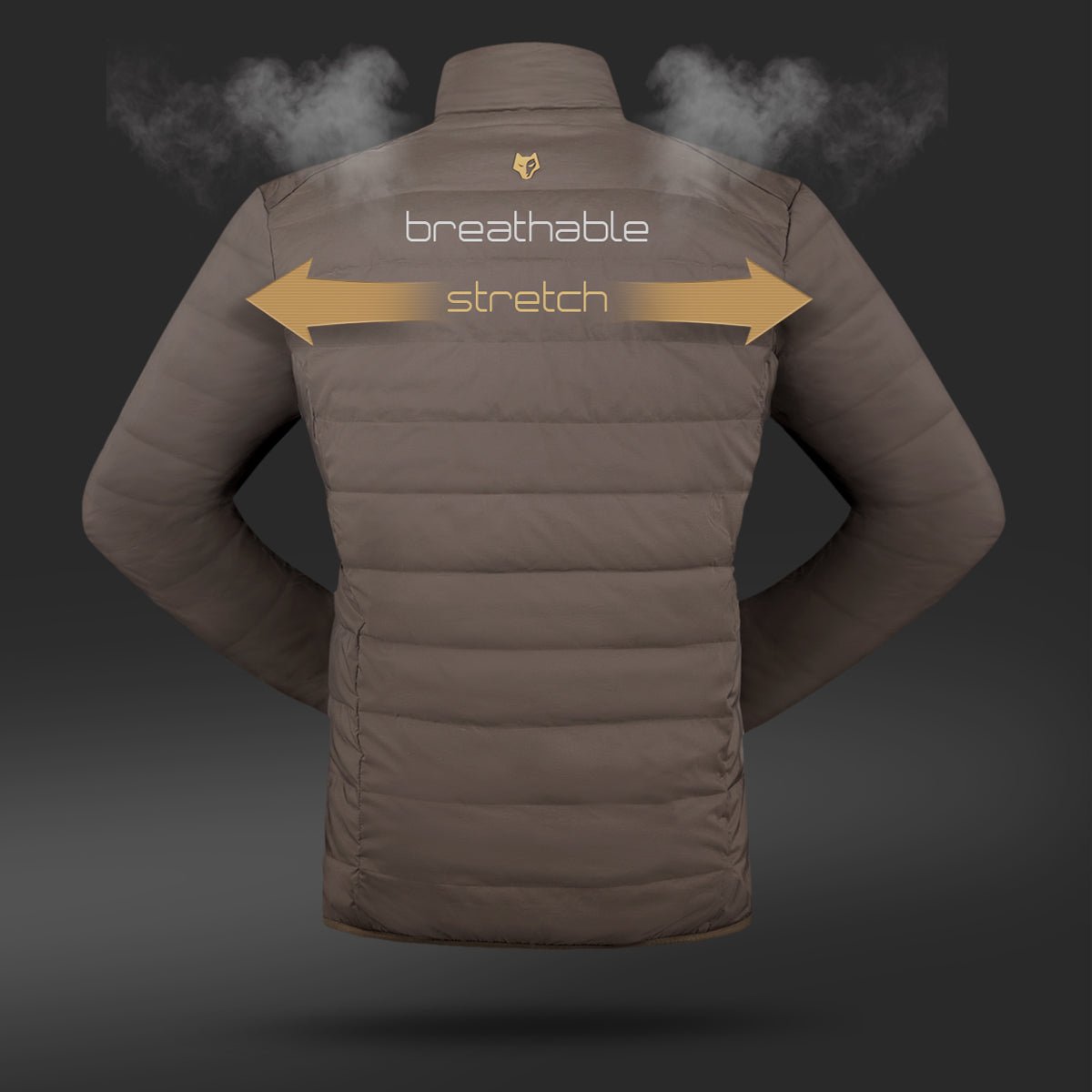

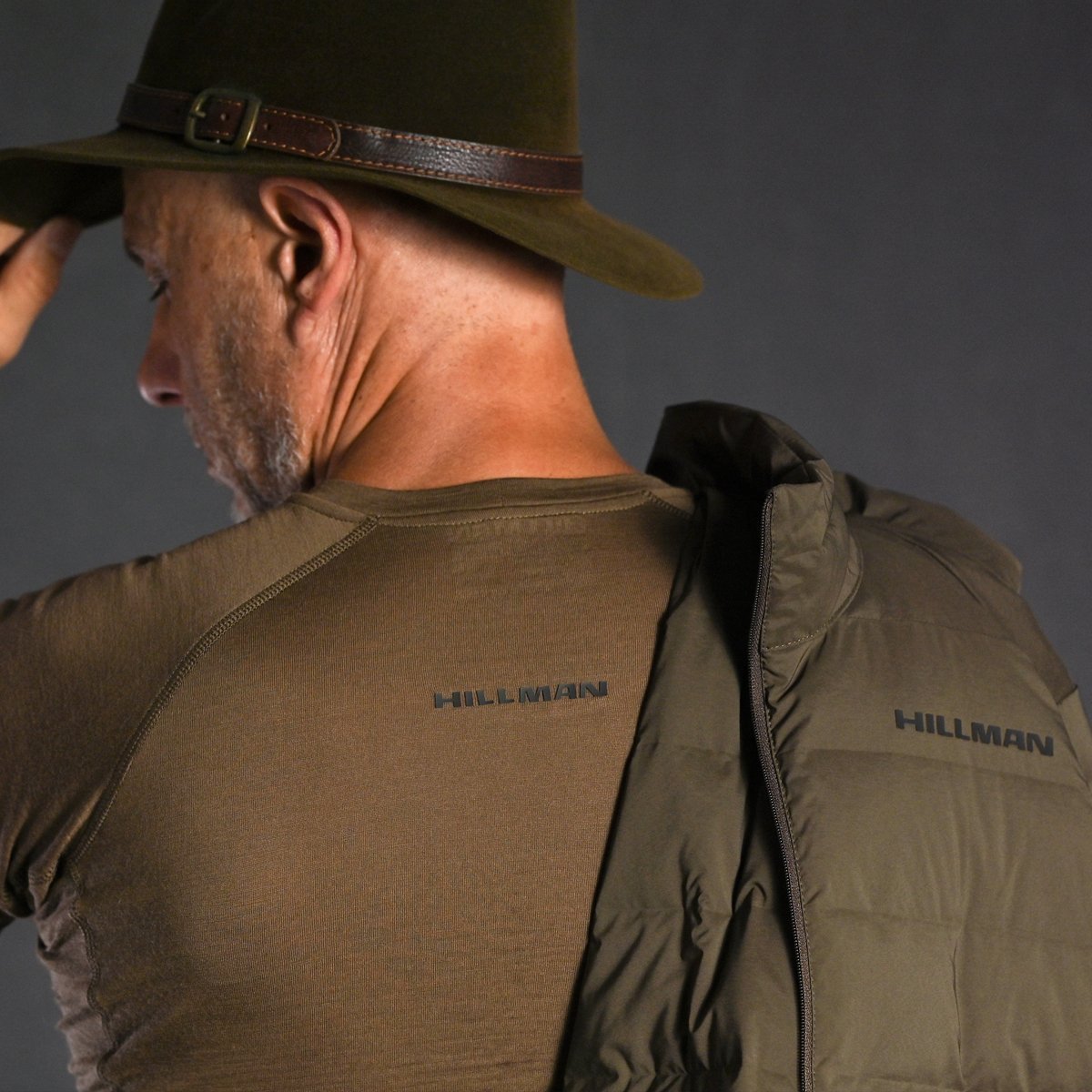
Hunting Down Jacket - Packable Puffer With 1000 Fill | 4IL
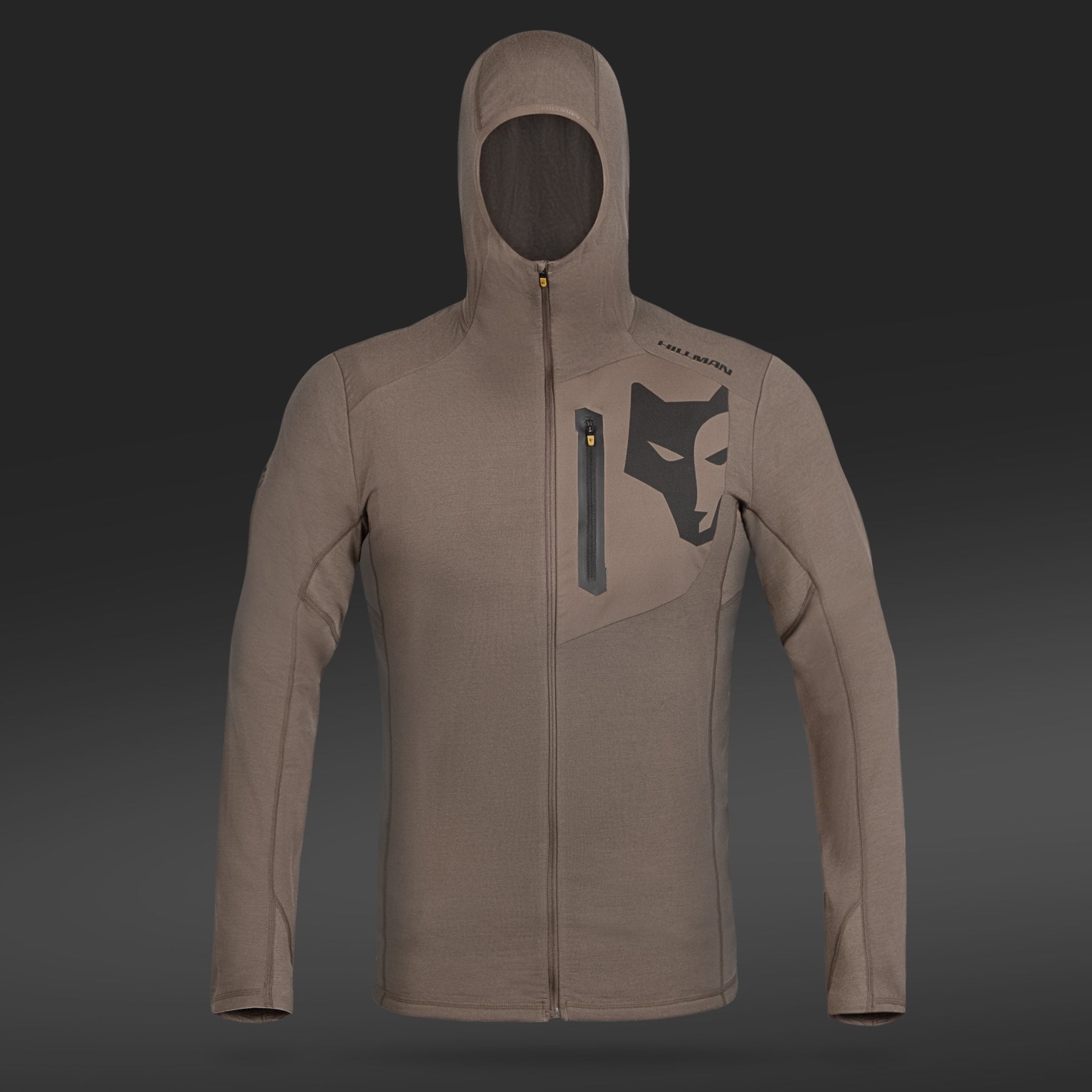
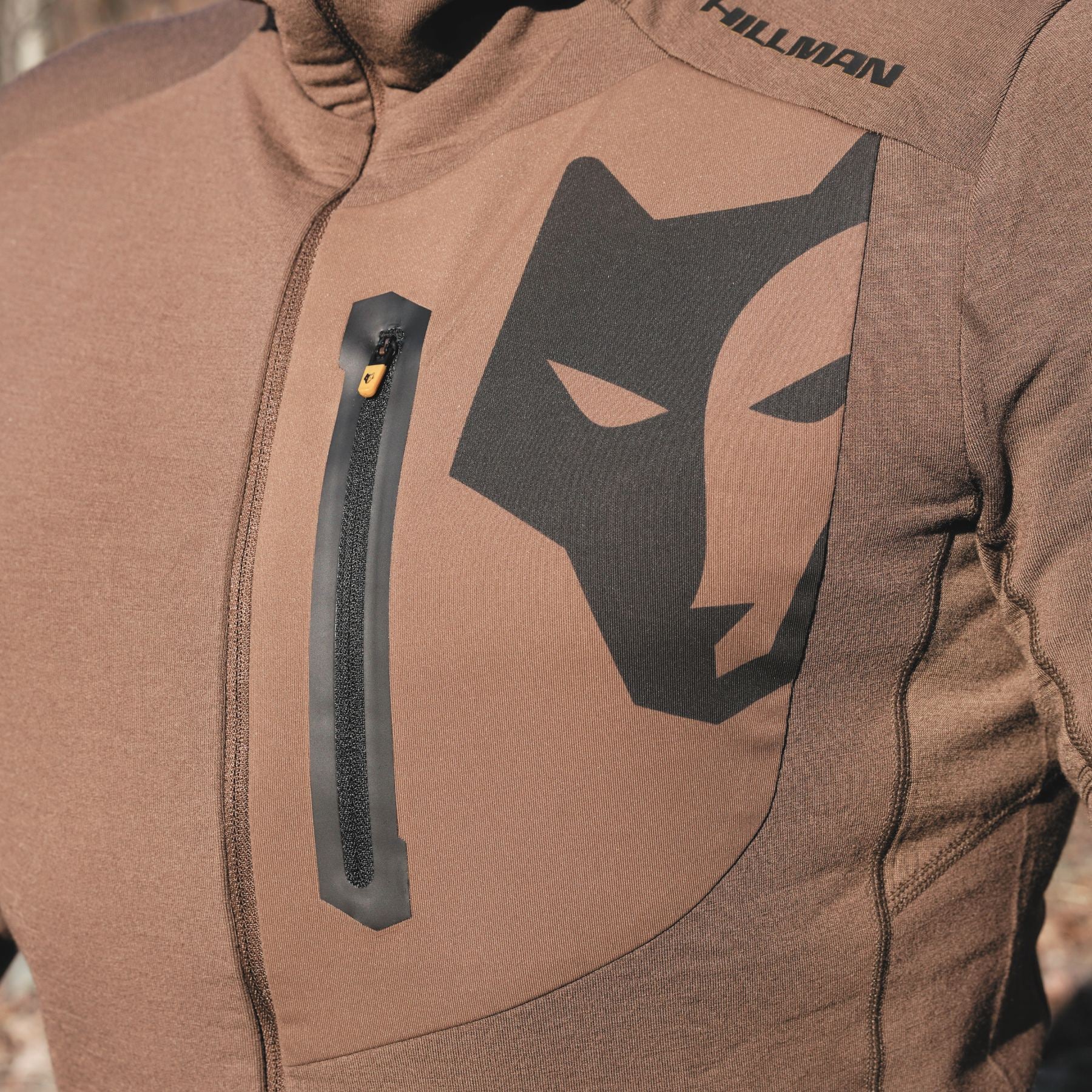
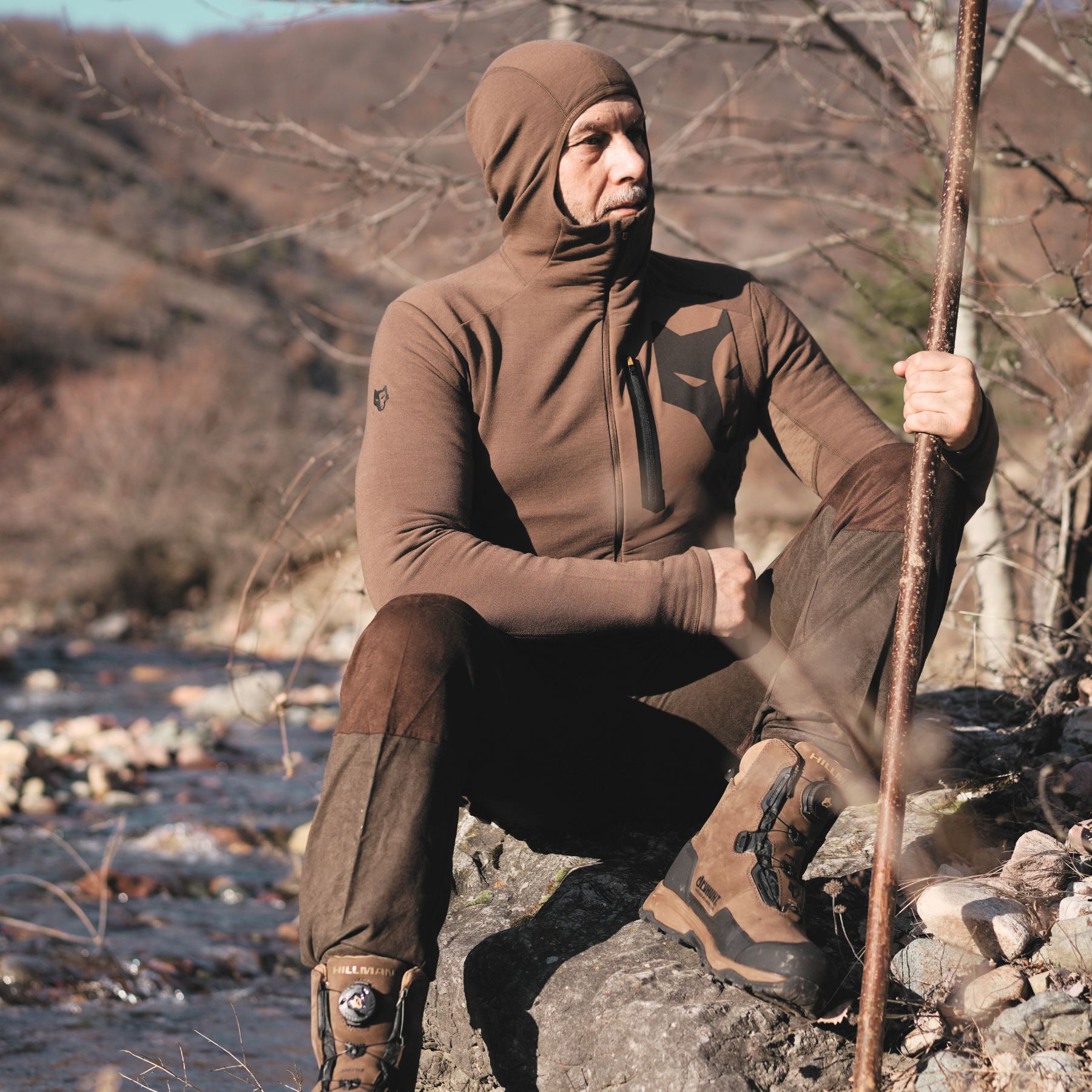
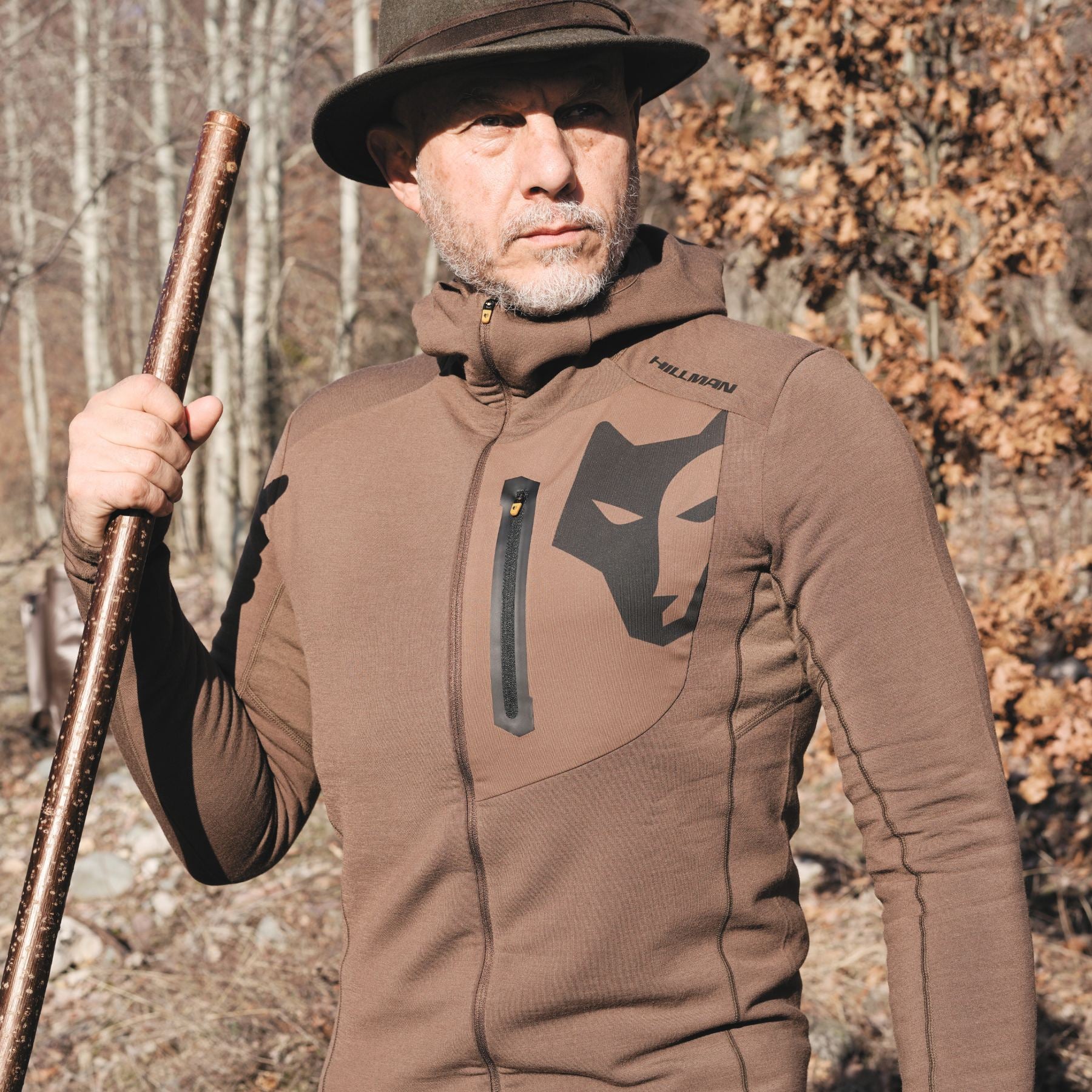
Hunting Hoodie - Merino Wool Mid Layer | 3ML
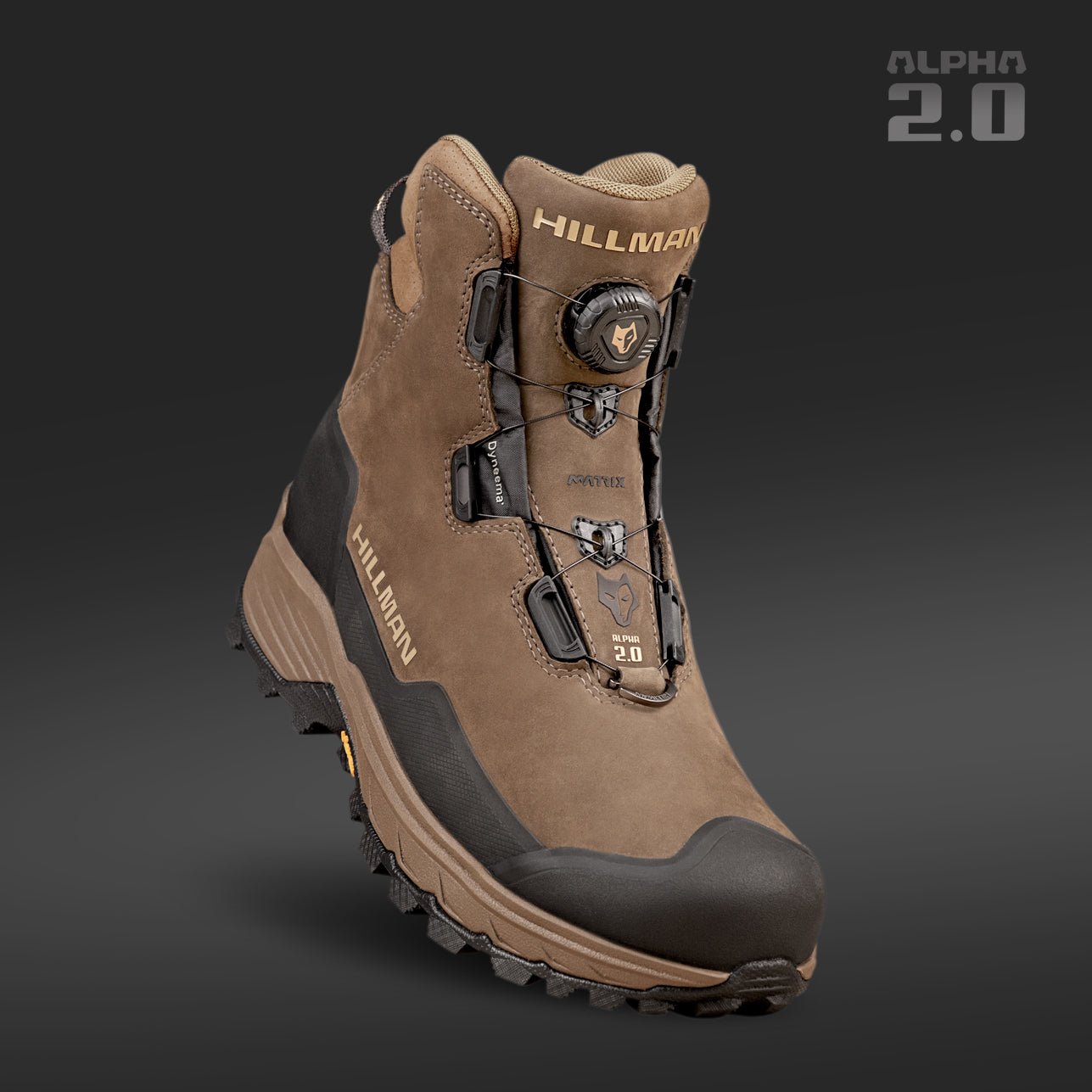
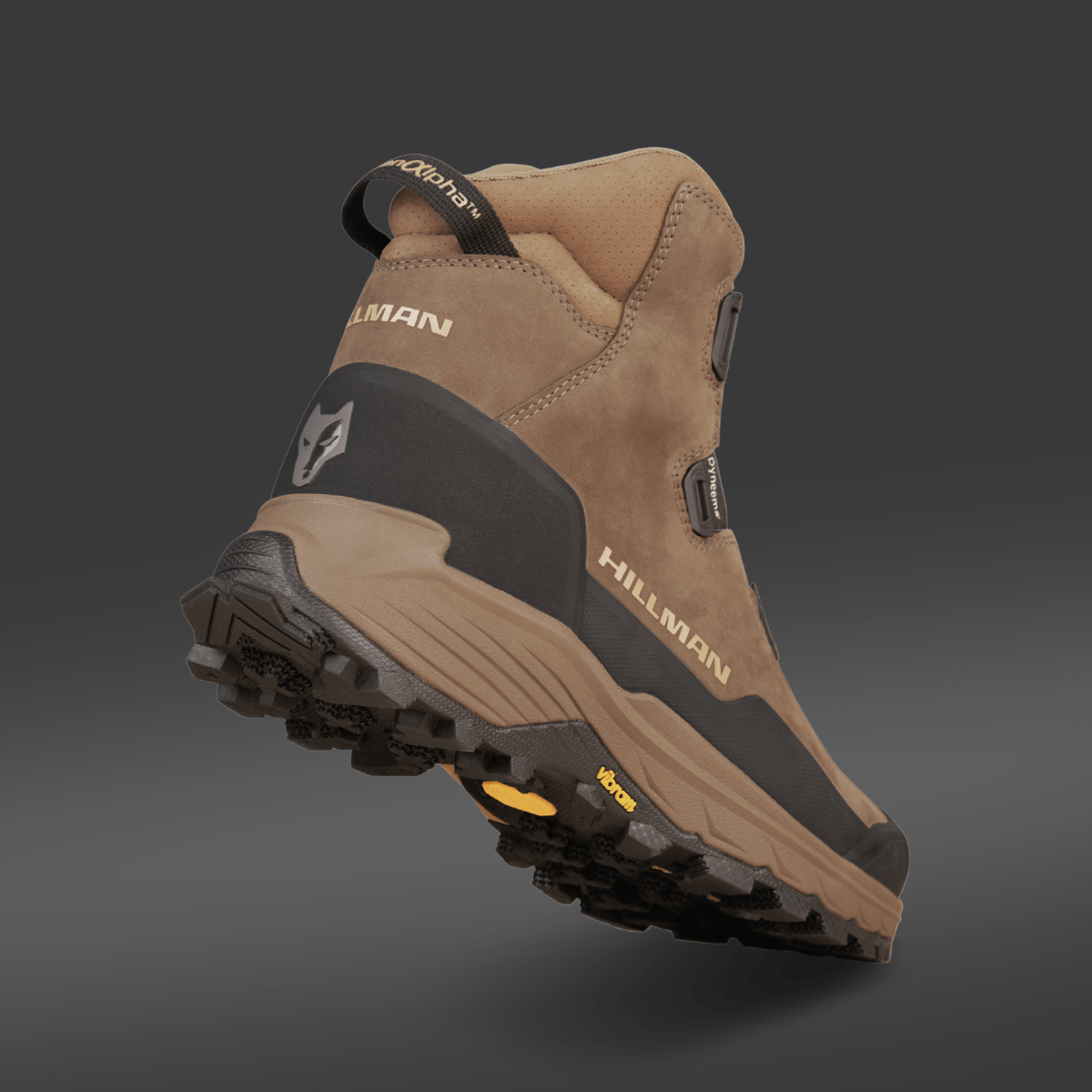

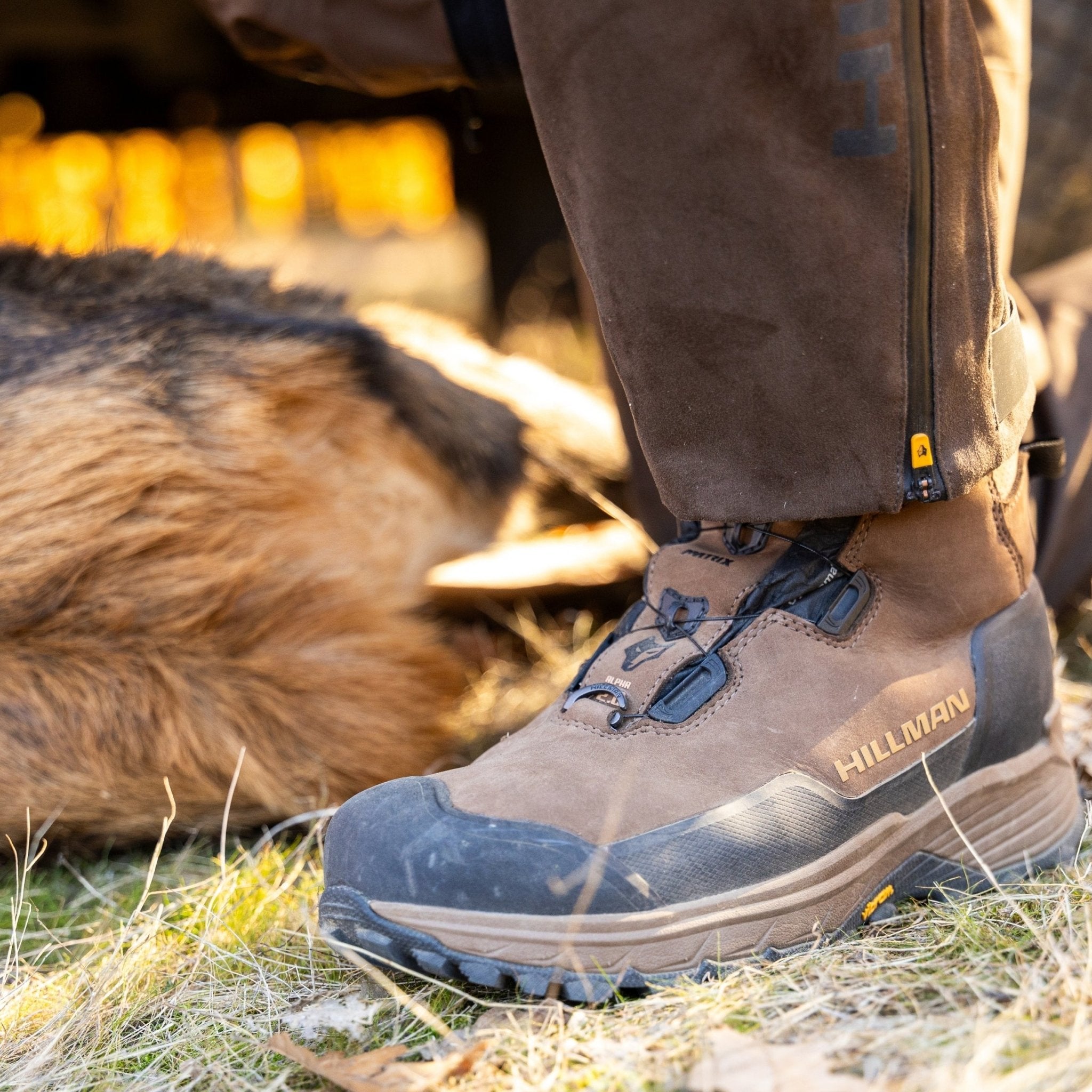
Waterproof Hunting Boots - Uninsulated Lightweight DryHunt
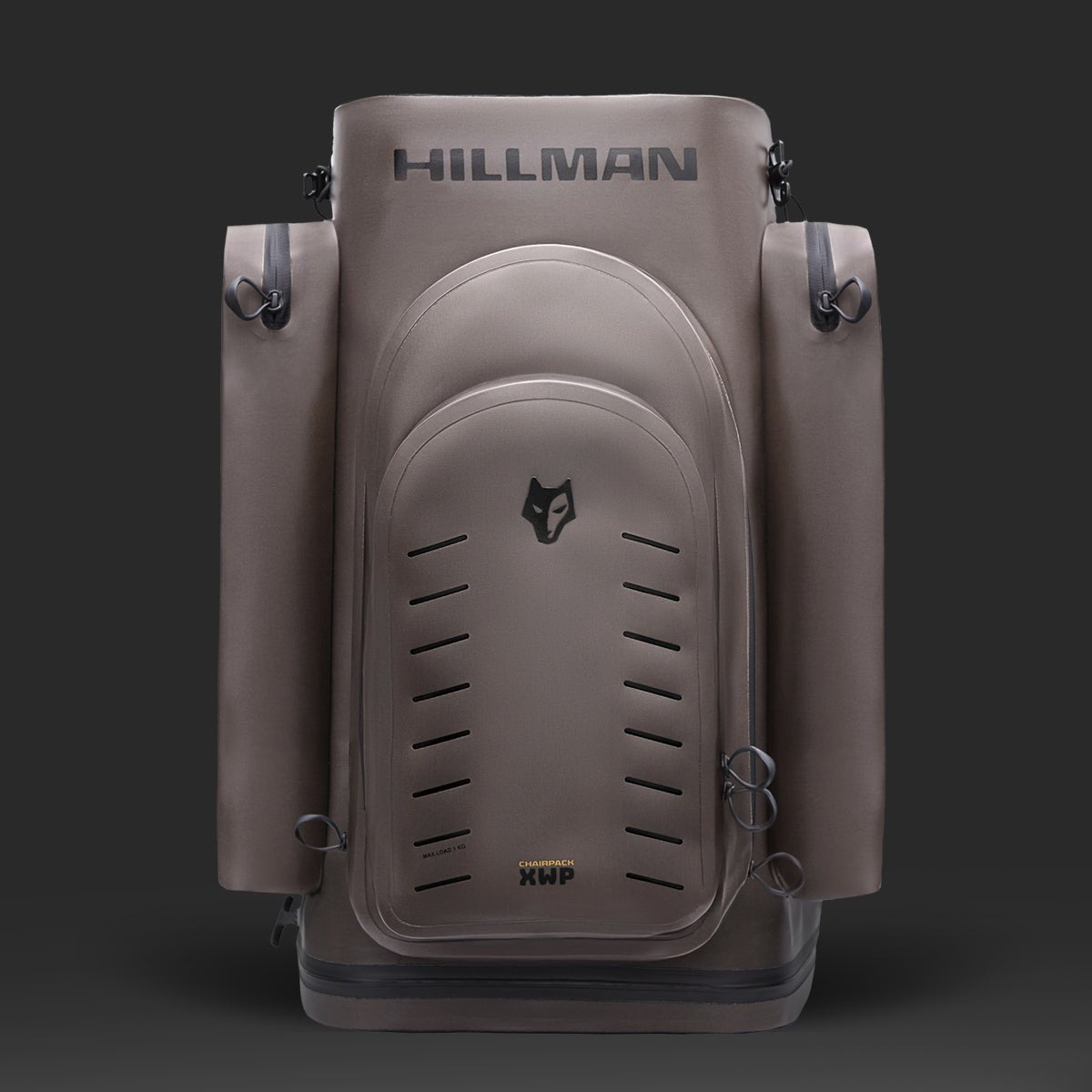
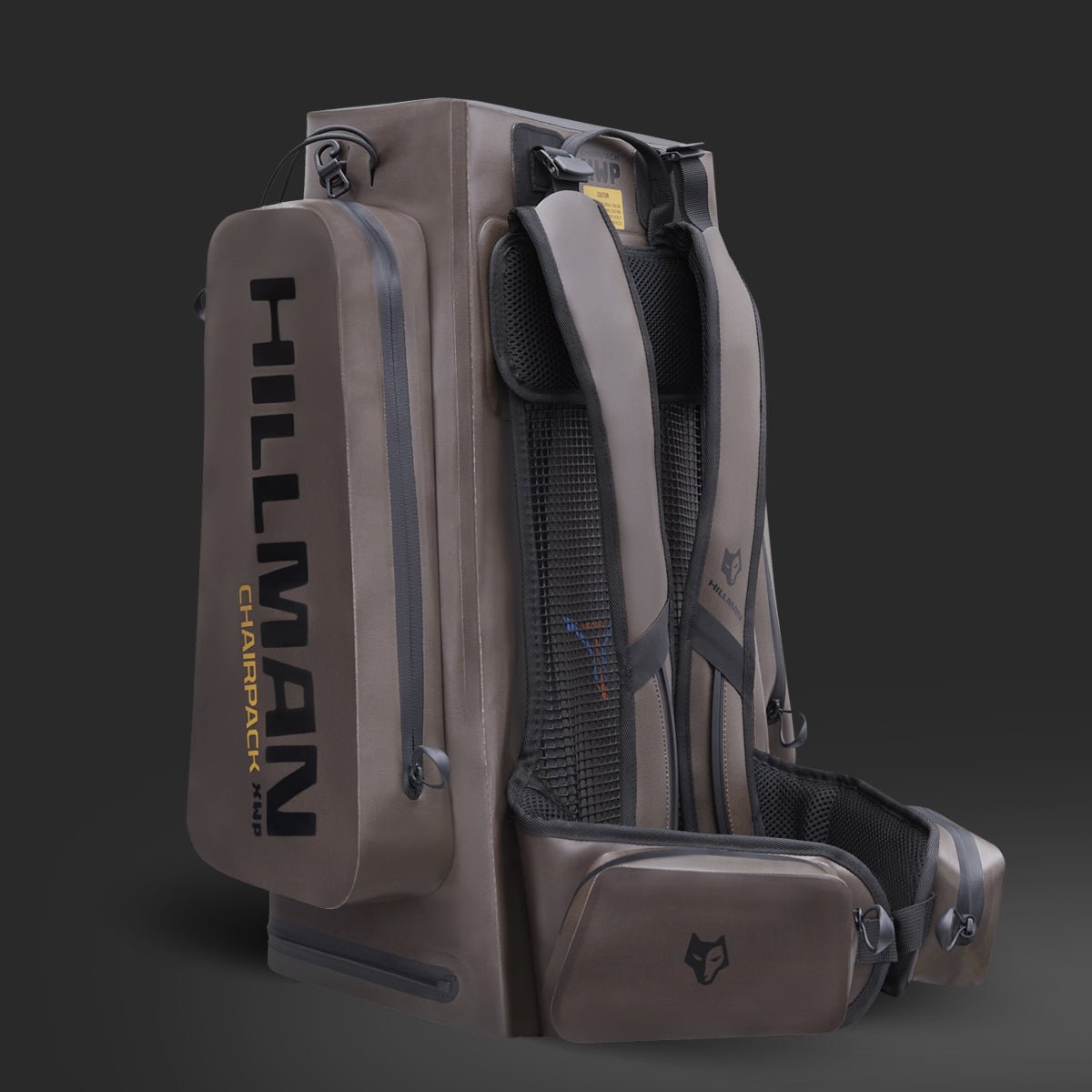
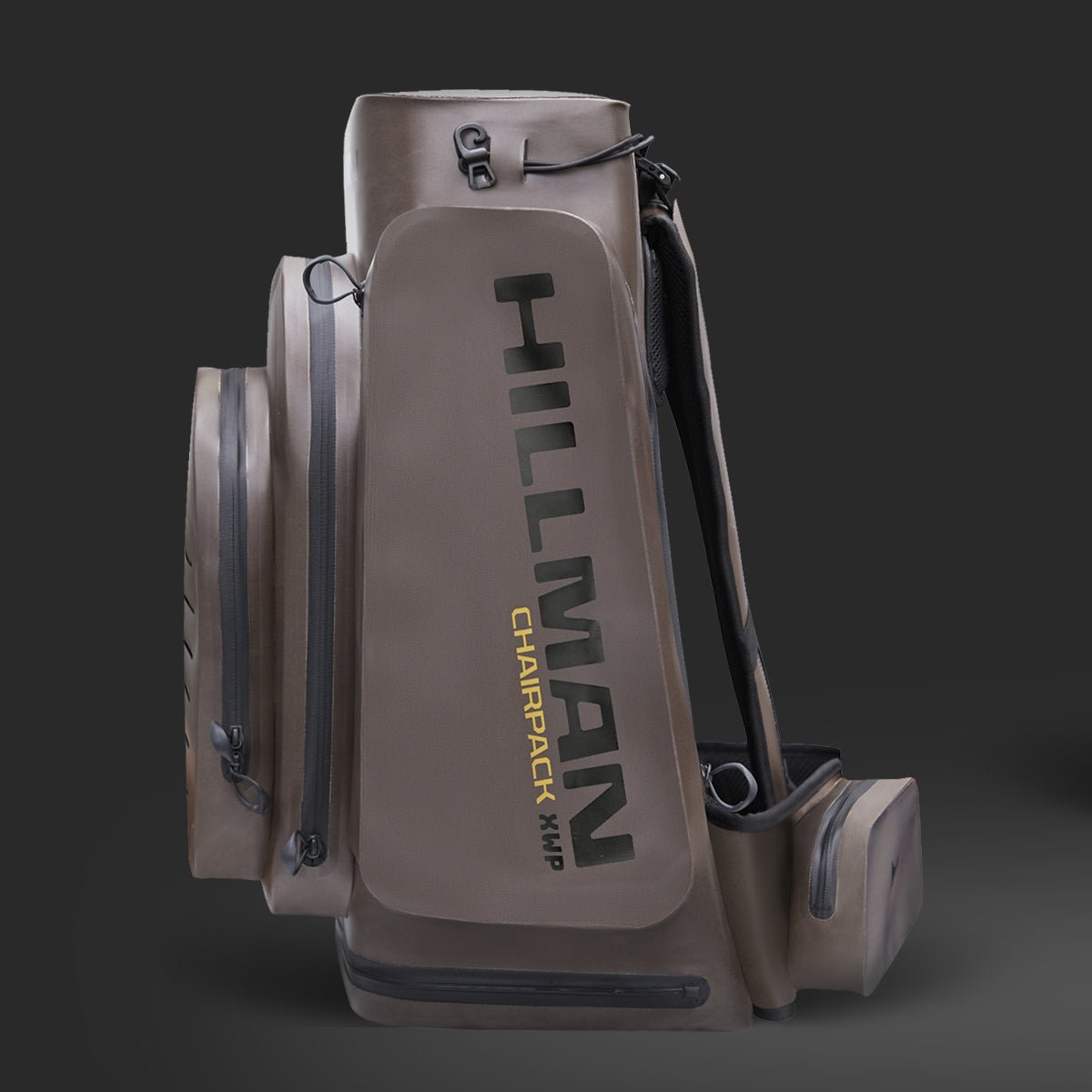
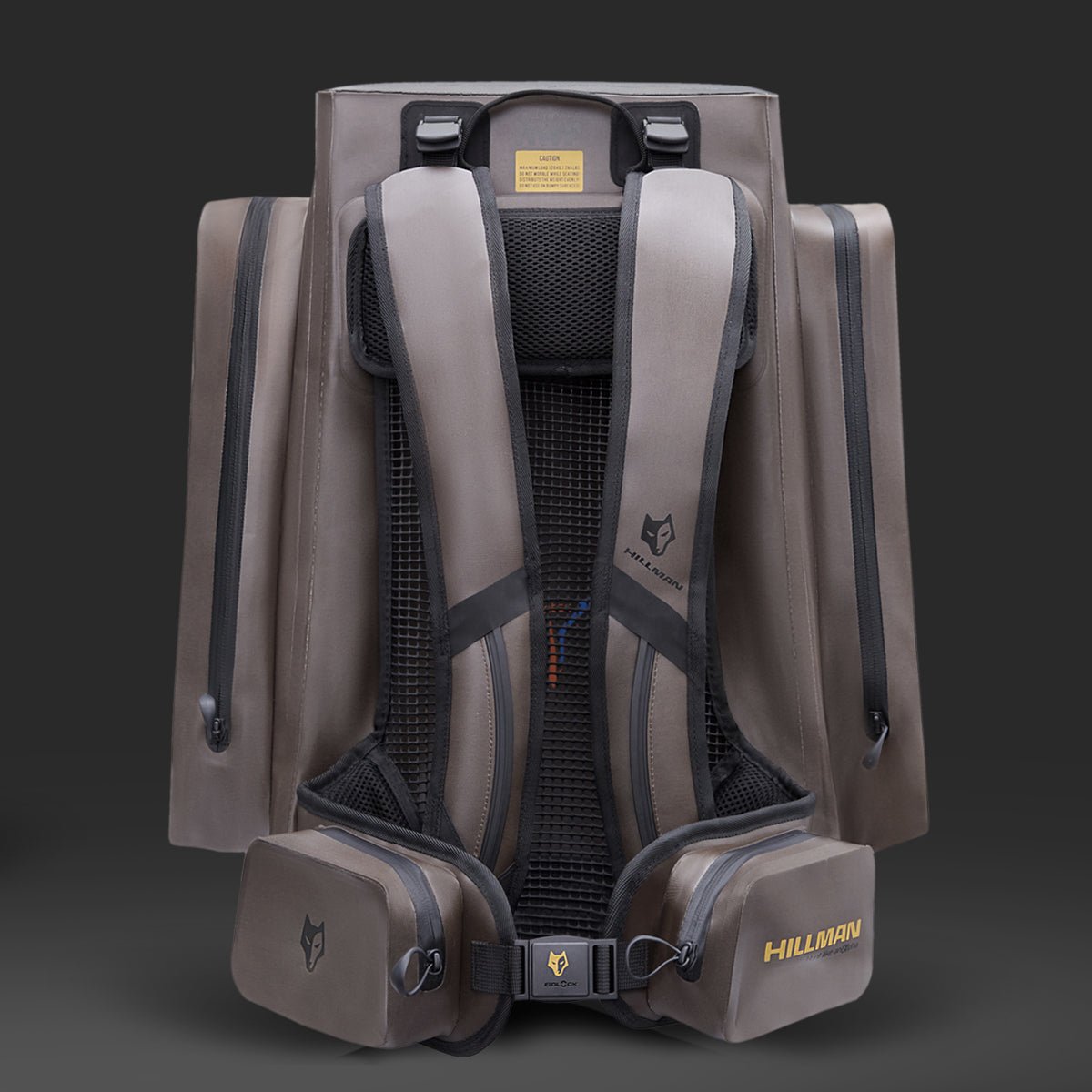
Hunting Backpack Chair - Waterproof Seat Pack | Chairpack
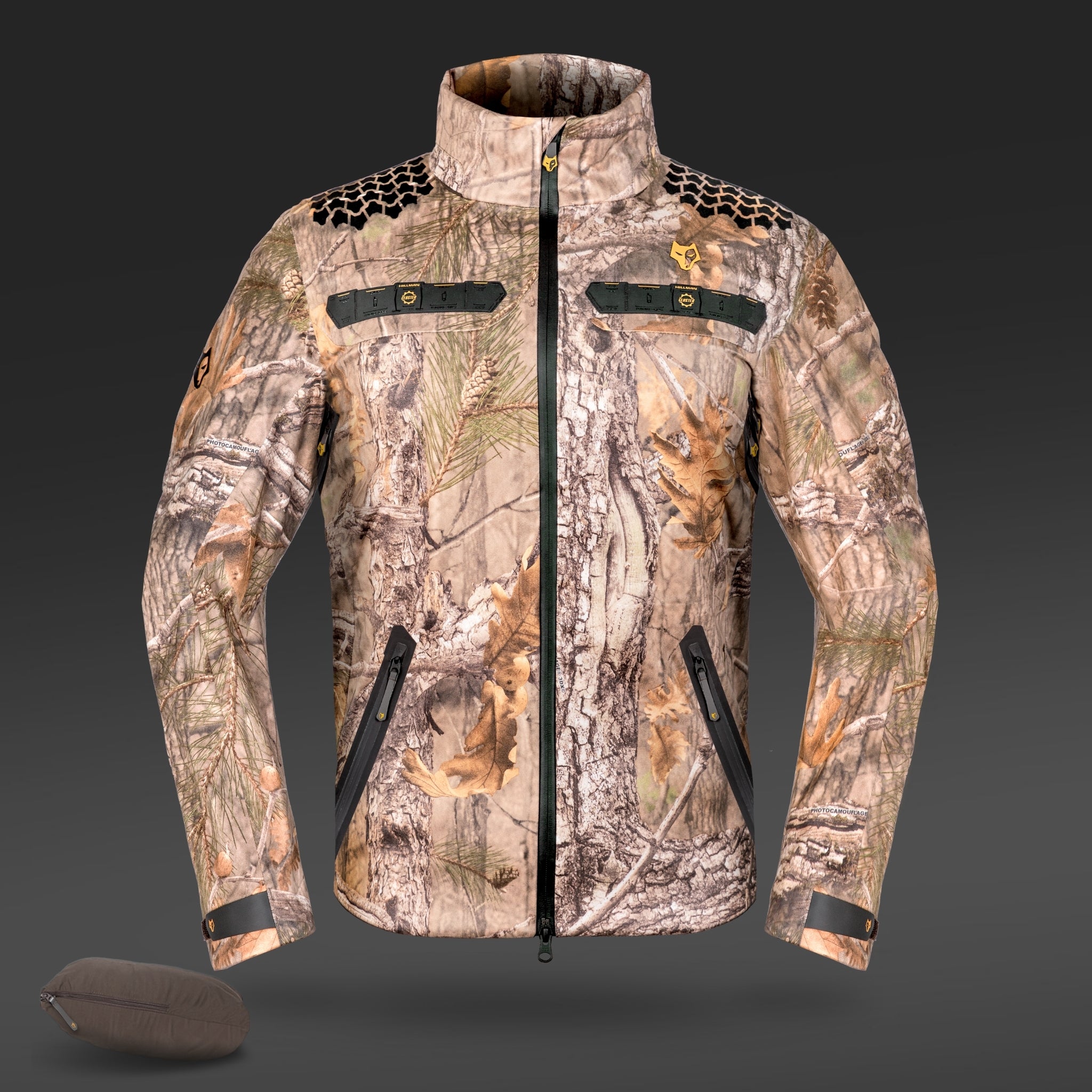

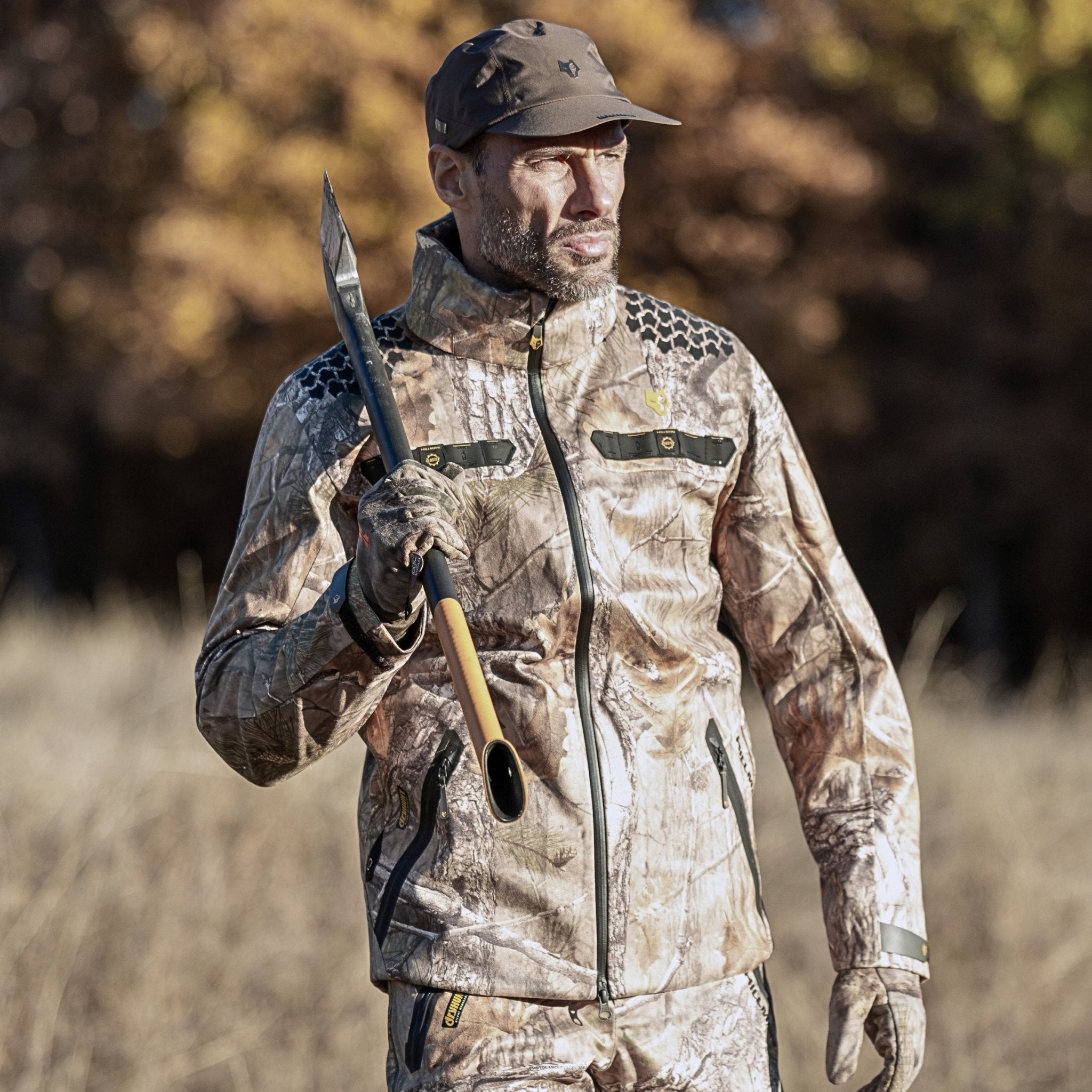
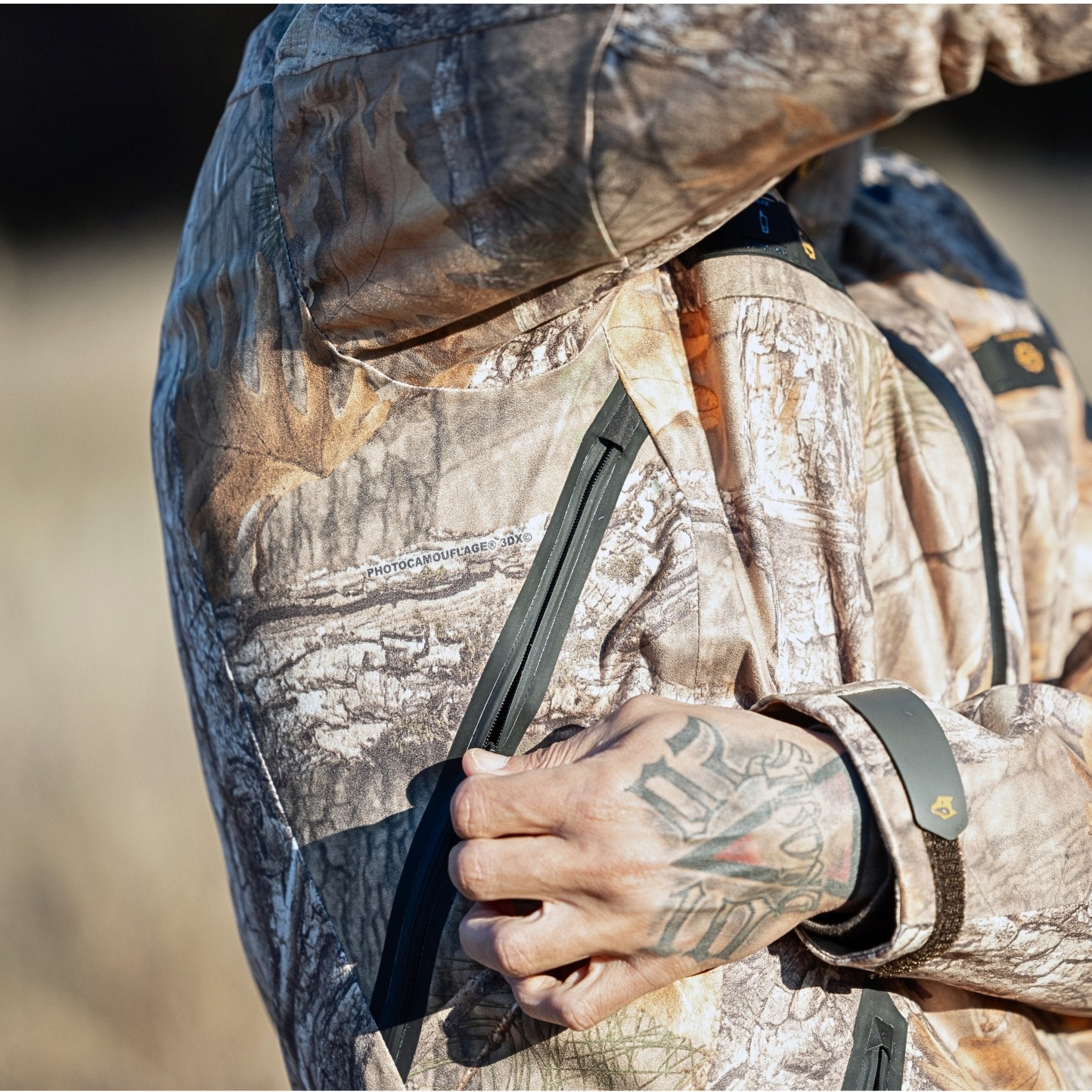
Camo Rain Jacket - Hunting Waterproof - AlphaShell 5WL
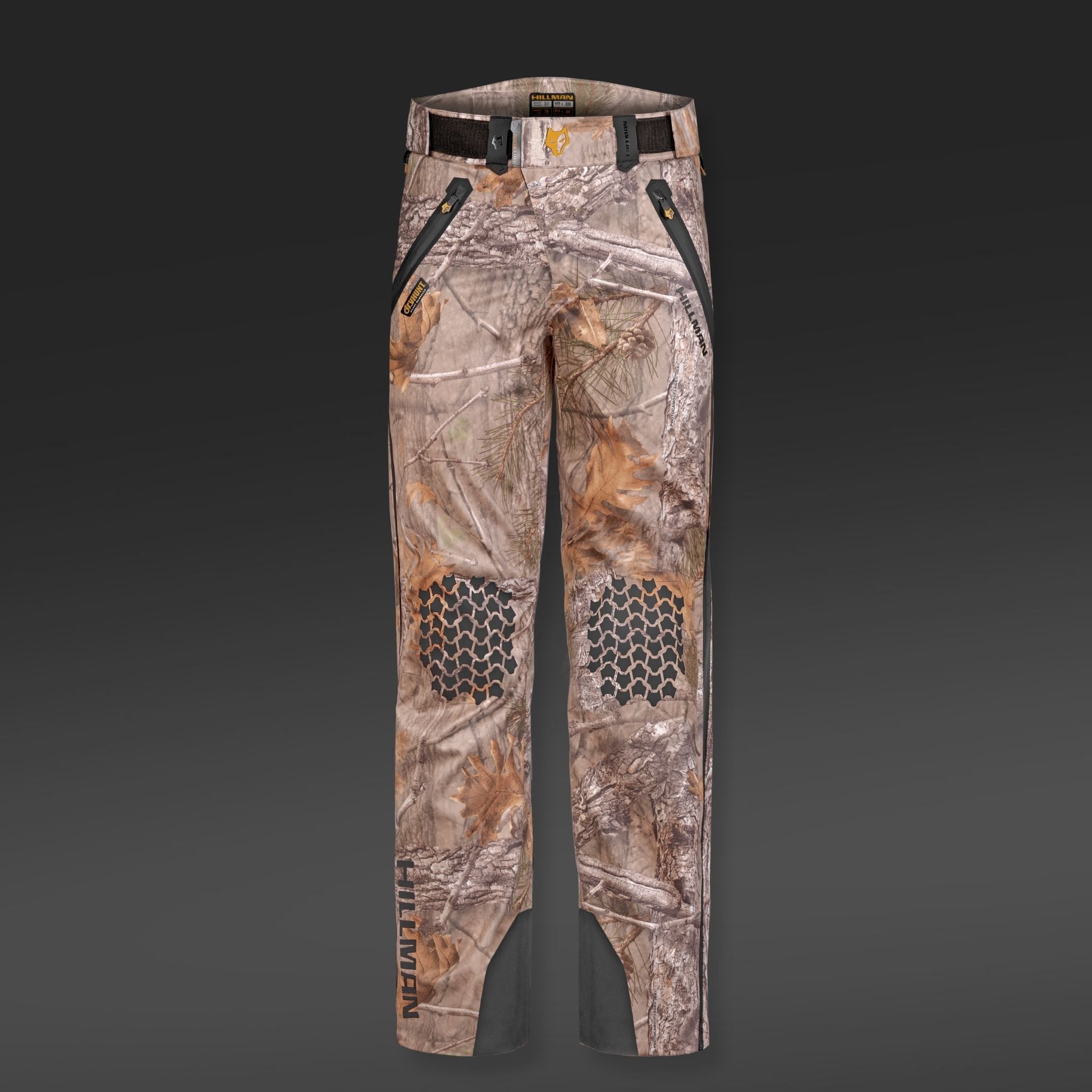
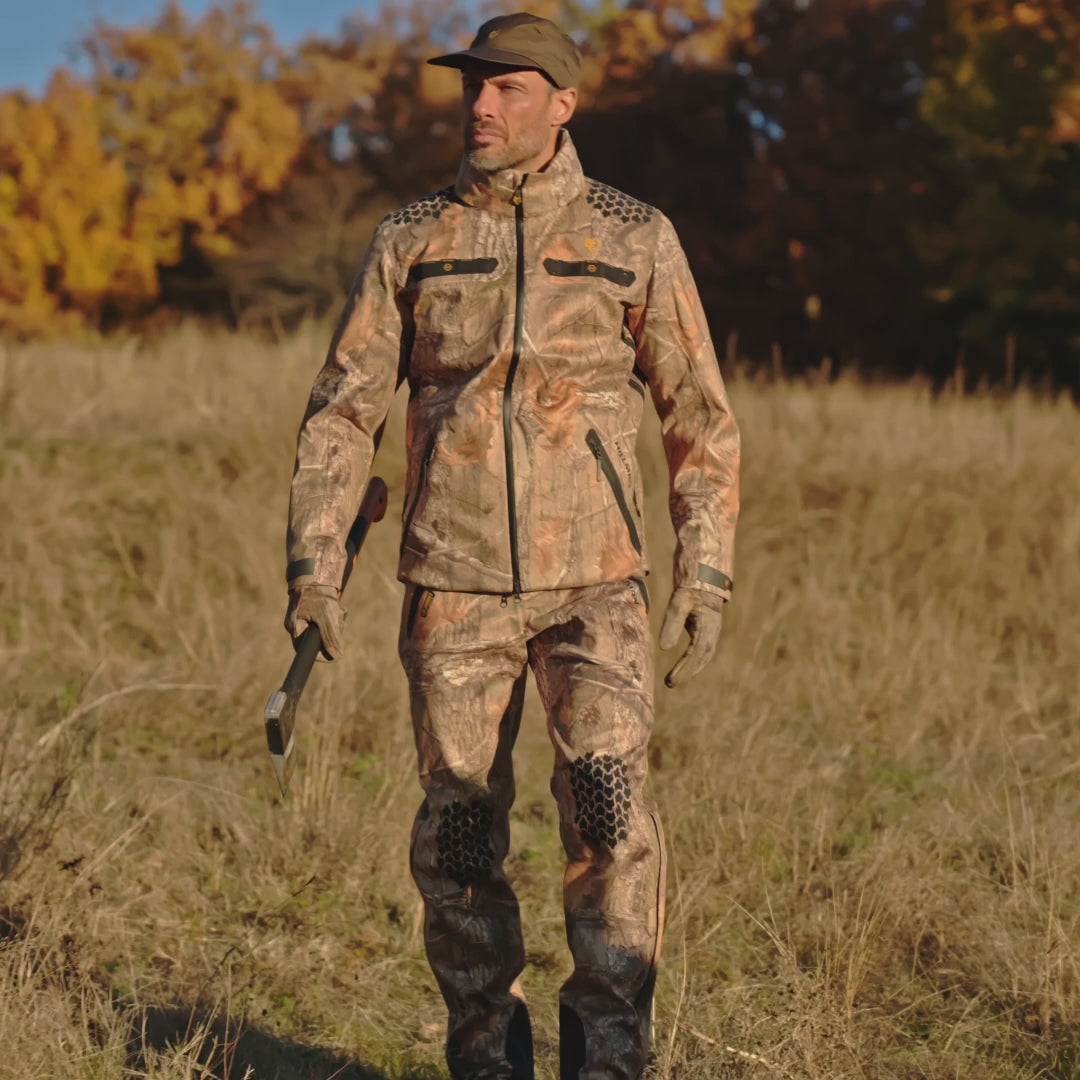
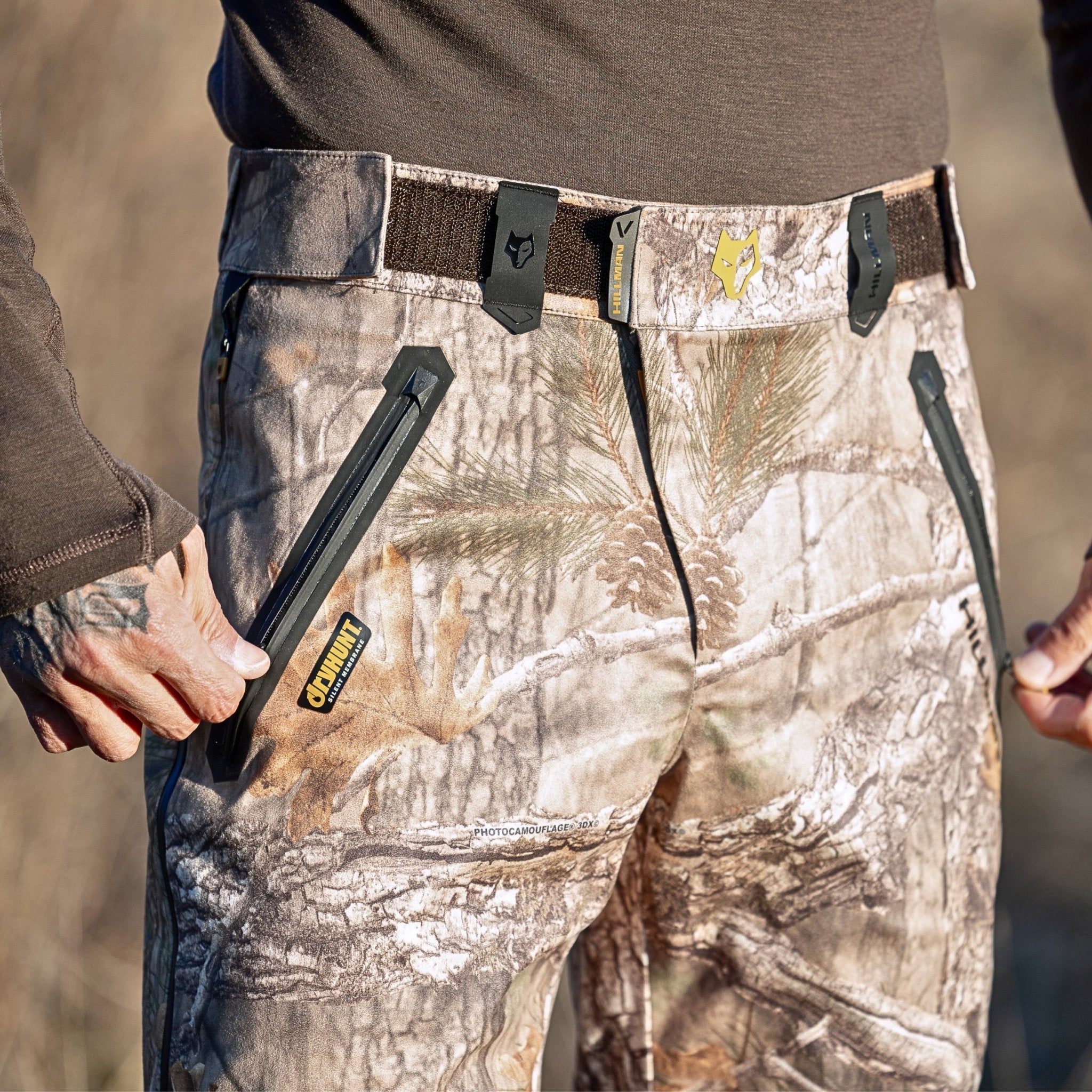
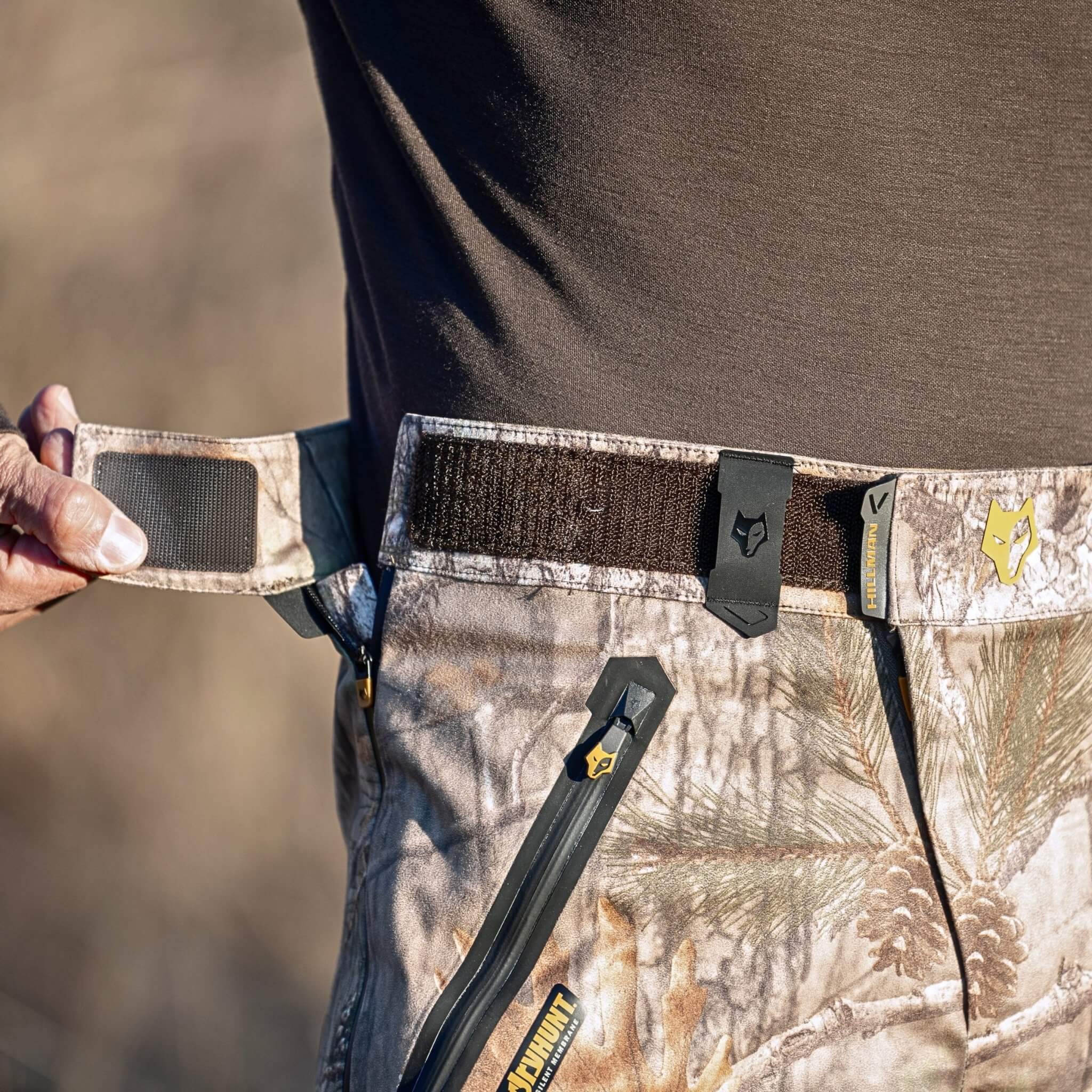
Waterproof Camo Pants - Hunting Rain | AlphaShell 5WL
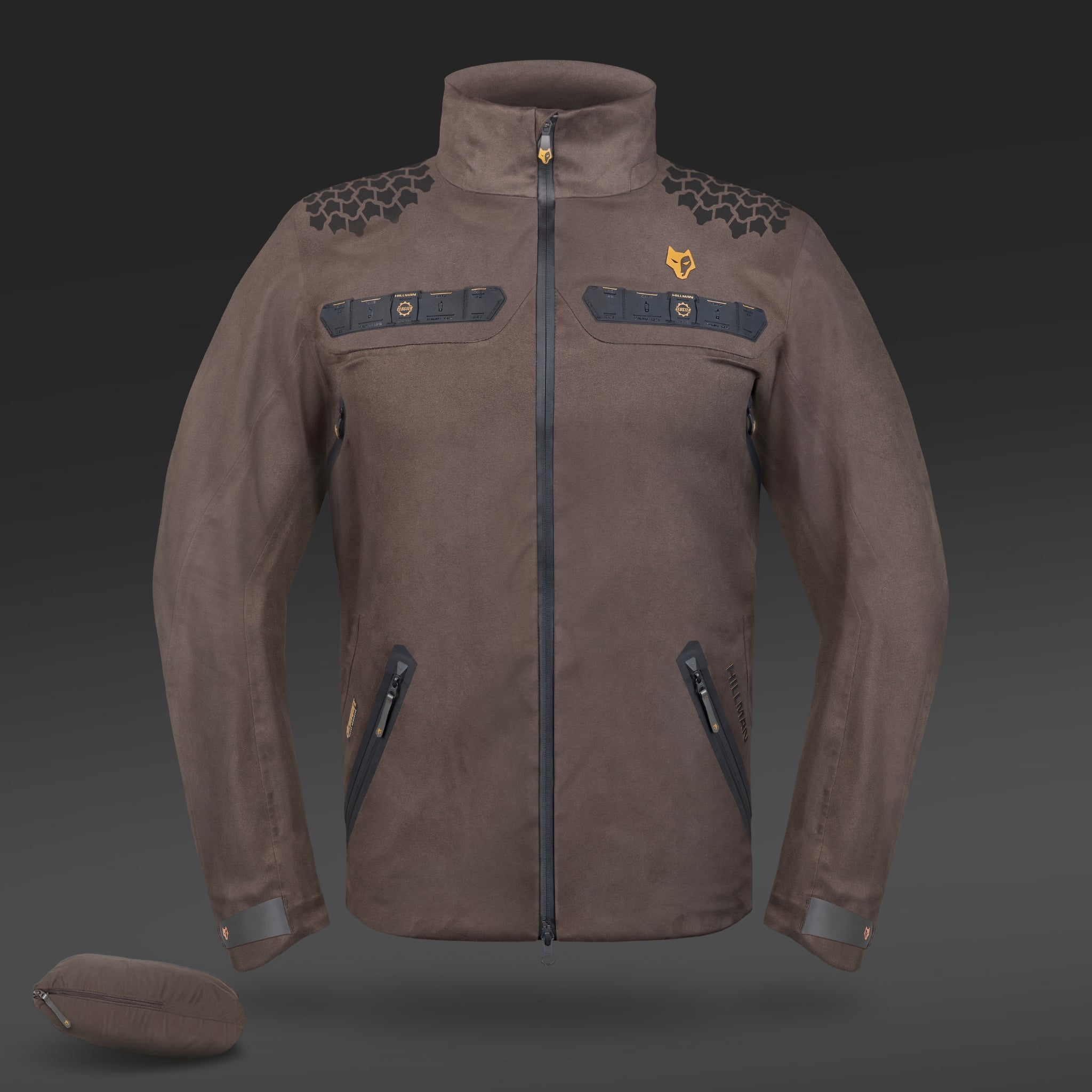
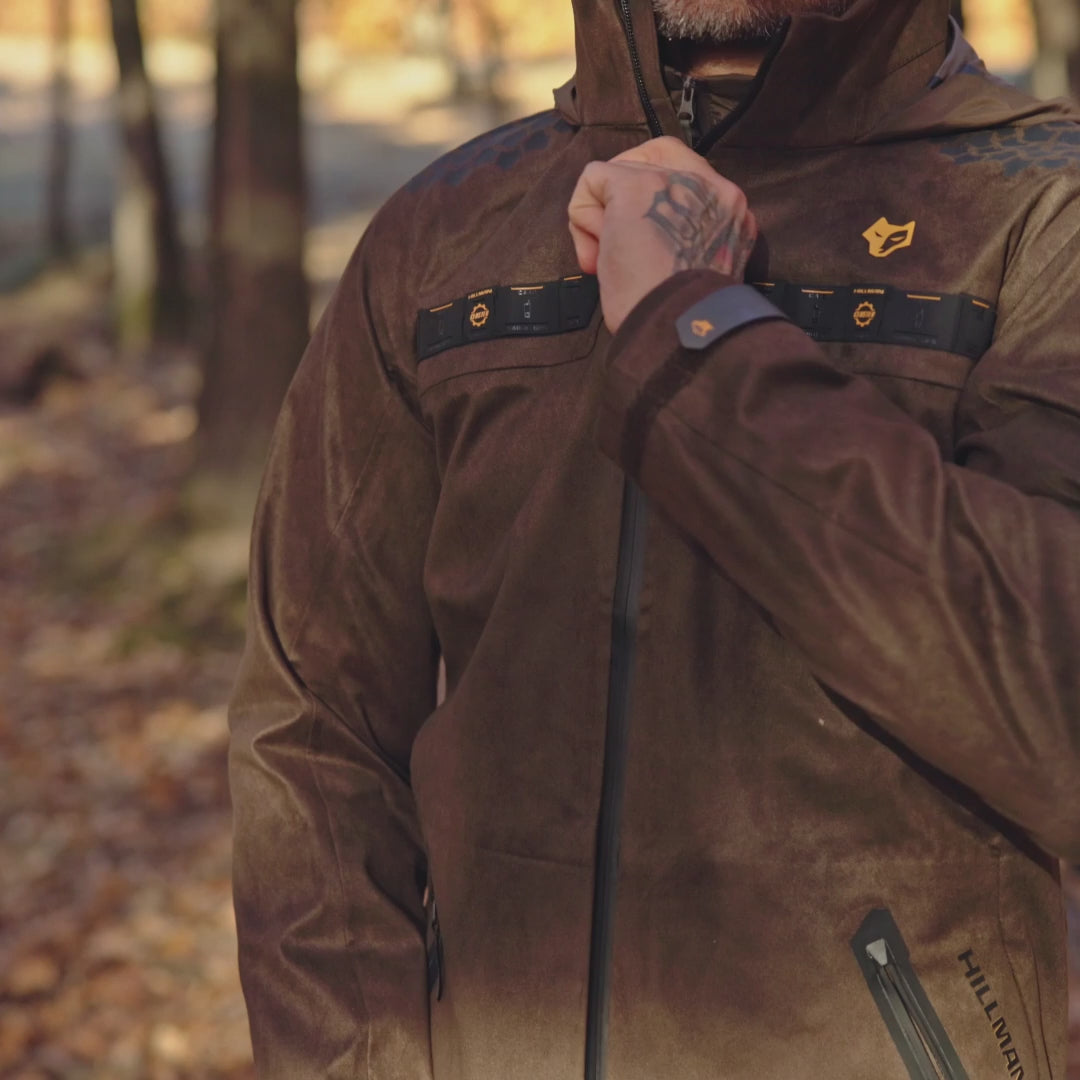
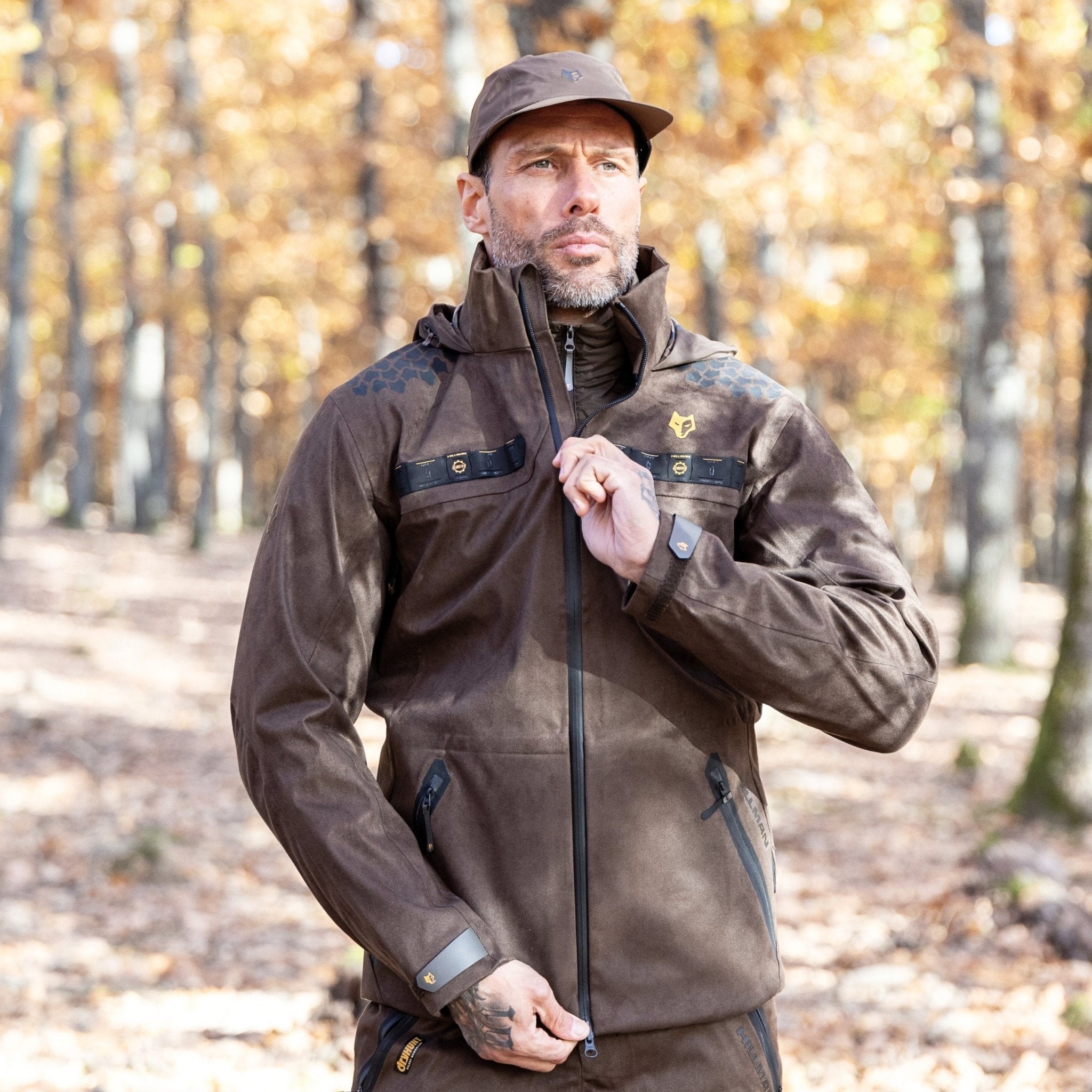
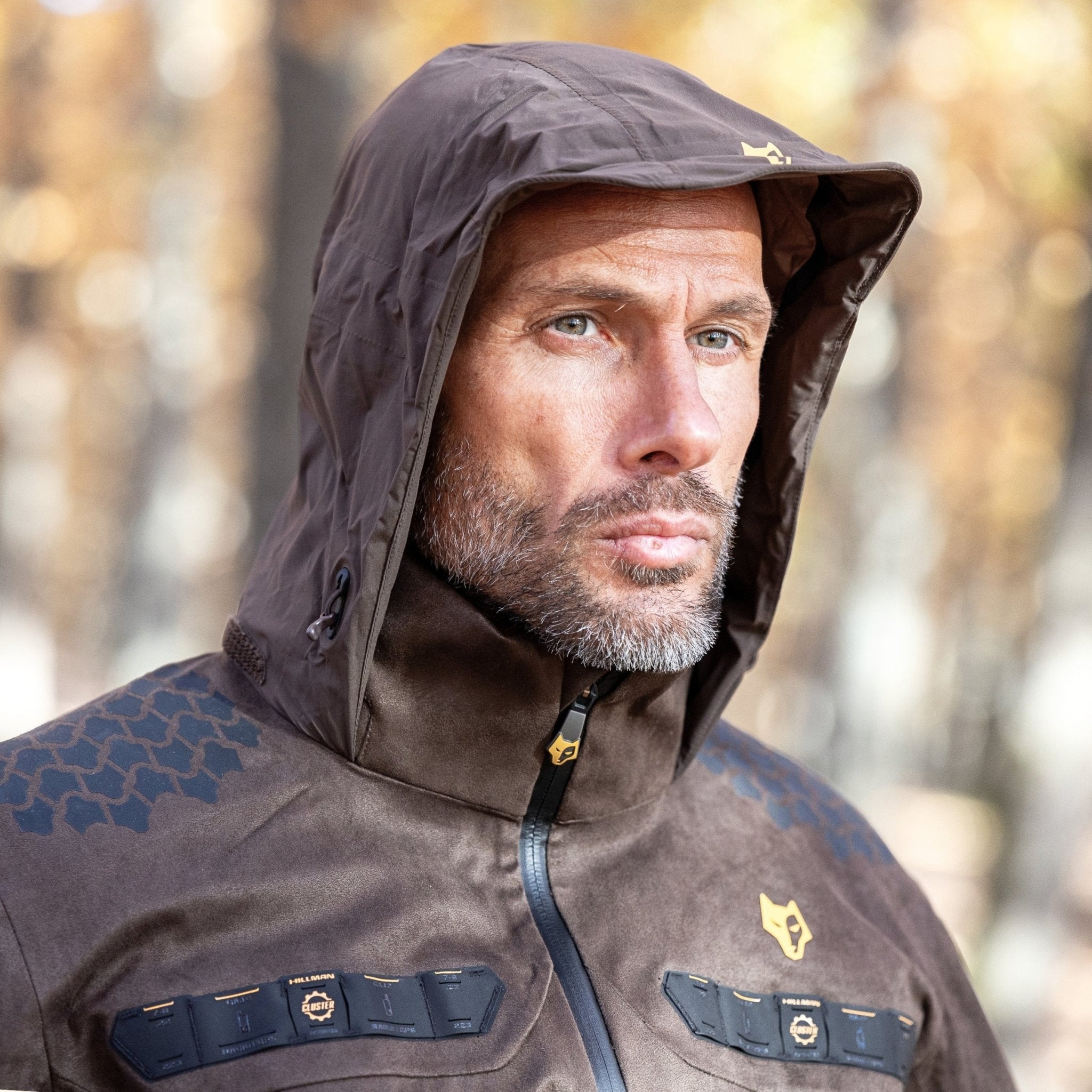
Waterproof Hunting Jacket | Lightweight AlphaShell 5WL
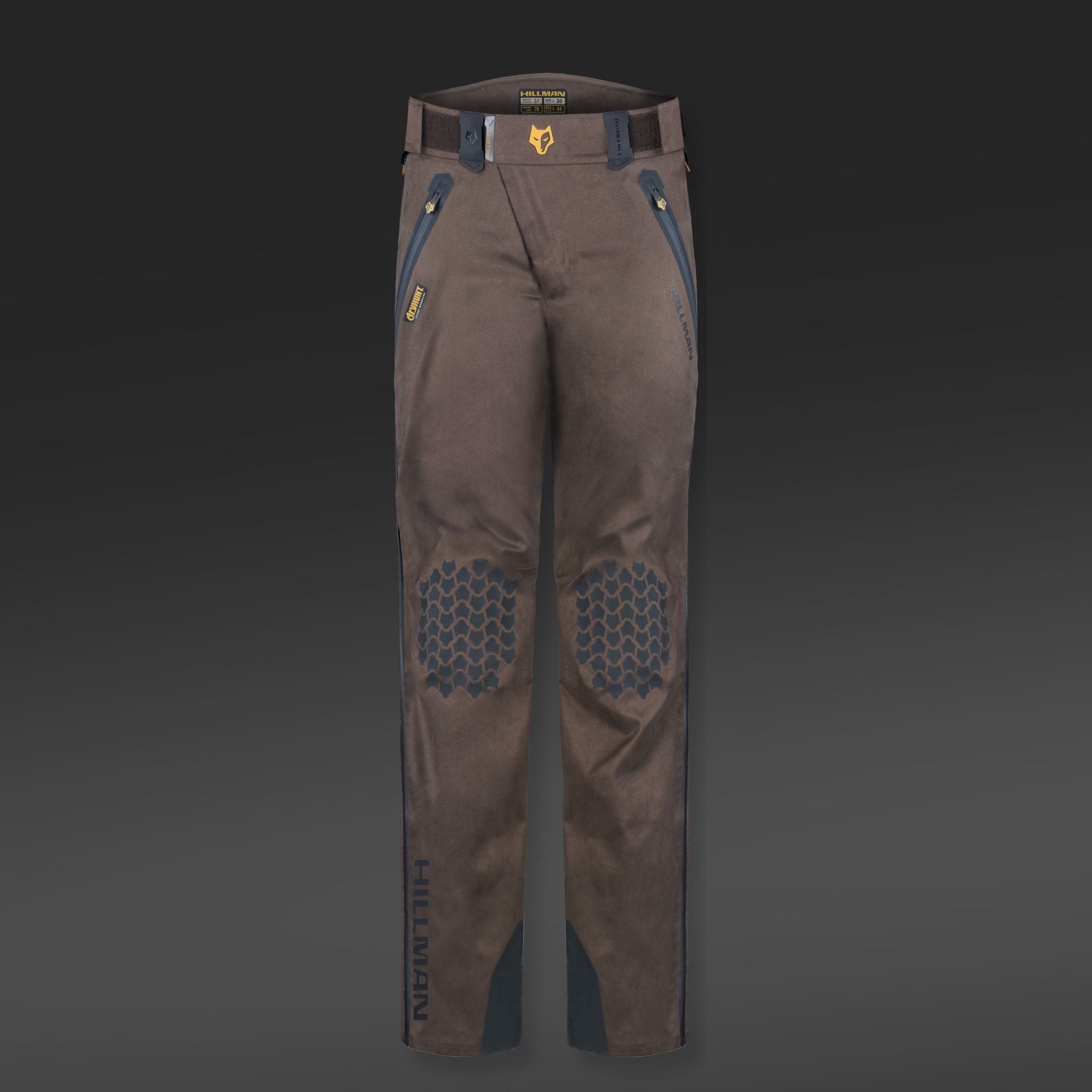
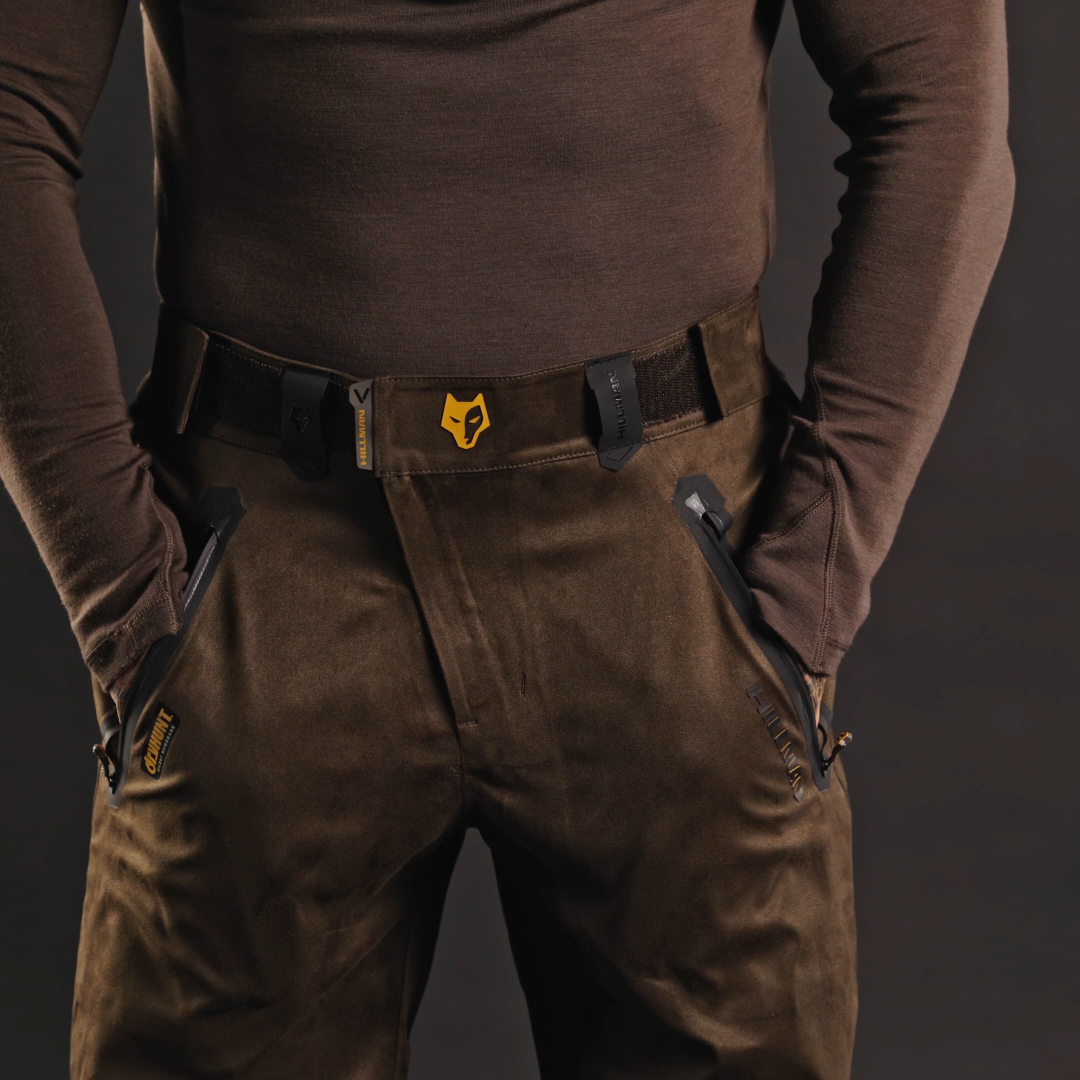
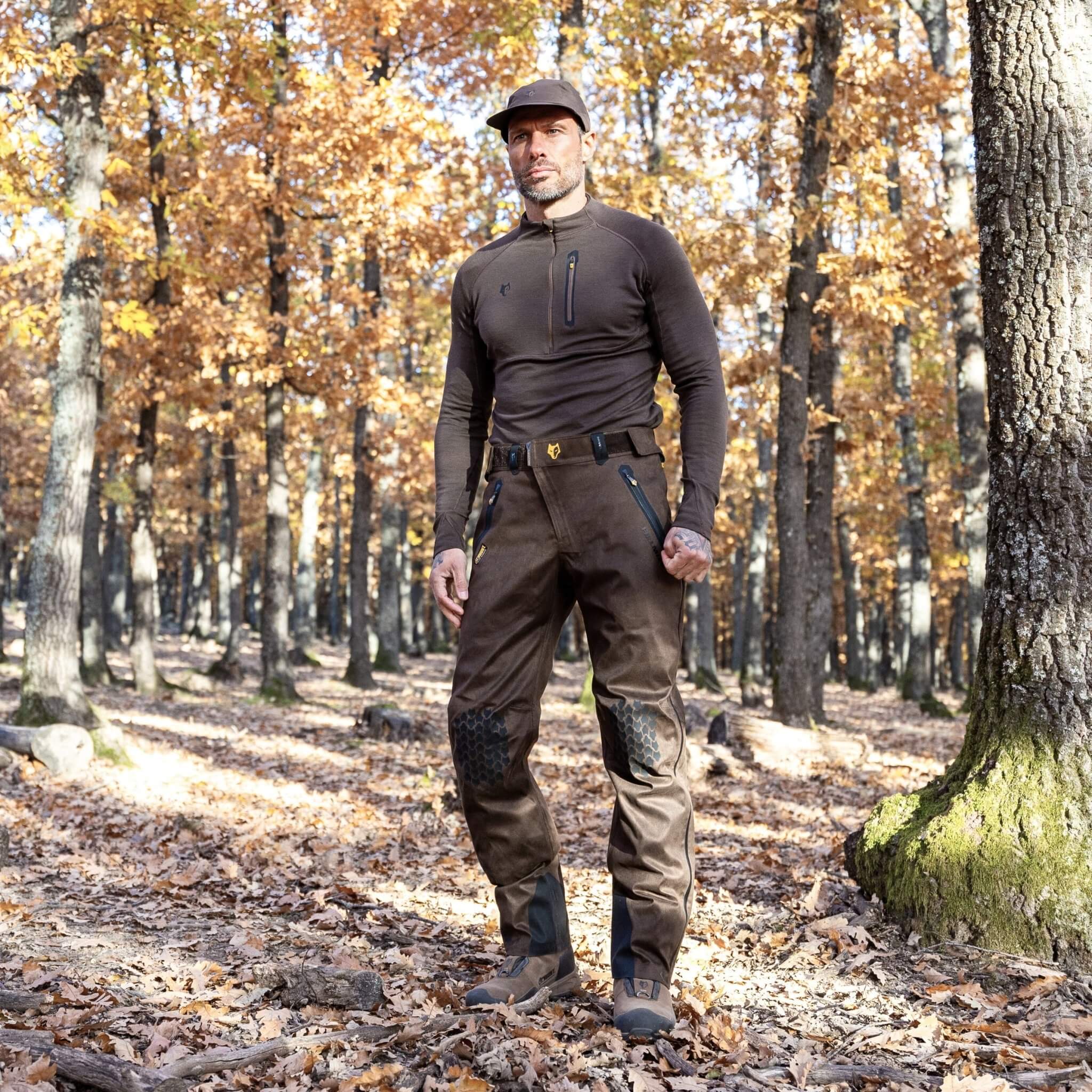
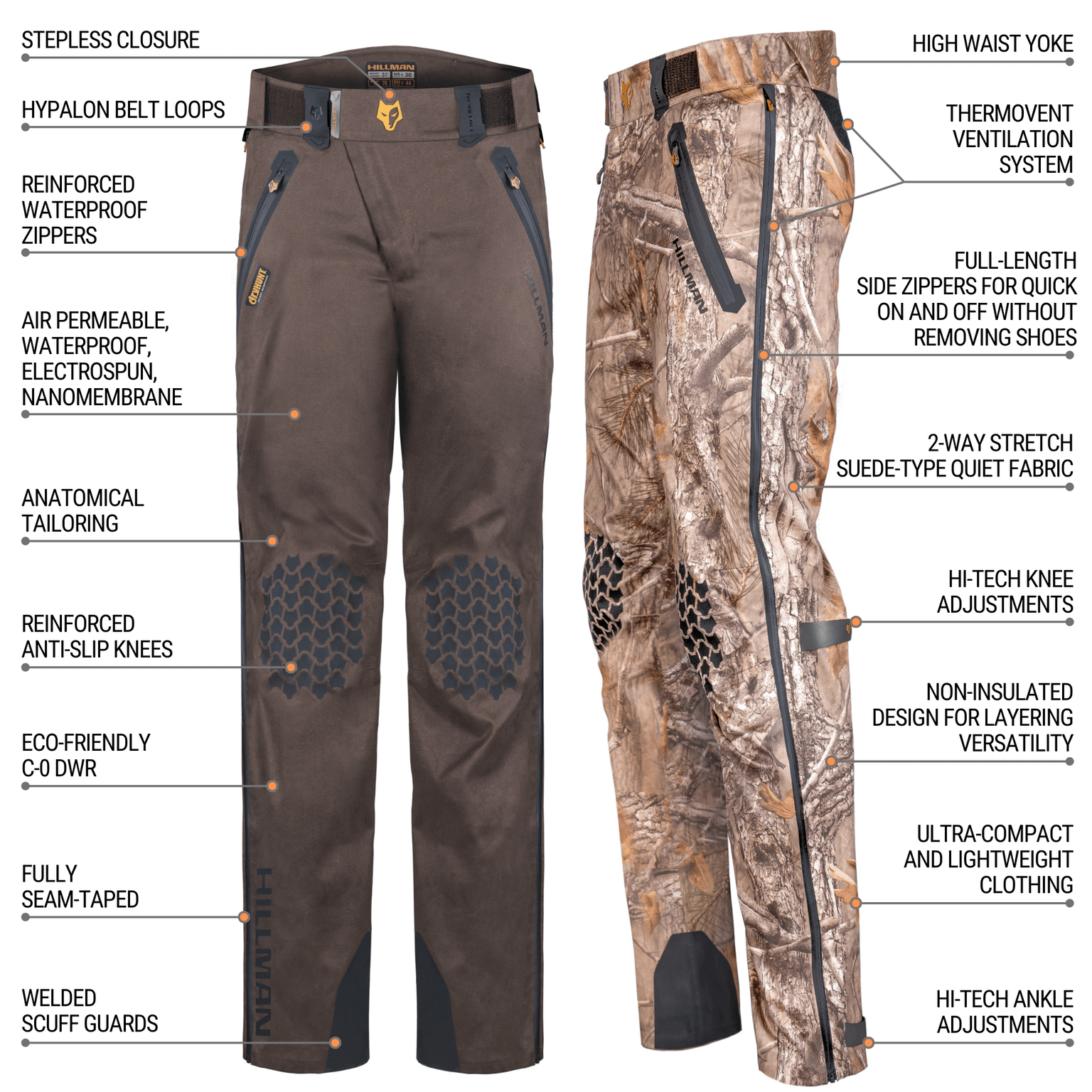
Waterproof Hunting Pants | Lightweight AlphaShell 5WL
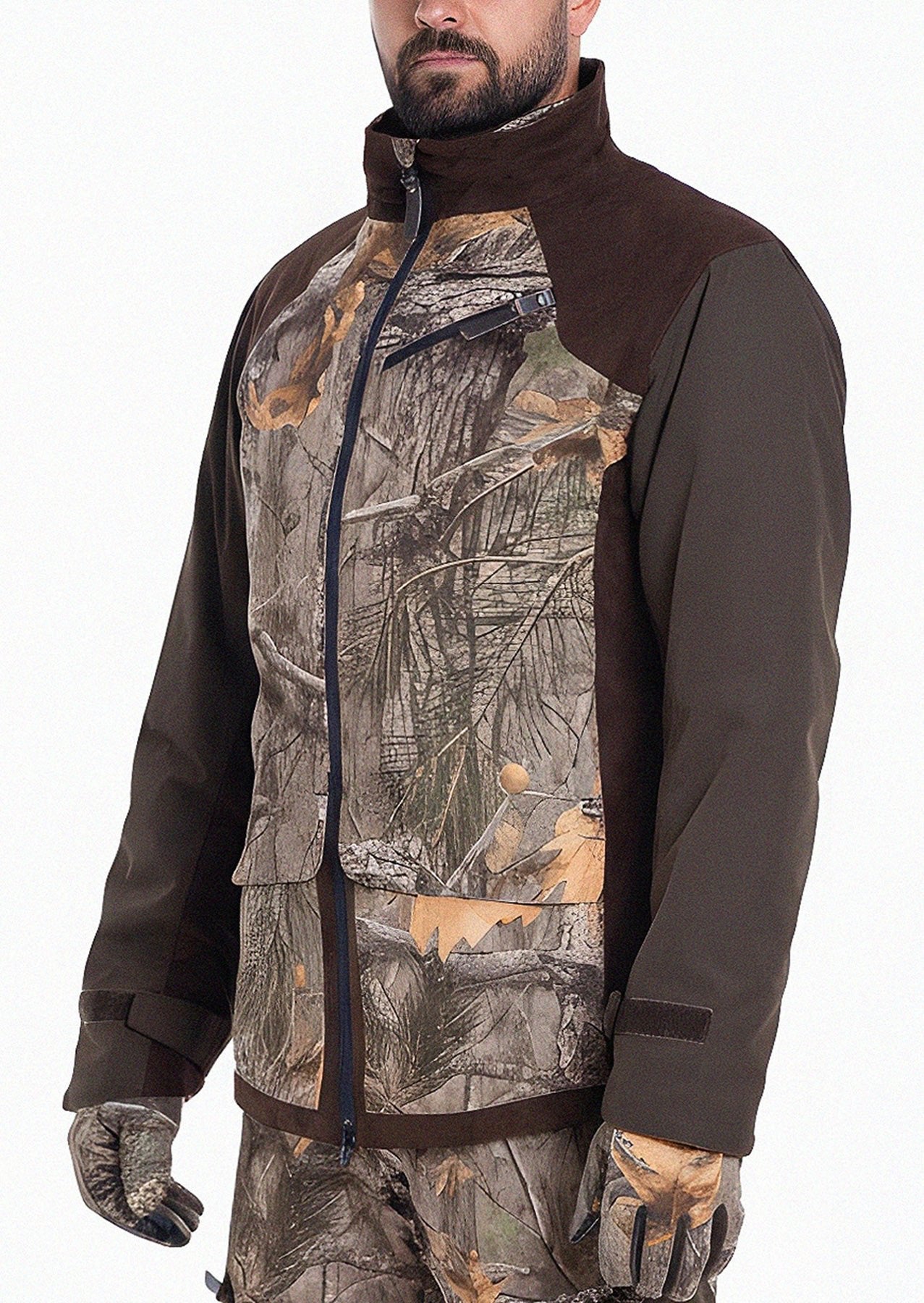
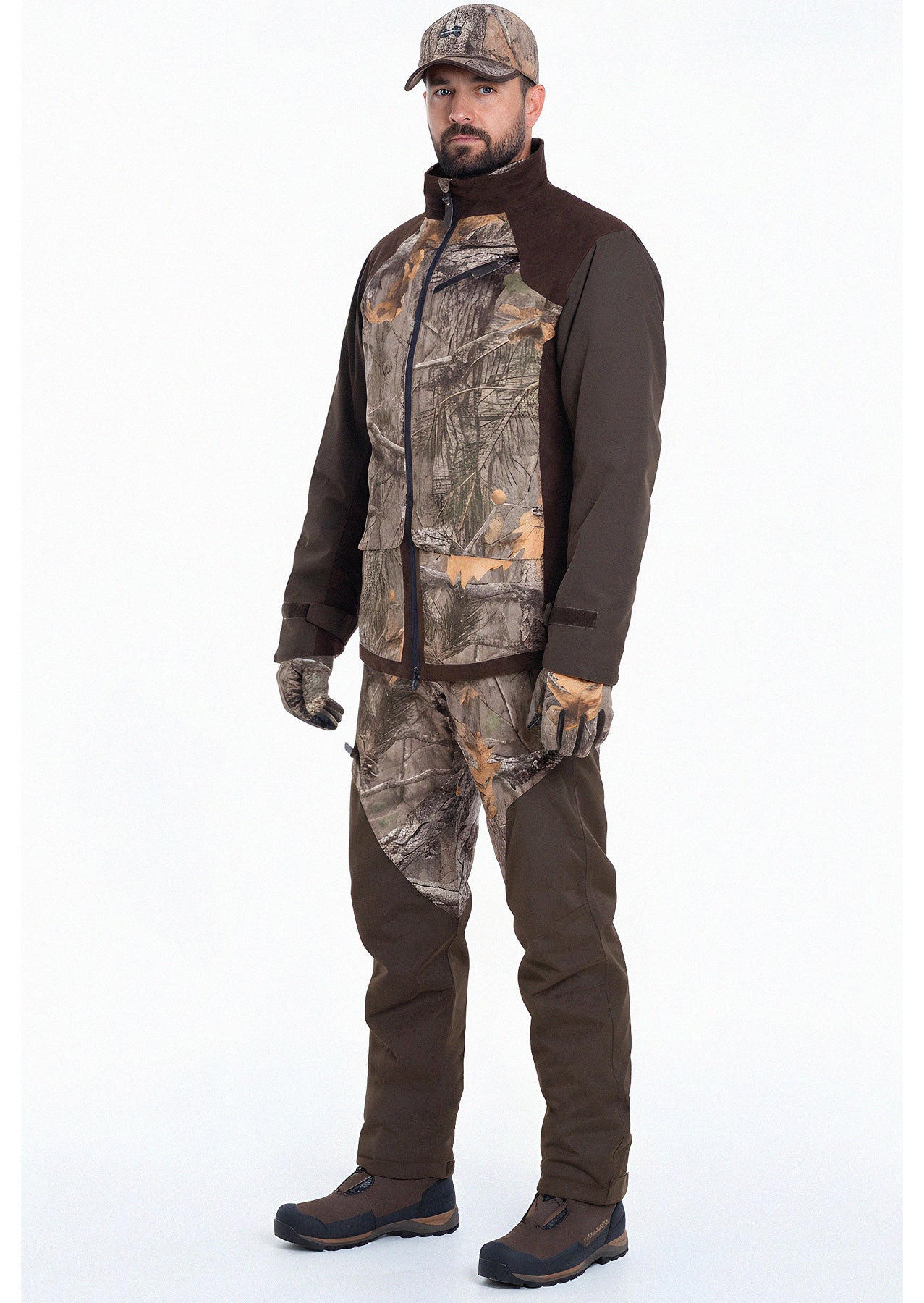
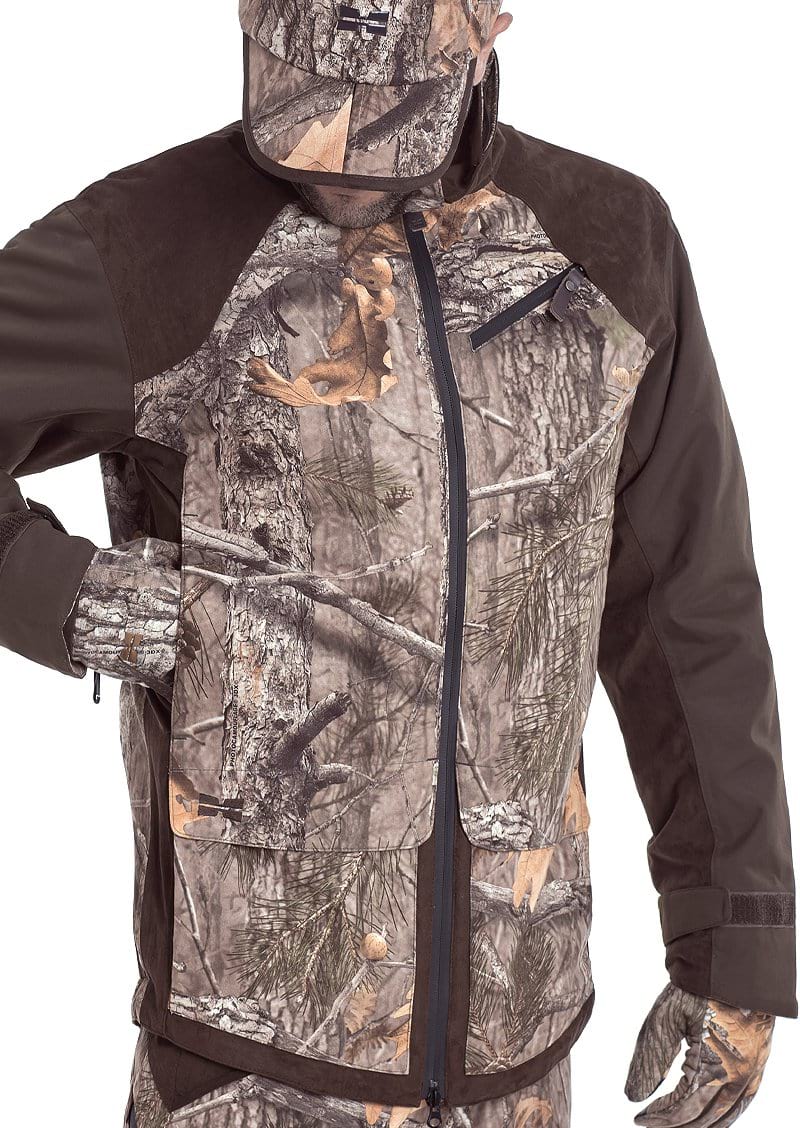
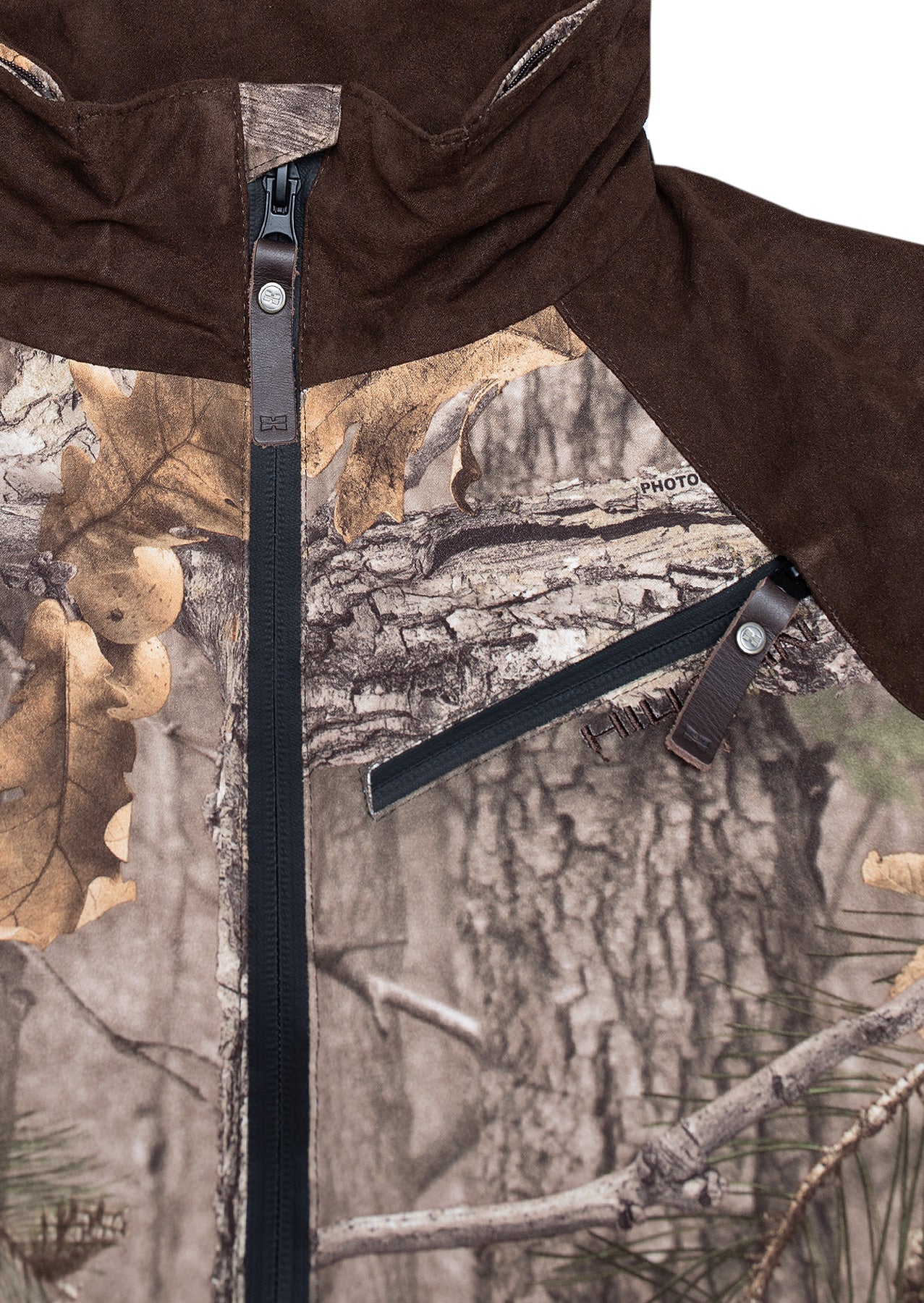
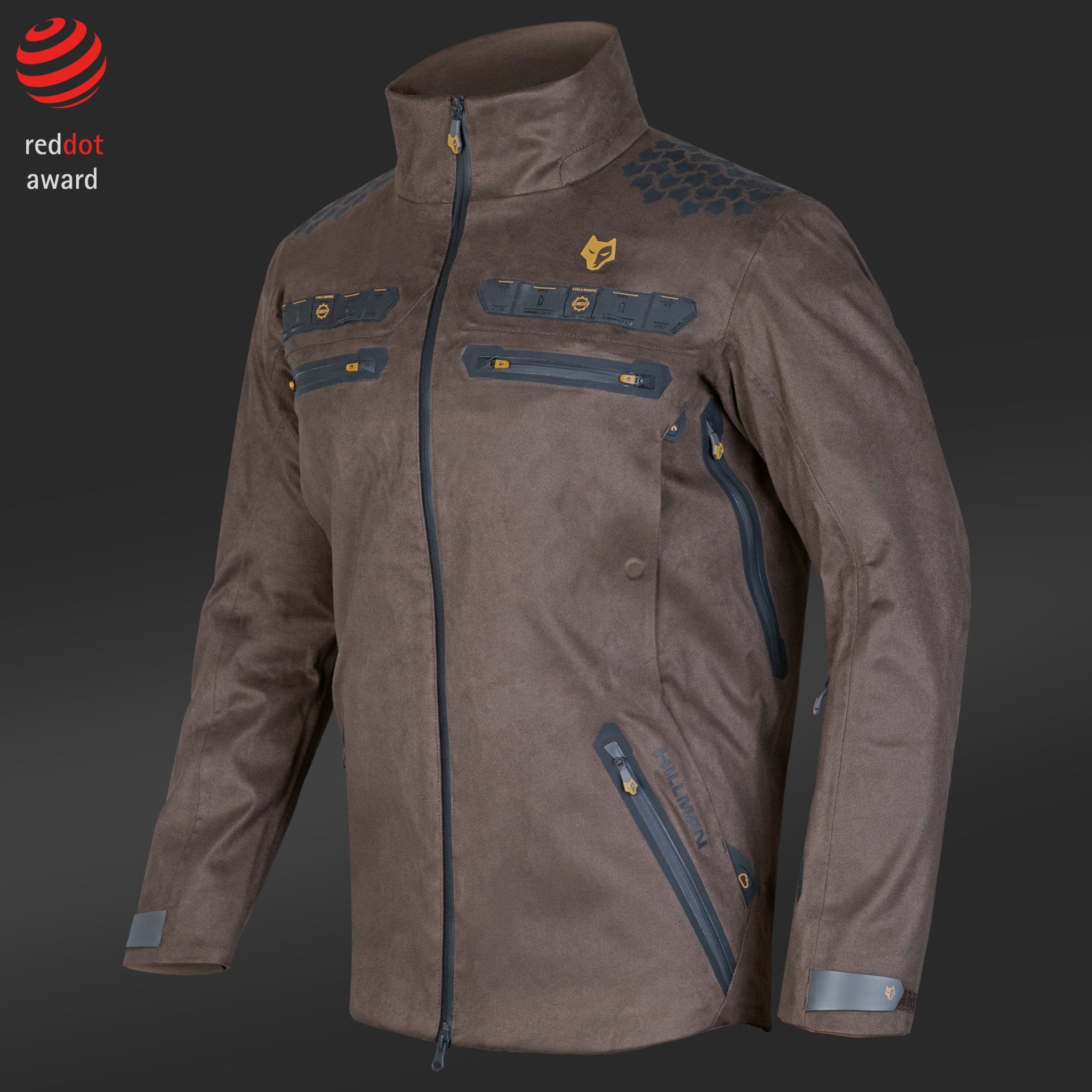
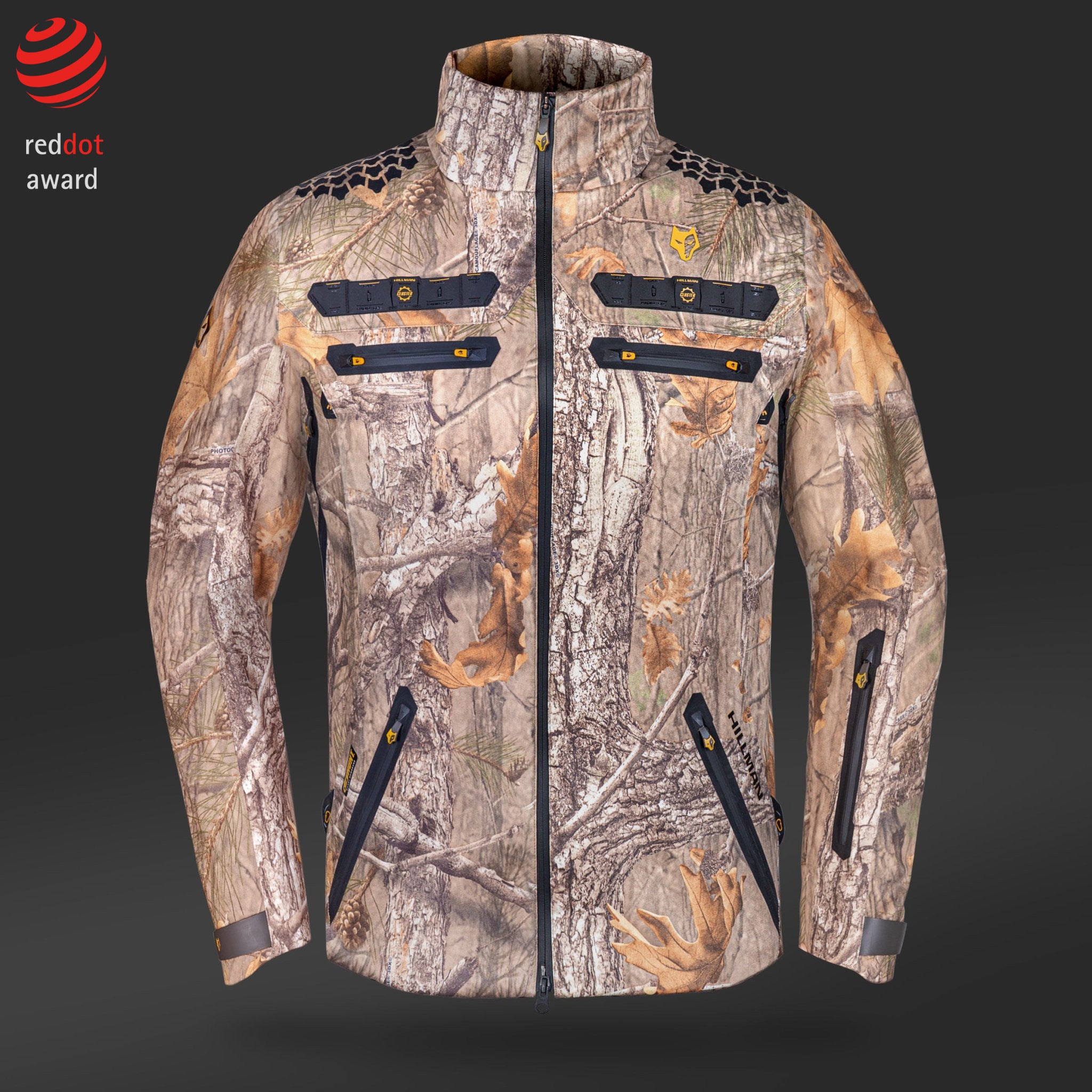
Camo Hunting Jacket - Waterproof & Insulated | Fusion
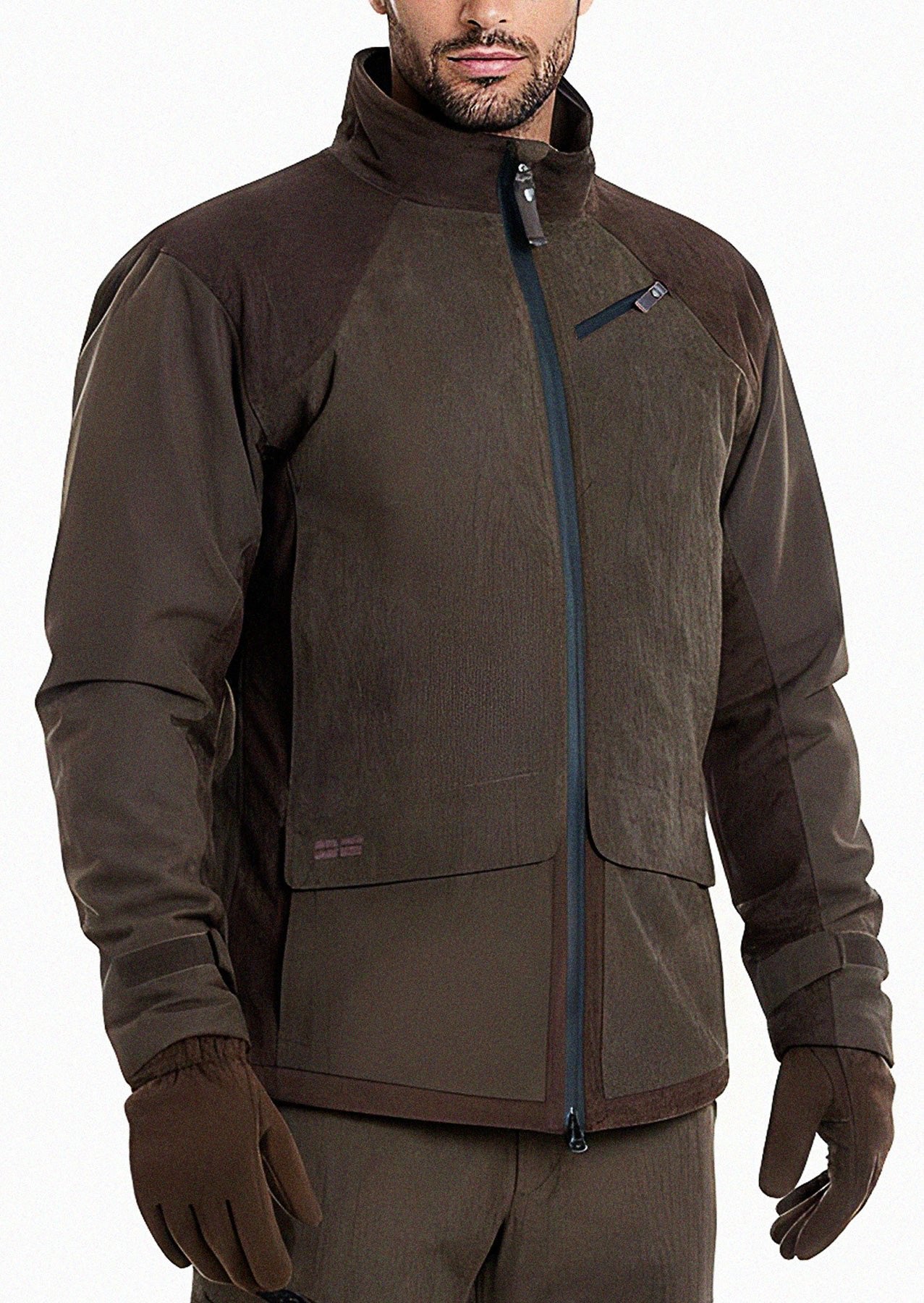
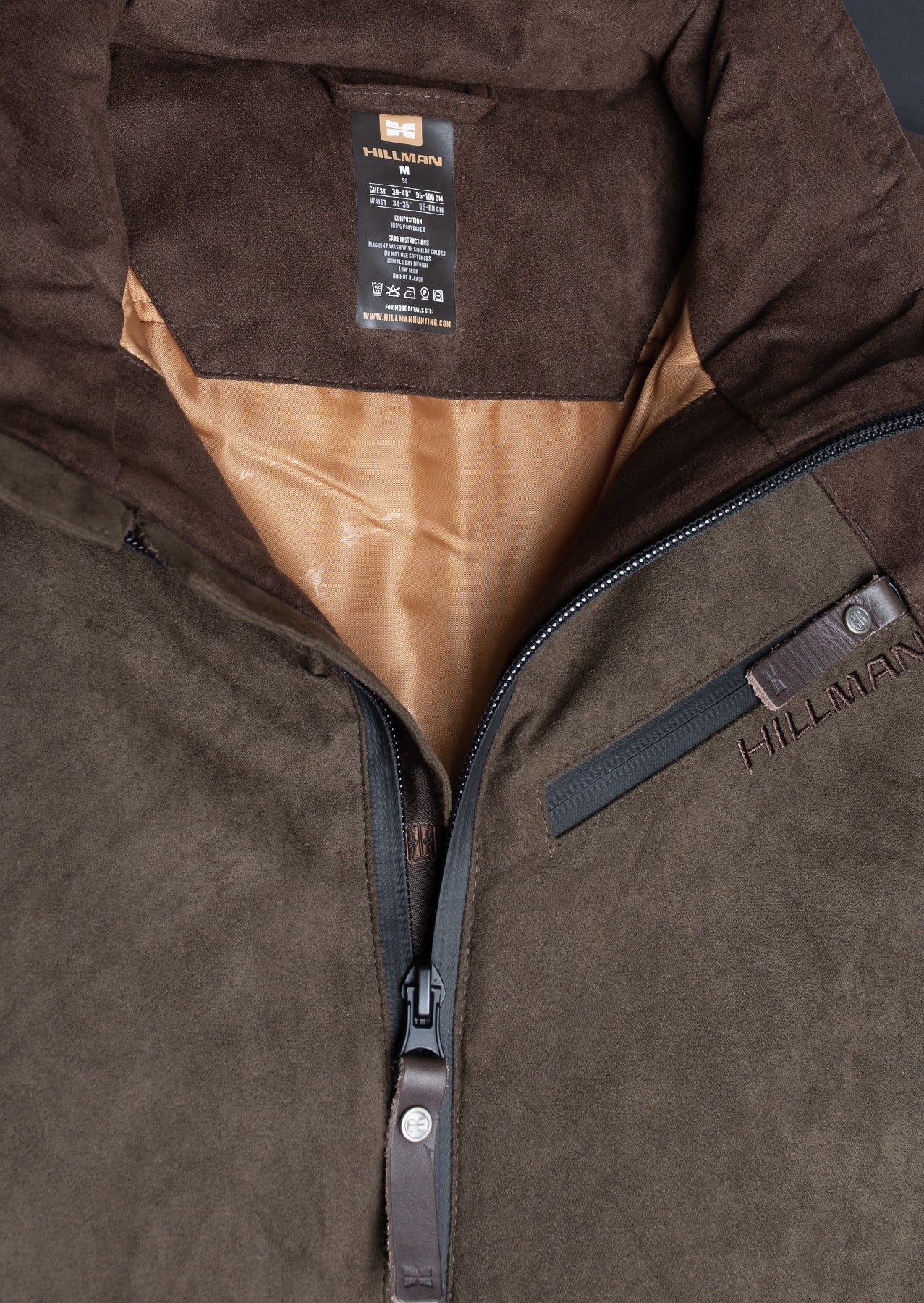
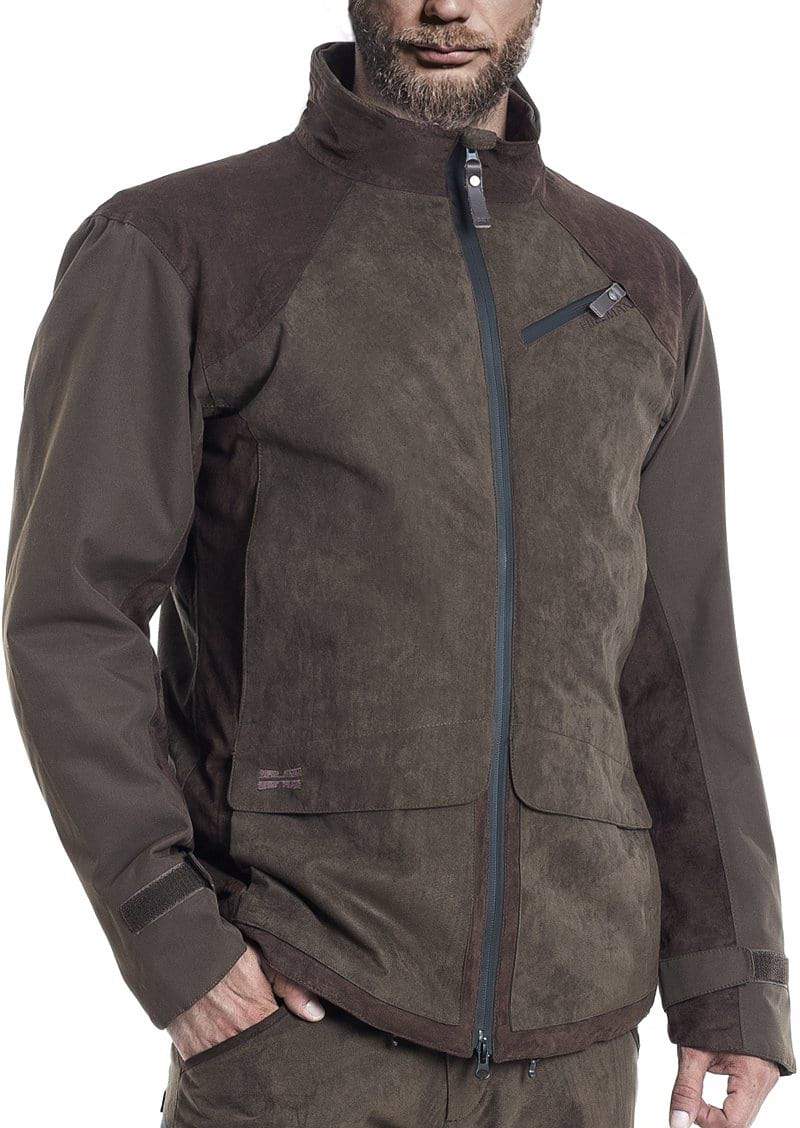
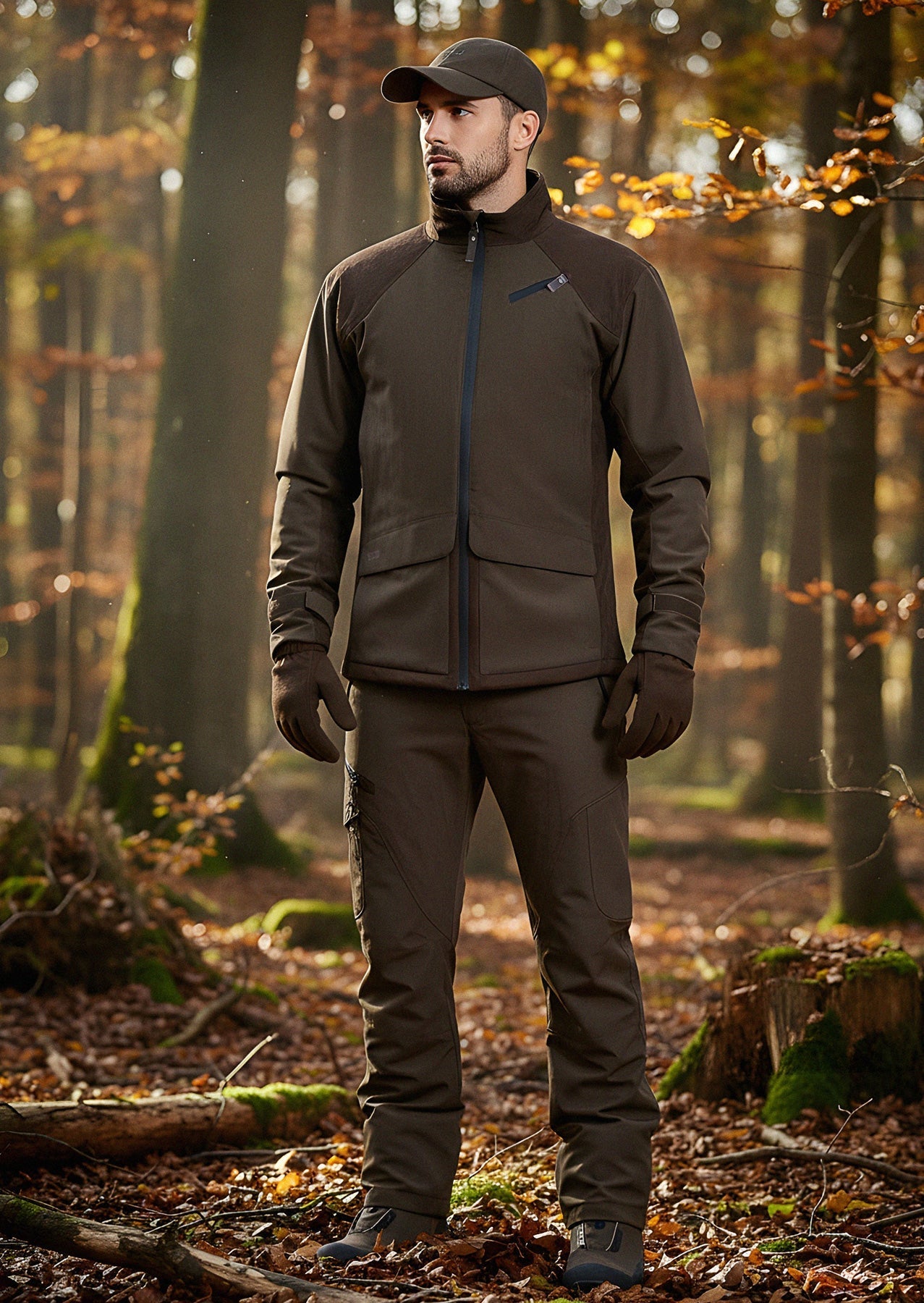
Waterproof Insulated Hunting Jacket - Cold Weather | Fusion
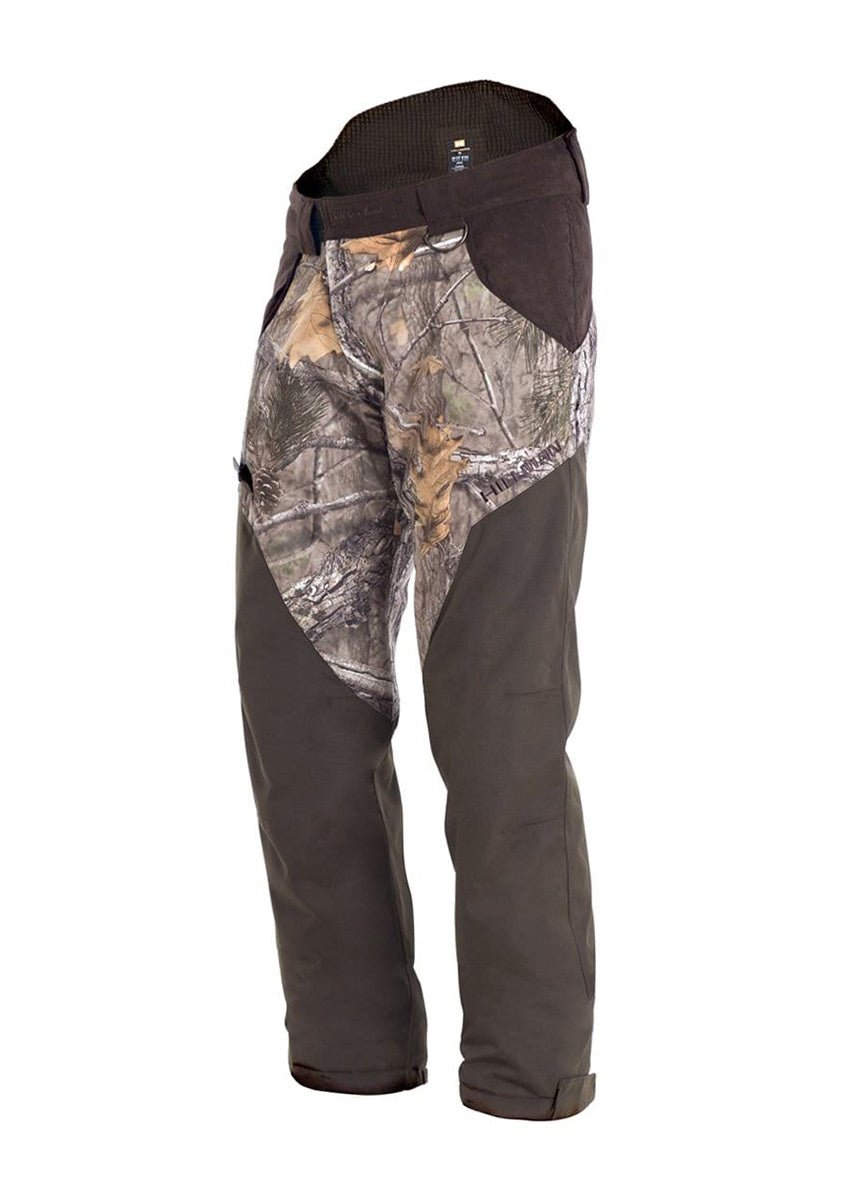
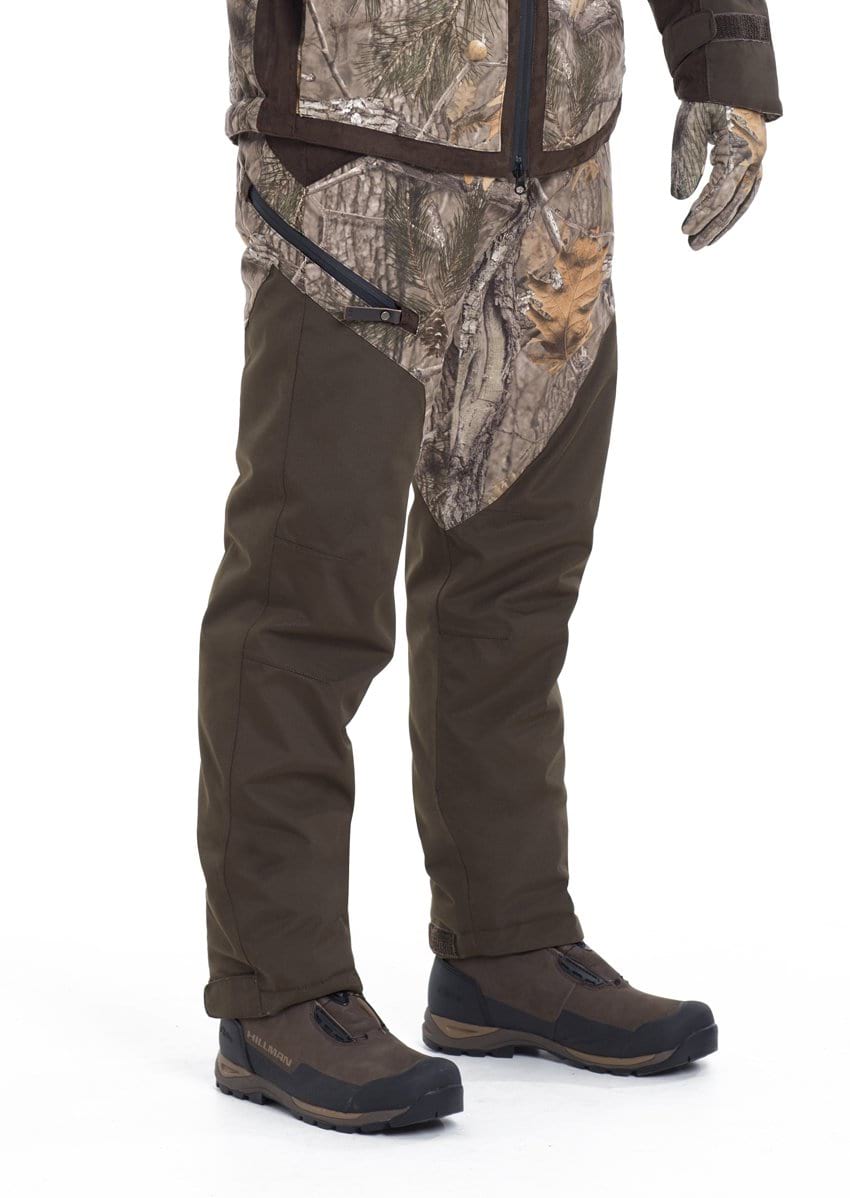
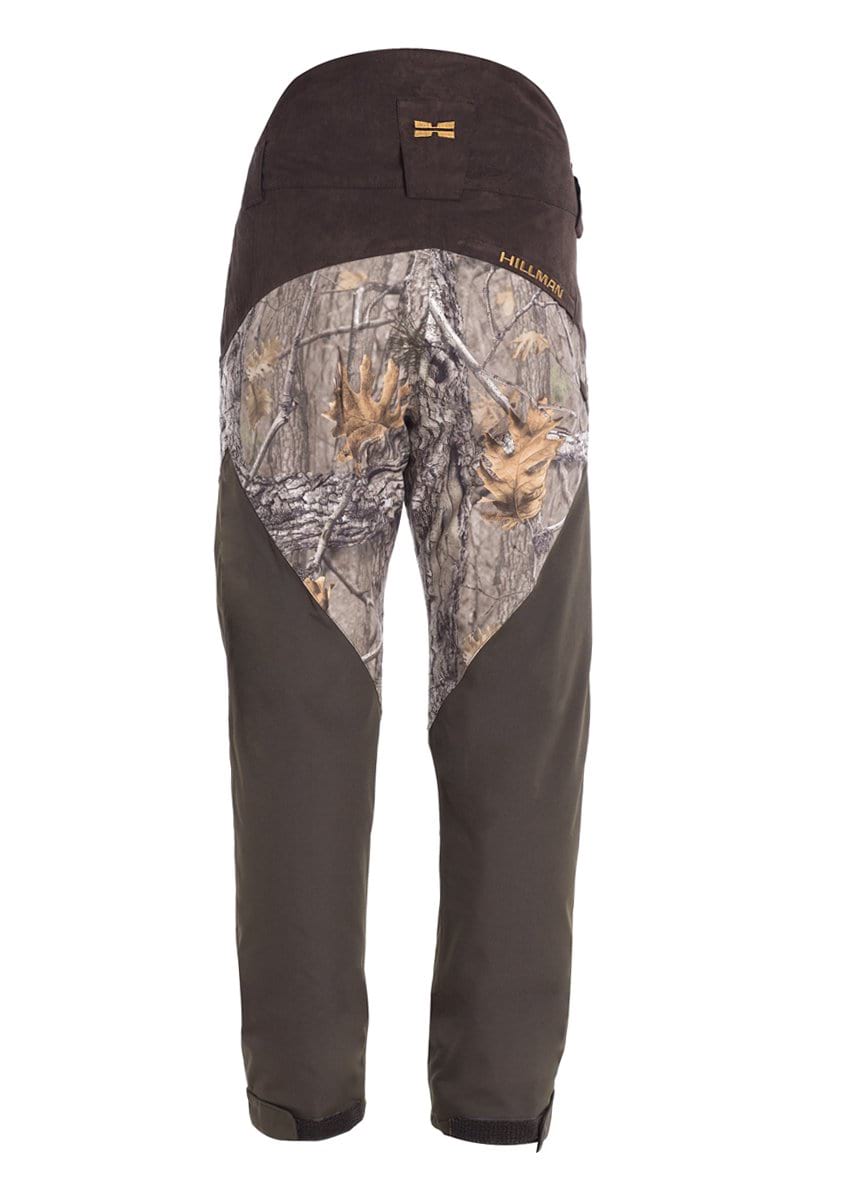
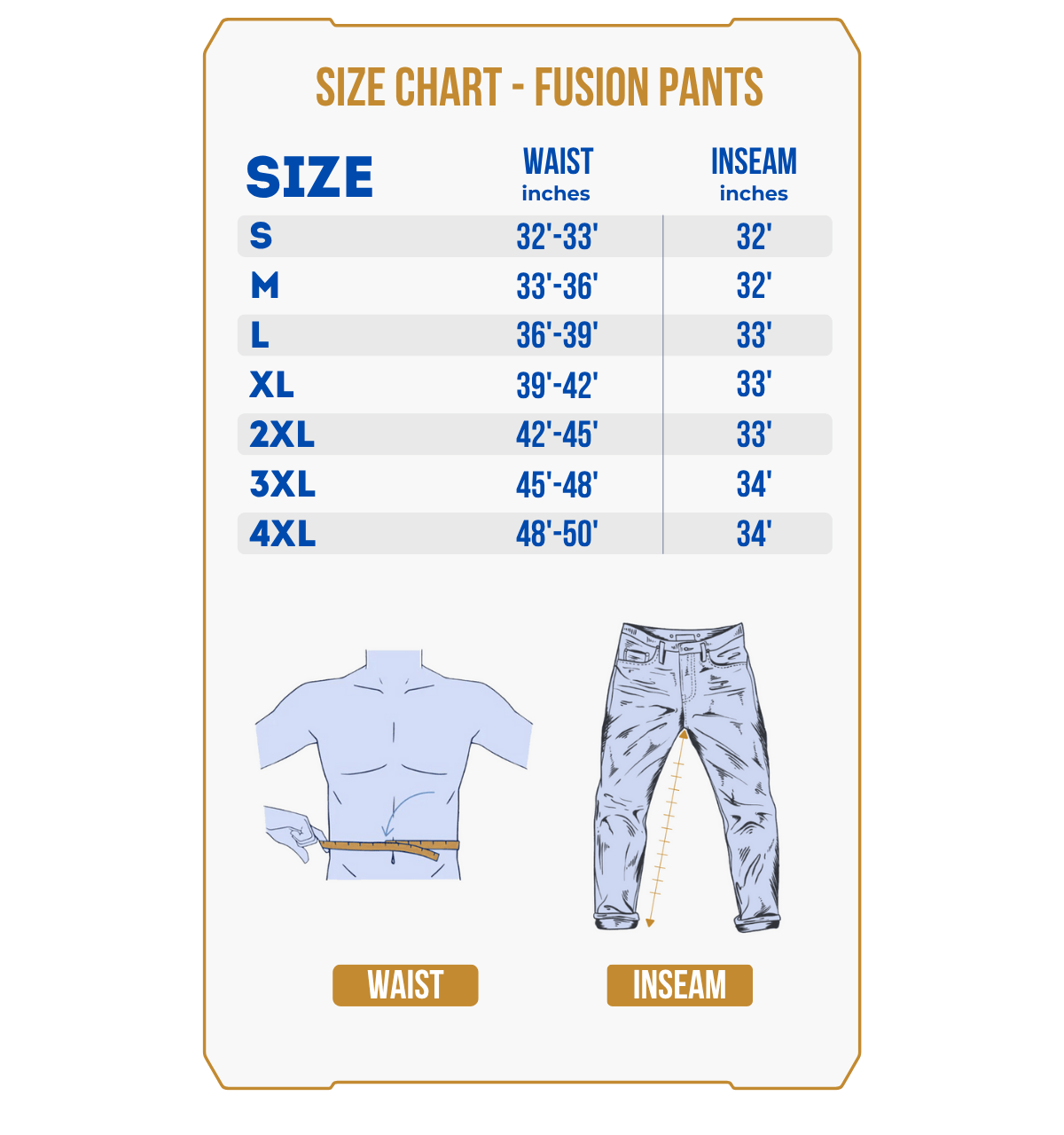
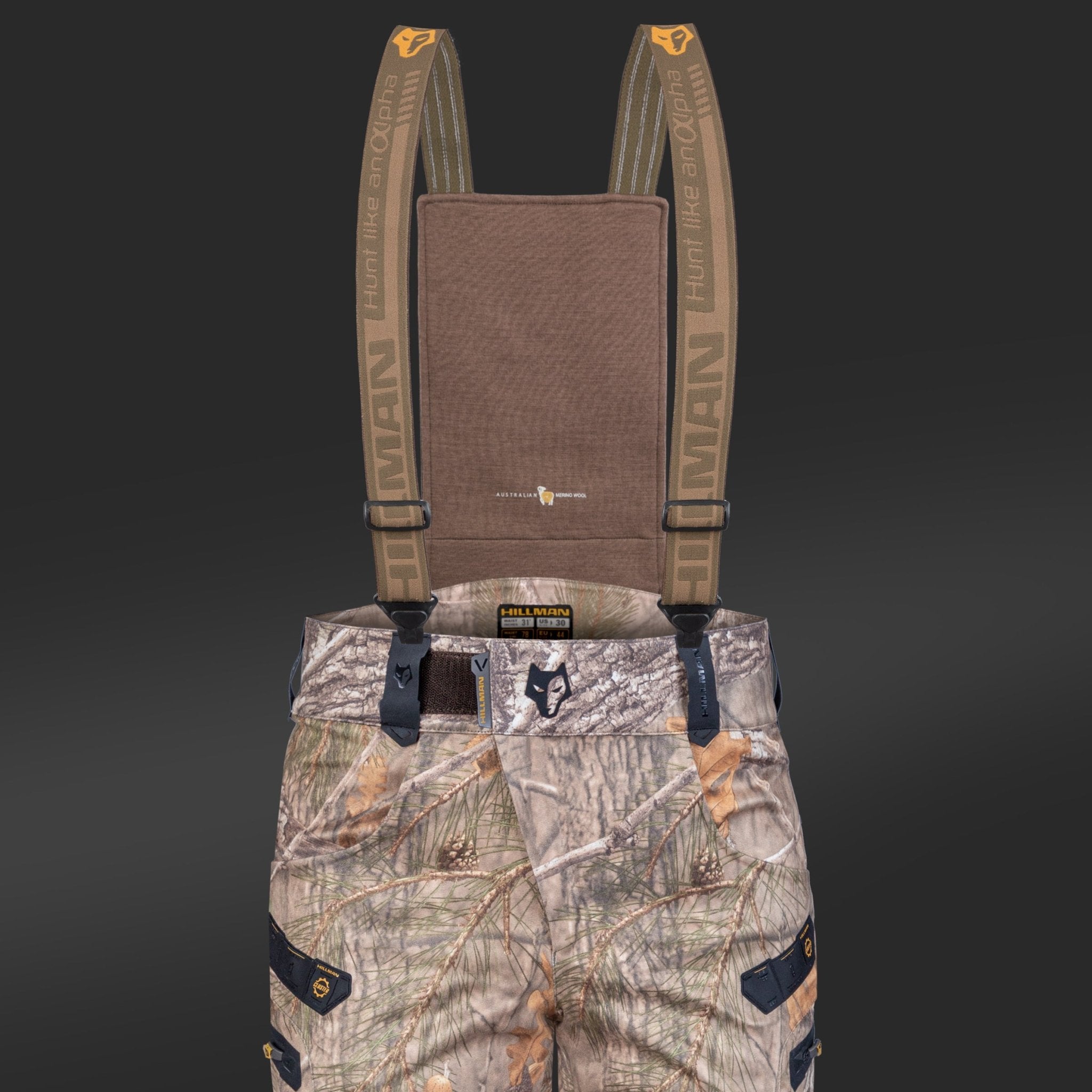
Camo Hunting Pants - Waterproof & Insulated | Fusion
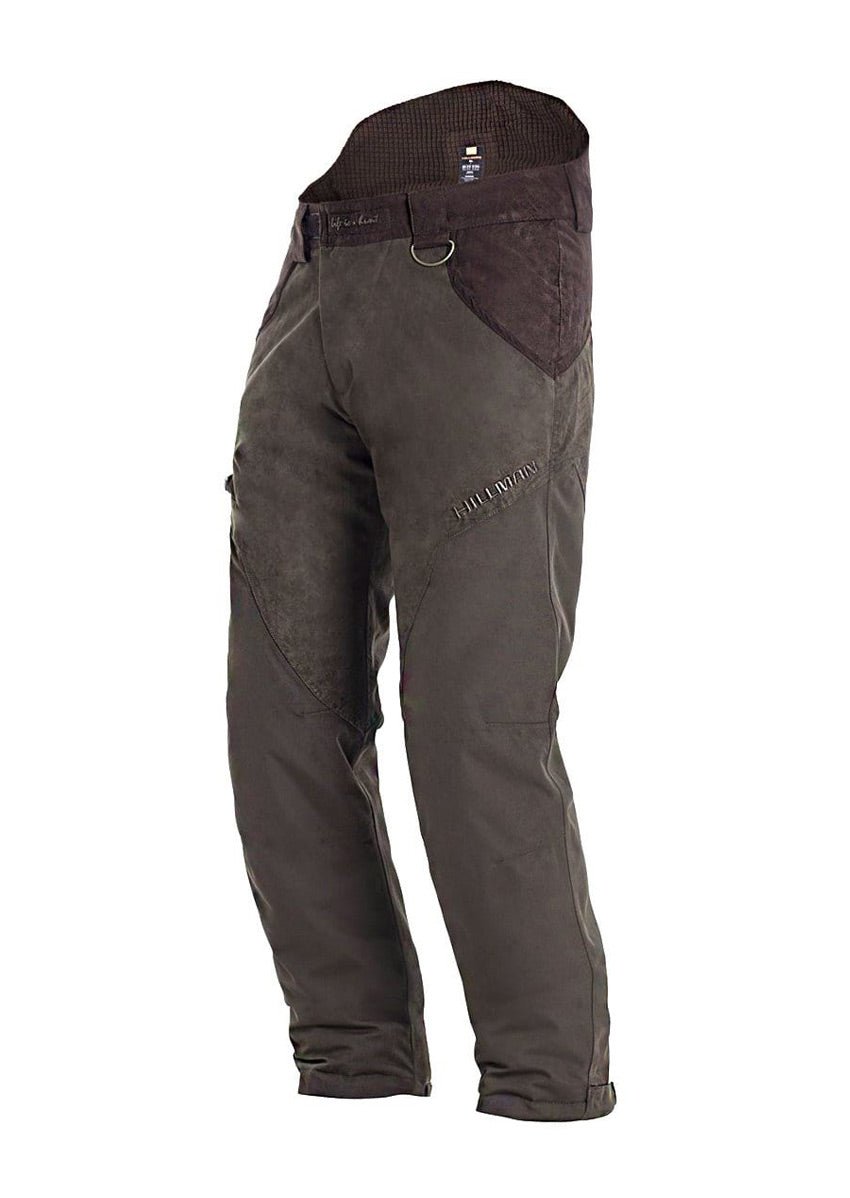
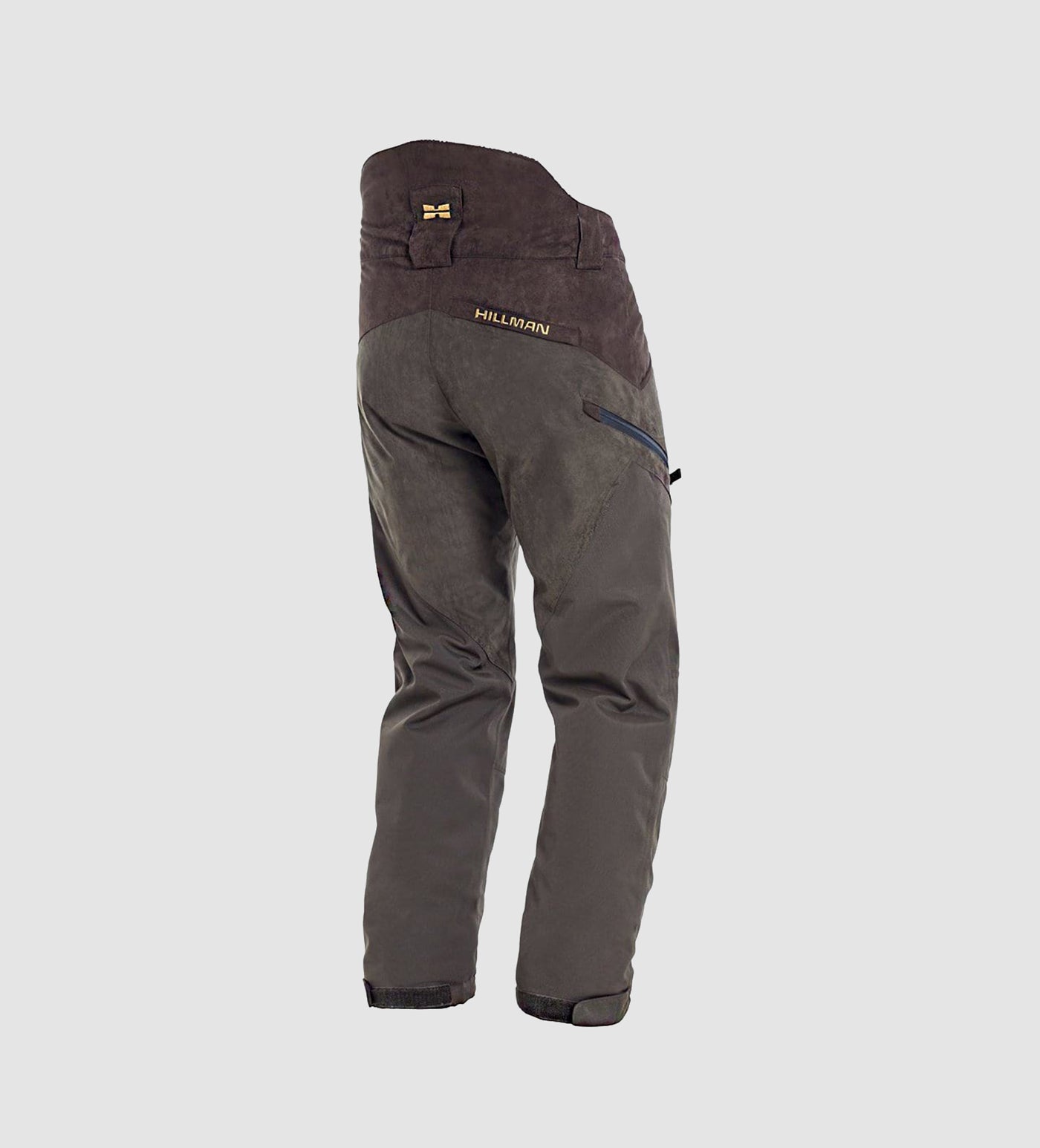
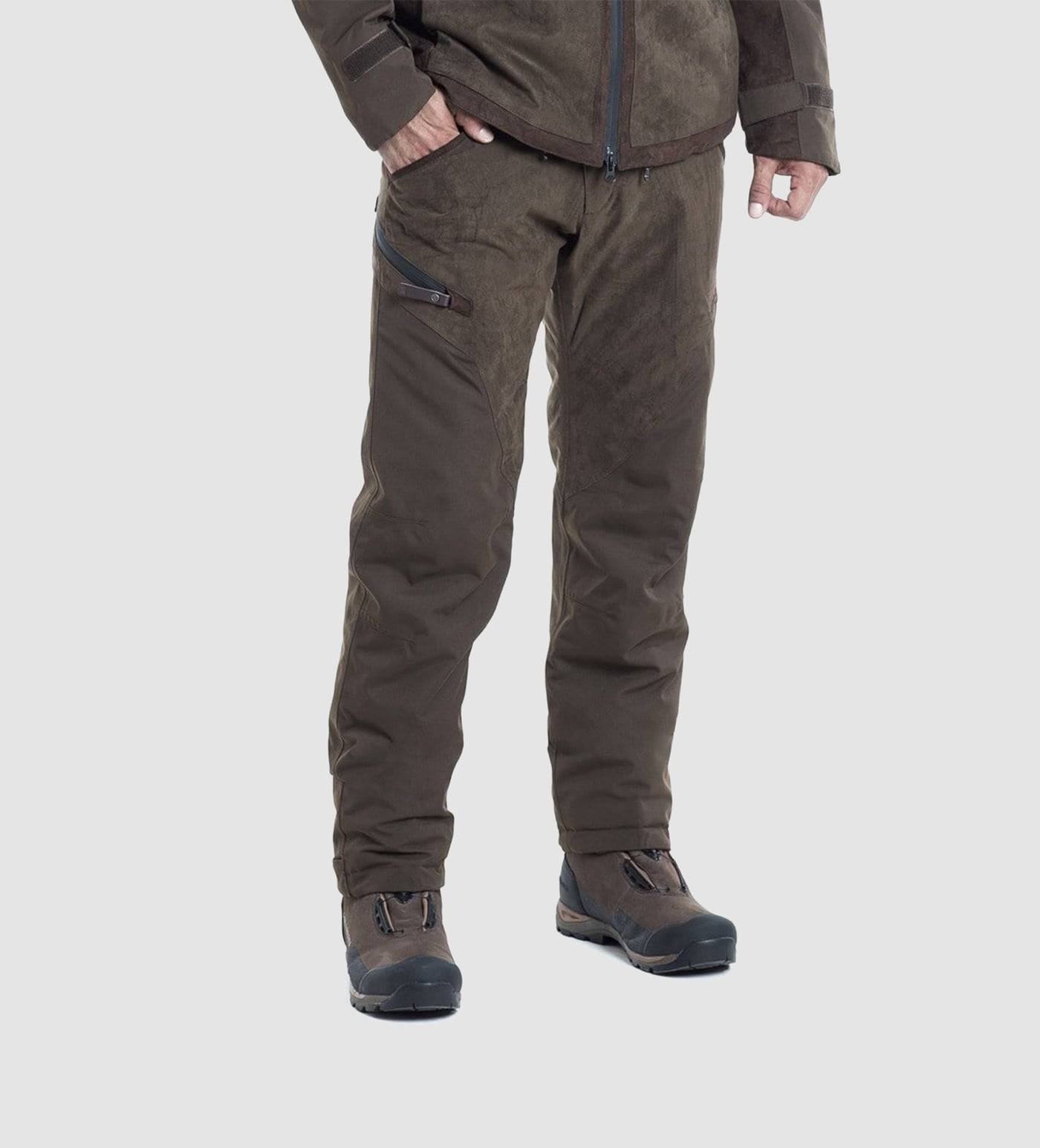
Insulated Waterproof Hunting Pants - Cold Weather | Fusion
Insulated Hunting Boots

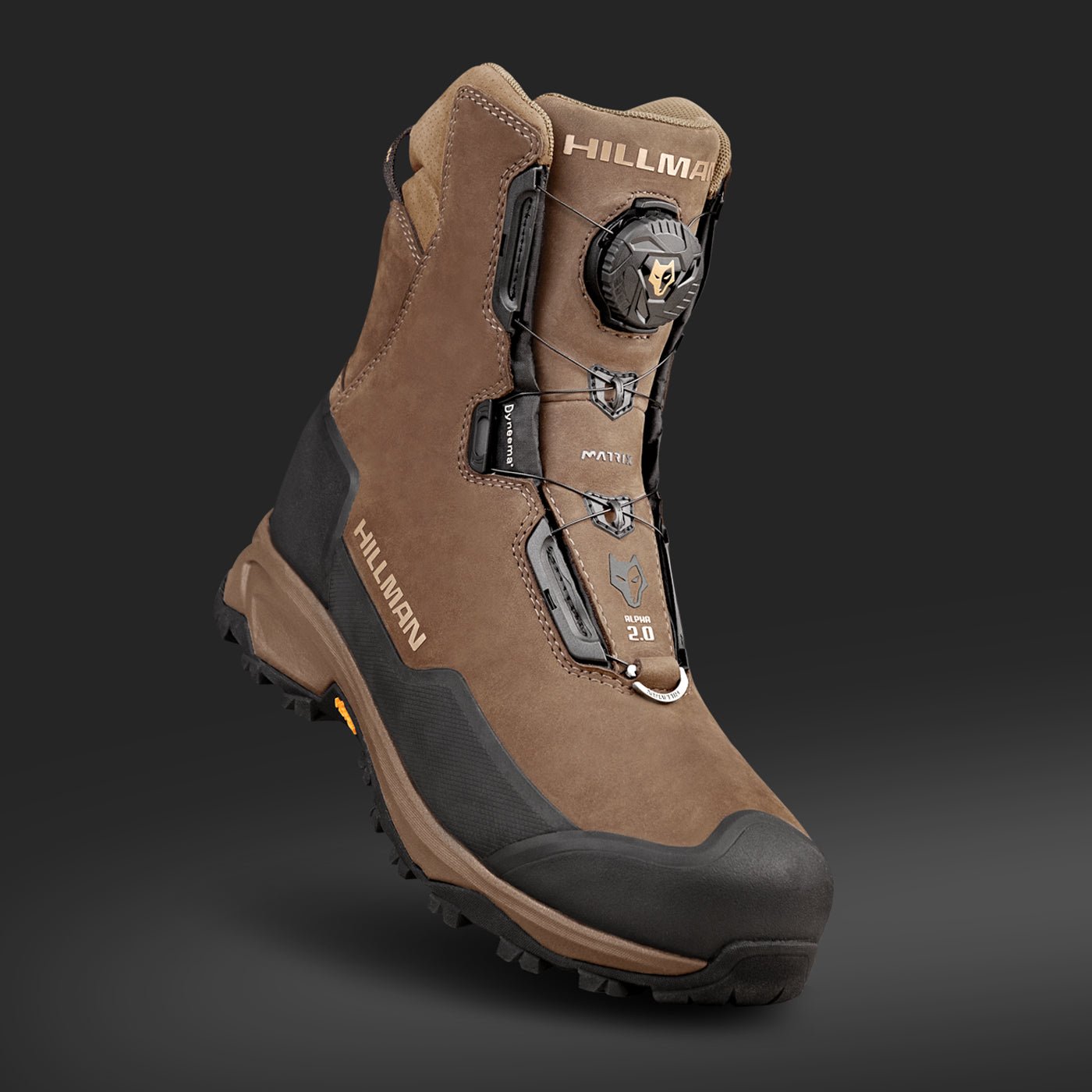
Stay warm and dry with Hillman insulated hunting boots. The Aerogel boots are built for tough terrain and serious hunters.
Snow crunches underfoot. The air burns with every breath. On days like this, the wrong boots turn the hunt into a test of endurance. That is why Hillman built its Insulated Hunting Boots collection – footwear designed not only to survive the cold but to help hunters thrive in it. Every stitch, every seam, carries the promise of warmth, traction, and quiet steps when the season demands the most.
Hunting Boots That Stand Up to the Season

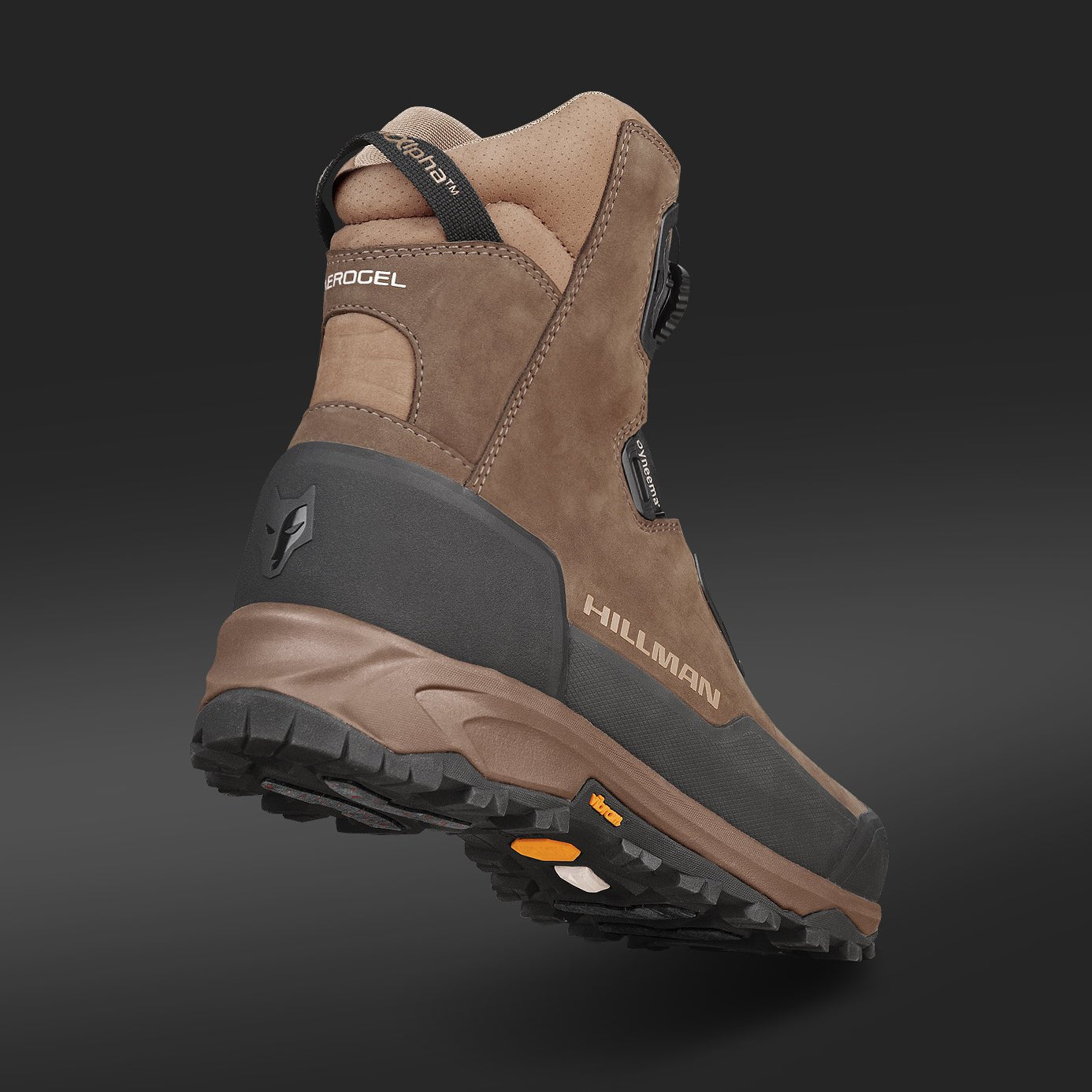
Every hunter remembers the first time ordinary hunting boots gave out in real cold. Feet wet, toes numb, the day cut short. Hillman set out to eliminate that story. Our Insulated Hunting Boots Aerogel® 3-Season are built with Aerogel® technology, a material trusted by astronauts, adapted here for the backcountry. The result is waterproof hunting boots that keep feet warm without the heavy box feel of other boots. Hunters cover longer treks with less fatigue, while Vibram outsoles grip mud, ice, and rocky ground with confidence. Imported components are chosen with care, each tested for durability in real hunts, not just in a lab.
Men’s Hunting Boots for Serious Hunters

The mountain doesn’t forgive sloppy gear. Hillman’s men’s hunting boots are built for serious hunters chasing elk on high ridges or whitetail in silent forests. Cold-weather hunts demand the right gear – insulation that locks in heat, breathable layers that let sweat escape before it chills, and lacing systems that protect ankles when climbing loose trails. Hunters tell us the Aerogel® boots feel like one boot built for many terrains: light for walking, stable for climbing, tough enough for mud and snow. That balance of protection and freedom is what makes the difference between a good hunt and a great one.
Best Hunting Boots for Tough Terrain

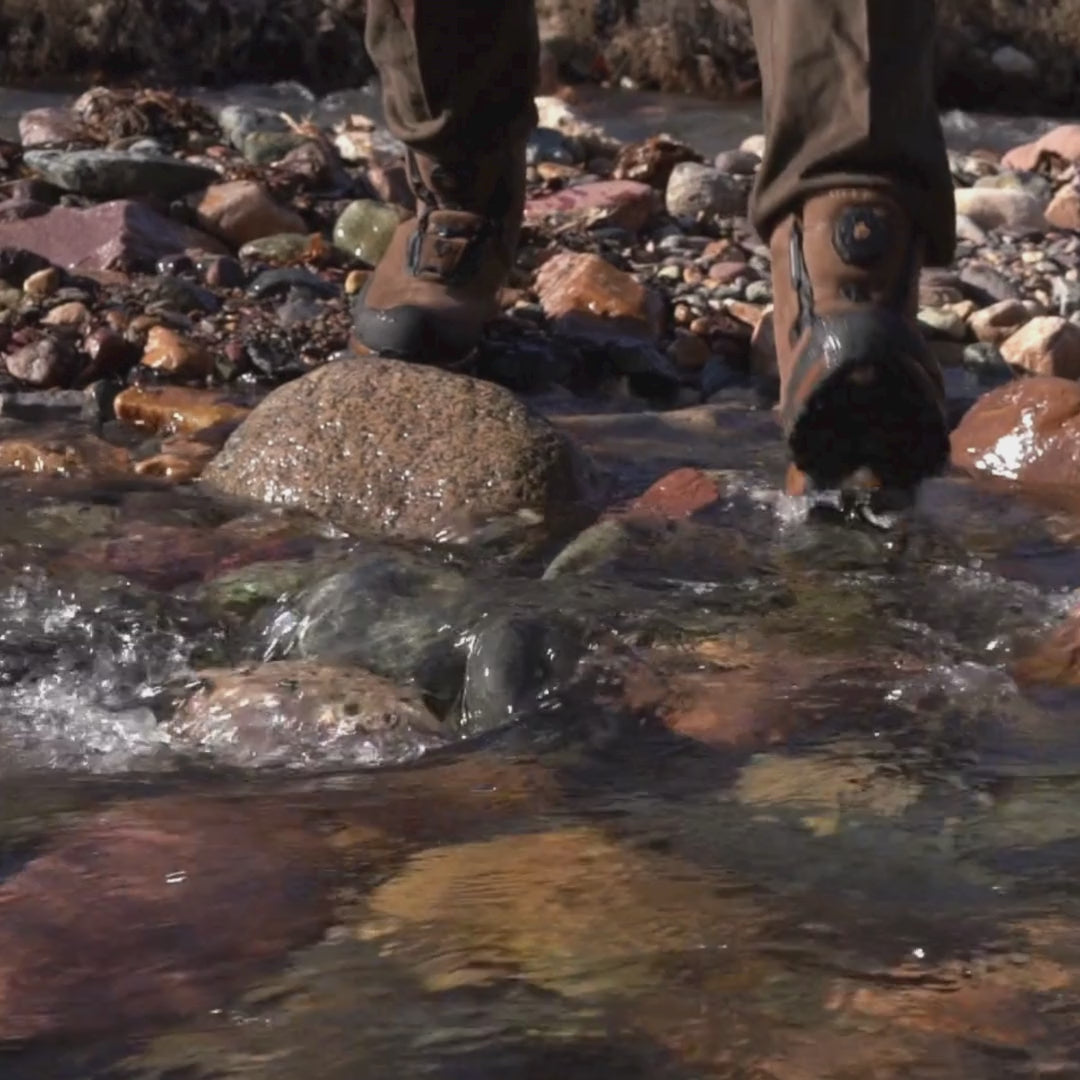
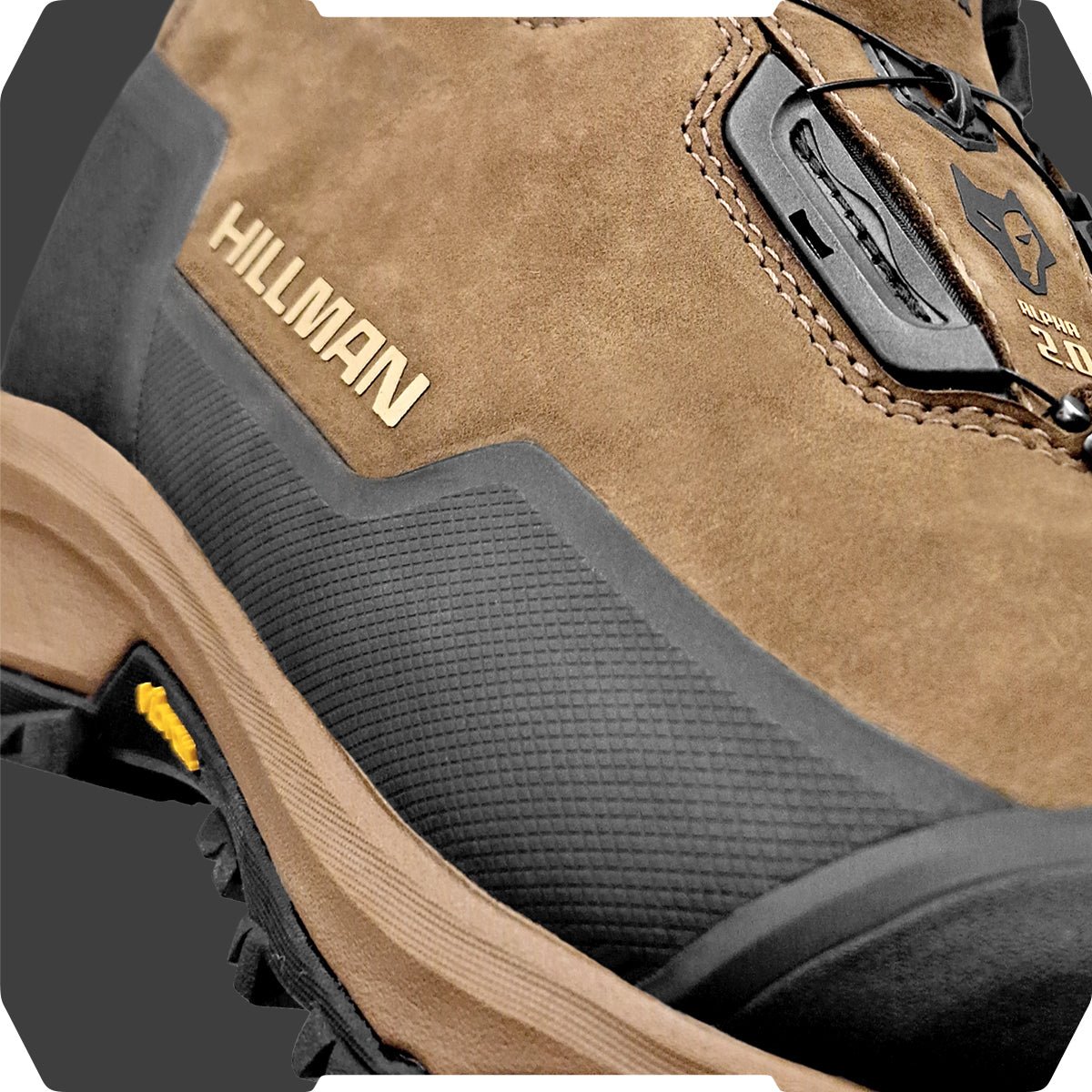
What makes the best hunting boots? For Hillman, it’s the ability to protect without compromise. Leather uppers stand against wear from brush and rocks. Reinforced seams prevent water from seeping in when crossing streams. Lightweight yet insulated design keeps a hunter moving, not dragging heavy boots through dirt and wet snow. The outsole is crafted for traction across tough terrain, whether it’s sheep hunters edging along a ridge or a whitetail stalk in frozen mud. Many hunters discover that one new pair, built right, lasts far longer than other boots that collapse under pressure.
Keeping Feet Warm on Longer Treks

There is a moment every hunter knows: hours into the trail, sweat cools, the wind picks up, and feet start to freeze. That moment decides how long the hunt continues. Hillman boots are designed to keep feet dry by moving sweat out and sealing heat in. On rocky climbs, the breathable layers prevent overheating. On still stands in the snow, insulation holds steady warmth. This balance matters most on longer treks, when gear fatigue shows. With Hillman, hunters don’t have to choose between warmth and mobility; they get both.
Comfort and Durability for Elk Hunting

Elk hunting pushes boots harder than most hunts. Miles of climbing, sudden changes in weather, and the sheer weight of gear test every stitch. Hillman’s insulated boots are made for that punishment. Reinforced seams protect against water. Vibram soles grip rock and dirt without slipping. The lightweight frame saves energy when every step uphill matters. For sheep hunters, whitetail chasers, or anyone walking through the coldest season, comfort is just as important as protection. Boots should disappear on your feet so you can focus on what truly matters: the hunt itself.
Hiking Boot Performance for Hunters

Step onto a frozen trail, and a standard hiking boot shows its limits fast. Snow slips under the sole, mud creeps in, and before long, the cold starts to bite. Hillman builds its insulated boots to go further. They feel steady when climbing rocky ridges with a heavy pack. They shed water on wet ground and grip dirt when the slope turns slick. Inside, breathable layers keep sweat from soaking in, so feet stay dry through longer treks. Hunters who spend full days outside know the difference; these boots keep you moving when others slow you down.
Hunters often talk about how the best boots are the ones you stop noticing after hours on the trail. It is not only about warmth or grip but about the style in which they carry you through changing weather and rough ground. Things happen fast in the field: a sudden climb, a patch of wet snow, a muddy descent, and gear has to react instantly. Hillman designs its insulated boots so hunters can keep moving with confidence, no matter what the hunting season throws their way.
Why Hillman Boots Matter

Hunters know that gear failures don’t just cause discomfort – they change outcomes. Cold feet can end a season before it starts. Slippery soles can cost a shot. Hillman builds insulated hunting boots to remove those risks. Decades of field testing, from USA hardwoods to European mountains, shaped this collection. Every pair reflects the brand’s belief that toughness, warmth, and silence are not extras but essentials.
When the temperatures drop and the toughest terrains demand respect, Hillman’s Insulated Hunting Boots deliver. They protect, they endure, and they help hunters stand their ground when it matters most. Explore the collection today and find the waterproof boots built for your next season.