

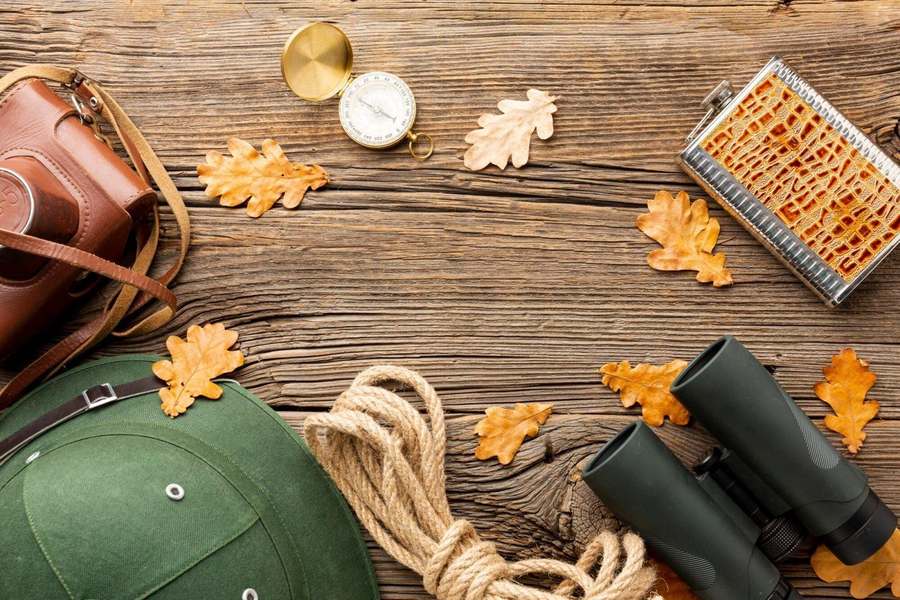
Every pack starts the season light and ends it heavy. A gadget from a gift box, a second knife, a rangefinder case you never open, and suddenly you are hauling five pounds of stuff that never leaves the bottom pocket. The right hunting accessories do the opposite: they get used every trip, they stay quiet, and they fix problems before they end the hunt. Our hunting accessories are built on that idea.
This is the list we actually carry, plus what we cut.

What Makes a Hunting Accessory Worth Carrying?
We run every item through three questions before it goes in the pack.
- Did I use it on most hunts last season? If not, it needs a strong reason to stay.
- Does it save the hunt when something fails? First aid, fire and dry socks pass this test even if you rarely touch them.
- Is it quiet and easy to reach? An accessory you have to dig for, or one that clanks, costs you the shot.
Anything that fails all three goes back on the shelf at home.
The Best Hunting Accessories for Your Pack
These seven pass the test on deer stands, elk ridges and upland walks alike.
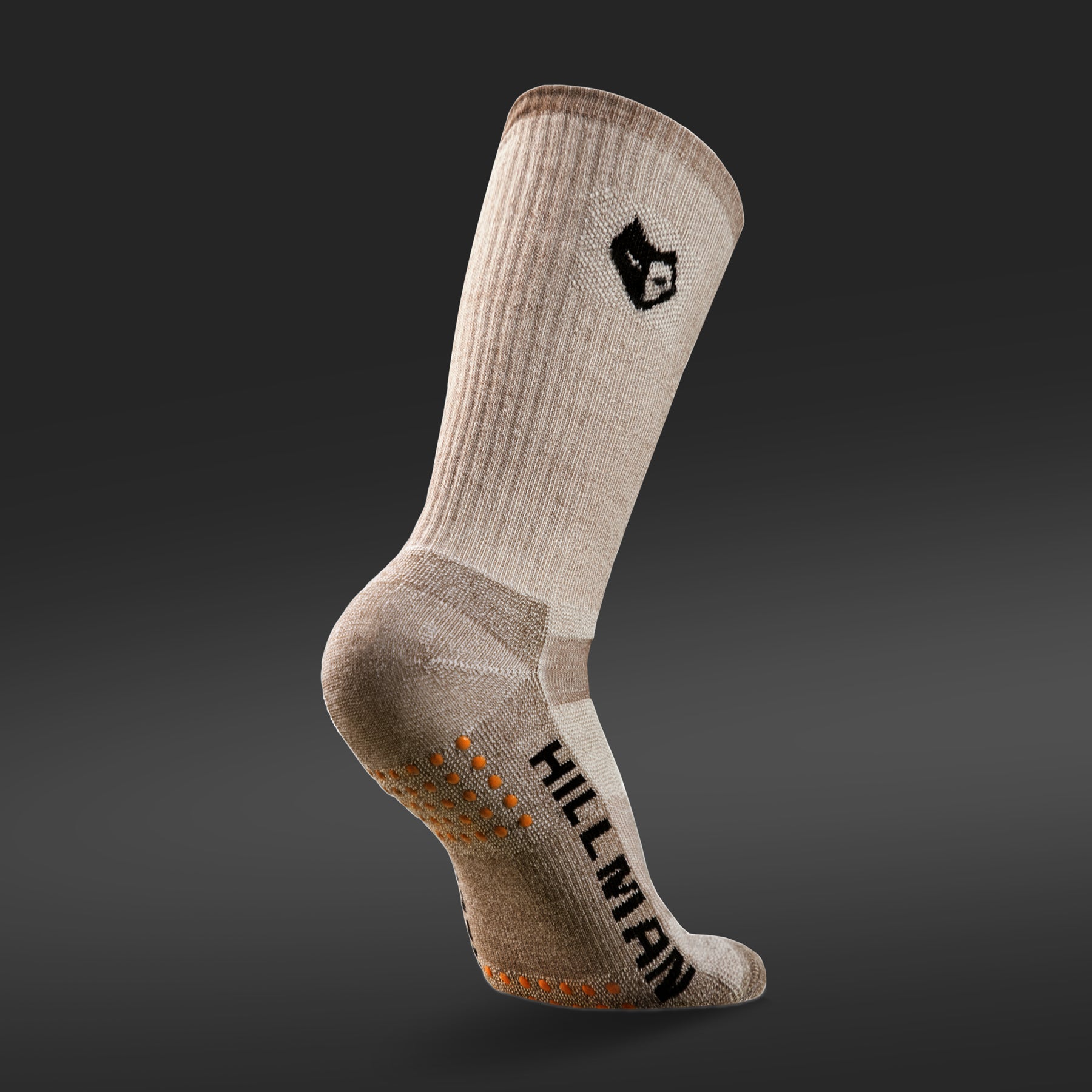
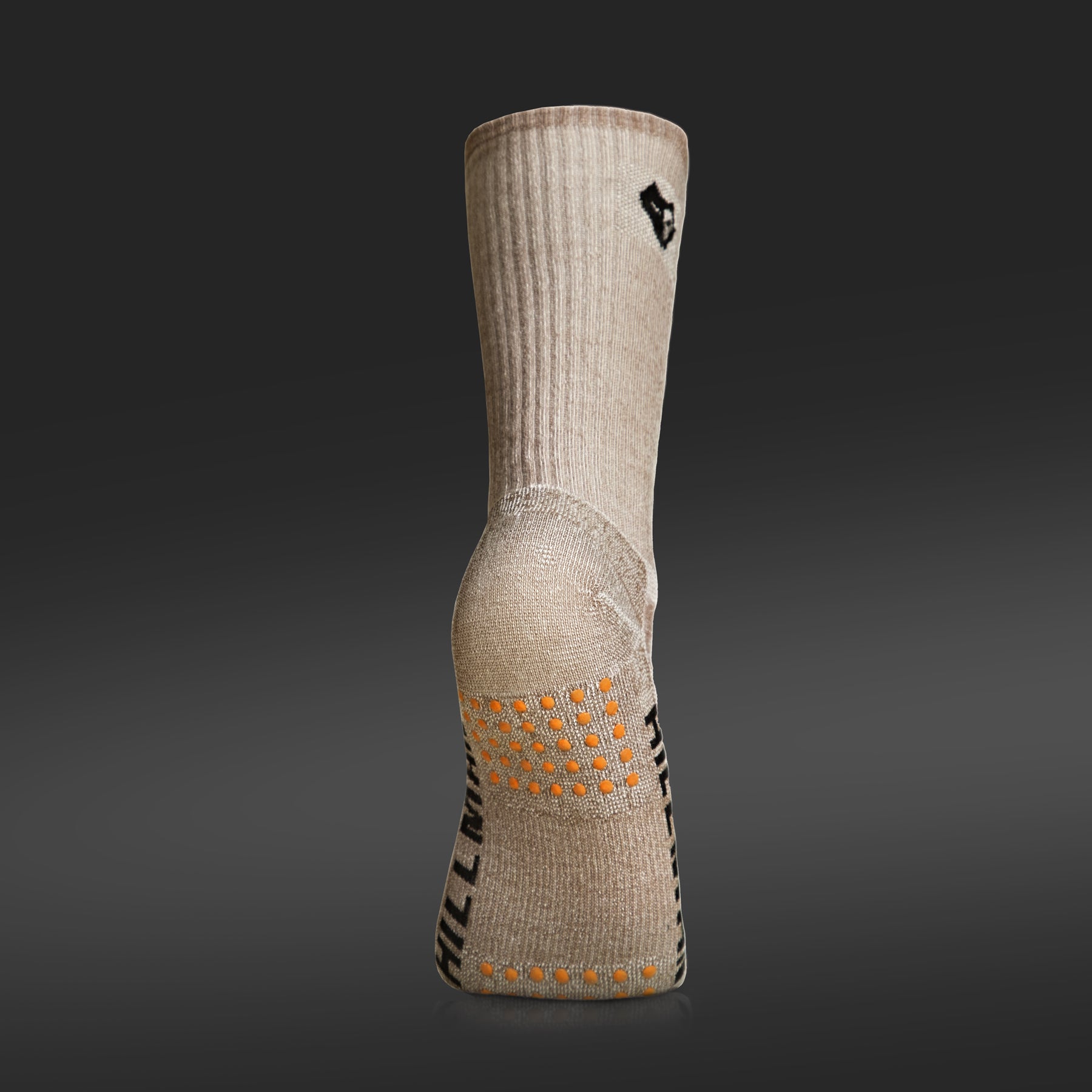
A Spare Pair of Merino Wool Socks
Wet feet go numb faster than anything else on a cold sit. Sweat from the walk in is usually the culprit, not a leaking boot. A dry pair pulled on at the stand fixes it in two minutes.
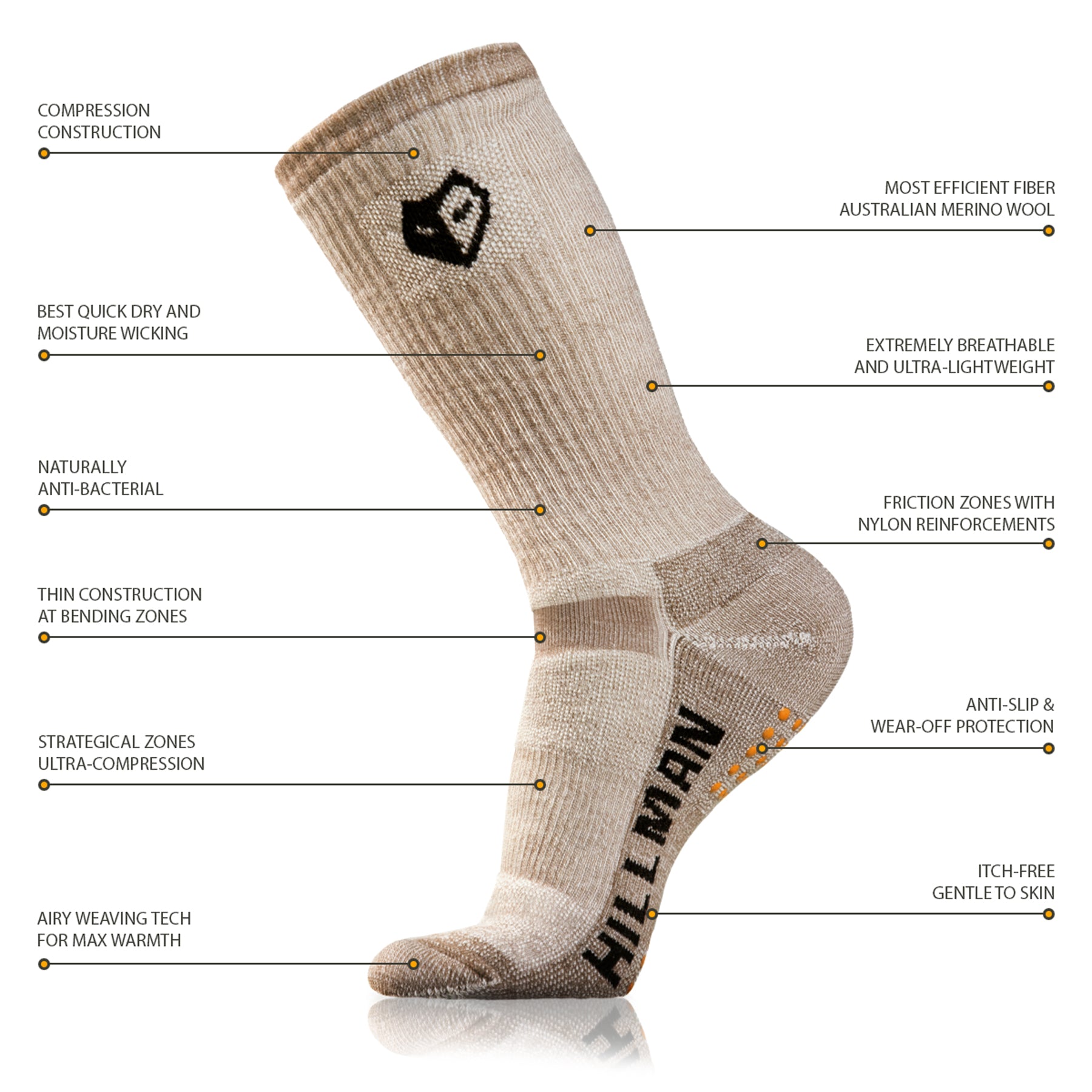
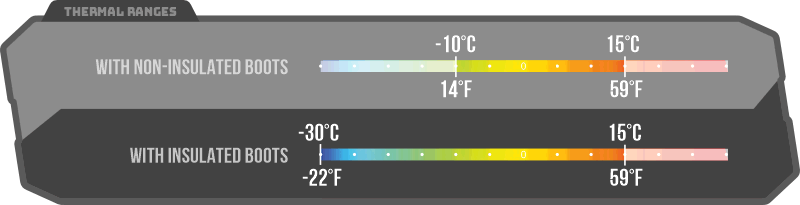
Our merino wool hunting socks use Australian Merino wool with nylon reinforcement at the friction zones and anti-slip silicone prints on the sole. They dry quickly and resist odor. In insulated Aerogel boots they are rated from 59°F down to -22°F.
A Cartridge Belt or Magnetic Ammo Pouch
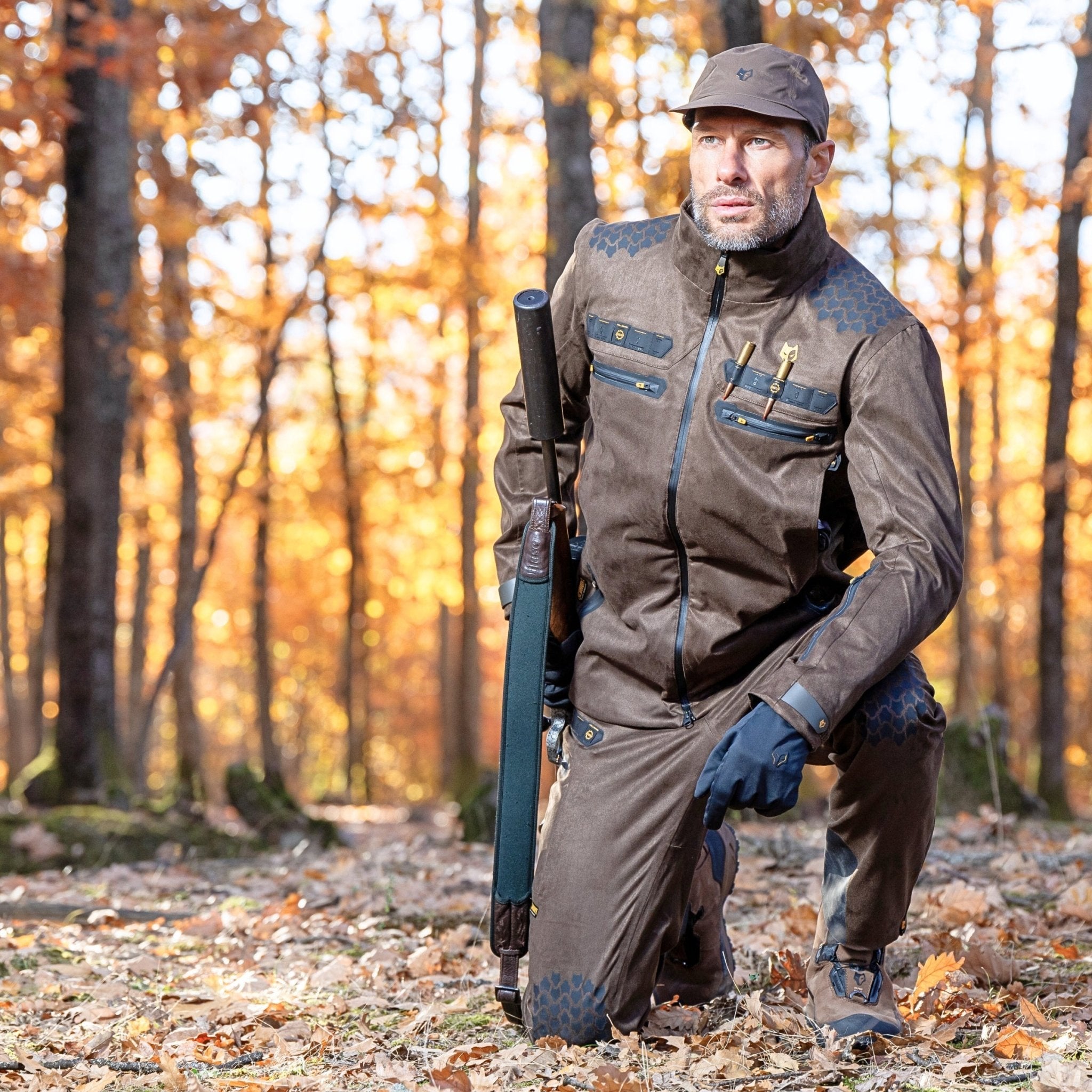
Ammo rattling loose in a pocket is noise you don't need. Our Magnetic Rifle Pouch clips onto a hunting belt without taking the belt off, and its magnetic closure lets you reach rounds quietly. It is made from Duratex fabric for wear resistance. Bird and waterfowl hunters who burn through shells can run a full cartridge belt instead. Either way, the ammo rides on your hip where you can reach it with one hand, even with a jacket zipped and gloves on. That beats digging through a pack with a bird flushing.
A Stock Protector With Cartridge Holders
A stock protector keeps follow-up rounds right where your cheek already is. The Argo rifle stock protector, made of Duratex, carries cartridge holders, guards the stock from scratches and lets you set the stock height for shooting with a scope. The 12-gauge Argo, made of Criotex, carries cartridge holders too. It is a small piece of kit that saves real fumbling when a second shot matters. It also means fewer loose rounds in your pockets, which is one less thing to rattle on a slow stalk.
A Headlamp With a Red-Light Mode
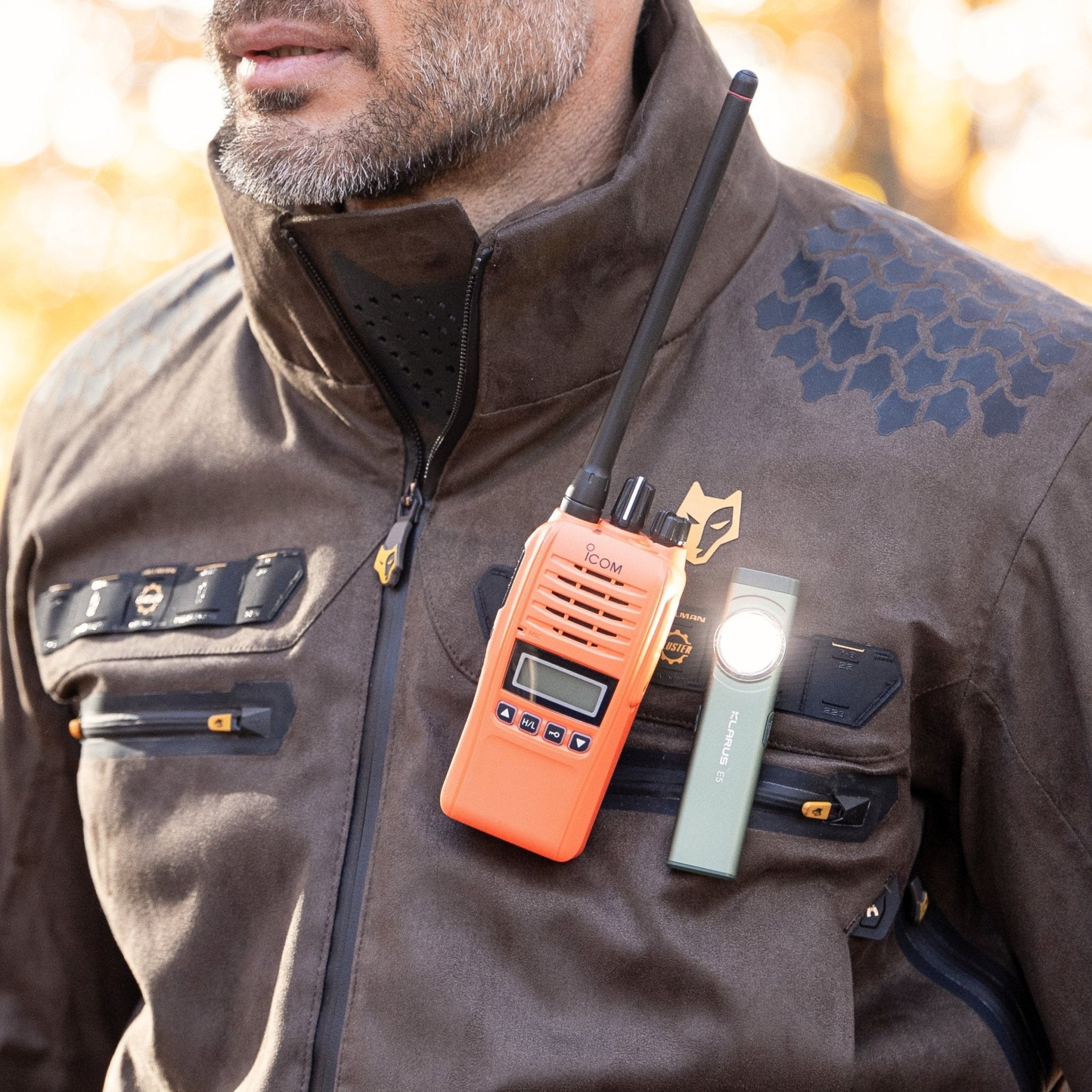
You will walk in and out in the dark more often than not. A headlamp with a red setting keeps your night vision intact and is less likely to light up the woods on the way to the stand. Pack spare batteries in a zip bag, because cold drains them fast. Clip the headlamp to a shoulder strap or keep it in a hip pocket, not buried under your layers. On the drag out after dark, you want both hands free and the light already on your head.
A Knife and Game Bags
One good knife is enough. Pair it with breathable game bags so meat cools and stays clean on the pack-out. A second knife "just in case" is the most common duplicate we see in hunting packs. Instead, carry a compact sharpener and a few pairs of nitrile gloves. They weigh less, keep the one blade working through a whole elk and make field dressing cleaner on cold hands.
A Compact First-Aid and Fire Kit
A first-aid and fire kit is the gear you hope stays sealed. A small kit with blister care, a pressure bandage, tape, a lighter and fire starter fits in a quart bag. When you need it, nothing else in the pack matters. Check the kit each season, since tape loses its stick and lighters leak. Add any personal medication, and tell someone back home where you are hunting and when you plan to be out.
Warm Headwear and a Neck Gaiter
A light beanie and a gaiter weigh almost nothing and let you adjust warmth without stripping a layer. Pull them on when you stop to glass, stuff them away when you start climbing. Covering your head and neck makes a noticeable difference on a still, frosty morning, and a gaiter also hides the shine of a bare face from wary game.
Hunting Pack Accessories that Rarely Earn Their Spot
Most overloaded packs carry the same extras. Watch for these:
- Duplicate tools: a second knife, a multi-tool that repeats your knife, or two lights.
- Single-use gadgets: anything you bought for one scenario that never came up.
- Oversized kits: full first-aid boxes built for a truck, not a pack.
- Cases and pouches inside pouches: they add weight and slow you down.
Empty the pack on the garage floor after each season. Anything you didn't touch goes in a bin for next year's review.
Adjusting the List by Season and Hunt
The core seven stay put all year. What changes is the small stuff around them.
- Early season: more water, a head net for bugs and a lighter beanie.
- Late season: hand warmers, a second pair of socks and a heavier gaiter.
- Upland and waterfowl: a cartridge belt instead of a pouch, since you shoot more.
- Backcountry elk: extra game bags and a longer length of paracord for hanging meat.
Swap these in and out before each trip rather than carrying all of them all the time.
Packing Your Accessories So You Can Reach Them
Where things ride matters as much as what you carry. Ammo belongs on the belt or the stock, where your hand finds it without looking. The headlamp, knife and gaiter go in hip-belt or top pockets. Spare socks, first aid and fire kit can sit deeper, since you reach for them less often. Keep the same layout every trip so your hands find things in the dark.
Our simple tip: build the list above first, then fill gaps only after a hunt shows you one. When you're ready to fill them, browse our latest hunting gear alongside the belts, pouches and stock protectors that have already earned their place.
Every serious hunter knows the feeling of digging for gear that isn't there when it counts, so shop online with Hillman for accessories that earn their place in your pack.



Share:
Down Vs. Synthetic: Which Insulated Hunting Jacket Wins In The Backcountry?
Hillman Vs. KUIU Hunting Pants: Durability And Fit Compared