


How Terrain Affects Whitetail Hunting Gear Choices: Boots, Layers, and Weather Protection

Terrain changes whitetail gear fast. Pick boots, layers, and weather protection for the ground you actually hunt, not some generic checklist.
Why Terrain Changes What You Should Wear: A lot of deer hunting advice is too neat. Too clean. Too generic. It treats gear like a simple checklist. Buy boots. Buy a jacket. Add gloves. Done. That is not how it works in the real world. The same boots, pants, bibs, jackets, gloves, hats, and even a face mask can feel right in one environment and completely wrong in another. Mud changes things. Steep hills change things. Wet grass, frozen ground, creek crossings, brush, rock, and long walking access in the dark all change things. That is why how terrain affects whitetail hunting gear choices like boots and layers is not some minor detail. It is one of the main factors hunters should check before deciding what to wear.
Good whitetail hunting gear should match the ground, the way you move, the stand setup you use, and the weather conditions you are likely to face. A flat muddy bottom is not the same as a ridge. A wet field edge is not the same as broken country. A cold hardwood slope is not the same as standing in marsh grass. Serious hunters already know this. Terrain affects comfort, warmth, moisture, durability, scent control, and how much noise you make when game is close.
A common mistake is buying for temperatures only. Yes, cold weather matters. Of course it does. But terrain matters just as much. Two hunts can happen in the same season with the same temperatures and still feel totally different because one means soft mud and standing water while the other means climbing, side-hilling, and covering ground before daylight.
Boots Change Fast Depending on the Ground

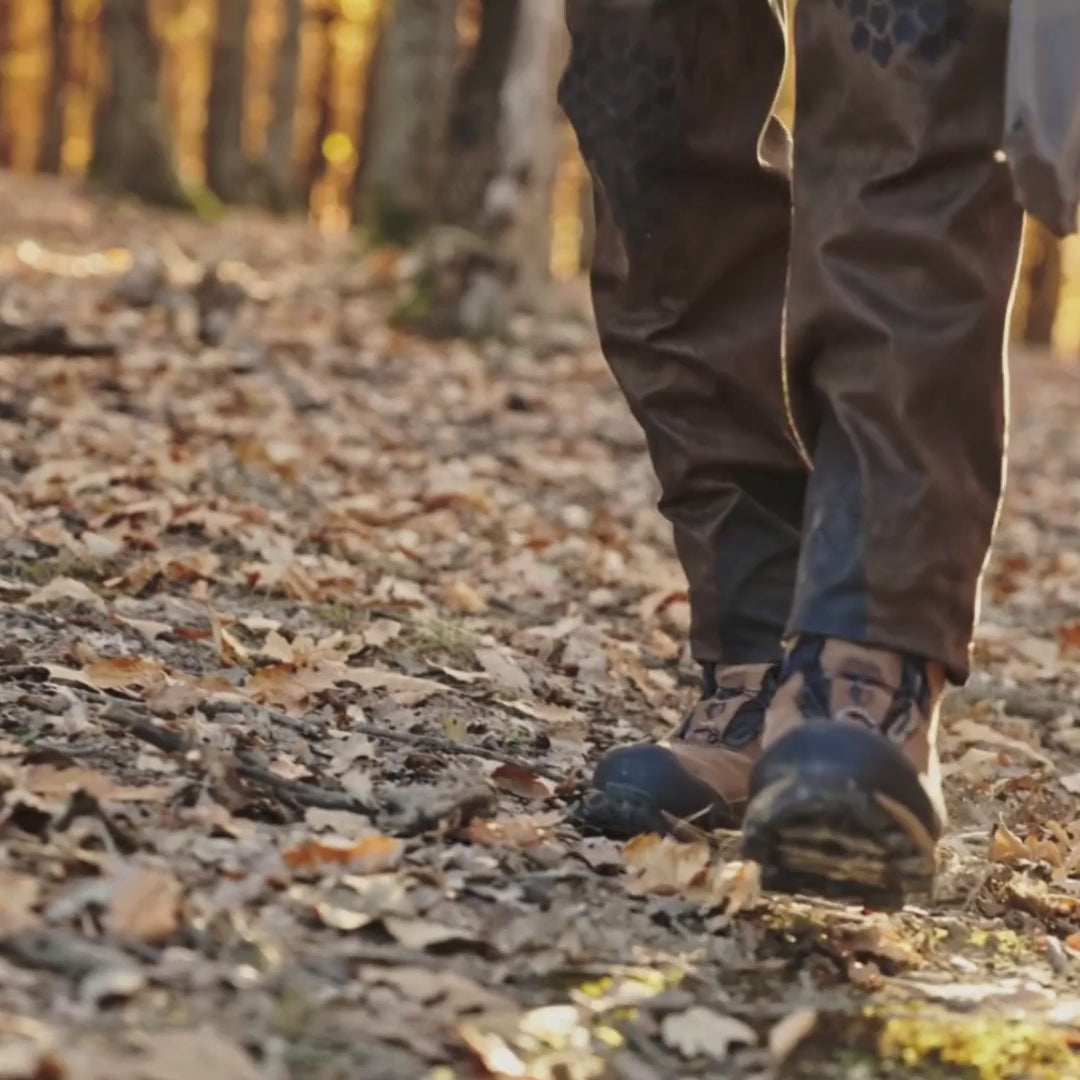
Boots are usually the clearest example of how terrain affects your gear choices.
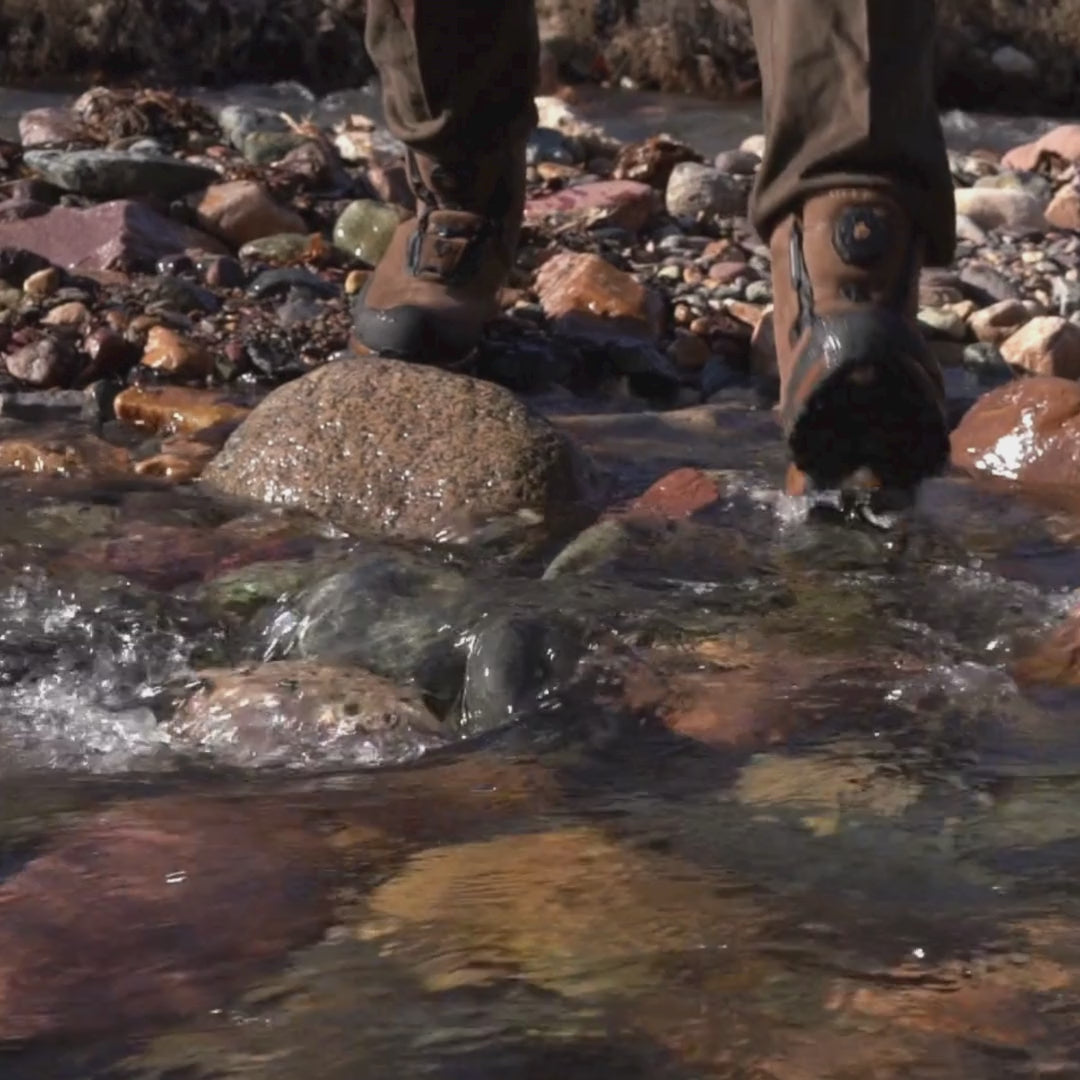
If you hunt flat, wet, muddy ground, rubber boots usually make more sense. They handle water better. They help with scent control in damp cover. They stay useful when the whole place is sloppy from the truck to the stand. In creek bottoms, marsh edges, swamps, and soft farm ground, a tall pair of rubber boots is hard to beat because dry feet matter more than people like to admit. Once water gets in, everything else starts feeling worse too. Rugged terrain is a different type of problem.
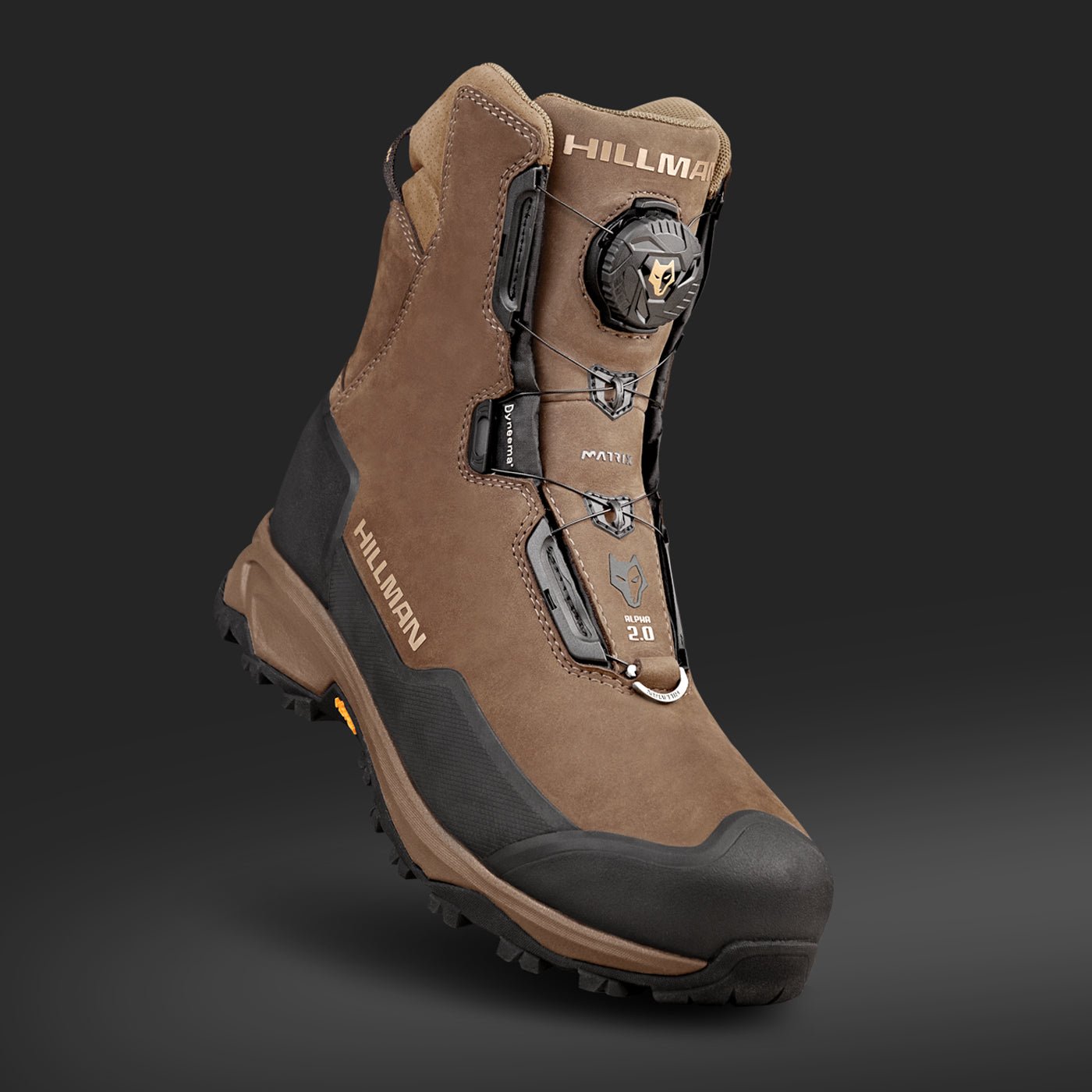
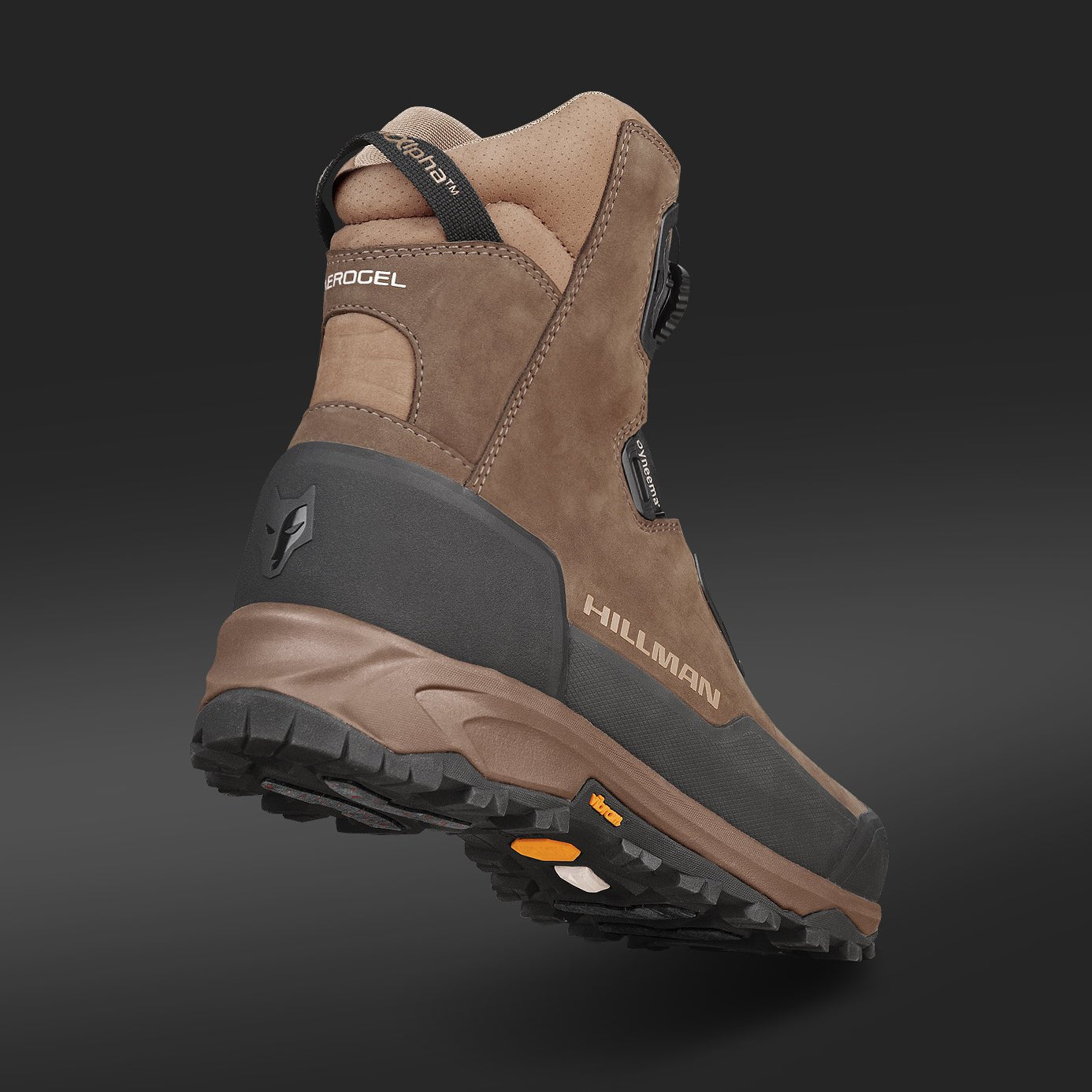
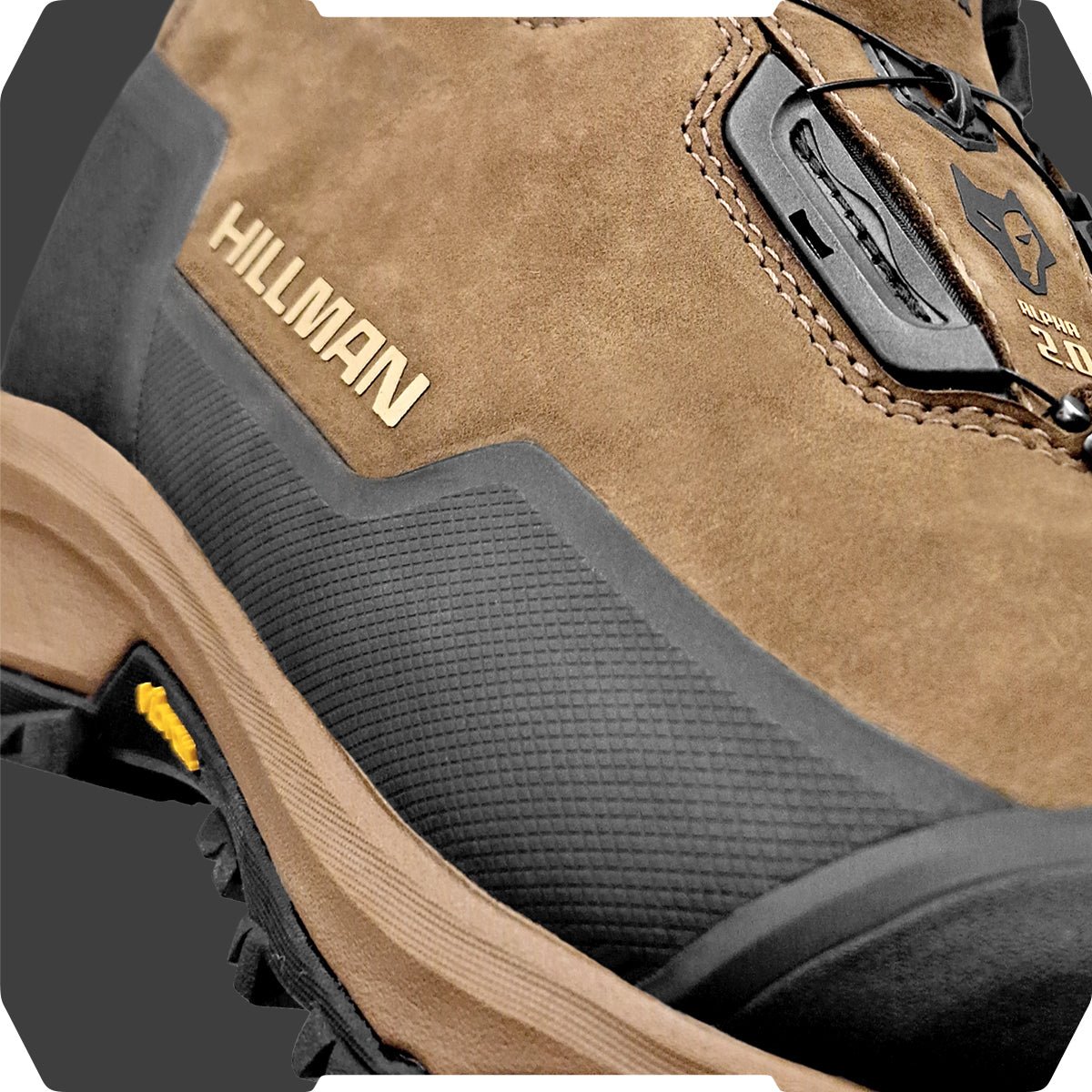
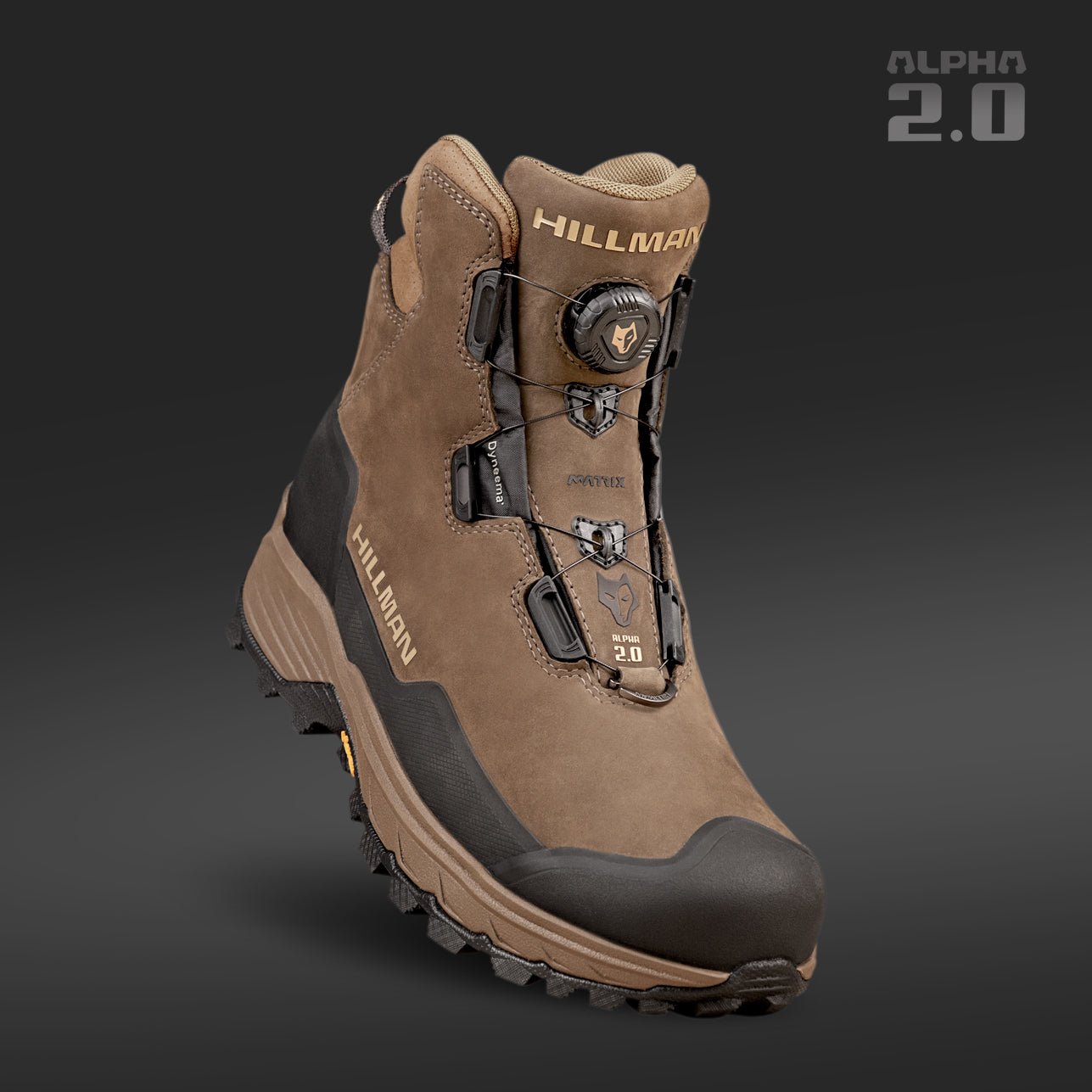
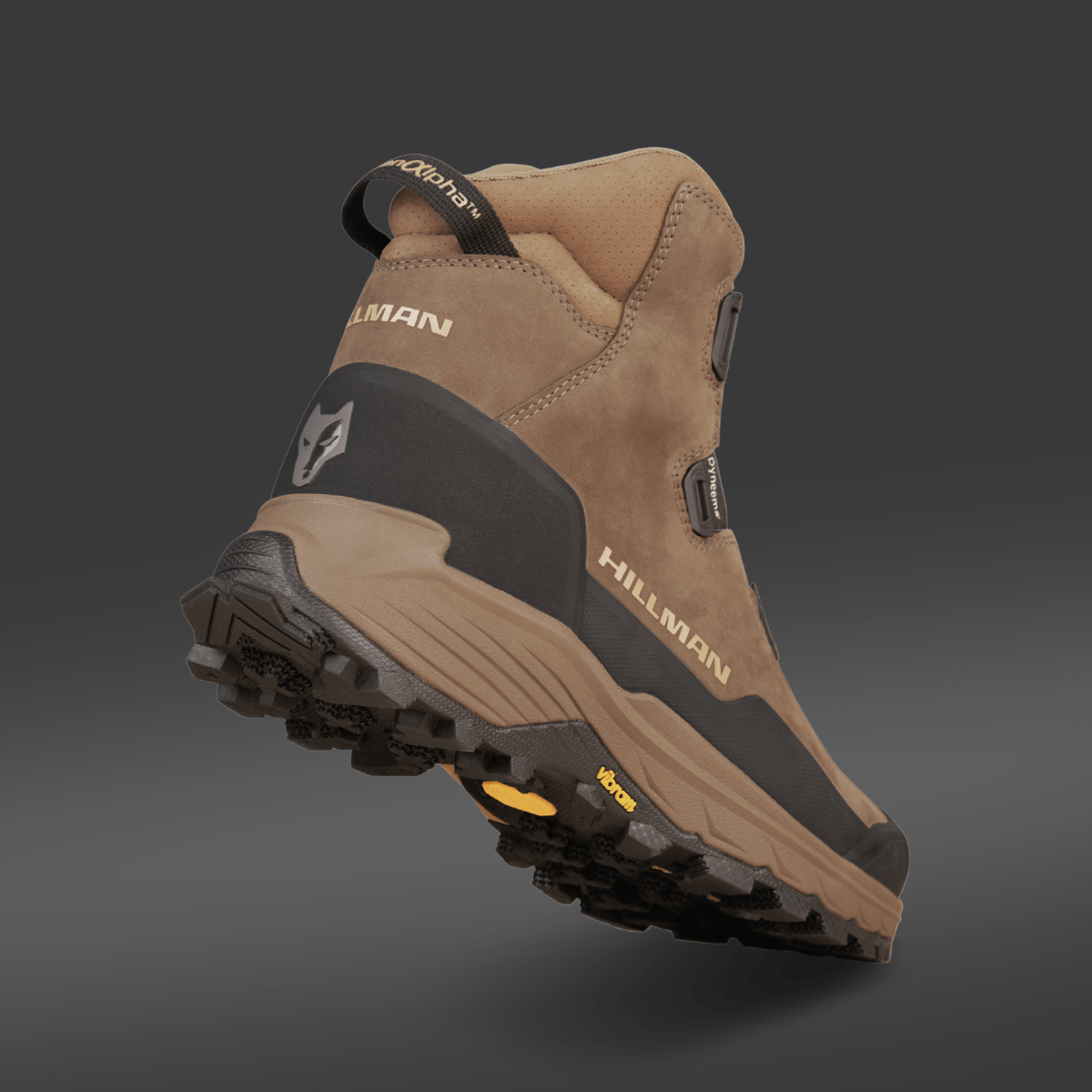
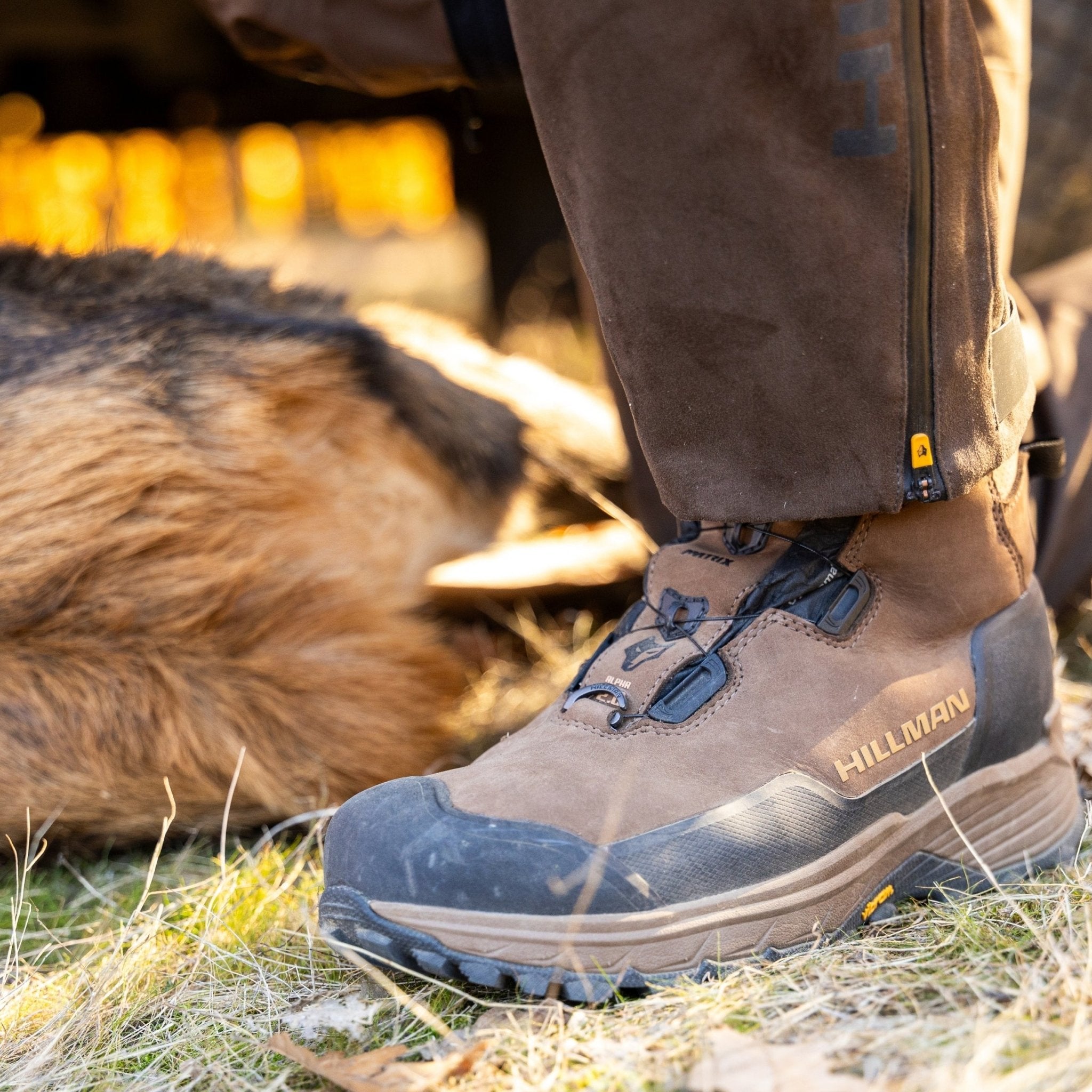
If you are climbing hard, walking side-hills, stepping over rock, or hunting rough country, you need a boot with real support. Not just something that looks expensive in a cart. A stiff sole helps. Solid ankle support helps. A rigid shank gives better control on uneven ground and awkward footing. Aggressive outsoles with real traction grip wet slopes and loose dirt better than softer soles built mostly for flat mud. A rubber rand helps too because rocks, brush, and junk on the ground will beat up a weak boot fast.
Boot height matters more than people think. Around nine to ten inches is a strong middle ground for a lot of hunters. It gives support, helps with mud and debris, and feels more comfortable over a full season in rough country.
Early Season and Cold Weather Do Not Need the Same Boots

Terrain matters, but it does not work alone. Season changes what your boots need to do. Early season usually calls for lighter, more breathable boots because long walking access and warm conditions can cook your feet fast. Late season deer hunting is a different story. In cold weather, insulated boots matter a lot more, especially when you are sitting still in a stand for hours.
That does not mean more insulation is always better. A hunter moving through rolling terrain in heavily insulated boots can sweat hard, and that moisture can turn into a problem later when movement stops. Wet feet get cold feet. That is how it goes. A guy sitting in one stand before daylight has different needs than somebody covering ground most of the morning. Good boot choices come from matching insulation to both terrain and hunt style.
Fit matters too, and a lot of hunters still get this wrong. Hunting boots need enough room for wool socks or extra layers in bad conditions without turning sloppy. Too tight and you lose warmth. Too loose and you get friction, fatigue, noise, and a boot that never really feels right. Good boots should feel comfortable after hours, not just when you try them on for five minutes.
Base Layers Matter More When Terrain Makes You Work

Base layers do not get enough respect. Terrain is one big reason why. A steep walk in, a long trail, deadfall, rough access, or dragging through thick cover all make the body heat up fast. Heat means sweat. Sweat means moisture. And once moisture starts sitting against your skin, the rest of the layering system starts going bad.
That is why merino wool and solid synthetic base layers matter. They move moisture, help control scent, and keep the body from feeling damp and gross once movement slows down. Wool gets a lot of respect for good reason. It handles changing conditions well, stays comfortable, and does not turn nasty as fast after a hard walk.
Base layers are not just for obvious cold weather either. They help on almost every hunt because the problem is not always temperature. The problem is the swing between movement and stillness. You hike in cold. You warm up. You sit. You cool down. Then maybe you move again. Terrain makes those swings worse.
That is where layers earn their keep. A decent system lets hunters adjust during the day instead of locking themselves into one heavy setup that only works for one part of the hunt.
Insulating Layers, Outer Layers, and Weather Protection

This is where hunters usually start overdoing it. Insulating layers are there to trap warmth. Outer layers are there to handle weather. Sounds simple enough. But what you actually need depends on terrain, movement, and exposure.
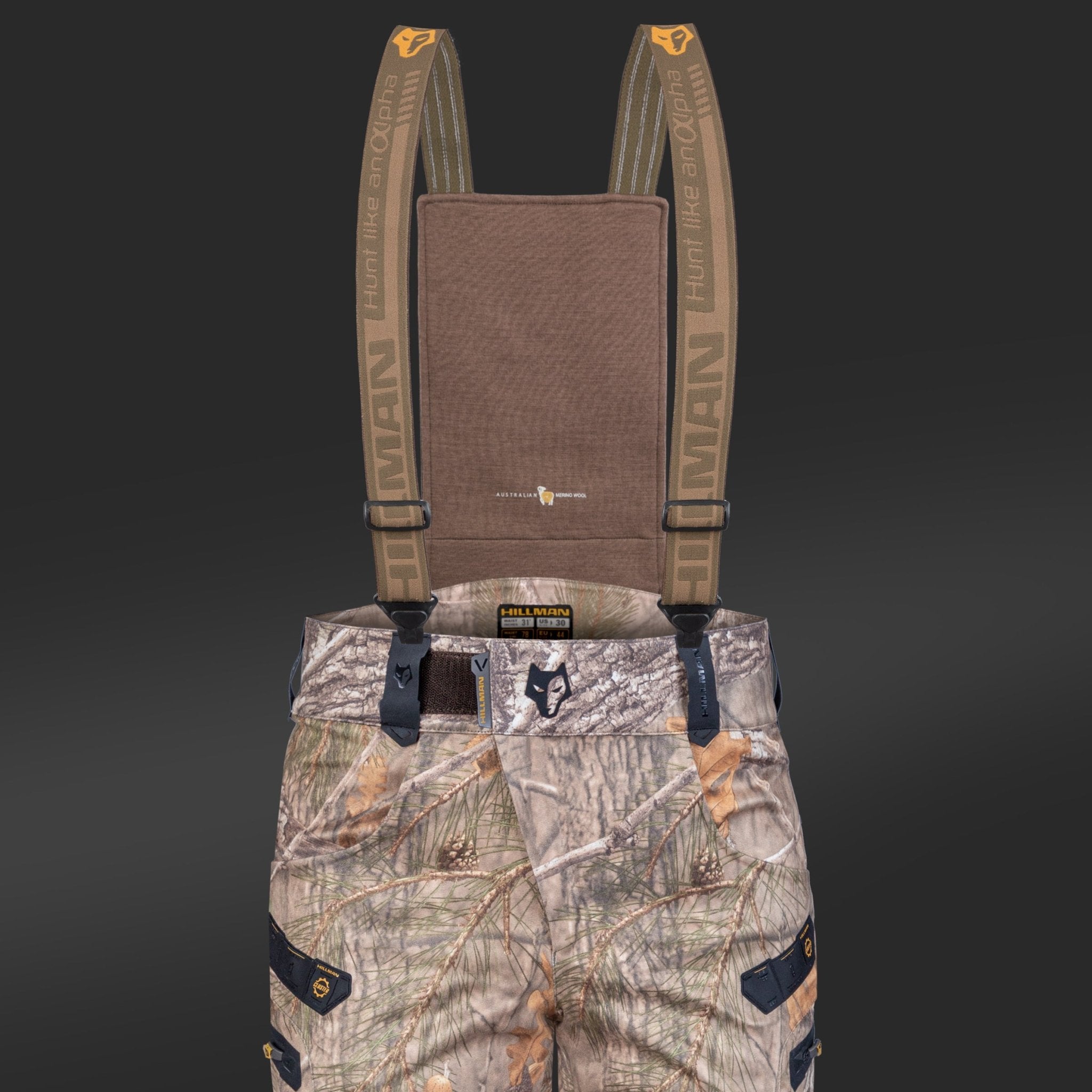
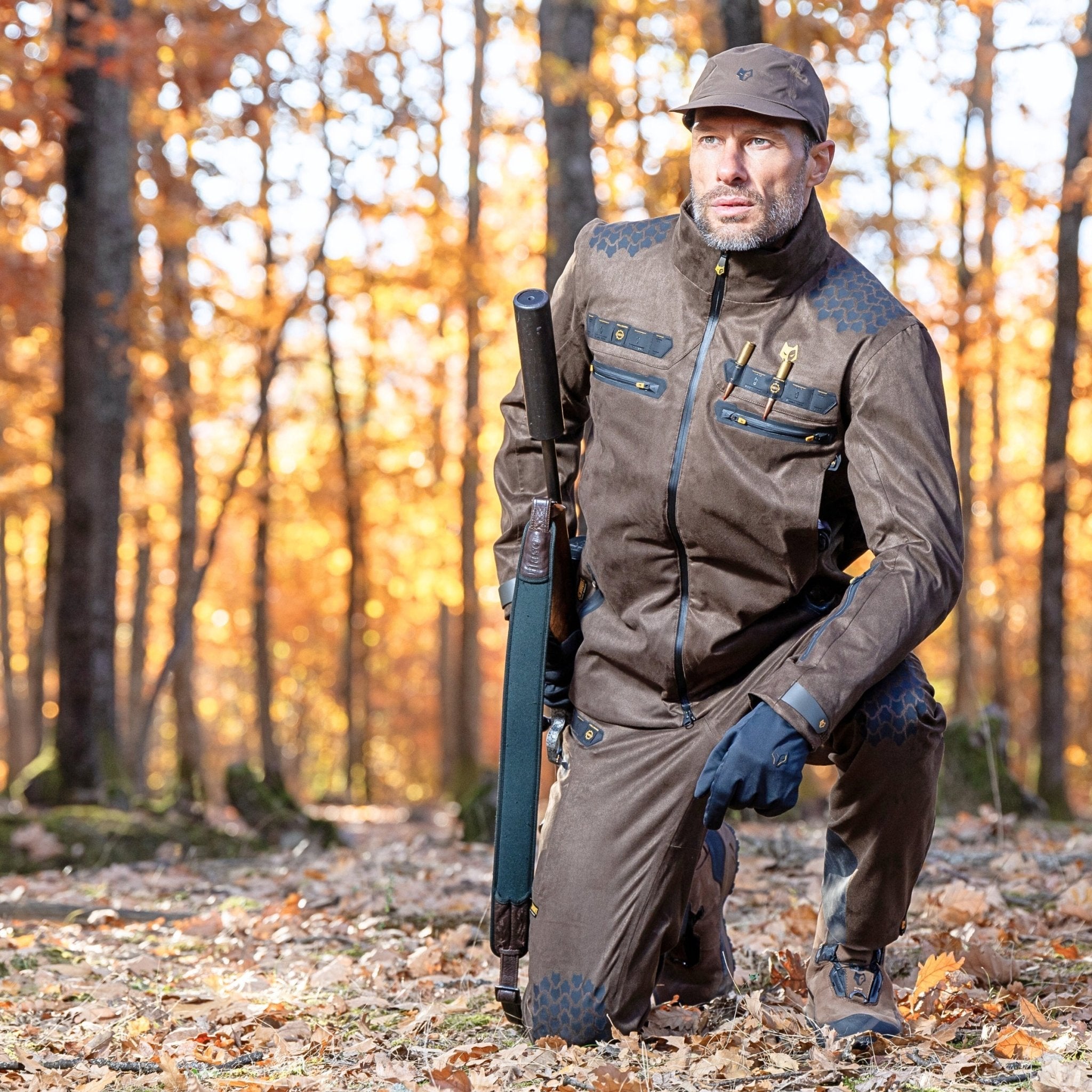
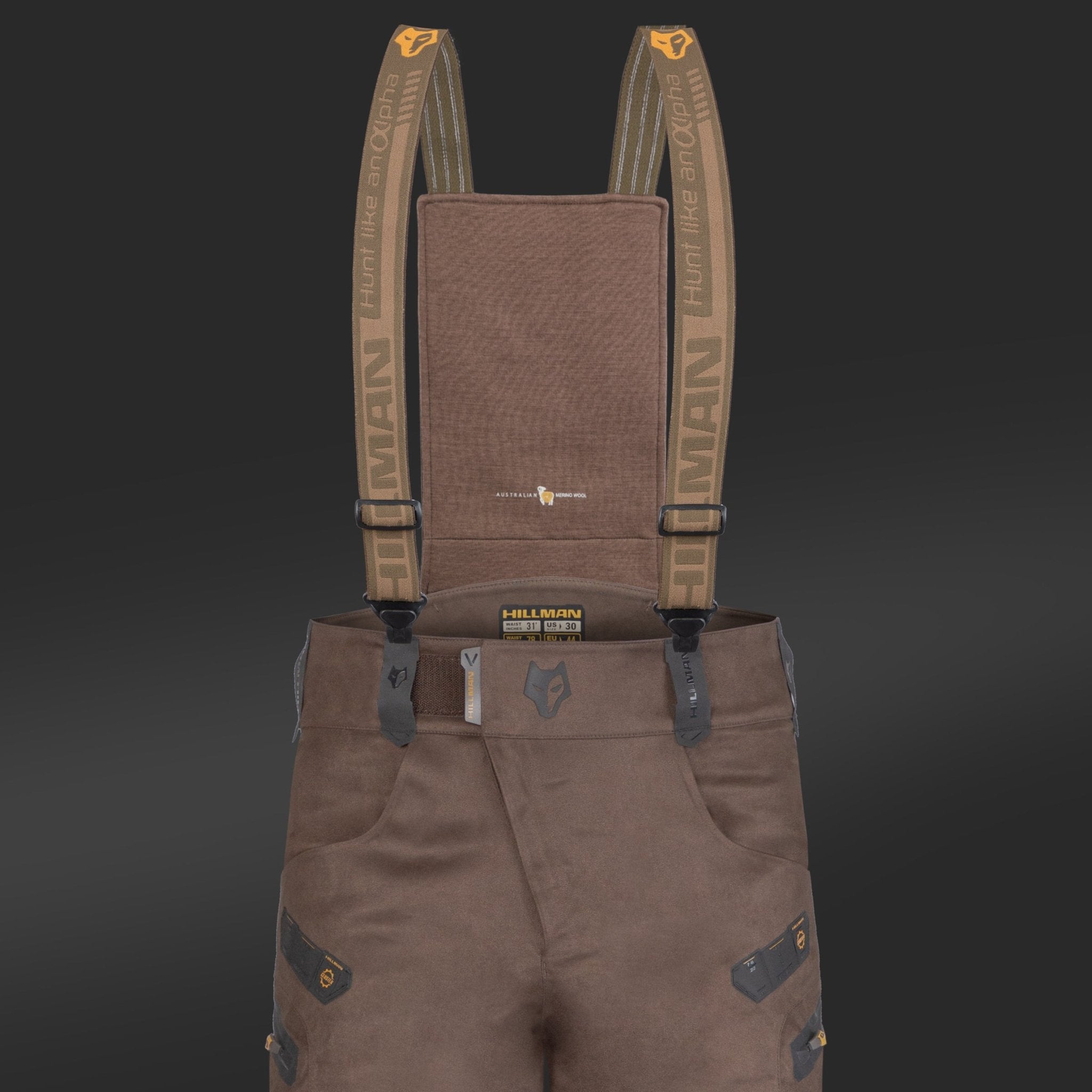
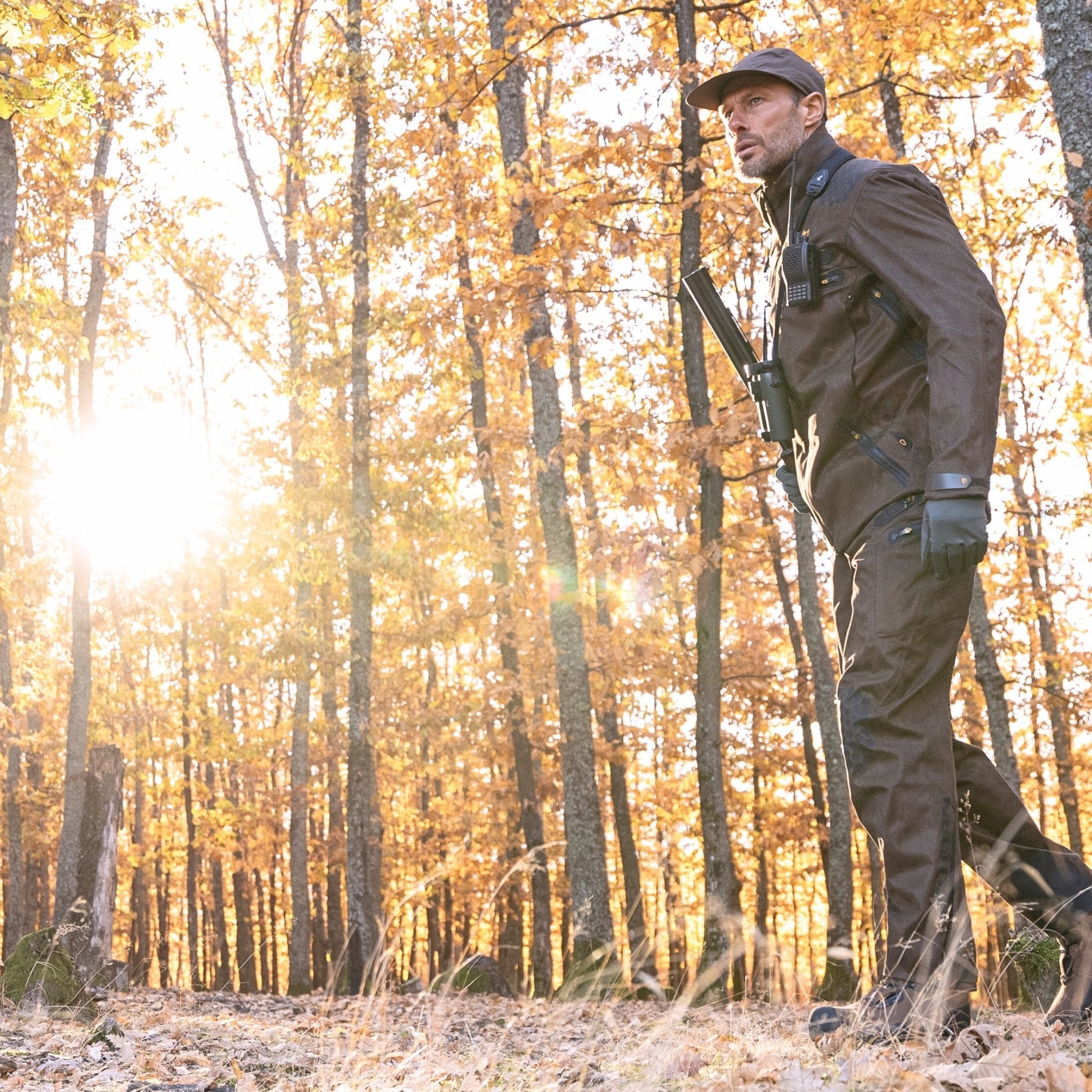
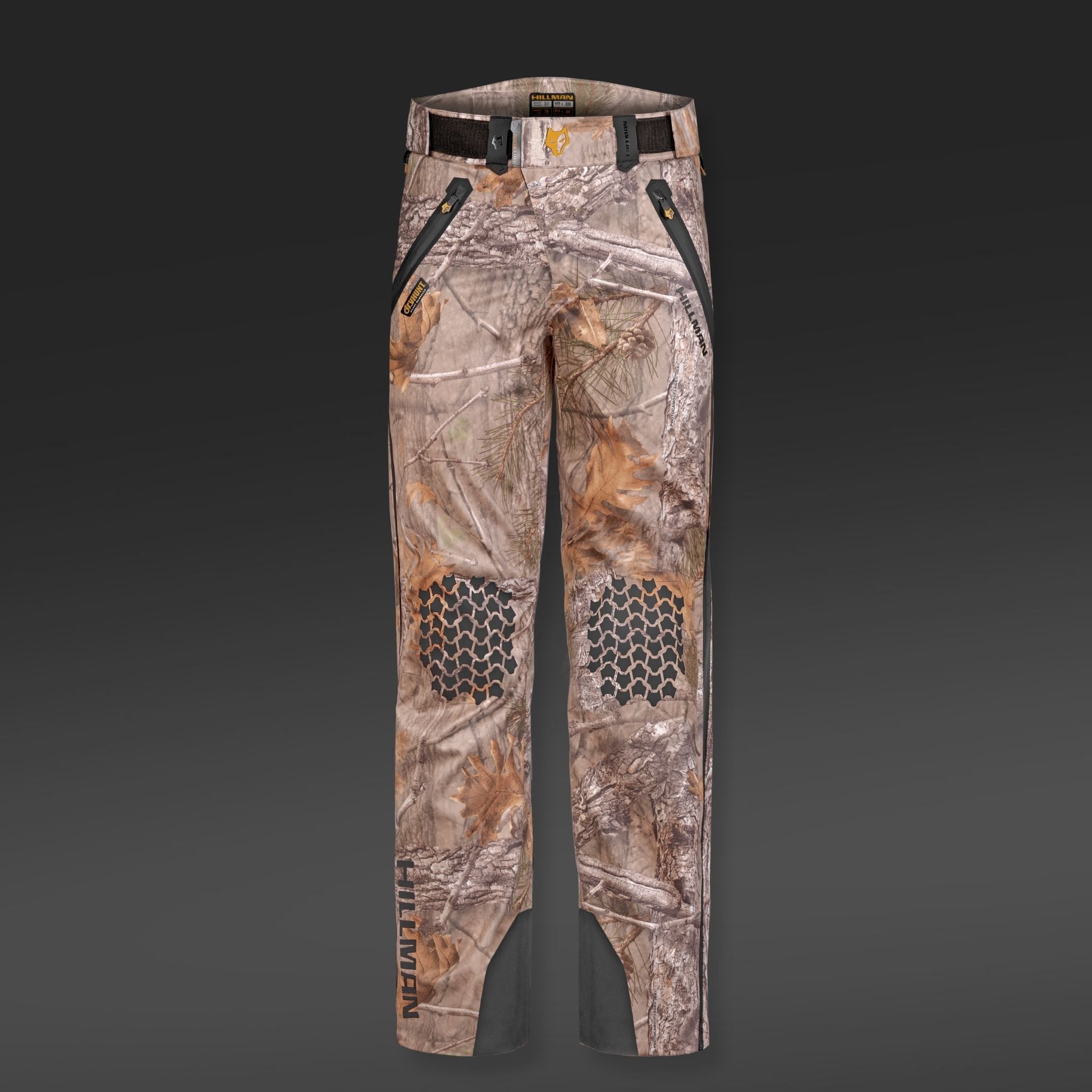
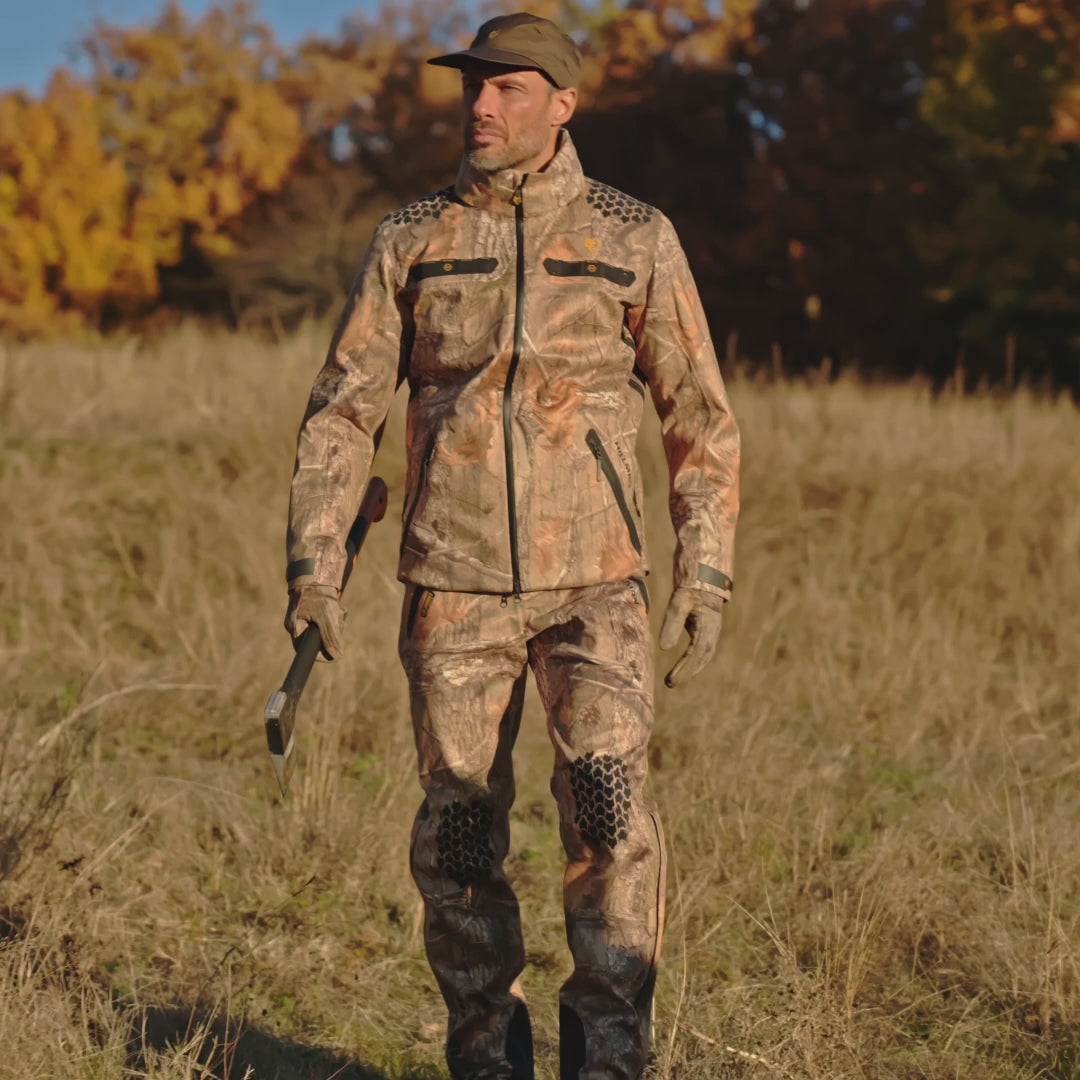
If your hunt involves climbing, long walking stretches, and hilly country, lighter layers usually work better because they keep you from overheating. If you are sitting in open country with wind cutting through you, heavier jackets, bibs, or insulated pants may make more sense. The goal is not to pile on random bulk. The goal is to stay warm without turning stiff, loud, and sweaty.
You still need to move. You still need to climb. You still need to turn, shoulder a rifle, kneel, or shift quiet when a whitetail shows up.
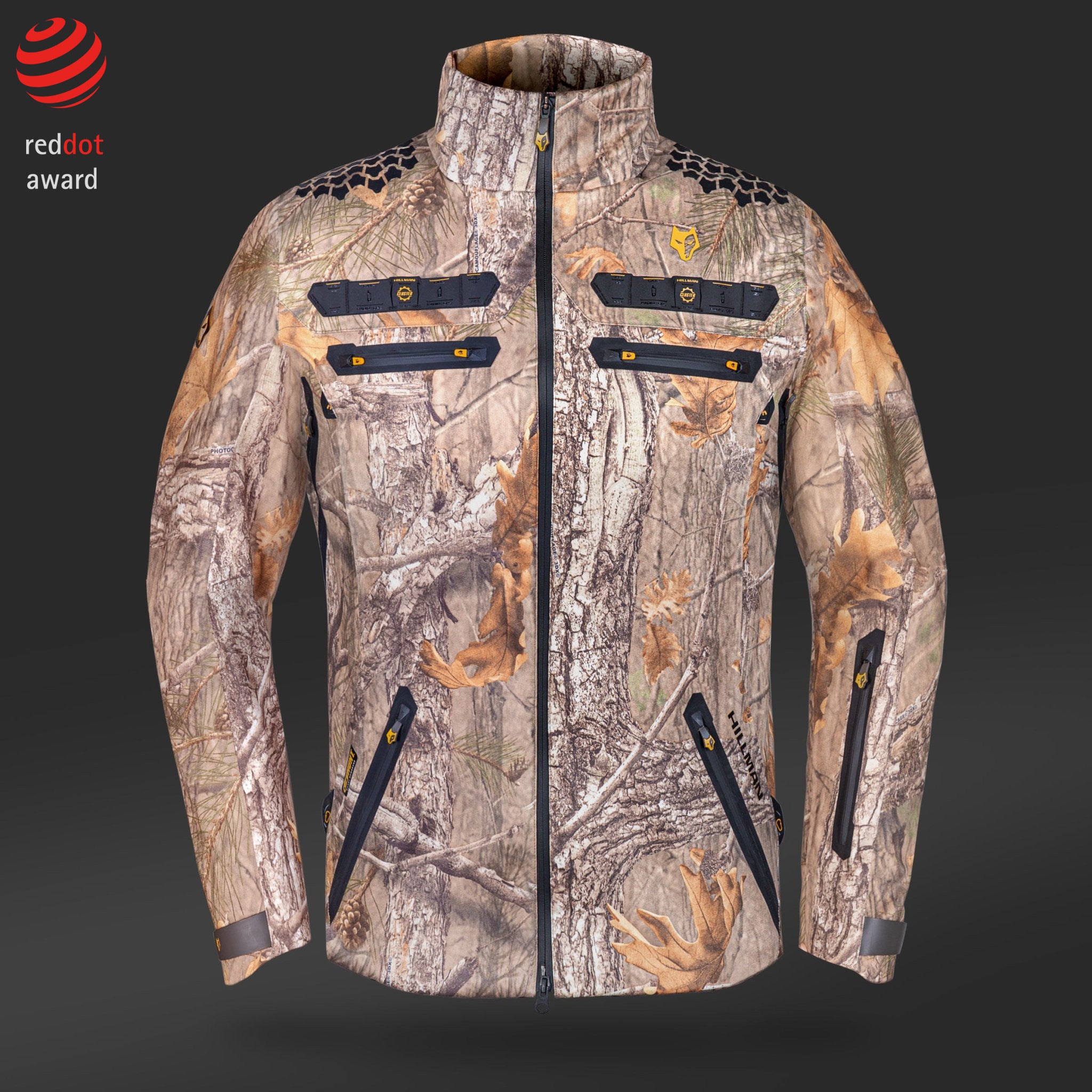
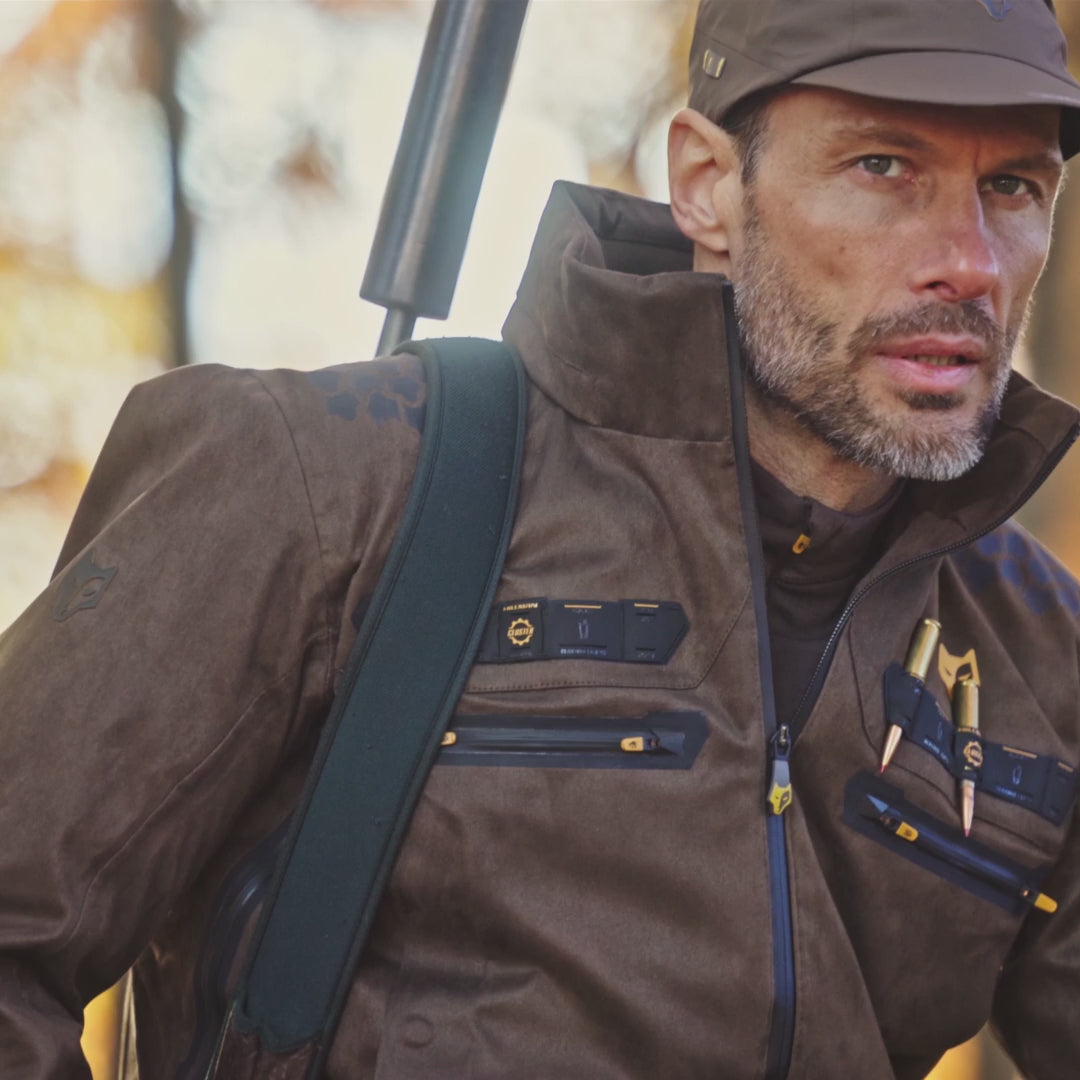
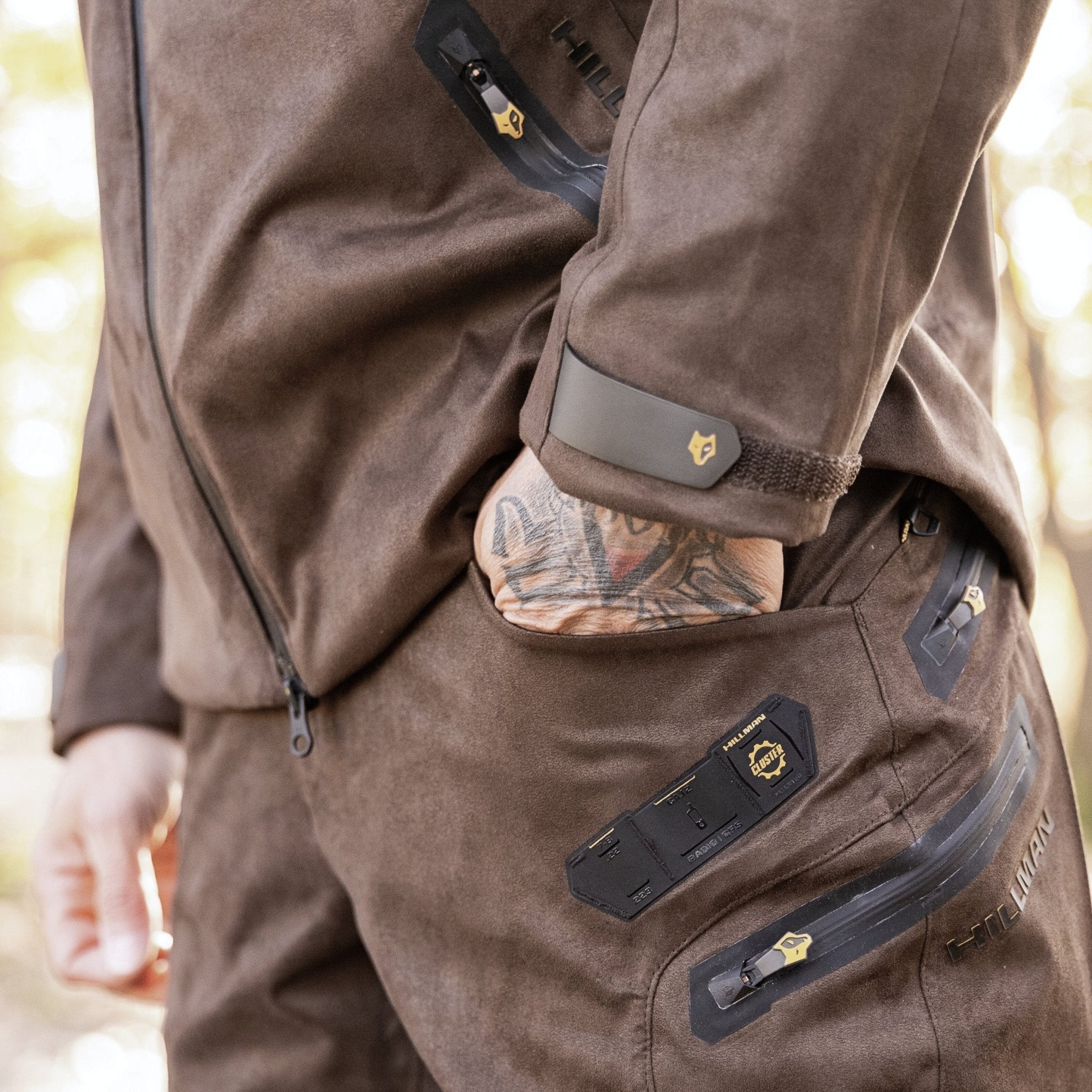
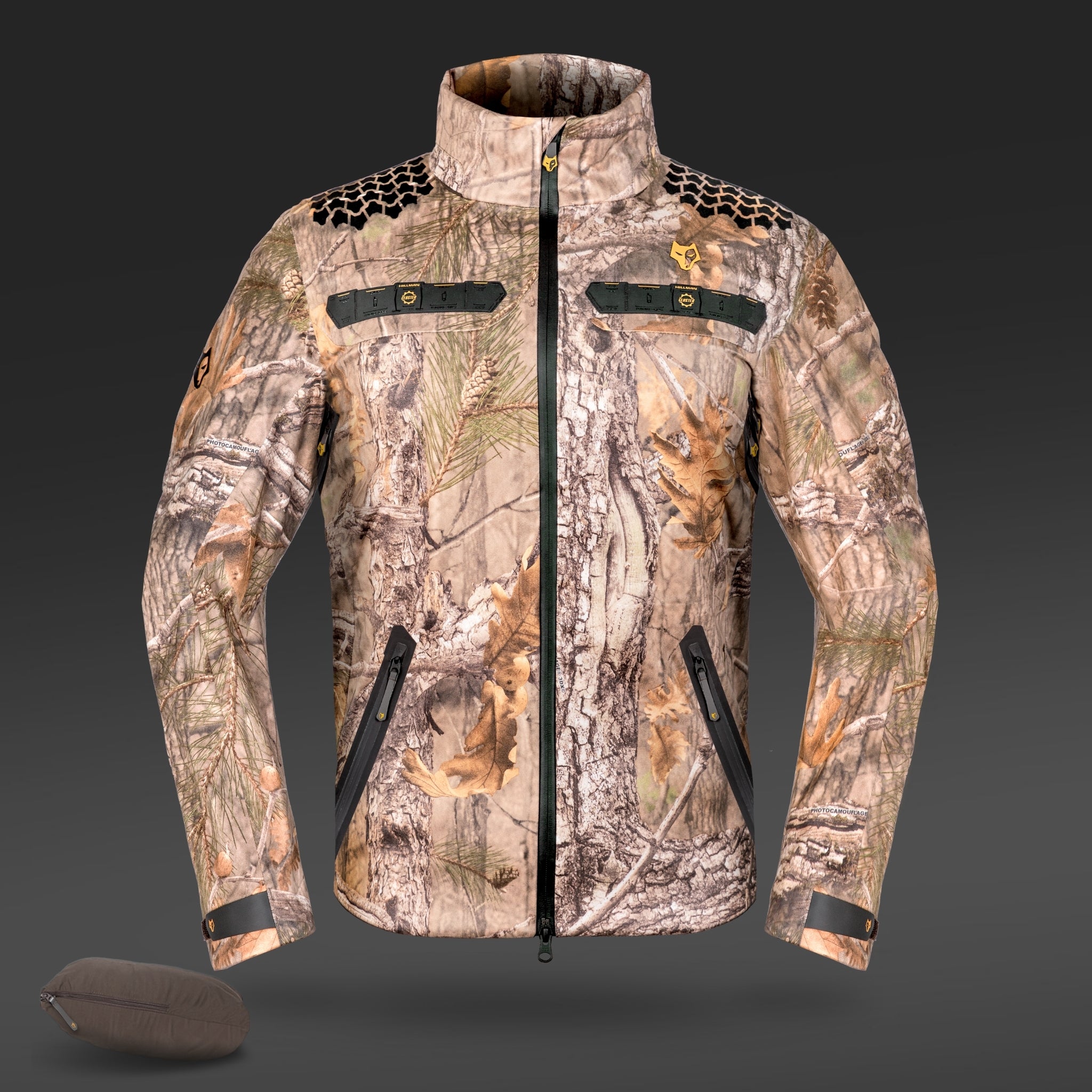
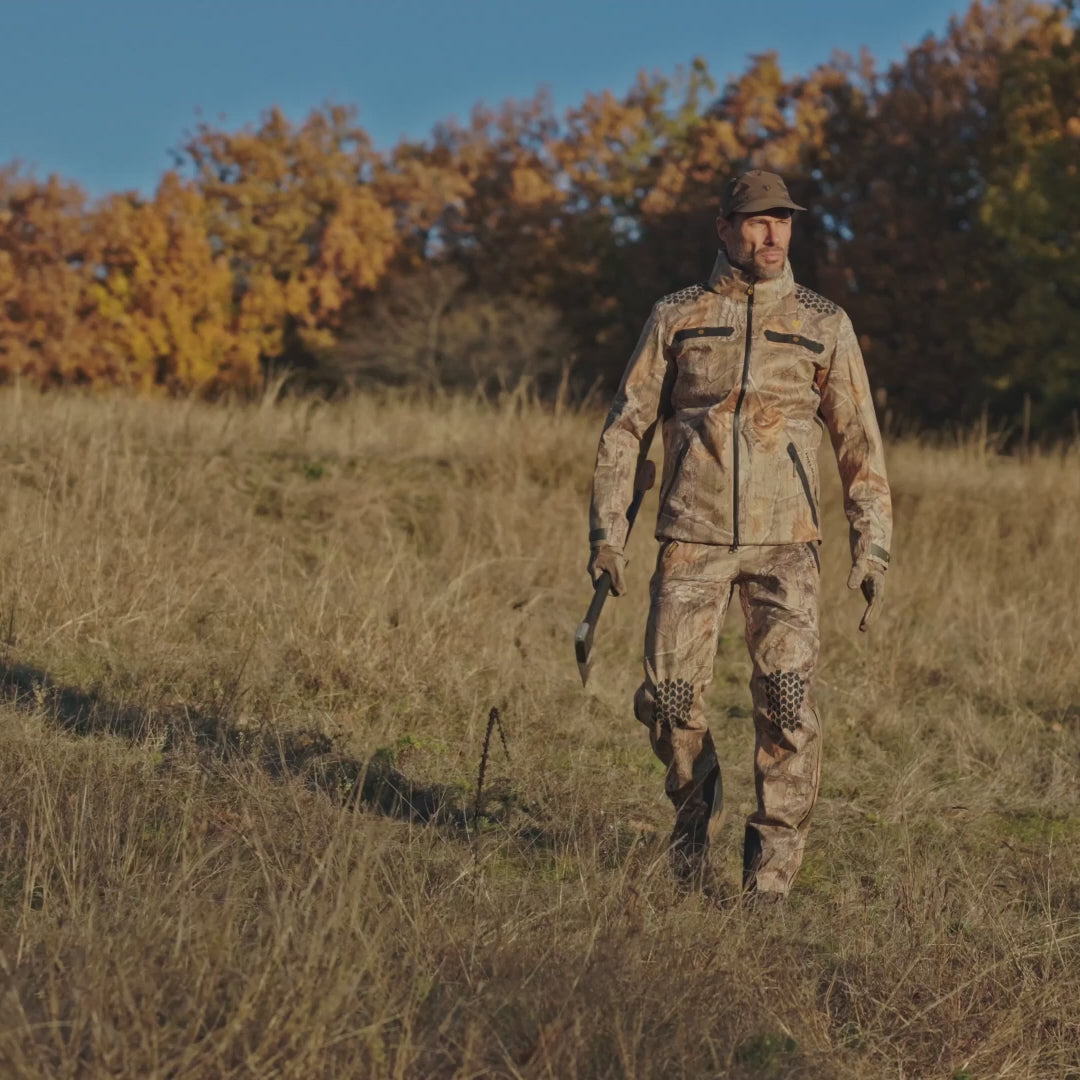
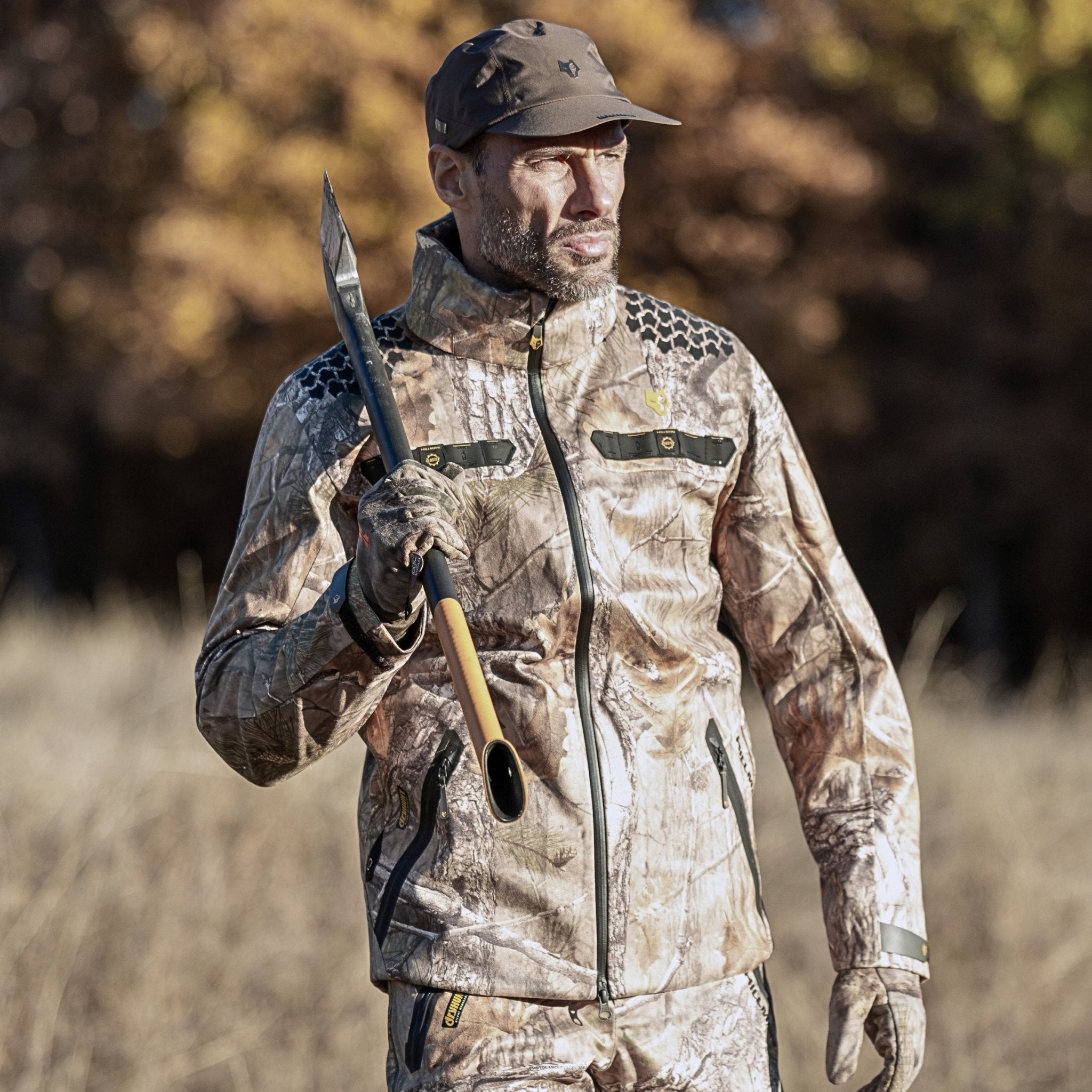
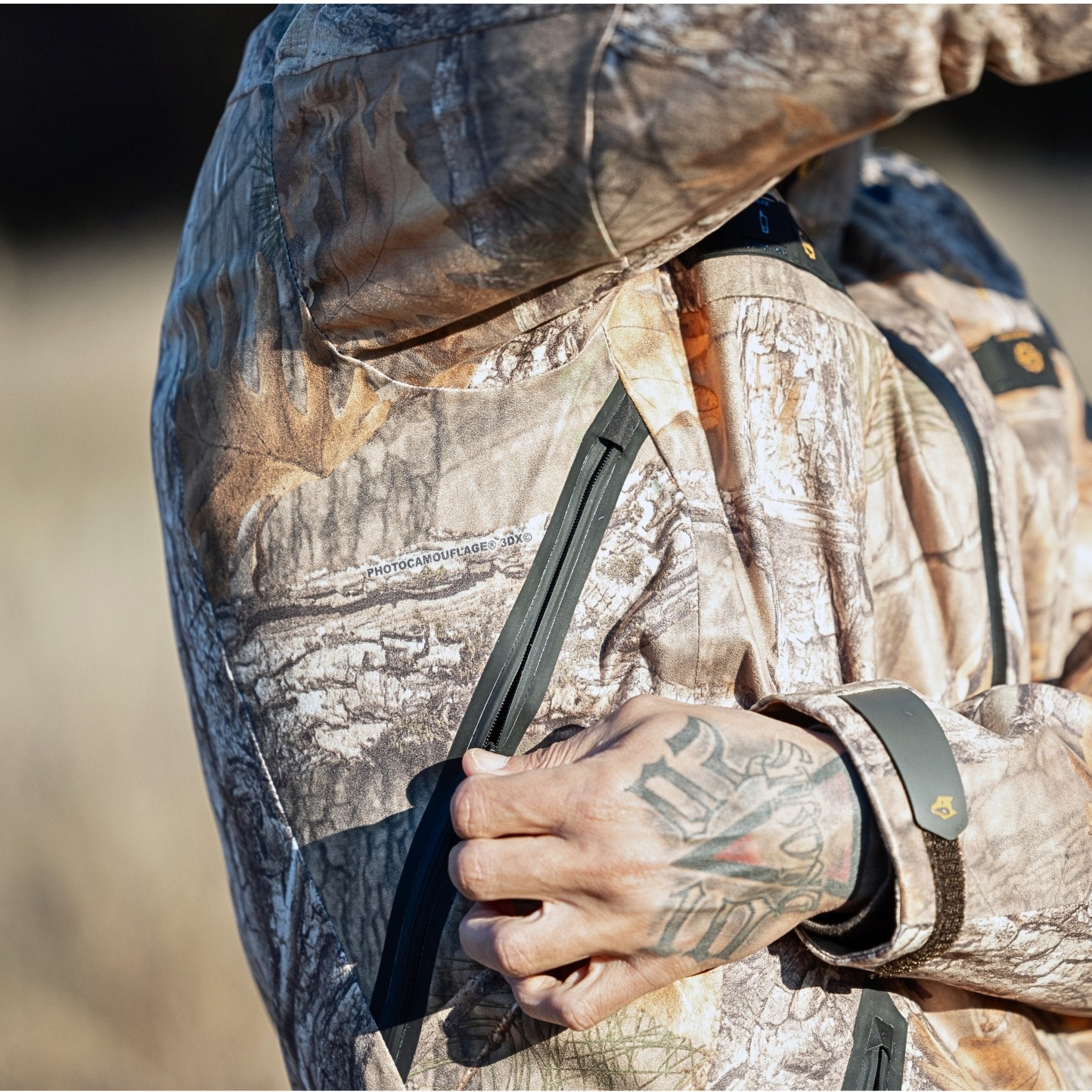
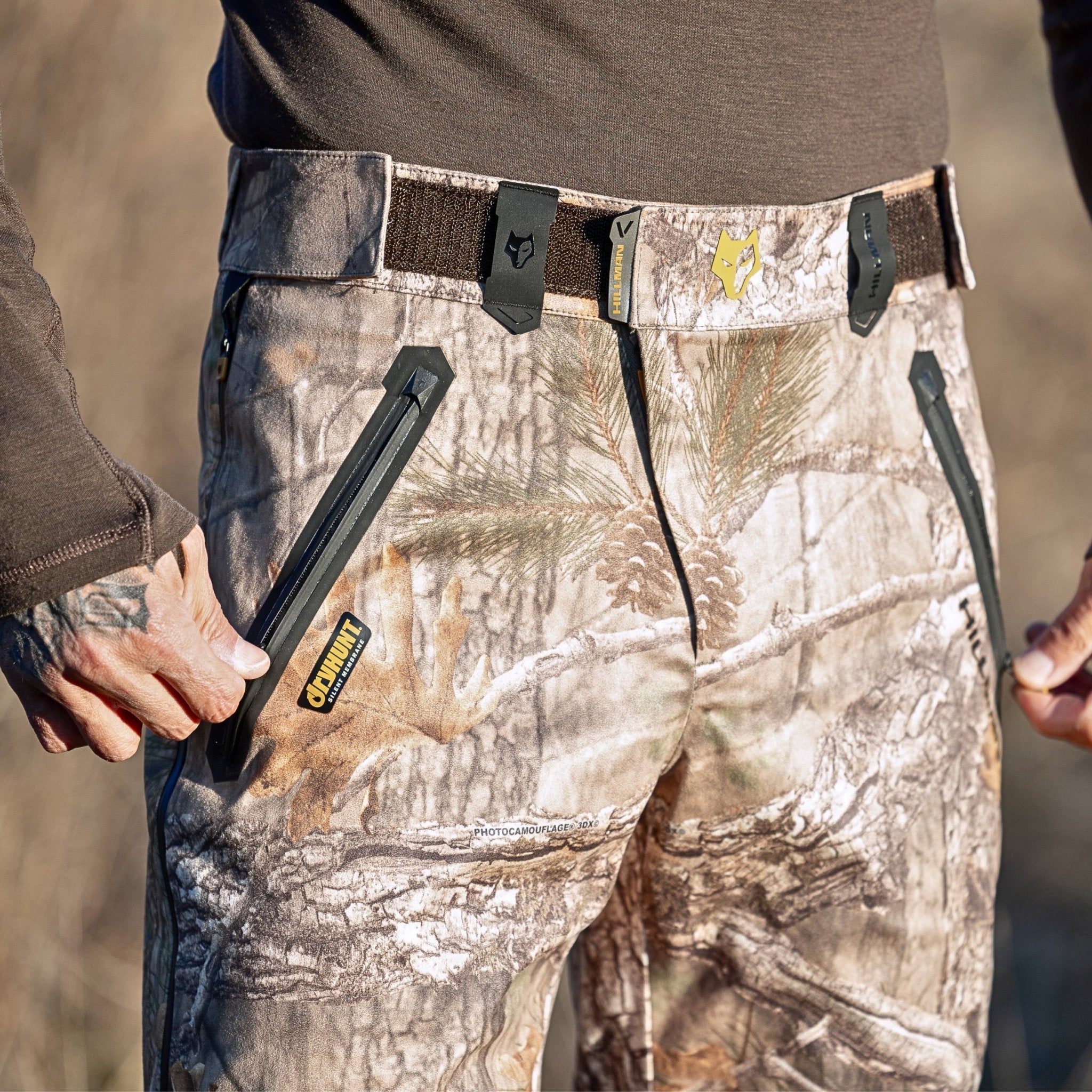
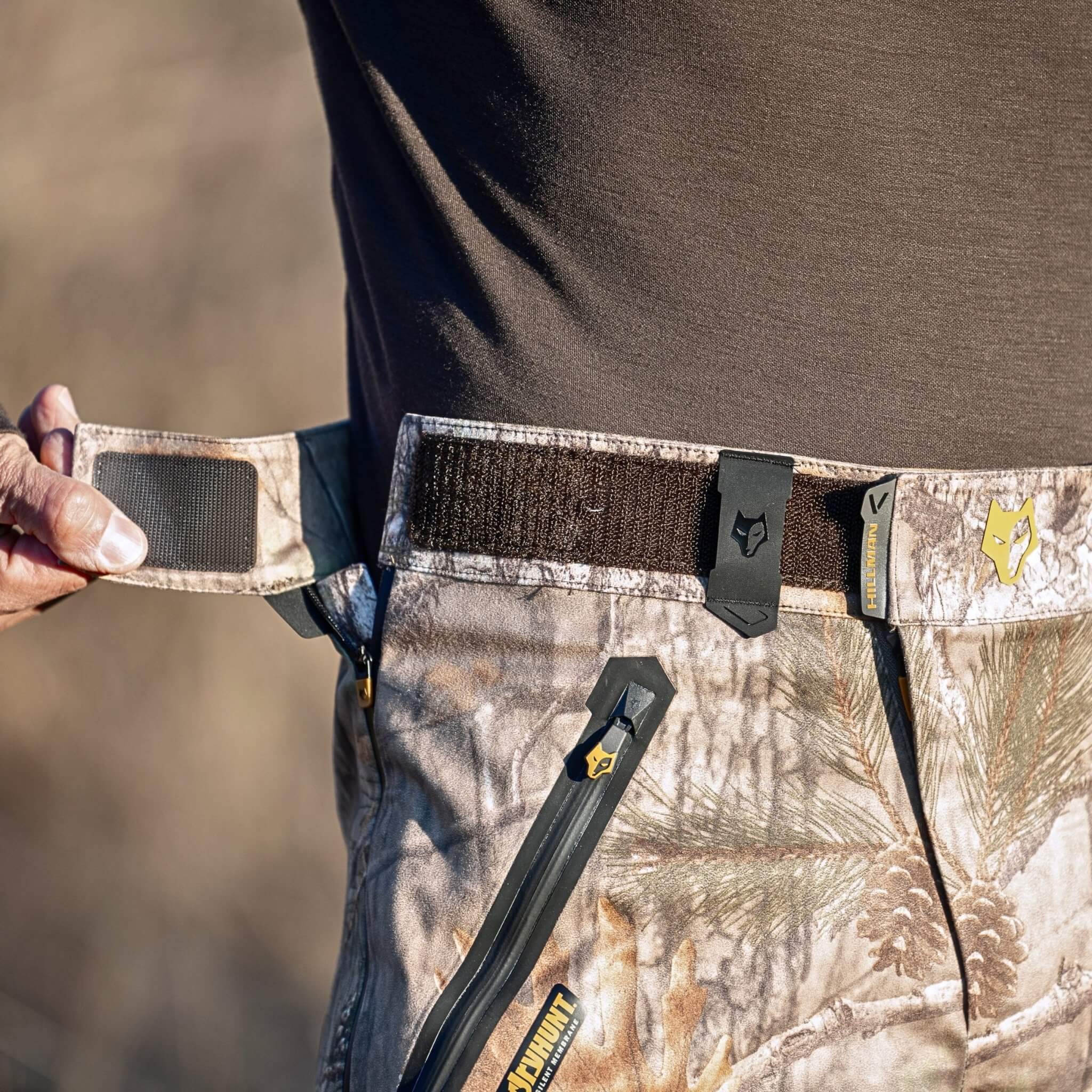
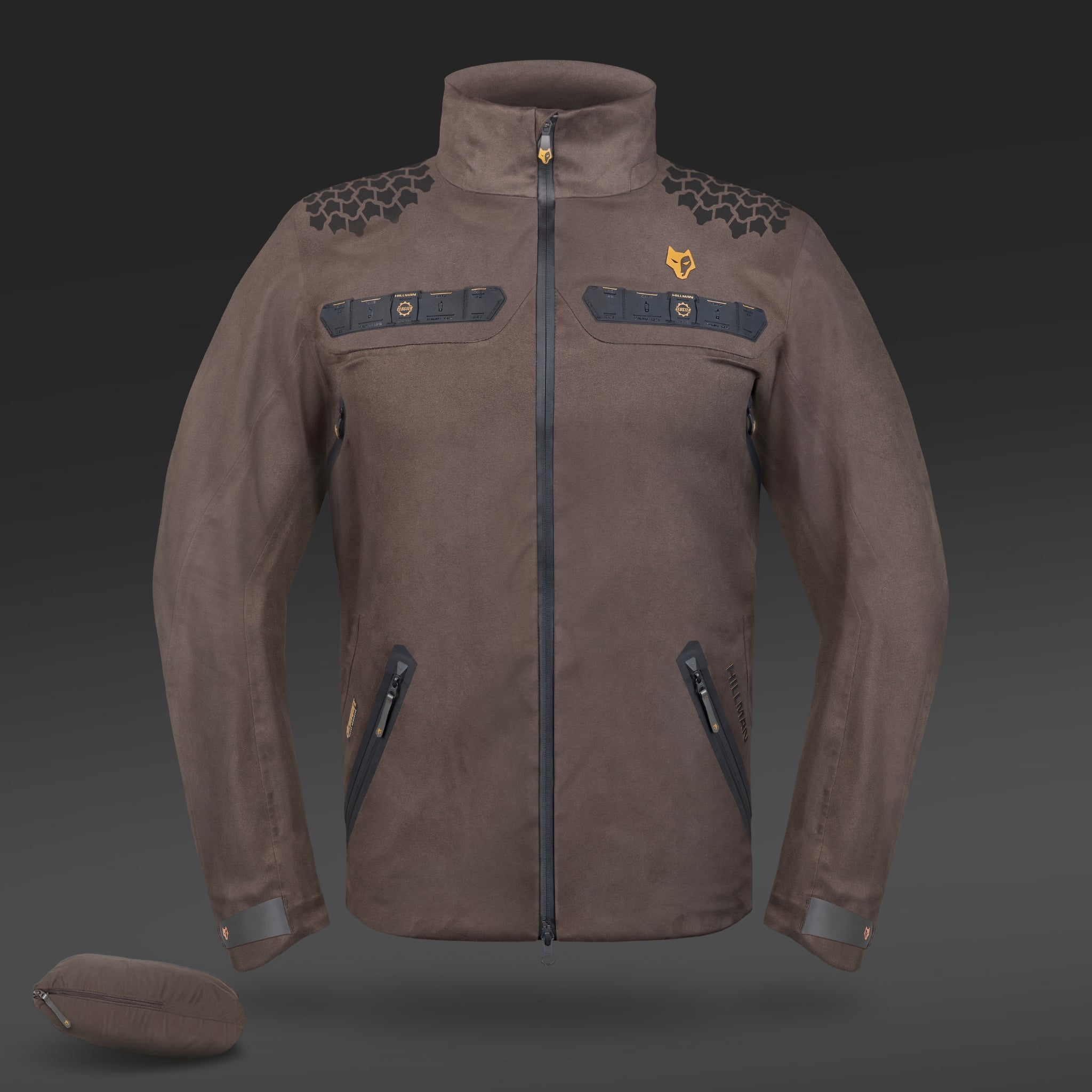
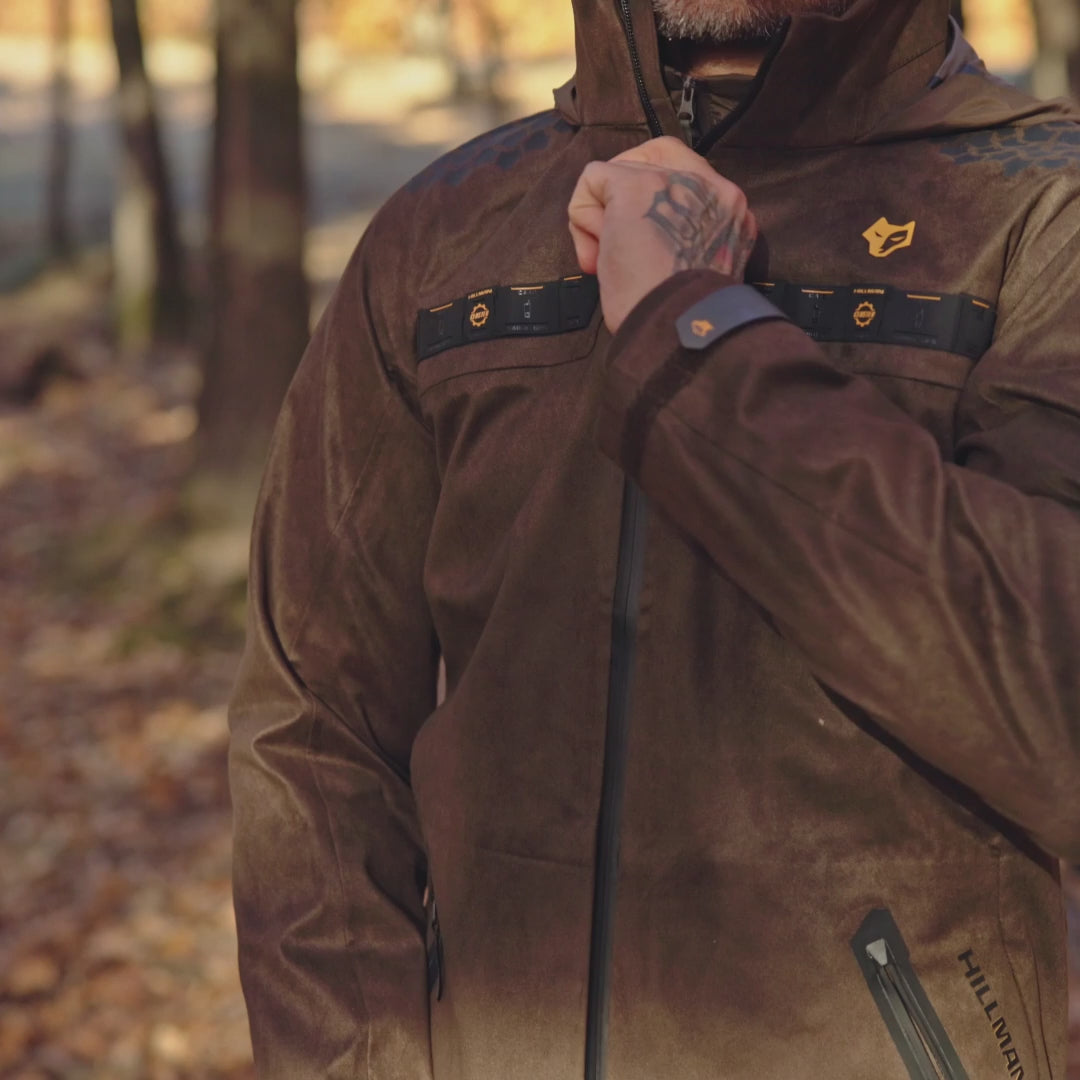
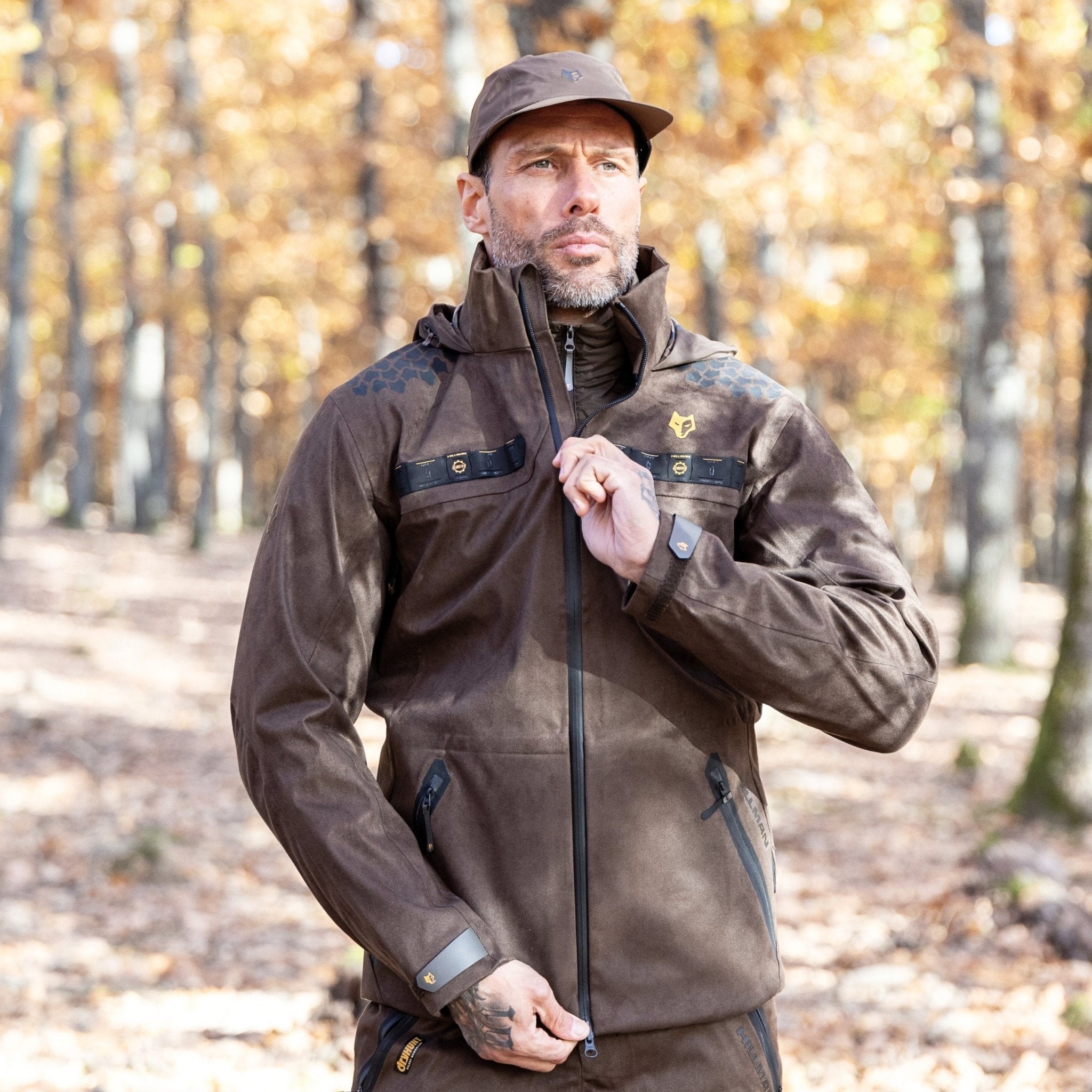
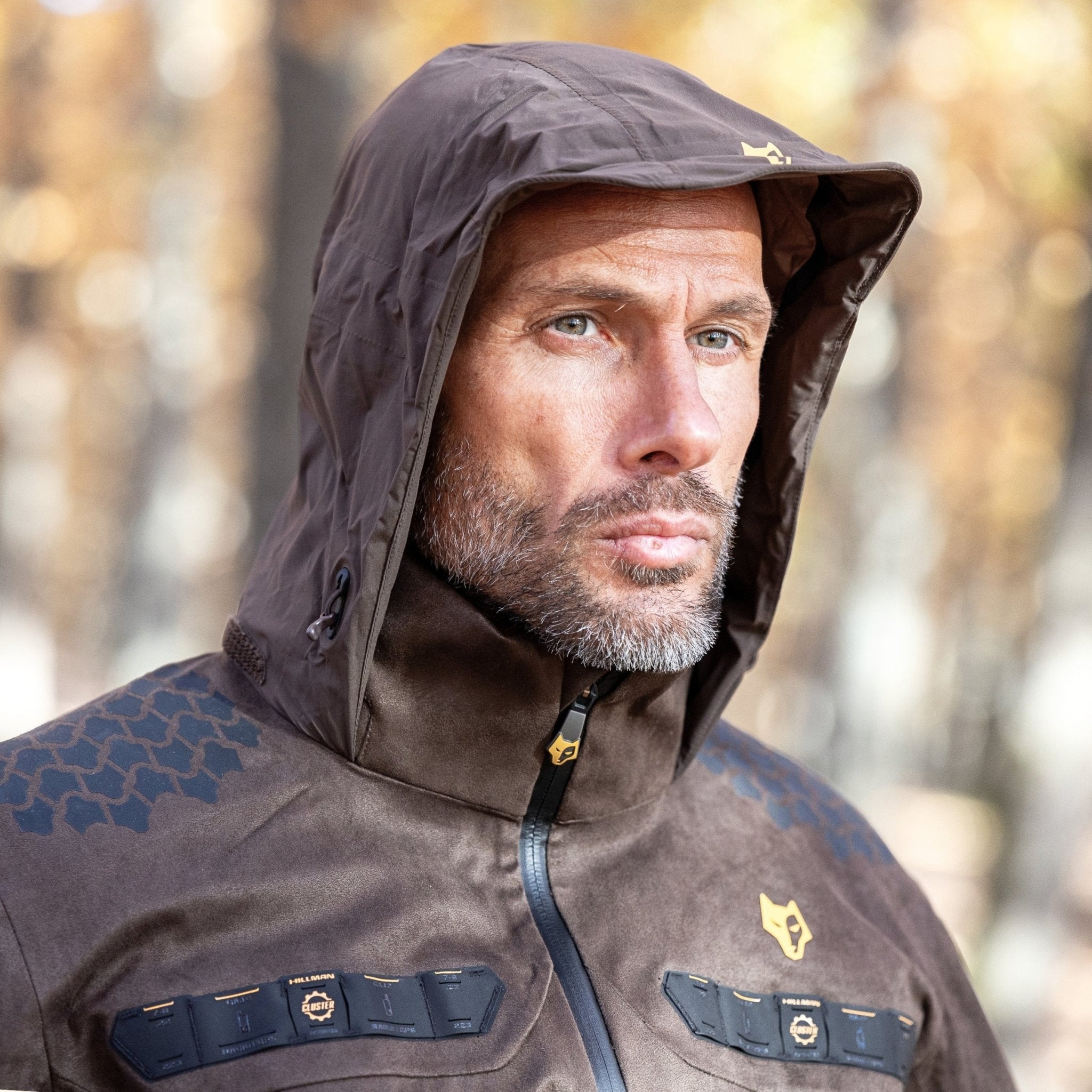
Outer layers take the beating from weather. Rain, snow, wind, brush, bark, rocks, and wet cover all hit the outside first. In cold rain or heavy wet brush, weather protection matters a lot. In dry cold, a quieter outer layer can matter more than full storm protection. Cheap gear gets exposed fast in rough country. Thorns, bark, and rock do not care what the tag said.
A lot of hunters buy a heavy shell and assume they solved the problem. Then they hike in, trap moisture, and end up damp from the inside. That is not a win. On the other side, some soft quiet jackets feel great until the weather turns ugly. There is always a tradeoff. The easier move is to match the layer to the actual environment instead of the marketing.
Scent, Safety, and Staying Quiet in Different Conditions

Terrain affects more than warmth and comfort. It affects scent. It affects safety. It affects noise.
In thick wet cover, tall rubber boots can help with scent control better than many leather or fabric options. That does not magically fix scent, but it helps with one part of the problem. Clothing that holds sweat and stays damp makes the whole scent issue worse, especially when the hunt involves hard walking.
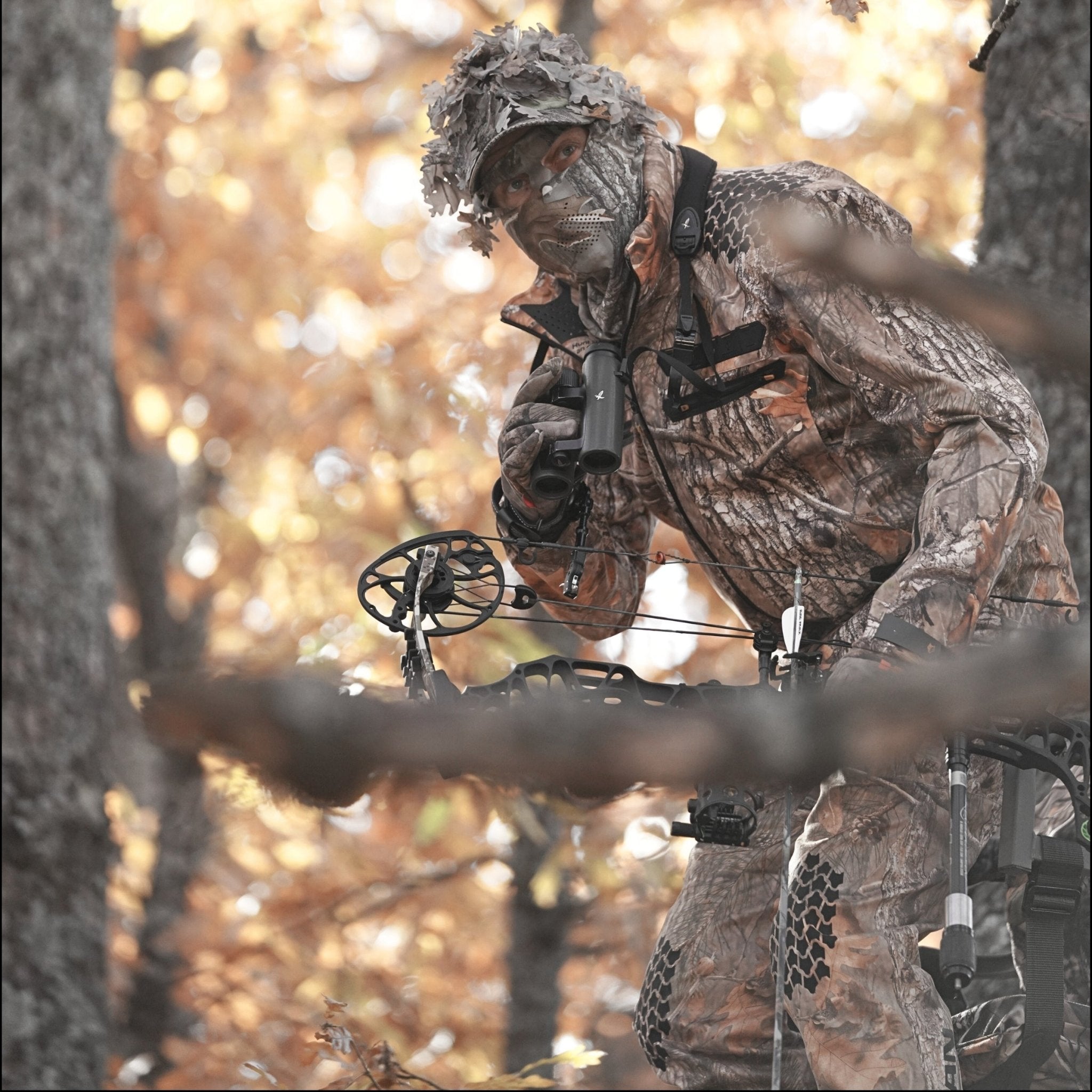
Noise matters too. Frozen dirt sounds different than wet leaves. Rocky slopes sound different than soft mud. Brush, crusted snow, dead grass, and hard ground all punish noisy gear in different ways. Durable fabric matters, but if it sounds harsh every time you bend or shift, that matters too. Strong gear that makes too much noise can cost you when game is close.
Safety matters as well. If the law says hunter orange, wear it. Especially during rifle season and especially in shared woods. Outside of that, it still makes sense to keep the rest of your wear simple and natural so it fits the terrain.
Match Gear to the Hunt Instead of Buying Random Stuff

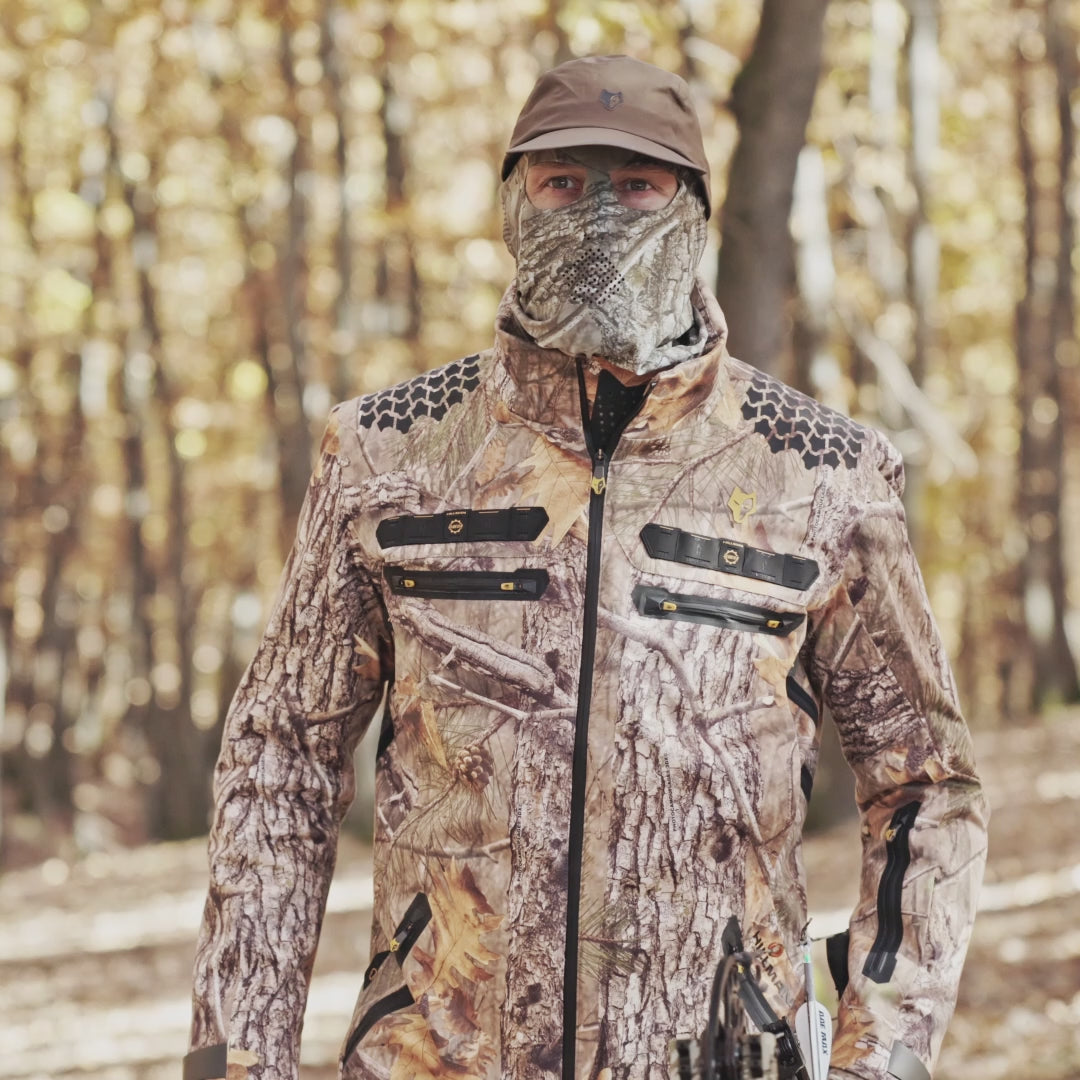
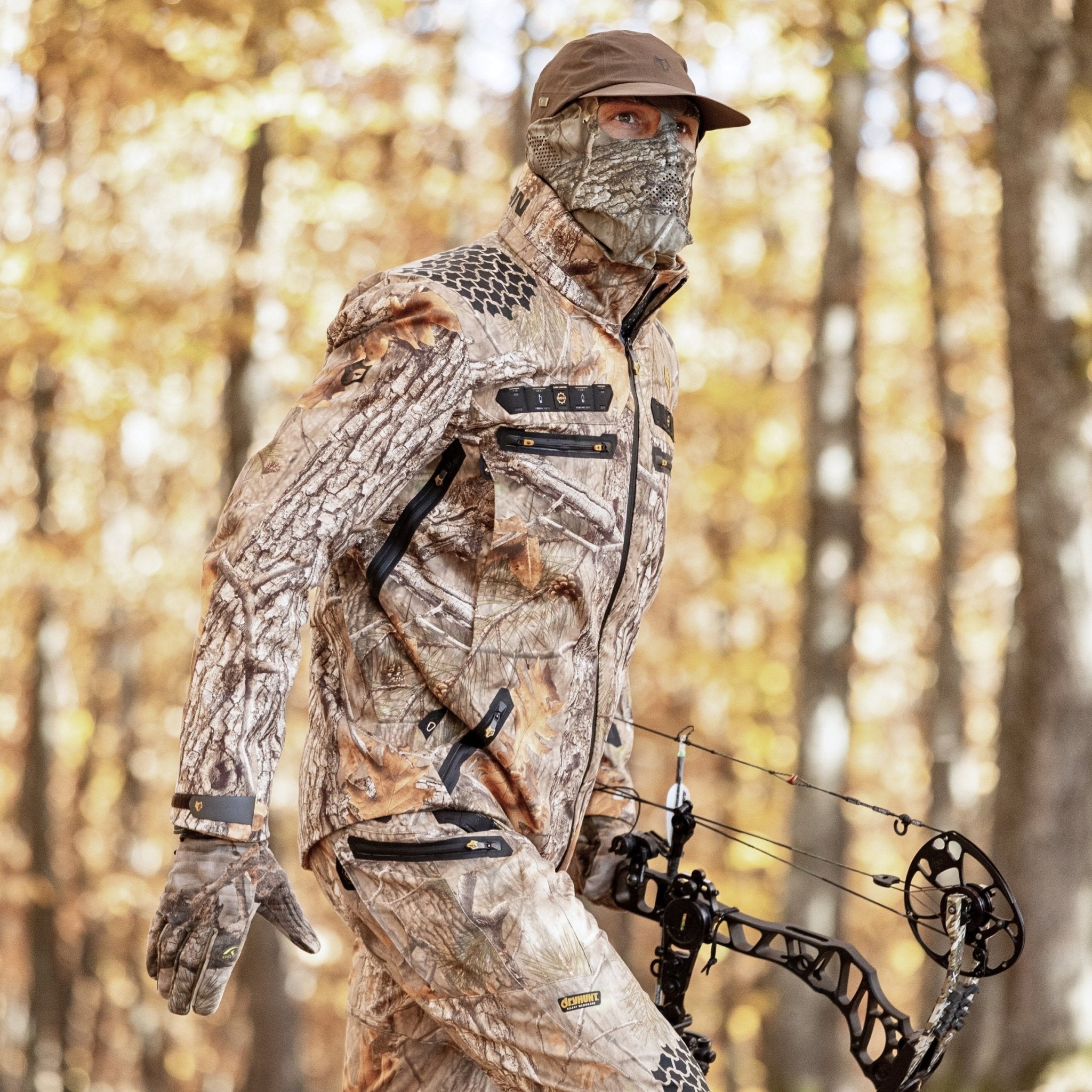
The best whitetail hunting gear is not the gear with the longest feature list. It is the gear that actually fits the hunt. Terrain should shape almost every choice you make. Boots. Gloves. Hats. Jackets. Pants. Bibs. Mask options. Layers. Wet flats call for waterproofing and scent control. Steep country calls for traction, support, and durability. Cold weather stand hunting pushes warmth higher on the list. Mobile hunts reward lighter layers and better moisture control. That is the better way to think about it.
Start with the ground. Then check temperatures. Then check likely conditions. Then be honest about how much walking you are doing and how the hunt is actually going to play out. Are you sitting most of the time? Are you moving? Are you climbing? Are you hunting wet cover? Are you dealing with wind? Those things matter more than flashy product claims or expensive add-ons.
Once you look at it that way, the right items become clearer fast. A lot of products look great in a cart. That does not mean they belong in your pack. The right pair of boots is the pair that fits your terrain. The right layers are the ones you can actually use through changing conditions without overheating, freezing up, or making too much noise. Deer hunting is hard enough already. Your gear should help you stay comfortable, stay quiet, and stay effective.

TYLER JAMES
Tyler spends as much time studying maps, access routes, creek crossings, and wind funnels as he does watching deer. Over the years, he noticed that many hunting mistakes start before daylight. The wrong boots for a muddy bottom. Too many layers for a steep climb. Not enough insulation once the wind picks up on a ridge.
His writing focuses on the small decisions that shape a hunt but rarely get much attention. Ground conditions, entry routes, changing weather, noisy vegetation, wet grass, frozen leaves, and the little things that can turn a comfortable morning into a miserable one. Rather than chasing the newest gear trend, Tyler is interested in a simpler question: what will the conditions actually be like under your feet when you get there?

Share:
Scent Control vs Playing the Wind: Advice for Whitetail Hunters
How to Choose Hunting Backpack for Day Hunts, Spot-and-Stalk