


Waterproof boots often struggle in real U.S. conditions because “waterproof” gets treated like an absolute, even though membranes, seams, and pressure have limits. Much of the wetness people feel comes from sweat and condensation, not leaks, and breathability drops even more in cold weather. Real performance depends on construction quality, fit, and maintenance, not just marketing labels, so expectations and usage matter as much as the boot itself.

The Truth About Waterproof Boots in the U.S.: Why Some Fail in Real Conditions
Waterproof boots sound like a solved problem.
Either they keep water out, or they don’t. That’s usually how people think about it. And that logic works right up until the first long day, where conditions don’t stay consistent. Wet grass in the morning. Slushy snow by noon. Mud on the way back. Somewhere in between, your socks stop feeling dry.
Why do waterproof boots still end up wet? A realistic look at how membranes, seams, and long days affect real-world performance.
We’ve had boots that felt solid for the first hour and quietly failed by mid-afternoon. Not flooded. Not soaked. Just damp enough to be distracting. That’s usually the moment when you start questioning everything: the boot, the weather, or whether “waterproof” actually means what you thought it did.
Most of the time, the issue isn’t quality. It’s an expectation.
Why the Word “Waterproof” Creates Unrealistic Expectations Once Boots Are Used in Real U.S. Conditions?

The word “waterproof” sounds final, and that’s where problems begin. Many people interpret it as a guarantee that no water will ever get in, regardless of terrain or exposure. In real U.S. conditions, that expectation rarely holds up.
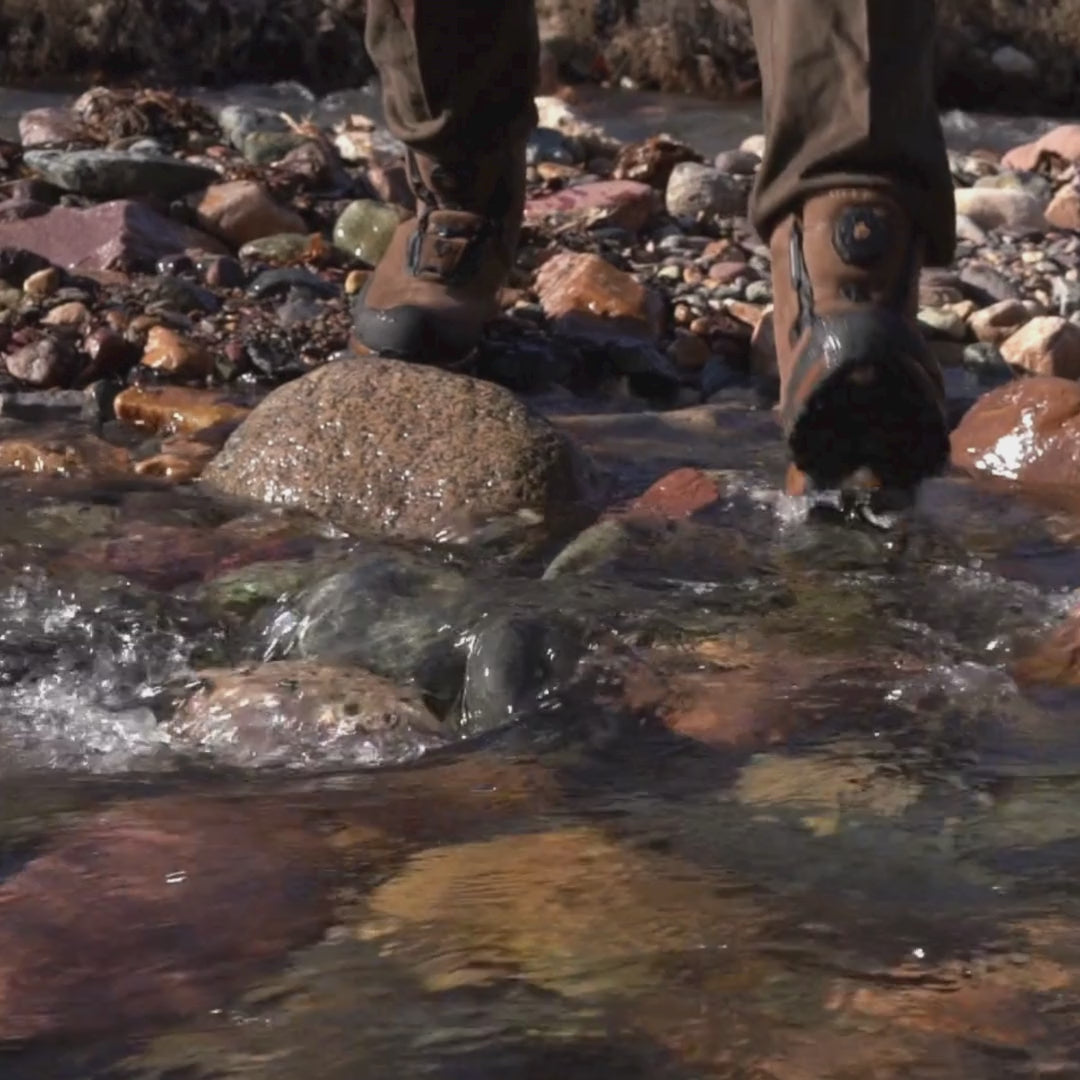
Most waterproof boots are designed for wet environments, not constant immersion. Walking through wet grass, snow, shallow puddles, and muddy ground is well within their design limits. Standing in water, deep slush, or flooded terrain for extended periods is not. Over time, water pressure, flexing, and repeated stress expose weak points.
Understanding that waterproofing has boundaries doesn’t lower standards; it sets realistic ones. Once expectations align with design intent, waterproof boots become far more reliable and far less frustrating to use.
What Waterproof Boots Are Actually Designed to Handle in Rain, Snow, and Everyday Wet Terrain?

Waterproof boots are built for repeated exposure, not extreme scenarios. They’re meant to handle rain falling all day, snow covering the ground, wet grass soaking the lower boot, and shallow puddles encountered during normal movement.
What they aren’t designed for is prolonged standing in water or frequent submersion above the sole. When water presses against a boot for hours, pressure increases and eventually finds a way in, usually through seams, stitching, or flex points.
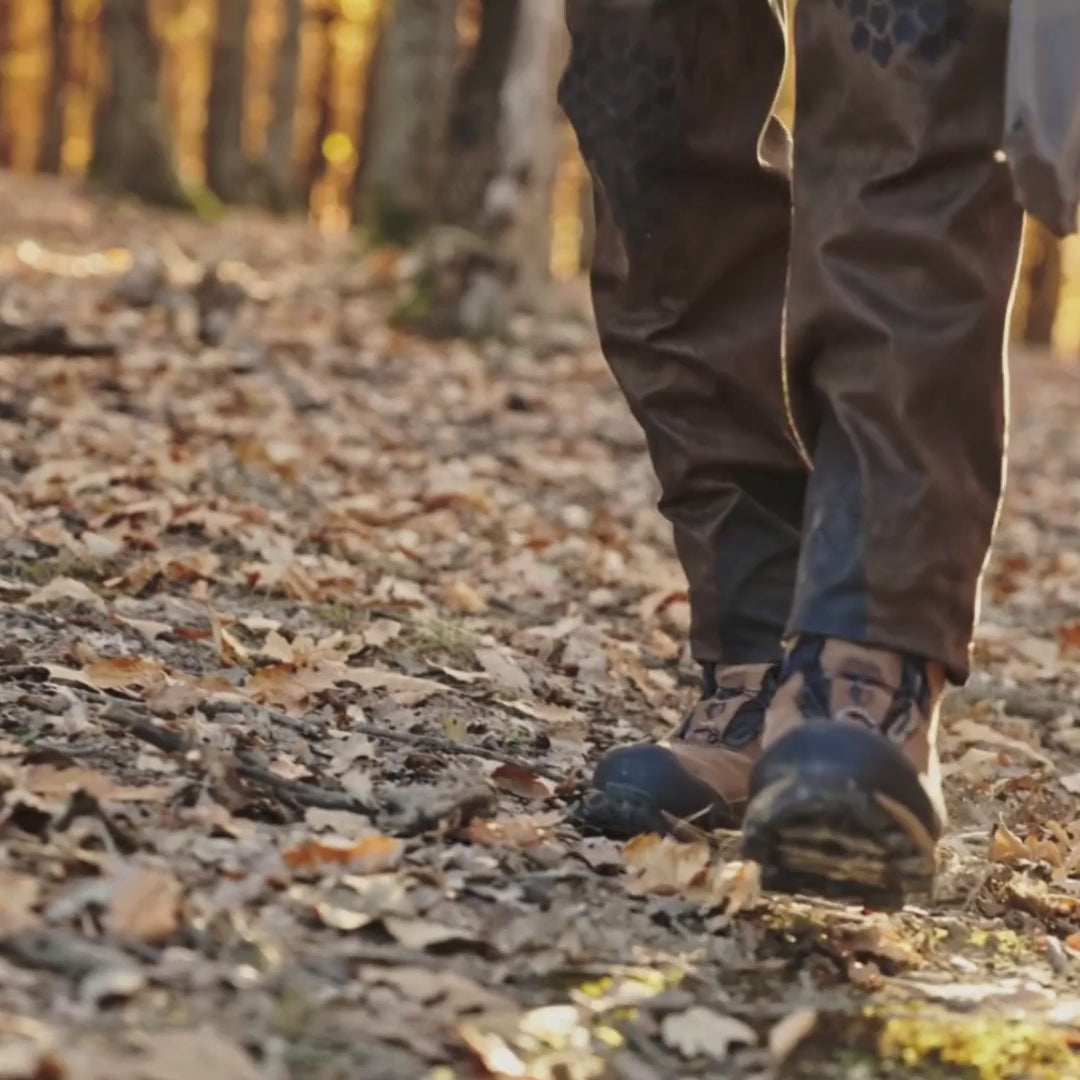
In everyday use, waterproof boots perform best when water sheds quickly. Movement, airflow, and varied terrain allow materials to dry between exposures. Problems arise when boots are pushed far beyond those conditions for long periods.
How Waterproof Membranes Work and Why They’re Central to Modern Boot Design?
At the core of most waterproof boots is a waterproof membrane layered between the outer material and the inner lining. This membrane blocks liquid water from entering while allowing water vapor from sweat to escape.
That balance: keeping water out while letting moisture escape, is what defines modern waterproof footwear. However, breathability is always limited. Vapor moves slowly, especially in cold weather or during high exertion.
When sweat builds faster than vapor can escape, moisture accumulates inside the boot. This is a limitation of physics, not necessarily a flaw in the boot. Understanding how membranes work helps explain why waterproof doesn’t always feel dry.
Why Waterproof Boots Often Feel Wet Inside Even When No Water Is Getting In?

Wet feet don’t always mean leaking boots. In many cases, moisture comes from inside rather than outside.
Feet sweat during walking, hiking, and long days on uneven terrain. If that perspiration can’t escape, it condenses inside the boot. Cold temperatures make this worse by slowing evaporation and increasing condensation.
The result feels exactly like a leak. Socks feel damp, toes feel cold, and confidence drops. Without understanding internal moisture buildup, it’s easy to assume the boot failed when the real issue is breathability, activity level, and moisture management.
The Hidden Trade-Off Between Waterproof Protection and Breathability That Most Buyers Don’t Realize
There is no such thing as a boot that is both perfectly waterproof and perfectly breathable. The more effectively a boot blocks external water, the harder it becomes for internal moisture to escape.
Highly waterproof constructions excel in rain and snow but tend to trap sweat during movement. More breathable designs manage internal moisture better but may allow water in sooner under heavy exposure.
Choosing the right balance depends on how you use your boots. Long walks, active days, and warmer conditions favor breathability. Standing still, cold weather, and heavy precipitation favor waterproof protection. Ignoring this trade-off is one of the most common reasons waterproof boots disappoint in real use.
How Freezing Temperatures and Winter Conditions Change the Way Waterproof Boots Perform?

Cold weather changes how materials behave. Waterproof membranes move vapor more slowly in freezing temperatures, allowing moisture to build up inside boots faster.
Snow and ice also increase external moisture pressure. Wet snow packed against a boot for hours creates constant exposure, especially around seams and flex zones. When that moisture freezes, it can trap water against the boot surface even longer.
In winter, internal moisture from sweat often becomes a bigger problem than external water. Waterproof systems still work, but their limits become much more noticeable during long, cold days.
Rubber Boots Versus Membrane-Based Boots and Which Performs Better in Wet, Muddy Terrain
Rubber boots are completely waterproof by design. There are no seams or membranes to fail, which makes them ideal for standing water, deep mud, and flooded ground.
The downside is breathability. Rubber traps heat and sweat, leading to damp socks over long days, even without external water entering. For short exposure or stationary use, this trade-off is acceptable. For long walks, it becomes uncomfortable quickly.
Membrane-based boots aren’t fully submersible, but they manage moisture better during mixed activity. Choosing between the two depends less on labels and more on how long you’ll be moving and how wet the terrain truly is.
The Most Common Reasons Waterproof Boots Start Leaking After Real Field Use

When waterproof boots genuinely leak, the cause is usually structural. Seams wear down, stitching loosens, membranes degrade, or bonding points fail under repeated stress.
Every step flexes materials. Over long days and many miles, that flexing adds up. Small weaknesses that didn’t matter early on eventually become noticeable leaks.
What feels like sudden failure is often slow degradation, finally crossing a threshold. Regular inspection and maintenance help catch these issues before they turn into soaked socks.
Why Seam Sealing, Stitch Placement, and Overall Craftsmanship Matter More Than Marketing Claims?
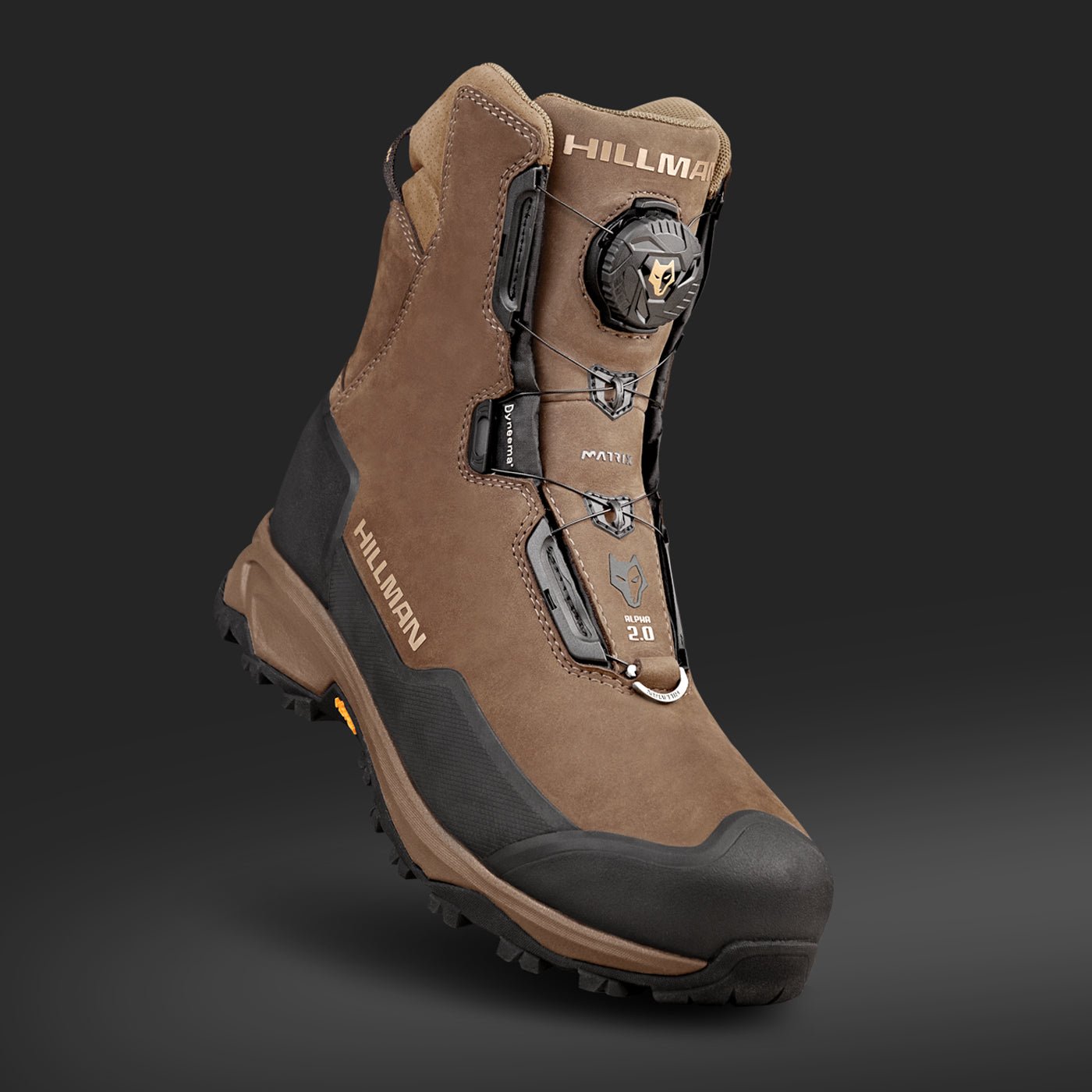
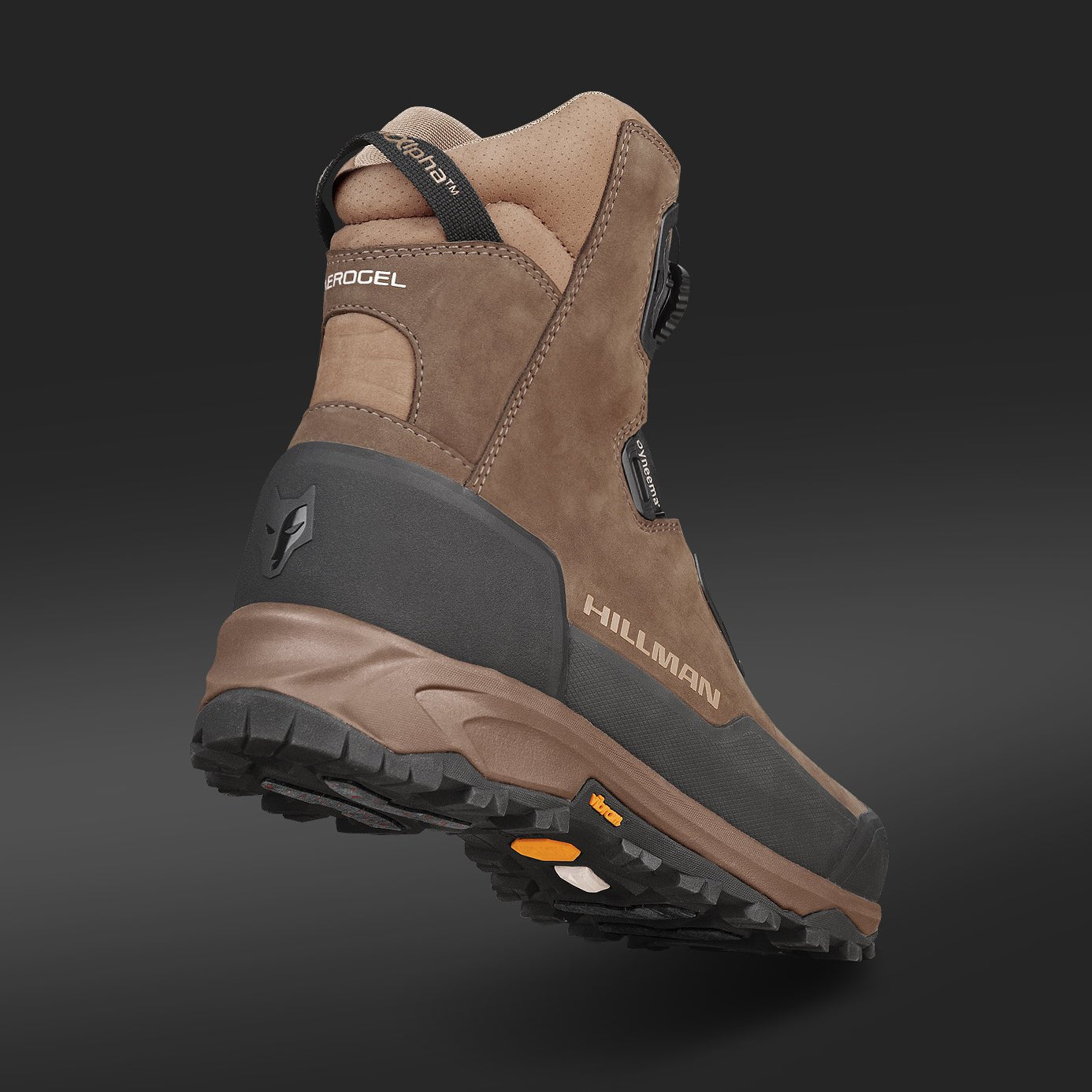
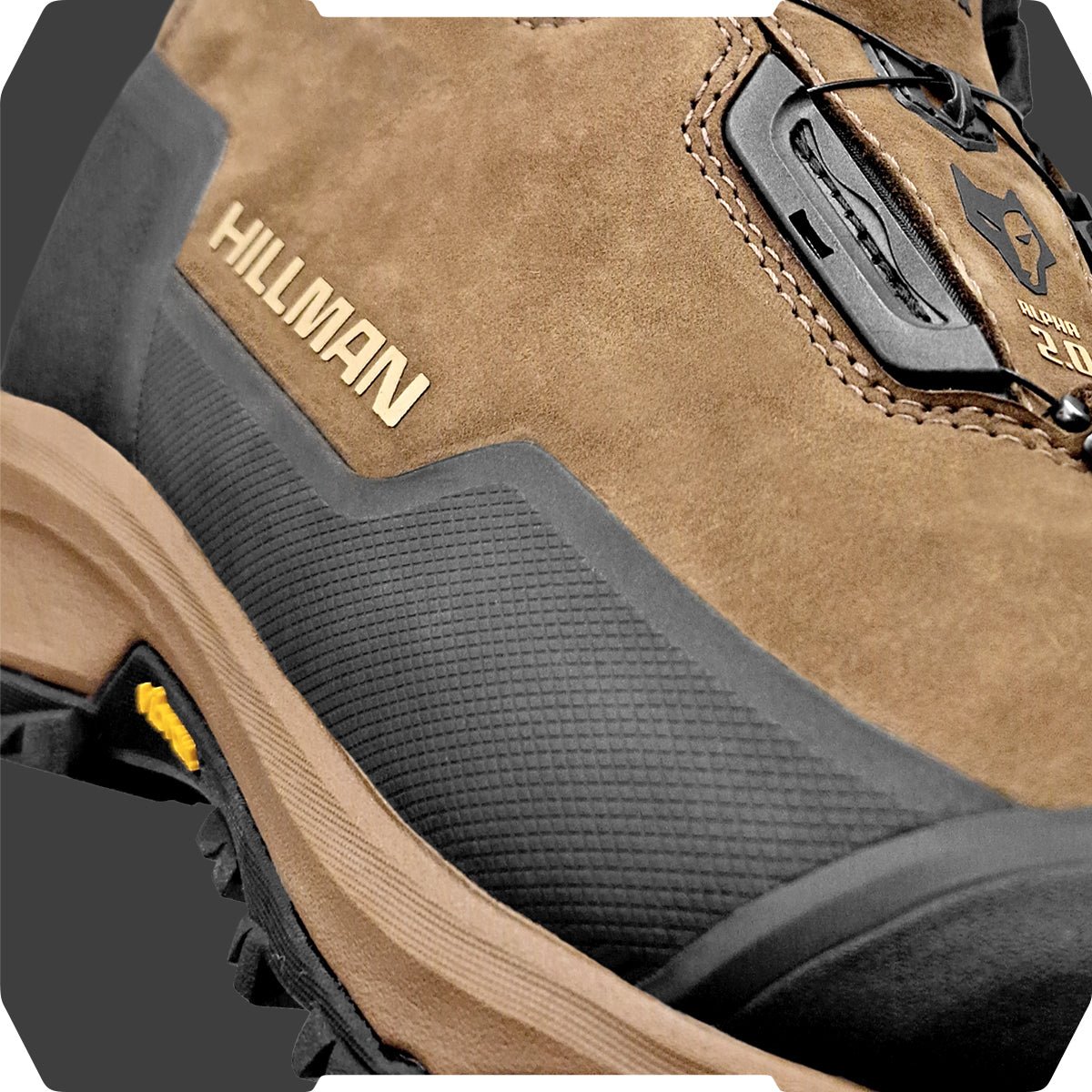
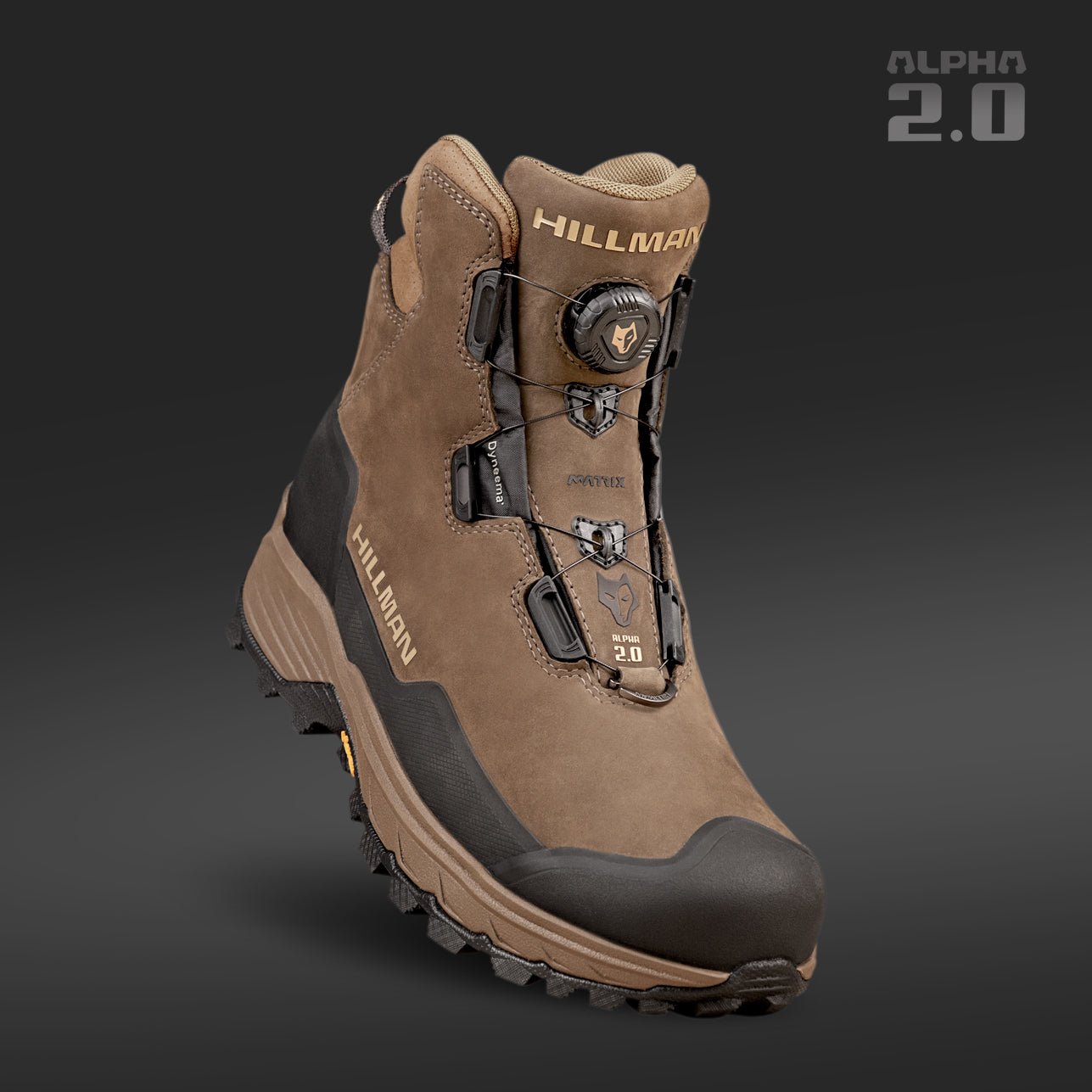
Waterproof performance depends heavily on construction quality. Fully sealed seams prevent water from entering through stitching holes, one of the most common failure points.
Boots with fewer seams generally offer more reliable waterproofing because there are fewer places for water to penetrate. Thoughtful stitch placement reduces stress in high-flex areas, extending performance over time.
Craftsmanship matters more than branding or price. Well-constructed boots distribute stress evenly and maintain waterproof integrity far longer in real conditions
How Gusseted Tongues Prevent Water Entry and Why This Detail Is Often Overlooked?
Many leaks occur at the laces. A gusseted tongue connects the tongue to the boot upper, sealing the opening where water, snow, and debris try to enter.
Without a gusset, water pushed up by puddles, mud, or snow easily slips inside. This becomes especially noticeable in wet grass, slush, and muddy terrain.
It’s a small design detail that often goes unnoticed until it’s missing. In real-world conditions, a gusseted tongue significantly extends how long feet stay dry.

Leather Versus Synthetic Boot Uppers and How Each Responds to Prolonged Wet Conditions
Leather uppers are durable and supportive but require ongoing maintenance. When waterproof treatments wear off, leather eventually wets out and absorbs moisture.
Synthetic uppers resist saturation and dry faster, making them effective for repeated wet exposure. However, they may sacrifice long-term durability compared to leather.
Neither option is universally better. The right choice depends on how often boots get wet and how much maintenance you’re willing to perform to preserve waterproof performance.
Why Traction, Outsole Design, and Stability Are Part of Real Waterproof Performance?
Waterproofing alone doesn’t keep feet dry. Slipping in mud or wet terrain often leads to water entering from the top of the boot.
Deep outsole lugs, proper rubber compounds, and anti-clog designs improve stability and reduce unnecessary exposure to water. Good traction keeps movement controlled and prevents falls that soak boots instantly.
In real use, traction and waterproofing work together. One without the other limits overall performance in wet conditions.
How Long Days of Walking and Standing Expose Weak Points in Waterproof Boot Construction?

Short tests rarely reveal problems. Long days do.
Feet swell over time, increasing internal pressure. Materials flex thousands of times. Moisture accumulates slowly. All of this stresses waterproof systems far more than brief exposure.
Boots that feel fine for an hour may fail after eight. Duration is one of the most important factors in real-world waterproof performance, yet it’s often overlooked.
How Proper Fit and Circulation Affect Moisture Build-Up and Overall Foot Comfort?

Fit plays a major role in waterproof performance. Boots that are too tight restrict circulation and trap moisture. Boots that are too loose allow friction and pressure points.
A snug but not tight fit allows blood flow, reduces sweating, and improves comfort during long days. Slight extra room also accommodates foot swelling over time.
Proper fit supports both warmth and dryness, making it a foundational part of waterproof success.
How Gaiters Extend Waterproof Protection by Blocking Water From the Top Down?
Many waterproof failures start at the top of the boot. Water, snow, and debris enter through the opening during movement.
Gaiters block this entry point, extending how long feet stay dry. They don’t make boots more waterproof, but they protect the most vulnerable area.
In mud, snow, and tall wet grass, gaiters dramatically improve overall waterproof performance.
Why Waterproof Performance Fades Over Time Without Proper Care and Maintenance?

Waterproofing is not permanent. DWR coatings wear off, leather dries out, seams loosen, and materials degrade.
Regular cleaning, reapplication of waterproof treatments, and proper drying extend boot life significantly. Neglect accelerates failure.
Maintenance often makes the difference between boots lasting one season or several.
How to Tell if Your Waterproof Boots Are Still Doing Their Job in the Field?
A simple water test reveals a lot. Briefly soak the lower portion of the boot, then allow it to dry completely, sometimes for days.
Persistent dampness inside indicates leaks or membrane failure. While inconvenient, this test provides clear answers before conditions get worse.
Situations Where Waterproof Boots Are Simply the Wrong Tool for the Conditions

No waterproof system handles everything. Deep water, constant immersion, and flooded terrain overwhelm most boots.
In those situations, different footwear or strategies are more effective. Accepting limitations prevents frustration and wasted time.
What Hunters and Hikers in the U.S. Should Realistically Expect From Waterproof Footwear?
Waterproof boots reduce water entry, manage moisture, and protect feet in normal wet conditions.
They don’t eliminate sweat, physics, or time. Realistic expectations lead to better choices and better results.
How to Choose Waterproof Boots That Actually Hold Up in Real-World Conditions?
Construction matters more than labels. Look for sealed seams, thoughtful design, proper fit, and materials that match how you use them.
When boots are chosen, used, and maintained correctly, waterproof performance holds up far better in real conditions.

MATHEW COLLINS
Mathew Collins is an experienced backcountry hunter and gear analyst with over 15 years of time spent in wet, cold, and unpredictable terrain across the United States. From early-season rain to late-winter slush, he specializes in evaluating waterproof footwear and field equipment under real-world pressure, not controlled conditions.
As a field contributor for Hillman Gear, Mathew focuses on boot construction, moisture management, and long-term durability. He believes waterproof performance is defined less by marketing claims and more by materials, craftsmanship, fit, and proper maintenance over time.



Share:
How to Keep Feet Warm on All-Day Snow Hunts: Insulation
The Whitetail Hunter’s Checklist: Essential Gear for 2026