

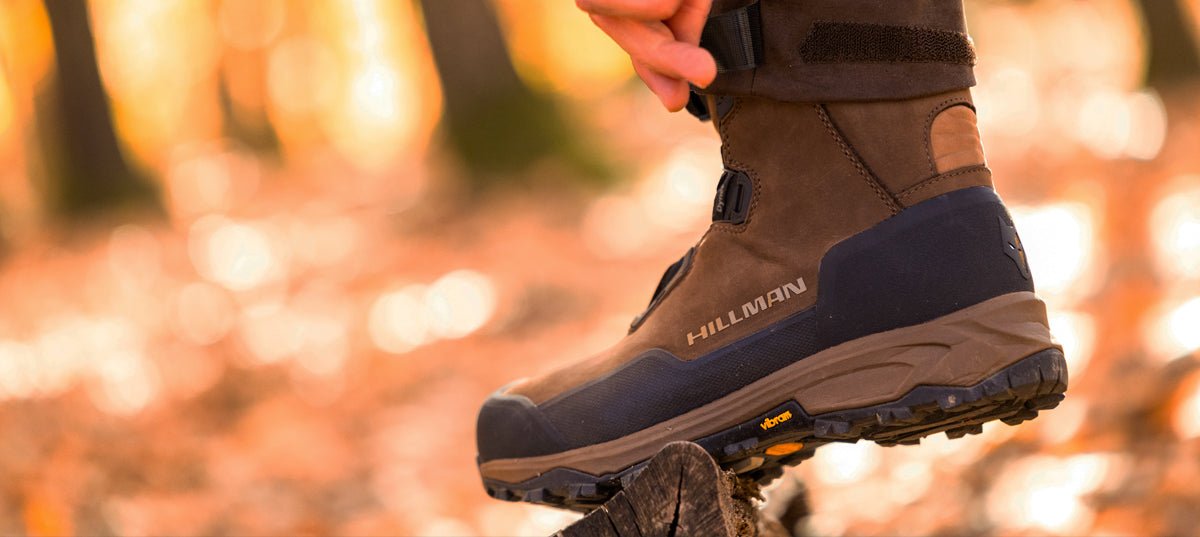
Insulated Hunting Boots for Long Sits vs Active Hunts: How Much Warmth Is Too Much?

Figure out how much insulation you really need in hunting boots for long sits, active hunts, cold weather, wet ground, and late season setups without roasting your feet on the move.
Most hunters screw this up by buying the warmest boots they can find
This is where a lot of people get it wrong.
They see cold weather. They see snow. They think about below freezing conditions. Then they go buy the biggest, bulkiest insulated boots on the shelf because more insulation sounds safer. Feels logical. Usually is not.
Insulated hunting boots for long sits vs active hunts how much warmth is too much comes down to one thing. Matching the boots to the hunt. Not to fear. Not to marketing. Not to some giant insulation number printed on a tag.
Cold feet are not always caused by too little insulation. A lot of times the problem is the opposite. Too much insulation, too much trapped heat, too much sweat, then everything goes sideways once you slow down. Your socks get damp. The inside of the boot gets clammy. Then your feet start feeling cold anyway, and now you are wondering how a supposedly warm pair of boots turned into a problem.
That happens all the time.
A guy doing long sits in a tree stand during late season is dealing with one kind of problem. A guy hiking ridges after mule deer is dealing with another. One needs more stored warmth. The other needs flexible boots that do not turn into ovens after twenty minutes of walking.
That is why the best boots are not automatically the warmest boots. A lot of the time the right pair is the one that does not overdo it.
Long sits and stationary hunts need real insulation because you are not making your own heat

If you spend most of the hunt sitting still, you need to stop pretending movement is going to keep you warm. It will not.
Long sits, stationary hunts, tree stand time, blind hunting, frozen ground, wind cutting through everything, no real movement for hours. That is where proper insulation matters. Your body is not producing much heat at that point, so the boots need to hang onto what little warmth you have.
For a lot of late season hunts, 400g to 800g is a sensible range. That usually covers hunts where there is still some walking involved, but the real job starts once you stop moving and settle in. If the weather gets ugly, or you are dealing with extreme cold, deep snow, and long hours with almost no movement, then heavier insulated boots can make sense.
That is when 1000g and up starts having a real purpose.
But let’s be honest. That kind of setup is not for every hunt. It is for severe cold and low movement. It is not a default setting for every hunter who gets nervous when the forecast looks rough.
Light insulation or uninsulated boots can fall apart fast on long sits. First you feel okay. Then the cold starts creeping in from the ground. Then your toes go numb. Then you start shifting around, then the hunt starts sucking. That is exactly when extra insulation earns its place.
Active hunts usually need less warmth and more control

This is the part people hate hearing because it sounds backwards.
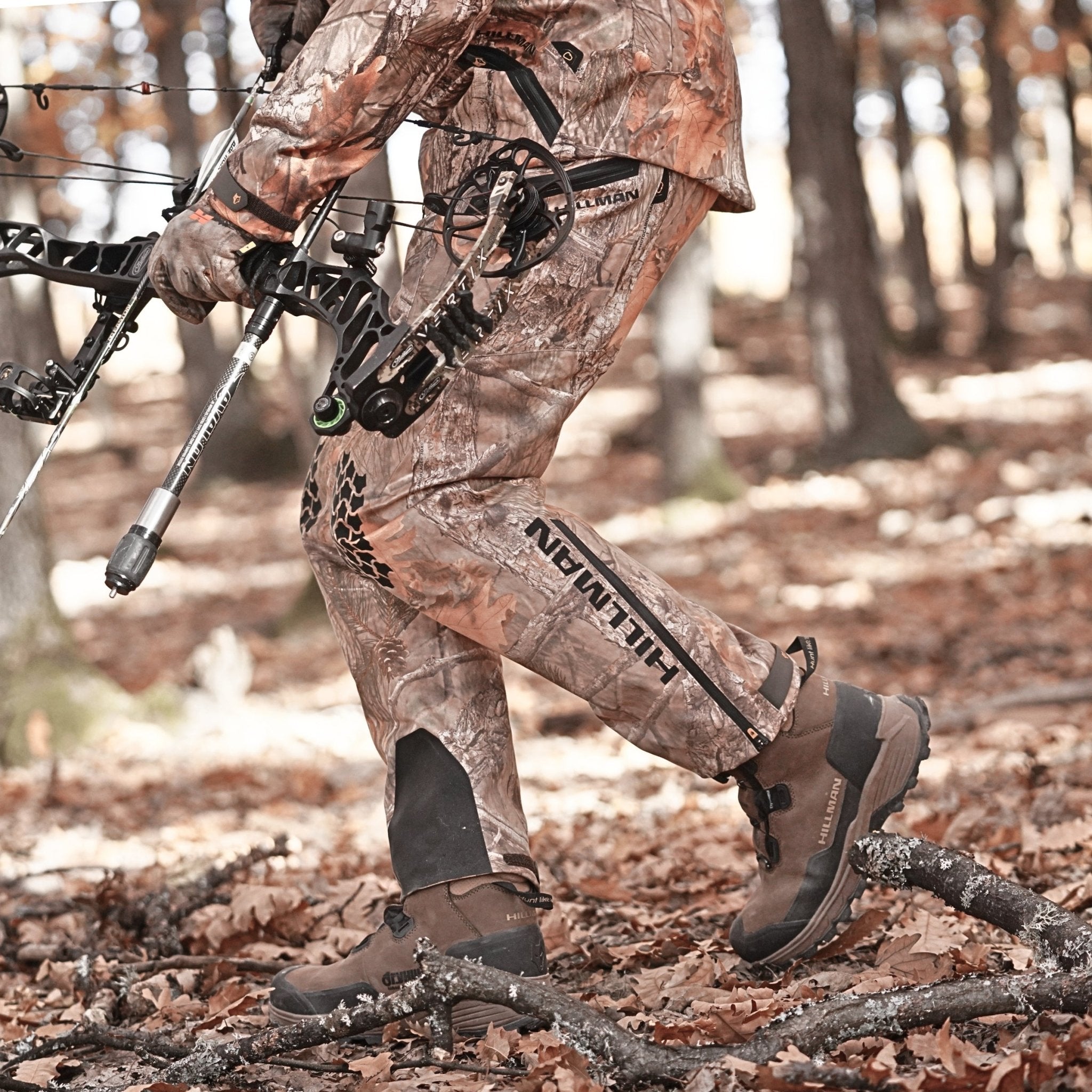
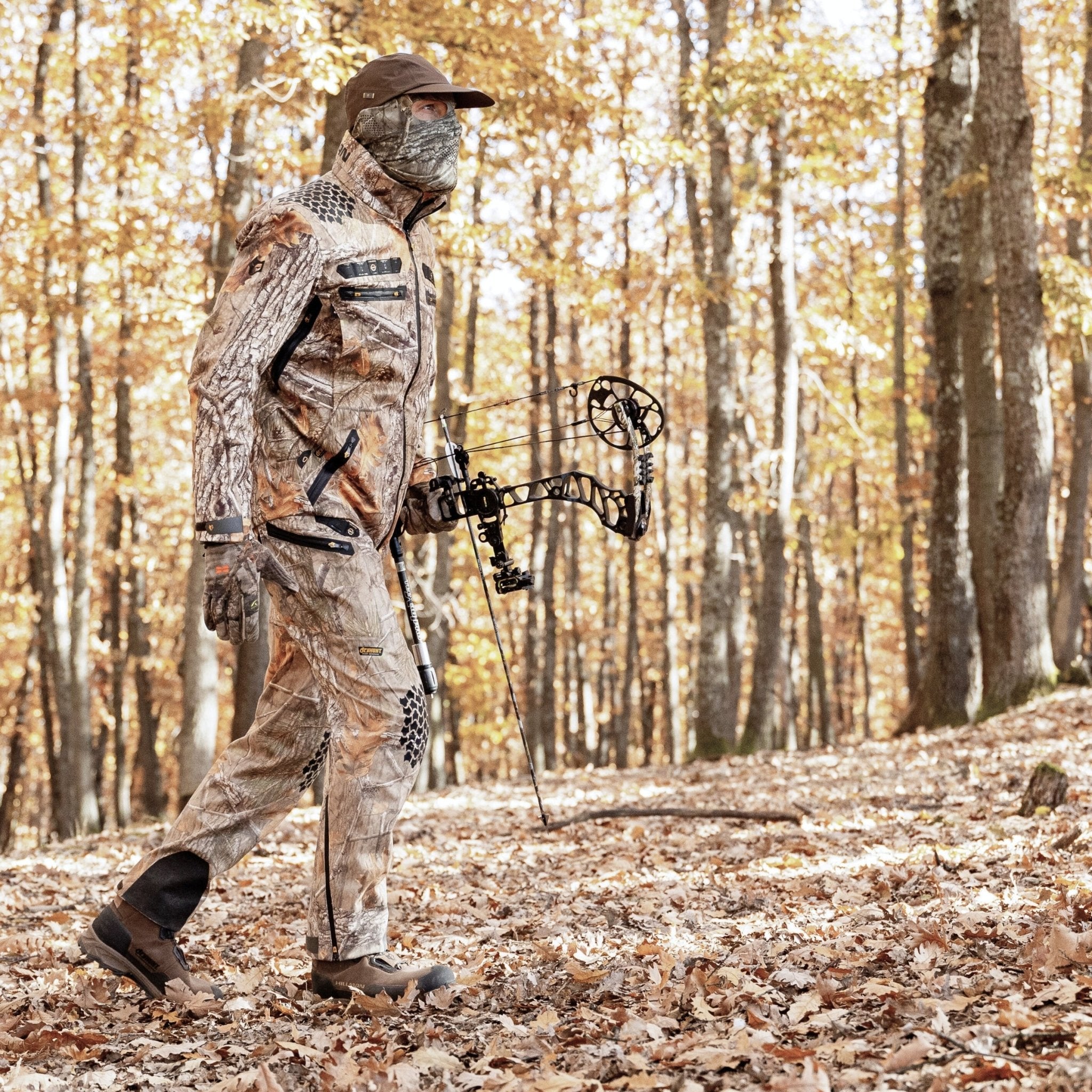
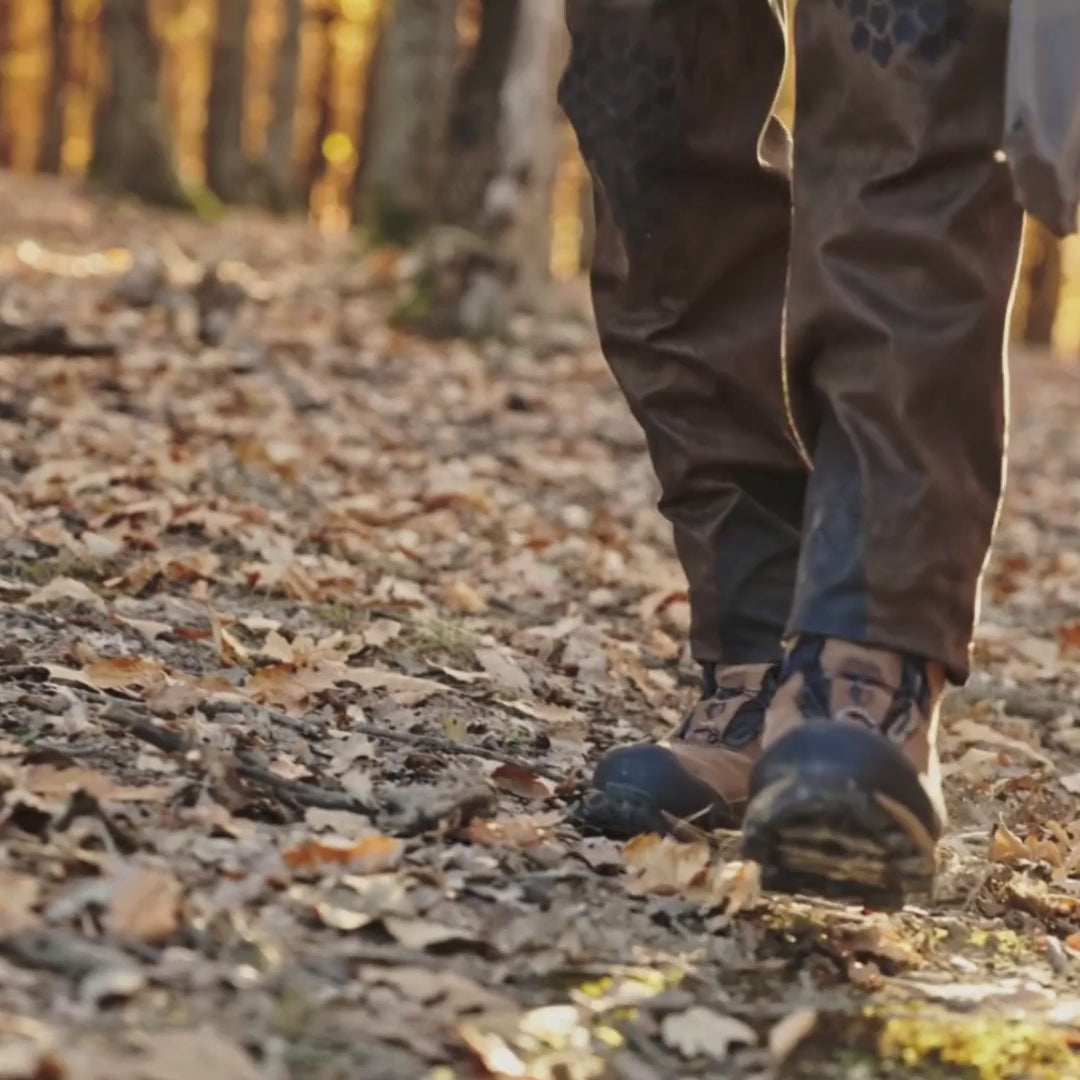
If you are walking hard, climbing, sidehilling, crossing rough terrain, or covering miles on day hunts, heavily insulated boots can become a pain in the ass fast. Movement makes heat. Your feet warm up. Then your feet sweat. Then that moisture hangs around inside the boot and starts wrecking the whole setup.
That is why active hunts usually need less insulation than people think.
For a lot of moving hunts, 200g to 600g is enough. In some cases, uninsulated boots are the smarter move, especially if the pace stays high and the weather is cold but not savage. People hear that and assume it means cold feet. Not necessarily. If your body is working and your feet are sweating inside overbuilt boots, you are not creating a warm system. You are creating a wet one.
And once wet gets involved, things go bad quickly.
This matters a lot in spot-and-stalk hunting, in rough country, and in hunts where you are chasing mule deer or just putting serious miles on the ground. In that kind of hunting, comfortable boots with the right insulation level usually beat bulky warm boots that feel good for fifteen minutes and then start cooking your feet.
If the hunt is mostly movement, too much insulation is often the actual mistake.
Sweat ruins warmth faster than people want to admit

A lot of hunters blame cold weather for everything. Sometimes fair enough. But plenty of times, the real problem is sweat.
Your feet sweat when you hike. They sweat when you drag weight uphill. They sweat crossing wet ground. They sweat even in cold weather if the boots are too warm for the job. Once that moisture builds up, the rest of the system starts slipping apart. Socks get damp. The inside of the boot feels nasty. Warmth drops off. Comfort drops off. Then people say the boots were not warm enough.
Maybe. But maybe the boots were too warm to begin with.
Waterproof boots help keep cold water and outside wet from getting in, sure. But waterproof does not magically fix what is happening inside the boot. If the insulation level is too high and the boot traps moisture, you can end up colder than you would in a lighter pair that breathes better and fits the hunt better.
That is why moisture matters so much. Ignore it and you are basically guessing.
Socks matter more than people like to admit

A lot of guys will spend serious money on hunting boots and then throw on bad socks like it does not matter. It matters.
Merino wool is usually the smart move. It is naturally moisture wicking, handles cold weather better, and does a better job keeping feet warm without turning the whole setup into a swamp. Good merino wool socks help move moisture away from the skin and keep the system working longer.
Cotton socks are trash for this. They hold moisture, cool down fast, and make cold feet worse. That part is not complicated.
Sock thickness matters too. Thick socks can help on long sits and stationary hunts where warmth is the priority. Lighter socks are often better for active hunts because they breathe better and do not jam the boot full. More sock does not always mean more warmth. Sometimes it just means a tighter fit and worse circulation.
And once circulation gets restricted, even good insulated boots can feel cold.
So yeah, the socks you wear matter almost as much as the pair of boots itself.
Fit can wreck a good boot faster than bad weather

You can buy expensive boots and still end up miserable if the fit is wrong.
If new boots are too tight, circulation drops and your feet get cold faster. If they are too loose, your foot shifts around, your heel slips, and the whole thing feels unstable. Neither option is good, especially once cold weather, wet conditions, and long hours get added into the mix.
Comfortable boots should hold the foot securely without squeezing the life out of it. You need room for socks and normal movement, but not so much room that the boot feels sloppy on uneven ground. That balance matters a lot more than people think.
This is also where boot type matters. Rubber boots are good in wet conditions, muddy spots, marsh edges, and places where waterproof protection matters most. Leather boots usually do a better job on rough terrain, longer walks, climbs, and hunts where support matters more.
Neither one is perfect for everything. Rubber boots make sense in sloppy, wet country. Leather boots usually make more sense for hiking and harder ground. Choose boots for the hunting conditions you actually deal with, not because somebody online swears one style solves everything.
Waterproof matters, but waterproof alone is not the answer

A lot of people talk about waterproof boots like they fix the whole problem. They do not.
Yes, waterproof matters in wet conditions, cold water, mud, snow, marshy ground, rainy access routes, and late season mess. Wet feet get cold fast, so keeping outside moisture out matters. No argument there.
But waterproof and insulation are not the same thing.
If you are sitting still for long periods in below freezing conditions, waterproof boots without enough insulation can still leave you cold as hell. Waterproof handles outside wet. Insulation holds heat. In cold weather hunting, especially when the ground is wet or snowy, you usually need both working together.
That is why one pair of waterproof boots can feel great in early season muck and still be a weak choice for long sits once winter really kicks in. Waterproof matters. It just is not enough by itself.
A simpler way to choose boots without overcomplicating it

This does not need to turn into some giant gear theory project.
Look at three things first. Temperature. Wetness. Activity level.
If you are sitting most of the time, go warmer. If you are walking most of the time, go lighter. If the ground is wet, waterproof matters. If you are going to sweat from movement, breathability matters too. That is the basic framework.
For a lot of hunts, 400g is a good middle ground. It gives some real warmth without being ridiculous. Around 800g can work well when the hunt leans harder toward long sits and less movement. Once you go much higher than that, you are usually picking boots built more for stationary hunts than mixed movement.
That is the real answer to how much insulation. It depends on what the hunt actually looks like, not what sounds tough in your head or what the label says on the box.
A lot of hunters do better with moderate insulation on the walk in, then extra warmth once they stop. That can make more sense than trying to force one giant pair of boots to handle everything. You move better, sweat less, and still stay warmer once the sitting starts.
Buy for the whole hunt, not for one cold moment you are scared of

This is where bad boot choices usually happen.
People shop for the worst cold moment of the day instead of the full hunt. They picture that one freezing hour in the tree stand and ignore the hike in, the walking, the climbing, the heat buildup, the wet ground, the sweat, and everything else that happens before and after.
That is how they end up with too much boot.
Choose based on the whole picture. Weather. Season. Cold weather swings. Amount of walking. Amount of sitting. Wet ground. Snowy conditions. How much you sweat. What kind of terrain you actually hunt. That is how you find the right pair instead of just the warmest pair.
Long sits usually need more insulation. Active hunts usually need less. Too much insulation becomes a problem faster than people think. And once your feet sweat, the whole setup can go from warm to useless in a hurry.

BRANDON WALKER
Brandon Walker is a late-season whitetail hunter who has spent years sitting through Midwest cold snaps where patience matters more than movement. After countless single-digit mornings in exposed tree stands, he focuses on cold-weather clothing systems that allow hunters to stay still, stay quiet, and stay effective when temperatures drop hardest.
As a field contributor for Hillman, Brandon evaluates insulated bibs, wind-blocking outer layers, and layering systems built specifically for long, motionless sits rather than constant movement. He believes staying warm in a tree stand isn’t about piling on bulk - it’s about managing moisture on the walk-in, protecting the core from wind, and preserving circulation to hands and feet once you’re settled.

Share:
Waterproof Hunting Boots for Early Season Whitetails
Best Hunting Rain Gear for Hunters Who Walk Hard & Sit Late