

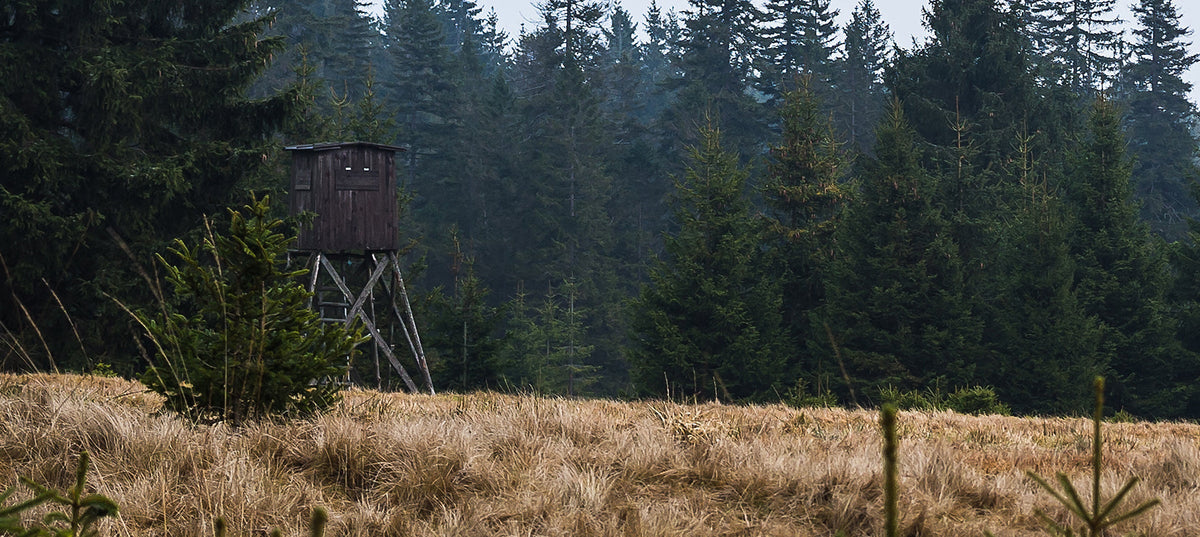
Tree Stand Clothing: What to Wear for Long Sits From Warm Afternoons to Cold Evenings

Tree stand clothing for long sits: stay dry, block wind, keep feet warm, and layer right when afternoon turns cold.
Why tree stand clothing is not regular hunting clothing.
Tree stand clothing is its own thing. A lot of hunters treat it like normal cold weather clothing, then they wonder why they are freezing before last light.
Walking gear is made for movement. Tree stand clothing is made for sitting there while the cold slowly eats at you. Big difference.
You can feel warm on the walk in. Maybe too warm. Then you climb up, sit down, stop moving, and everything changes. Your legs cool off. Your feet start going numb. Your lower back feels the wind. Your shoulders get stiff under the jacket. Your ears burn. Then the sun drops and the whole stand feels colder by the minute.
That is where proper layering matters.
The point is not to wear the biggest jacket you own. That can be a dumb move. If you wear all your warm stuff on long hikes, you sweat. Then the sweat sits against your skin. Then the temperatures fall, and now you are cold from the inside. That is a miserable way to hunt.
Good tree stand clothing has to do a few jobs at once. It needs to move moisture away from the body. It needs to hold heat. It needs to block wind. It needs to handle rain, snow, and damp air. And it needs to stay quiet when you move, because deer do not care that your expensive nylon shell has “technical features” if it sounds like a grocery bag.
Tree Stand Clothing: What to Wear for Long Sits From Warm Afternoons to Cold Evenings

Tree stand clothing: what to wear for long sits from warm afternoons to cold evenings? The question is not complicated, but people make it complicated.
Think in layers.
Base layers keep sweat off your skin. A mid layer adds warmth. An insulating layer gives more heat when the weather gets nasty. The outer layer blocks wind and moisture. Socks and boots keep feet warm. Bibs protect the legs and lower body. Gloves, neck gaiter, and beanie protect the stuff people always forget until they are already cold.
That is the system.
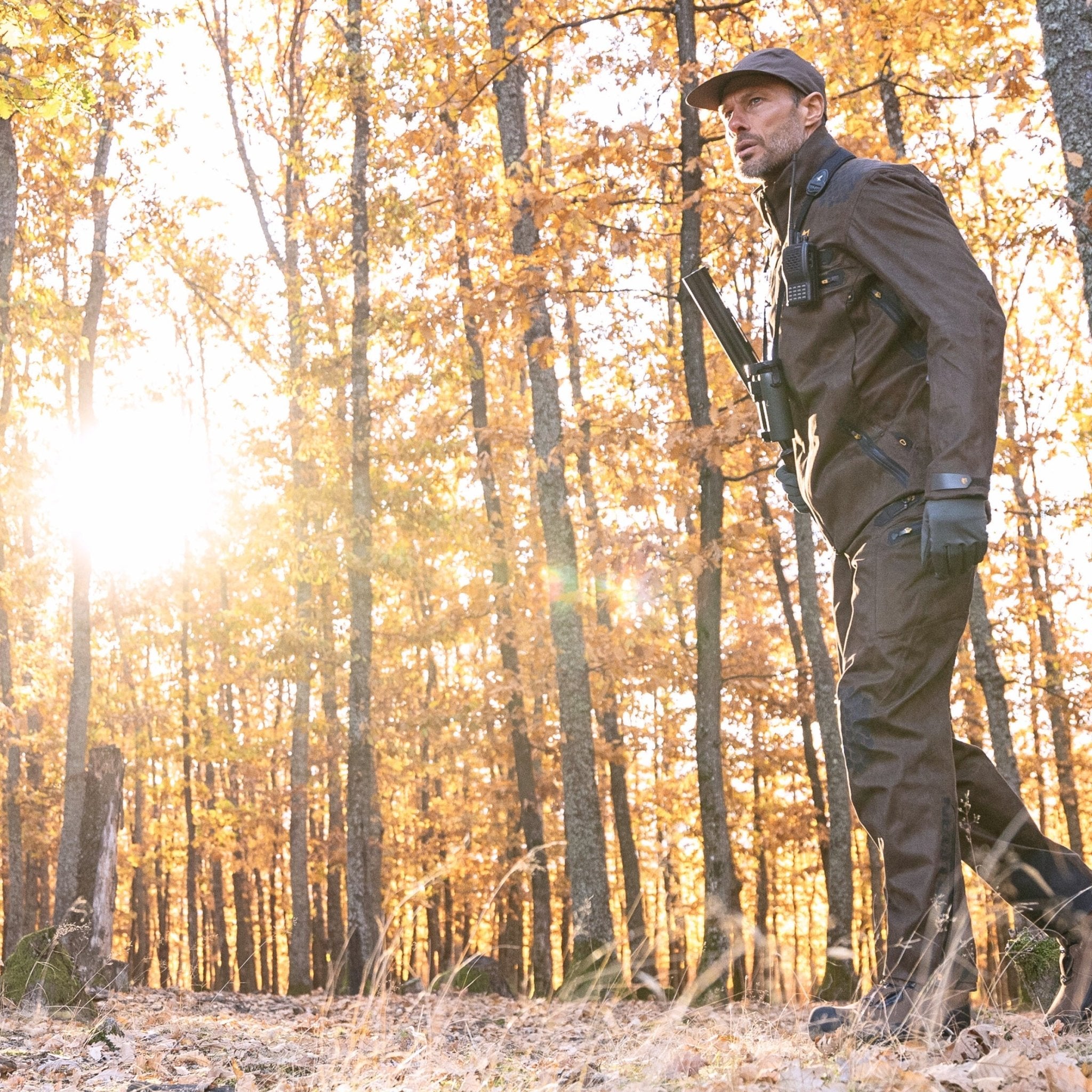
Do not hike in wearing the whole system unless the stand is close. Carry the heavier jacket. Carry the bibs if needed. Carry thick gloves and the neck gaiter in your pack. Walk in lighter than you think. You should feel a little cool at the start, not cooked halfway to the tree.
Once you get to the stand, stop for a minute. Let your body cool down. Get settled. Then add clothing before the cold really shows up. Waiting until you are already shaking is a bad plan. Cold is easier to keep out than fix after it is already in.
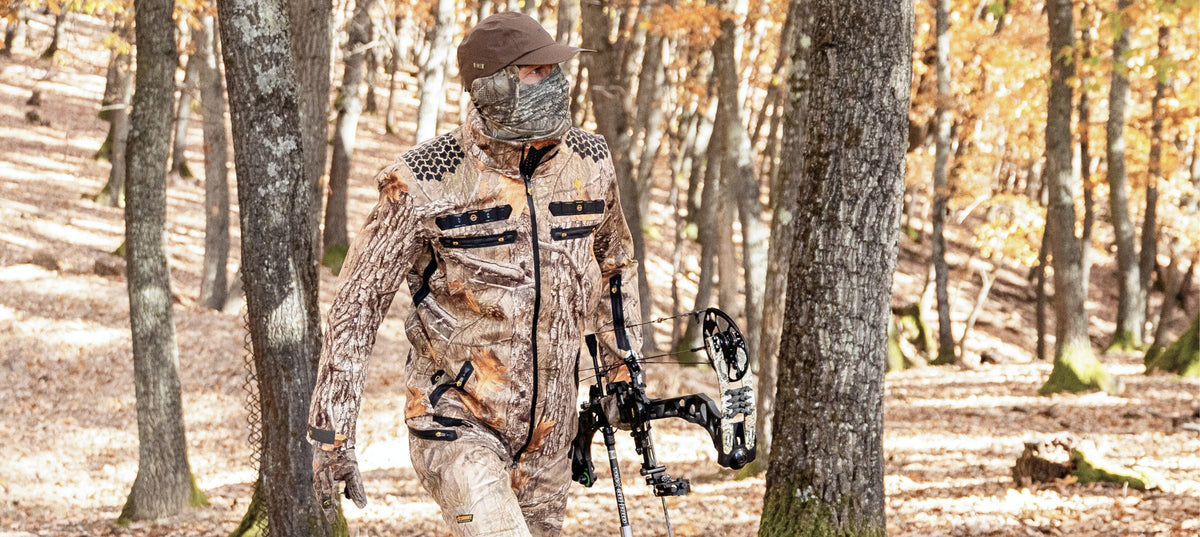
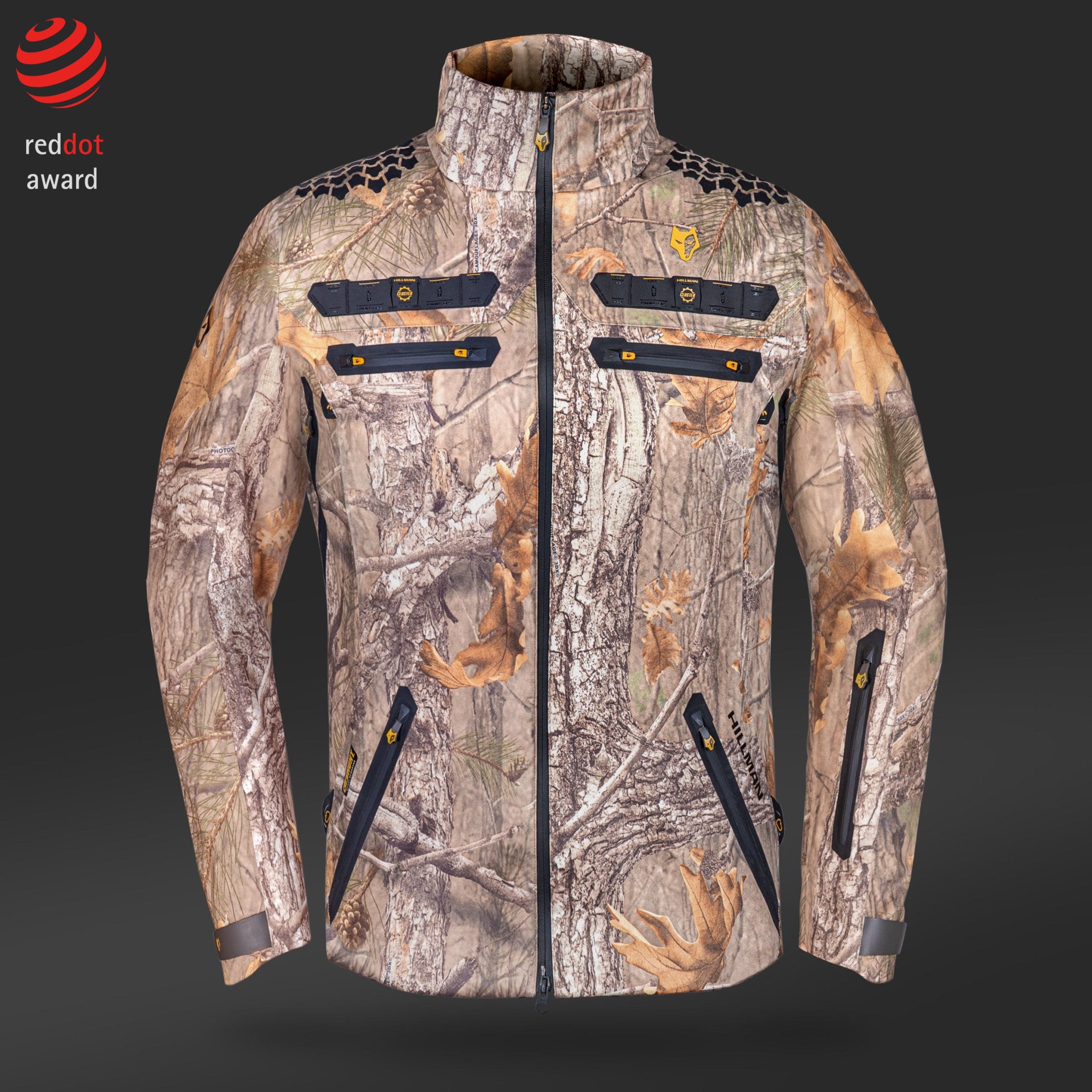
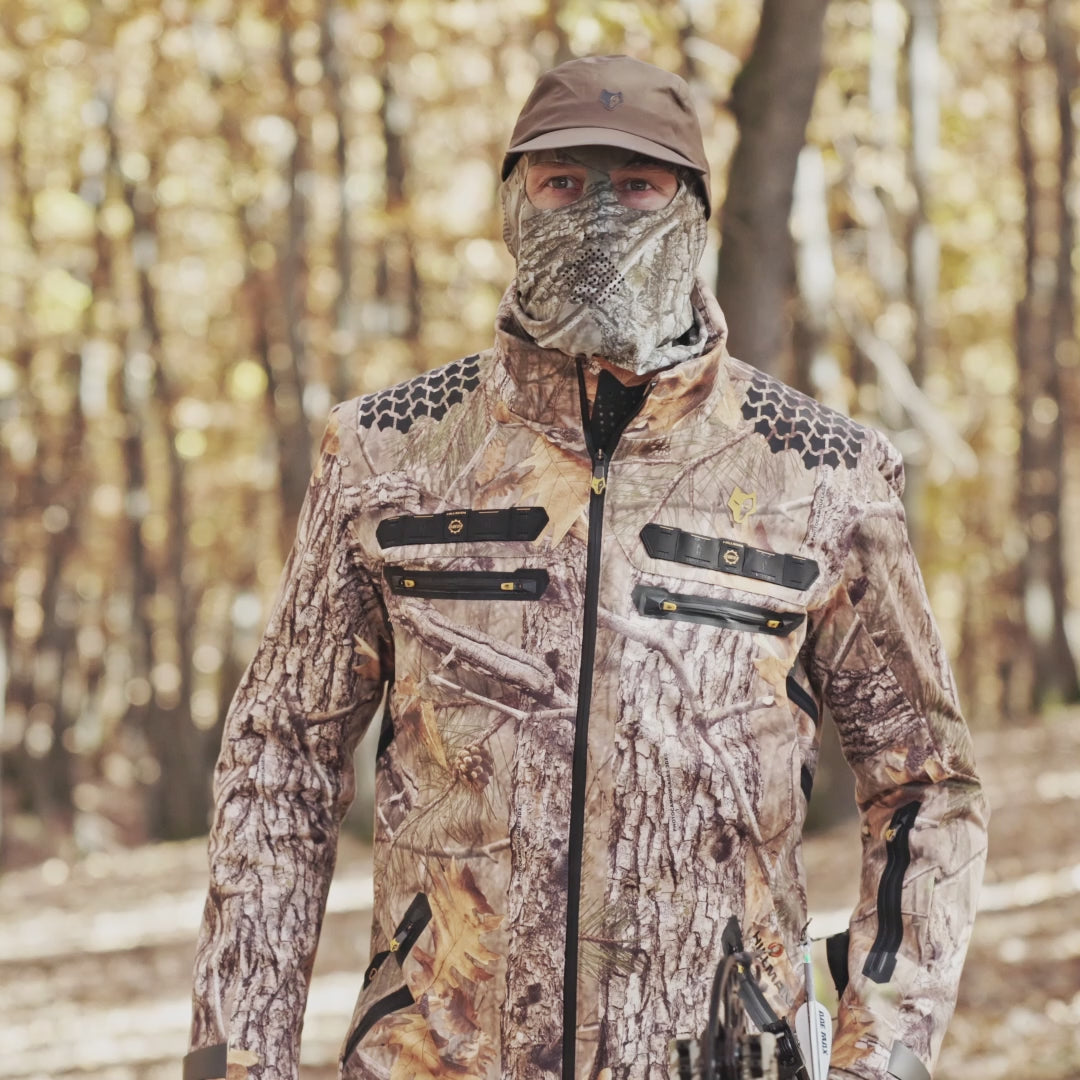
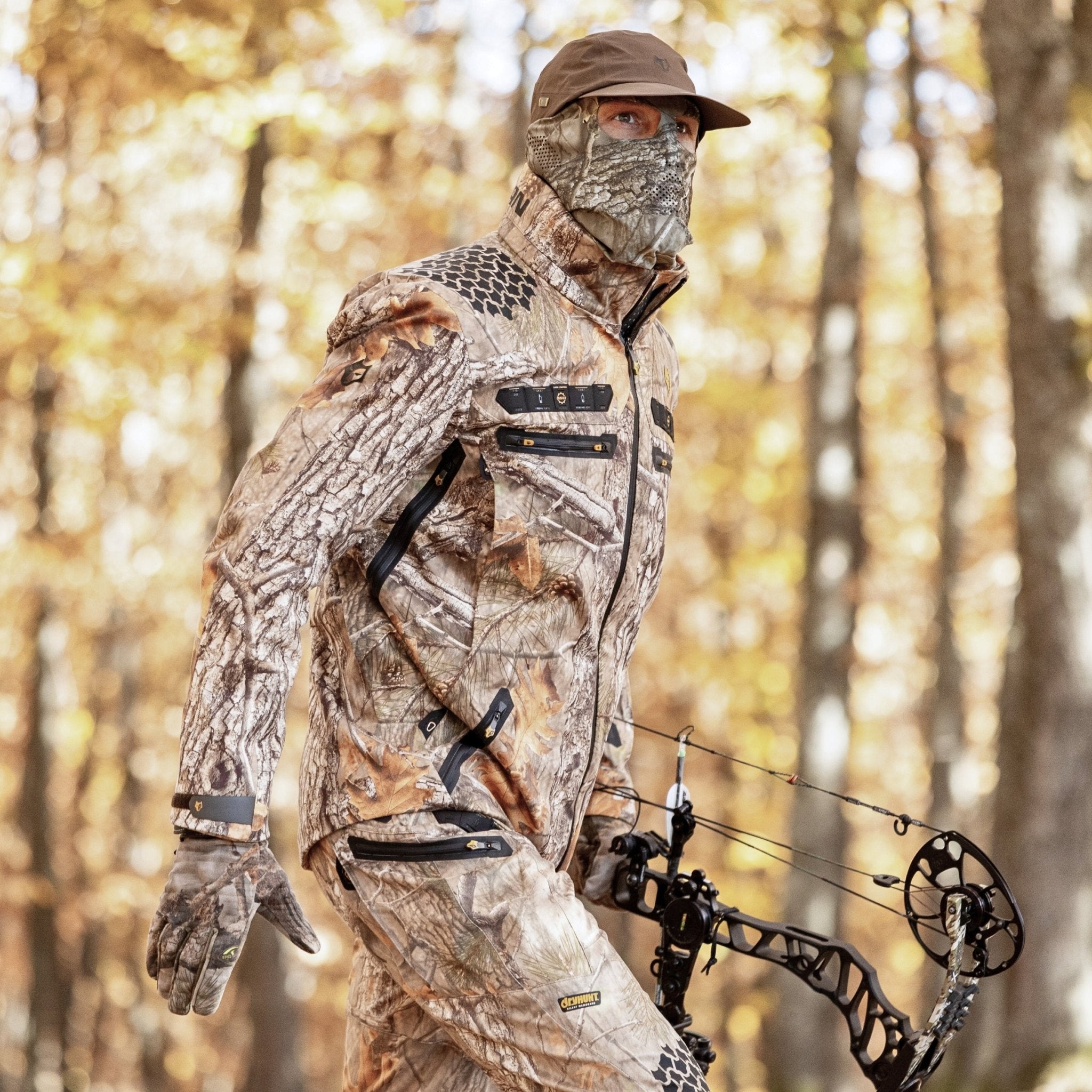
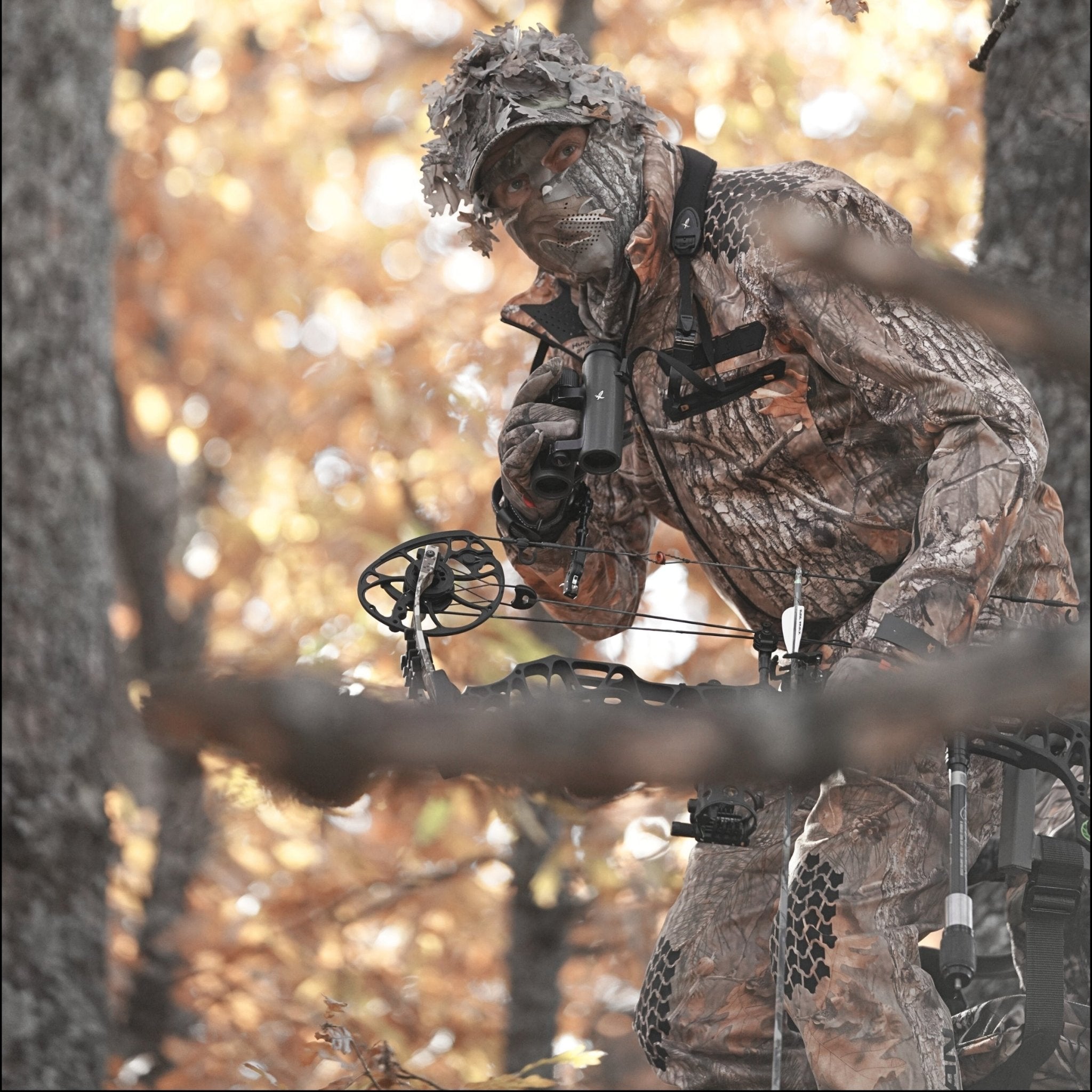
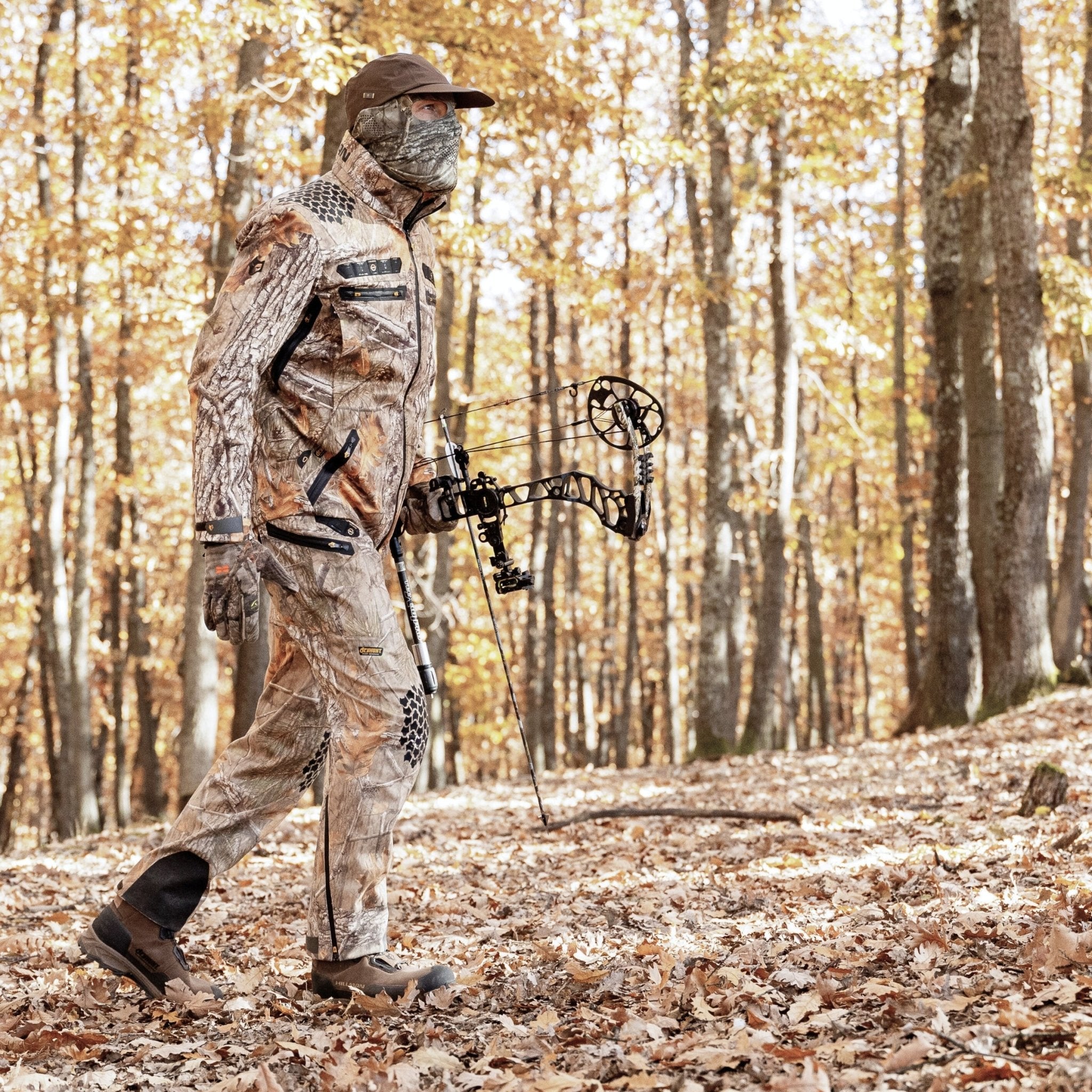
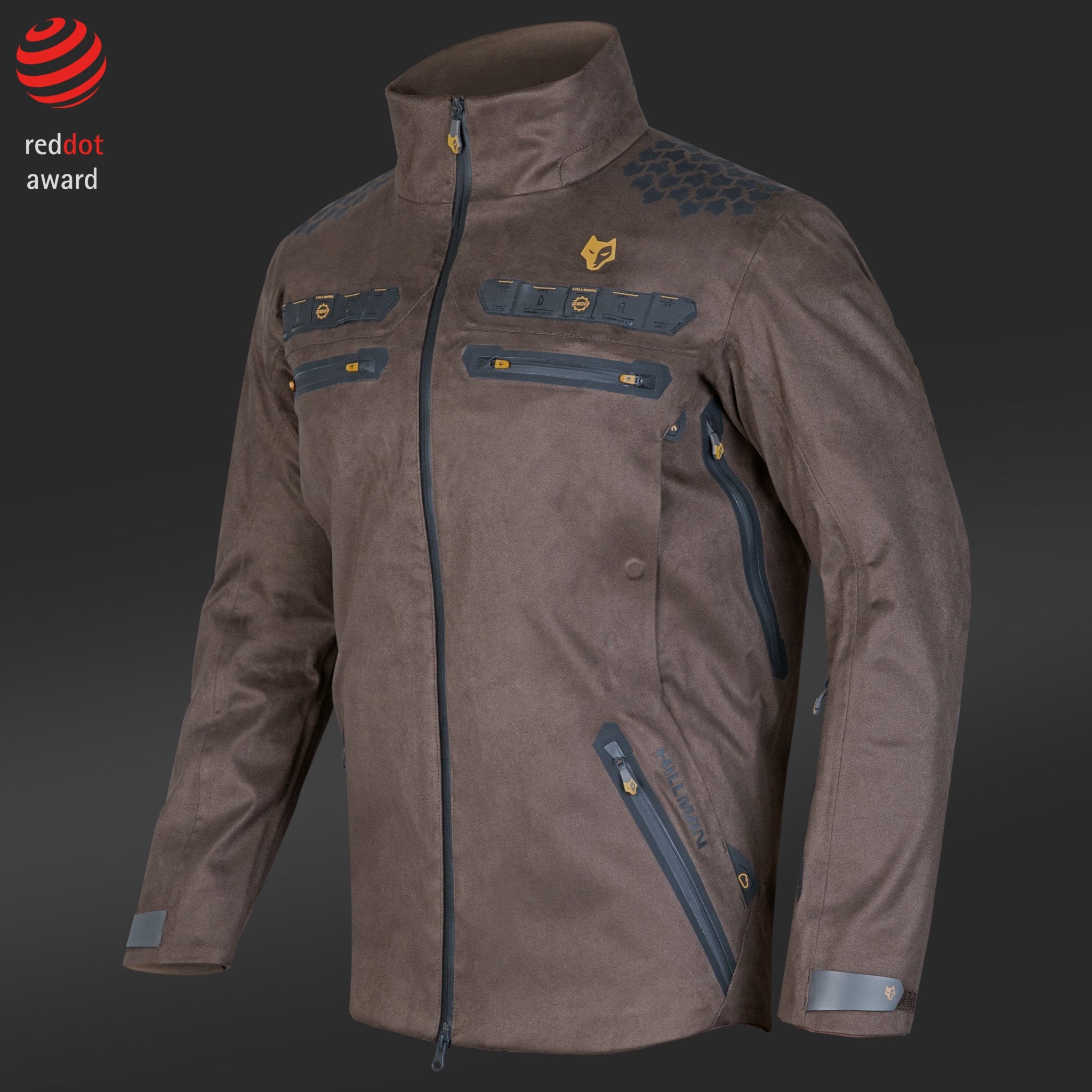
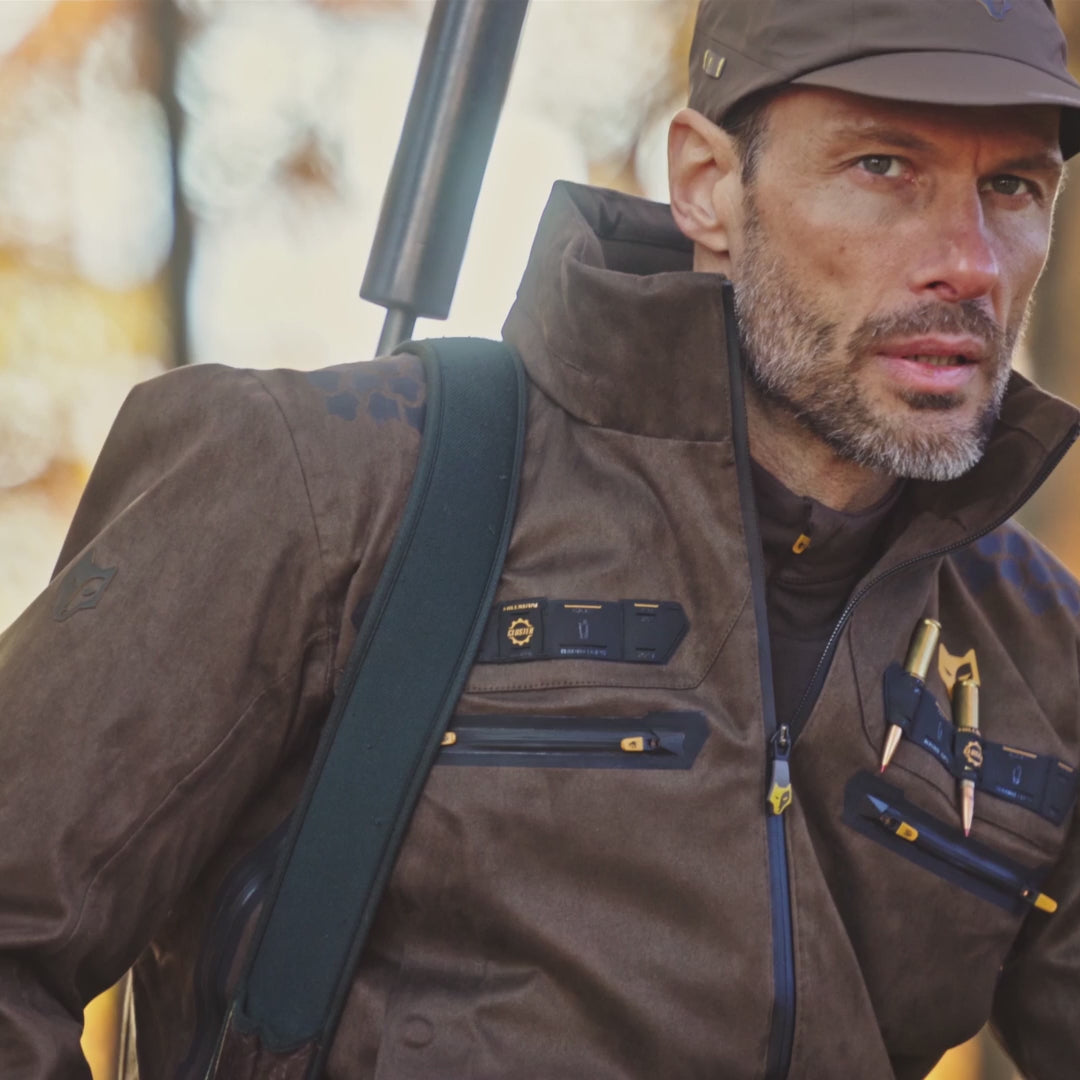
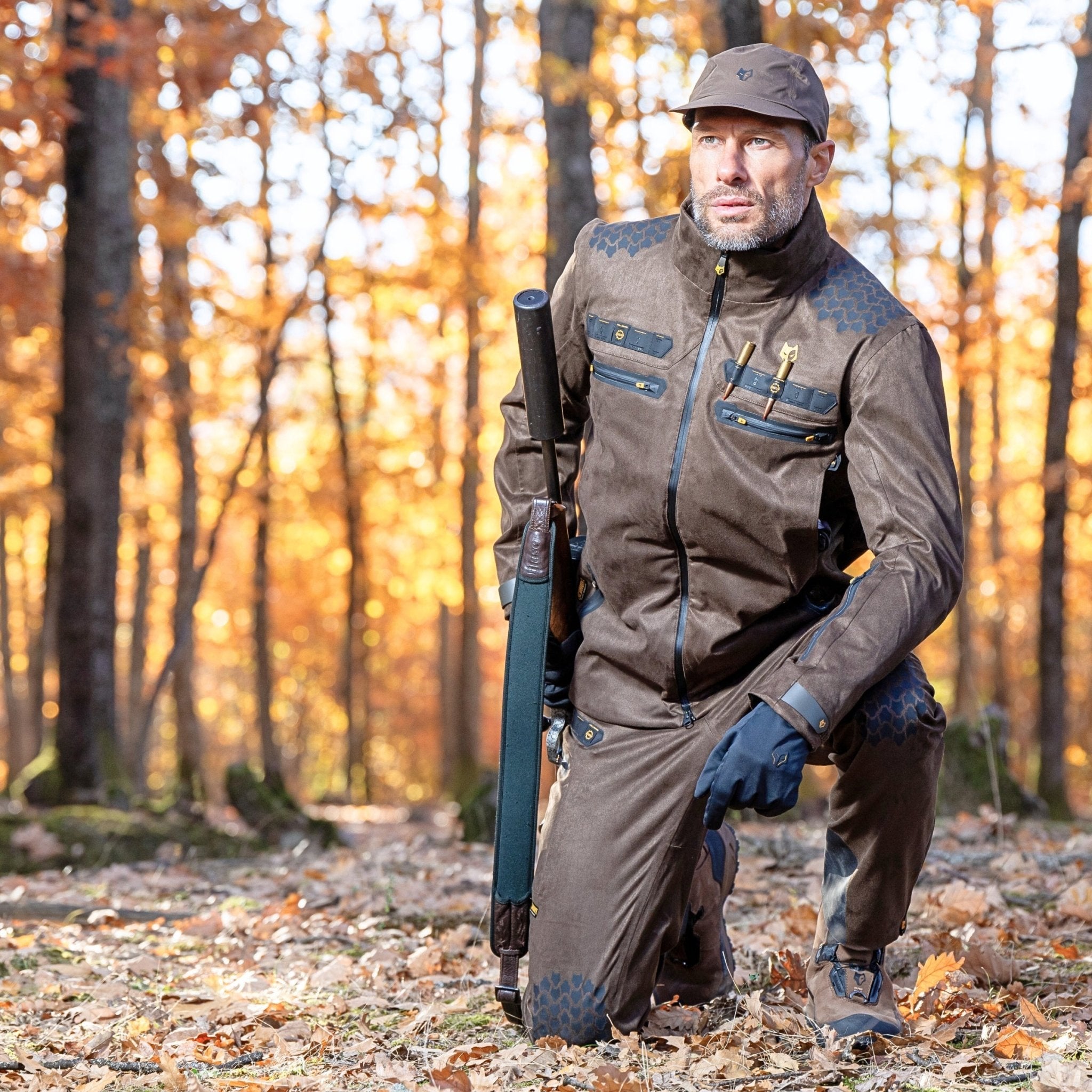
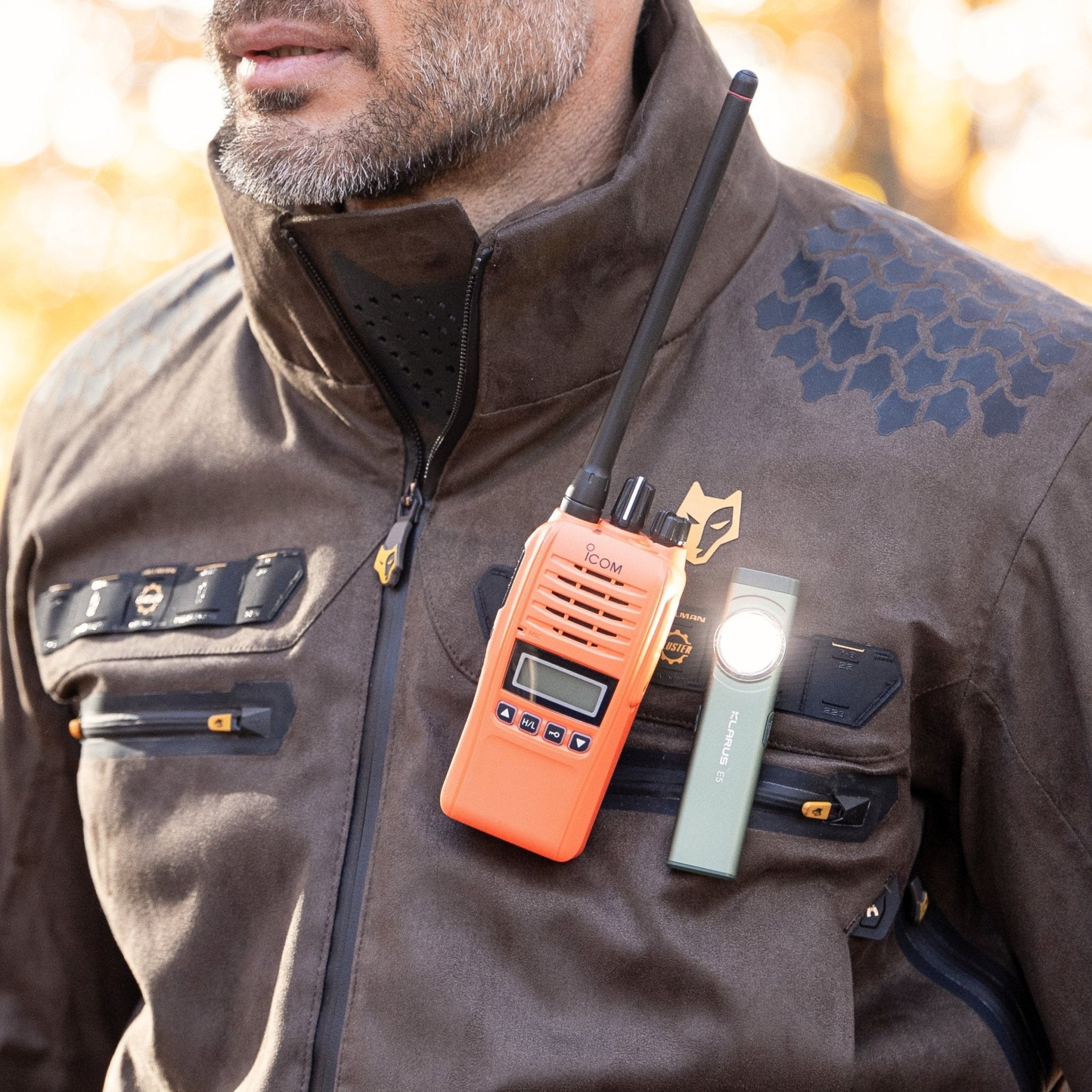
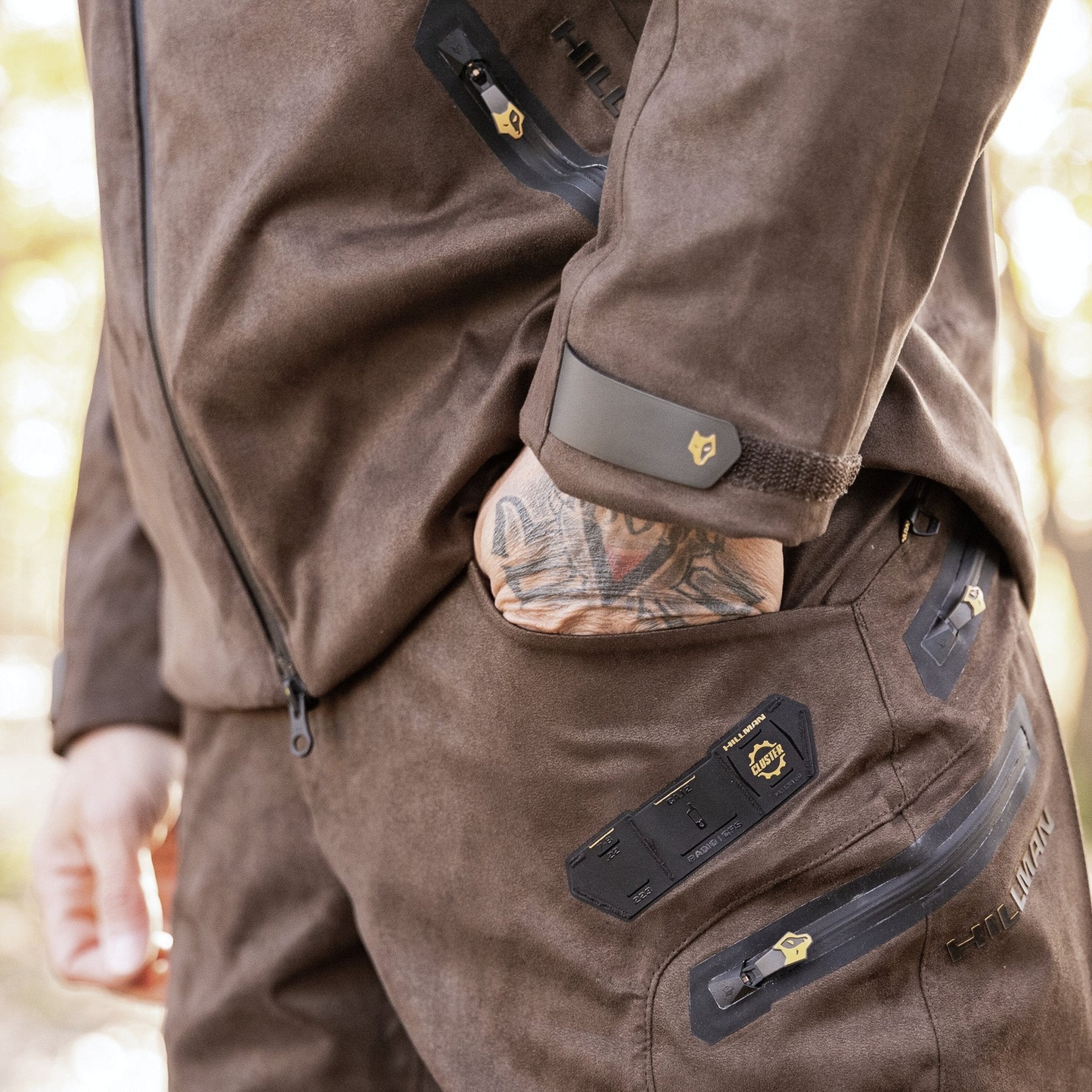
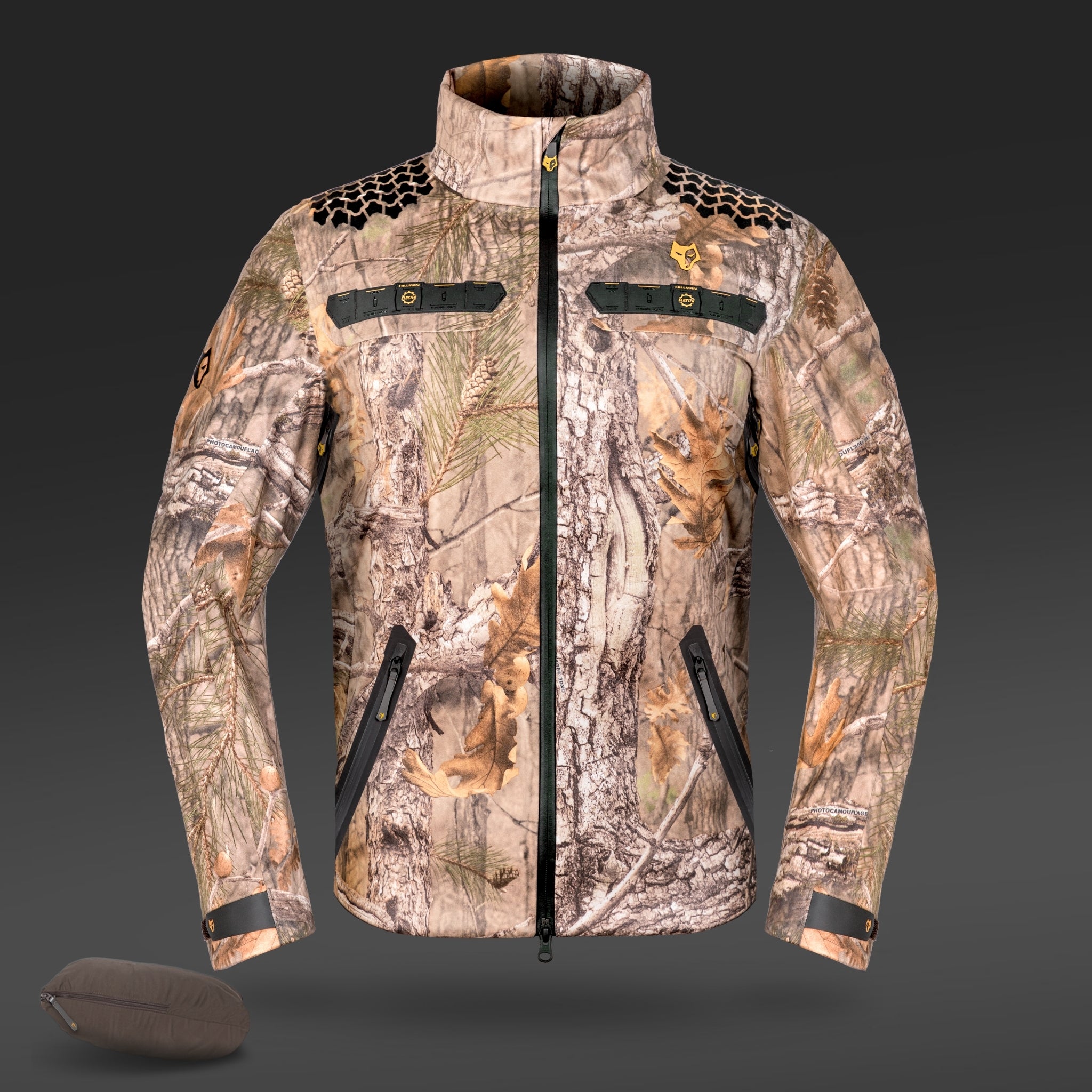
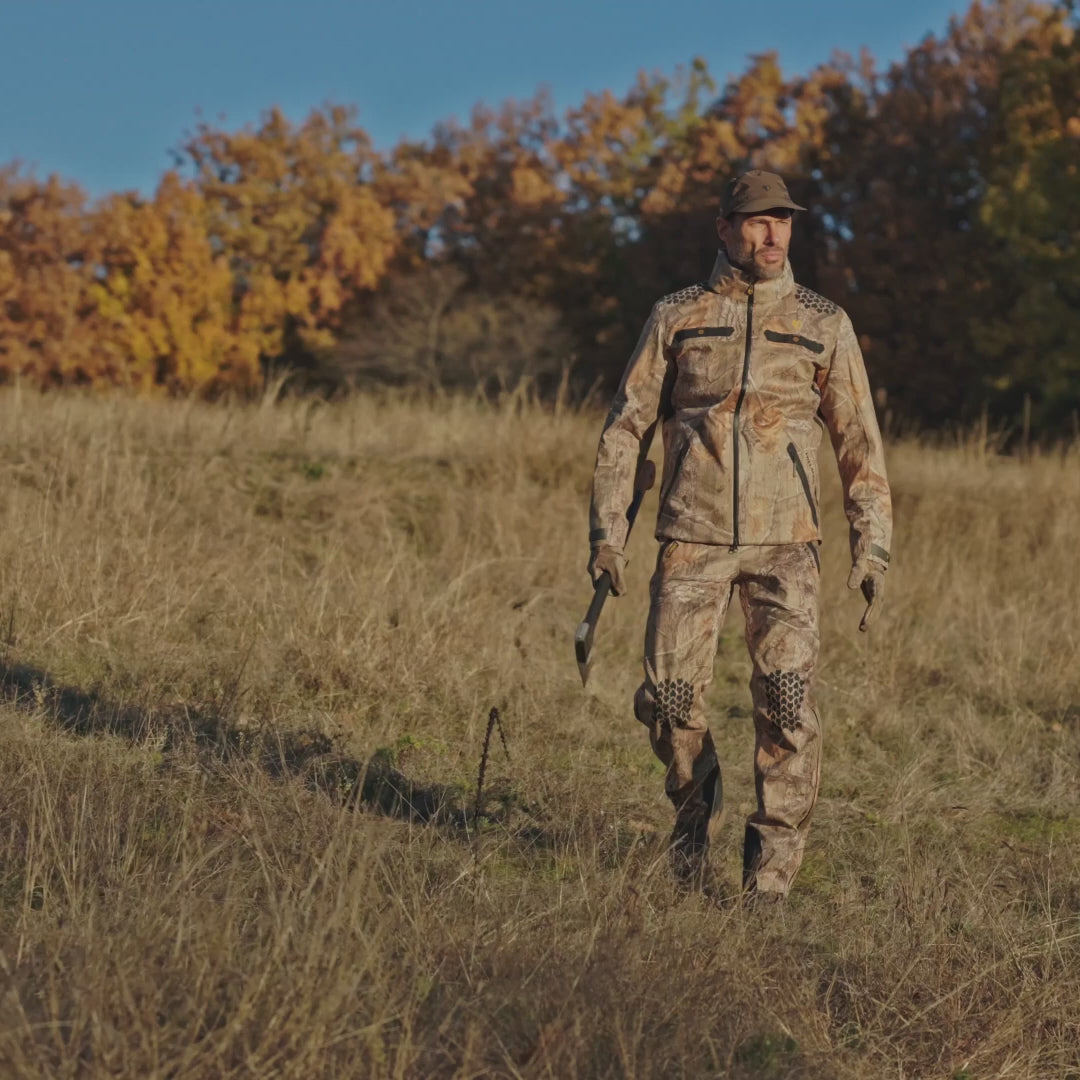
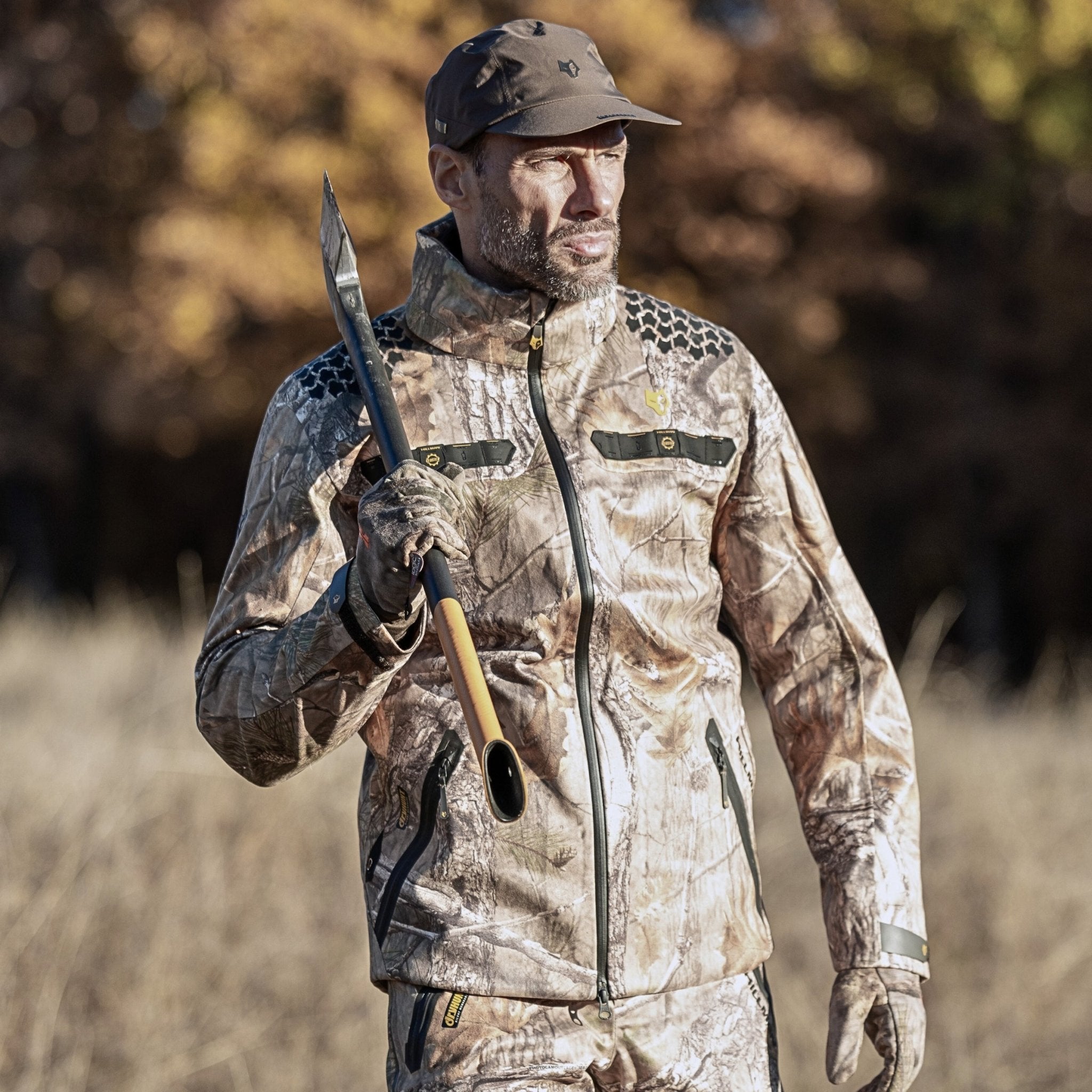
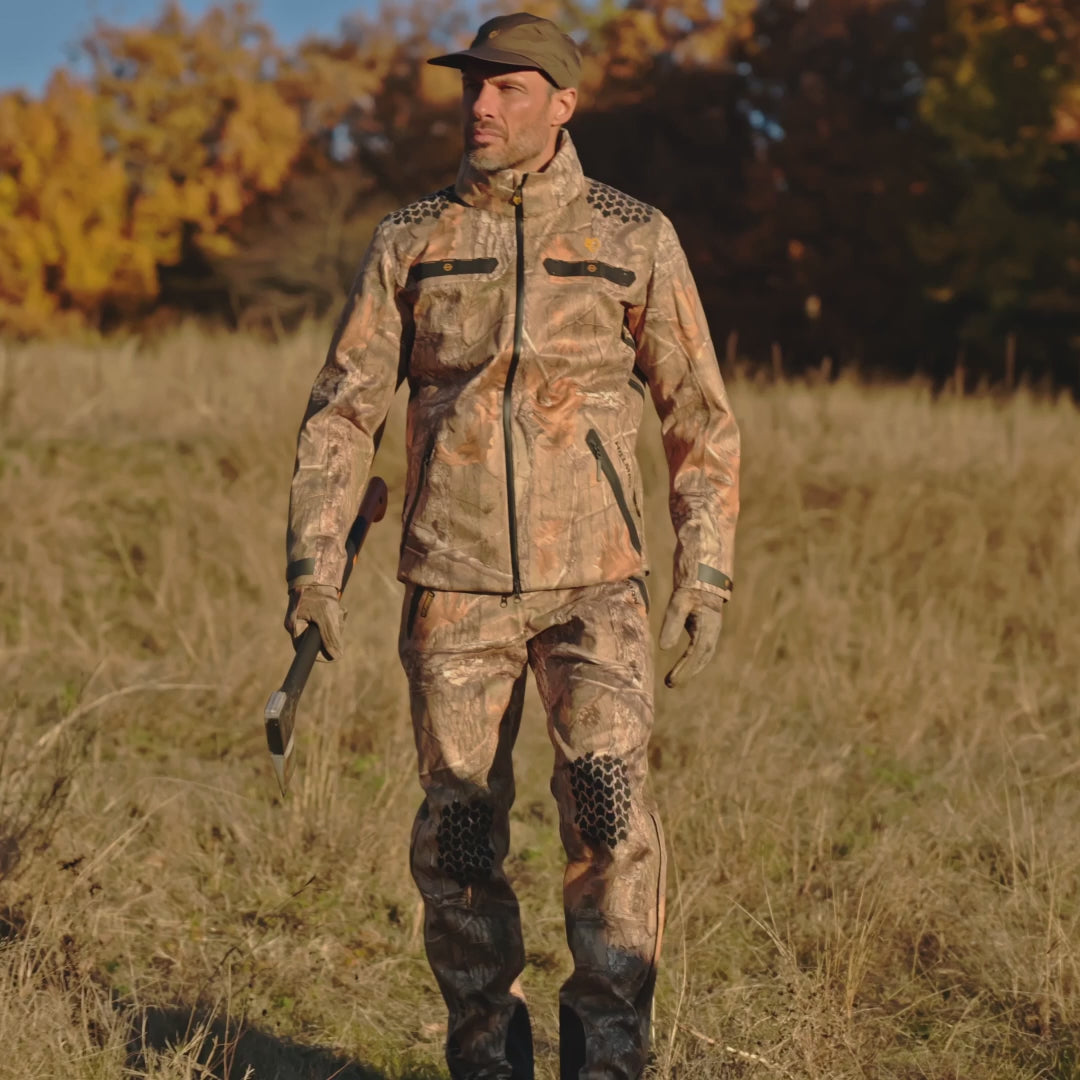
A good Hillman setup should work like that. Breathable enough for the walk. Quiet enough for close deer. Warm enough for a long sit. Durable enough for bark, backpack straps, climbing sticks, brush, and winter abuse.
Start With Base Layers That Keep Skin Dry

Base layers are not fancy. They are just important.
The job of base layers is not to make you feel huge and warm right away. Their job is to keep sweat away from your skin. If your skin stays dry, you have a much better shot at staying warm later.
Merino wool is one of the better choices for this. It handles moisture, feels good across changing temperatures, and still gives warmth when things get a little damp. Polyester base layers also work well, especially if you want something thin, lightweight, and fast-drying.
Cotton is where things go bad.
Cotton feels fine in the house. Cotton feels fine when the hunt starts. Then you sweat, sit down, and the cotton holds that moisture like a wet towel. Once the cold weather hits, it pulls heat off your body. A cotton hoodie under your jacket might look harmless, but in a tree stand it can turn into a problem fast.
For warm afternoons, a thin merino wool or polyester base layer is enough. For late season, use a heavier base layer, but do not make everything tight. Tight layers crush the little air pockets that help hold heat. They also make movement worse.
You want the fabric close enough to work, not so tight it feels like compression gear.
Wash your base layers like you care about them. Do not baby them, but do not ruin merino wool with stupid heat and harsh wash habits. If the fabric stops managing moisture, the rest of the clothing system has to work harder.
The Mid Layer Is Where Real Warmth Starts

The mid layer is the layer that starts holding serious heat.
This might be fleece. It might be wool. It might be synthetic insulation. It might be down. It might be synthetic fill. It might be a vest if you want your arms to move better. There is no one perfect answer for every person and every hunt.
For mild weather, a light fleece mid-layer can be enough. For colder sits, use thicker fleece, wool, synthetic insulation, or down. In late season, this layer gets more important because your body is not making much heat once you sit.
The trick is warmth without stupid bulk.
You still need to draw a bow, shoulder a rifle, raise binoculars, twist your body, and stand up without fighting your clothing. If the mid layer binds across the shoulders, you will hate it after a couple hours. If it pushes your outer layer too tight, you lose warmth because the insulation gets crushed.
Synthetic insulation is a good choice when moisture is a worry. It keeps working better than down in damp weather. Down gives strong warmth for the weight, but wet down is not something you want to depend on. Wool is quiet and reliable, though sometimes heavier.
Some modern hunting clothing uses advanced insulation, even aerogel-style materials, to add warmth with minimal bulk. That can make sense for tree stand hunts because nobody wants to sit there dressed like a stuffed couch.
The mid layer should make you warmer. Not slower. Not louder. Not clumsier.
Your Outer Layer Has To Stop Wind

Wind is the problem people underestimate.
Cold is bad. Wind makes it worse. A thick jacket that leaks wind is not worth much in a tree stand. A lighter outer layer that blocks wind can feel warmer than expected because it keeps heat from being stripped off your body.
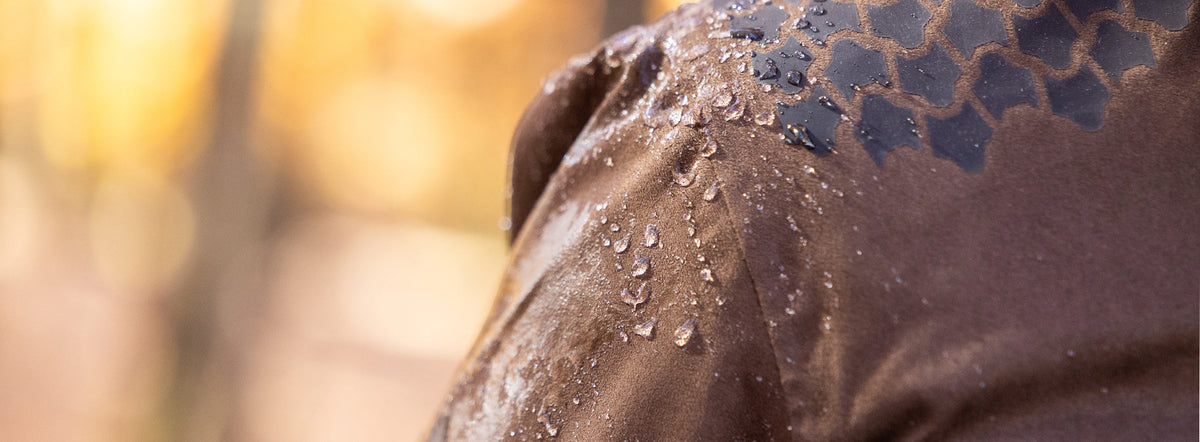
Your outer layer should be windproof or close to it. It should also be water-resistant at minimum. Frost, branch drip, light rain, snow, wet seats, and damp air all show up in the woods. For steady rain or wet snow, waterproof and breathable gear is better.
But do not ignore noise.
A loud outer layer can ruin a hunt. Stiff nylon, scratchy fabric, clacking zipper pulls, loud cuffs, and noisy rain gear all sound worse in calm woods. Deer can be close before you know it. One scrape at the wrong time can be enough.
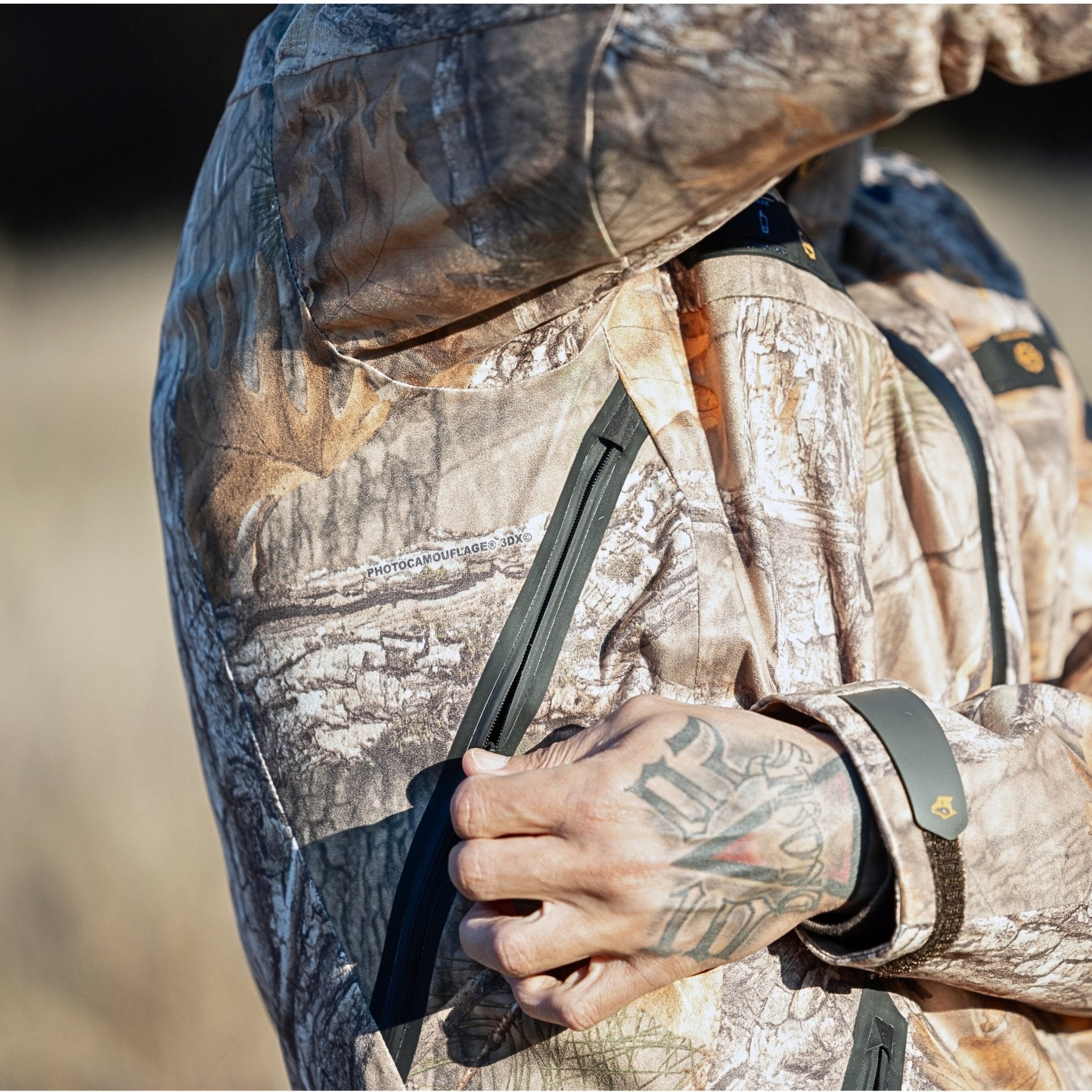
The jacket should fit over your mid layer without crushing it. It should cover your lower back when you sit. The collar should protect your neck. The cuffs should seal without being annoying. The hood should turn with your head, not cover your eyes like a bad tarp.
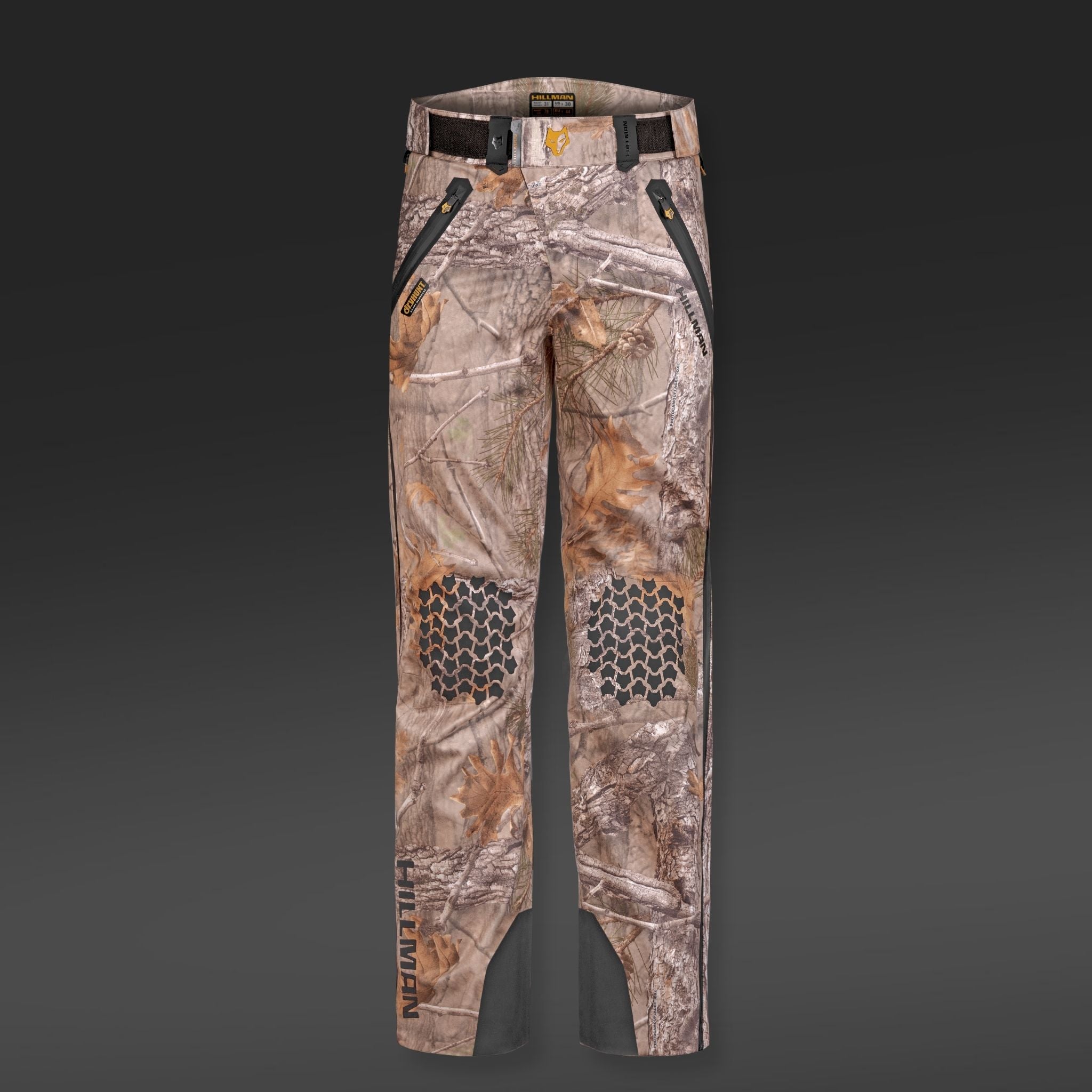
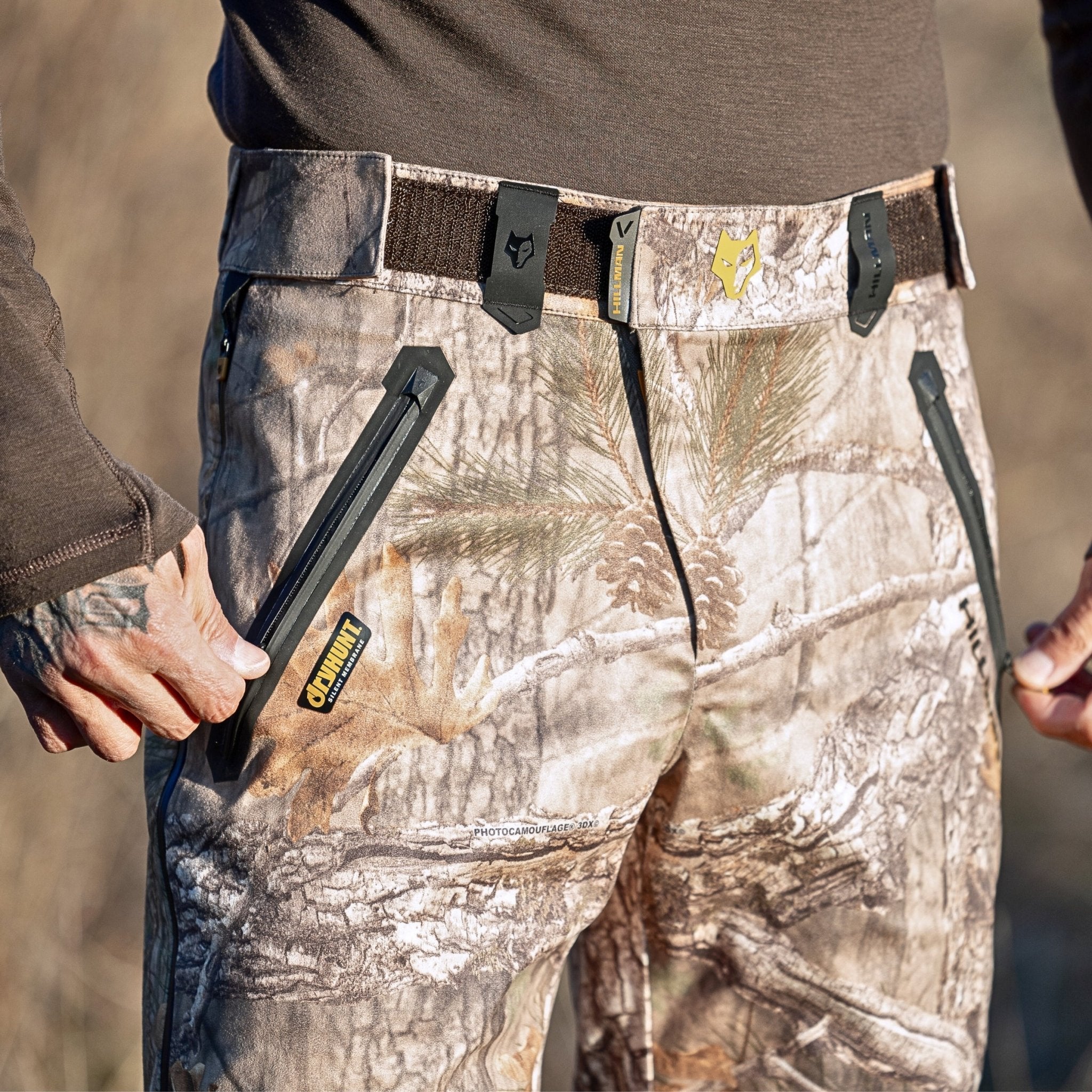
Pants and bibs matter here too. If your outer pants pull tight at the knees when you sit, you will lose comfort fast. If bibs creak when you stand up, that is a problem. Sit down in the clothing before the hunt. Twist. Raise your arms. Move like you would in the stand.
Standing in front of a mirror tells you almost nothing.
Pants, Bibs, And The Cold Legs Problem

Hunters love putting all the good gear on the upper body and then acting shocked when their legs freeze.
Your legs get cold because they are not doing much. They hang there. They sit against the edge of the seat. They catch wind. Once the sun drops, light pants can feel useless fast.
Early season can be simple. Quiet pants over thin base layers might be enough. Mid-season may need warmer wool or synthetic base layers under the pants. Late season is where insulated bibs start beating regular pants.
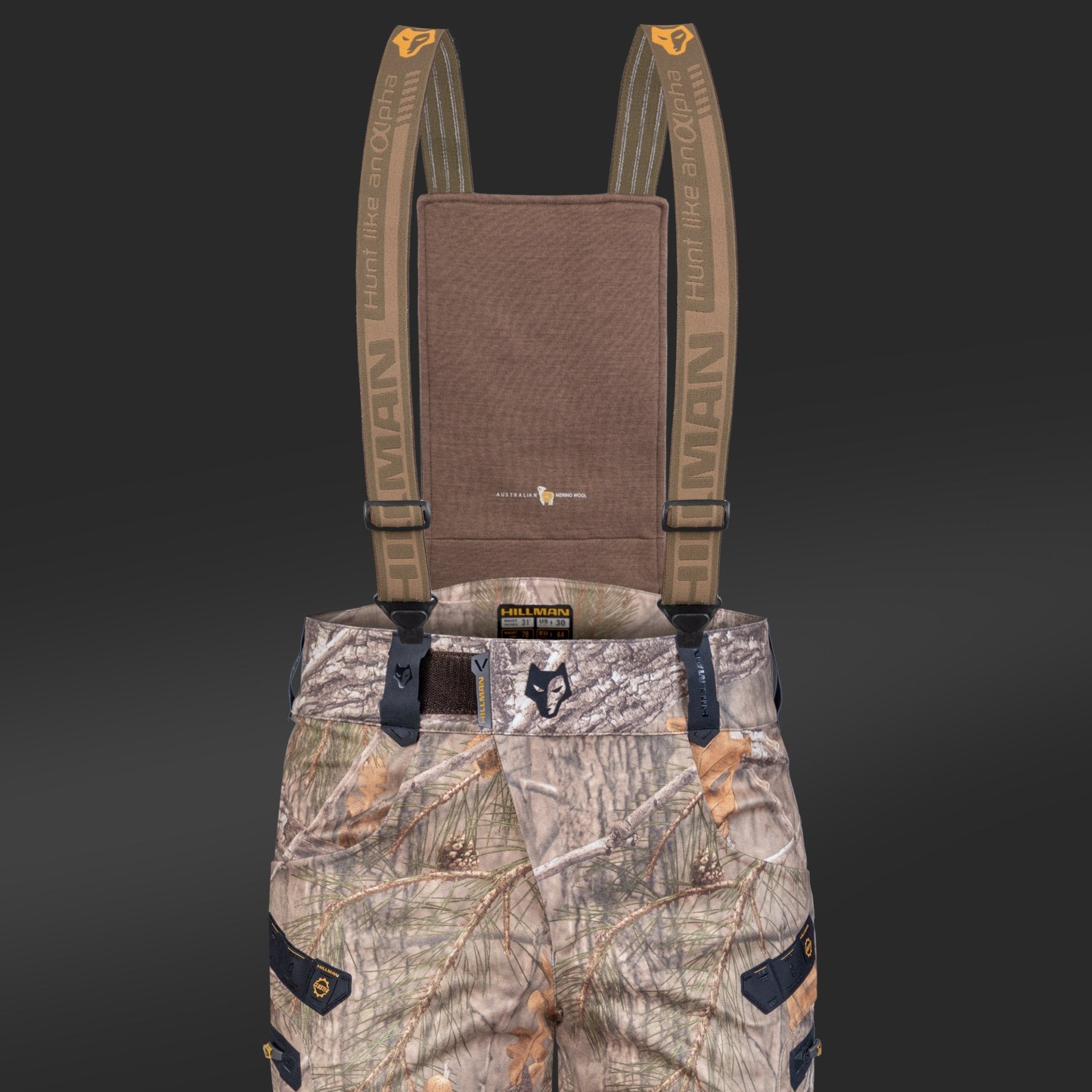
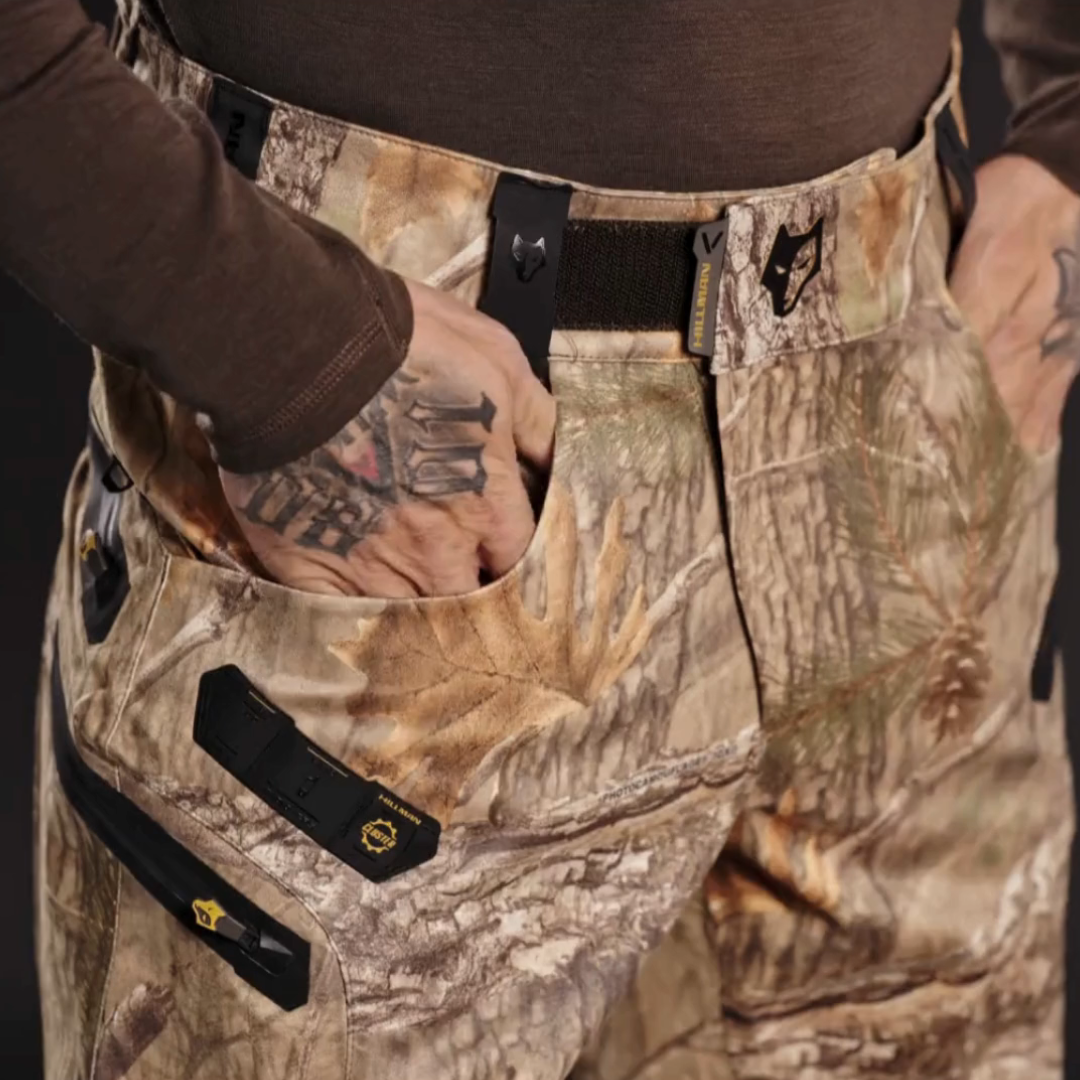
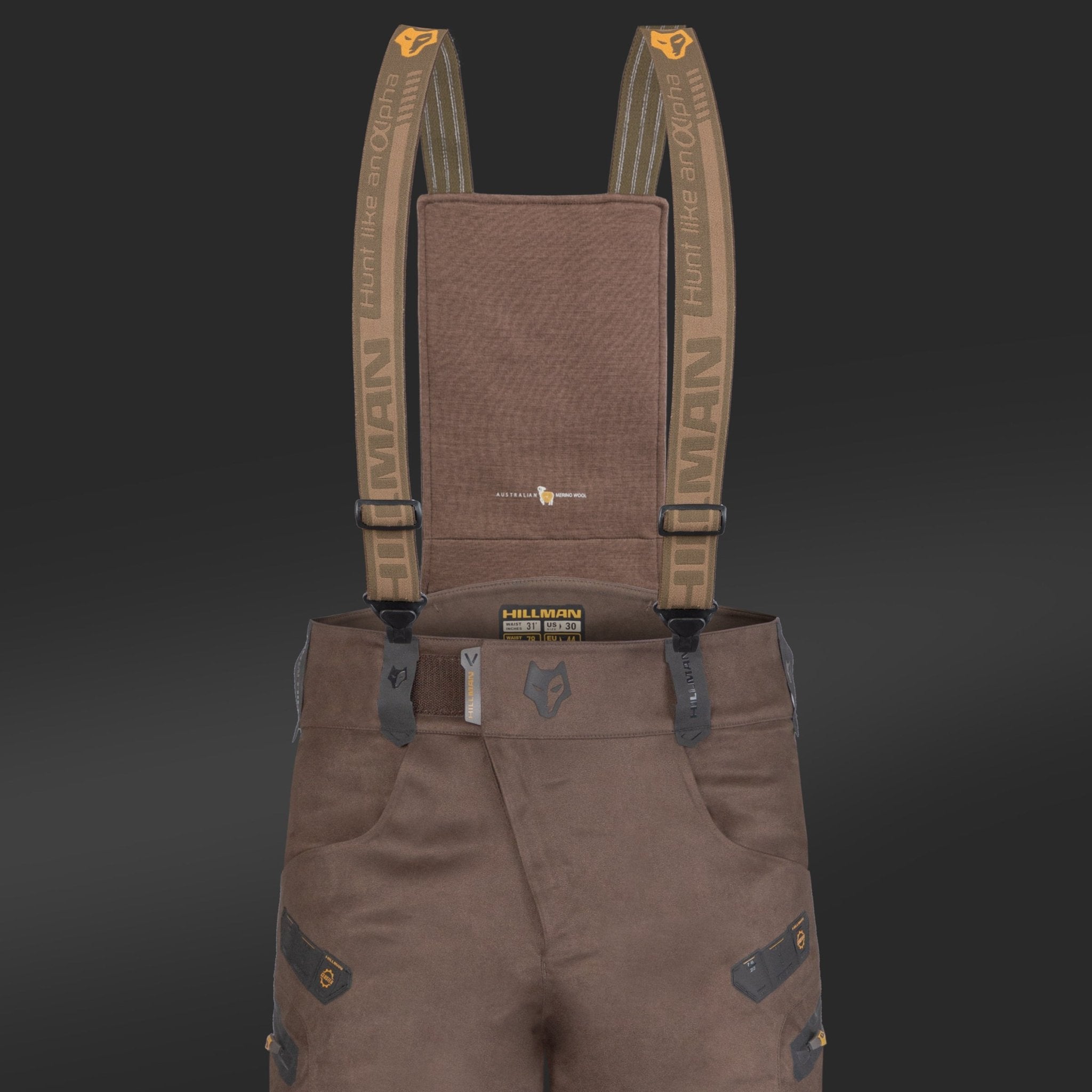
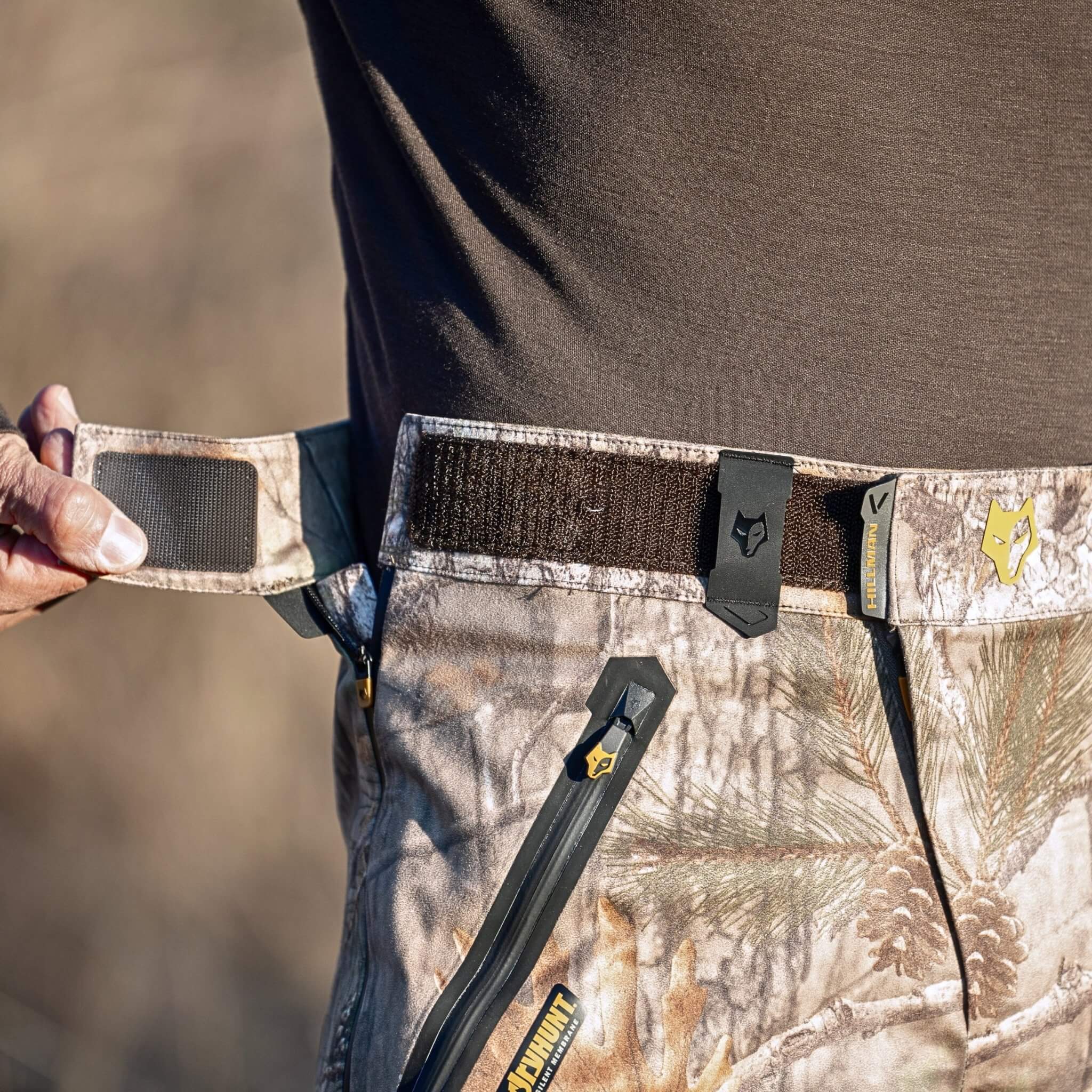
Bibs are popular because they cover more of the body. They protect the stomach, waist, lower back, and core. They stop the cold gap between jacket and pants. They also give better overlap with your upper layers.
That matters on long sits.
Good bibs can keep you in the tree stand longer when winter weather turns rough. They are not always needed, but when it is cold and you are sitting for hours, they can be the difference between staying ready and climbing down annoyed.
Fit still matters. Too tight and you lose air space. Too loose and the fabric bunches, catches, and makes noise. You need room for base layers and trapped warm air, but not so much room that every move feels sloppy.
Late season tree stand clothing is not a fashion show. It is about not getting beat by cold legs before the deer move.
Keep Feet Warm Or The Sit Turns Bad

Cold feet will wreck your mood fast.
Once your feet go cold, everything else feels worse. You move more. You shift more. You stop paying attention. You think about the truck. You rush. You hunt worse. That is just how it goes.
The common mistake is simple: too many socks in boots with not enough room.
People think more socks means more warmth. Not if the boots are tight. Tight boots cut blood flow and crush the air space that insulation needs. Then your feet get cold anyway.
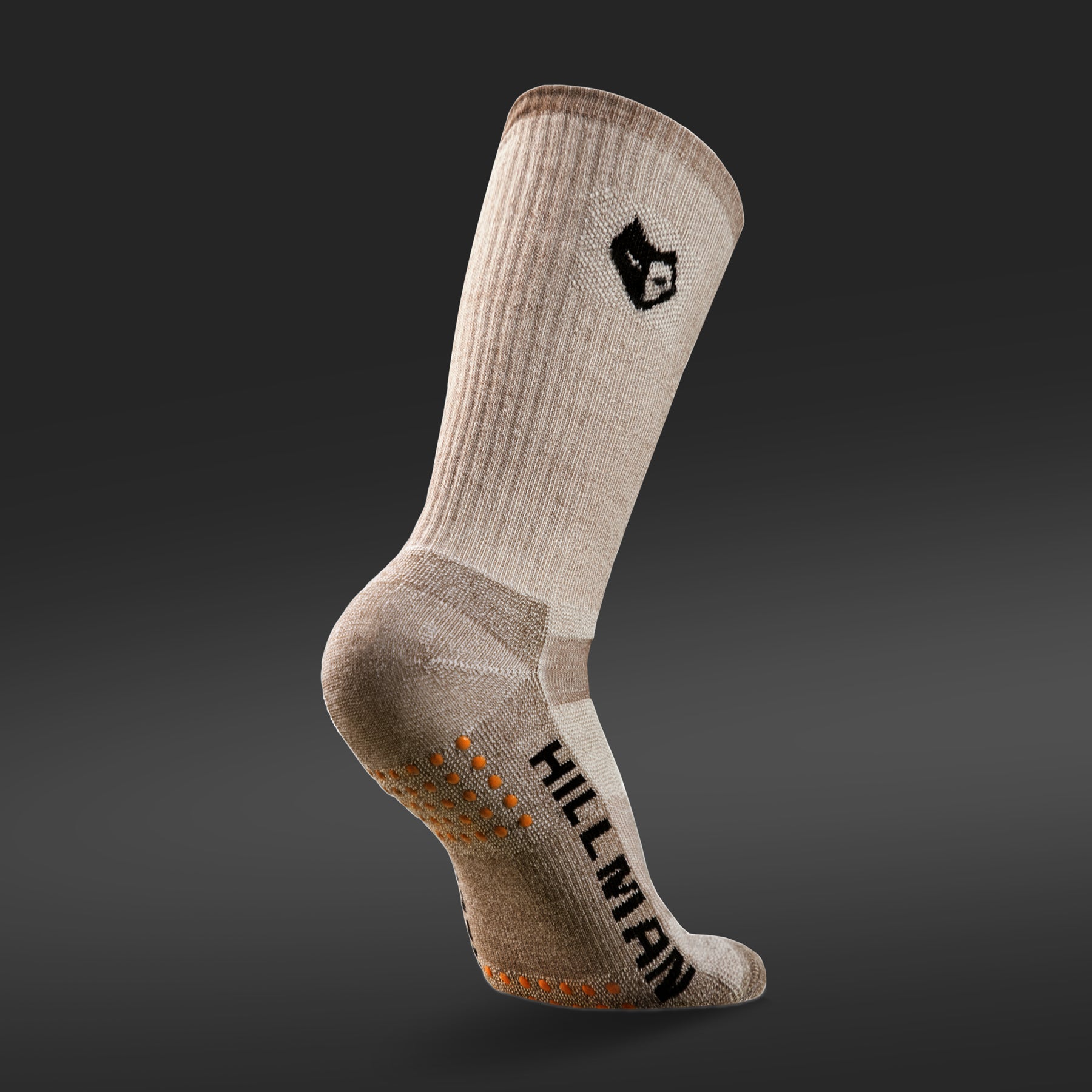
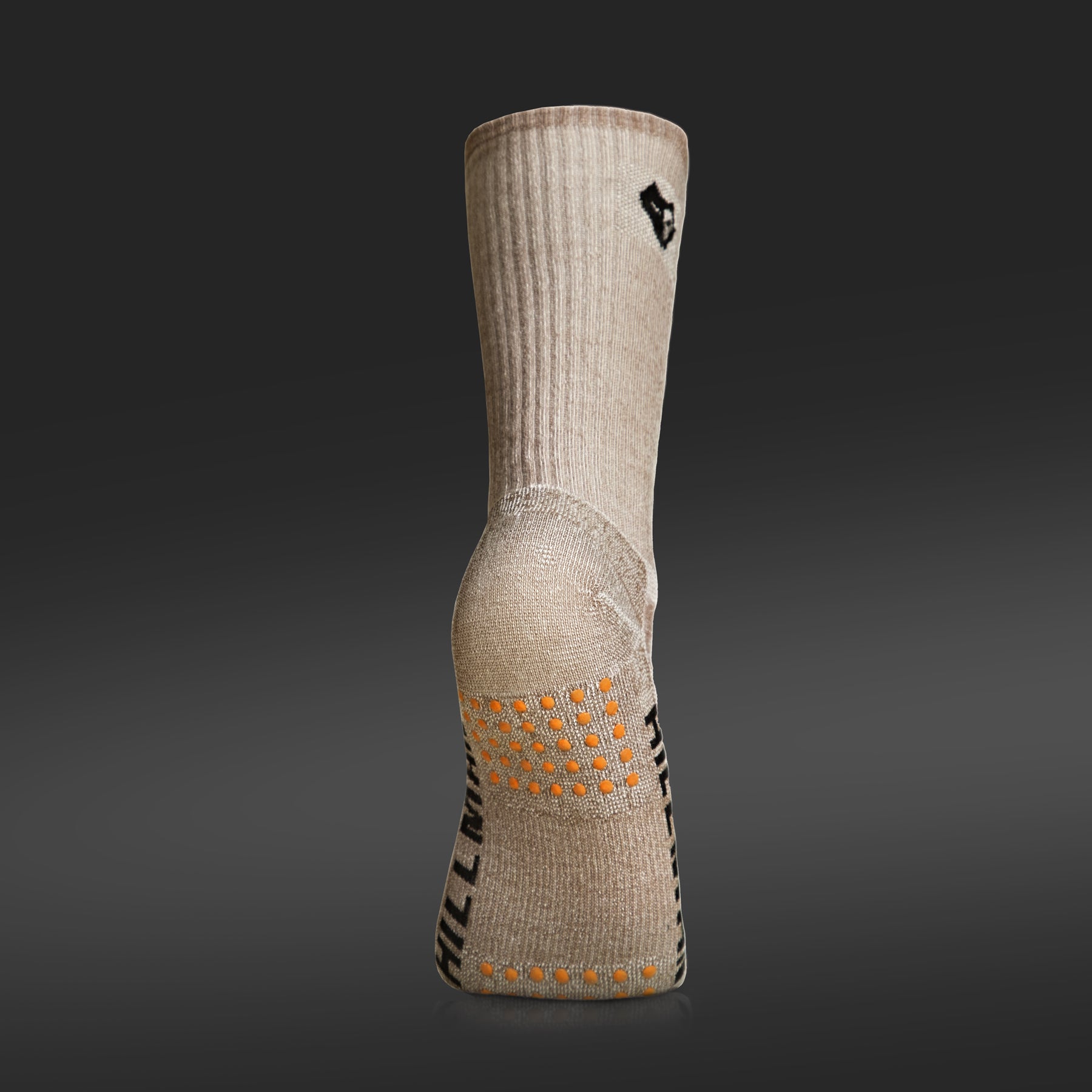
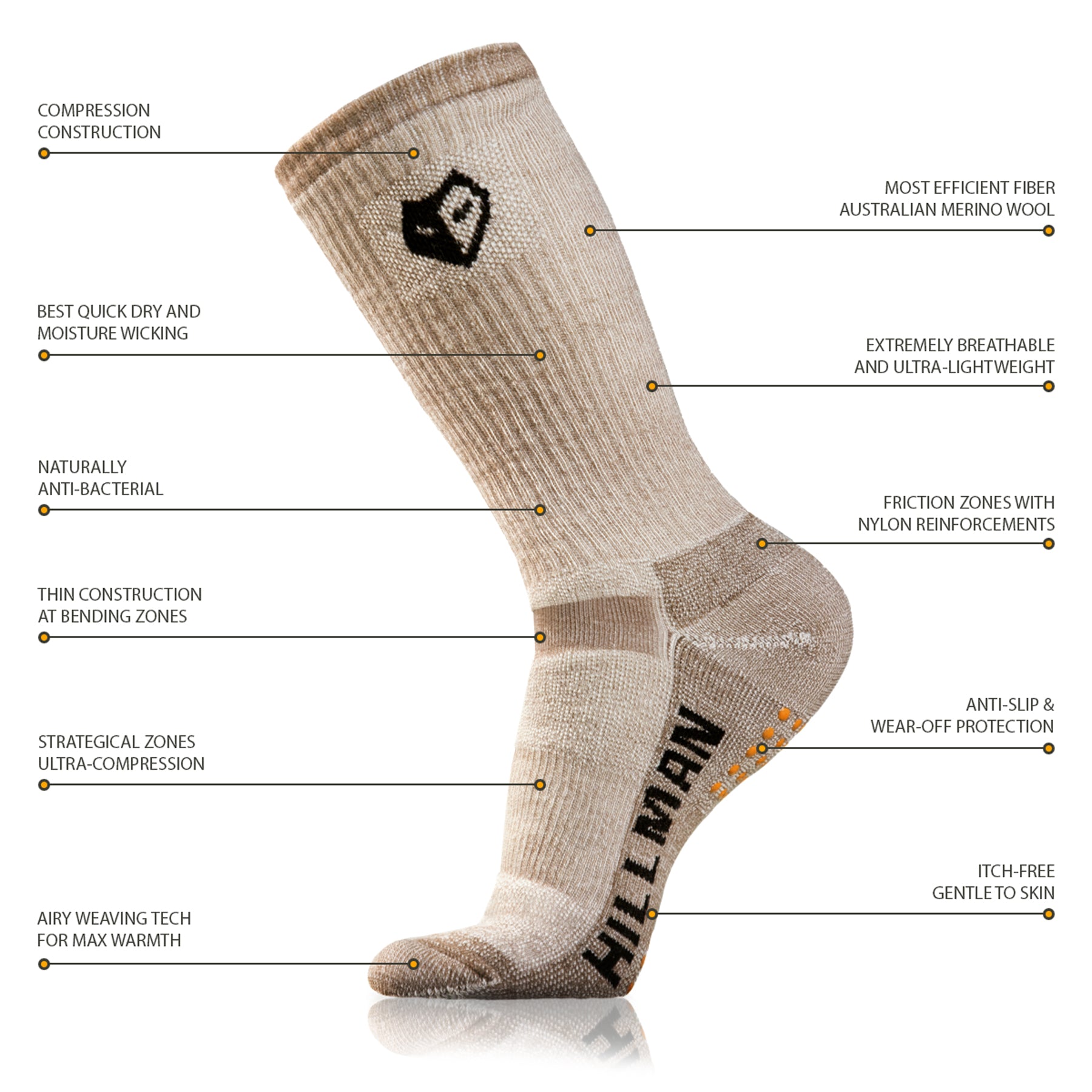
Use wool socks. Merino wool socks are a strong choice because they manage moisture and hold warmth. A thin liner sock can help, but only if the boots still fit right. If your toes are jammed, you are done before the hunt really starts.
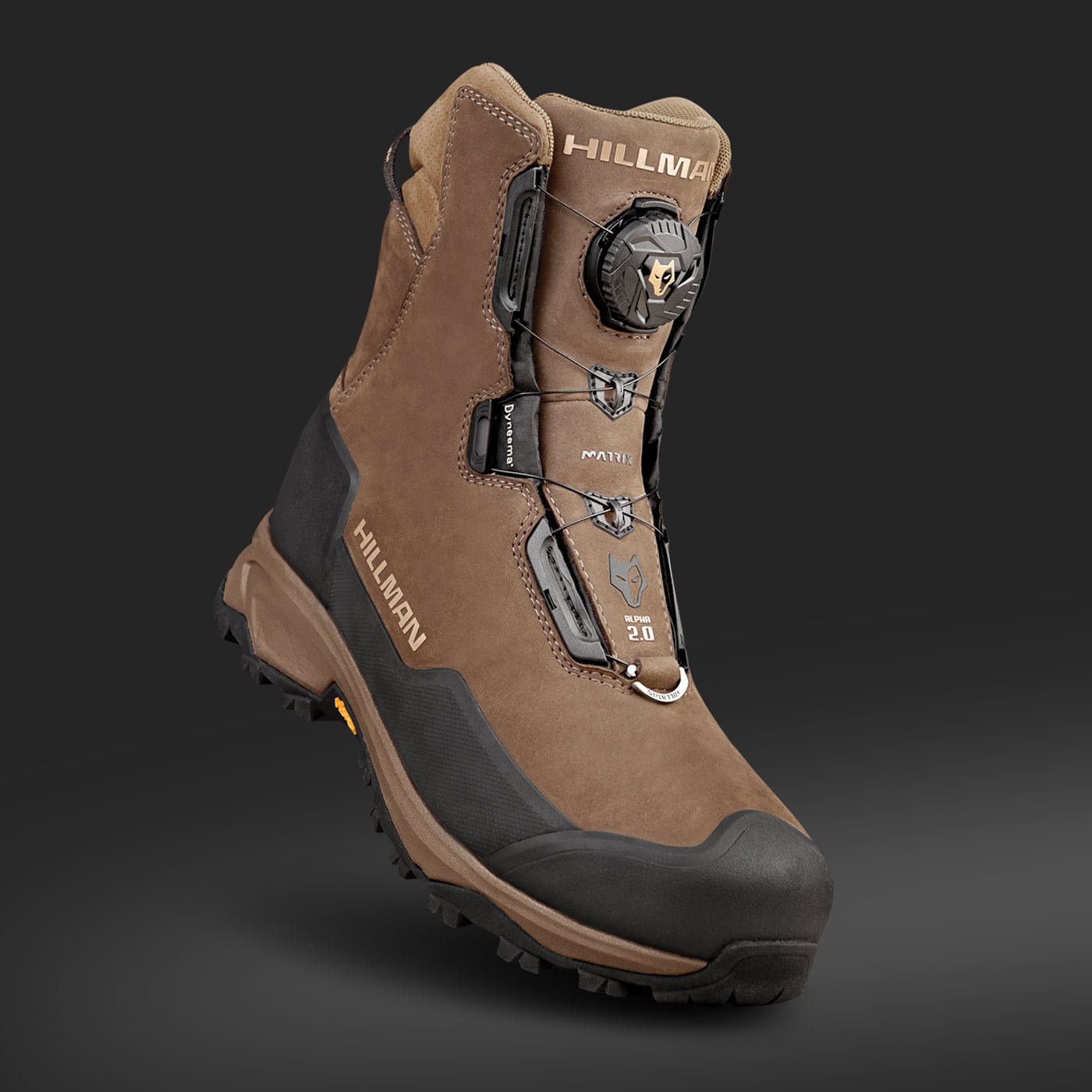
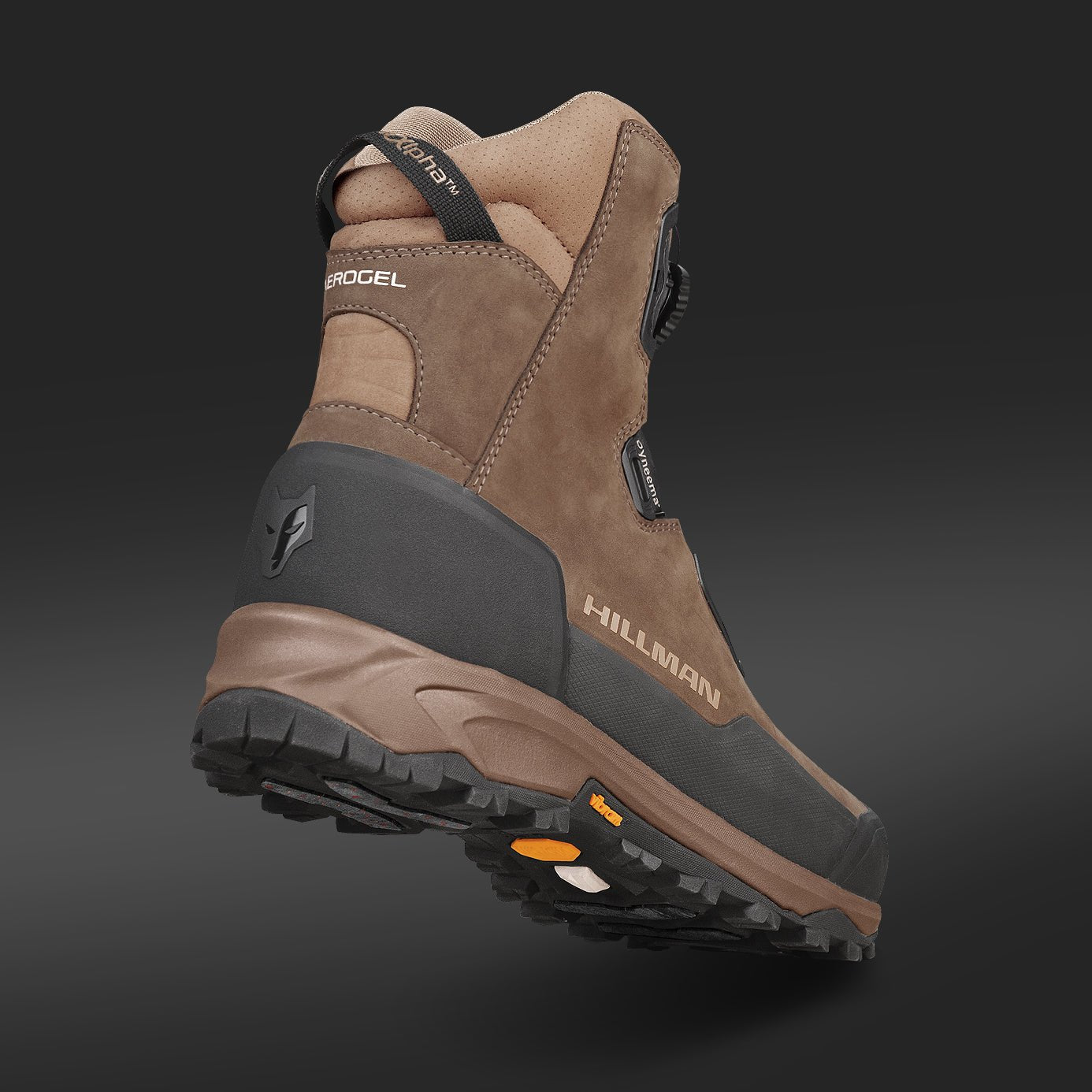
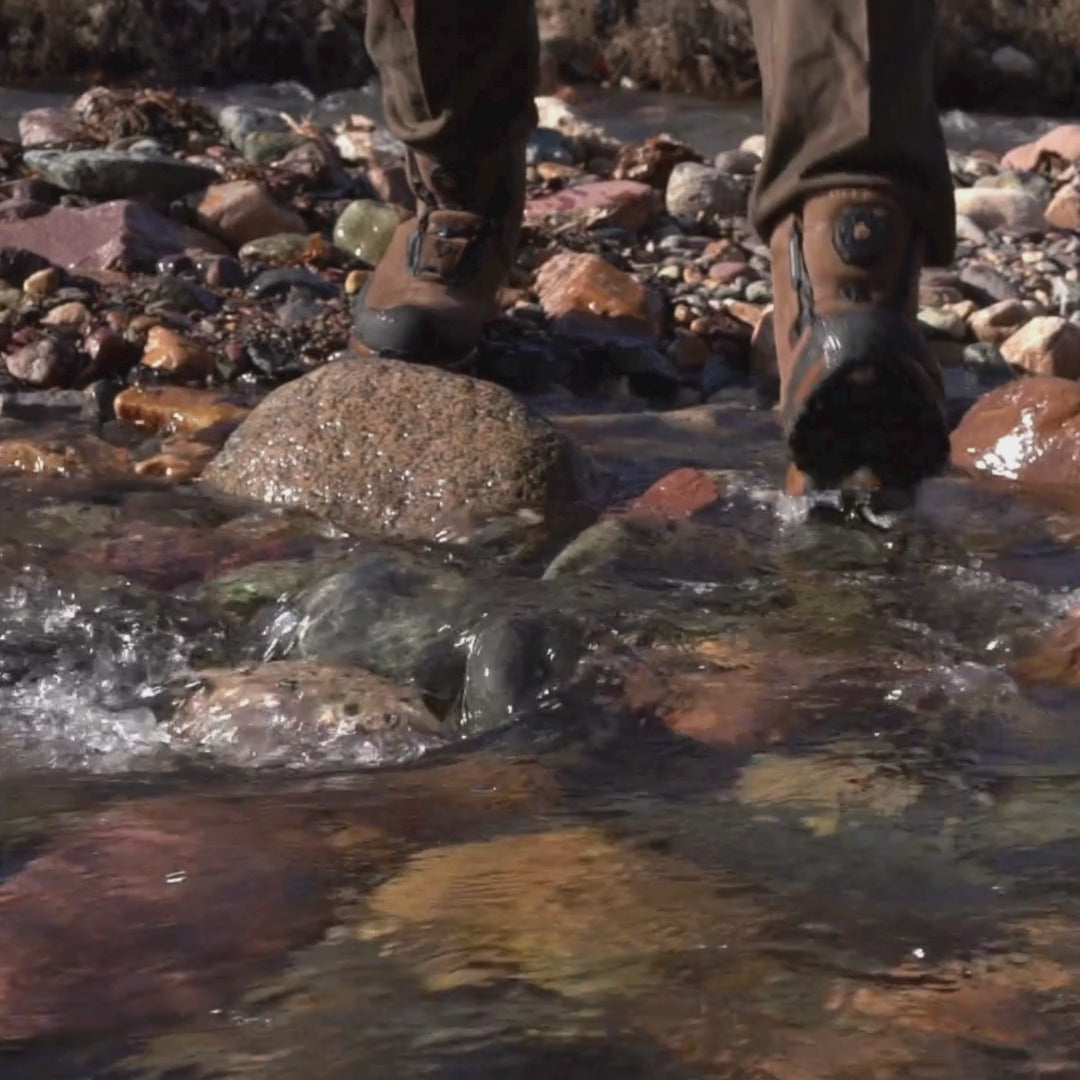
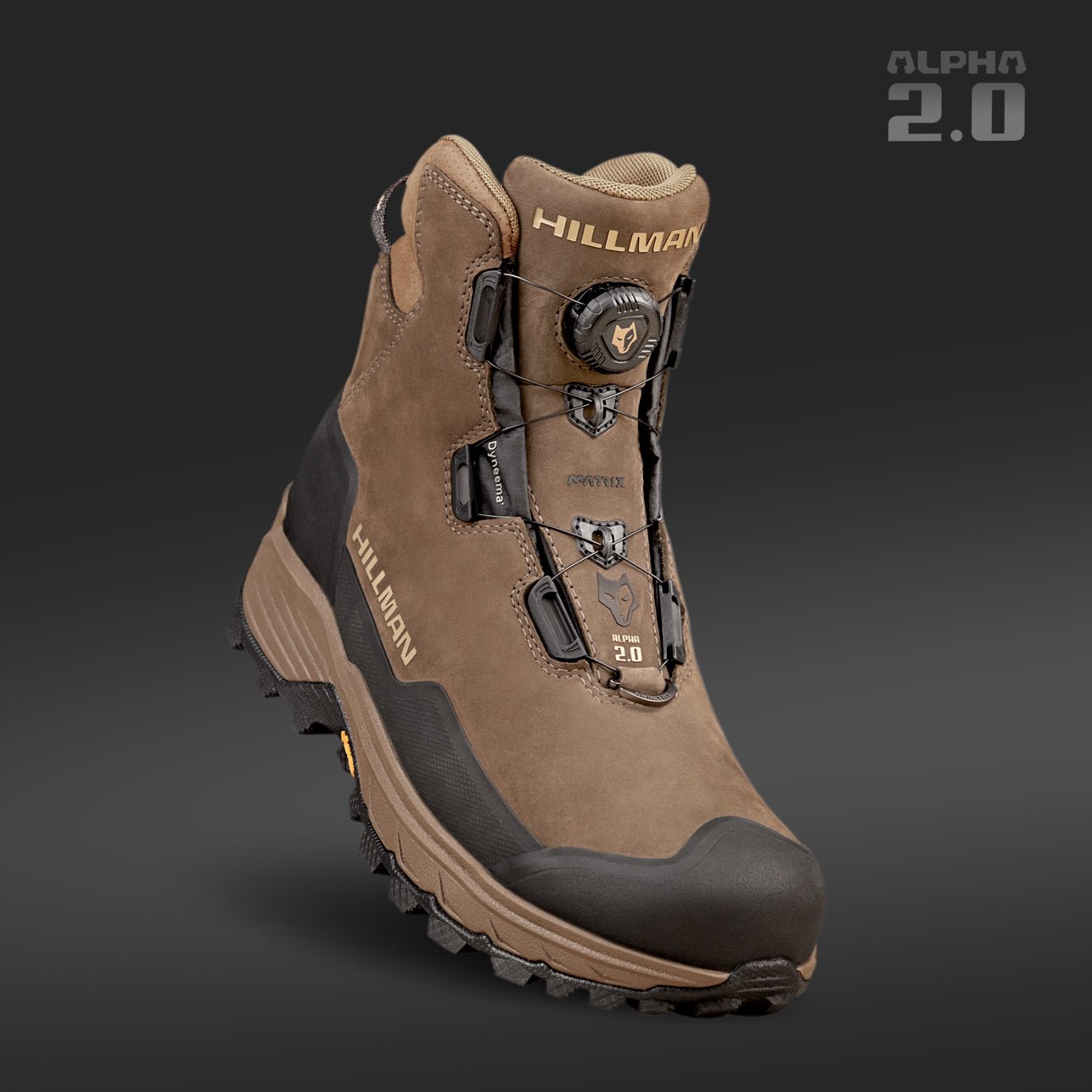
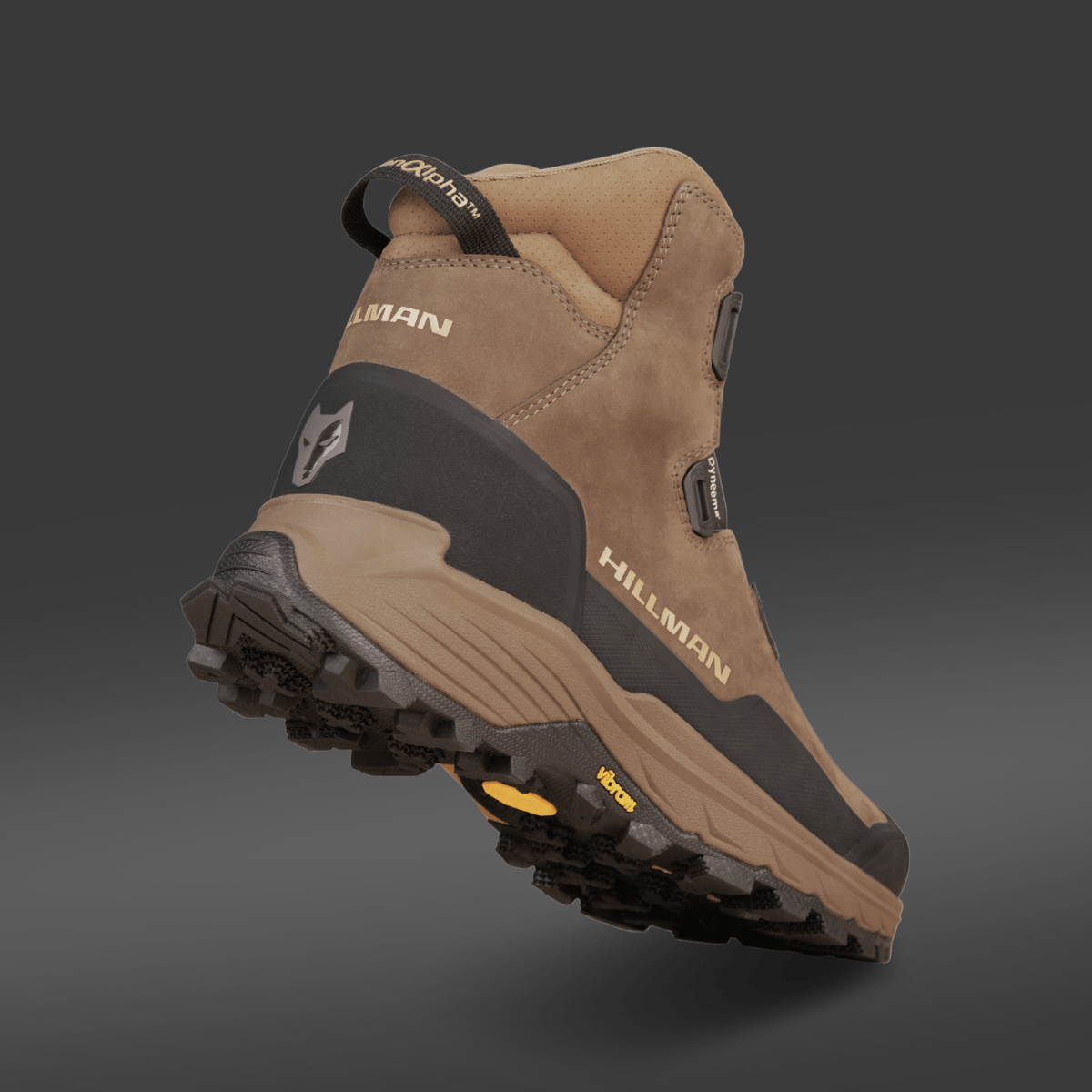
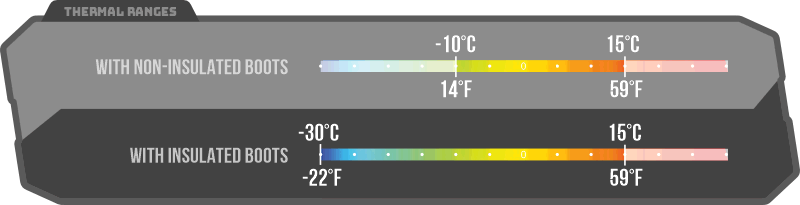
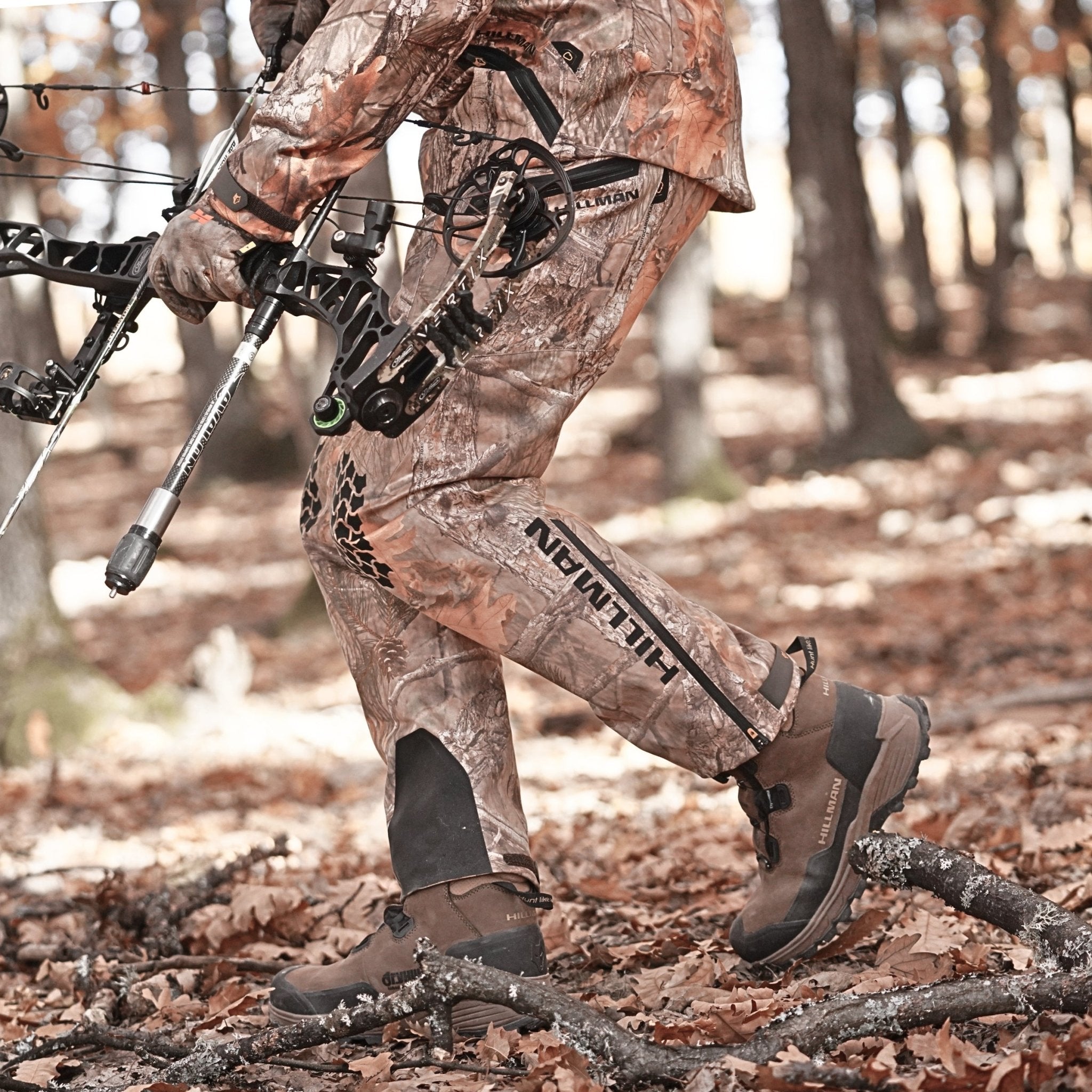
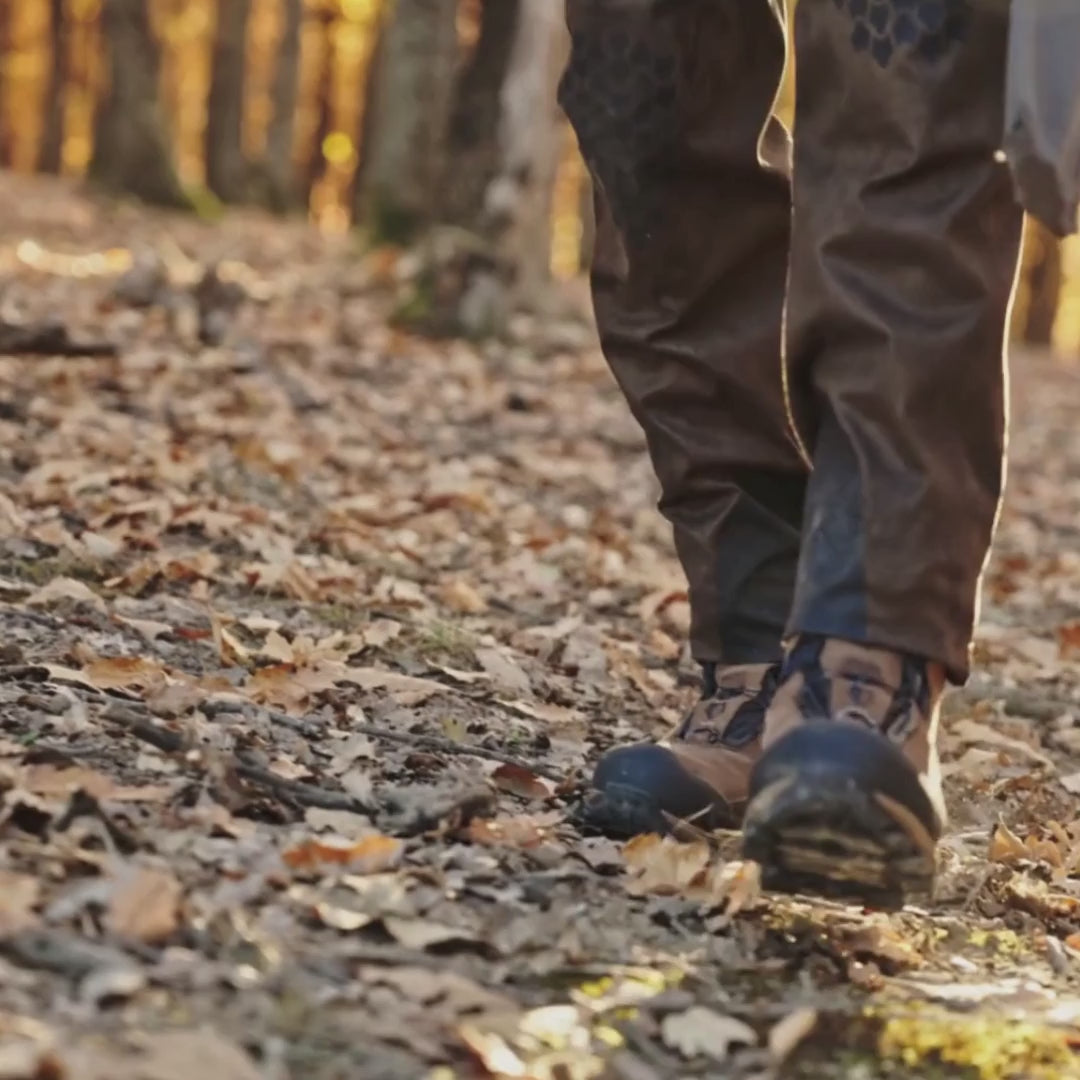
Insulated waterproof boots are useful for snow, rain, wet ground, frost, and late-season sits. But buy them with real hunting socks in mind. Not thin store socks. Not wishful thinking. The boots need room.
Dry your boots after every hunt. Change socks if your feet sweat on the walk. Loosen the boots slightly once you are seated if that helps circulation. Keep your feet off bare metal. Use chemical warmers if the cold is bad, but do not expect warmers to fix bad boot fit.
Warm feet come from dry socks, good boots, blood flow, insulation, and air space. Miss one of those and you will feel it.
Gloves, Neck Gaiter, Beanie, And Small Gear That Matters

Small stuff matters more than people admit.
A neck gaiter is one of the easiest pieces to carry and one of the most useful. It seals the neck area, blocks wind, and can pull up over the face. It weighs almost nothing and does not take much room in the pack.
A beanie or quiet hat matters too. Ears get cold fast. Once your ears and neck get cold, you tense up. Your shoulders rise. You move worse. Then the whole sit gets annoying.
Gloves are harder.
Big gloves are warm, but they can make shooting feel clumsy. Thin gloves give better feel but not enough warmth for long cold sits. A good setup is thin shooting gloves with an insulated muff or hand warmer. Keep your fingers warm in the muff, then pull them out when you need to shoot.
That works better than trying to run a release, safety, trigger, phone, rangefinder, and zipper with giant gloves.
Watch for noise. Velcro cuffs. Loud glove fabric. Metal zipper pulls. Plastic buckles. Snaps. Hard stuff knocking against hard stuff. It all sounds louder in quiet woods.
Test your gear at home. Move your arms. Turn your head. Pull the zipper. Put your hands in the muff. Touch the jacket. If it sounds loud inside your house, it will sound worse in still air.
Warm Afternoons And Cold Evenings Are Sneaky

These hunts trick people more than deep winter sometimes.
At 2 p.m., it feels fine. Maybe even warm. You think you are overdressed. Then the last half of the sit comes around, the sun drops, temperatures fall, and suddenly you are cold.
That is why you pack layers instead of wearing everything from the start.
Walk in with a moisture-wicking base layer and maybe a light mid layer. Keep the heavier jacket, bibs, thick gloves, beanie, and neck gaiter in the backpack. If wind is already pushing, wear the outer layer earlier. If the air is calm and warm, keep it packed.
Add warmth before you feel cold.
That is the part people mess up. They wait too long because they do not want to move. Then they get chilled. Then they have to move more because they are cold. That is worse.
Quiet layering before prime time is better than panic layering while deer are already moving. Put the jacket on. Cover the neck. Get the gloves ready. Add the beanie. If you can put bibs on quietly, do it before your legs are freezing.
Warm afternoons that turn cold are not hard if you are prepared. They are brutal if you guess wrong.
Late Season Clothing Needs A Real System

Late season will expose bad clothing fast.
Cold weather, wind, snow, rain, frozen seats, stiff fingers, numb feet, and long hours without much movement are not forgiving. If your base layers hold moisture, you feel it. If your outer layer leaks wind, you feel it. If your boots are too tight, you really feel it.
Late-season tree stand clothing needs a real system.
Start with dry skin. Use merino wool or synthetic base layers. Add a warm mid layer. Add an insulating layer if the temperatures are low. Use bibs when pants are not enough. Finish with a quiet outer layer that blocks wind and handles snow or rain.
Protect the neck, ears, hands, feet, and lower back. Those areas steal comfort fast.
Of course, thickness alone does not solve everything. Too much bulk makes it hard to move. Too much compression kills warmth. Too much loud fabric gets you noticed. Too much weight makes packing in miserable.
The clothing has to be warm, breathable, durable, and quiet. Not just heavy.
That is the difference between being dressed for winter and being dressed for a tree stand hunt.
Pack Layers The Right Way

Good gear can still fail if you wear it wrong.
Long hikes are where you can ruin the sit. You are carrying a bow or rifle, backpack, climbing sticks, stand gear, camera gear, food, water, and extra clothing. Even in cold weather, you can build heat fast.
Slow down. Open vents. Unzip the jacket. Take off the hat if you are heating up. Carry heavy insulation instead of wearing it. If you can pack bibs and put them on later, do it.
Stop near the stand if you need to cool down. Do not climb while sweating like crazy. Get settled, then layer up.
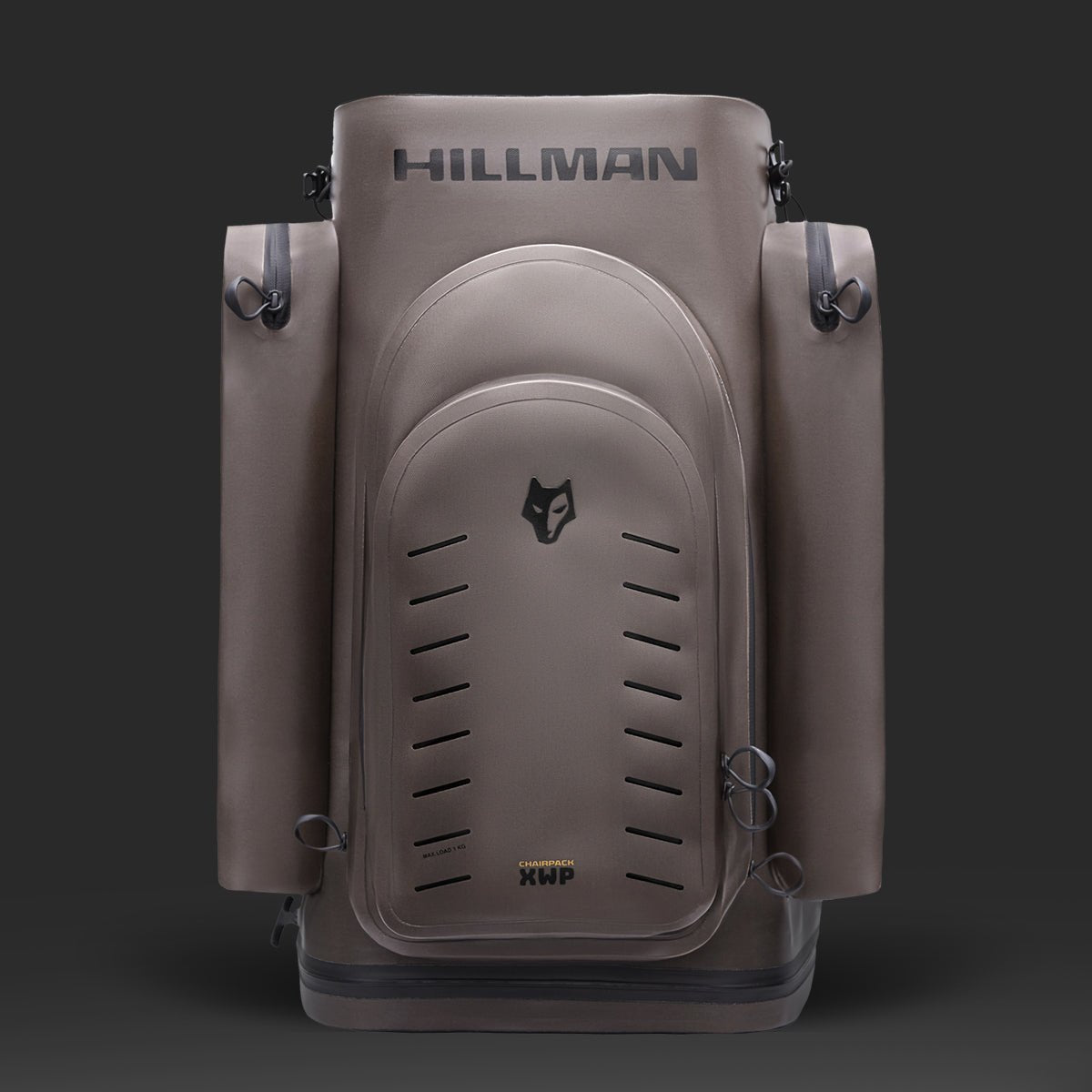
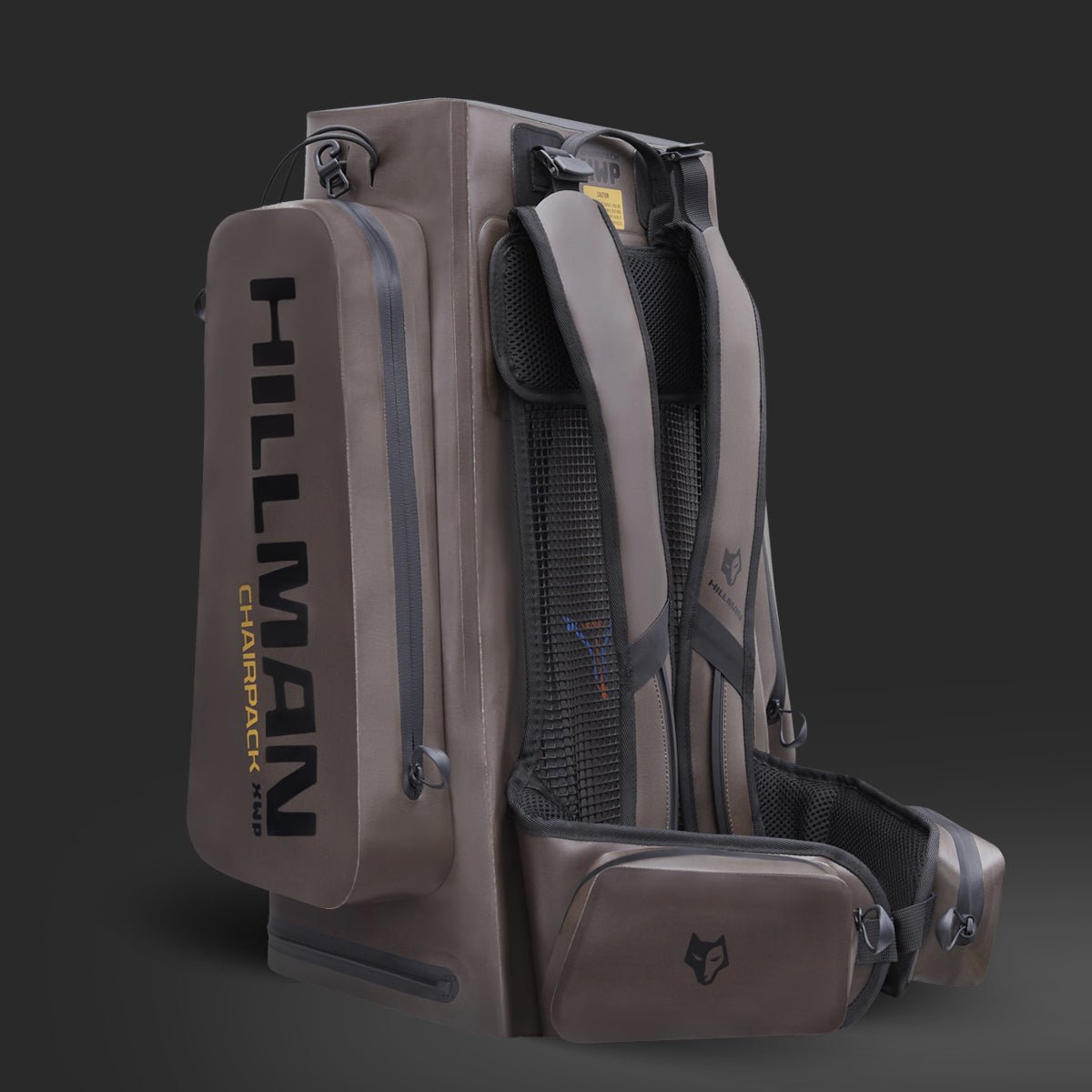
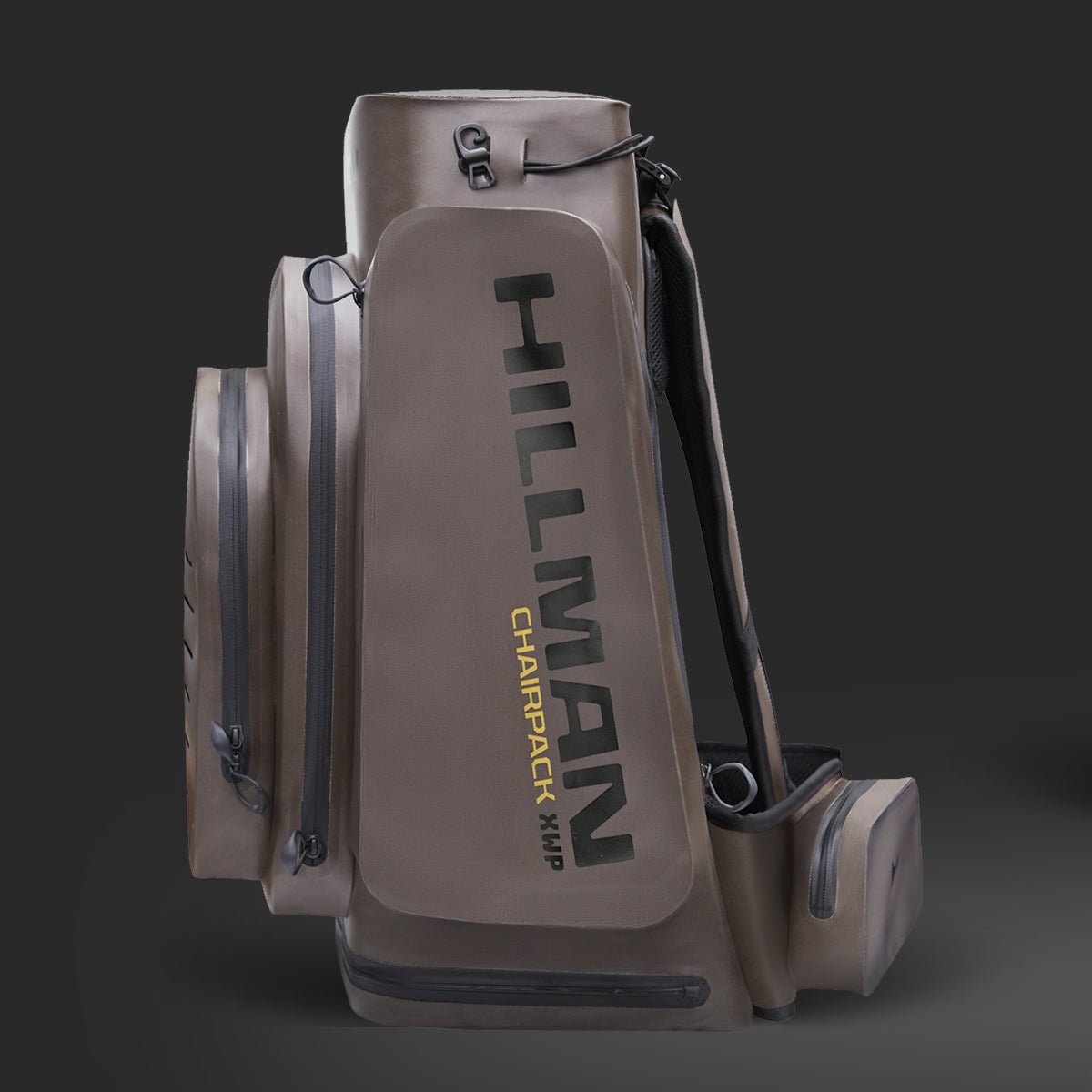
Pack in the order you use things. Neck gaiter, gloves, beanie, warmers, and extra socks should not be buried under random junk. Keep small items in one pouch. Keep your pack simple. Less digging means less noise.
This stuff sounds basic because it is. But basic things are what keep the hunt from falling apart.
Quiet Clothing Still Matters In The Stand

Some hunters think quiet clothing only matters when walking.
No.
In a tree stand, little sounds can stand out even more. The woods are calm. You are above the ground. Deer may be close. A sleeve scrape, pant swish, bib creak, zipper tick, or backpack strap squeak can hit at the worst possible time.
Your jacket should not rasp when your arm touches your side. Pants should not sound like plastic. Bibs should not creak when you stand. A rain shell should not sound like a tarp. The outer fabric, lining, cuffs, zipper pulls, and pack straps all matter.
Quiet clothing does not mean you can move like an idiot. You still move slow. You still wait for the deer to look away. You still use cover and timing.
But quiet gear gives you a little room to make normal movements without every inch of fabric selling you out.
That matters on close-range tree stand hunts.
What An Outdoor Writer Would Tell You If He Was Not Trying To Sound Fancy

An outdoor writer can make tree stand clothing sound like a science project. It does not need to be.
Stay dry. Keep wind out. Do not crush your insulation. Do not wear cotton in cold weather. Keep feet warm. Protect the neck and ears. Pack layers instead of sweating in them. Use quiet clothing. Leave room for warm air.
That is most of it.
Expensive gear only matters if it does those things better. A premium jacket will not save you if you wear cotton under it and sweat on the walk. Fancy boots will not save you if your toes are crushed. Heavy bibs will not save you if you put them on too early and soak them from the inside.
Gear helps. The system matters more.
Final Thoughts On Tree Stand Clothing
Good tree stand clothing is not one magic jacket.
It is a full setup that works from the walk-in to last light. Base layers keep moisture off the skin. A mid layer holds heat. An insulating layer adds warmth when the cold weather gets serious. The outer layer blocks wind, rain, and snow. Bibs protect the legs and core. Wool socks and roomy boots keep feet warm. Gloves, neck gaiter, and beanie protect the small areas people forget.
For warm afternoons that turn into cold evenings, do not dress for the truck. Dress for the whole sit. Carry what you do not need yet. Add warmth before the cold gets deep. Keep the gear breathable, quiet, durable, and roomy enough to work together.
That is how you stay in the tree stand longer, move less, and stay ready when the deer finally show up.



Share:
How to Choose Quiet Hunting Clothes for Bow Season