

Try reaching into a deep coat pocket with gloves on. The shell you want is at the bottom, the pocket opening has folded under your jacket, and the handful you find includes a spent hull.
That's a good reason to sort out how you carry shells before the season. Cartridge belts vs pouches isn't a contest with one winner. A belt organizes individual rounds. A pouch gives you somewhere to put a working supply and, depending on the design, keep it covered.
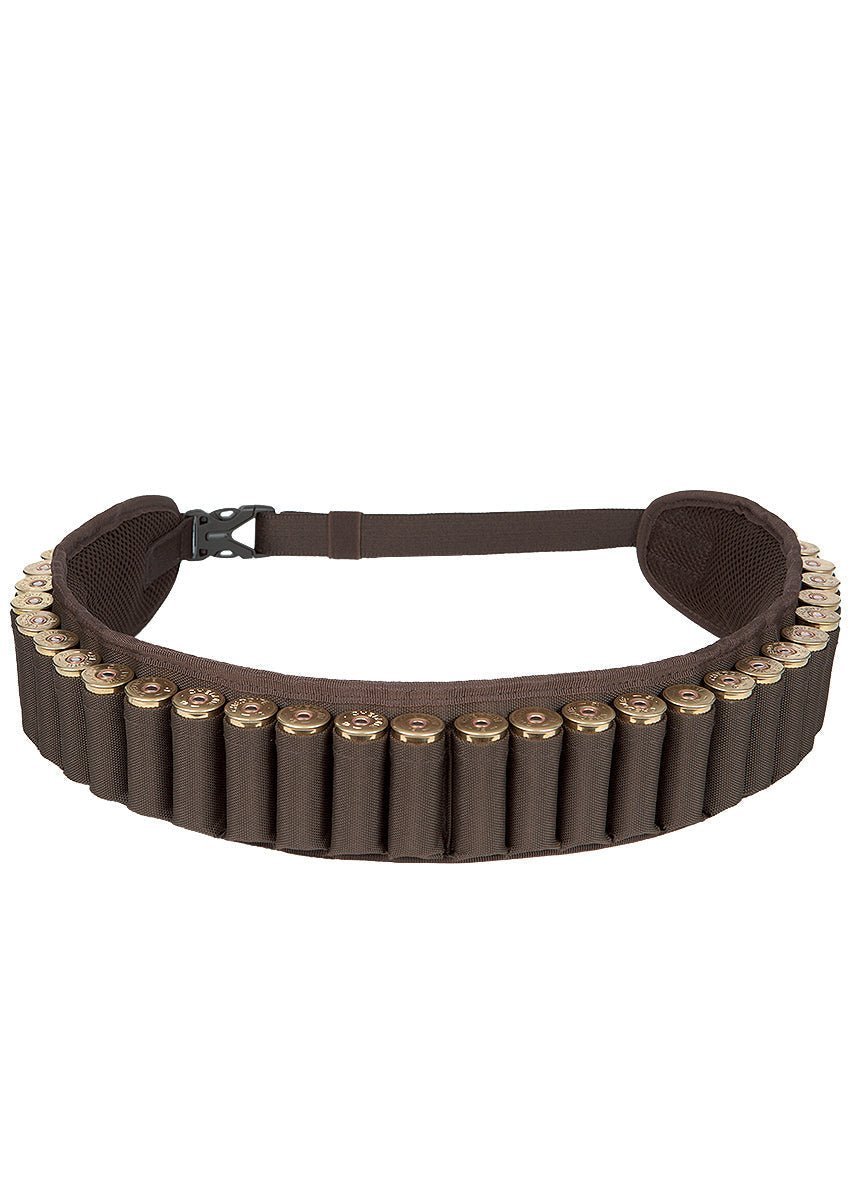
A Belt Lets You See What's Left
Individual loops make a quick count easy. They also give each shell a consistent place, which is useful when you don't want to keep looking down.
The loop fit matters. Too loose, and shells disappear in brush. Too tight, and cold fingers struggle to pull one free. Check the gauge and shell compatibility stated for the holder, then try it with the ammunition you actually use.
Hillman's Cartridge Belt belongs on that shortlist. Put it on with your hunting coat and pack before deciding where it should ride. A comfortable belt at home can end up underneath a pack's hip belt or covered by an insulated jacket.
A Pouch Needs More Than Capacity
An open pouch is easy to reach into. It also collects whatever falls through the opening. A closure offers cover from brush and dirt, although covered doesn't mean waterproof.
Check that the pouch stays upright when loaded. Sit down with it, walk up steps, and reach across your body. If it swings against your leg or empties when you crouch, the quoted capacity doesn't count for much.
Keep fired hulls separate from live shells. Give different loads clearly identified places, and avoid a mixture that takes sorting while you're wearing gloves. Don't buy a rifle cartridge pouch for shotgun shells unless the manufacturer confirms that use.
Pack for the Gun You're Carrying
Before leaving, empty yesterday's pockets. That's particularly important in a household or hunting group using more than one gauge.
Check shell markings rather than relying on color. A smaller-gauge shell lodged in a larger-gauge barrel creates a dangerous obstruction. Separate storage helps prevent the mix-up; checking each shell before loading remains essential.
For US waterfowl hunts, use approved nontoxic shot and review the US Fish and Wildlife Service guidance along with current local rules. Ordinary migratory bird rules generally limit shotgun capacity to three shells total in the chamber and magazine. Some authorized hunts have exceptions. This is a firearm-capacity restriction, not a universal limit on the shells carried in your bag.
Keep the Reserve Supply Protected
There's no need to expose every spare shell just to make the next one easy to reach. Keep a small working supply accessible and the rest in protective storage suited to the weather.
Browse Hillman's cartridge belts and ammunition holders by firearm type, then check the details. A magnetic rifle pouch and a shotgun belt don't solve the same storage problem, even though both sit in the accessories section.
Use inert training shells for practice where available, and keep live ammunition away from practice gun handling. The useful test is whether the loaded holder stays put while you move in your actual clothes.
Related reading: Rifle Care in the Field with Stock Protectors and Cartridge Storage.
Once the holder is set up, leave it in the same place from hunt to hunt. Consistent placement is worth more than another pocket full of shells you can't comfortably reach.





Share:
What to Wear for Spring Turkey Hunting: Capricious Mornings
Rifle Care in the Field with Stock Protectors and Cartridge Storage