


Unpacking after a wet hunt is part of rifle care. A damp stock cover left in place overnight, or a wet case zipped shut in the truck, creates work that a quick wipe of the barrel won't solve.
Before dealing with cleaning or accessories, unload the rifle and verify it's clear. Follow its manual for handling, maintenance, and storage. Then pay attention to the places the rain reached while you were watching everything else.
Take the Wet Cover Off
A stock protector shields the finish from some scuffs. It also covers a surface you can no longer inspect at a glance. Grit beneath the cover rubs against the stock; trapped moisture stays out of sight.
Remove a damp cover after the hunt. Dry it separately and check the stock beneath it before refitting. Do the same with the case. Putting a dry rifle into damp lining undoes the care you've just taken.
When a cold rifle comes into a warm room, condensation deserves another check after it warms up. Keep it secure, give it time, and inspect it again. Don't assume an earlier wipe dealt with moisture that formed later.
Fit a Stock Protector for the Rifle You Have
The right cover stays in place without interfering with controls, sling attachments, or operation. If it carries ammunition, check cartridge fit as well as the fit around the stock.
Hillman's Argo rifle stock protector includes height adjustment. Set the cheek position with your actual scope setup, and verify it at the range before hunting. A higher cheek rest isn't automatically a better one; it needs to put your eye where the sights require it.
Check access to the bolt and any other parts that need clearance. Make sure the rifle still fits its case without the cover folding or pressing somewhere it shouldn't.
A Fall in Snow Changes the Routine
If the muzzle contacts snow or mud, stop. Unload safely and follow the rifle manufacturer's procedure for checking and clearing the bore. Don't carry on because the outside looks clean.
Never fire to clear an obstruction. If you cannot confirm a clear bore or deal with the problem as instructed, have a qualified gunsmith inspect the rifle before using it.
Use muzzle covers only as directed for your equipment. Don't assume tape or a cover leaves point of impact unchanged on every rifle. Any change to the setup deserves a check before the hunt.
Give Ammunition Its Own Place
Loose rounds at the bottom of a coat pocket pick up lint and grit. They are easy to forget, then mix with cartridges for a different rifle on the next trip.
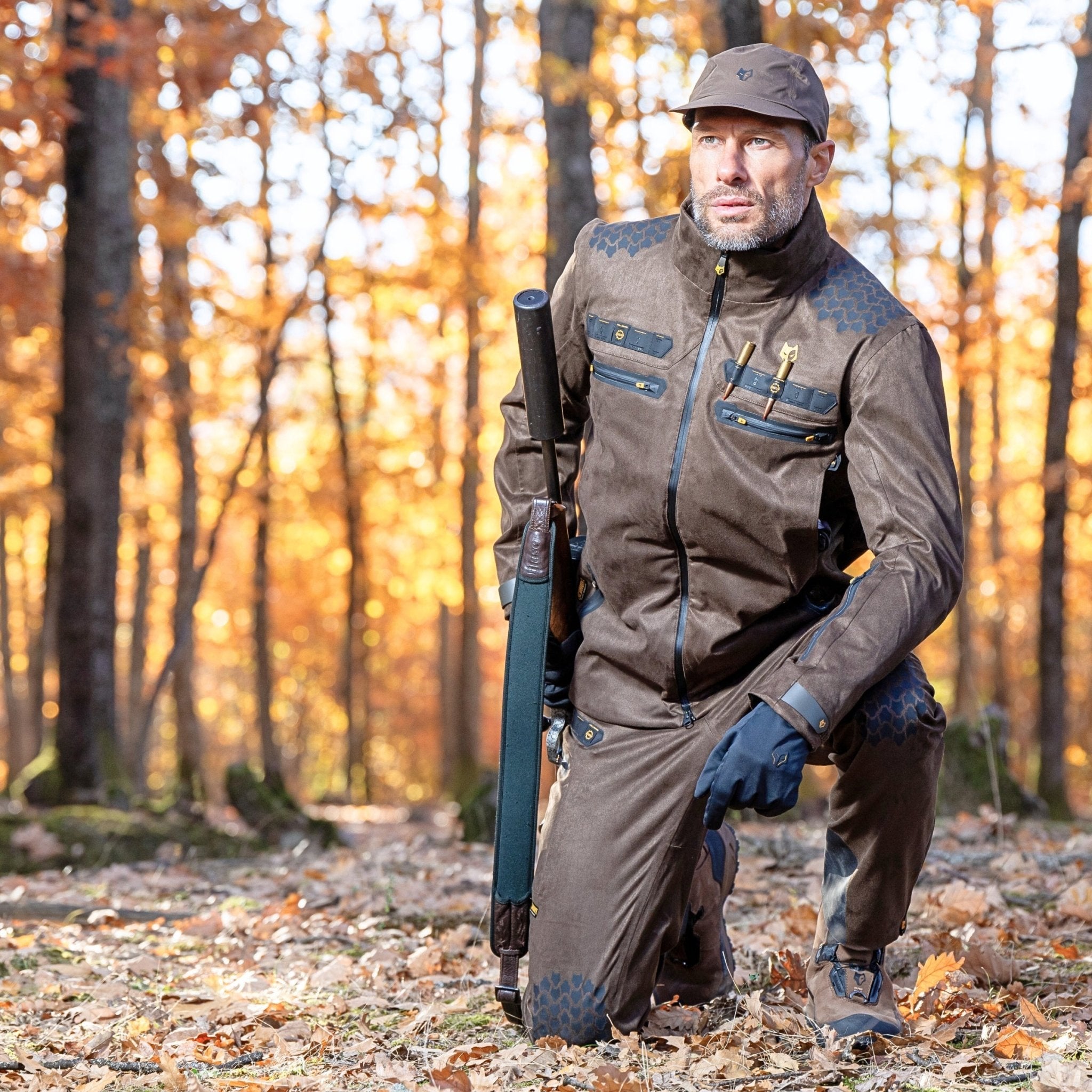
Use a dedicated holder for the exact cartridge designation marked on your firearm. The Hillman Magnetic Rifle Pouch provides organized storage with a magnetic closure. Check the fit with your cartridges and make sure you can open and close it while wearing gloves.
A closure keeps rounds contained. It does not establish a waterproof seal. Protect ammunition from substantial moisture, inspect it for contamination or damage, and follow the ammunition manufacturer's guidance rather than trying to salvage suspect rounds in the field.
Hillman's ammunition holders and stock accessories offer several ways to arrange the kit. Choose what fits your rifle and carry method, then keep that arrangement consistent.
Related reading: Cartridge Belts vs Pouches for Carrying Hunting Shells.
Make the last few minutes of the hunt count too: dry the cover, check the case, inspect the rifle, and deal with the cartridges you carried. Tomorrow morning is easier when tonight's moisture isn't still packed with the gear.



Share:
Cartridge Belts vs Pouches for Carrying Hunting Shells
Packable Rain Gear vs Heavy Rain Gear: The Best for Hunters