

The Hunting Guide
Explore the best hunting gear, hunting news, and cutting-edge hunting innovations on The Hunting Guide - the expert-driven blog for seasoned hunters.

How to Dress for Saddle Hunting: Mobility, Knees, Layers
Saddle hunting requires flexible, low-profile clothing that stretches during climbs and prevents bulky pockets or stiff seams from pinching under the harness. Packing heavy insulation until after ascending the tree prevents sweat buildup during the walk and climb, while wearing the saddle over outer layers keeps bridges and ropes accessible. Pairing quiet, breathable shells with dedicated knee pads eliminates bark pressure and unnecessary movement at bow range.
Read more: How to Dress for Saddle Hunting: Mobility, Knees, Layers
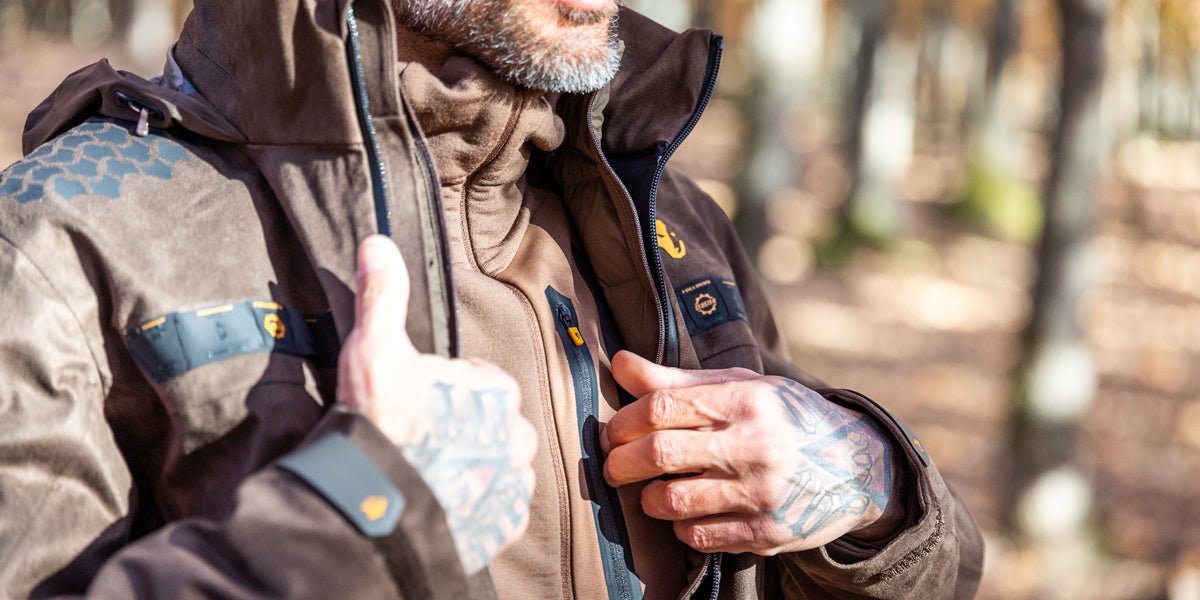
Late Season Layering Mistakes That Make Deer Hunters Sweat
Sweating on the walk into a late season stand ruins thermal retention once you stop moving, even in high-end gear. Starting the hike slightly cold, utilizing pit zips, and packing heavy insulation, outer shells, and neck gaiters until reaching the stand keeps base layers dry. Pairing moisture-wicking merino or synthetics with breathable, vented outerwear prevents internal dampness from stealing body heat during freezing sits.
Read more: Late Season Layering Mistakes That Make Deer Hunters Sweat
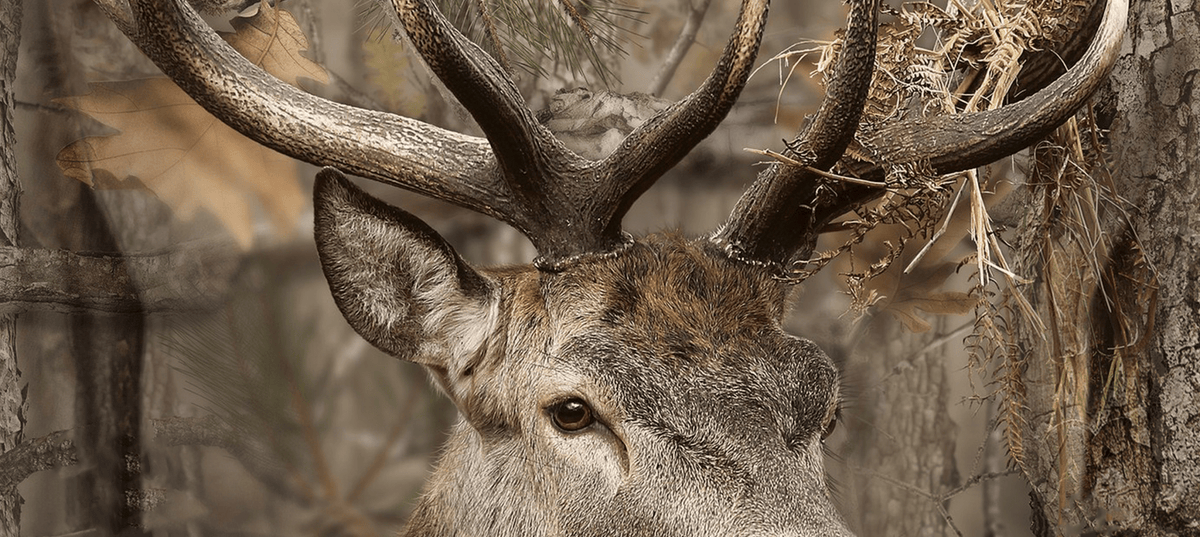
Early Season Whitetail Clothing: Stay Cool, Dry, Scent-Aware
Early season whitetail hunting requires lightweight, moisture-wicking synthetics or merino wool to pull sweat away from the skin and prevent odor buildup in warm weather. Packing outer camo layers for the walk-in prevents overheating on the approach, while breathable stretch pants and thin hoods protect against bugs and brush without restricting movement. Staying cool, dry, and bite-free allows hunters to sit still longer when deer start moving.
Read more: Early Season Whitetail Clothing: Stay Cool, Dry, Scent-Aware

Down Vs. Synthetic: Which Insulated Hunting Jacket Wins In The Backcountry?
Choose down when the air is dry, the climb is long and pack weight decides how far you can go, because high-fill goose down gives the most warmth per ounce and packs into its own pocket. Choose synthetic when you will sweat hard, sit through sleet or hunt wet river bottoms, since its fibers keep insulating when damp. Moisture, more than temperature, is what should decide which jacket goes in your pack.
Read more: Down Vs. Synthetic: Which Insulated Hunting Jacket Wins In The Backcountry?
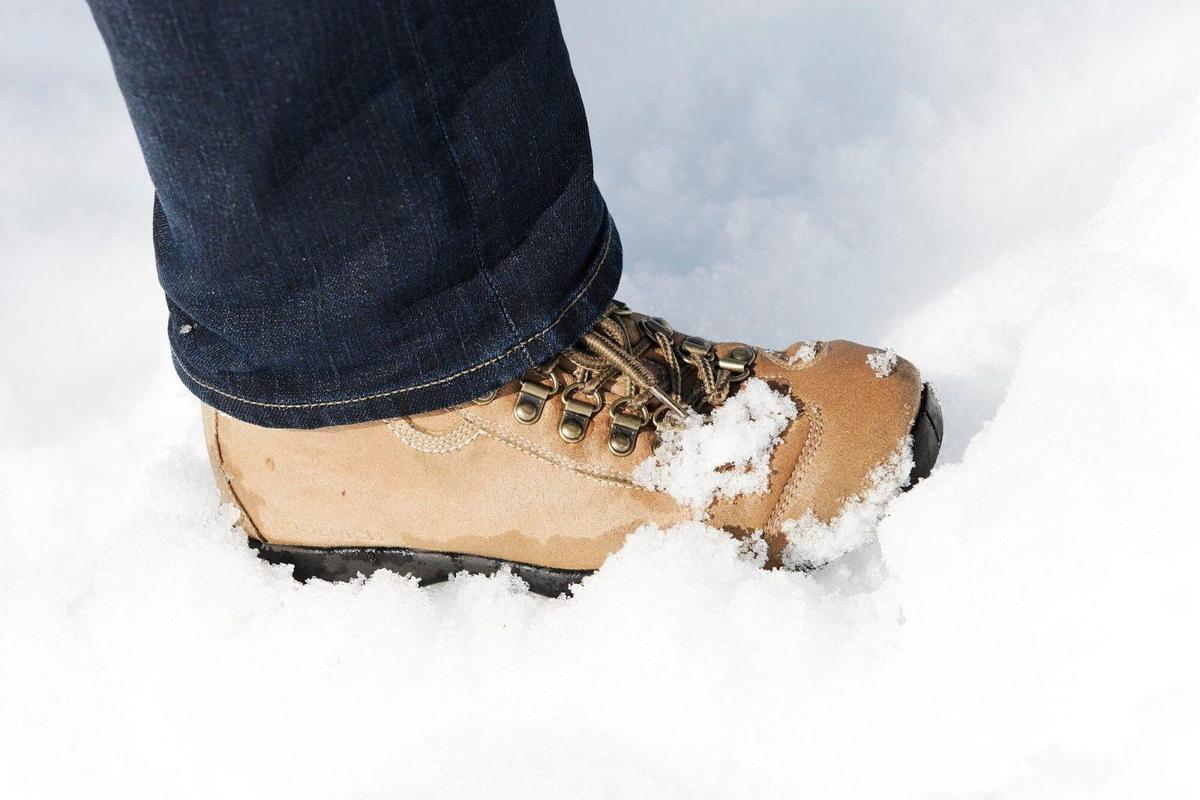
Irish Setter Vs. Hillman: Comparing Leather Hunting Boots
Irish Setter, a Red Wing Shoes brand, leans on classic Goodyear-welted designs with its UltraDry waterproofing, while Hillman's Aerogel 2.0 pairs Italian leather and Dyneema with Aerogel insulation, Vibram Arctic Grip soles and steel-wire lacing. Both brands build full-grain leather hunting boots around a waterproof membrane, so the real differences show up in insulation, traction and fit. How cold, wet and icy your hunts get should decide which leather boot you buy.
Read more: Irish Setter Vs. Hillman: Comparing Leather Hunting Boots

Hunting Backpack Upgrades Worth Adding This Season
The upgrades that pay off fix the failures hunters run into most: wet gear, nowhere dry to sit, a rifle stuck in your hands and noise at the wrong moment. Six are worth making: a built-in seat, true waterproof construction, a hands-free gun carry, waist pockets with ammo holders, a ventilated back that fits your torso and quiet zippers and buckles. Start with whichever problem cost you the most time or comfort last season, because that is where an upgrade earns its weight first.
Read more: Hunting Backpack Upgrades Worth Adding This Season
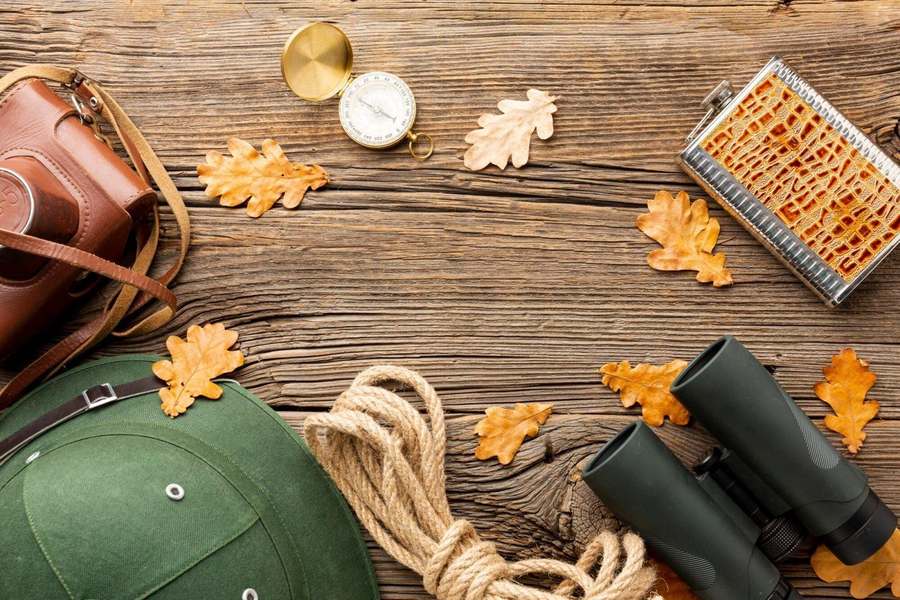
Hunting Accessories That Actually Earn Space In Your Pack
The accessories worth carrying are the ones you use on every hunt or the ones that save a hunt when something goes wrong. That short list is spare merino socks, a quiet belt or pouch for ammo, a stock protector with cartridge holders, a red-light headlamp, a knife with game bags, a small first-aid and fire kit and warm headwear. Before anything else goes in, ask whether you used it last season, because anything you didn't is dead weight on the climb.
Read more: Hunting Accessories That Actually Earn Space In Your Pack

Hillman Vs. KUIU Hunting Pants: Durability And Fit Compared
Hillman hunting pants use quiet suede-faced shells, a fully seam-taped Dryhunt membrane on the waterproof models and an adjustable ERGO fit. Both brands build stretch hunting pants with reinforced wear zones, so the real differences come down to shell fabric, how much of the pant is waterproof and how the fit adjusts. Match those details to the brush, rock and weather you hunt in, because that decides which pair holds up longest.
Read more: Hillman Vs. KUIU Hunting Pants: Durability And Fit Compared
ScentLok Vs. Hillman: Is Scent-Control Clothing Worth The Premium?
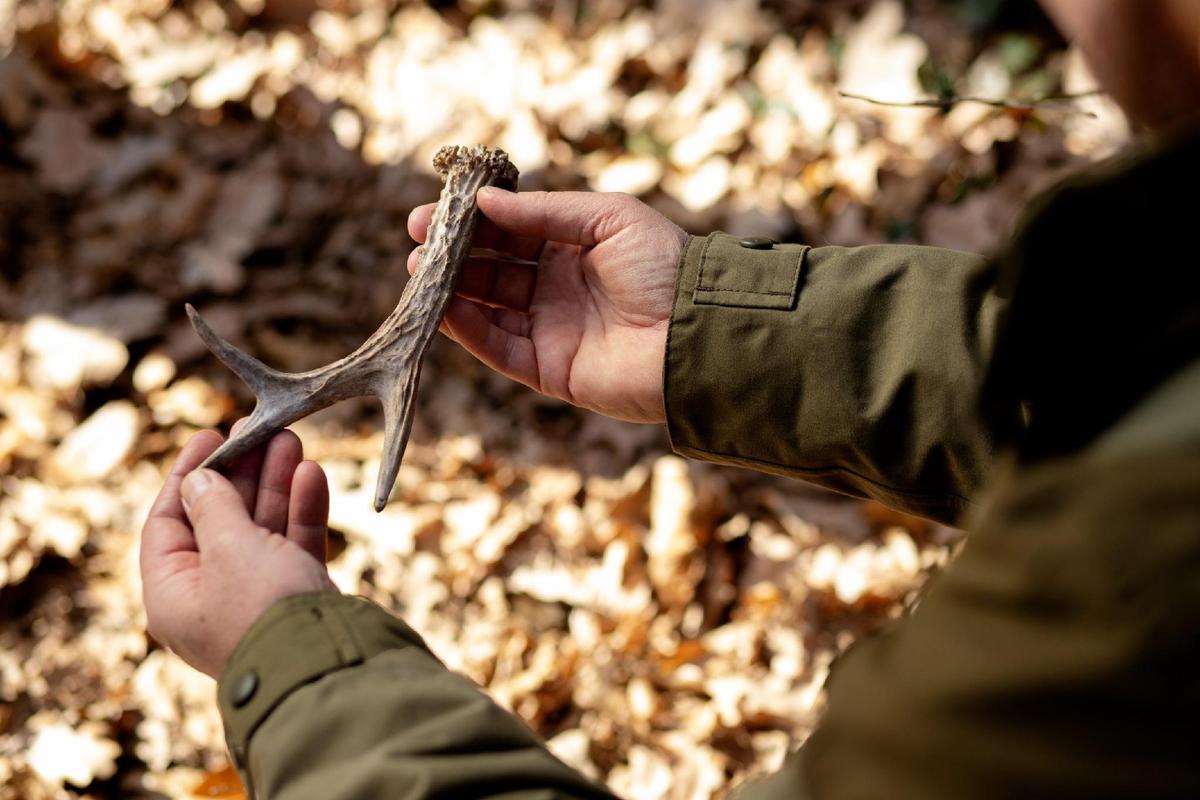
Carbon-based scent-control clothing can pay off for close-range stand hunters who wash it in scent-free detergent and store it airtight between every hunt. Hunters who move, glass and play the wind usually get most of the benefit from odor-resistant merino base layers and quiet outer shells, without the extra care routine. Your hunting style and how strictly you will follow that routine decide whether the premium is worth paying.
Read more: ScentLok Vs. Hillman: Is Scent-Control Clothing Worth The Premium?
Tree Stand Clothing: What to Wear for Long Sits
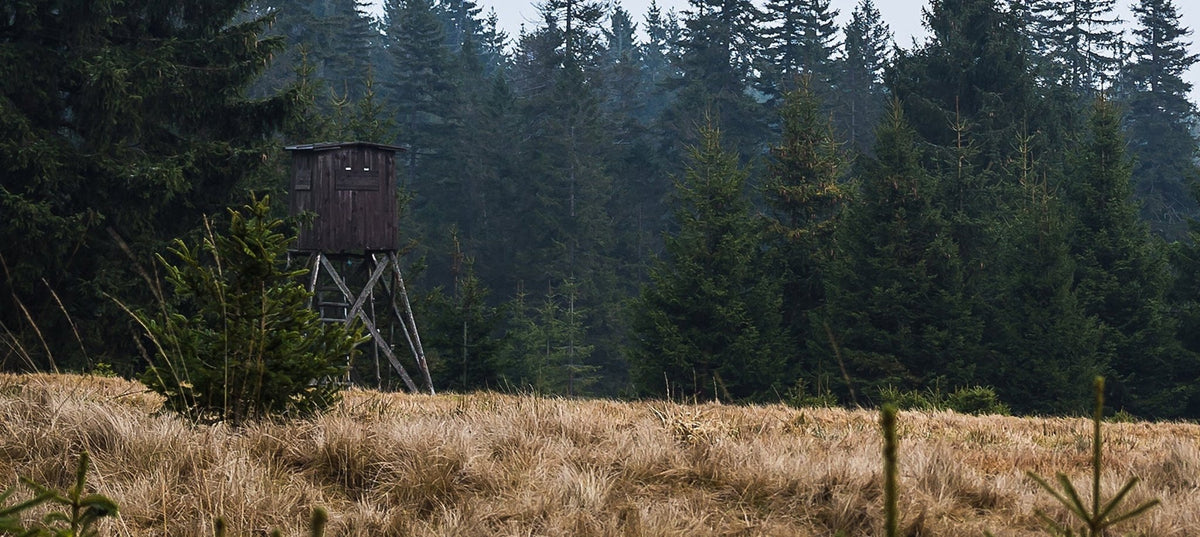
Dressing for long tree stand sits requires packing heavy insulation rather than wearing it on the walk in to prevent sweat buildup. Combining moisture-wicking merino or synthetic base layers with windproof outer layers and insulated bibs retains core heat as afternoon temperatures drop. Pairing roomy, uncompressed boots with wool socks and silent hand muffs protects extremities while keeping movement noise to a minimum.
How to Choose Quiet Hunting Clothes for Bow Season
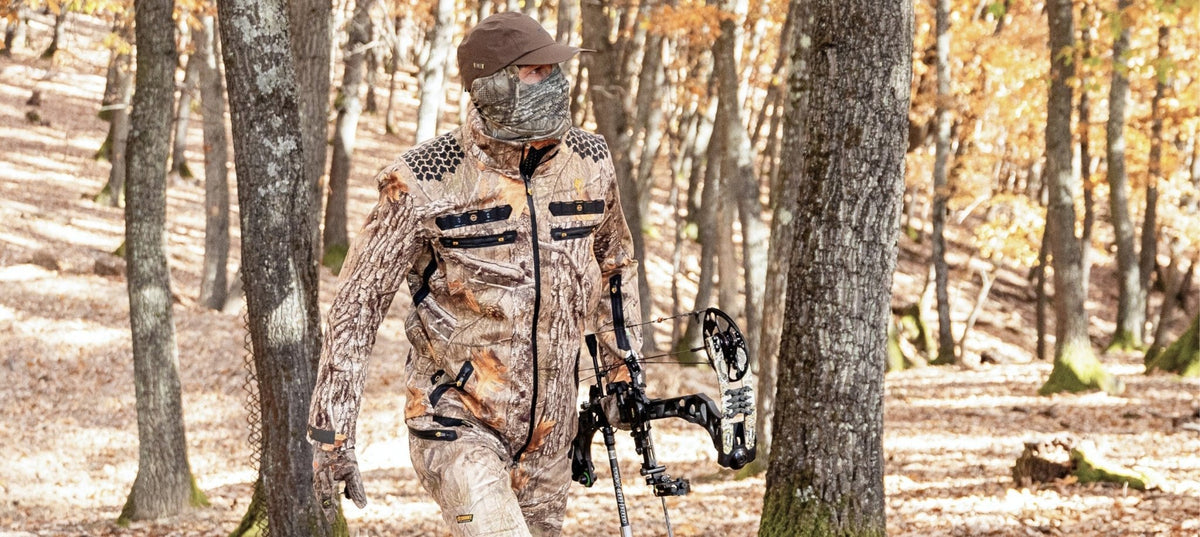
Choosing quiet hunting clothes for bow season requires prioritizing soft, brushed fabrics like microfleece, merino wool, and soft-nap synthetics that suppress friction noise at close range. Selecting tailored garments with four-way stretch ensures unrestricted shoulder movement during full draw while preventing loose sleeve fabric from interfering with the bowstring. Combining moisture-wicking base layers with modular insulation allows bowhunters to regulate temperature on the approach and stay silent during critical moments in the stand.
Read more: How to Choose Quiet Hunting Clothes for Bow Season

How to Care for Waterproof Hunting Gear & Keep Breathability
Maintaining waterproof hunting gear requires regular cleaning with specialized tech washes to remove sweat, dirt, and oils that clog breathable membranes and degrade DWR coatings. Conducting a simple water-beading test determines whether garments need gentle cleaning or a fresh spray-on re-waterproofing treatment. Drying gear thoroughly away from high heat protects seam tape, coatings, and leather boots, ensuring your technical apparel stays durable, breathable, and weather-ready season after season.
Read more: How to Care for Waterproof Hunting Gear & Keep Breathability

Bibs vs Hunting Pants: What Works Better for Cold Weather?
Deciding between hunting bibs and hunting pants comes down to your primary activity level: stationary sits versus high-output movement. Bibs excel in extreme cold and windy conditions by eliminating waist gaps and trapping core warmth during extended tree stand or glassing sessions. Conversely, technical hunting pants offer superior breathability, stretch, and ventilation for active stalks, preventing perspiration buildup and allowing unrestricted mobility across rugged terrain.
Read more: Bibs vs Hunting Pants: What Works Better for Cold Weather?

Softshell vs Hardshell Hunting Jackets
Aerogel vs Thinsulate vs PrimaLoft for Hunting Boots
Read more: Aerogel vs Thinsulate vs PrimaLoft for Hunting Boots
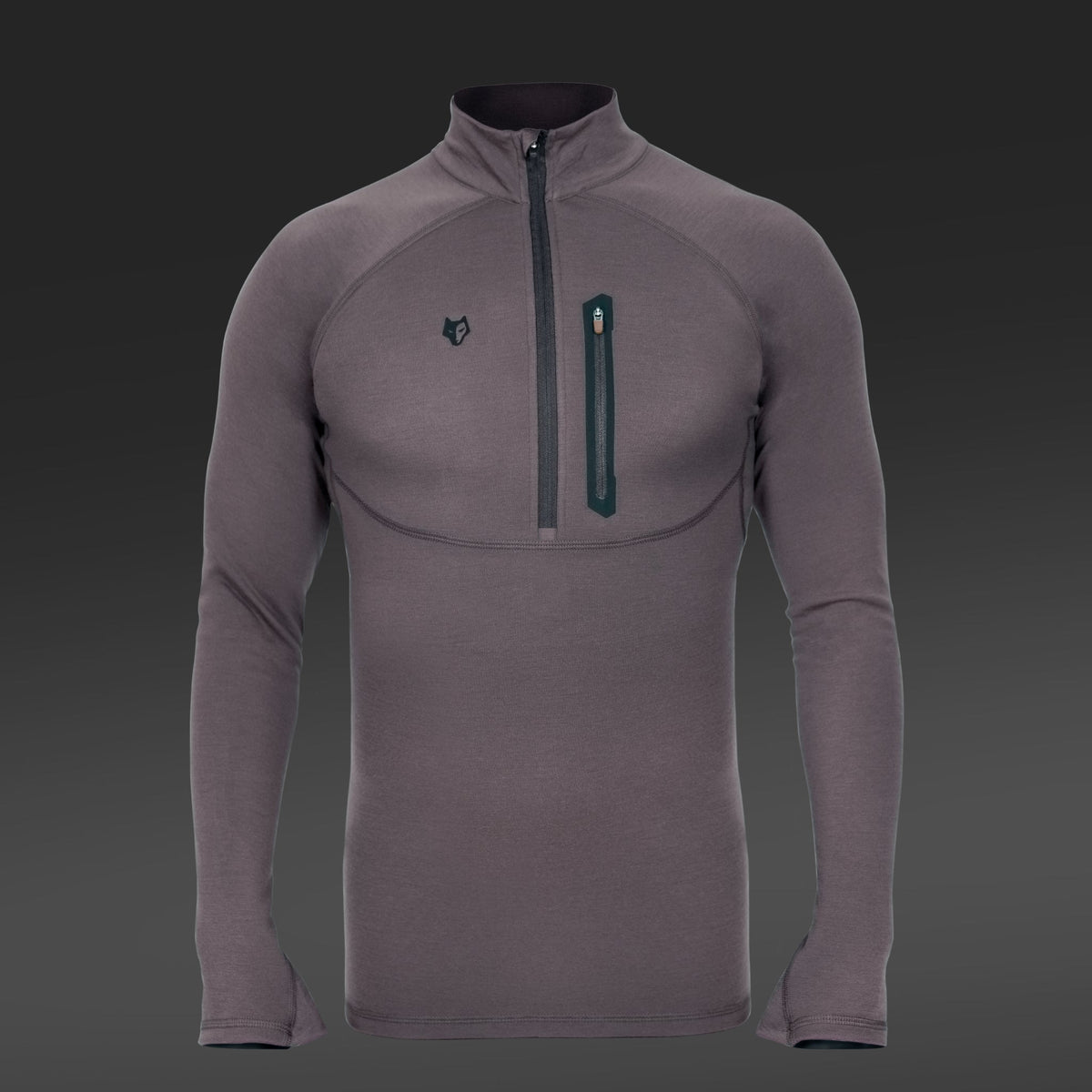
A Merino Base Layer System for Hunting
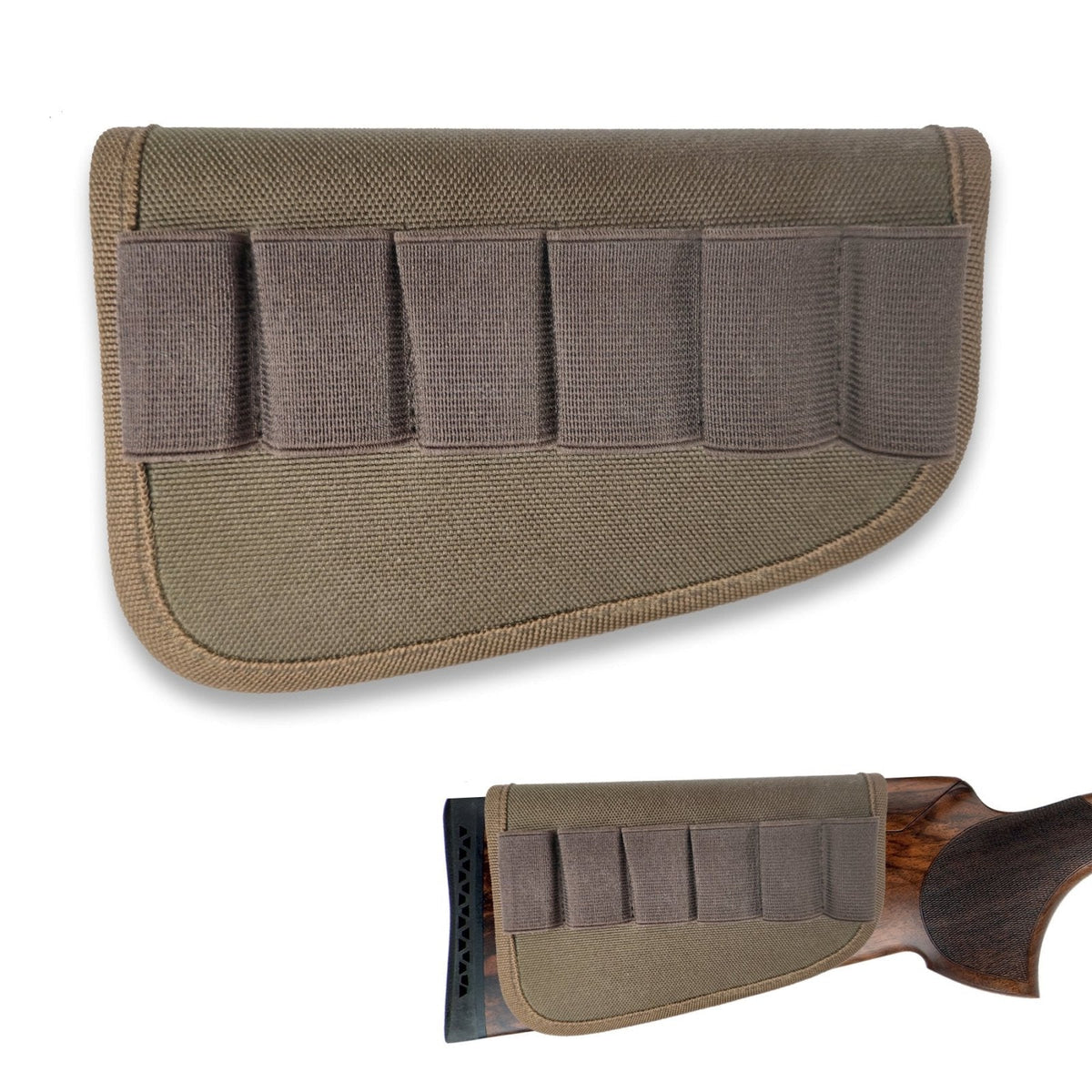
Rifle Care in the Field with Stock Protectors and Cartridge Storage
Read more: Rifle Care in the Field with Stock Protectors and Cartridge Storage
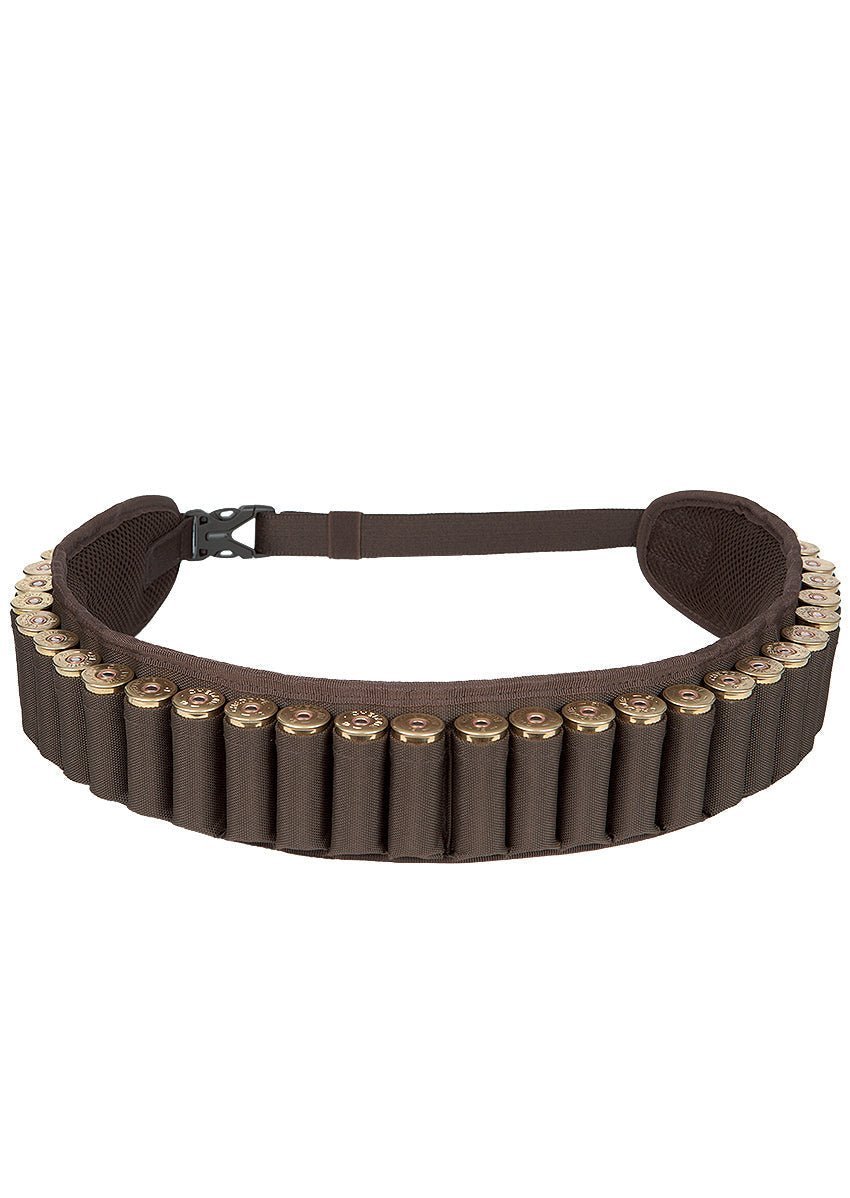
Cartridge Belts vs Pouches for Carrying Hunting Shells
Read more: Cartridge Belts vs Pouches for Carrying Hunting Shells