

The Hunting Guide
Explore the best hunting gear, hunting news, and cutting-edge hunting innovations on The Hunting Guide – the expert-driven blog for seasoned hunters.

How to Scout a Turkey Roost and Set Up for Fly-Down
Scouting a turkey roost requires low-impact observation from a distance to pinpoint roosting sites without pressuring or spooking the birds before the hunt. Setting up effectively for fly-down means positioning yourself 100 to 150 yards away along natural travel routes, maintaining absolute stealth, and using subtle calling to draw the gobbler in. Success comes from meticulous entry planning, patience, and letting the bird move naturally toward terrain features it already intends to use.
Cold-Front Whitetail Strategy: Where Mature Bucks Slip Up
A cold front prompts mature bucks to move earlier along secure travel routes and staging cover to recover lost energy. Setting up in natural funnels between bedding areas and high-value food sources during the 24-to-48-hour post-front window yields the highest success without spooking deer.
Post-Season Deer Scouting And Next Fall’s Mature Buck
This article explains how post-season scouting can reveal mature buck patterns by connecting bedding areas, trails, rubs, food sources, sheds and hunting pressure. It focuses on using those observations to build a more precise plan for the next deer season.
How to Hunt Deer From the Ground Without Getting Picked Off
This article compares quietness, durability, breathability and footwear choices across roe deer stalking and driven boar hunts, with a strong focus on how fabrics and gear perform in different terrain and weather. It also covers practical clothing and boot selection, including noise, abrasion, waterproofing, ventilation and fit.
Hunting Deer in the Wind: When to Go or Wait, Where Deer Shift
The article explains how wind speed, direction, thermals and changing weather affect deer movement and scent. It shows when windy conditions can improve a hunt, when to wait, and where deer often shift when exposed ground becomes uncomfortable.
Maintain Hunting Rain Gear, Boots, Base Layers After the Season
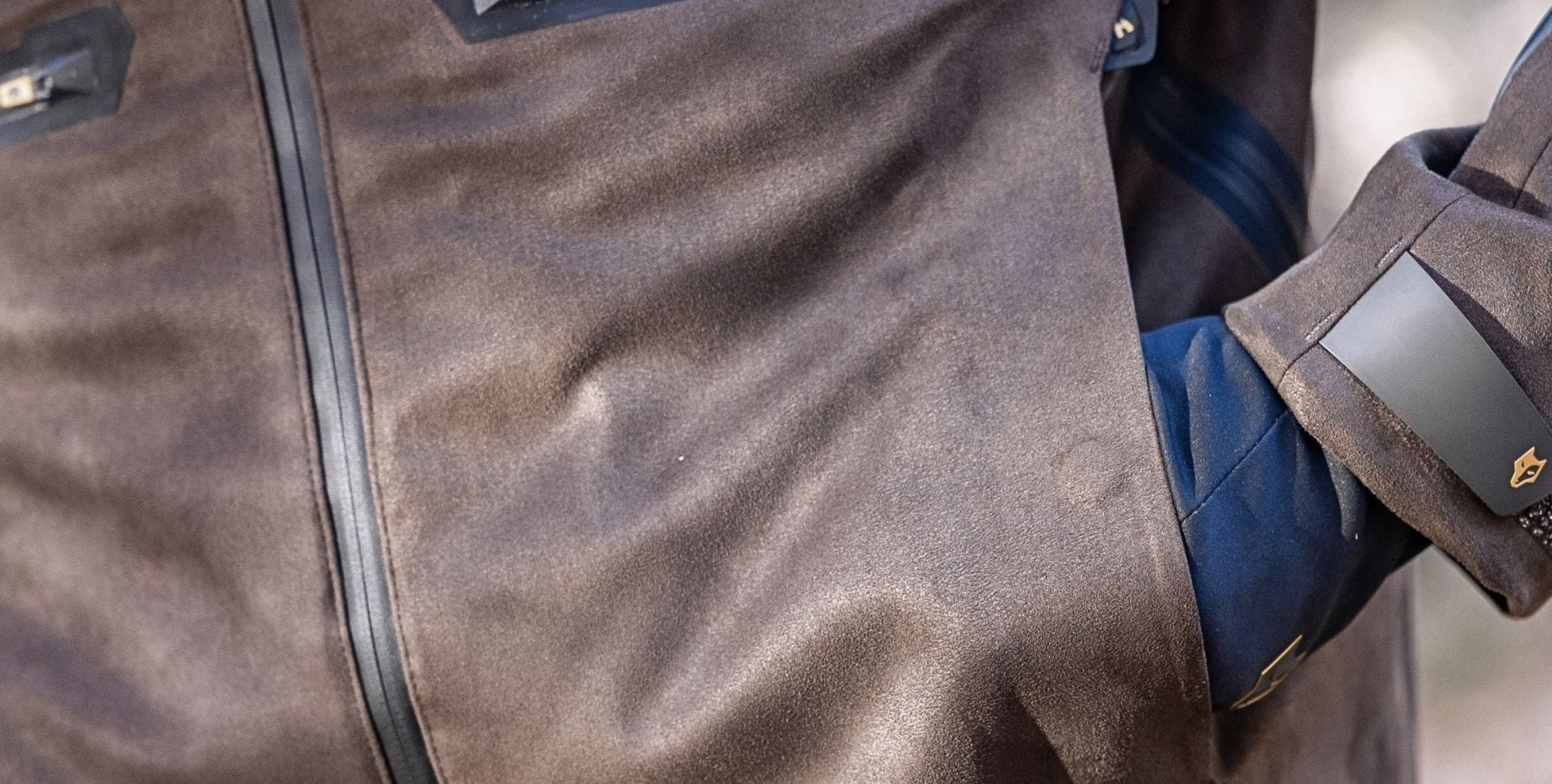
The article explains how to clean, dry, inspect, reproof and store hunting gear after the season so it is ready for the next one. It covers rain gear, boots, base layers and smaller equipment, with a focus on avoiding damp storage, unnecessary wear and preventable repairs.
Merino vs Synthetic Hunting Base Layers: Best by Season?
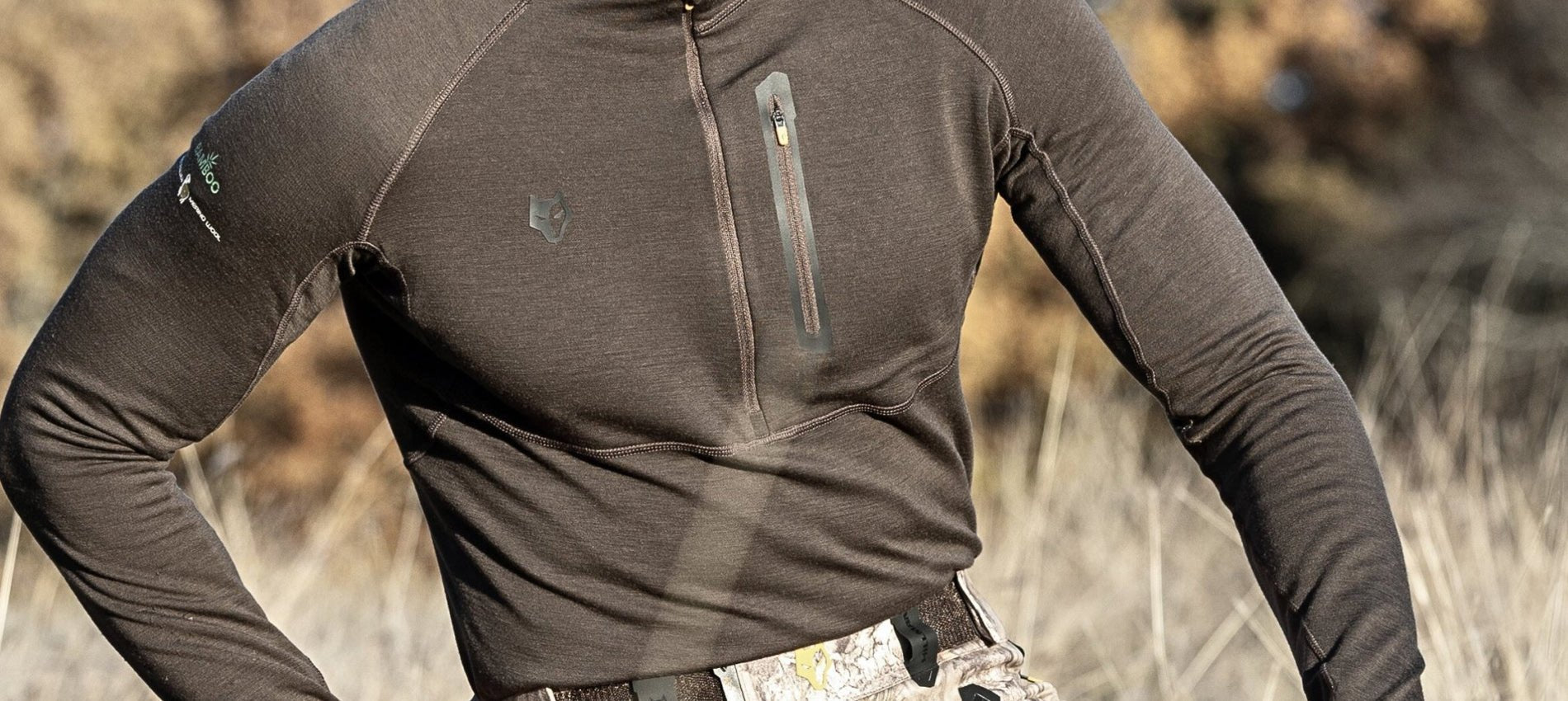
Merino and synthetic base layers each have their place, and the better choice depends on the season, your activity level, and how much you sweat. Merino shines in cold weather and multi-day hunts, while synthetic performs better during warm, high-output hunting where fast drying matters most.
Turkey Scouting for Mobile Hunters: How to Cover Ground Fast
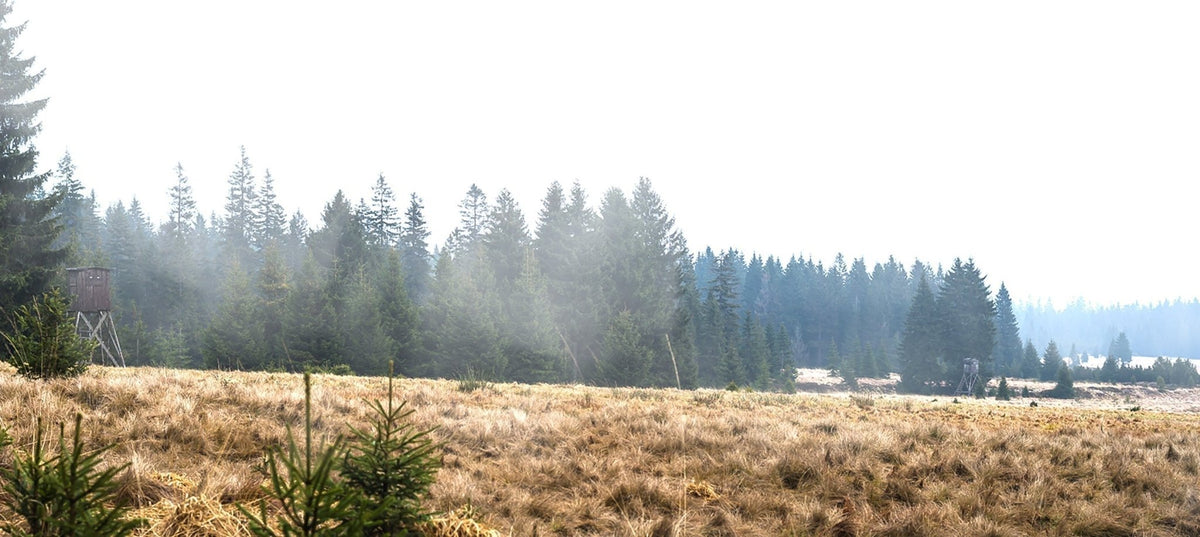
Good turkey scouting is about finding fresh birds without putting pressure on them before the season starts. This guide explains how to combine maps, fresh sign, listening, trail cameras, and mobile scouting tactics to cover more ground while keeping your best spots productive for opening morning.
Turkey Vest Setup: What to Carry for Mobile Spring Hunts
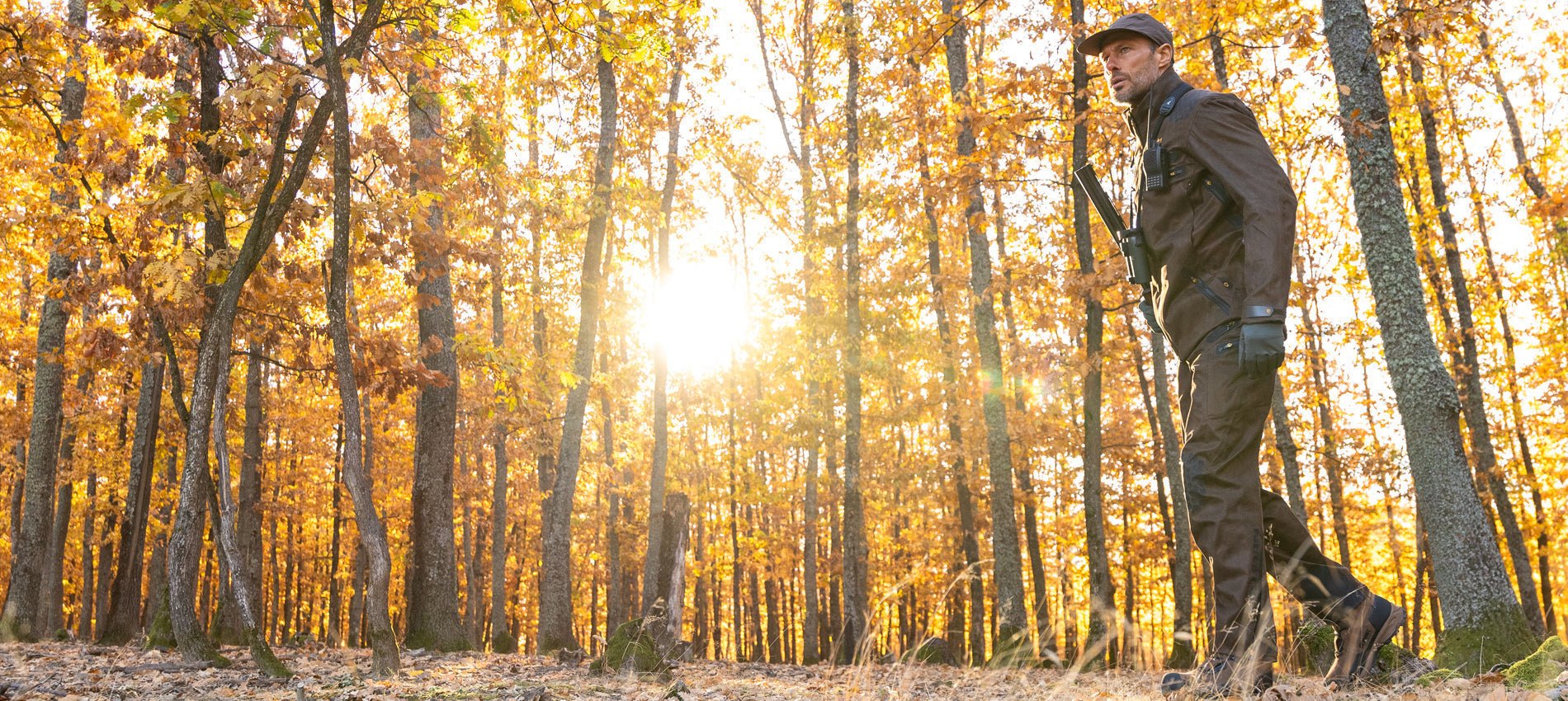
A mobile turkey vest works best when it carries only the gear you actually use and keeps everything quiet, organized, and easy to reach. The article explains how to build a lightweight setup with the right calls, comfort items, and safety gear without adding unnecessary bulk. It also compares traditional vests with chest rigs and fanny packs for hunters who like to stay mobile.
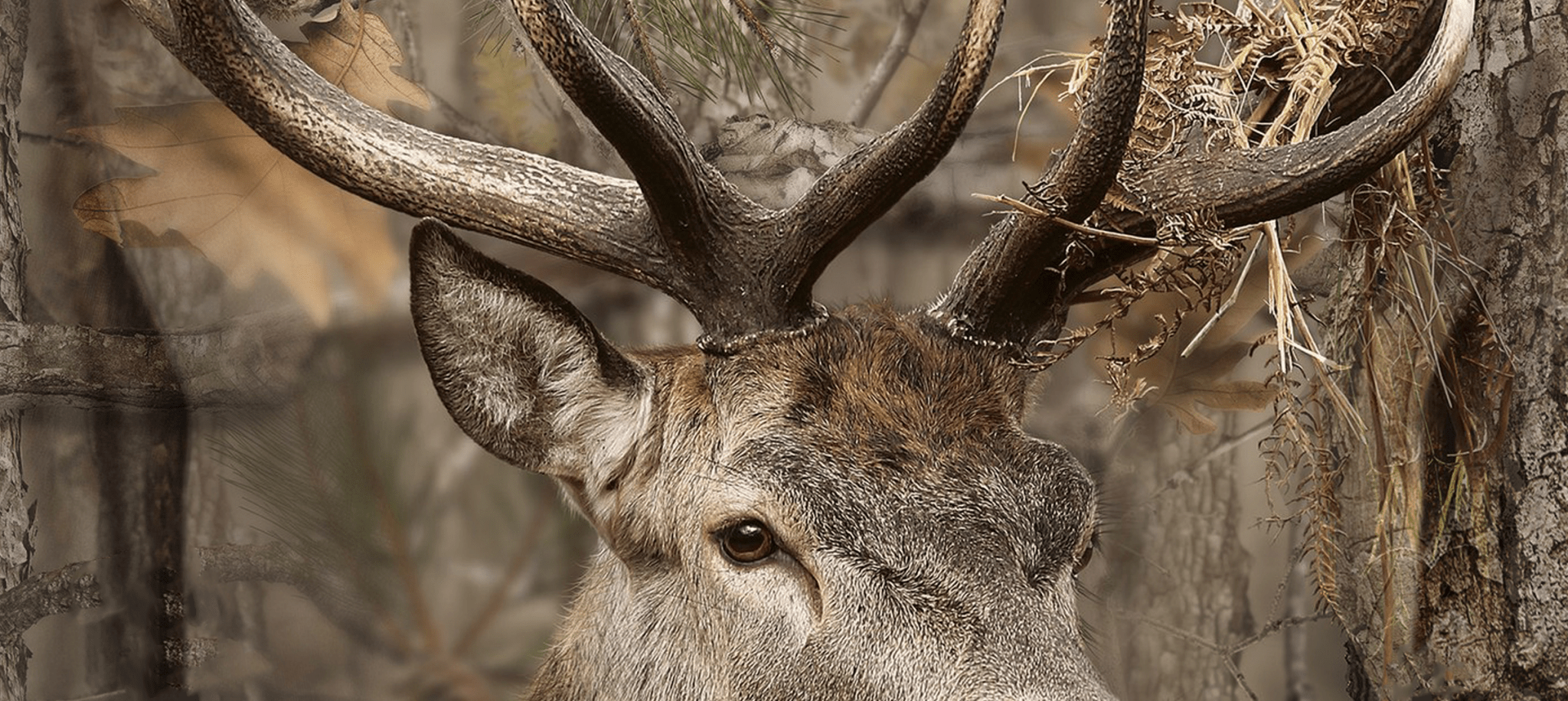
Mobile Whitetail Hunting Setup: What to Carry for Quiet Access
A good mobile whitetail hunting setup is built around less gear, less noise, and faster decisions. Keep your pack light, organize it well, and focus on equipment that helps you move quietly and adapt when deer patterns change. Comfort matters, but only if it helps you hunt better.
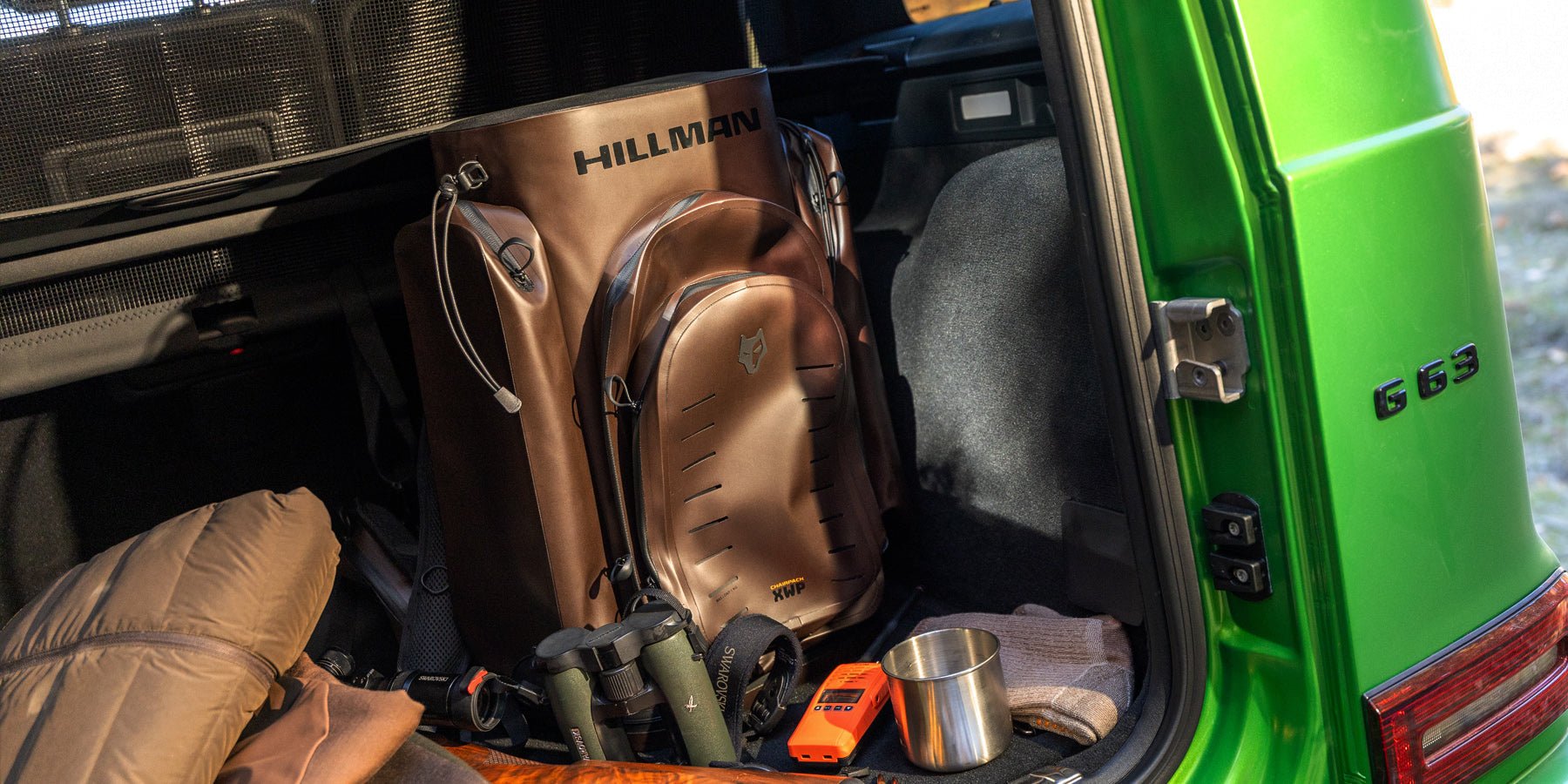
How to Pack a Hunting Backpack for Day Hunts
Packing a hunting backpack for a day hunt is mostly about carrying less, not buying a bigger pack. Keep heavy gear close to your back, organize items by how often you use them, and leave behind gear that never comes out of the pack.
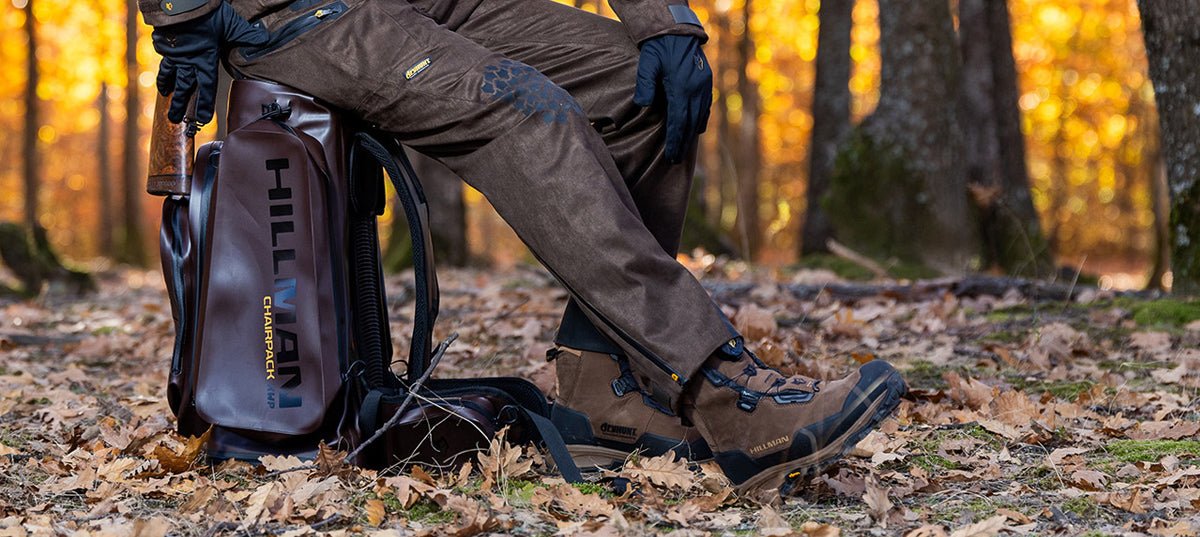
Do You Need Hunting Gaiters? For Wet Grass, Mud, and Snow
Hunting gaiters keep water, mud, snow, and debris out of your boots when the ground turns rough. This guide explains when they're worth packing, when a shorter pair is enough, and what actually matters when choosing them.
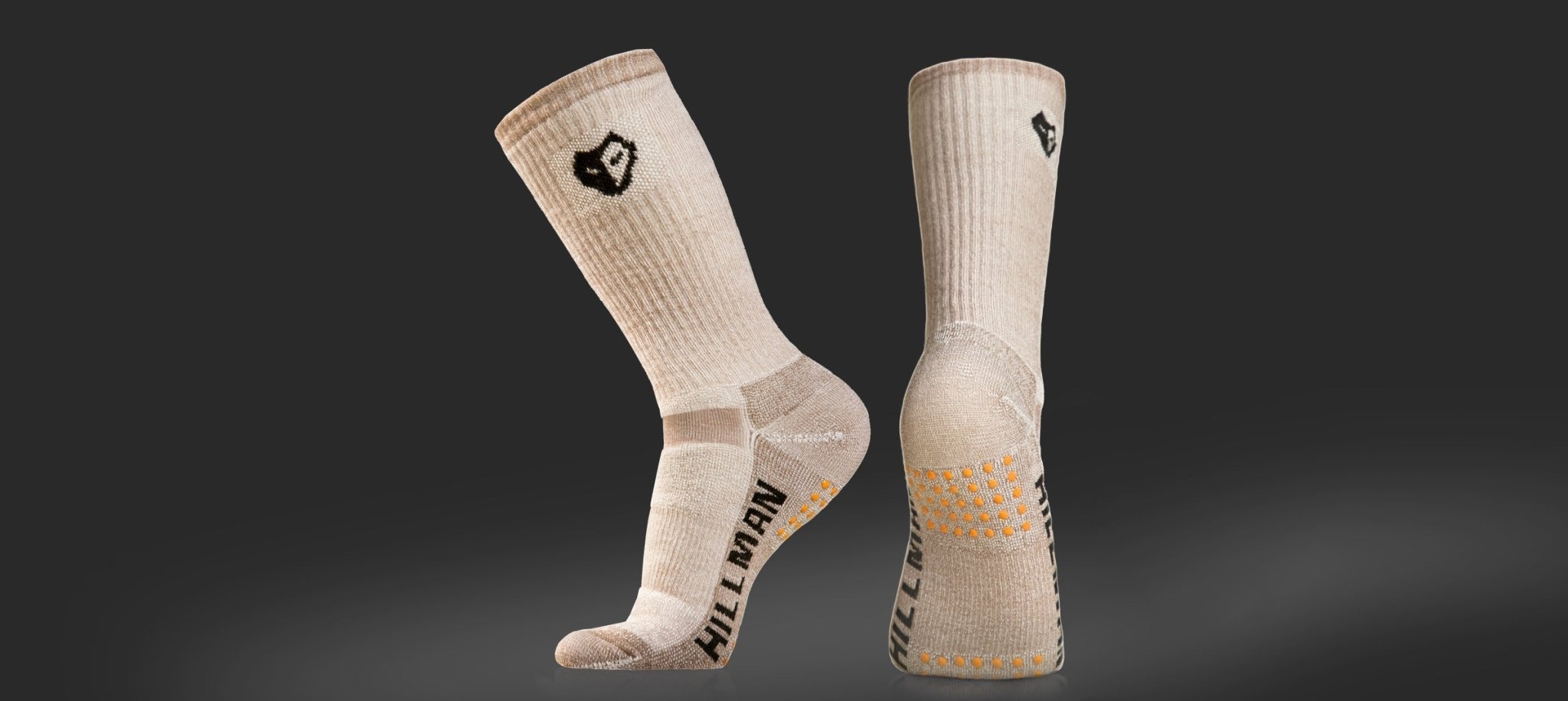
Best Hunting Socks for Cold Mornings, Wet Boots, Long Miles
Stop overthinking your sock drawer; match your fabric to your movement level and make sure your boots still have room for your toes to wiggle. A high-quality merino blend is your best friend for keeping things dry, while ditching the extra bulk usually solves the "frozen feet" mystery better than any high-tech miracle gear.
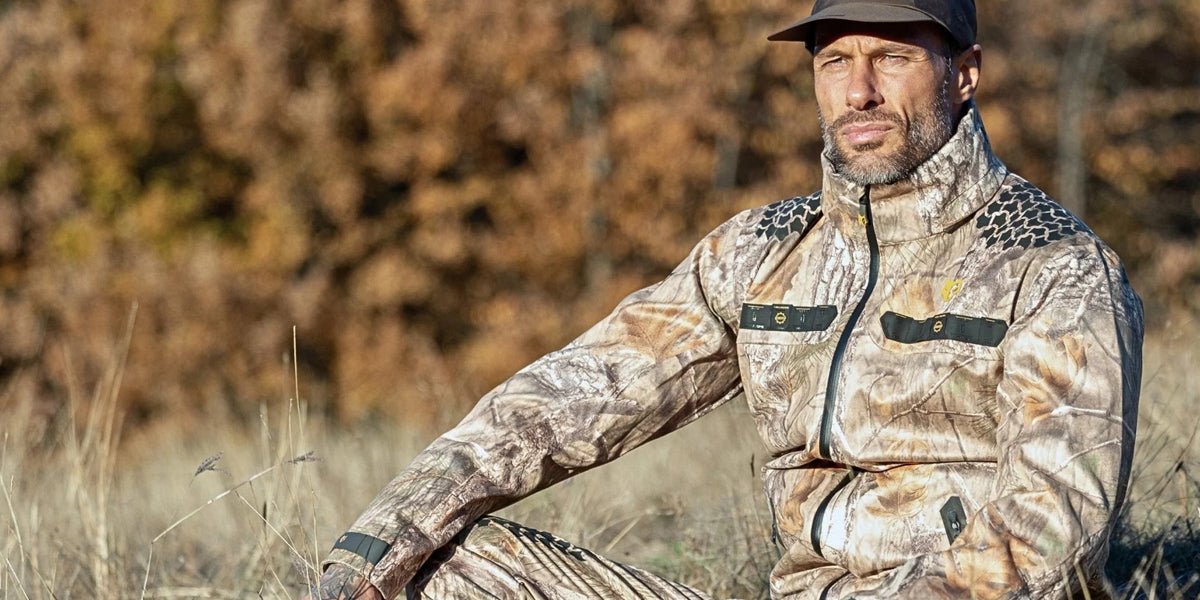
Best Turkey Hunting Clothes for Mobile Spring Hunts
Mobile turkey hunting is easier when your clothing works together instead of fighting you. This guide covers how to stay quiet, dry, and comfortable in wet spring woods, from layering and boots to vests, rain gear, and the small details that help you stay focused when a gobbler finally comes in.
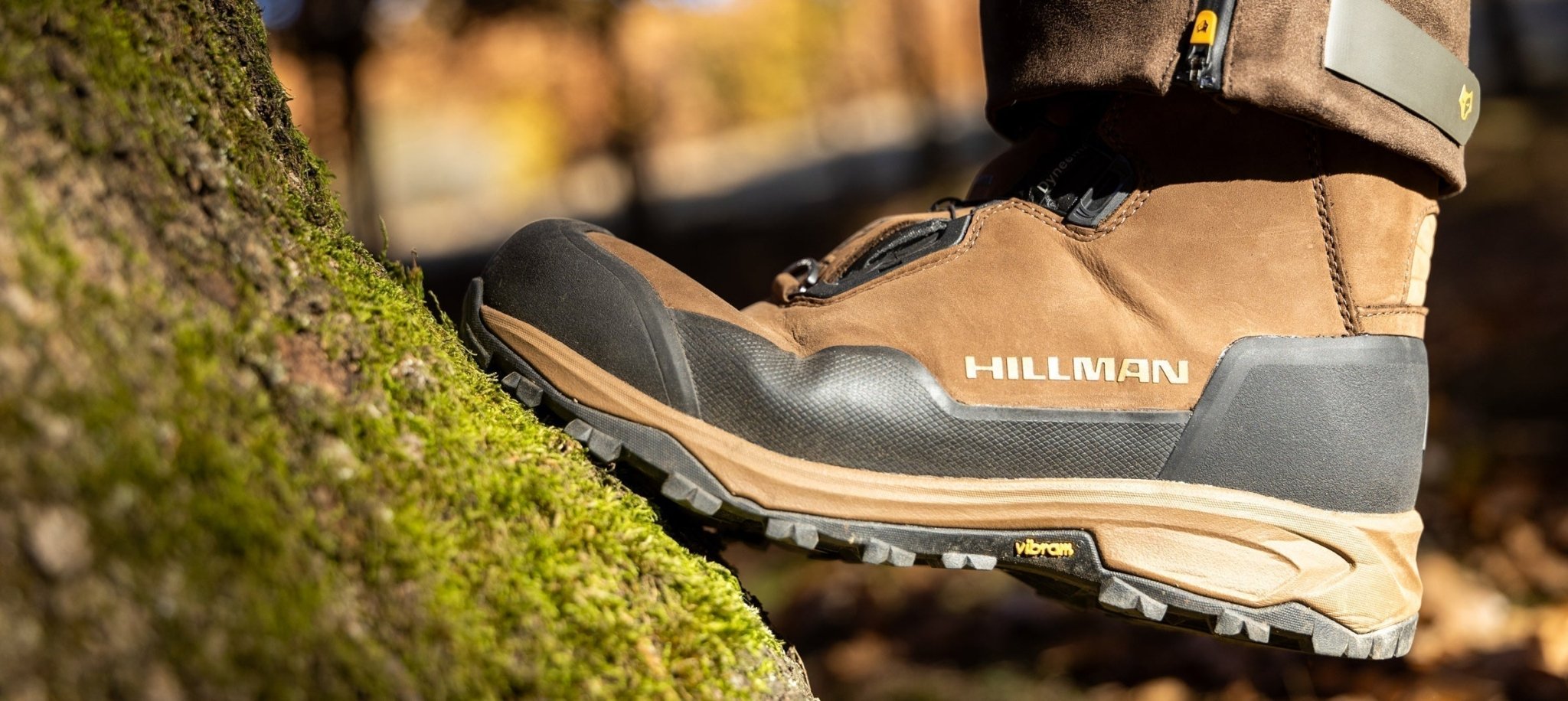
Wide Hunting Boots for Long Walk-Ins, Thick Socks & Comfort
Finding the right hunting boots starts with fit, not the brand on the box. Wide boots that hold your heel, leave room for thick socks, and stay supportive over rough ground can make long miles a lot easier on your feet.
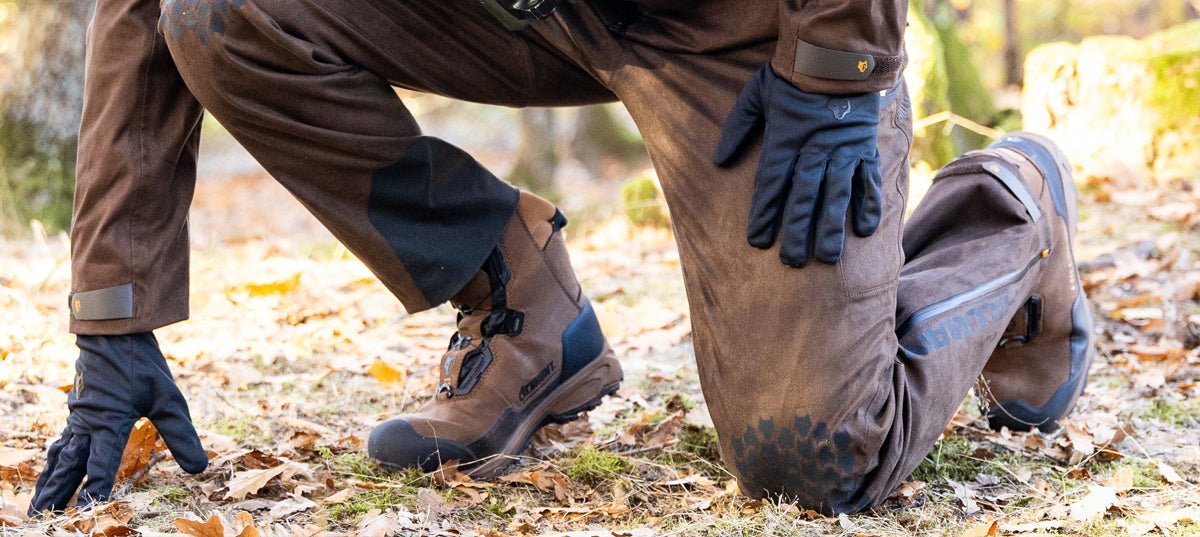
Lightweight Hunting Boots for Early Season Climbs, Mobility
Early-season hunting boots should match the miles, terrain, and weather instead of trying to do every job. A lighter, well-fitted boot keeps you moving comfortably, while the wrong one can wear your feet out long before the hunt is over.

How to Choose Hunting Backpack for Day Hunts, Spot-and-Stalk
Most hunters buy a backpack for the hunt they dream about, not the one they actually do. This article breaks down how pack size, fit, suspension, load-hauling ability, organization, and durability should match real hunting conditions, from whitetail day hunts to tough pack-outs. A good pack is not the lightest or most expensive one; it is the one that still feels right when loaded with gear, layers, and meat.

Terrain Affects Whitetail Hunting Gear Choices: Boots, Layers
Terrain plays a major role in determining the right whitetail hunting gear. The article explains how boots, layering systems, weather protection, scent control, and mobility should be adapted to the ground and conditions hunters actually face. Matching gear to terrain helps hunters stay comfortable, quiet, and effective throughout the hunt.