

The Hunting Guide
Explore the best hunting gear, hunting news, and cutting-edge hunting innovations on The Hunting Guide - the expert-driven blog for seasoned hunters.
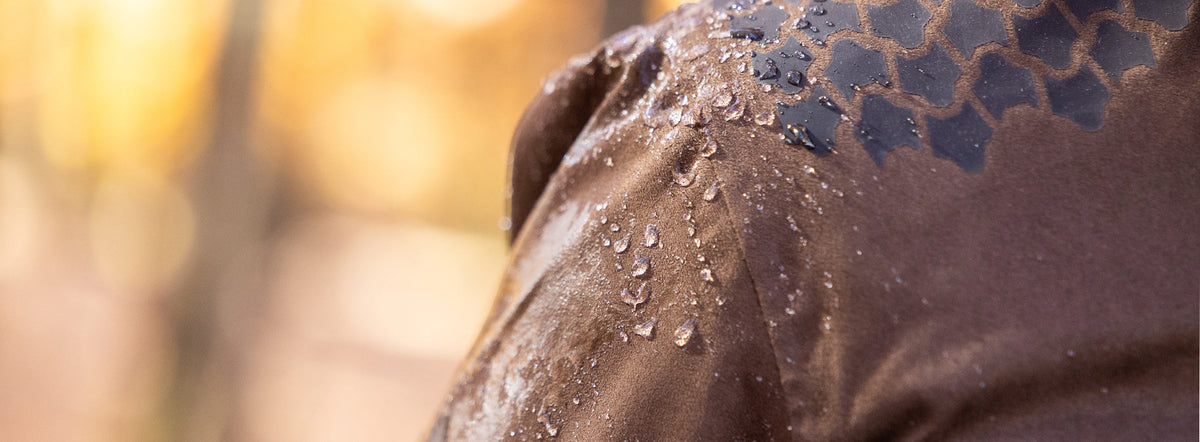
How to Care for Waterproof Hunting Gear & Keep Breathability
Maintaining waterproof hunting gear requires regular cleaning with specialized tech washes to remove sweat, dirt, and oils that clog breathable membranes and degrade DWR coatings. Conducting a simple water-beading test determines whether garments need gentle cleaning or a fresh spray-on re-waterproofing treatment. Drying gear thoroughly away from high heat protects seam tape, coatings, and leather boots, ensuring your technical apparel stays durable, breathable, and weather-ready season after season.
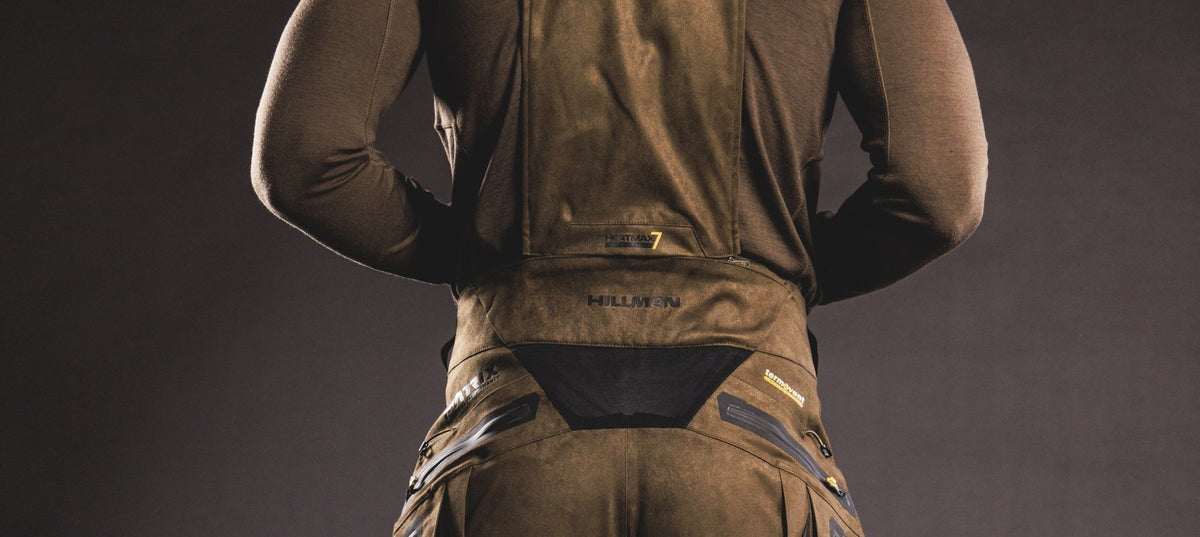
Bibs vs Hunting Pants: What Works Better for Cold Weather?
Deciding between hunting bibs and hunting pants comes down to your primary activity level: stationary sits versus high-output movement. Bibs excel in extreme cold and windy conditions by eliminating waist gaps and trapping core warmth during extended tree stand or glassing sessions. Conversely, technical hunting pants offer superior breathability, stretch, and ventilation for active stalks, preventing perspiration buildup and allowing unrestricted mobility across rugged terrain.
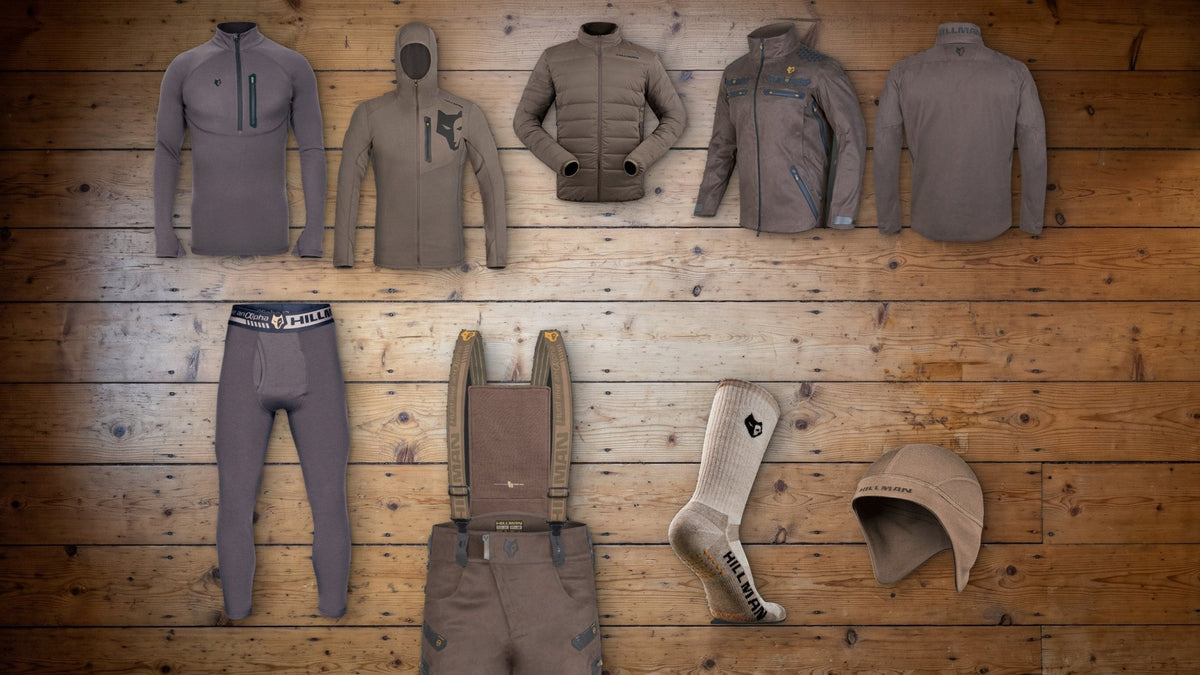
Hunting Layers by Temperature: What to Wear from 70°F to Below Zero
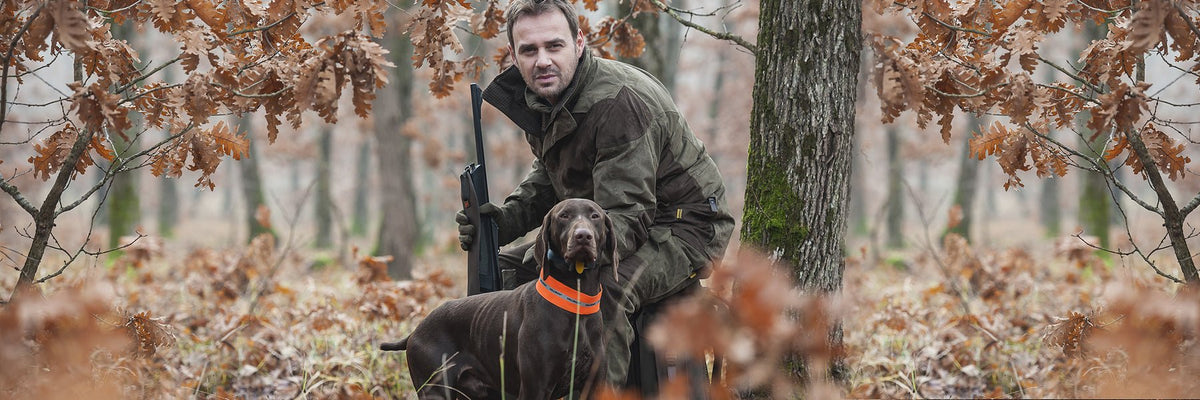
Hunting Clothes for Dog Work: Briars, Mud, Stops, Movement
Dog work demands rugged, abrasion-resistant clothing designed to endure constant movement through thick briars, mud, and wet vegetation. Reinforced brush or briar pants with durable stitching provide essential leg protection without adding restrictive bulk, while breathable, water-resistant fabrics prevent moisture buildup during high-exertion walks. Integrating blaze orange vests and well-placed pockets ensures visibility, safety, and efficient gear organization while handling dogs in dense cover.
What to Wear for Active Hunts Without Overheating
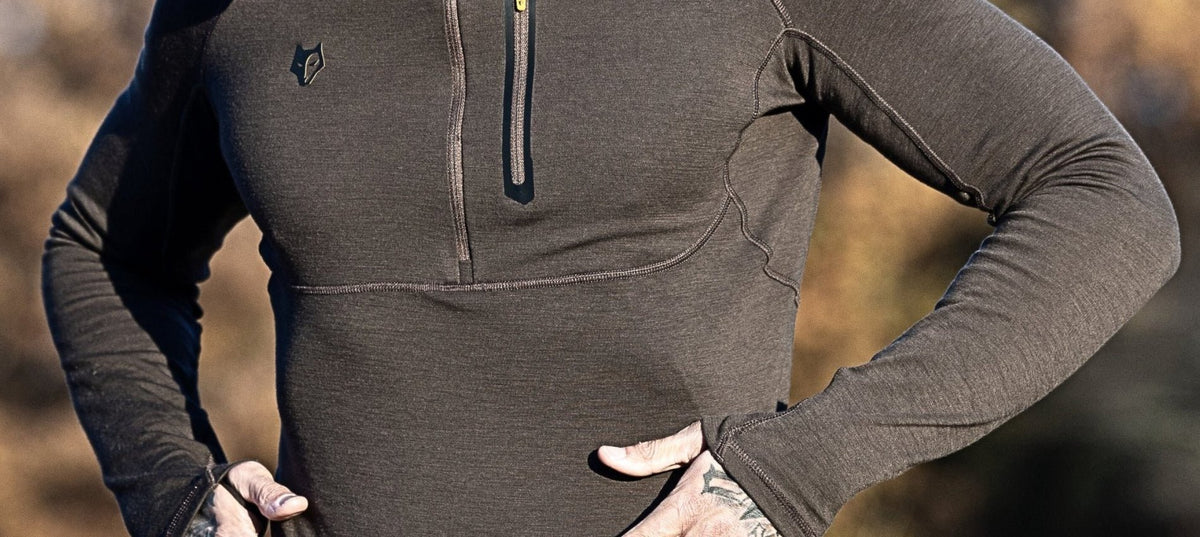
Preventing overheating during active hunts requires following the "Truck Rule"- starting slightly chilled so your body heat stabilizes without soaking your base layer during high-output climbs. Utilizing technical synthetic or merino base layers paired with early active venting (such as thigh zips and quarter-zips) allows excess sweat and heat to escape before moisture accumulates. Carrying compact mid-layer insulation in your pack to put on immediately upon stopping ensures you stay dry, warm, and hyper-focused when the shot opportunity arises.

Camo for Moving vs Sitting: Hunting Setup
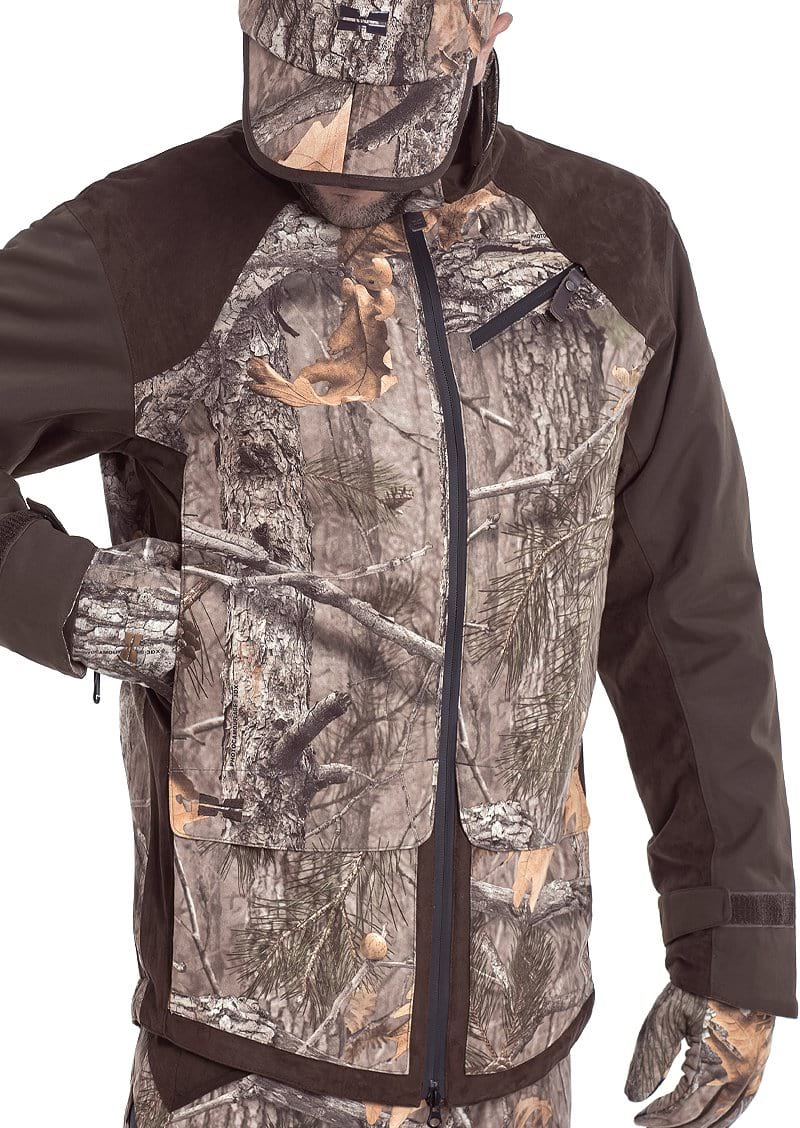
Choosing the right camouflage requires matching your pattern and clothing system to your movement rather than relying on a single all-purpose outfit. Static hunting in a stand or high seat relies on detailed mimicry patterns and warm insulation to blend into a static background without fidgeting, whereas active stalks demand disruptive, high-contrast patterns and quiet, well-fitted, breathable fabrics that break up the human outline in motion.
Softshell vs Hardshell Hunting Jackets
Base Layers for Hunting: Merino, Bamboo and Synthetic
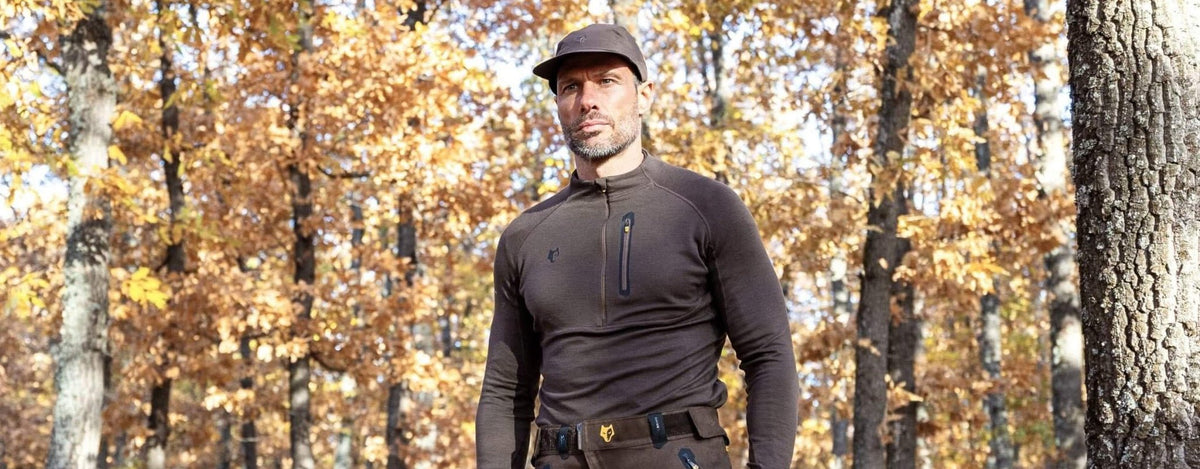
Choosing the right hunting base layer requires matching fabric performance to activity level and weather conditions rather than relying on a single material. Merino wool excels at natural odor control, quietness, and steady thermoregulation for long sits or multi-day trips, while synthetic fabrics offer superior drying speed and moisture-wicking for high-exertion climbs. Bamboo blends can provide soft comfort in mild, low-output settings, but ensuring a close next-to-skin fit and smart venting details like half-zips remains essential for sweat management.
Aerogel vs Thinsulate vs PrimaLoft for Hunting Boots
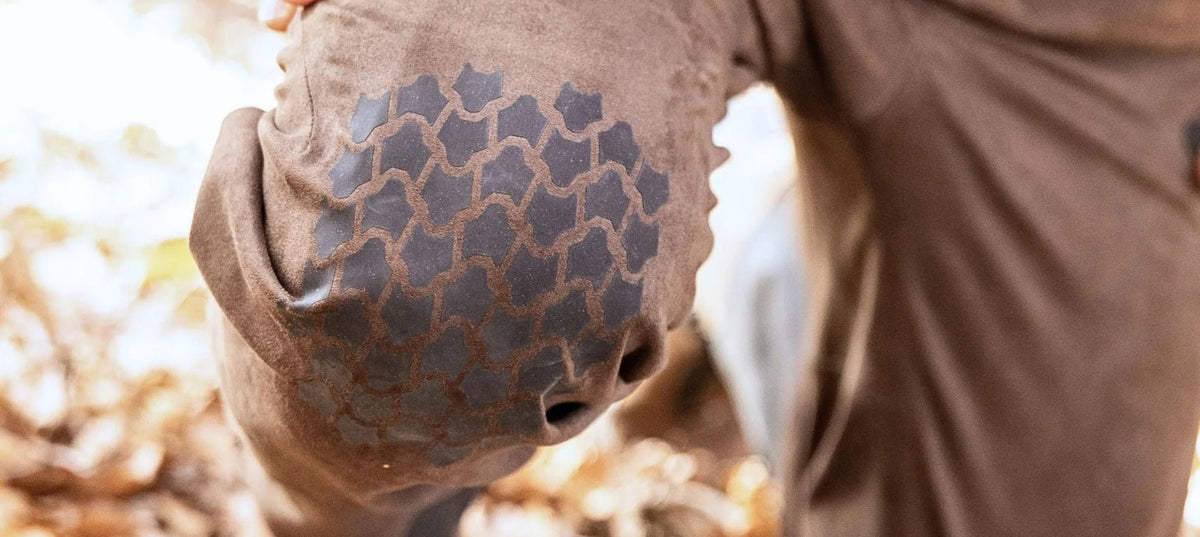
How to Choose Hunting Pants for Kneeling, Crawling & Sitting
Choosing the right hunting pants for kneeling, crawling, and sitting requires focusing on reinforced knees, articulated cuts, and strategically placed waterproof panels to withstand abrasive ground. Smart features like 4-way stretch, removable knee pads, and breathable thigh vents balance protection with mobility during high-exertion stalks through rough cover.
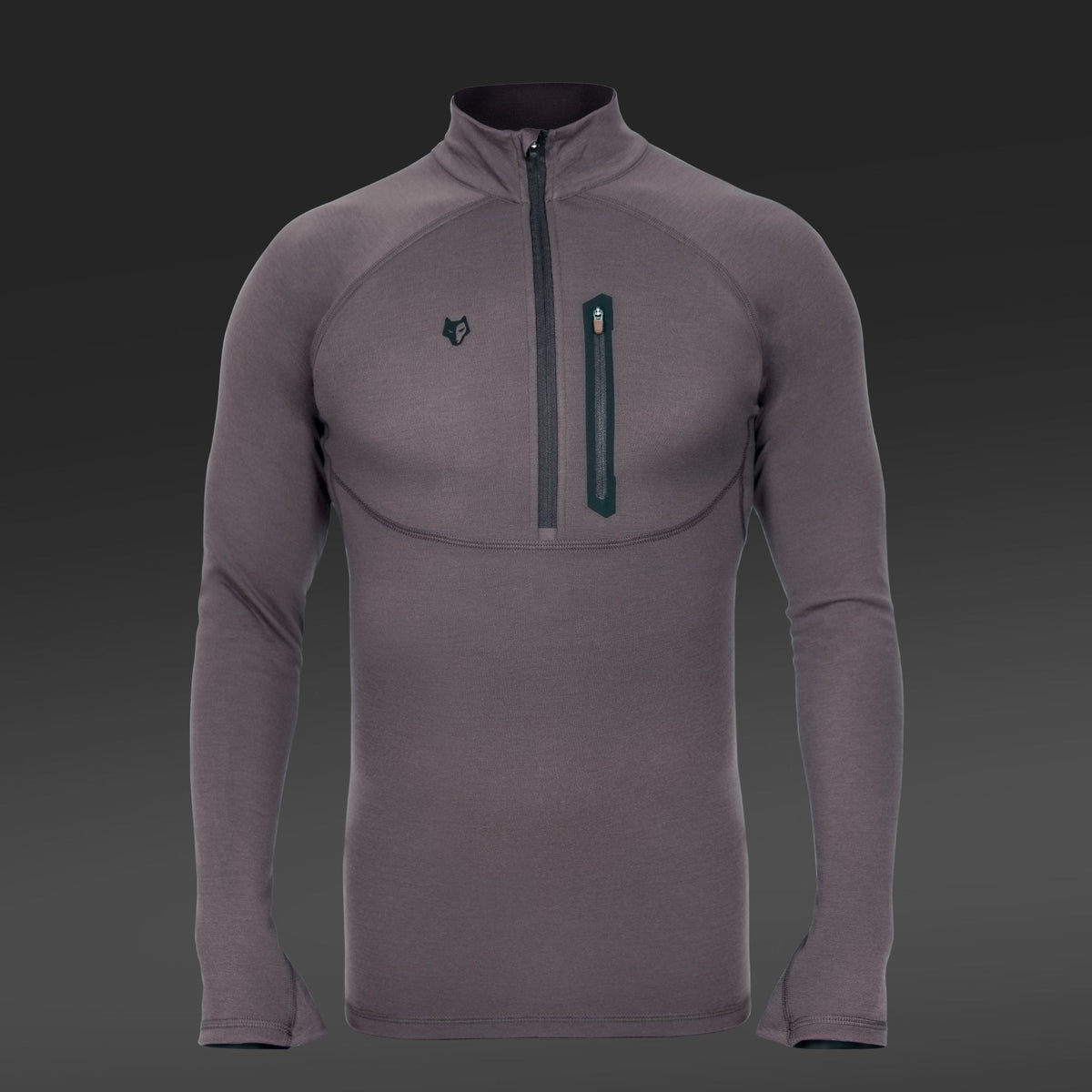
A Merino Base Layer System for Hunting
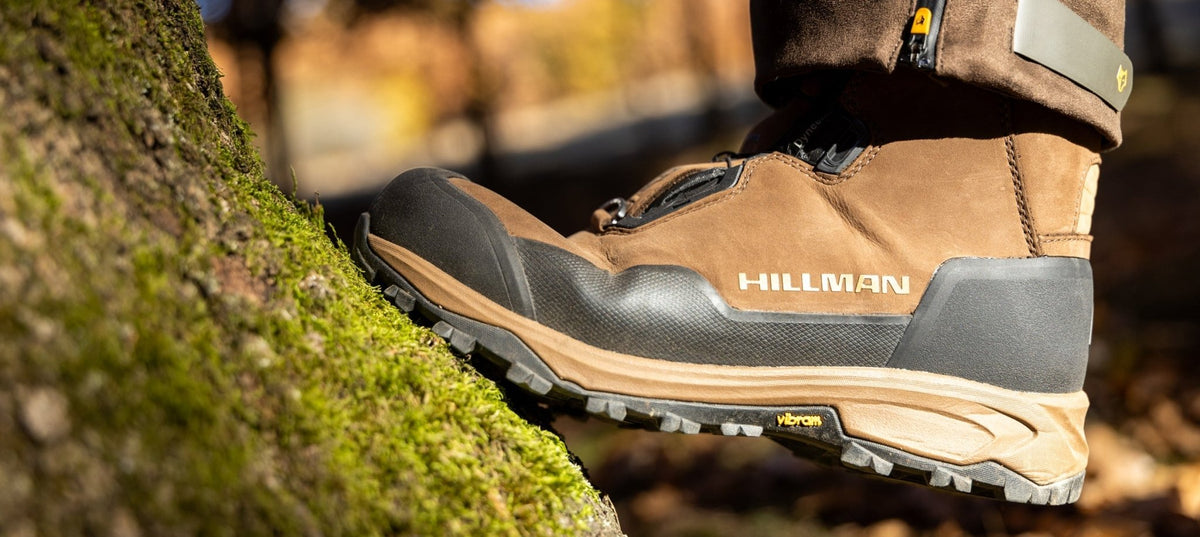
Hunting Boots for Wide Feet: Fit, Toe Room & Hot Spots
Achieving long-day comfort for wide feet requires prioritizing toe box width and heel lock over simply sizing up. A wide forefoot prevents numbness and painful hot spots on steep descents, while a secure heel stops blistering on rough terrain.
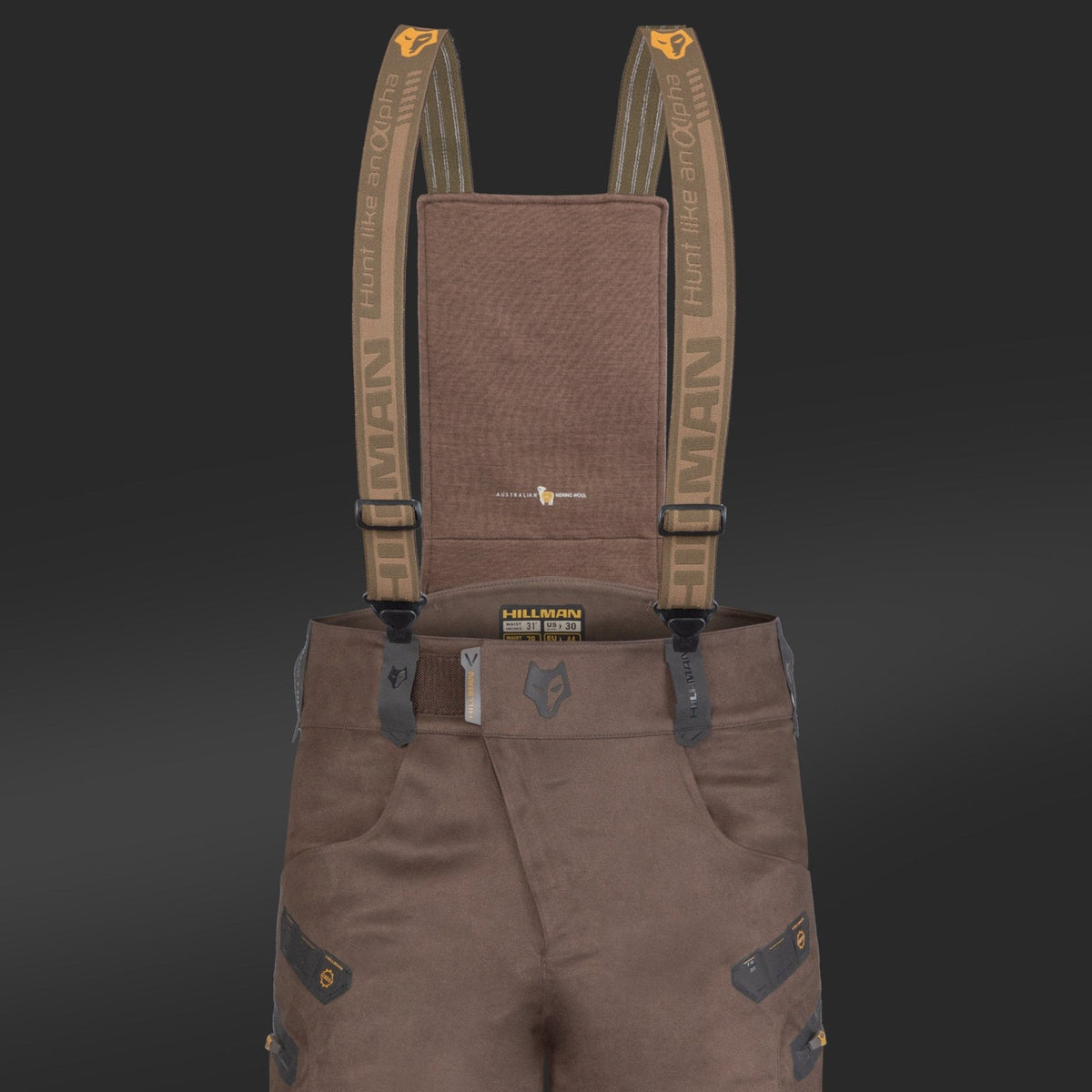
Packable Rain Gear vs Heavy Rain Gear: The Best for Hunters
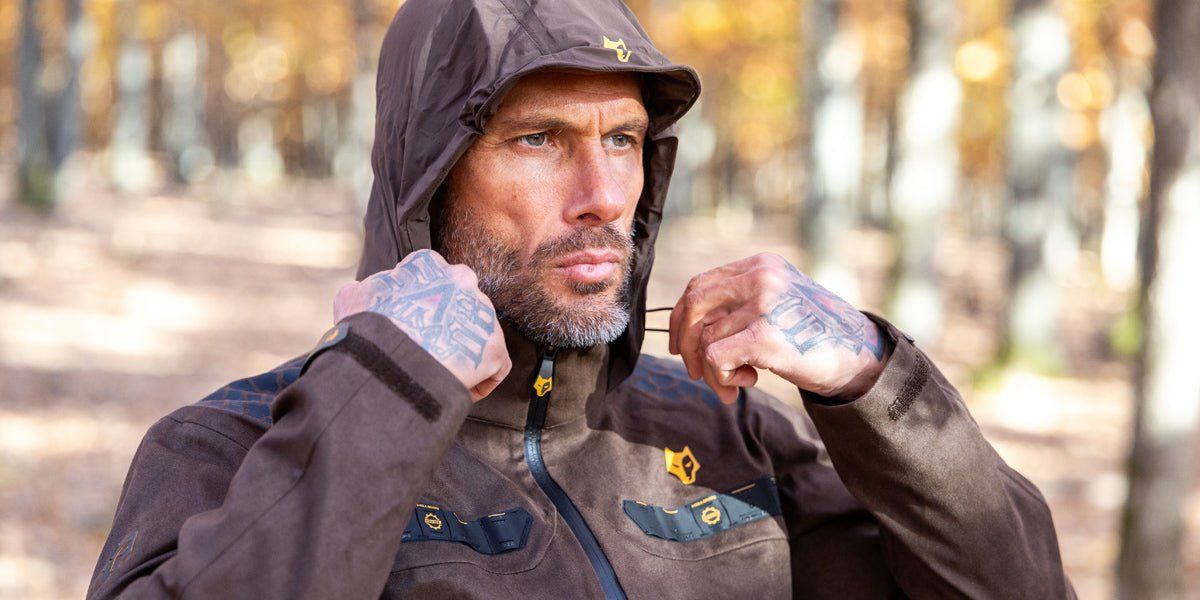
Packable rain gear shines on active treks with passing showers due to high breathability and minimal weight. Heavy 3-layer gear is essential for sustained downpours, cold stationary sits, and punishing terrain where durability and storm protection matter most.

Rifle Care in the Field with Stock Protectors and Cartridge Storage
Cartridge Belts vs Pouches for Carrying Hunting Shells
What to Wear for Spring Turkey Hunting: Capricious Mornings
Spring turkey hunting requires a flexible layering system built to manage drastic temperature swings from freezing pre-dawn sits to hot mid-morning walks. Success relies on combining moisture-wicking synthetic or merino base layers with packable insulation, quiet wind-resistant shells, stretchy pants, and waterproof boots that handle heavy morning dew. By prioritizing silent fabrics and easily stowed mid-layers, hunters can stay warm early, avoid overheating later, and remain completely concealed when gobblers move in.

EU to US Hunting Boot Sizing and Fit Guide